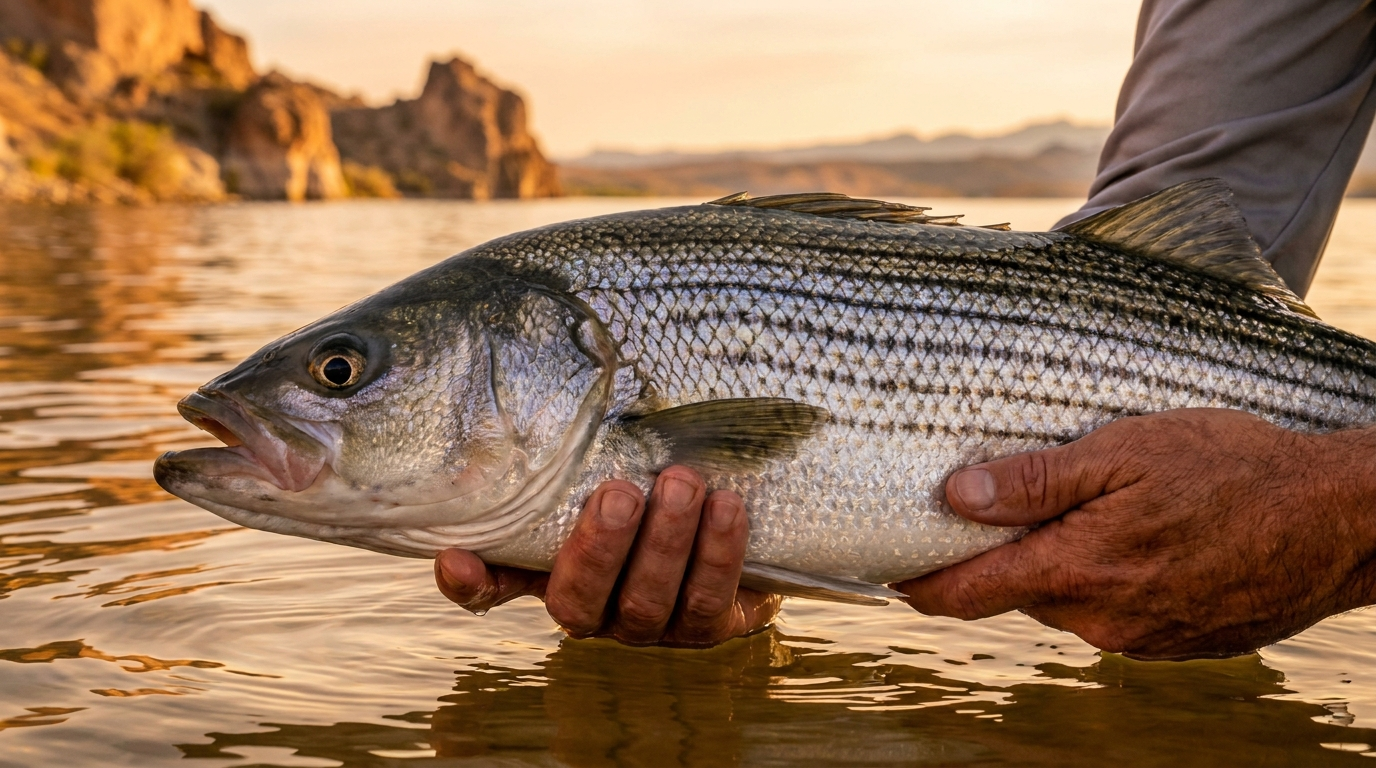
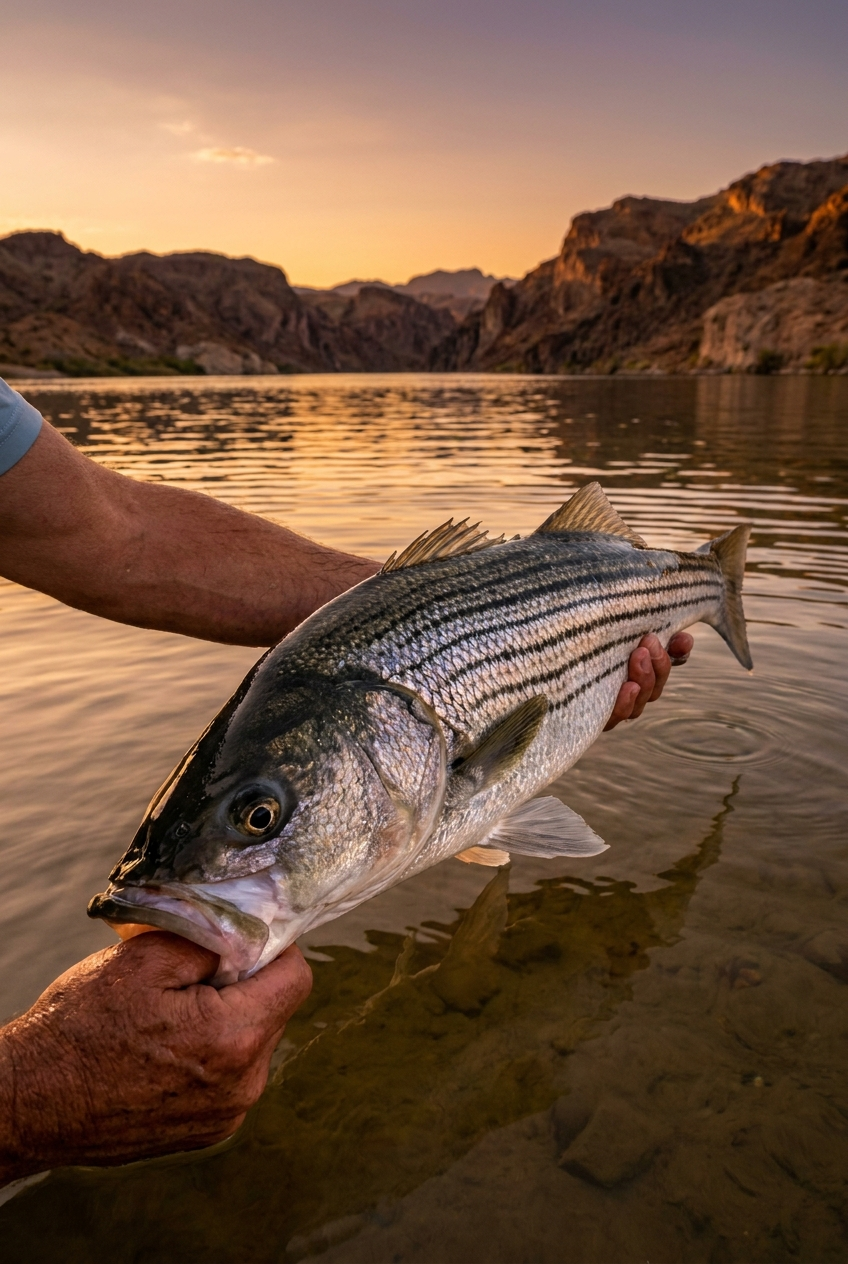
Lake Havasu is a desert river reservoir where the conditions are almost always favorable and the striped bass fishing has a serious regional reputation. Parker Dam on the Colorado River between Arizona and California, 19,300 acres, Lake Havasu City on the Arizona side. The no-limit striper policy tells you what you need to know about the population. The largemouth and smallmouth bass fishing in the coves and rocky structure adds another dimension. This is a year-round fishery in a climate that cooperates.
Today's Bite Score · October 8, 2026
Very favorable conditions for catching fish
🌘Waning Crescent
Lake Havasu Fishing Report
October FishingMonthly fishing report · October patterns and techniques
Lake Havasu enters October with water temperatures dropping into the mid-70s as cooler nights begin to influence the 45-mile reservoir. Fish are becoming more active as the intense summer heat subsides, and anglers find the lake's main channel and deeper structure receiving increased pressure from feeding fish. The 619-mile shoreline experiences reduced recreational boat traffic this month, creating better conditions for sight fishing and working shallow flats. Clarity improves on the main lake, though the Colorado River channel maintains its characteristic darker water.
Largemouth bass dominate October fishing at Lake Havasu, holding tight to the numerous rock formations and timber structure scattered throughout the lake. Striped bass are actively feeding in this month as they transition into deeper channel ledges and around the London Bridge area where baitfish schools congregate. Smallmouth bass move away from the shallowest cover and position themselves on rocky points and submerged humps in 15 to 30 feet of water. Crappie and bluegill become more cooperative in October as they stage in deeper pockets near channel drops and timber, particularly in the Parker Dam region and around the Topock Marsh area.
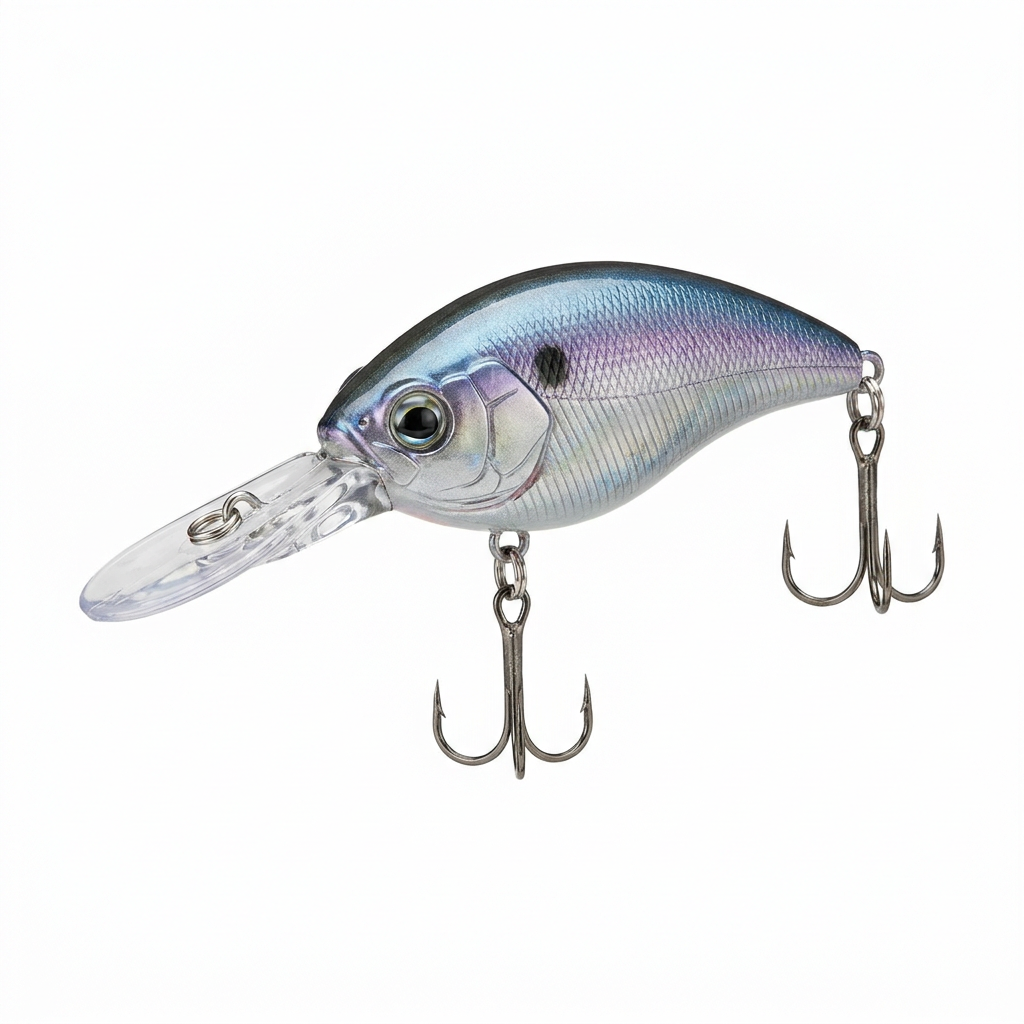
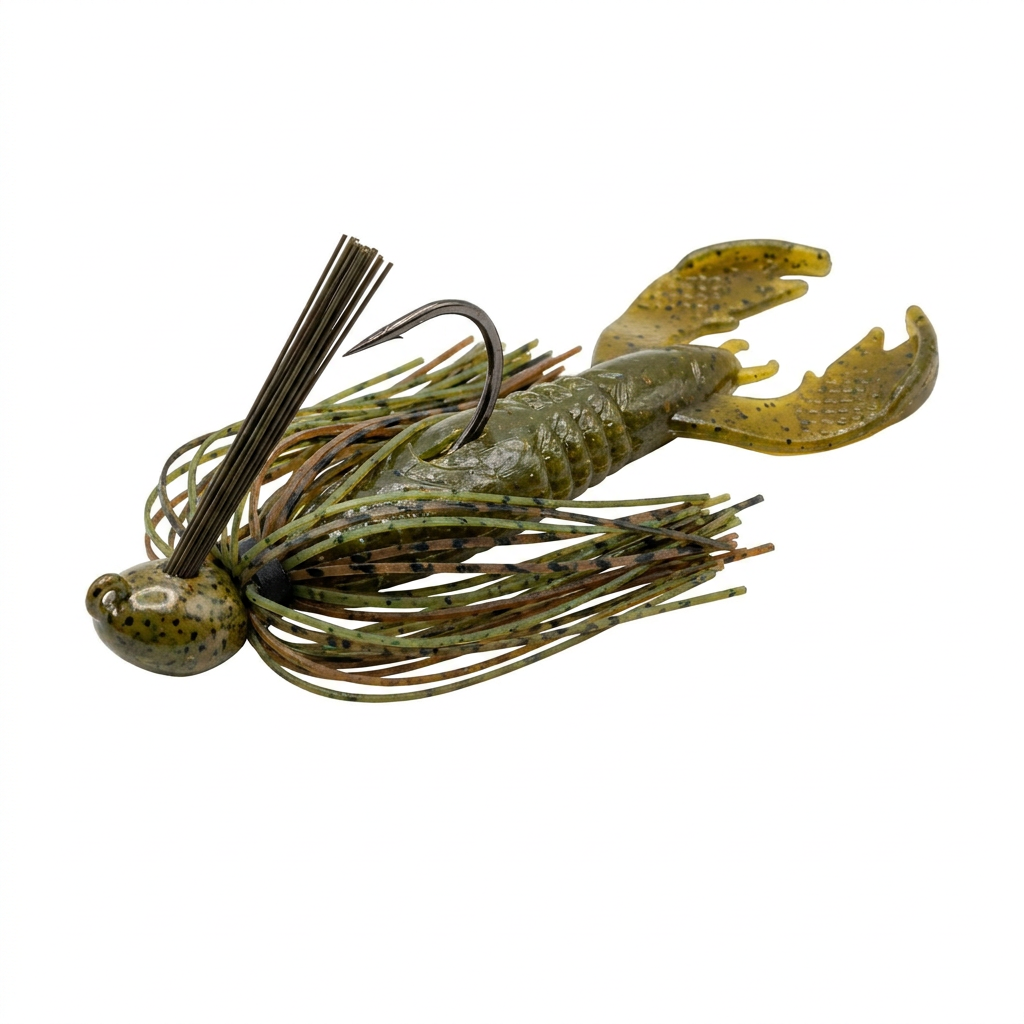
Anglers find success this month using crankbaits and lipless baits worked along the lake's abundant rock ledges and drop-offs. Largemouth respond well to 6 to 8-inch soft plastic worms rigged Texas-style around shallow cover, while stripers bite live shad and mackerel near the main channel breaks. Jigs tipped with crawfish imitations produce excellent results around the rocky structure that defines much of Havasu's bottom composition. For crappie and panfish, small tube jigs and live minnows fished vertically in 20 to 35 feet around the deeper timber and channel structure yield consistent catches in October. Early morning and late afternoon periods remain productive, though fish are active throughout the day as water temperatures moderate.
Get More Fishing Report Specifics
Tap a topic button below for a report on current conditions.
Tap a topic above to get a current report for Lake Havasu.
Answers are generated on demand and cached. No AI call fires until you tap a tab.
Lake Havasu Fishing Guides
Looking for a Lake Havasu fishing guide? The striper fishery on this Colorado River reservoir is nationally known, but the fish move with the current and temperature in ways that take serious local knowledge to consistently intercept. Here are 3 fishing guides for Lake Havasu that are worth checking out.
Lake Havasu Fishing Strategies by Species
Seasonal patterns and techniques by target species · Verified against official sources
Striped bass, largemouth bass, smallmouth bass, channel catfish, and black crappie are the primary sport fish at Lake Havasu, a 19,300-acre Colorado River reservoir behind Parker Dam on the Arizona-California border. The lake was impounded in 1938 and is one of the most popular recreational lakes in the desert Southwest. Striped bass are self-sustaining and dominant; as of 2026 Arizona has eliminated the striper bag limit to encourage harvest and manage the population. A valid Arizona fishing license is required to fish the Arizona side; a California fishing license is required for the California side. Verify current regulations at azgfd.com (Arizona) and wildlife.ca.gov (California) before fishing.
Lake Havasu Striped Bass Fishing Report
Striped bass are the signature species at Lake Havasu and provide the most consistent action throughout the year. The Colorado River system has supported self-sustaining striped bass since their introduction, and Lake Havasu produces fish from 2 to 30 pounds regularly. As of 2026, Arizona has no bag limit and no minimum size for striped bass to encourage harvest and control the population relative to available forage. Verify current regulations at azgfd.com before fishing. Spring and fall are peak seasons with fish actively feeding in the main channel and cove mouths. Summer stripers seek the cooler depths of 25 to 50 feet during the hottest months and can be located on a fish finder following shad schools. The Bill Williams Arm at the north end of the lake concentrates stripers near the inflow. Trolling umbrella rigs and large swimbaits along the main Colorado River channel produces consistent fish during summer. Fall produces spectacular surface schooling activity as stripers push shad into the protected coves and the main channel narrows.
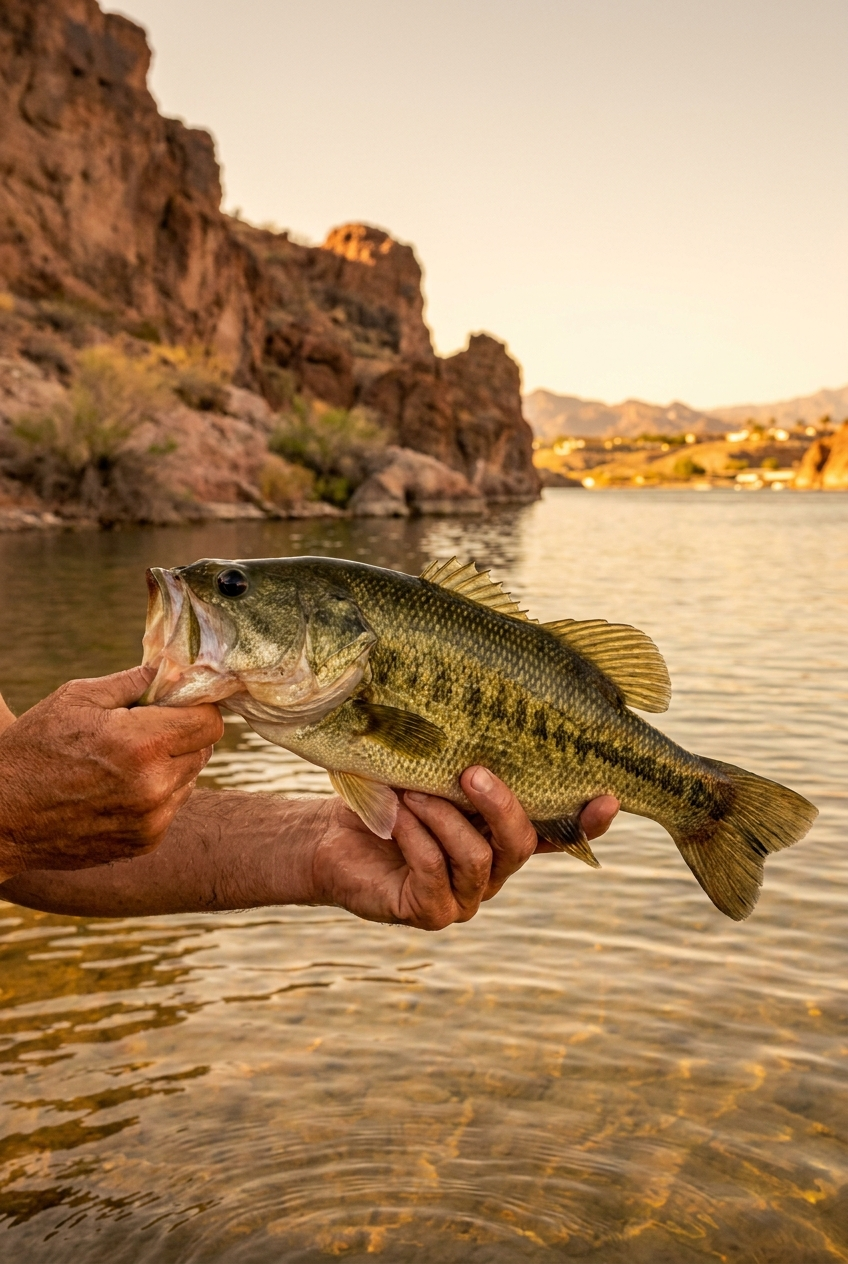
Lake Havasu Largemouth Bass Fishing Report
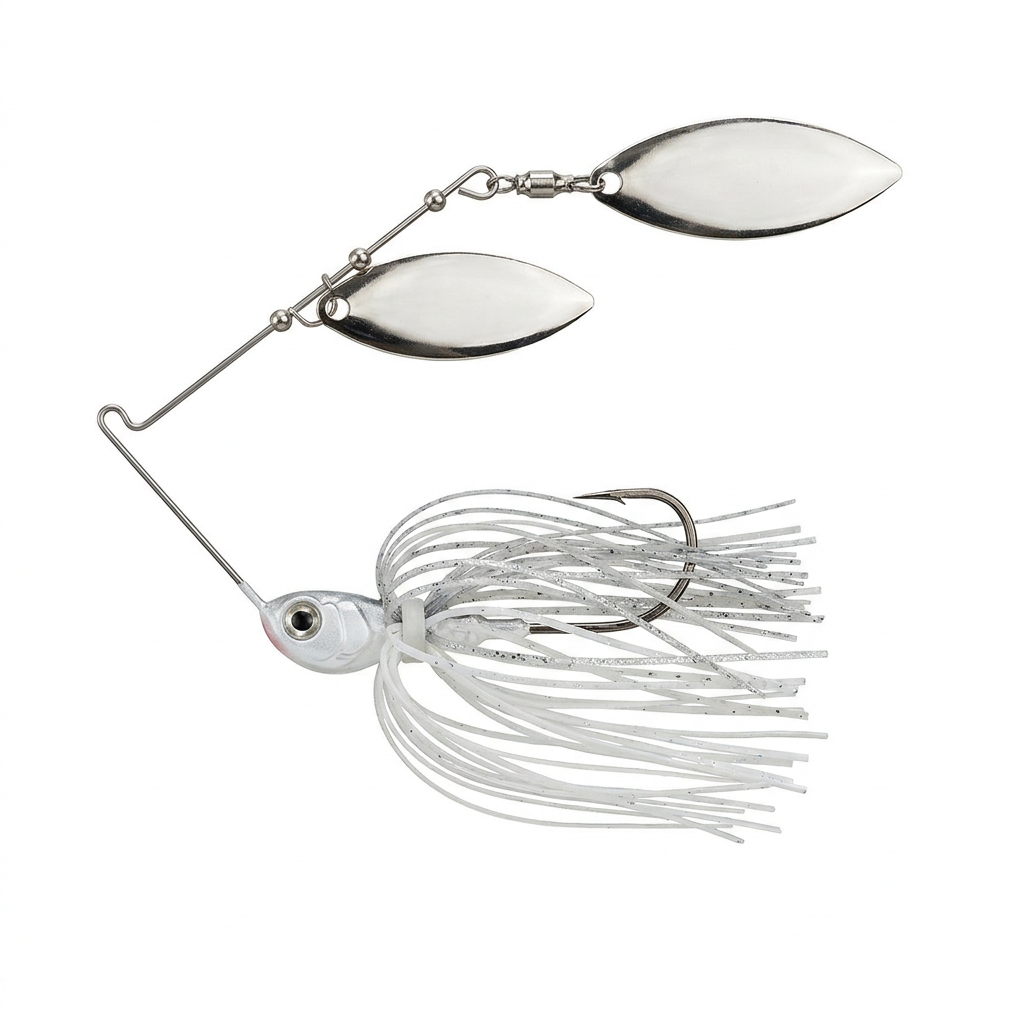
Largemouth bass at Lake Havasu relate to the rocky cove structure, dock communities around Lake Havasu City, and the protected arms including the Bill Williams Arm. The clear desert water rewards finesse presentations and longer casts. Verify current largemouth bass regulations at azgfd.com (Arizona) or wildlife.ca.gov (California) before fishing. Spring largemouth fishing is the most productive as fish move from the rocky main-lake points into the protected coves to spawn in February through April in the warm desert climate. Spinnerbaits, crankbaits, and soft plastic swimbaits worked along rocky cove walls and transitions produce consistent spring bass. Summer largemouth hold in 15 to 30 feet in shaded canyon pockets adjacent to structure. Fall bass are active feeders along the rocky main-lake points through November.
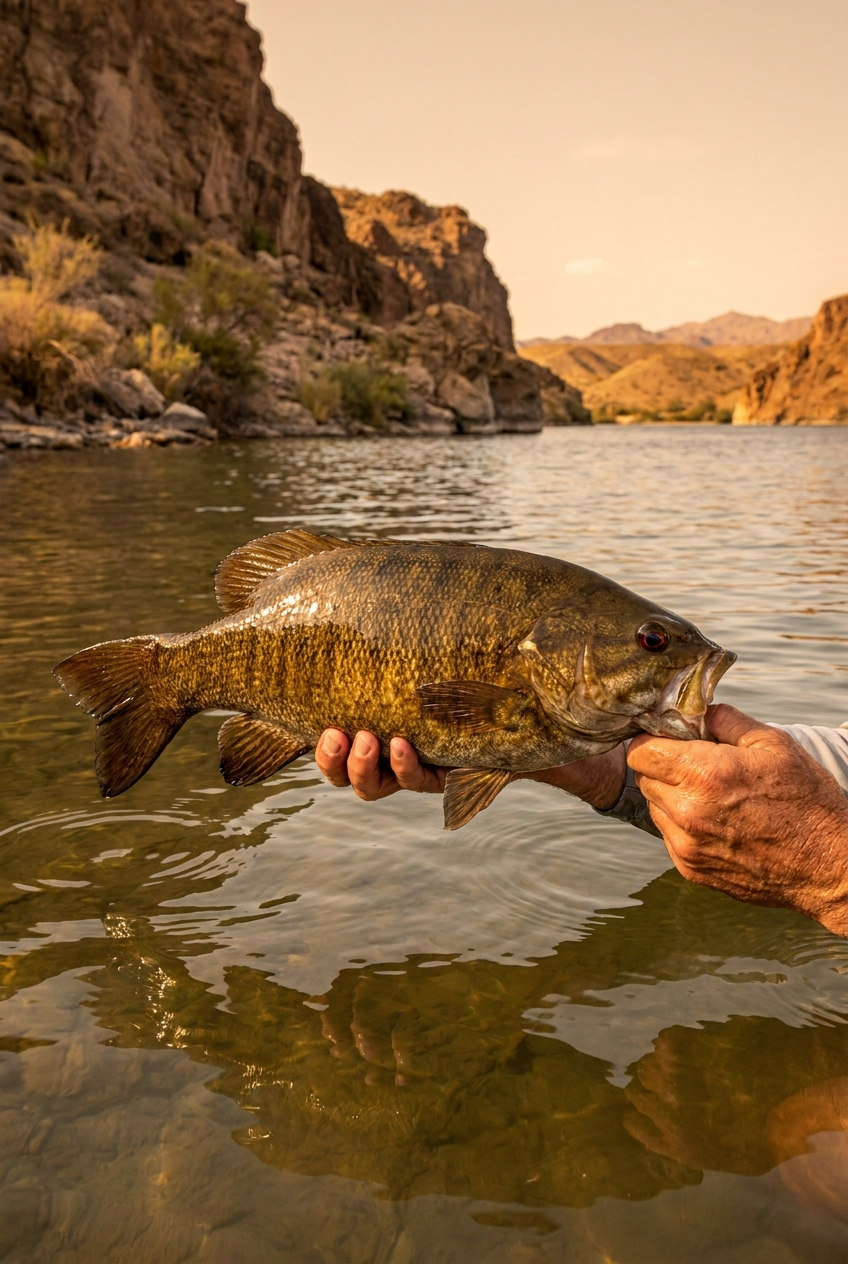
Lake Havasu Smallmouth Bass Fishing Report
Smallmouth bass thrive in Lake Havasu's clear water and rocky Colorado River structure, particularly along the rocky shoreline sections and the channel edges. The smallmouth fishery provides excellent sport alongside the dominant striped bass. Verify current smallmouth bass regulations at azgfd.com or wildlife.ca.gov before fishing. Tube jigs, drop shots, and small crankbaits worked along rocky wall bases and submerged transitions in 8 to 20 feet produce consistent smallmouth year-round in the mild desert climate. The rocky points and canyon sections of the lake's mid-section hold the best smallmouth concentrations. Spring smallmouth spawn on gravel areas adjacent to rocky structure in the protected coves. Winter smallmouth remain active in the 55 to 65-degree water typical of Lake Havasu winters.
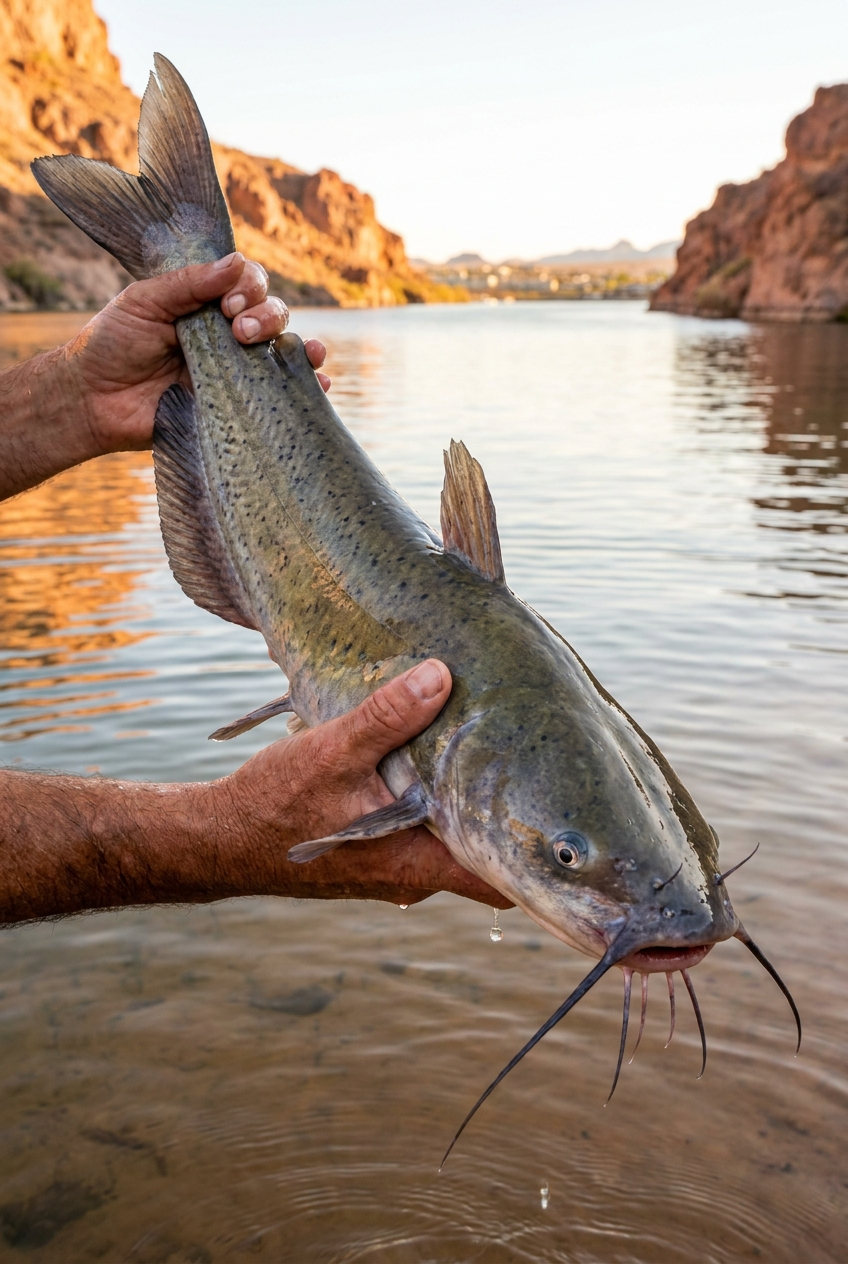
Lake Havasu Channel Catfish Fishing Report
Channel catfish are abundant throughout Lake Havasu in the cove bottoms and near the Bill Williams River inflow at the north end of the lake. The warm, productive Colorado River water supports strong catfish populations. Verify current catfish regulations at azgfd.com or wildlife.ca.gov before fishing. Cut shad, chicken liver, and prepared catfish baits fished on the bottom in the cove transitions and near the Bill Williams Arm inflow produce consistent channel catfish. Summer night fishing from shore access points around the lake produces the most consistent catfish action. The Bill Williams Arm concentrates catfish near the inflow current year-round.
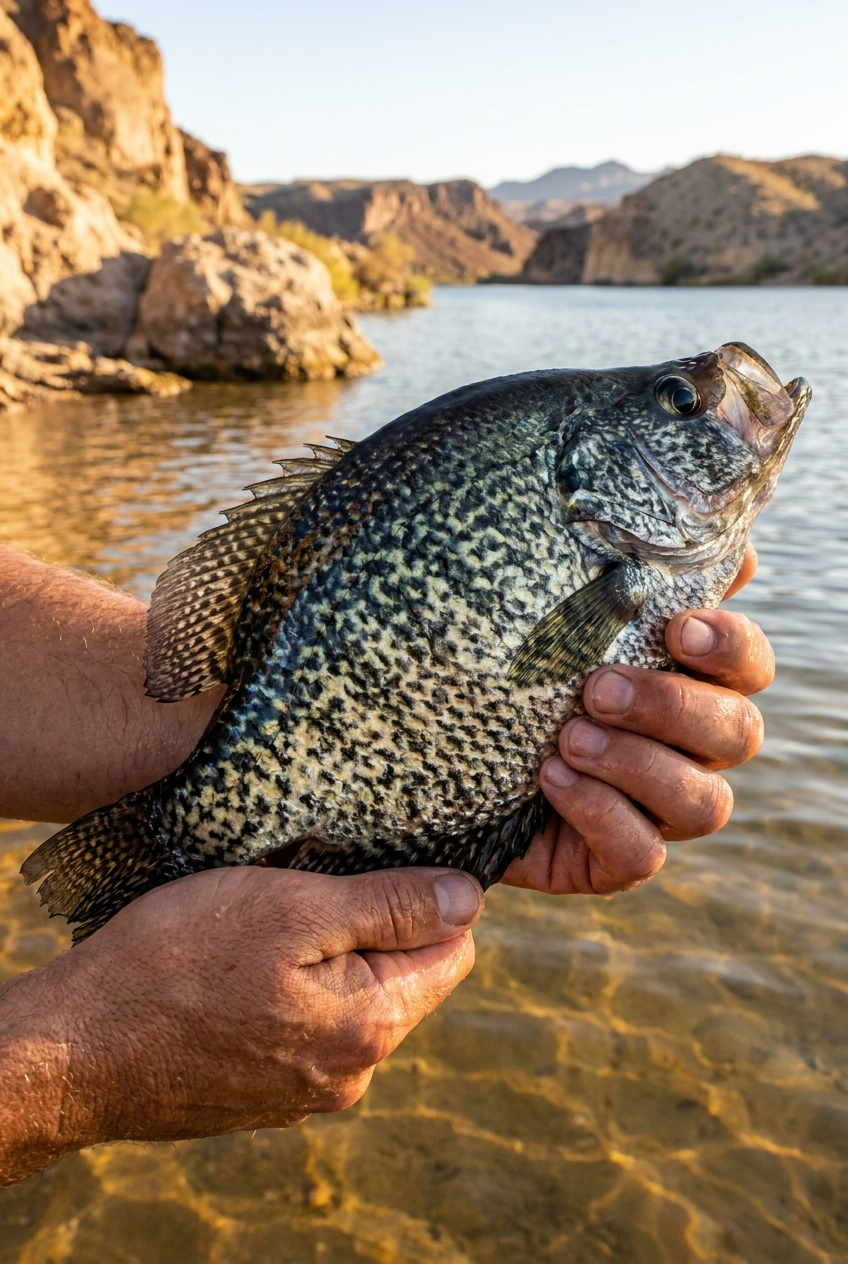
Lake Havasu Black Crappie Fishing Report
Black crappie are present throughout Lake Havasu around rocky structure, submerged brush, and dock pilings. Spring crappie fishing peaks as fish move into the shallower protected coves and dock structures at 5 to 12 feet to spawn. Verify current crappie regulations at azgfd.com or wildlife.ca.gov before fishing. Small tube jigs and crappie jig-minnow combinations worked vertically around dock pilings and any available submerged structure produce consistent crappie. Summer crappie suspend under docks and in the shade of rocky cove walls in 15 to 25 feet. Winter crappie remain active in the mild Lake Havasu water and are accessible through slow vertical jigging presentations.
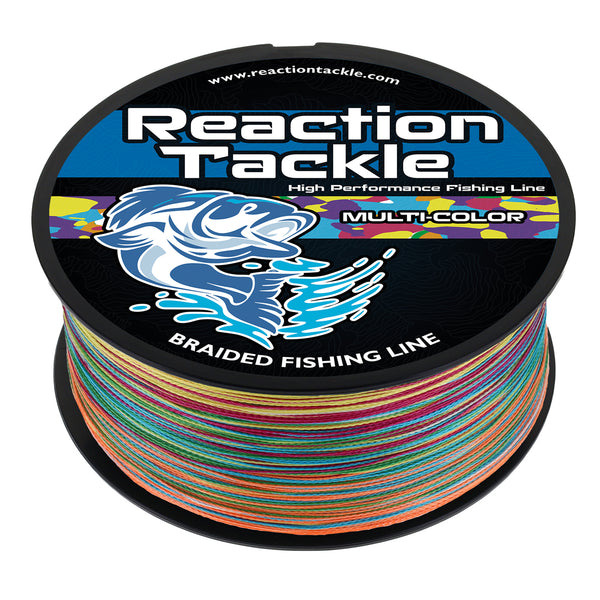
If you haven't replaced your braided line in a season or two, now's the time. Braid holds up better than mono, but abrasion from wood and rock adds up. Reaction Tackle is one of my favorite places to order from.
Top Fish to Target in Lake Havasu
Lures for Lake Havasu
Tackle matched to this lake's species and structure.
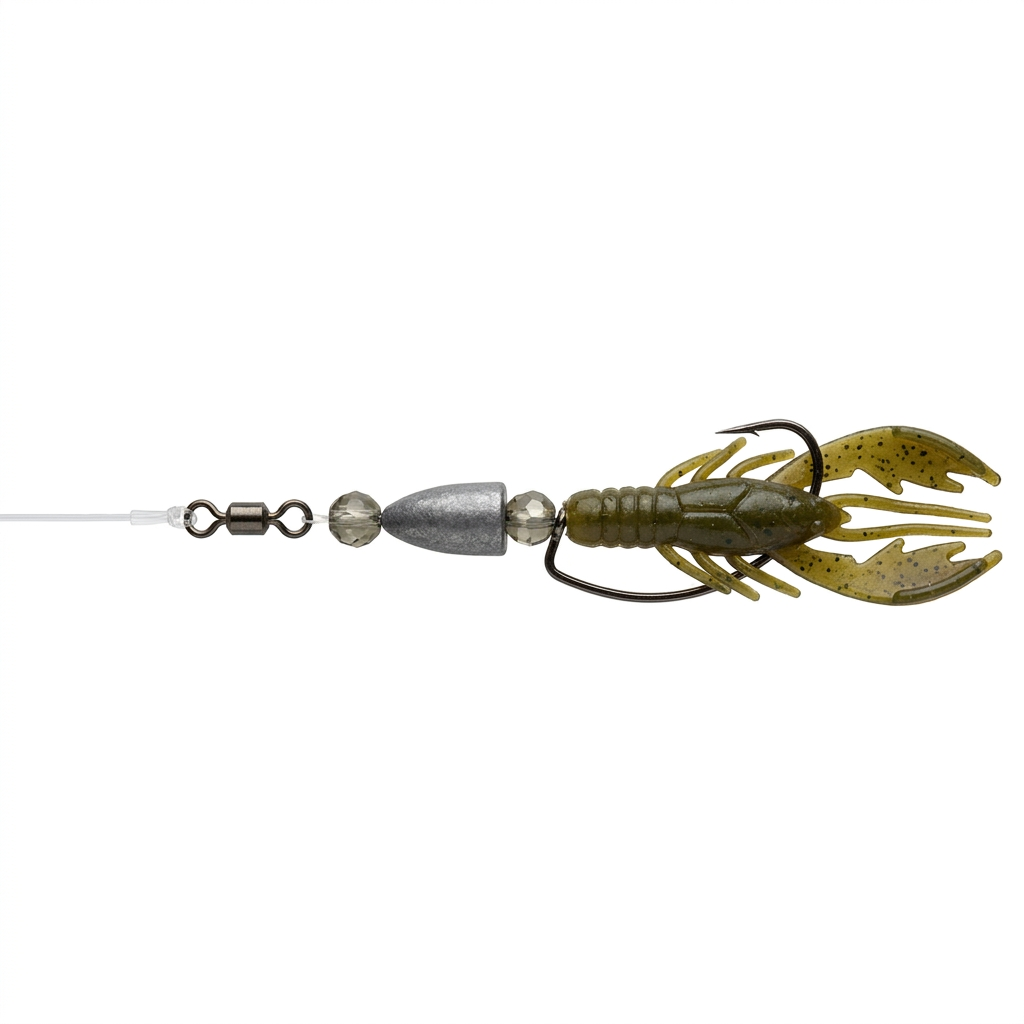
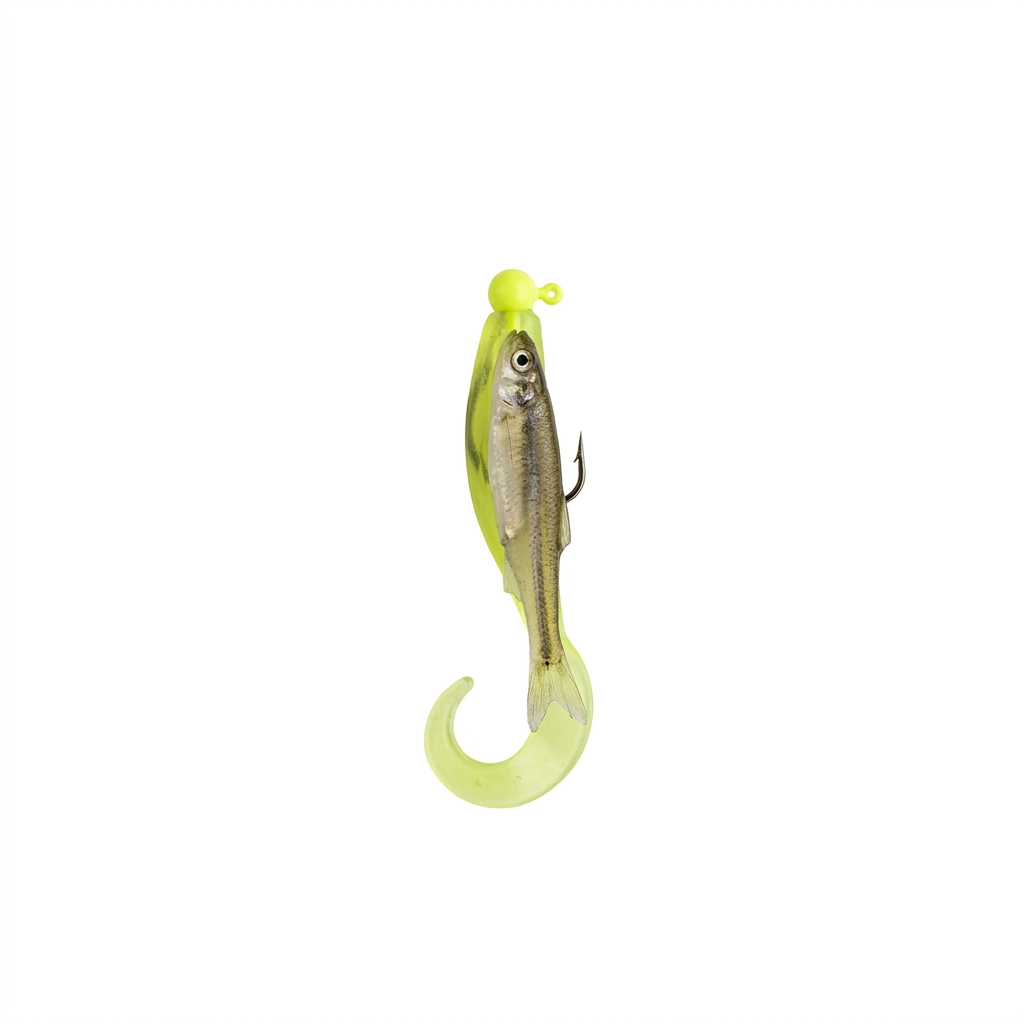
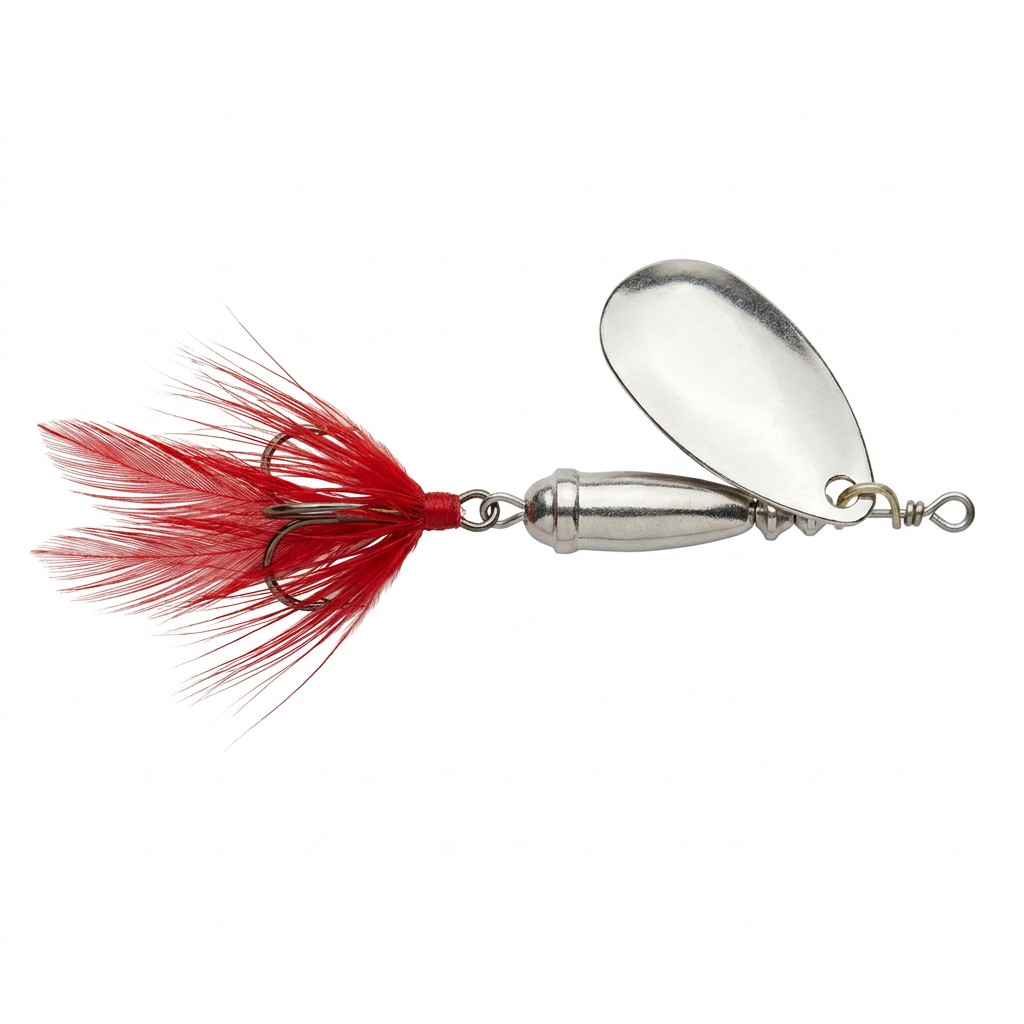
The right line matters as much as the lure. For the presentations that work on this lake, whether flipping timber, fishing main lake structure, or working deep brush, braid is the move. No stretch, more feel, and it lasts. Reaction Tackle is where I get mine.
About Lake Havasu
Lake Havasu is a Colorado River impoundment that benefits from a desert climate producing year-round fishing in water that rarely gets cold enough to shut down. Parker Dam, completed 1938, created 19,300 acres between Arizona and California with Lake Havasu City on the Arizona shore. The striped bass population is dominant and managed with a no-limit harvest policy as of 2026. The largemouth and smallmouth bass fishing in the clear warm water adds a technical dimension to what is primarily an open-water striper fishery. This is one of the more accessible destination fisheries in the Southwest.
Licensing by launch location. A valid Arizona fishing license covers Arizona waters (eastern shore, Lake Havasu City area). A California fishing license covers California waters (western shore). The license of the state where you launch generally applies for the body of water you are fishing. Anglers fishing both sides should carry both licenses. Verify current requirements at azgfd.com and wildlife.ca.gov.
Striped bass no-limit policy. As of 2026, Arizona has eliminated the bag limit and minimum size requirement for striped bass at Lake Havasu. Anglers are encouraged to harvest striped bass aggressively to manage the population relative to the available shad forage base. Always verify current regulations at azgfd.com before fishing as policies may be updated.
Lake size and location. Lake Havasu covers approximately 19,300 acres at full pool behind Parker Dam on the Colorado River. The reservoir extends approximately 45 miles from Parker Dam northward to the Bill Williams River confluence. Lake Havasu City, Arizona (Mohave County) is the primary gateway on the eastern shore. Parker, Arizona is the primary town near the dam at the southern end. The lake is approximately 150 miles southeast of Las Vegas and 200 miles west of Phoenix.
Bill Williams Arm. The Bill Williams River arm at the north end of Lake Havasu is a federally managed wildlife refuge (Bill Williams River National Wildlife Refuge) with restrictions on watercraft access and fishing within certain areas. Verify current access restrictions with the U.S. Fish and Wildlife Service before fishing the upper portion of the Bill Williams Arm.