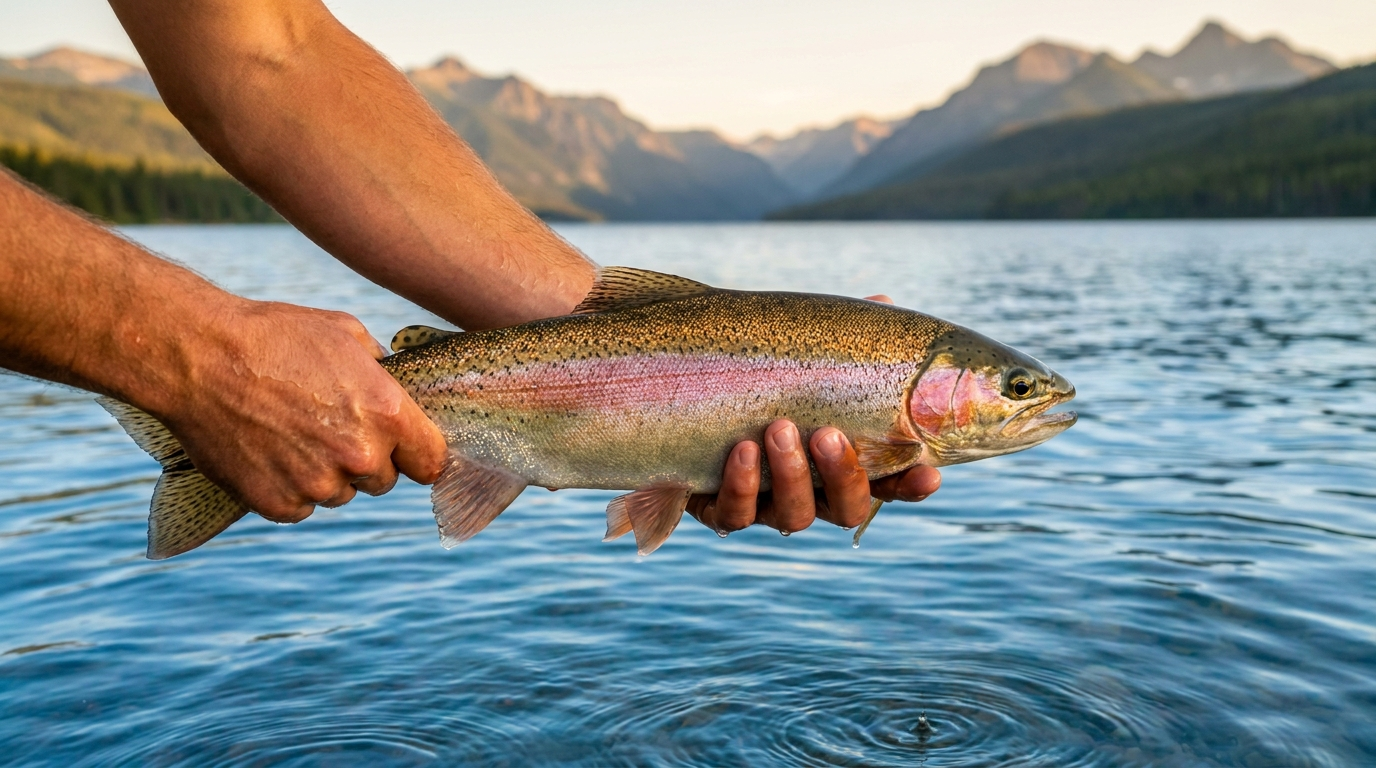
Lake Pend Oreille is one of those places that makes you realize how vast and wild the inland Northwest truly is. A lake that deep and clear, set against the Selkirk Mountains north of Sandpoint, produces lake trout and bull trout that most anglers never encounter. Getting out on that water in early morning before the wind comes up is something I need to do.
Today's Bite Score · October 8, 2026
Very favorable conditions for catching fish
🌘Waning Crescent
Lake Pend Oreille Fishing Report
October FishingMonthly fishing report · October patterns and techniques
Lake Pend Oreille in October presents anglers with cooling water temperatures that typically range from 48 to 52 degrees Fahrenheit. In October, fish are becoming more active as they respond to these dropping temperatures and prepare for winter. The lake's massive 1,150-foot maximum depth means cooler water pushes fish into specific zones, and anglers find that fish congregate in areas where food sources concentrate. The clarity remains good this month, making sight-fishing opportunities viable in shallower zones before the daily light hours diminish significantly.
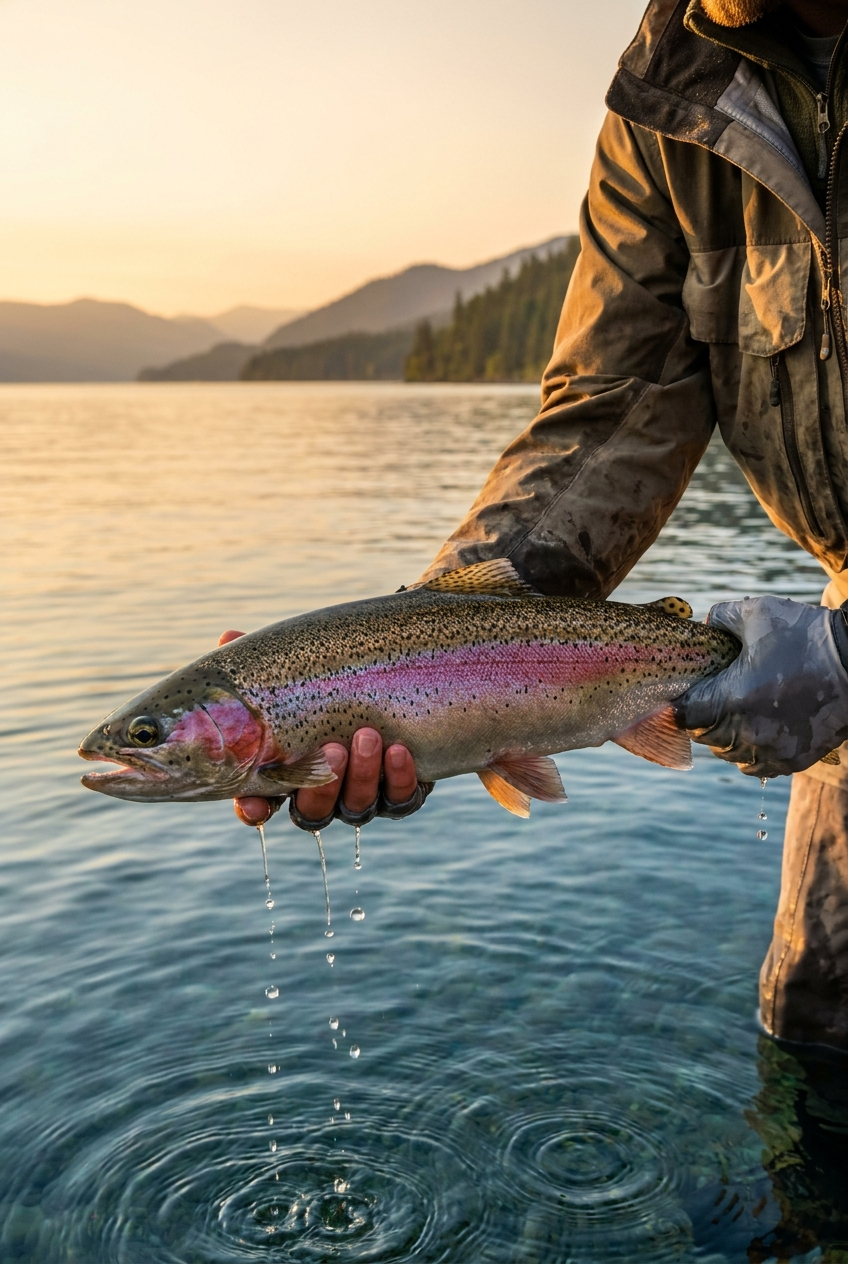
Bulldogs (lake trout) are most active in October at Lake Pend Oreille, with fish moving into mid-depth structure around 40 to 80 feet where baitfish schools congregate. Anglers find that Kokanee salmon are also feeding heavily this month as they approach spawning, particularly around the Pend Oreille and Clark Fork river channels where current brings nutrients. Cutthroat and rainbow trout remain catchable in shallower bays and along rocky points where they chase fry and minnows. The lake's steep drop-offs near Garfield Bay and the deeper trenches near Hope provide prime habitat for active fish this month.
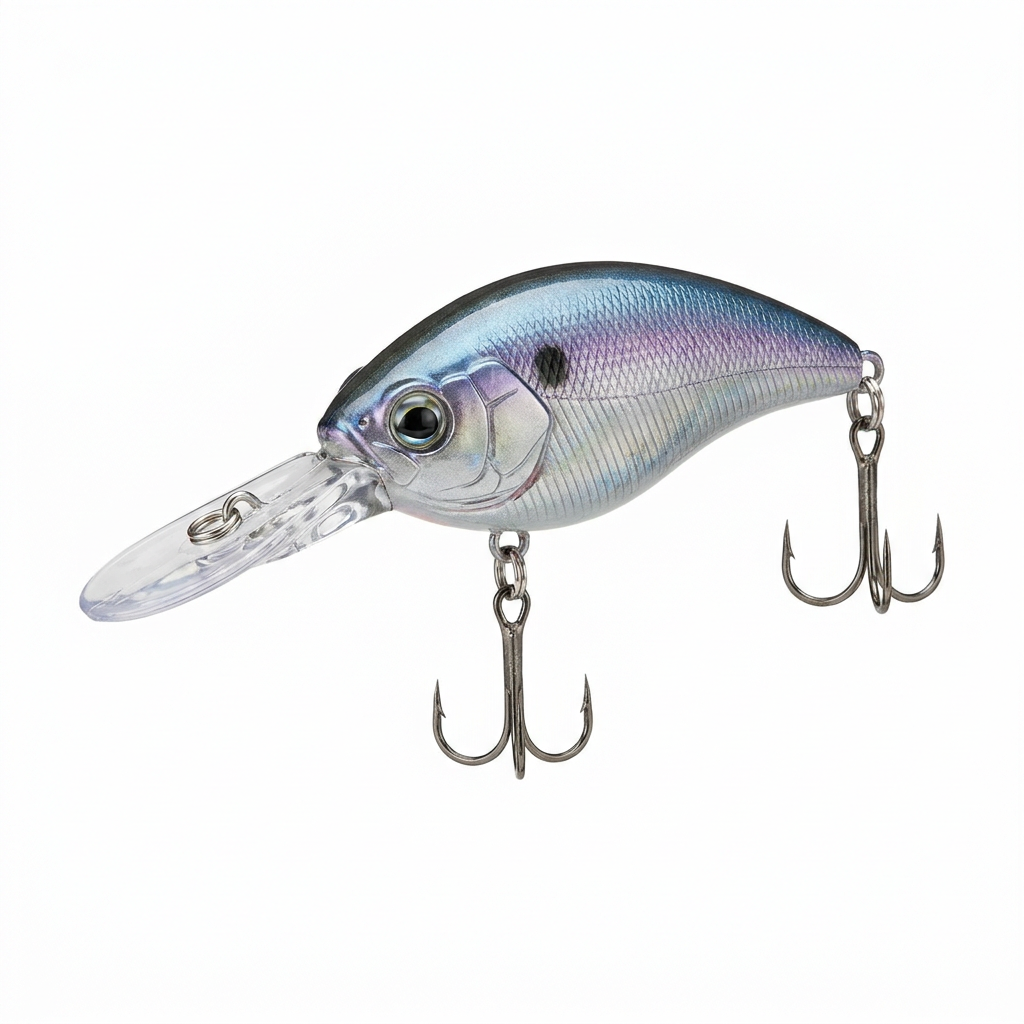
For bulldogs, jigging spoons in silver and white patterns work exceptionally well in October when dropped vertically near known structure. Anglers find success with live minnows and smelt in the 30 to 60-foot range, either jigged or suspended beneath bobbers. Kokanee respond well to small spinners, tube jigs in orange and white, and trolling patterns near the river mouths this month. For cutthroat and rainbow trout, in October anglers should focus on small crankbaits, spoons, and live fry presentations in bays like Garfield and Priest River. The Schweitzer Basin area offers excellent opportunity for jigging applications this month when fish are aggressive. Early morning and late afternoon hours provide the best light conditions in October for targeting these active species across Lake Pend Oreille.
Get More Fishing Report Specifics
Tap a topic button below for a report on current conditions.
Tap a topic above to get a current report for Lake Pend Oreille.
Answers are generated on demand and cached. No AI call fires until you tap a tab.
Lake Pend Oreille Fishing Guides
Looking for a Lake Pend Oreille fishing guide? Idaho's deepest lake with massive rainbow trout and bull trout — the deep structure and seasonal patterns here are unlike anything most visiting anglers have fished before. Here are 4 fishing guides for Lake Pend Oreille that are worth checking out.
Lake Pend Oreille Fishing Strategies by Species
Seasonal patterns and techniques by target species · Verified against official sources
Lake Pend Oreille is Idaho's largest lake and one of the deepest in the United States, reaching 1,158 feet in its deepest sections. The 148,000-acre natural glacial lake in Bonner County is fed primarily by the Clark Fork River and drains via the Pend Oreille River. The lake occupies a glacially carved basin in the Selkirk and Cabinet Mountains range north of Sandpoint. Pend Oreille is famous historically for producing a 37-pound, 8-ounce world-record Kamloops rainbow trout in 1947, and today supports an active fishery for lake trout, kokanee salmon, bull trout, rainbow trout, yellow perch, and largemouth bass. Idaho Fish and Game manages the fishery with specific regulations for bull trout (a sensitive species) that must be carefully reviewed at idfg.idaho.gov before fishing.
Lake Pend Oreille Lake Trout Fishing Report
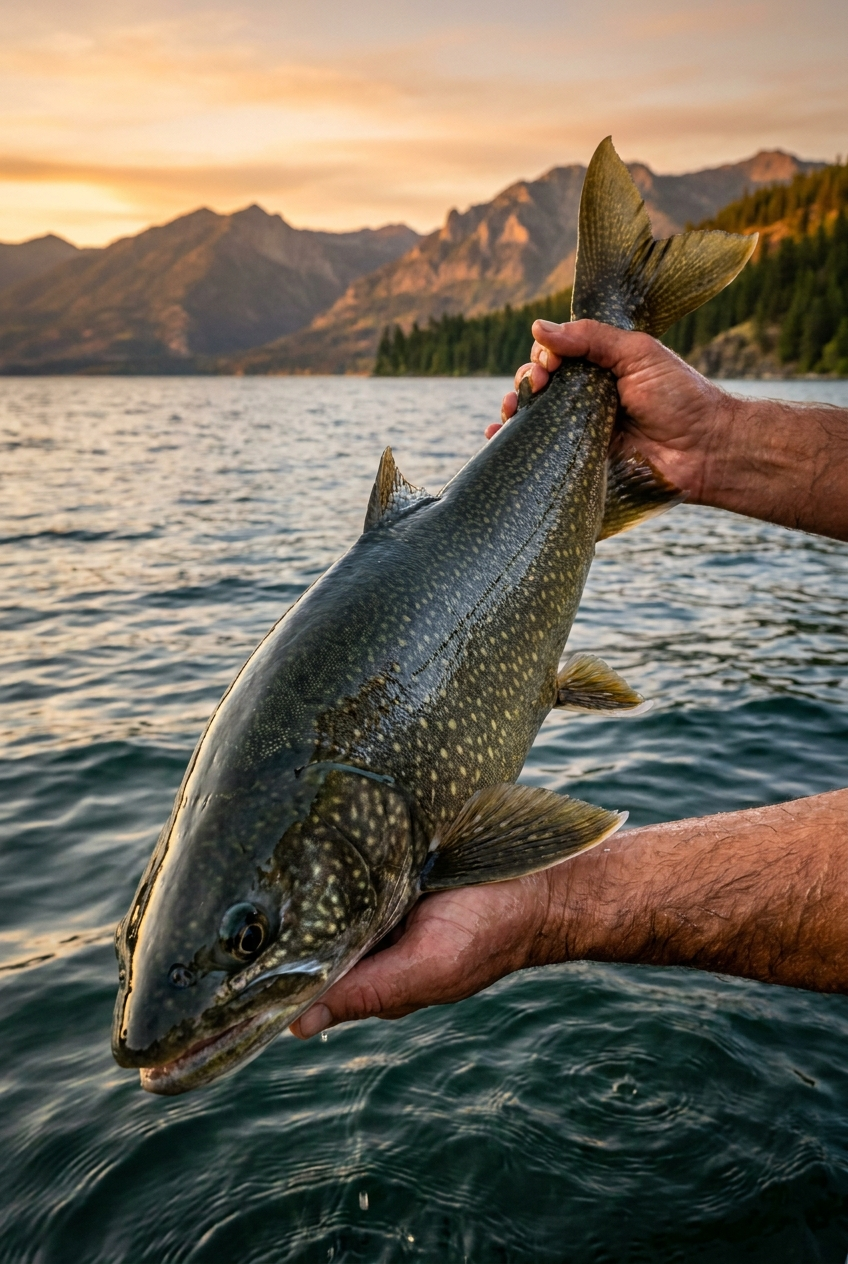
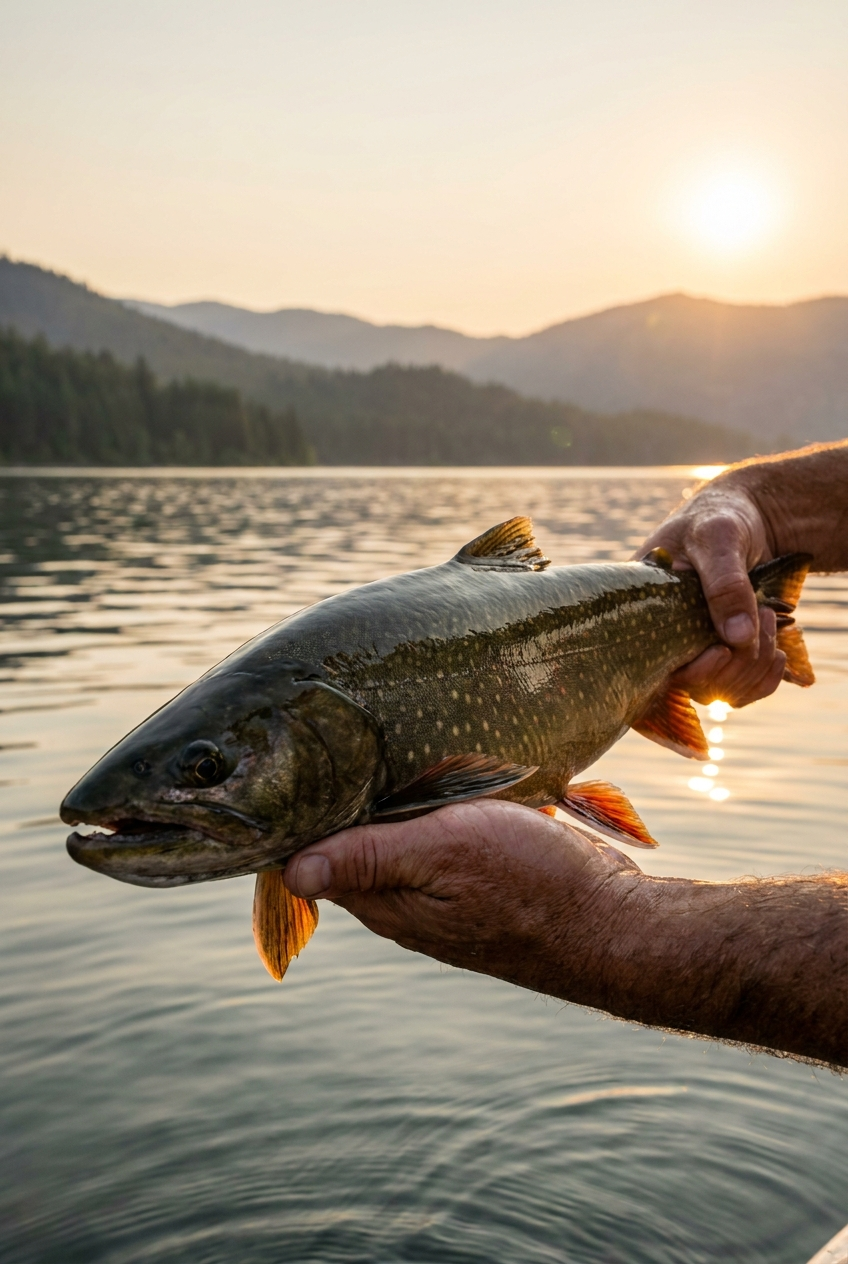
Lake trout are the apex predator in the deep cold water of Lake Pend Oreille and are a primary target for serious anglers willing to fish deep. The 1,158-foot depth provides year-round cold-water habitat, and lake trout can be found at virtually any depth depending on season and forage availability. Kokanee salmon are the primary forage for lake trout in Pend Oreille, and locating kokanee schools on sonar is often the most reliable way to find actively feeding lakers. Summer lake trout fishing requires trolling deep in the 100 to 200 foot range with dodger-and-lure combinations or jigging flutter spoons vertically in the deepest basin sections. The northern sections of the lake near the Hope area and the main basin south of Sandpoint are consistently productive. Winter lake trout fishing is excellent on Pend Oreille as fish move shallower in the cold months, making trolling and jigging at 30 to 80 feet practical. Idaho Fish and Game regulations for lake trout on Pend Oreille should be verified at idfg.idaho.gov, including size limits and any special restrictions.
Lake Pend Oreille Rainbow Trout Fishing Report
Rainbow trout - including the famous Kamloops strain - made Lake Pend Oreille one of the most celebrated trout fisheries in North America in the mid-20th century. The 1947 world record of 37 pounds, 8 ounces was caught here. Idaho Fish and Game stocks rainbow trout in the lake, and the combination of abundant kokanee forage, cold oxygenated water, and the lake's enormous depth produces trout that grow to exceptional sizes relative to most inland lakes. Spring and fall are the prime rainbow trout seasons on Pend Oreille as fish move into shallower water. Trolling with rooster-tail spinners and crankbaits along the shoreline structure and the tributary inlet areas (particularly near the Clark Fork River inlet on the eastern end) is productive in spring. Fly fishing the tributary mouths and inlet areas during spring and fall can be exceptional. Shore fishing with salmon eggs, PowerBait, and spinners is a popular approach at accessible points along the lake's developed shoreline near Sandpoint. Verify current rainbow trout regulations at idfg.idaho.gov.
Lake Pend Oreille Bull Trout Fishing Report
Bull trout are a federally threatened species in Lake Pend Oreille and subject to strict regulations that must be carefully reviewed before fishing. Idaho Fish and Game manages the bull trout population in Pend Oreille with considerable attention, as the lake supports one of the most significant bull trout populations remaining in the lower 48 states. Bull trout in Pend Oreille use the deep lake as a rearing environment and migrate up the Clark Fork River and its tributaries to spawn. If regulations permit catch-and-release bull trout fishing at the time of your trip, the Clark Fork River inlet area and the eastern basin of the lake near Hope produce bull trout encounters. Bull trout are apex-level predators in Pend Oreille and eat kokanee, other trout, and even lake trout. It is critical to verify all current bull trout regulations, including any catch-and-release requirements, season restrictions, and handling guidelines, at idfg.idaho.gov before fishing Lake Pend Oreille.
Lake Pend Oreille Kokanee Salmon Fishing Report
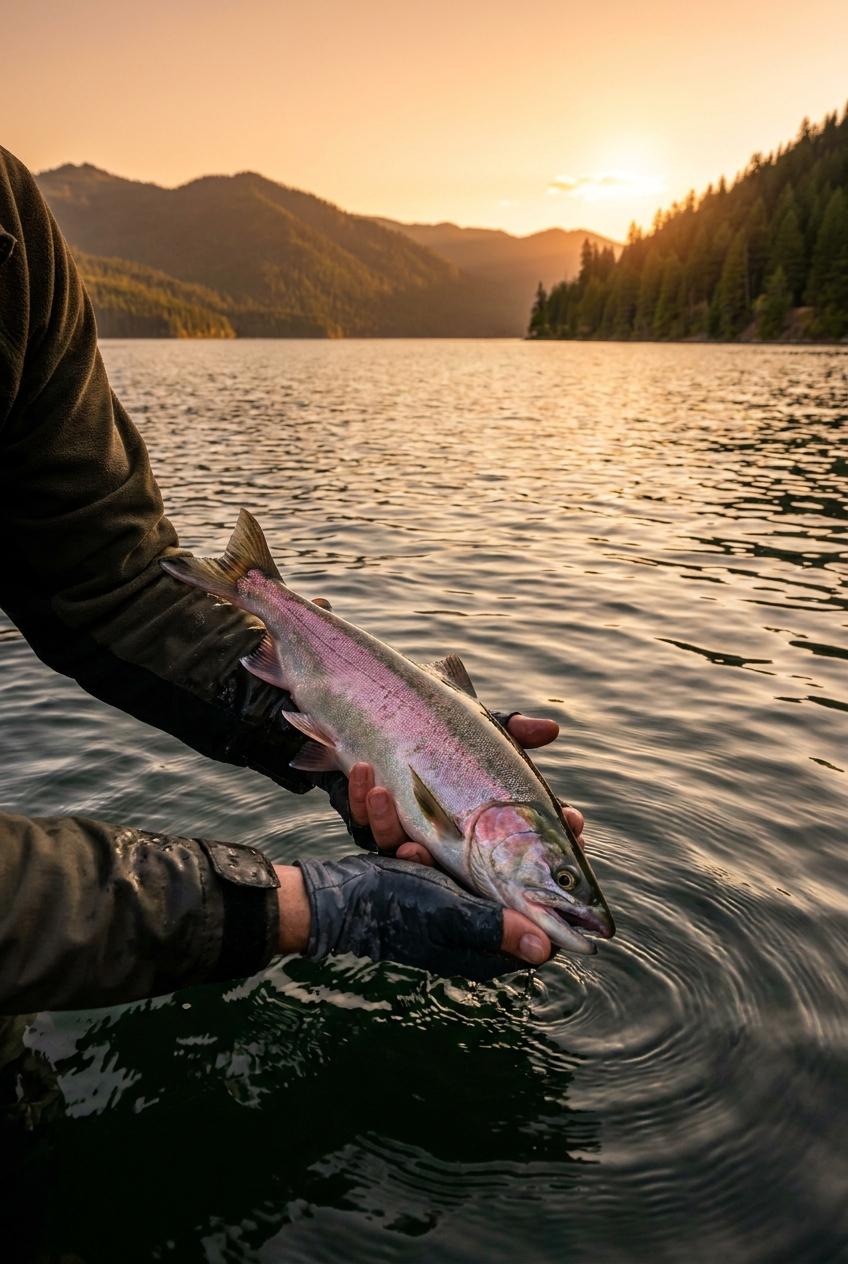
Kokanee salmon are one of the most popular target species on Lake Pend Oreille and form the primary forage base for the lake's lake trout and bull trout populations. Kokanee are landlocked sockeye salmon that spend their entire life in the lake, growing on the lake's abundant zooplankton before spawning in tributary streams in fall. Lake Pend Oreille's enormous size and cold water support a large kokanee population. Trolling for kokanee with small dodger-and-lure combinations in the 30 to 80 foot range is the standard technique throughout summer. Kokanee school tightly and once a productive depth is found on sonar, multiple fish per pass are common. The Clark Fork River arm on the eastern end and the open central basin are productive trolling areas. Fall kokanee fishing near the tributary mouths can be excellent as fish stage for their spawning migration. Idaho Fish and Game manages kokanee seasons and bag limits on Pend Oreille: verify current regulations at idfg.idaho.gov before fishing.
Lake Pend Oreille Largemouth Bass Fishing Report
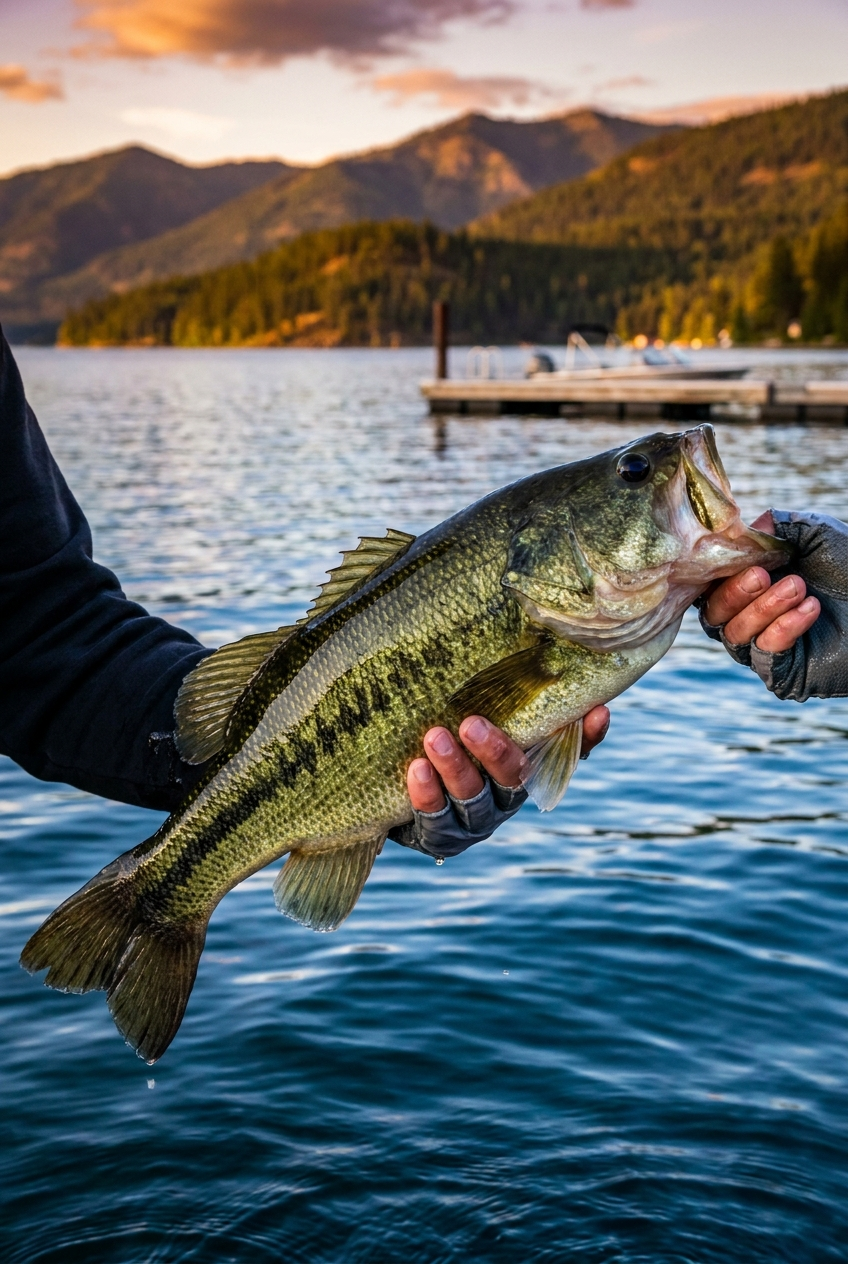
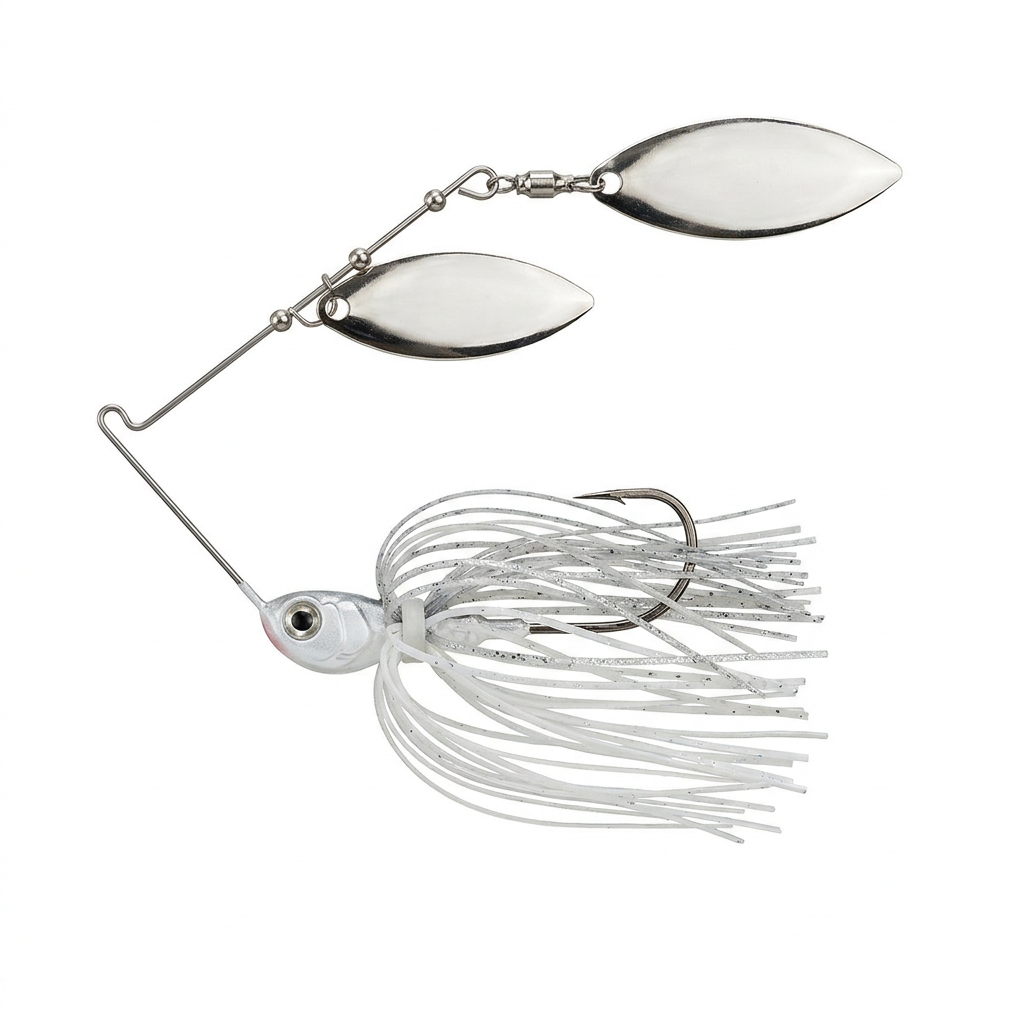
Largemouth bass occupy the warmer, shallower margins of Lake Pend Oreille, particularly in the coves, marinas, and sheltered bays along the developed southern and western shoreline near Sandpoint and Hope. The Bass Bay area and the dock-lined coves near Sandpoint provide the most accessible largemouth bass habitat on the lake. Bass fishing on Pend Oreille is a secondary fishery compared to the lake's cold-water species, but the fish that occupy the warm shallows grow well in the productive lake ecosystem. Spring is the prime largemouth season on Pend Oreille as fish move shallow to spawn in the warmer coves in May and June. Spinnerbaits and Texas-rigged worms worked around the dock pilings and the woody debris in the protected coves produce consistent spring catches. Summer largemouth fishing is most productive early in the morning before wind and boat traffic push fish deeper into the dock shadow and woody cover. Verify Idaho largemouth bass regulations at idfg.idaho.gov before fishing.
Lake Pend Oreille Yellow Perch Fishing Report
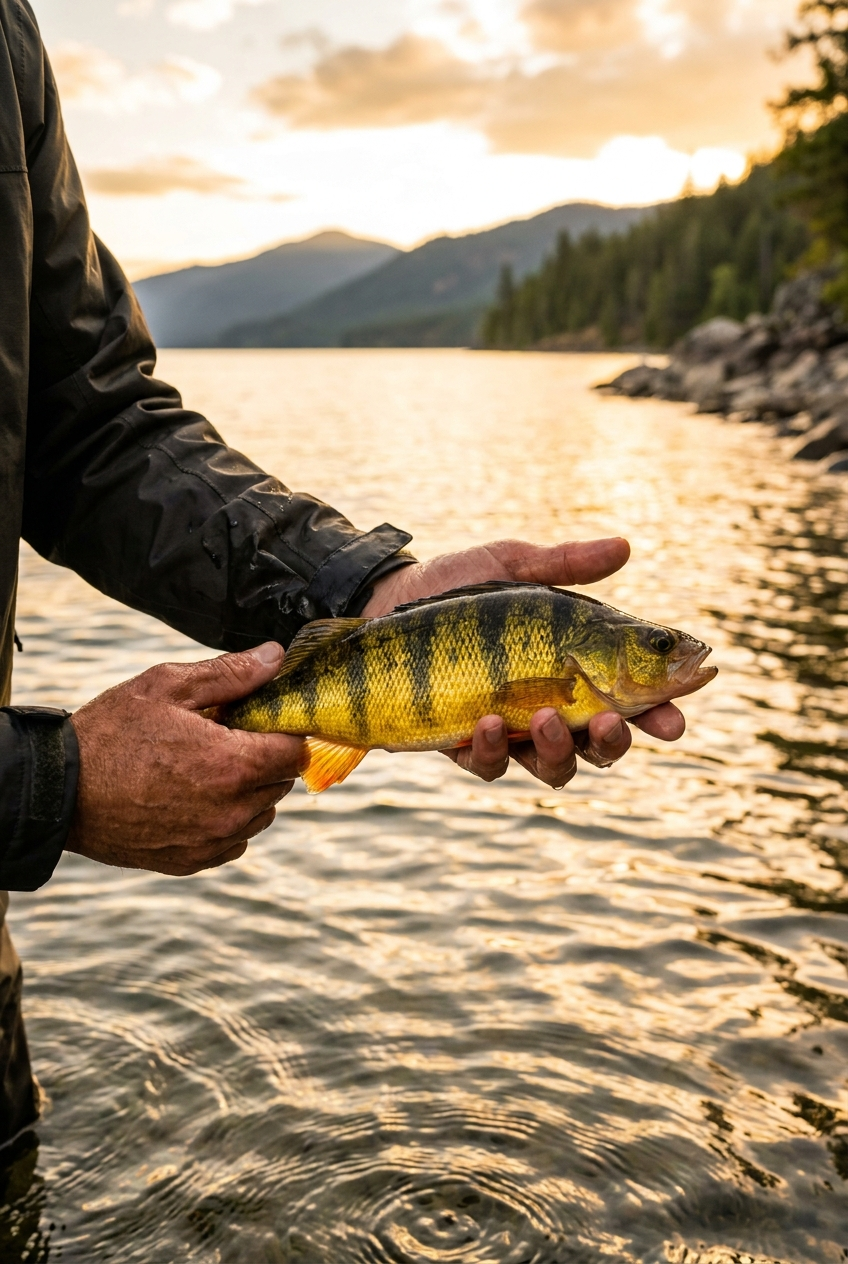
Yellow perch are abundant throughout Lake Pend Oreille and provide excellent year-round panfish action, particularly in the shallower bays and coves on the southern end of the lake near Sandpoint and Bayview. Perch school in large numbers in the 10 to 30 foot range over sand and gravel bottom, making them accessible to shore anglers and boat anglers alike. Yellow perch are also an important forage species in the lake's ecosystem. Jigs tipped with a small piece of nightcrawler or a minnow worked vertically in 10 to 25 feet produce the fastest perch action. The Bayview area on the southern end of the lake and the shallower flats near the Sandpoint marina and city beach are reliable year-round perch spots. Winter ice fishing for perch is popular when ice conditions allow, though the lake's enormous depth means ice only forms on the shallower bays and margins. Idaho perch regulations should be verified at idfg.idaho.gov before fishing.
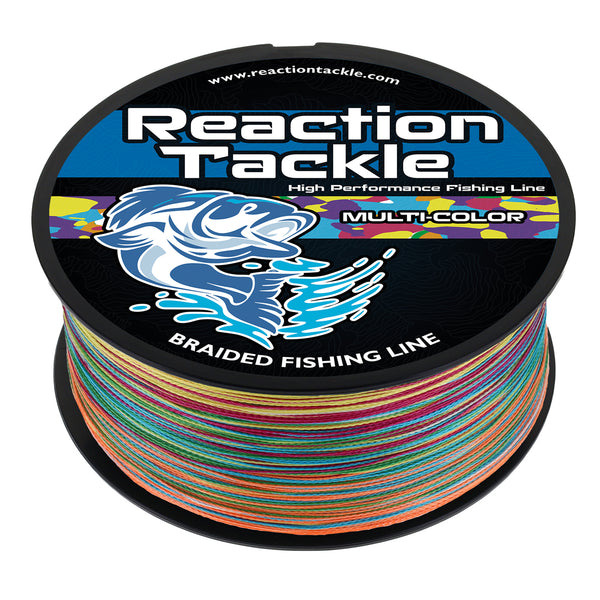
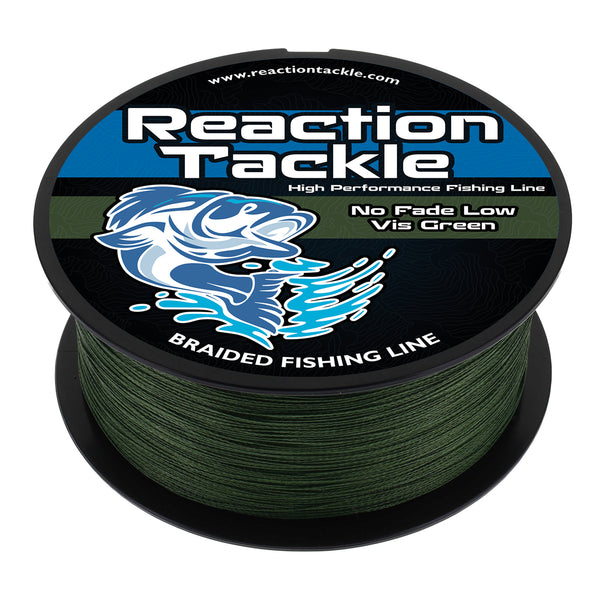
For fishing heavy cover after Lake Trout, I run 50-65lb braid. Zero stretch means you feel every bite and you can pull fish out of structure before they wrap you. Reaction Tackle is where I restock. Their low-vis green disappears in most water conditions.
Top Fish to Target in Lake Pend Oreille
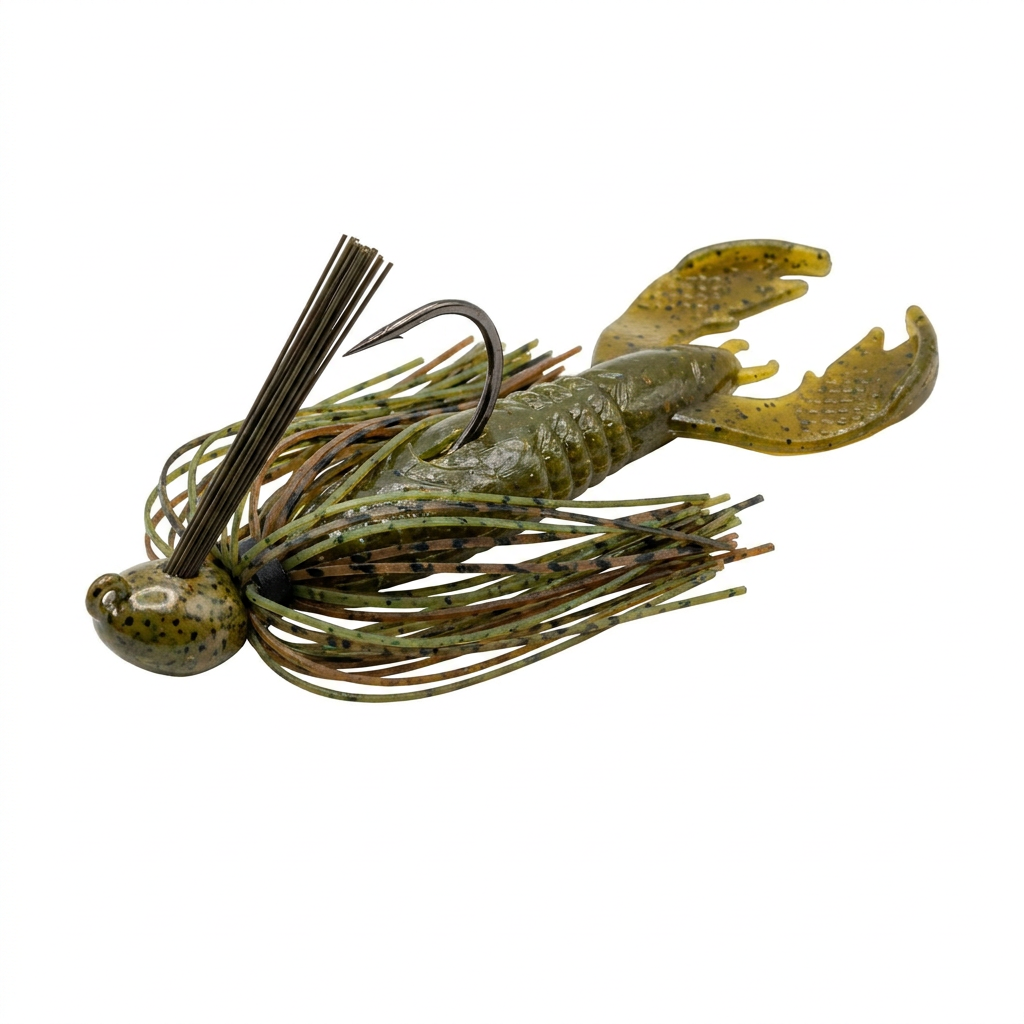
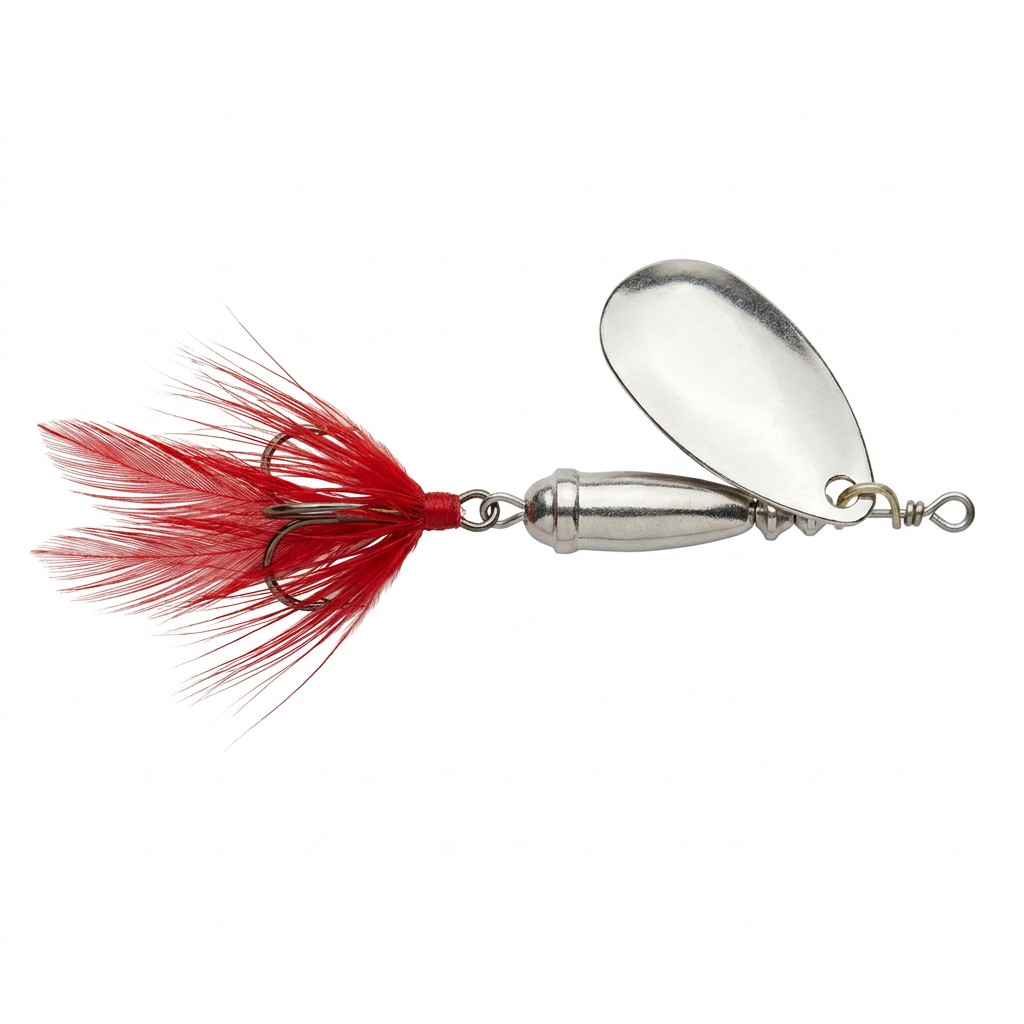
Lures for Lake Pend Oreille
Tackle matched to this lake's species and structure.
Worth checking before any trip: your line. Old braid gets brittle at the tag end and loses sensitivity over time. I rotate mine every season. Reaction Tackle is where I order from when it's time to restock.
About Lake Pend Oreille
Lake Pend Oreille is Idaho's largest lake and one of the most dramatic in North America. The natural glacial lake in Bonner County covers 148,000 acres, reaches 1,158 feet in depth, and is set against the backdrop of the Selkirk and Cabinet mountain ranges north of Sandpoint. The lake's name comes from the Pend d'Oreilles tribe and means "hangs from ears" in French, a reference to shell ear ornaments. The Clark Fork River enters the lake on its eastern end, and the lake drains via the Pend Oreille River at its western outlet.
World-record history. Lake Pend Oreille produced a 37-pound, 8-ounce world-record Kamloops rainbow trout in 1947, a record that stood for decades and put the lake on the international fishing map. The Kamloops strain of rainbow trout was stocked in the lake in the 1930s and fed on abundant kokanee salmon to reach extraordinary sizes. Idaho Fish and Game continues rainbow trout stocking programs in the lake today.
Cold-water fishery management. The lake's depth and cold water make it ideal for lake trout, bull trout, kokanee salmon, and rainbow trout. Bull trout are a federally threatened species, and Lake Pend Oreille supports one of the most significant bull trout populations remaining in the contiguous United States. Idaho Fish and Game manages bull trout with specific regulations that must be reviewed carefully before fishing. All Pend Oreille regulations should be verified at idfg.idaho.gov.
Access and Sandpoint. The City of Sandpoint on the northern shore is the primary gateway and one of the most charming small resort towns in the inland Northwest. Multiple boat ramps, marinas, and fishing charter services operate on the lake. The lake is accessible from U.S. Highway 2 and Idaho Highway 200. Year-round fishing access is available, and the lake rarely freezes entirely due to its enormous depth and the Clark Fork River inflow.