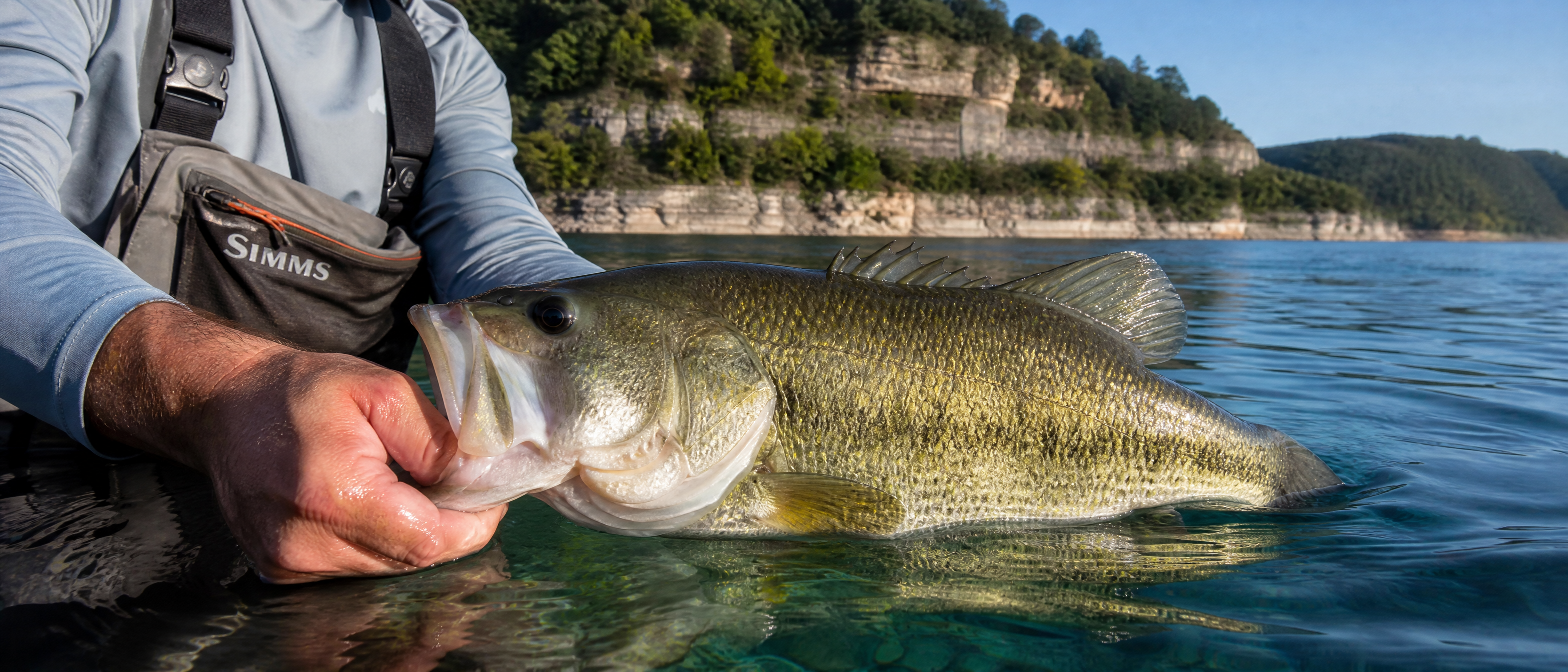
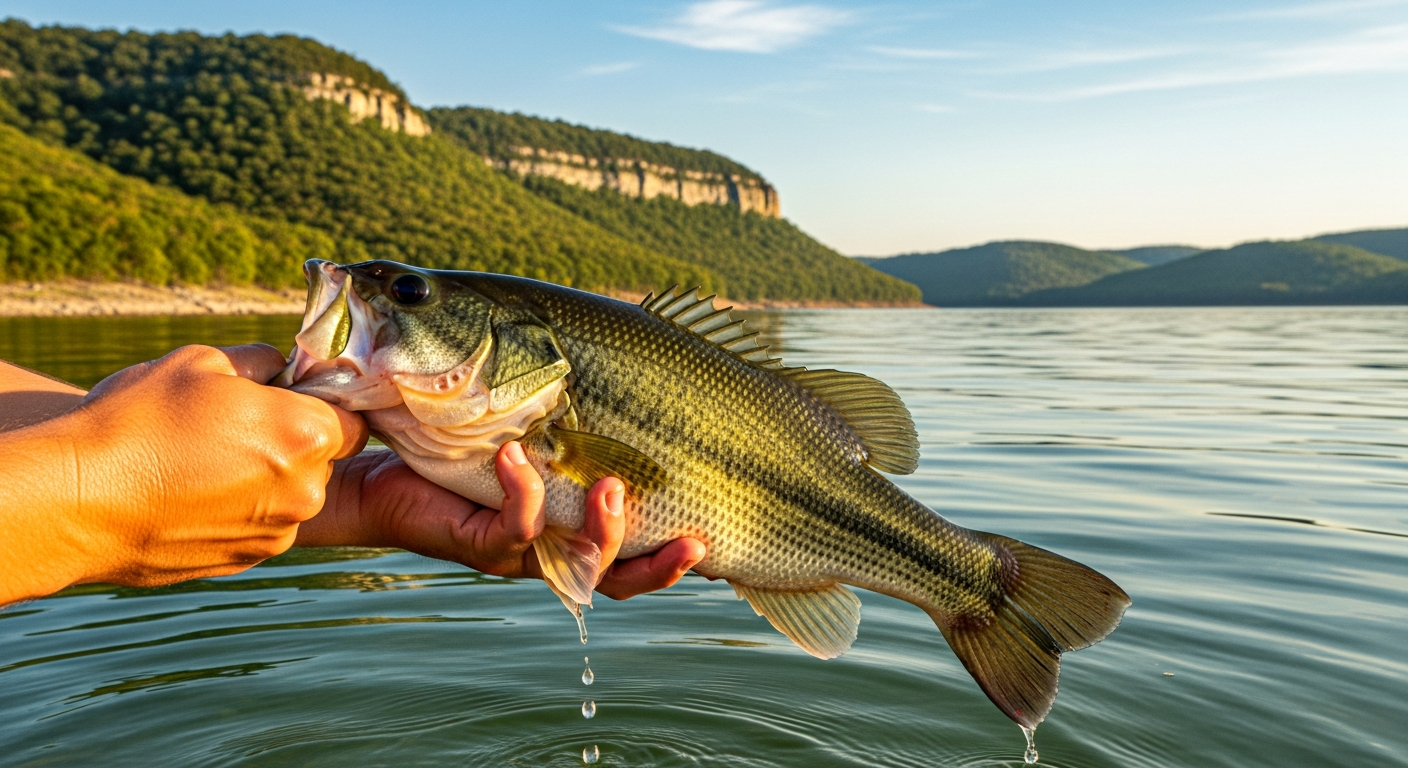
Lake of the Ozarks dock fishing for bass is a style that simply doesn't exist in Texas, and that alone makes it compelling. 1,150 miles of shoreline to explore. This one would take multiple trips.
Today's Bite Score · October 8, 2026
Above average conditions worth planning a trip
🌘Waning Crescent
Lake of the Ozarks Fishing Report
Updated October 2, 2026Synthesized from current fishing reports · Updated weekly
Right now at Lake of the Ozarks, surface water temperatures are running at 89 degrees this week, signaling the dog days of summer are in full swing. Current lake conditions show stained to clear water color depending on the area, with water levels and flow patterns creating distinct fishing zones across the different arms of the lake. Anglers are finding that these warm surface conditions are pushing fish to adjust their behavior and location compared to earlier in the season.
The bite has been fair to good this week across multiple species. Largemouth bass remain the primary target, with anglers finding success on both shallow and deep patterns. Guides are reporting that topwater baits work well during low light periods early and late in the day, while plastic worms and jigs are producing consistently throughout daylight hours. Crappie fishing is also active right now, particularly white crappie which dominate the current catch. Small jigs and minnows are the baits anglers are using most effectively this week.
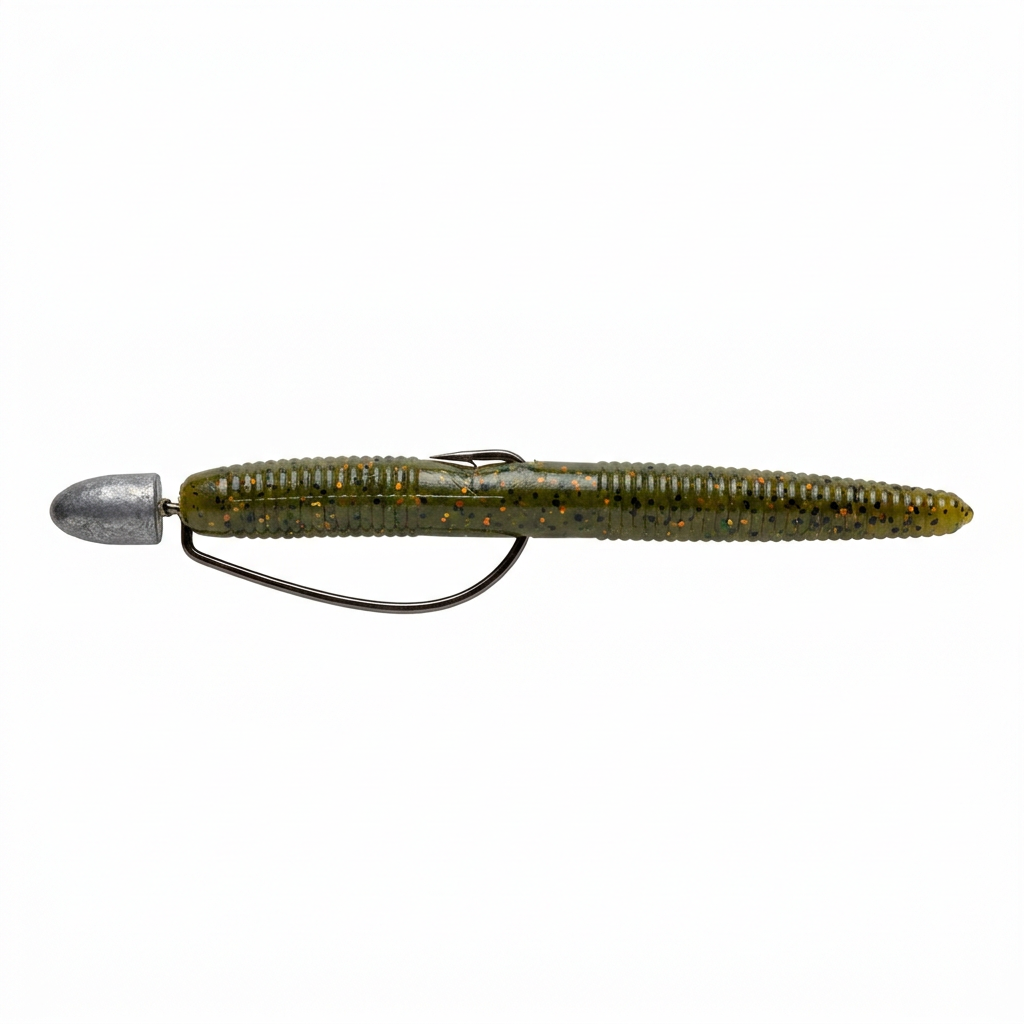
For current success this week, fish 10-inch power worms or Zoom mag finesse worms from 5 to 12 feet of water early and late in the day, or work deeper 20 to 30 feet on point drops and around brush for the most consistent bite. In upper river arms, anglers are flipping shallow brush, laydowns, and docks in 2 to 6 feet of water. For crappie, trolling small, deep-diving crankbaits in the summer heat is producing fish when shallow water fishing slows. The Niangua and Glaize Arms are currently offering excellent black bass fishing with solid representation of 3-to-5-pound fish.
Get More Fishing Report Specifics
Tap a topic button below for a report on current conditions.
Tap a topic above to get a current report for Lake of the Ozarks.
Answers are generated on demand and cached. No AI call fires until you tap a tab.
Lake of the Ozarks Fishing Guides
Looking for a Lake of the Ozarks fishing guide? The complex cove and channel system on this Missouri powerhouse rewards guides who've spent years reading the seasonal patterns and knowing which structure holds fish. Go here → to check out our recommended fishing guides for Lake of the Ozarks. Then scroll down on that page to see all of the Lake of the Ozarks fishing guides.
Lake of the Ozarks Fishing Strategies by Species
Seasonal patterns and techniques by target species · Verified against official sources
Largemouth bass, crappie, and MDC-stocked hybrid striped bass drive the primary angling effort at Lake of the Ozarks. Spring is the peak season: prespawn bass stage on main lake points in late March and April before moving into the Niangua, Grand Glaize, and Gravois arms to spawn, while crappie stack around dock pilings in 5 to 10 feet through April. The signature summer pattern is dock fishing for bass: skipping jigs and worms under the extensive floating dock infrastructure throughout the lake is the technique that sets this fishery apart. MDC regulation: largemouth and smallmouth bass: 15-inch minimum; spotted bass: 12-inch minimum; 6-fish daily combined.
Lake of the Ozarks Largemouth Bass Fishing Report
Largemouth bass are the primary sport fish target at Lake of the Ozarks. MDC regulation: 15-inch minimum for largemouth and smallmouth bass; 12-inch minimum for spotted bass; 6-fish daily combined limit. Verify current regulations at mdc.mo.gov before fishing. The lake's 1,150 miles of Ozark shoreline feature a mix of rocky points, protected coves, and dock-heavy developed areas: largemouth bass relate to all three structure types across seasons. Spring is the peak season: prespawn bass stage on main lake points in late March and April, then move into the protected coves and dock lines to spawn in May. The upper arms of the lake: the Niangua River arm, the Grand Glaize arm, and the Gravois arm: provide the most productive spawning habitat with woody cover and protected shoreline. Summer bass at Lake of the Ozarks relate heavily to the extensive dock infrastructure throughout the lake. Skipping jigs and worms under the floating docks is the signature summer technique, producing shaded fish that stay comfortable through the heat. The deeper points and the main lake channel structure also hold fish in 15 to 25 feet during midday. Fall brings the best crankbait fishing of the year as bass follow shad onto the main lake points and secondary cove entrances.
Lake of the Ozarks White Bass Fishing Report
White bass and MDC-stocked hybrid striped bass provide excellent open-water fishing throughout Lake of the Ozarks. The spring white bass run into the Osage River arm and the major tributary creeks produces fast action from February through April. Schooling fish in the current areas of the upper river arm concentrate in large numbers during the spawn: small spinners, jigs, and crankbaits produce fish rapidly when schools are located. Summer and fall white bass and hybrid stripers surface-school on the main lake, chasing shad on the points and open water in low-light conditions. The Bagnell Dam area and the main lake humps concentrate schooling fish through the warm months. Hybrids grow faster and larger than native white bass: fish exceeding 5 pounds are not uncommon in the MDC hybrid program.
Lake of the Ozarks Crappie Fishing Report
Crappie are abundant throughout Lake of the Ozarks and are a primary recreational target. MDC's 2026 prospect report notes crappie fishing is expected to be excellent, with strong year classes reaching harvestable size. Verify current minimum length and daily bag limits at mdc.mo.gov before fishing: Lake of the Ozarks may have lake-specific crappie regulations. Spring crappie fishing peaks in March and April as fish move from deeper basin water toward the dock pilings, brush piles, and the shallow timber in the creek arms at 5 to 10 feet. The extensive dock infrastructure throughout the lake provides consistent crappie habitat year-round. Small tube jigs and live minnows worked vertically around dock pilings and any submerged wood produce reliable catches. The Niangua arm and the Grand Glaize arm concentrate crappie during the prespawn period. Fall crappie return to deeper dock structure in 12 to 20 feet and remain accessible through December.
Lake of the Ozarks Channel Catfish Fishing Report
Channel and flathead catfish are abundant throughout Lake of the Ozarks in the deeper channel bends and the rock-bottom transitions near the main river channel. The Osage River arm and the deeper sections near Bagnell Dam hold the largest catfish on the lake. Verify current Missouri catfish regulations at mdc.mo.gov before fishing. Summer is the peak catfish season. Fish move from deep daytime holding areas to the cove edges and tributary mouths after dark. Cut shad, chicken liver, and prepared baits fished on the bottom near channel bends and cove mouths produce consistent action through the night. The area below Bagnell Dam also produces catfish from the tailrace, particularly after generation releases.
Before you head out, check your line. If it's been sitting on the reel all winter or has seen a lot of rocks and timber, it's worth replacing before a serious trip. I order most of my braid from Reaction Tackle and have been happy with it.
Top Fish to Target in Lake of the Ozarks
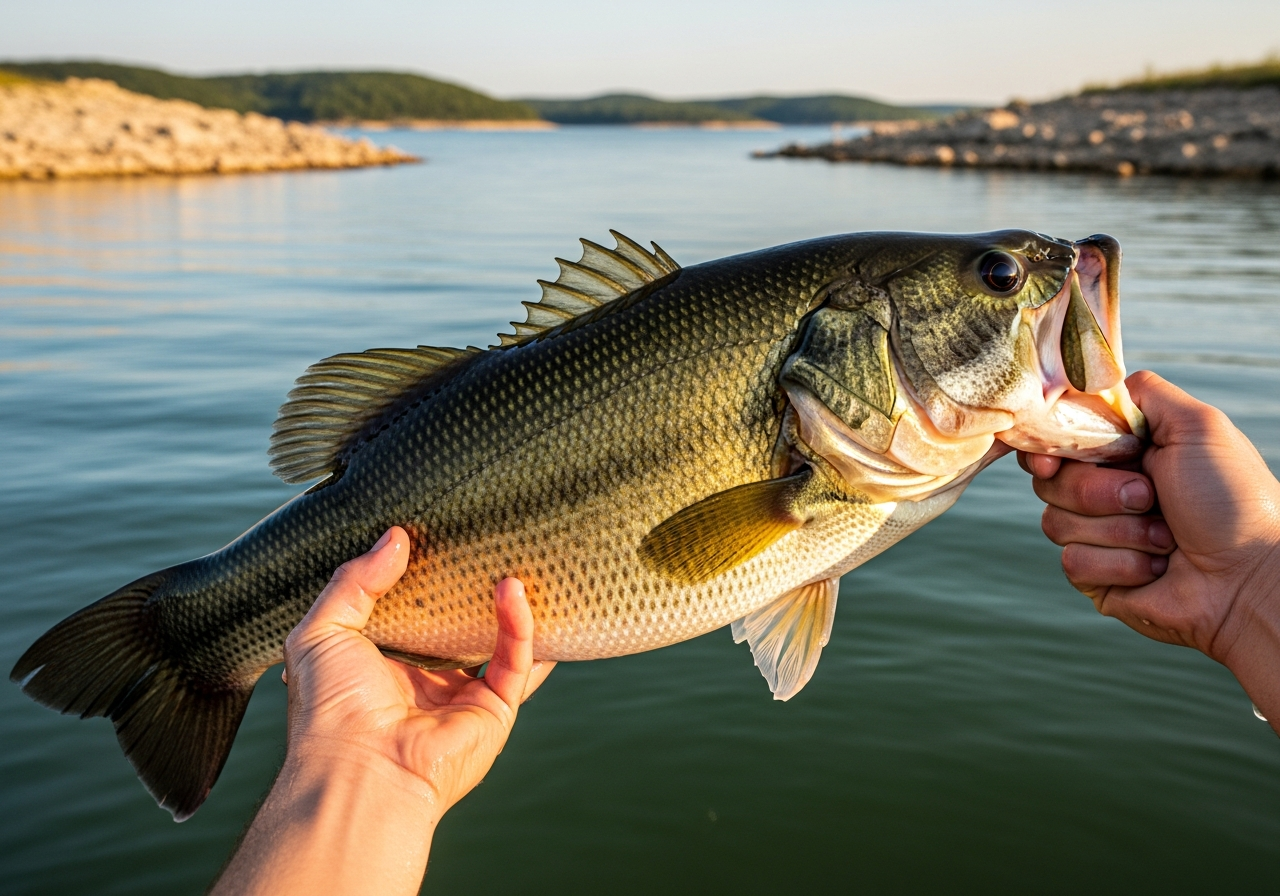
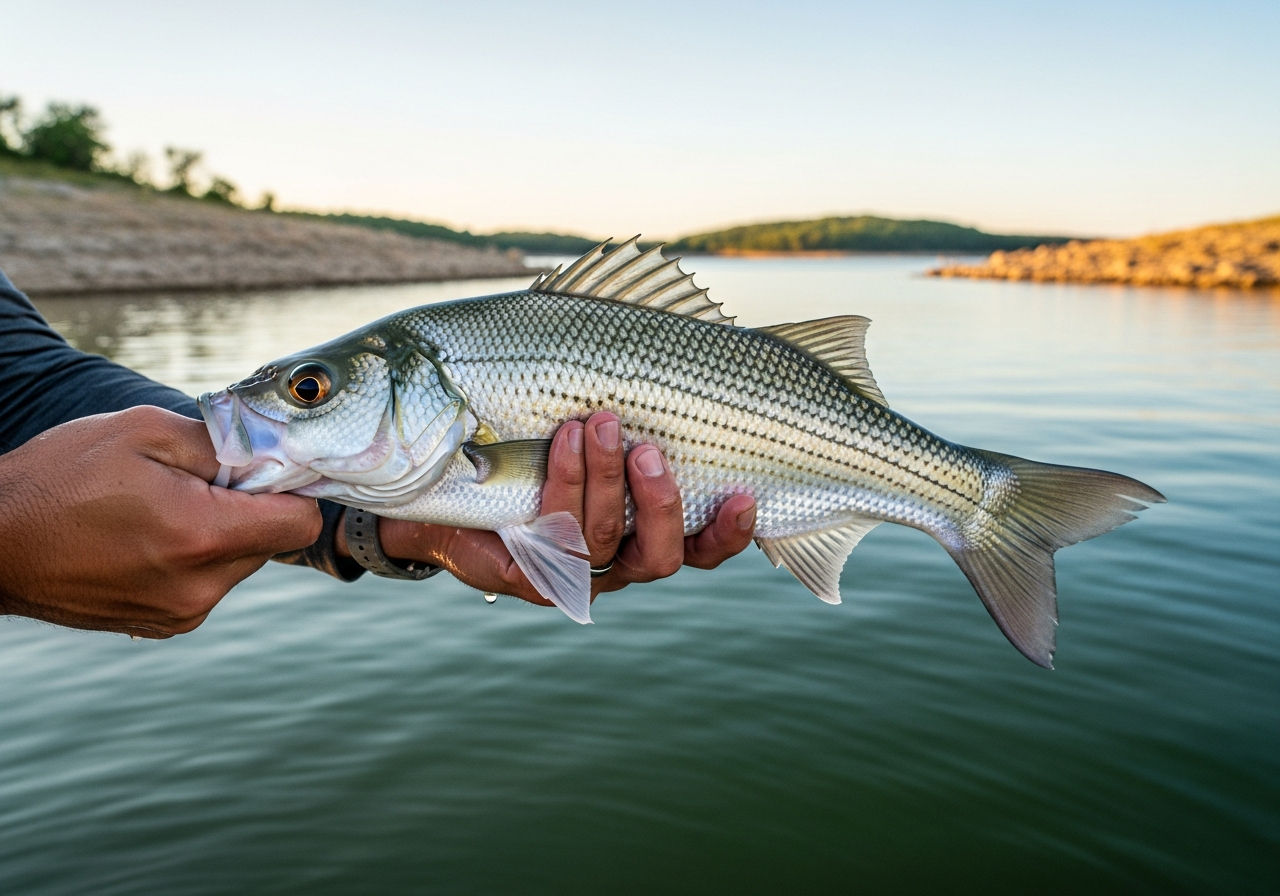
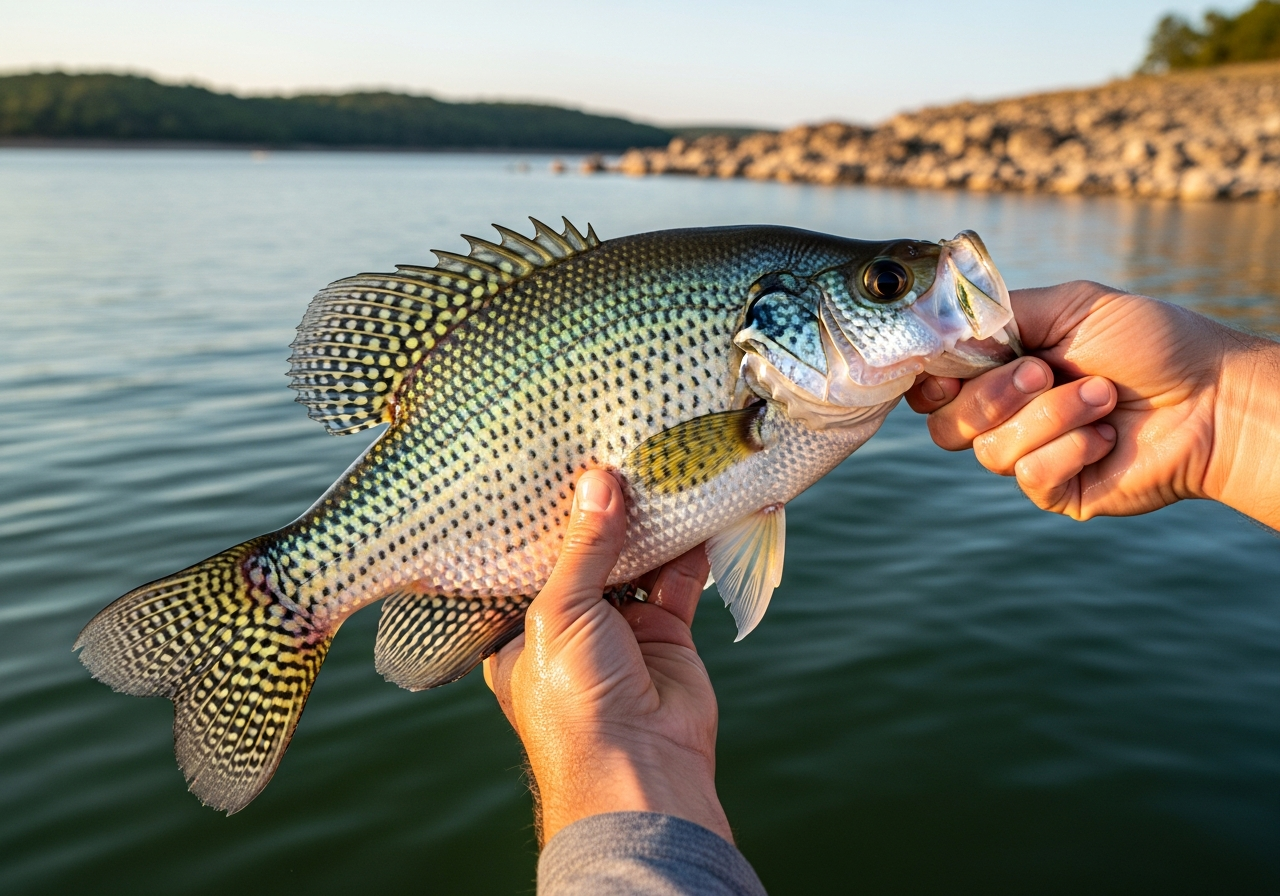
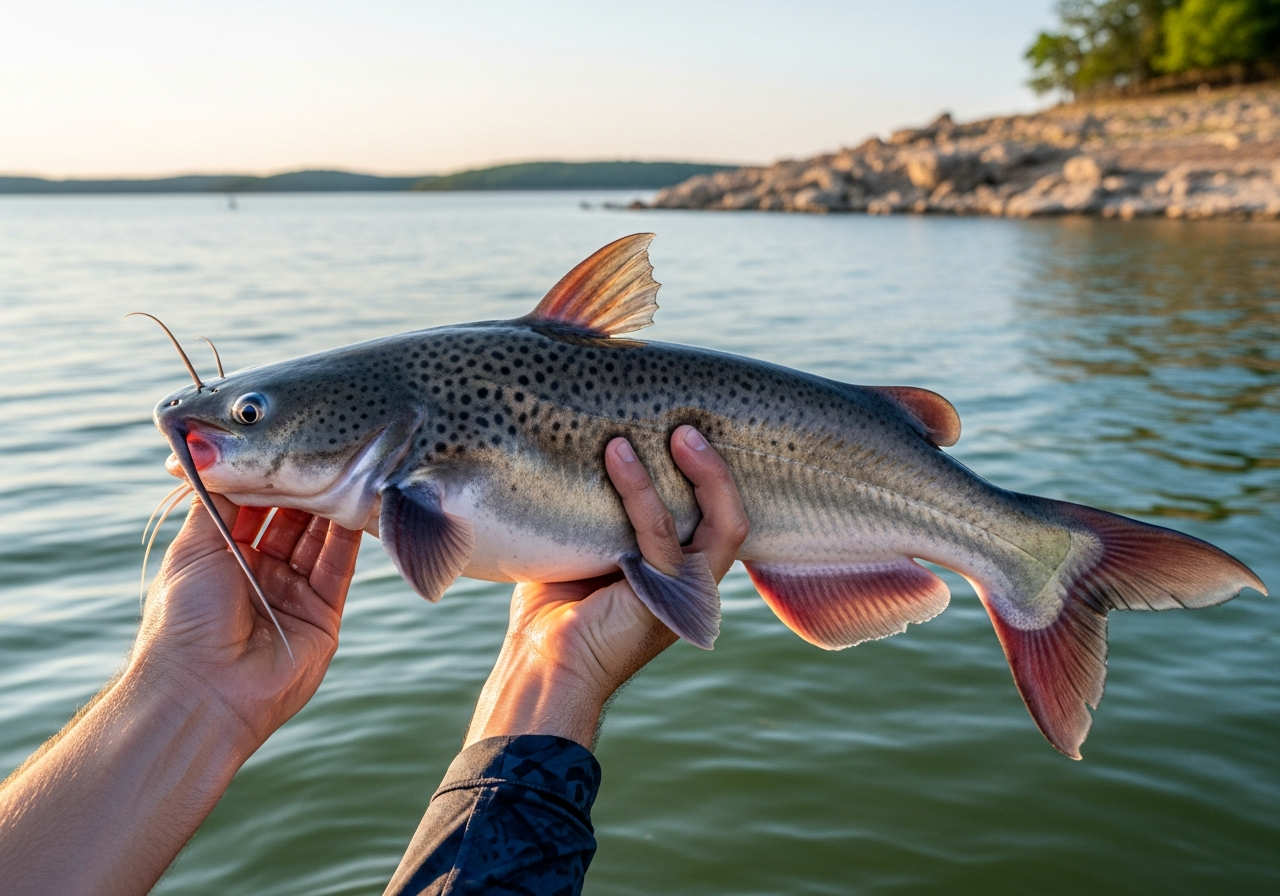
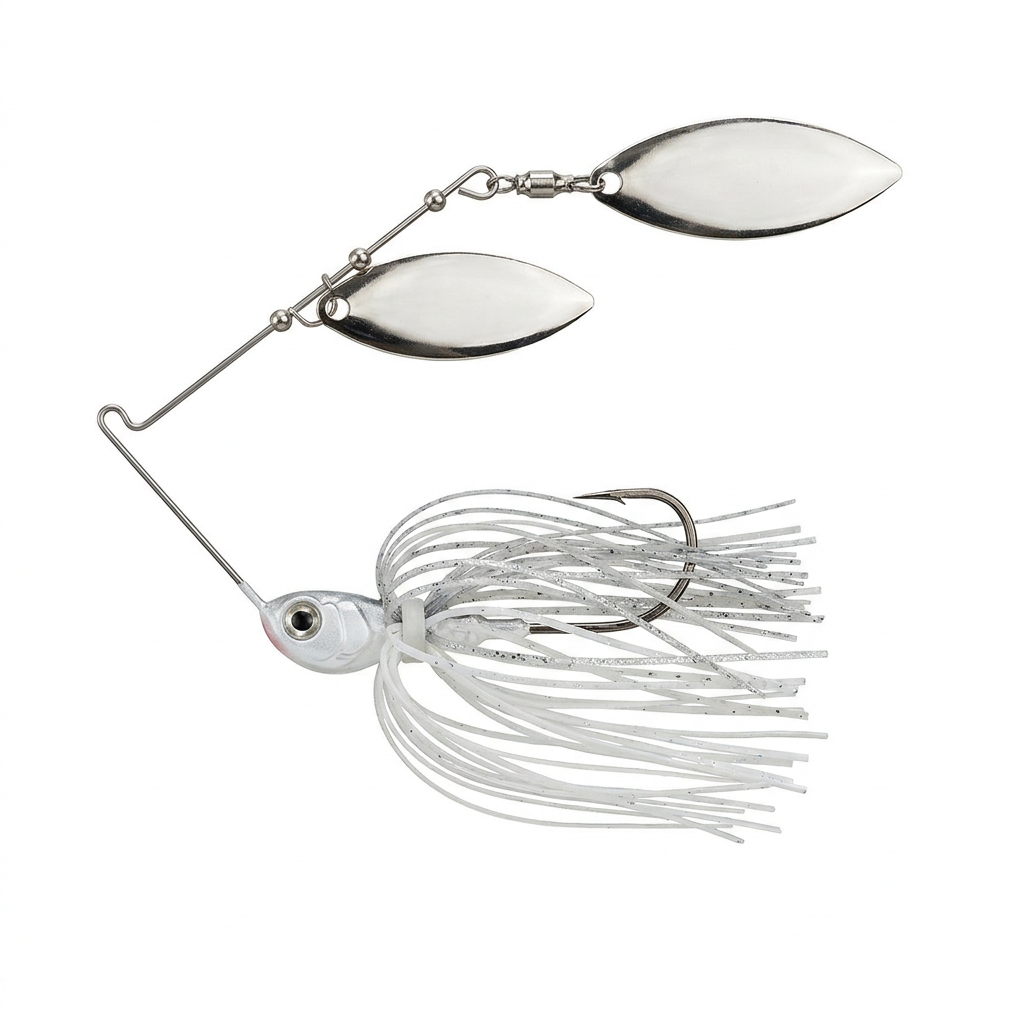
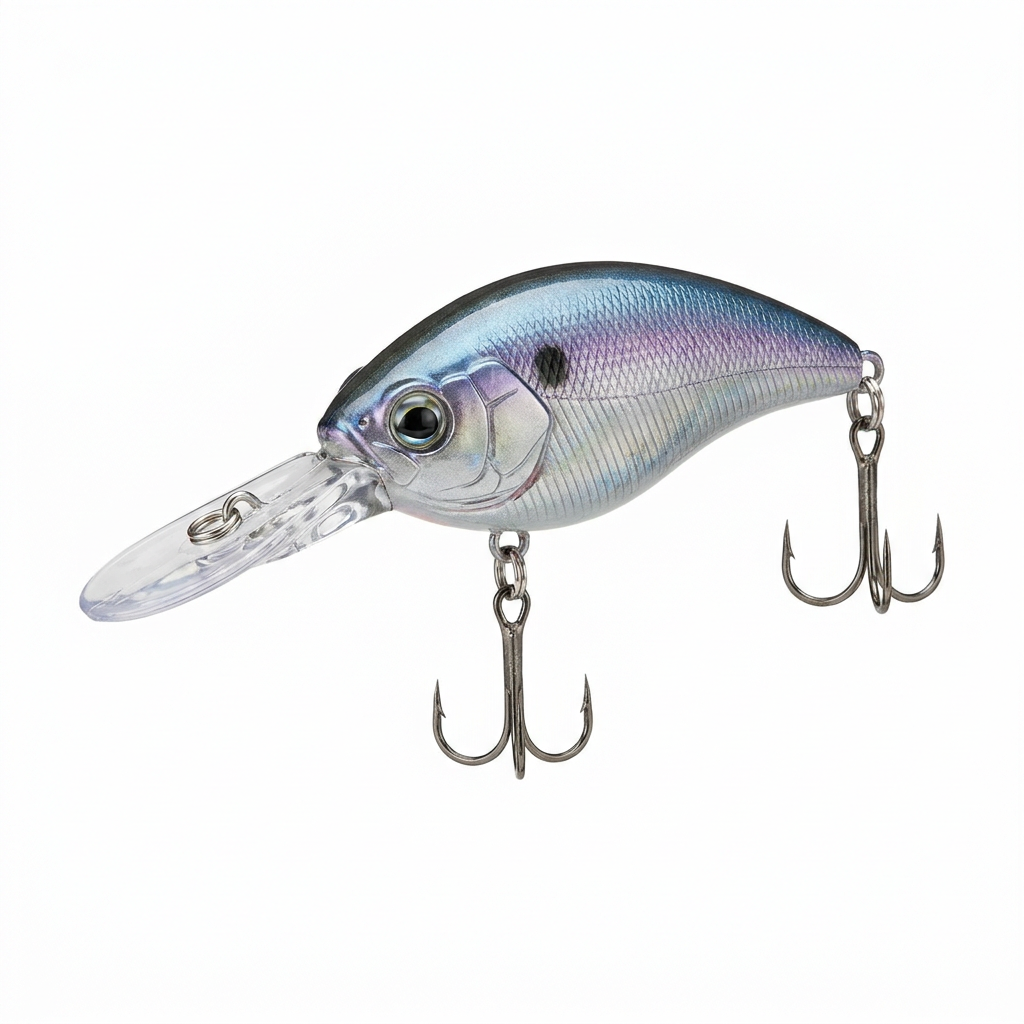
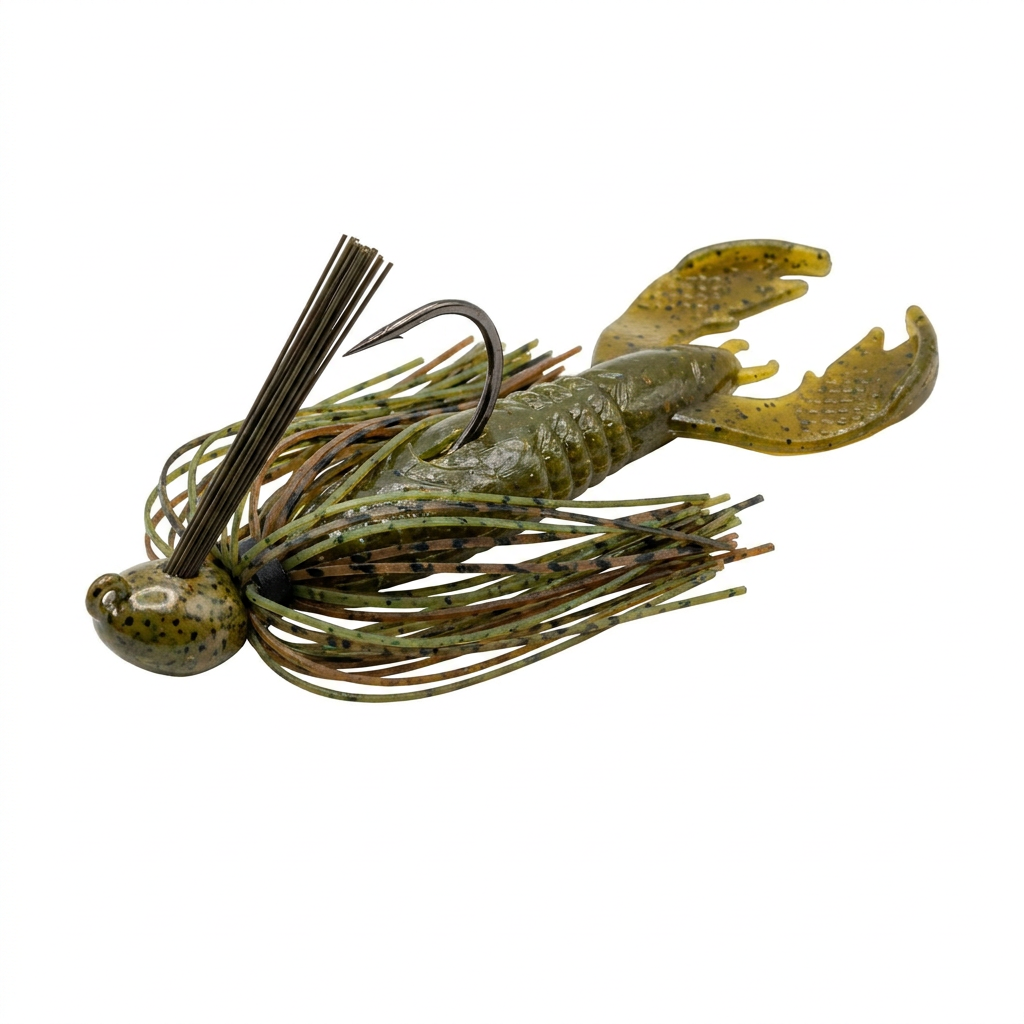
Lures for Lake of the Ozarks
Tackle matched to this lake's species and structure.
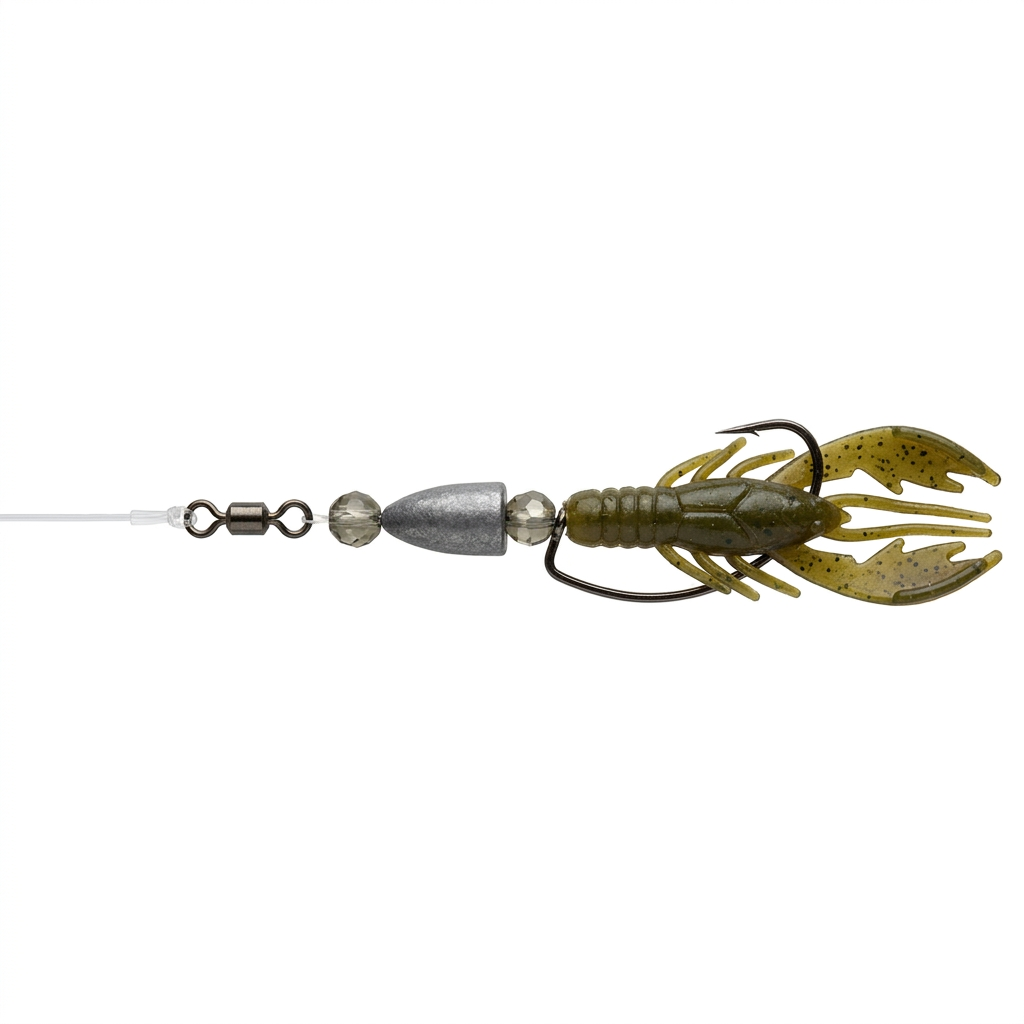
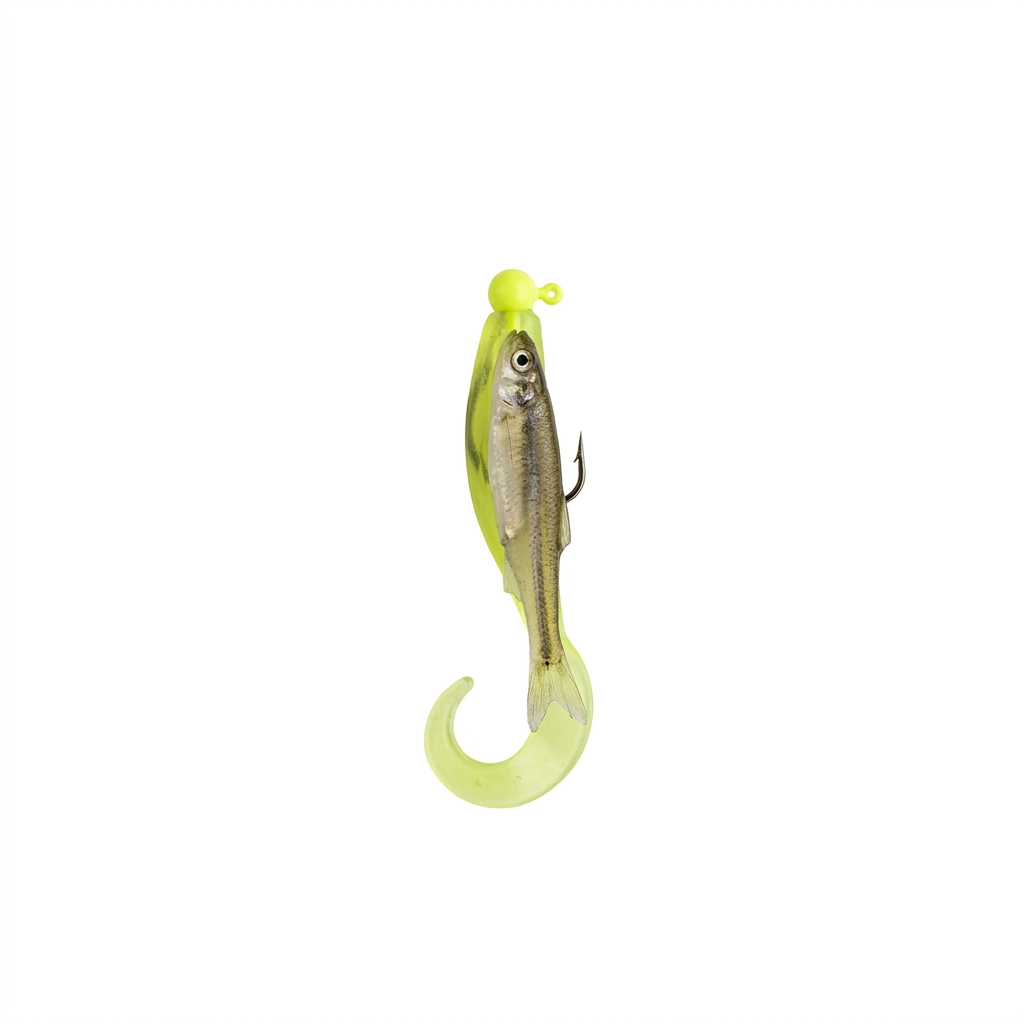
One thing I always check before a big trip is my main line. For most of the presentations that work here, you want braid. The sensitivity makes a real difference, especially when fish are finicky. I've been ordering from Reaction Tackle for a while now and haven't looked back.
About Lake of the Ozarks
Lake of the Ozarks is one of the most unique fisheries I've studied: 1,150 miles of shoreline and that dock-fishing bass culture that doesn't really exist in Texas. I'd love to experience the Ozark water and the bluff wall bass fishing that Table Rock and the Ozarks are known for. Missouri is still on my list.
Lake size and location. Lake of the Ozarks covers approximately 54,000 acres with 1,150 miles of Ozark shoreline: more shoreline than the entire California coastline. The lake spans Camden, Miller, Morgan, and Benton counties in central Missouri. Bagnell Dam was completed in 1931 on the Osage River by Union Electric (now Ameren Missouri) for hydroelectric power generation. Maximum depth is approximately 130 feet near the dam.
MDC bass regulations (verify at mdc.mo.gov). Largemouth and smallmouth bass: 15-inch minimum. Spotted bass: 12-inch minimum. Daily combined bag limit: 6 bass. Always verify current crappie length limits and any lake-specific regulation updates at mdc.mo.gov before fishing.
MDC hybrid striped bass program. Missouri Department of Conservation stocks hybrid striped bass in Lake of the Ozarks to provide an additional open-water sportfish. Hybrids grow faster than white bass and produce exciting surface schooling action in summer and fall, particularly near the Bagnell Dam area and the main lake humps.
1,150 miles of shoreline. The lake's extensive cove and arm structure creates diverse fishing habitat: from the rocky main lake points near the dam to the wooded upper arms of the Niangua, Grand Glaize, and Gravois rivers. The developed middle section with its dense dock infrastructure provides year-round bass and crappie habitat at virtually every access point.
Osage Beach access. Osage Beach is the primary commercial hub on the north shore of Lake of the Ozarks in Camden County. Multiple marinas, boat ramps, and guide services operate from Osage Beach and the surrounding communities of Lake Ozark, Camdenton, and Laurie.