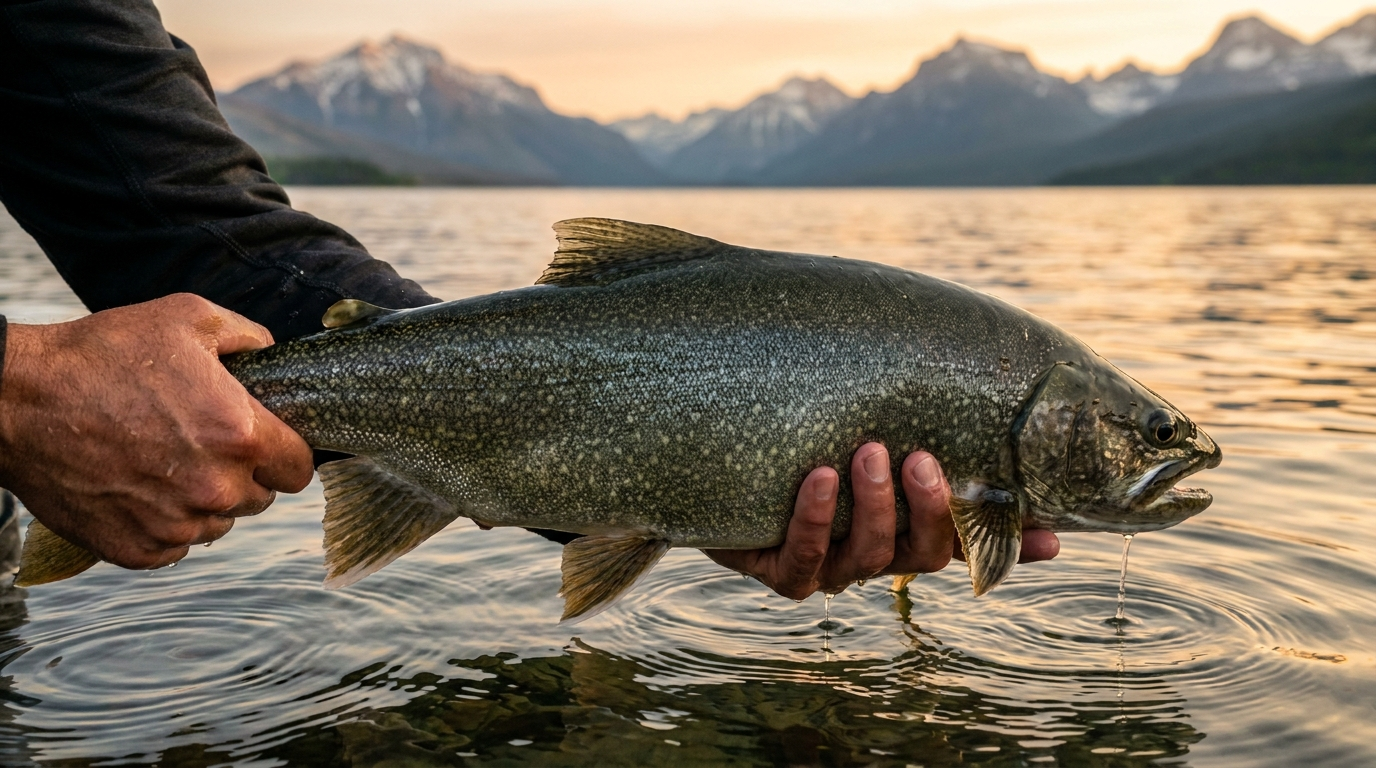
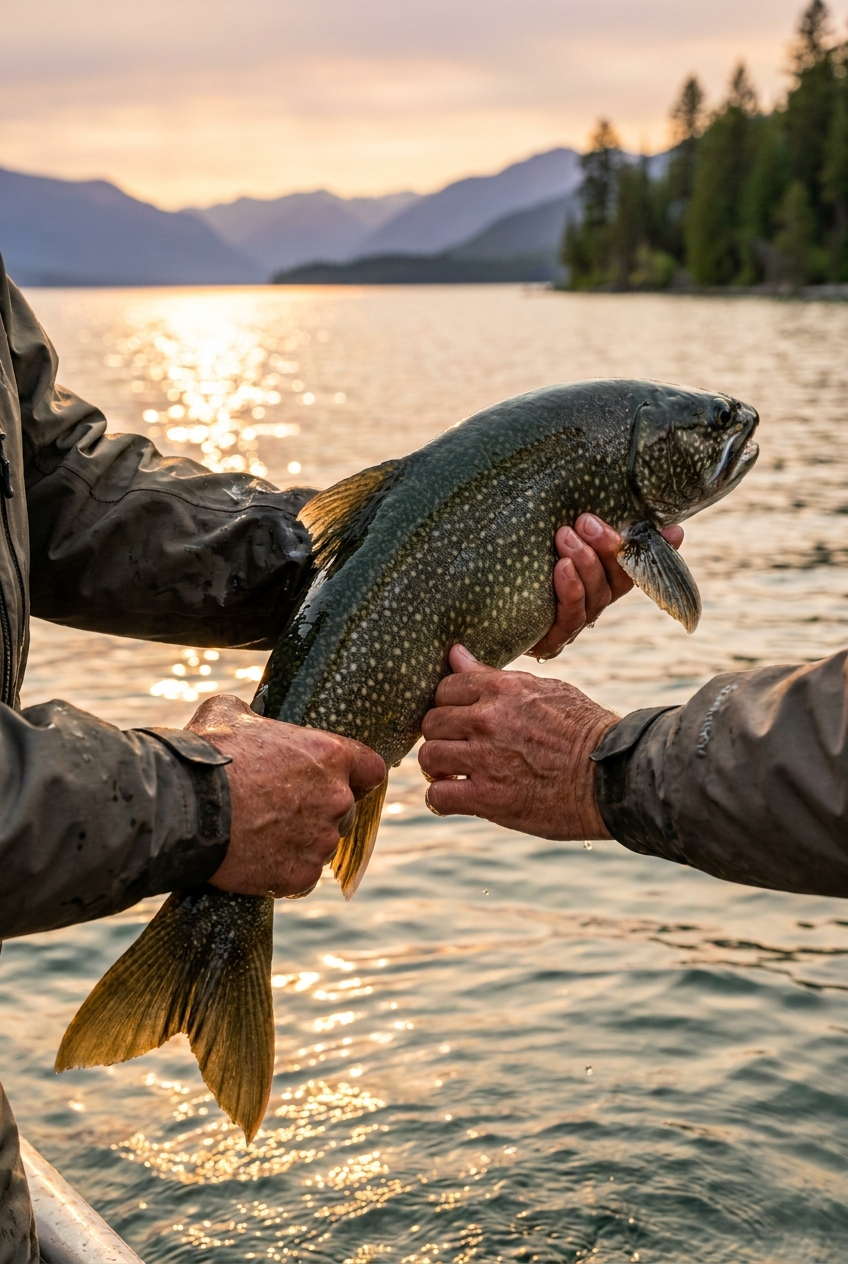
Flathead Lake stopped me in my tracks the first time I drove US-93 south from Kalispell and the water appeared through the trees -- that deep, glacier-cold blue against the Mission Mountains backdrop is something I was not prepared for. The lake trout fishing here is serious, and the perch bite off Wild Horse Island is the kind of find you want to keep quiet. If you are fishing the south end, make sure you sort out your tribal permits before you launch -- the CSKT co-management is real and the rangers check.
Today's Bite Score · October 8, 2026
Very favorable conditions for catching fish
🌘Waning Crescent
Flathead Lake Fishing Report
October FishingMonthly fishing report · October patterns and techniques
Flathead Lake in October enters a transitional phase as water temperatures drop into the low to mid-50s Fahrenheit. The lake's massive surface area and depth begin working in anglers' favor this month, as the thermocline breaks down and fish become less depth-restricted. Anglers find that fish are moving from summer haunts in deeper water toward shallower structure, though they remain somewhat dispersed across the lake's 188-square-mile expanse. The clearer water conditions in October make sight-fishing more challenging, but they also indicate that fish are more active and feeding before winter approaches.
In October, lake trout and northern pike remain the most reliable targets on Flathead Lake. Fish are concentrated around rocky points, underwater humps, and the deeper drop-offs that define much of the lake's north and south basins. Mackinaw trout are beginning to suspend less and hold tighter to structure, particularly along the Mission Mountains' western shoreline and near the numerous islands dotting the lake. Northern pike, energized by cooling water, are prowling shallower bays and vegetated areas, though anglers find them equally responsive near deeper structure. Whitefish populations also become increasingly active this month along the lake's sandy and rocky bottoms.
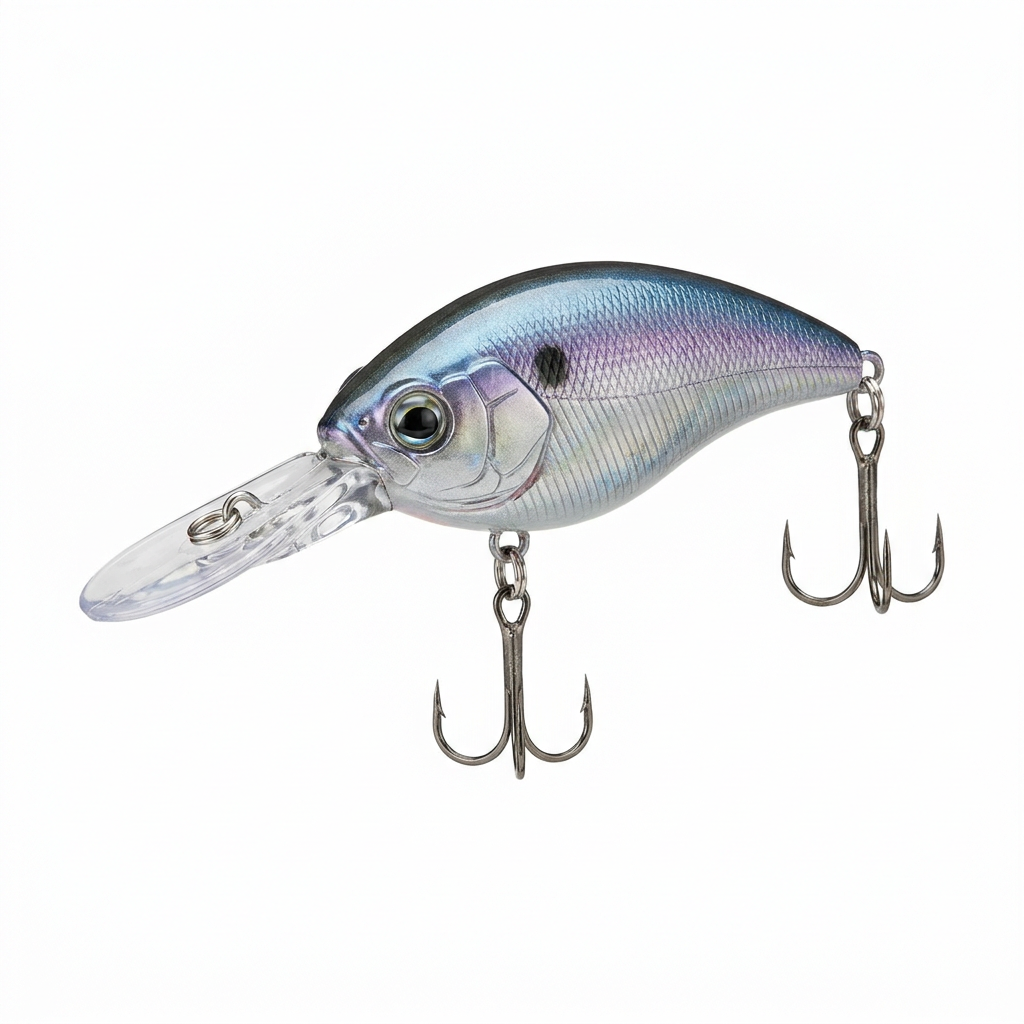
Anglers find success in October by targeting structure with live bait presentations and jigging techniques. Live cisco and whitefish work exceptionally well for Mackinaw trout when presented near rocky shelves and drop-offs using vertical jigging methods. For northern pike, large spoons and crankbaits that mimic the lake's abundant forage fish produce excellent results, particularly when cast toward point structures and along weed edges before complete senescence. Anglers working the lake's western side near Polson and along the Flathead River inlet report consistent catches using medium-sized tube jigs in natural colors. Trolling along breaklines at depths between 40 and 100 feet remains productive for Mackinaw, while pike fishermen benefit from exploring the shallower flats near Peck Bay and Yellow Bay. October offers outstanding opportunity windows during overcast days when fish are most active throughout the water column.
Get More Fishing Report Specifics
Tap a topic button below for a report on current conditions.
Tap a topic above to get a current report for Flathead Lake.
Answers are generated on demand and cached. No AI call fires until you tap a tab.
Flathead Lake Fishing Guides
Looking for a Flathead Lake fishing guide? Nearly 200,000 acres of glacier-carved Montana water — the largest natural freshwater lake west of the Mississippi — and guides who know where the bull trout, lake trout, and bass concentrate through the seasons. Here are 5 fishing guides for Flathead Lake that are worth checking out.
Flathead Lake Fishing Strategies by Species
Seasonal patterns and techniques by target species · Verified against official sources
Flathead Lake is the largest natural freshwater lake west of the Mississippi River, covering nearly 200,000 acres in the Rocky Mountain Trench of northwest Montana between the Mission Mountains to the east and the Salish Mountains to the west. It is a glacially carved lake with extraordinary depth -- 370 feet at maximum -- and remarkably clear, cold water. Lake trout dominate the deep-water fishery, yellow perch and kokanee salmon provide consistent mid-column action, and northern pike occupy the warmer shallower bays. The southern portion of the lake lies within the Flathead Indian Reservation, and non-tribal anglers fishing south of the Polson bridge require a Confederated Salish and Kootenai Tribes fishing permit in addition to a Montana state fishing license.
Flathead Lake Lake Trout Fishing Report
Lake trout are the dominant predator in Flathead Lake and the primary target for serious anglers. They grow large here, with fish in the 10- to 20-pound range common and trophy specimens exceeding 30 pounds taken most seasons. The deep, cold, clear water suits lake trout perfectly, and fish are distributed throughout the lake at depths ranging from 60 feet in early spring to well over 200 feet in midsummer. Trolling with large spoons, tube jigs, and swimbaits on lead-core line or downriggers is the standard summer approach. Spring is the best season for shallow-water lakers as fish move up to feed in 20 to 50 feet following spring turnover. The rocky points and shoals around Wildhorse Island State Park are classic spring laker habitat. Jigging heavy blade baits and tube jigs vertically over deep structure produces fish year-round for anglers willing to put in the sonar time. Montana FWP regulations for lake trout on Flathead Lake allow a generous harvest to help manage the population, which has grown to levels that negatively impact native bull trout. The southern portion of the lake (south of the US-93 bridge at Polson) is within the Flathead Indian Reservation -- non-tribal anglers must hold both a Montana fishing license and a CSKT tribal fishing permit to fish that area. Verify current regulations at https://fwp.mt.gov/fish/regulations before fishing.
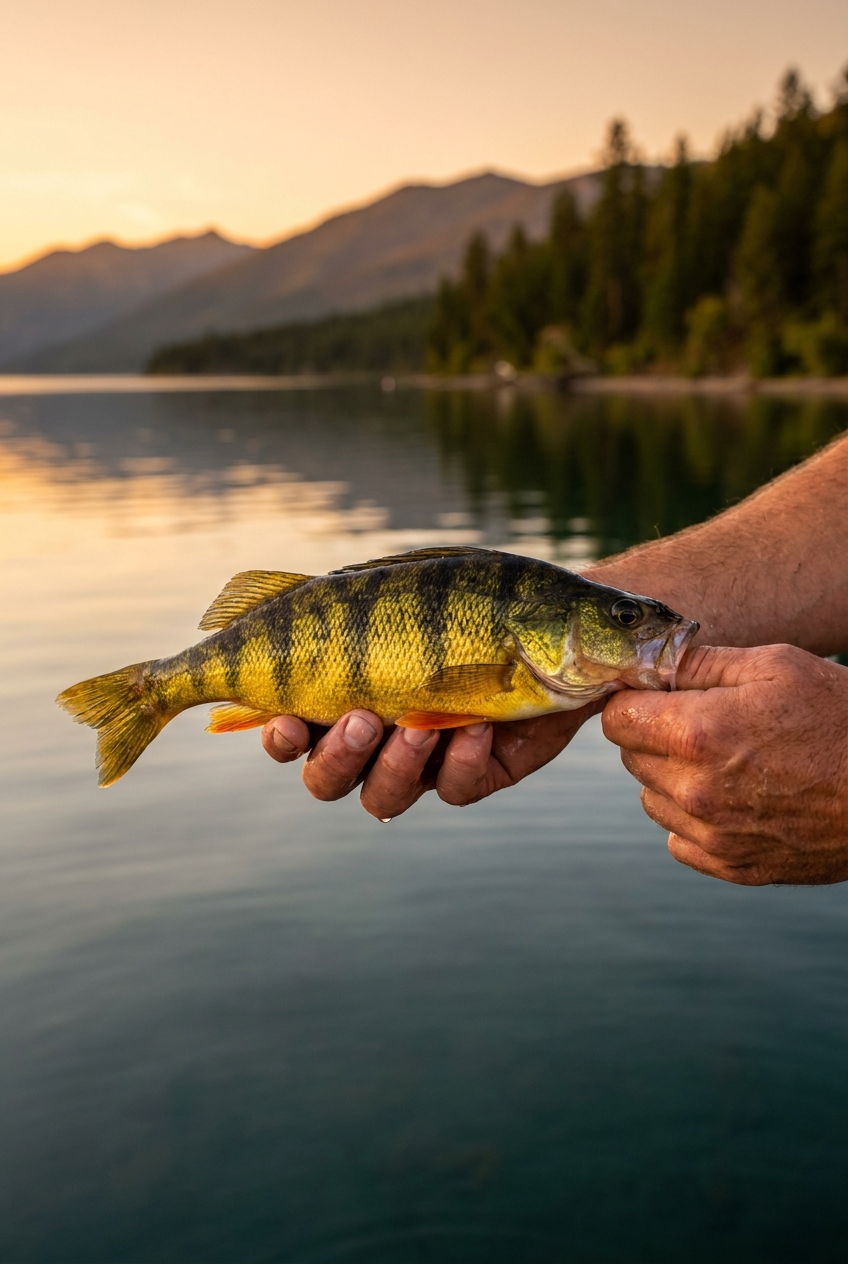
Flathead Lake Yellow Perch Fishing Report
Yellow perch are one of the most popular species at Flathead Lake and provide consistent action for anglers of all skill levels. Perch school in moderate depths around rocky structure, dock pilings, and the rocky shorelines around Wildhorse Island and Big Arm Bay. The best fishing typically occurs in spring and fall when perch are actively feeding in 10 to 25 feet of water. Small jigs tipped with wax worms or small minnows fished vertically are the standard approach. Perch often stack on particular structural features, so finding the school is the key to a productive day. Once located, it is common to catch multiple fish from the same spot. Summer perch retreat to slightly deeper water in the 25- to 40-foot range and are accessible by dropping small jigs and minnow rigs to the school. Montana FWP regulations set a daily bag limit for yellow perch on Flathead Lake. Non-tribal anglers fishing the southern portion of the lake (south of the Polson bridge) must also comply with CSKT tribal fishing regulations, which may differ from state regulations. Verify current regulations at https://fwp.mt.gov/fish/regulations before fishing.
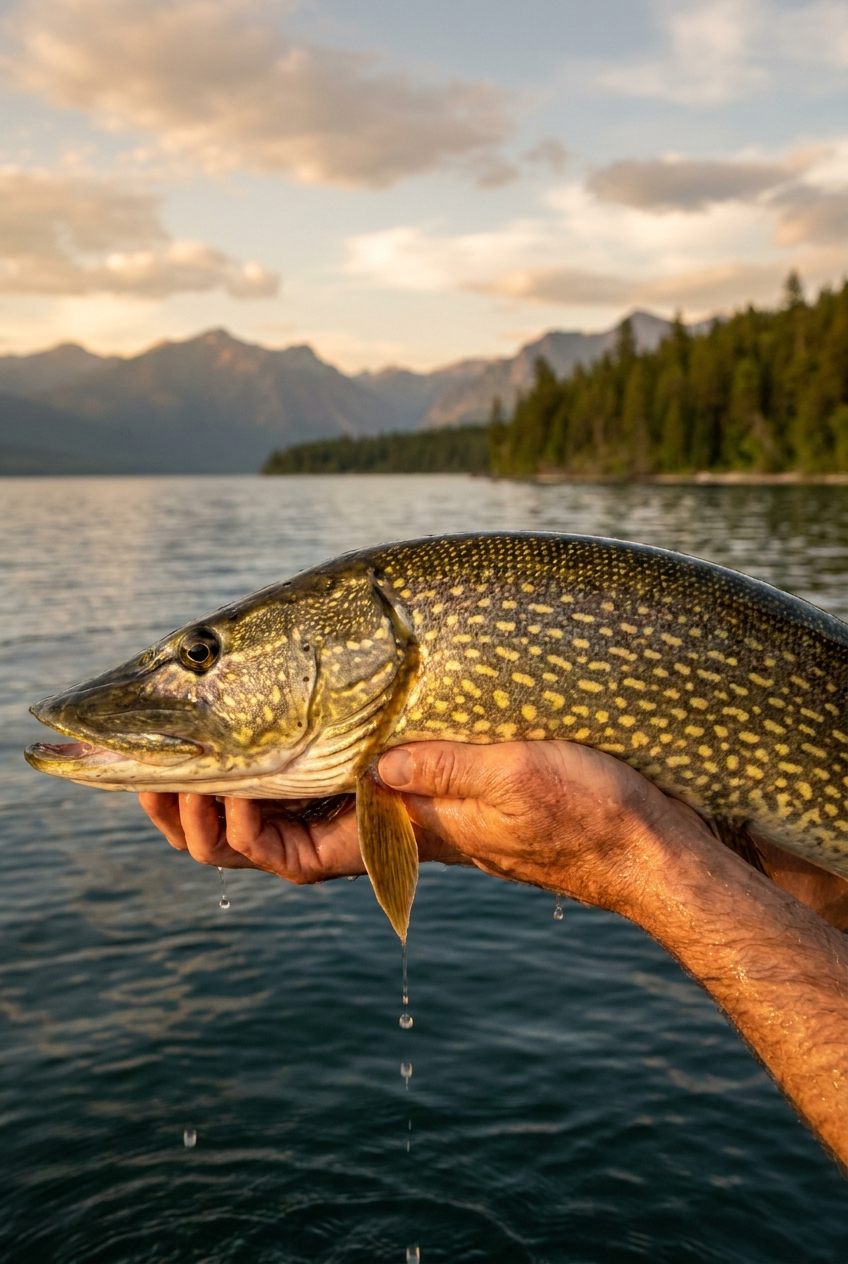
Flathead Lake Northern Pike Fishing Report
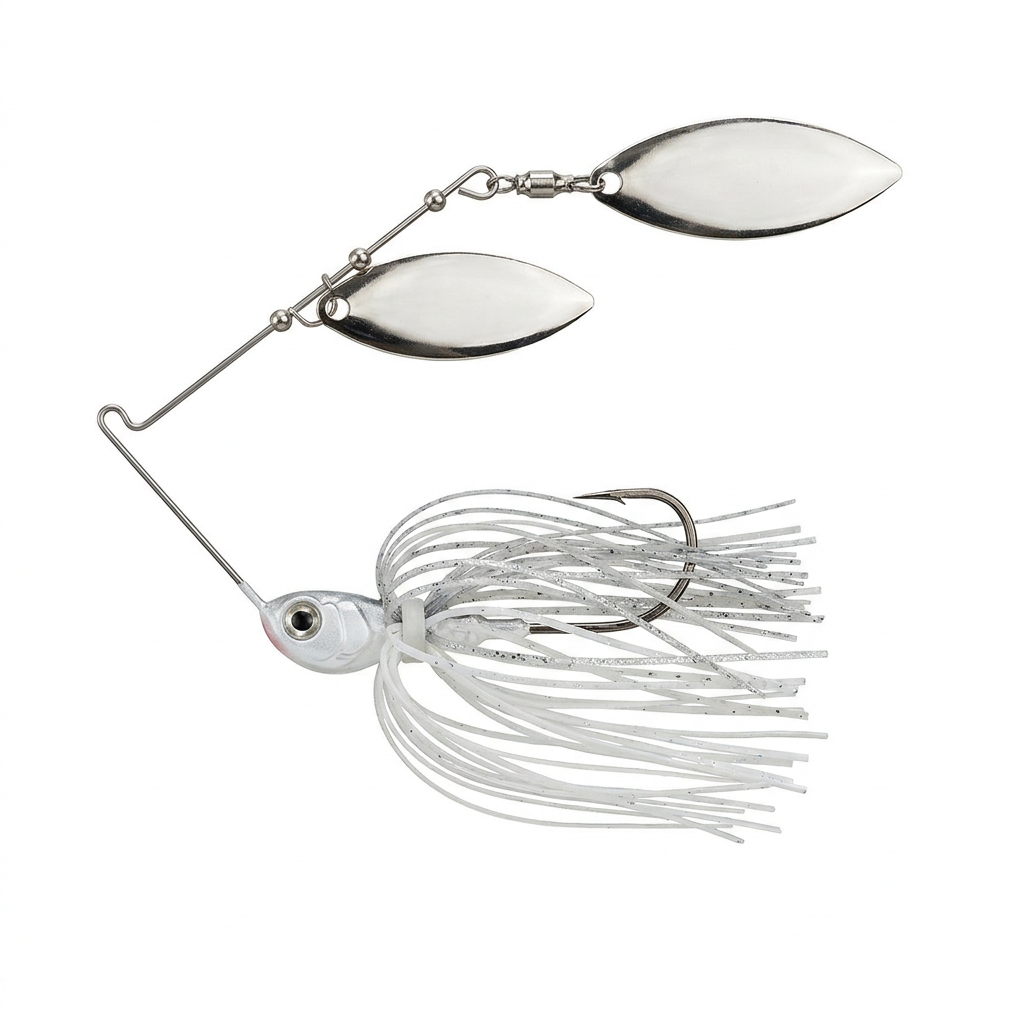
Northern pike are an introduced species in Flathead Lake and occupy the warmer, shallower bays and inlet areas around the lake's perimeter. The bay areas at Somers, Bigfork, and the mouths of the Flathead and Swan rivers hold the highest pike densities. Spring is the best season as pike move into shallow water to spawn and feed aggressively. Large spinnerbaits, spoons, and swimbaits cast parallel to weed edges and submerged logs produce well. Montana FWP actively encourages pike harvest on Flathead Lake due to their predatory impact on native and sportfish species. In some areas of the lake, there is no size or bag limit on northern pike as a management tool to reduce the population. Large pike in the 10- to 15-pound range are caught regularly in productive bays. Montana FWP has special northern pike regulations on Flathead Lake designed to reduce the population and protect native species. These regulations may include no size limit and unlimited bag limits in certain zones. Non-tribal anglers fishing the south end of the lake must also comply with CSKT tribal regulations. Verify current regulations at https://fwp.mt.gov/fish/regulations before fishing.
Flathead Lake Kokanee Salmon Fishing Report
Kokanee salmon are a landlocked form of sockeye salmon that have historically supported a strong fishery in Flathead Lake, though populations have fluctuated significantly due to competition with lake trout and changes in the lake's mysid shrimp population. When kokanee are abundant, trolling with small spoons and Wedding Ring spinners in the 40- to 80-foot range produces excellent catches from June through August. Kokanee are schooling fish, and electronics are critical to locating them. Fall brings the kokanee spawn run into Flathead Lake's tributary streams, particularly the Flathead River system, where they can be targeted in shallow water. The kokanee fishery at Flathead Lake is highly variable from year to year, so checking current Montana FWP reports before a trip is strongly recommended. Montana FWP sets kokanee salmon regulations on Flathead Lake seasonally. The fishery can be subject to closures or special restrictions based on current population status. Verify current regulations at https://fwp.mt.gov/fish/regulations before fishing.
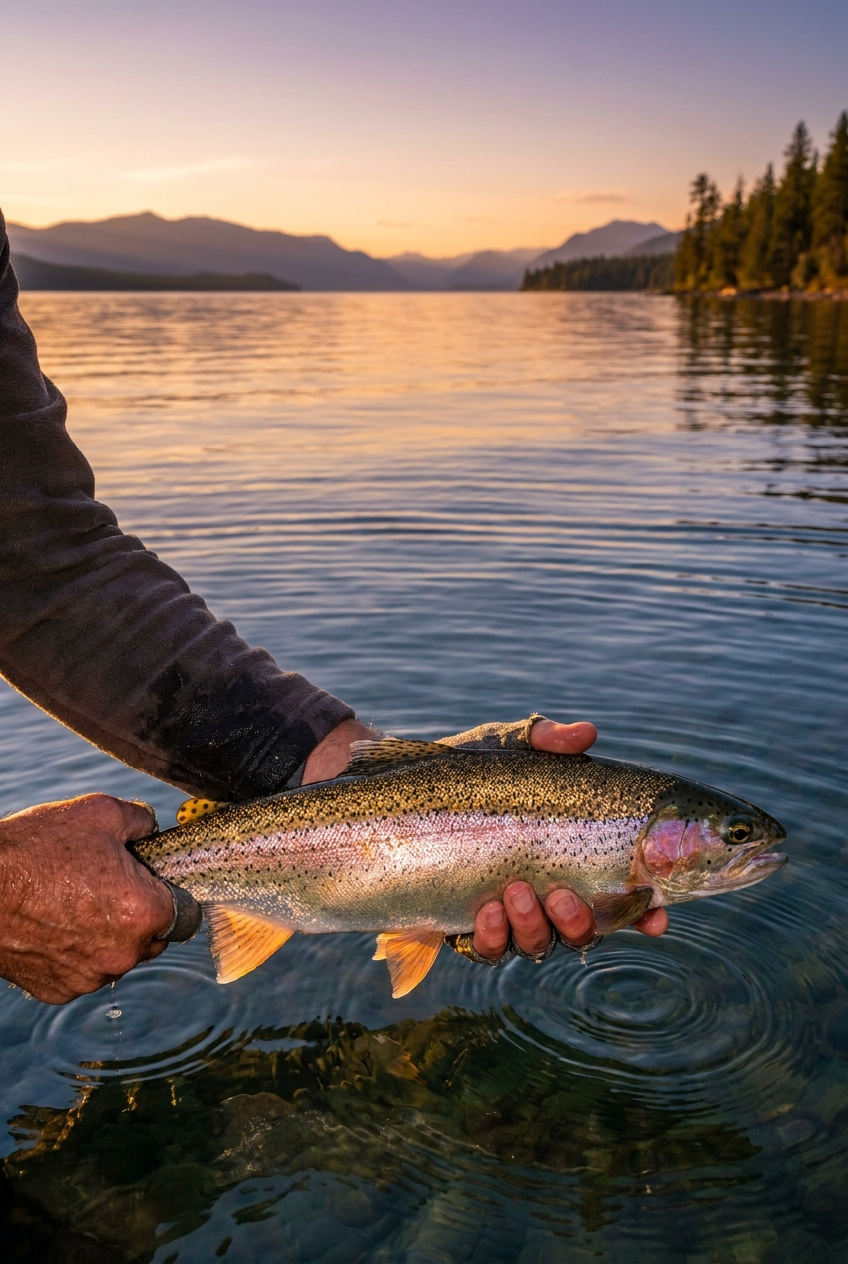
Flathead Lake Rainbow Trout Fishing Report
Rainbow trout are present in Flathead Lake, entering primarily from the Flathead River and other tributary streams that drain into the lake. They are more commonly encountered in the upper reaches of the lake near the Flathead River delta and in areas adjacent to tributary mouths. Trolling small spoons and stick baits in the 10- to 30-foot range near river inflows can produce rainbows alongside kokanee and smaller lake trout. Fly fishing the Flathead River system above the lake is often more productive than fishing the main lake body for rainbows. Shore anglers casting rooster tail spinners and floating bait rigs near inlet areas catch rainbows opportunistically throughout the season. Montana FWP regulations for rainbow trout on Flathead Lake follow standard statewide trout regulations unless otherwise posted. The Flathead River system above the lake has its own set of regulations, which may differ from the main lake. Non-tribal anglers fishing the southern lake zone must also carry a CSKT tribal permit. Verify current regulations at https://fwp.mt.gov/fish/regulations before fishing.
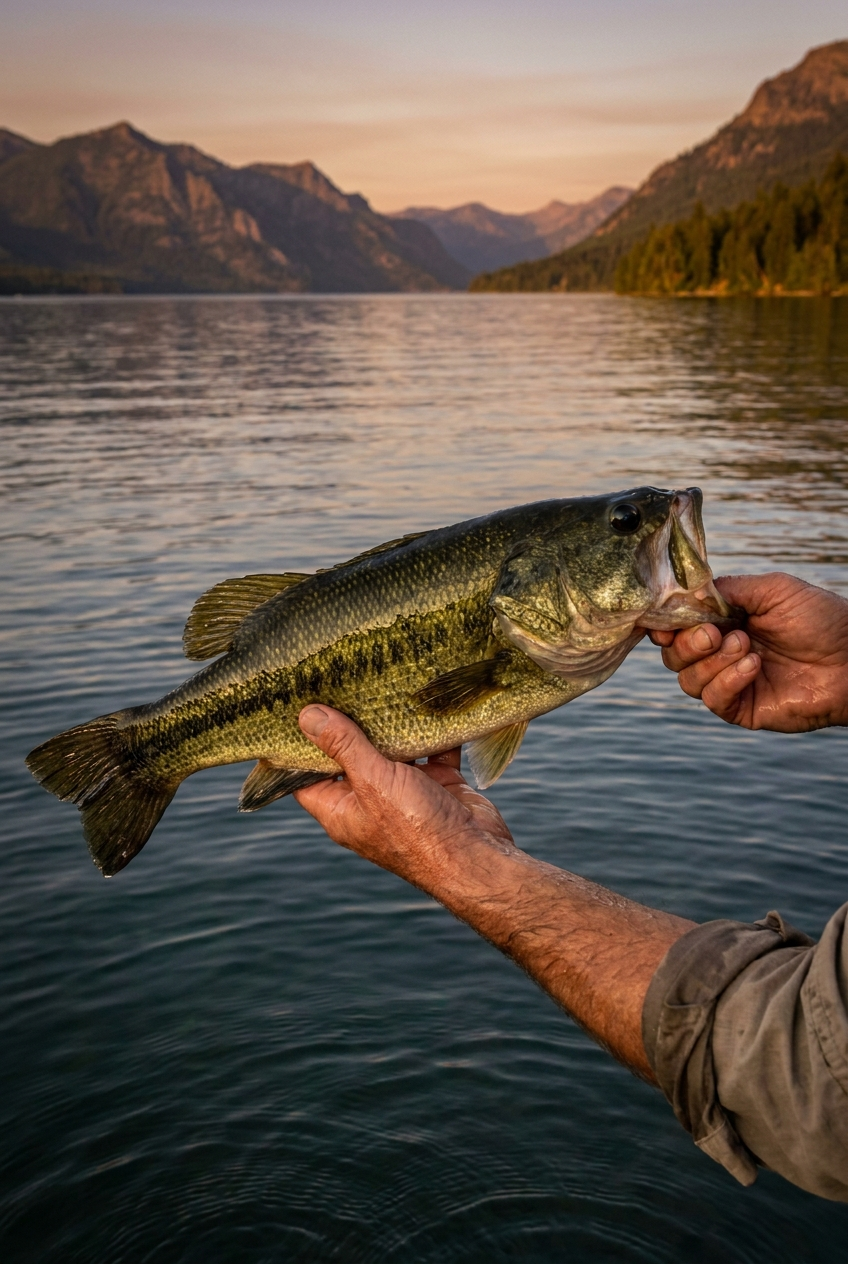
Flathead Lake Largemouth Bass Fishing Report
Largemouth bass are present in the warmer, shallower bays of Flathead Lake, particularly in the southern and eastern arms where water temperatures reach levels suitable for bass through the summer months. The best bass habitat is concentrated in the bays around Polson, Dayton, and the shallower flats near the Flathead River delta. Bass fishing is secondary to the trout and perch fisheries at Flathead Lake, but the fish that are there can be of decent size. Spinnerbaits and Texas-rigged worms worked around dock structure and rocky weed edges produce bass in mid-summer when water temperatures are warmest. Bass fishing pressure is light compared to the rest of the lake's fisheries, which keeps the catch quality reasonable for those who seek them out. Montana FWP regulations for largemouth bass on Flathead Lake may include a minimum size limit and daily bag limit consistent with statewide regulations. Non-tribal members fishing the southern portion of the lake (south of the Polson bridge) must also hold a valid CSKT tribal fishing permit. Verify current regulations at https://fwp.mt.gov/fish/regulations before fishing.
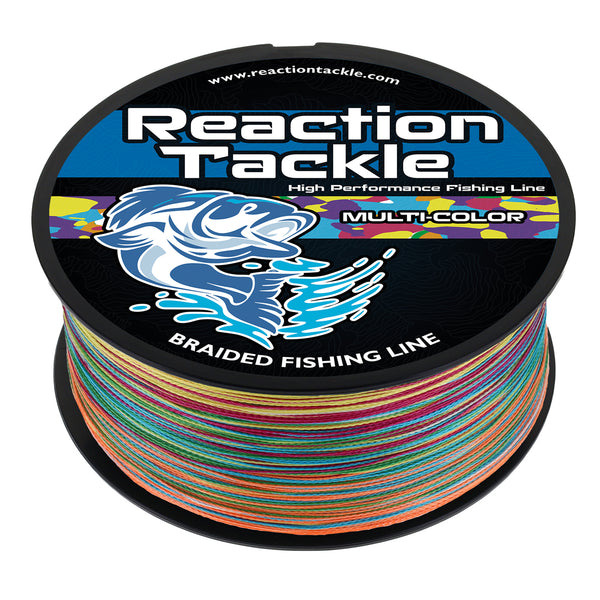
If you haven't replaced your braided line in a season or two, now's the time. Braid holds up better than mono, but abrasion from wood and rock adds up. Reaction Tackle is one of my favorite places to order from.
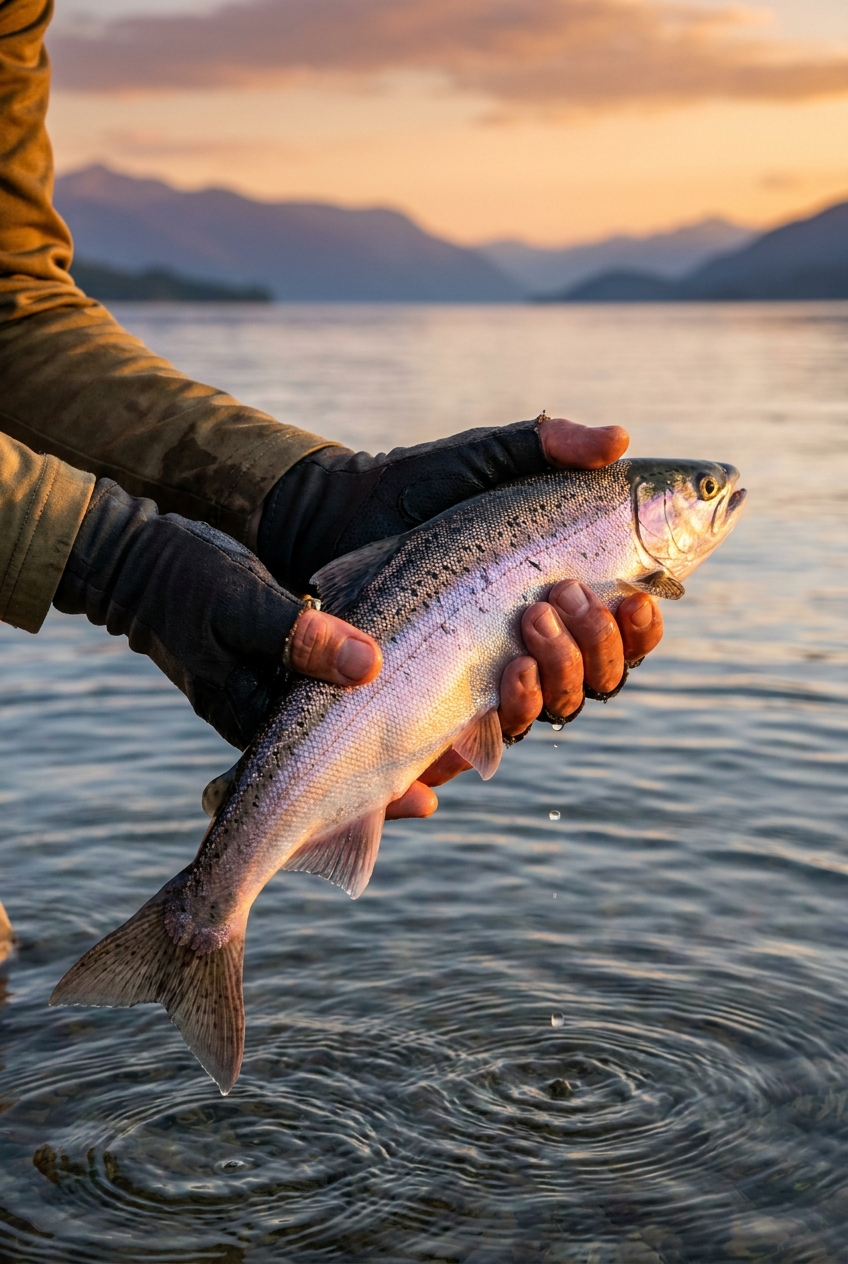
Top Fish to Target in Flathead Lake
Lures for Flathead Lake
Tackle matched to this lake's species and structure.
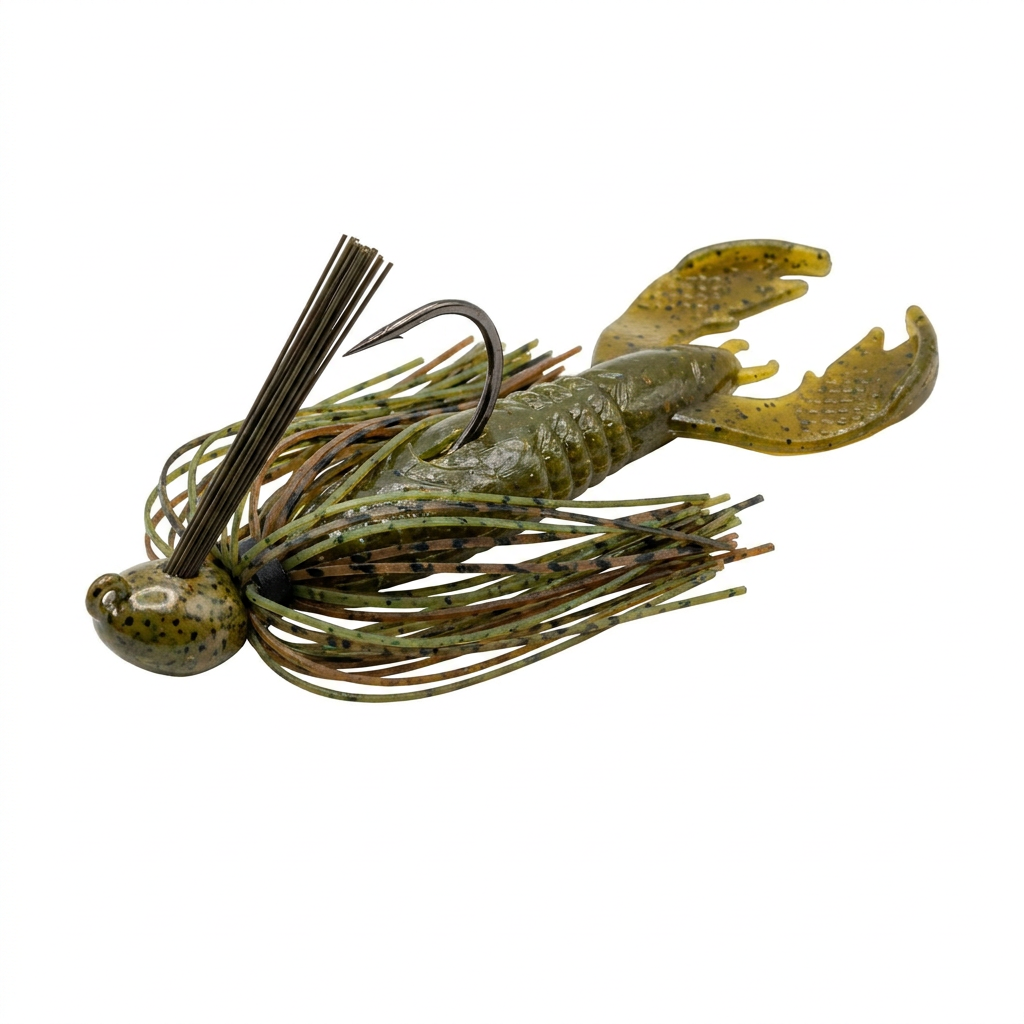
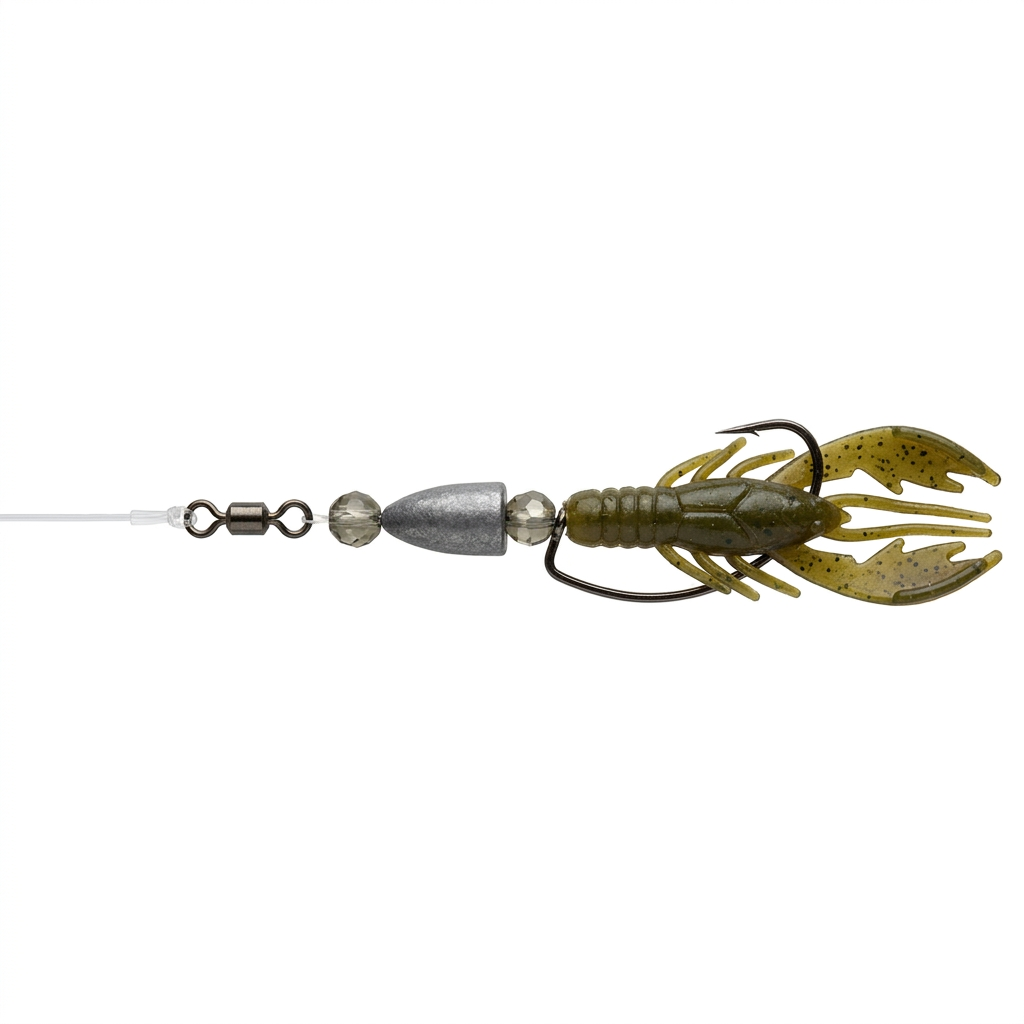
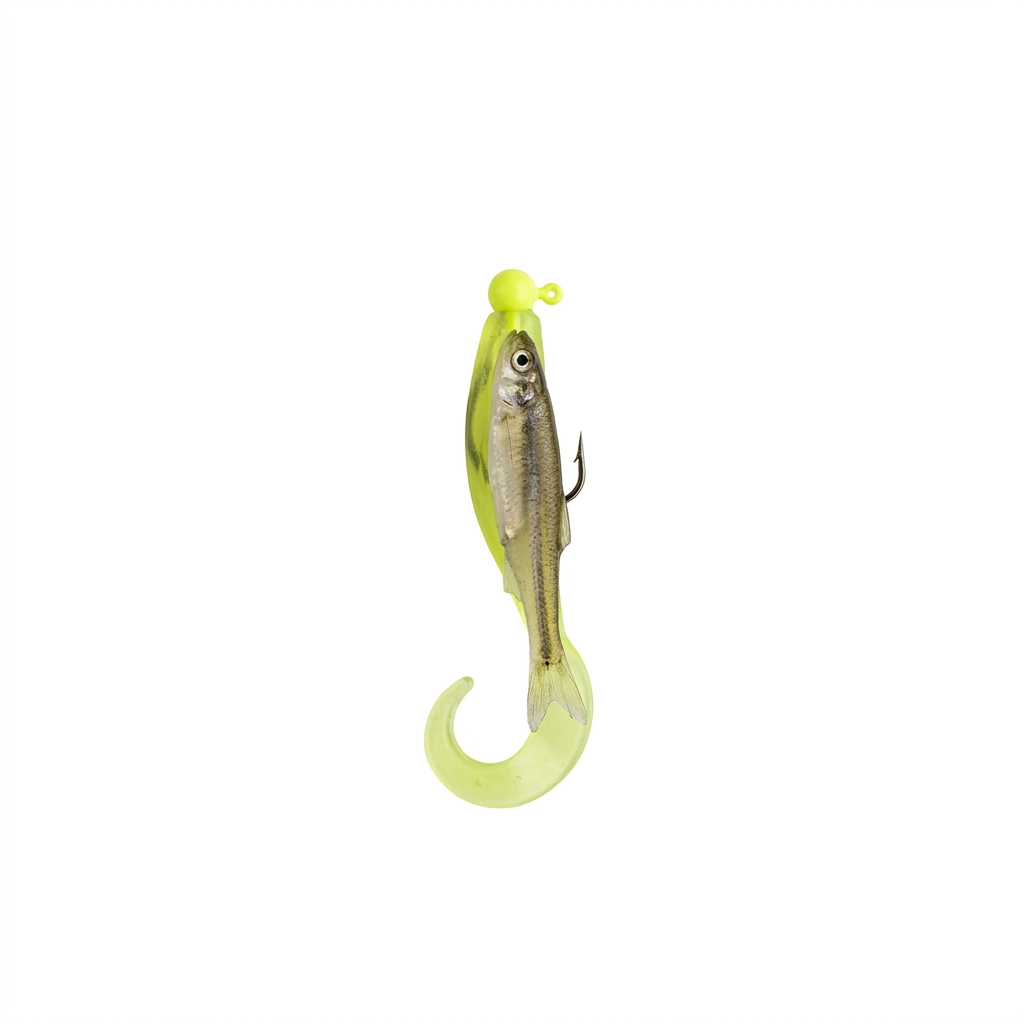
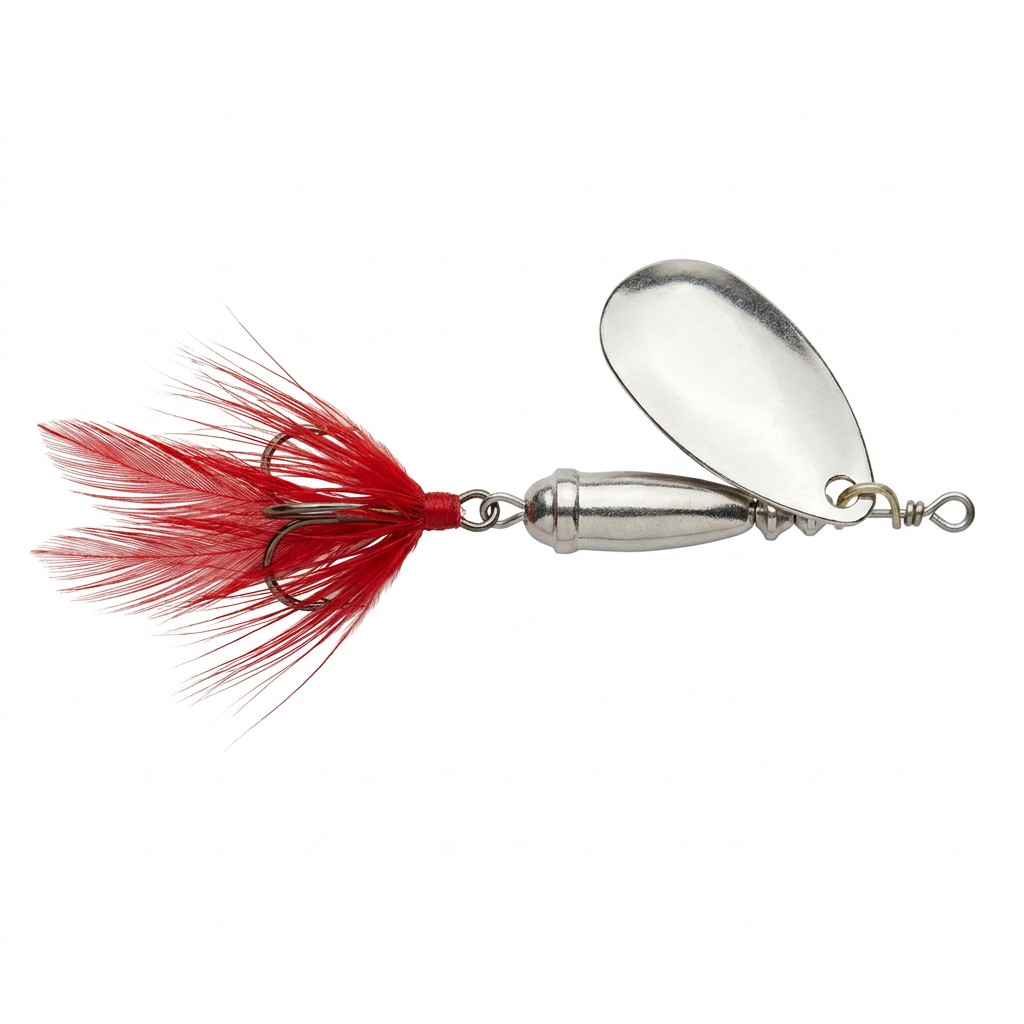
The right line matters as much as the lure. For the presentations that work on this lake, whether flipping timber, fishing main lake structure, or working deep brush, braid is the move. No stretch, more feel, and it lasts. Reaction Tackle is where I get mine.
About Flathead Lake
Flathead Lake is the largest natural freshwater lake west of the Mississippi River, covering approximately 197,000 acres in the Rocky Mountain Trench of northwest Montana. The lake was carved by glacial activity and sits between the Mission Mountains to the east and the Salish Mountains to the west, spanning roughly 30 miles from north to south and up to 15 miles in width. Maximum depth reaches 370 feet, and the water is exceptionally clear and cold throughout the year. The town of Kalispell anchors the north end of the lake; Polson sits at the south end where the Flathead River exits the lake and flows south through the Flathead Indian Reservation.
A unique dual-jurisdiction management system defines fishing on Flathead Lake. The northern portion of the lake is under Montana Fish, Wildlife and Parks (FWP) jurisdiction exclusively. The southern portion -- roughly south of the US-93 bridge at Polson -- lies within the Flathead Indian Reservation, and the Confederated Salish and Kootenai Tribes (CSKT) hold co-management authority. Non-tribal anglers wishing to fish the south end of the lake must purchase a CSKT tribal fishing permit in addition to their Montana state fishing license. Tribal fishing wardens enforce permit requirements independently of FWP officers, and citations are issued regularly to unprepared anglers.
Lake trout are the dominant apex predator in Flathead Lake and have grown to population levels that affect native bull trout and other native species. Montana FWP actively encourages lake trout harvest and has set generous bag limits to help control the population. The mysid shrimp (opossum shrimp) introduction in the 1980s, intended to benefit fish, instead crashed the kokanee salmon population by competing directly with them for zooplankton. Kokanee have partially recovered, but the Flathead Lake food web remains in flux, which FWP monitors through ongoing surveys.
Access to Flathead Lake is excellent from multiple public boat ramps and state parks around its perimeter, including Wayfarers State Park near Bigfork, West Shore State Park, and Finley Point State Park. Wildhorse Island State Park, accessible only by boat, sits near the east shore and offers some of the best rocky shoreline perch and lake trout fishing on the lake. The lake is also a major destination for sailing, kayaking, and paddleboarding, and boat traffic on summer weekends can be heavy near the resort communities of Bigfork, Woods Bay, and Lakeside.