
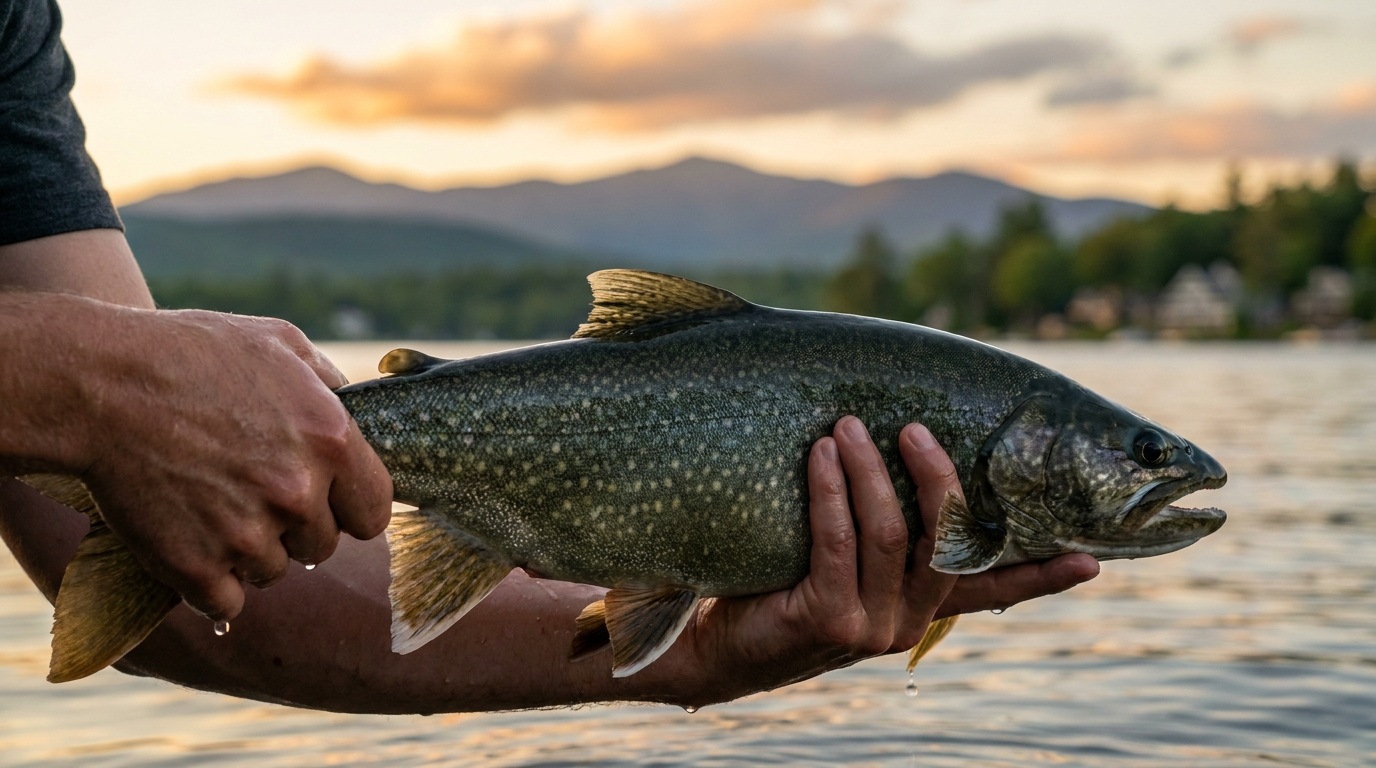
Winnipesaukee has been on my list as long as I've been planning Northeast fishing trips. The lake trout fishery here is one of the better ones accessible without a long wilderness boat trip, and the landlocked salmon in the cooler months add a species that's genuinely hard to find in the lower 48. I want to be on this lake at ice-out.
Today's Bite Score · October 8, 2026
Very favorable conditions for catching fish
🌘Waning Crescent
Lake Winnipesaukee Fishing Report
October FishingMonthly fishing report · October patterns and techniques
Lake Winnipesaukee in October experiences a significant transition as water temperatures drop into the low to mid-50s Fahrenheit. Fish are responding to the cooling water by shifting their behavior and location patterns. The lake's 67,000-acre surface begins to show signs of seasonal change, with clearer water conditions developing as summer algae blooms fade. In October, anglers find that fish are moving away from shallow summer haunts and positioning themselves in deeper structures, transition zones, and drop-offs where they can access both food and thermally stable water.
This month, largemouth and smallmouth bass are among the most active species in Winnipesaukee, with smallmouth particularly aggressive in the lake's rocky coves and deeper basins. Lake trout begin their fall movements into deeper water columns, particularly around the basin areas near Center Island and the deeper sections of the main lake body. Landlocked salmon are also feeding heavily this month as they prepare for spawning season, and anglers find them near structure in 40 to 80 feet of water. Yellow perch and white perch continue to school in predictable locations around submerged ledges and rocky points. Walleye activity increases as water temperatures cool, and these fish are found hunting the transition zones between shallow flats and deeper water.
In October, anglers find success using live bait presentations, particularly shiners and small smelt for lake trout and salmon. Vertical jigging with small spoons and tube jigs over deep structure produces consistent results for both bass and walleye. Crankbaits that reach intermediate depths work well around Winnipesaukee's numerous rocky islands and points. Top-water presentations early in the morning can still trigger strikes from bass before water temperatures dip further. Trolling near known structure along the main channel and around the deeper basins yields results for salmon and lake trout. Anglers should focus their efforts on water 30 to 70 feet deep, as fish are compressed into narrower depth ranges this month. Early morning and late afternoon provide the most active feeding windows.
Get More Fishing Report Specifics
Tap a topic button below for a report on current conditions.
Tap a topic above to get a current report for Lake Winnipesaukee.
Answers are generated on demand and cached. No AI call fires until you tap a tab.
Lake Winnipesaukee Fishing Guides
Looking for a Lake Winnipesaukee fishing guide? New Hampshire's largest lake has diverse structure and species that change dramatically through the seasons — a local guide knows which program is working week to week. Go here → to check out our recommended fishing guides for Lake Winnipesaukee. Then scroll down on that page to see all of the Lake Winnipesaukee fishing guides.
Lake Winnipesaukee Fishing Strategies by Species
Seasonal patterns and techniques by target species · Verified against official sources
Lake Winnipesaukee is New Hampshire's largest lake, covering 44,586 acres in Belknap and Carroll counties in the Lakes Region of central New Hampshire. The natural glacial lake has a maximum depth of 180 feet, features 274 islands, and offers 283 miles of shoreline. The lake's name is derived from the Abenaki language and is often translated as "Smile of the Great Spirit." Winnipesaukee is managed by New Hampshire Fish and Game for lake trout, landlocked Atlantic salmon, smallmouth bass, largemouth bass, rainbow trout, and yellow perch. NHFG regulations change seasonally and must be verified at wildlife.nh.gov before every trip.
Lake Winnipesaukee Lake Trout Fishing Report
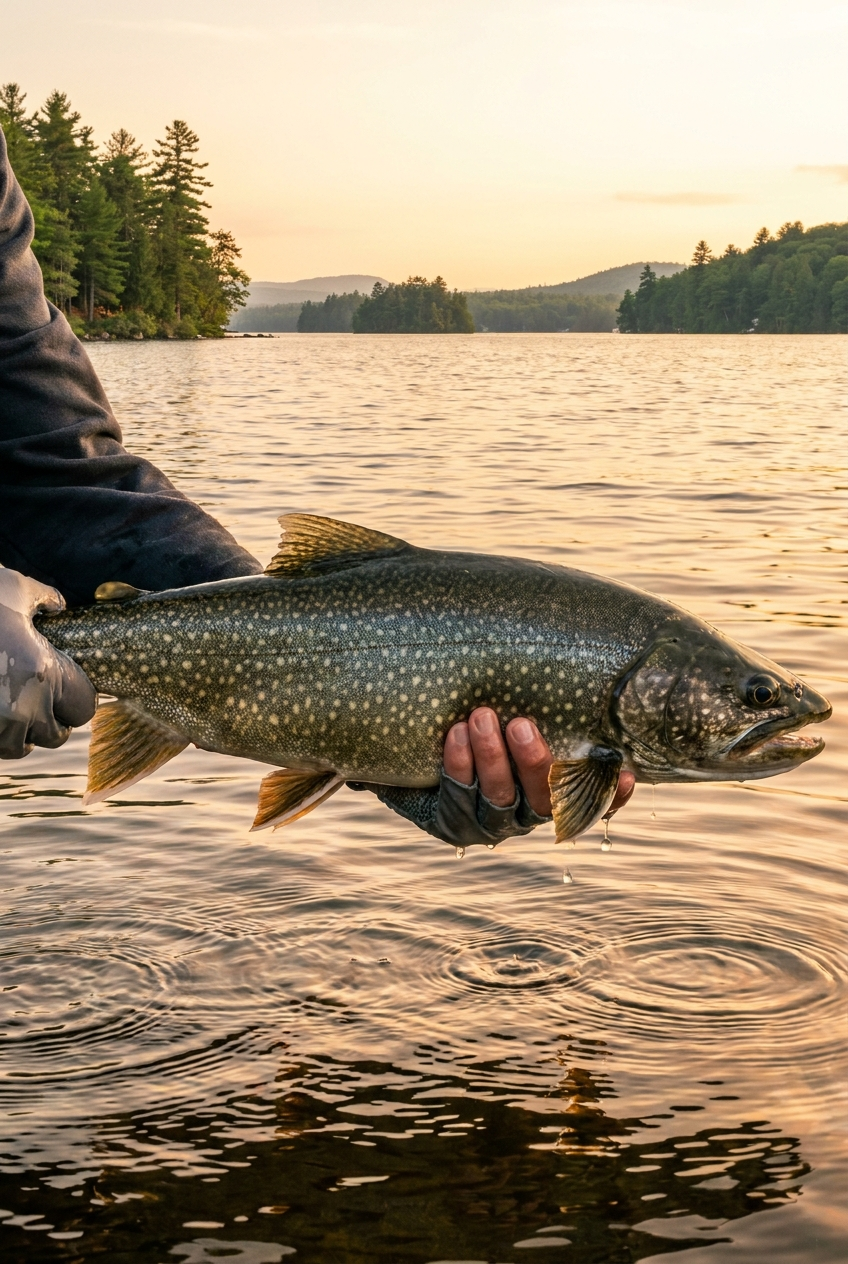
Lake trout are the signature cold-water species of Lake Winnipesaukee and one of the primary draws for serious anglers who visit the Lakes Region. The lake's 180-foot maximum depth provides year-round cold-water habitat, and New Hampshire Fish and Game manages the lake trout population carefully through stocking and size limit regulations. Lake trout are found throughout the deep main basin of the lake, particularly in the sections between the major islands and the deeper channel areas. Ice-out in late March through April is one of the best periods for Winnipesaukee lake trout, when fish are accessible in relatively shallow water of 15 to 40 feet as they chase smelt and other forage near the surface following winter. Trolling with flutter spoons and large streamer flies during the ice-out period produces excellent action. Summer lake trout require going deep: trolling in 60 to 120 feet with dodger-and-lure combinations or jigging flutter spoons vertically on sonar-located schools produces fish through the warm months. Winter ice fishing for lake trout is the most popular ice fishing activity on Winnipesaukee, with tip-ups baited with live smelt and jigging rods producing consistent fish. NHFG sets minimum size limits for lake trout on Winnipesaukee: verify current regulations at wildlife.nh.gov.
Lake Winnipesaukee Smallmouth Bass Fishing Report
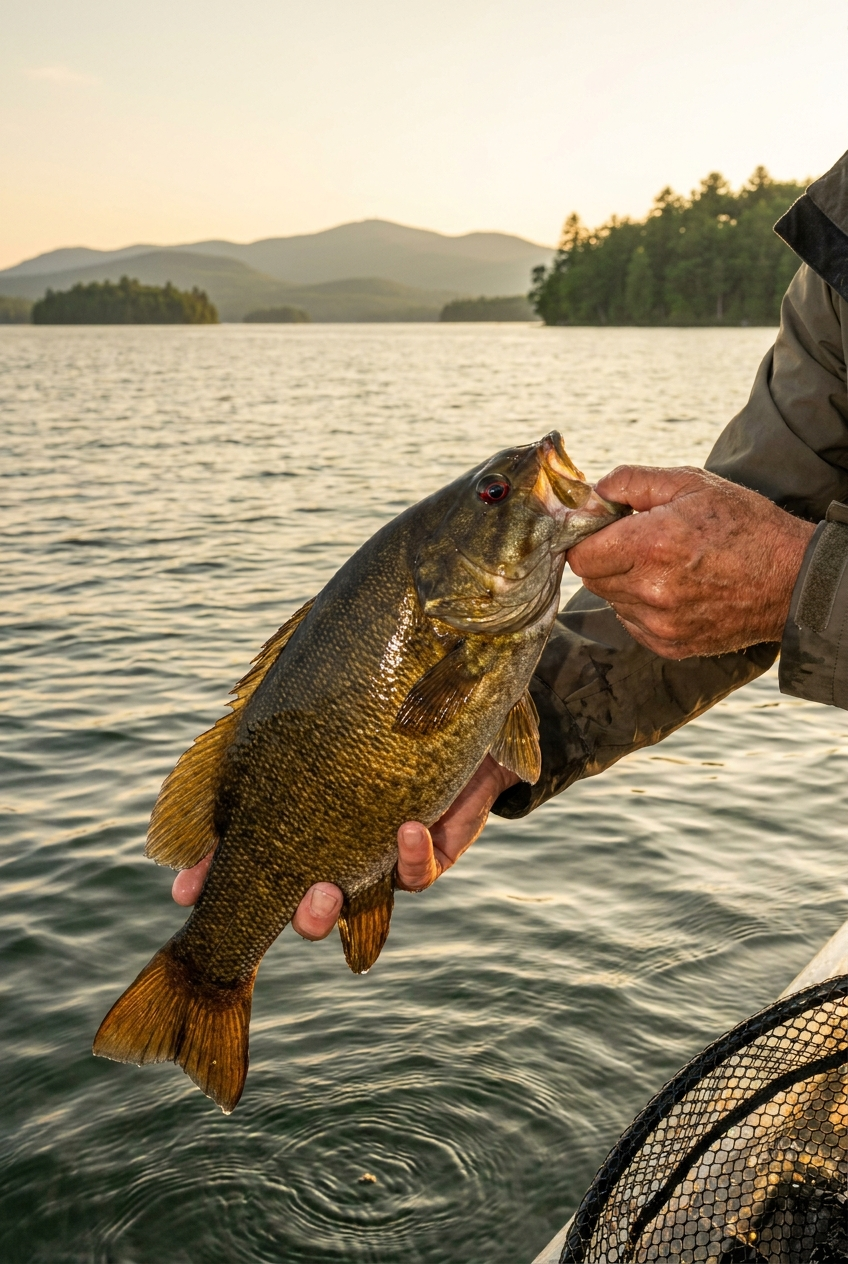
Smallmouth bass are among the most popular warm-water targets on Lake Winnipesaukee, thriving in the rocky shoreline structure, the island areas, and the harder-bottom points throughout the 44,586-acre lake. The lake's glacial rock bottom and numerous rocky islands create outstanding smallmouth habitat, and fish grow to quality sizes in the productive New England lake environment. Smallmouth bass are found throughout the lake but are particularly concentrated around the rocky islands, the riprap along developed shorelines, and the main channel structure between the larger lake sections. Spring smallmouth fishing (May through early June) is exceptional on Winnipesaukee as fish move to the rocky shallows in 3 to 8 feet to spawn. The rocky points and island shorelines are the most productive spring areas, with jigs and crankbaits producing aggressive strikes from pre-spawn and spawning fish. Summer smallmouth fishing with drop-shot rigs and finesse jigs in 10 to 20 feet along the rock structure produces consistent fish during the day. Evening topwater fishing near the rocky shoreline in summer is a highlight of Winnipesaukee bass fishing. Fall produces excellent bass fishing as fish feed aggressively before winter. NHFG bass regulations apply: verify at wildlife.nh.gov.
Lake Winnipesaukee Largemouth Bass Fishing Report
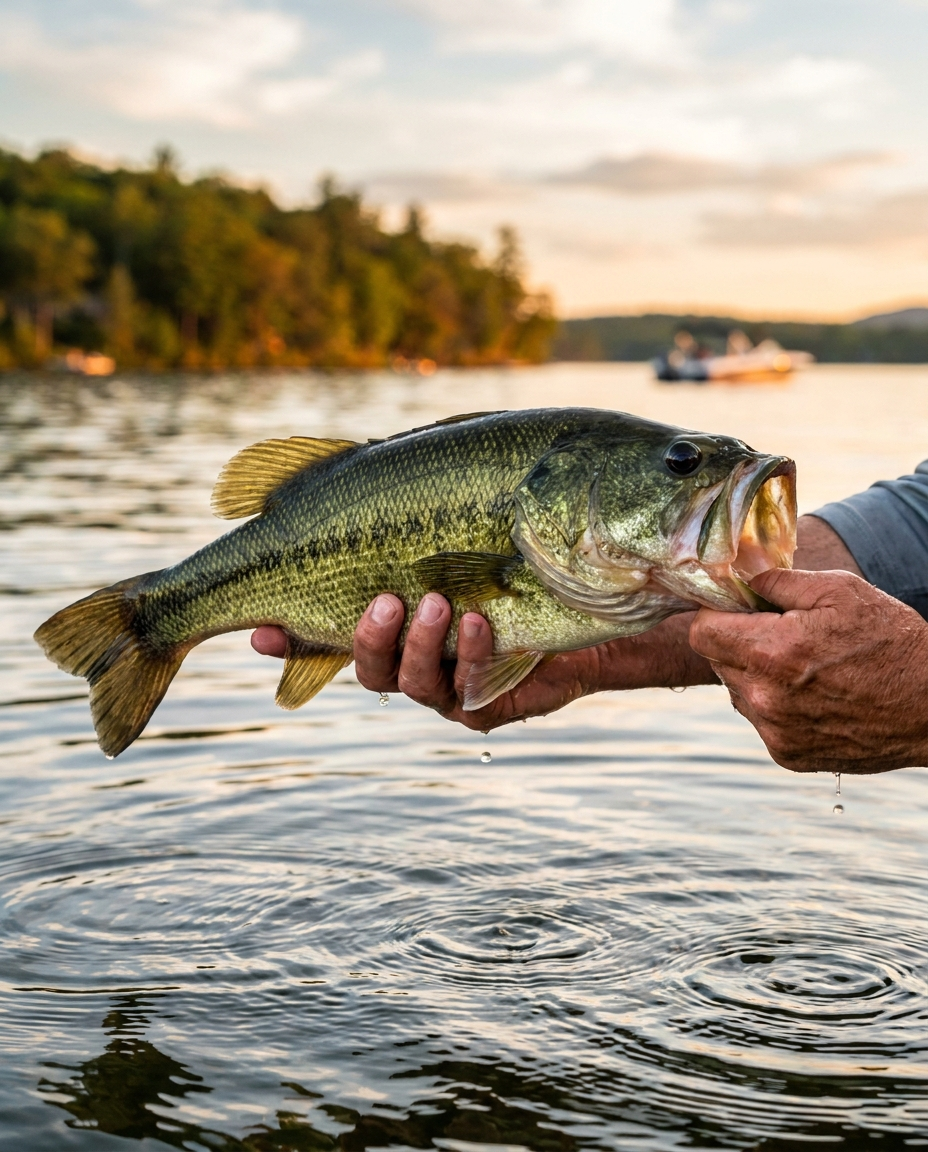
Largemouth bass occupy the warmer, shallower coves and the vegetation-lined bays throughout Lake Winnipesaukee, particularly on the protected southern and western shores where warmer summer temperatures support aquatic vegetation. The areas near Weirs Beach, the shallower Paugus Bay, and the protected coves near the Laconia end of the lake hold the most consistent largemouth populations. Spring spawning activity concentrates largemouth in the warmest available coves and shallow bays. Largemouth fishing on Winnipesaukee is secondary to the smallmouth and lake trout fisheries but provides good action in the vegetated coves through spring and summer. Texas-rigged worms and spinnerbaits worked around the dock structure and the vegetation edges in 2 to 6 feet produce bass during the spring and early summer spawning period. The Weirs Beach channel area and the back ends of the larger coves on the south shore hold summer largemouth in the 5 to 12 foot range near dock cover. Verify NHFG largemouth regulations at wildlife.nh.gov.
Lake Winnipesaukee Yellow Perch Fishing Report
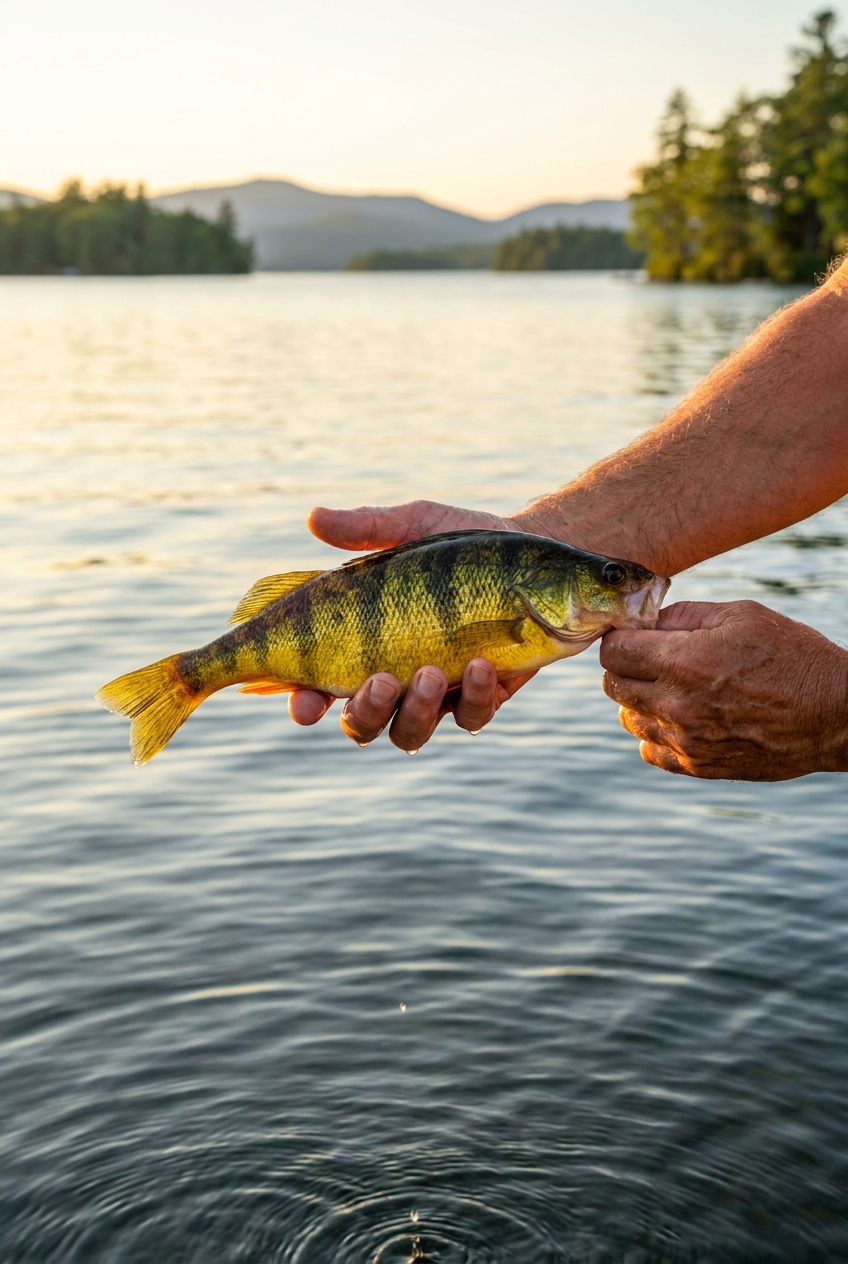
Yellow perch are one of the most abundant species in Lake Winnipesaukee and provide year-round fishing action that is particularly popular with ice anglers in winter. Perch school in large numbers in the 15 to 35 foot depth range over mixed sand and gravel bottom throughout the lake. The areas near Weirs Beach, the Laconia marinas, and the shallower sections of Paugus Bay hold consistent perch populations accessible to shore and boat anglers. Perch fishing peaks in late fall and winter when schools concentrate and fish are most accessible through the ice. Small jigs tipped with nightcrawler or minnow pieces jigged vertically in 15 to 30 feet produce consistent results. Yellow perch on Winnipesaukee benefit from the lake's abundant smelt and invertebrate forage and grow to quality sizes, with fish over 10 inches common. Ice fishing for perch on Winnipesaukee is a major winter recreation activity: verify current ice safety information and NHFG regulations at wildlife.nh.gov before ice fishing.
Lake Winnipesaukee Rainbow Trout Fishing Report
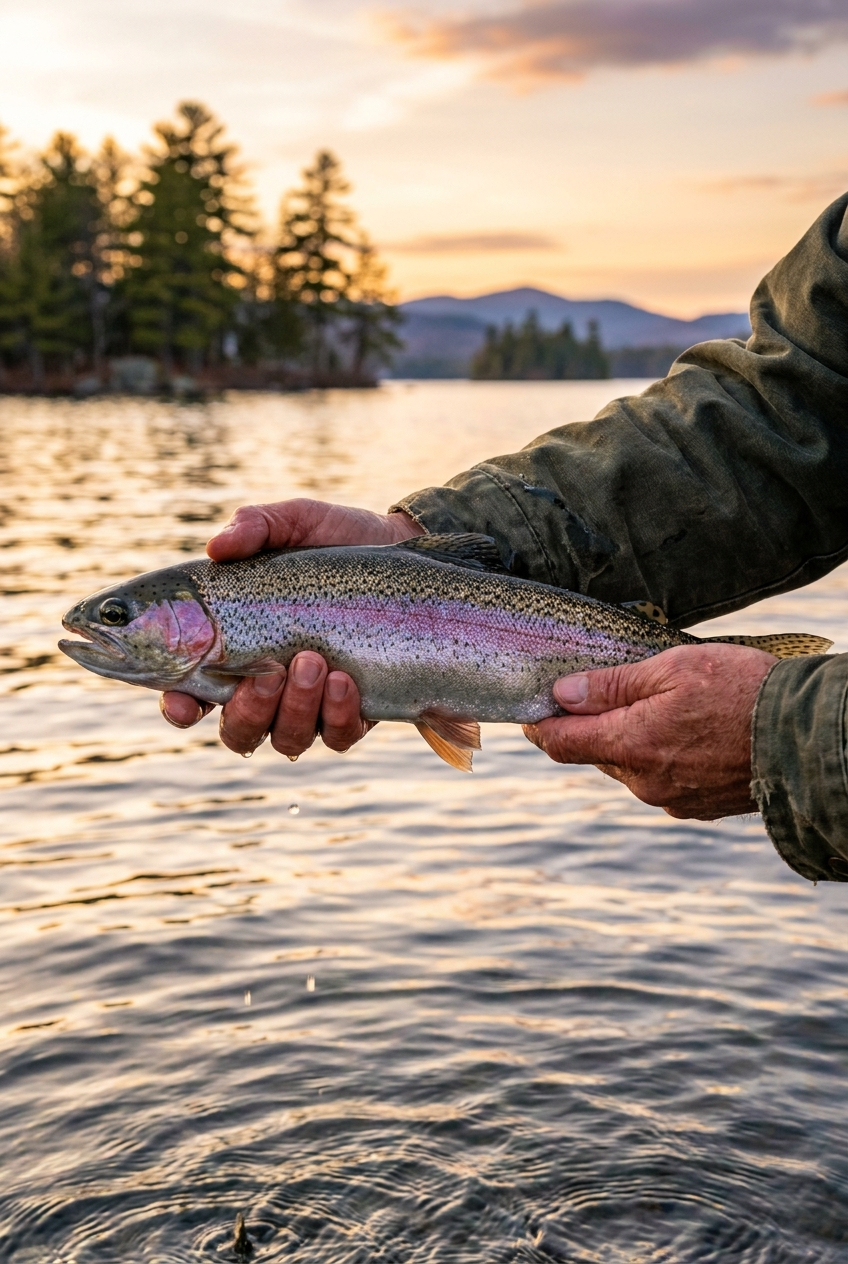
Rainbow trout are stocked in Lake Winnipesaukee by New Hampshire Fish and Game, providing a supplemental cold-water fishery alongside the native lake trout and landlocked salmon. Rainbow trout are most accessible in spring and fall when surface water temperatures are in the optimal 50 to 65 degree range. Trolling with rooster-tail spinners and small crankbaits in the upper 20 feet of water near the tributary inlets and the shallower sections of the lake produces rainbow trout during the cooler months. Shore fishing with PowerBait, salmon eggs, and nightcrawlers near the public access areas around Laconia and at the state park areas produces rainbow trout in spring. NHFG's stocking schedule for Winnipesaukee rainbow trout can be checked at wildlife.nh.gov for timing and locations. Summer rainbow trout fishing requires trolling deeper in the thermocline with appropriate downrigger or lead-core equipment. Verify NHFG rainbow trout regulations and stocking schedules at wildlife.nh.gov.
Lake Winnipesaukee Landlocked Salmon Fishing Report
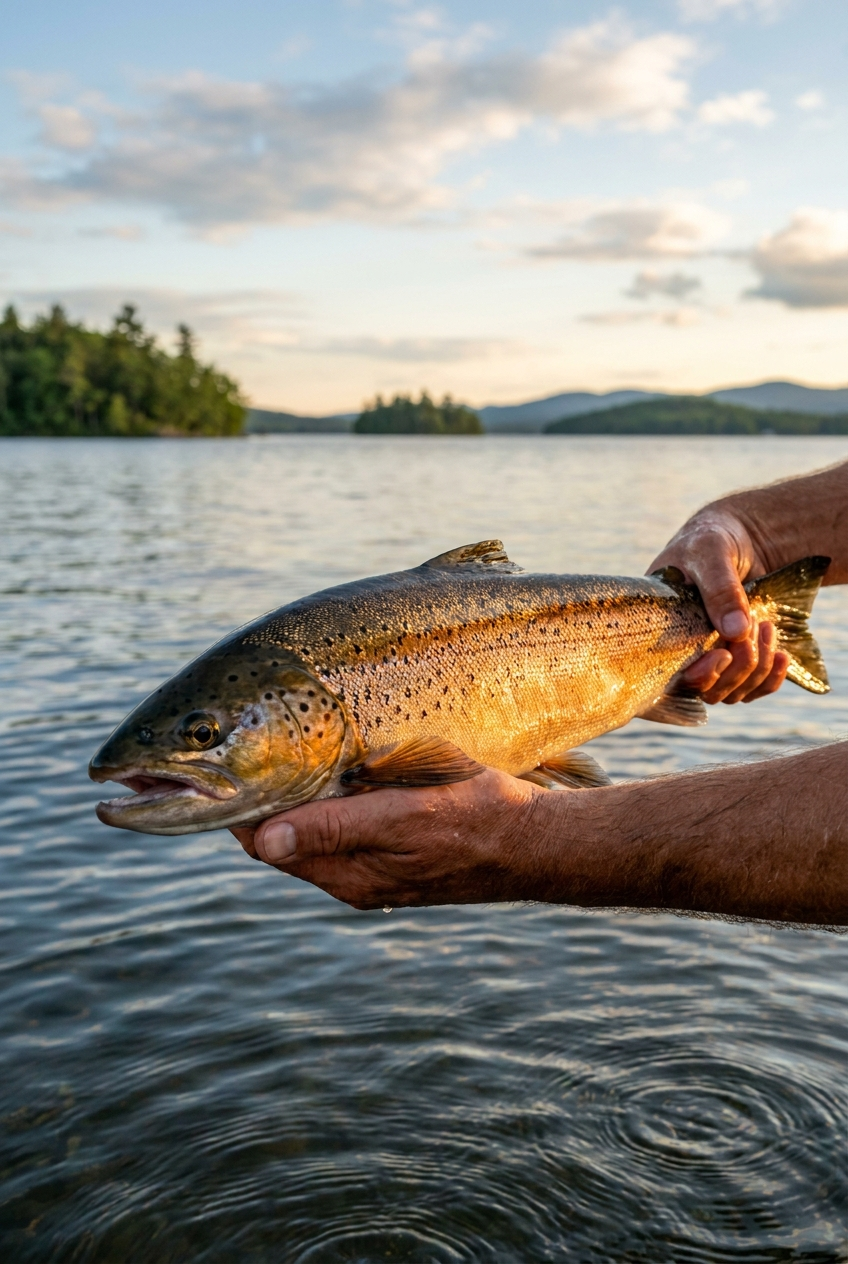
Landlocked Atlantic salmon are one of the most prized species in Lake Winnipesaukee, representing a native strain of Atlantic salmon that became isolated in the lake system following the last ice age. New Hampshire Fish and Game manages the landlocked salmon population through stocking and careful harvest regulations. Landlocked salmon in Winnipesaukee feed primarily on smelt and are most active in the cooler months of late fall, winter, and early spring. Ice-out fishing in late March through April is the prime season for Winnipesaukee landlocked salmon as fish chase smelt schools near the surface in relatively shallow water. Trolling with smelt-colored streamers and small spoons near the surface produces the best spring action. The Weirs Channel area and the tributary inlets where smelt stage to spawn are productive salmon locations in early spring. Winter ice fishing for landlocked salmon with tip-ups baited with live smelt over 20 to 40 feet of water produces fish throughout the ice season. NHFG sets specific landlocked salmon seasons, size limits, and bag limits for Winnipesaukee: verify all current regulations at wildlife.nh.gov before targeting salmon.
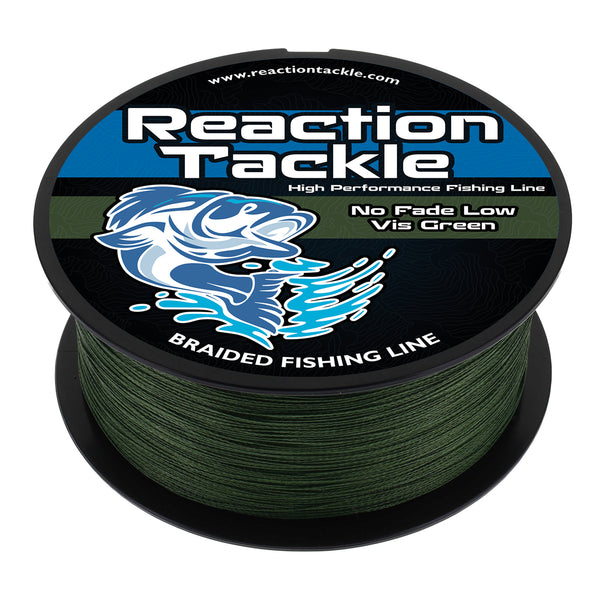
If you haven't replaced your braided line in a season or two, now's the time. Braid holds up better than mono, but abrasion from wood and rock adds up. Reaction Tackle is one of my favorite places to order from.
Top Fish to Target in Lake Winnipesaukee
Lures for Lake Winnipesaukee
Tackle matched to this lake's species and structure.
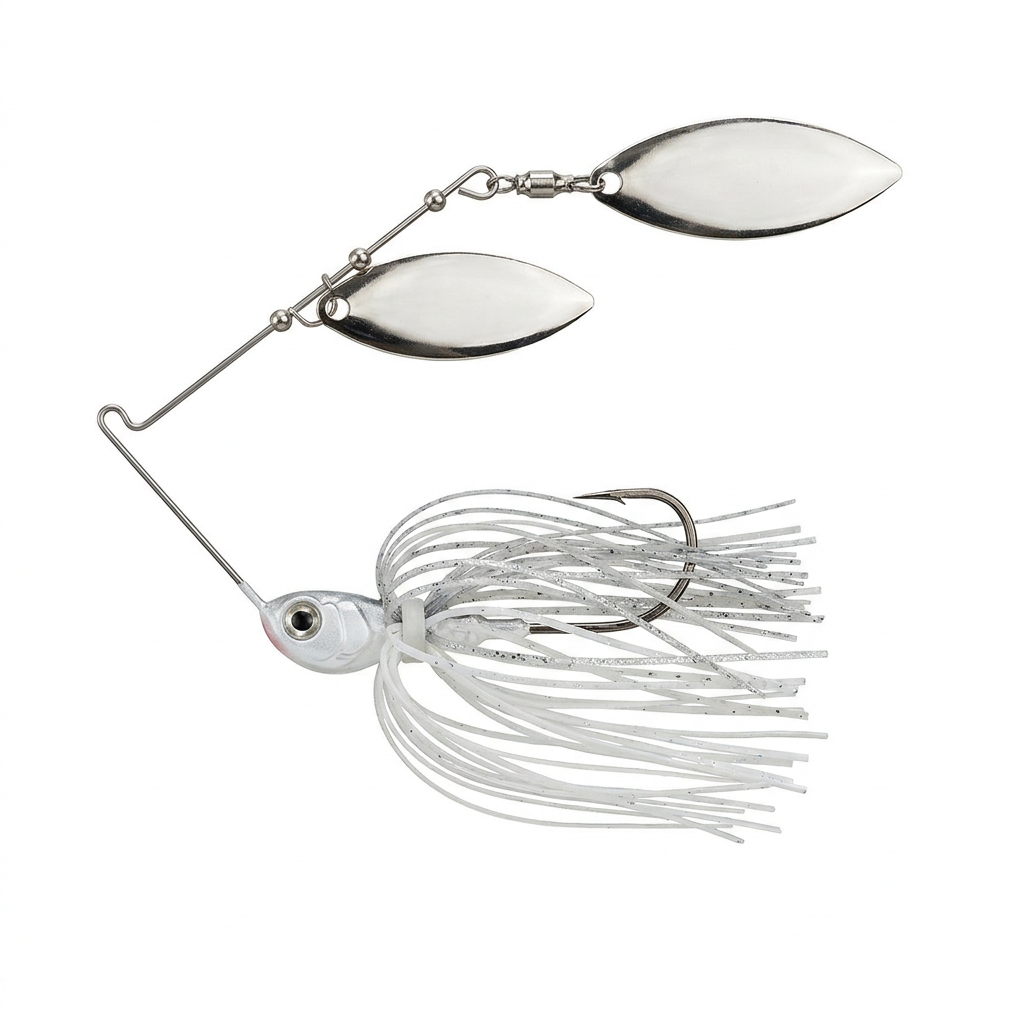
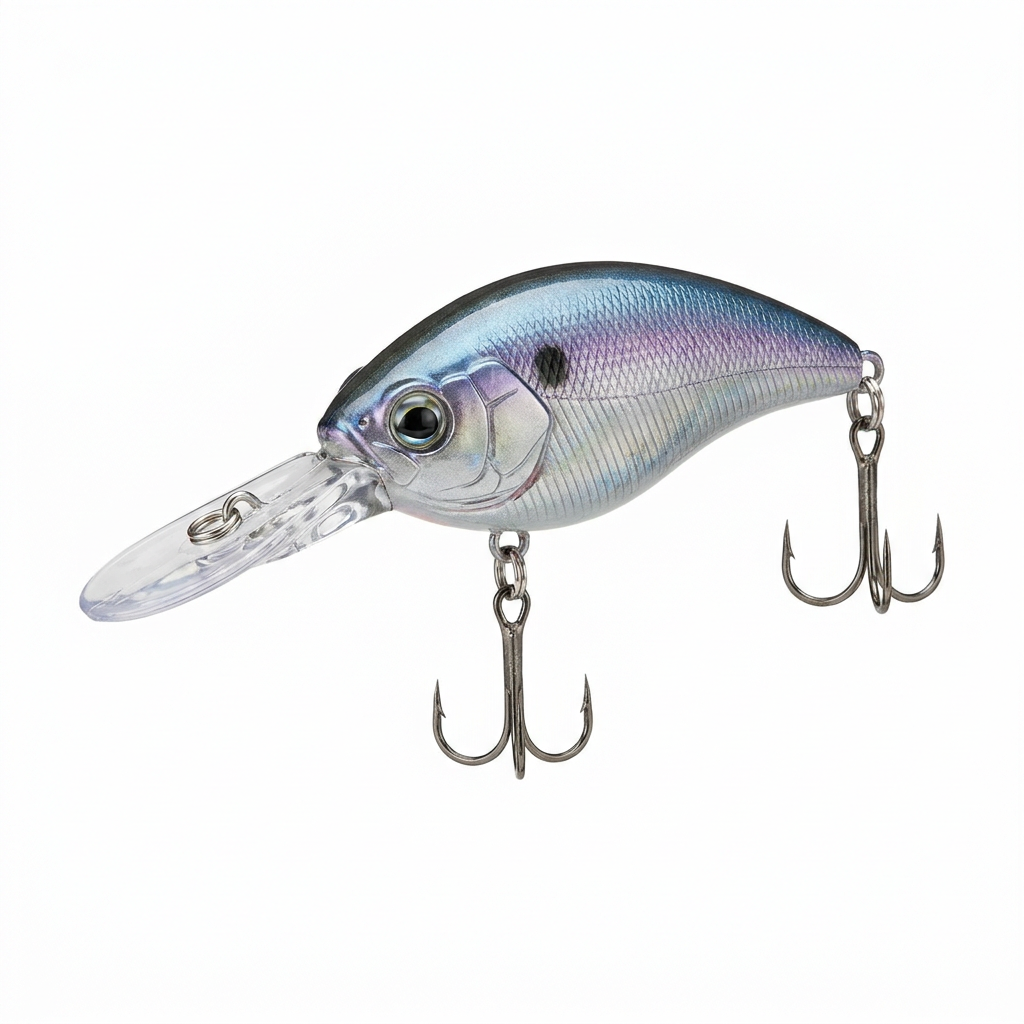
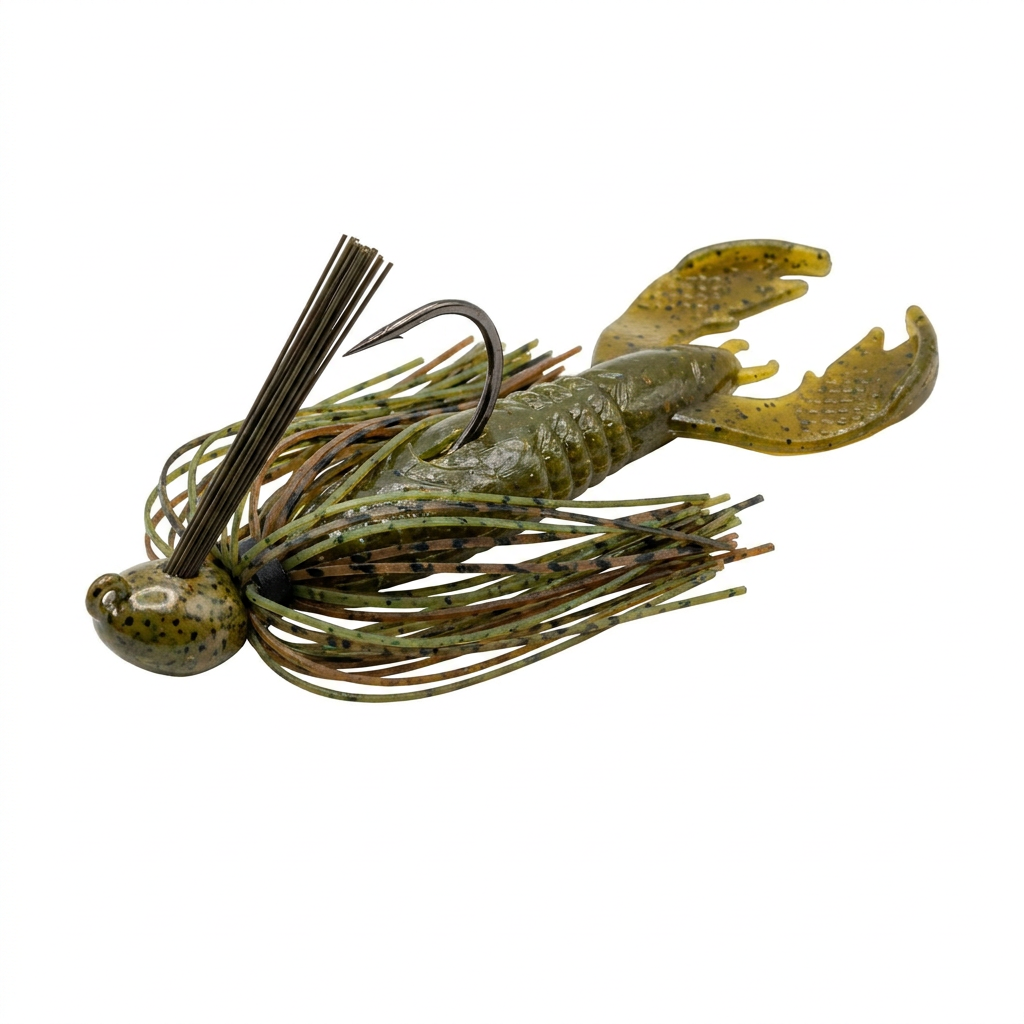
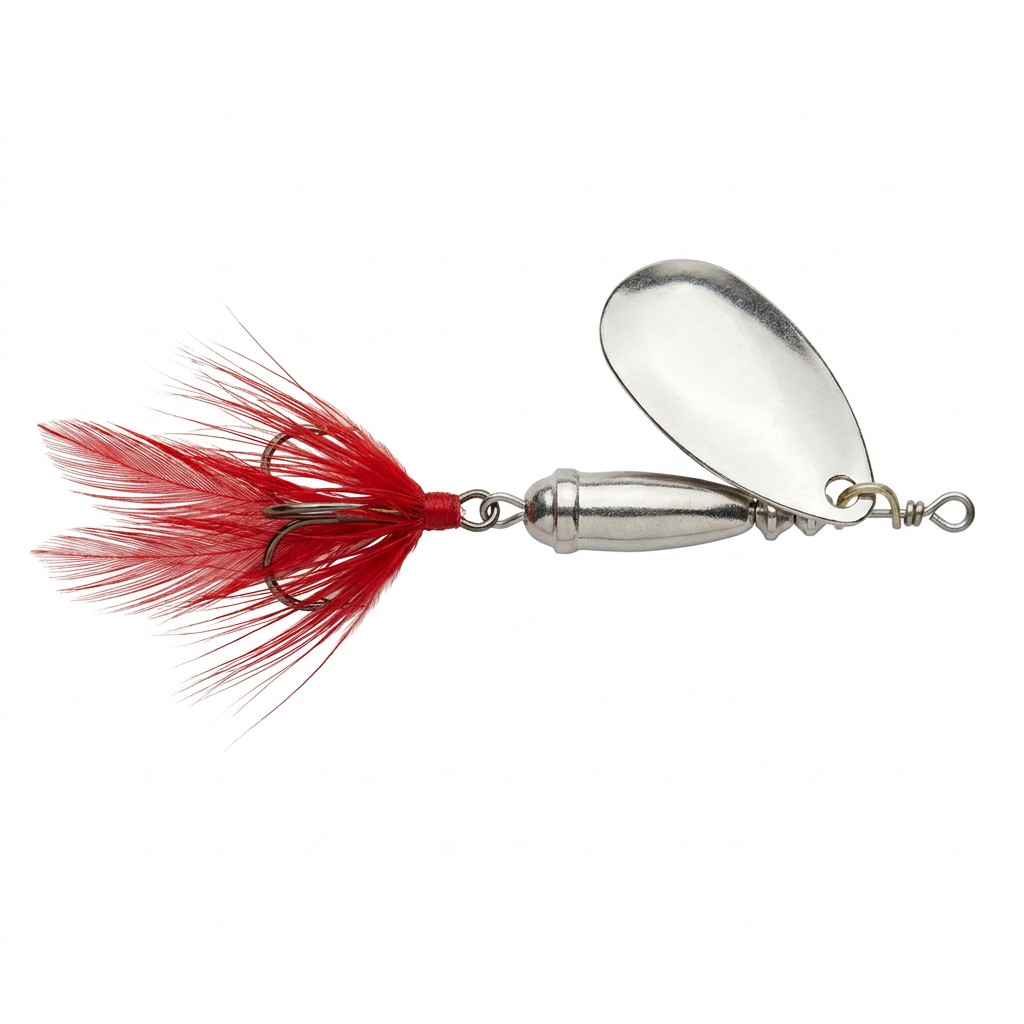
The right line matters as much as the lure. For the presentations that work on this lake, whether flipping timber, fishing main lake structure, or working deep brush, braid is the move. No stretch, more feel, and it lasts. Reaction Tackle is where I get mine.
About Lake Winnipesaukee
Lake Winnipesaukee is New Hampshire's crown jewel and the largest of the Lakes Region lakes that define central New Hampshire's summer identity. The natural glacial lake covers 44,586 acres with 283 miles of shoreline and 274 islands scattered throughout its three connected basins. The lake's name comes from the Abenaki language and is commonly translated as "Smile of the Great Spirit." Winnipesaukee has been a New England vacation destination since the railroad arrived in the 1840s.
Glacial origin and depth. Winnipesaukee was formed by glacial scouring during the last ice age, leaving a lake with highly irregular depths and a complex island structure. The maximum depth reaches 180 feet, providing the cold water that supports lake trout and landlocked salmon in addition to the warm-water bass and perch fisheries. The smelt population that lives in the lake serves as the primary forage for the cold-water species.
Landlocked salmon significance. The landlocked Atlantic salmon in Winnipesaukee represent a self-sustaining native strain that has inhabited the lake since the glacial period. This population has considerable conservation significance and is managed carefully by NHFG with specific size limits, bag limits, and seasonal regulations. Landlocked salmon provide a fishing experience unavailable in most of the continental United States.
Lakes Region access and tourism. The towns of Laconia, Meredith, Wolfeboro, and Weirs Beach all provide boat ramp access and marina facilities on the lake. The M/S Mount Washington passenger vessel has provided lake tours since 1872 and remains an iconic presence on the water. Peak summer season brings heavy recreational boat traffic: early morning fishing before 9 AM produces the best results during July and August. A New Hampshire fishing license is required: verify all regulations at wildlife.nh.gov.