
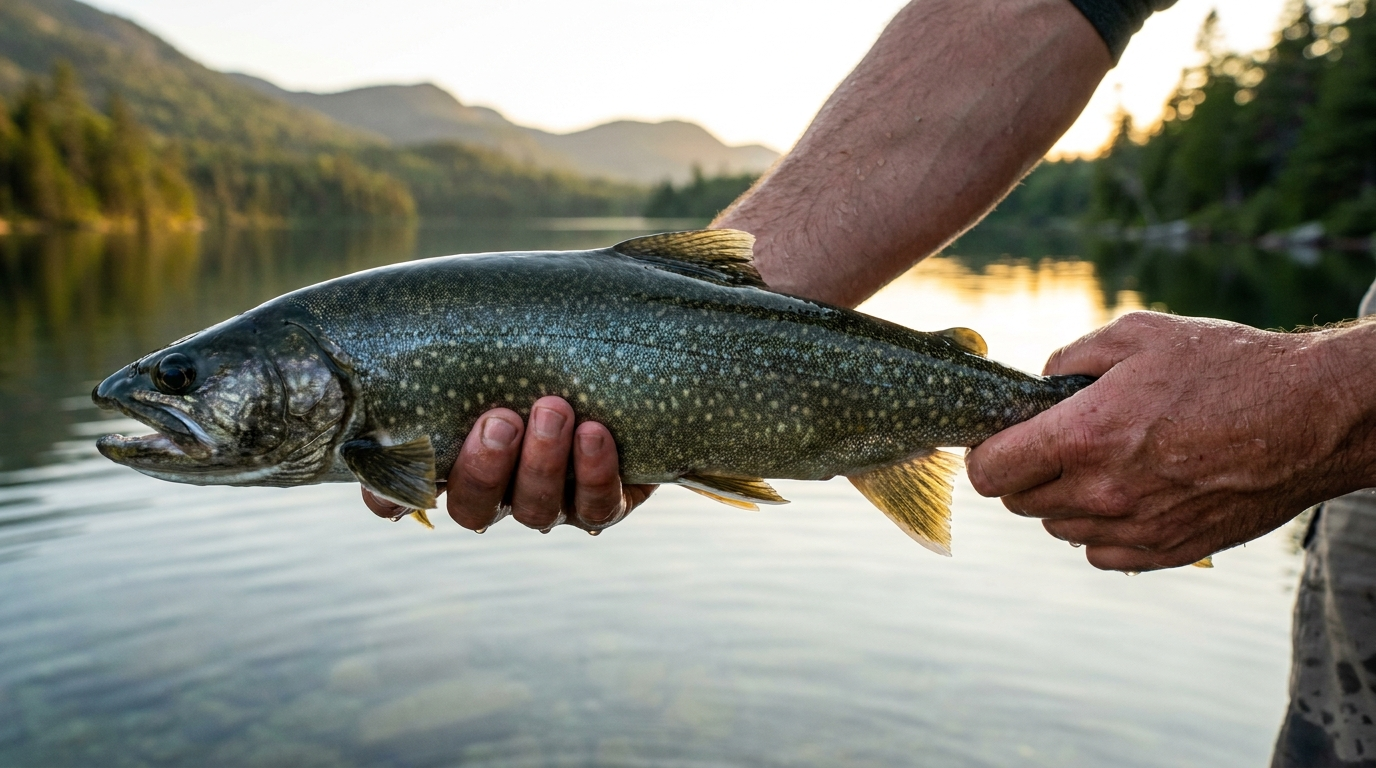
Lake George earned the nickname "Queen of American Lakes" for a reason, and for a serious angler, the lake trout fishing in those 197-foot depths is the draw that matters most. The smallmouth bass on the glacial boulder fields are genuinely world-class, and the sheer clarity of the water - you can see bottom in 20 feet on a calm day - changes the entire approach to fishing here. I want to spend a week on Lake George targeting lake trout deep and smallmouth on the points. It is one of the great natural lakes in the Northeast.
Today's Bite Score · October 8, 2026
Very favorable conditions for catching fish
🌘Waning Crescent
Lake George Fishing Report
October FishingMonthly fishing report · October patterns and techniques
Lake George enters October with water temperatures dropping into the mid-50s Fahrenheit, triggering significant shifts in fish behavior across its 32-mile length. The lake's 200-foot maximum depth creates distinct thermal zones this month, with cooler surface waters pushing gamefish toward deeper structure and drop-offs. Anglers find that the dramatic fall turnover begins mid-month, oxygenating deeper basins and allowing fish to suspend at varying depths rather than hugging the bottom. Morning fog is common on the lake's northern reaches, creating prime early-bite windows for those willing to launch before sunrise.
Largemouth and smallmouth bass are highly active in October as they feed aggressively before winter dormancy sets in. In this month, largemouths hold tight to the weed lines and rocky shoals along the lake's eastern shoreline, particularly around islands like Carleton's Prize and Dome Island where submerged vegetation provides cover. Smallmouth bass push deeper, holding on the steep drop-offs between 30 and 50 feet where cooler water collects. Lake George's landlocked salmon population also becomes catchable this month, with fish moving from the deepest basins into mid-depth zones near the lake's central channel. Walleye activity increases as water cools, and they position themselves along the rocky points and transition zones where sand meets deeper silt.
Anglers find crankbaits and jerkbaits produce excellent results in October, with 2 to 4-inch profiles matching the abundant shad populations that concentrate in the lake's open water. For smallmouth and lake trout, drop-shot rigs fished vertically along the steeper eastern basin edges prove highly effective at depths where fish suspend. Live shiners and alewives are the bait of choice for larger largemouths working the weed edges around the islands and northern shallows. Trolling small spoons and plugs along the main channel in 40 to 60 feet of water consistently produces landlocked salmon in this month. As October progresses and water temperatures continue dropping, fishing improves as fish become less selective, making this month one of the most productive seasons at Lake George for both quantity and quality.
Get More Fishing Report Specifics
Tap a topic button below for a report on current conditions.
Tap a topic above to get a current report for Lake George.
Answers are generated on demand and cached. No AI call fires until you tap a tab.
Lake George Fishing Guides
Looking for a Lake George fishing guide? The Adirondack clarity of Lake George makes for technical fishing — bass and trout hold on specific rocky points and drop-offs that the guides here have spent years mapping. Go here → to check out our recommended fishing guides for Lake George. Then scroll down on that page to see all of the Lake George fishing guides.
Lake George Fishing Strategies by Species
Seasonal patterns and techniques by target species · Verified against official sources
Lake trout, smallmouth bass, largemouth bass, northern pike, yellow perch, and chain pickerel are the primary sport fish at Lake George, a natural glacial lake approximately 28,000 acres in Warren County, New York, within the Adirondack Park. The lake has no dam and was formed by glacial action. Known as the "Queen of American Lakes," Lake George is 32 miles long and reaches a maximum depth of 197 feet in the northern basin. The lake is renowned for exceptional clarity and trophy lake trout and smallmouth bass fishing. New York State Department of Environmental Conservation regulations apply. Verify current regulations at dec.ny.gov before fishing.
Lake George Lake Trout Fishing Report
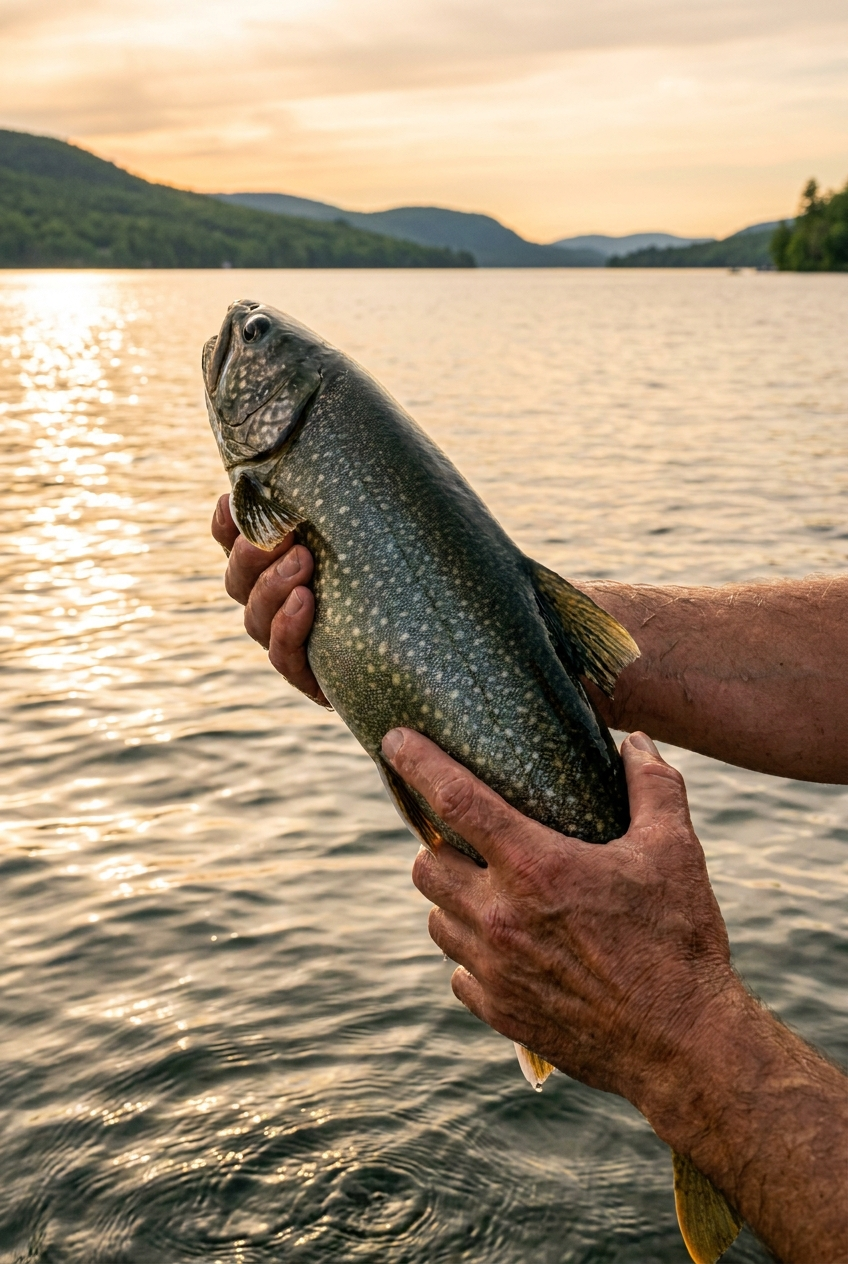
Lake trout are the premier species at Lake George and the reason dedicated trout anglers from across the Northeast make the trip to Warren County. The lake's glacial origin, extraordinary depth (197 feet in the northern basin), and exceptional water clarity create prime lake trout habitat, and the lake supports a reproducing lake trout population that has been present since glacial times. Lake trout at Lake George are managed by NYSDEC as a wild fishery, and the population produces fish of impressive size from the deep cold depths of the main lake basin. Downrigger trolling with spoons, large crankbaits, and live smelt is the primary open-water lake trout technique. Summer lake trout at Lake George hold in the 60 to 120-foot depth range where cold water below the thermocline provides the sub-55-degree temperatures they require. Downrigger trolling with large flutter spoons, lake trout-specific trolling plugs, and live smelt below the thermocline produces consistent catches from June through September. The northern deep basin between Lake George village and the northern terminus near Ticonderoga holds the most reliable summer concentrations. Ice fishing for lake trout from January through March is a major Lake George tradition, with anglers setting tip-ups baited with smelt and jigging large spoons at 40 to 80 feet through the ice. Spring (April and May) offers the most accessible lake trout fishing as fish move shallower after ice-out. NYSDEC regulations apply to lake trout at Lake George: verify current size and bag limits at dec.ny.gov before fishing.
Lake George Smallmouth Bass Fishing Report
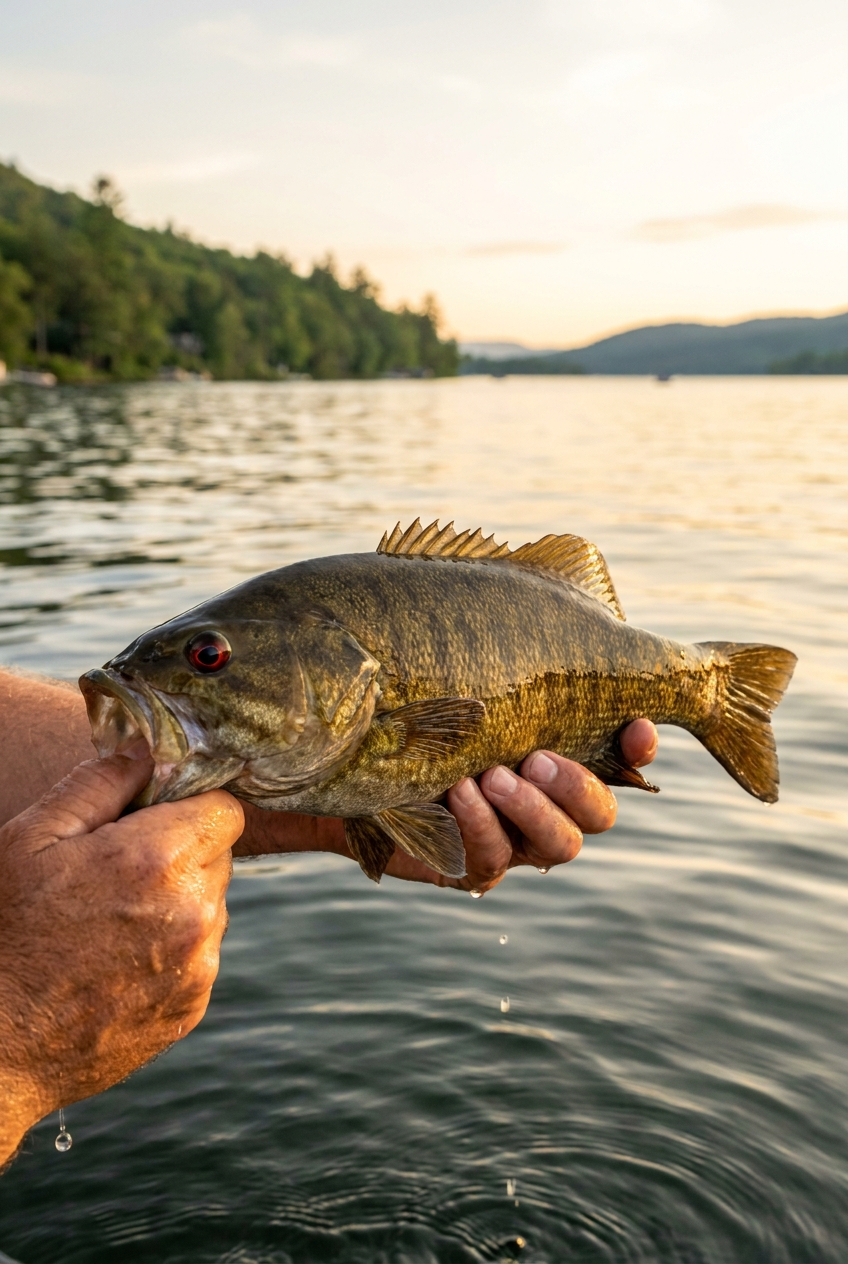
Smallmouth bass are the most actively pursued warm-water species at Lake George and represent a world-class fishery in the glacial boulder fields, rocky shoreline structure, and deep main-lake points that define the lake's character. Lake George smallmouth are known for exceptional size and fighting ability - the combination of clear water, abundant crayfish and shad forage, and deep rocky structure grows very large fish. Tube jigs and drop-shot rigs on 8 to 10-pound fluorocarbon worked along the boulder fields and rocky point transitions at 8 to 25 feet produce the most consistent smallmouth throughout the season. The natural glacial structure of the lake - with enormous boulders, rocky points, and steep drop-offs - creates ideal smallmouth habitat throughout the 32-mile length of the lake. Spring smallmouth fishing at Lake George is spectacular. Fish move from their 25 to 40-foot winter holding areas to the rocky gravel flats and boulder fields at 5 to 12 feet as water temperatures climb through the 60s in late May and June. The spawn occurs in late May to mid-June at Lake George due to the Adirondack elevation and cold water. Post-spawn fish scatter to the main lake rocky transitions and remain active through fall. Summer smallmouth at Lake George go deeper in the clearest and deepest sections, relating to the boulder fields at 15 to 30 feet on the main lake structure. Fall is the best season for large smallmouth as fish feed aggressively through September and October, and tube jigs and crankbaits worked along the main lake rocky transitions produce the biggest fish of the year. NYSDEC standard bass regulations apply: verify current size and bag limits at dec.ny.gov before fishing.
Lake George Largemouth Bass Fishing Report
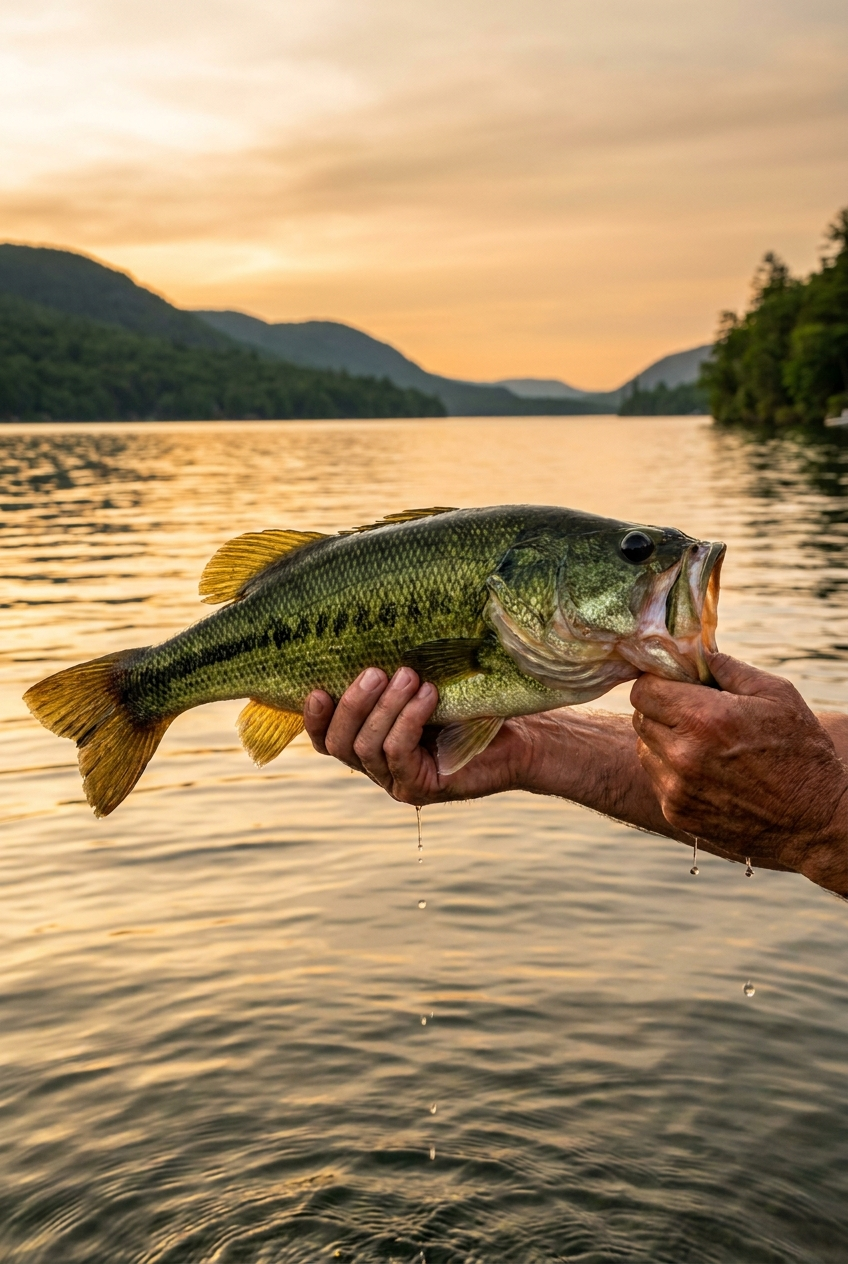
Largemouth bass at Lake George are concentrated in the shallower southern end of the lake near Lake George village, the protected bays along the eastern shoreline, and the weed beds and dock structure throughout the southern basin where warmer, softer-bottomed habitat supports their preferences. The southern end of the lake near Caldwell and the dock communities and marinas near the village provide the most consistent largemouth habitat on the lake. Spinnerbaits through dock lines, Texas-rigged worms in the weed edges, and topwater lures on the morning cove flats produce largemouth throughout the season. The clearer and deeper water of the northern lake is primarily smallmouth and lake trout territory. Spring largemouth fishing in the protected southern bays and coves near Lake George village is excellent when fish move into the shallow weed and dock structure at 2 to 6 feet during spawning season in late May and early June. The shallow protected bays with softer bottom and emergent vegetation in the southernmost sections of the lake hold the most consistent largemouth concentrations. Summer largemouth relate to the dock structure and weed edges at 5 to 12 feet during the warmest months. Fall crankbait and spinnerbait fishing along the cove mouths and dock lines produces good largemouth action through October. NYSDEC standard bass regulations apply: verify current size and bag limits at dec.ny.gov before fishing.
Lake George Northern Pike Fishing Report
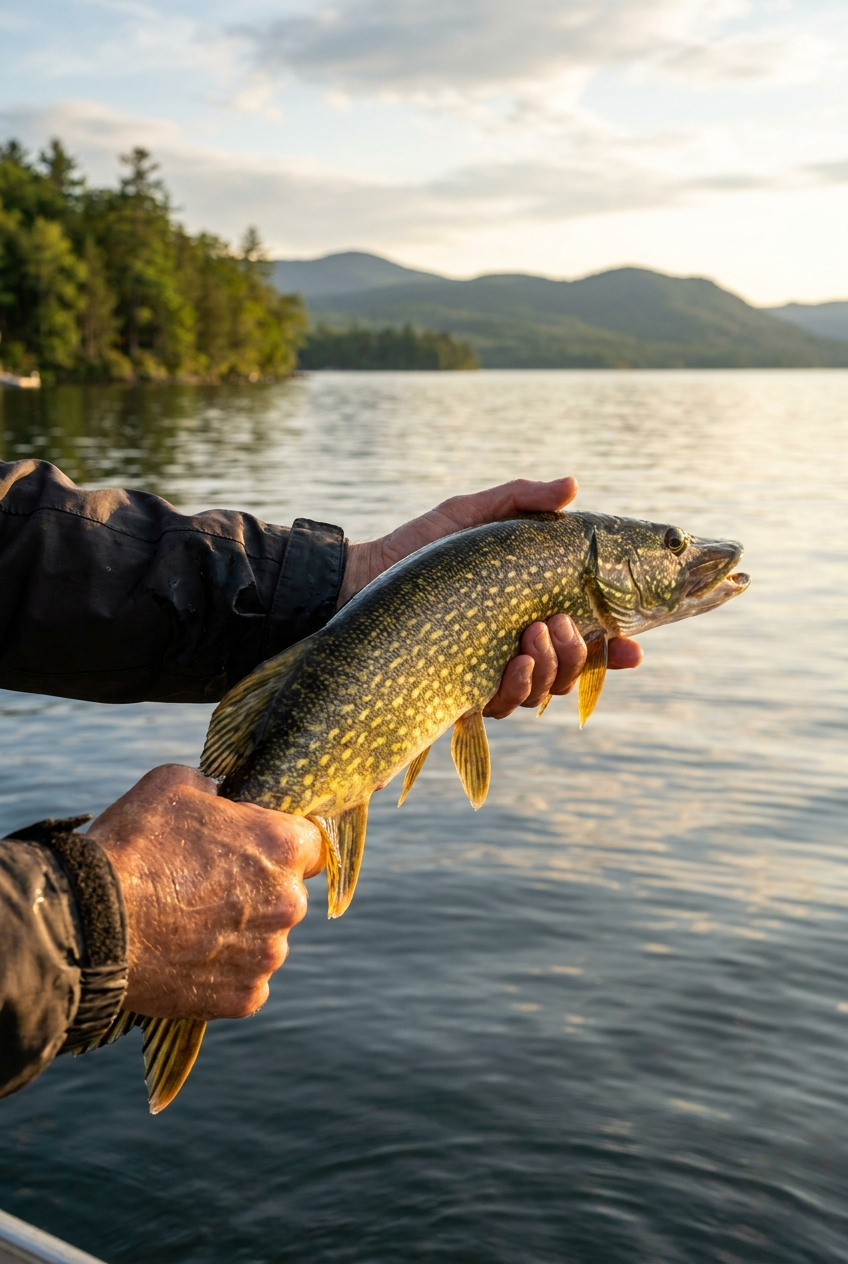
Northern pike are present throughout Lake George with the highest concentrations in the shallower southern basin, the protected bays with aquatic vegetation, and the marshy inlet areas at the southern end of the lake. Pike at Lake George are drawn to the weed beds and emergent vegetation in the shallower sections where they ambush prey in the submerged plant structure. Large spinnerbaits, swimbaits, and minnow-imitating lures retrieved through the weed edges and along the transitions from vegetation to open water produce pike strikes. The Lake George Outlet area and the protected shallow bays near the village hold the most consistent pike populations. Spring is the most productive pike season at Lake George, when fish move into the very shallow weedy areas in March and April immediately after ice-out. Pike are often caught in 2 to 4 feet of water in the warmest shallow bays during early spring. A large flashy spinnerbait or a quick-retrieved swimbait along the weed edges produces aggressive early-season strikes. Summer pike retreat to the deeper weed edges and shaded structure in 6 to 14 feet as the southern basin warms. Fall pike feeding builds strongly through September and October, and the cooling water makes them active throughout larger portions of the lake. NYSDEC regulations apply to northern pike: verify current size and bag limits at dec.ny.gov before fishing.
Lake George Yellow Perch Fishing Report
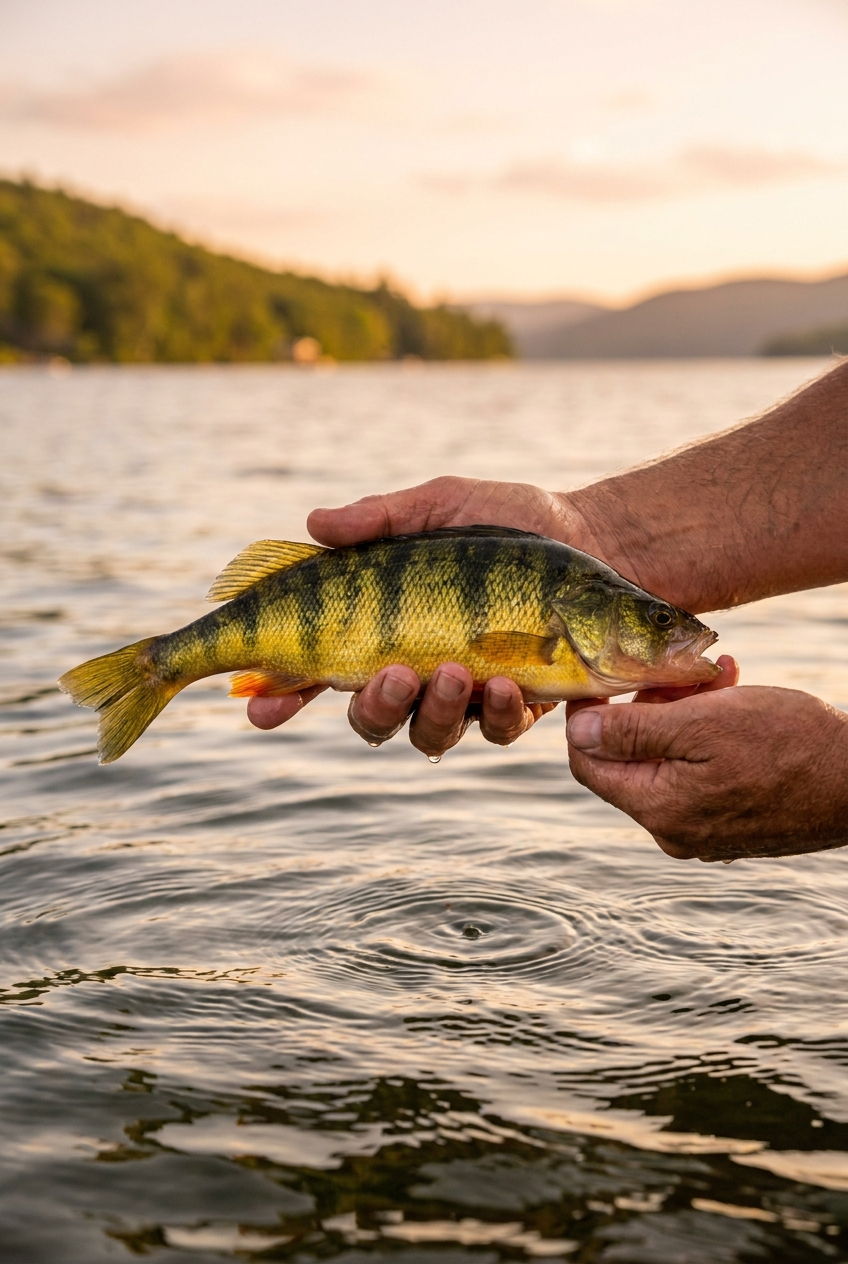
Yellow perch are abundant throughout Lake George and are particularly popular with ice anglers during the winter season, when large schools of perch concentrate in the 15 to 40-foot depth range and provide consistent action for jigging presentations. Lake George perch are known for good average size due to the high-quality forage base and clear cold water. Small jigs tipped with wax worms or minnows, small spinners, and live minnows on light line produce yellow perch from open-water season through ice fishing. The dock areas, weed edges, and mid-depth rocky structure throughout the lake hold perch year-round. Ice fishing for yellow perch from January through March is one of the most popular winter activities on Lake George, with anglers drilling multiple holes in 20 to 40 feet over clean bottom and working small jigs and minnows to locate and hold perch schools. Larger perch congregate on the rocky transitions and deeper structure, while smaller fish tend to school in the shallower dock areas. Open-water perch fishing in summer is productive from anchored boats over rocky bottom at 15 to 30 feet using small jigs and live minnow rigs. NYSDEC regulations apply to yellow perch: verify current bag limits at dec.ny.gov before fishing.
Lake George Chain Pickerel Fishing Report
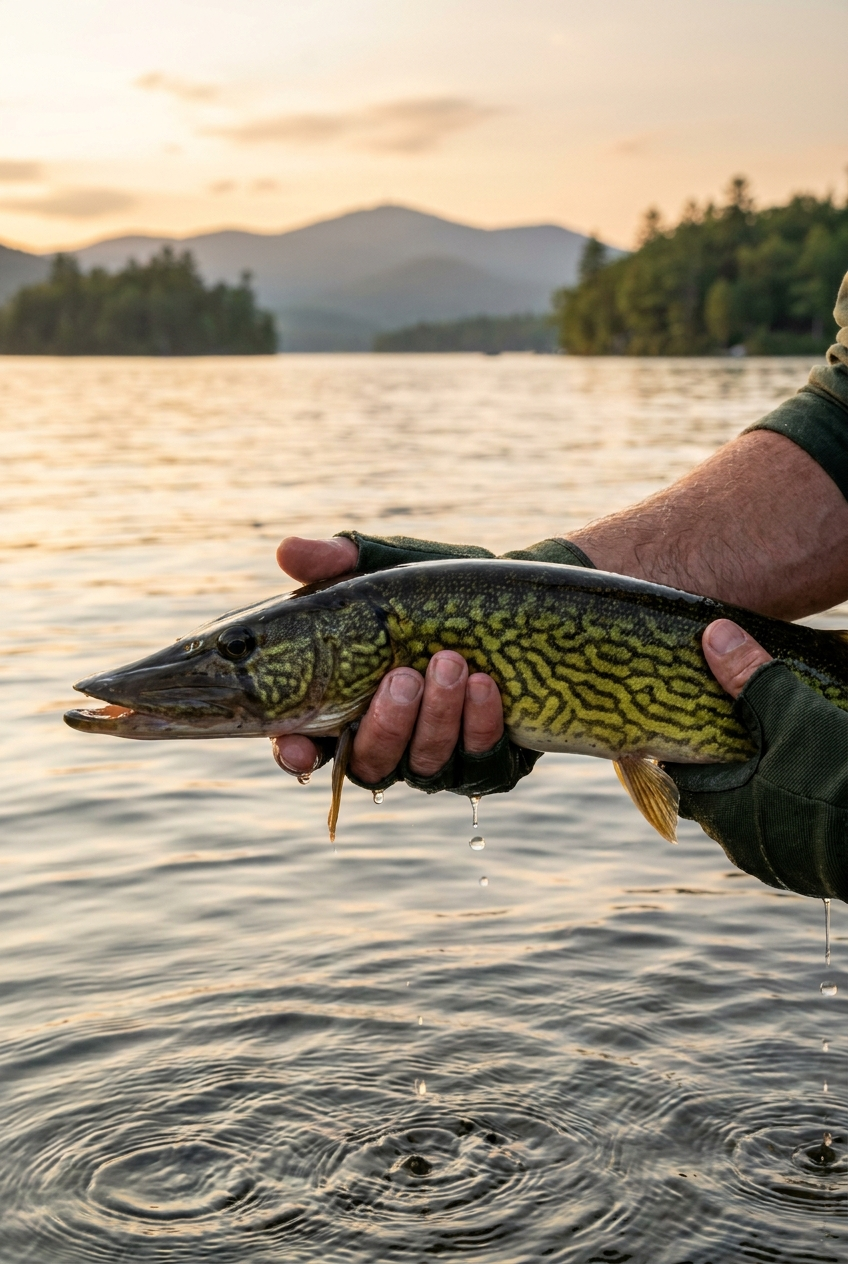
Chain pickerel inhabit the weedy shallow areas of Lake George, particularly in the protected southern bays, the weed beds along the eastern shoreline shallows, and the inlet areas at the southern end of the lake. Pickerel are ambush predators that relate heavily to aquatic vegetation and submerged wood, striking aggressively at lures retrieved through or past their ambush cover. Small spinnerbaits, rooster tail spinners, and minnow-imitating lures retrieved quickly through the weed edges and along the dock lines in the shallower sections produce pickerel strikes. The southern basin of Lake George near the village and the marshy inlet areas hold the highest pickerel concentrations. Spring is the most reliable pickerel season at Lake George, as fish spawn in the very shallow weedy areas in April and early May and remain aggressive through the late spring period. Small spinners and in-line lures retrieved through the emerging vegetation in 2 to 5 feet of water produce strikes consistently during spring. Summer pickerel hold in the deeper weed edges at 5 to 10 feet and are accessible to presentations worked along the weed margins. Ice fishing for pickerel using tip-ups with small minnows in the shallow weedy areas of the southern basin is productive from January through March. NYSDEC regulations apply: verify current size and bag limits at dec.ny.gov before fishing.
If you haven't replaced your braided line in a season or two, now's the time. Braid holds up better than mono, but abrasion from wood and rock adds up. Reaction Tackle is one of my favorite places to order from.
Top Fish to Target in Lake George
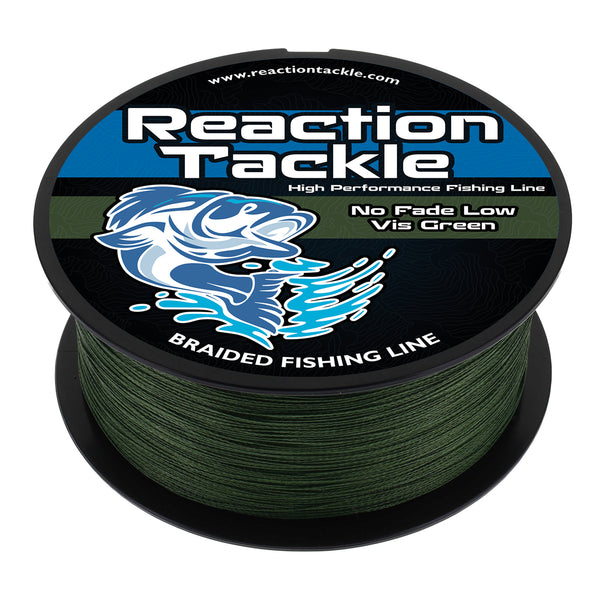
Lures for Lake George
Tackle matched to this lake's species and structure.
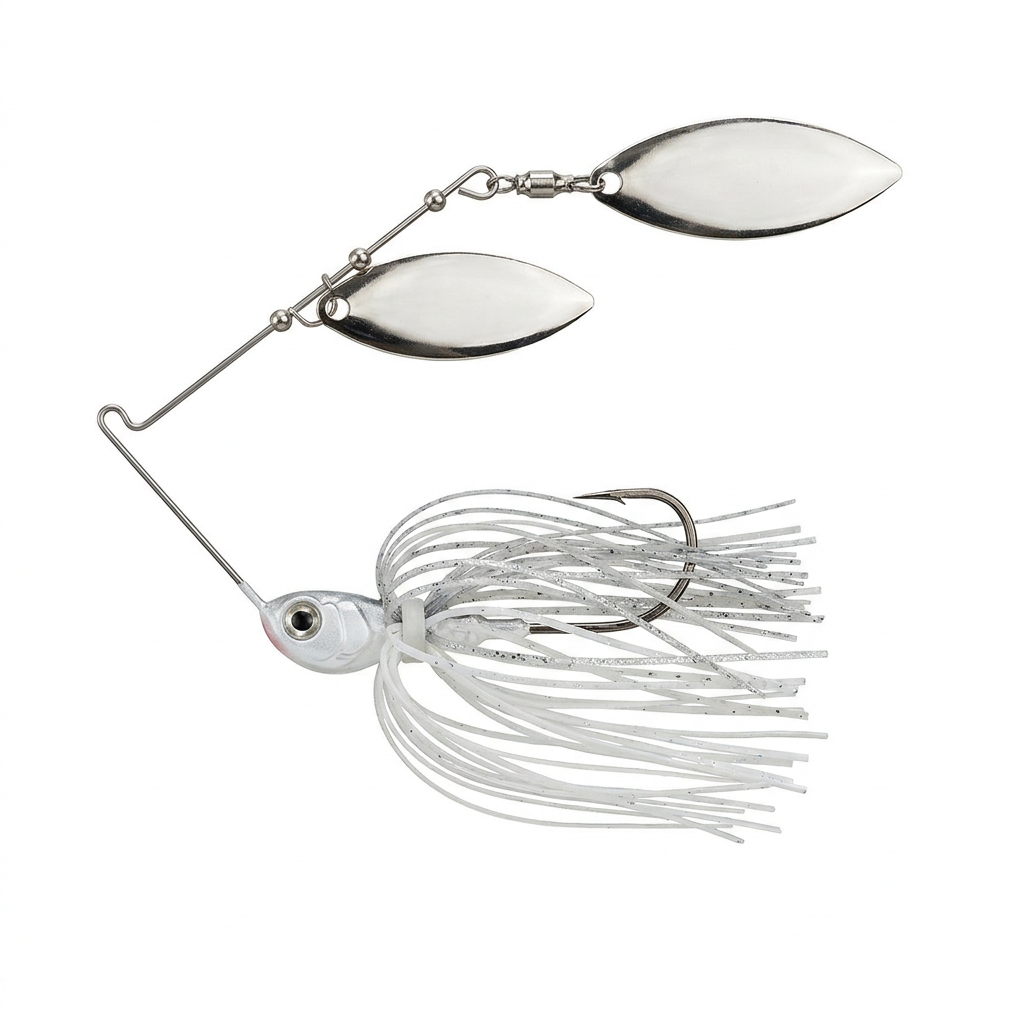
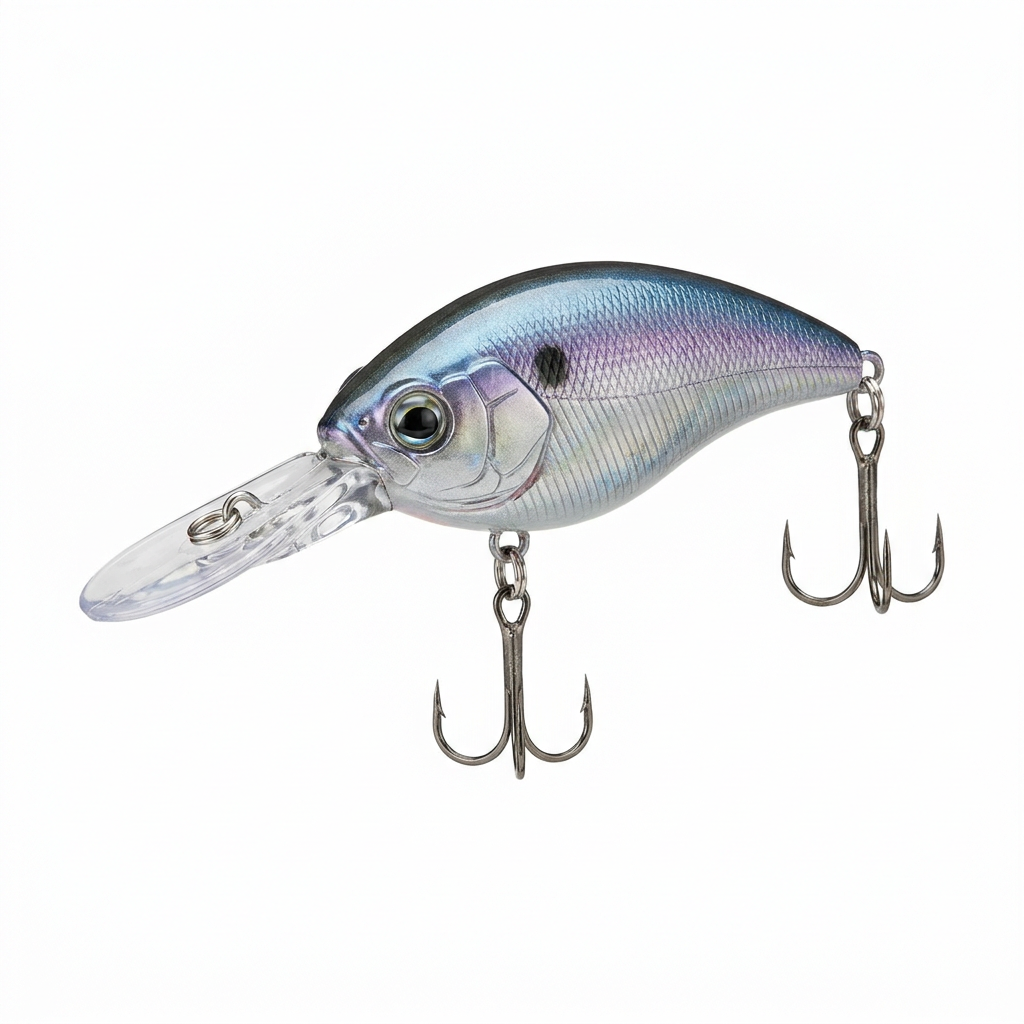
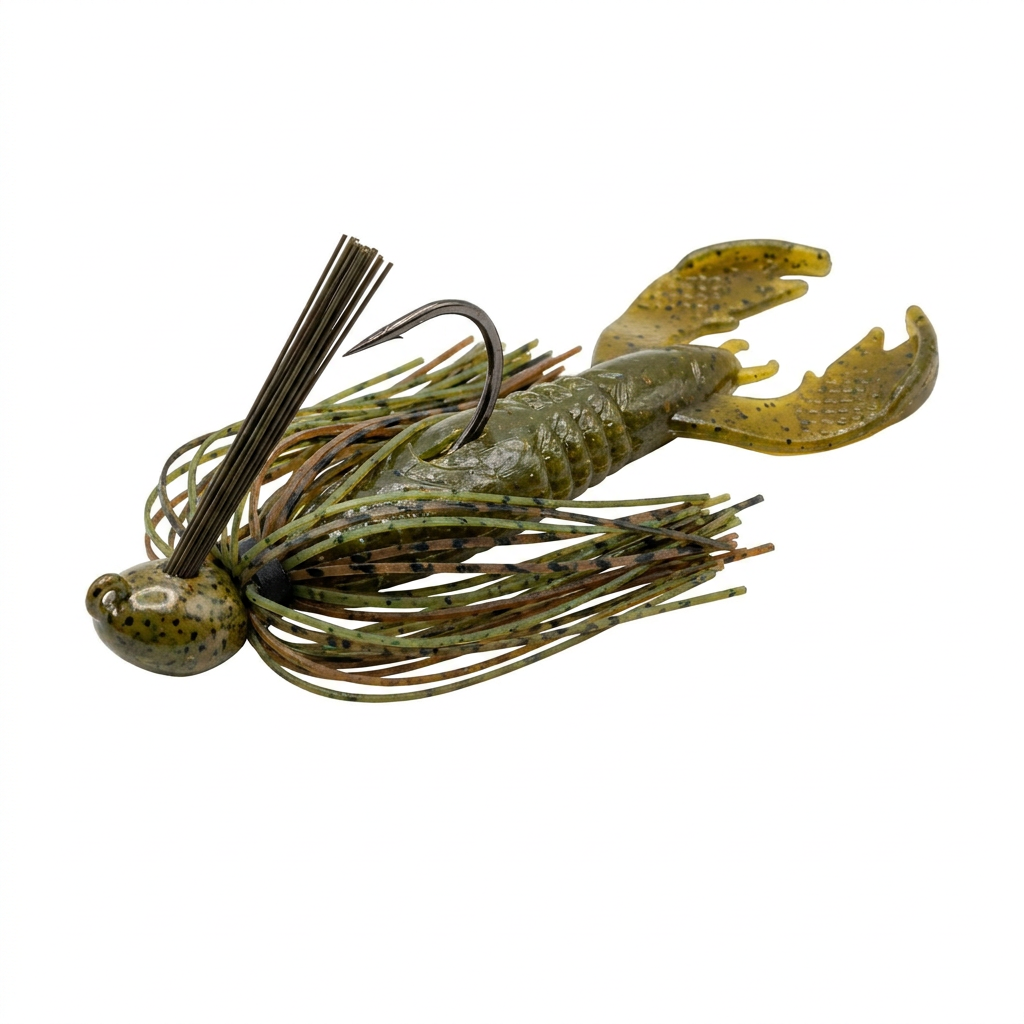
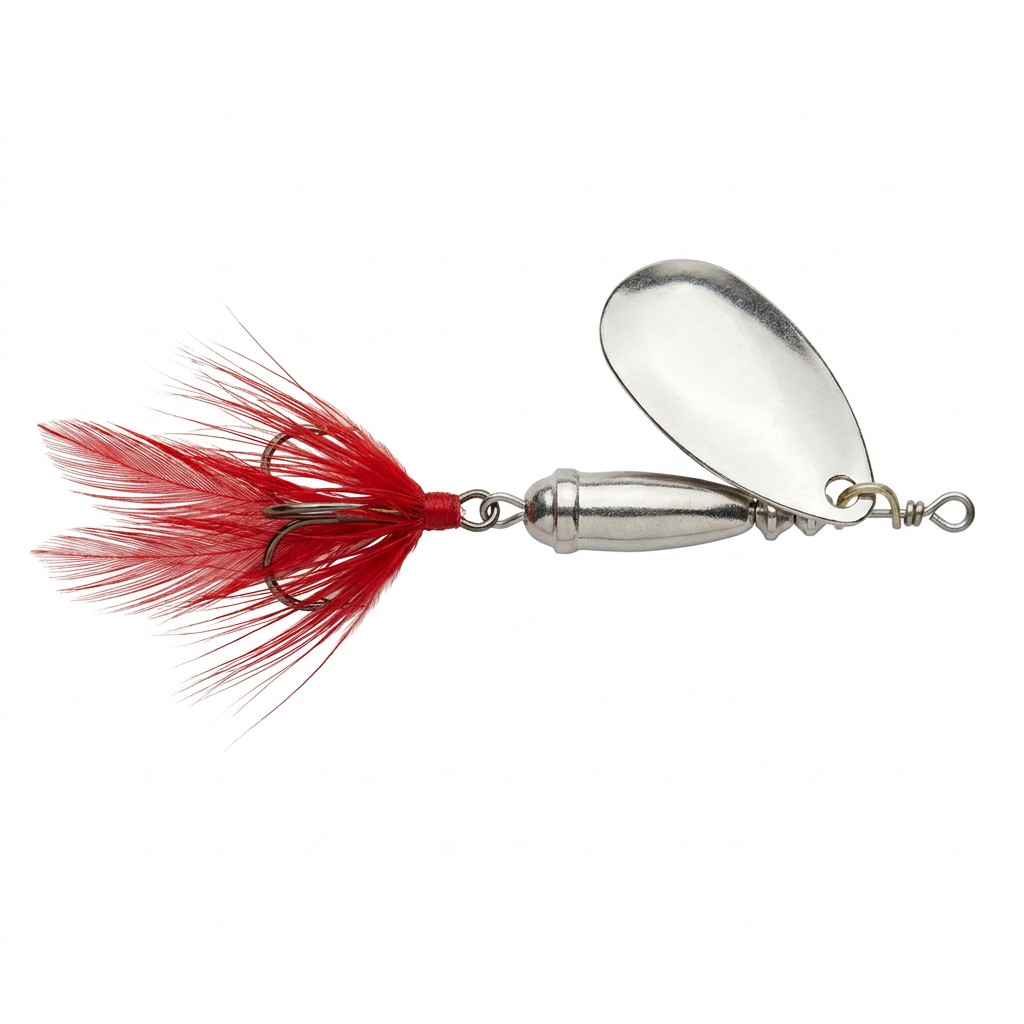
The right line matters as much as the lure. For the presentations that work on this lake, whether flipping timber, fishing main lake structure, or working deep brush, braid is the move. No stretch, more feel, and it lasts. Reaction Tackle is where I get mine.
About Lake George
The Queen of American Lakes. Lake George in Warren County, New York, has been called the "Queen of American Lakes" since at least the 1800s, a nickname reflecting its extraordinary beauty, clarity, and the quality of the Adirondack scenery surrounding it. The lake is approximately 32 miles long, up to 3 miles wide, and covers approximately 28,000 acres. It is a natural glacial lake with no dam, formed by glacial action during the last ice age. Maximum depth is 197 feet in the northern basin. The lake drains northward through Lake George Outlet into Lake Champlain near Ticonderoga. The town of Lake George at the southern end serves as the main access community.
Water clarity and lake trout habitat. Lake George is one of the clearest large lakes in the northeastern United States. The Lake George Park Commission has managed water quality in the lake since 1961, and the lake's glacial bedrock watershed limits nutrient input. Water clarity regularly exceeds 20 feet of Secchi depth in the northern basin, and bottom structure can be seen clearly in many areas of the southern lake at depths of 15 to 20 feet. This exceptional clarity directly supports the wild lake trout population that has existed in the lake since glacial times - lake trout require cold, clear, well-oxygenated deep water, and Lake George provides all of these conditions through the 197-foot deep northern basin.
Adirondack Park and recreation area. Lake George lies within the Adirondack Park, the largest protected natural area in the contiguous United States. The lake is surrounded by a mix of state-owned Forest Preserve land, private land, and the developed corridor along the southern end near the village. Numerous state-owned islands throughout the lake are accessible by boat and provide camping through the NYSDEC island campsite reservation system. The combination of world-class fishing, island camping, and spectacular Adirondack scenery makes Lake George one of the premier multi-sport recreation destinations in the Northeast.
Regulations and access. New York State Department of Environmental Conservation fishing regulations apply to all species at Lake George. The lake is open to fishing with a valid New York State fishing license. Additional regulations may apply to lake trout, which have historically been subject to special management. The Lake George Park Commission regulates boat access and shoreline use. Always verify current regulations at dec.ny.gov before fishing.