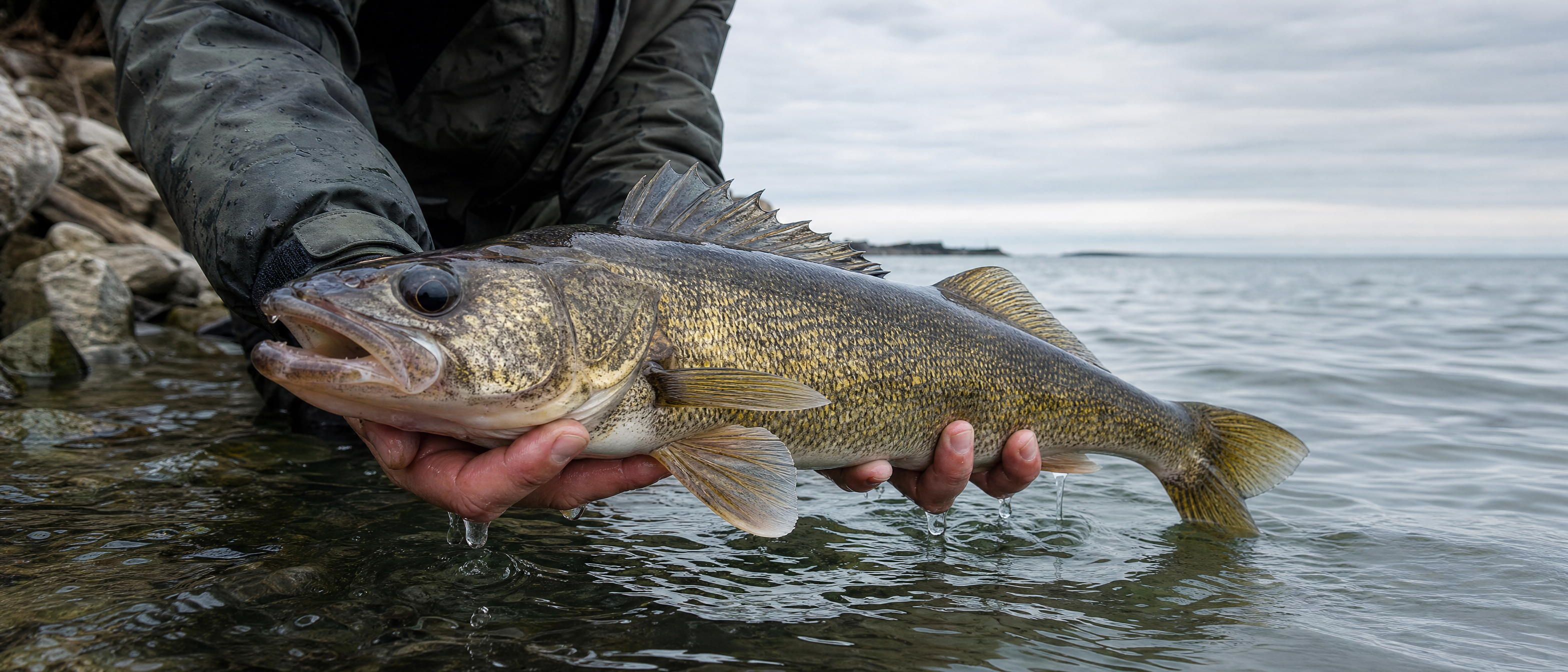
Lake Erie walleye is world-class fishing that I haven't experienced yet. Ohio is still on the state goal, and Erie is the reason to go.
Today's Bite Score · October 8, 2026
Very favorable conditions for catching fish
🌘Waning Crescent
Lake Erie Fishing Report
Updated October 2, 2026Synthesized from current fishing reports · Updated weekly
Right now on Lake Erie, water temperatures are running 75-78 degrees across the lake, and anglers are finding excellent conditions for walleye throughout the Central Basin. Guides are reporting that the fall bite is setting up strong as water cools to the upper 60s, with heavier northeast winds pushing fish farther offshore. The bite has been consistent this week with anglers targeting depths of 45-75 feet depending on location, and long runs way offshore are becoming the norm for boats seeking quality fish.
Anglers are finding success trolling in multiple areas between Lorain and Conneaut this week. North of Lorain and Avon Point, the bite has been strong in 45-55 feet of water with lures positioned at 40-50 feet. Between Euclid and Conneaut, walleye are being caught in deeper 55-75 foot zones with lures at 45-70 feet. Guides are reporting that trollers running spoons, crawler harnesses, and deep crankbaits with divers at 2.5-3.0 mph are producing limits consistently. Anglers traveling farther offshore and taking time to search for schools of fish are doing particularly well right now.
The most productive techniques this week involve wire line presentations with Big Moe square bills and Dipsy Divers, along with Jr Thundersticks and Flicker Minnows in the 38-54 foot range. Guides are also reporting success on Silver Streak spoons and Rattle Tots. Kept walleye are currently averaging 17-20 inches, with some quality 24-inch-plus fish being landed. The daily limit remains 6 fish per angler with a 15-inch minimum size requirement.
Get More Fishing Report Specifics
Tap a topic button below for a report on current conditions.
Tap a topic above to get a current report for Lake Erie.
Answers are generated on demand and cached. No AI call fires until you tap a tab.
Lake Erie Fishing Guides
Looking for a Lake Erie fishing guide? The walleye on Erie are chased by thousands of boats and the hot bites move fast — a guide on the water every day knows where the fish are before you even launch. Go here → to check out our recommended fishing guides for Lake Erie. Then scroll down on that page to see all of the Lake Erie fishing guides.
Lake Erie Fishing Strategies by Species
Seasonal patterns and techniques by target species · Verified against official sources
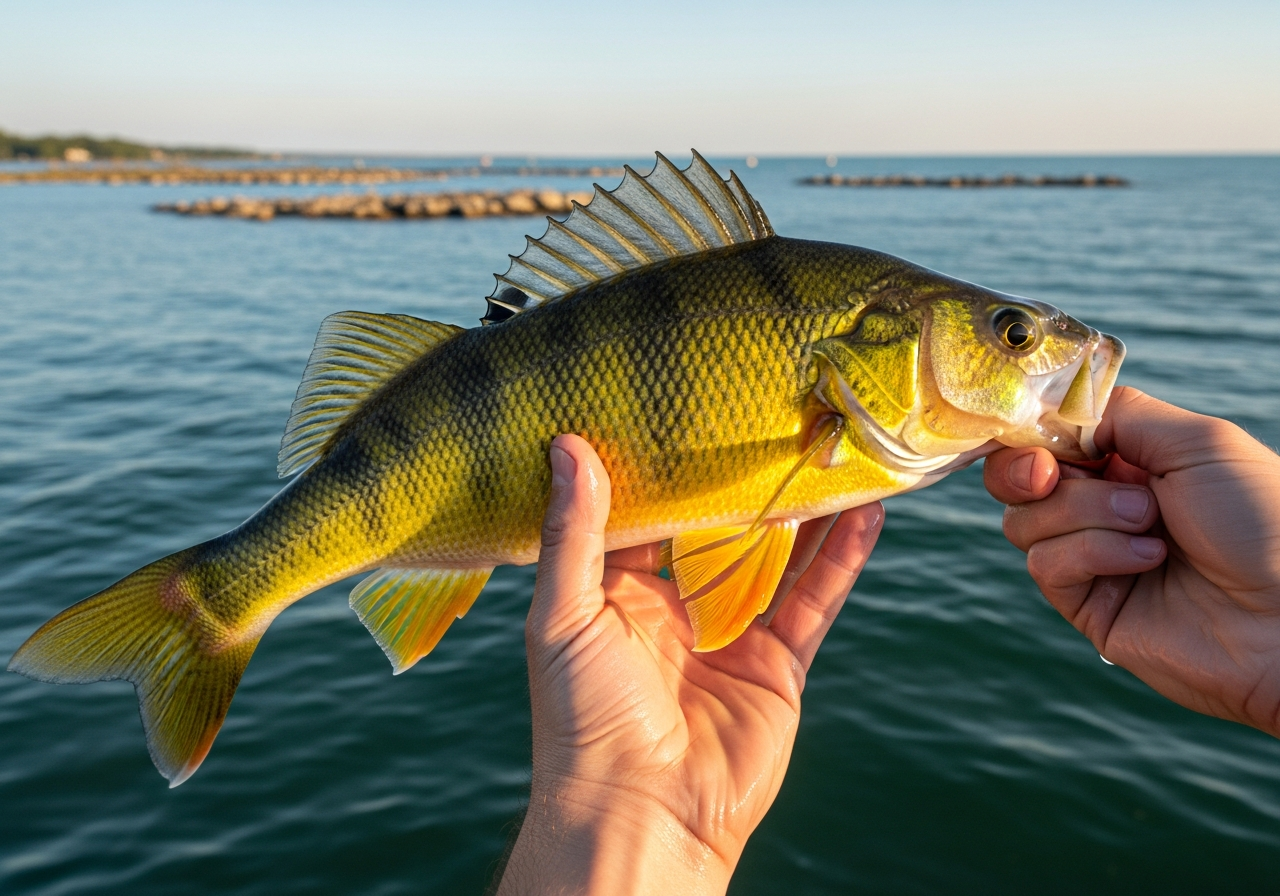
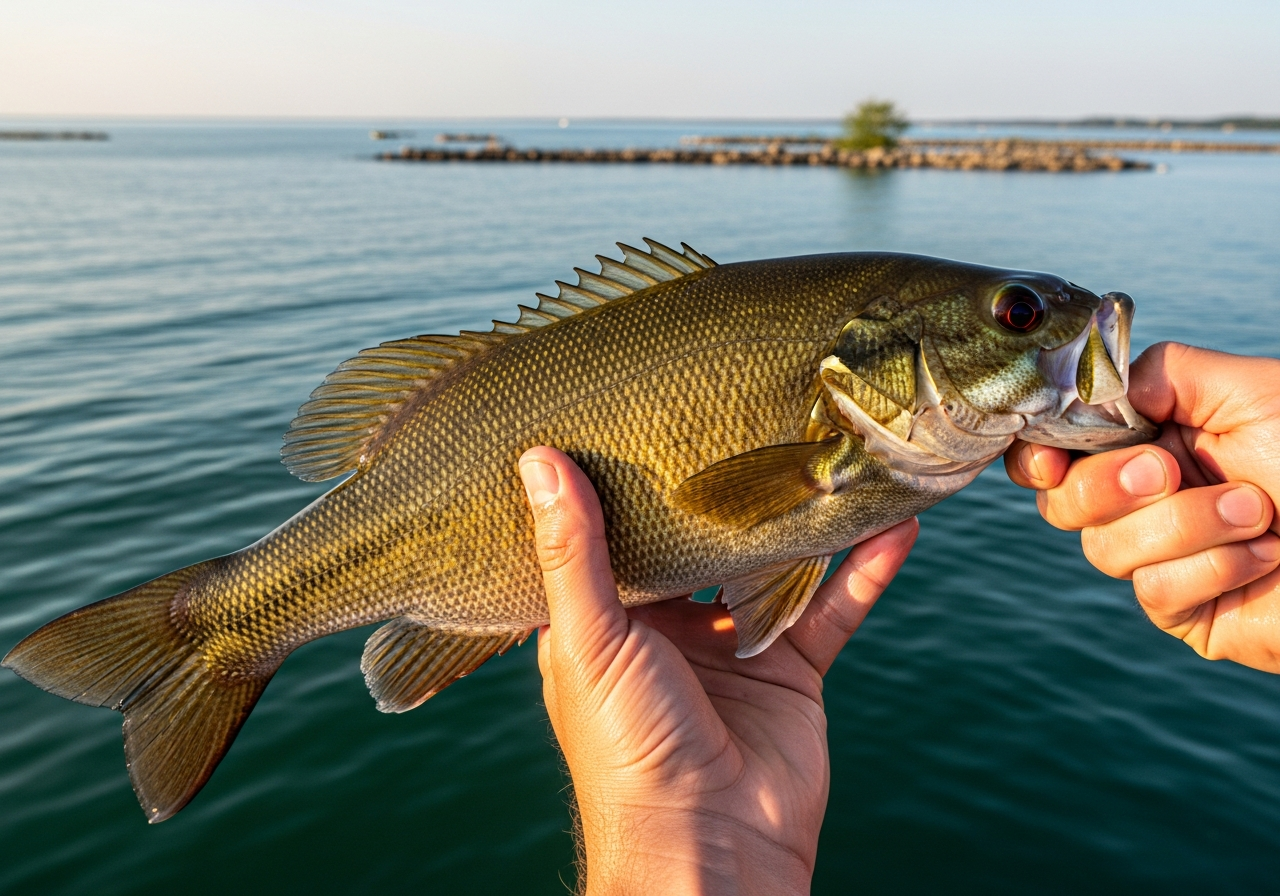
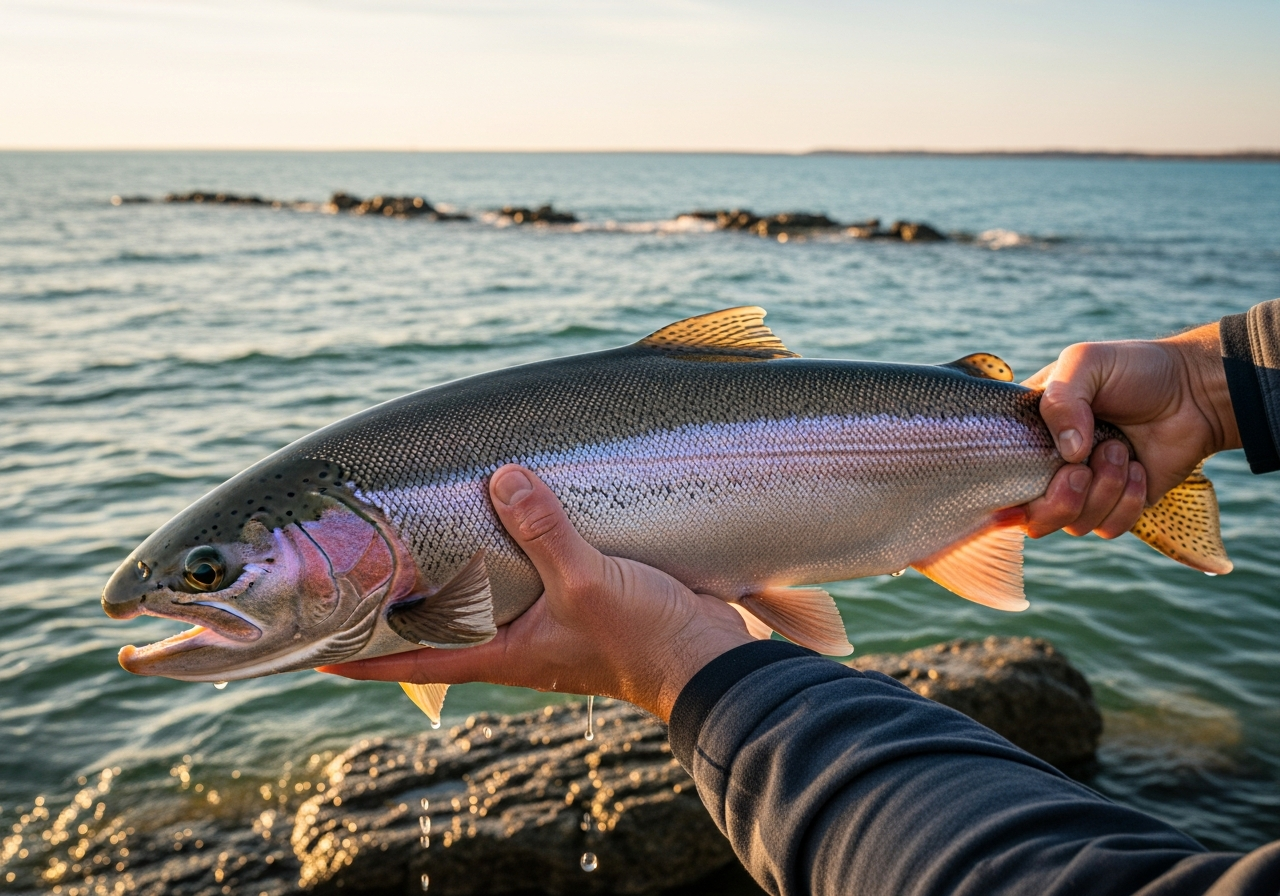
Walleye and yellow perch drive the majority of angling effort on Lake Erie, with the Western Basin holding one of the largest walleye populations in North America and the spring Kelleys Island reef complex producing some of the most consistent walleye action anywhere in the Midwest. The 2026 Ohio daily bag limit is 6 walleye with a 15-inch minimum (set annually: verify at Ohio DNR before fishing). Yellow perch limits are zone-specific: 30 fish per day in the Western Zone, with Maumee Bay and the Kelleys Island reef edges as the most consistent locations. Steelhead trout enter the Grand, Chagrin, Rocky, and Conneaut rivers beginning in October, with the run peaking November through December. Smallmouth bass on the rocky structure around the Lake Erie Islands provide an underrated trophy fishery from May through October.
Lake Erie Walleye Fishing Report
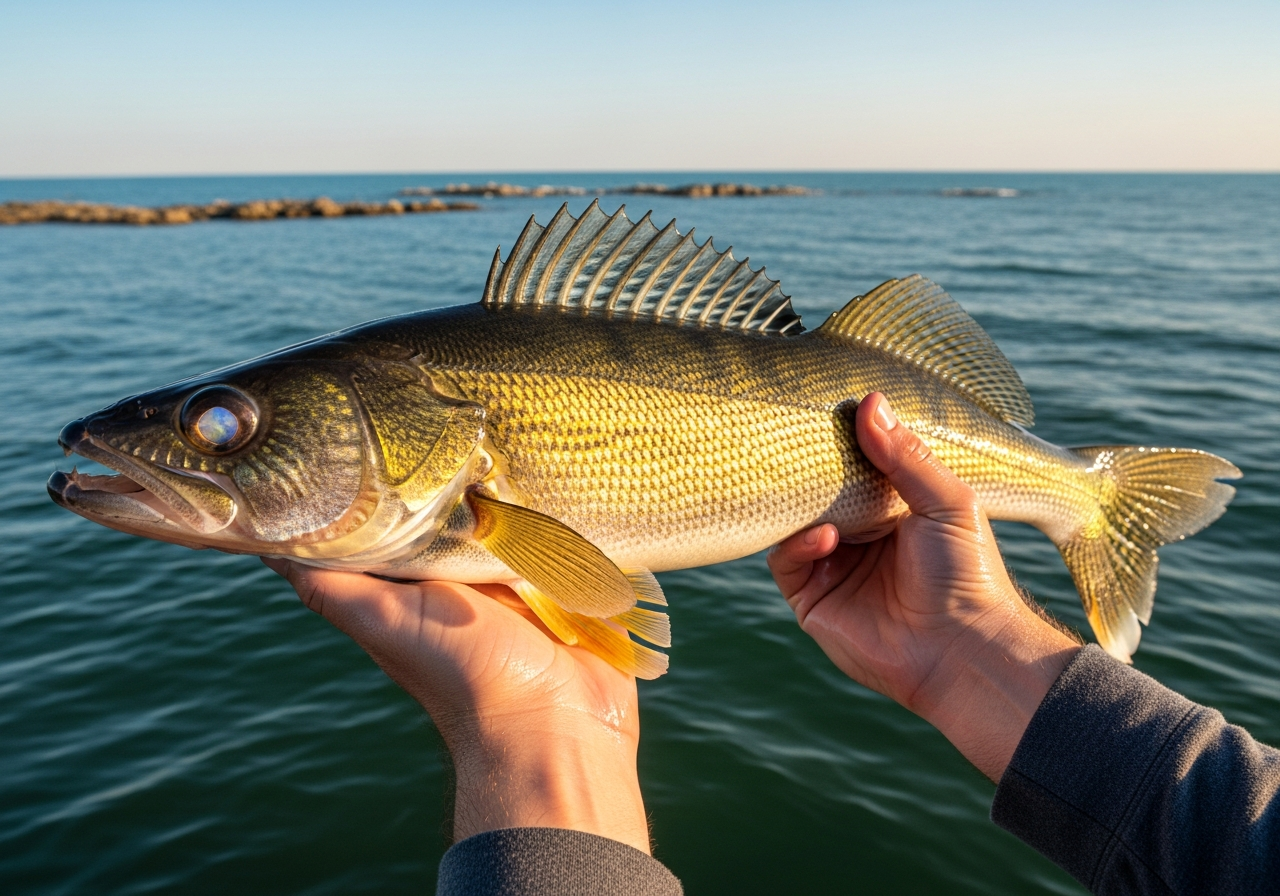
Lake Erie holds one of the largest walleye populations in North America. Ohio DNR sets the annual bag limit each spring based on population surveys. The 2026 daily limit is 6 walleye per day with a 15-inch minimum, applied to the walleye, saugeye, and sauger combined. The Western Basin is where most anglers start in spring. The Kelleys Island reef complex holds walleye from late March through May in 23 to 30 feet of water over rock and gravel. The area around South Bass Island and Put-in-Bay produces well from ice-out through the spawn. Maumee Bay, from the Toledo shipping channel east toward the bay channel edges, concentrates early-season fish in 12 to 22 feet. The Sandusky Bay channel mouth holds fish during the transition between the bay and open lake. For anglers who prefer bank fishing, the Maumee River draws one of the biggest walleye runs in the Midwest each spring. Fish stack below the Buttonwood access and through the rapids section in downtown Toledo and Perrysburg as water temperatures climb into the mid-40s. The Sandusky River below Fremont also draws a run. Both rivers fish on current seams and eddy lines below drops and riffles. Summer moves the Western Basin schools east. The Port Clinton to Lorain stretch is the primary summer fishery. Trolling worm harnesses and crankbaits in 40 to 60 feet covers the most water. The Lorain reef area in 22 to 35 feet holds fish on early mornings before the sun gets high. The Cleveland area shoals between Chagrin River mouth and the Cuyahoga hold walleye in 33 to 37 feet through July and August. Fall pulls walleye back shallow. October and November put fish back into the Western Basin and within reach of the same spring structure. The reefs off Marblehead and the Kelleys Island north shore produce well into November as water temps drop into the low 50s and walleye feed heavily before winter.
Lake Erie Yellow Perch Fishing Report
Yellow perch are Lake Erie's most accessible fishery and the most consistent season to season. Ohio DNR manages perch by zone: 30 fish per day in the Western Zone, 10 per day in the Central Zone, and 20 per day in the Eastern Zone. The zones roughly divide at the Port Clinton to Ontario line (Western and Central) and the Lorain to Ontario line (Central and Eastern). Maumee Bay is the primary perch location in the Western Zone. The Toledo shipping channel in 22 to 25 feet holds fish through spring and fall. The area around Green Island and the western reef complex produces perch year-round when walleye traffic is light. Kelleys Island reef edges in 18 to 25 feet are reliable from May through October. Locating perch requires electronics. Schools hold tight to hard bottom, and a graph showing bottom contour makes a significant difference. Once located, wax worms or emerald shiners on small jigs or bottom rigs account for most fish. Perch school by size, so moving if fish are small is often more productive than staying on a slow school. The Central Zone perch fishery around the Lorain and Cleveland area gets less pressure than the Western Basin but holds good numbers of larger fish. The tighter limit reflects different population dynamics in deeper water.
Lake Erie Smallmouth Bass Fishing Report
Lake Erie smallmouth bass are underrated. The lake produces genuinely large fish. The Ohio state record smallmouth, 9.5 pounds, came from Lake Erie in 1993. Rocky shoreline structure around the Lake Erie Islands holds fish from May through October. The reefs flanking Kelleys Island, the rock bars off South Bass Island, and the limestone bottom near Marblehead all produce from pre-spawn staging in May through the fall feed in October. Smallmouth key on crayfish more than baitfish in Erie's clear water. Tube jigs, drop shots, and finesse presentations on 8 to 14 pound fluorocarbon are the standard approach on rock structure. The same reefs that hold walleye in the morning often hold smallmouth through midday when bass are more active in bright light. The water clarity in the Western Basin, driven by zebra mussel filtration, allows sight fishing in shallow water during the spawn in late May and early June. Fish over gravel and sand in 4 to 12 feet during this window.
Lake Erie Steelhead Trout Fishing Report
Ohio DNR stocks roughly 450,000 steelhead yearlings per year into Lake Erie tributaries. The Chagrin, Grand, Rocky, and Conneaut rivers are the primary stocking streams, each receiving 75,000 to 90,000 fish annually. Fish that spend two or three summers in the lake average 25 inches and 5 to 6 pounds when they return to the tributaries. The run starts in October when water temps drop into the low 50s. Fish move into the Conneaut and Grand River first, followed by the Chagrin and Rocky as temperatures continue to fall through November. The run peaks from November through December and continues through March. Fish that over-winter in the rivers often run 28 to 30 inches by the time spring arrives. Before entering the rivers, steelhead hold near tributary mouths in the lake itself. The area off Conneaut Harbor, the Chagrin River mouth near Eastlake, and the Grand River mouth near Fairport Harbor hold fish in 8 to 20 feet from late September through mid-October. Jigging spoons and small crankbaits cast toward the tributary current plume account for fish during this window. In the rivers, standard drift fishing with spawn bags, beads, and jigs on light line covers most water. The fish are spooky in low clear water and leader selection matters. Wet wading is possible in October. By December, chest waders and neoprene become necessary.
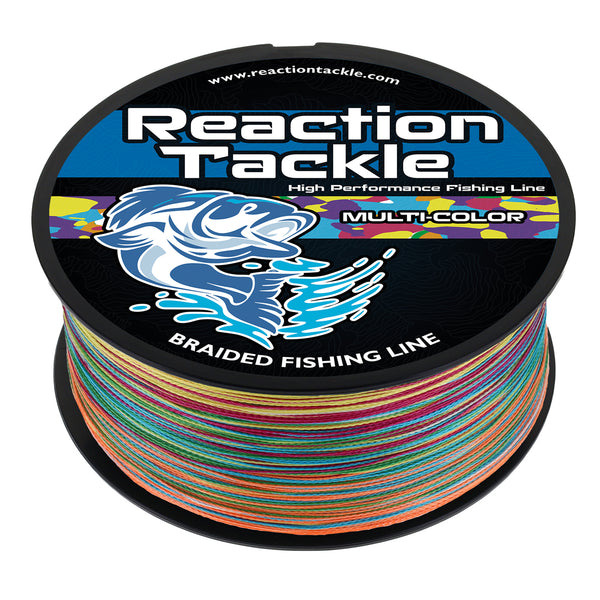
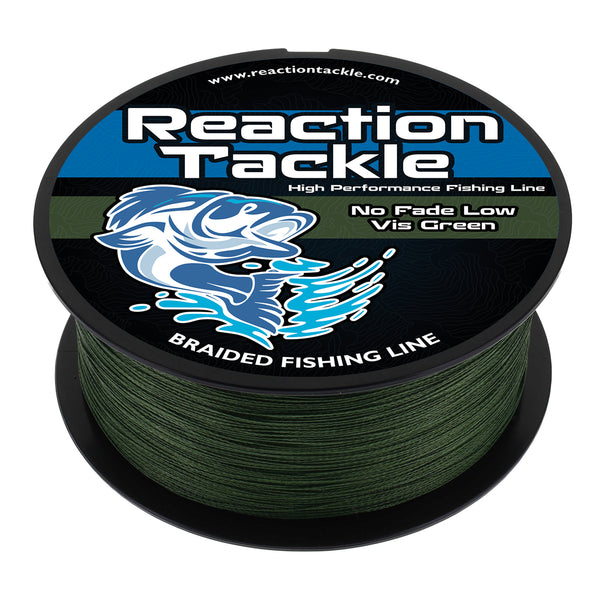
If you haven't replaced your braided line in a season or two, now's the time. Braid holds up better than mono, but abrasion from wood and rock adds up. Reaction Tackle is one of my favorite places to order from.
Top Fish to Target in Lake Erie
Lures for Lake Erie
Tackle matched to this lake's species and structure.
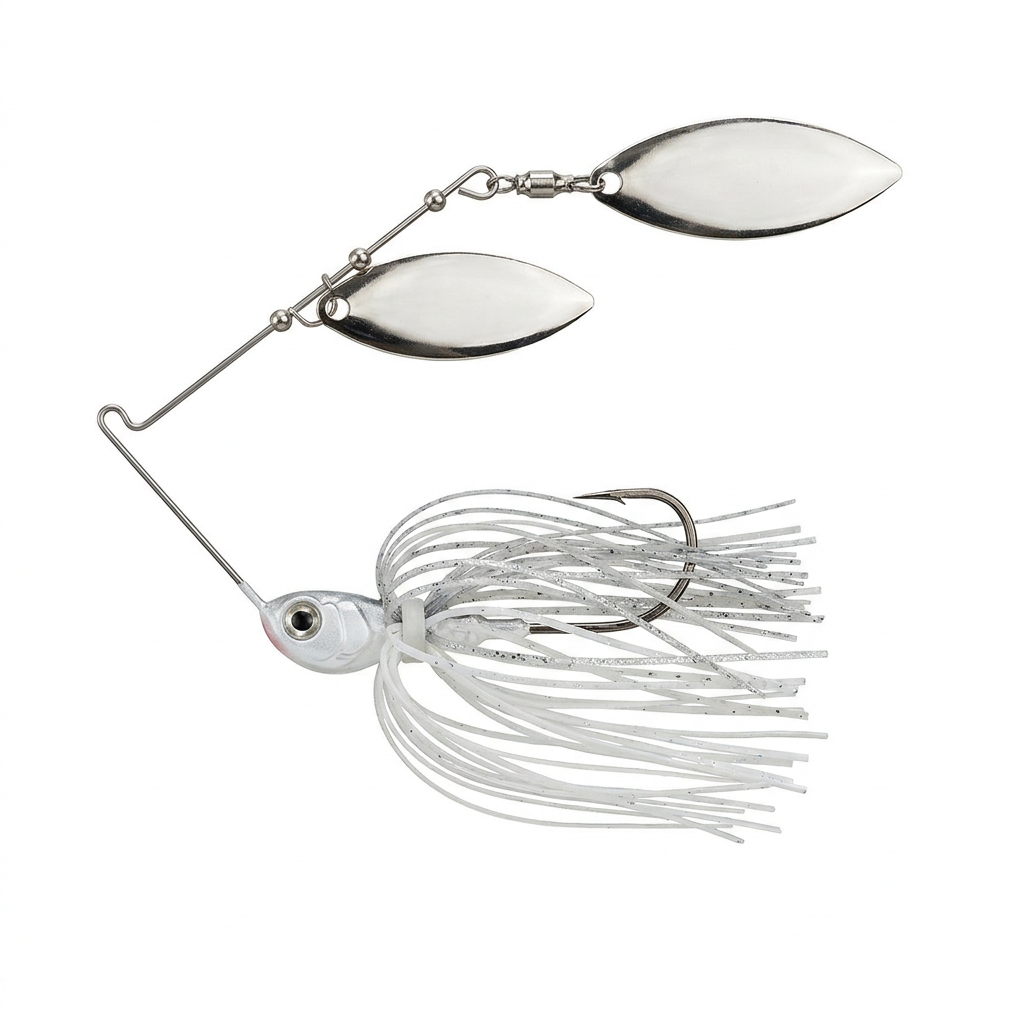
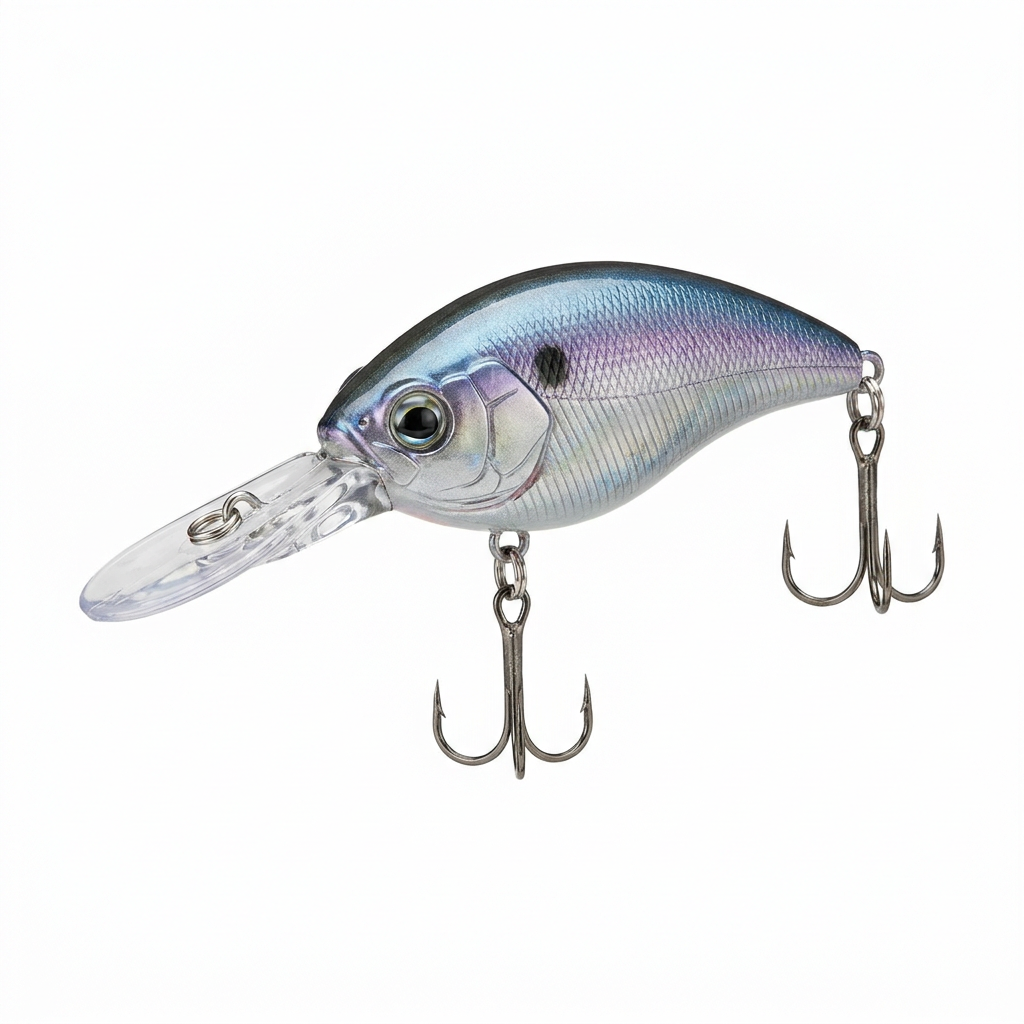
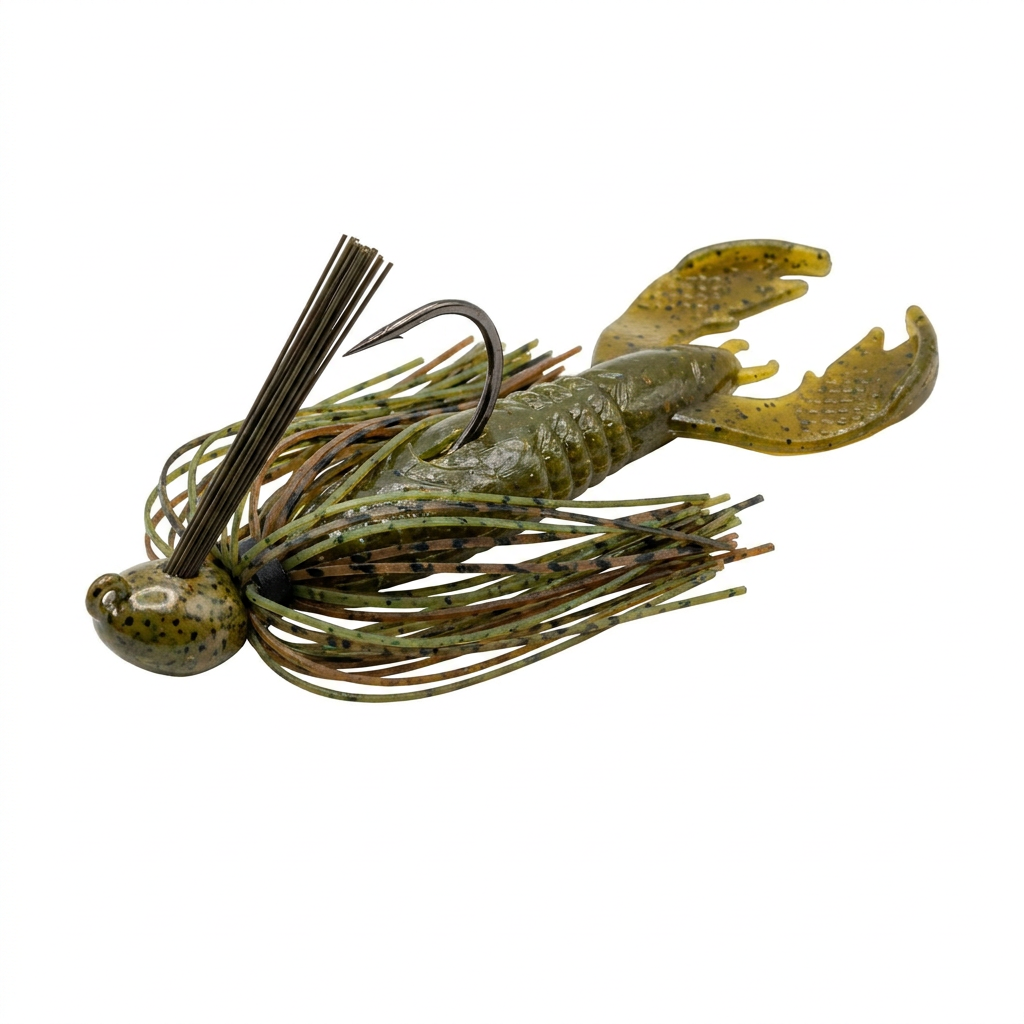
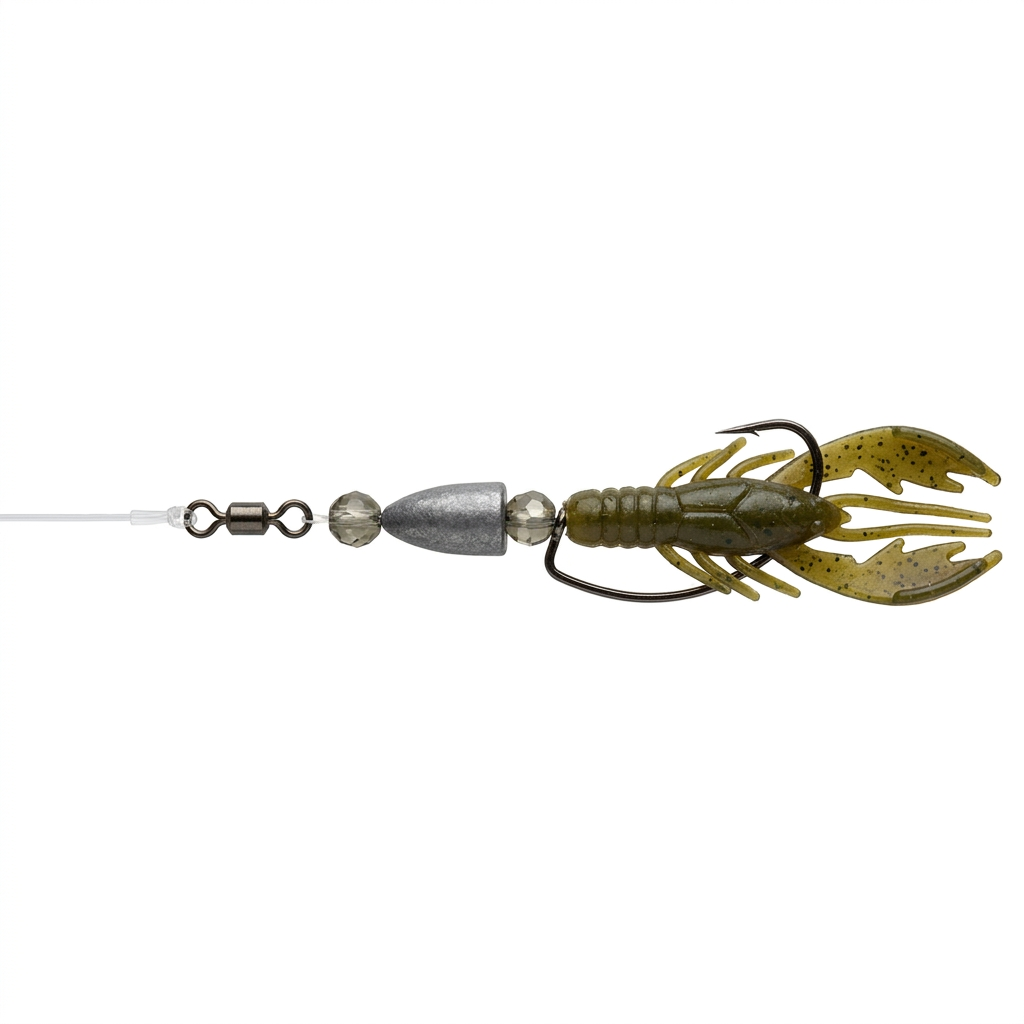
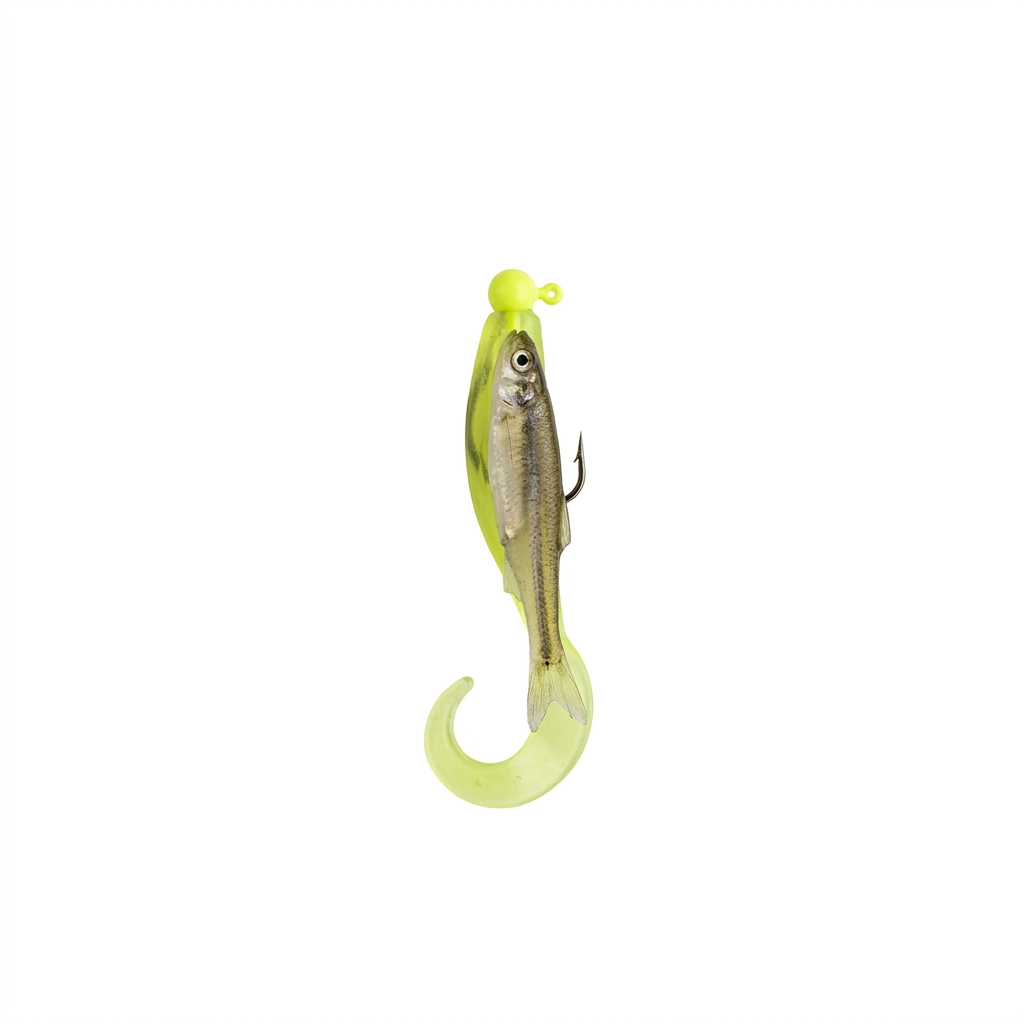
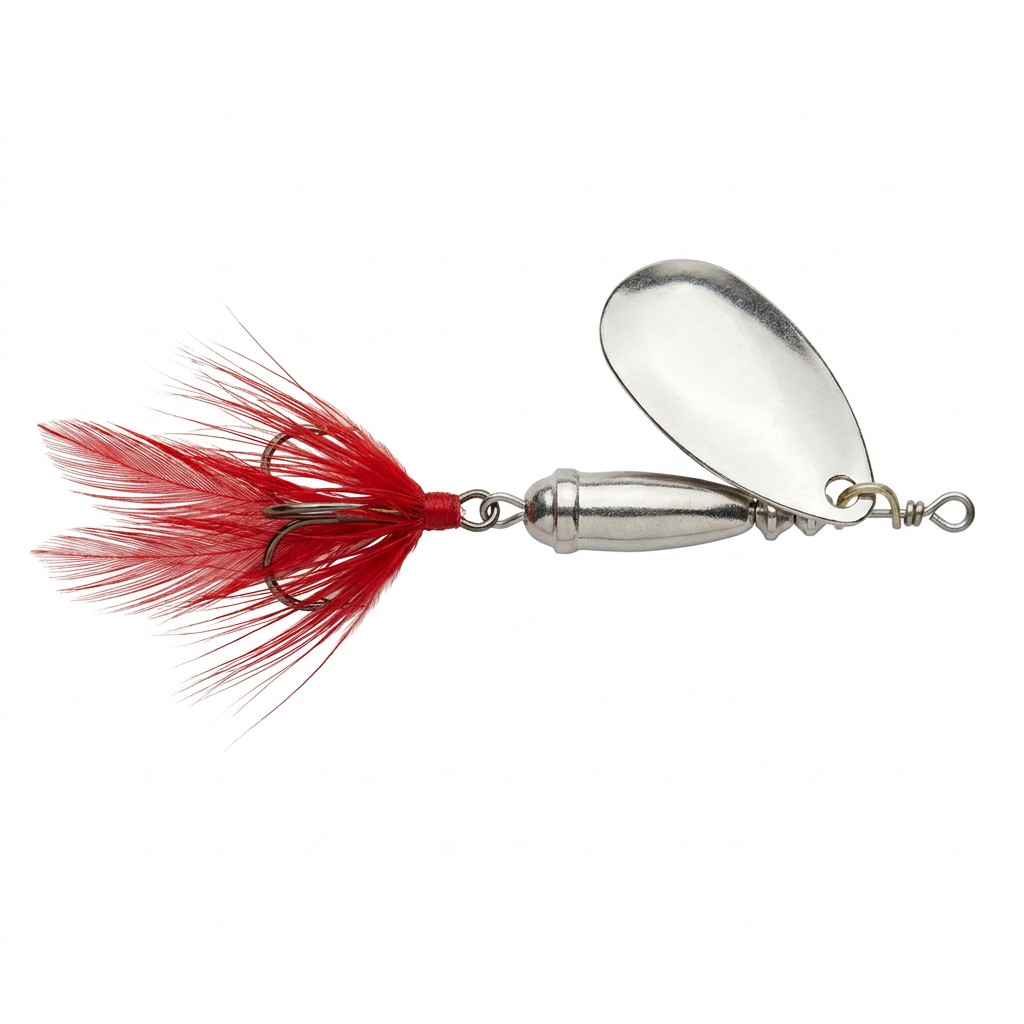
The right line matters as much as the lure. For the presentations that work on this lake, whether flipping timber, fishing main lake structure, or working deep brush, braid is the move. No stretch, more feel, and it lasts. Reaction Tackle is where I get mine.
About Lake Erie
Lake Erie is one I've been dreaming about for years. The walleye fishing in the western basin in May is world-class in a way that has no real equivalent in the lakes I've fished, and the yellow perch are supposed to be outstanding as well. Ohio is still ahead of me on the state goal, and Erie would make that trip very worth the drive.
Lake size and depth. Lake Erie covers 9,910 square miles (roughly 6.3 million acres) and runs 241 miles west to east. It is the shallowest of the five Great Lakes, with a maximum depth of 210 feet in the Eastern Basin and an average depth of 62 feet. The Western Basin averages 24 feet deep.
Location. Lake Erie borders Ohio, Pennsylvania, New York, and the Canadian province of Ontario. The Ohio shoreline covers 313 miles. Port Clinton, Ohio sits at the center of the primary recreational fishery. Sandusky, Lorain, Cleveland, and Ashtabula are the other major Ohio fishing cities along the shore.
Walleye regulations (Ohio). The daily bag limit for walleye, saugeye, and sauger combined is 6 fish with a 15-inch minimum length. Ohio DNR sets the limit annually based on spring population surveys. The 2026-27 limit is 6 fish per day. Pennsylvania requires a separate Lake Erie permit in addition to a standard fishing license for anglers fishing Pennsylvania waters.
Yellow perch regulations (Ohio). Perch limits are zone-specific. The Western Zone allows 30 fish per day with no size minimum. The Central Zone allows 10 per day. The Eastern Zone allows 20 per day. Zone boundaries are set by Ohio DNR and marked in the annual regulation booklet.
Lake history and formation. Lake Erie formed approximately 13,000 years ago as glaciers retreated at the end of the last Ice Age. It is a natural glacial lake, not an impoundment. The lake has more consumable fish biomass than all other Great Lakes combined, driven by its shallow, warm, nutrient-rich Western Basin. Zebra mussels have dramatically increased water clarity since the 1990s, particularly in the Western and Central basins, which affects both fishing technique and the visibility of structure.