
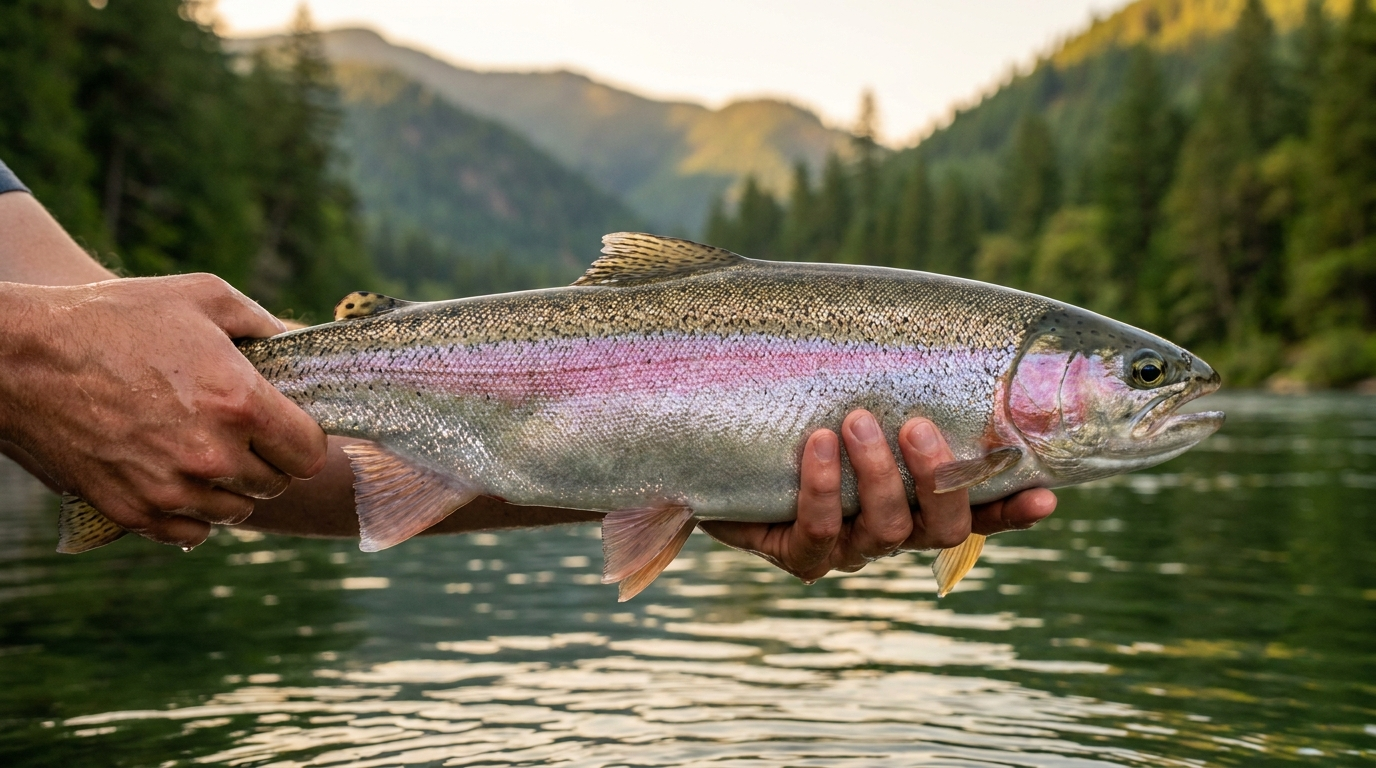
Detroit Lake is the mountain reservoir that Willamette Valley anglers head to when they want to get into the Cascades without a long drive. The combination of stocked trout, the occasional wild coho in the tributaries, and the stunning scenery makes it a lake I want to spend a full day on rather than just a quick morning trip.
Today's Bite Score · October 8, 2026
Above average conditions worth planning a trip
🌘Waning Crescent
Detroit Lake Fishing Report
October FishingMonthly fishing report · October patterns and techniques
Detroit Lake in October transitions into cooler conditions as water temperatures drop into the mid-50s Fahrenheit. The lake's 3,473-acre surface becomes increasingly productive as summer heat dissipates and fish are more active throughout the day. Anglers find that the thermocline breaks down this month, allowing fish to roam deeper structure and suspended areas that were too warm just weeks prior. Wind patterns shift in October, creating better fishing windows during morning and evening hours.
Rainbow trout and kokanee salmon are the primary targets in October at Detroit Lake. Rainbow trout are moving deeper, holding along the 30 to 50-foot contours near the lake's main basin and around submerged timber. Kokanee salmon have completed much of their spawning activity and fish are scattered throughout mid-depth zones, typically between 25 and 45 feet. Smallmouth bass remain active in shallow rocky areas and around the numerous coves, though they are less aggressive this month. Anglers find walleye beginning to transition to deeper structure as well, moving away from shallow summer feeding areas.
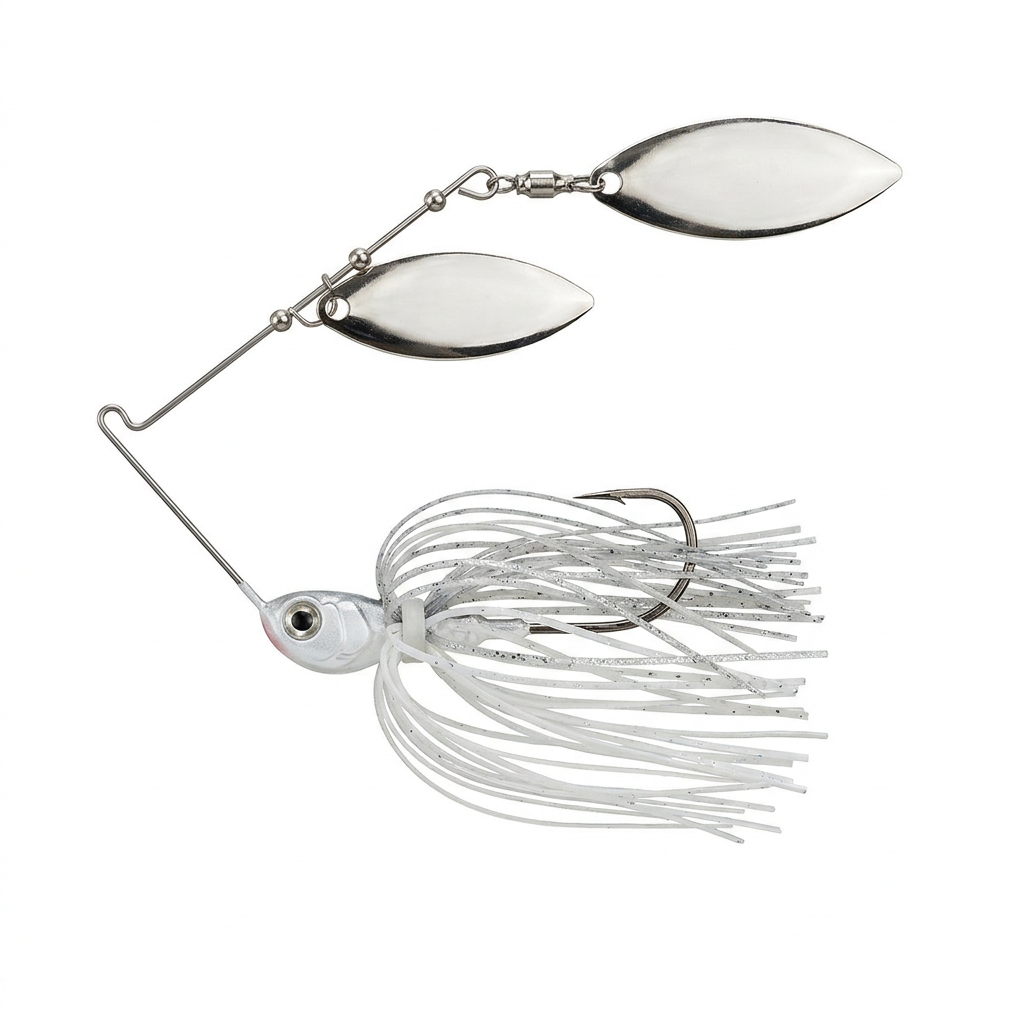
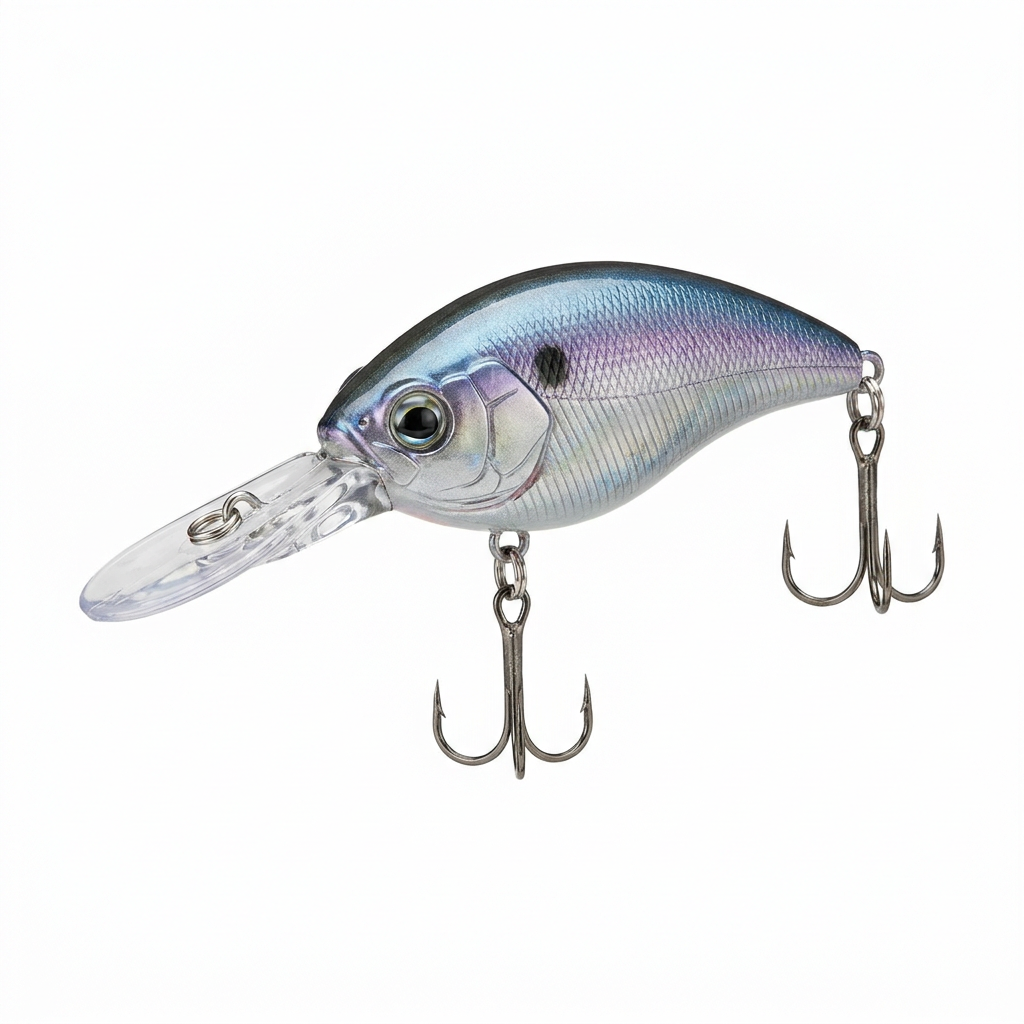
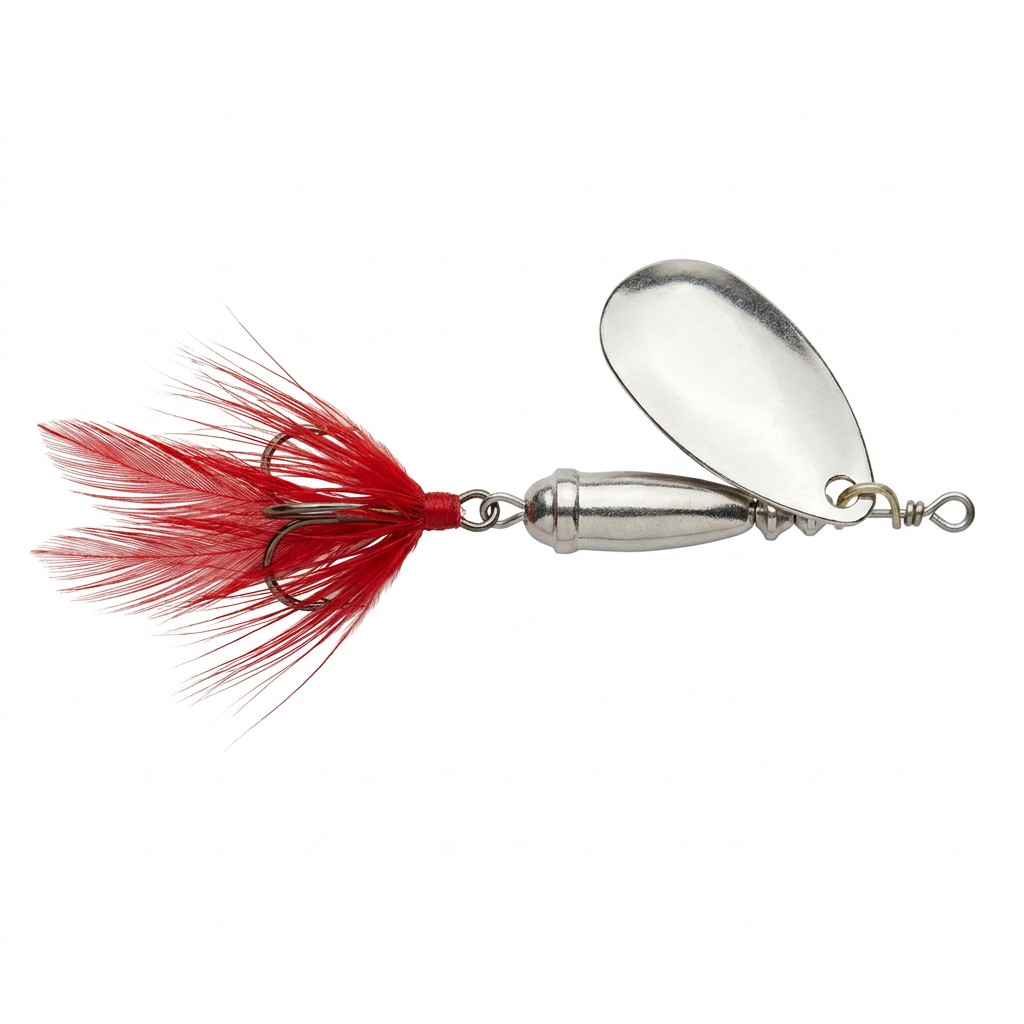
Trolling with small spoons and spinners proves most effective for rainbow trout this month, with silver and chartreuse patterns producing well in the clearer October water. Jigging shad-pattern swimbaits along the drop-offs near the dam yields consistent results for both trout and kokanee. Live minnow presentations beneath bobbers in 20 to 35-foot depths attract active fish in October. Shore anglers have success using small crankbaits and inline spinners from the dam area and along the eastern shoreline. Kokanee respond well to small tube jigs in white and orange, worked slowly along suspended areas. In October, anglers should focus efforts during low-light periods and be prepared to adjust depths frequently as fish positioning changes daily. Patience and depth-finding capabilities make the difference in successful October outings at Detroit Lake.
Get More Fishing Report Specifics
Tap a topic button below for a report on current conditions.
Tap a topic above to get a current report for Detroit Lake.
Answers are generated on demand and cached. No AI call fires until you tap a tab.
Detroit Lake Fishing Guides
Looking for a Detroit Lake fishing guide? The rainbow trout and kokanee in this Western Cascades reservoir are stocked and seasonal — guides who know the depth transitions and feeder creek timing will fill a cooler when others are struggling. Here are 1 fishing guides for Detroit Lake that are worth checking out.
Detroit Lake Fishing Strategies by Species
Seasonal patterns and techniques by target species · Verified against official sources
Detroit Lake is a US Army Corps of Engineers reservoir on the North Santiam River in the western Cascade Mountains of Marion County, Oregon. Detroit Dam, completed in 1953, created a 3,580-acre reservoir that reaches approximately 400 feet at full pool, forming one of Oregon's most popular summer recreation lakes. Located approximately 50 miles east of Salem on U.S. Highway 22, Detroit Lake is managed by Oregon Department of Fish and Wildlife for rainbow trout, brown trout, coho and chinook salmon (in tributaries during fall runs), yellow perch, and smallmouth bass. ODFW regulations for Detroit Lake and its tributaries must be verified at myodfw.com before fishing, particularly for salmon species.
Detroit Lake Rainbow Trout Fishing Report
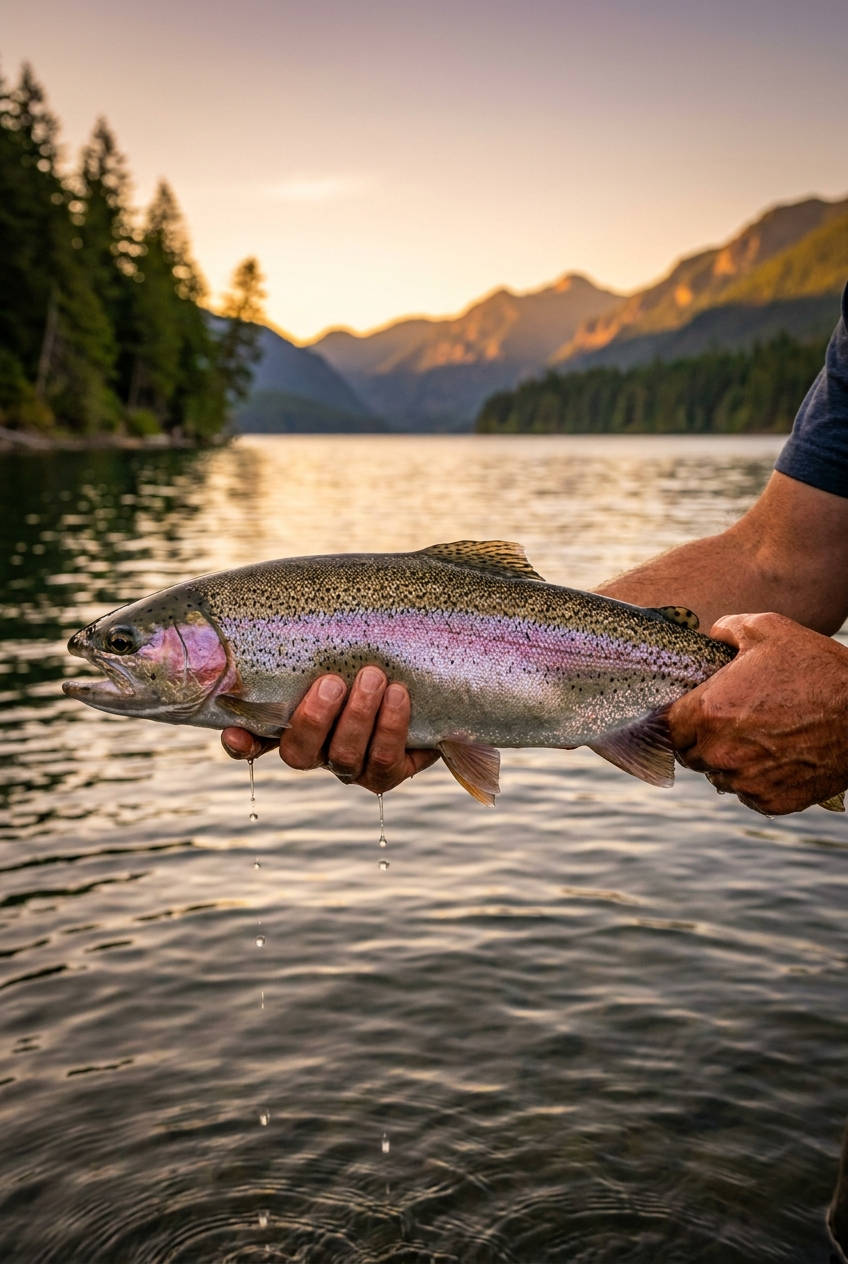
Rainbow trout are the primary target species for most anglers on Detroit Lake, supported by ODFW stocking programs that release legal-sized rainbows throughout the spring and summer season. Detroit Lake's cold, clear Cascade water provides good trout habitat through spring and early summer before surface temperatures warm during the peak recreation season. Trolling with rooster-tail spinners, small crankbaits, and flasher-and-worm combinations along the deeper main channel in 15 to 40 feet produces the most consistent rainbow trout catches. Shore fishing with PowerBait, salmon eggs, and nightcrawlers is productive near the Detroit Lake State Recreation Area and the Mongold Day Use Area boat ramps, particularly in spring when stocked fish are concentrated near the access points. Fly fishing with wet flies and streamers in the North Santiam River arm of the lake during spring runoff can produce good action on both stocked and wild trout. Summer trout fishing requires moving deeper as surface temperatures warm. ODFW typically stocks rainbow trout at Detroit Lake from spring through early summer: check odfw.oregon.gov for stocking schedules and current regulations.
Detroit Lake Brown Trout Fishing Report
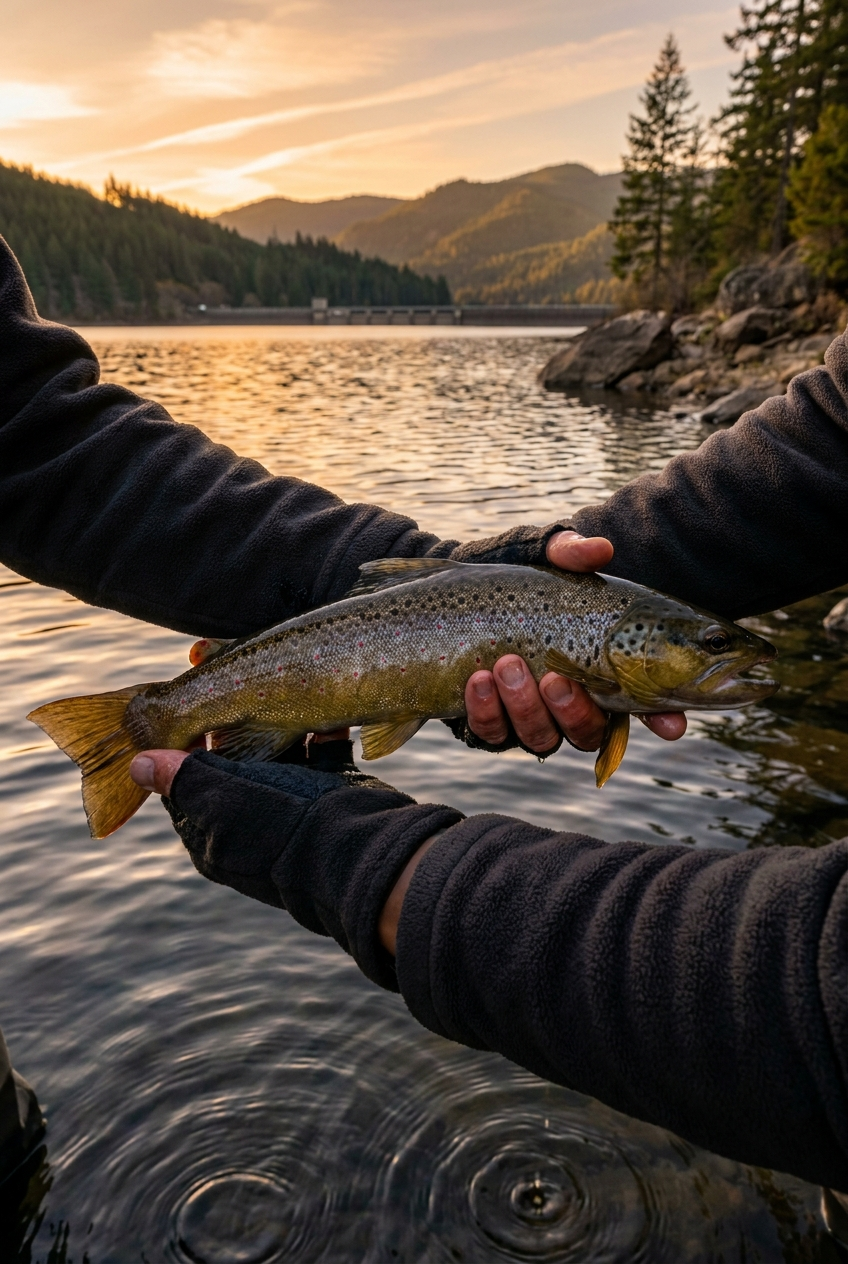
Brown trout are present in Detroit Lake, occupying the deeper main channel sections and the areas near the dam where cold water is available through the summer. Brown trout are less commonly targeted than rainbow trout at Detroit Lake but grow to larger sizes in the lake's productive ecosystem. ODFW manages brown trout in the Detroit Lake system, and regulations for brown trout should be verified at myodfw.com before fishing. Trolling deep-diving crankbaits and flutter spoons in the main channel in 25 to 60 feet during summer targets the larger brown trout holding in the thermocline. Brown trout feeding activity often peaks at dawn and dusk when fish move shallower to feed on perch, smaller trout, and surface insects. Fall is a productive brown trout season as fish stage near the tributary inlets in preparation for spawning activity. The North Santiam River tributary above the lake can hold brown trout during fall low-water periods.
Detroit Lake Coho Salmon Fishing Report
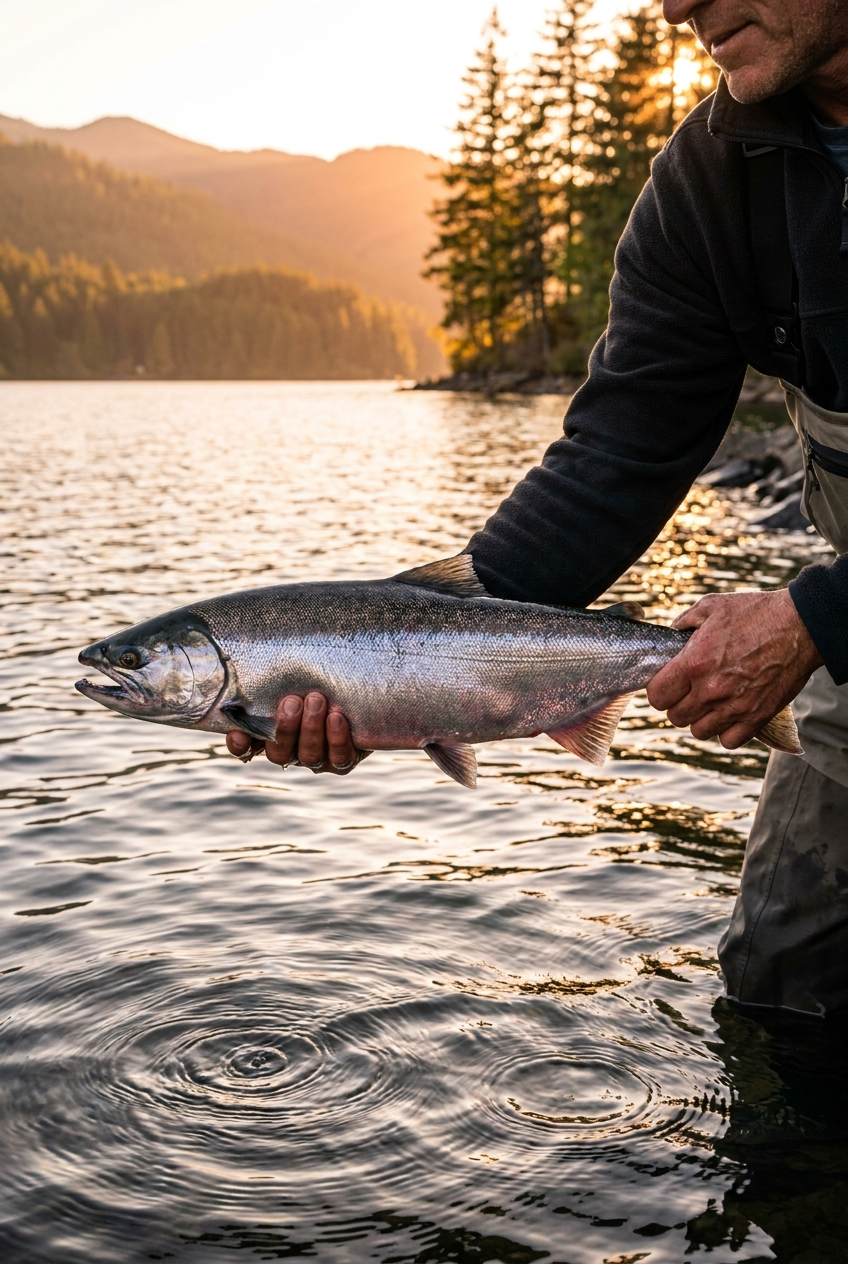
Coho salmon enter the North Santiam River system below Detroit Dam during fall migration runs, and the tributaries above the lake (including Blowout Creek and the upper North Santiam) can receive wild coho that pass through the fish passage facilities. Detroit Lake itself receives some stocked coho that reside in the lake and provide a fishery within the reservoir. Coho in the lake are most active during fall when cooler water temperatures trigger feeding activity. The coho fishery at Detroit Lake is subject to detailed ODFW regulations that vary significantly by year and by location (lake vs. river vs. tributary), and these regulations must be carefully verified at myodfw.com before targeting salmon. Bag limits, gear restrictions, and open seasons for coho at Detroit Lake and the North Santiam River below the dam can include wild fish retention restrictions. Trolling near the surface with spinners and spoons in fall produces the most coho encounters within the lake itself.
Detroit Lake Chinook Salmon Fishing Report
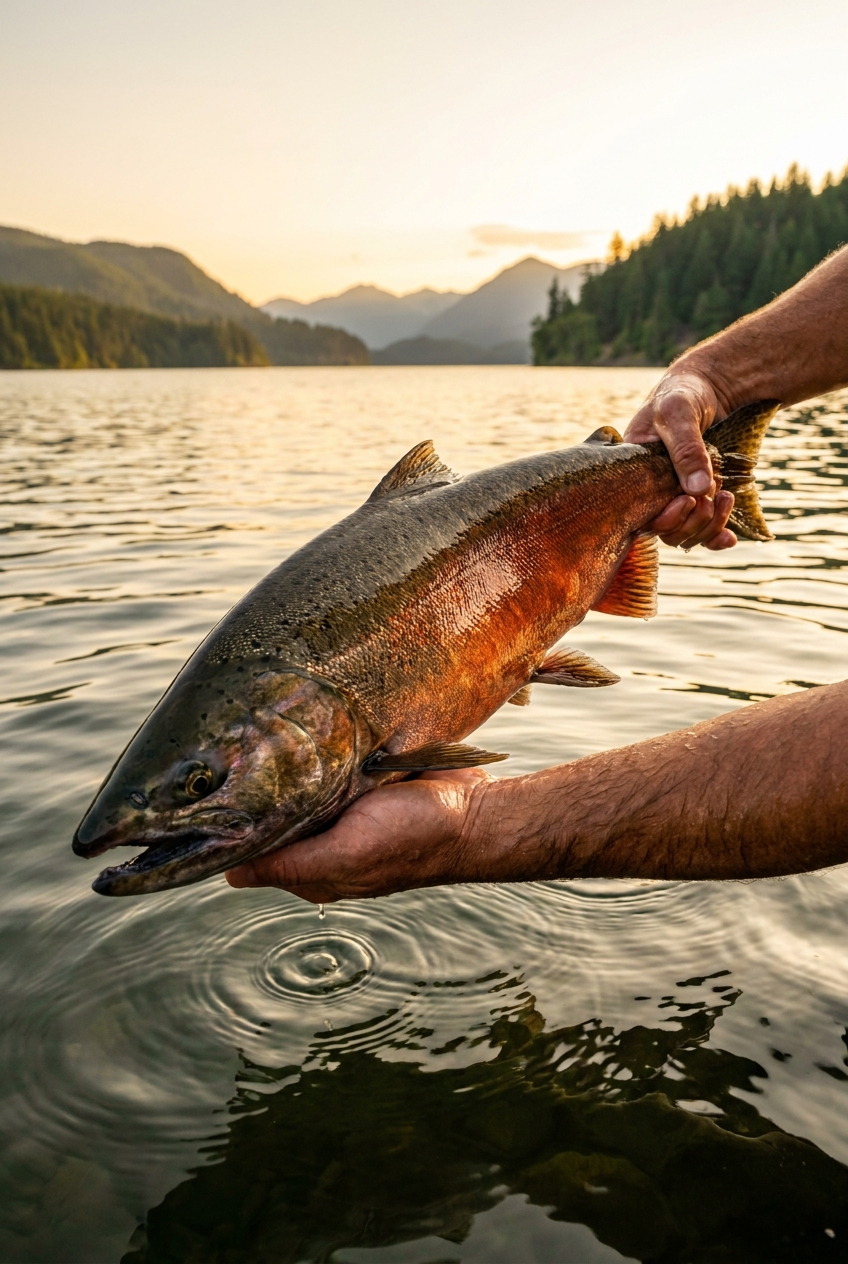
Chinook salmon use the North Santiam River system, and Detroit Lake receives some planted chinook as part of ODFW mitigation programs for the impacts of Detroit Dam on the upper river salmon populations. The lake's chinook fishery is variable and subject to ODFW management that can include season closures or retention restrictions depending on hatchery returns and wild fish abundance. The North Santiam River below Detroit Dam can hold chinook during spring and fall migration periods. Chinook regulations at Detroit Lake and the North Santiam River are among the most carefully managed and most frequently changing regulations in the Oregon system. Always verify current open seasons, daily bag limits, wild fish retention rules, and any gear restrictions at myodfw.com before targeting chinook at Detroit Lake or in any North Santiam River tributary. ODFW's salmon and steelhead report hotline provides updated weekly fishing information during the season.
Detroit Lake Yellow Perch Fishing Report
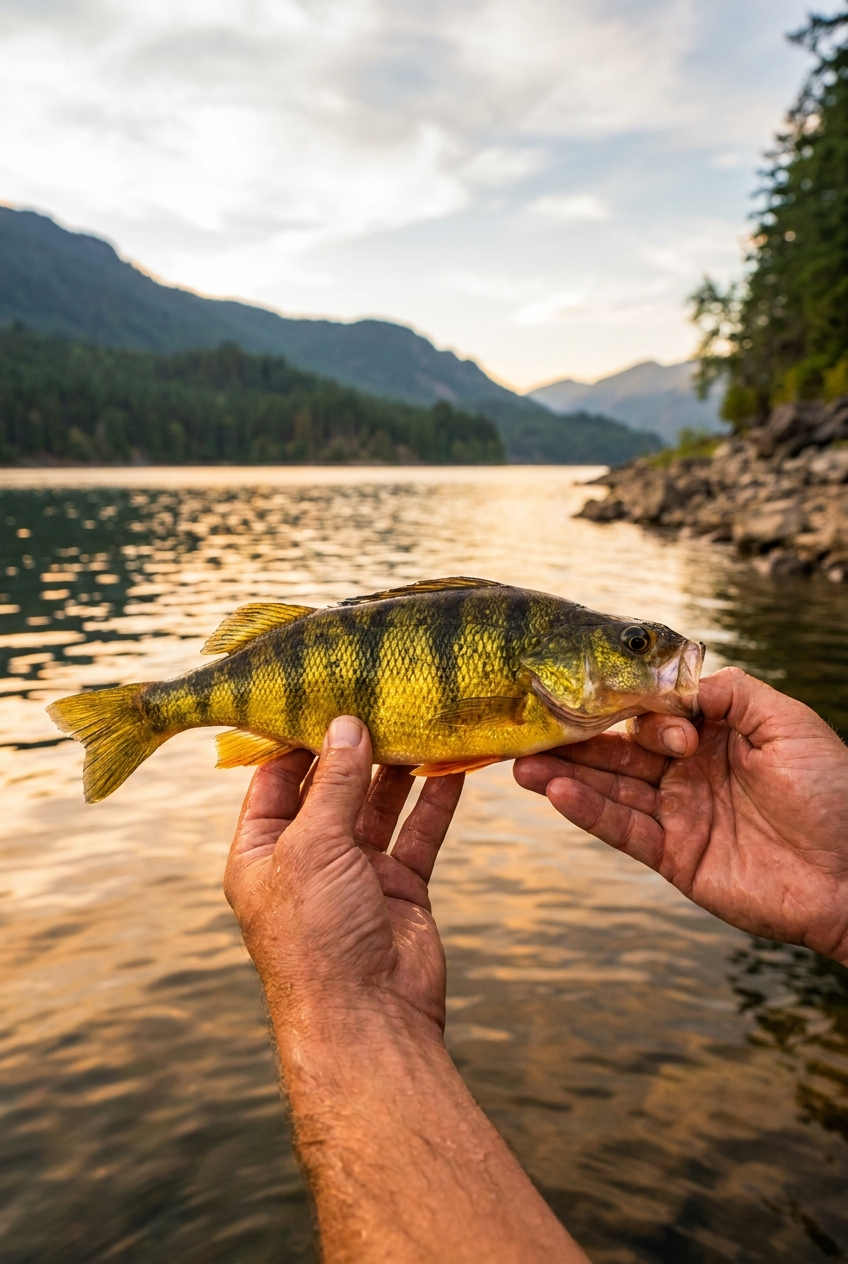
Yellow perch are abundant throughout Detroit Lake and provide excellent year-round fishing in the shallower coves and the dock areas throughout the lake. Perch fishing is an accessible activity for family anglers and is productive from shore and from boats. The protected coves near the Detroit Lake State Recreation Area and the Mongold Day Use Area hold consistent perch populations in 8 to 20 feet over sandy and rocky bottom. Small jigs tipped with nightcrawler or minnow pieces worked vertically in 10 to 25 feet produce steady perch action throughout the day. Perch are one of the most consistently catchable species on Detroit Lake throughout the summer recreation season, making them an excellent target for anglers with families or for days when trout fishing is slow. Detroit Lake perch can grow to quality sizes. ODFW perch regulations for Detroit Lake should be verified at myodfw.com.
Detroit Lake Smallmouth Bass Fishing Report
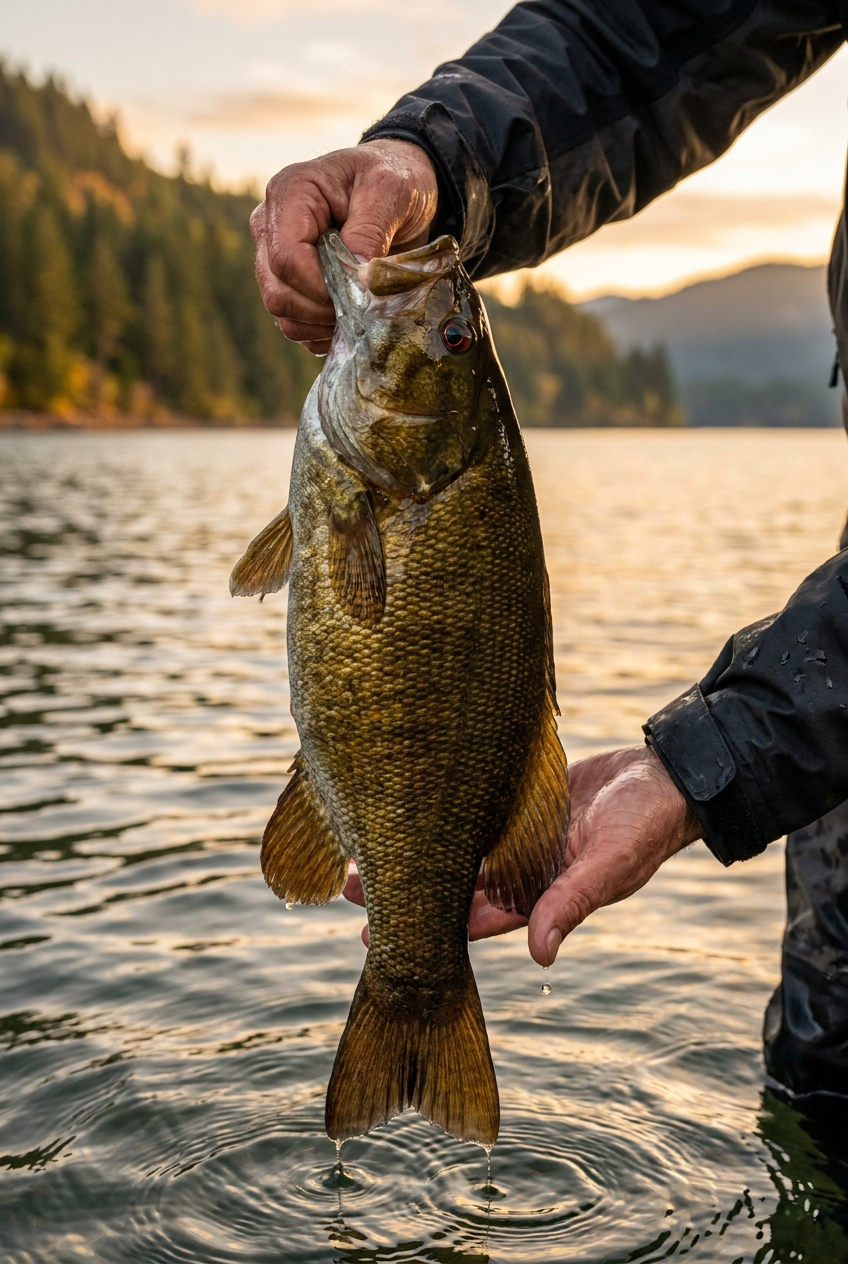
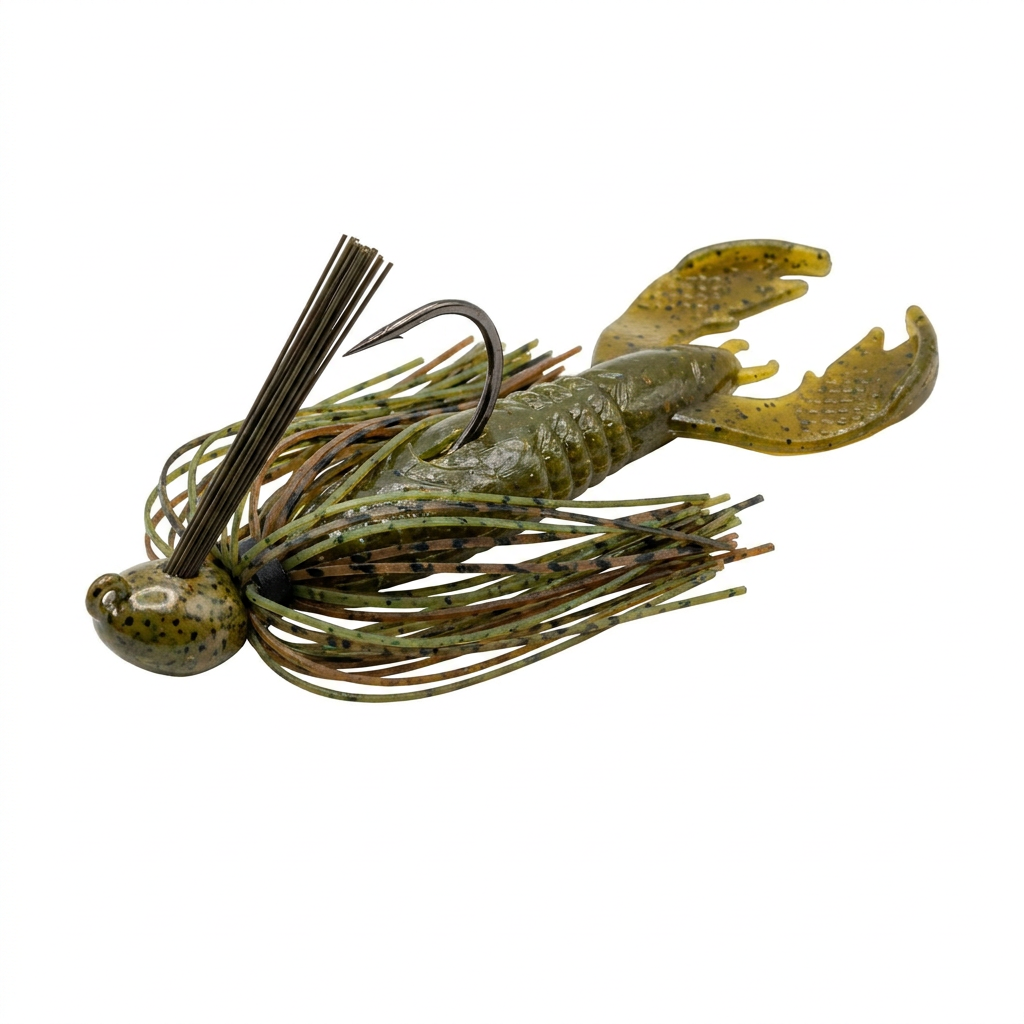
Smallmouth bass are present in Detroit Lake, concentrated in the rocky areas and harder-bottom coves around the reservoir. The basalt and granite structure near the dam face and the rocky points throughout the middle and upper sections of the lake hold the most smallmouth. Smallmouth bass are a secondary species at Detroit Lake compared to the trout and salmon fisheries but provide quality action for bass anglers visiting the area. Jigs, drop-shot rigs, and rooster-tail spinners worked along the rocky structure in 5 to 20 feet produce smallmouth throughout the warmer months. Spring is the most active period for smallmouth at Detroit Lake as fish move shallow to spawn near the rocky coves in May and June. The lake's clear mountain water allows visual bass fishing in the shallower rocky areas during calm, bright conditions. Verify Oregon smallmouth bass regulations at myodfw.com before fishing.
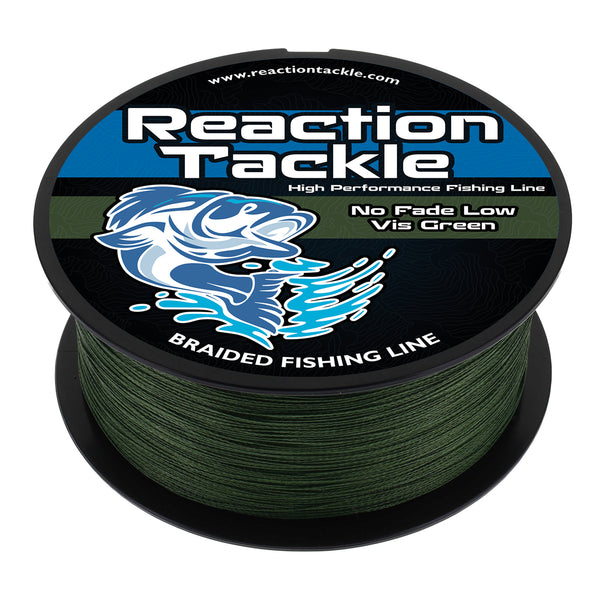
Before you head out, check your line. If it's been sitting on the reel all winter or has seen a lot of rocks and timber, it's worth replacing before a serious trip. I order most of my braid from Reaction Tackle and have been happy with it.
Top Fish to Target in Detroit Lake
Lures for Detroit Lake
Tackle matched to this lake's species and structure.
One thing I always check before a big trip is my main line. For most of the presentations that work here, you want braid. The sensitivity makes a real difference, especially when fish are finicky. I've been ordering from Reaction Tackle for a while now and haven't looked back.
About Detroit Lake
Detroit Lake is the gateway to the western Cascades for fishing anglers and summer vacationers from the Willamette Valley. The US Army Corps of Engineers reservoir on the North Santiam River sits at roughly 1,600 feet elevation in Marion County, about 50 miles east of Salem on U.S. Highway 22. Detroit Dam, completed in 1953 for flood control and power generation, created a 3,580-acre reservoir surrounded by the Willamette National Forest.
Recreation destination. Detroit Lake State Recreation Area and the Mongold Day Use Area are the primary public access and camping facilities. The lake is one of the most heavily used recreation lakes in Oregon during summer, with boating, water skiing, camping, and fishing drawing large crowds from the Salem and Portland metro areas. The lake's elevation and the surrounding old-growth forest provide relief from valley heat.
Water management and fish habitat. Detroit Lake's water level fluctuates seasonally as the Corps of Engineers manages the reservoir for flood control. The lake is typically at full pool through summer recreation season but begins drawdown in fall. This drawdown exposes the rocky and woody shoreline structure that provides fish habitat. The North Santiam River above the lake is a critical tributary for salmon and trout migration.
Regulations complexity. Detroit Lake sits in one of the most regulation-intensive fishery management zones in Oregon due to the presence of wild salmon and steelhead in the North Santiam system. Regulations for coho, chinook, and steelhead in and near Detroit Lake change frequently and require careful verification at myodfw.com before each trip. An Oregon fishing license with appropriate tags is required for salmon fishing.