Raystown Lake surprised me the first time I fished it. I expected a typical Pennsylvania highland reservoir, but this place has serious depth, excellent water clarity, and a diversity of species that rivals much more famous lakes. The muskie population gets all the local attention, and rightfully so, but the smallmouth bass fishing on the ledges and rocky points is genuinely world-class. If you have not fished Raystown, it belongs on your list.
Today's Bite Score · October 8, 2026
Very favorable conditions for catching fish
🌘Waning Crescent
Raystown Lake Fishing Report
October FishingMonthly fishing report · October patterns and techniques
In October, Raystown Lake offers anglers cooling water conditions as fall settles across Pennsylvania. The transition into this month brings shifts in fish activity and location as the lake continues to adjust to autumn patterns. Water temperatures are moderating from summer highs, creating conditions that push fish into different zones throughout the reservoir. Anglers should be prepared to adjust their presentations as the fish respond to these changing environmental conditions this month.
Anglers are finding success targeting multiple species in October at Raystown Lake. Largemouth and smallmouth bass remain active, with fish holding at varying depths depending on structure and light conditions. Crappie and other panfish are also providing solid bite opportunities in this month. The fish are responding to forage movement and the changing light angles that come with October, pushing them toward areas with adequate cover and access to food sources. Fall-feeding patterns have begun to influence where bass and panfish position themselves throughout the day.
Most effective techniques in October include using live bait presentations and artificial lures that mimic natural forage. Anglers working shallow to mid-depth structures report consistent results this month. Crankbaits, jigs, and soft plastics that imitate baitfish and crawfish are producing well for bass anglers. Live minnows and small shiners continue to be productive choices for panfish. The bite is strongest during low-light periods, making early morning and late afternoon prime times to be on the water. Anglers targeting multiple species should vary their approach based on depth and location throughout their day on Raystown Lake in October.
Get More Fishing Report Specifics
Tap a topic button below for a report on current conditions.
Tap a topic above to get a current report for Raystown Lake.
Answers are generated on demand and cached. No AI call fires until you tap a tab.
Raystown Lake Fishing Guides
Looking for a Raystown Lake fishing guide? Pennsylvania's largest reservoir has lake trout and smallmouth in deep highland structure that takes real time to learn — local guides with sonar and history here are a genuine advantage. Here are 5 fishing guides for Raystown Lake that are worth checking out.
Raystown Lake Fishing Strategies by Species
Seasonal patterns and techniques by target species · Verified against official sources
Raystown Lake is Pennsylvania's largest lake at 8,300 acres, created in 1973 when the U.S. Army Corps of Engineers completed Raystown Dam on the Raystown Branch of the Juniata River in Huntingdon County. The lake reaches 185 feet at its deepest point near the dam and stretches more than 28 miles through a steep-walled Allegheny Mountain valley. The combination of depth, clarity, and cold-water habitat supports an unusually diverse species mix for a Pennsylvania reservoir: smallmouth and largemouth bass, muskellunge, walleye, striped bass, and lake trout all inhabit the same system. Raystown is one of the most complete sport fisheries in the northeastern United States.
Raystown Lake Smallmouth Bass Fishing Report
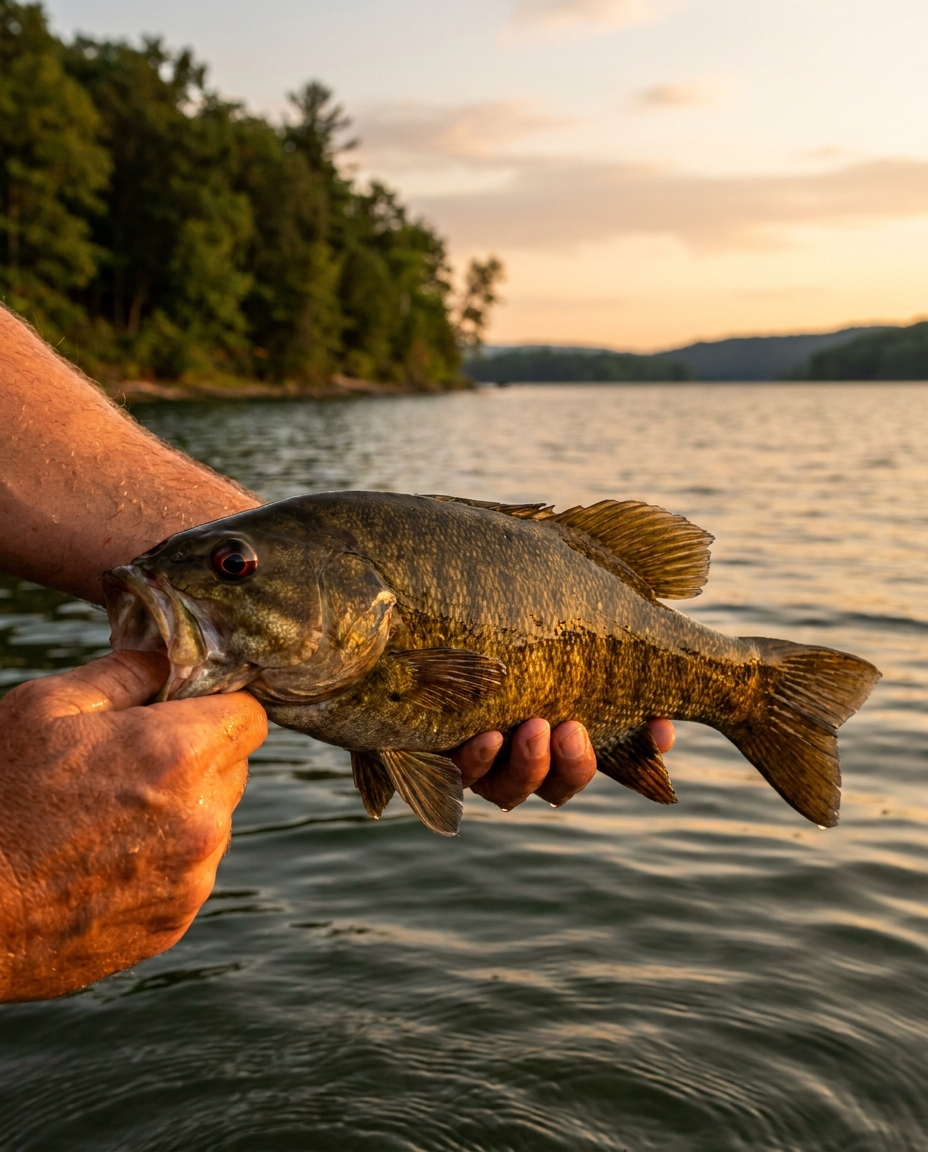
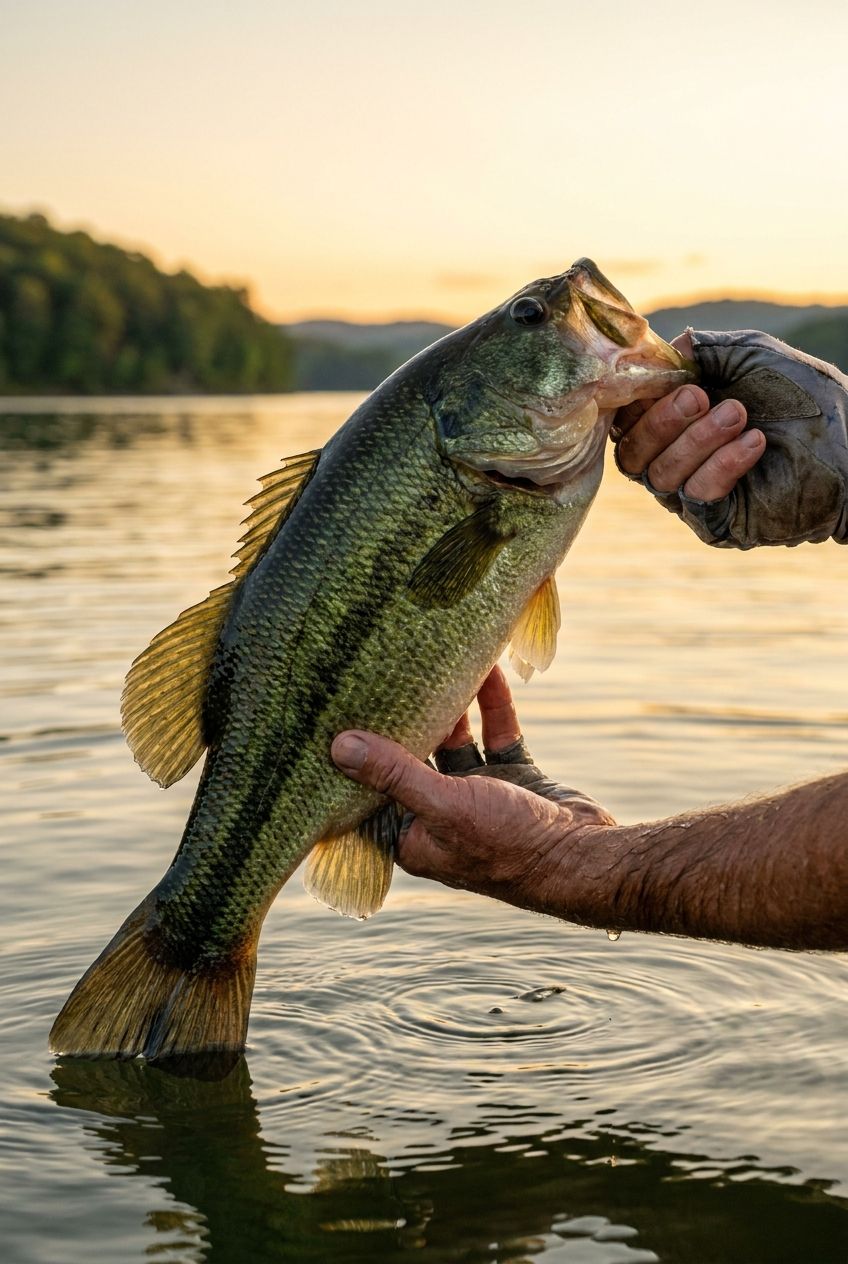
Smallmouth bass are arguably the signature sport fish of Raystown Lake for everyday anglers, and the fishery is excellent. The lake's rocky structure, long main channel with ledges, bluff walls, and boulder-strewn points provide ideal smallmouth habitat from the upper sections down to the dam. Fish in the 12 to 18 inch range are common throughout the system, and fish pushing 20 inches are caught with enough regularity to keep serious smallmouth anglers coming back. Spring is peak smallmouth season, with fish moving from 15 to 25 foot ledges to the rocky shallow flats in late April and May. The tributary mouths on the upper end of the lake, particularly around Shy Beaver Creek and the Seven Points area, hold pre-spawn smallmouth stacked on the last rocky transition before the flats. Summer smallmouth on Raystown require going deeper. Fish hold on main lake ledges and points in 20 to 40 feet during the day, making drop-shot rigs, deep-running crankbaits, and Carolina rigs with finesse plastics the primary summer presentations. Water clarity at Raystown is excellent compared to most Pennsylvania lakes, which makes fish more light-sensitive and responsive to natural color presentations. Early morning topwater fishing over 8 to 12 foot rocky flats produces explosive strikes in summer and fall. Fall is a peak topwater period with fish fattening up ahead of winter. Pennsylvania Fish and Boat Commission (PFBC) regulations apply; check current rules including any special size limits at PFBC website before fishing.
Raystown Lake Muskellunge Fishing Report
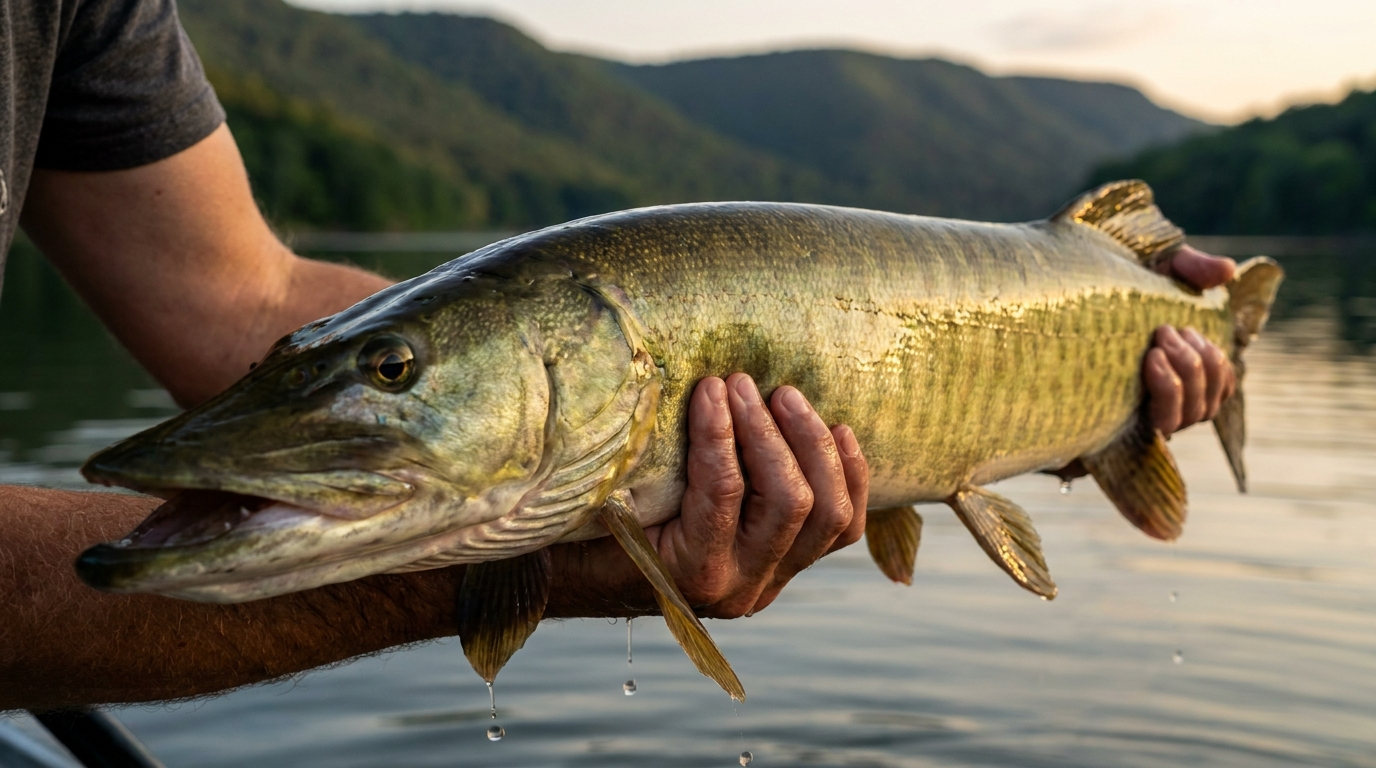
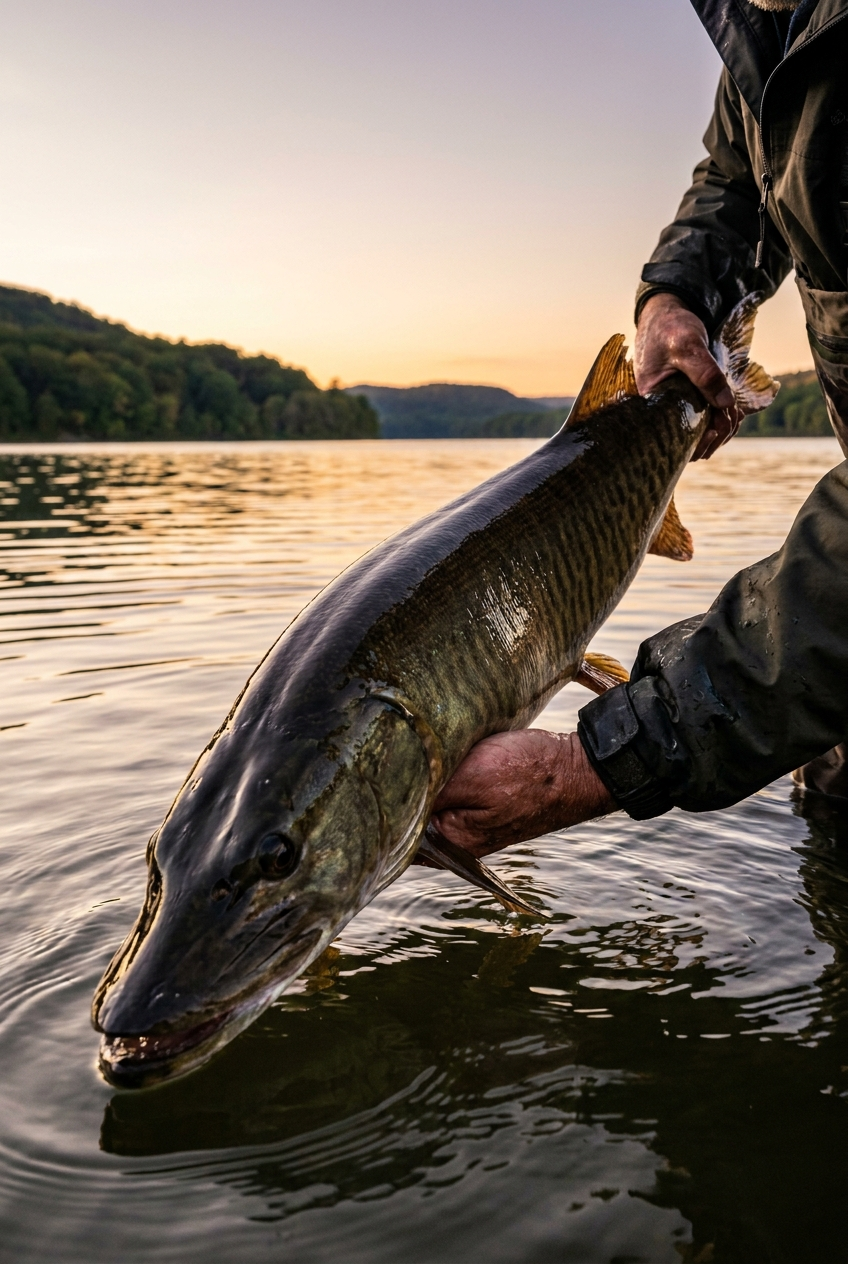
Raystown Lake's muskellunge fishery receives strong attention from the dedicated muskie community in Pennsylvania and surrounding states. PFBC has stocked muskies in Raystown for decades, and fish reaching 40 to 50 inches are caught regularly by serious muskie anglers. The clear water and depth of Raystown benefit the muskie fishery: fish have room to grow large, the forage base of golden shiners, bass, and other prey species is substantial, and the steep rocky terrain gives trophy muskies the ambush points they prefer. The main lake channel ledges, the steep rocky bluffs on the western arm of the lake, and the transition areas where flats meet deep water are the primary muskie zones. Muskie fishing on Raystown is a slow game relative to other species. Large bucktail spinners, glide baits, and large soft plastic swimbaits worked over the key ledge transitions in the 8 to 20 foot range produce the most consistent encounters. The figure-8 boat-side technique is essential and every muskie angler should practice it until it is automatic, as Raystown muskies frequently follow lures to the boat before striking. The best muskie action typically occurs from late May through June and again from October into early December. Cold water in fall activates big muskies significantly. Trophy-class muskie fishing requires patience: a serious muskie angler on Raystown might go several trips without a strike but lands fish of a lifetime when it happens. Verify current PFBC muskie regulations including size limits and seasonal closures before fishing.
Raystown Lake Striped Bass Fishing Report
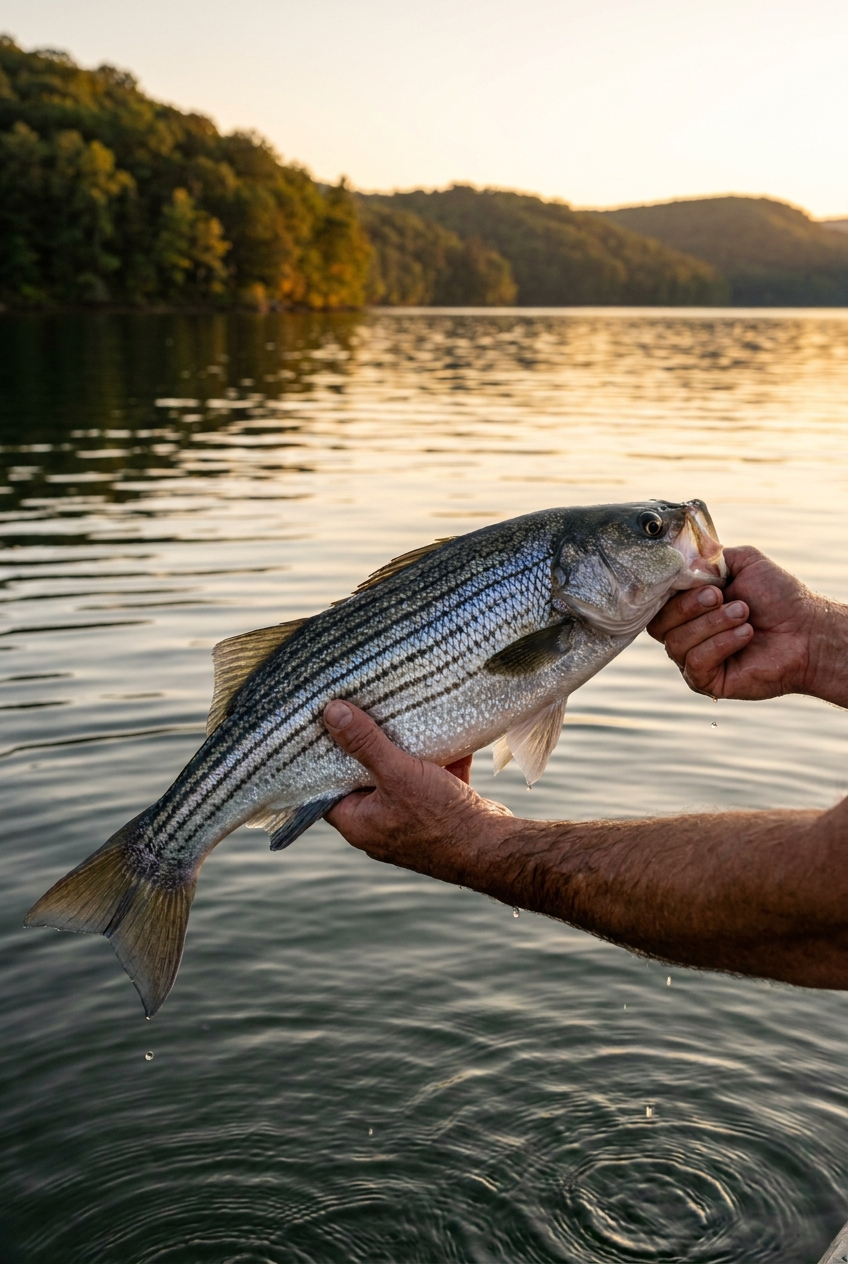
Striped bass were introduced to Raystown Lake by PFBC as a put-grow-and-take fishery, as the lake does not provide suitable spawning habitat for natural reproduction. The stocking program has produced a fishery with fish growing to 15 to 25 pounds on the abundant shad and alewife forage base. Summer is the primary season for targeting Raystown stripers, as fish stack in the thermocline at 40 to 80 feet seeking cooler, more oxygenated water as surface temperatures climb. Trolling large umbrella rigs, spoons, and deep-diving plugs along the main channel from the dam end toward Seven Points is the standard summer approach. Fall striper activity picks up significantly as the thermocline breaks down and fish become active throughout the water column. September through November brings stripers to the surface in feeding frenzies on the main lake points as they push shad schools. Casting flutter spoons and large swimbaits into these surface blowups produces fast action when you intercept the schools. Early morning is the most reliable surface-feeding window. The area between the main dam and the Highway 994 bridge crossing is the most heavily used striper zone on the lake. Always verify current PFBC striped bass regulations, including stocking years and any applicable size or bag limits, before fishing.
Raystown Lake Walleye Fishing Report
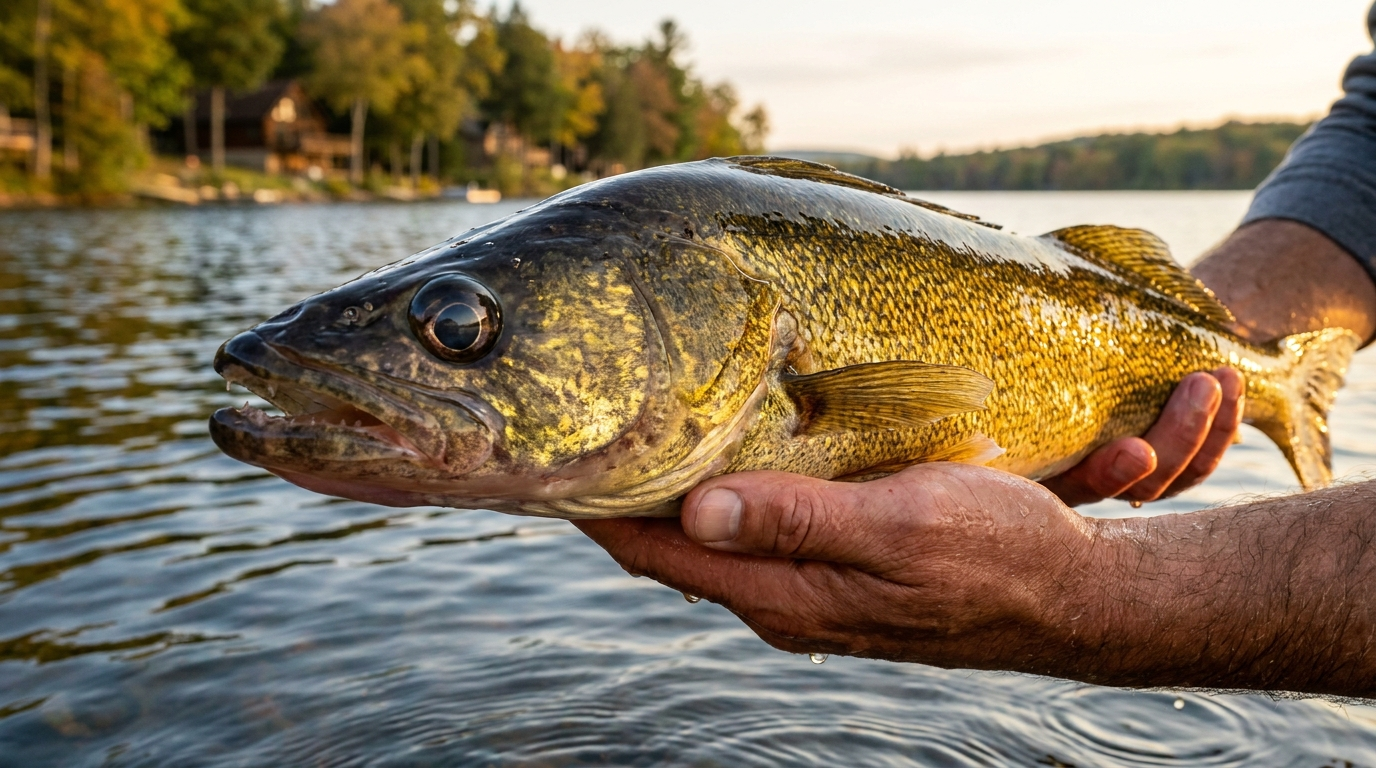
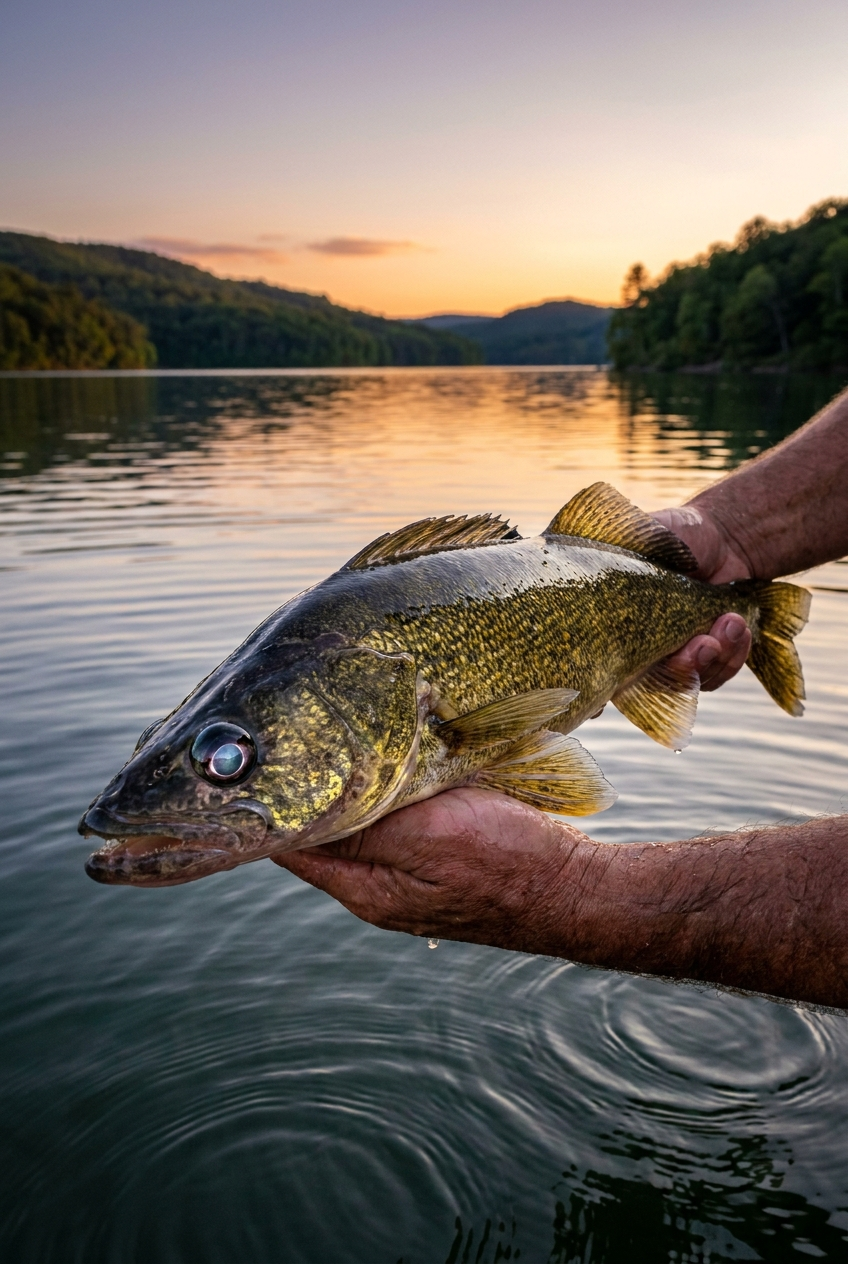
Walleye are a significant part of the Raystown Lake fishery and receive dedicated effort from anglers targeting them through the spring and fall season windows. PFBC stocks walleye in the lake, which supplements natural reproduction limited by the reservoir habitat. The Raystown Branch arm and the main lake channel ledges hold walleye, with fish most active during the low-light periods at dawn and dusk. Spring walleye fishing from late March through May is the most productive period, with fish feeding actively on main lake points and secondary structure in 12 to 22 feet. Jigs tipped with twister tails or live minnows, and crankbaits trolled along rocky bottom transitions, are the primary walleye presentations. Summer walleye on Raystown become nocturnal and deep, moving to 25 to 45 feet on main lake structure after dark. Night trolling crankbaits along the channel ledges from June through August is a productive but specialized approach that most casual anglers do not pursue. The bite picks back up in October and November as cooling water draws fish into more aggressive daytime feeding. Rocky points and channel edges in 15 to 25 feet are the primary fall walleye locations. The Seven Points Recreation Area section of the lake is a historically consistent walleye zone. PFBC regulations apply; verify current walleye size limits and seasons before fishing.
For fishing heavy cover after Smallmouth Bass, I run 50-65lb braid. Zero stretch means you feel every bite and you can pull fish out of structure before they wrap you. Reaction Tackle is where I restock. Their low-vis green disappears in most water conditions.
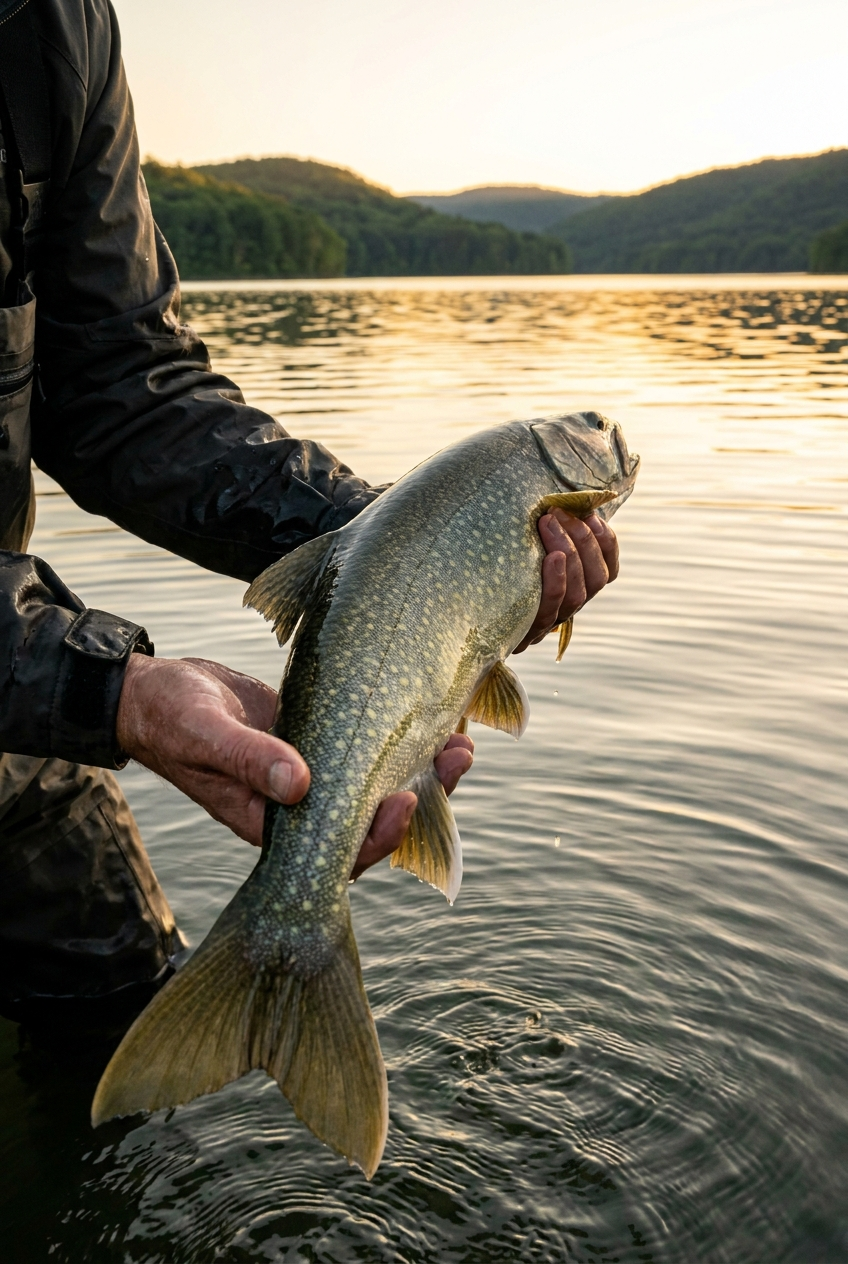
Top Fish to Target in Raystown Lake
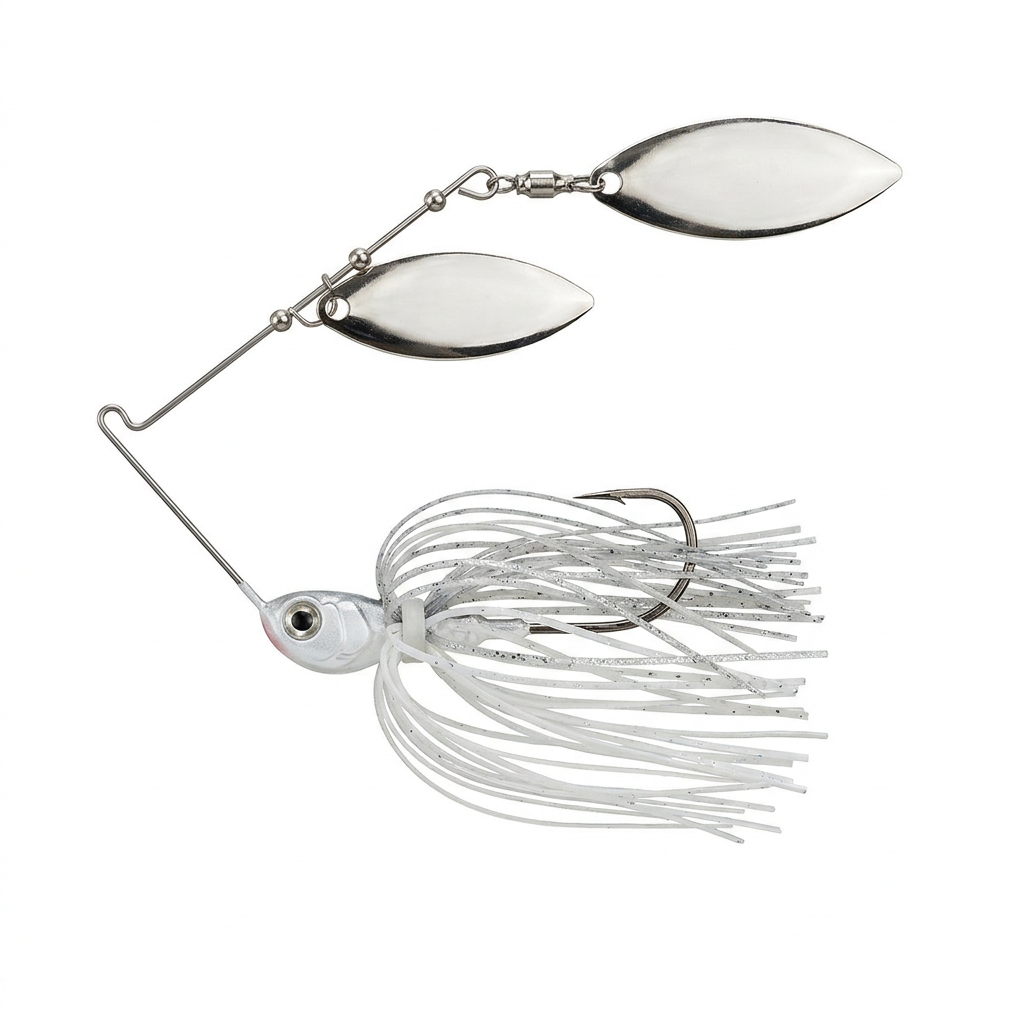
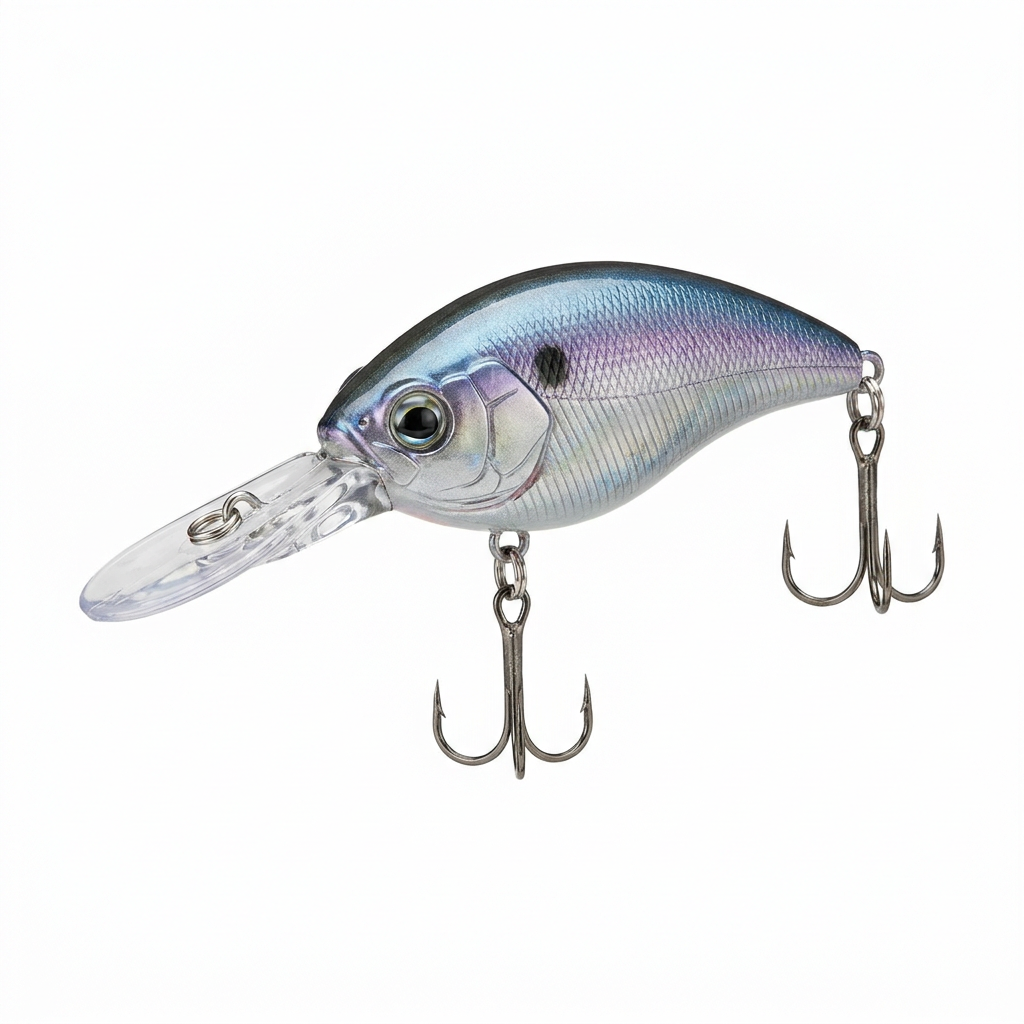
Lures for Raystown Lake
Tackle matched to this lake's species and structure.
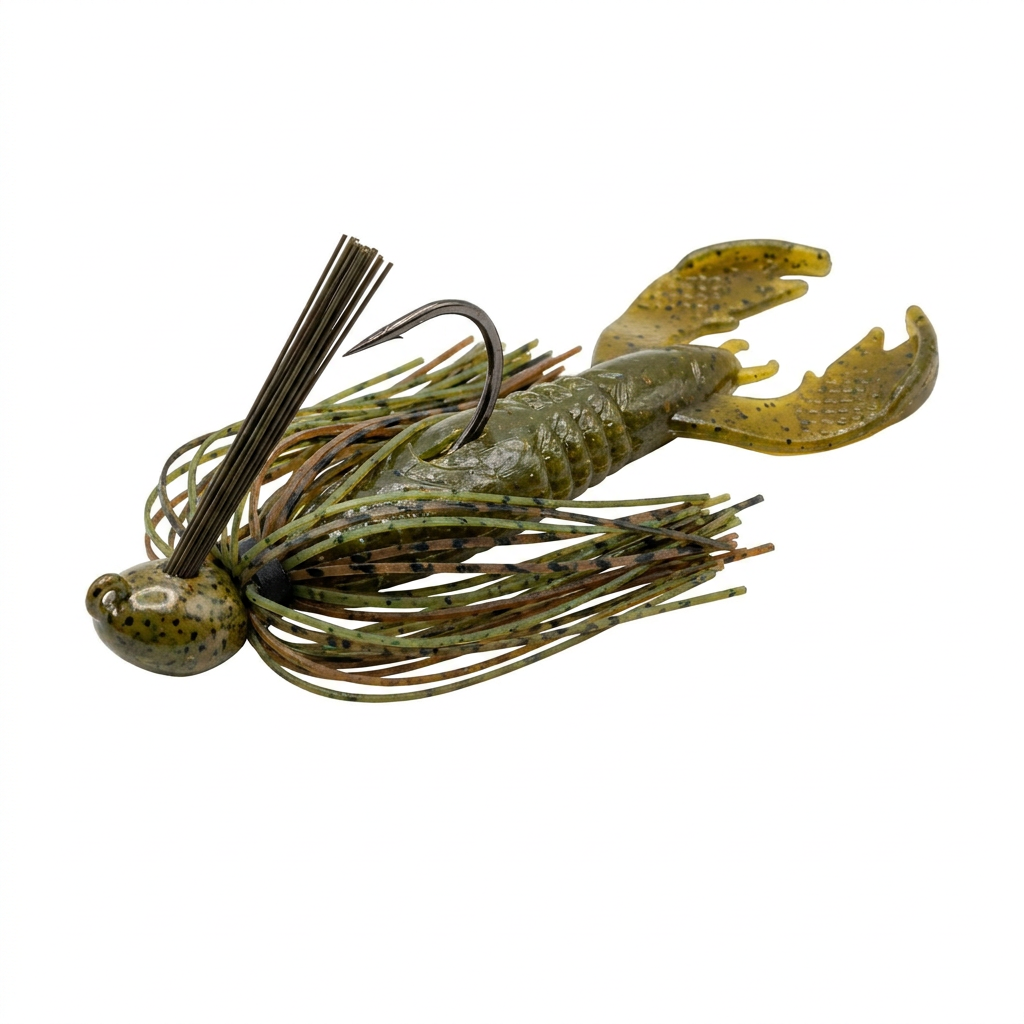
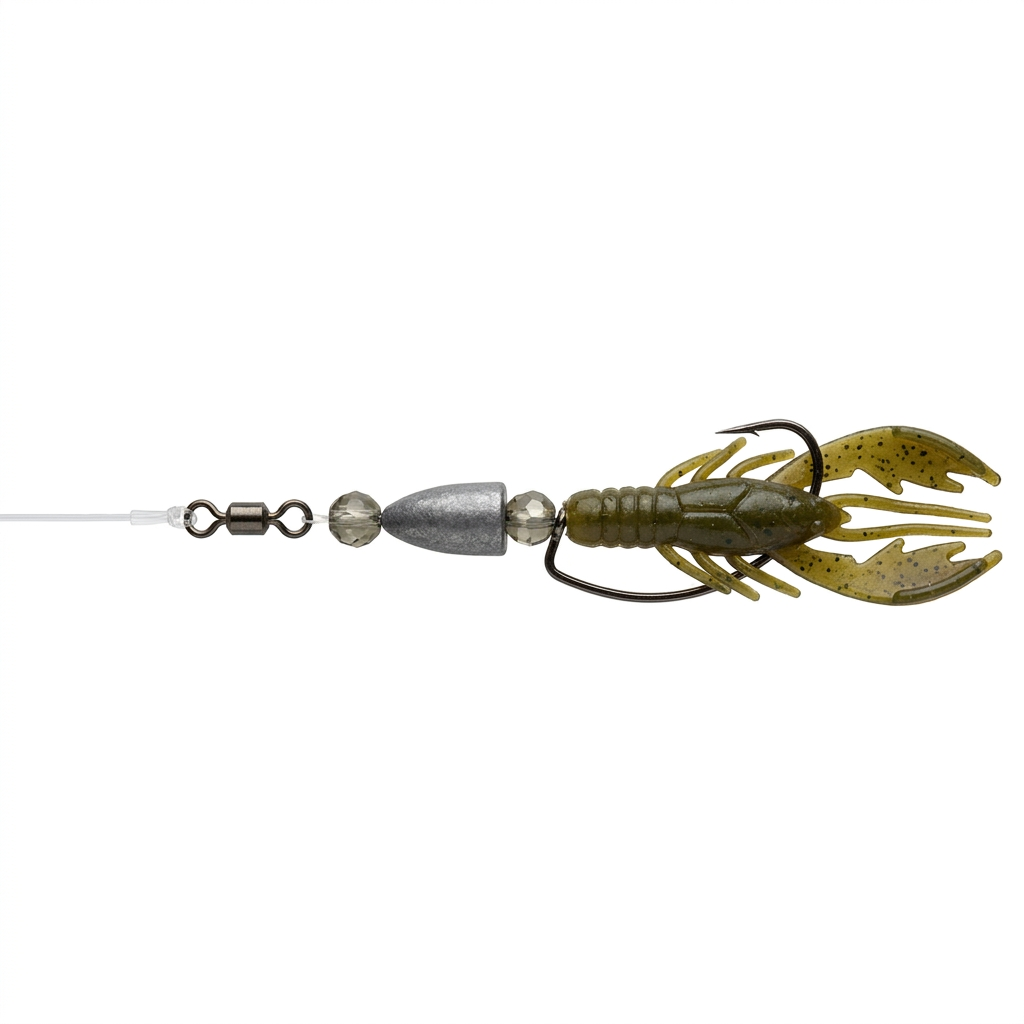
Worth checking before any trip: your line. Old braid gets brittle at the tag end and loses sensitivity over time. I rotate mine every season. Reaction Tackle is where I order from when it's time to restock.
About Raystown Lake
Raystown Lake is Pennsylvania's largest entirely in-state lake at approximately 8,300 surface acres, created when the U.S. Army Corps of Engineers completed Raystown Dam on the Raystown Branch of the Juniata River in 1973. The lake stretches more than 28 miles through a narrow, steep-walled valley in the Allegheny Mountains of Huntingdon County, giving it a dramatically different character from the broad, flat reservoirs found elsewhere in the eastern United States. Maximum depth near the dam reaches approximately 185 feet, making Raystown one of the deepest lakes in the Mid-Atlantic region. The USACE manages approximately 8,000 acres of surrounding public land, providing extensive access for hiking, camping, and fishing.
The lake's depth and water quality set it apart from most other Pennsylvania reservoirs. Raystown sits in a limestone and shale watershed that contributes to relatively clear water and good buffering capacity, supporting a more diverse cold-water fishery than is typical for the region. The presence of lake trout, striped bass, muskellunge, walleye, and both species of bass in the same lake is unusual in Pennsylvania and reflects the lake's combination of cold deep water, suitable spawning areas for some species, and an active stocking program from the Pennsylvania Fish and Boat Commission. PFBC has managed Raystown as a multi-species trophy fishery for decades.
The surrounding USACE lands at Raystown Lake offer some of the best outdoor recreation in central Pennsylvania. Trough Creek State Park borders the eastern shore of the lake and provides camping, hiking, and picnicking. The Seven Points Recreation Area on the upper lake is a full-service USACE facility with camping, a marina, cabin rentals, and boat launching. Raystown Lake is also popular with houseboaters, and the lake's deep valleys provide sheltered water for overnight cruising. The combination of fishing, camping, and the scenic Allegheny Mountain setting makes Raystown a genuine outdoor destination rather than a simple day-trip lake.
Visiting anglers should understand that Raystown Lake rewards research and preparation more than most reservoirs. The depth and clarity mean fish are often deeper and more structure-dependent than on shallower, more turbid lakes. Electronics are essential for finding fish on key ledges and channel transitions. Local tackle shops in Huntingdon and the marinas at Seven Points and Raystown Lake Resort are the best sources for up-to-date fishing information. Guide services for muskellunge and multispecies trips are available and worth considering for a first visit to the system.