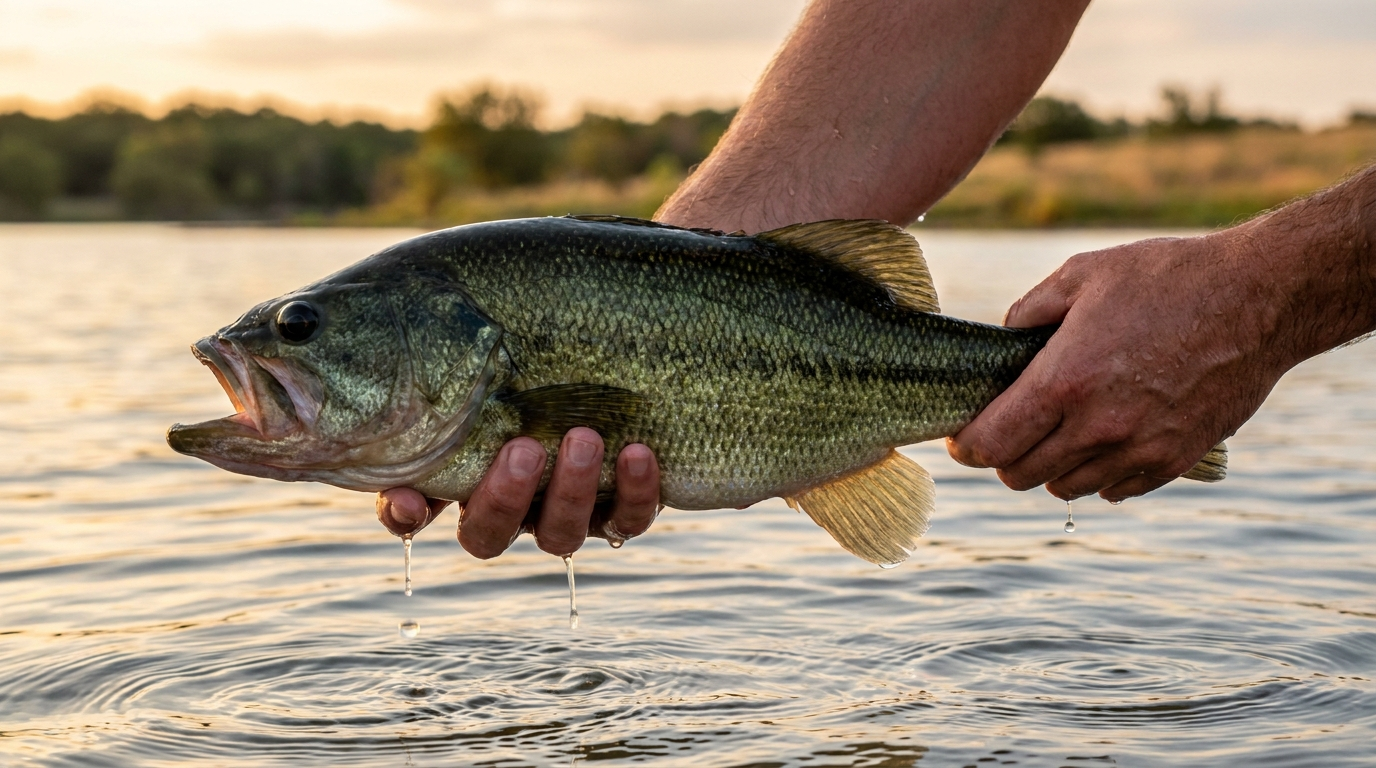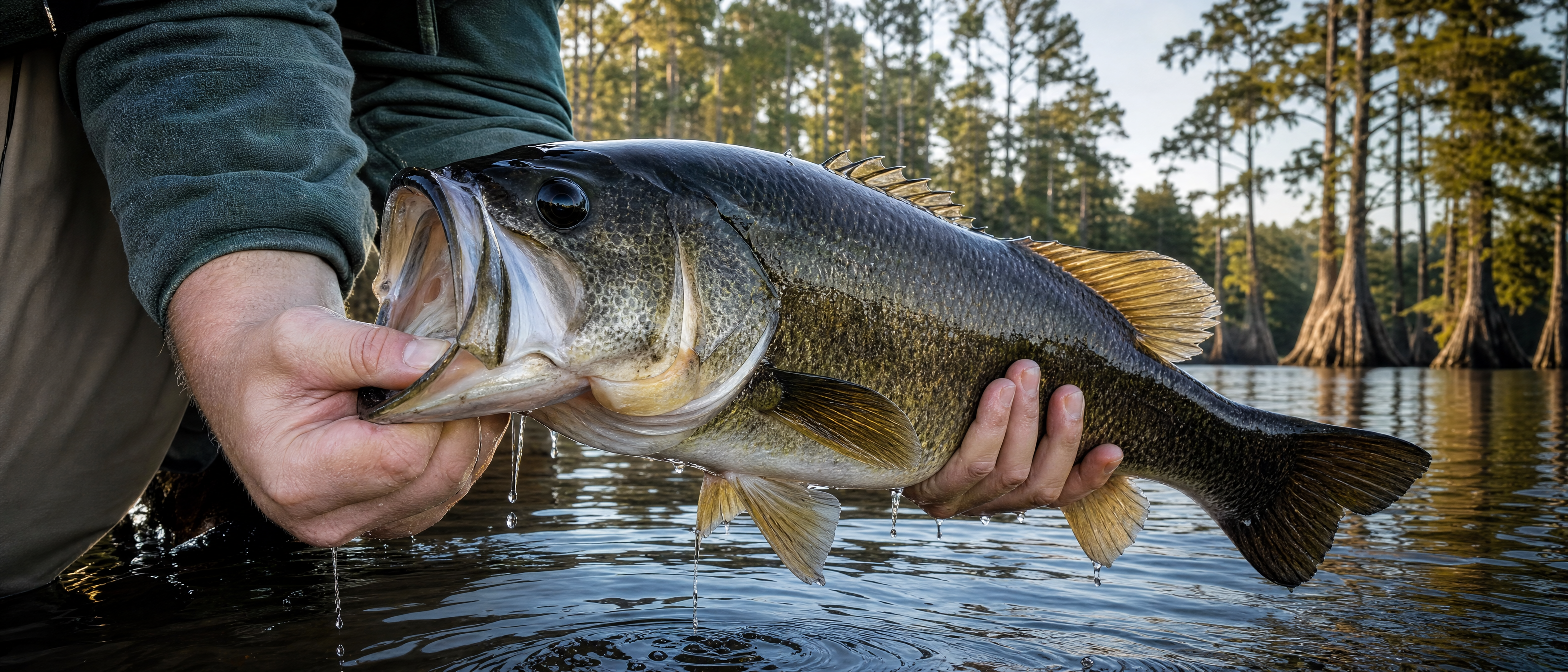
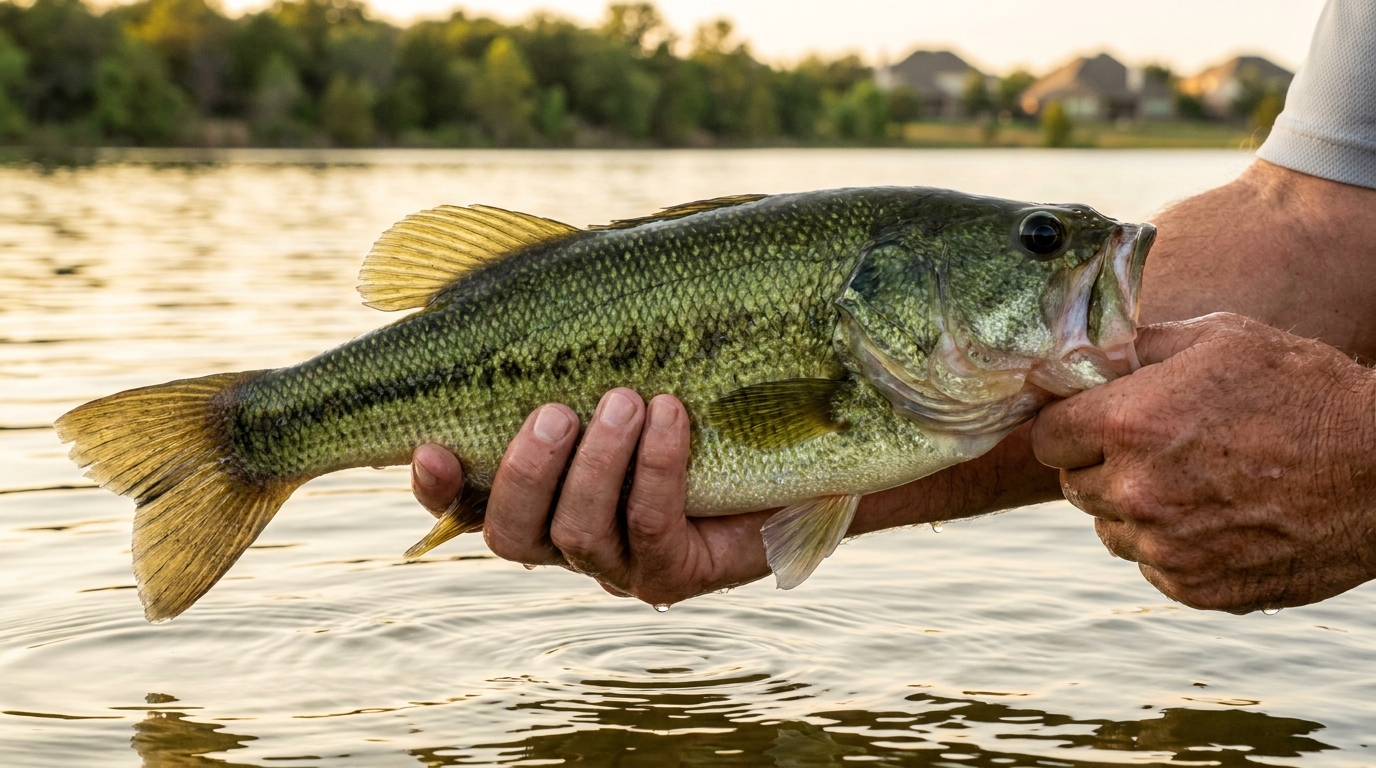

Eagle Mountain Lake is the kind of lake most DFW-area anglers grew up fishing. It is close, accessible, and productive for multiple species without the traffic of some of the more famous North Texas reservoirs. I have spent a lot of early spring mornings here targeting white bass on the Trinity River arm and come away with coolers full of fish. The bass fishing is solid rather than spectacular, but the variety on this lake keeps you busy no matter the season.
Today's Bite Score · October 8, 2026
Very favorable conditions for catching fish
🌘Waning Crescent
Eagle Mountain Lake Fishing Report
October FishingMonthly fishing report · October patterns and techniques
Eagle Mountain Lake in October is experiencing cooling water temperatures as the month progresses, prompting shifts in fish behavior and positioning. Anglers are finding that fish are beginning to transition from summer patterns, moving to different depths and structure as conditions change. The bite is responding to these seasonal transitions, with activity levels varying throughout the month as water conditions continue to evolve.
In October, multiple species are active throughout the lake. Bass, catfish, and crappie are among the species anglers are targeting this month, with fish holding near various structure and depth zones. The bite is strongest in areas where fish have positioned themselves to take advantage of current conditions and available forage. Anglers are finding success by focusing on locations where these species naturally congregate during this month's water temperature changes.
Anglers are finding success with a variety of techniques and baits in October. Live bait presentations continue to be effective, as do artificial lures that mimic the forage fish present in the lake. The bite responds well to anglers who adjust their presentations based on where fish are holding this month. Patience and persistence are key, as the bite can vary throughout the day as water conditions shift during October.
Get More Fishing Report Specifics
Tap a topic button below for a report on current conditions.
Tap a topic above to get a current report for Eagle Mountain Lake.
Answers are generated on demand and cached. No AI call fires until you tap a tab.
Eagle Mountain Lake Fishing Guides
Looking for a Eagle Mountain Lake fishing guide? The Fort Worth metro bass fishery has serious pressure, and guides who stay ahead of where the fish have moved under that pressure make a real difference on your day. Go here → to check out our recommended fishing guides for Eagle Mountain Lake. Then scroll down on that page to see all of the Eagle Mountain Lake fishing guides.
Eagle Mountain Lake Fishing Strategies by Species
Seasonal patterns and techniques by target species · Verified against official sources
Eagle Mountain Lake is an 8,694-acre impoundment on the West Fork of the Trinity River in Tarrant and Parker counties, about 12 miles northwest of downtown Fort Worth. Owned and operated by the Tarrant Regional Water District, it is one of the oldest lakes in the DFW metroplex, dating to 1934. Largemouth bass and white bass are the primary targets, with crappie, channel catfish, hybrid striped bass, and bluegill providing year-round supporting fisheries. The lake receives significant recreational pressure given its proximity to Fort Worth, making early morning and weekday trips strongly preferred.
Eagle Mountain Lake Bass Fishing Report
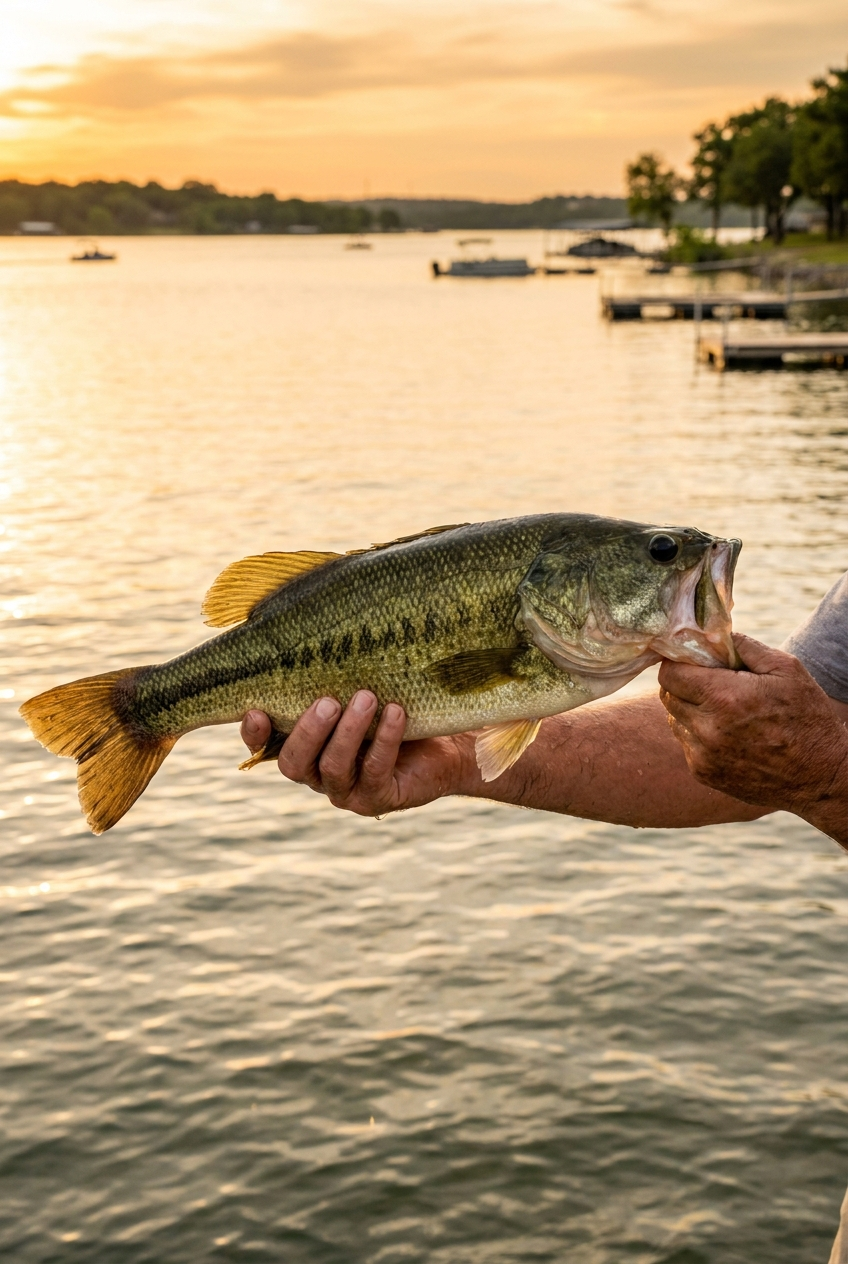
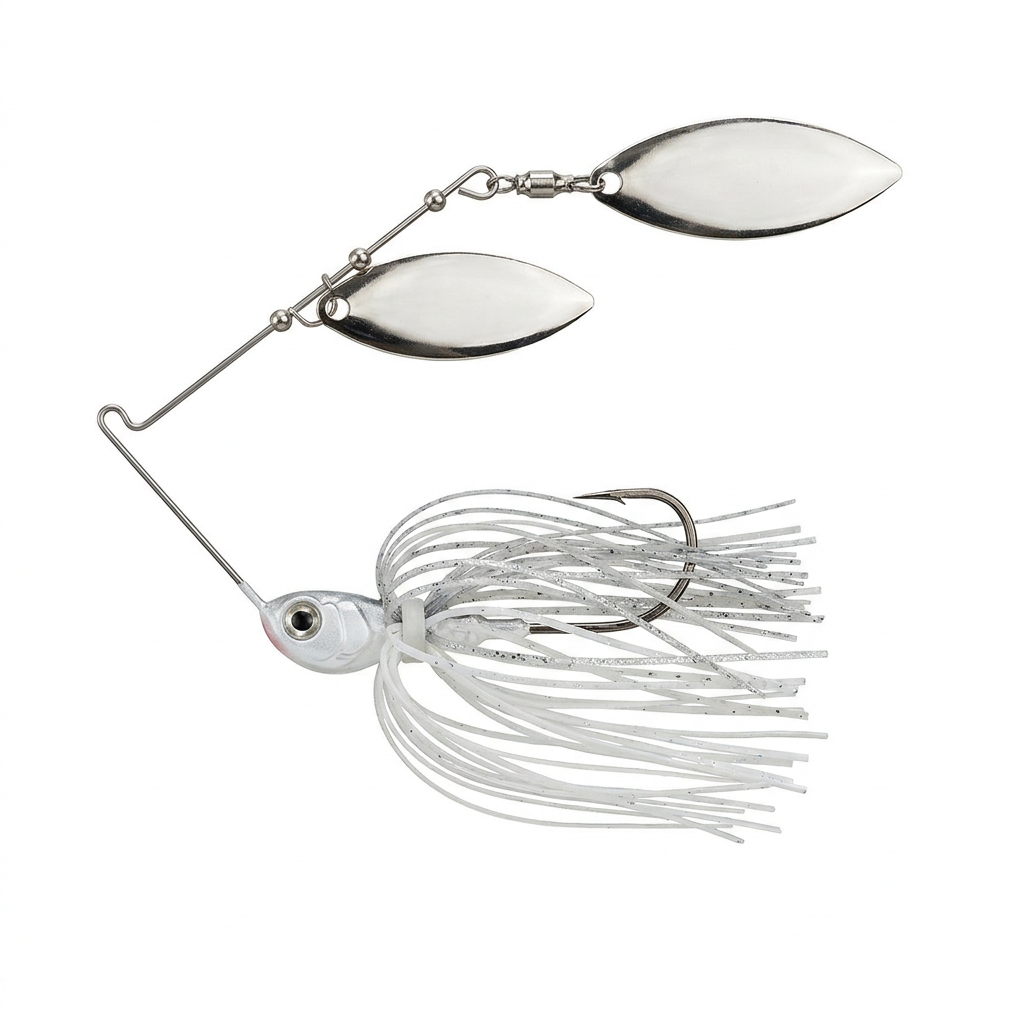
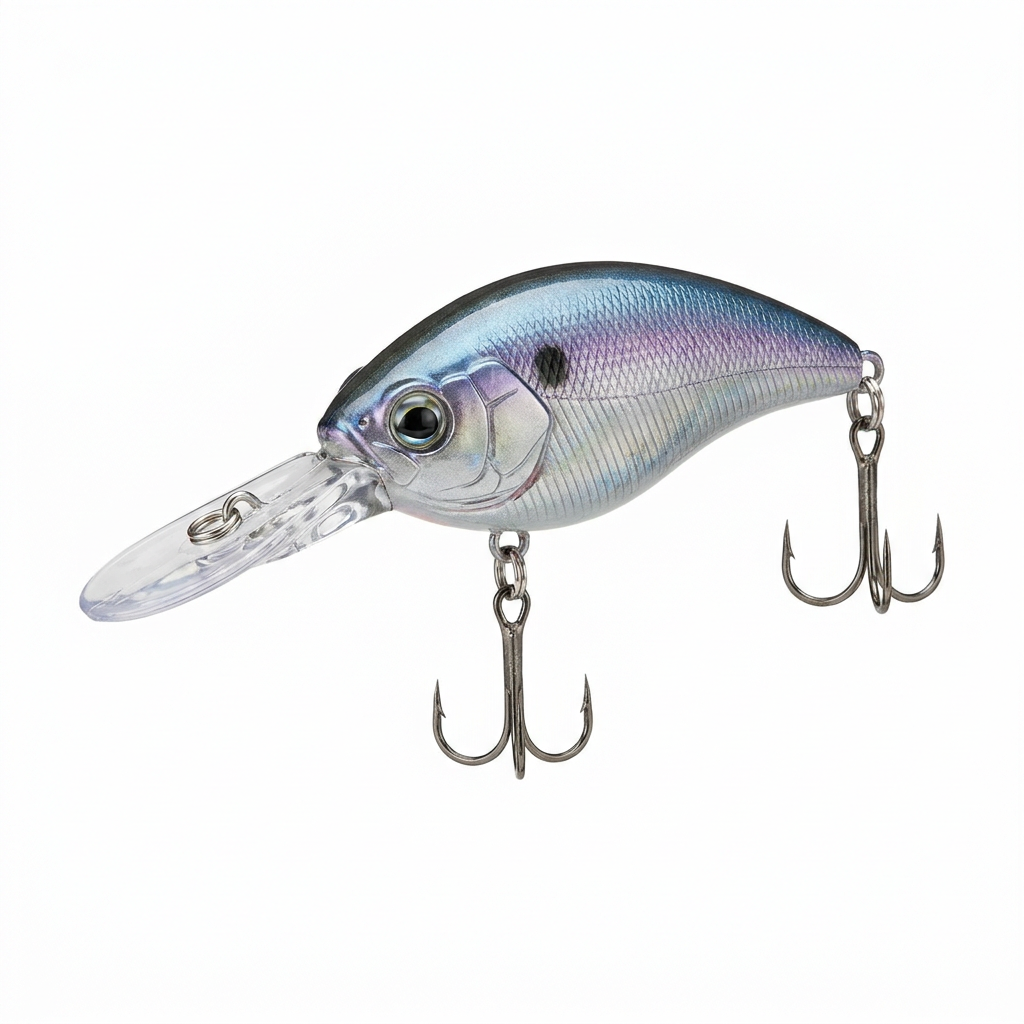
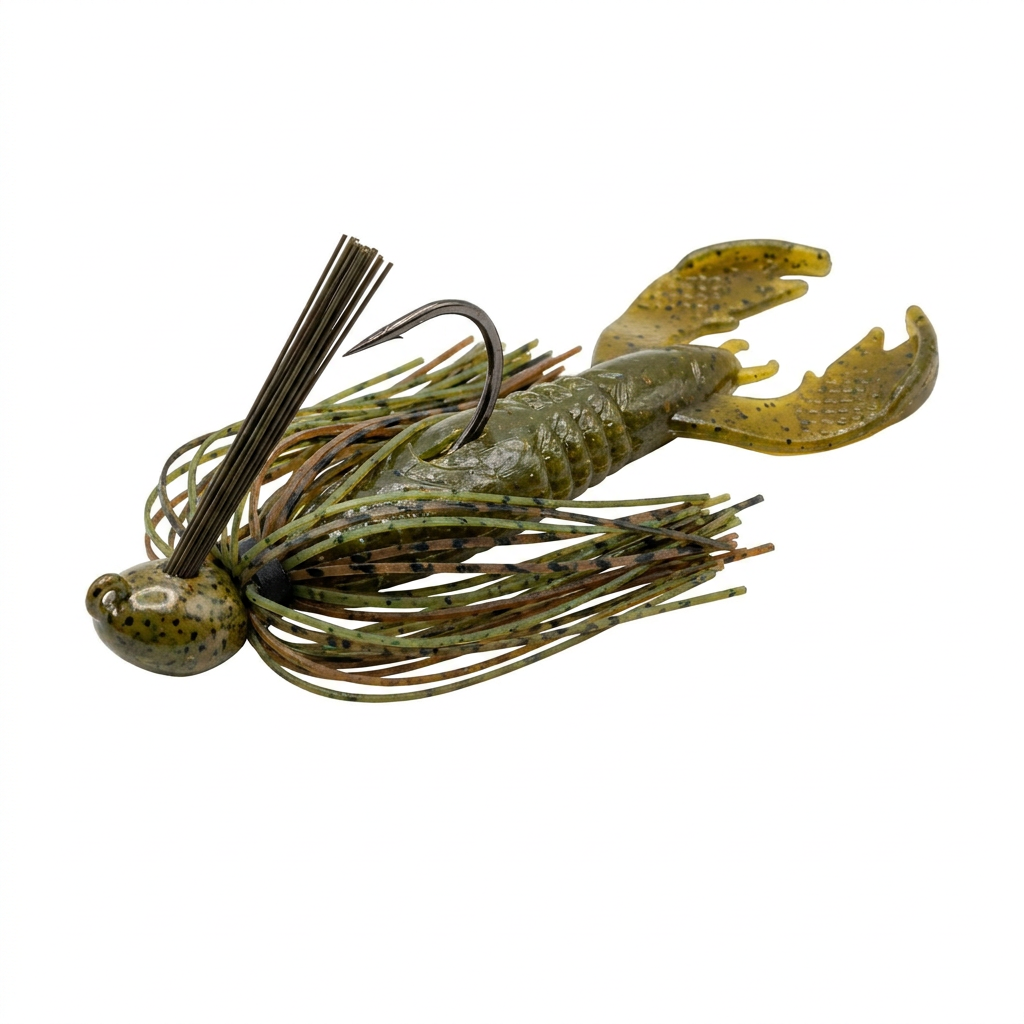
Eagle Mountain Lake supports a solid largemouth bass fishery for a metropolitan reservoir of its size. The lake's varied structure, including rocky points, submerged timber in the upper creek arms, boat docks, and sparse grass on the shallower flats, gives bass multiple habitat options across seasons. Spring is the peak season, with bass moving up onto the rocky and clay banks in the 3 to 8 foot range from late February through April. The coves and protected pockets on the eastern shoreline of the main lake are historically strong spawning areas. Spinnerbaits and shallow crankbaits produce through the pre-spawn, transitioning to soft plastics and jigs as fish move deeper after the spawn. Summer bass on Eagle Mountain hold near dock shade and along the deeper edges of the West Fork Trinity River arm in 10 to 18 feet. The north end of the lake, where the Trinity enters, tends to have more turbid water and stained conditions that favor reaction baits with strong vibration such as spinnerbaits and bladed jigs. Fall brings a reliable topwater bite from September into November, with bass pushing shad to the surface on the main lake points and the flat near Pelican Bay. Standard statewide Texas regulations apply (5-fish daily bag, 14-inch minimum), but always verify current TPWD rules before fishing.
Eagle Mountain Lake White Bass Fishing Report
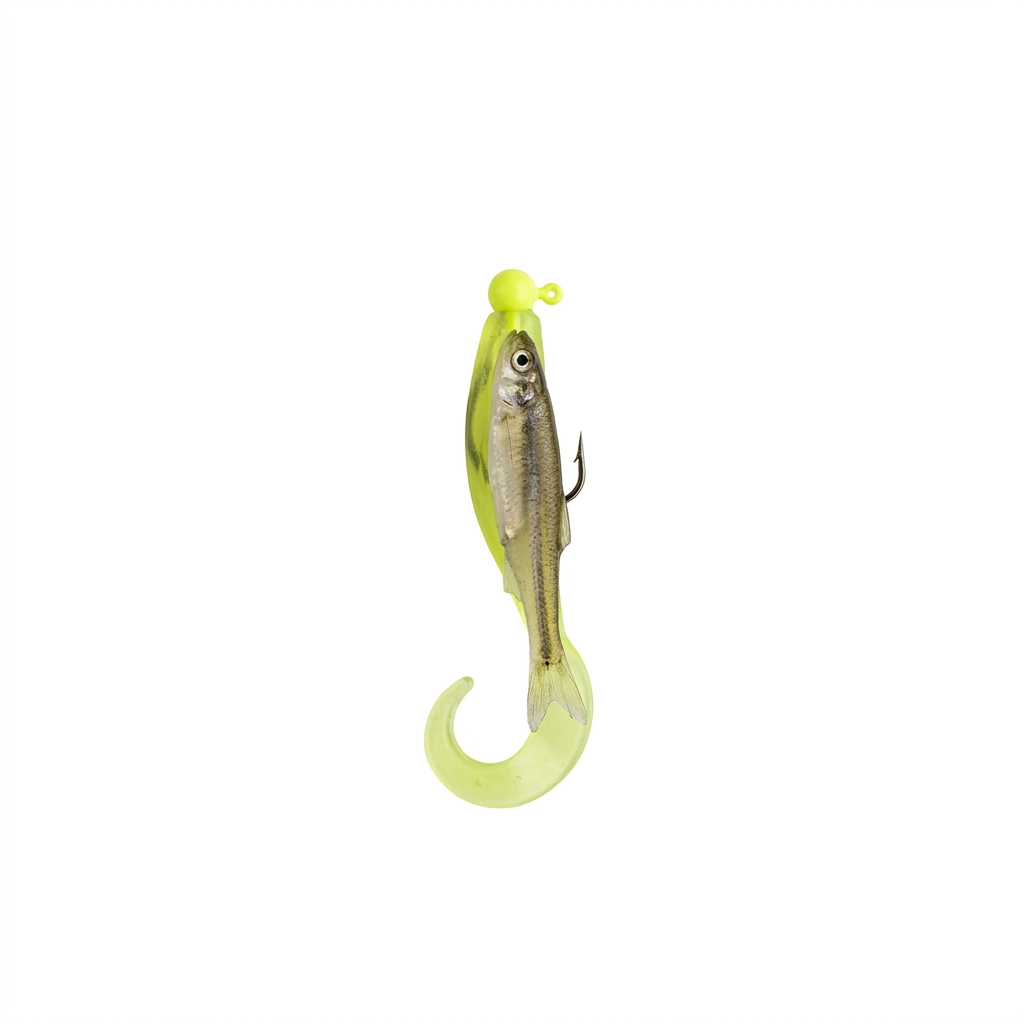
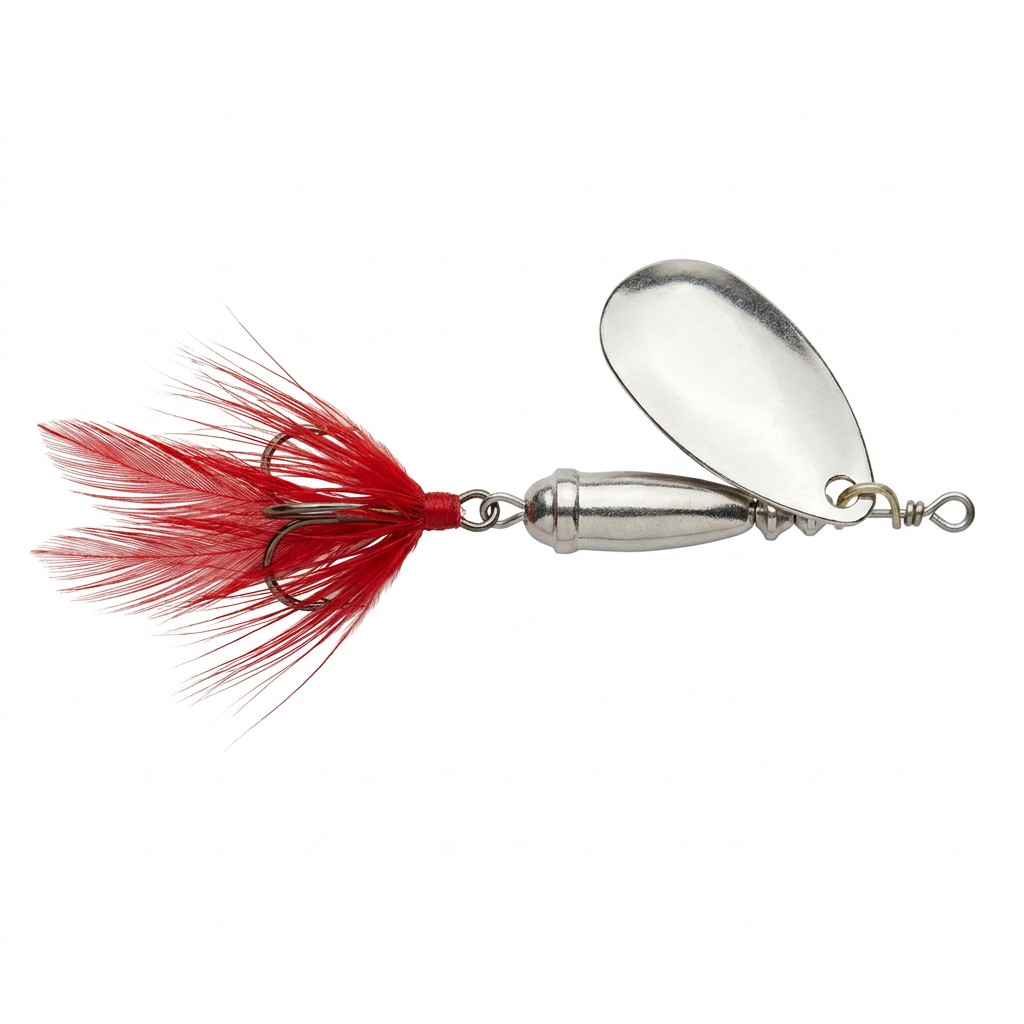
The spring white bass run on Eagle Mountain Lake is the fishing highlight of the year for many local anglers. From late February through April, white bass migrate up the West Fork Trinity River arm and the lake's major creek tributaries to spawn. Anglers line the banks and launch from the upper arm ramps to intercept fish stacked in the current breaks below shallow riffles and gravel bars. Small white and chartreuse rooster tail spinners, inline spinners, and 1/4-ounce curly-tail jigs are the classic run presentations. The sheer number of fish in the system during peak run periods makes for some of the most action-packed freshwater fishing available in Tarrant County. Outside of the spring run, white bass remain in the lake year-round and can be found over submerged points and mid-lake structure in 15 to 25 feet of water during summer. They are susceptible to jigging spoons and small crankbaits worked vertically when electronics show suspended fish. Schools erupt on the surface occasionally in fall, particularly on the main lake in the section between the dam and the US-287 bridge. These surface blowups are a signal to cover ground quickly and cast small swimbaits or crankbaits into the busting fish. TPWD regulations for white bass apply; verify current rules at the official TPWD website.
Eagle Mountain Lake Crappie Fishing Report
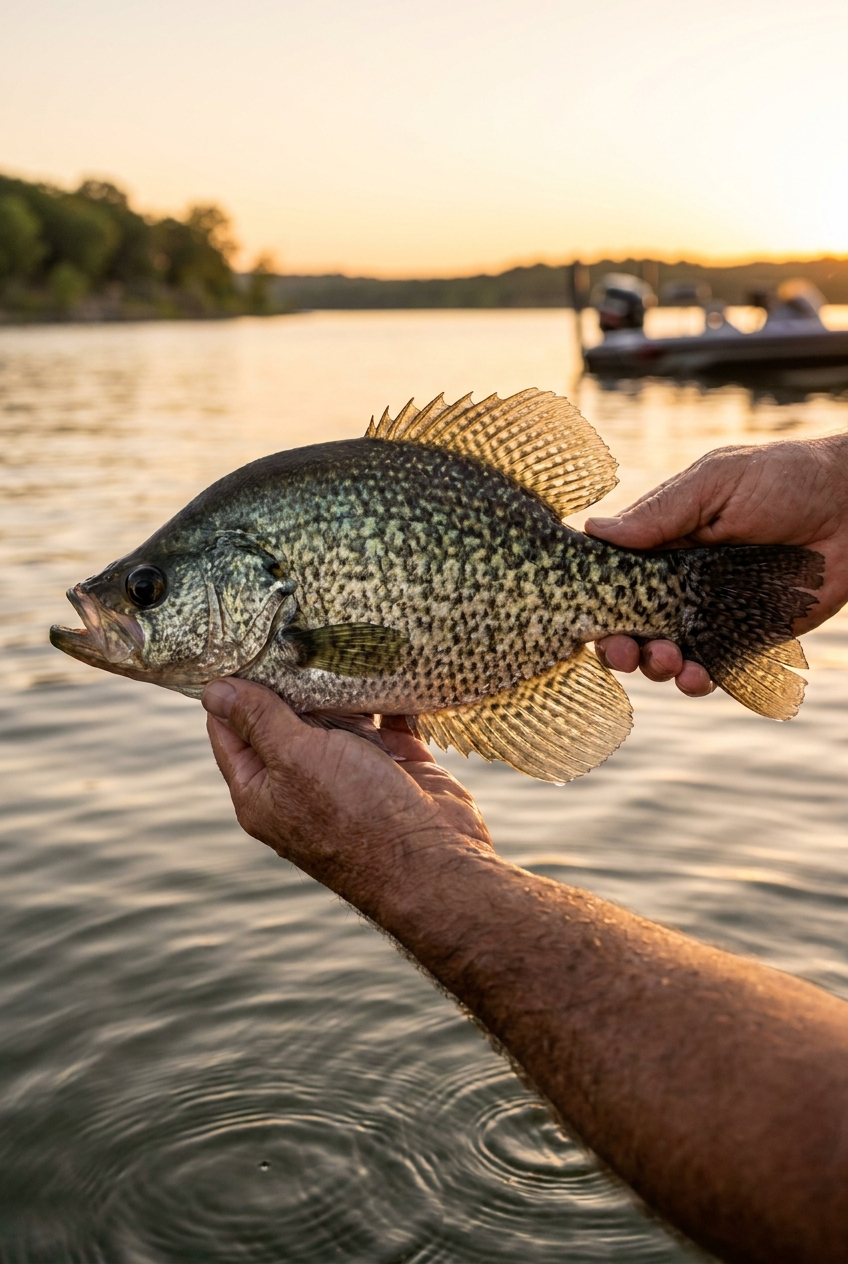
Crappie are widespread on Eagle Mountain Lake, with good numbers present around the lake's dock structure, bridge pilings, and any submerged timber remaining in the creek arms. The FM 730 bridge over the upper arm of the lake is a well-known crappie spot, as are the dock fields on the southern and eastern shores of the main lake. Spring crappie fishing peaks from February through April as fish move into 4 to 10 feet around any available shallow structure. Minnow rigs and small crappie jigs in chartreuse and white are the standard presentation. The bite can be outstanding during warm spells in February and early March before boat traffic picks up. Summer crappie retreat to deeper timber and dock pilings in 12 to 20 feet, where they can be targeted with vertical jigging techniques. A light spinning rod with 6-pound monofilament and a 1/16-ounce jig is the traditional Eagle Mountain crappie rig. The bite picks back up in October and November as water temperatures cool and fish become more active and accessible across shallower structure. Crappie receive solid fishing pressure on this lake given the local population, but the numbers remain consistent for anglers who work the structure methodically. Verify TPWD crappie regulations before keeping fish.
Eagle Mountain Lake Catfish Fishing Report
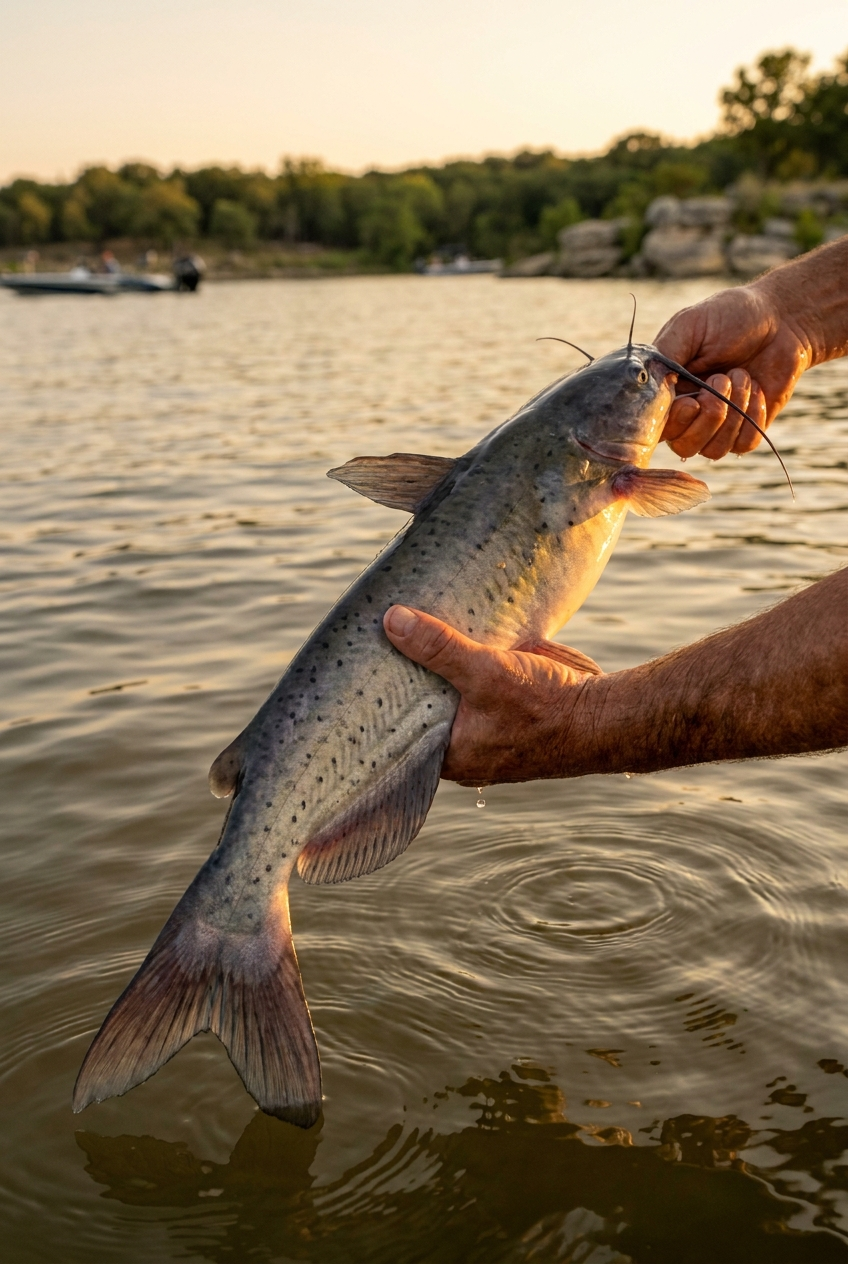
Channel catfish are abundant in Eagle Mountain Lake and provide reliable bottom-fishing action across all seasons. The Trinity River arm at the upper end of the lake is the primary catfish zone, where current, deeper holes, and woody debris concentrate fish. Cut shad, chicken liver, and commercial catfish bait fished on bottom rigs in 10 to 25 feet produce channel cats in the 1 to 6 pound class regularly. The area near the TRWD inlet structures and the deeper channel bends on the west side of the upper arm are particularly productive in summer when fish seek cooler water. Night fishing from the bank at the public access areas on the upper end of the lake is a popular and effective approach for catfish anglers, especially from June through August. Fish move into shallower water after dark to feed, and a simple bottom rig with cut shad or fresh chicken liver is all you need. Blue catfish are also present in Eagle Mountain in smaller numbers, and flathead catfish have been documented in the Trinity River system that feeds the lake. Both species can reach larger sizes than channel cats. Follow current TPWD catfish regulations for size and bag limits.
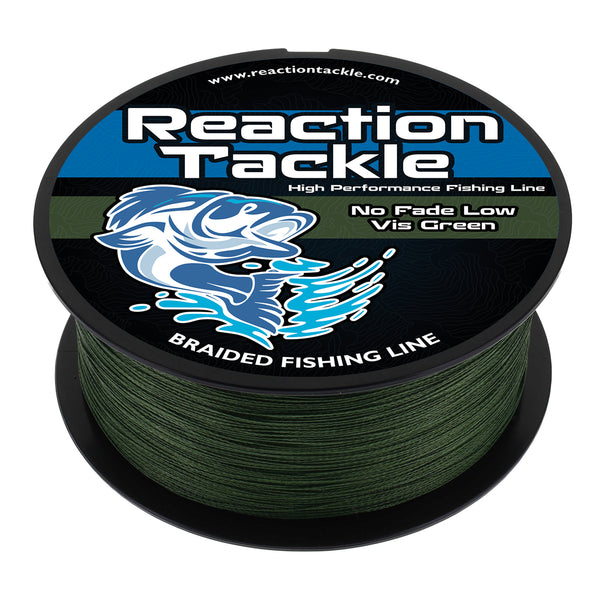
Before you head out, check your line. If it's been sitting on the reel all winter or has seen a lot of rocks and timber, it's worth replacing before a serious trip. I order most of my braid from Reaction Tackle and have been happy with it.
Top Fish to Target in Eagle Mountain Lake



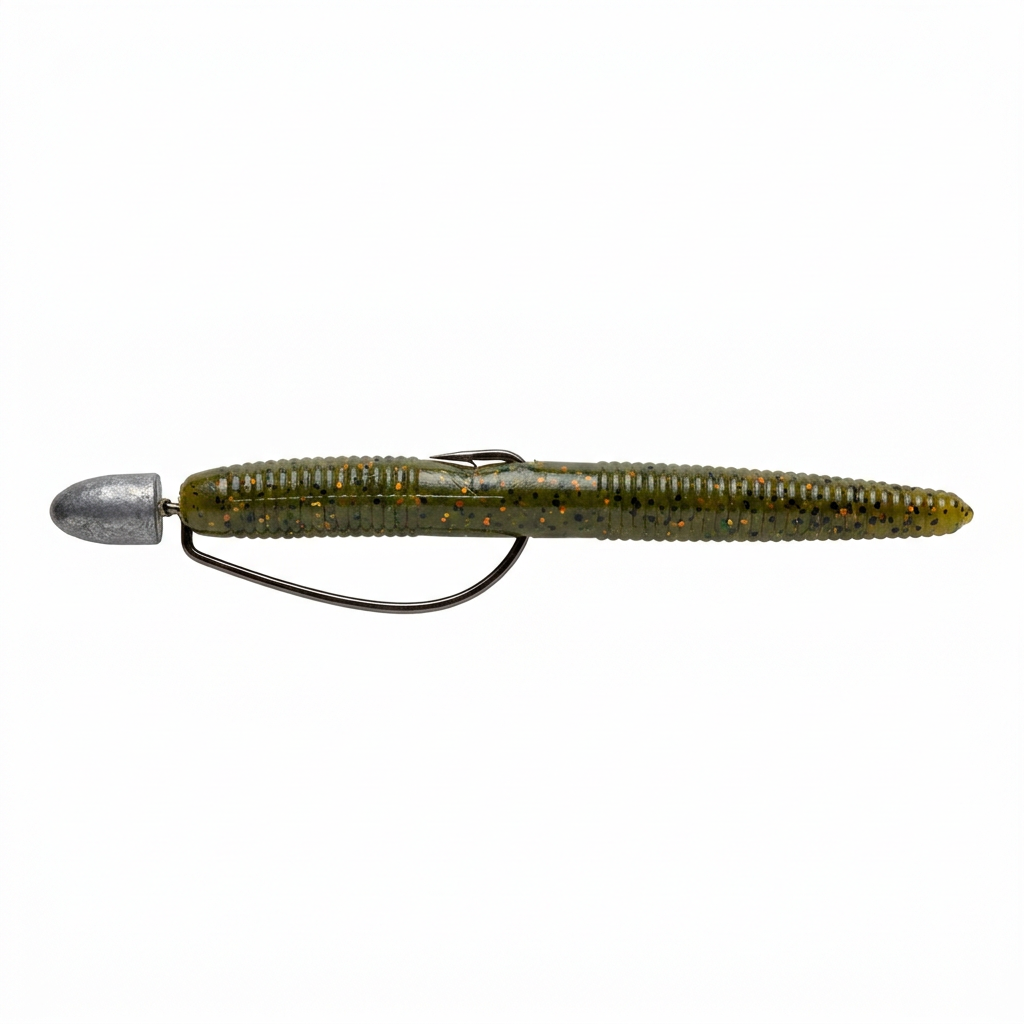
Lures for Eagle Mountain Lake
Tackle matched to this lake's species and structure.
One thing I always check before a big trip is my main line. For most of the presentations that work here, you want braid. The sensitivity makes a real difference, especially when fish are finicky. I've been ordering from Reaction Tackle for a while now and haven't looked back.
About Eagle Mountain Lake
Eagle Mountain Lake occupies a stretch of the West Fork Trinity River in the northwestern suburbs of Fort Worth, making it one of the most accessible reservoirs in the DFW metroplex. The Tarrant Regional Water District completed the original dam in 1934, making Eagle Mountain one of the older municipal water supply reservoirs in the region. The lake covers 8,694 surface acres across Tarrant and Parker counties, with the upper Trinity River arm extending well into Parker County to the northwest. The surrounding landscape is classic North Texas cross timbers, with cedar, post oak, and limestone rock bluffs on the western shores giving way to flatter, more developed terrain on the eastern and southern shores.
The lake's proximity to Fort Worth means it sees heavy recreational use, particularly on weekends from April through September. Jet skis, pontoon boats, and ski boats dominate the open water sections on summer afternoons, which compresses serious fishing into early morning windows. Weekday fishing is substantially more peaceful and productive. Despite the recreational pressure, the fishery remains healthy because TRWD manages the lake carefully and TPWD stocks hybrid striped bass periodically to supplement the naturally reproducing species. The largemouth bass and crappie fisheries in particular are considered solid for a metro reservoir of this size.
Public access to Eagle Mountain Lake is available at several county and city parks. Pelican Bay, Eagle Mountain Park, and TRWD-managed ramps offer launching facilities for registered boats. Bank fishing access is available at multiple park areas along the lake. The lake has a significant marina infrastructure with several full-service facilities, bait shops, and tackle stores catering to the local fishing community. The Fort Worth fishing community is active, and local knowledge on seasonal patterns is readily available at the bait shops near the primary ramps.
Anglers planning a trip to Eagle Mountain Lake should be aware of seasonal water level fluctuations, as the lake is a water supply reservoir and levels can vary by several feet during drought years. TRWD publishes current lake level data on its website. Water temperatures in summer can reach 90 degrees Fahrenheit in the shallows, concentrating bass and other species near the thermocline in deeper water. The spring white bass run on the Trinity River arm is the single best fishing event the lake offers, and timing a trip to coincide with that late February through March window is strongly recommended for any angler unfamiliar with the lake.