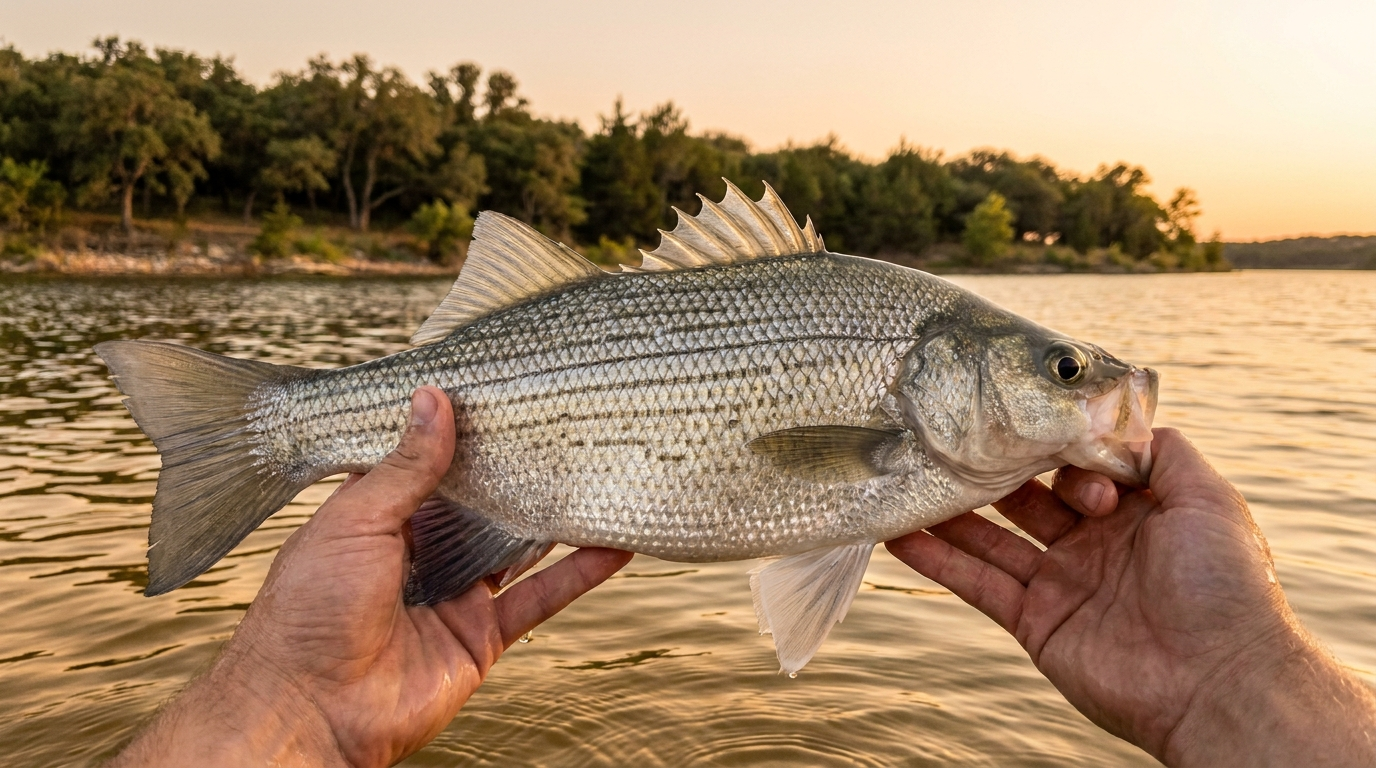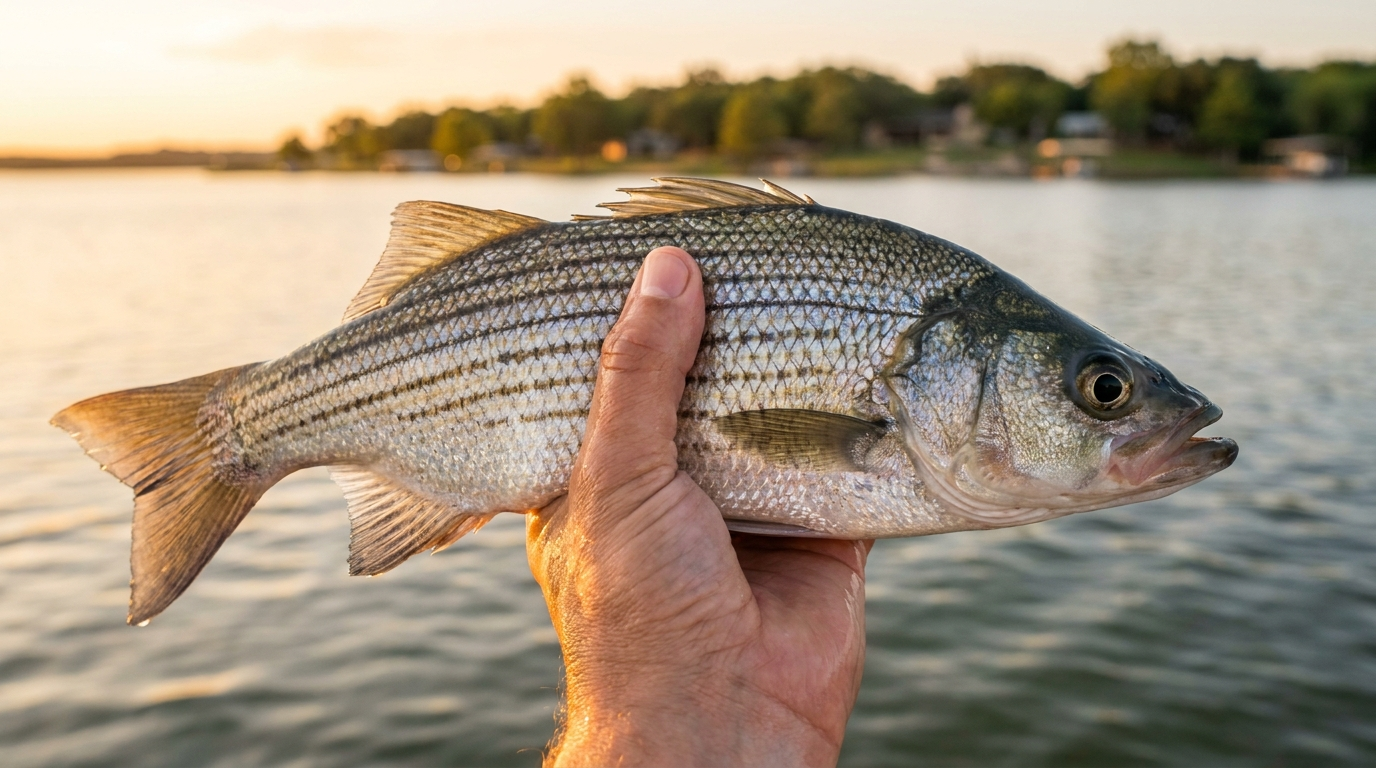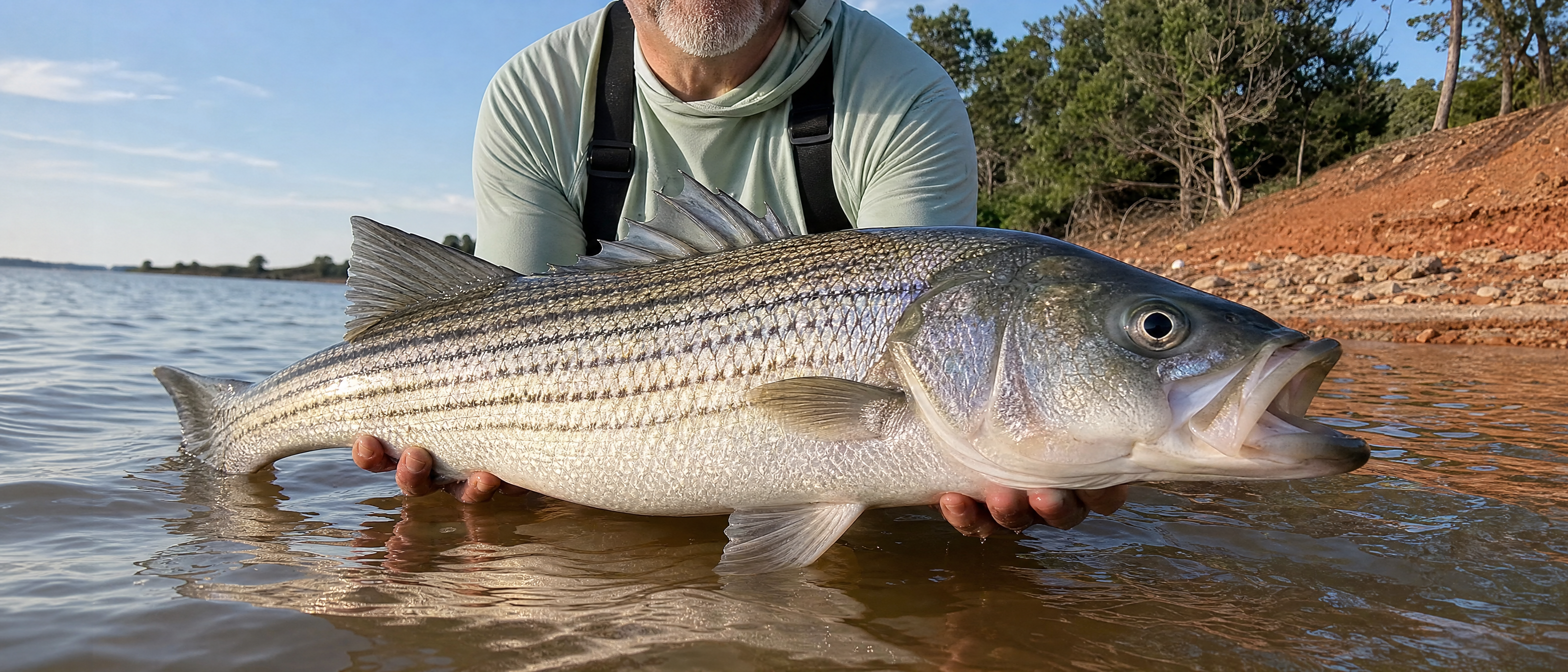
Lake Ray Hubbard is my home lake. It's right on the edge of Dallas and I've fished it more times than I can count. The white bass bite in spring is legitimately good, especially along the causeways and near the I-30 bridge area where the fish stack up during the run. It's not a trophy bass lake by any stretch, but it doesn't need to be. When you've got 30 minutes after work and want to catch fish, Ray Hubbard delivers. I've had evenings casting spinnerbaits off the Lakeside Park pier that turned into 15-fish nights when everything lined up right.
Today's Bite Score · October 8, 2026
Very favorable conditions for catching fish
🌘Waning Crescent
Lake Ray Hubbard Fishing Report
September FishingMonthly fishing report · September patterns and techniques
Lake Ray Hubbard anglers are experiencing September conditions as water temperatures begin their transition. Fish behavior shifts during this month as the lake responds to changing environmental conditions. Anglers visiting the lake this month should be prepared for variable bite windows as fish adjust to the seasonal changes occurring at Ray Hubbard.
In September, anglers are finding that certain species become more active as feeding patterns adjust. Fish are holding in areas where they can take advantage of available forage and comfortable water conditions. The bite is responsive to these seasonal movements, with fish positioning themselves in depths and structure that provide optimal feeding and shelter opportunities throughout the month.
Anglers targeting fish at Ray Hubbard in September should focus on techniques that match current fish behavior and feeding preferences. The most effective approaches this month involve using baits and presentations that appeal to actively feeding fish. Success at Ray Hubbard depends on adjusting presentations to match what fish are responding to in September conditions, whether that means adjusting depths, changing bait selections, or modifying retrieval speeds to match current activity levels.
Get More Fishing Report Specifics
Tap a topic button below for a report on current conditions.
Tap a topic above to get a current report for Lake Ray Hubbard.
Answers are generated on demand and cached. No AI call fires until you tap a tab.
Lake Ray Hubbard Fishing Guides
Looking for a Lake Ray Hubbard fishing guide? A local guide is worth every penny on this lake. The structure is complex, fish move with the seasons, and the guides who are out here every week know exactly where the big ones are holding. Here are 3 fishing guides for Lake Ray Hubbard that are worth checking out.
Lake Ray Hubbard Fishing Strategies by Species
Seasonal patterns and techniques by target species · Verified against official sources
White bass, largemouth bass, crappie, and catfish are the four species that drive fishing at Lake Ray Hubbard, a 22,745-acre urban reservoir that serves as the most convenient major fishing destination for the Dallas-Fort Worth metroplex. The spring white bass spawning run through the East Fork Trinity River arm is the lake's signature event, drawing large numbers of anglers from late February through April. Largemouth bass provide consistent year-round action in the lake's turbid, shallow water, and the causeways and dock structure hold good crappie throughout the year. Verify current TPWD regulations before fishing.
Lake Ray Hubbard White Bass Fishing Report
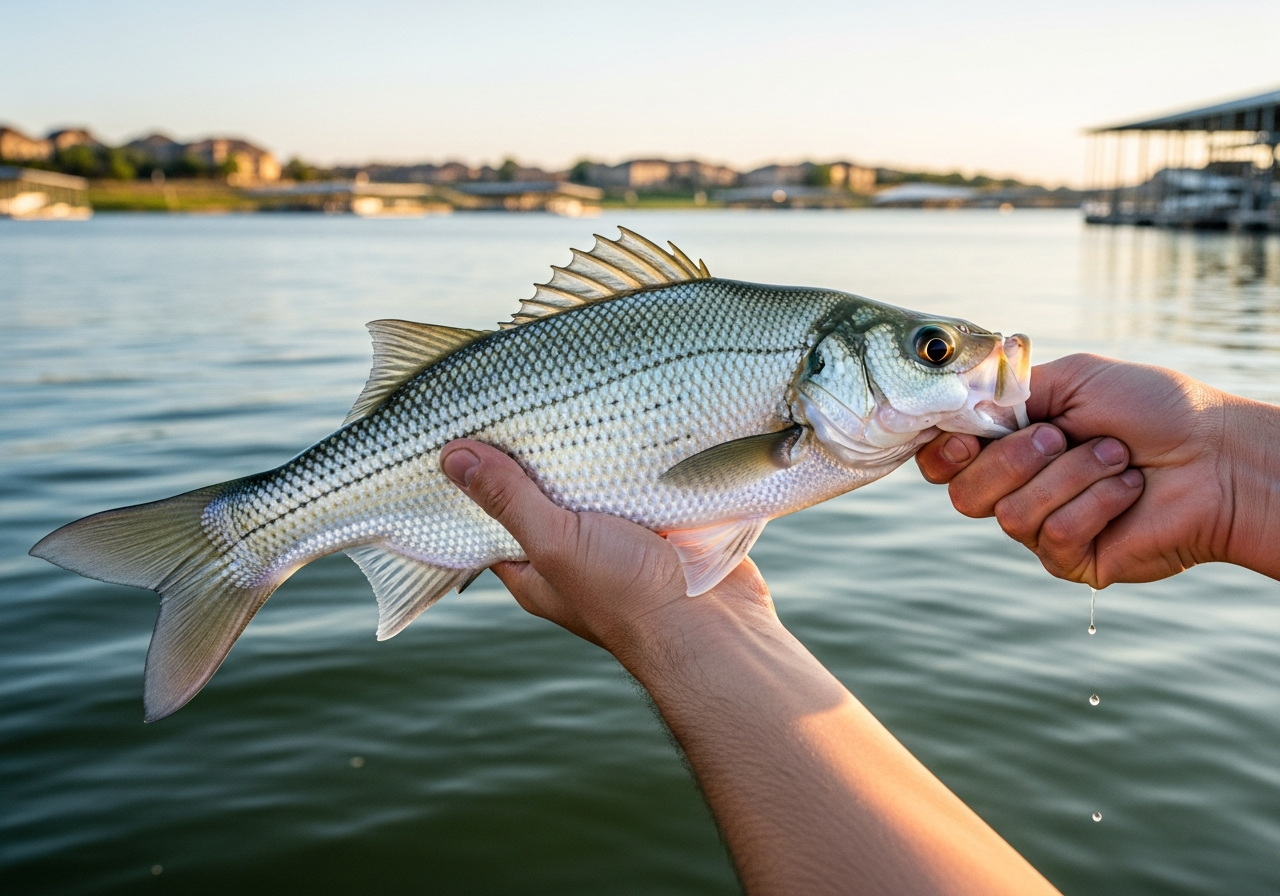
White bass are the most exciting seasonal target at Lake Ray Hubbard, and the spring spawning run produces some of the most accessible fast-action fishing in the Dallas area. From late February through April, white bass push up the East Fork Trinity River arm in large numbers, and the I-30 bridge area and the causeway at Rockwall are primary interception points. Small white and chartreuse jigs, in-line spinners, and light crankbaits cast into the current seams and near the bridge pilings produce fast action during peak run conditions. The I-30 causeway and the East Fork arm above it are the most reliable locations during the height of the white bass run. Wade fishermen and bank anglers at the access points along the causeway find exceptional fishing when the run is on. The peak of the run varies by year depending on water temperature, but late February through mid-March is typically the most concentrated period. Anglers can limit on white bass in a matter of hours when the fish stack up in the bridge and causeway areas. Summer white bass at Ray Hubbard school on the main lake in open water, pushing shad to the surface on calm mornings near the main lake points and the causeway areas. The schooling activity is most reliable at dawn before the lake heats up. Fall brings another round of schooling activity as shad concentrate near the main lake structure and white bass continue to feed aggressively through November. TPWD regulation: 10-inch minimum length, 25-fish daily bag limit. Verify at tpwd.texas.gov.
Lake Ray Hubbard Largemouth Bass Fishing Report
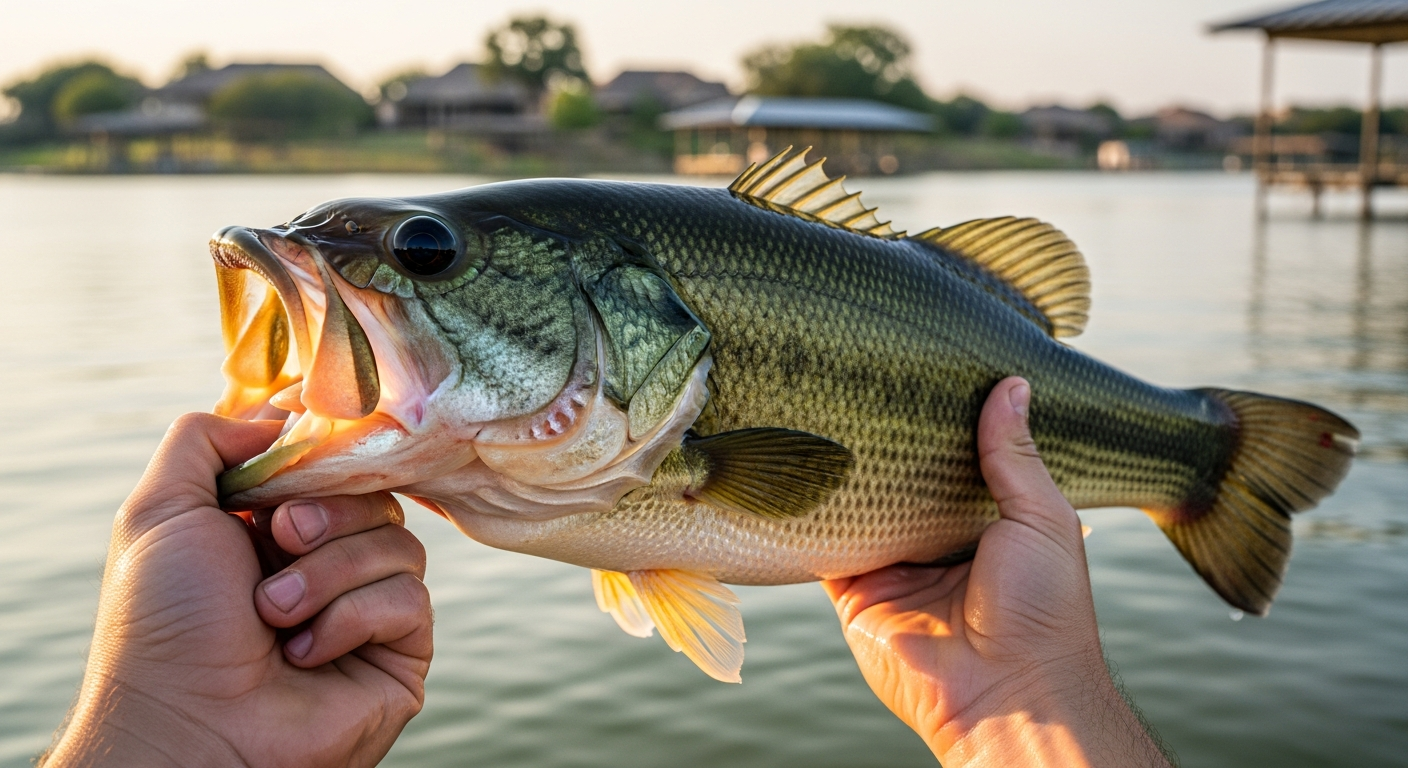
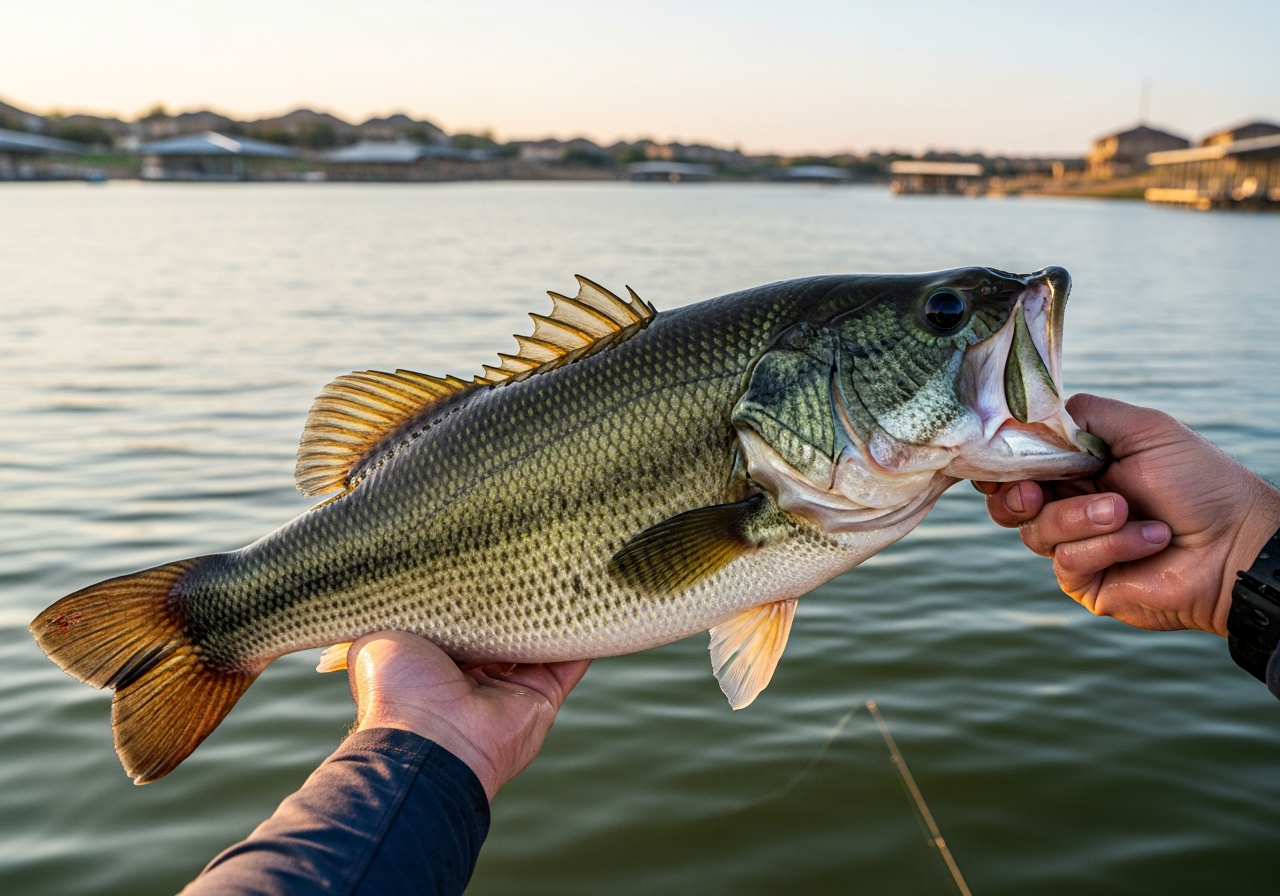
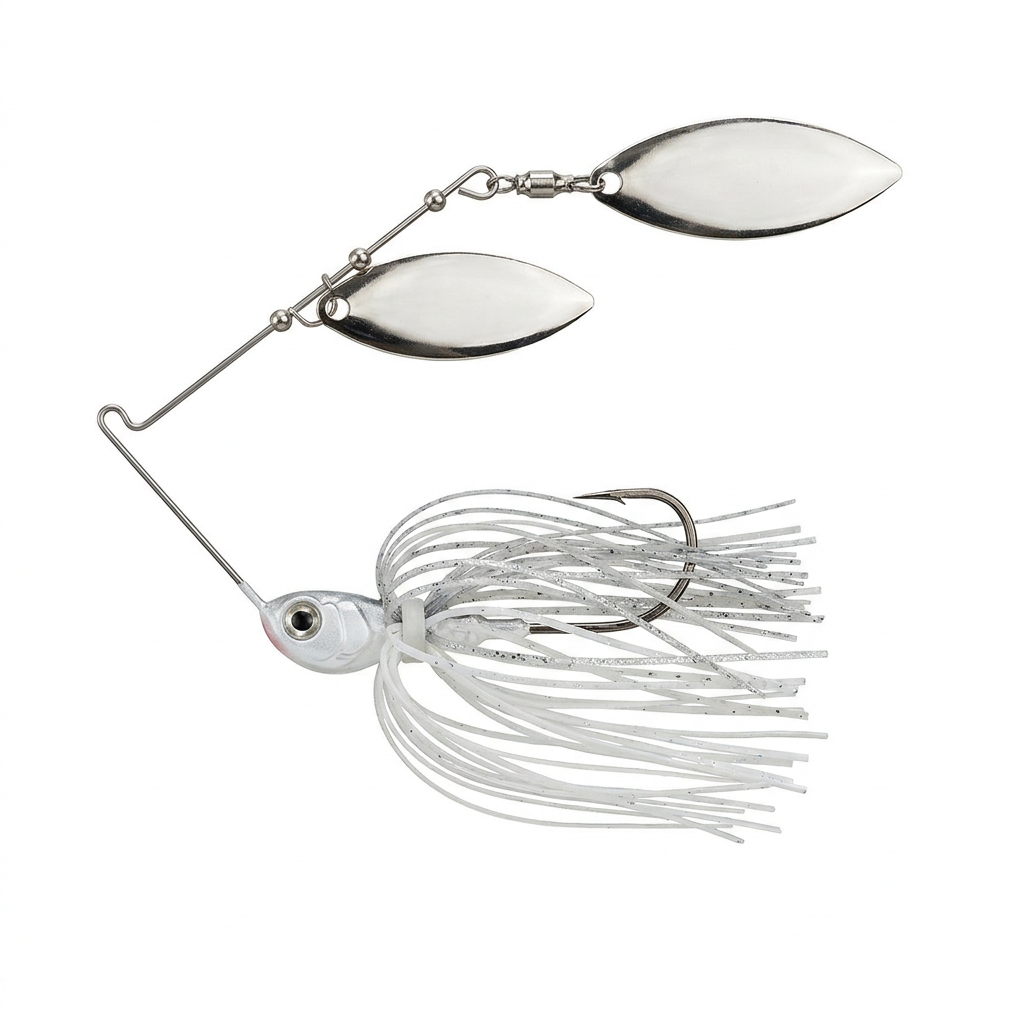
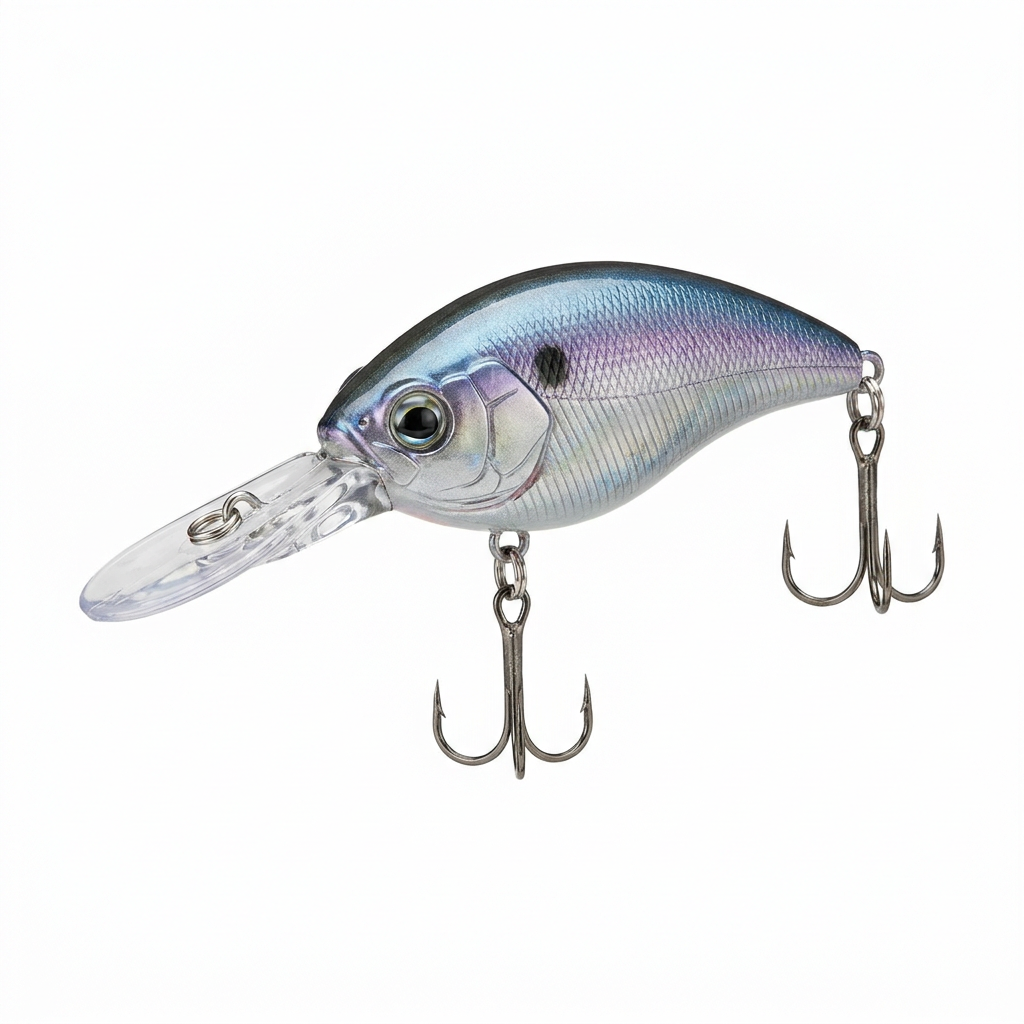
Largemouth bass fishing at Lake Ray Hubbard is best described as consistent urban bass fishing rather than trophy-class water: the lake produces solid 2 to 4-pound bass regularly and the occasional larger fish, but its shallow, turbid character and heavy recreational pressure limit the overall trophy potential. That said, the lake's stained water makes reaction baits effective throughout the year, and the bass population is healthy enough to provide reliable action for Dallas-area anglers. Spring is the most productive season at Ray Hubbard, with bass moving to the rocky riprap causeway structures and the cove pockets along the lake's clay and riprap shoreline from February through April. Spinnerbaits and squarebill crankbaits worked along the causeway riprap and the rocky ramp transitions produce the best pre-spawn and spawn action. The Rockwall causeway riprap and the transition areas near the major highway bridges are the most consistent spring bass producers on the lake. Summer bass at Ray Hubbard hold on the riprap and the dock structure in the 6 to 15-foot range. The lake's turbid water keeps bass more shallow than clearer reservoirs, and early morning topwater fishing along the causeway riprap and the main lake shoreline transitions produces fish through September. Fall is another solid window as bass chase shad schools on the main lake. TPWD regulation: 14-inch minimum length, 5-fish daily bag limit combined black bass. Verify at tpwd.texas.gov.
Lake Ray Hubbard Crappie Fishing Report
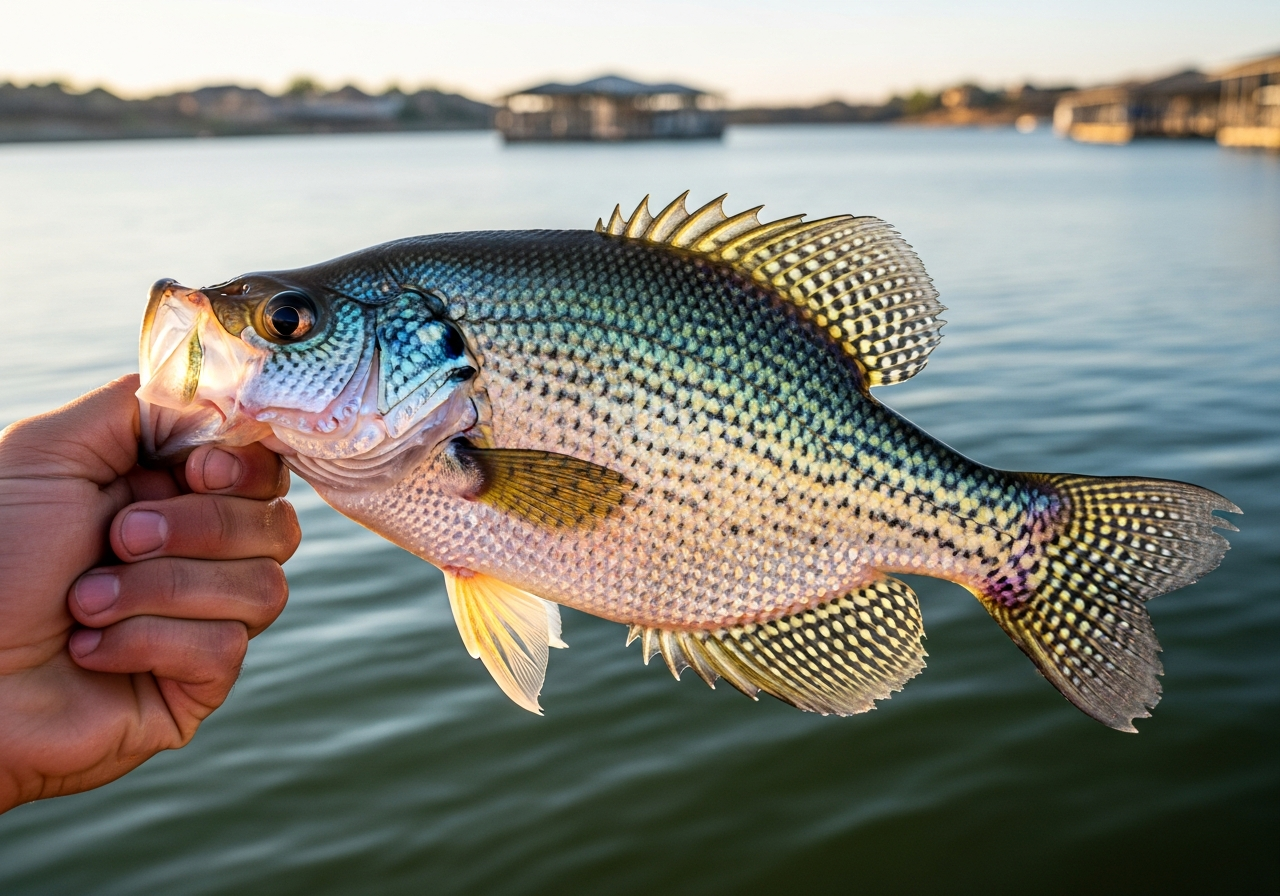
Crappie fishing at Lake Ray Hubbard is productive around the dock structure, causeway pilings, and the deeper cove transitions throughout the lake. The lake holds both white and black crappie, with white crappie dominant in the more open water areas. Spring crappie fishing peaks in late February and March as fish move from the 10 to 15-foot winter holding areas toward the shallower dock pilings and cove timber in 4 to 8 feet. The Rockwall causeway pilings and the dock communities along the Garland and Rockwall shorelines are the most reliable crappie producers year-round. Small tube jigs and crappie jig-minnow combinations worked vertically around the pilings at 5 to 10 feet produce consistent fish. Live minnows suspended beneath a float are effective for bank anglers working the causeway pilings from public access points along the causeway shoulders. Summer crappie at Ray Hubbard suspend under the deeper dock structure in 8 to 12 feet and are most accessible during cooler morning hours. Fall crappie return to the causeway pilings and the dock structure in good numbers through November, and the pilings between the Rockwall marina area and the I-30 bridge concentrate fish during the fall transition. TPWD regulation: 10-inch minimum length, 25-fish daily bag limit. Verify at tpwd.texas.gov.
Lake Ray Hubbard Catfish Fishing Report
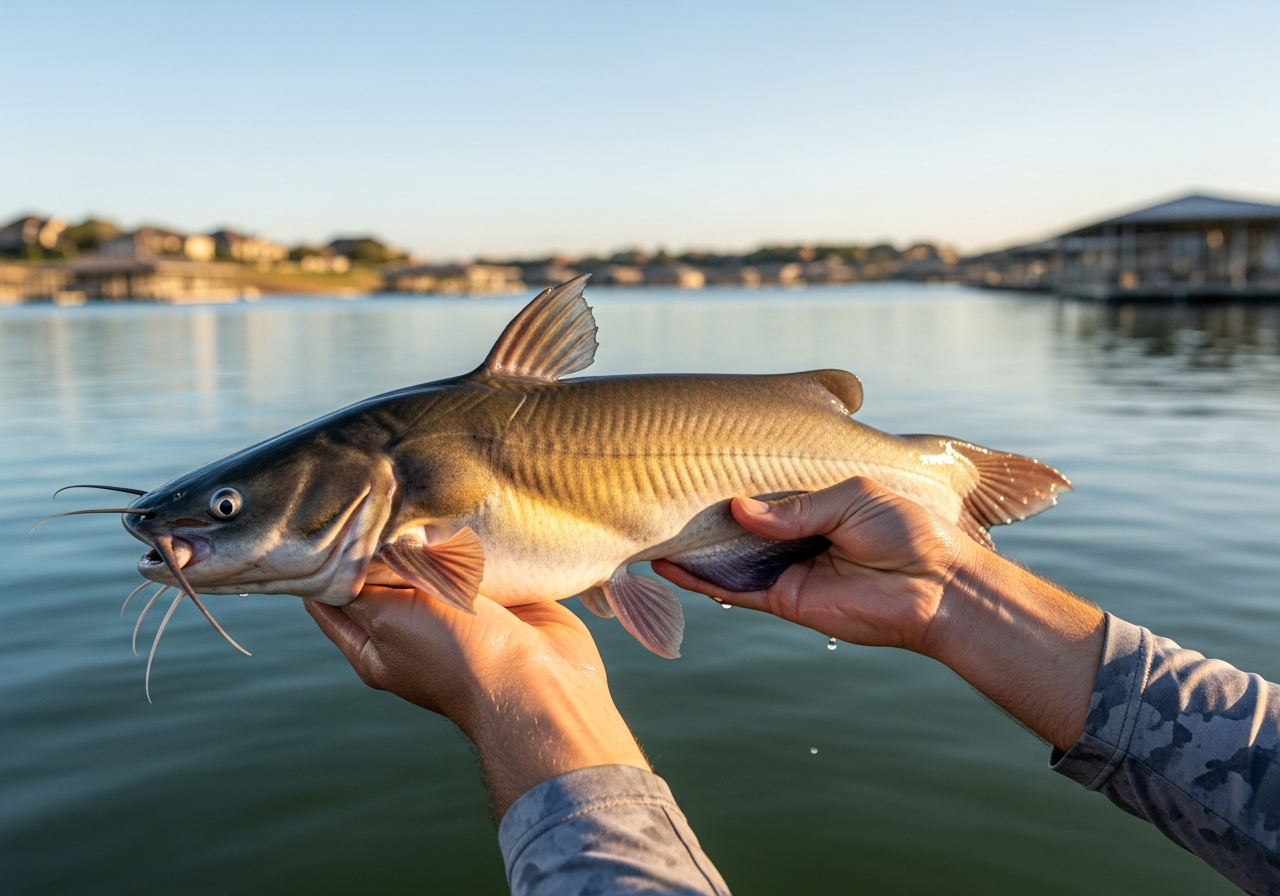
Channel catfish and blue catfish are abundant throughout Lake Ray Hubbard and provide consistent bank and boat fishing throughout the warm months. The lake's shallow, turbid, productive water supports a large catfish population, and fish in the 2 to 6-pound range are common with occasional larger blue cats in the channel structure near the dam area. Night catfishing from bank access points around the lake is a popular pursuit for Dallas-area anglers. Cut shad, chicken liver, and prepared catfish baits fished on the bottom in 6 to 15 feet produce consistent results at Ray Hubbard. The causeway areas, the major cove transitions, and the East Fork Trinity River arm all hold catfish throughout the year. The Harry Myers and Lakeside parks along the Garland shoreline provide accessible bank catfishing. Summer nights from May through September produce the most consistent catfish action. The East Fork Trinity River arm above the lake concentrates catfish when the river is running, and access from the upper lake ramps puts anglers near the channel transitions where catfish hold. TPWD statewide catfish regulation: no minimum length, 25-fish combined bag for blue and channel catfish. Verify at tpwd.texas.gov.
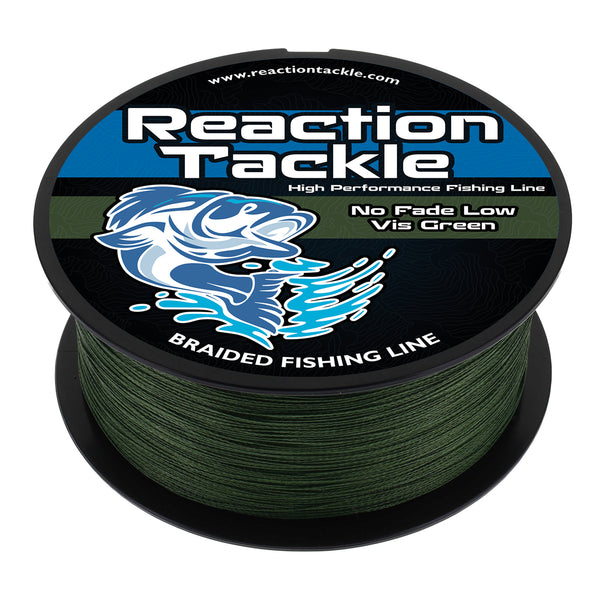
If you haven't replaced your braided line in a season or two, now's the time. Braid holds up better than mono, but abrasion from wood and rock adds up. Reaction Tackle is one of my favorite places to order from.
Top Fish to Target in Lake Ray Hubbard
Lures for Lake Ray Hubbard
Tackle matched to this lake's species and structure.
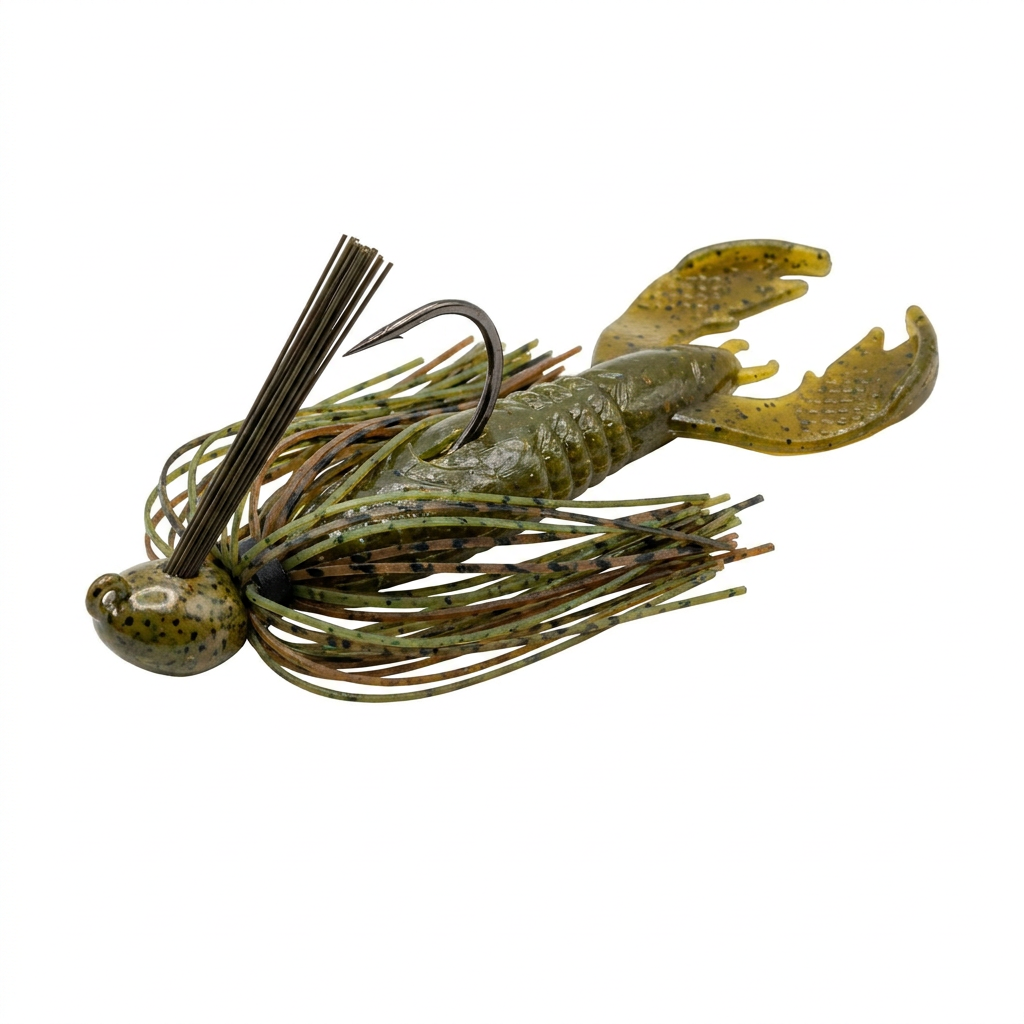
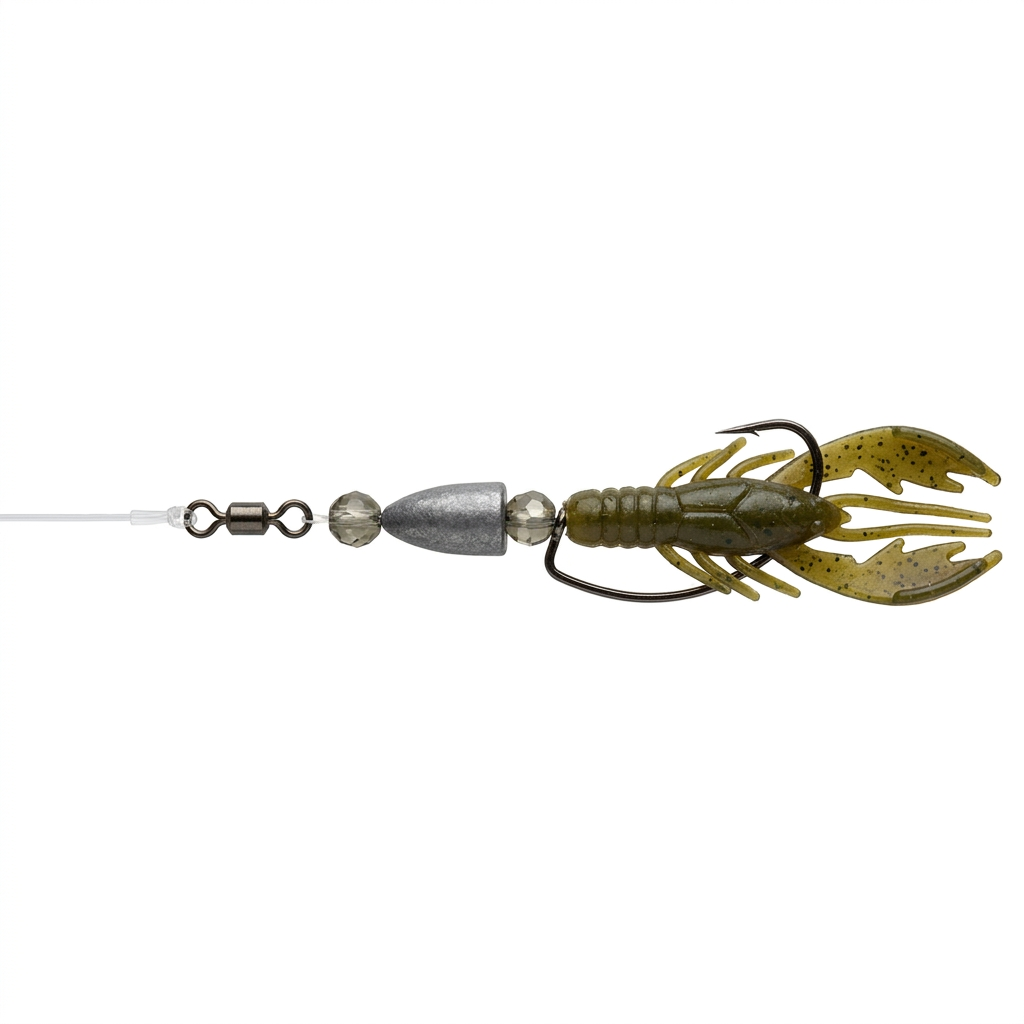
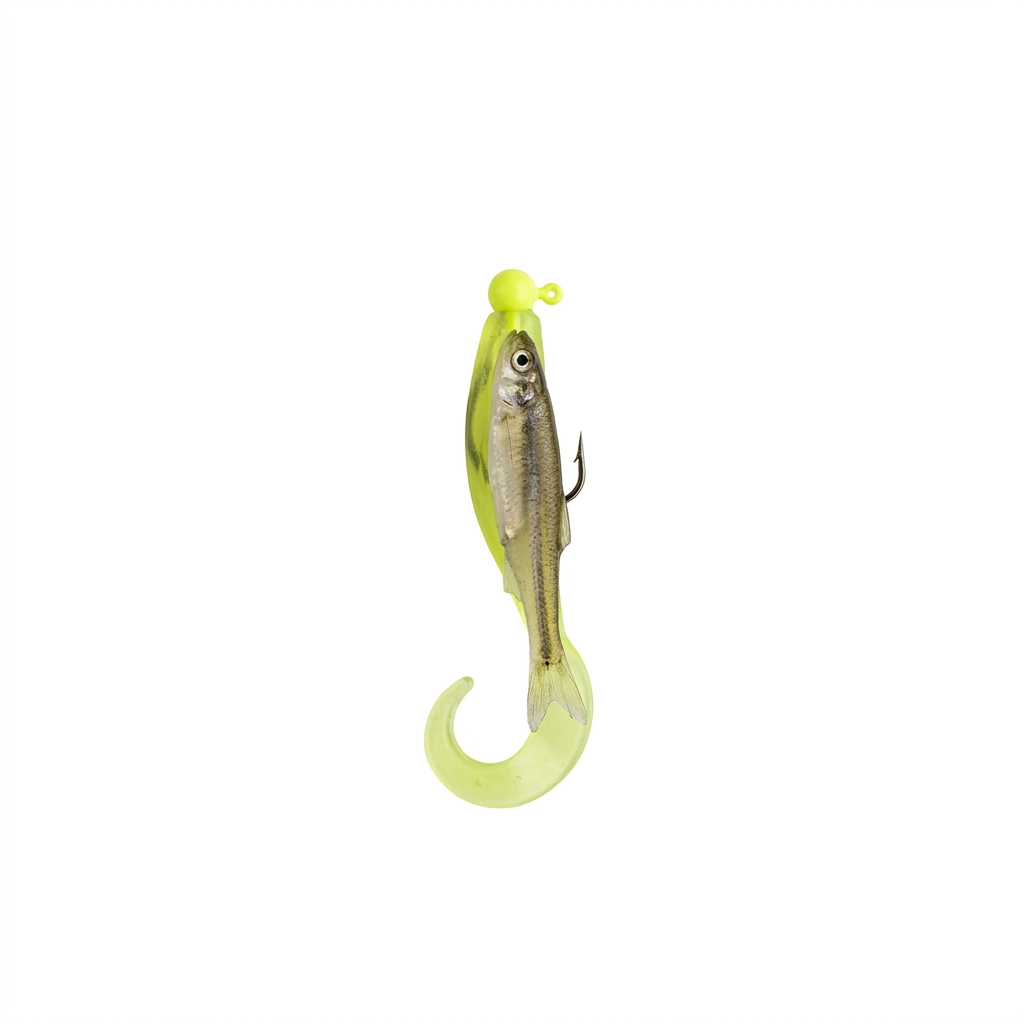
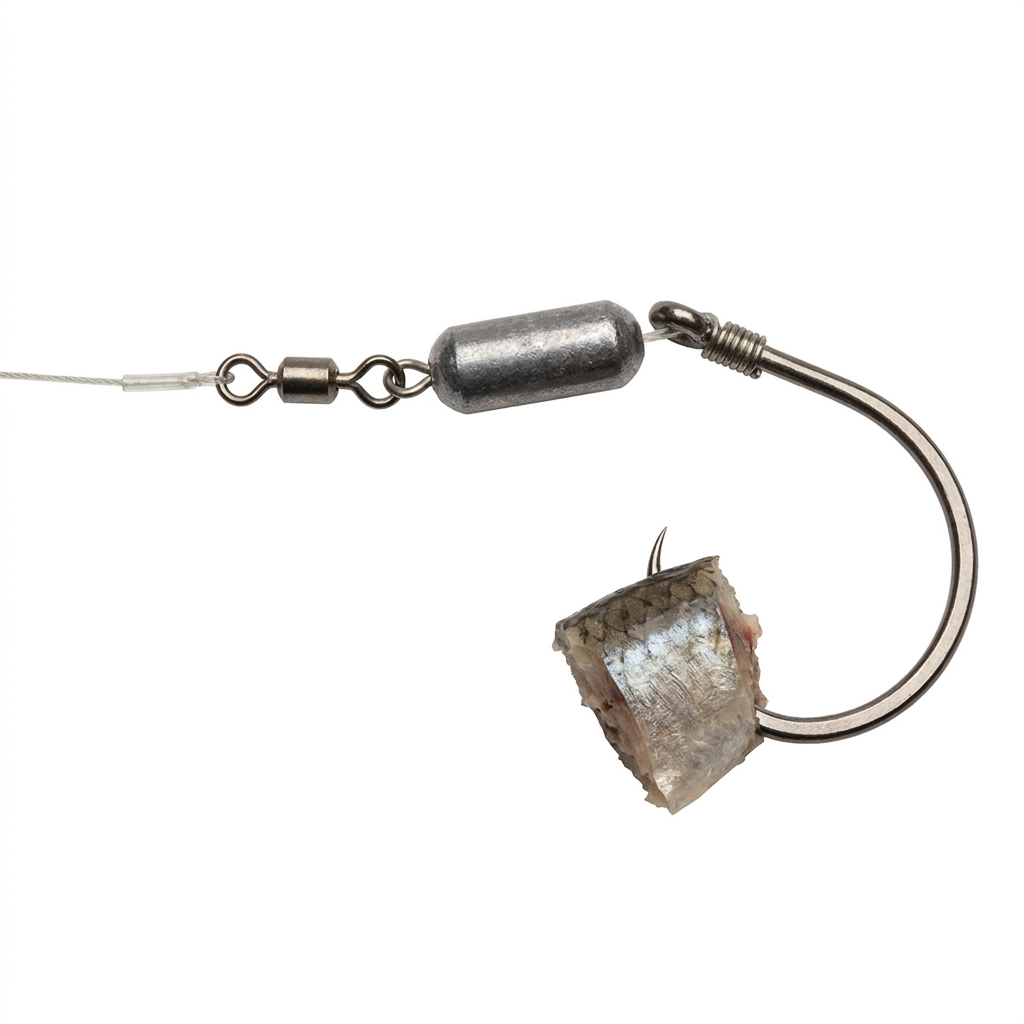
The right line matters as much as the lure. For the presentations that work on this lake, whether flipping timber, fishing main lake structure, or working deep brush, braid is the move. No stretch, more feel, and it lasts. Reaction Tackle is where I get mine.
About Lake Ray Hubbard
I've fished Ray Hubbard more times than any other lake. It's right on the edge of Dallas, easy to access off I-30 or the George Bush Turnpike, and on a good evening it fishes surprisingly well for a city reservoir. The white bass run in late February and March is my favorite time to be there. Grab a few light-action rods, park at the Rockwall causeway access, and wade-fish the current seam near the bridge pilings. Some years the fish are stacked. It's the kind of fishing that reminds you why you started.
Lake size and location. Lake Ray Hubbard covers approximately 22,745 acres spanning Dallas, Rockwall, Collin, and Kaufman counties, formed by the dam on the East Fork Trinity River completed in 1968. The lake serves as a water supply for the City of Dallas. Maximum depth is approximately 30 feet, giving the lake a shallow, turbid character typical of East Texas Trinity River impoundments. The Rockwall causeway (SH 66) bisects the lake and is one of the most recognizable fishing landmarks in the DFW area.
Urban fishing access. Lake Ray Hubbard is bordered by the cities of Garland, Rowlett, and Rockwall and is easily accessible from I-30, US 80, and the SH 66 causeway. Multiple city parks and public access points provide bank fishing along the Garland and Rockwall shorelines. The lake receives heavy recreational boat traffic on summer weekends, making early morning weekday fishing significantly more productive.
Regulations (verify at TPWD). Largemouth bass: 14-inch minimum, 5/day combined black bass. White bass: 10-inch minimum, 25/day. Crappie: 10-inch minimum, 25/day. Blue and channel catfish: no minimum, 25/day statewide standard. Always verify at tpwd.texas.gov before fishing.
Key access points. Harry Myers Park and Lakeside Park in Garland provide public boat ramps and bank fishing on the south side of the lake. Rockwall's shoreline parks provide additional north-side access. The SH 66 Rockwall causeway has shoulder fishing access along the bridge pilings and is the primary destination for causeway fishing.