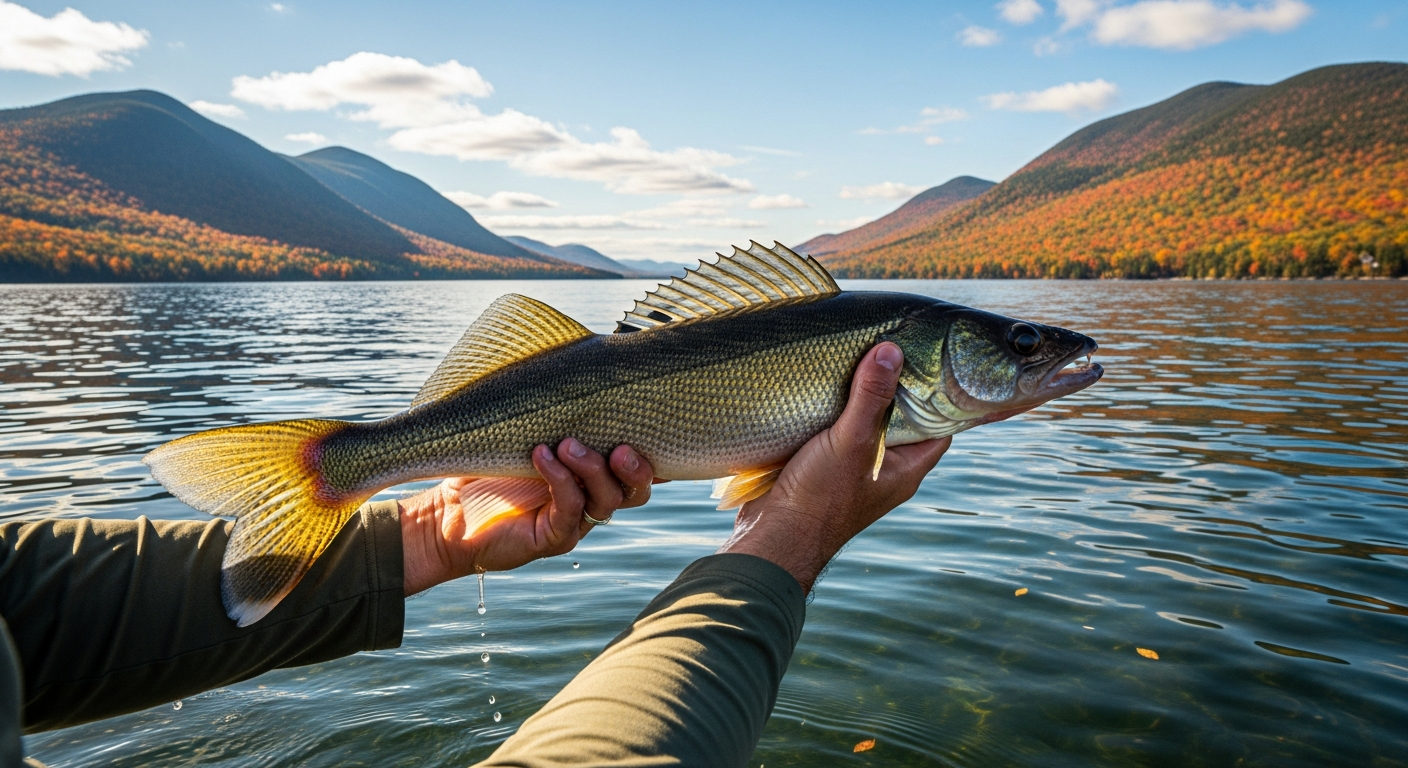
Lake Champlain lake trout in cold, clear water is about as different from Texas reservoir fishing as it gets. That's exactly the appeal. Vermont is still on my state list, and Champlain is where I'd go.
Today's Bite Score · October 8, 2026
Exceptional conditions, don't miss this one
🌘Waning Crescent
Lake Champlain Fishing Report
Updated September 25, 2026Synthesized from current fishing reports · Updated weekly
Lake Champlain conditions right now are supporting diverse fishing opportunities across the water. The lake continues to host an incredibly active fish community, with anglers currently finding excellent access at the Korean War Veterans Fishing Access near Alburg on the extreme northwest corner of Vermont.
Anglers are finding strong action this week on multiple species. Yellow perch, white perch, bluegill sunfish, smallmouth and largemouth bass, rock bass, brown bullhead, and northern pike are all actively biting right now. The bite has been particularly good for panfish species along with bass and pike in the current conditions. Guides are reporting that casting techniques and varied depths are producing consistent results for anglers targeting different species.
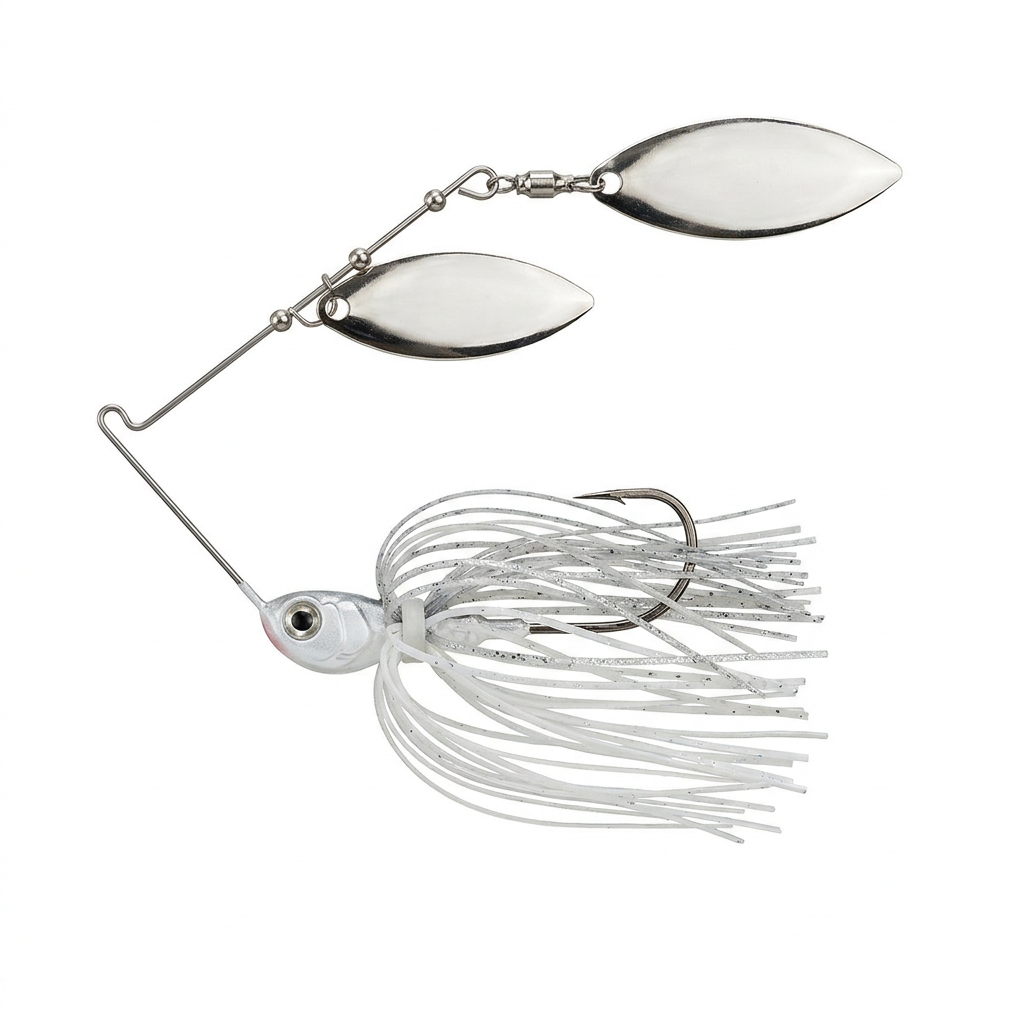
Right now, the most productive techniques this week include casting minnows or worms under a bobber, which is working well for a variety of fish species. Anglers should try varying the depth until they begin catching fish. Spinnerbaits and minnow-imitating plugs are also producing good results currently on Lake Champlain. The universally accessible fishing platform at Korean War Veterans Fishing Access off US Route 2 provides excellent shore-based opportunities for anglers this week.
Get More Fishing Report Specifics
Tap a topic button below for a report on current conditions.
Tap a topic above to get a current report for Lake Champlain.
Answers are generated on demand and cached. No AI call fires until you tap a tab.
Lake Champlain Fishing Guides
Looking for a Lake Champlain fishing guide? The diverse habitat — from deep northern troughs to shallow southern flats — means the right spot depends heavily on species and season, exactly what a local guide has mapped out. Go here → to check out our recommended fishing guides for Lake Champlain. Then scroll down on that page to see all of the Lake Champlain fishing guides.
Lake Champlain Fishing Strategies by Species
Seasonal patterns and techniques by target species · Verified against official sources
Smallmouth bass, walleye, lake trout, and northern pike are the four primary sport fisheries on Lake Champlain, with the smallmouth fishery on the Adirondack rocky structure widely recognized as premier-class by fishing publications. The Vermont bass season runs June 14 through November 30 with a 12-inch minimum and 5-fish daily bag; walleye season runs May 1 through March 15 with an 18-inch minimum and 3-fish limit. Northern pike in Missisquoi Bay and lake trout in the deep northern basin (accessible in 20 to 40 feet in spring after ice-out) complete the year-round opportunity. Anglers fishing the Vermont or New York sides need the appropriate state license for the waters they are on.
Lake Champlain Walleye Fishing Report
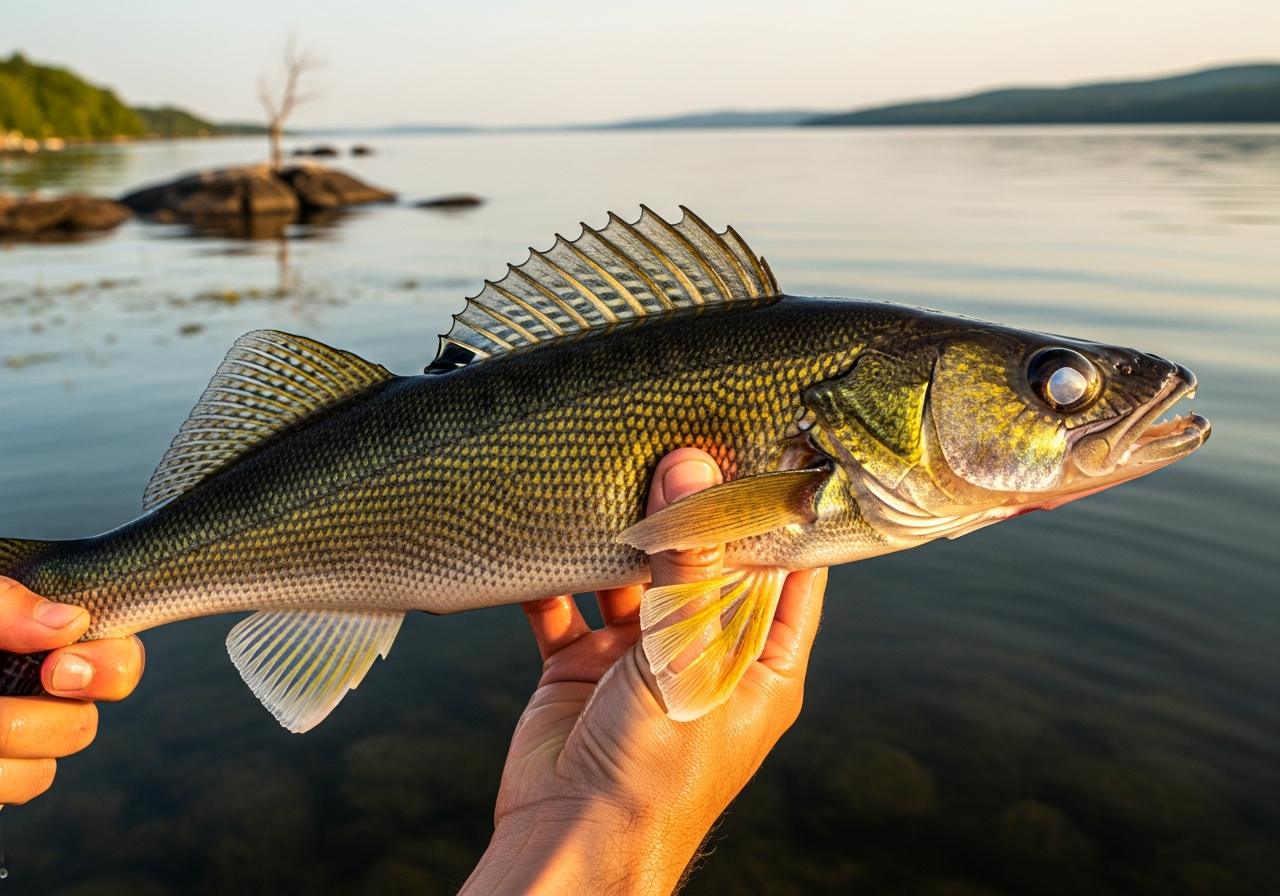
Vermont Fish & Wildlife sets the walleye regulation on Lake Champlain at an 18-inch minimum with a 3-fish daily limit. The season runs May 1 through March 15. Verify New York DEC regulations before fishing the New York side. Walleye are distributed throughout Lake Champlain and provide excellent fishing from ice-out through fall. Spring walleye fishing begins at the May opener when fish are post-spawn and actively feeding in 8 to 18 feet on rock points and sandy shoal areas. The northern sections of the lake: Missisquoi Bay and the waters around the Alburg peninsula: warm first and concentrate early season fish. Jigs tipped with minnows worked along rocky structure and the transitions from sand to rock produce the most consistent spring results. Summer walleye on Lake Champlain hold in deeper water: 20 to 35 feet: along the main lake basin and the edges of the major shoal systems. Trolling spinner harnesses and crankbaits along the depth contours in the evening and at night produces fish through July and August. The low-light window is significantly more productive than daytime fishing in summer. Fall brings walleye back onto accessible structure in 12 to 22 feet as water temperatures cool. This is the most aggressive feeding period of the year, and jig-and-minnow rigs worked along the rock points and shoal edges produce larger-than-average fish through October and into November.
Lake Champlain Smallmouth Bass Fishing Report
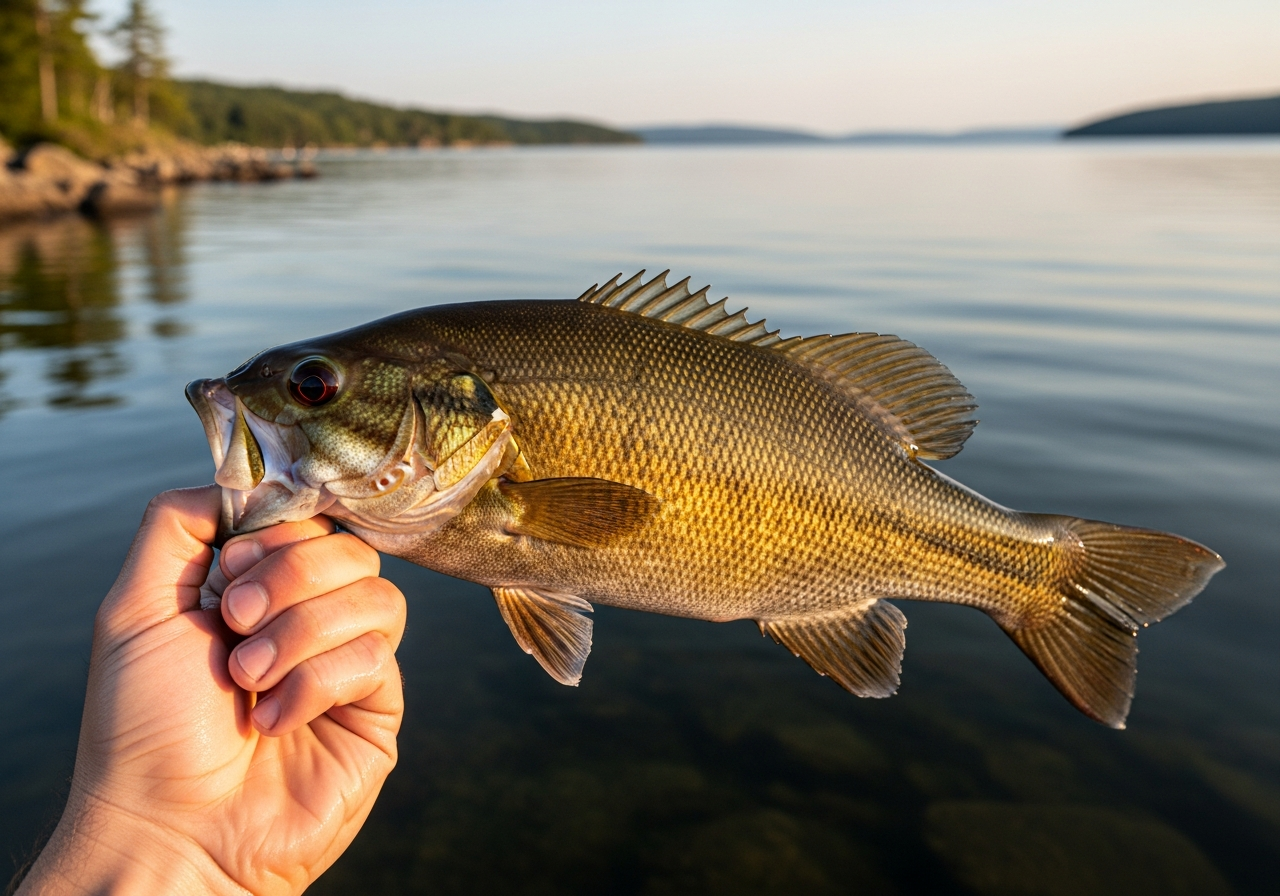
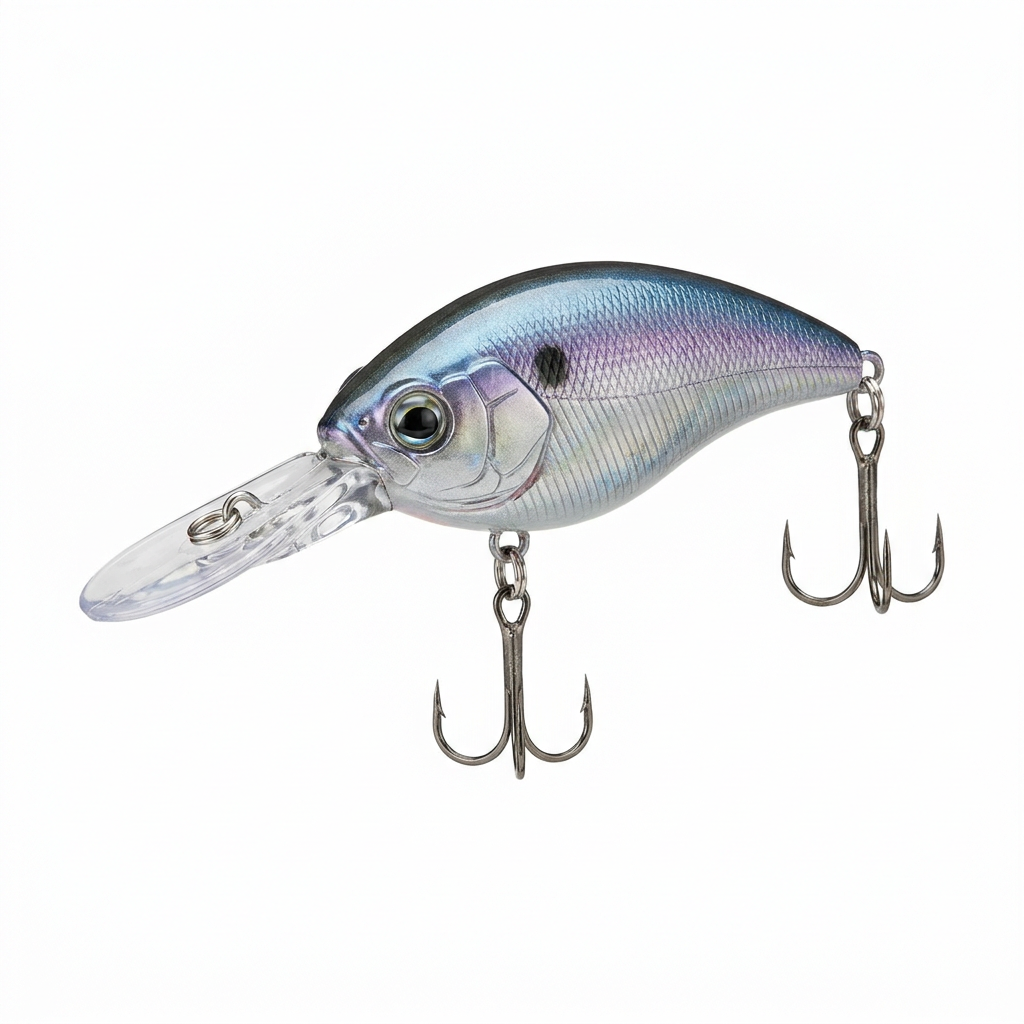
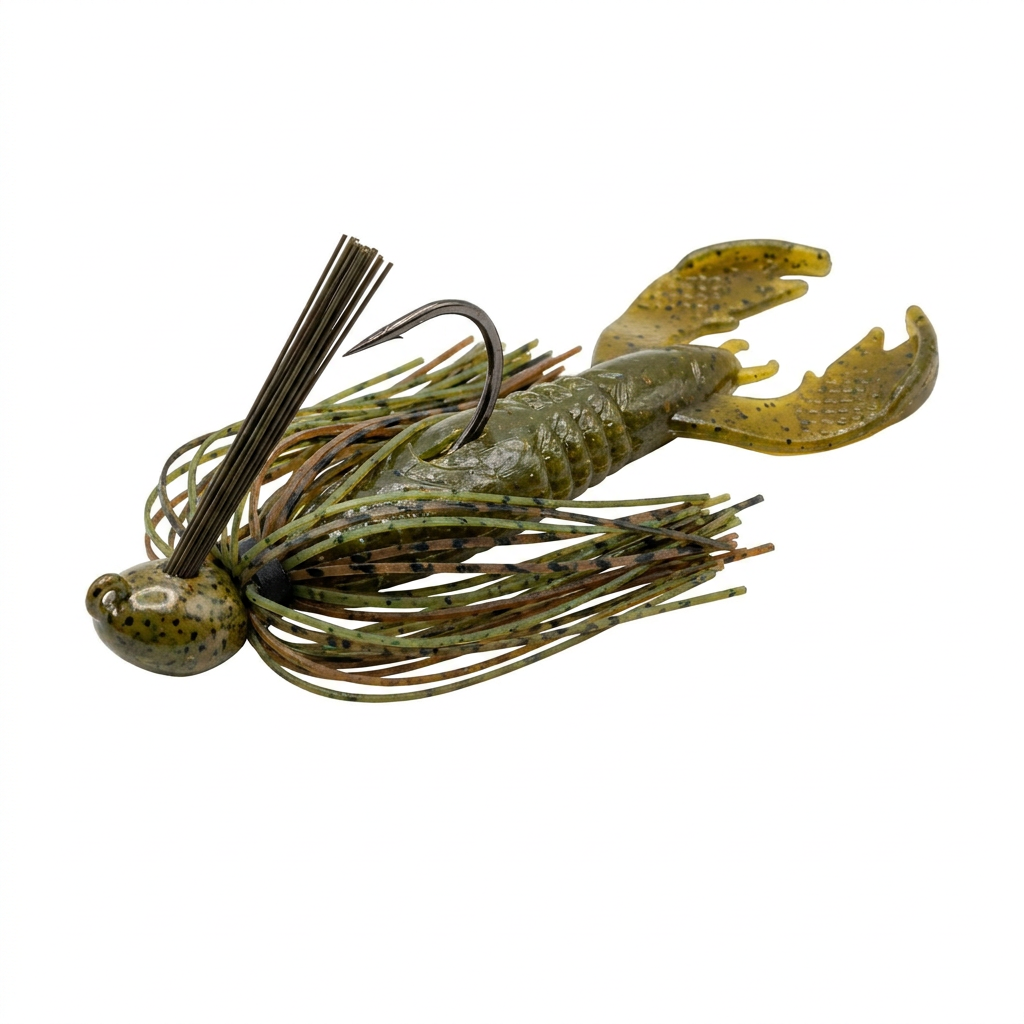
Vermont Fish & Wildlife sets the smallmouth bass regulation at a 12-inch minimum with a 5-fish daily bag limit (combined largemouth and smallmouth). The season runs June 14 through November 30; catch-and-release fishing with artificial lures is permitted outside the harvest season. Lake Champlain is widely recognized as a premier smallmouth bass fishery. Fish over 3 pounds are common throughout the lake, and the combination of clear water, rocky structure, and abundant crayfish produces large, hard-fighting fish. The rocky shorelines and cobble bottom throughout the lake: particularly on the New York side where Adirondack granite dominates: are the primary habitat. The June opener coincides with the post-spawn period, and fish are accessible on the shallow rocky flats and dock edges throughout the lake. A tube jig or drop shot worked along the rocky bottom in 6 to 14 feet is the most consistent summer approach. The rocky points and shoal areas in the broader central section of the lake (Broad Lake) hold large concentrations of smallmouth through the summer. Fall fishing is excellent as bass feed aggressively before the season closes, and crankbaits worked over rocky shoals in 8 to 15 feet produce the largest fish of the year.
Lake Champlain Lake Trout Fishing Report
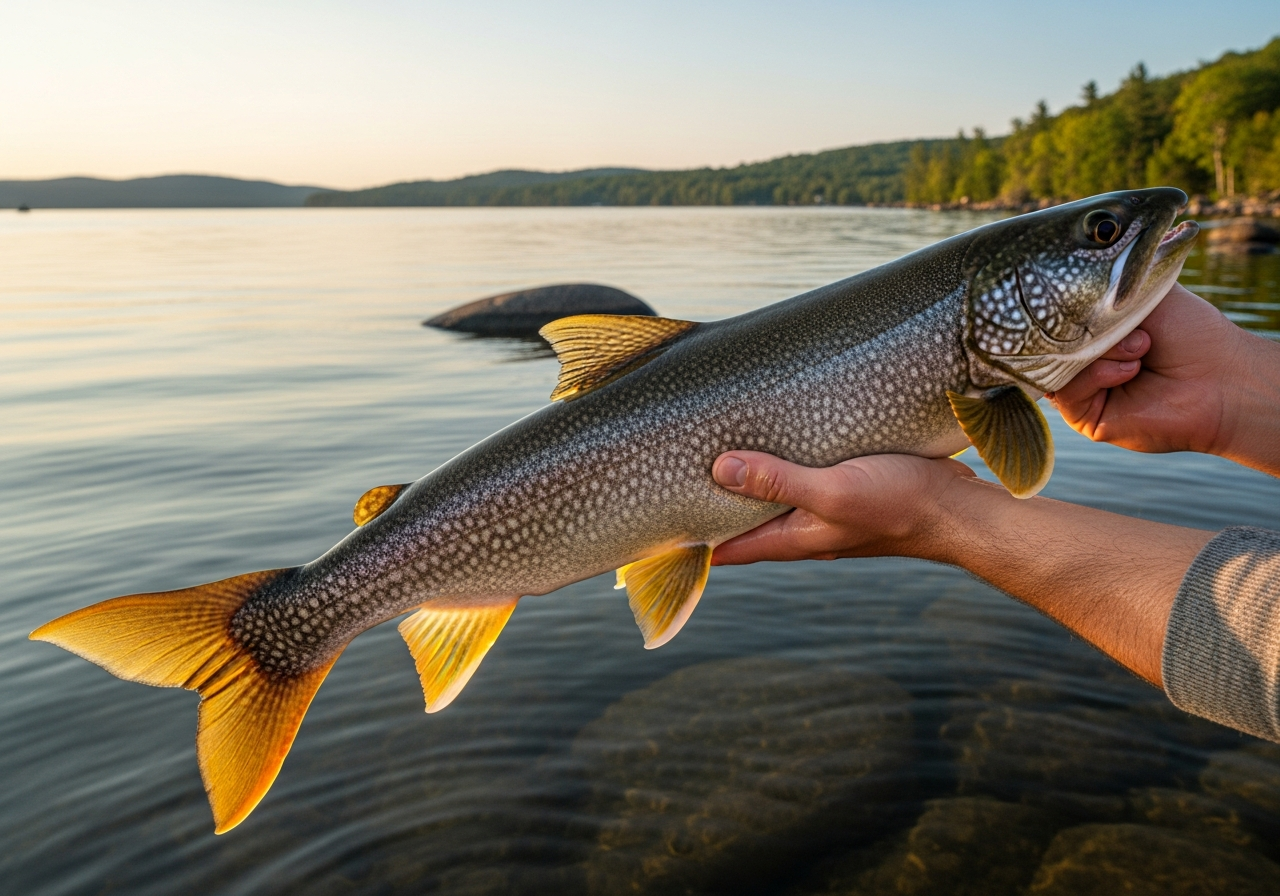
Vermont Fish & Wildlife sets the lake trout regulation at a 15-inch minimum with a 3-fish daily limit. The season is year-round. Lake trout inhabit the deep, cold sections of Lake Champlain: primarily the northern Main Lake and the deep basin areas that reach 200 to 400 feet. Lake trout on Champlain are most accessible in spring, immediately after ice-out, when fish move to shallower water in 20 to 40 feet to feed on smelt and other forage. Trolling spoons and streamer flies along the 30 to 50-foot contour on the deep side of rocky points produces lake trout through May and into early June before summer thermal stratification pushes fish deeper. Summer lake trout fishing requires targeting deep water: 60 to 120 feet: where water temperatures stay cold enough for the species. Downrigger trolling with large spoons at the thermocline depth produces fish. The northern sections of the lake, where depths reach 300-plus feet, hold the largest lake trout populations. Ice fishing for lake trout is popular in winter, with fish accessible in 40 to 80 feet over the deep basin.
Lake Champlain Northern Pike Fishing Report
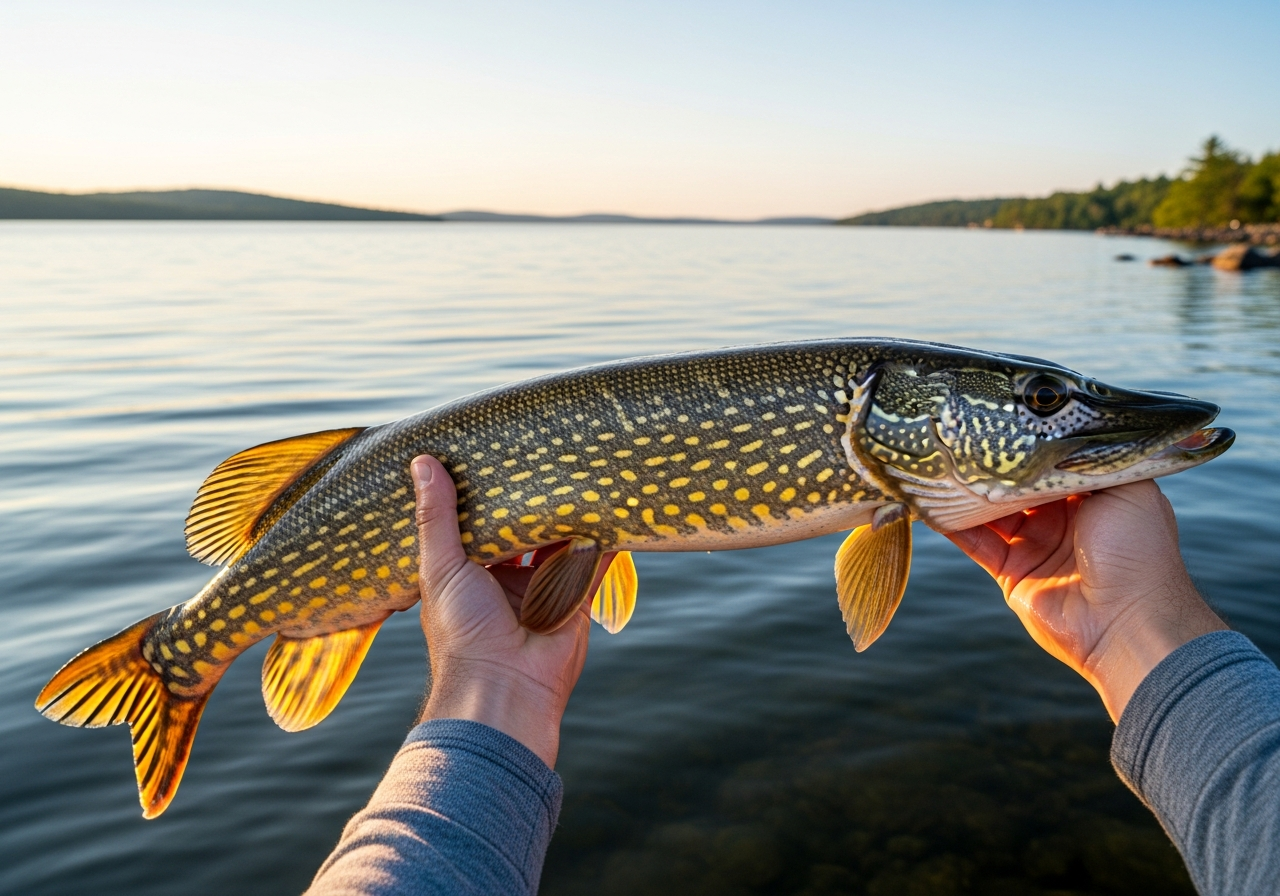
Vermont Fish & Wildlife sets the northern pike regulation at a 20-inch minimum with a 5-fish daily limit. The season is year-round. Northern pike on Lake Champlain concentrate in the shallow weedy bays: Missisquoi Bay, Inland Sea (between Grand Isle and South Hero), and the flats at the mouths of the larger tributary rivers. Spring is the best pike season. Fish spawn in the shallow weedy bays before most other species, and post-spawn pike are hungry and aggressive in April and May. Large spinnerbaits, swimbaits, and sucker minnows worked through emerging weed growth in 2 to 6 feet of water produce fish before they retreat to deeper edges in summer. Summer pike hold on the deep weed edges in 8 to 15 feet. The outside edges of the weed beds in Missisquoi Bay and the protected bays along the Vermont eastern shore are productive through summer. Fall is the second peak pike season as fish feed heavily before winter: large plugs and swimbaits worked along the weed edges in September and October produce the largest fish of the year.
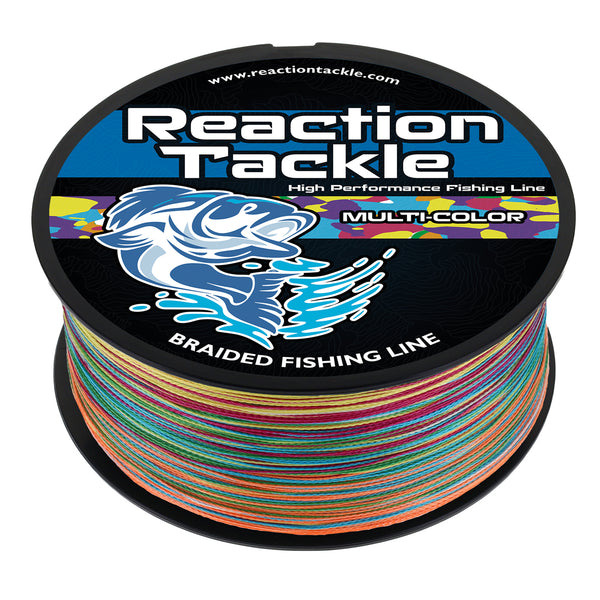
For fishing heavy cover after Walleye, I run 50-65lb braid. Zero stretch means you feel every bite and you can pull fish out of structure before they wrap you. Reaction Tackle is where I restock. Their low-vis green disappears in most water conditions.
Top Fish to Target in Lake Champlain
Lures for Lake Champlain
Tackle matched to this lake's species and structure.
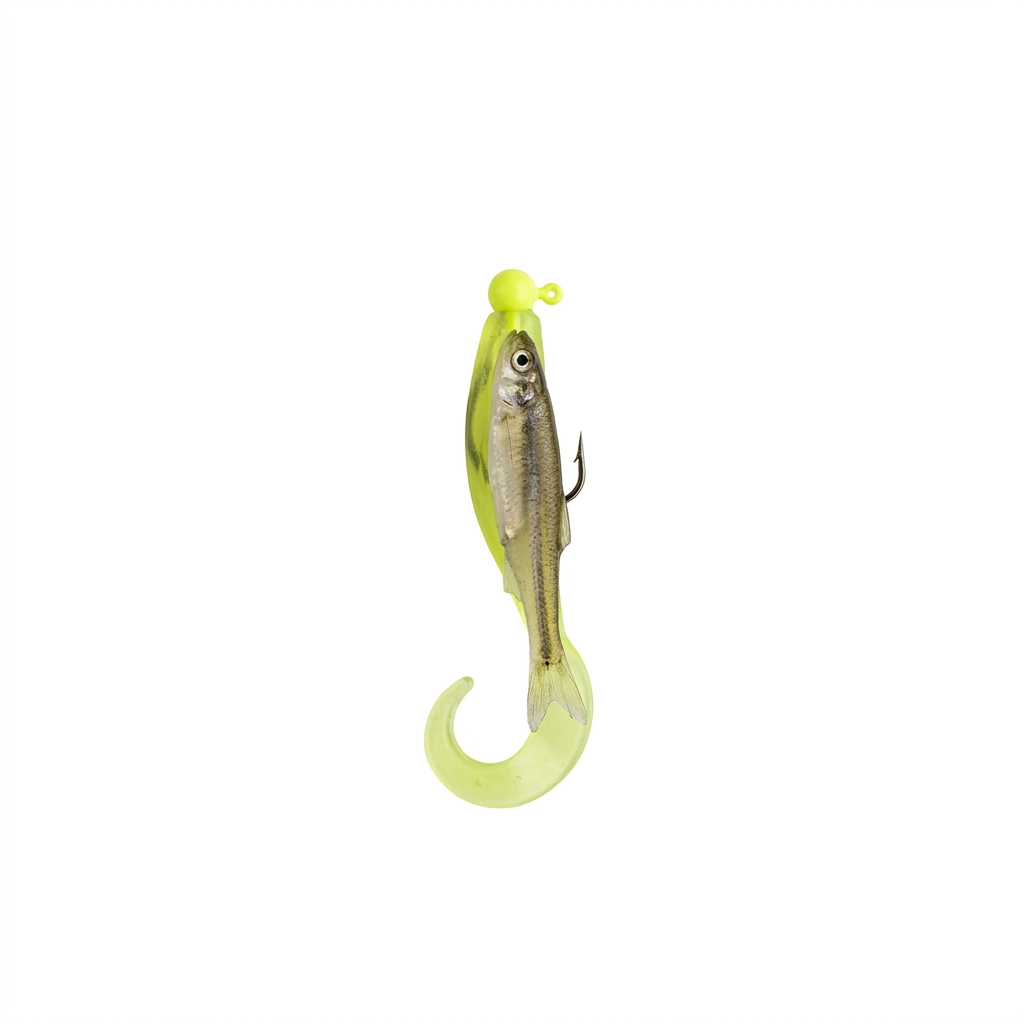
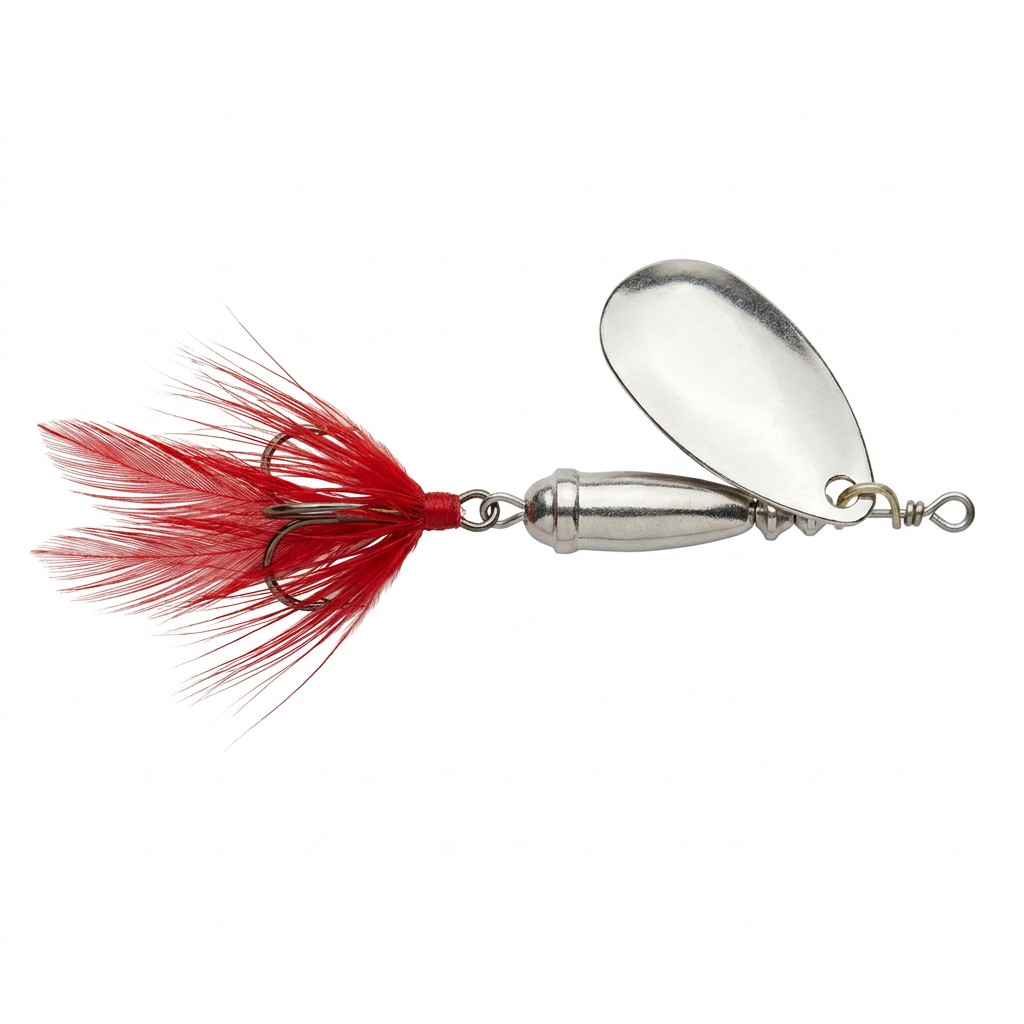
Worth checking before any trip: your line. Old braid gets brittle at the tag end and loses sensitivity over time. I rotate mine every season. Reaction Tackle is where I order from when it's time to restock.
About Lake Champlain
Lake Champlain is a serious bucket-list fishery for me. Lake trout in deep, cold, clear water is about as far from Texas reservoir bass as you can get: and that's exactly what makes it appealing. The smallmouth fishing on the rocky shoals here is also supposed to be exceptional. Vermont is still on my list, and Champlain is where I'd go.
Lake size and location. Lake Champlain covers 291,200 acres as a natural glacial lake on the Vermont-New York border, approximately 120 miles long with 587 miles of shoreline and more than 70 islands. Burlington, Vermont (population ~45,000) sits on the eastern shore. The lake is the eighth-largest natural freshwater lake in the continental United States. Maximum depth is 400 feet in the central basin.
Two-state regulations. Vermont Fish & Wildlife regulations apply on the Vermont waters; New York DEC regulations govern the New York side. Anglers fishing the New York shore need a valid New York fishing license; Vermont anglers need a Vermont license. The state line runs roughly down the middle of the lake. A small portion of the northernmost lake extends into Quebec, Canada: Ontario MNRF regulations apply there.
Vermont key regulations. Walleye: May 1 – March 15, 18-inch minimum, 3 fish daily. Lake trout: year-round, 15-inch minimum, 3 fish daily. Smallmouth/largemouth bass: June 14 – November 30, 12-inch minimum, 5 fish combined daily. Northern pike: year-round, 20-inch minimum, 5 fish daily. Verify current regulations at Vermont Fish & Wildlife before fishing.
Fish diversity. Lake Champlain contains 93 fish species: 78 native, 15 non-native. Beyond the primary sport species, landlocked Atlantic salmon, yellow perch, chain pickerel, and brown bullhead are also popular targets. The salmon fishery in the northern section of the lake is managed by both Vermont and New York DNR.
Missisquoi Bay. The large, shallow bay at the northeastern end of the lake (shared with Quebec) provides the primary northern pike habitat on Champlain, with extensive weed growth in 2 to 8 feet supporting spawning pike in spring. The bay also concentrates walleye in early spring as water warms ahead of the main lake.