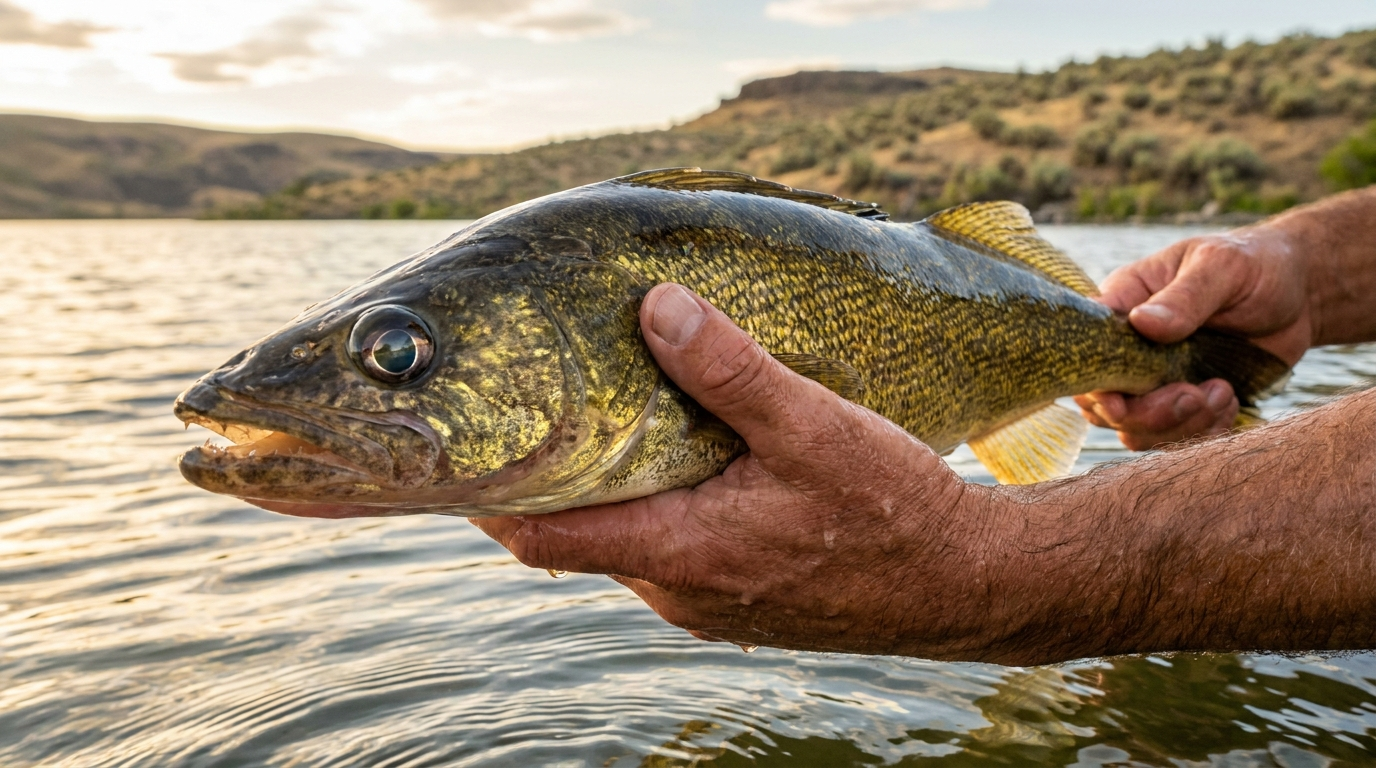
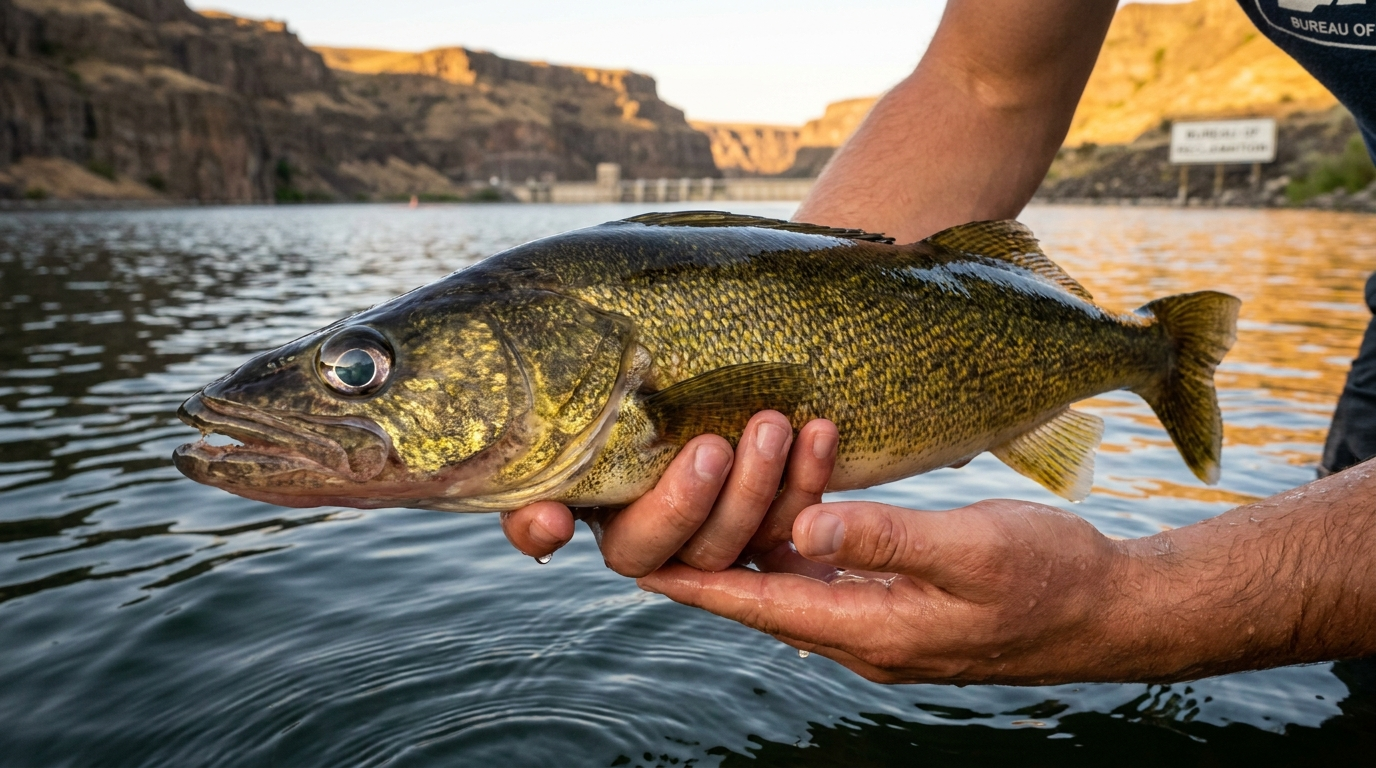
Banks Lake is the destination if you want to fish walleye in the Pacific Northwest, and the Grand Coulee scenery you're looking at while you fish is unlike anything else in the country. I want to drift the basalt walls near Steamboat Rock in early summer when the walleye are active on the rocky structure.
Today's Bite Score · October 8, 2026
Very favorable conditions for catching fish
🌘Waning Crescent
Banks Lake Fishing Report
October FishingMonthly fishing report · October patterns and techniques
Banks Lake in October is experiencing cooling water temperatures as the month progresses, which is beginning to shift fish behavior and movement patterns. Anglers are finding that fish are transitioning deeper as the lake cools, and activity levels are becoming more concentrated in specific zones. The bite is strongest during the transition periods of early morning and late afternoon as water conditions stabilize throughout the month.
Walleye and bass remain the most active species anglers are targeting in October at Banks Lake. These species are holding in deeper structure and transition zones as they respond to cooling water temperatures. Walleye in particular are finding ideal conditions in October, moving to mid-depth and deeper areas where they congregate. Anglers are finding smallmouth and largemouth bass active around rocky points and structure that provide feeding opportunities as the month progresses.
Anglers are finding success in October using live bait presentations and jigs worked through deeper water columns. The bite is responding well to traditional walleye techniques including live minnows fished near the bottom structure, as well as jigging presentations in 20 to 40 foot depths. For bass anglers, crankbaits and soft plastics worked around rocky areas are producing throughout the month. Early morning sessions before the sun warms the water are proving most productive for consistent action.
Get More Fishing Report Specifics
Tap a topic button below for a report on current conditions.
Tap a topic above to get a current report for Banks Lake.
Answers are generated on demand and cached. No AI call fires until you tap a tab.
Banks Lake Fishing Guides
Looking for a Banks Lake fishing guide? This Columbia Basin reservoir in eastern Washington has walleye and bass in numbers, and guides who understand the irrigation-fed water patterns here know exactly where fish stage season to season. Here are 3 fishing guides for Banks Lake that are worth checking out.
Banks Lake Fishing Strategies by Species
Seasonal patterns and techniques by target species · Verified against official sources
Banks Lake is Washington State's premier walleye fishery and one of the most unusual reservoirs in the American West. The 26,000-acre Bureau of Reclamation reservoir was created as an equalizing reservoir for the Columbia Basin Project, occupying the ancient Grand Coulee - a canyon carved by Ice Age floods in the basalt plateau of eastern Washington. Banks Lake sits between the North and South coulee dams, with water pumped from Lake Roosevelt above Grand Coulee Dam to fill it. The basalt cliff walls, the clear water, and the consistent walleye fishing make Banks Lake a distinctive destination for anglers across the Pacific Northwest. Washington WDFW regulations apply: verify current walleye and bass limits at wdfw.wa.gov before fishing.
Banks Lake Walleye Fishing Report
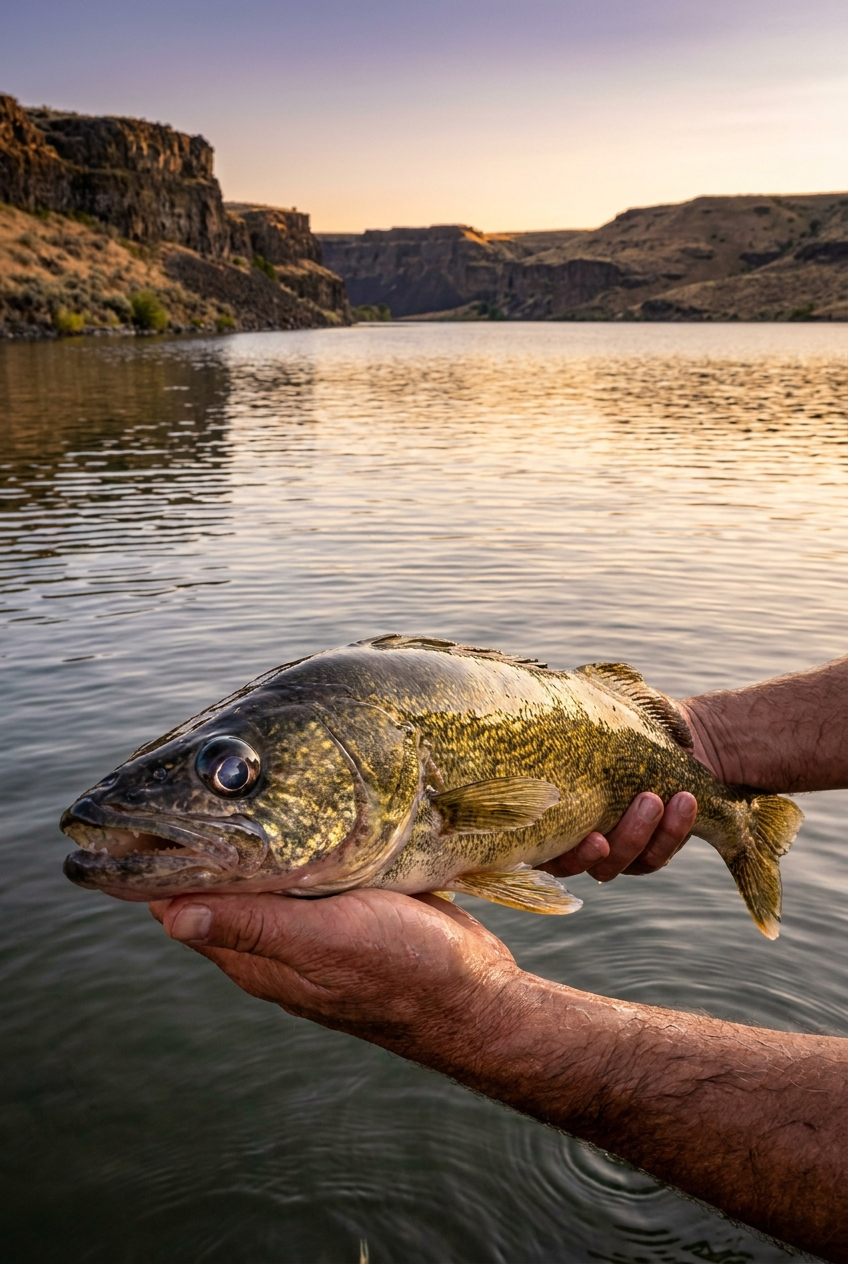
Walleye are the defining species of Banks Lake and have made it one of the most sought-after walleye destinations west of the Mississippi River. The combination of rocky basalt structure, clear water, and the lake's long narrow channel creates ideal walleye habitat. Banks Lake walleye grow to quality sizes, with fish over 20 inches common and trophy fish over 27 inches encountered regularly. Washington WDFW has established specific walleye regulations for Banks Lake, including size and bag limits that must be verified at wdfw.wa.gov before fishing. Spring walleye fishing (April through June) is consistently the most productive on Banks Lake. Fish stage near the rocky basalt structure along the channel walls, the points extending into the lake, and the shallower flats near the north and south ends of the reservoir. Jigs tipped with nightcrawlers or plastics worked on the bottom along the basalt walls and transitional areas between rock and sand produce the most fish. The basalt cliff walls near Steamboat Rock State Park are particularly reliable spring walleye structure. Summer walleye are caught by drifting jigs or pulling crankbaits along the rocky main channel structure in the early morning and evening hours when fish are most active. Fall and winter walleye fishing in Banks Lake can be exceptional as fish concentrate and feed aggressively.
Banks Lake Largemouth Bass Fishing Report
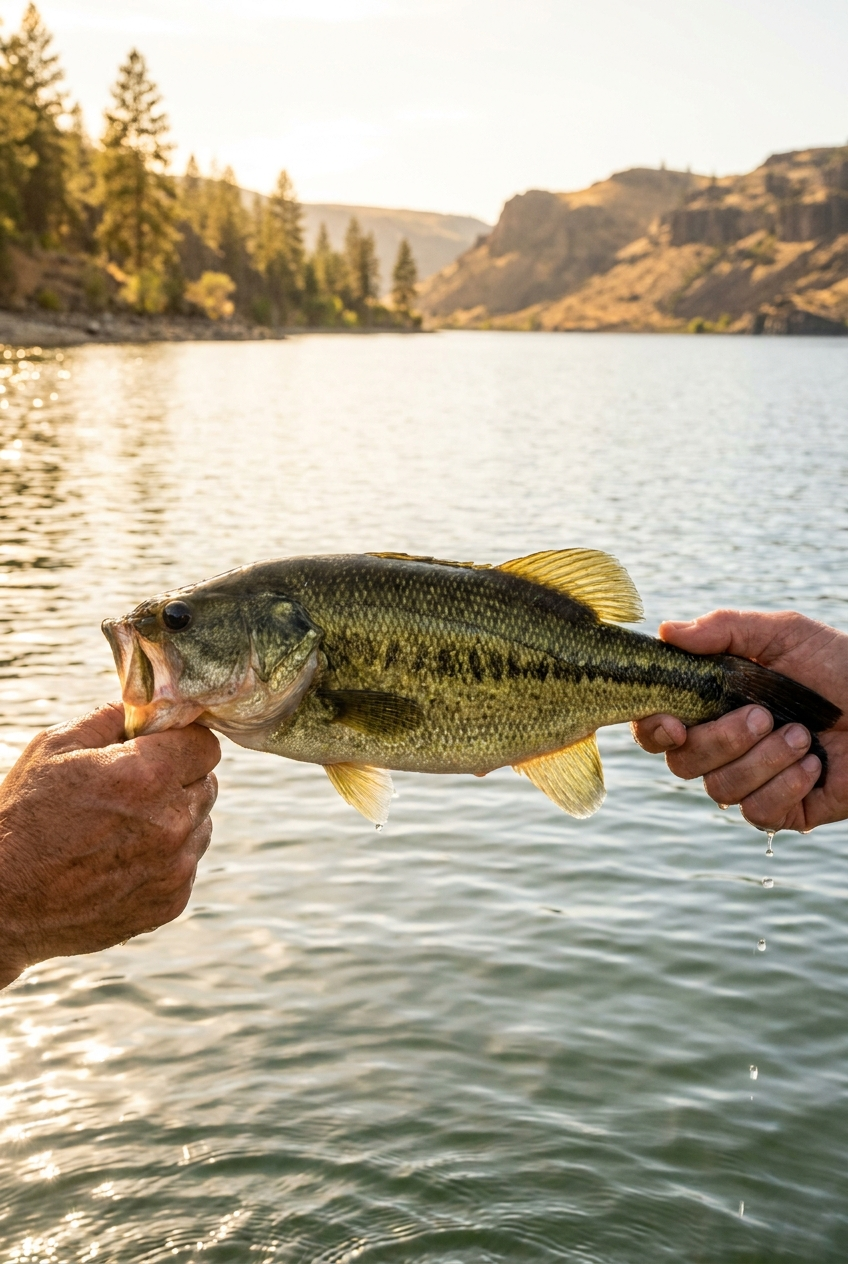
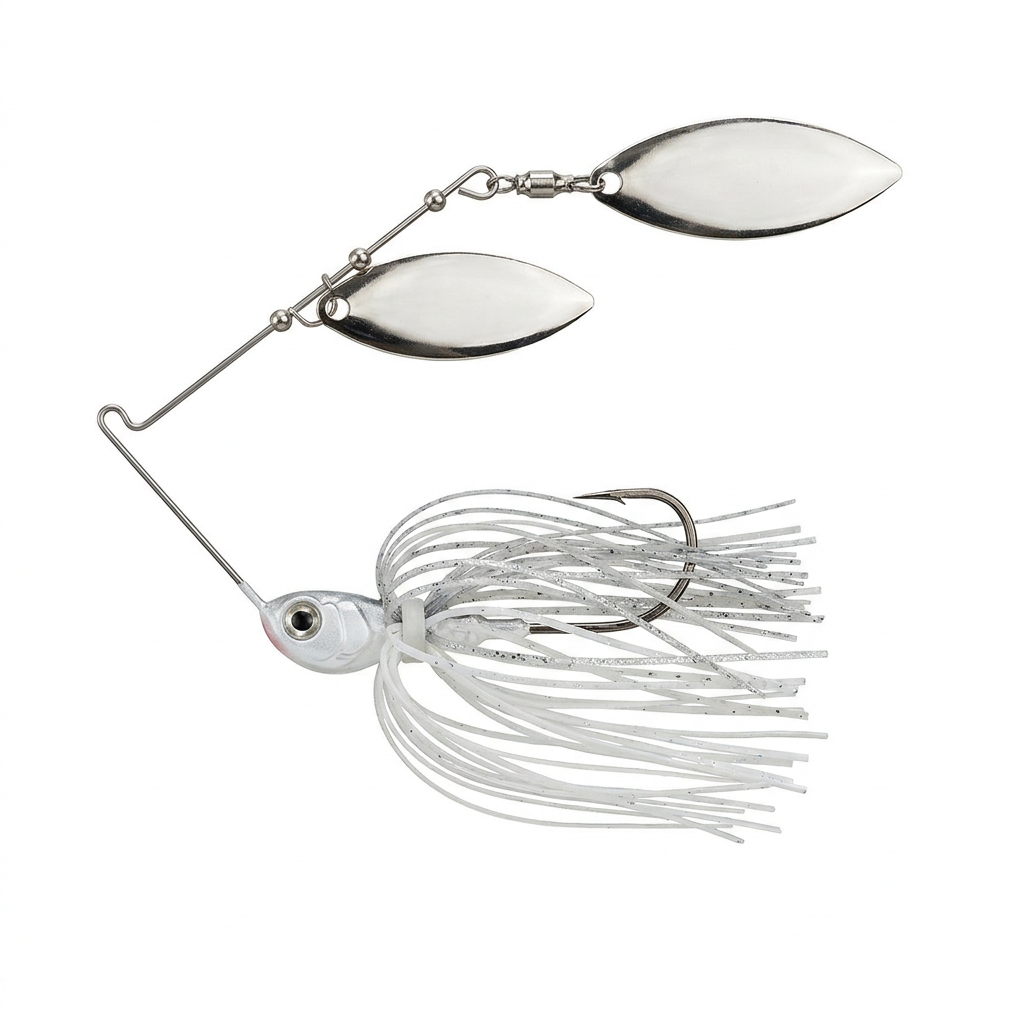
Largemouth bass occupy the warmer, shallower coves and the areas with vegetation, dock structure, and debris along the Banks Lake shoreline. The southern end of the lake near Coulee City and the warmer coves throughout the lake hold the most consistent largemouth populations. Spring bass fishing is excellent in the protected coves where fish spawn in 2 to 6 feet near any available cover in this generally rocky, open-water environment. Spinnerbaits and Texas-rigged worms work well around the scattered cover in the bass-holding coves. The limited vegetation on Banks Lake means bass relate strongly to the rocky structure and any available wood or dock cover. Bass on Banks Lake share the water with walleye and are often caught incidentally by walleye anglers drifting jigs near the shallower rocky points. Summer bass fishing is most productive in the early morning hours near the shaded basalt walls and the dock cover near the lake's developed shoreline areas. Verify Washington bass regulations at wdfw.wa.gov.
Banks Lake Smallmouth Bass Fishing Report
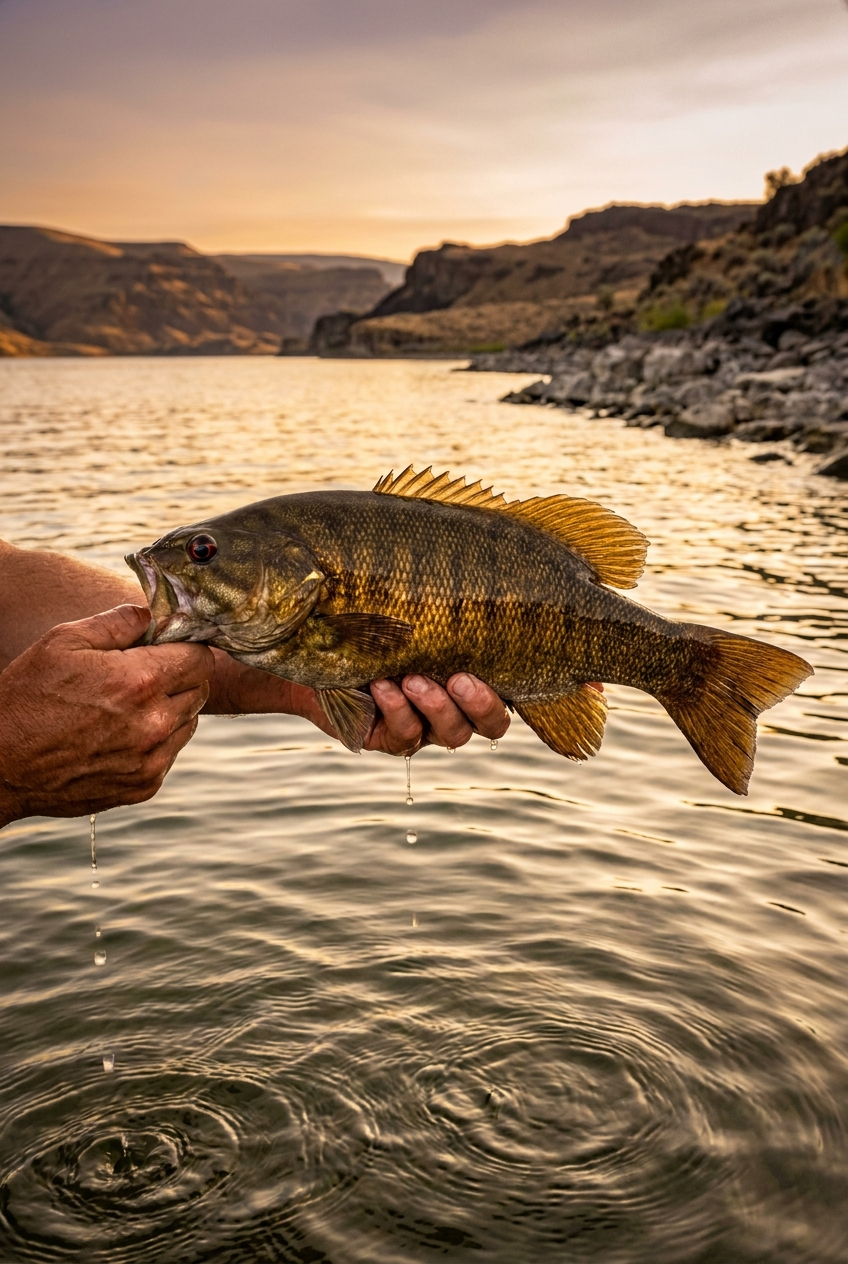
Smallmouth bass thrive in the rocky basalt environment of Banks Lake, finding the hard-bottom structure and clear water ideal for their preferred habitat. The basalt cliff walls, the rocky points extending into the lake, and the main channel structure near the center of the reservoir hold smallmouth throughout the year. Smallmouth bass on Banks Lake are often found in the same rocky areas that produce walleye, making targeting them straightforward for anglers already working the main structure. Jigs, drop-shot rigs, and Carolina rigs worked along the basalt walls in 8 to 20 feet produce quality smallmouth, particularly in spring and fall when fish are most active in shallow-to-mid depths. The Steamboat Rock area and the rocky points throughout the middle and northern sections of the lake are reliable smallmouth spots. Summer smallmouth fishing requires going deeper on the basalt structure during midday but fish become accessible again in the evening near the rocky margins. Verify current Washington smallmouth regulations at wdfw.wa.gov.
Banks Lake Rainbow Trout Fishing Report
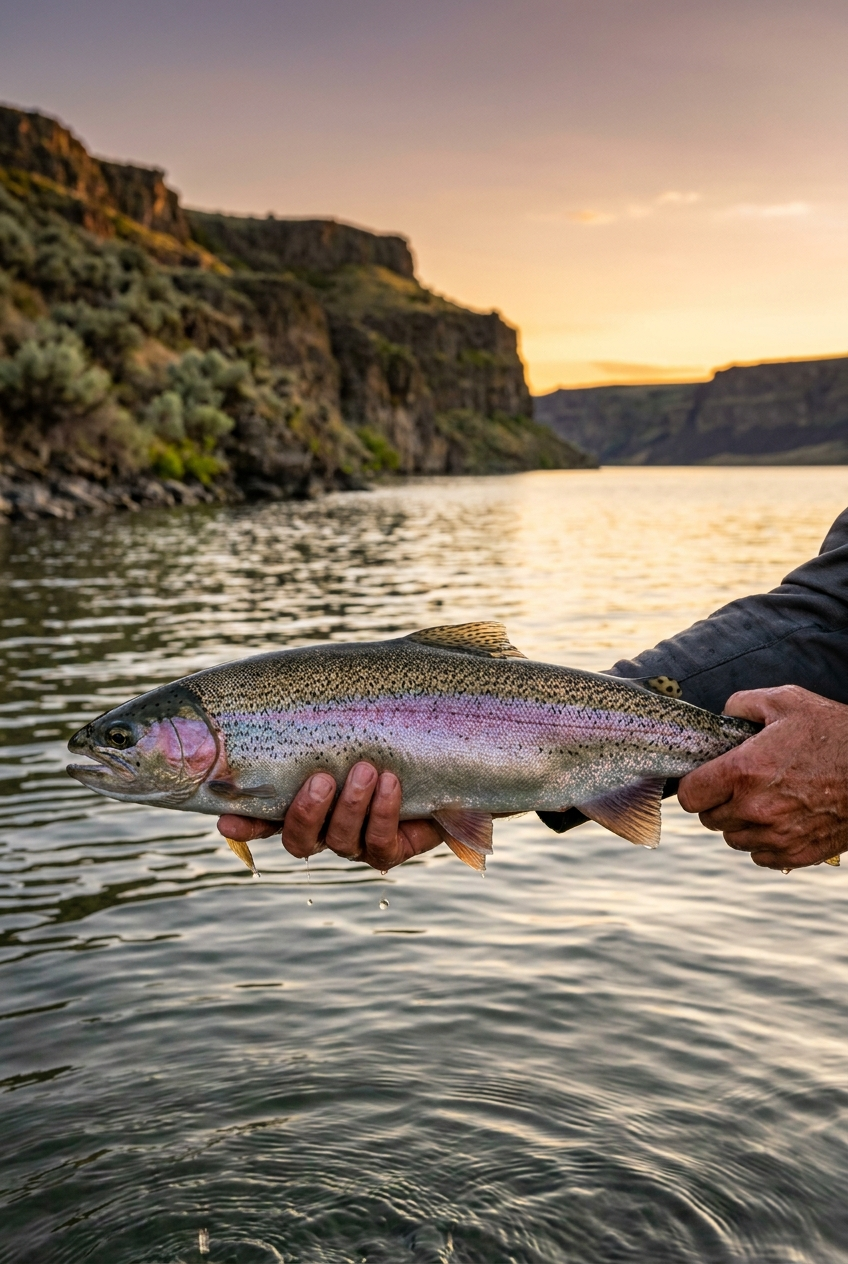
Rainbow trout are stocked in Banks Lake by Washington WDFW, adding a cold-water element to the primarily warm-water fishery. The pumped water from Lake Roosevelt brings cold water into Banks Lake that supports trout through much of the year. Trout fishing is most productive in early spring before water temperatures warm and in fall as surface temperatures cool. Trolling with rooster-tail spinners and small crankbaits along the deeper sections of the main channel produces the best rainbow trout catches. Shore fishing near the public access areas at Coulee City, Steamboat Rock State Park, and the North Dam area produces rainbow trout in the cooler months. Bait fishing with PowerBait and salmon eggs near the bottom in 8 to 20 feet is a consistent approach. Washington WDFW maintains stocking schedules for Banks Lake: verify current stocking information and rainbow trout regulations at wdfw.wa.gov before planning a trout-focused trip.
Banks Lake Yellow Perch Fishing Report
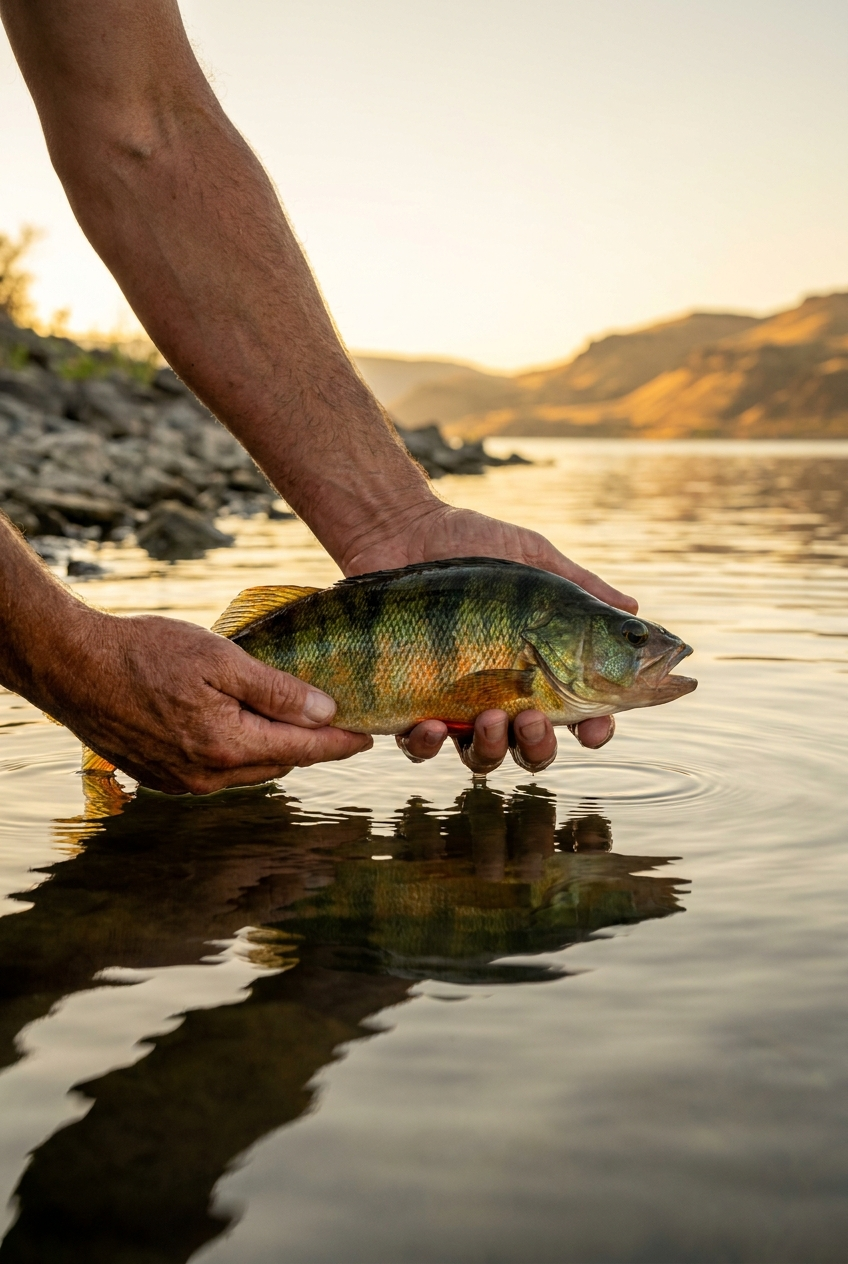
Yellow perch are abundant in Banks Lake and provide excellent year-round panfish action, particularly in the shallower sandy and gravelly areas near the lake's developed access points. Perch school in large numbers and are caught consistently in 10 to 25 feet over sandy or mixed bottom. The areas near Coulee City, the boat launch facilities, and the shallower portions of the south end of the lake are reliable perch fishing spots. Small jigs tipped with nightcrawler pieces or minnows worked vertically produce consistent perch catches. Perch fishing is a family-friendly activity that is productive throughout the day, unlike walleye and bass, which are most active at dawn and dusk. Banks Lake perch grow to quality sizes in the productive lake ecosystem. Winter ice fishing for perch can be possible on the shallower sections of Banks Lake when freezing temperatures persist. Verify current perch bag limits at wdfw.wa.gov.
Banks Lake Crappie Fishing Report
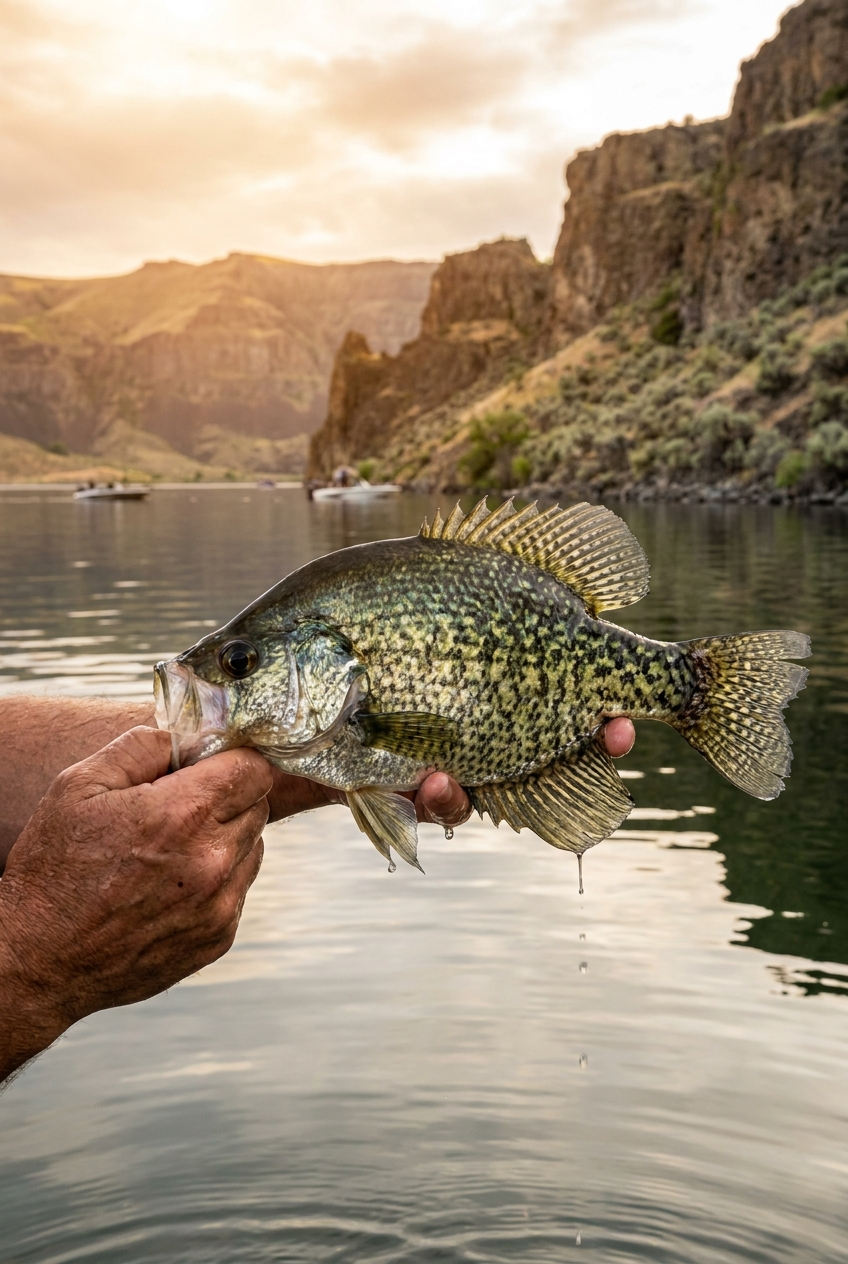
Crappie are present throughout Banks Lake and concentrate near any available wood structure, submerged brush, and dock pilings that the otherwise rocky environment provides. The marina areas, boat docks, and the protected coves on the warmer southern end of the lake hold the most consistent crappie populations. Spring crappie fishing peaks when fish move shallow to spawn near wood and brush in 3 to 8 feet. Crappie jig-minnow rigs and small tube jigs worked around the dock structure and the brush near the lake's boat ramp areas produce the best catches. Night fishing around lighted dock areas in summer is a reliable warm-weather crappie technique. Banks Lake crappie populations are lighter than the walleye and bass fisheries but provide good supplemental fishing on days when targeting the primary species is slow. Verify current crappie regulations at wdfw.wa.gov.
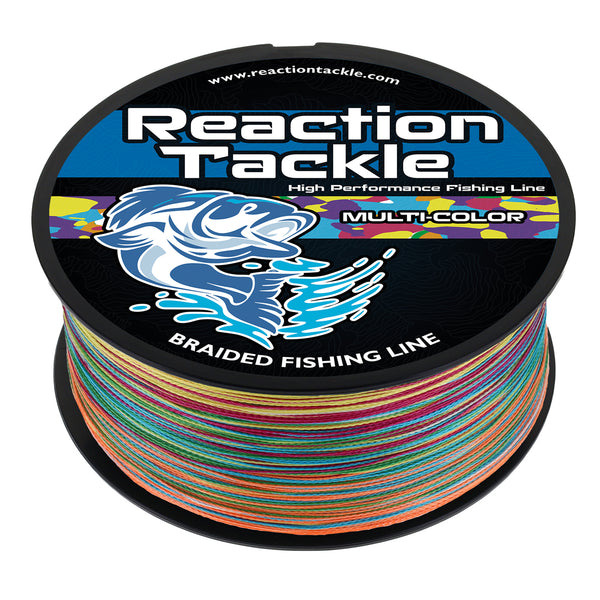
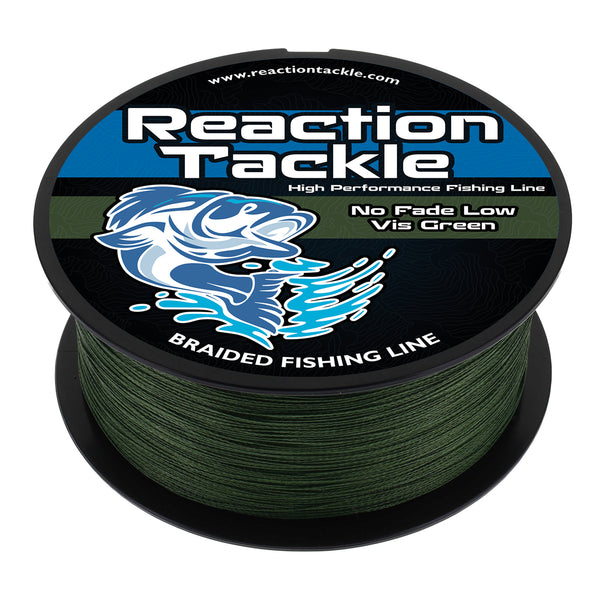
For fishing heavy cover after Walleye, I run 50-65lb braid. Zero stretch means you feel every bite and you can pull fish out of structure before they wrap you. Reaction Tackle is where I restock. Their low-vis green disappears in most water conditions.
Top Fish to Target in Banks Lake
Lures for Banks Lake
Tackle matched to this lake's species and structure.
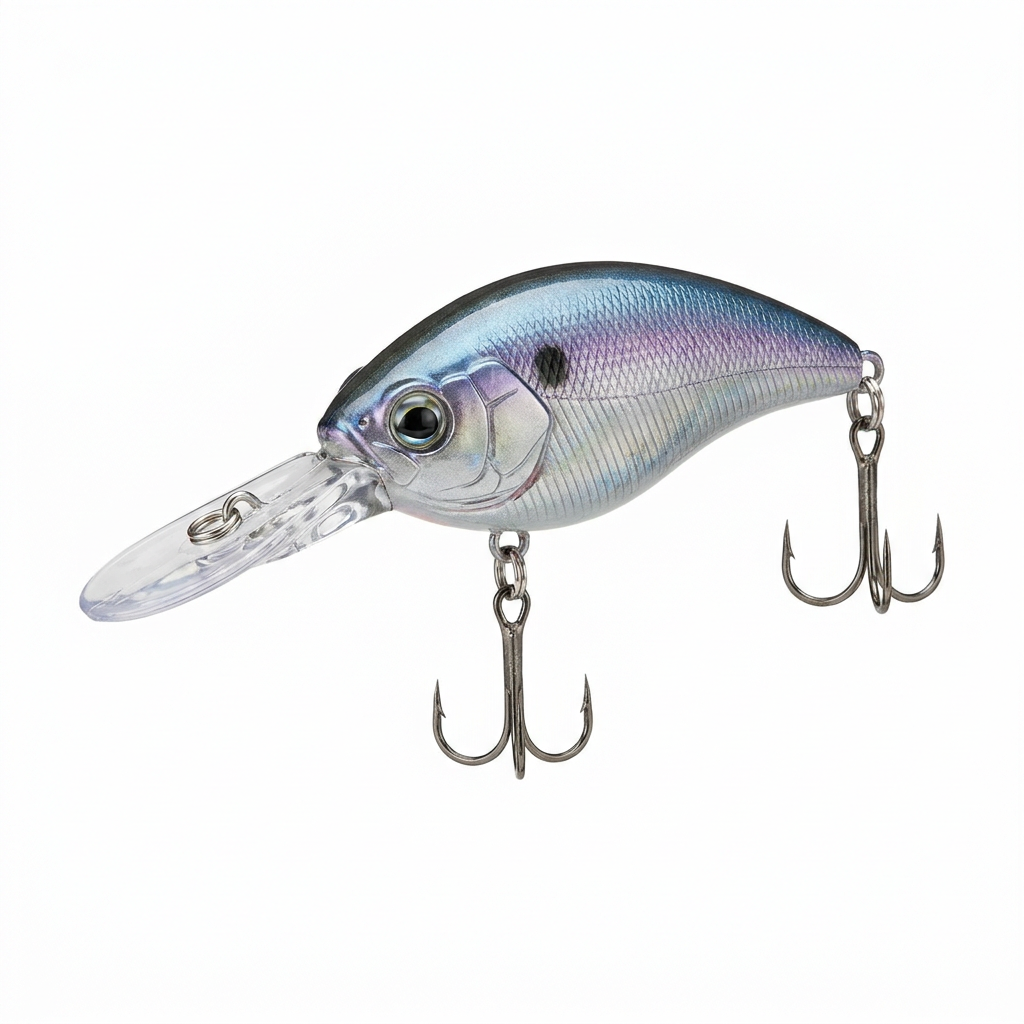
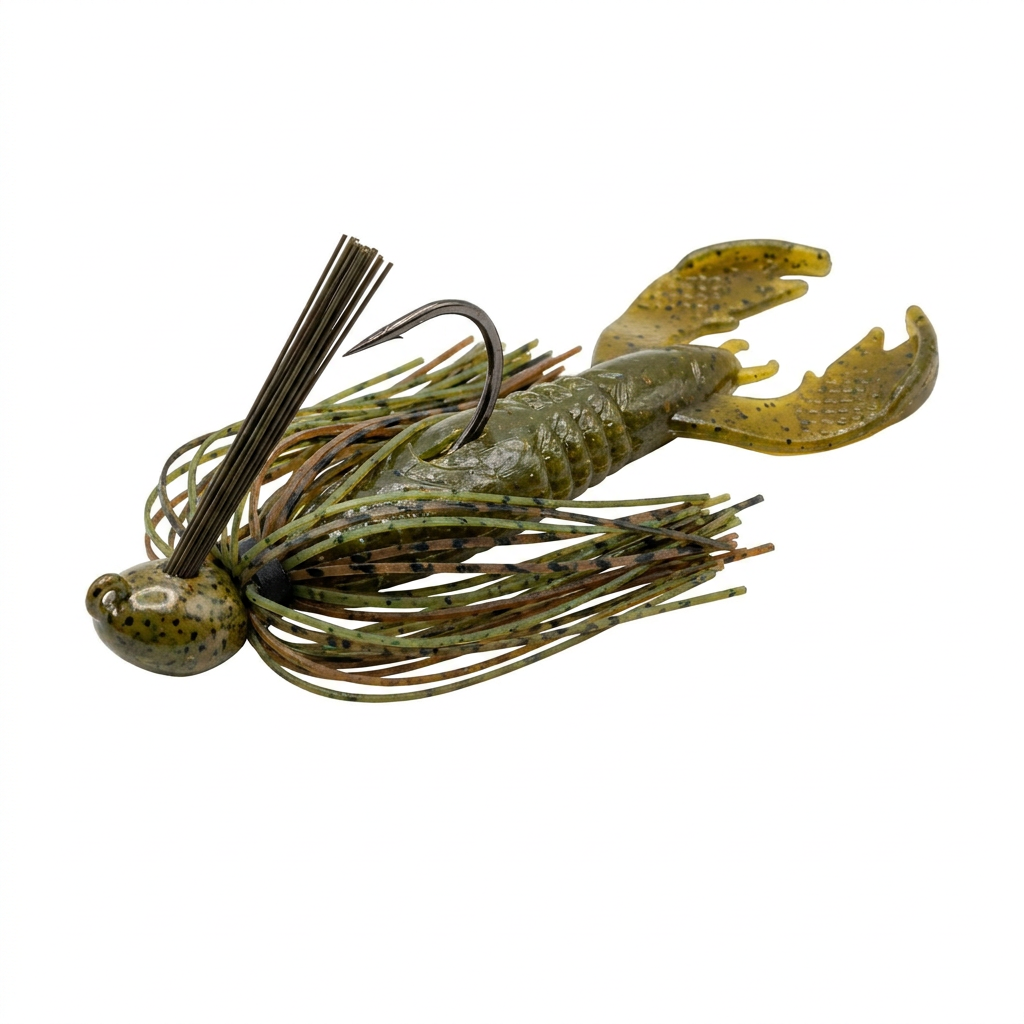
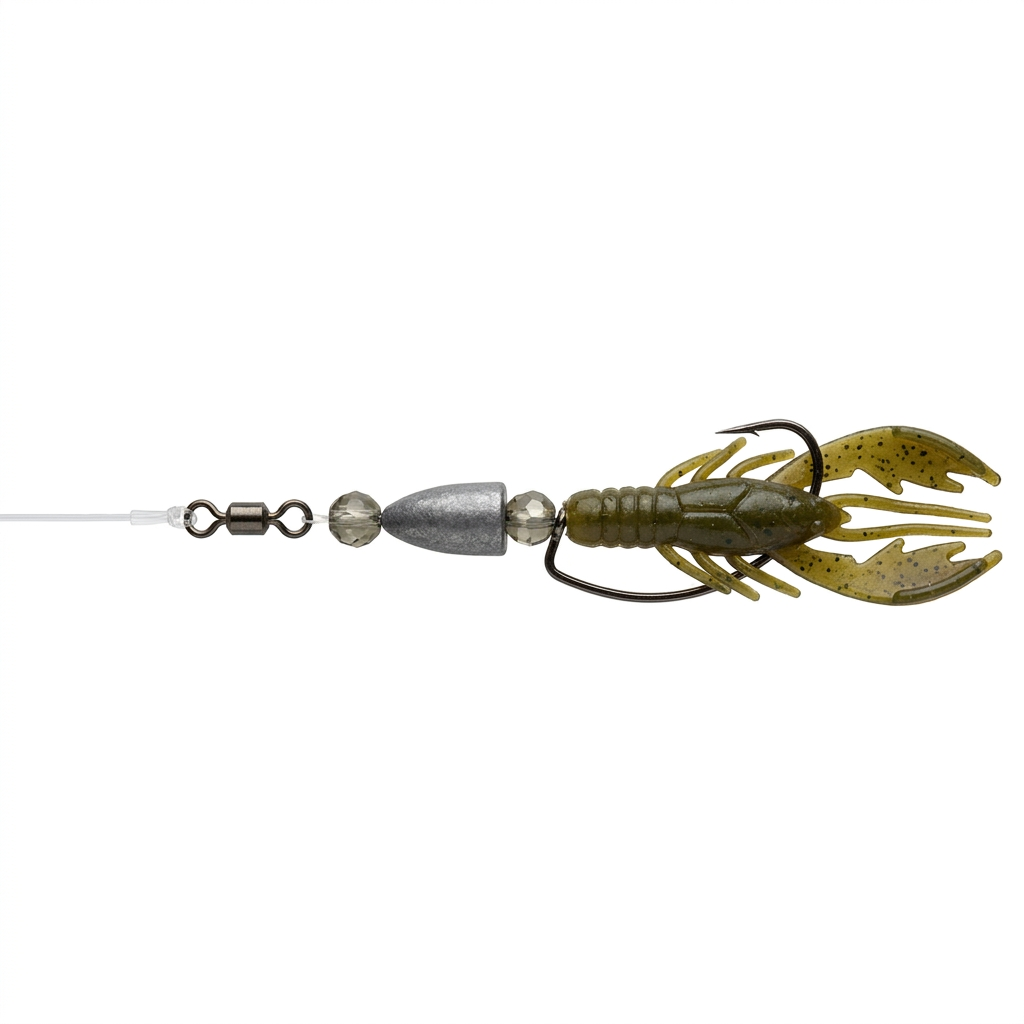
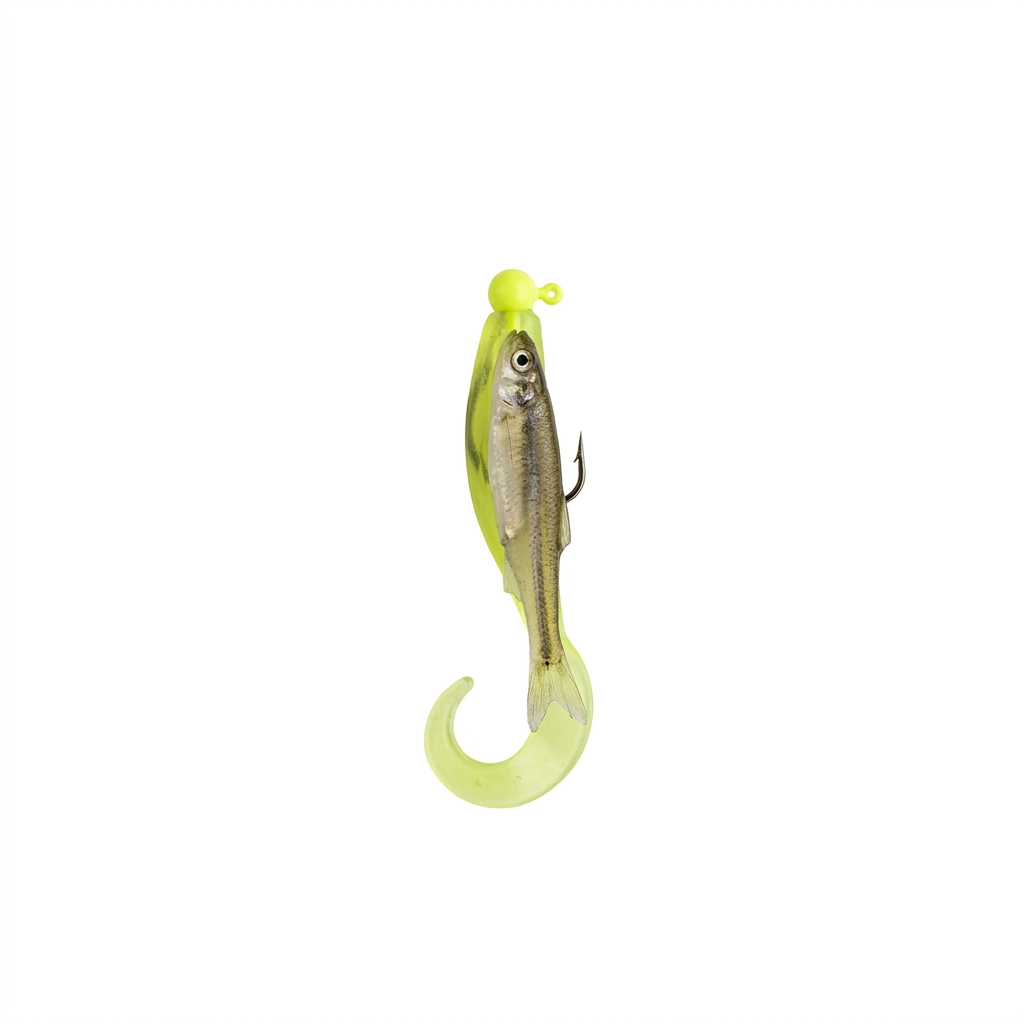
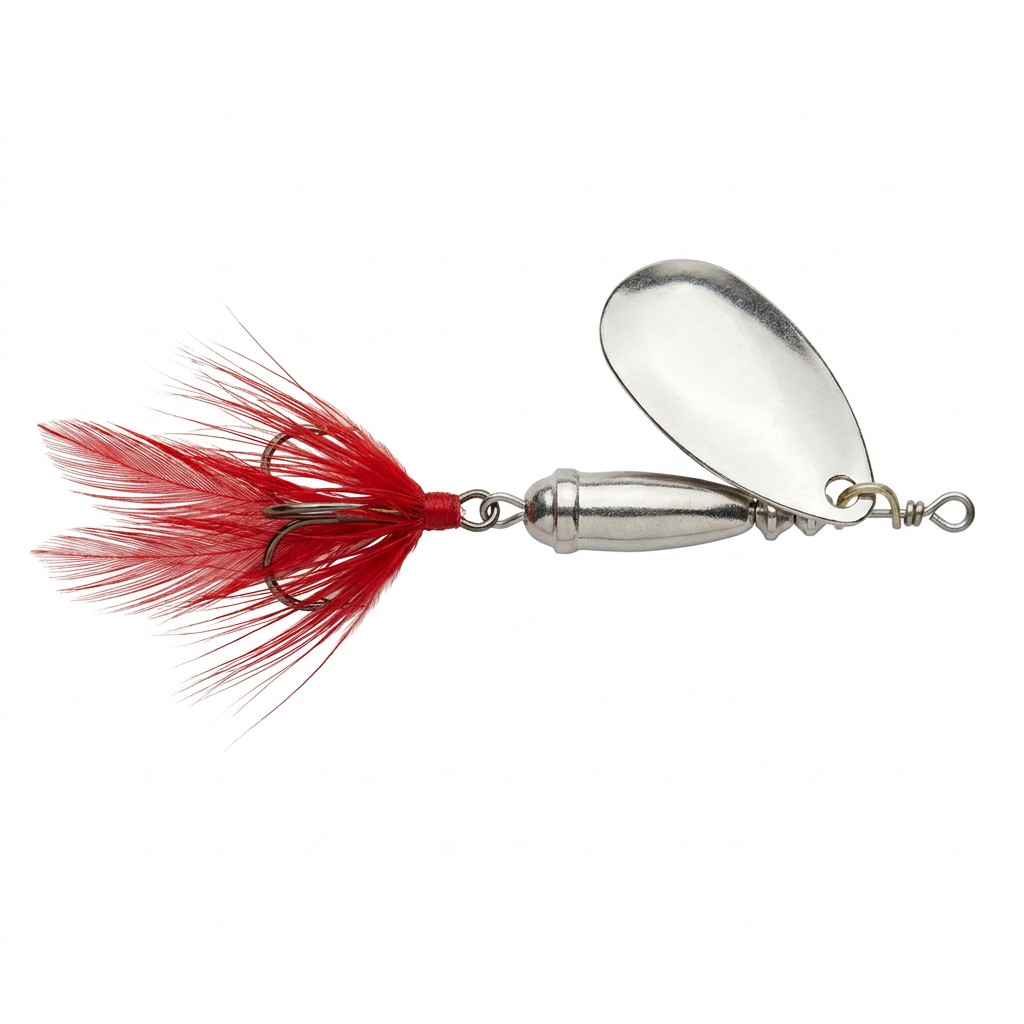
Worth checking before any trip: your line. Old braid gets brittle at the tag end and loses sensitivity over time. I rotate mine every season. Reaction Tackle is where I order from when it's time to restock.
About Banks Lake
Banks Lake is one of the most geologically remarkable reservoirs in North America. The 26,000-acre Bureau of Reclamation lake occupies the Grand Coulee - an ancient canyon carved by Ice Age cataclysmic floods in the basalt plateau of eastern Washington. The sheer basalt walls rising hundreds of feet above the water, the clear green water, and Steamboat Rock State Park make this one of the most visually dramatic fishing destinations in the Pacific Northwest.
Columbia Basin Project engineering. Banks Lake is not fed by a river in the traditional sense. Water is pumped 280 feet uphill from Lake Roosevelt (the reservoir above Grand Coulee Dam) through massive pump-generating plants and delivered to Banks Lake, which then distributes it via irrigation canals throughout the Columbia Basin Project. The North and South coulee dams contain the lake at each end of the Grand Coulee channel. This unique engineering created a remarkable fishery in an unlikely location.
Washington's premier walleye lake. Washington WDFW designates Banks Lake as the top walleye fishery in the state. The combination of rocky basalt structure, productive water chemistry from the pumped Columbia River water, and careful management has produced outstanding walleye fishing. The lake receives considerable regional attention from walleye anglers throughout spring and early summer. Steamboat Rock State Park provides camping and boat launch access near some of the lake's best walleye structure.
Access and facilities. Steamboat Rock State Park provides the primary camping and boat launch facilities in the middle of the lake. Additional access exists at Coulee City on the south end and near the North Dam. The lake is accessible from U.S. Highway 2 via Coulee City or Washington State Route 155 from Grand Coulee. Verify all fishing regulations at wdfw.wa.gov and obtain a Washington fishing license before fishing Banks Lake.