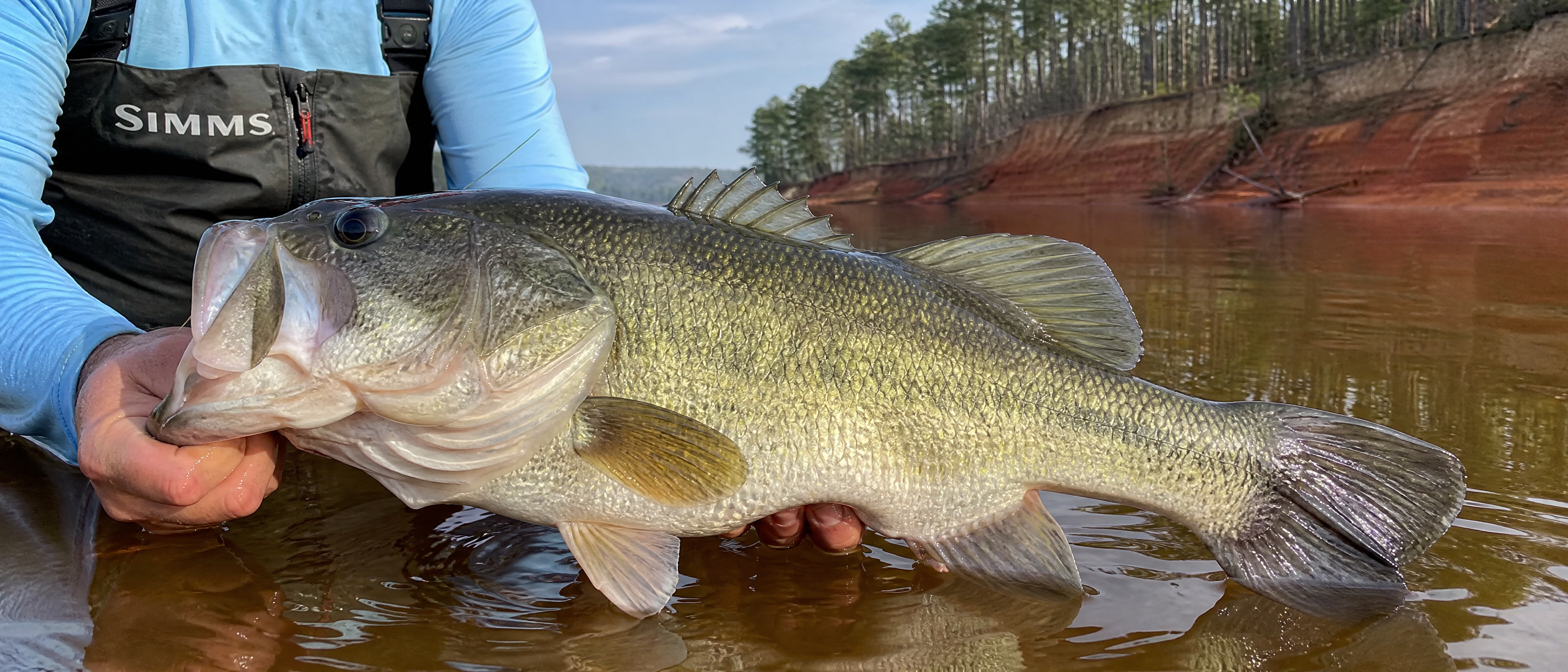
Lake Eufaula is one of those sprawling Southeast bass lakes I'd genuinely love to spend a week on. 640 miles of shoreline, a serious tournament pedigree, and Alabama still ahead of me on the state list.
Today's Bite Score · October 8, 2026
Above average conditions worth planning a trip
🌘Waning Crescent
Lake Eufaula Fishing Report
September FishingMonthly fishing report · September patterns and techniques
Lake Eufaula in September presents anglers with transitional water conditions as the month progresses. The bite is responding to changing environmental factors as summer heat begins to moderate. Fish behavior in September reflects the lake's shift from peak summer patterns, with species beginning to adjust their positioning and feeding habits in response to these gradual changes.
Anglers are finding crappie to be particularly active in September at Lake Eufaula. The bite for crappie remains strong throughout this month, making it an excellent target species for those fishing the lake. Fish are holding in areas that provide relief from the water column, and their feeding patterns in September offer consistent opportunities for anglers who understand these monthly transitions.
The most effective techniques in September at Lake Eufaula involve targeting crappie with methods suited to their September behavior. Anglers should focus on areas where crappie are congregating this month and adjust their presentations accordingly. The bite responds well to fishing strategies that account for September conditions, helping anglers locate and catch fish more consistently throughout the month.
Get More Fishing Report Specifics
Tap a topic button below for a report on current conditions.
Tap a topic above to get a current report for Lake Eufaula.
Answers are generated on demand and cached. No AI call fires until you tap a tab.
Lake Eufaula Fishing Guides
Looking for a Lake Eufaula fishing guide? 640 miles of Chattahoochee River shoreline is a lot of water to learn, and the trophy largemouth here punish anyone fishing the wrong areas without local intel. Go here → to check out our recommended fishing guides for Lake Eufaula. Then scroll down on that page to see all of the Lake Eufaula fishing guides.
Lake Eufaula Fishing Strategies by Species
Seasonal patterns and techniques by target species · Verified against official sources
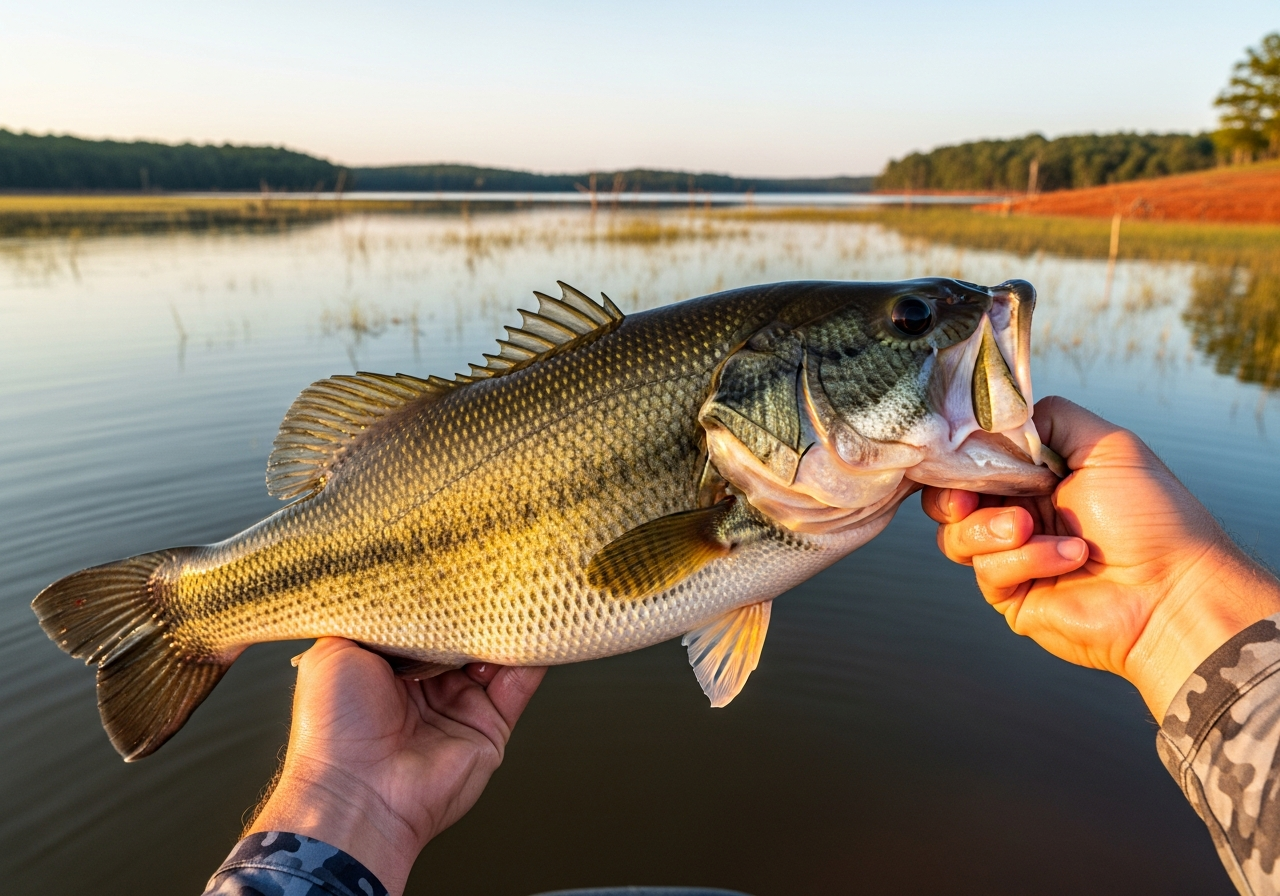
Largemouth bass are the signature species at Lake Eufaula, with fishing publications and tournament organizers consistently ranking it among the Southeast's best spring bass destinations. The Cowikee Creek arm, Pataula Creek, and the Chattahoochee River channel edges are the primary bass areas, with prespawn fish loading up on main lake points from February through April before moving shallow to bed. USACE and Georgia DNR maintain cedar-tree fish attractors in Georgia waters (marked with buoys, maps available from the USACE Natural Resources Site Office) that concentrate crappie and bass year-round. Alabama and Georgia have a reciprocal license agreement on the lake, but size limits and bag limits may differ between states: verify current regulations with both ADCNR and GA DNR before fishing.
Lake Eufaula Largemouth Bass Fishing Report
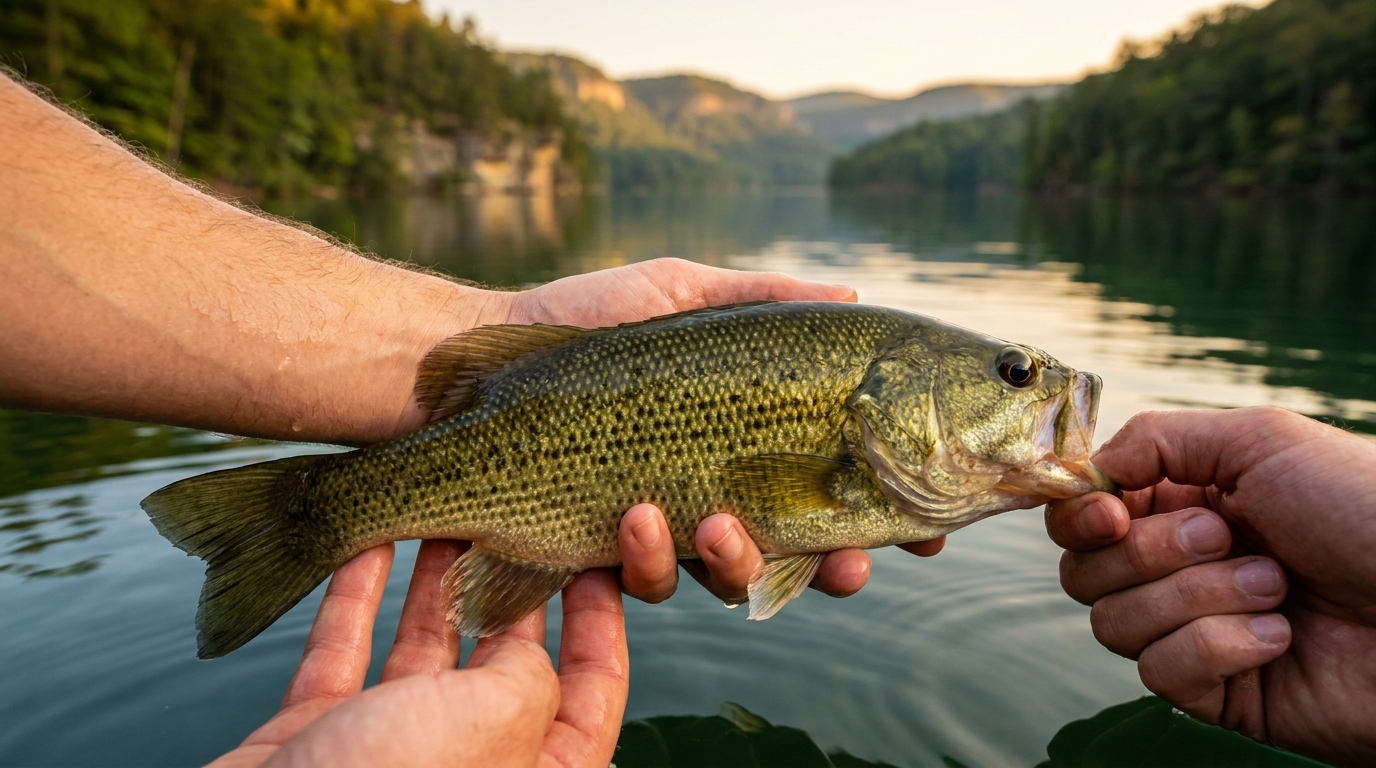
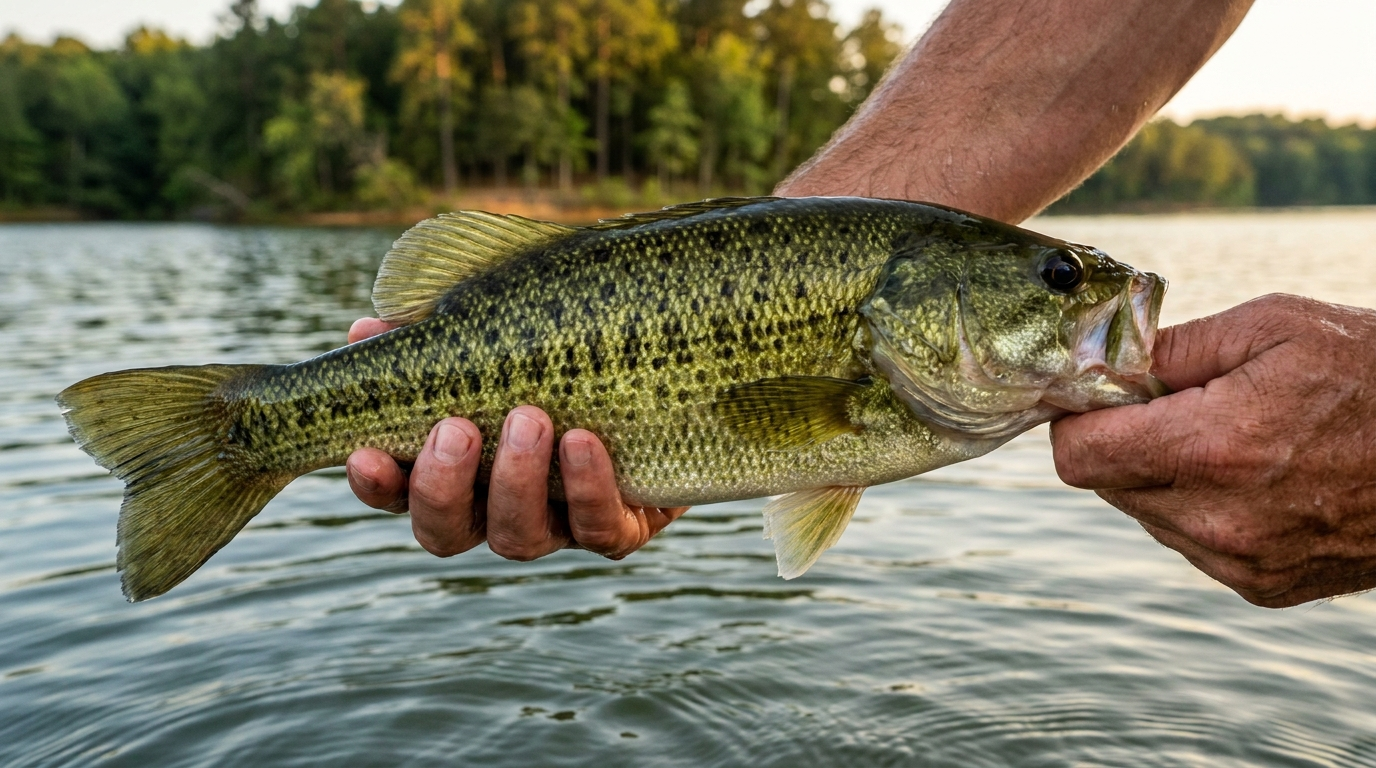
Lake Eufaula is one of the Southeast's most celebrated largemouth bass fisheries, with a national reputation for trophy-class fish and a consistent spring tournament circuit that draws the country's best anglers. The lake's 640 miles of shoreline, the red clay banks of the Chattahoochee valley, Cowikee Creek, Pataula Creek, and the dozens of wooded tributary arms provide diverse bass habitat that produces big fish across multiple seasons. Alabama and Georgia both require a 14-inch minimum for largemouth bass. Verify current size limits and bag limits at ADCNR (outdooralabama.com) and GA DNR: state regulations may differ for some parameters. Spring is the defining season at Lake Eufaula. The lake produces its heaviest bass tournament weights from February through April, when prespawn fish load up on the main lake points and secondary structure and then push shallow to bed in the clay and gravel of the protected coves throughout the Cowikee Creek arm, Wylaunee Creek, and the Bustahatchee Creek area. Fishing publications specifically identify spring as the peak tournament window and the most reliable time for trophy-class fish over 5 pounds. Summer bass fishing requires deeper presentations: fish retreat to the 12 to 20-foot ledges and channel swings during midday in the Alabama heat. The Chattahoochee River channel edges, the transitions between clay bottom and vegetation, and the USACE/GA DNR cedar-tree fish attractors in the Georgia waters hold fish through summer. The fish attractors are marked with buoys and concentrate crappie and bass year-round. Fall brings bass back to the main lake points and cove mouths as shad schools move shallow. Crankbaits and spinnerbaits worked on the main lake points and the stumps and timber in the cove entrances produce fish through October and November. The area below the George W. Andrews Dam also produces bass from the tailrace current.
Lake Eufaula White Bass Fishing Report
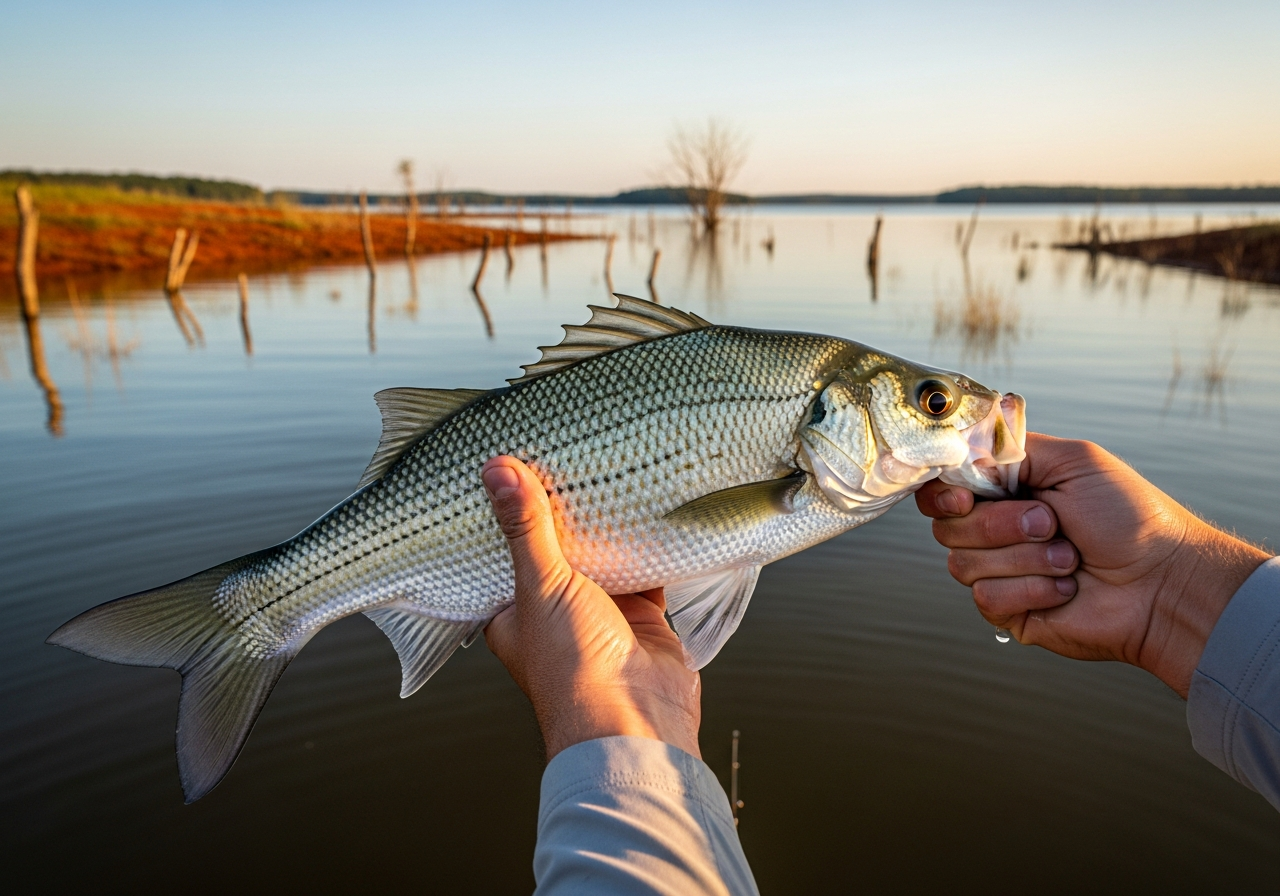
White bass and hybrid striped bass are present throughout Lake Eufaula and provide excellent open-water fishing, particularly during the spring spawning run. USACE identifies white bass and hybrids as primary gamefish in the lake. Verify current Alabama and Georgia regulations for white bass before fishing. Spring white bass fishing peaks from February through April as fish move from the main lake into the Chattahoochee River arm and the major tributary creeks to spawn. Schools of white bass in the current areas of the upper Chattahoochee arm and the mouths of the larger creeks create fast action for small jigs, spinners, and tiny crankbaits. Summer white bass and hybrid stripers school on the main lake, chasing shad on the surface during low-light periods near the main lake points and open water. Fall surface schooling activity continues as water temperatures drop.
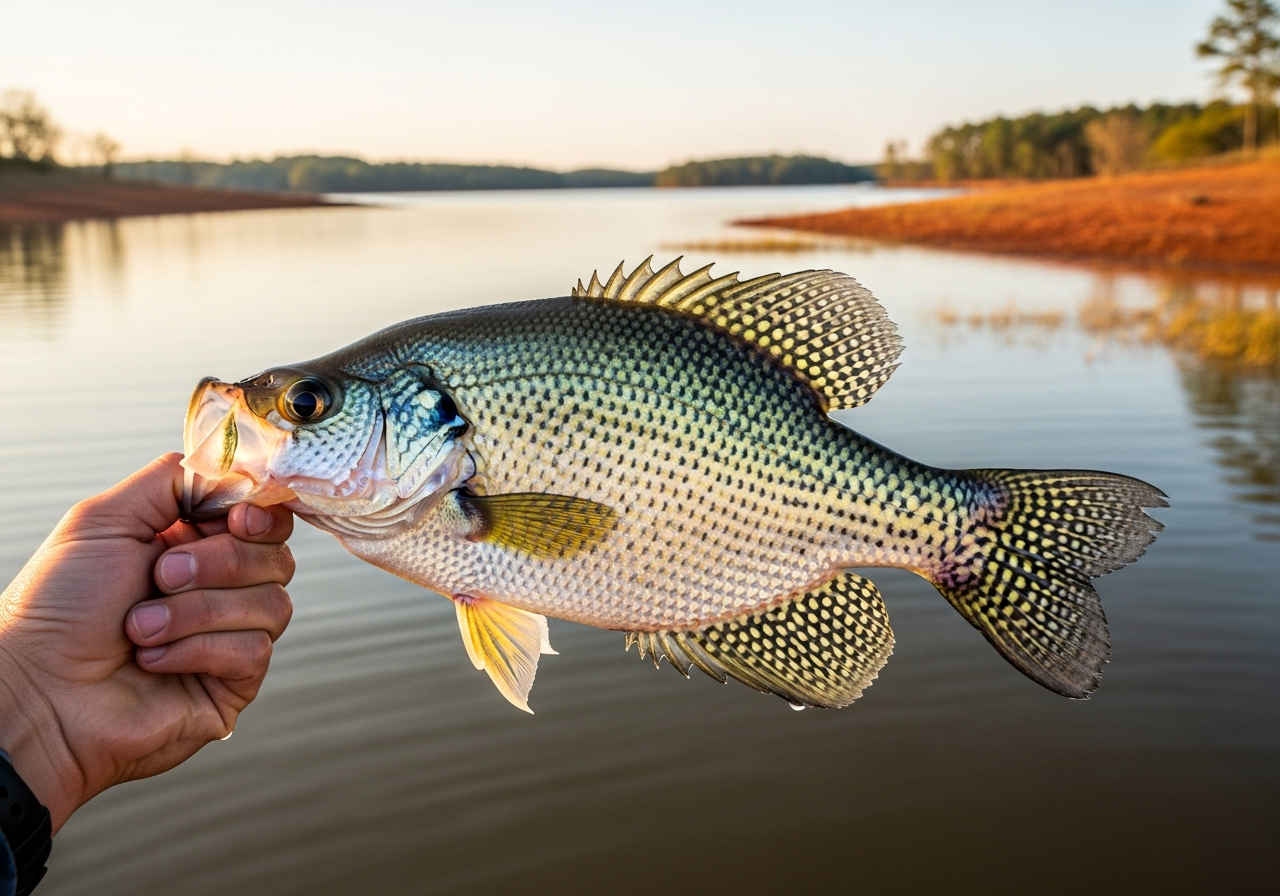
Lake Eufaula Crappie Fishing Report
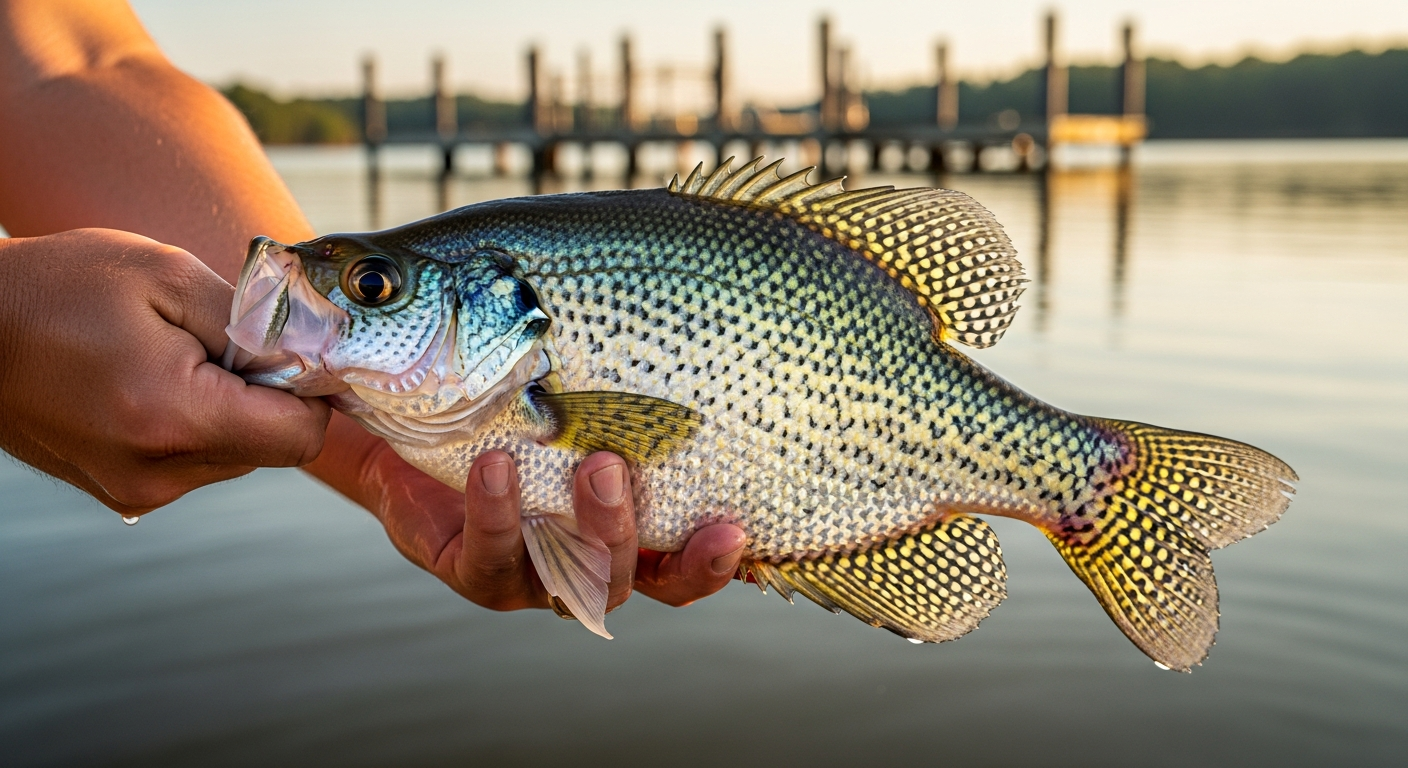
Crappie are abundant throughout Lake Eufaula and are targeted year-round by anglers fishing the USACE and Georgia DNR cedar-tree fish attractors, the bridge and dam structure, and the woody cover in the tributary arms. USACE lists crappie as a primary gamefish species. Verify current Alabama and Georgia crappie regulations before fishing. Spring crappie fishing peaks in February and March as fish stage near the fish attractor sites and the dock structure before moving into the shallow timber and brush to spawn. Small tube jigs in chartreuse and white and live minnows fished vertically around the marked attractor buoys produce consistent spring fish. The Pataula Creek arm and the Rood Creek area in Georgia waters are particularly noted for crappie concentration. Fall crappie return to the deeper attractor sites in 10 to 20 feet and remain accessible through December.
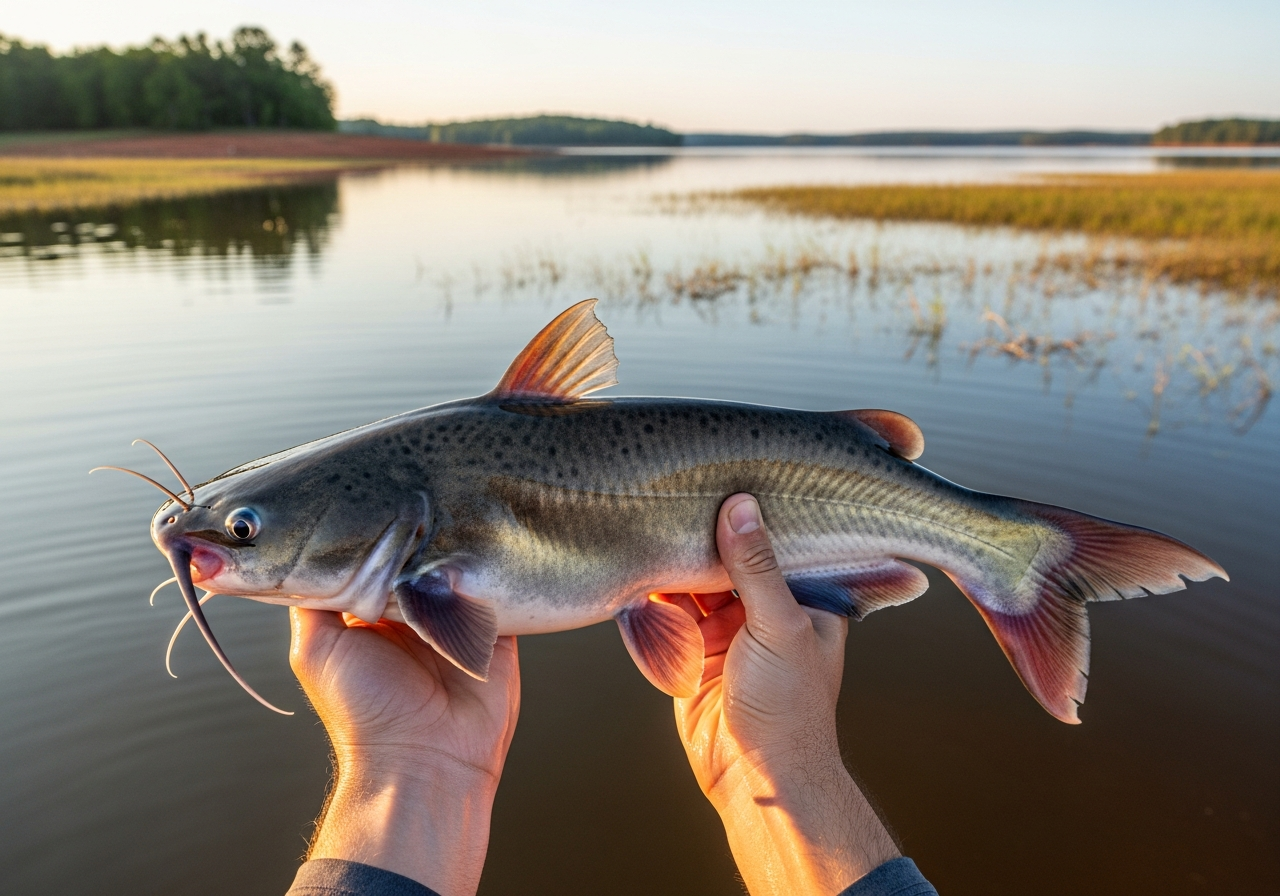
Lake Eufaula Channel Catfish Fishing Report
Channel catfish are abundant throughout Lake Eufaula's 640 miles of clay and timber shoreline. USACE lists catfish as a primary gamefish. Excellent bank fishing for catfish is available at the multiple USACE day-use areas along the lake including Thomas Mill Creek Park, White Oak Creek Park, and Hardridge Creek Park. Verify current Alabama and Georgia catfish regulations before fishing. Cut bait, chicken liver, and prepared dip baits fished on the bottom in the cove channels and the clay bank transitions produce catfish year-round. The creek mouths and the tributary arms concentrate catfish during summer nights. Fishing the downstream side of the Walter F. George Dam and the George W. Andrews Dam tailrace also produces channel catfish, particularly after generation releases.
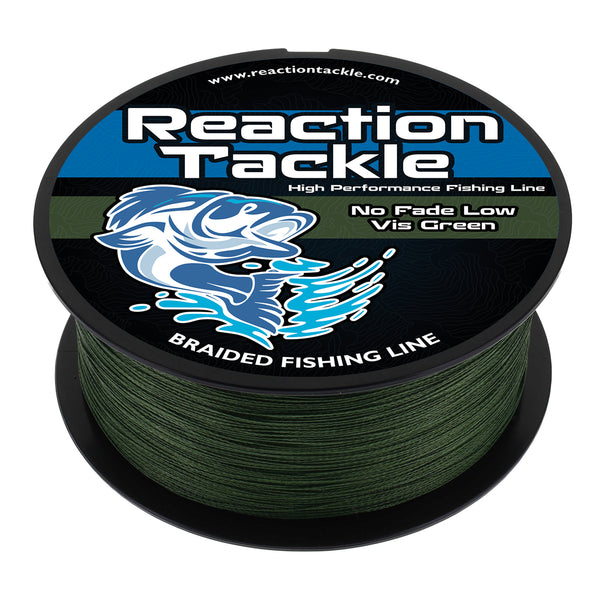
For fishing heavy cover after Largemouth Bass, I run 50-65lb braid. Zero stretch means you feel every bite and you can pull fish out of structure before they wrap you. Reaction Tackle is where I restock. Their low-vis green disappears in most water conditions.
Top Fish to Target in Lake Eufaula
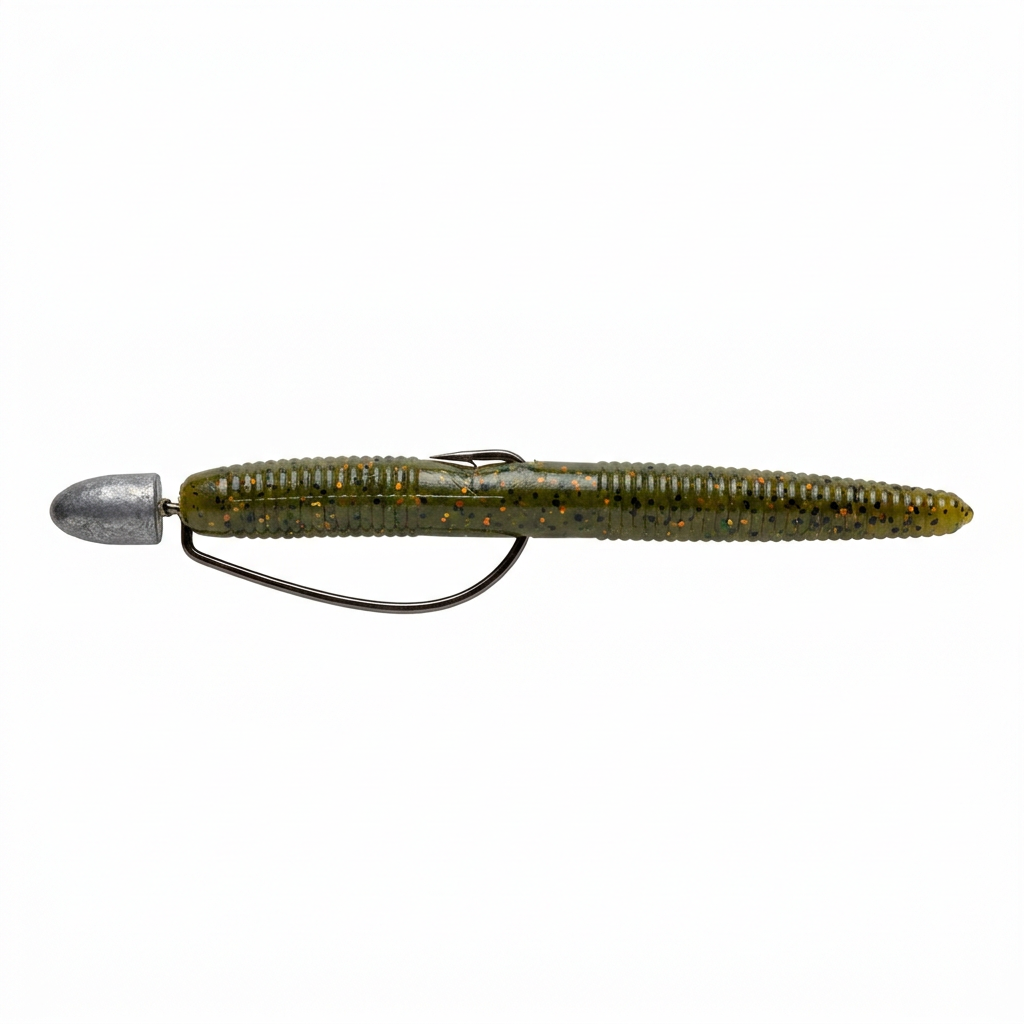
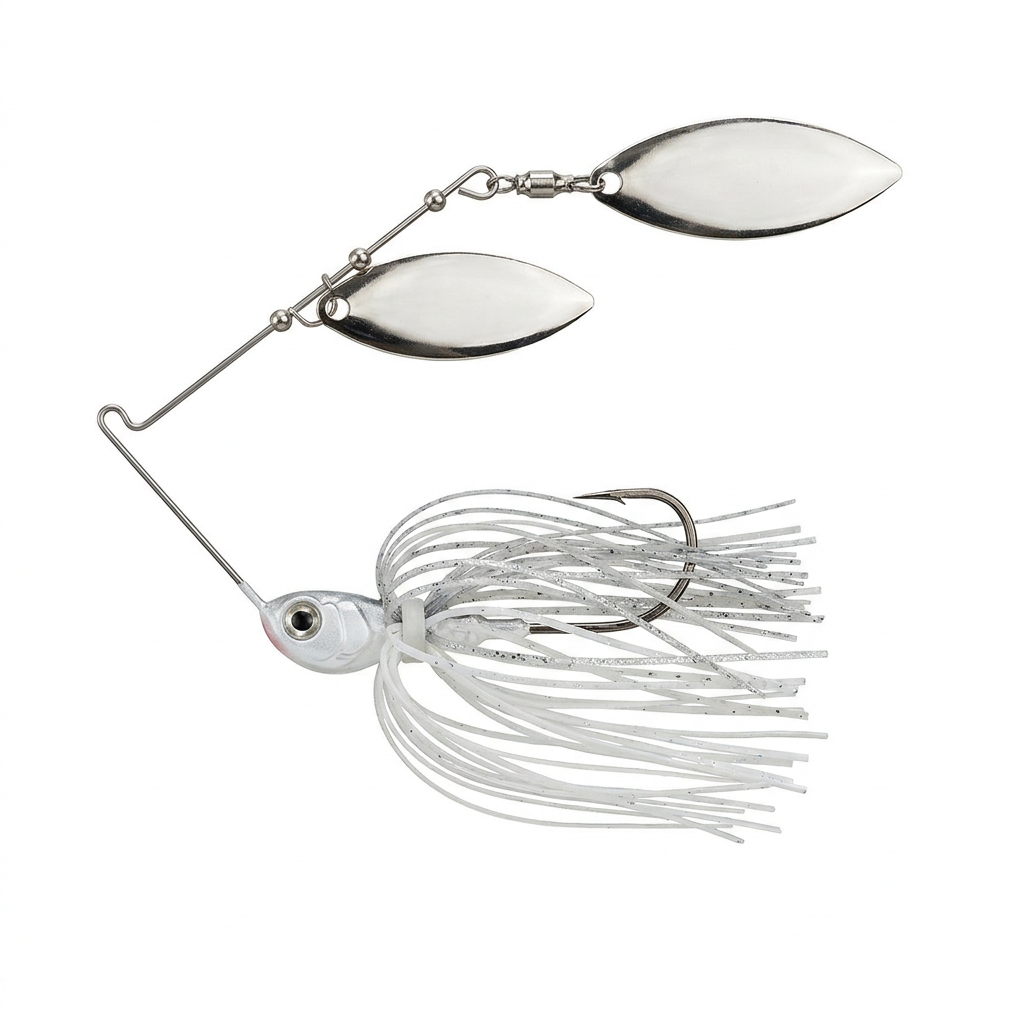
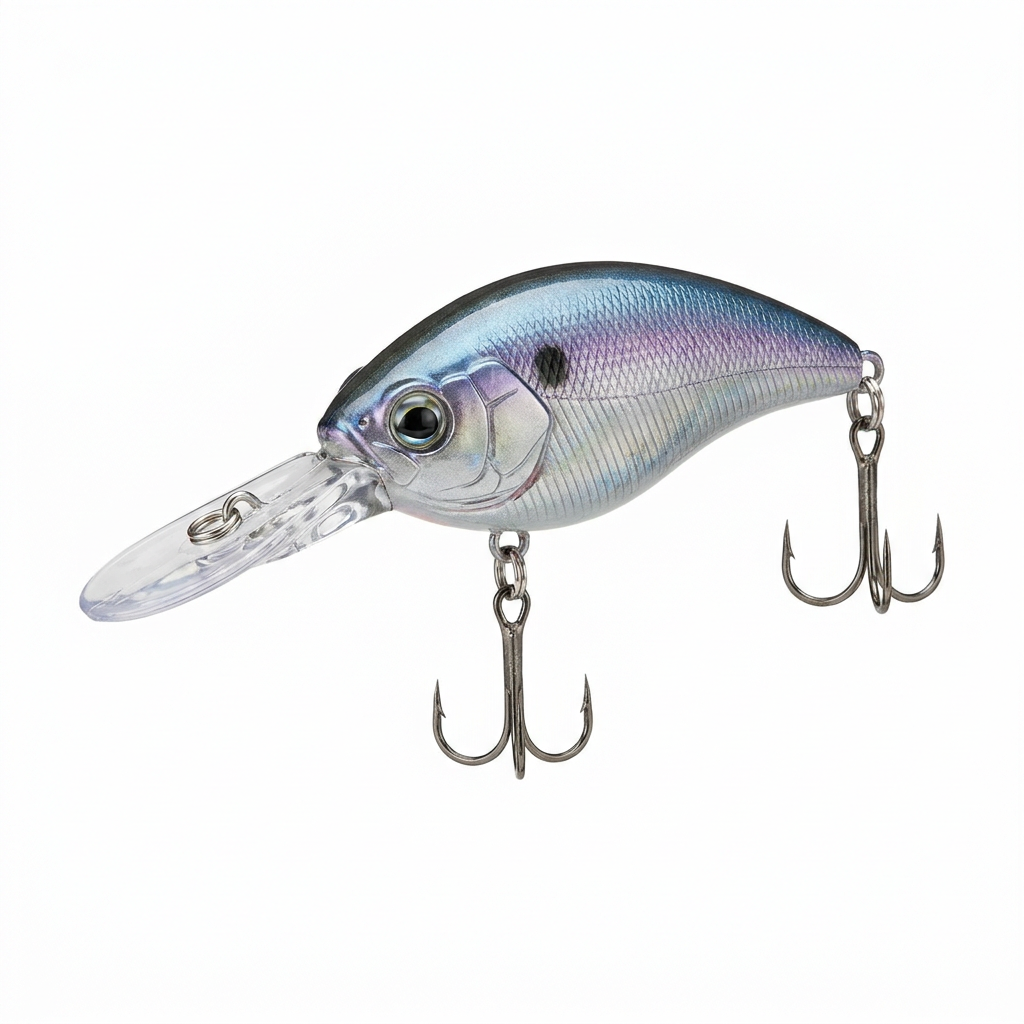
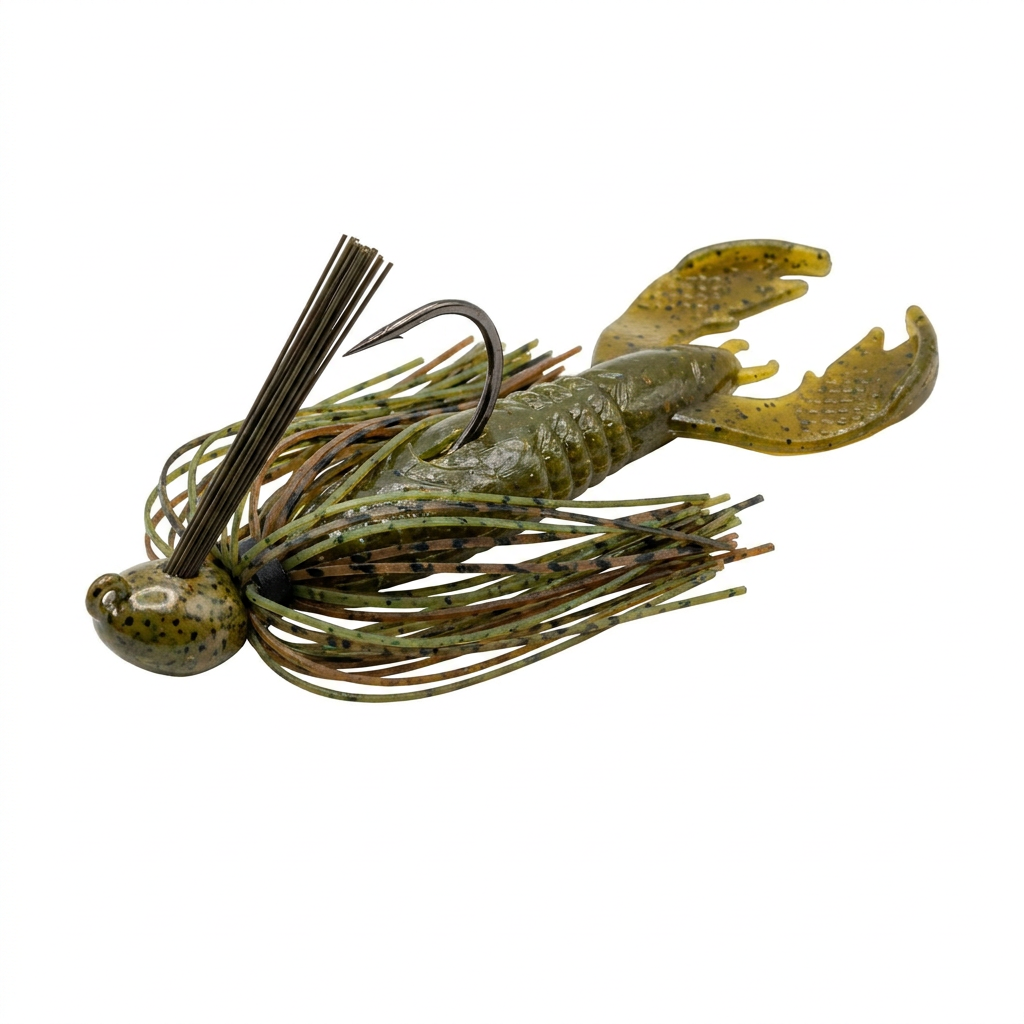
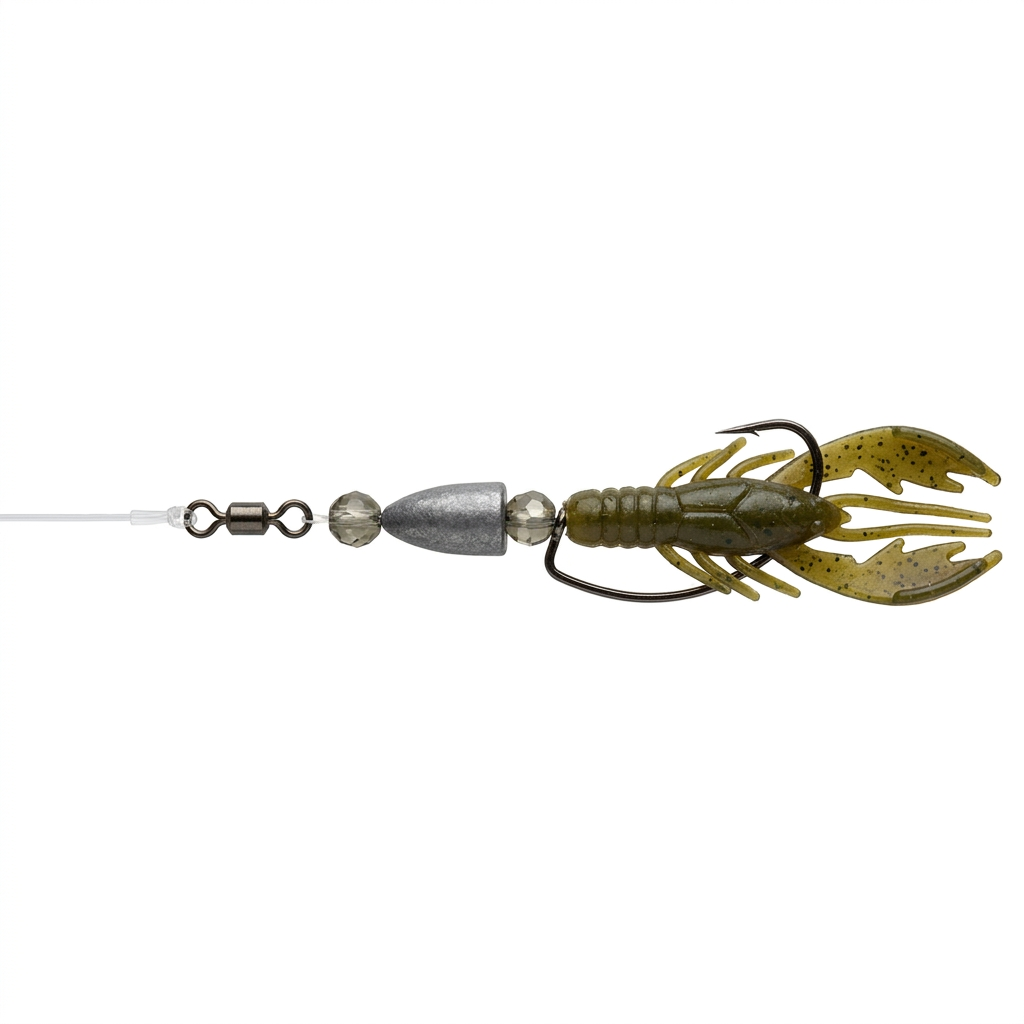
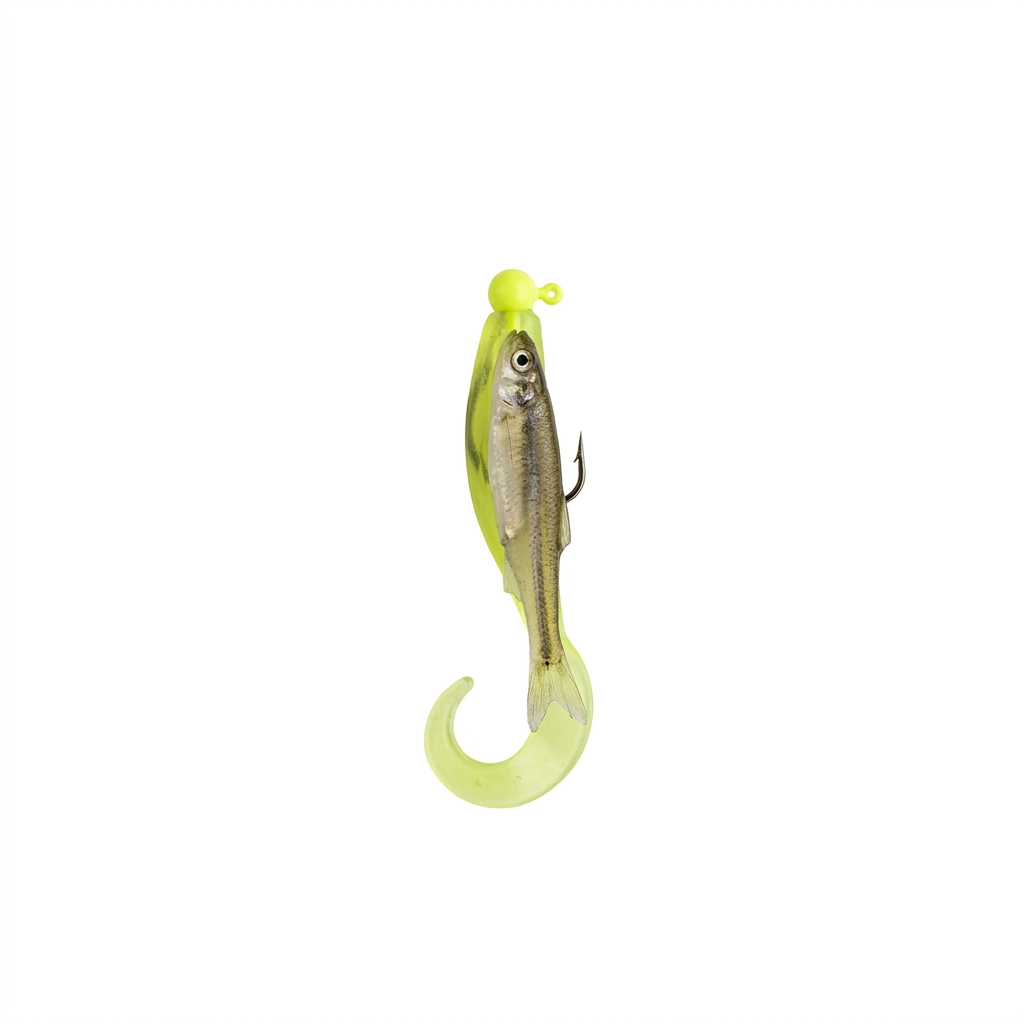
Lures for Lake Eufaula
Tackle matched to this lake's species and structure.
Worth checking before any trip: your line. Old braid gets brittle at the tag end and loses sensitivity over time. I rotate mine every season. Reaction Tackle is where I order from when it's time to restock.
About Lake Eufaula
Lake Eufaula is one of those sprawling Southeast reservoirs that I'd love to spend a week on. The 640-mile shoreline and the Alabama-Georgia border setting are compelling on their own, and the bass fishery here has a serious tournament pedigree. I haven't made it to Alabama yet, but this lake is a reason to go.
Lake size and location. Lake Eufaula (Walter F. George Lake) covers 45,181 acres on the Alabama-Georgia border along the Chattahoochee River with 640 miles of shoreline. The US Army Corps of Engineers completed the Walter F. George Dam in 1963. Normal pool is 190 feet above mean sea level; maximum depth is approximately 100 feet. The lake spans Barbour and Henry counties in Alabama and Clay and Quitman counties in Georgia. The city of Eufaula, Alabama is the primary gateway community.
Two-state fishing licenses. Alabama and Georgia have a reciprocal fishing license agreement: a current license from either state is valid on Walter F. George Lake. However, USACE explicitly notes that the two states may differ in daily limits and size restrictions for some species. Verify current regulations with both ADCNR (outdooralabama.com) and Georgia DNR before fishing.
Bass regulations (verify at ADCNR and GA DNR). Both Alabama and Georgia set a 14-inch minimum for largemouth bass on the lake. Spotted bass have no size limit. Always confirm current bag limits and any special regulations at both state agencies before fishing: regulations on border lakes are subject to change.
Fish attractors. USACE and Georgia DNR maintain a series of cedar-tree fish attractors in Georgia waters, annually refurbished and marked with buoys. These sites concentrate crappie and bass year-round. Locator maps are available from the USACE Natural Resources Site Office at Fort Gaines, Georgia (427 Eufaula Road).
Tournament reputation. Lake Eufaula consistently draws major bass tournaments and is recognized in national fishing publications as one of the Southeast's premier spring largemouth bass destinations. The lake produces trophy-class fish: frequently called "lunker bass" in the regional fishing community: and the combination of clay banks, woody cover, and the Chattahoochee River system creates diverse habitat that produces quality fish across multiple seasons.