Greers Ferry Lake has a striped bass legacy that is hard to top anywhere in the country. The former world-record striper coming from here tells you everything you need to know about what this fishery can produce. The fact that President Kennedy dedicated the dam in 1963 as one of his last public appearances before Dallas adds a layer of history to the place that you feel even on the water. The Little Red River tailwater below the dam for rainbow trout makes this a two-fishery destination I'd prioritize on any Arkansas trip.
Today's Bite Score · October 8, 2026
Above average conditions worth planning a trip
🌘Waning Crescent
Greers Ferry Lake Fishing Report
October FishingMonthly fishing report · October patterns and techniques
Greers Ferry Lake in October presents ideal conditions for anglers seeking multiple species. Water temperatures this month support active feeding across the lake, and the Army Corps of Engineers maintains the conservation pool elevation between 462.04 and 463.04 feet msl depending on the specific period. Anglers are finding fish responding well throughout the water column, with bass biting on a variety of baits at different times all over the lake.
In October, bass fishing the bite is good, with anglers finding success using spinnerbaits and small crankbaits up shallow. Deeper bass are holding out to 50 feet of water and respond to C-rigs and football heads. Crappie are eating jigs and minnows between 18-40 feet, suspending in pole timber or around brush piles. Hybrid and white bass are active from 25-50 feet of water, feeding on and off throughout the day. Walleye are on the move during this month, while catfish remain available though reports are limited.
The most effective techniques this month combine multiple approaches depending on target species and depth. Spinnerbaits and small crankbaits work well for shallow bass, while deeper structure demands C-rigs and football heads. For crappie, jigs and minnows prove consistently productive in the 18-40 foot range around timber and brush. Hybrid and white bass respond to spoons, inline spinners, swimbaits, hair jigs, and Alabama rigs fished from 25-50 feet. Anglers are finding the bite is strongest when matching presentations to the specific depth zones where each species is holding in October.
Get More Fishing Report Specifics
Tap a topic button below for a report on current conditions.
Tap a topic above to get a current report for Greers Ferry Lake.
Answers are generated on demand and cached. No AI call fires until you tap a tab.
Greers Ferry Lake Fishing Guides
Looking for a Greers Ferry Lake fishing guide? One of Arkansas's clearest and deepest lakes, Greers Ferry has stripers and walleye suspended at specific depths that shift with the thermocline — local guides track that movement daily. Go here → to check out our recommended fishing guides for Greers Ferry Lake. Then scroll down on that page to see all of the Greers Ferry Lake fishing guides.
Greers Ferry Lake Fishing Strategies by Species
Seasonal patterns and techniques by target species · Verified against official sources
Greers Ferry Lake is a 40,000-acre U.S. Army Corps of Engineers reservoir in the Arkansas Ozark highlands, managed by the USACE Little Rock District with fishing regulations enforced by the Arkansas Game and Fish Commission. The lake sits in Cleburne, Van Buren, and Faulkner counties and is fed primarily by the Little Red River. Clear Ozark highland water, dramatic bluff structure, and a legacy striped bass fishery -- including a former world-record striper -- define the fishing experience. President John F. Kennedy dedicated the Greers Ferry Dam in October 1963 in one of his last public appearances before his assassination. The Little Red River tailwater below the dam is stocked with rainbow trout by AGFC. AGFC regulation: striped bass 15-inch minimum, 10-fish daily limit. Verify current regulations at https://www.agfc.com/en/fishing/regulations/ before fishing.
Greers Ferry Lake Striped Bass Fishing Report
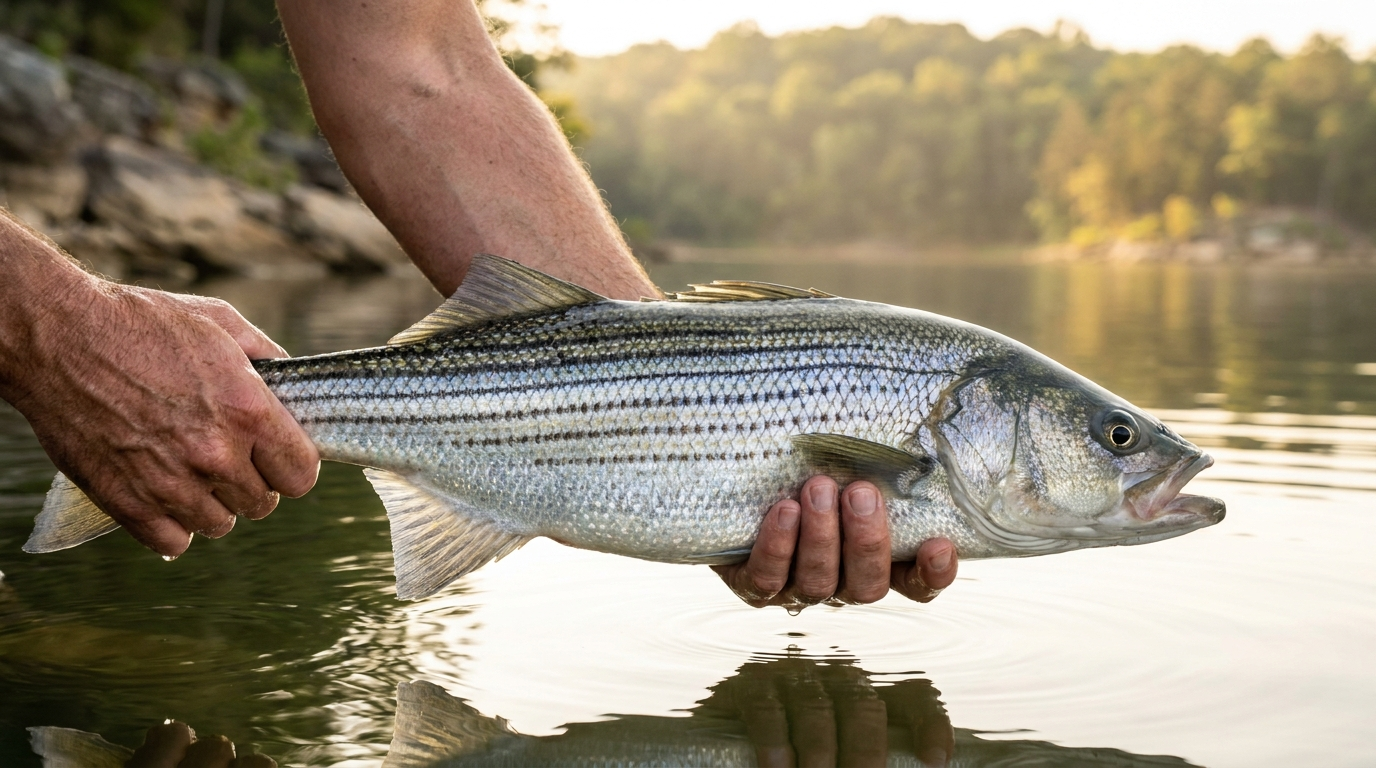
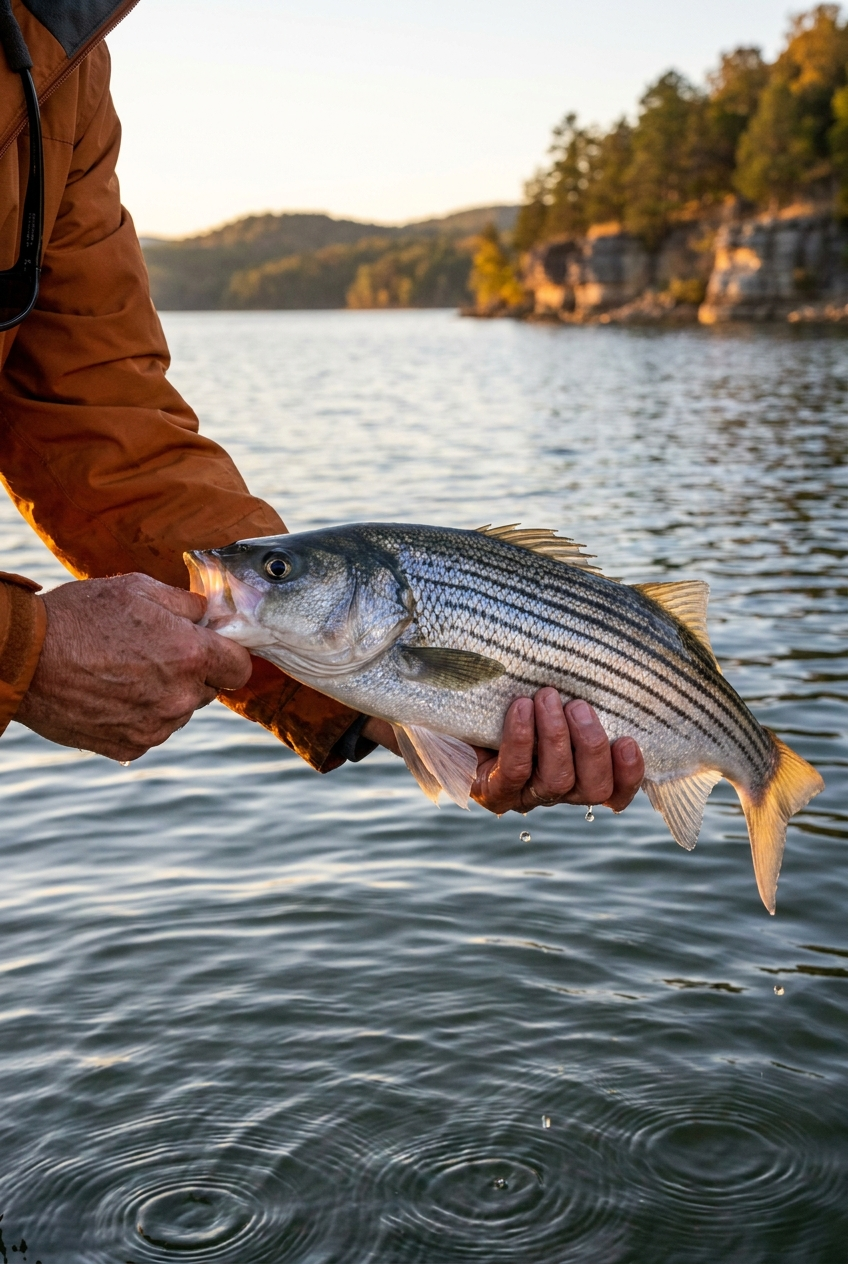
Striped bass are the signature species at Greers Ferry Lake and the primary reason many anglers make a dedicated trip to north-central Arkansas. The lake produced a former IGFA world-record striped bass, establishing a legacy that still draws serious striper anglers from across the region. Stripers are found throughout the main lake basin, chasing large shad schools in the open water and along the deeper channel transitions. Live shad fished near the thermocline is the most consistent producer, with umbrella rigs and large swimbaits trolled along the main lake points also effective. Spring and fall surface action occurs when stripers push shad schools to the surface near bluff points and the major creek mouths at dawn and dusk. Summer fish suspend near the thermocline in 25 to 50 feet during the heat of the day. AGFC regulation: striped bass 15-inch minimum, 10-fish daily limit. Verify current regulations at https://www.agfc.com/en/fishing/regulations/ before fishing.
Greers Ferry Lake Largemouth Bass Fishing Report
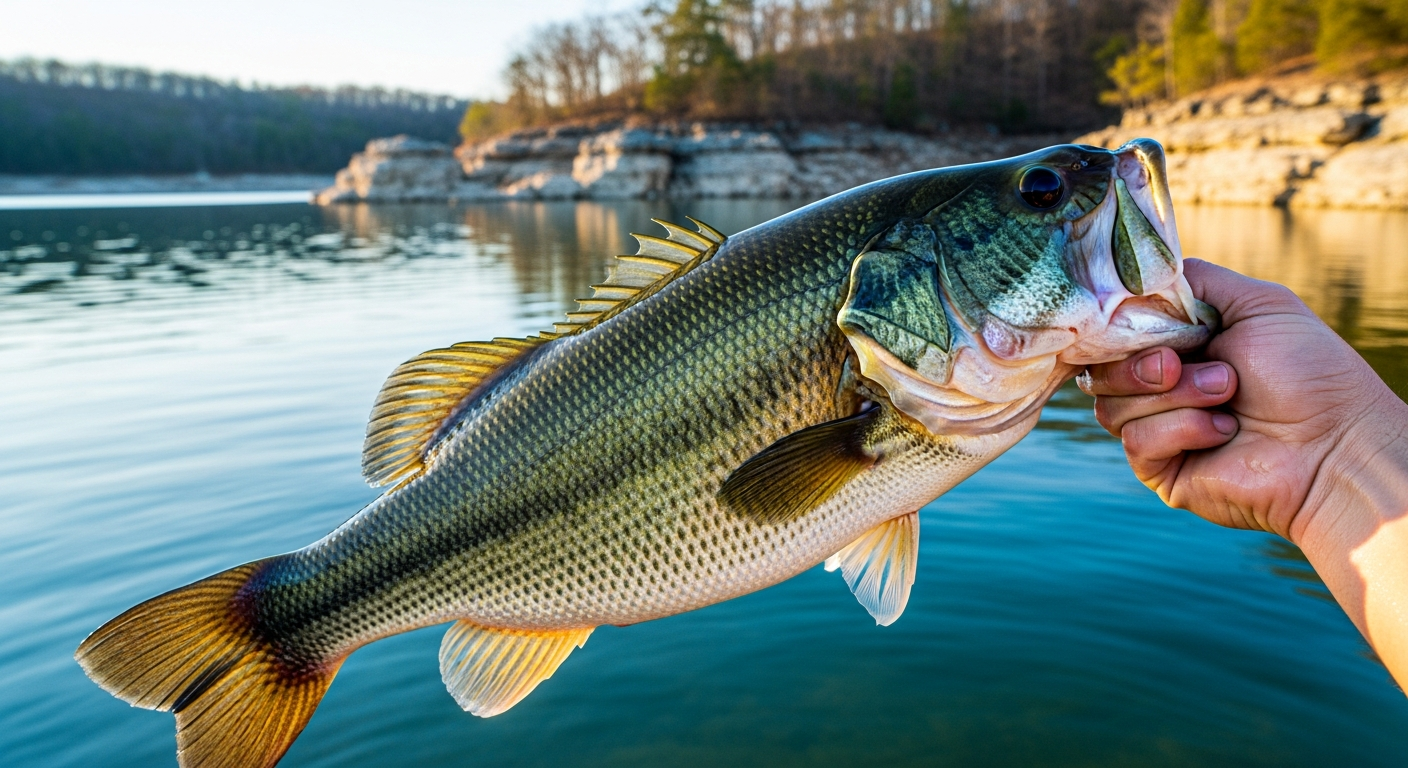
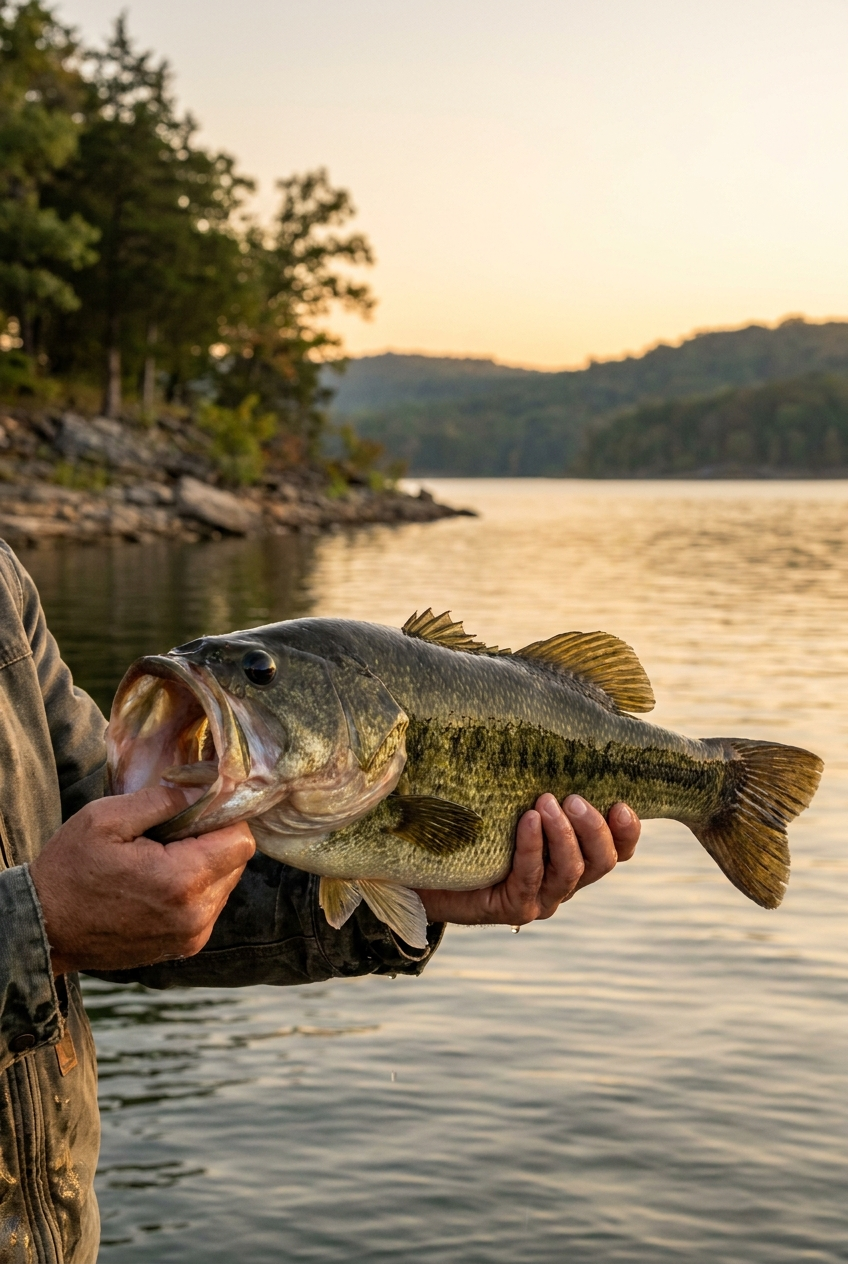
Largemouth bass at Greers Ferry Lake are distributed throughout the creek arms, cove timber, and dock structure along the 320 miles of shoreline. The clear Ozark highland water requires finesse approaches and longer casts in most conditions. Spring is the peak largemouth season, with fish staging on main lake points in March before moving into the protected coves and creek arm timber to spawn in late April and May. Texas-rigged worms, spinnerbaits, and crankbaits worked along the timber and rocky transitions produce the best spring results. Summer largemouth hold along the shaded bluff walls and under dock structure at 10 to 20 feet. Fall crankbait and spinnerbait fishing on the main lake points and cove entrances produces aggressive feeding fish through October and November. AGFC regulation: largemouth bass 12-inch minimum, 6-fish combined black bass daily limit. Verify current regulations at https://www.agfc.com/en/fishing/regulations/ before fishing.
Greers Ferry Lake Smallmouth Bass Fishing Report
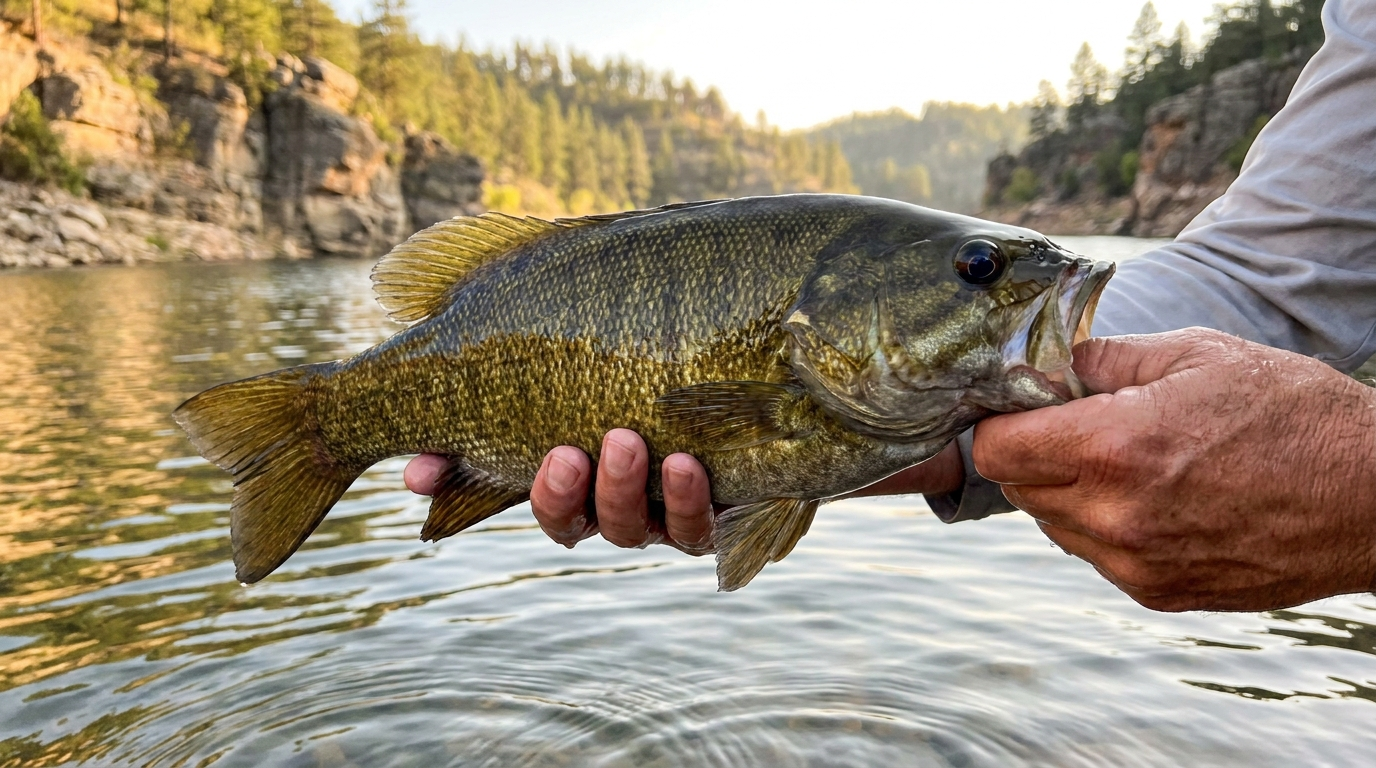
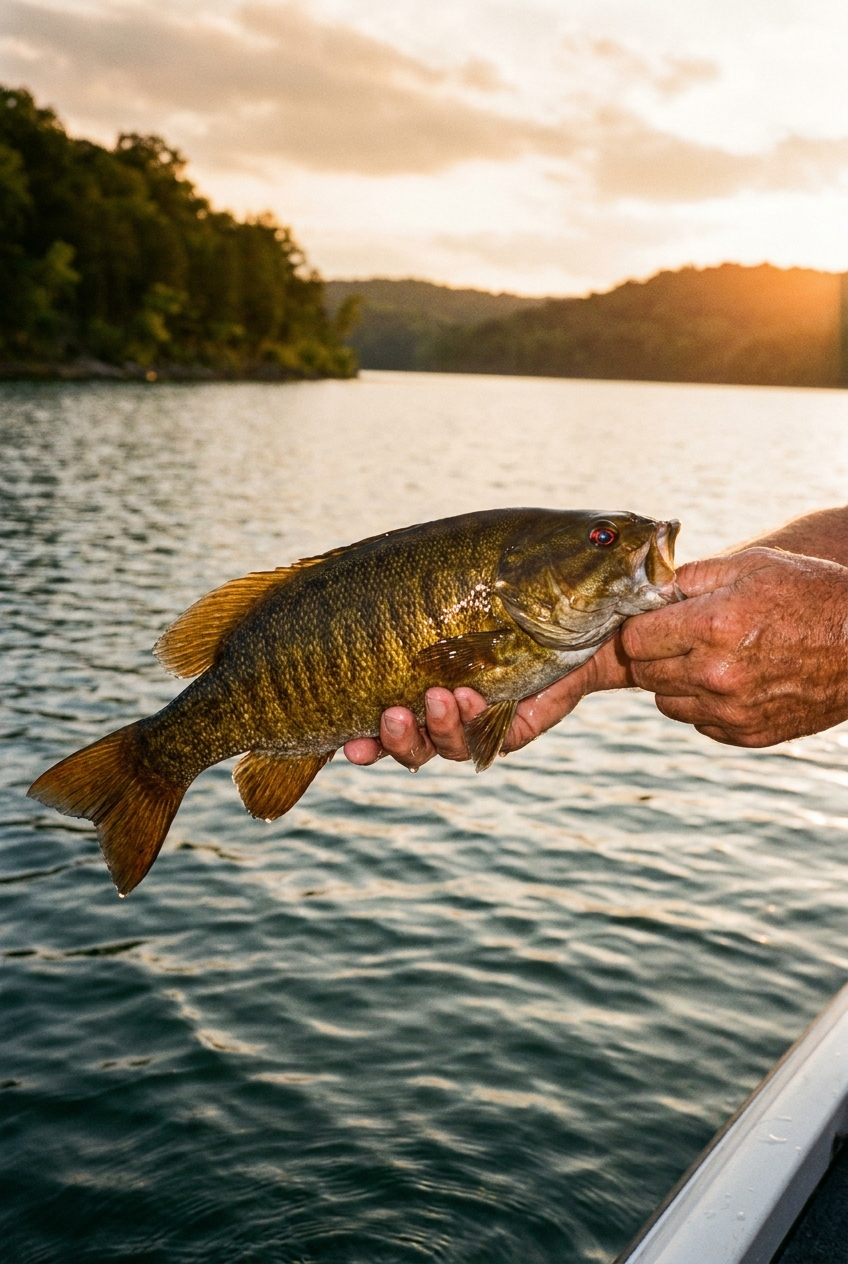
Smallmouth bass thrive in the clear highland water of Greers Ferry Lake, relating to the rocky main lake points, bluff walls, and the upper Little Red River arm where current and rocky substrate provide ideal habitat. Tube jigs, drop shots, and small crankbaits worked along rocky bottom transitions in 8 to 20 feet produce the best results year-round. Spring smallmouth move onto shallow gravel flats adjacent to the bluffs to spawn in late April and May, creating excellent sight-fishing opportunities in the clear water. Summer fish push to deeper bluff structure in 15 to 30 feet, holding tight to shade and rocky ledges. The upper river arm is consistently the most productive smallmouth area in summer, particularly near the dam end of the upper section where the water stays cooler. AGFC regulation: smallmouth bass 12-inch minimum, counted within the 6-fish combined black bass daily limit. Verify current regulations at https://www.agfc.com/en/fishing/regulations/ before fishing.
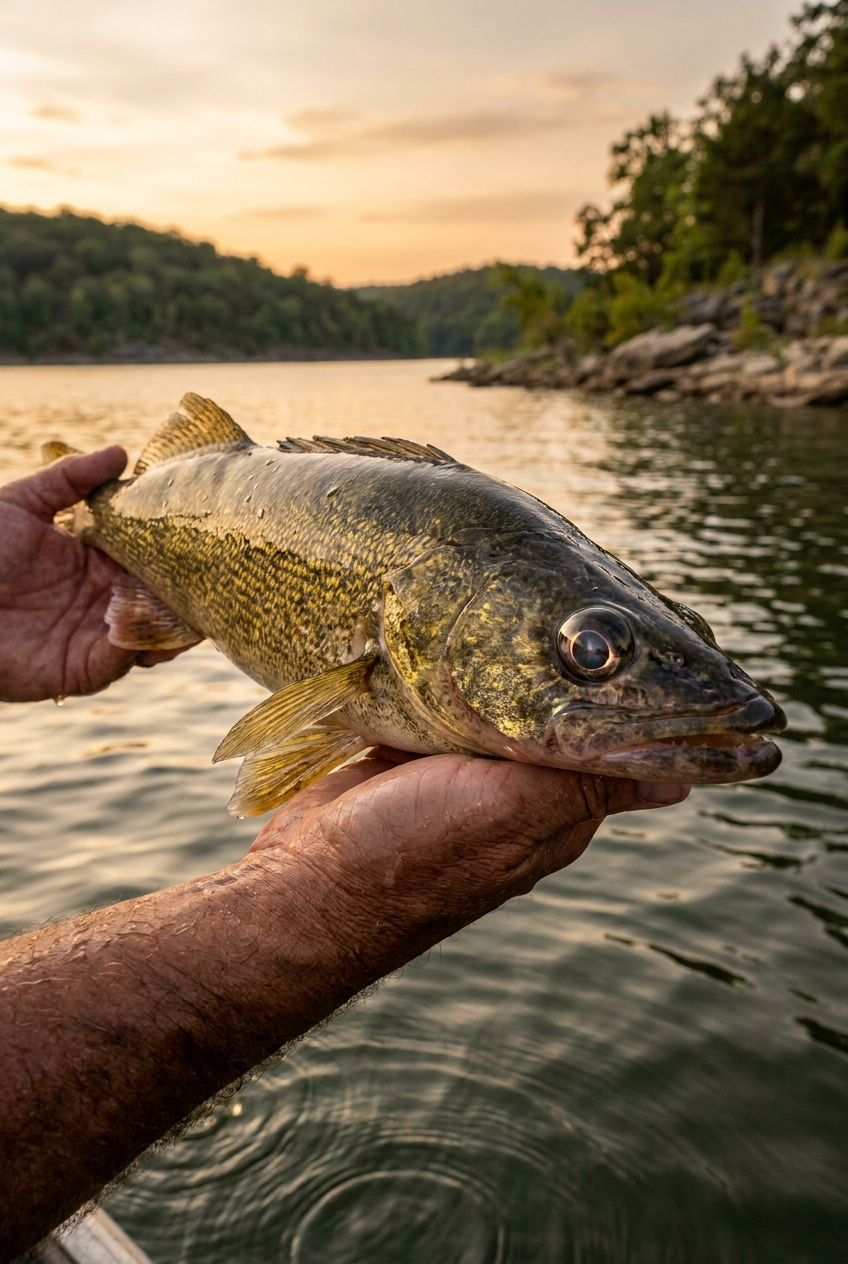
Greers Ferry Lake Walleye Fishing Report
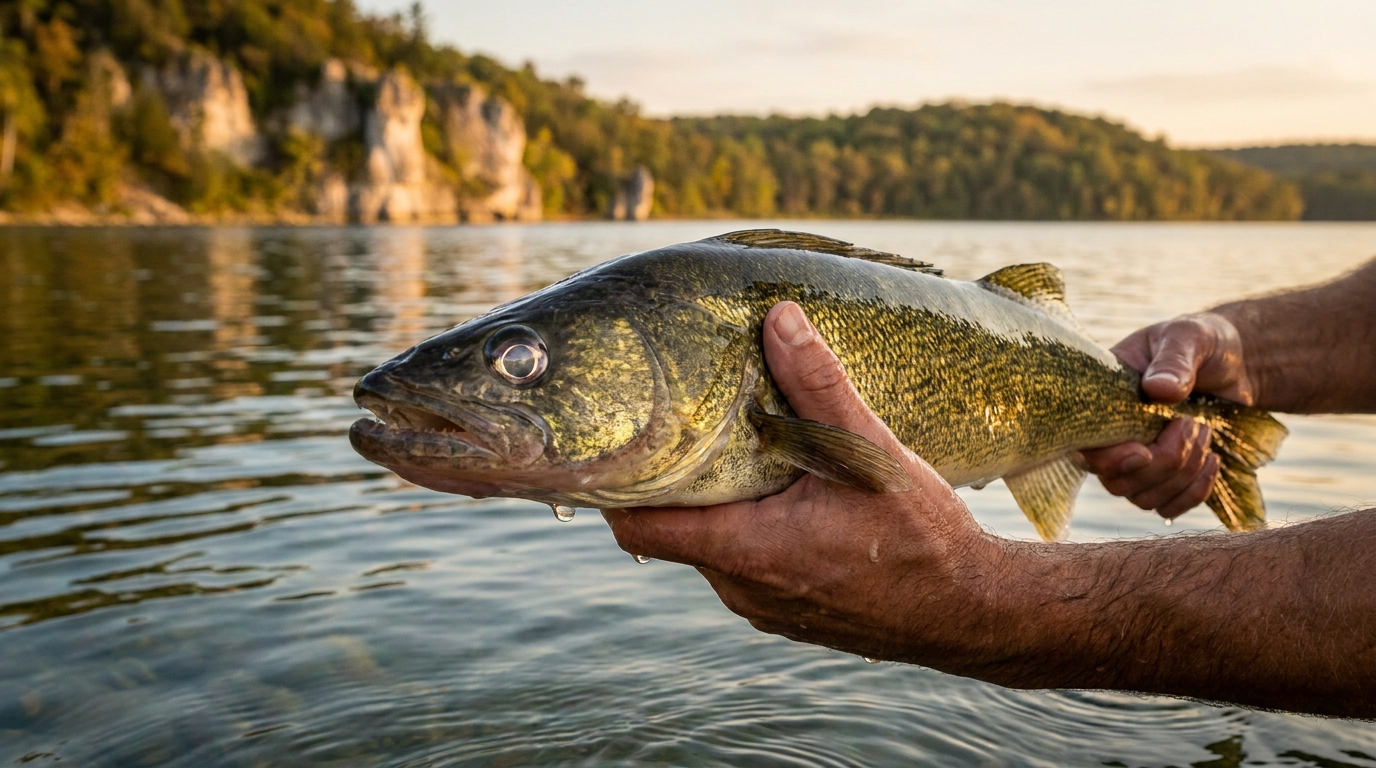
Walleye at Greers Ferry Lake are found primarily in the upper river arm and near the major creek channel transitions, where cooler water and current concentrate them. Night fishing from April through June is the most consistent approach, working jigs tipped with minnows and crankbaits along the channel transitions in 20 to 35 feet. The clearer water at Greers Ferry compared to many Midwestern walleye lakes demands lighter line and subtler presentations. Fall walleye fishing improves as water temperatures cool and fish move onto the main lake points and channel bends. AGFC stocks walleye in Greers Ferry to supplement natural reproduction in the Ozark highland environment. AGFC standard walleye regulations apply. Verify current regulations at https://www.agfc.com/en/fishing/regulations/ before fishing.
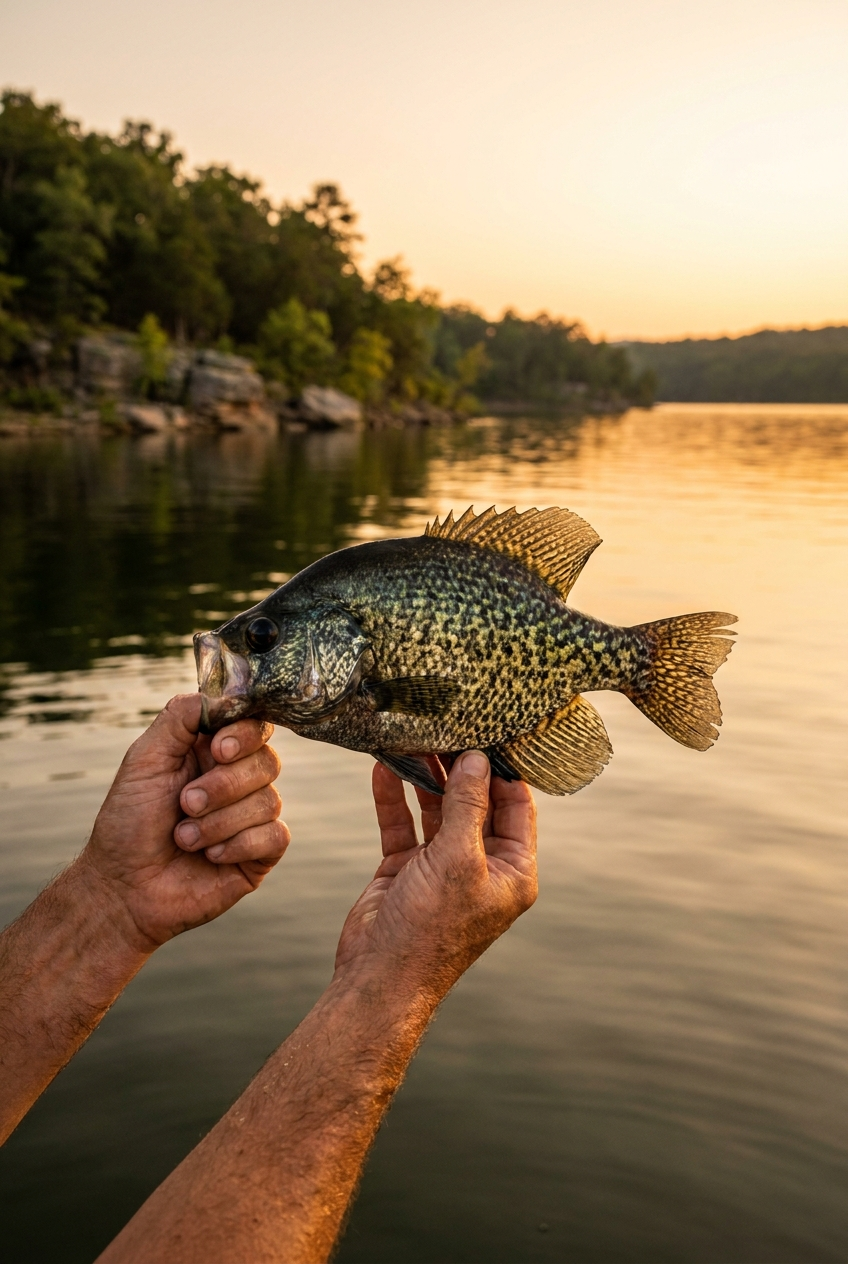
Greers Ferry Lake Crappie Fishing Report
Crappie fishing at Greers Ferry Lake peaks in spring when fish move from the deeper creek channel timber into the shallower cove timber and brush piles at 4 to 10 feet. The creek arms in the Cleburne County portion of the lake near Heber Springs hold the best crappie concentrations during spring. Small tube jigs, crappie jig-minnow combinations, and live minnows under a cork produce reliable catches in the timber. Summer crappie suspend near the thermocline in 15 to 25 feet around the deeper brush and timber, responding to slow-trolled jigs. Fall crappie return to mid-depth timber in 10 to 18 feet and remain active through December in the deeper protected arms. AGFC regulation: crappie 10-inch minimum, 15-fish daily bag limit. Verify current regulations at https://www.agfc.com/en/fishing/regulations/ before fishing.
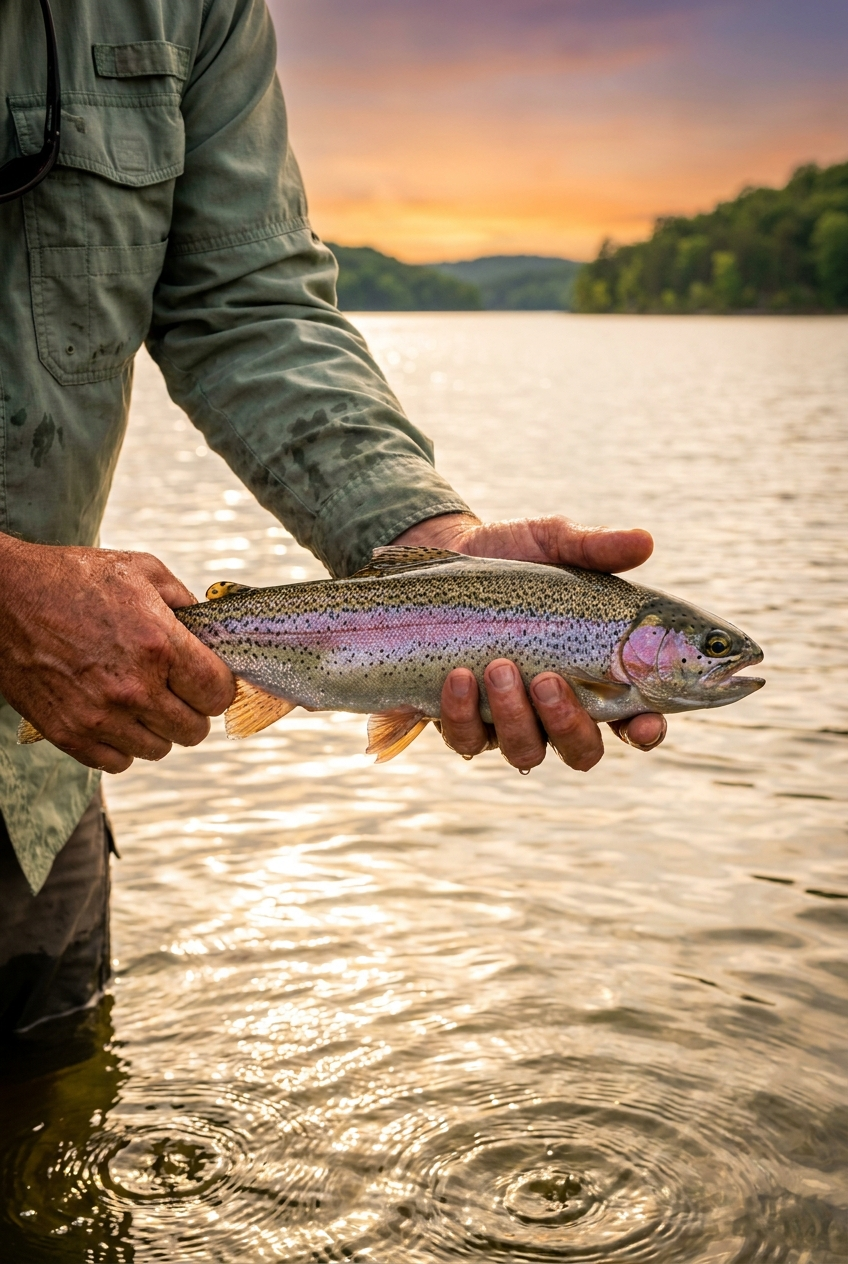
Little Red River Rainbow Trout (Greers Ferry Tailwater)
Rainbow trout fishing at Greers Ferry Lake actually takes place in the Little Red River tailwater below Greers Ferry Dam, not in the lake itself. The cold water discharged from the deep reservoir maintains year-round trout habitat in the tailrace. AGFC stocks rainbow trout in the Little Red River below the dam, and the tailwater also produced a former IGFA world-record brown trout in 1992 -- a 40-pound, 4-ounce fish caught by Howard Collins. The reach below the dam in Heber Springs is accessible from multiple public access points. Fly fishing and spinning tackle with small spinners, rooster-tail spinners, and soft plastics all produce fish. The world-record brown trout history makes this tailwater one of the most famous in the South. AGFC trout regulations apply to the Little Red River tailwater. Verify current regulations at https://www.agfc.com/en/fishing/regulations/ before fishing.
Before you head out, check your line. If it's been sitting on the reel all winter or has seen a lot of rocks and timber, it's worth replacing before a serious trip. I order most of my braid from Reaction Tackle and have been happy with it.
Top Fish to Target in Greers Ferry Lake
Lures for Greers Ferry Lake
Tackle matched to this lake's species and structure.
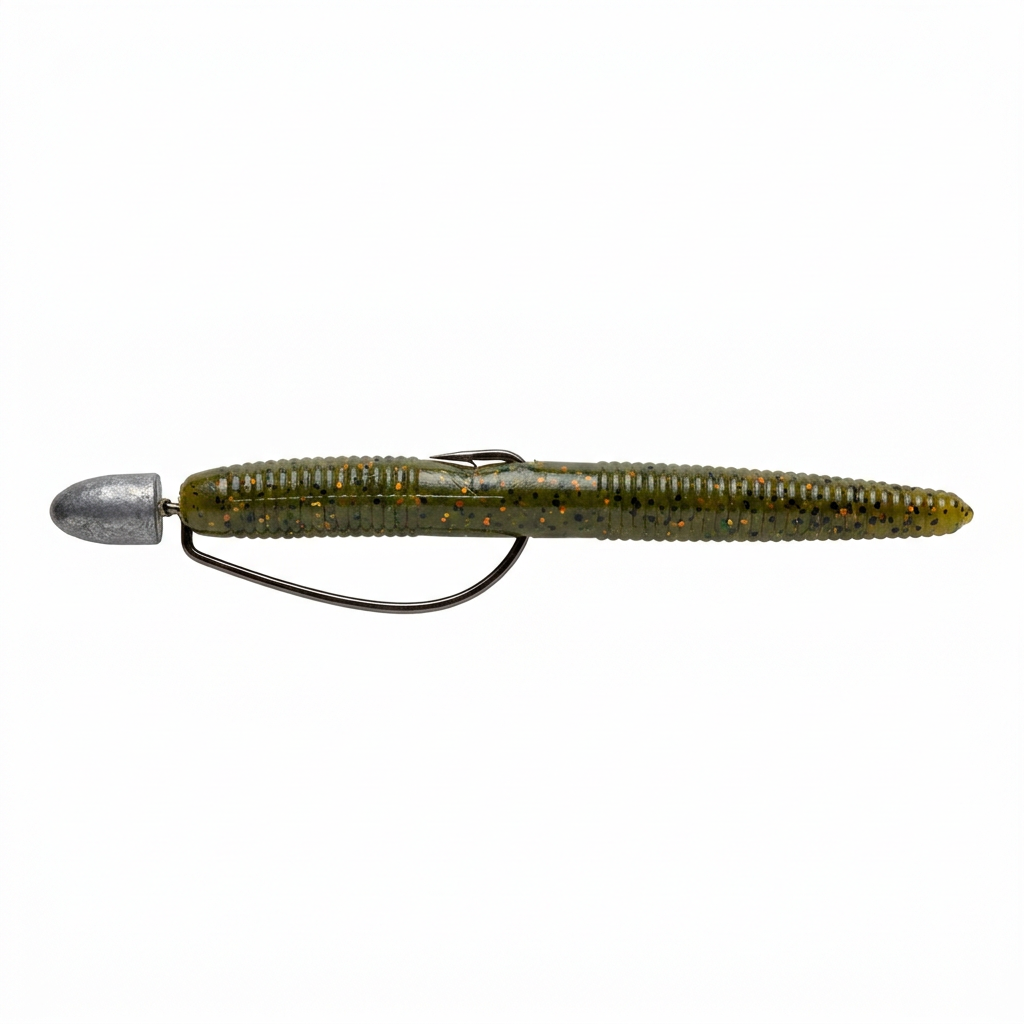
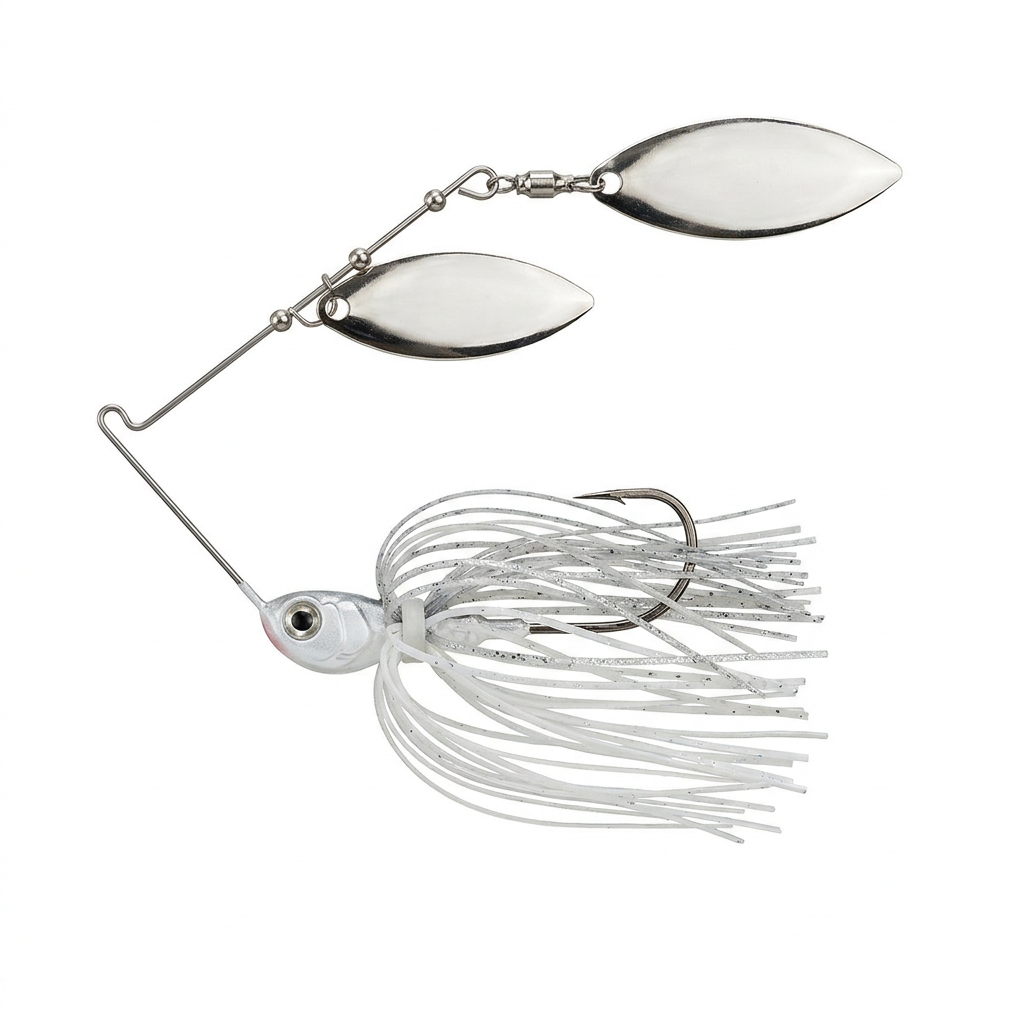
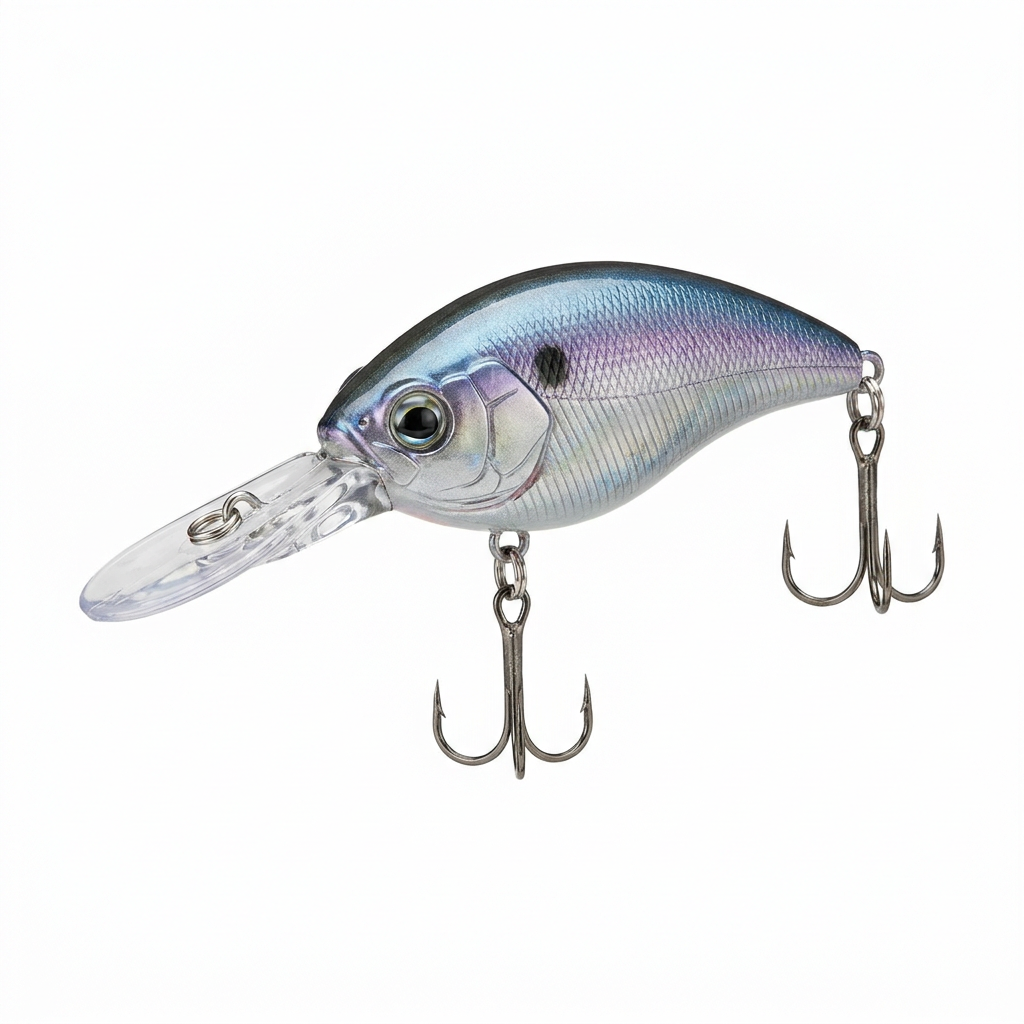
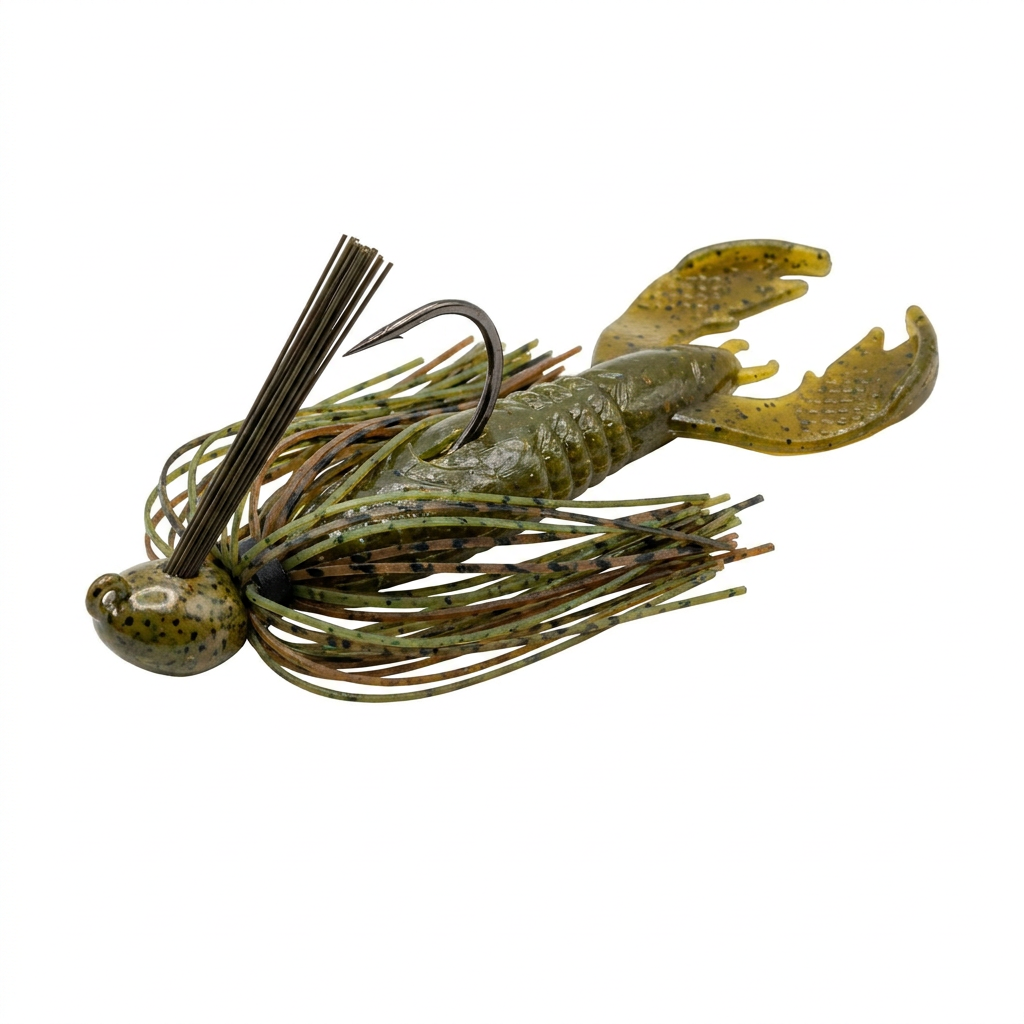
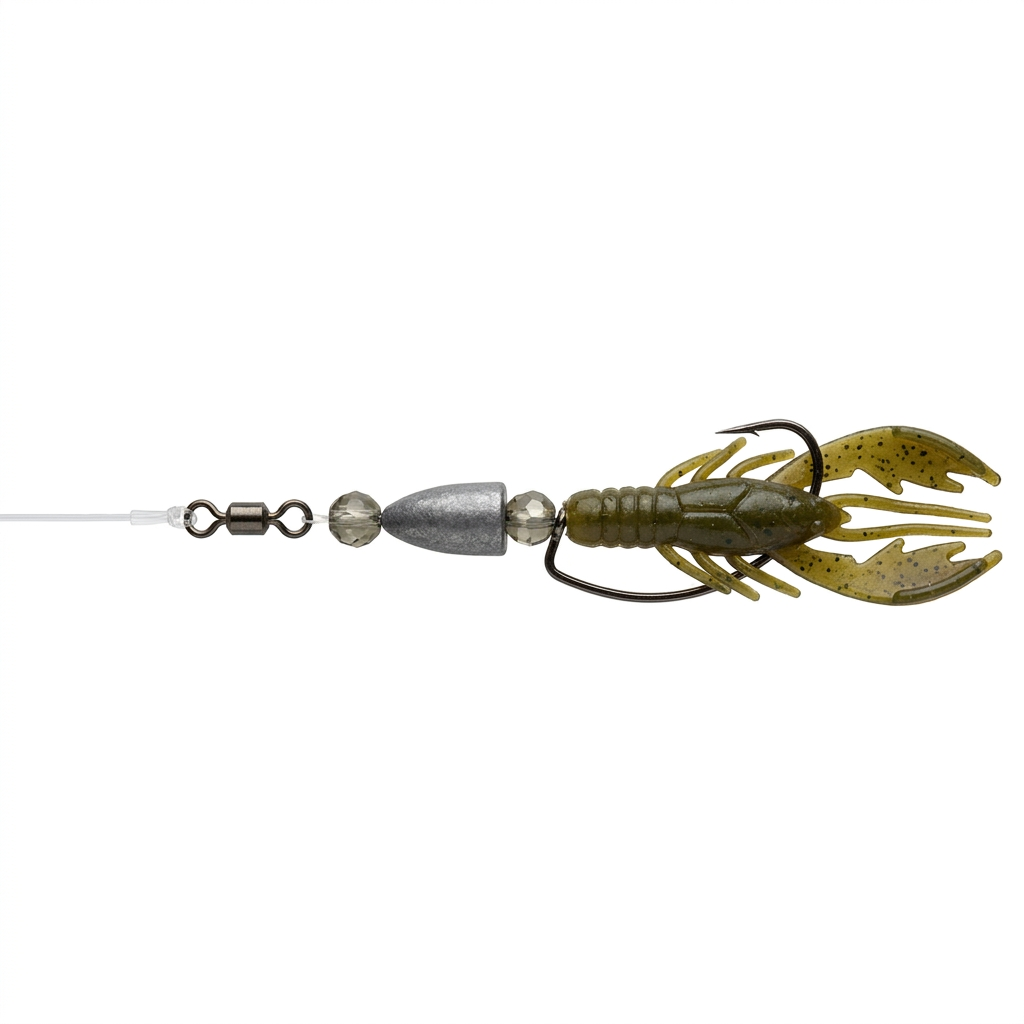
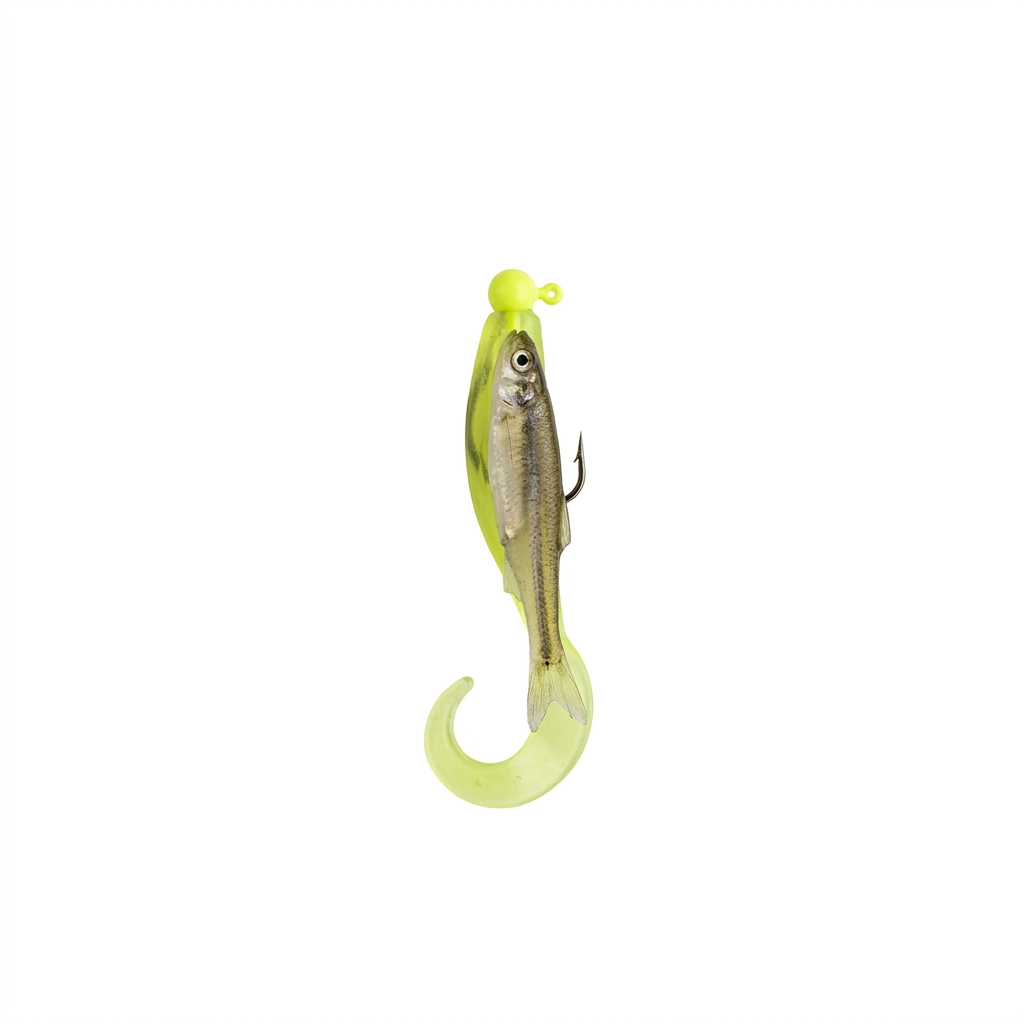
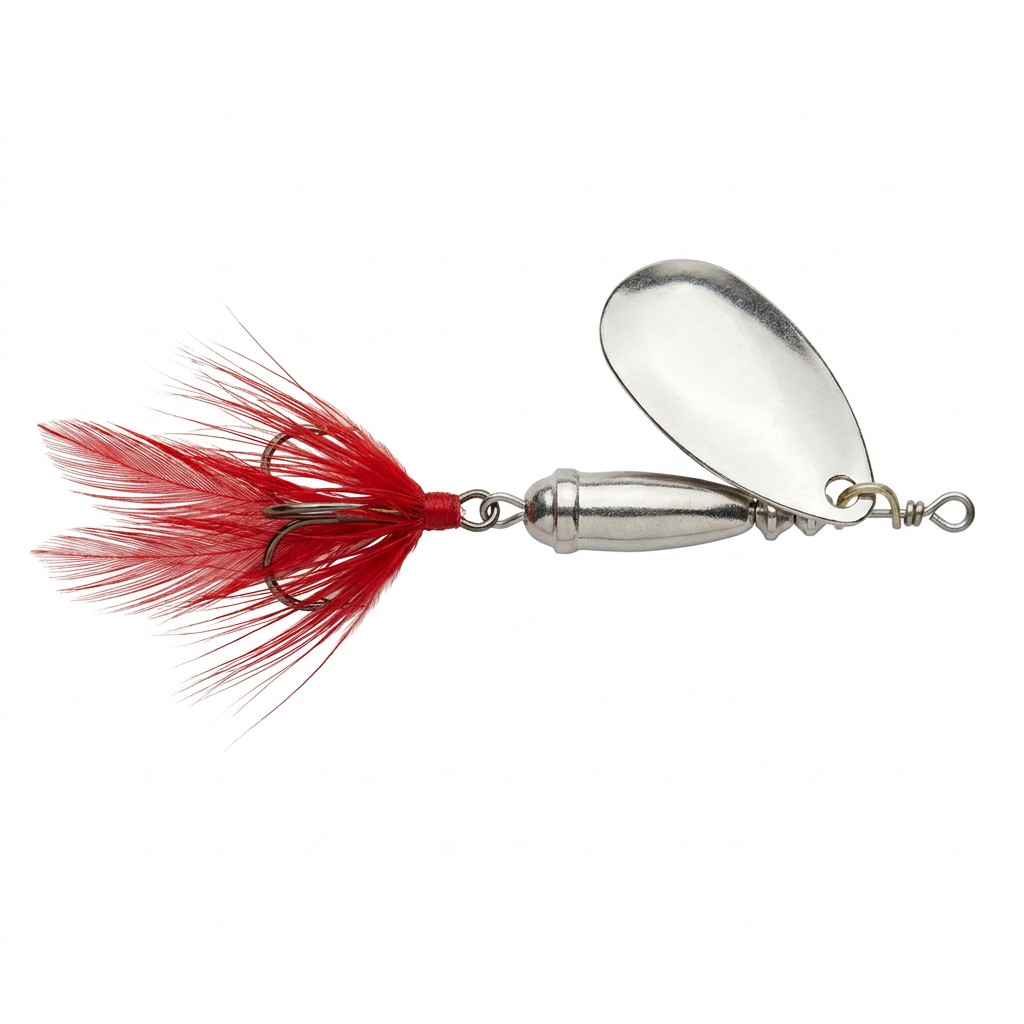
One thing I always check before a big trip is my main line. For most of the presentations that work here, you want braid. The sensitivity makes a real difference, especially when fish are finicky. I've been ordering from Reaction Tackle for a while now and haven't looked back.
About Greers Ferry Lake
Greers Ferry Lake carries two legends: a striped bass fishery that once produced a world-record fish, and a dam dedicated by President John F. Kennedy in October 1963, one of the last public appearances of his presidency before his assassination in Dallas the following month. The 40,000-acre reservoir in the Arkansas Ozark highlands sits in Cleburne, Van Buren, and Faulkner counties, fed by the Little Red River, and the clear highland water has created both a world-class striper fishery in the lake and a storied rainbow and brown trout tailwater directly below the dam.
Lake size and location. Greers Ferry Lake covers approximately 40,000 acres at normal pool, with approximately 320 miles of shoreline. The U.S. Army Corps of Engineers completed Greers Ferry Dam on the Little Red River in 1962. Heber Springs in Cleburne County is the nearest town and the primary gateway for lake access. Maximum depth is approximately 175 feet. The clear Ozark highland water and dramatic bluff structure provide excellent habitat for striped bass, largemouth and smallmouth bass, walleye, and crappie.
AGFC fishing regulations (verify at agfc.com). Striped bass: 15-inch minimum, 10-fish daily limit. Largemouth and smallmouth bass: 12-inch minimum, 6-fish combined daily limit. Crappie: 10-inch minimum, 15-fish daily limit. Little Red River tailwater trout regulations apply below the dam. Always verify current regulations at https://www.agfc.com/en/fishing/regulations/ before fishing.
Little Red River world-record brown trout. The Little Red River tailwater below Greers Ferry Dam is nationally recognized as one of the premier trout fisheries in the South. Howard Collins caught the IGFA all-tackle world-record brown trout -- 40 pounds, 4 ounces -- in the Little Red River in 1992, a record that stood for decades and put this tailwater on the global fishing map. AGFC stocks rainbow trout annually in the tailwater, and wild brown trout also populate the reach below the dam. The cold dam discharge creates year-round trout habitat in a region where trout do not naturally occur.