Today's Bite Score · October 8, 2026
Above average conditions worth planning a trip
🌘Waning Crescent
Beaver Lake Fishing Report
Updated October 2, 2026Synthesized from current fishing reports · Updated weekly
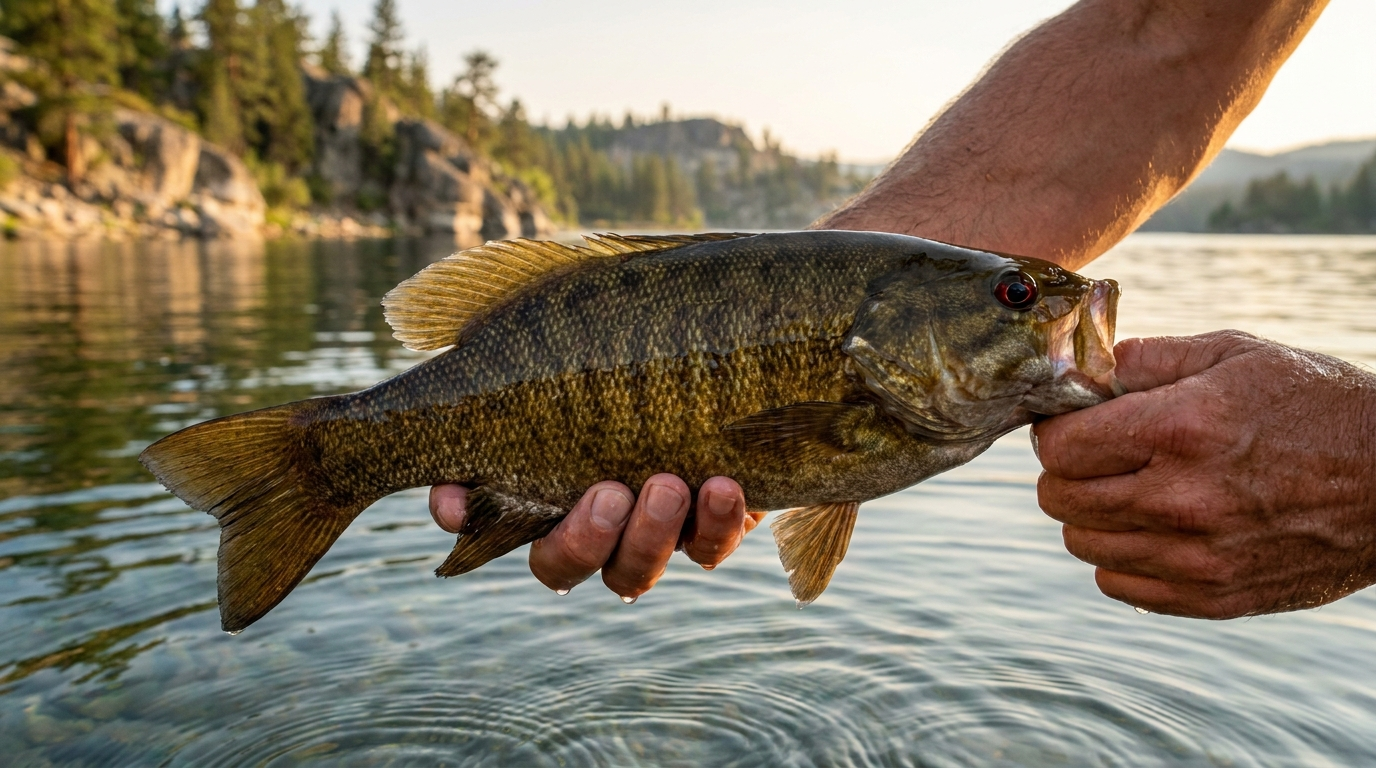
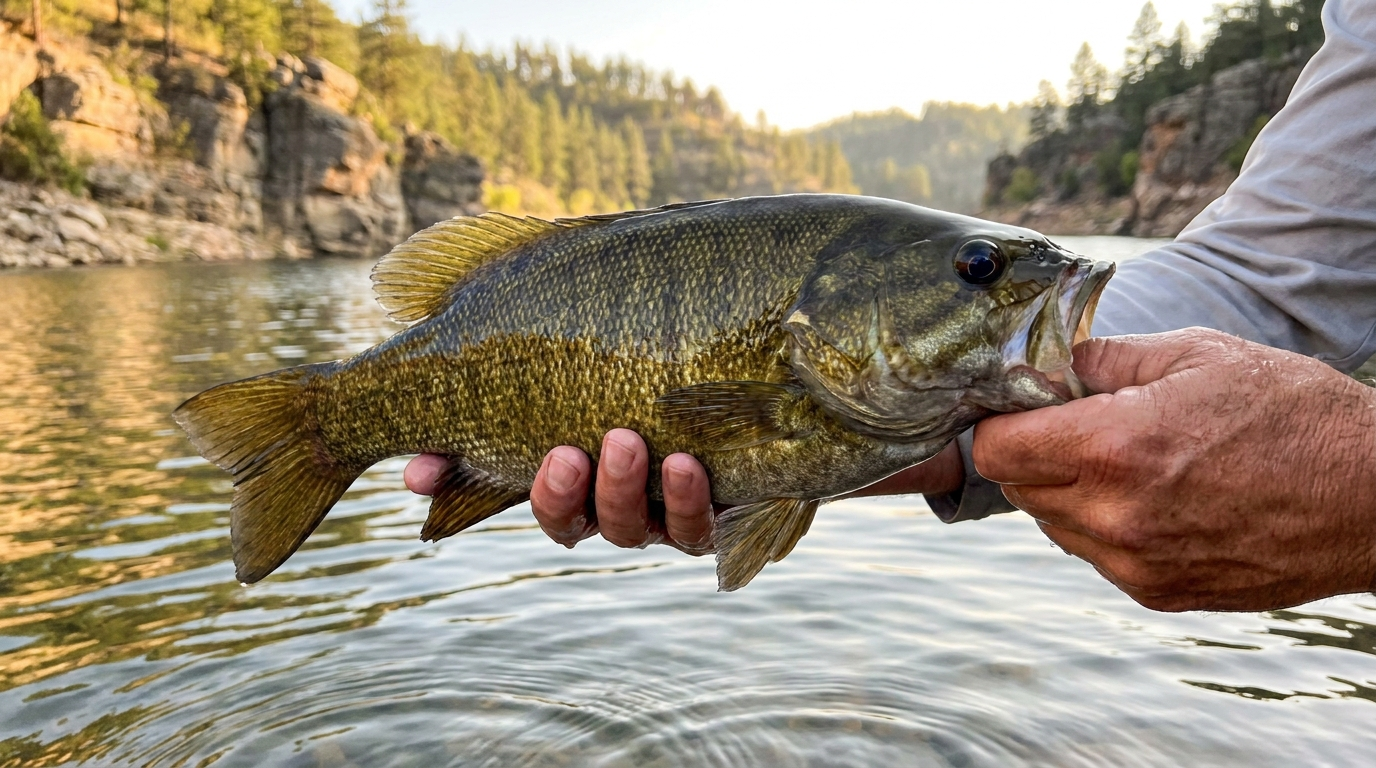
Beaver Lake is fishing well right now, with guides reporting excellent conditions this week. Smallmouth bass are biting actively around the lake, and anglers are finding the overall bite to be very good across multiple species. Water conditions remain clear and suitable for fishing this week, supporting the diverse fishery the lake is known for.
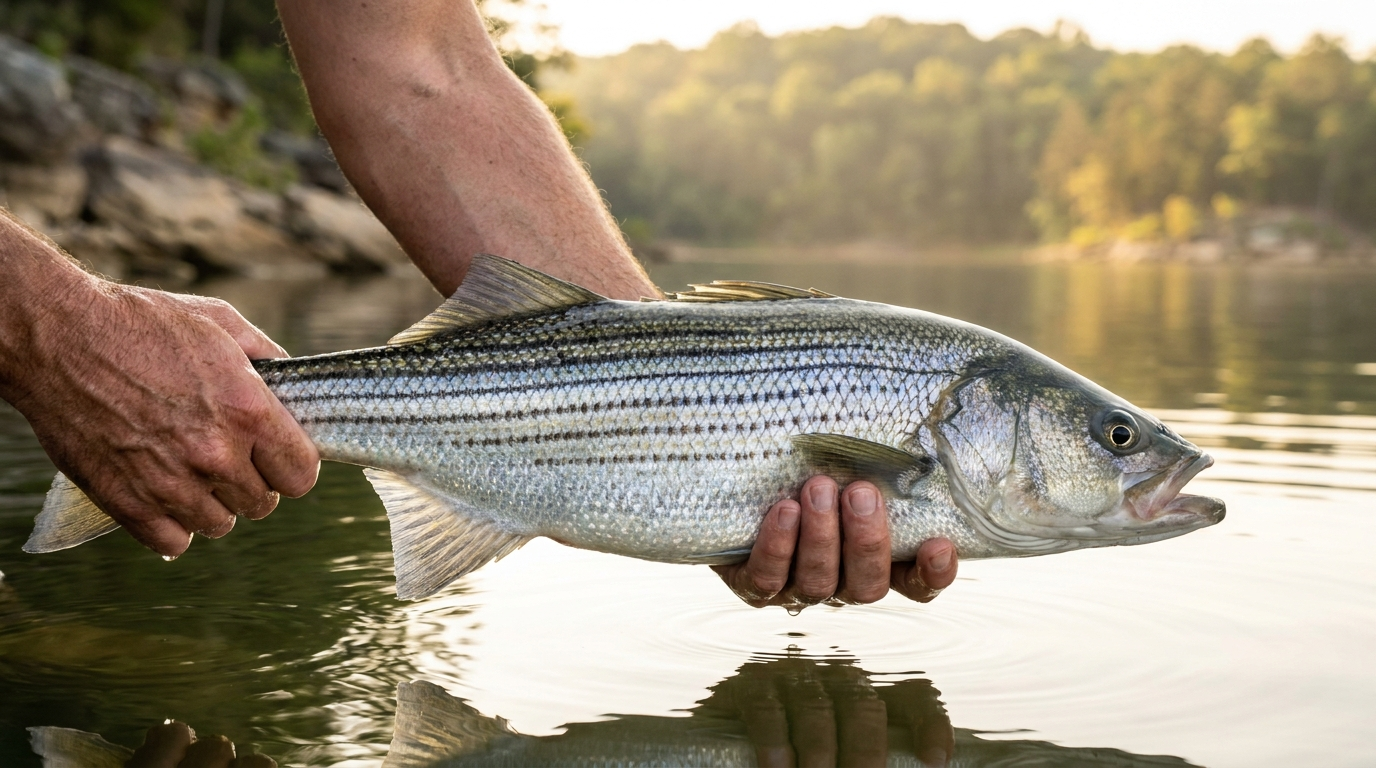
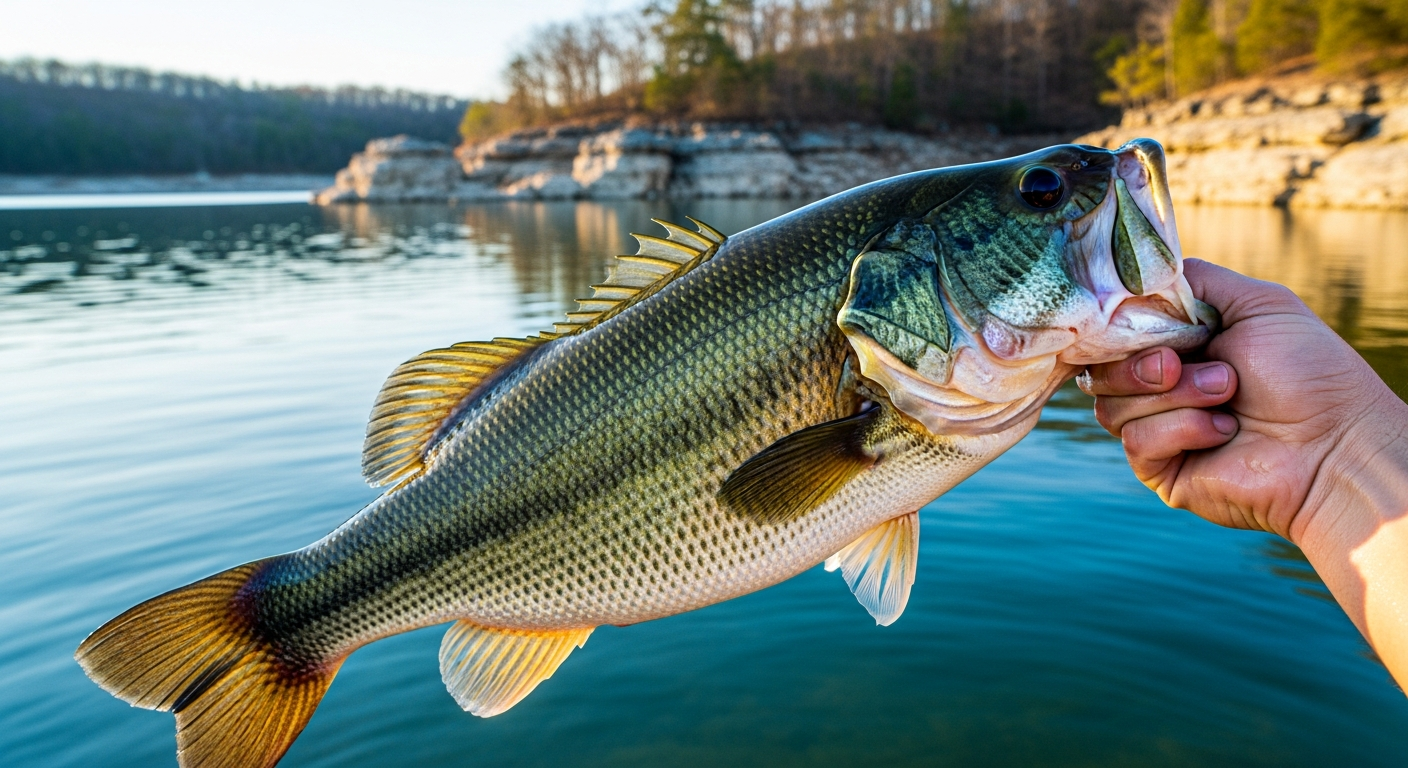
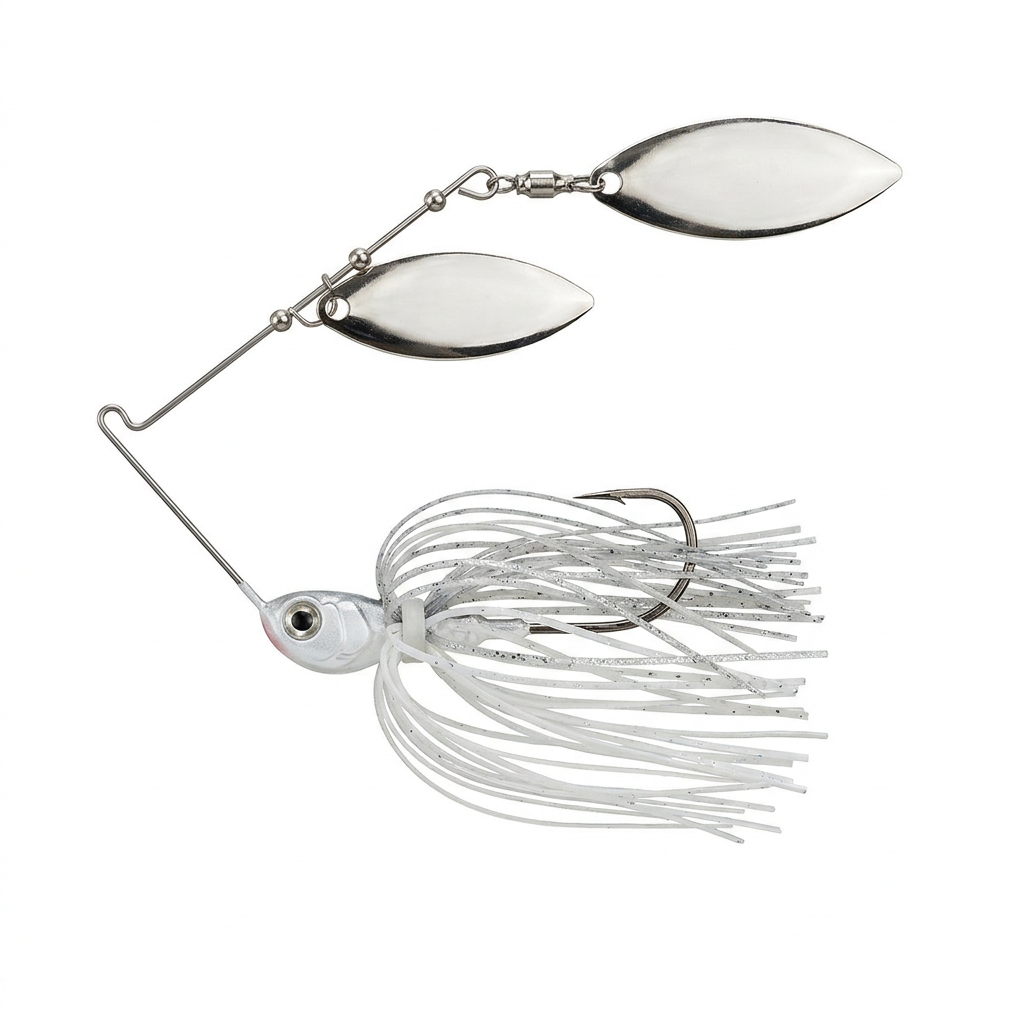
The bite has been particularly strong on smallmouth bass this week, with guides reporting consistent success. Anglers are finding largemouth and striped bass also actively feeding right now. Early morning topwater action is working well when conditions are right, and spinnerbaits are producing for anglers fishing shallow structure. Currently, anglers targeting striped bass are having success with live shad and shad-imitating lures in the 10 to 30 feet of water near creek channels.
This week, focus on War Eagle Creek and Prairie Creek, where structure and baitfish concentrations are drawing bass right now. Topwater lures, crankbaits, and spinnerbaits are the most productive techniques being used by successful anglers this week. For stripers, live shad continues to be the go-to bait, while forward-facing sonar technology is helping anglers locate active schools of both baitfish and striped bass to target more effectively.
Get More Fishing Report Specifics
Tap a topic button below for a report on current conditions.
Tap a topic above to get a current report for Beaver Lake.
Answers are generated on demand and cached. No AI call fires until you tap a tab.
Beaver Lake Fishing Guides
Looking for a Beaver Lake fishing guide? The clear Ozark water and pressure from skilled tournament anglers make Beaver a technical fishery — a guide who's figured out the finesse game here is worth every dollar. Go here → to check out our recommended fishing guides for Beaver Lake. Then scroll down on that page to see all of the Beaver Lake fishing guides.
Beaver Lake Fishing Strategies by Species
Seasonal patterns and techniques by target species · Verified against official sources
Largemouth bass, striped bass, walleye, and crappie are the primary draws at Beaver Lake, a clear-water Ozark reservoir that rewards anglers who understand depth and structure in very clear conditions. Bass fishing is the most celebrated fishery and has produced numerous tournament wins on the professional circuit. Walleye are a unique bonus for an Arkansas reservoir, stocked by AGFC and providing excellent fishing in the rocky Ozark structure. Striped bass use the deep, cold water near Beaver Dam as a summer sanctuary and school aggressively in fall. Verify current AGFC regulations before fishing.
Beaver Lake Largemouth Bass Fishing Report
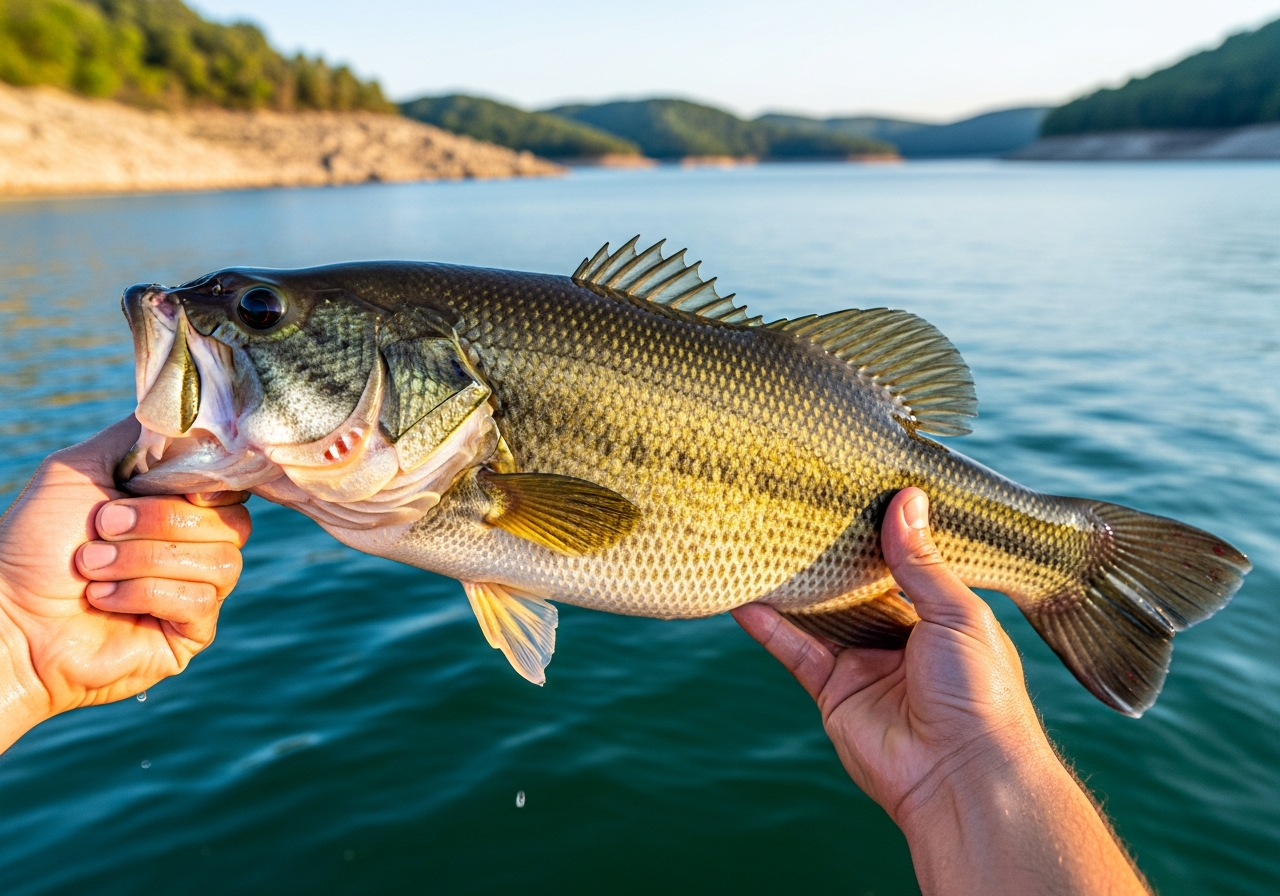
Largemouth bass fishing at Beaver Lake is among the best in Arkansas and has attracted major professional fishing tournaments repeatedly. The lake's Ozark limestone and shale structure, combined with extremely clear water, creates a fishery where depth, finesse, and understanding of vertical movement are essential. Bass follow baitfish vertically through the water column and hold on the rocky points, bluff walls, and main lake structure throughout the year. Spring is the most productive bass season at Beaver Lake. Pre-spawn fish stage on the secondary limestone points and the mouth of the White River and Beaver Fork arms in 10 to 18 feet from late February through March. As water temperatures reach 60 degrees, bass move to the protected cove pockets and rocky banks to spawn in 3 to 8 feet, typically in late March and April. The upper White River arm and the Indian Creek and Prairie Creek cove areas are known spawning grounds for the lake's larger bass. Summer bass at Beaver Lake require deep-water techniques. Fish move to the bluff walls and main lake rocky points in 15 to 25 feet as the lake stratifies. Shaky heads, drop shots on 6 to 8-pound fluorocarbon, and finesse jigs on the clean Ozark structure produce the most consistent results during the heat of summer. Fall is a prime season as bass return to shallower rocky structure and aggressively feed on shad, making crankbaits and spinnerbaits more effective through October and November. AGFC regulation: 12-inch minimum length, no daily bag limit. Verify at agfc.com before fishing.
Beaver Lake Striped Bass Fishing Report
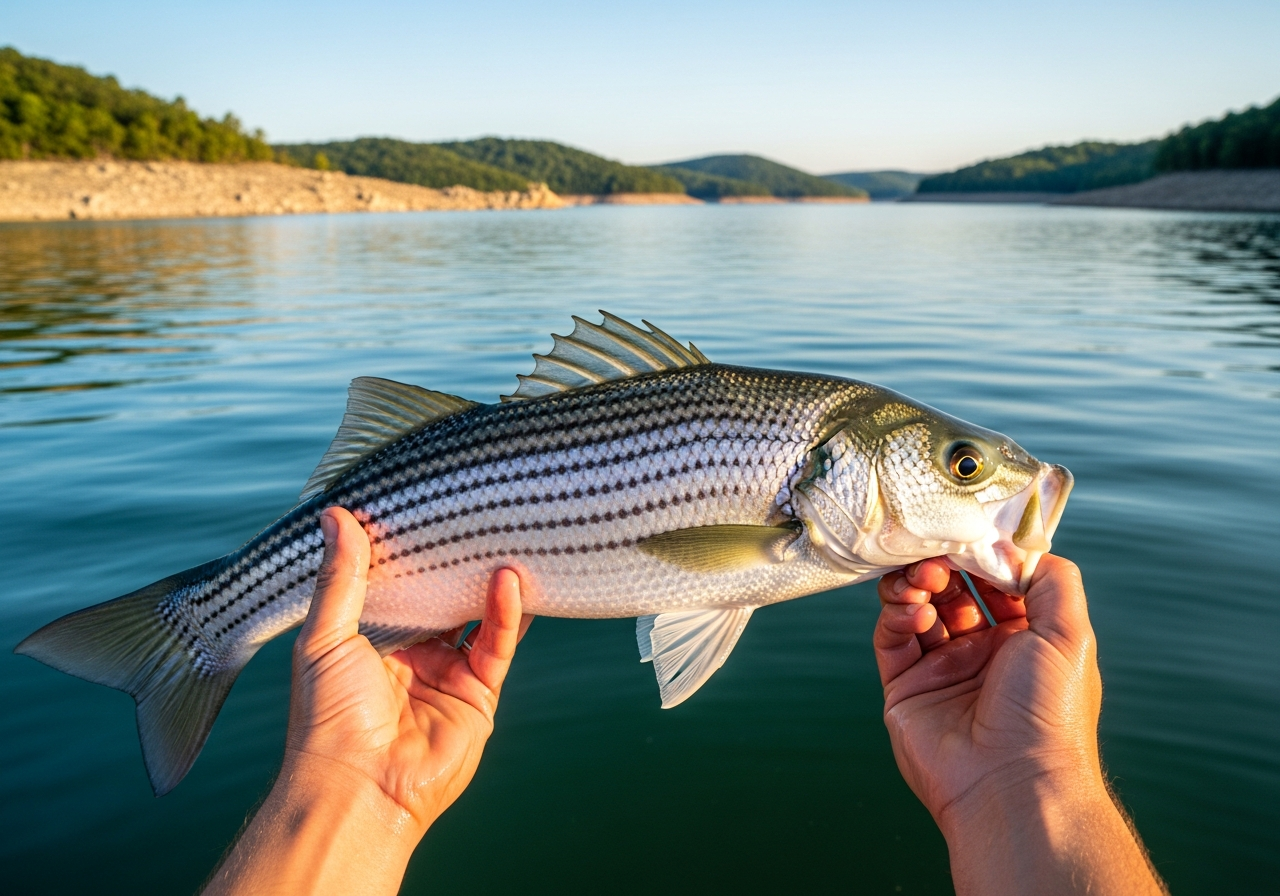
Striped bass at Beaver Lake are stocked by AGFC and use the lake's deep, cold water near Beaver Dam as a critical summer refuge. The dam's cold hypolimnetic water discharge keeps the lower lake area suitable for stripers even through the hottest summer months. Fish can grow to trophy size in Beaver Lake given the abundant shad forage and cold-water thermal refuge, and stripers in the 20-pound range have been documented. AGFC regulation: verify current striper regulations at agfc.com. Fall striper fishing at Beaver Lake is the most exciting, as cooling water temperatures allow fish to range more widely throughout the lake and surface schooling becomes common on the main lake points and the White River arm. Anglers follow surface boils and cast topwater lures, swim jigs, and large paddletail swimbaits into the schools for fast action. The main lake flats near the dam and the primary lake points from the 62 Bridge area to the dam concentrate fish in September and October. Summer striper fishing requires finding the fish on electronics near the thermocline in 25 to 45 feet. Live shad fished on downriggers near the dam face and along the main lake channel produces stripers during the summer stratification period. Night fishing near the dam with live bait is consistently productive when daytime fishing slows in July and August.
Beaver Lake Walleye Fishing Report
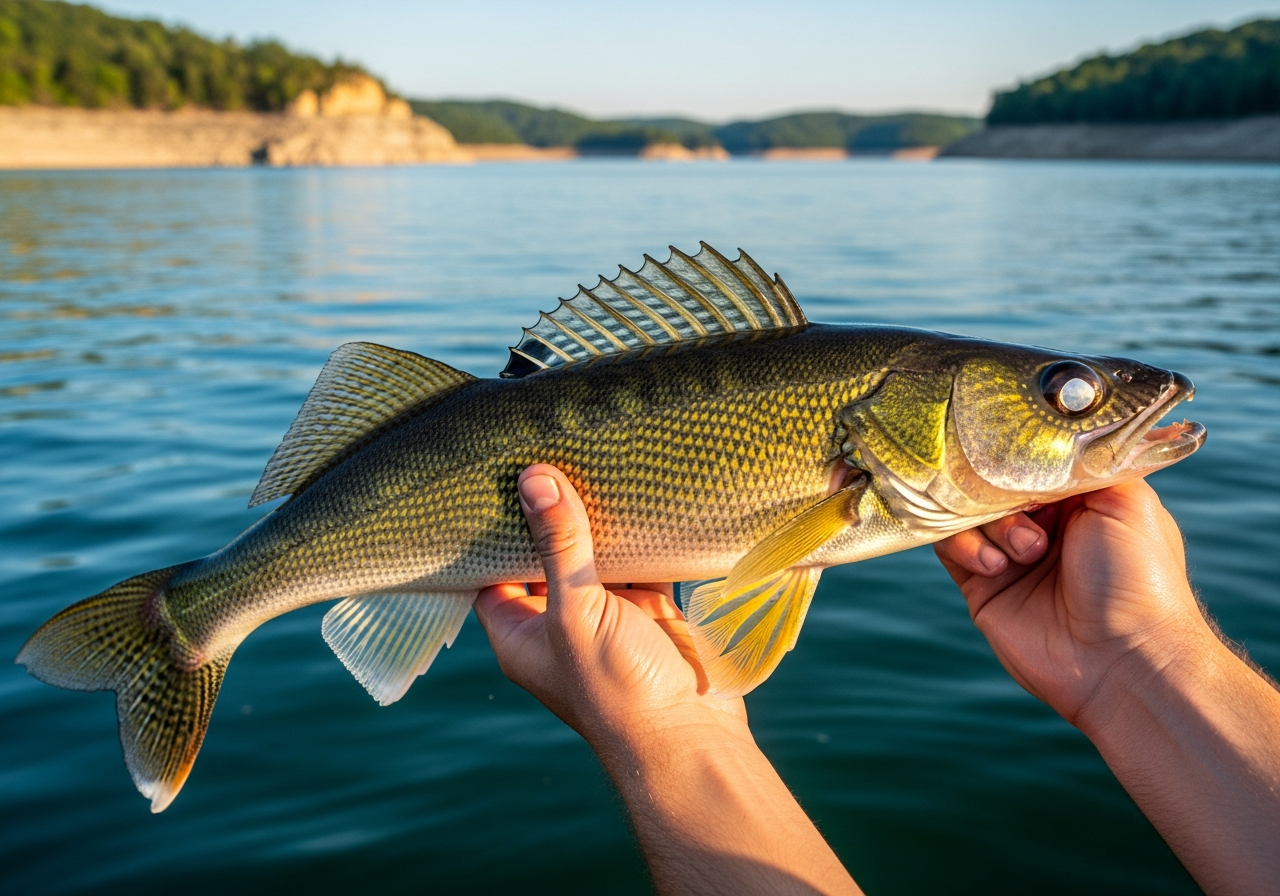
Walleye are a uniquely Ozark bonus at Beaver Lake, maintained through AGFC stocking and natural reproduction in the rocky White River habitat. Beaver Lake is one of the southernmost walleye fisheries in the United States and has developed a devoted local following among anglers who target them on the rocky Ozark structure. The clear water and rocky substrate closely mimic natural walleye habitat in northern impoundments, and the fish respond well to classic walleye techniques. Spring walleye fishing is the most productive at Beaver Lake. Fish move to the rocky points and riprap areas in 6 to 15 feet as water temperatures rise toward the upper 40s and 50s in February and March. Jig-and-minnow combinations worked along the rocky bank transitions and the riprap near the dam and boat ramps are the most reliable early spring presentations. The upper White River arm and the areas around War Eagle Creek concentrate walleye during the pre-spawn period. Summer walleye at Beaver Lake hold on the rocky main lake structure in 15 to 25 feet during the day and move shallower on the rocky points and main lake bluff transitions at dusk and dawn. Crankbaits trolled along the main lake rocky structure at 12 to 20 feet and jigs worked vertically on the rocky bottom are the most effective summer presentations. Fall brings the best all-around walleye action as fish feed aggressively on shad and become accessible throughout the day on the main lake structure. AGFC regulation: verify current walleye size and bag limits at agfc.com.
Beaver Lake Crappie Fishing Report
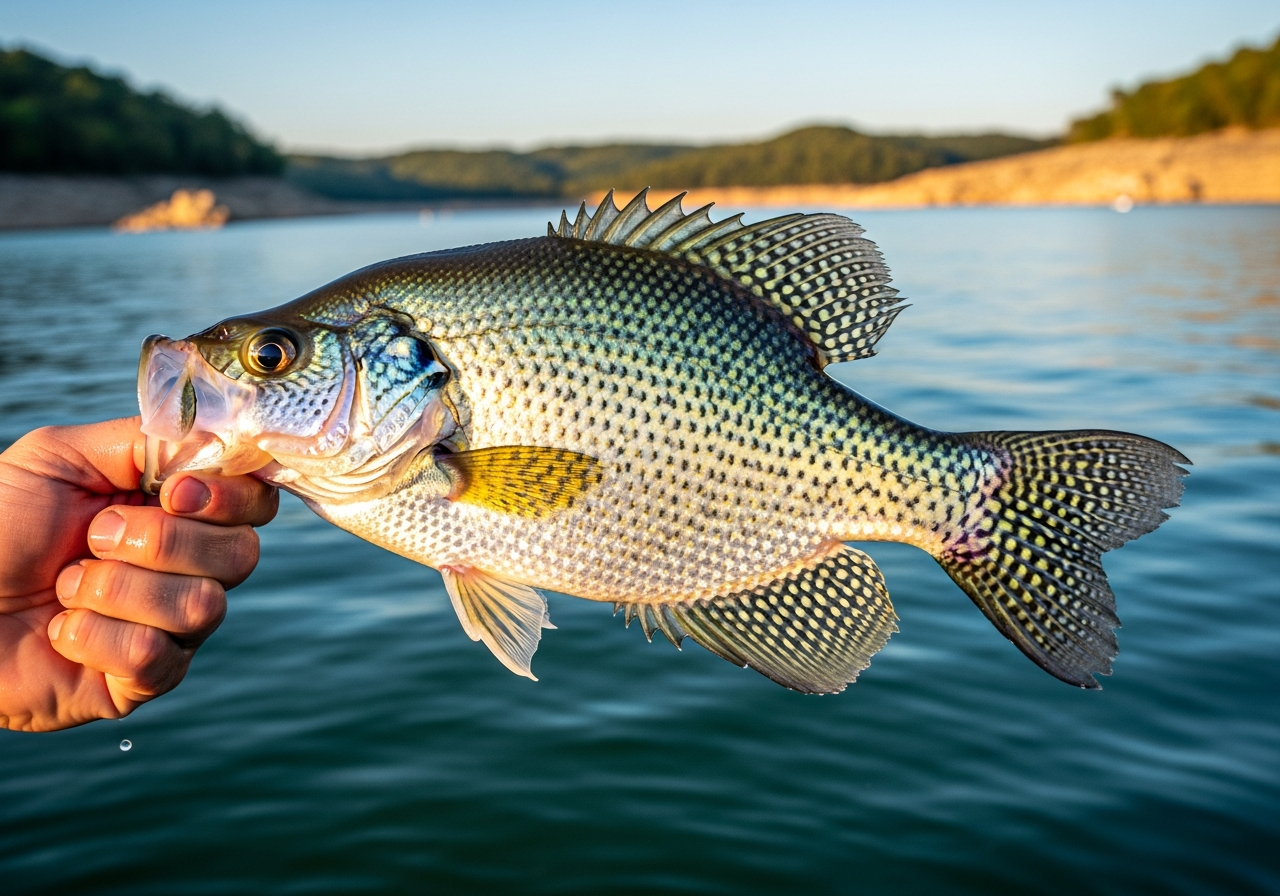
Crappie fishing at Beaver Lake is productive around the dock structure, bridge pilings, and submerged brush throughout the lake. The lake holds primarily white crappie in the main lake and lower arms, with black crappie more common in the upper river arms where the water is more turbid. Spring crappie fishing peaks in late March and April as fish move from their 12 to 20-foot winter holding areas to the dock pilings and shallow brush in 4 to 10 feet. The dock communities along the Rogers and Eureka Springs shorelines are known crappie producers throughout the year. Small tube jigs in white and chartreuse worked vertically around dock pilings at the right depth produce consistent fish. The Highway 62 bridge area and the brush piles placed by AGFC in designated areas concentrate crappie year-round and are worth marking on a GPS unit. Fall crappie at Beaver Lake return to the dock structure and bridge pilings at 10 to 15 feet and are accessible through November. Winter crappie pull to the deepest available dock structure and submerged timber in 18 to 25 feet and are best fished very slowly with small jigs or live minnows. AGFC regulation: 10-inch minimum length, 30-fish daily bag limit. Verify current regulations at agfc.com before fishing.
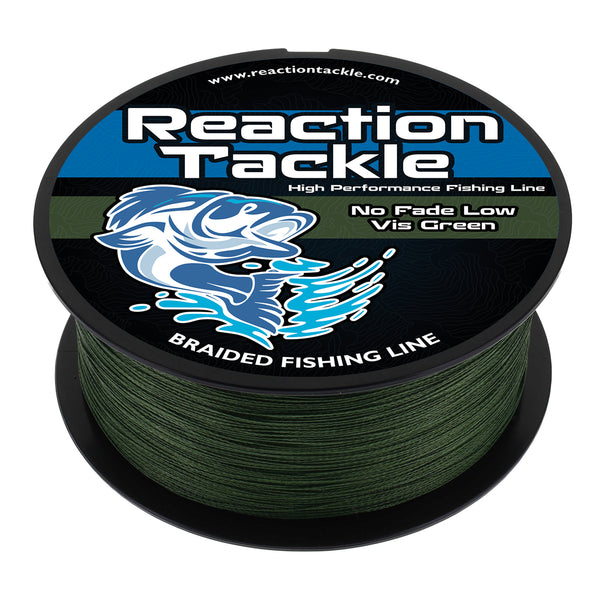
If you haven't replaced your braided line in a season or two, now's the time. Braid holds up better than mono, but abrasion from wood and rock adds up. Reaction Tackle is one of my favorite places to order from.
Top Fish to Target in Beaver Lake
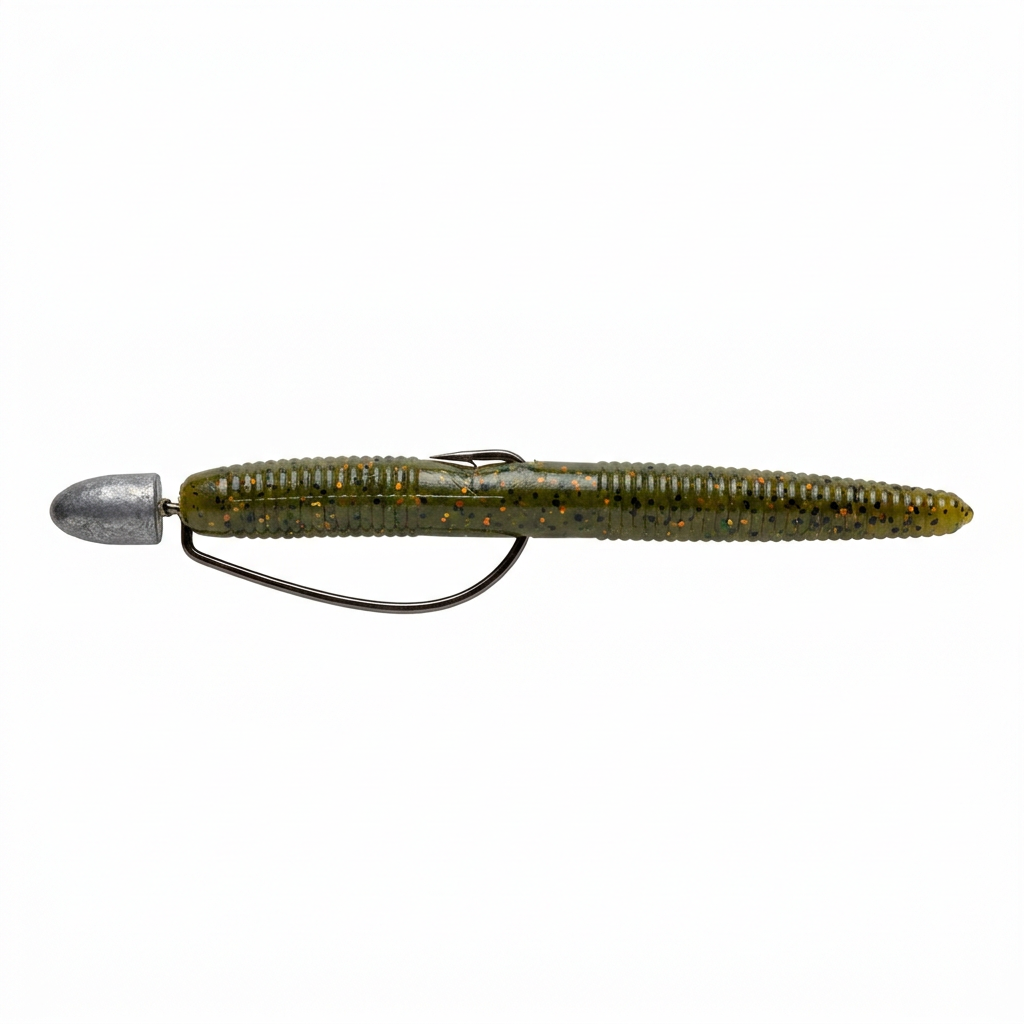
Lures for Beaver Lake
Tackle matched to this lake's species and structure.
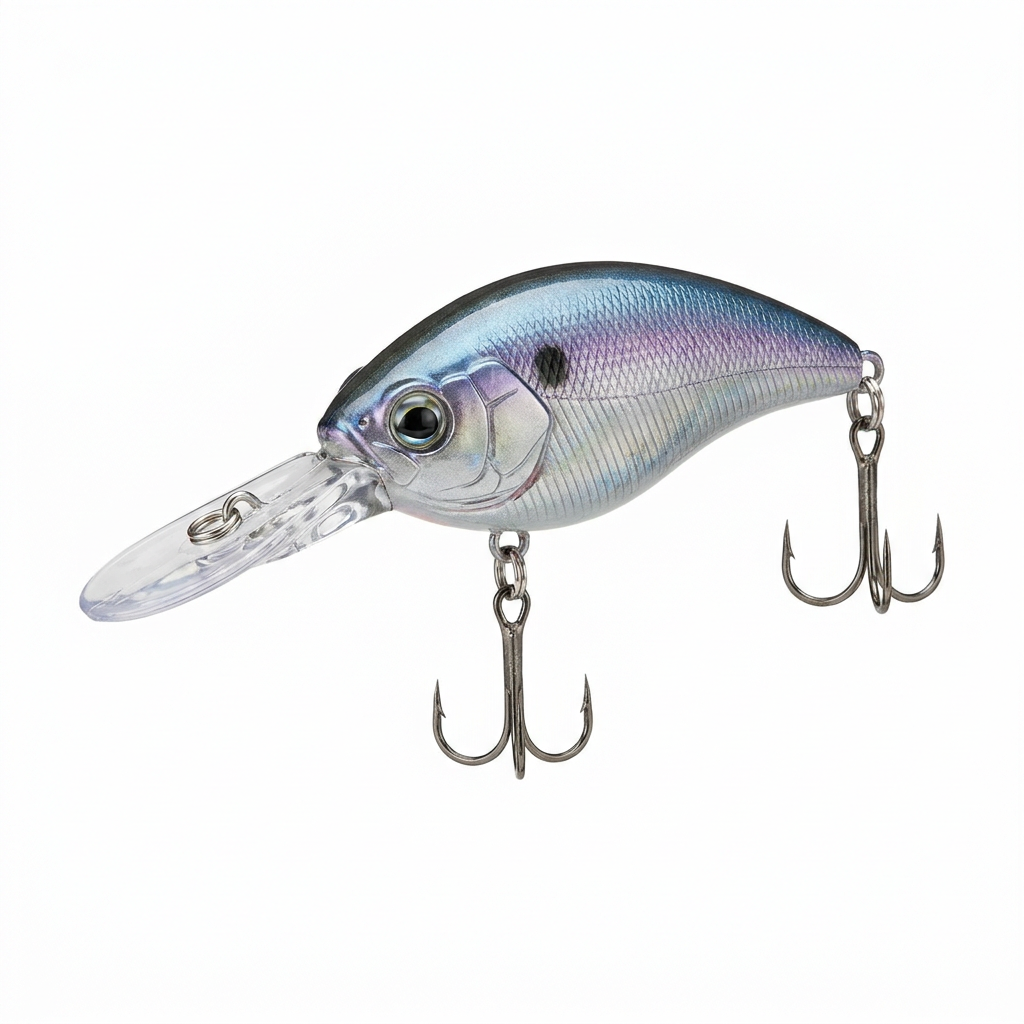
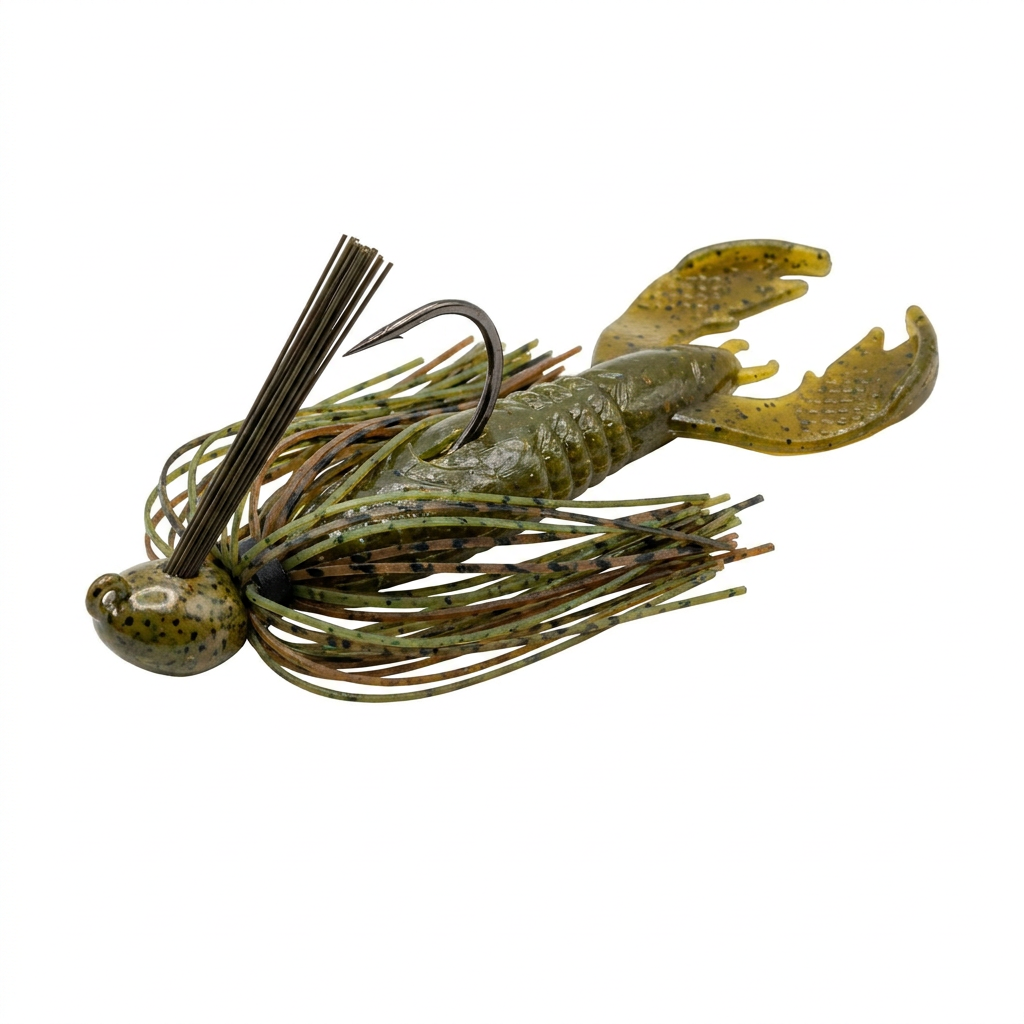
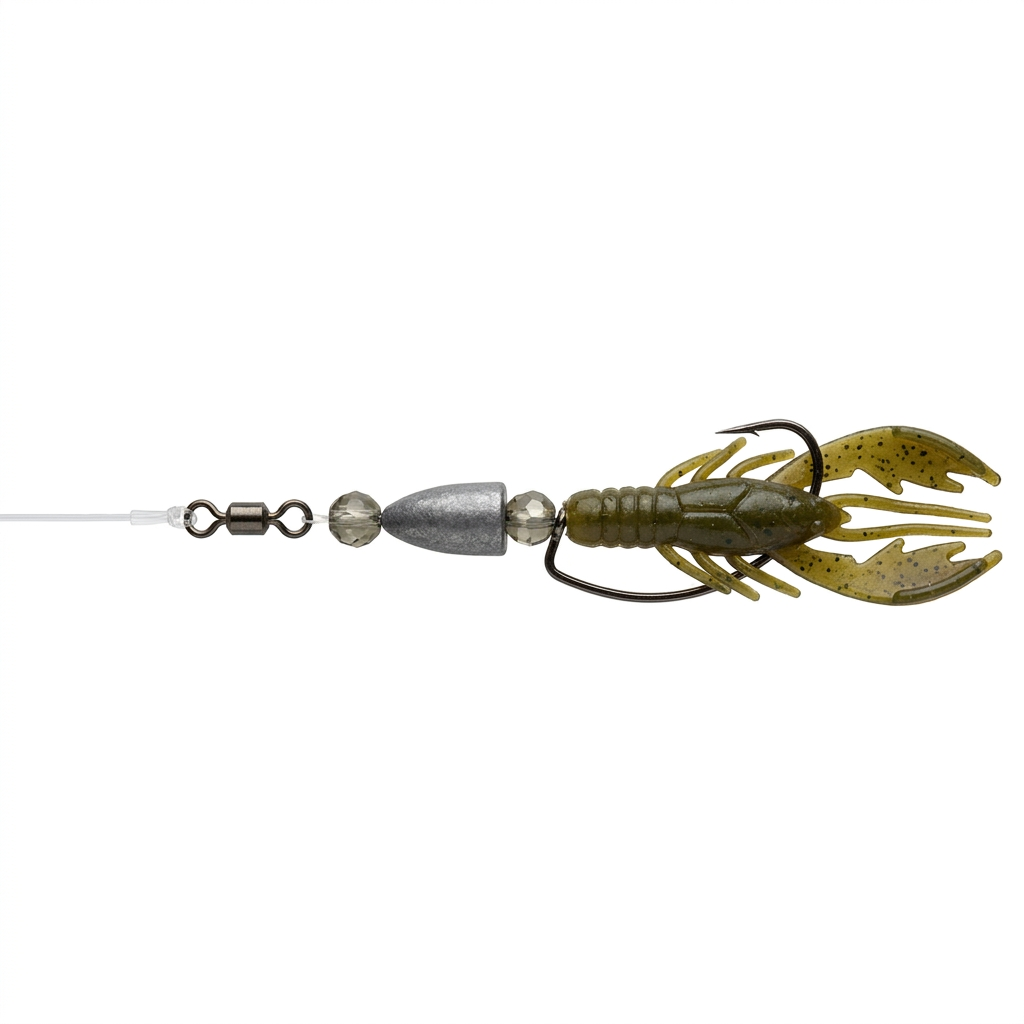
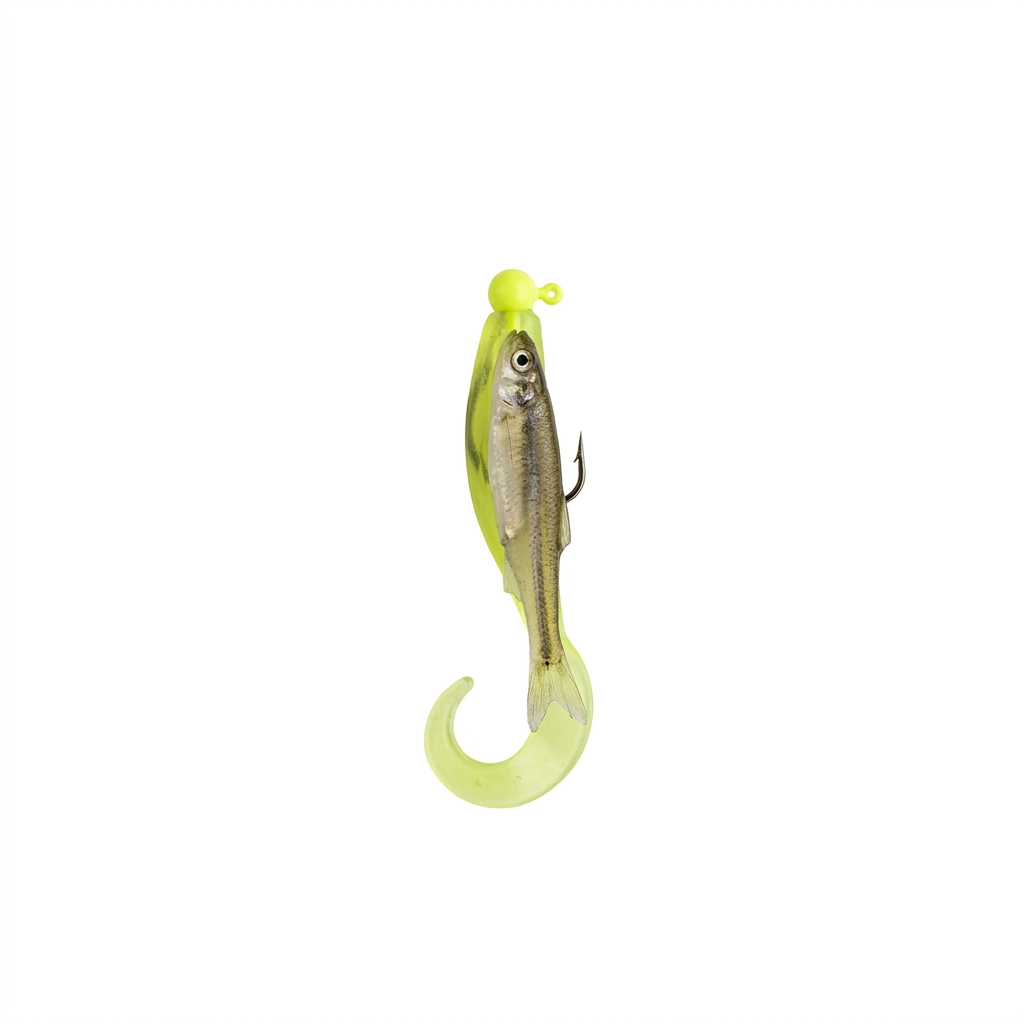
The right line matters as much as the lure. For the presentations that work on this lake, whether flipping timber, fishing main lake structure, or working deep brush, braid is the move. No stretch, more feel, and it lasts. Reaction Tackle is where I get mine.
About Beaver Lake
Lake size and location. Beaver Lake covers 28,370 acres in Benton, Carroll, and Madison counties in northwest Arkansas, formed by Beaver Dam on the White River. The US Army Corps of Engineers completed the dam in 1964 for flood control, hydropower, and water supply. The lake reaches a maximum depth of approximately 190 feet near the dam and features the clear, blue water characteristic of Ozark limestone and shale bedrock watersheds. The nearest major town is Rogers, Arkansas, in Benton County, and the lake lies within the broader Fayetteville-Springdale-Rogers metropolitan area.
Water clarity and Ozark character. Beaver Lake is one of the clearest large reservoirs in the mid-South. Under normal conditions, water clarity exceeds 8 to 12 feet of visibility in the main lake, demanding finesse fishing presentations and fluorocarbon line for consistent success on bass and walleye. The rocky limestone and shale bluffs, main lake points, and extensive tributary arms create diverse structure throughout the lake's 487-mile shoreline.
Regulations (verify at AGFC). Largemouth bass: 12-inch minimum, no daily bag limit statewide standard. Walleye: verify size and bag limit at agfc.com. Crappie: 10-inch minimum, 30/day. Striped bass: verify current regulations at agfc.com. Always check current regulations before fishing, as AGFC may have updated lake-specific rules.
Access points. The US Army Corps of Engineers operates multiple boat ramps around Beaver Lake including Dam Site, Prairie Creek, Lost Bridge, and War Eagle parks. Private marinas operate near Rogers and Eureka Springs. The Beaver Bridge (the oldest pedestrian suspension bridge in Arkansas) crosses the White River near the upper lake and marks the transition to the upper river arm.
Tournament history. Beaver Lake has hosted multiple major professional bass fishing tournaments including Bassmaster Elite Series events, which have produced memorable finishes and highlighted the lake's depth-oriented, structure-fishing bass patterns. Local knowledge of the rocky main lake points and deep bluff structure is a significant advantage in competition and in casual fishing alike.