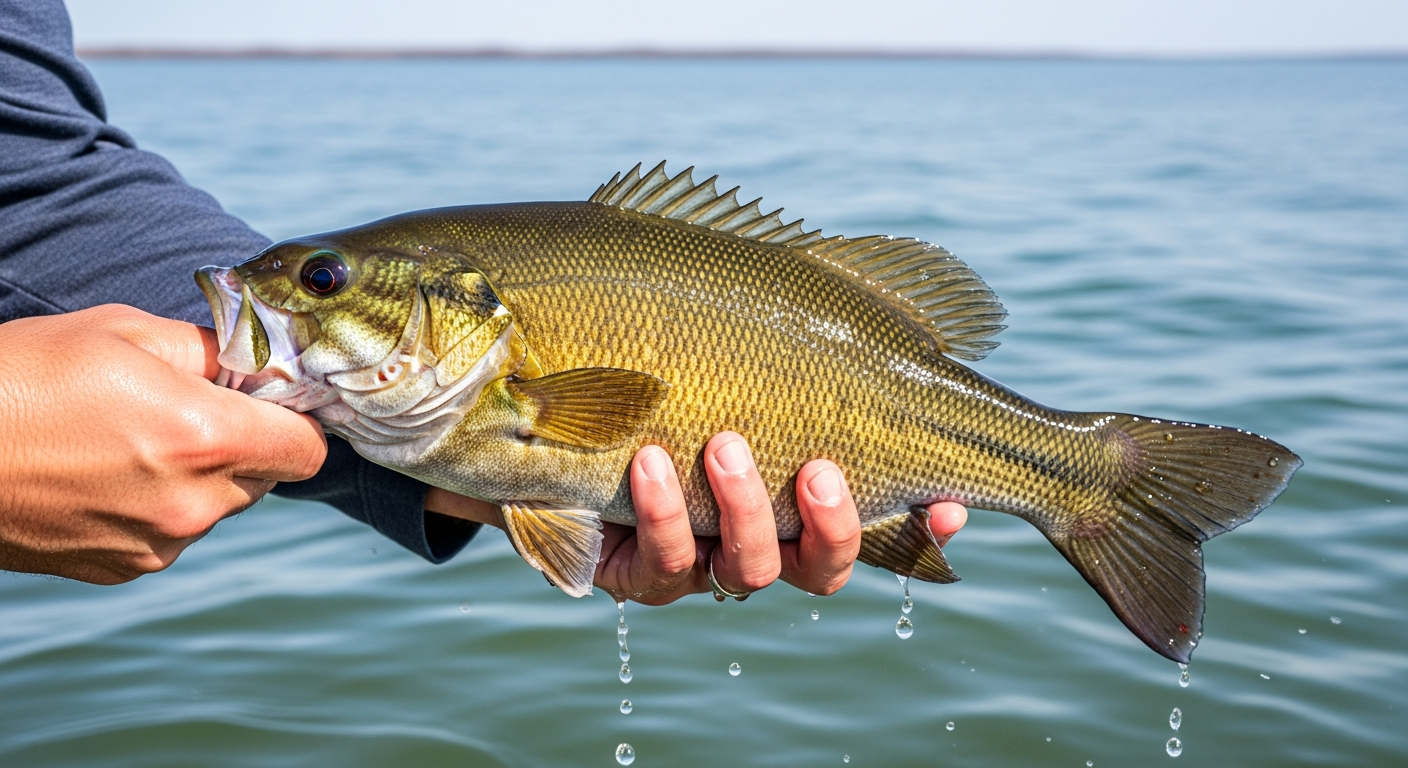
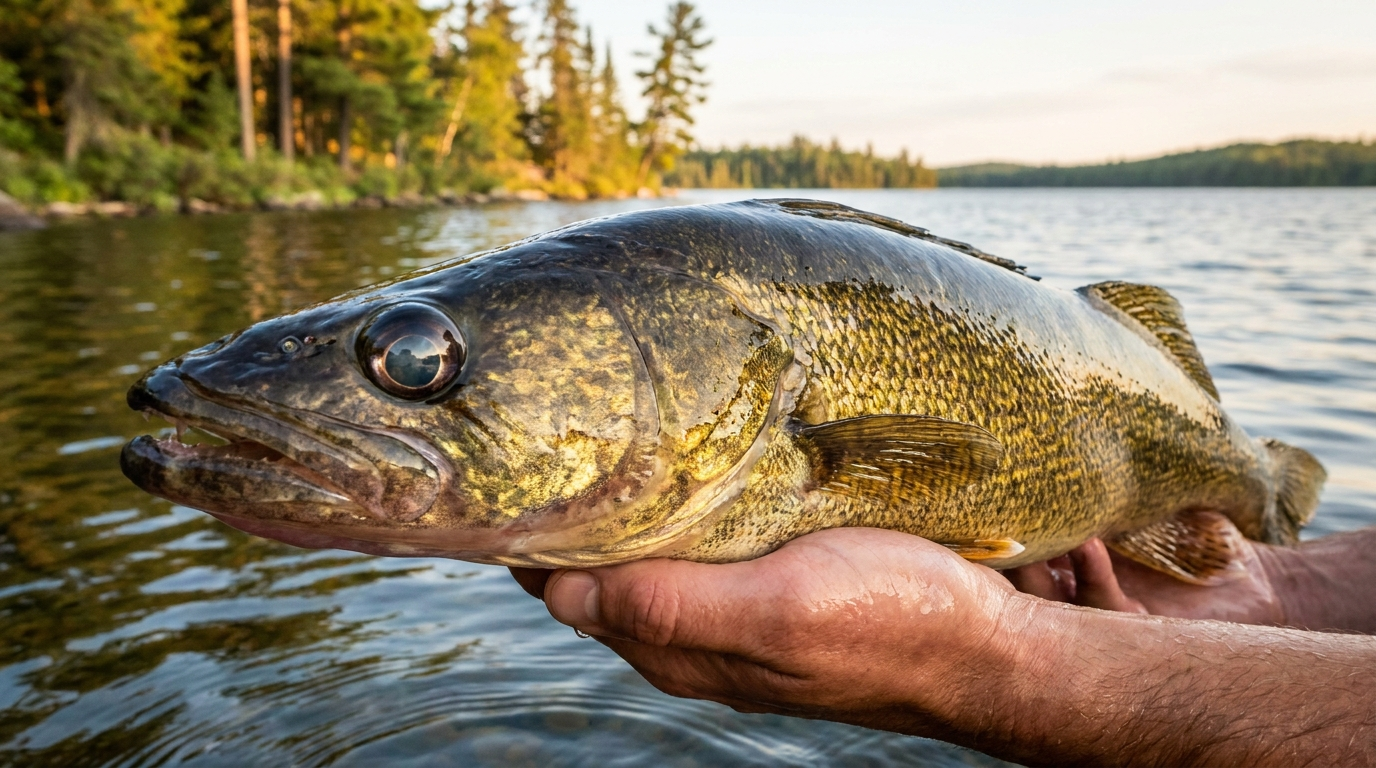
Hubbard Lake is the kind of northern Michigan lake that serious anglers know about but don't talk about too loudly. Being the largest inland lake in Michigan outside the Great Lakes means there is enough water to absorb the summer cottage crowd and still offer quality fishing if you know where to look. I'd be out on the deep basin structure at first light chasing walleye in May before the weekend boats show up.
Today's Bite Score · October 8, 2026
Above average conditions worth planning a trip
🌘Waning Crescent
Hubbard Lake Fishing Report
October FishingMonthly fishing report · October patterns and techniques
Hubbard Lake in October experiences a dramatic seasonal shift as water temperatures drop into the mid-50s Fahrenheit. This month brings cooler nights and shorter days that trigger significant changes in fish behavior across Michigan's largest inland lake. The thermocline breaks down, allowing fish to roam throughout the water column rather than holding in deep, stratified layers. Anglers find the lake's 40,000-acre expanse more accessible this month as the summer recreation crowds dissipate, though the cooling water pushes fish into more predictable feeding patterns as they prepare for winter.
In October, walleye become increasingly active across Hubbard Lake's shallow to mid-depth structure, particularly around the lake's numerous points, drop-offs, and weed edges. These predators concentrate near rocky shorelines and the submerged humps scattered throughout the lake's basin. Yellow perch fishing intensifies this month in deeper water beyond the 30-foot mark, where schools suspend and feed aggressively before winter dormancy sets in. Northern pike and largemouth bass remain catchable near remaining shallow vegetation and around the lake's inlet areas, though their activity decreases compared to earlier months. Lake trout begin moving into slightly deeper water as surface temperatures cool, making them more accessible to anglers with deeper-reaching presentations.
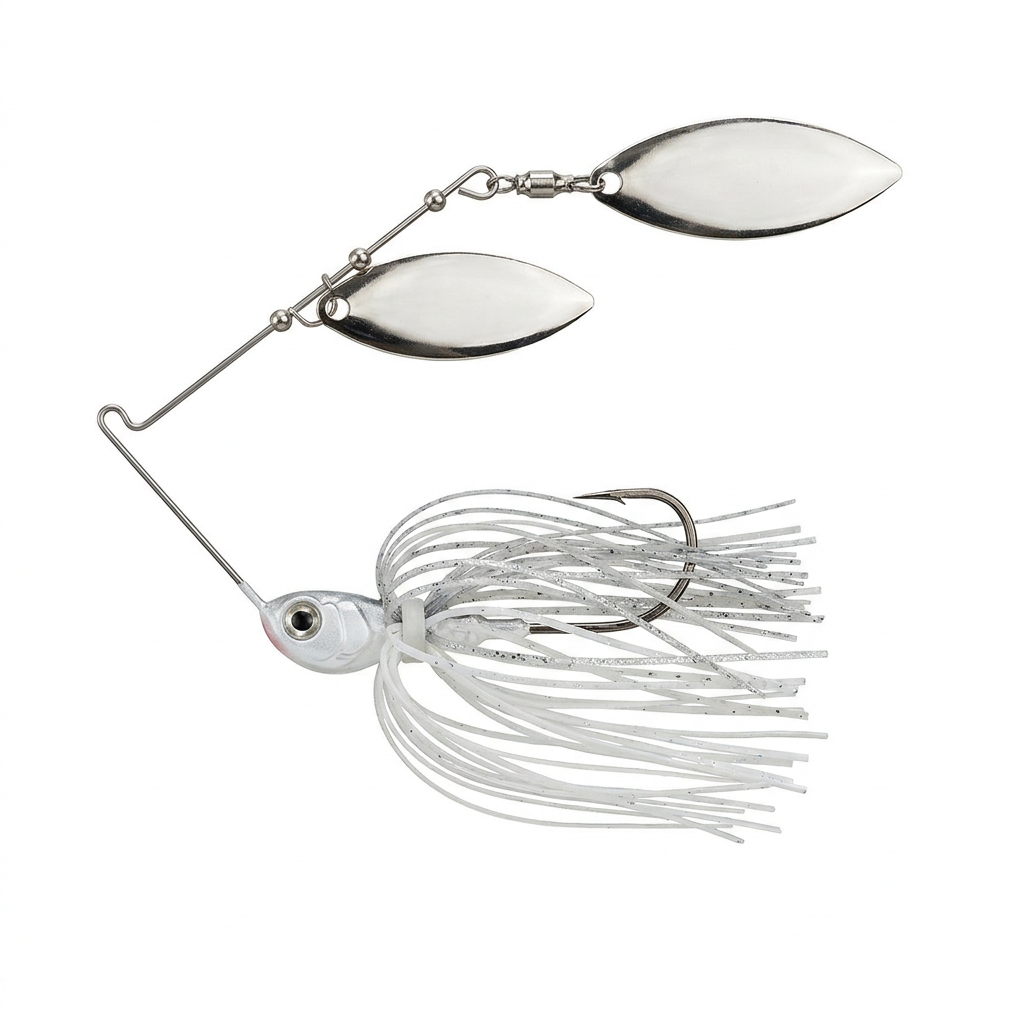
Anglers find live baitfish most effective in October at Hubbard Lake, with shiners and minnows producing consistent walleye catches along the main lake structure. Jigging remains the dominant technique this month, with presentations like 1/4-ounce to 1/2-ounce jigs tipped with minnows or soft plastics working well in the 15 to 35-foot depth range. Trolling crankbaits over the submerged structure yields success for walleye and pike, particularly in the lake's deeper basins where fish concentrate. Small spinnerbaits and soft plastic swimbaits appeal to northern pike holding near remaining weed patches and rocky areas. For perch fishing in October, vertical jigging with small minnows or tube jigs in 30 to 50 feet of water produces excellent results. Anglers targeting lake trout should focus on the deeper channels and offshore structure using live herring or spoons that mimic baitfish, as fish are transitioning to cooler, deeper zones.
Get More Fishing Report Specifics
Tap a topic button below for a report on current conditions.
Tap a topic above to get a current report for Hubbard Lake.
Answers are generated on demand and cached. No AI call fires until you tap a tab.
Hubbard Lake Fishing Strategies by Species
Seasonal patterns and techniques by target species · Verified against official sources
Hubbard Lake is a natural glacial lake of approximately 8,765 acres in Alcona County in northeastern Lower Michigan - the largest inland lake in Michigan outside the Great Lakes chain. The lake was formed by glacial activity and occupies a natural basin in the northern hardwood forest of the Au Sable River region. Hubbard Lake reaches 75 feet in depth and provides diverse habitat supporting walleye, largemouth and smallmouth bass, yellow perch, northern pike, and bluegill. The lake is a popular summer destination with significant cottage and resort development, but the lake's substantial size distributes fishing pressure across enough water to maintain quality fishing for those who work to find fish. Michigan DNR regulations apply: verify current limits and seasons at michigan.gov/dnr before fishing.
Hubbard Lake Walleye Fishing Report
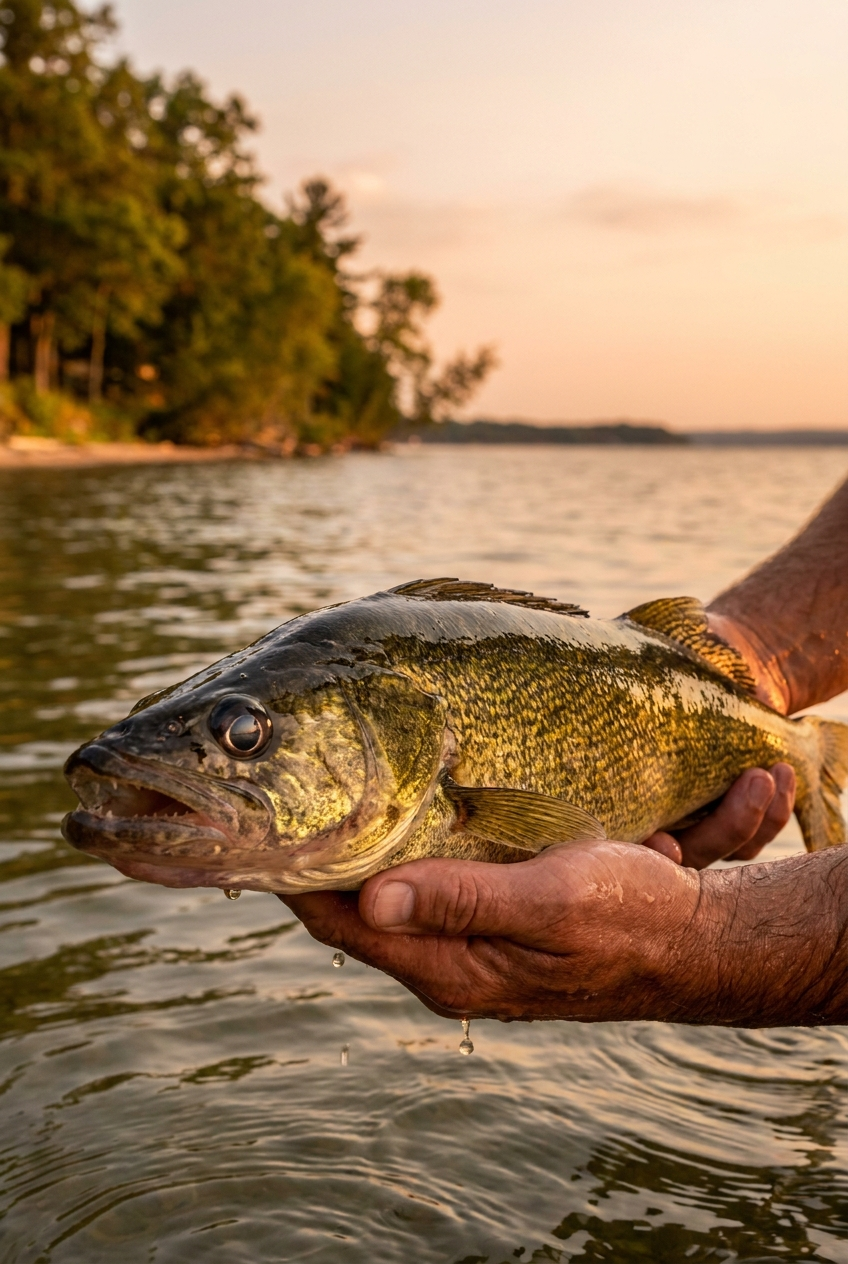
Walleye are the premier sport fish on Hubbard Lake and the species that drives much of the serious angling effort on this large Alcona County glacial lake. The lake's 75-foot maximum depth and the varied bottom structure - rocky points, gravel bars, sandy flats, and the deep basin - create the diverse habitat that walleye require through the seasons. Spring walleye fishing begins in April after the ice-out, with fish active on the rocky and gravel structure in 6 to 15 feet as they recover from spawning. Jigs tipped with nightcrawlers or minnows worked slowly along the bottom on the points and gravel transitions produce consistent spring walleye. Summer walleye on Hubbard Lake follow a classic thermocline pattern, with fish relating to the 15 to 30 foot depth range near the transitions from the shallower structure to the deeper basin. Trolling crankbaits and spinner-harness rigs along the contour breaks in the main basin is the most efficient summer approach, covering the water where walleye suspend over the key depth ranges. Early morning and evening fishing with jigs near the rocky points also produces summer fish. Fall walleye on Hubbard Lake are active through October on the rocky structure near the deeper basin areas as fish feed aggressively before winter. Ice fishing for walleye is excellent in winter over the deep basin and the rocky structure that produced fish in open water. Verify current Michigan walleye regulations at michigan.gov/dnr.
Hubbard Lake Largemouth Bass Fishing Report
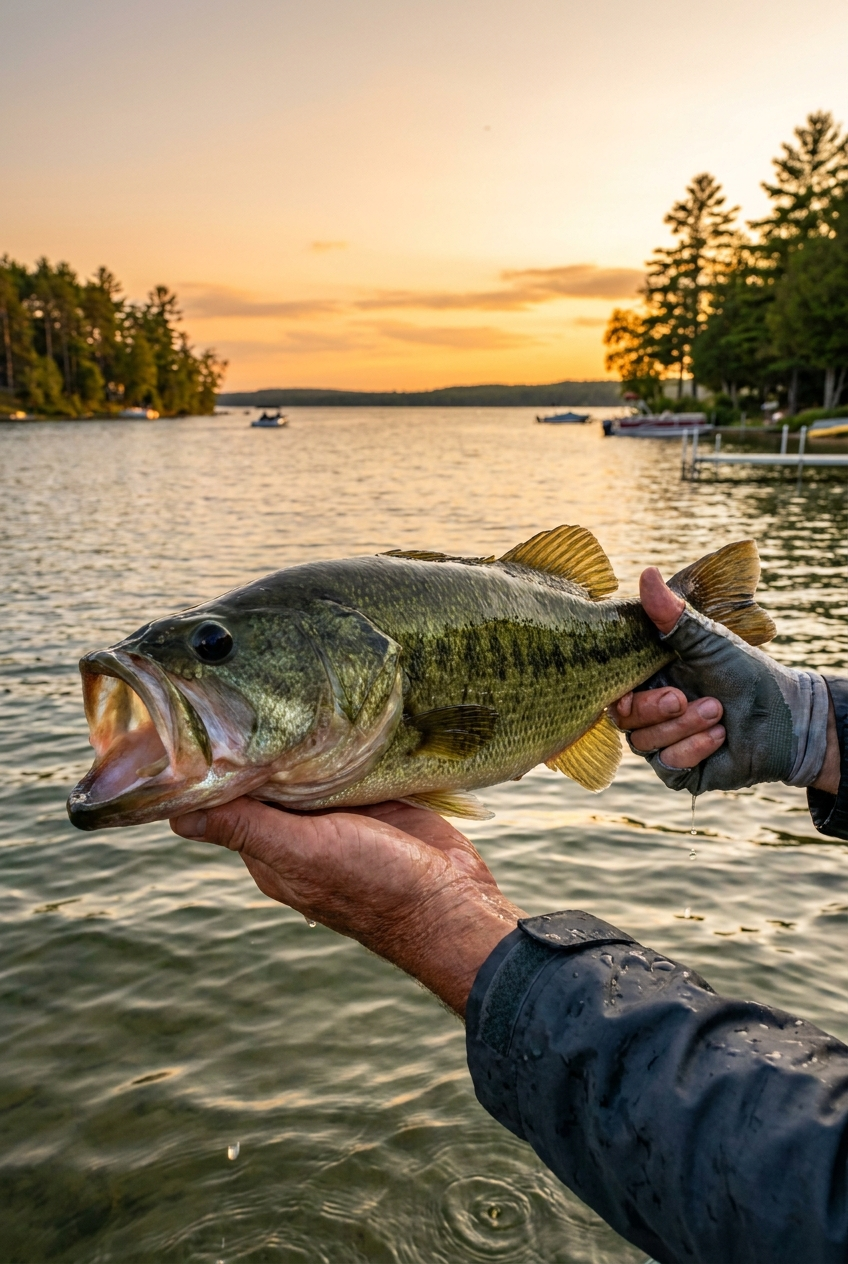
Largemouth bass occupy the weedy coves, the beds of aquatic vegetation in the shallower arms of Hubbard Lake, and the dock and shoreline cover along the developed cottage shoreline. The lake's significant cottage development has actually created extensive dock structure that largemouth bass use as primary cover throughout the summer. Spring bass fishing begins in mid-May when fish move to the protected coves to spawn near the sandy bottom adjacent to any available vegetation or brush. Texas-rigged worms, spinnerbaits, and topwater frogs over the weed beds produce quality spring and early summer bass. Summer largemouth fishing on Hubbard Lake is most effective early morning and late evening when fish are active on the weed edges and dock shadows. The massive shoreline with cottage docks provides extensive summer habitat. Swimming jigs, topwater poppers, and Texas-rigged worms worked around the dock posts and the weed edges produce consistent catches. The quieter coves on the western shore and the shallower arms of the lake hold the most largemouth habitat. Fall bass chase shad and perch fry in the shallower coves and are accessible on crankbaits and spinnerbaits along the weed edges until freeze-up. Verify Michigan largemouth bass regulations at michigan.gov/dnr.
Hubbard Lake Smallmouth Bass Fishing Report
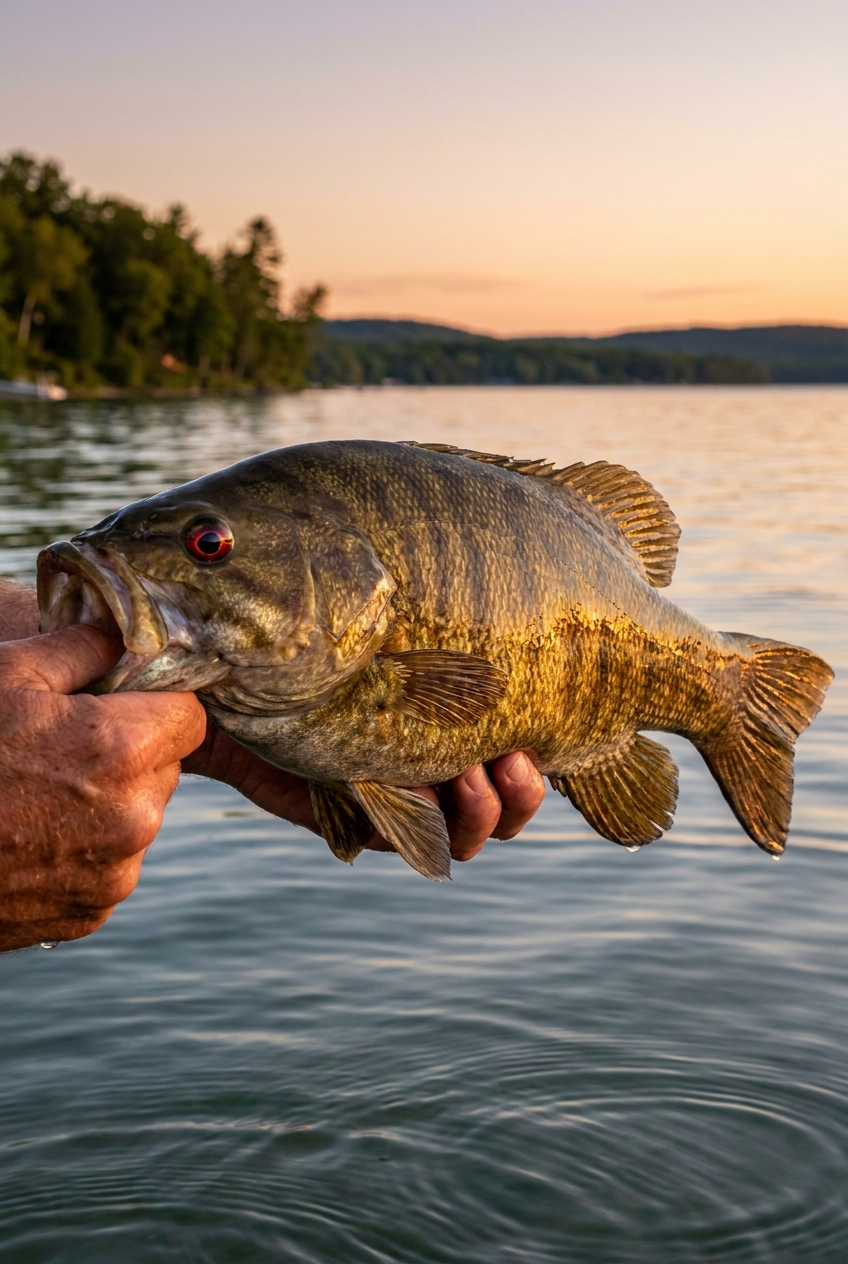
Smallmouth bass thrive in the clear, deep water of Hubbard Lake, gravitating to the rocky points, gravel bars, and the harder bottom areas of the main lake basin. The clear northern Michigan water and the glacial geology provide the rocky substrate and the baitfish populations that support excellent smallmouth habitat. Spring smallmouth fishing on Hubbard Lake begins in late May when fish move to spawn on the gravel and rock in 4 to 10 feet. The gravel points and the rocky coves on the north and east shores of the lake are reliable spawning areas. Summer smallmouth bass on Hubbard Lake follow the deep rocky structure in 15 to 35 feet. Drop-shot rigs with small tubes and finesse plastics worked along the rocky transitions between shallow points and the deep basin produce quality fish during the summer heat. Jigs hopped along the gravel and rock in the 10 to 20 foot range are effective in early morning and evening. The open-water smallmouth on Hubbard Lake are often associated with the same deep rocky humps and transitions that produce walleye, and the two species are frequently caught in the same areas. Fall smallmouth fishing near the rocky points in 8 to 15 feet can be excellent through October. Verify Michigan smallmouth regulations at michigan.gov/dnr.
Hubbard Lake Yellow Perch Fishing Report
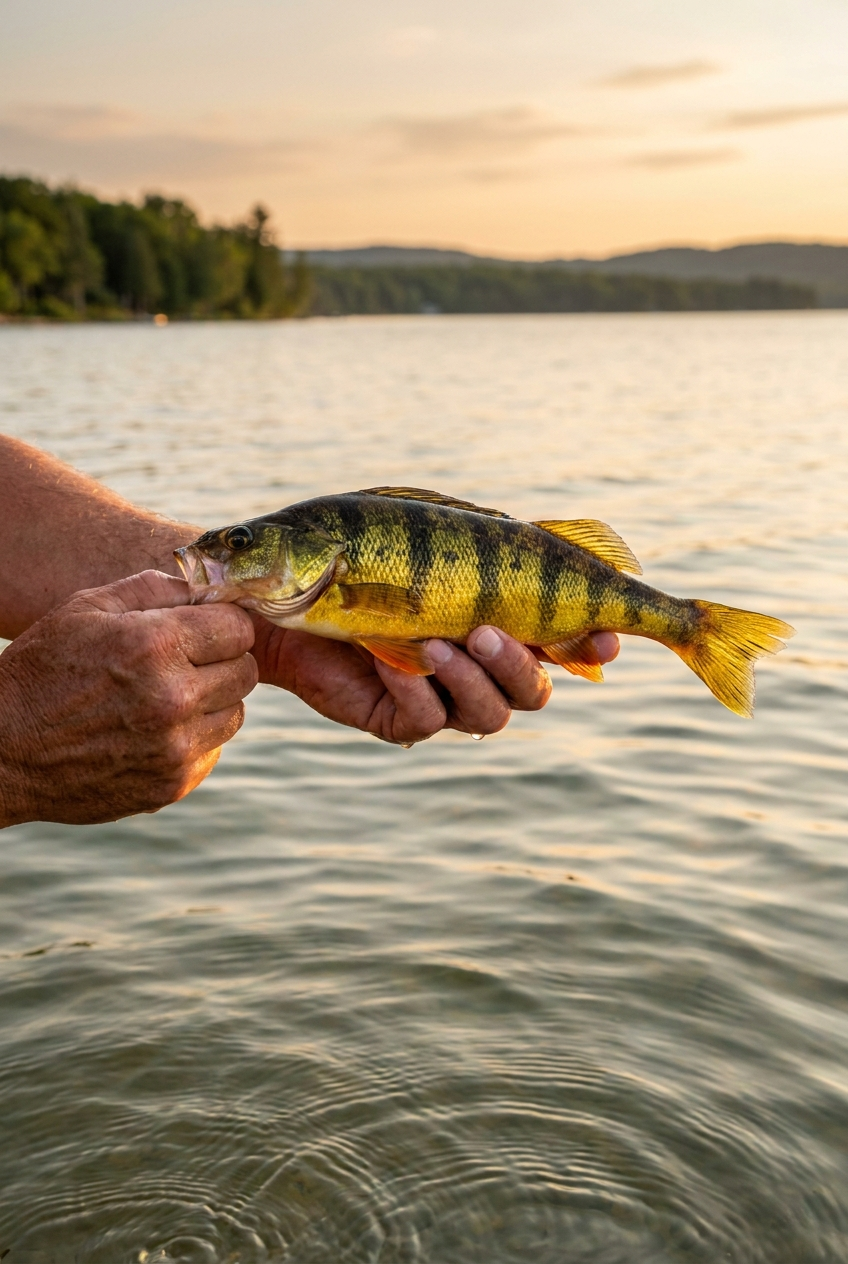
Yellow perch are one of the most popular target species on Hubbard Lake, particularly for summer cottage anglers who prefer live bait fishing for panfish. The lake supports excellent perch populations throughout the basin, with fish schooling in the 15 to 30 foot range over sandy and mixed bottom. Perch fishing from anchored boats or drifting over the open basin with small jigs tipped with minnows or mealworms produces fast action when schools are located. The deep basin structure that holds walleye often holds perch as well, and the two species are commonly targeted together. Ice fishing for yellow perch on Hubbard Lake is one of the most popular winter activities in Alcona County. The deep, clear water keeps perch active through the winter and the fish are accessible on tip-ups and jigging rods over the basin. Perch in Hubbard Lake average 8 to 11 inches with larger fish over 12 inches present in the deeper sections. Summer perch fishing for families is a staple activity, with fish accessible from anchored boats in the 15 to 25 foot range throughout the main lake. Verify current Michigan yellow perch regulations and bag limits at michigan.gov/dnr.
Hubbard Lake Northern Pike Fishing Report
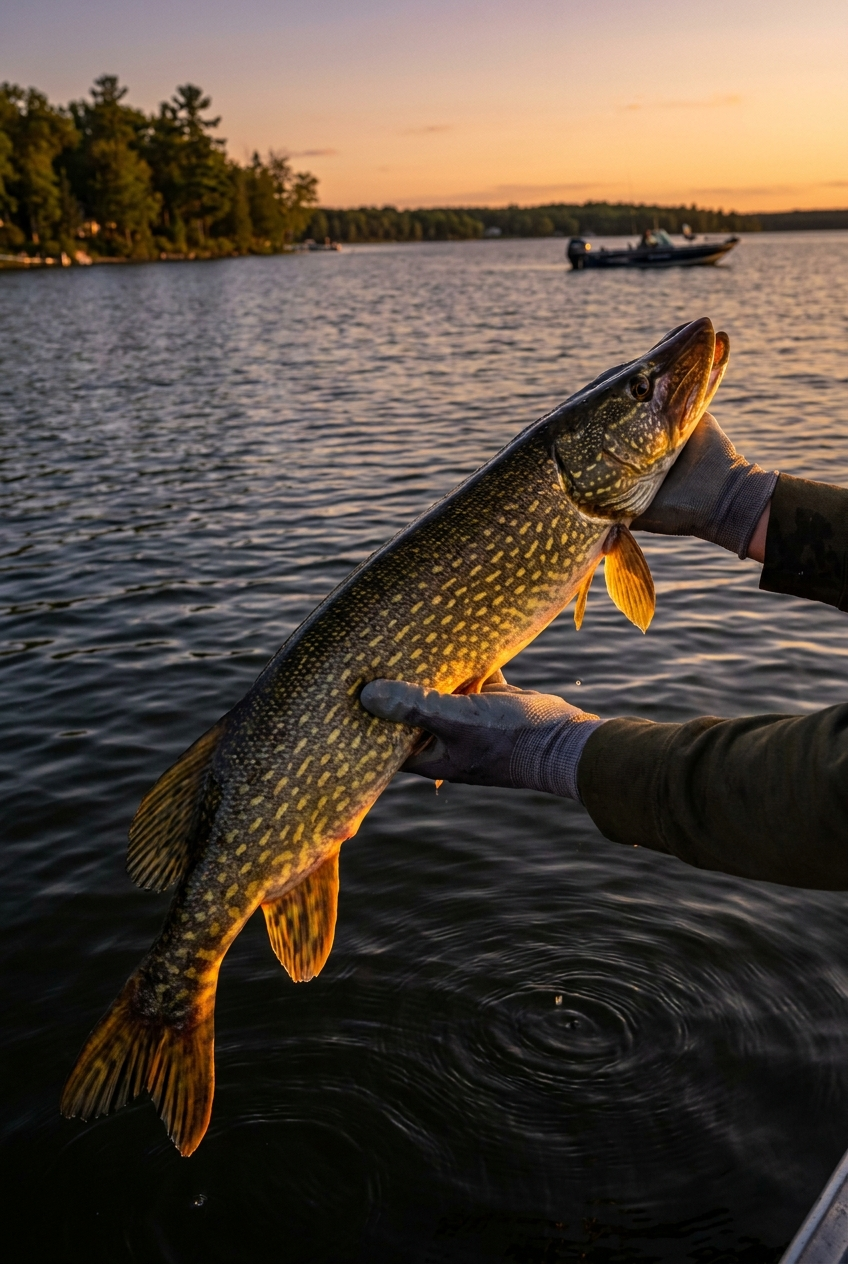
Northern pike are a natural part of Hubbard Lake's glacial lake ecosystem and provide exciting fishing in the weedy shallows and the vegetation edges throughout the lake. Pike relate to the aquatic vegetation in the shallower coves and the weed edges along the lake margins where they ambush prey. Spring is the most productive pike season, with fish active near the weed beds and the shoreline cover in 2 to 8 feet after ice-out as they recover from spawning. Large spinnerbaits, swimbaits, and flutter spoons worked along the weed edges produce the most pike strikes. Summer pike on Hubbard Lake hold in the vegetation cover and the weed edges, moving deeper as the shallow water warms. The larger weed beds on the western and southern shores provide the most consistent summer pike habitat. Fishing large spinnerbaits and crankbaits along the deep weed edges in 6 to 12 feet is effective through the summer. Fall pike are aggressive and active in the shallower weed cover as baitfish concentrate before winter. Northern pike in Hubbard Lake reach quality sizes, with fish over 30 inches caught regularly. Michigan DNR may have specific regulations for northern pike including minimum size limits - verify at michigan.gov/dnr before targeting pike.
Hubbard Lake Bluegill Fishing Report
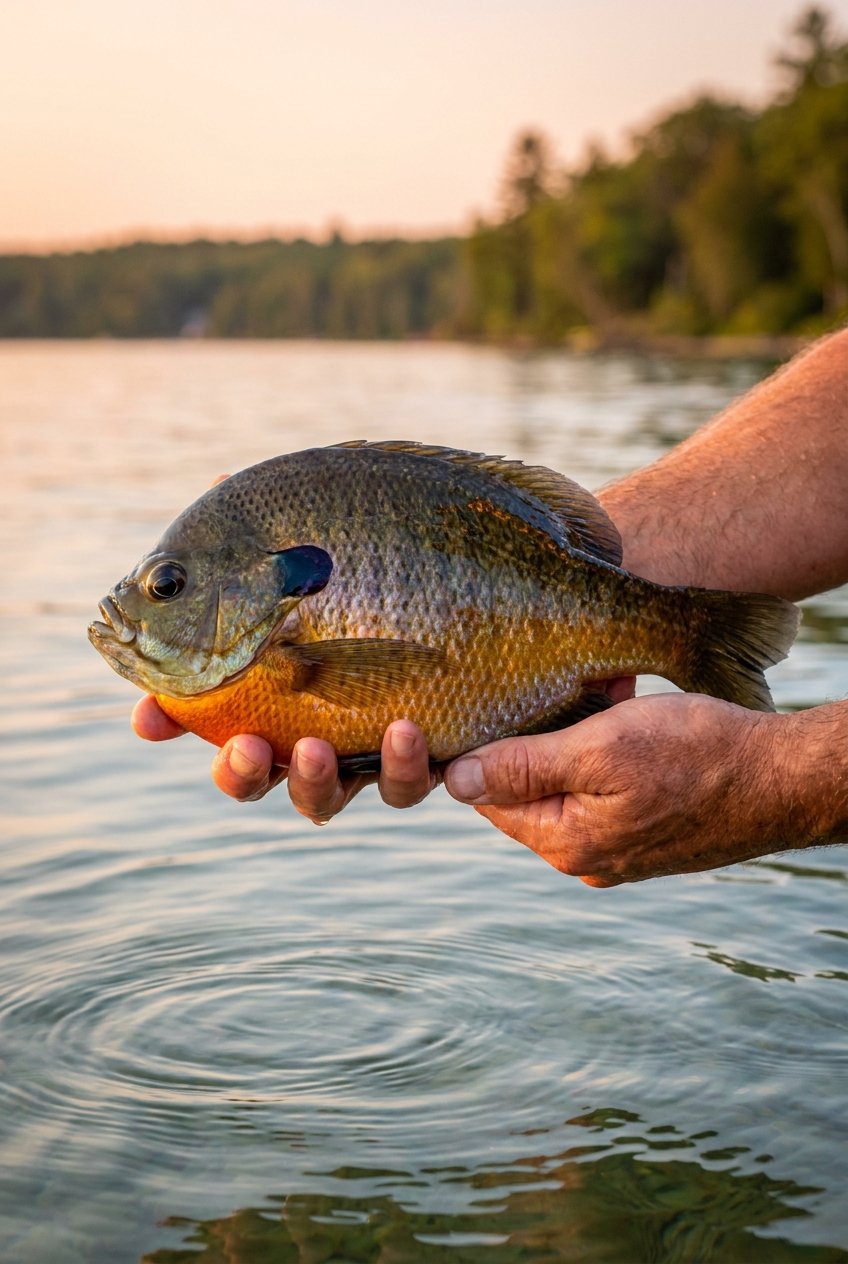
Bluegill are abundant throughout Hubbard Lake and provide excellent panfish fishing for families and cottage anglers. The extensive shoreline development with docks, the shallow weedy coves, and the protected bays hold dense bluegill populations through the warm-water season. Spawning bluegill from late May through July concentrate in the sandy shallows near vegetation and can be caught consistently on crickets, worms, and small jigs under a bobber. The protected coves and the areas near cottage docks are ideal bluegill spots accessible even from shore. Summer bluegill fishing on Hubbard Lake is a classic northern Michigan cottage activity, providing fast and reliable action for anglers of all ages. The lake's large size means there is ample shallow habitat that doesn't receive intensive pressure, and bluegill in the quieter coves are particularly willing. Larger bull bluegill over 9 inches are found near the deeper weed edges and dock structure. Ice fishing for bluegill on Hubbard Lake in winter is productive over the weed flats in 8 to 15 feet using small jigs tipped with waxworms. Verify current Michigan bluegill regulations at michigan.gov/dnr.
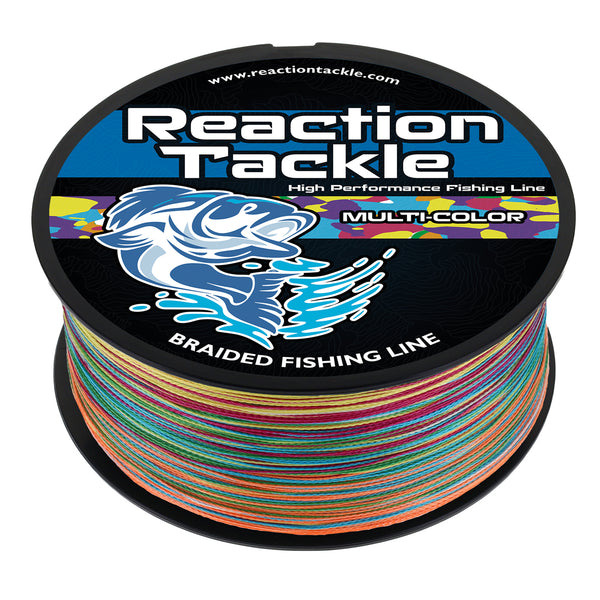
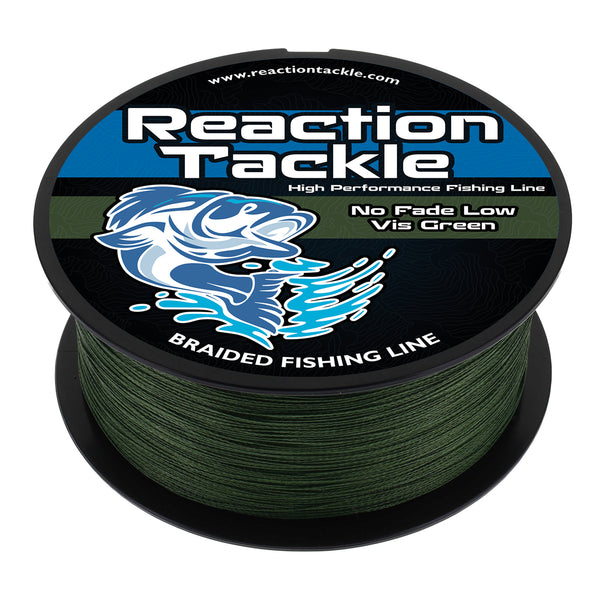
If you haven't replaced your braided line in a season or two, now's the time. Braid holds up better than mono, but abrasion from wood and rock adds up. Reaction Tackle is one of my favorite places to order from.
Top Fish to Target in Hubbard Lake
Lures for Hubbard Lake
Tackle matched to this lake's species and structure.
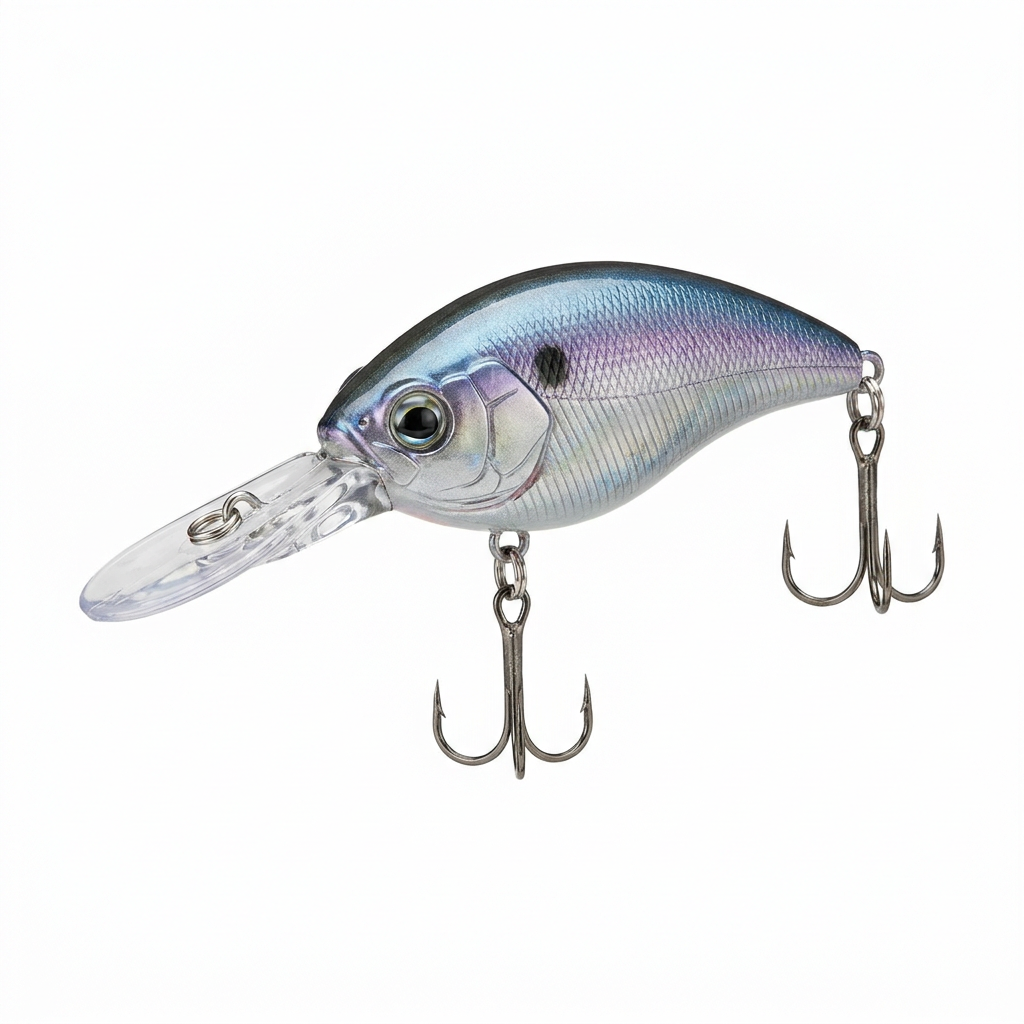
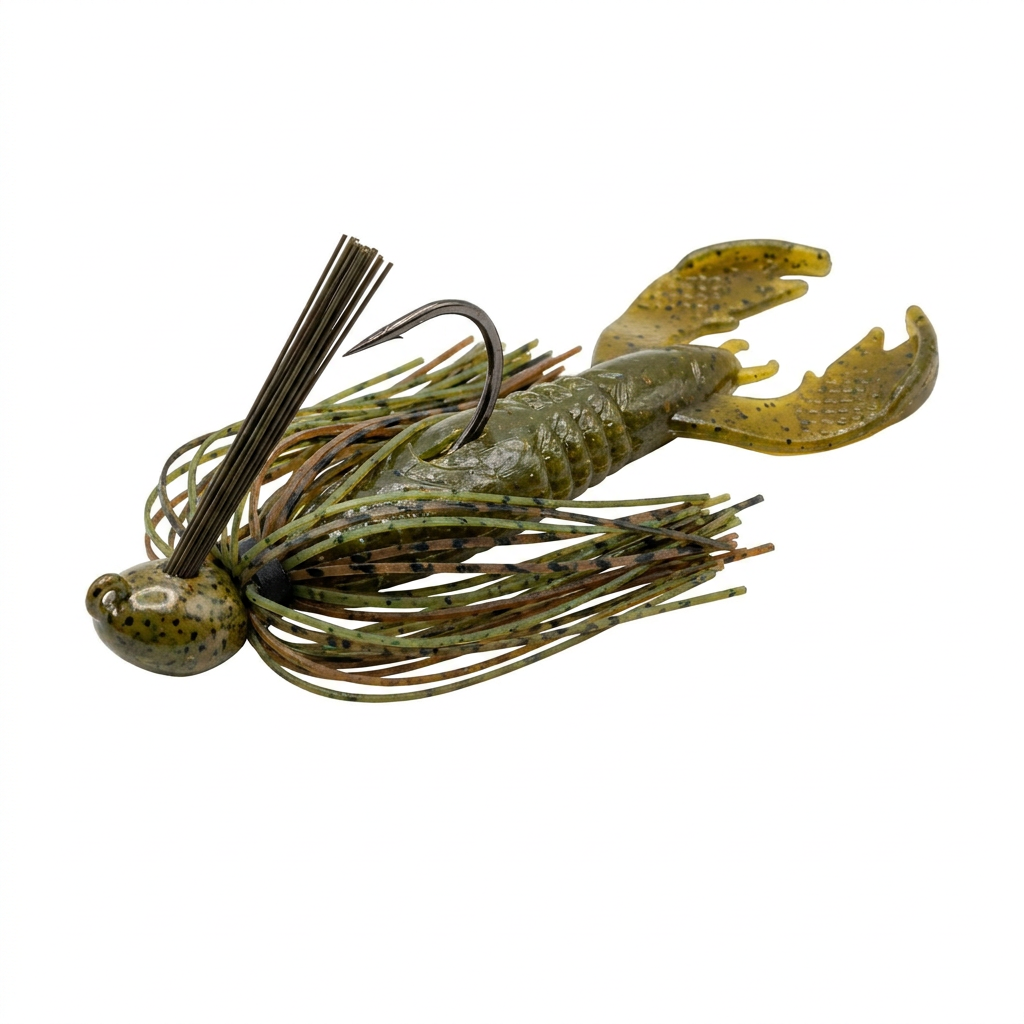
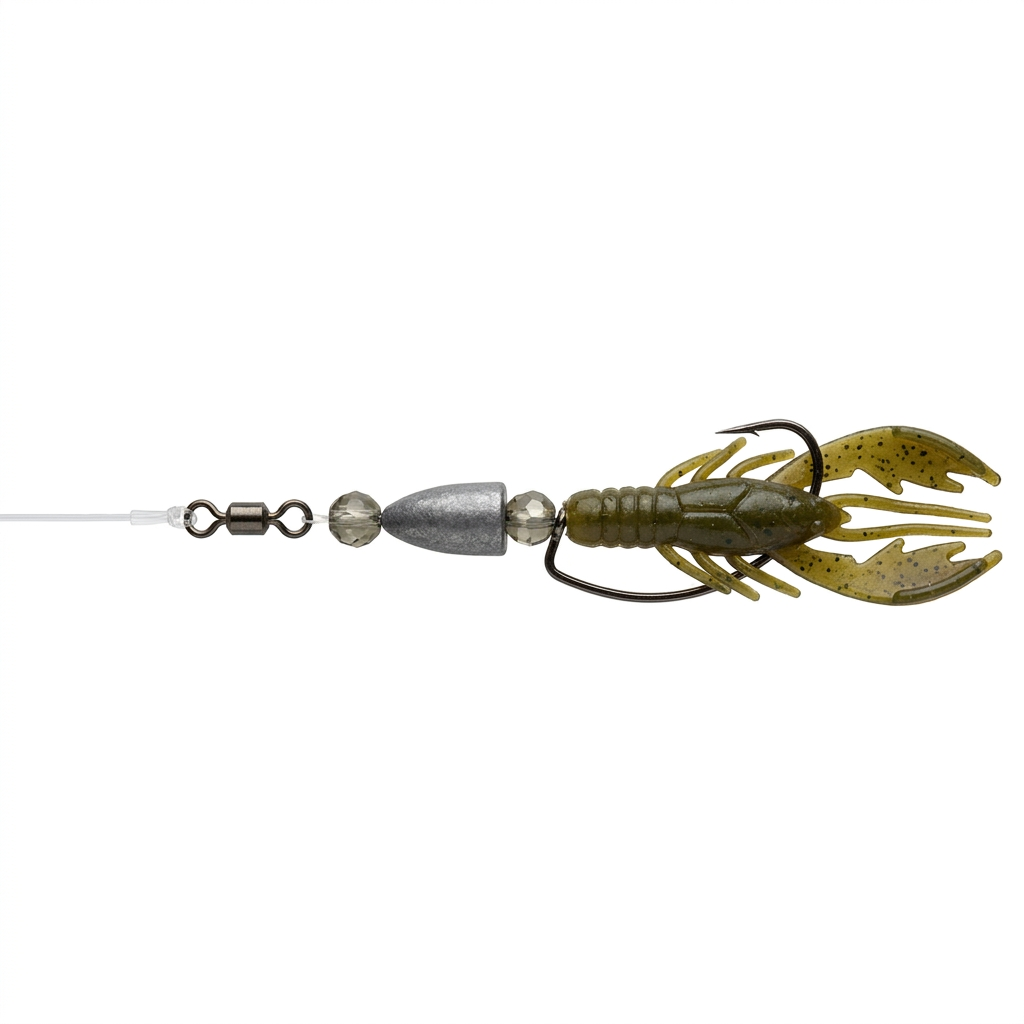
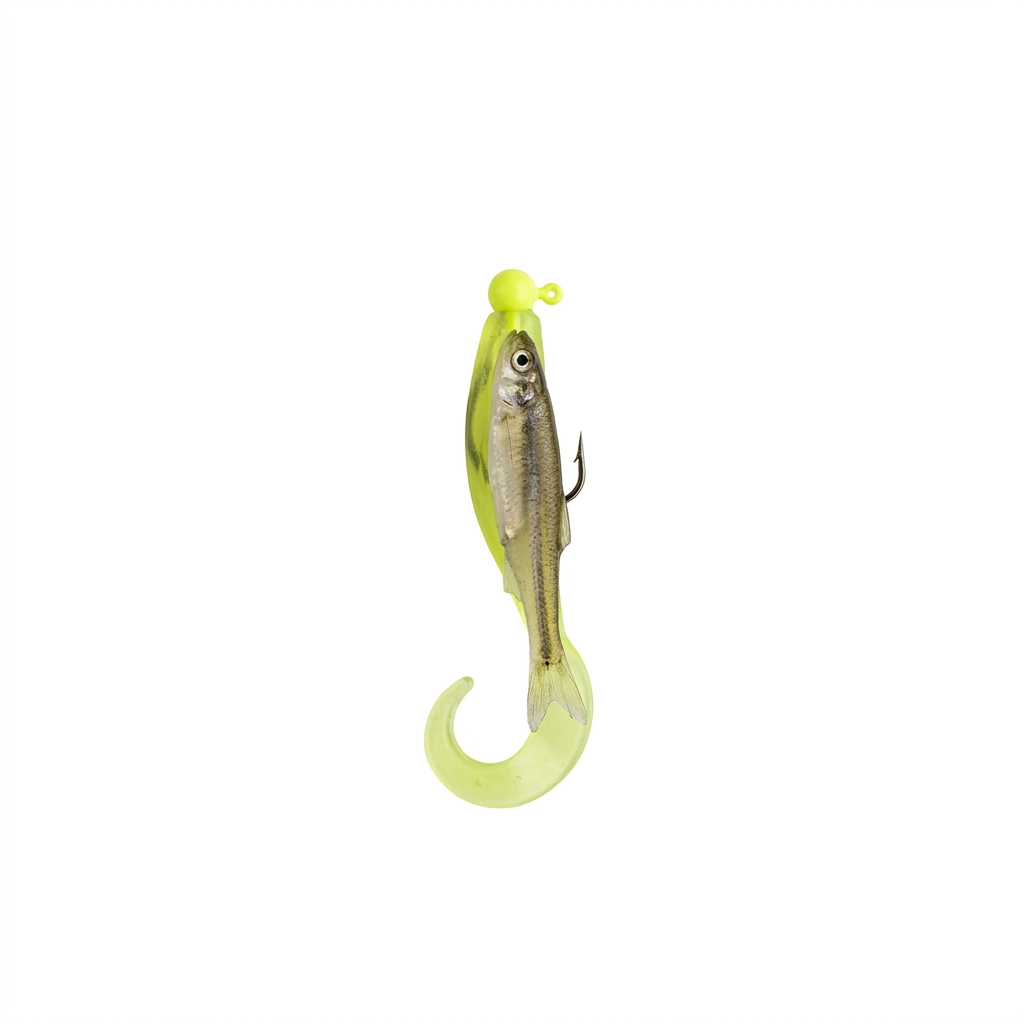
The right line matters as much as the lure. For the presentations that work on this lake, whether flipping timber, fishing main lake structure, or working deep brush, braid is the move. No stretch, more feel, and it lasts. Reaction Tackle is where I get mine.
About Hubbard Lake
Hubbard Lake is a natural glacial lake of approximately 8,765 acres in Alcona County in northeastern Lower Michigan - recognized as the largest inland lake in Michigan outside the Great Lakes chain. The lake was formed by the retreat of glaciers thousands of years ago and occupies a deep glacial basin in the northern hardwood and mixed forest country of the Au Sable River watershed. With a maximum depth of 75 feet and a varied bottom of rock, gravel, sand, and organic material, Hubbard Lake supports a diverse fishery that includes walleye, bass, perch, northern pike, and bluegill.
Michigan's largest inland lake. Hubbard Lake's distinction as the largest inland lake in Michigan outside the Great Lakes gives it a regional significance that extends beyond Alcona County. The lake's size - nearly 9,000 acres - means that even during the busy summer cottage season, the water is large enough to absorb recreational pressure and still provide quality fishing in the less-trafficked areas. The main basin, the deeper structure, and the quieter coves away from the heaviest cottage development offer productive fishing throughout the season.
Northern Michigan glacial lake ecosystem. As a natural glacial lake in the northern hardwood forest, Hubbard Lake has a self-sustaining ecosystem with naturally reproducing populations of all primary sport fish species. Michigan DNR manages the lake with periodic assessments and stocking adjustments where needed. The clear, deep water maintains good oxygen levels through the summer thermocline, supporting cold-tolerant species like walleye and perch alongside warm-water bass and bluegill. The lake's watershed in Alcona County is relatively undeveloped, which protects water quality.
Access and facilities. Multiple public boat launches are available on Hubbard Lake, and the village of Hubbard Lake provides services for visiting anglers. The lake is accessible from M-72 in Alcona County, approximately 20 miles south of Alpena. Numerous private resorts and cottage rentals are available around the lake for extended visits. Obtain a Michigan fishing license and verify all current regulations at michigan.gov/dnr before fishing Hubbard Lake.