Lake St. Clair muskie fishing is on my bucket list. I've never targeted a true 50-inch fish before, and that's something I think about seriously as I work toward the state goal.
Today's Bite Score · October 8, 2026
Above average conditions worth planning a trip
🌘Waning Crescent
Lake St. Clair Fishing Report
Updated September 25, 2026Synthesized from current fishing reports · Updated weekly
Lake St. Clair is running good right now with water temperatures holding steady in the mid 70s around Belle Isle and throughout the shipping channel this week. Shoreline temperatures are cooling overnight, drawing fish back in towards shore during early morning hours when cooler conditions trigger feeding activity. Guides are reporting that 80% of the fish are concentrated in about 20% of the water, holding tight in specific pockets. The north end of the lake and cooler channel waters are currently producing better results than the warmer southern areas.
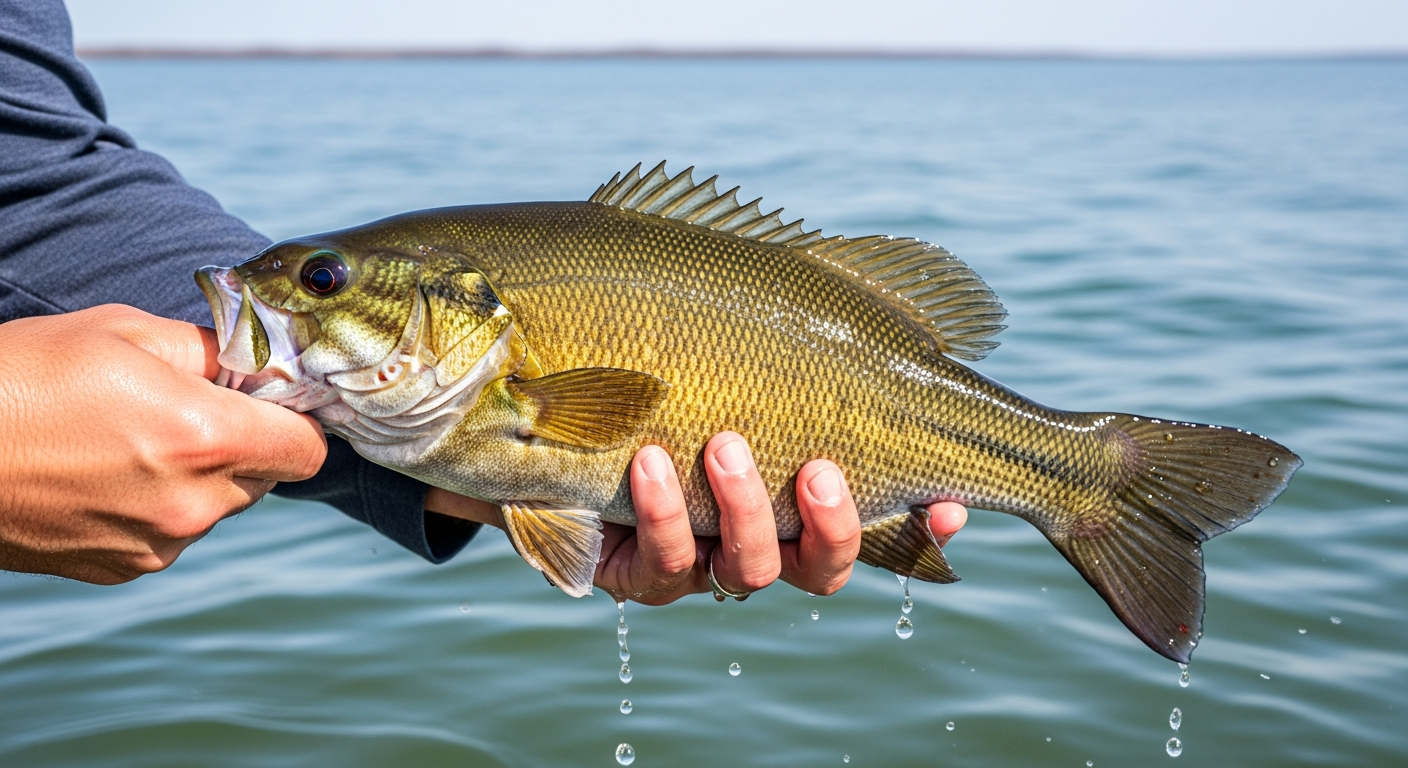
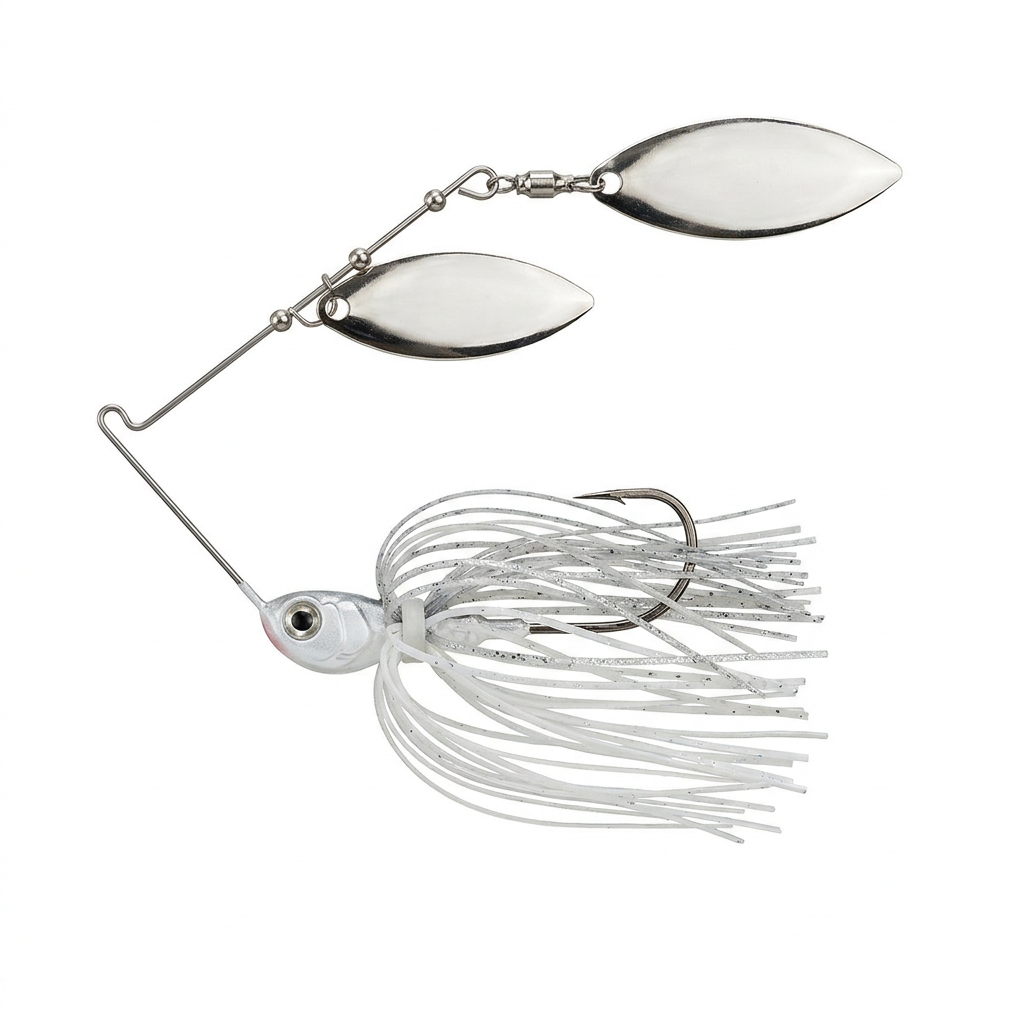
Anglers are finding smallmouth bass actively moving into the north end and shipping channels where waters remain cooler, even in shallower areas this week. Panfish, bowfin, and catfish continue to bite well in the warmer waters, but the bite has been strongest for smallies in the transition zones. Current conditions call for adjusting your bait selection, as drop shot rigs are less effective right now given the clearer water. Spinners and urchin baits are proving more productive than typical presentations.
Dice baits are working well this week alongside spinners for targeting the concentrated fish populations. Focus your efforts on current breaks and channel areas where fish are staging in pockets. Early morning trips are paying off as cooler overnight temperatures bring feeding fish shallow. The key this week is recognizing that fish are holding in specific zones rather than spread throughout the lake, so precise location matters more than ever right now.
Get More Fishing Report Specifics
Tap a topic button below for a report on current conditions.
Tap a topic above to get a current report for Lake St. Clair.
Answers are generated on demand and cached. No AI call fires until you tap a tab.
Lake St. Clair Fishing Guides
Looking for a Lake St. Clair fishing guide? The muskies and smallmouth on St. Clair are world-class but the weed flats and channels that hold fish change week to week, and local guides have that dialed in tight. Go here → to check out our recommended fishing guides for Lake St. Clair. Then scroll down on that page to see all of the Lake St. Clair fishing guides.
Lake St. Clair Fishing Strategies by Species
Seasonal patterns and techniques by target species · Verified against official sources
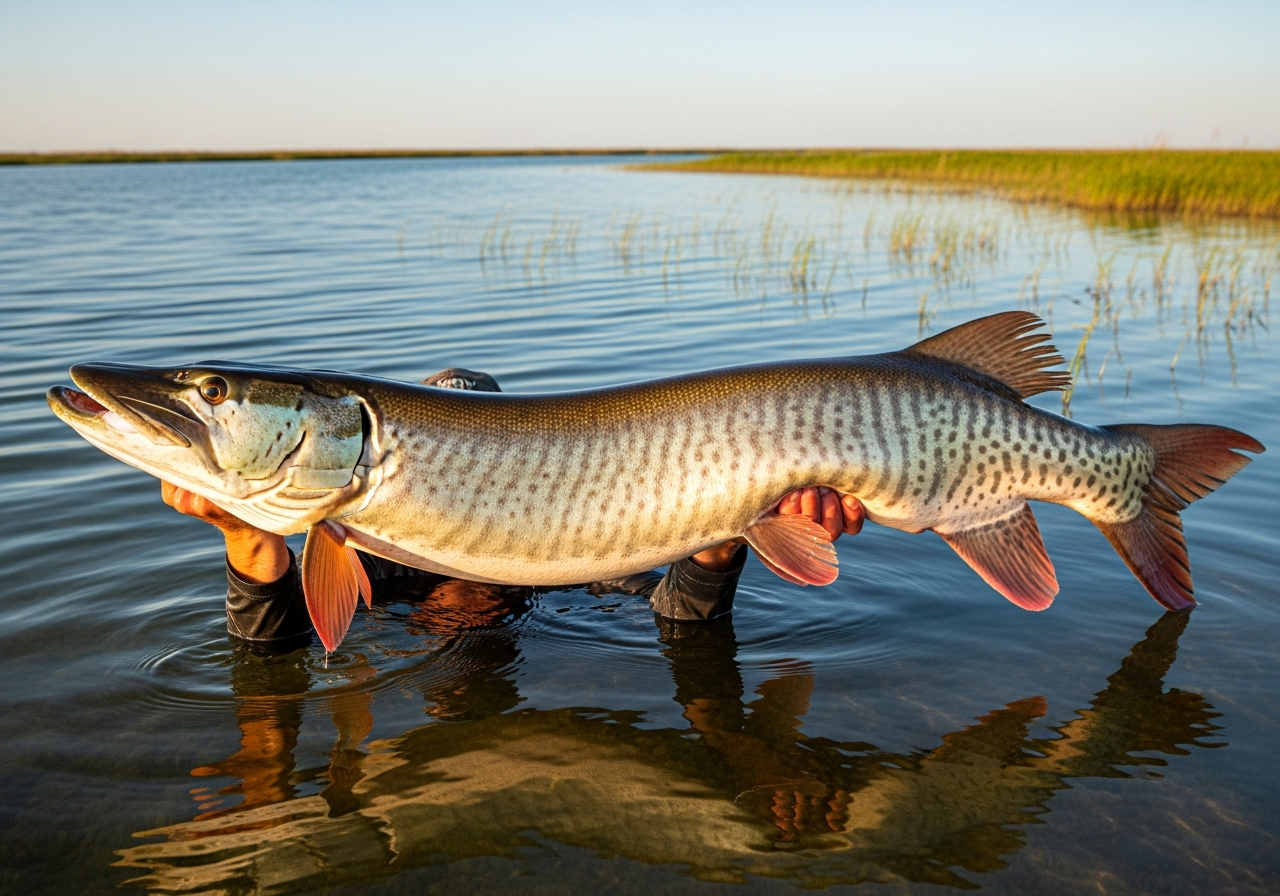
Muskellunge define the reputation of Lake St. Clair: the fishery is supported entirely by natural reproduction (no stocking required) and is recognized as one of the premier muskie fisheries in North America. Fall (September through November) is the peak season, with large glide baits and bucktails worked along the St. Clair Flats weed edges producing the biggest fish of the year. Michigan DNR regulation: 1 muskellunge per angler per year (April 1 through March 31), with mandatory registration within 24 hours. Walleye (13-inch minimum, 6-fish daily), smallmouth bass (14-inch minimum, season opens third Saturday of June), and yellow perch (50-fish daily) round out a world-class multispecies fishery. Michigan DNR regulations apply on the US waters; an Ontario license is required for the Canadian side.
Lake St. Clair Muskellunge Fishing Report
Lake St. Clair is recognized as one of the premier muskellunge fisheries in North America. The fishery is supported entirely by natural reproduction: no stocking is required: which reflects the quality of the lake's habitat and forage base. Michigan DNR regulations: 1 muskellunge per angler per year (April 1 through March 31), with mandatory registration within 24 hours of harvest through the Michigan Register Fish system. Verify current size limit at Michigan DNR before fishing. Fall is the most productive muskie season on Lake St. Clair. Fish feed aggressively in September through November as water temperatures drop and baitfish concentrate before winter. Large glide baits, bucktails, and jerk baits worked along the weed edges and over the shallow flats produce strikes from fish that have been feeding heavily through late summer. The St. Clair Flats: the complex of channels, bays, and shallow weedy areas on the north end of the lake: hold concentrations of muskie through fall. Summer muskie fishing on Lake St. Clair is a weed-edge game. The shallow, clear lake grows extensive weed beds in 4 to 10 feet of water, and muskie cruise the outer edges of these beds hunting perch and other forage. Large bucktails and figure-eight presentations at the boat are standard approaches. The figure-eight is essential: a significant portion of muskie strikes come at boatside as the angler sweeps the lure in a wide figure-eight before lifting it from the water. Spring muskie become active as water temperatures climb through the 50s in May and early June. Post-spawn fish are catchable on the shallow flats, and the surface temperature warming triggers aggressive feeding behavior before the summer heat sets in.
Lake St. Clair Walleye Fishing Report
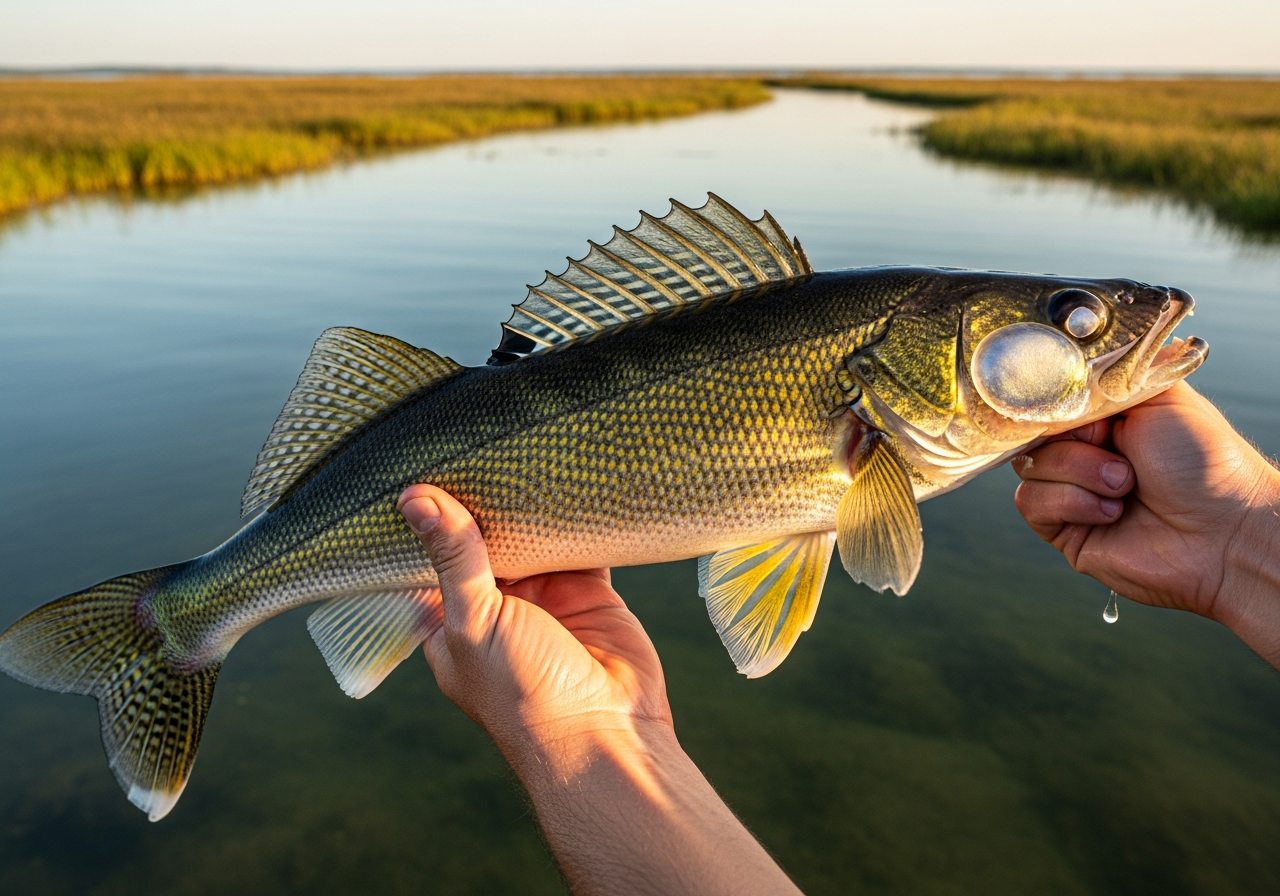
Michigan DNR sets the walleye regulation on Lake St. Clair at a 13-inch minimum: lower than most Michigan inland walleye waters: with a 6-fish daily possession limit. Both regulations reflect the lake's productive walleye population and its role as a Great Lakes connecting water. Spring walleye fishing on Lake St. Clair begins as fish move from the connecting rivers onto the lake's shallow flats in April and May. The St. Clair River produces excellent walleye fishing during the spring run as fish move into the lake from Lake Huron. Trolling crawler harnesses and small crankbaits over the shallow gravel and sand flats produces fish through the spawn. Summer walleye hold in the deeper sections of the lake and along the navigation channel edges in 12 to 22 feet. Trolling crankbaits and spinner rigs along the channel edges is the most consistent summer approach. Evening and low-light periods are significantly more productive than midday. Anchor Bay on the north end of the lake holds walleye through summer and is a productive fall destination as fish return to shallower structure.
Lake St. Clair Smallmouth Bass Fishing Report
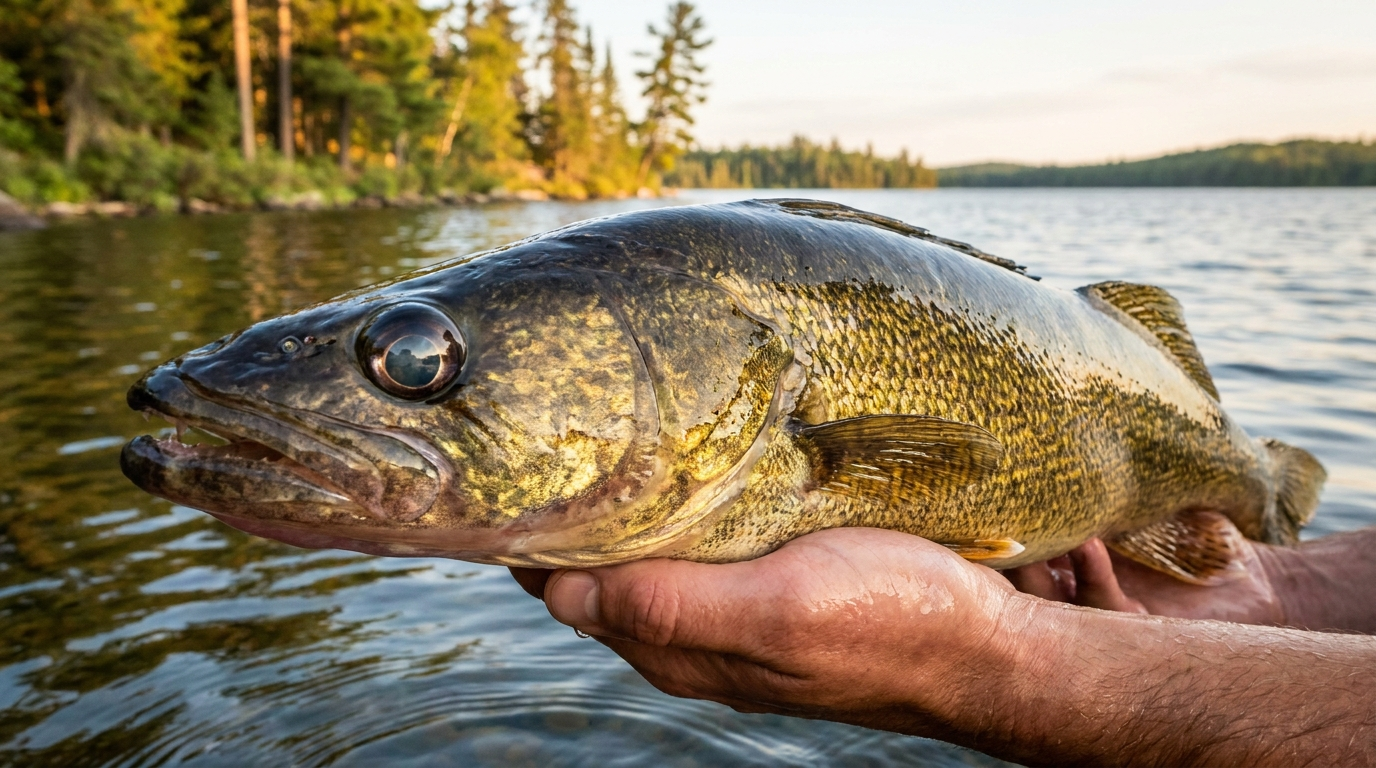
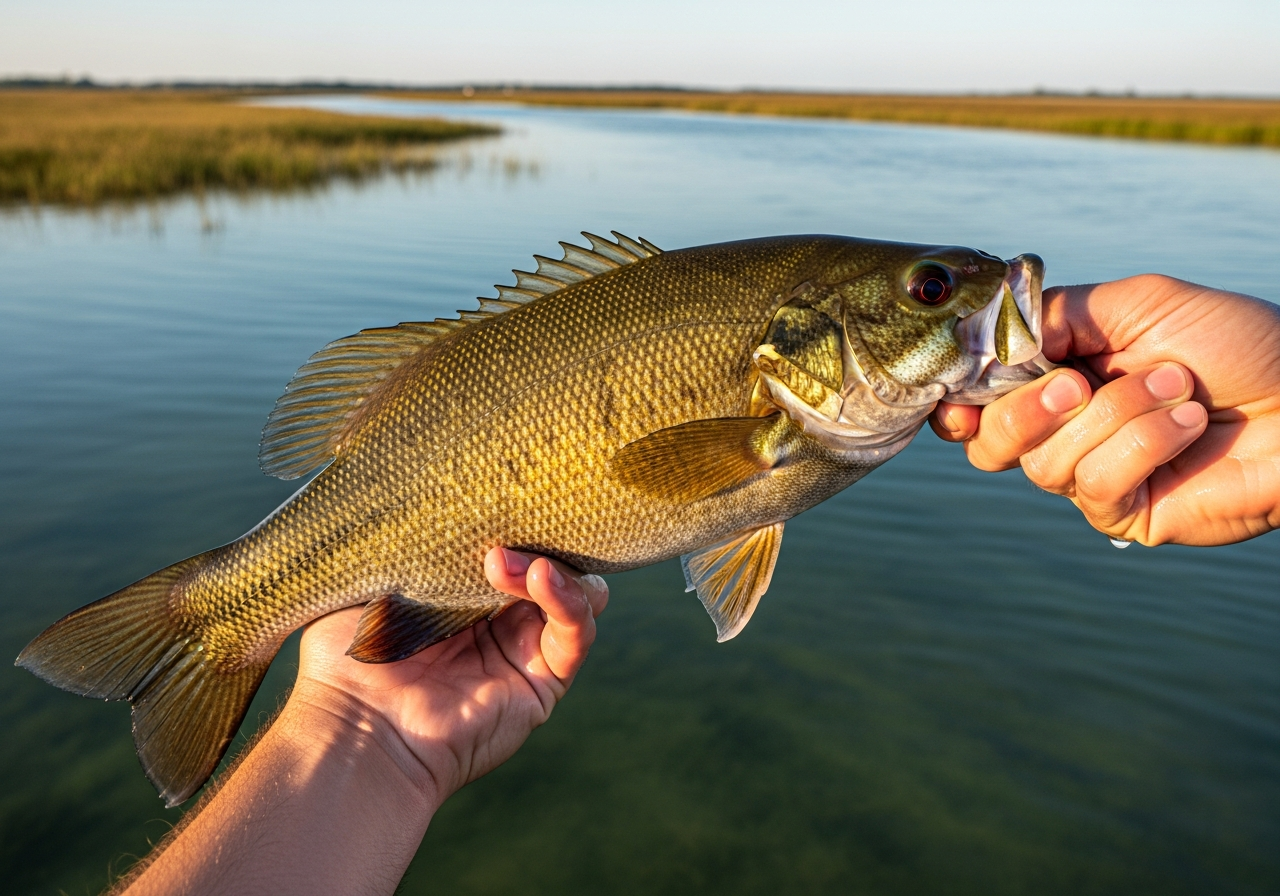
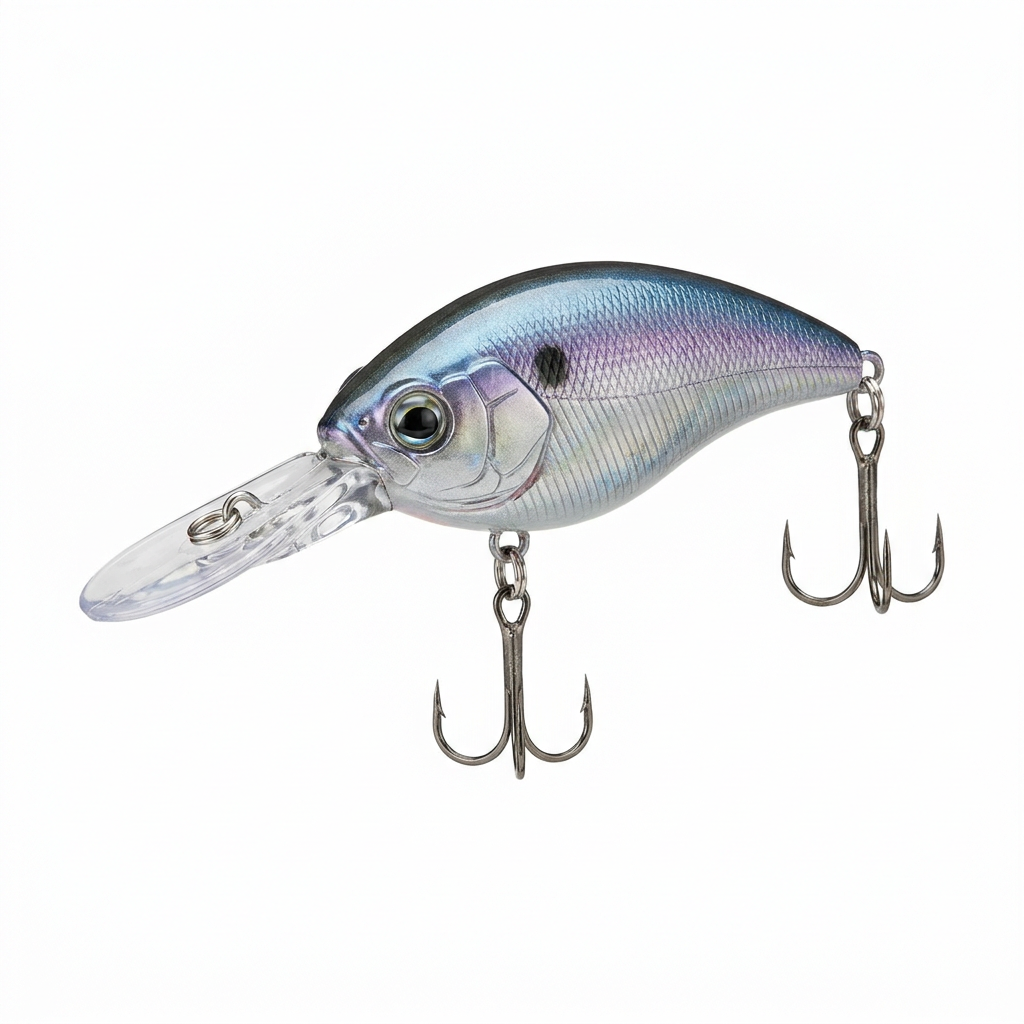
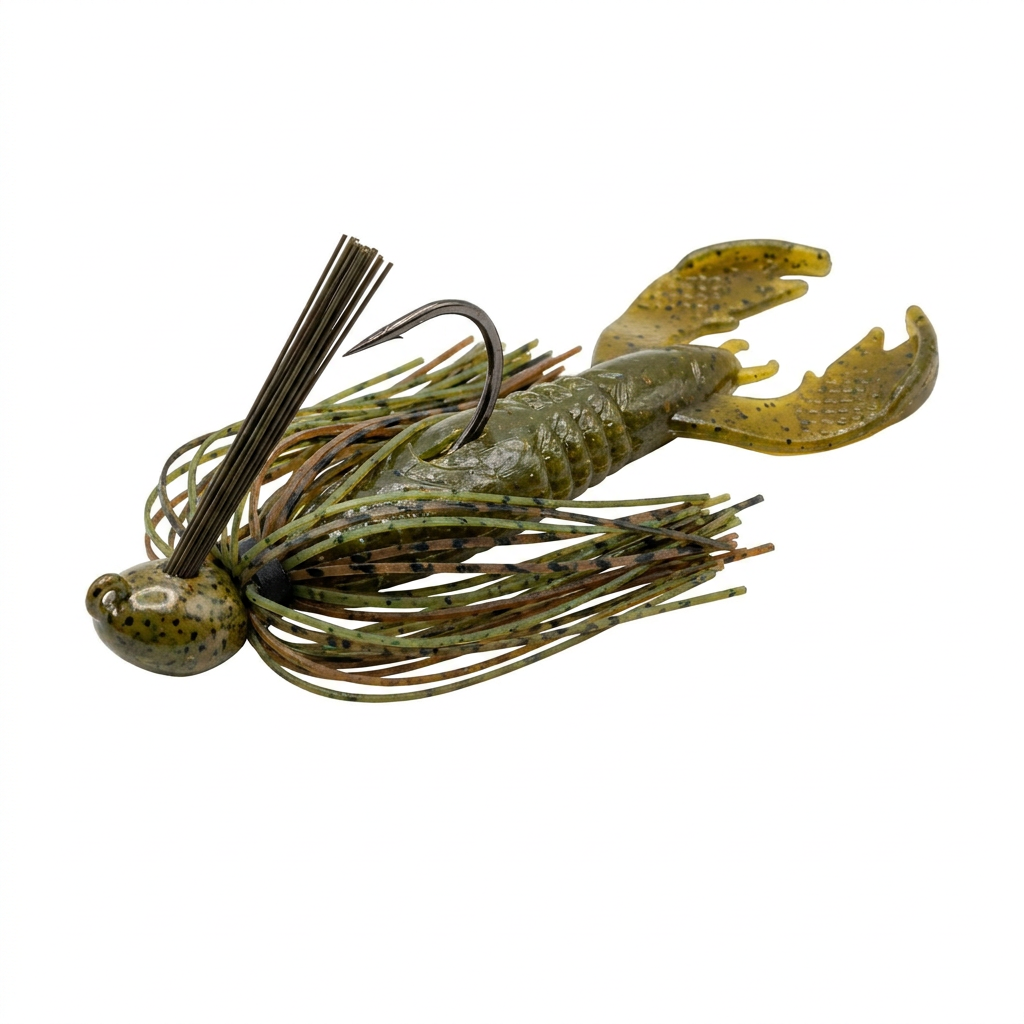
Michigan DNR sets the smallmouth bass regulation on Lake St. Clair at a 14-inch minimum with a 5-fish daily bag limit (combined for all bass species). The season opens on the third Saturday of June. Anchor Bay on the north end of the lake is particularly productive for smallmouth bass. Smallmouth bass in Lake St. Clair relate to the rocky bottom areas, dock structure, and the edges of the flats where rock transitions to weeds. The clear water and excellent visibility allow sight-fishing during the spawn in late June and early July when bass are on beds in 3 to 8 feet. A drop shot or tube jig worked slowly along rock and gravel bottom in 8 to 15 feet produces fish through summer. Fall smallmouth fishing is aggressive as fish feed heavily before winter, and crankbaits worked over rocky bottom and along dock edges produce larger fish in September and October.
Lake St. Clair Yellow Perch Fishing Report
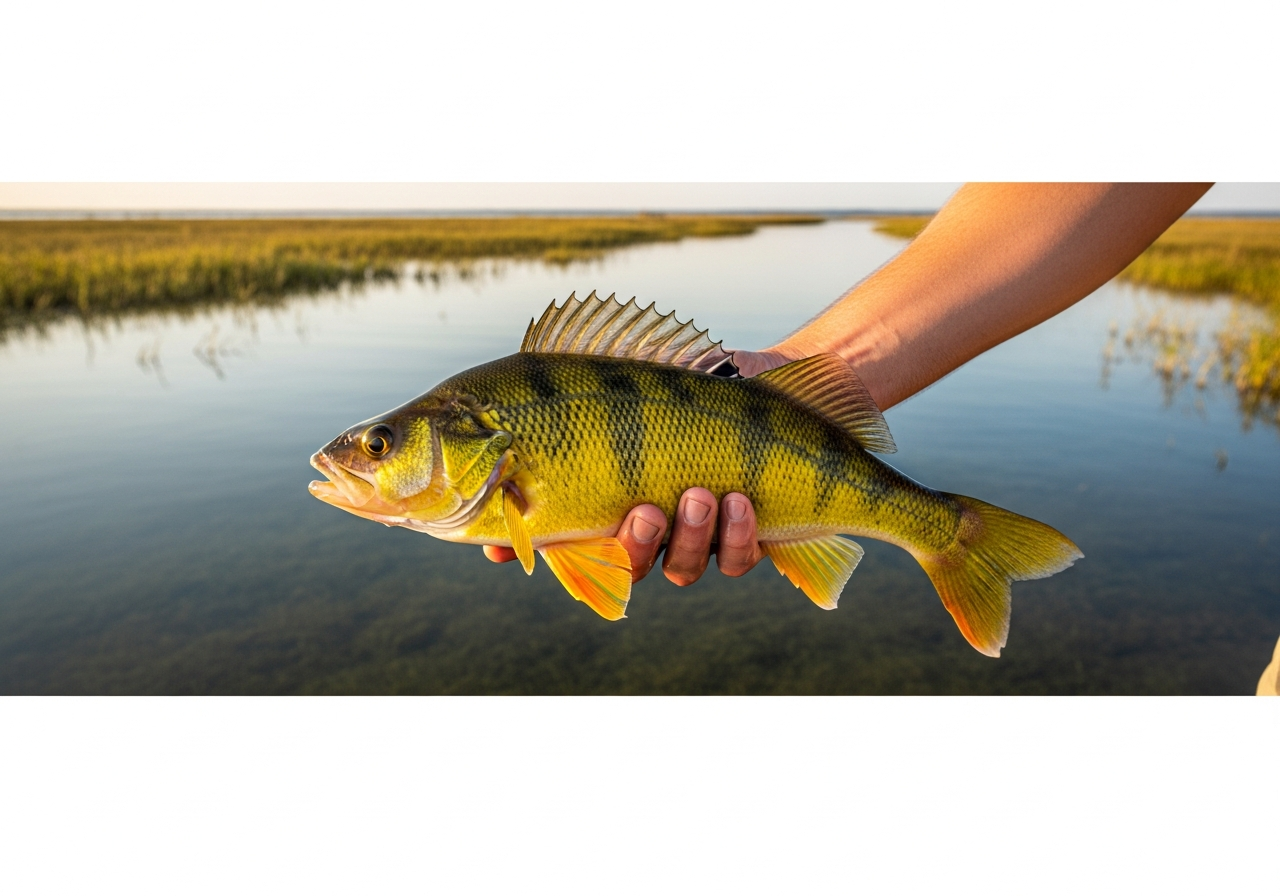
Yellow perch are abundant throughout Lake St. Clair and provide fast-action fishing with a generous 50-fish daily possession limit set by Michigan DNR. Perch are the primary forage for muskellunge and walleye, and the abundant perch population is part of what makes the predator fisheries so strong. Perch fishing on Lake St. Clair is best in summer and fall when fish school in 12 to 22 feet over sandy and muddy bottom. Small jigs tipped with emerald shiners or nightcrawler pieces and drop-shot rigs fished vertically produce consistent perch action. The Lake St. Clair Metropark area and the Anchor Bay shoreline are productive starting points. Fall perch fishing is excellent as schools tighten up before moving to deeper water for winter.
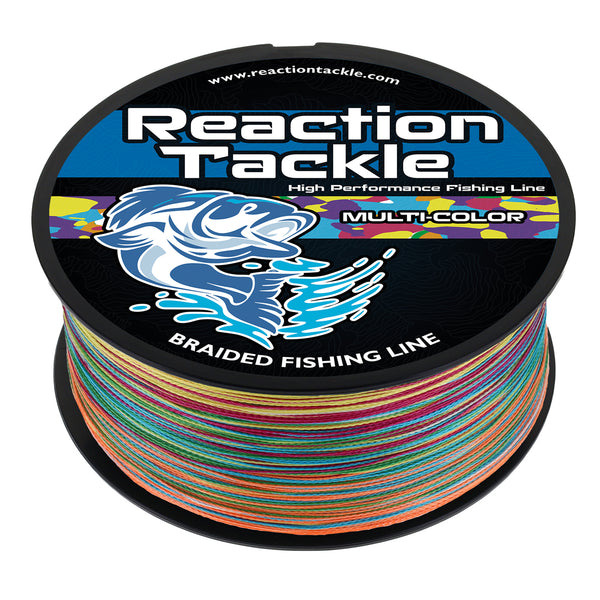
For fishing heavy cover after Muskellunge, I run 50-65lb braid. Zero stretch means you feel every bite and you can pull fish out of structure before they wrap you. Reaction Tackle is where I restock. Their low-vis green disappears in most water conditions.
Top Fish to Target in Lake St. Clair
Lures for Lake St. Clair
Tackle matched to this lake's species and structure.
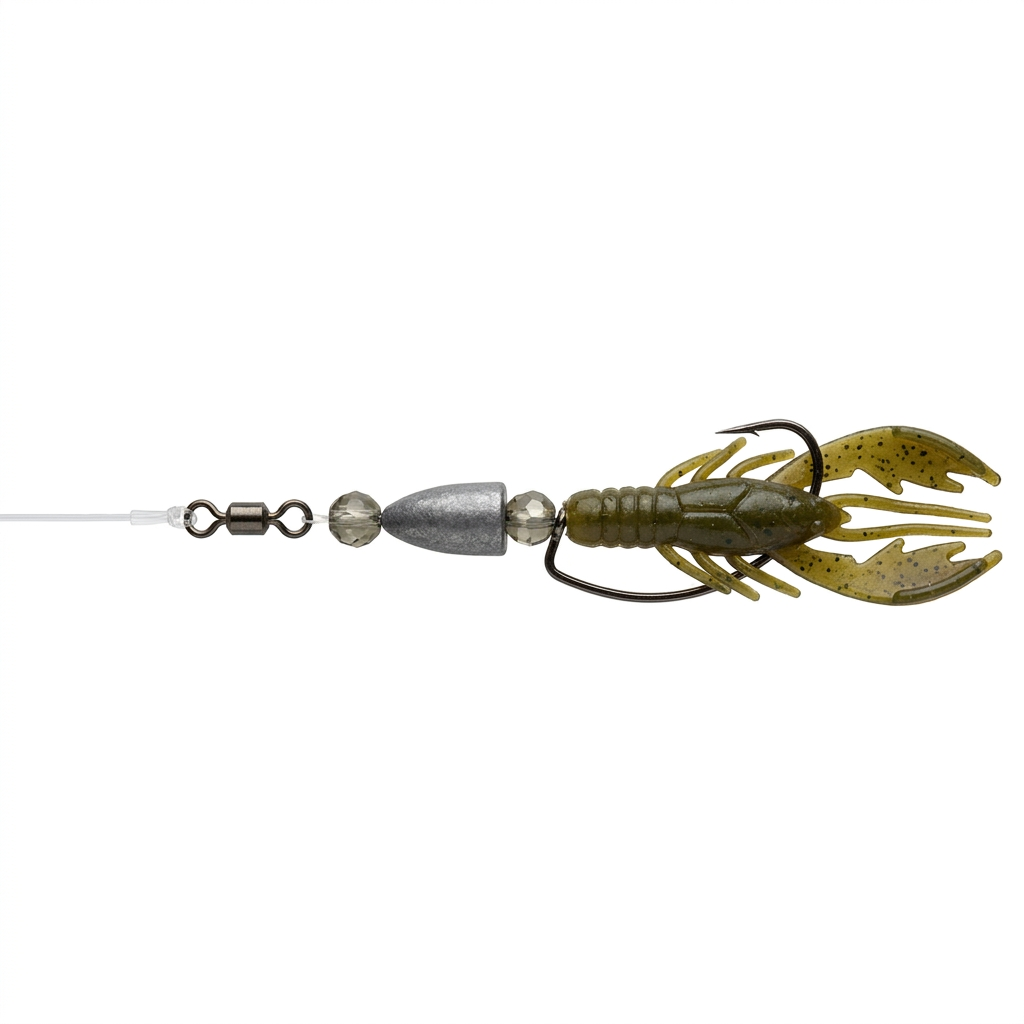
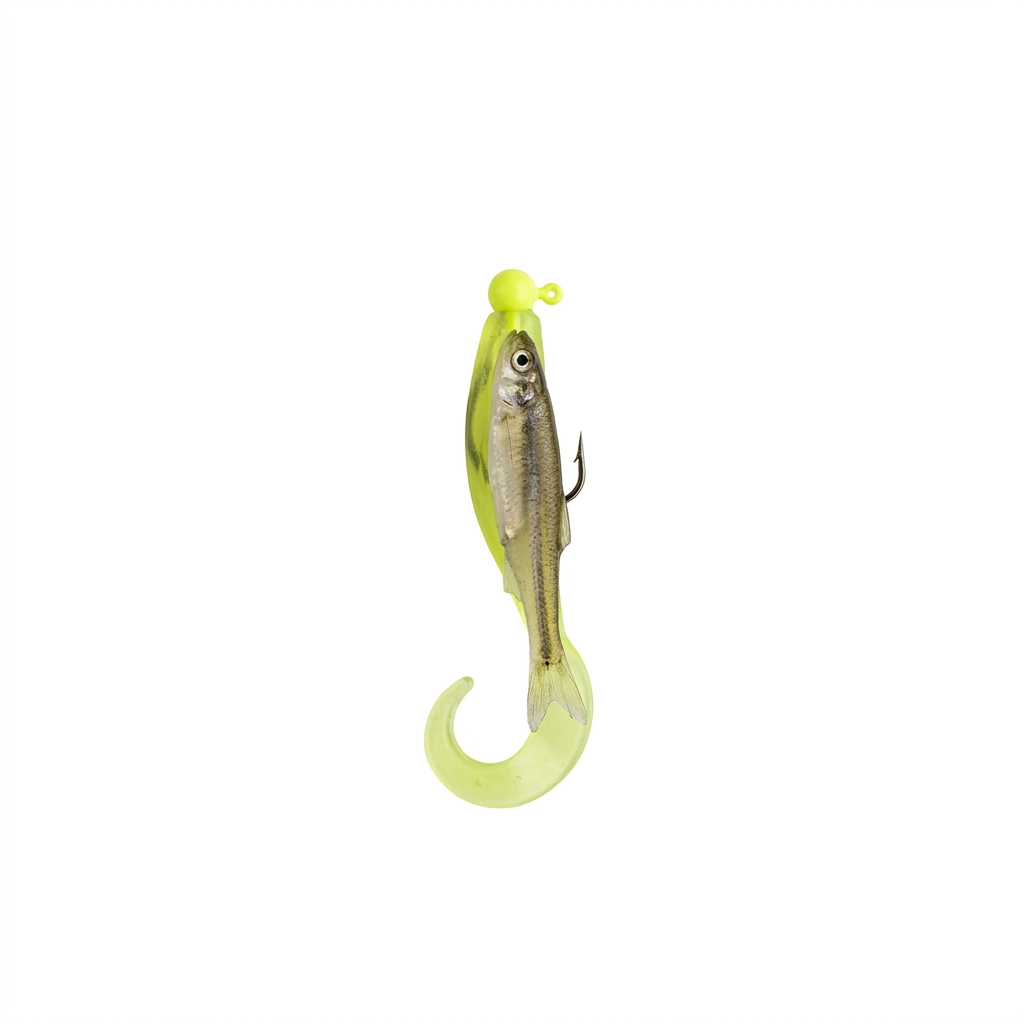
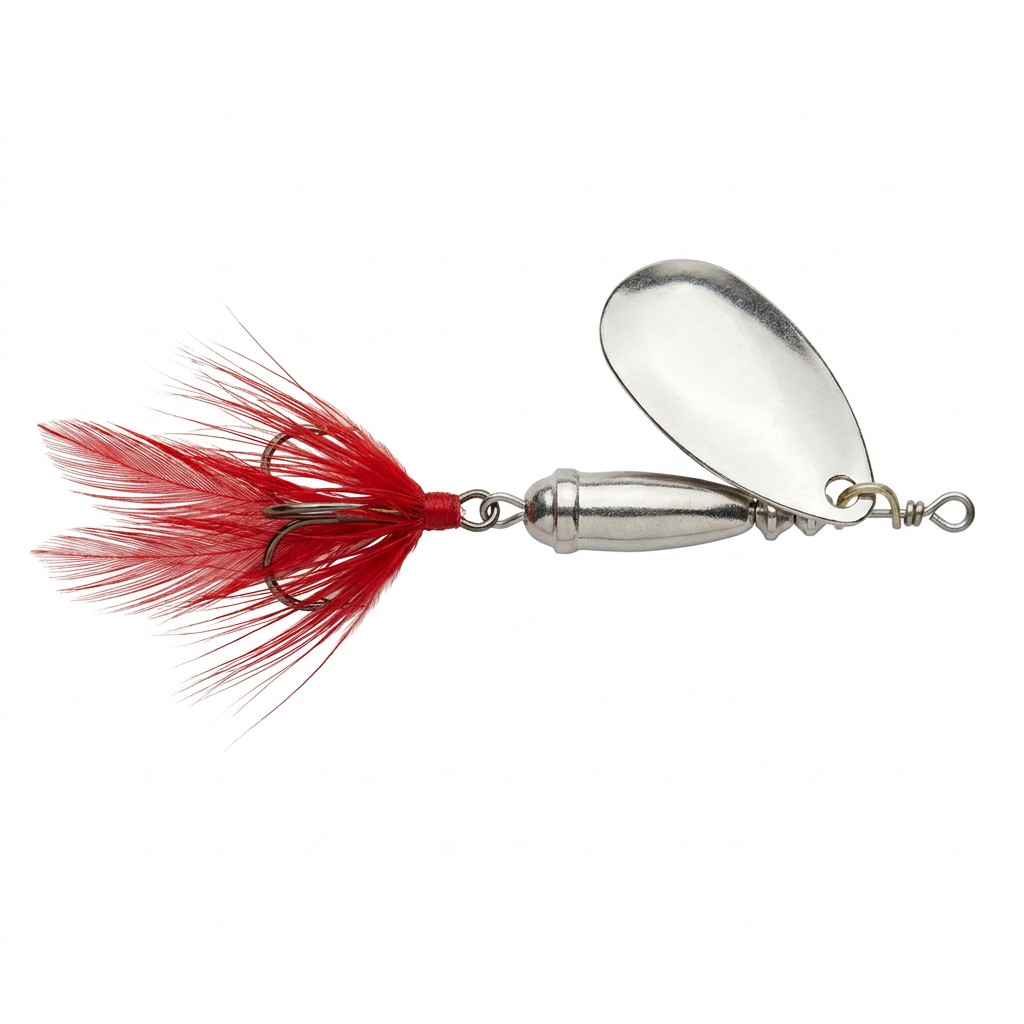
Worth checking before any trip: your line. Old braid gets brittle at the tag end and loses sensitivity over time. I rotate mine every season. Reaction Tackle is where I order from when it's time to restock.
About Lake St. Clair
Lake St. Clair is almost entirely about one thing for me: muskie. The chance to catch a true 50-inch muskie is something I think about seriously as I work through the state goal. Michigan is still ahead of me, and Lake St. Clair is the destination I'd choose. My dad would probably want to come on that one too.
Lake size and location. Lake St. Clair covers approximately 275,200 acres as a natural connecting lake between Lake Huron and Lake Erie, sitting about 6 miles northeast of Detroit. Macomb and St. Clair counties border the Michigan shoreline. The lake averages 11 feet deep; the navigation channel is dredged to 27 feet for freighter traffic. The lake is part of the busiest inland waterway in North America, with over 5,000 ships transiting annually.
World-class muskellunge. Lake St. Clair is recognized as one of the finest muskellunge fisheries in North America, supported entirely by natural reproduction: no stocking required. Michigan DNR regulation: 1 muskie per angler per year (April 1 – March 31), with mandatory harvest registration within 24 hours through the Michigan Register Fish system. Verify current size limit at Michigan DNR before fishing.
Two-jurisdiction lake. Michigan DNR regulations apply on the US waters; Ontario Ministry of Natural Resources and Forestry (MNRF) regulations govern the Canadian side. The international boundary runs through the lake. Anglers crossing into Canadian waters need a valid Ontario fishing license.
Key regulations (Michigan side). Walleye: 13-inch minimum, 6-fish daily possession. Smallmouth bass: 14-inch minimum, 5-fish daily bag (season opens third Saturday of June). Yellow perch: 50-fish daily possession. Muskellunge: 1 per year, mandatory registration. Verify all regulations at Michigan DNR before fishing.
The St. Clair Flats. The northern end of Lake St. Clair includes the St. Clair Flats: an extensive system of channels, bays, and shallow weedy areas formed where the St. Clair River enters the lake. The Flats hold muskellunge, walleye, and perch and are the most productive fishing area on the lake for multiple species.