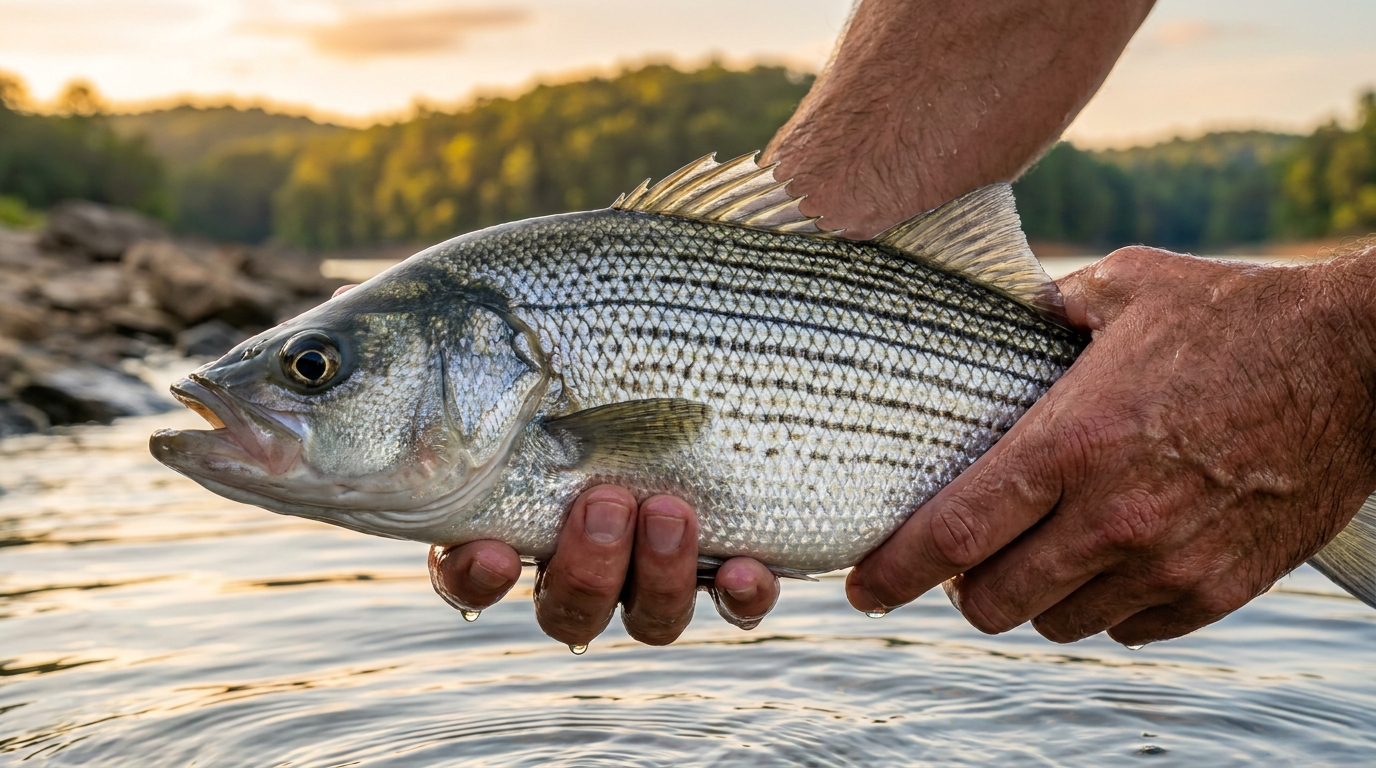
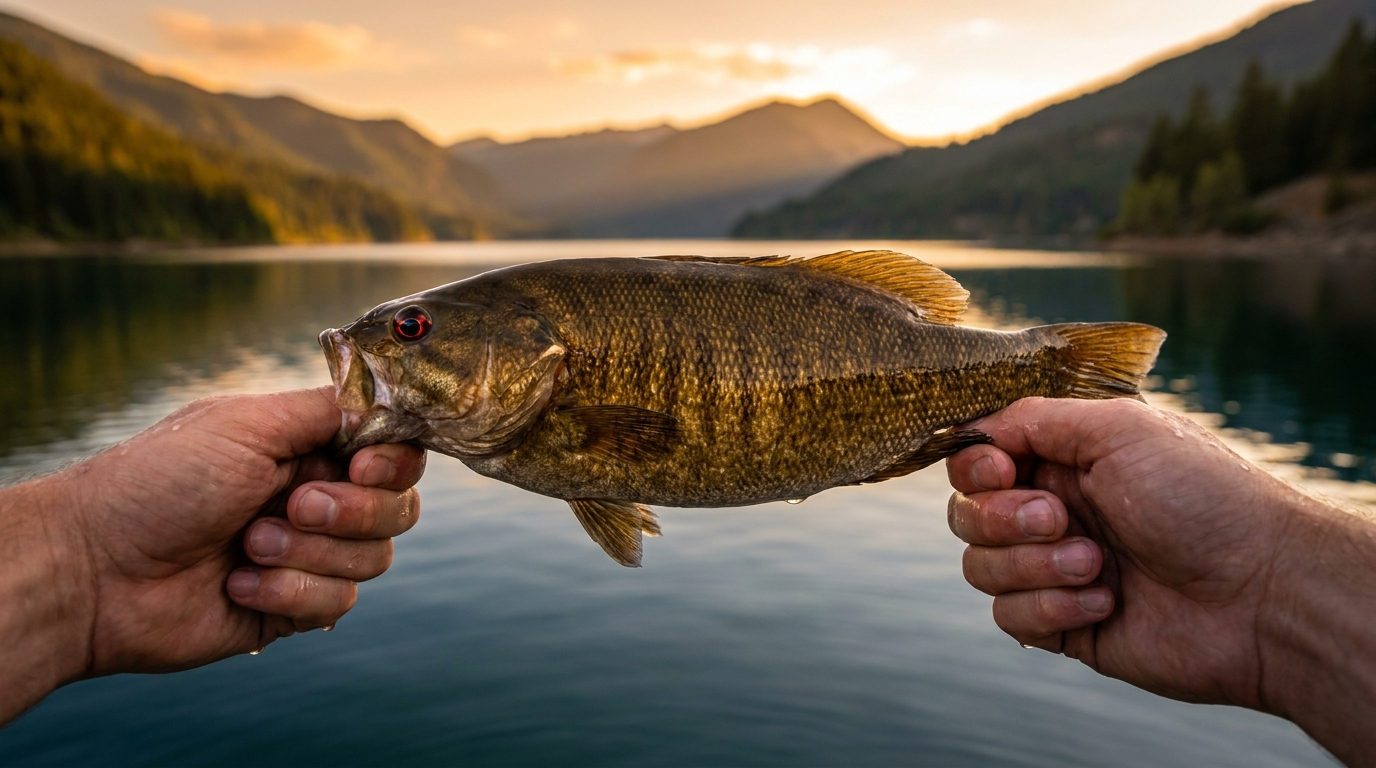
Fontana is the kind of lake that takes real commitment to fish properly. With most of its shoreline accessible only by boat inside the Great Smoky Mountains National Park boundary, you're fishing in genuine wilderness with smallmouth and walleye that see very little pressure. That combination of remoteness and trophy-class fish is hard to beat.
Today's Bite Score · October 8, 2026
Very favorable conditions for catching fish
🌘Waning Crescent
Lake Fontana Fishing Report
October FishingMonthly fishing report · October patterns and techniques
Lake Fontana enters October with cooling water temperatures dropping into the mid-50s to low-60s Fahrenheit, triggering increased feeding activity across the reservoir. Fish are transitioning from summer patterns as the thermal stratification breaks down, pushing species into shallower water columns and making them more accessible to anglers. The lake's 29-mile length and deep creek systems experience this month's temperature changes unevenly, with shallower coves cooling faster than the main basin. Oxygen levels improve in October, allowing fish to roam more freely throughout the water column rather than holding in deep, oxygenated zones.
Anglers find smallmouth bass, largemouth bass, and walleye most active in October across Fontana's structure. Smallmouth bass congregate around the rocky points and ledges that characterize this Tennessee Valley Authority lake, particularly in 15 to 30 feet of water where baitfish concentrate. Largemouth bass move into the creek channels and around submerged timber, feeding aggressively as they prepare for winter. Walleye are increasingly catchable in October, positioning themselves on deeper structure and rocky banks where they hunt shad and herring in the cool water. Channel catfish remain active in this month's conditions, feeding opportunistically in deeper holes and along the main lake channel.
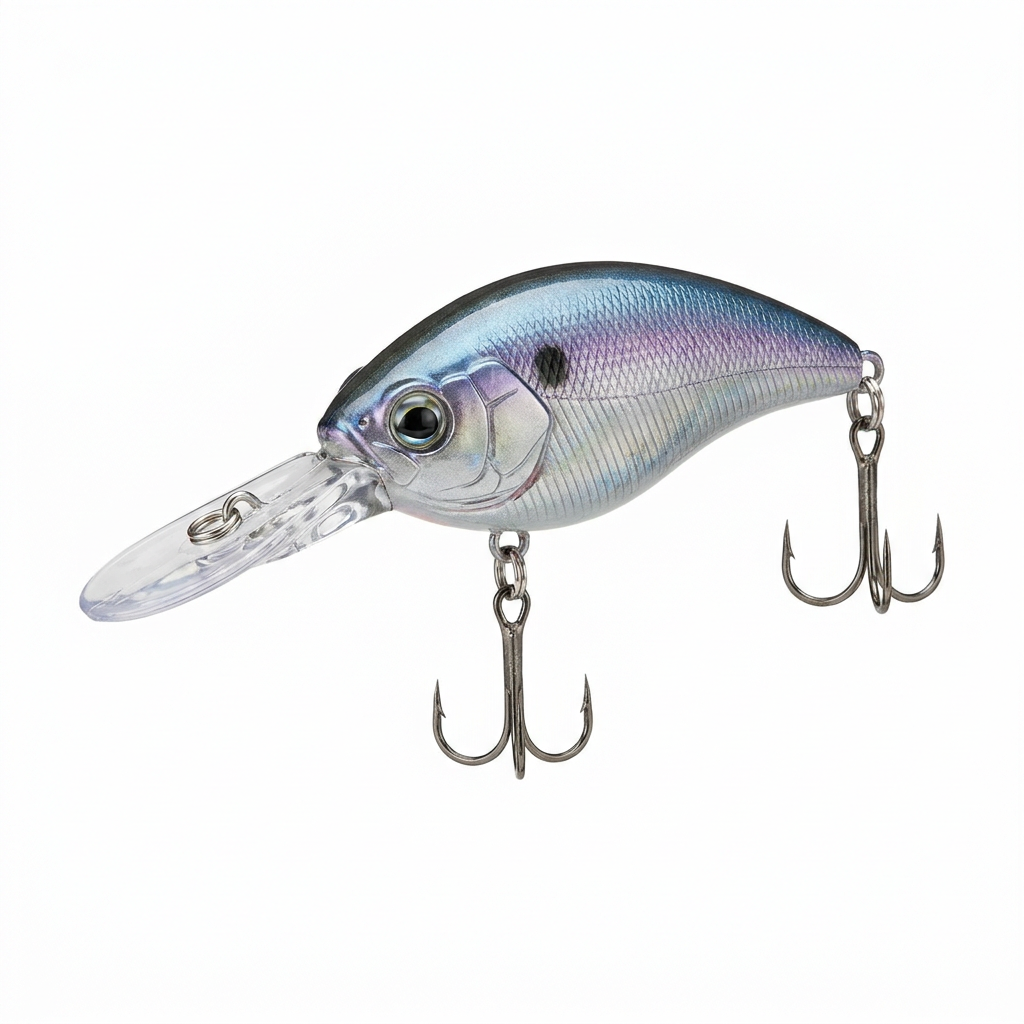
In October, anglers find success with crankbaits and jigs that target the rocky structure throughout Fontana. Small to medium-sized crankbaits in shad patterns work effectively around the main lake points and secondary points, where anglers should focus depths of 20 to 30 feet. Live baitfish presentations, particularly shiners and herring worked vertically or drifted along the creek channels, produce consistent results this month for walleye and larger bass. Jigs tipped with small live minnows or soft plastics in dark colors match the lake's forage and trigger strikes in this month's cooling water. Dawn and dusk fishing in October provides peak activity periods, though midday presentations along deeper structure remain productive when water clarity permits visibility to baitfish. Anglers should note that Fontana's deep, clear water demands lighter line and natural presentations this month to overcome the low light penetration advantage fish maintain in October conditions.
Get More Fishing Report Specifics
Tap a topic button below for a report on current conditions.
Tap a topic above to get a current report for Lake Fontana.
Answers are generated on demand and cached. No AI call fires until you tap a tab.
Lake Fontana Fishing Guides
Looking for a Lake Fontana fishing guide? 440 feet deep on the edge of the Smokies — the fish here suspend at depths and in coves that take years to learn, and guides who know Fontana's remote structure are an invaluable shortcut. Here are 4 fishing guides for Lake Fontana that are worth checking out.
Lake Fontana Fishing Strategies by Species
Seasonal patterns and techniques by target species · Verified against official sources
Lake Fontana is TVA's deepest reservoir, reaching 440 feet at the face of Fontana Dam on the Little Tennessee River in the southern Appalachian Mountains of Swain and Graham counties, North Carolina. The 10,530-acre reservoir was created in 1944 as part of the World War II power production program. Fontana's north and east shorelines border Great Smoky Mountains National Park, with much of that shoreline accessible only by boat, creating one of the most remote and least-pressured reservoir fisheries in the eastern United States. The lake supports trophy-quality smallmouth bass, walleye, muskie (through NCWRC stocking), rainbow trout, largemouth bass, and channel catfish. North Carolina WRC regulations apply throughout the lake: verify current regulations at ncwildlife.org before fishing.
Lake Fontana Largemouth Bass Fishing Report
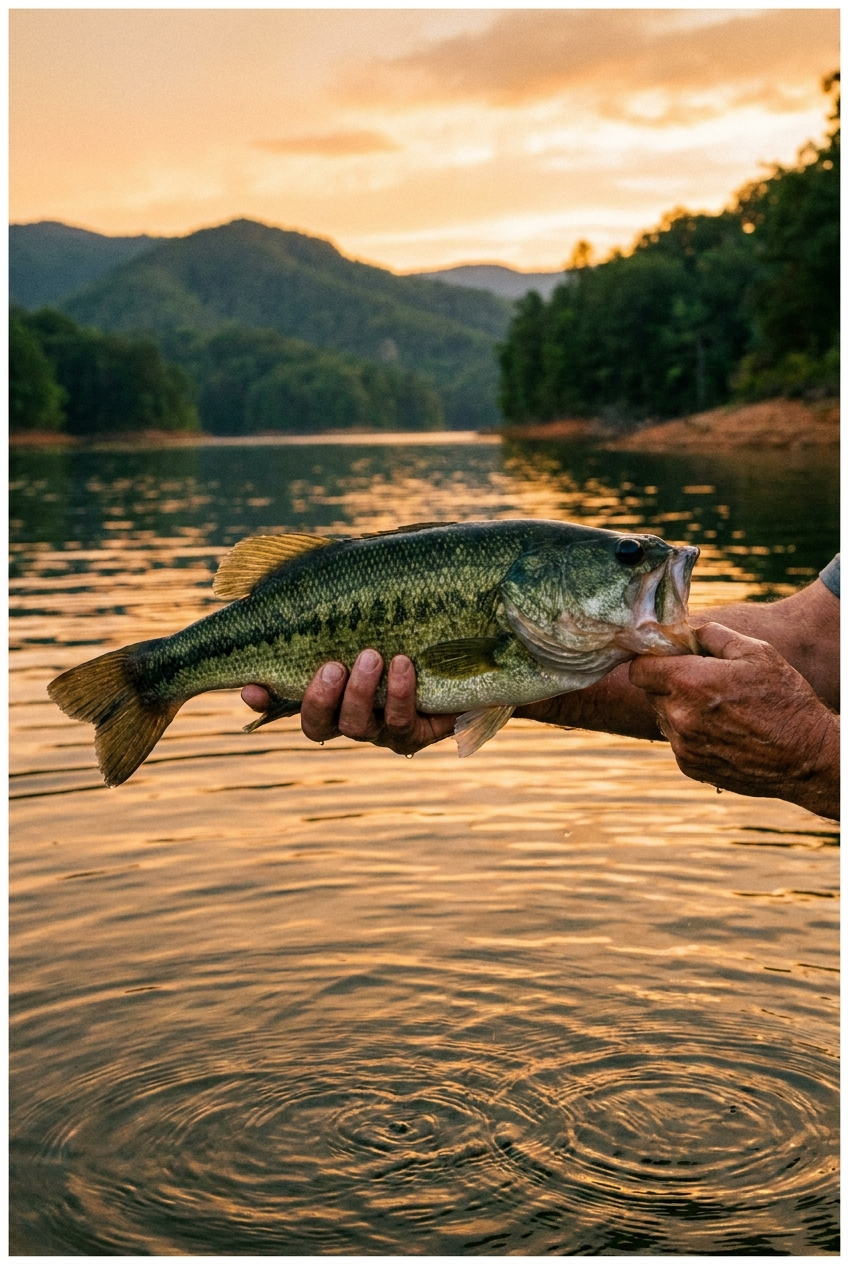
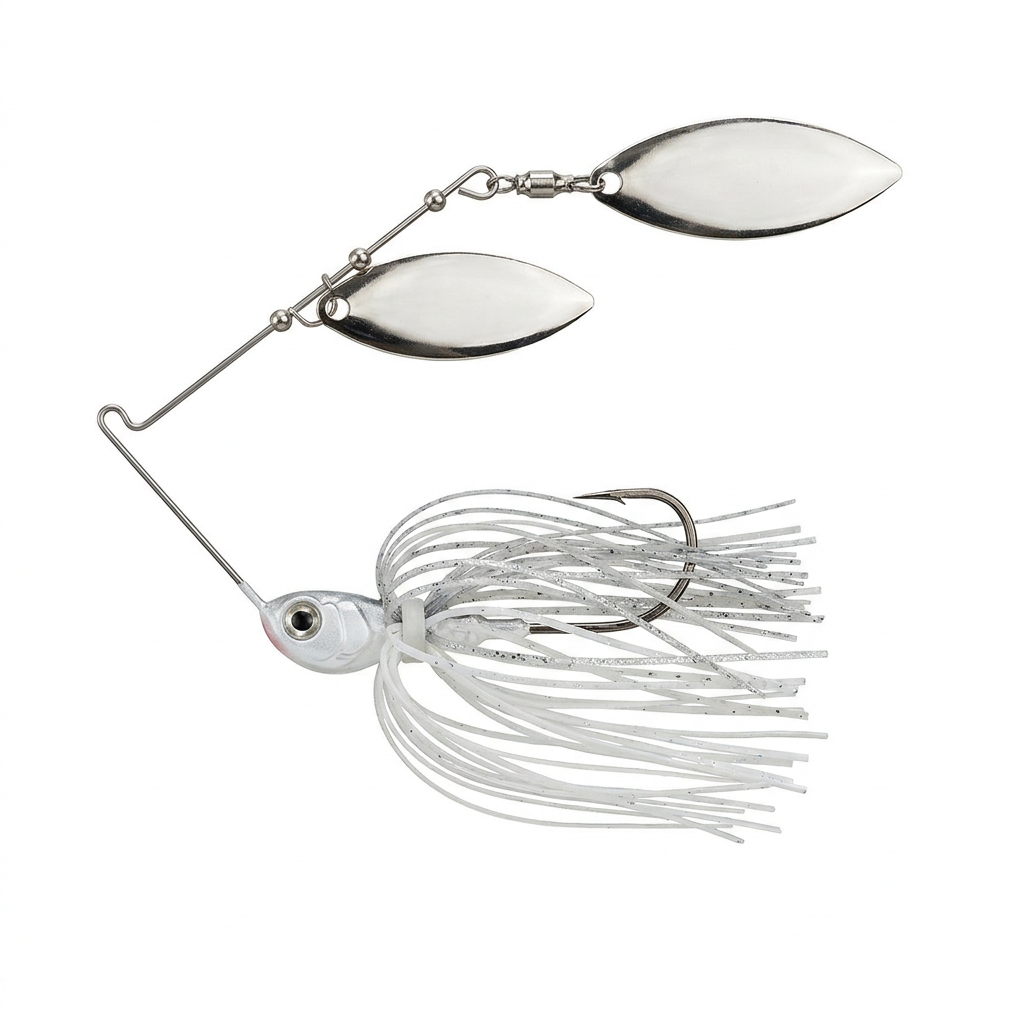
Largemouth bass at Lake Fontana are concentrated in the shallower creek arms, the dock areas near the Fontana Village resort area, and the warmer embayments on the western end of the lake near the dam. The steep terrain surrounding Fontana means less shallow water than most southern bass lakes, limiting but not eliminating largemouth habitat. The creek mouths and the protected coves near the more gradual terrain on the western end hold the most consistent largemouth populations. Spring spawning activity concentrates largemouth in the warmest available coves in 3 to 8 feet near any brush, fallen timber, or dock structure. Spinnerbaits and topwater presentations work well during the early morning spawn period when fish are actively guarding beds. The remote areas on the north shoreline inside the GSMNP boundary receive minimal fishing pressure and can hold quality largemouth that have seen few lures. Verify North Carolina largemouth bass size limits and bag limits at ncwildlife.org before fishing Lake Fontana.
Lake Fontana Smallmouth Bass Fishing Report
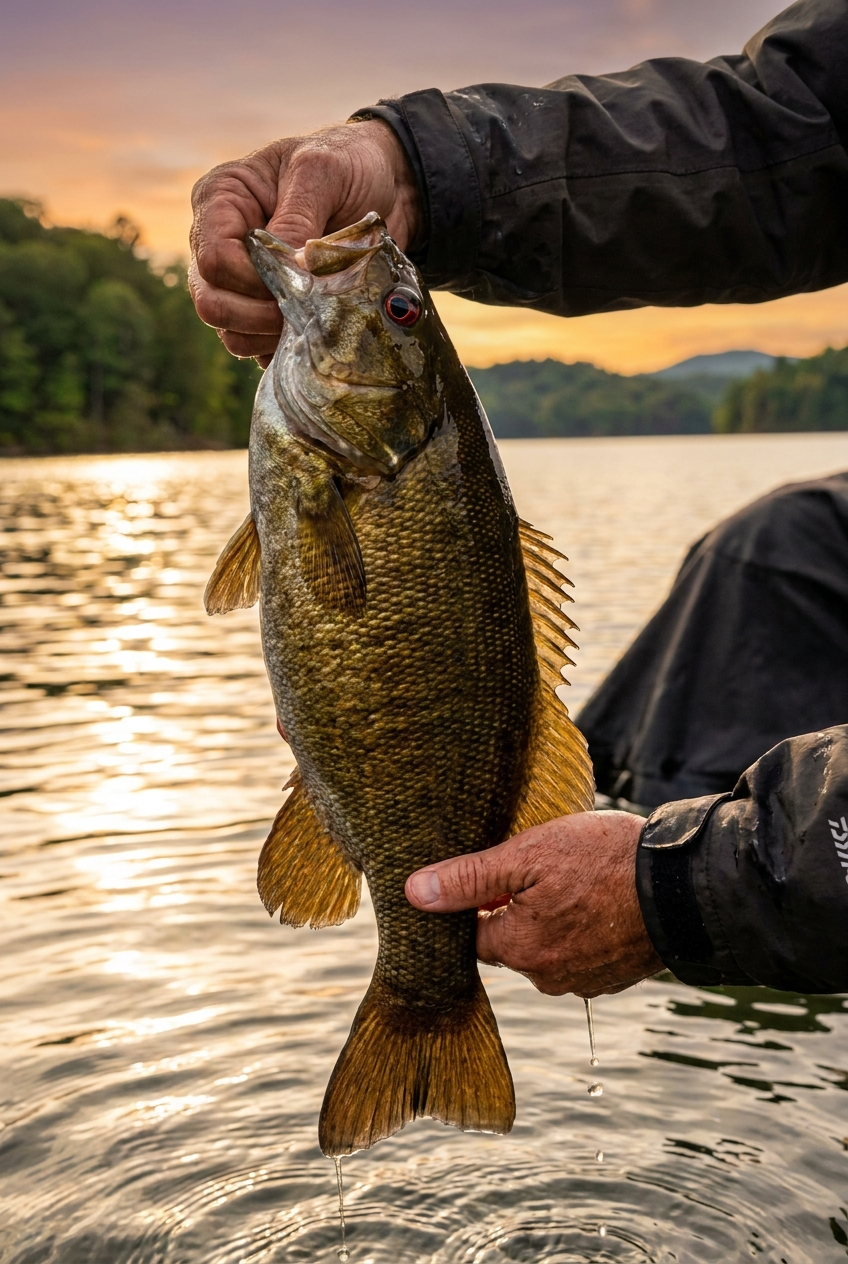
Smallmouth bass are the premier bass species at Lake Fontana, thriving in the rocky main-channel structure, the steep bluff walls, and the tributary mouths throughout the 30-mile reservoir. Fontana's deep, clear water and the rocky Appalachian geology create outstanding smallmouth habitat. The remote GSMNP shoreline areas in the upper lake sections near the confluence of Hazel Creek and Eagle Creek with Fontana hold some of the most consistent and least-pressured smallmouth fishing in the Southeast. Trophy-class smallmouth in the 4 to 6 pound range are a realistic possibility on Lake Fontana, particularly in the clearer, rockier sections of the upper lake near the Great Smoky Mountains. Jigs worked along the rocky bluff walls and the main channel structure in 8 to 25 feet produce quality smallmouth year-round. Drop-shot rigs with finesse plastics excel in the clearer water of the upper lake. Fall is an excellent smallmouth season as fish move aggressively on the rocky points before winter. North Carolina requires a 12-inch minimum on bass: verify current regulations at ncwildlife.org.
Lake Fontana Walleye Fishing Report
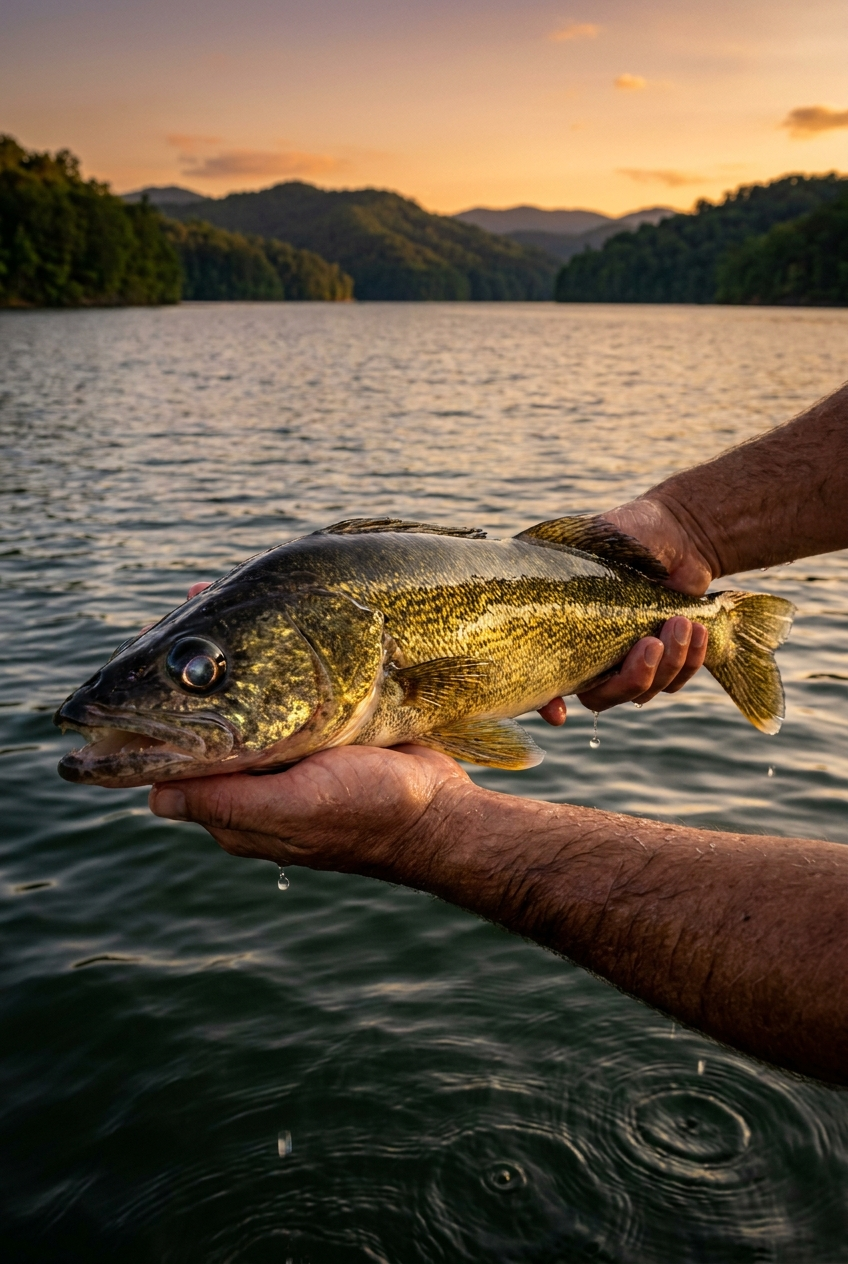
Walleye are an outstanding fishery at Lake Fontana, thriving in the deep, clear water of this remote TVA reservoir. The North Carolina WRC has stocked walleye in Fontana, and the population has established itself throughout the lake's main channel and the tributary arms. Walleye are particularly concentrated in the upper lake near the Fontana Reservoir head in the quieter, slower-moving sections near the tributary inlets. Spring walleye fishing is excellent at Fontana as fish move to the rocky transition areas near tributary mouths to stage before spawning. Jigs tipped with minnows or plastic baits worked along the main channel in 10 to 25 feet produce consistent walleye through spring and fall. Night fishing with crankbaits along the main channel edges is a productive summer technique when walleye move shallower in darkness. The remote areas near Hazel Creek and the upper lake tributaries produce quality walleye that are rarely targeted by other anglers. North Carolina walleye regulations should be verified at ncwildlife.org before fishing.
Lake Fontana Muskie Fishing Report
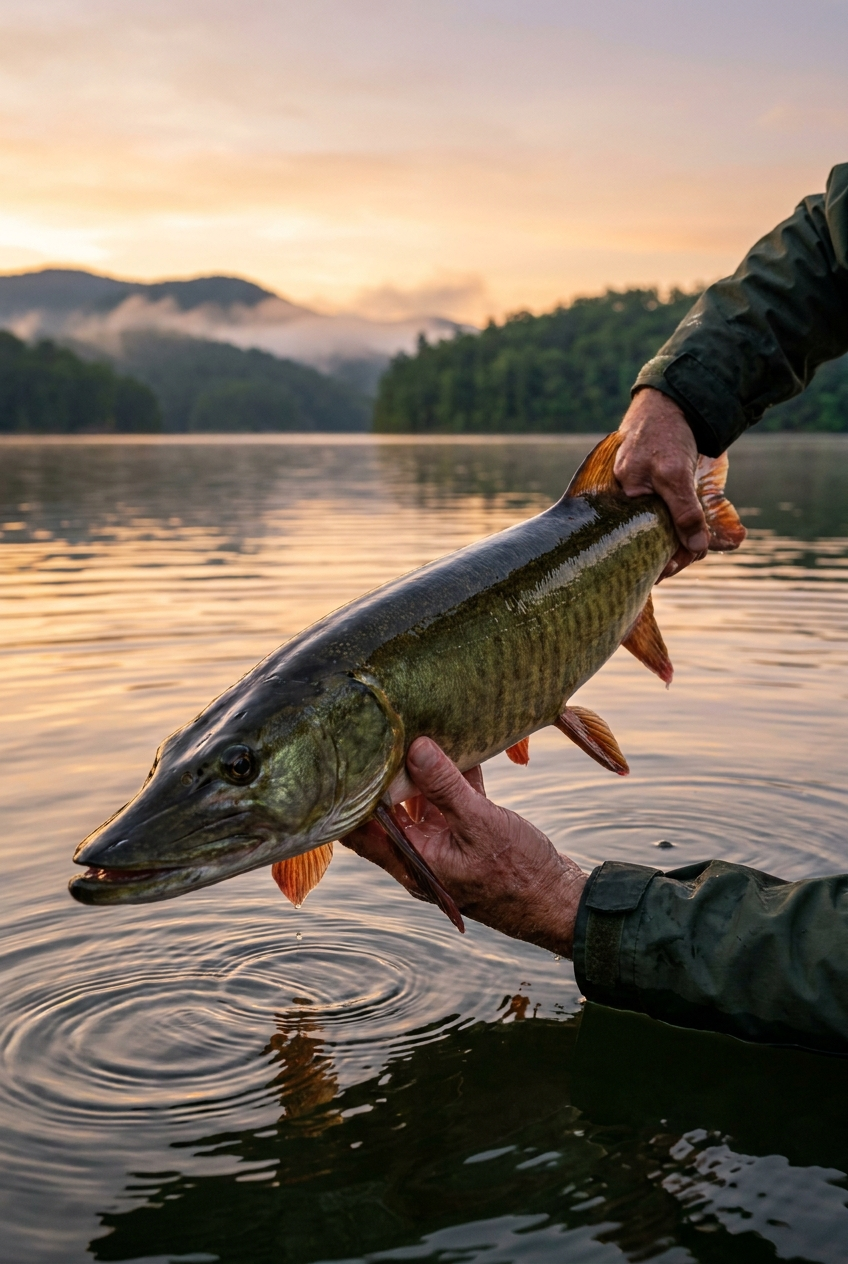
Muskie (muskellunge) have been stocked by the North Carolina WRC in Lake Fontana as part of an effort to establish a trophy muskie fishery in the southern Appalachians. Muskie fishing at Fontana requires patience and specialized tackle: large crankbaits, jerk baits, and bucktail spinners worked near the main channel structure and the rocky shoreline areas are the standard muskie presentations. The deep, clear water of Fontana allows muskie to see lures from considerable distance. Muskie in Lake Fontana are most active in the cooler months of fall and early spring when water temperatures drop below 65 degrees. The deeper sections of the main channel and the rocky bluff walls on the north shoreline inside the GSMNP boundary are the most likely muskie areas. Figure-8 boat-side presentations are essential when following a muskie to the boat. A full day of casting without a strike is typical for muskie fishing: the reward is encountering one of the largest freshwater gamefish in North America. Verify North Carolina muskie regulations, size limits, and season dates at ncwildlife.org.
Lake Fontana Rainbow Trout Fishing Report
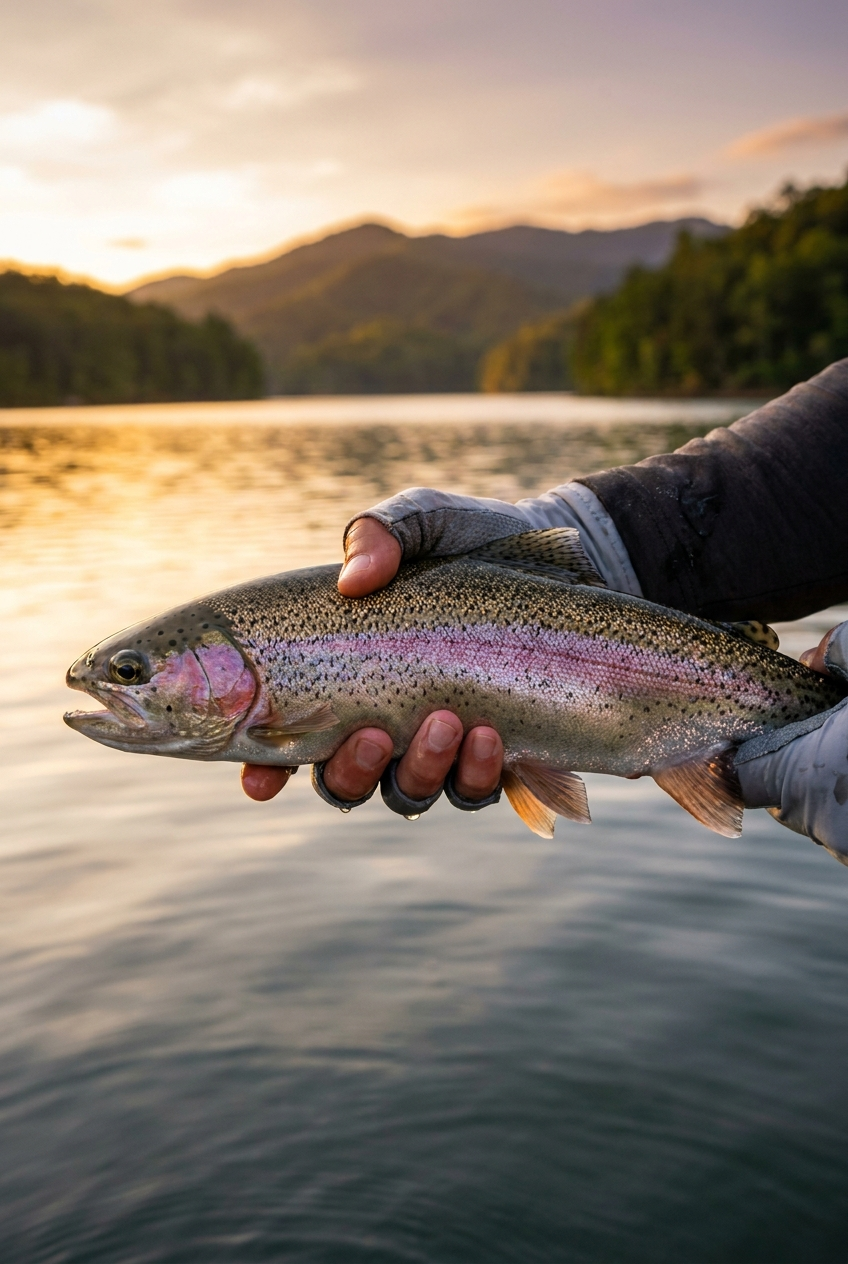
Rainbow trout utilize Lake Fontana and its cold tributary streams, with the North Carolina WRC managing trout fishing in both the lake and its tributaries inside and adjacent to Great Smoky Mountains National Park. The upper tributaries of Fontana - Hazel Creek, Eagle Creek, and the headwaters of the Little Tennessee River - provide cold-water trout habitat of national significance within the GSMNP boundary. Trout fishing in Lake Fontana proper is most productive near the cold tributary inflows, particularly in the upper lake section where the river maintains cooler temperatures. Rooster-tail spinners and small crankbaits trolled near the tributary mouths and the main channel at the upper end produce rainbow trout year-round in the lake's deep cold water. Trout regulations inside the Great Smoky Mountains National Park boundary differ from standard North Carolina regulations: national park regulations apply within park boundaries. Verify all applicable regulations at ncwildlife.org and at the NPS GSMNP website before fishing.
Lake Fontana Channel Catfish Fishing Report
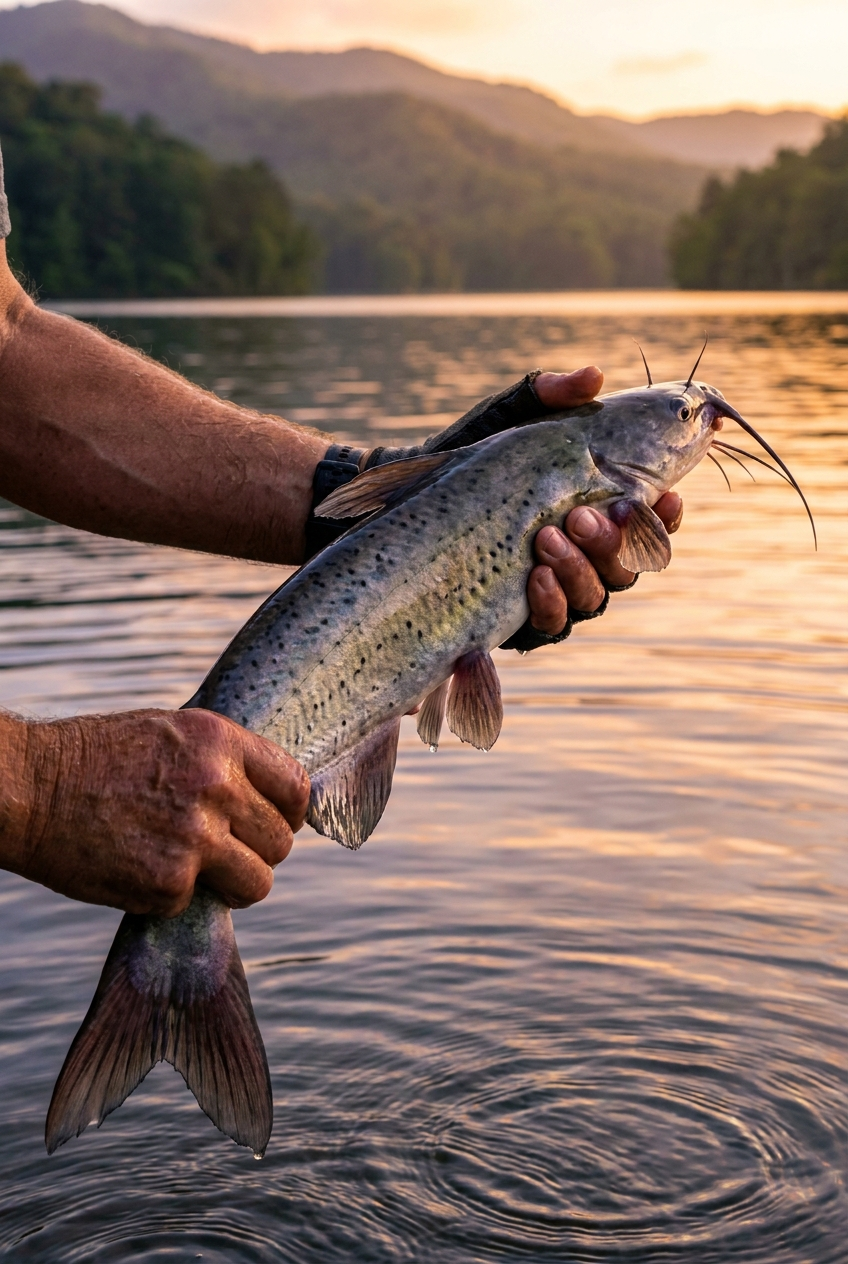
Channel catfish are distributed throughout Lake Fontana, particularly in the creek arm flats, the main channel edges, and the shallower western end of the reservoir near Fontana Dam. The Little Tennessee River's tributary system delivers substantial organic material that supports the catfish forage base throughout the lake. Night fishing with cut bait, chicken liver, and prepared baits on the bottom near channel edge transitions produces consistent channel catfish from late spring through early fall. The more accessible areas near Fontana Village and the boat ramp facilities on the western end of the lake are the most practical catfishing locations for anglers without the local knowledge to navigate the remote upper lake. Catfish in the deeper remote sections of the upper lake near the tributary mouths can grow to substantial sizes with minimal fishing pressure from other anglers. North Carolina catfish bag limits apply to Lake Fontana: verify current regulations at ncwildlife.org.
Before you head out, check your line. If it's been sitting on the reel all winter or has seen a lot of rocks and timber, it's worth replacing before a serious trip. I order most of my braid from Reaction Tackle and have been happy with it.
Top Fish to Target in Lake Fontana
Lures for Lake Fontana
Tackle matched to this lake's species and structure.
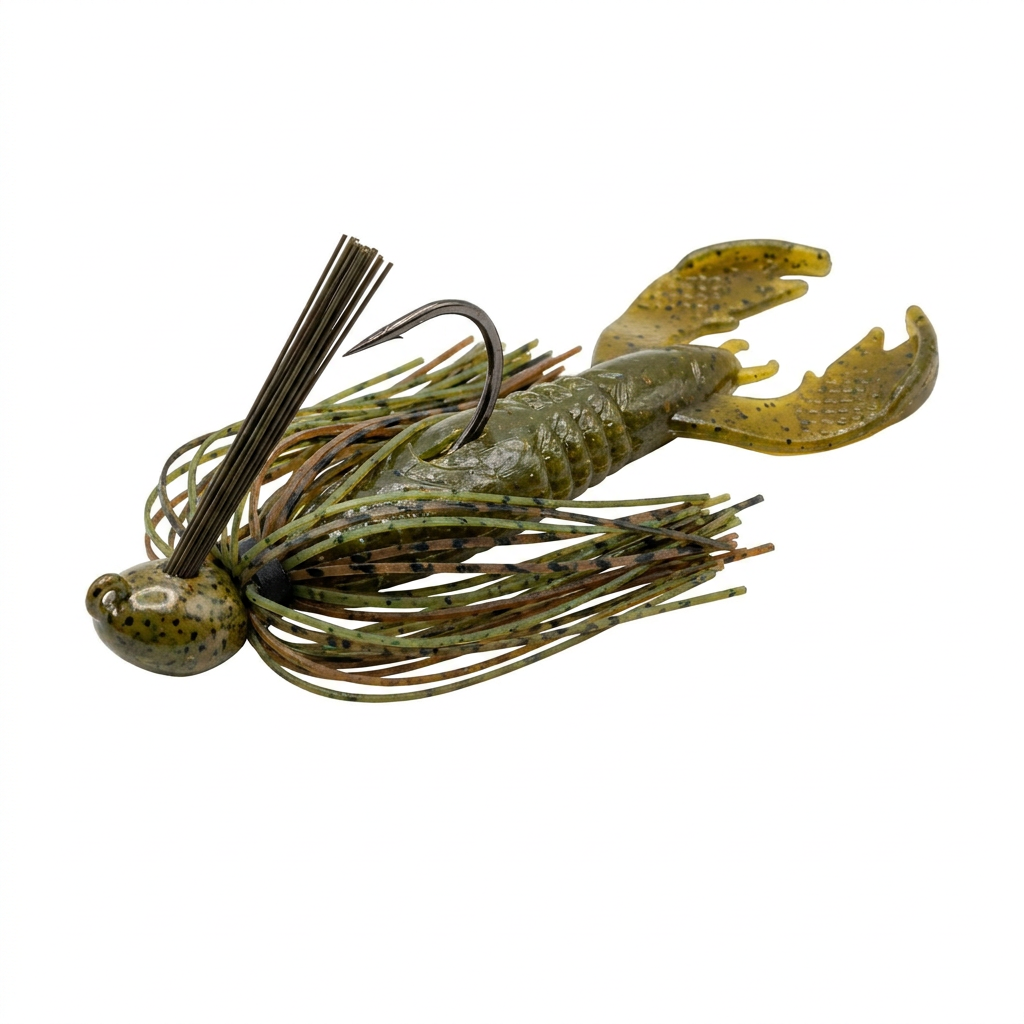
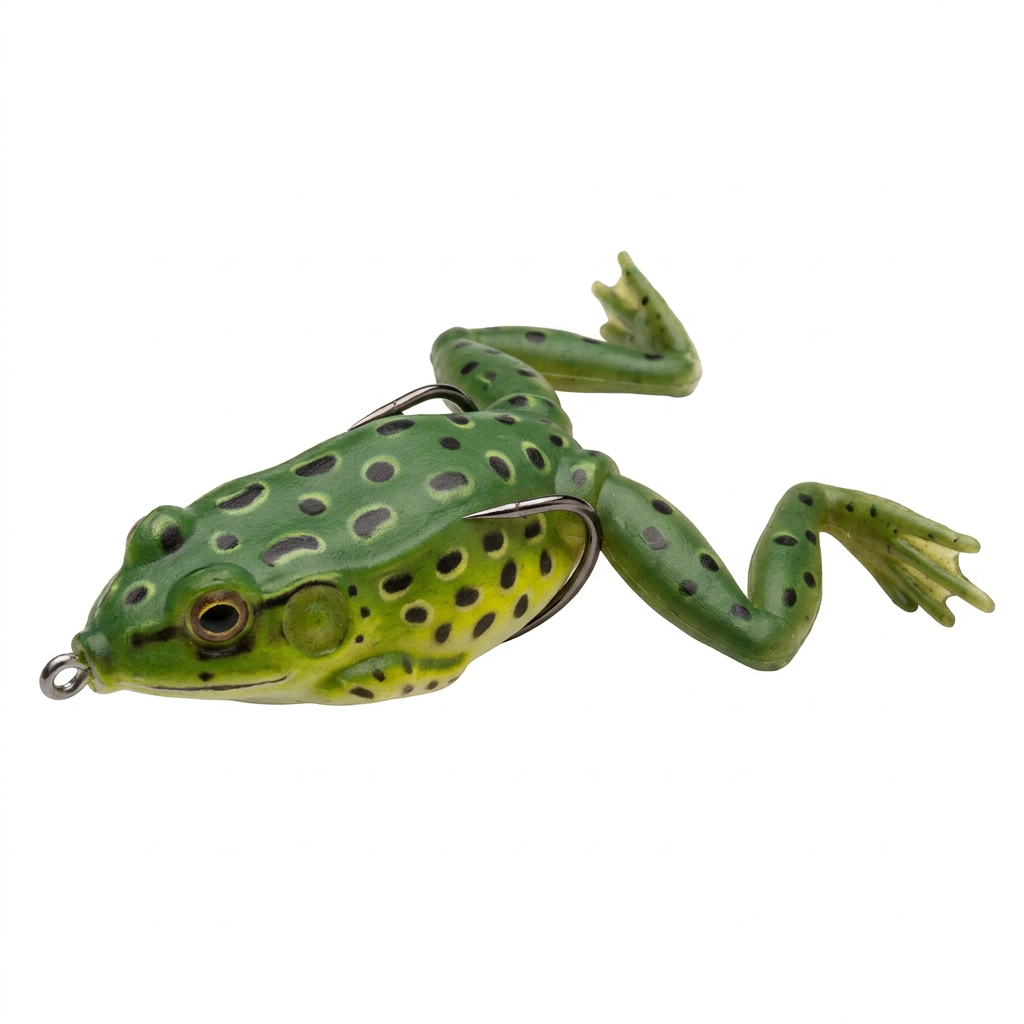
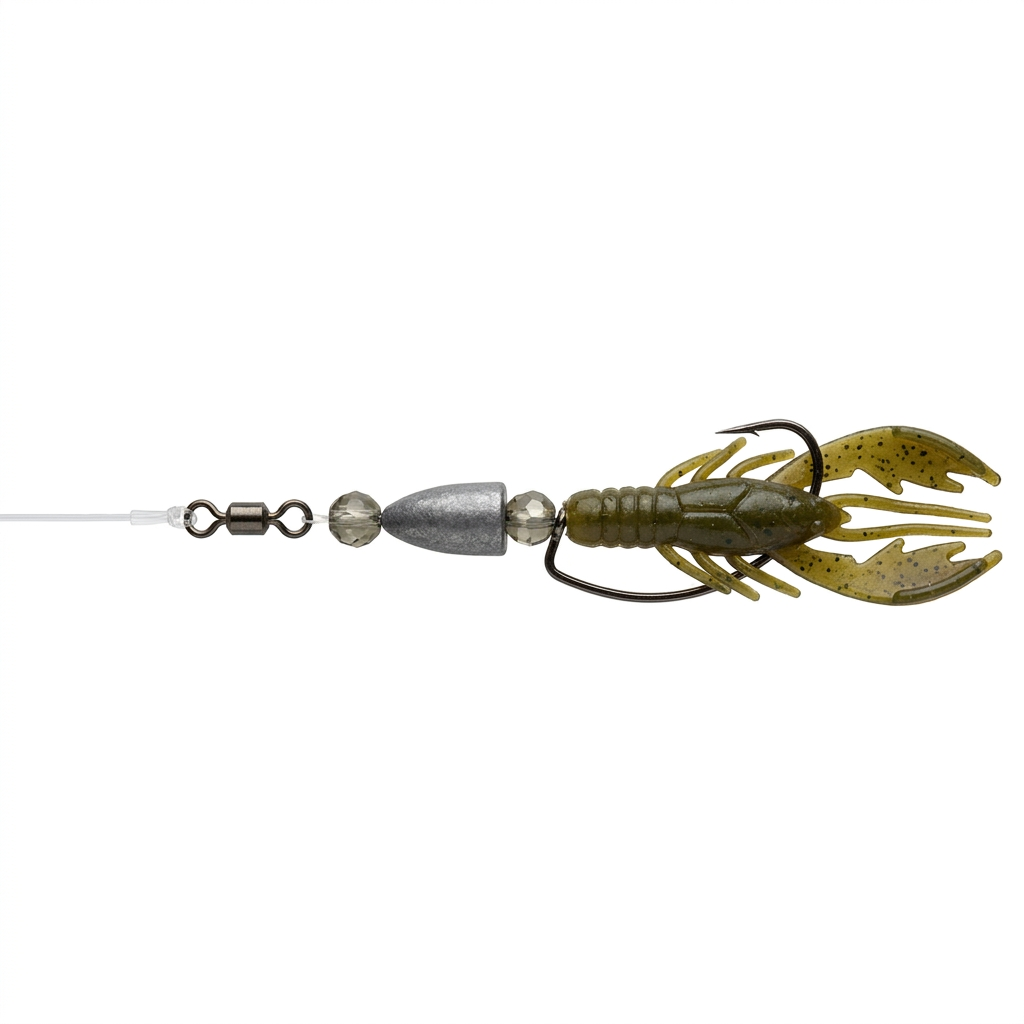
One thing I always check before a big trip is my main line. For most of the presentations that work here, you want braid. The sensitivity makes a real difference, especially when fish are finicky. I've been ordering from Reaction Tackle for a while now and haven't looked back.
About Lake Fontana
Lake Fontana is one of the most remote and dramatic reservoirs in the eastern United States. Fontana Dam, completed by TVA in 1944 as part of the World War II power production effort, is the tallest dam east of the Rocky Mountains at 480 feet and created a 440-foot-deep reservoir that backs up 30 miles along the Little Tennessee River into the mountains of Swain and Graham counties. The north and east shorelines of the lake form the southern boundary of Great Smoky Mountains National Park.
Remote access and the Smokies boundary. The vast majority of Lake Fontana's shoreline on the Great Smoky Mountains National Park side is accessible only by boat. There are no roads along the north shore inside the park boundary, meaning anglers who venture to the upper lake for smallmouth, walleye, or trout are fishing water that sees very little pressure. This genuine remoteness is Fontana's most distinctive attribute as a fishing destination.
TVA management and seasonal drawdown. TVA operates Fontana as a power generation reservoir. Fontana undergoes a significant winter drawdown each year that can expose considerable shoreline and affect access. Anglers should check TVA's lake level information before planning a trip, particularly in fall and winter. The full-pool recreation season typically runs from spring through early fall.
Fontana Village and access. Fontana Village Resort near the dam provides lodging, marina access, boat rentals, and guided fishing services. The Fontana Village area is the primary access point for the western sections of the lake. Reaching the upper lake near the GSMNP boundary requires a substantial boat ride. A North Carolina fishing license is required: verify all regulations at ncwildlife.org.