Lake Norman is big, busy, and loaded with fish that most anglers drive right past. I know people only see the waterfront neighborhoods and the ski boats, but underneath all that surface activity there are some legitimate giants -- blue catfish pushing 40 to 50 pounds near the dam, hybrid stripers busting shad on open water in the fall, and spotted bass stacked on every rocky point you can find. If you fish Norman in October when the stripers and hybrids get going at first light, you'll understand why locals stay loyal to this lake despite the crowds.
Today's Bite Score · October 8, 2026
Very favorable conditions for catching fish
🌘Waning Crescent
Lake Norman Fishing Report
October FishingMonthly fishing report · October patterns and techniques
Lake Norman in October experiences a dramatic shift in conditions that energizes the fishery. Water temperatures drop from summer highs into the mid-60s Fahrenheit, triggering aggressive feeding behavior across the lake's 32,510-acre expanse. The cooling water pushes fish away from shallow spawning areas and toward deeper structure, making this month one of the most predictable times to locate active gamefish. Anglers find the lake's main channel and creek arms particularly productive as baitfish schools compact and become more concentrated in response to temperature changes.
Largemouth and smallmouth bass are most active in October at Lake Norman, with fish holding tight to the numerous creek channels that feed the reservoir. The lake's deep standing timber, rocky points, and channel ledges become prime staging areas this month as bass prepare for winter. Striped bass and white bass also feed voraciously in October, particularly along the main lake structure where they hunt shad in the clearer, cooler water. Crappie populations respond well to the month's conditions, suspending around submerged brush and bridge pilings in the 15 to 25-foot range.
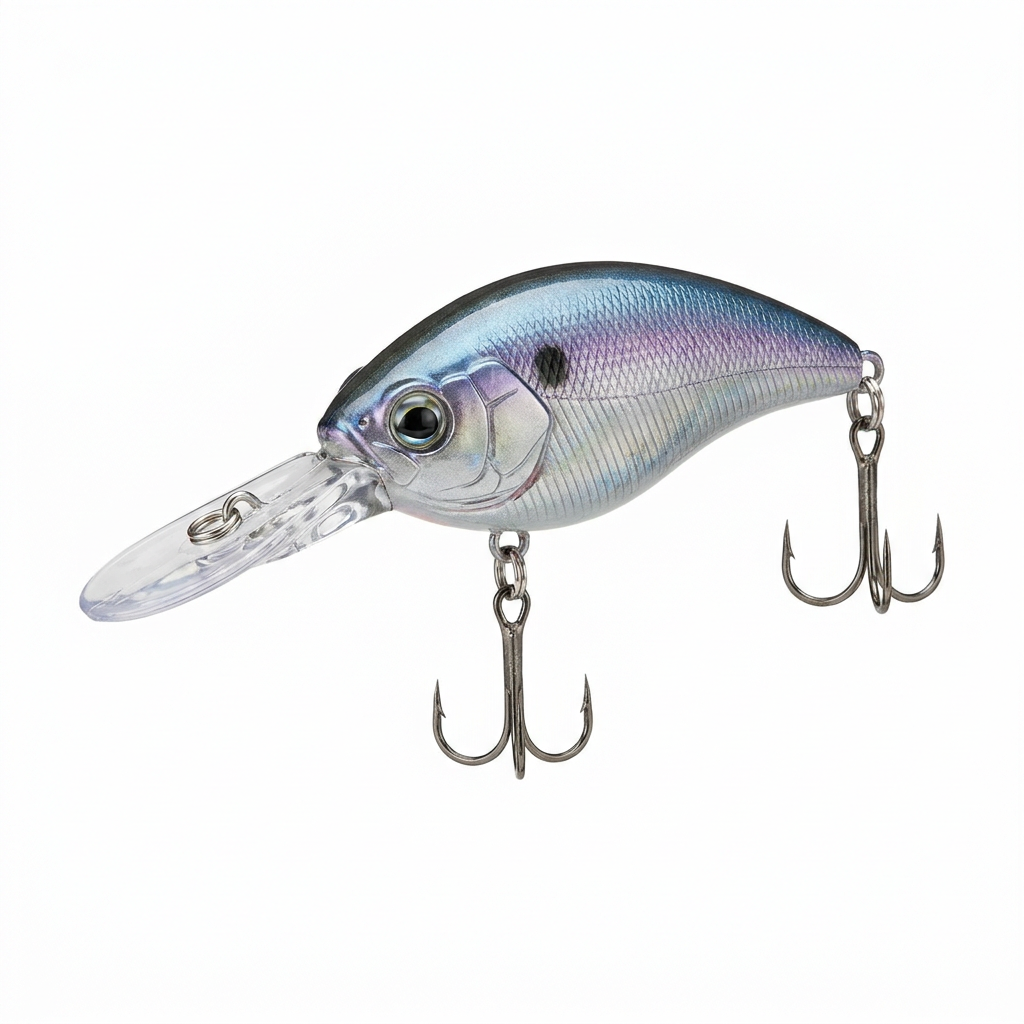
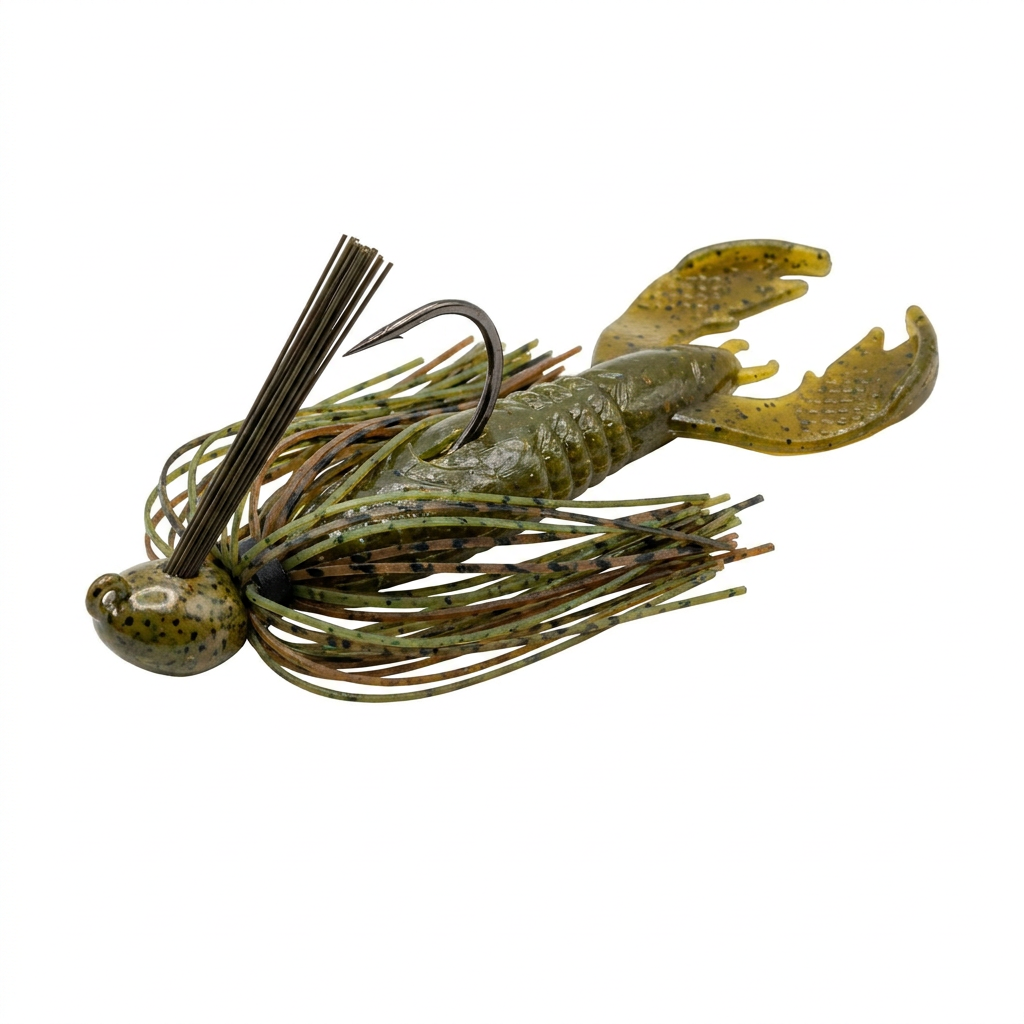
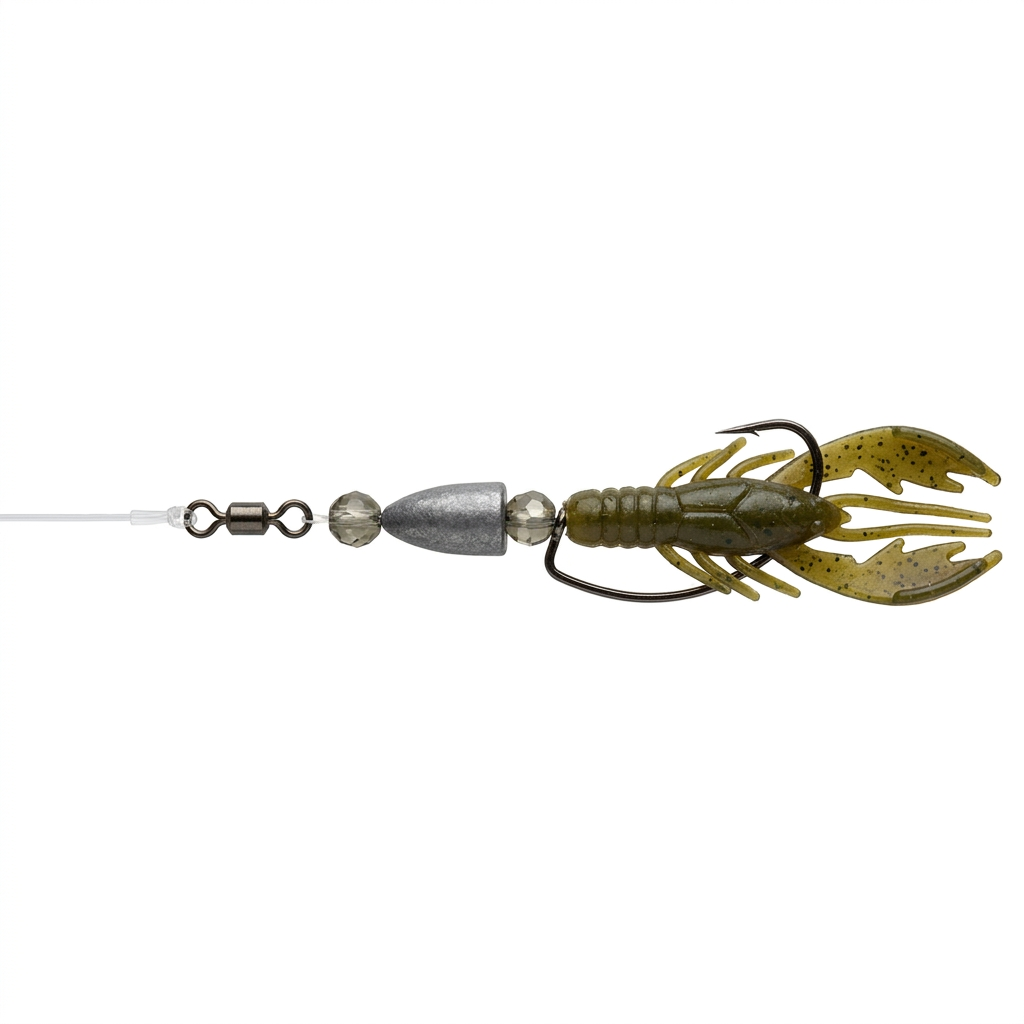
Effective techniques in October focus on targeting these deeper structures with precision. Anglers find success with crankbaits that reach the 12 to 18-foot zone where bass suspend this month, particularly around the lake's famous standing timber near the dam and upper creek arms. Carolina rigs with live shiners or crawfish work exceptionally well for both bass species, allowing anglers to cover ground along channel ledges methodically. For striped and white bass, live shad presentations or silver spoons worked vertically produce consistent results in October. Jigs tipped with minnows or crawfish excel for crappie around the deeper structure, while patience and vertical presentations yield the best success. Water clarity in October typically runs good to excellent, allowing anglers to sight-fish shallow areas early in the day before transitioning to deeper presentations as the sun climbs higher.
Get More Fishing Report Specifics
Tap a topic button below for a report on current conditions.
Tap a topic above to get a current report for Lake Norman.
Answers are generated on demand and cached. No AI call fires until you tap a tab.
Lake Norman Fishing Guides
Looking for a Lake Norman fishing guide? Charlotte's biggest lake sees serious fishing pressure and the fish get educated fast — guides who stay ahead of where the largemouth and stripers have moved make a real difference. Go here → to check out our recommended fishing guides for Lake Norman. Then scroll down on that page to see all of the Lake Norman fishing guides.
Lake Norman Fishing Strategies by Species
Seasonal patterns and techniques by target species · Verified against official sources
Lake Norman is North Carolina's largest man-made lake, impounded in 1963 by Cowans Ford Dam on the Catawba River. Duke Energy operates the dam for hydroelectric power while NCWRC manages fisheries and enforces fishing regulations. The reservoir stretches 34 miles and holds 32,510 acres across Catawba, Iredell, Lincoln, and Mecklenburg counties. Fishing pressure is heavy given the lake's proximity to Charlotte, but the fishery remains strong for hybrid striped bass, multiple bass species, and a growing trophy blue catfish population. NCWRC has stocked F1 largemouth bass since 2021 to supplement the existing population. Verify current regulations at https://www.ncwildlife.org/hunting/fishing-hunting-trapping-regulations before fishing.
Lake Norman Largemouth Bass Fishing Report
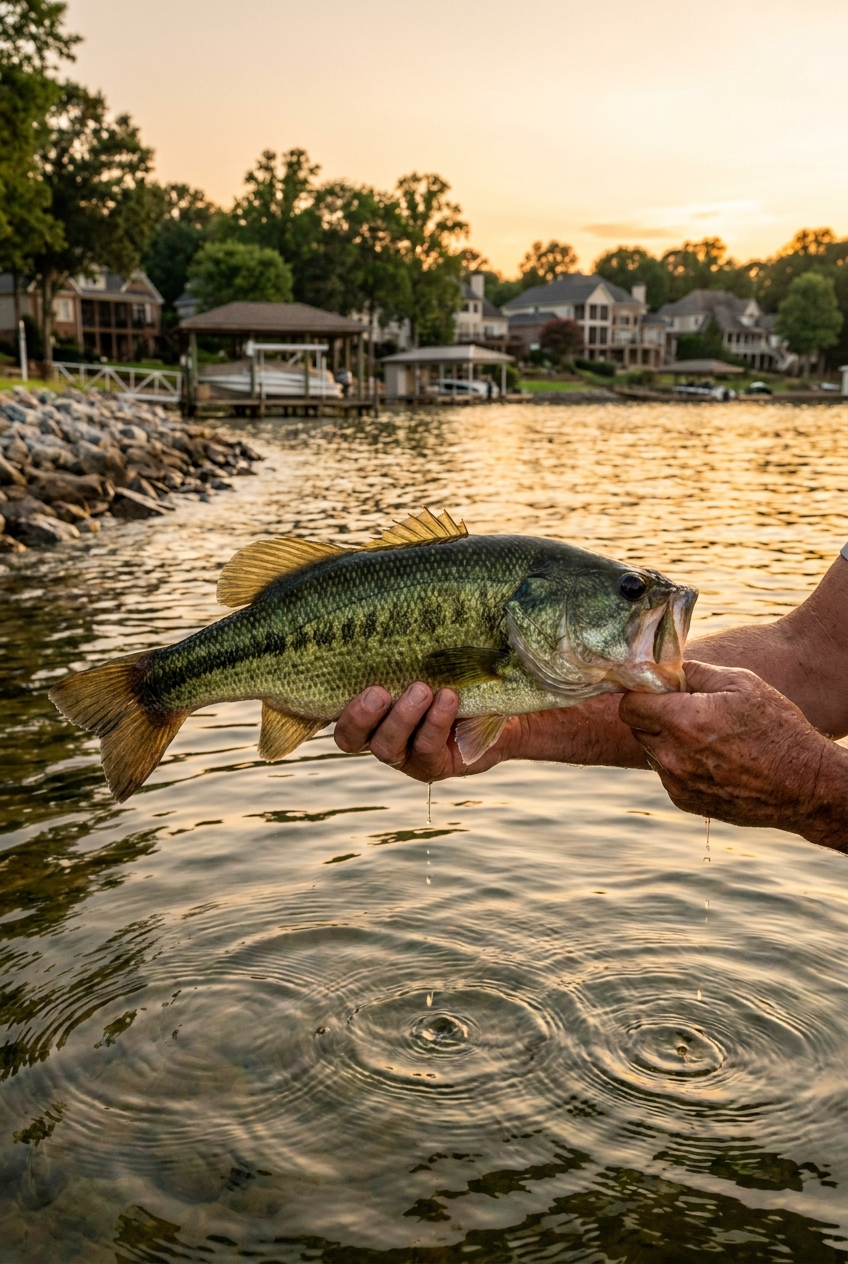
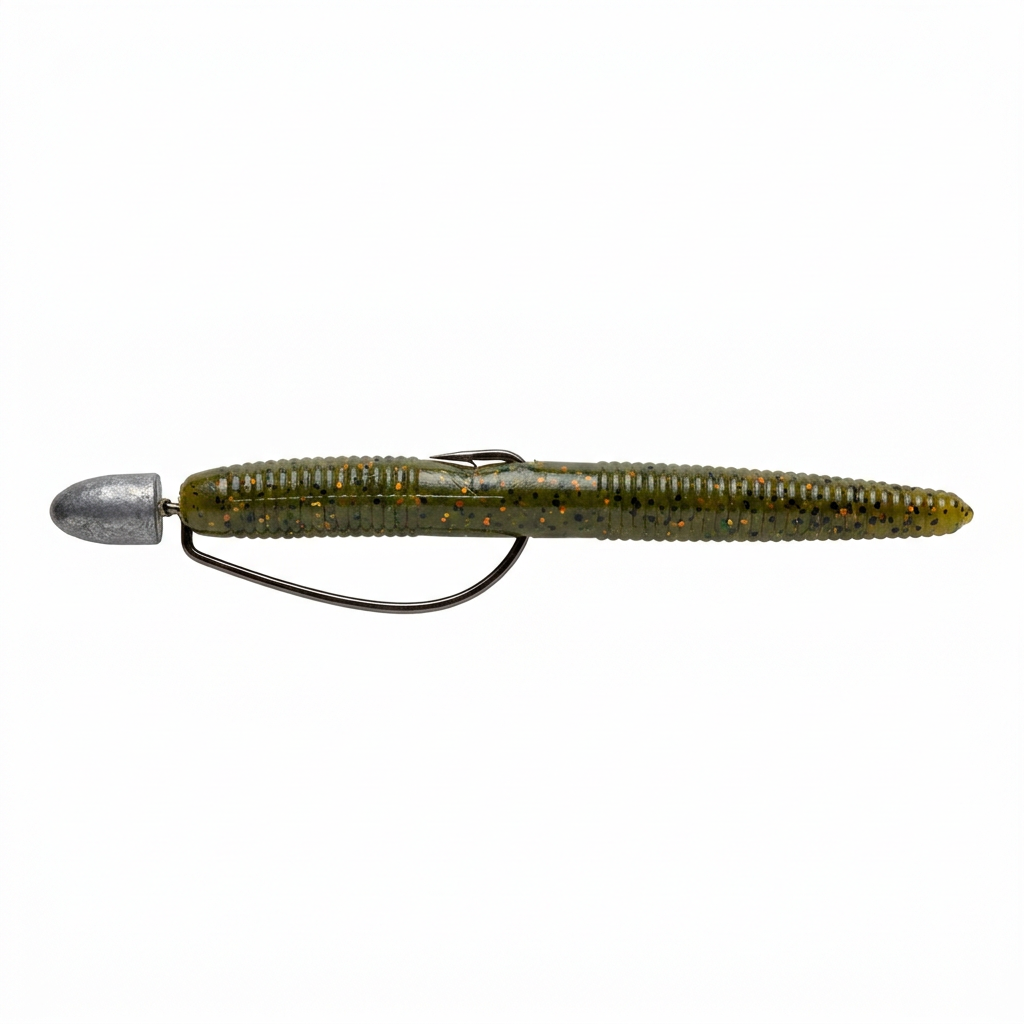
Largemouth bass on Lake Norman respond well to traditional Piedmont reservoir tactics -- dock fishing with jigs and Texas-rigged worms, Carolina rigs on sandy flats, and crankbaits along rock transitions in the 4 to 10 foot range. The NCWRC has been actively stocking F1 largemouth since 2021 as part of an effort to maintain the population against competition from the invasive Alabama bass, which now dominates many areas of the main lake. Recognizing the difference between largemouth, Alabama bass, and spotted bass is useful since they all inhabit the same water and behave similarly. Spring (March through May) is the best largemouth season, with fish moving shallow to spawn on sandy and rocky banks around dock pilings and brush. NCWRC statewide largemouth bass regulation: 5-fish daily creel limit; no minimum size limit with a maximum of 2 fish under 14 inches allowed. Note that Alabama bass and spotted bass fall under separate regulations -- see 15A NCAC 10C .0322. Verify current regulations at https://www.ncwildlife.org/hunting/fishing-hunting-trapping-regulations before fishing.
Lake Norman Spotted Bass Fishing Report
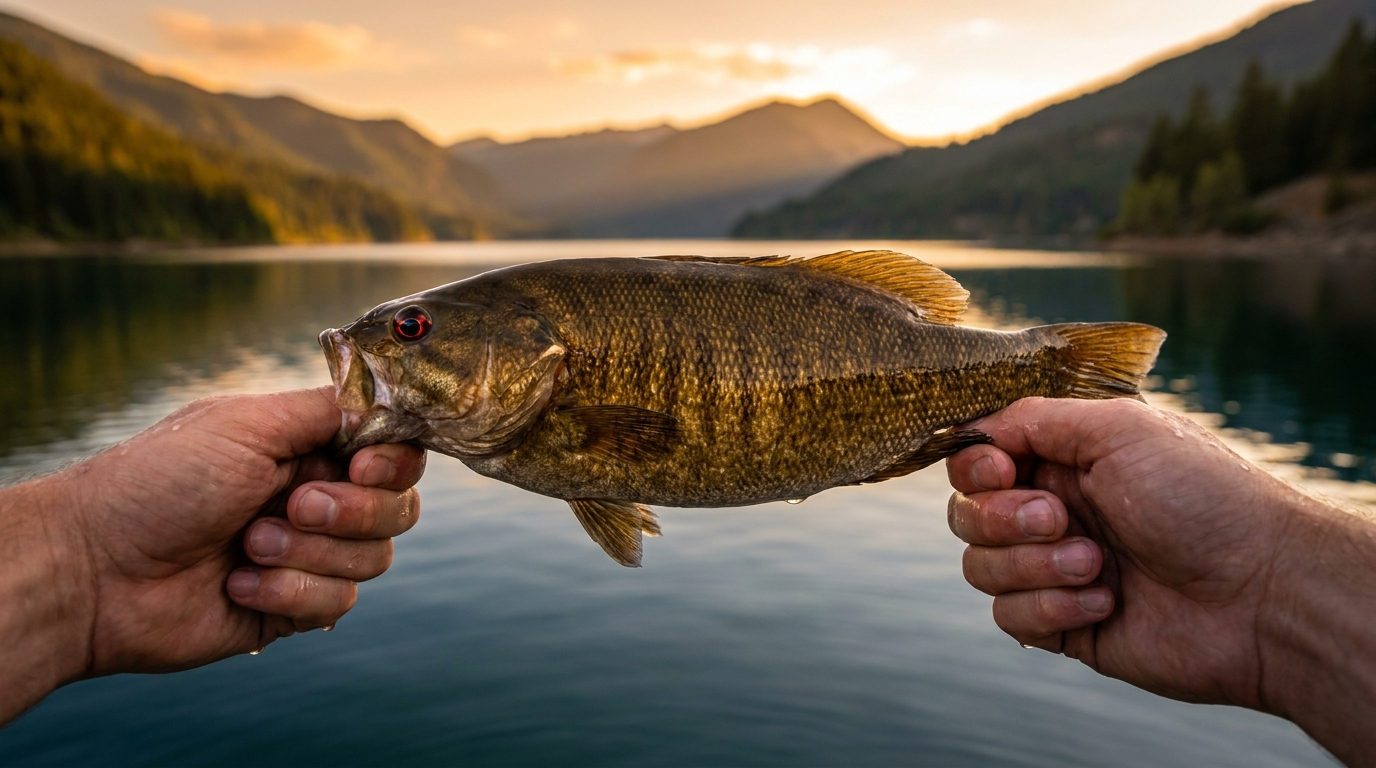
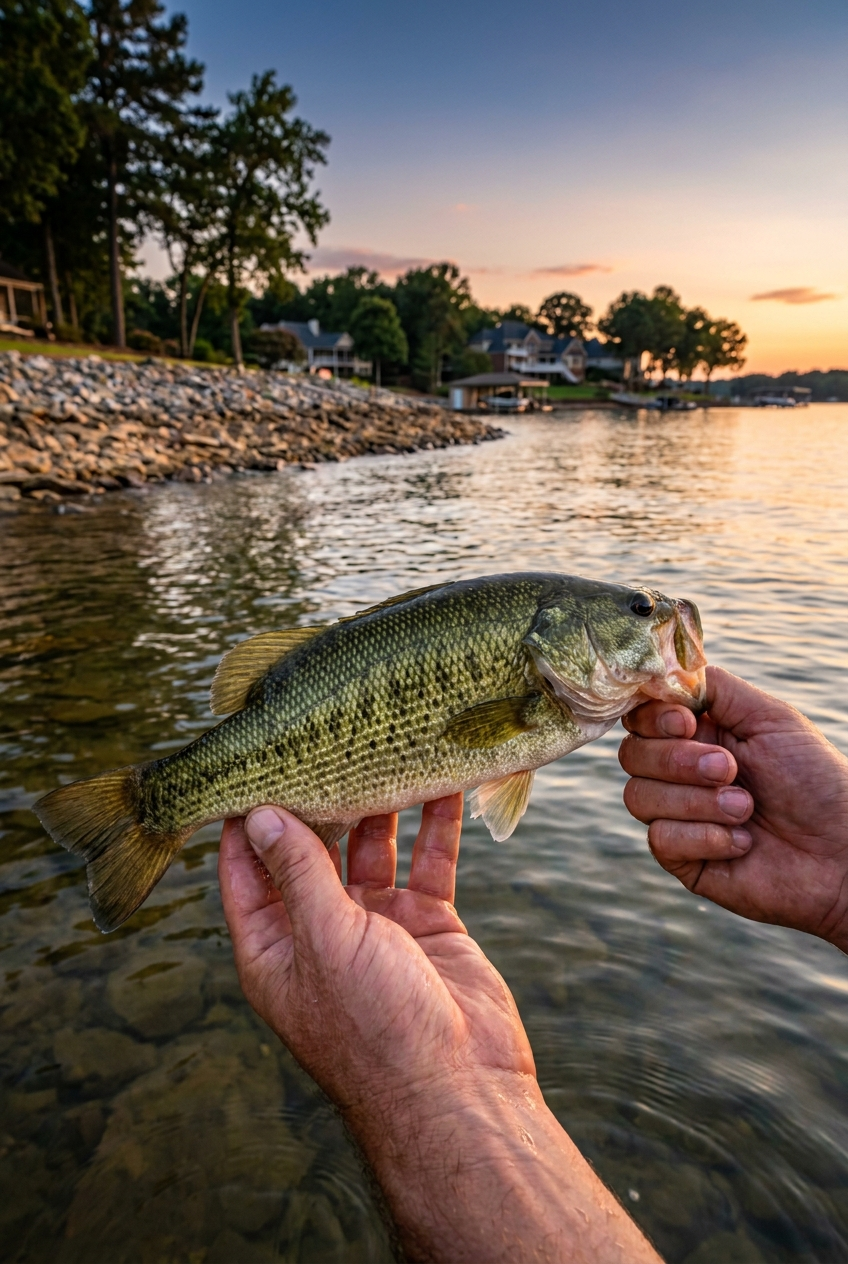
Spotted bass and Alabama bass are increasingly the dominant black bass on Lake Norman's main lake structure. Both species are visually similar and found on rock points, rip-rap banks, channel swings, and deeper dock edges year-round. Alabama bass in particular have proven highly adaptable to Lake Norman's clear, rocky Piedmont reservoir habitat. A drop-shot on a Ned rig or finesse worm on rocky ledges in 12 to 20 feet is consistently productive. Jerkbaits and small crankbaits on rocky transitions also produce throughout the year. Alabama bass and spotted bass have invaded nearly every Piedmont and mountain reservoir in NC, and Lake Norman is no exception. NCWRC regulations for Alabama bass and spotted bass on Lake Norman fall under 15A NCAC 10C .0322. Statewide defaults apply: daily creel limit of 5 fish combined with other black bass, same size rules as largemouth. Regulations on these species are evolving as NCWRC responds to the invasion. Verify current regulations at https://www.ncwildlife.org/hunting/fishing-hunting-trapping-regulations before fishing.
Lake Norman Hybrid Striped Bass Fishing Report
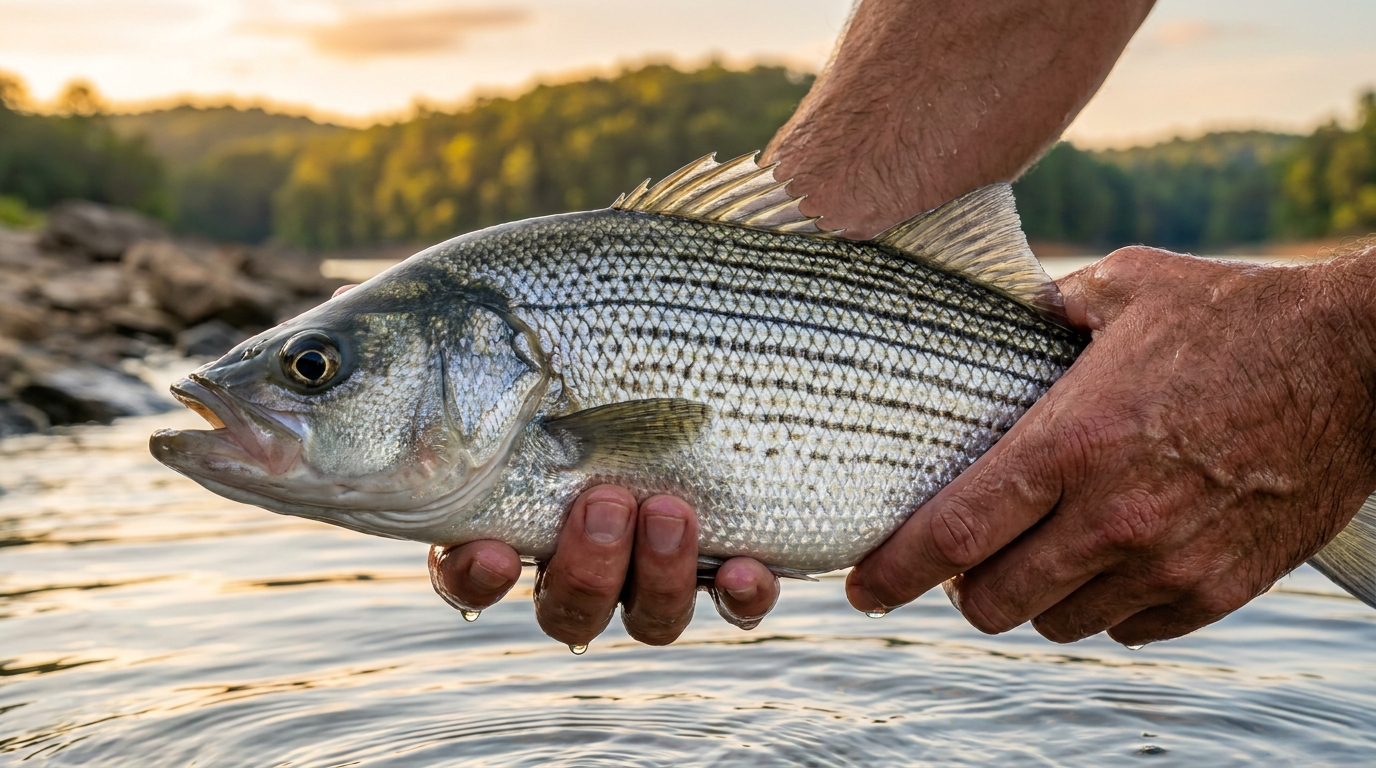
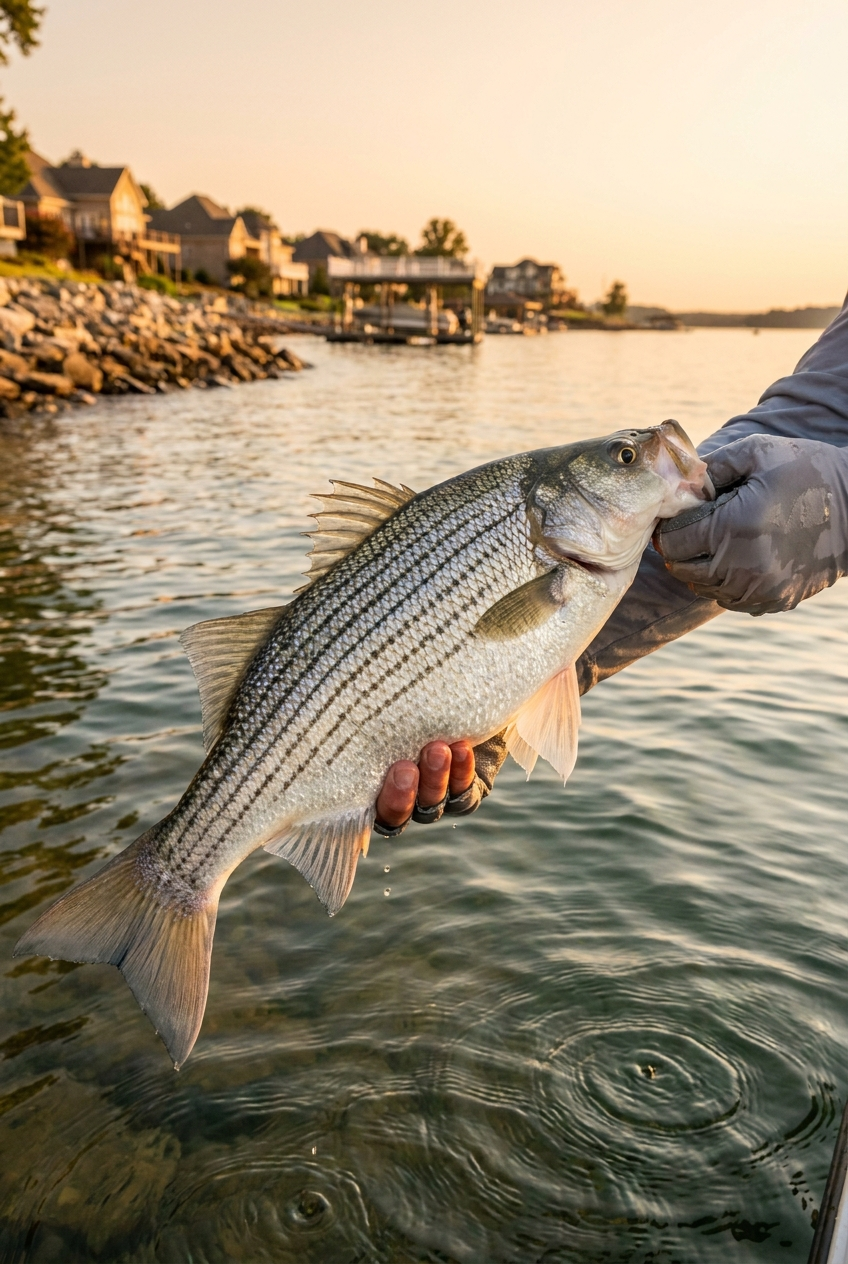
Hybrid striped bass are the marquee open-water species on Lake Norman, stocked by NCWRC since 2013 after the striper stocking program was discontinued in 2012. Hybrids school aggressively on threadfin shad in the fall and winter, with surface blowups on main lake points and open water flats a reliable spectacle from September through November. Jigging spoons, swimbaits, and live shad under a balloon or float are the go-to presentations. The hybrids grow quickly in Norman's rich forage base and fish over 10 pounds are caught each season. Night fishing with lights and live shad in summer also produces hybrids as they move up into the thermocline at night to feed. NCWRC Lake Norman-specific regulation for hybrid striped bass: 16-inch minimum size, 4-fish daily creel limit (striped bass and hybrid striped bass aggregate) from October 1 through May 31. From June 1 through September 30, no minimum size limit on stripers and hybrids in Lake Norman (Piedmont reservoir exception), but the 4-fish daily aggregate limit remains. Verify current regulations at https://www.ncwildlife.org/hunting/fishing-hunting-trapping-regulations before fishing.
Lake Norman Crappie Fishing Report
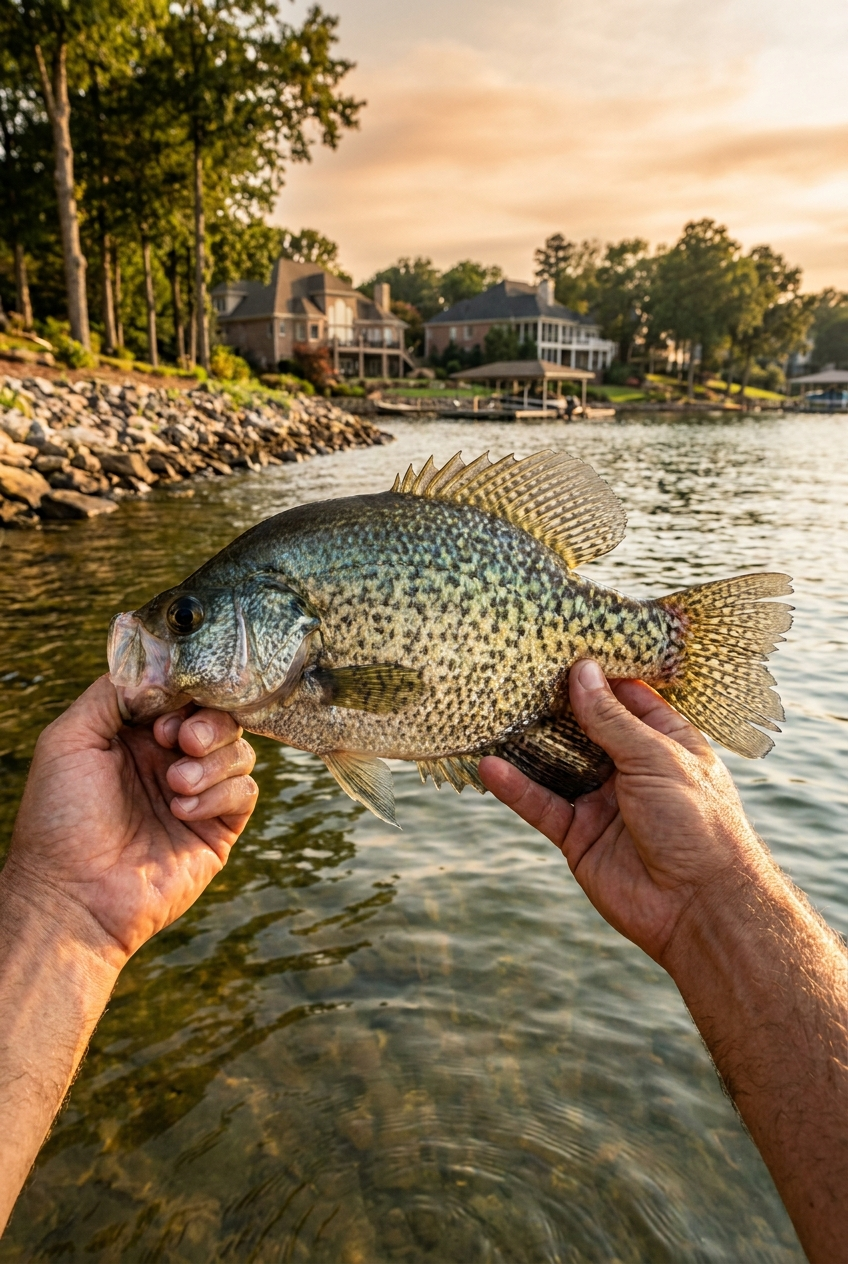
Black crappie are the primary panfish target on Lake Norman, holding around dock structure, brush piles, and bridge pilings throughout the reservoir. The dock-heavy shoreline provides abundant crappie habitat in a range of depths. Small hair jigs and jig-minnow combos fished vertically or cast under dock lights are the standard approach. March and April are the best months as fish push shallower to spawn. White perch also have a strong presence on Lake Norman and are often caught alongside crappie. NCWRC statewide crappie regulation applies on Lake Norman: no minimum size, no daily creel limit for crappie. Verify current regulations at https://www.ncwildlife.org/hunting/fishing-hunting-trapping-regulations before fishing.
Lake Norman Blue Catfish Fishing Report
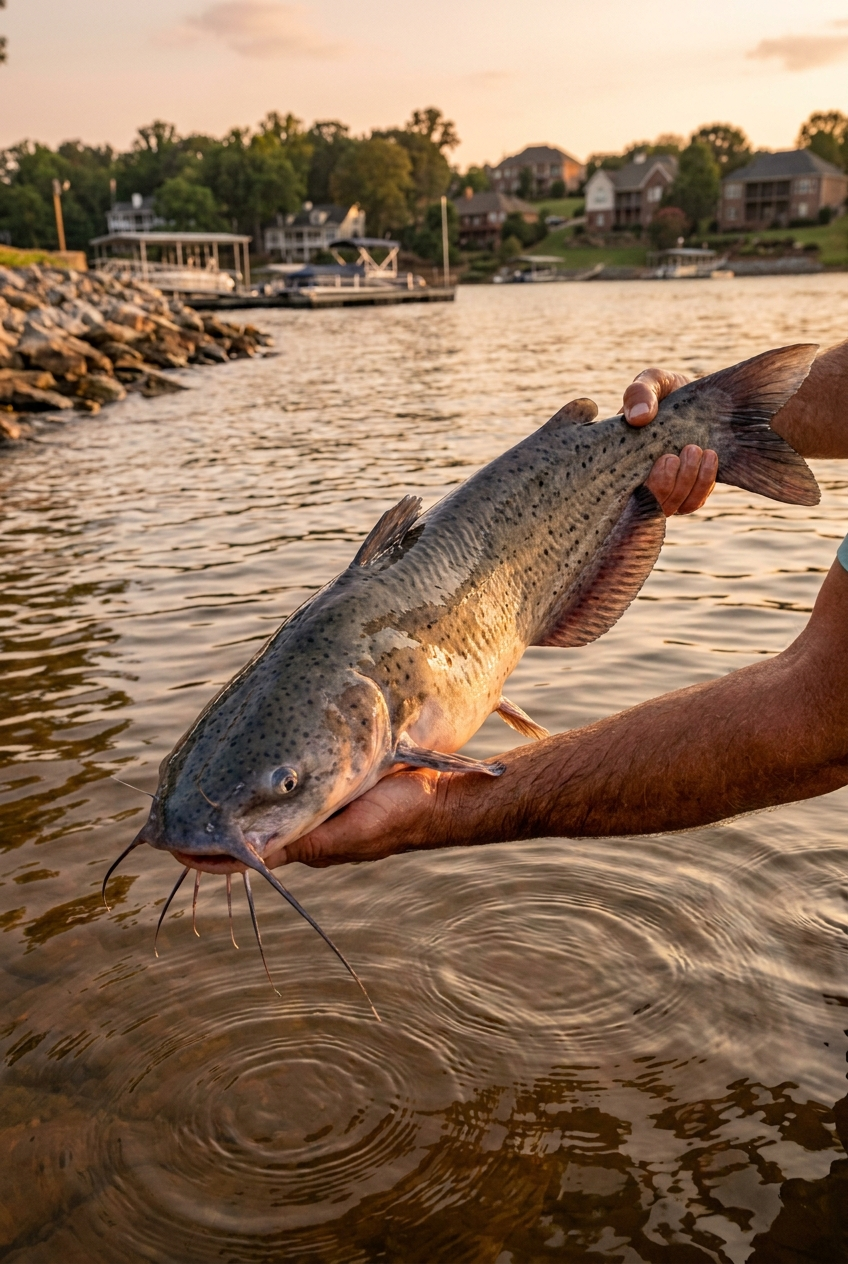
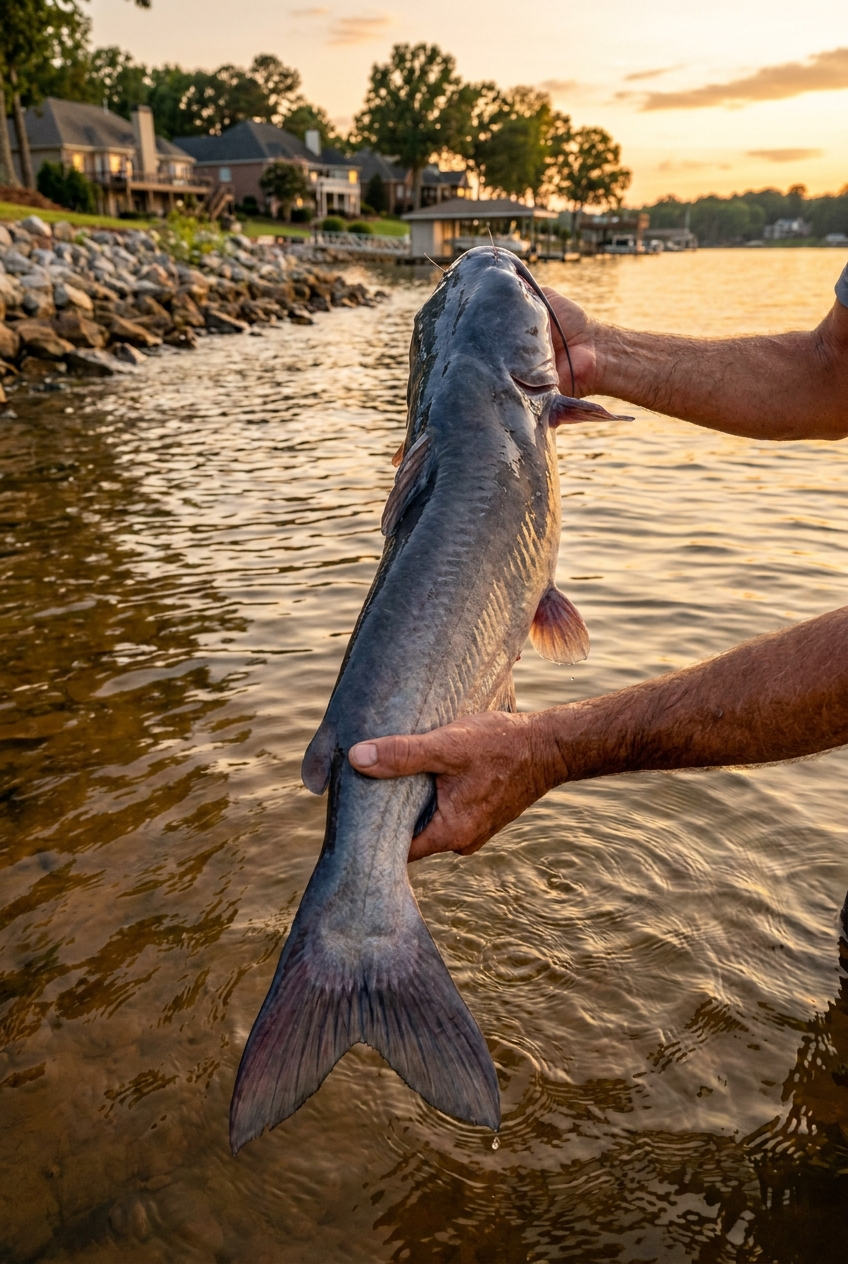
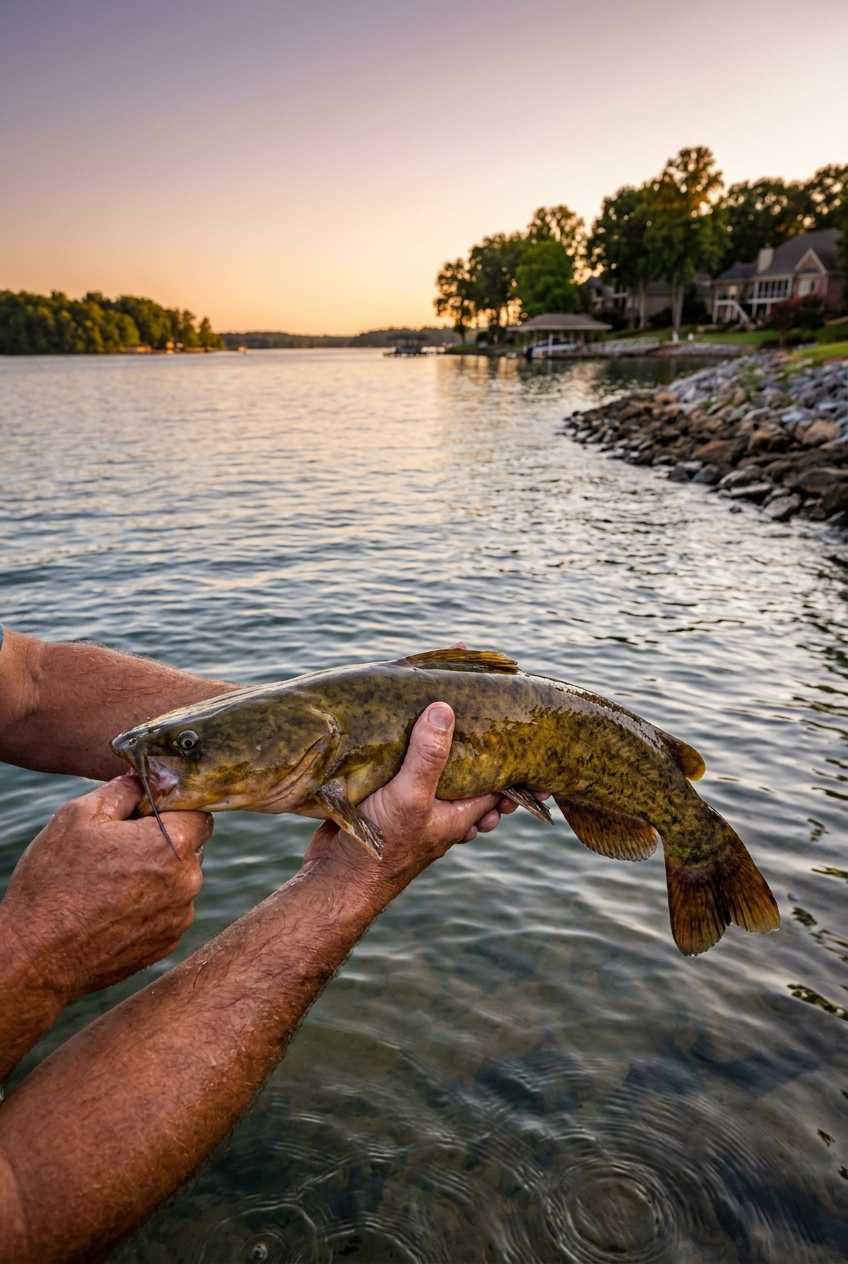
Blue catfish have established a significant fishery on Lake Norman and Mountain Island Lake below Cowans Ford Dam, with fish exceeding 40 to 50 pounds documented. They are concentrated near deep channel structure, dam areas, and the deeper coves of the main lake. Cut shad, chicken breast, and punch bait on the bottom in 20 to 40 feet of water produces the largest fish. Night fishing from anchored boats on the main channel is the preferred approach during summer when big blues are most active near the surface bite window. Lake Norman has a lake-specific blue catfish regulation under 15A NCAC 10C .0416: daily creel limit of 1 blue catfish greater than 32 inches per day. This is a lake-specific protective rule designed to preserve large spawning fish. Blue catfish under 32 inches have no size or creel restriction. Channel catfish and flathead catfish on Lake Norman are subject to statewide nongame fish rules with no individual size or bag limit. Verify current regulations at https://www.ncwildlife.org/hunting/fishing-hunting-trapping-regulations before fishing.
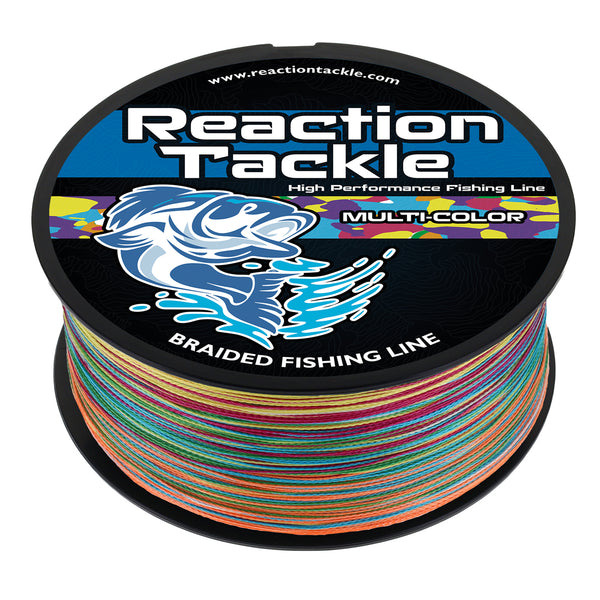
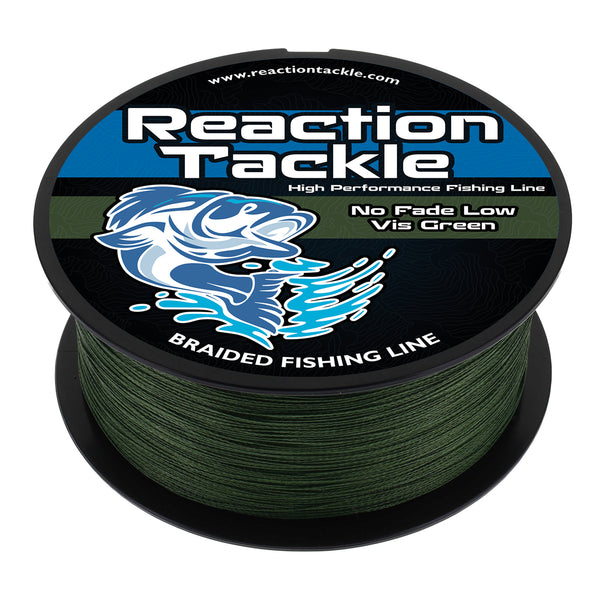
For fishing heavy cover after Largemouth Bass, I run 50-65lb braid. Zero stretch means you feel every bite and you can pull fish out of structure before they wrap you. Reaction Tackle is where I restock. Their low-vis green disappears in most water conditions.
Top Fish to Target in Lake Norman
Lures for Lake Norman
Tackle matched to this lake's species and structure.
Worth checking before any trip: your line. Old braid gets brittle at the tag end and loses sensitivity over time. I rotate mine every season. Reaction Tackle is where I order from when it's time to restock.
About Lake Norman
North Carolina's Largest Man-Made Lake. Lake Norman was created by the closure of Cowans Ford Dam on the Catawba River in 1963, forming a 32,510-acre reservoir stretching 34 miles through Catawba, Iredell, Lincoln, and Mecklenburg counties. Named for Norman Atwater Cocke, a retired president of Duke Power, the lake was built primarily for hydroelectric generation and remains an active power generation facility. With 520 miles of shoreline and easy access from Charlotte, it is the most visited inland lake in North Carolina.
A Changing Bass Fishery. Lake Norman once held strong populations of largemouth bass and received active striped bass stocking from 1969 through 2012. The current fishery is dominated by Alabama bass and spotted bass, with NCWRC beginning F1 largemouth stocking in 2021 to restore the native largemouth population. Hybrid striped bass replaced the striper program starting in 2013 and now represent the lake's premier open-water target. The NCWRC actively monitors bass populations through annual electrofishing surveys.
Trophy Blue Catfish. Blue catfish have grown to trophy proportions in Lake Norman, benefiting from the deep channel habitat, abundant shad forage, and productive water chemistry. Fish exceeding 40 pounds are caught each season near Cowans Ford Dam and the main river channel. NCWRC established a lake-specific 1-fish-over-32-inch daily limit to protect large spawning blue catfish, making Lake Norman one of the few NC lakes with a targeted trophy catfish conservation regulation.
Access and Amenities. Lake Norman State Park on the western shore provides public boat ramps, camping, and hiking with direct lake access. Multiple NCWRC public access ramps are distributed around the shoreline. Mooresville and Huntersville serve as the primary fishing hub communities with full marina services, guide services, bait shops, and lodging. The lake hosts numerous local and regional bass and crappie tournaments year-round.