Lake Mead is one of those places where the scale of the place is hard to comprehend until you're on the water. Hoover Dam, 157,000 acres, canyon walls dropping into the Colorado River impoundment. The striped bass fishery has no bag limit on either side of the state line as of 2026, which tells you something about how aggressively the fish have taken hold. This is bucket-list water for a completely different reason than most lakes.
Today's Bite Score · October 8, 2026
Very favorable conditions for catching fish
🌘Waning Crescent
Lake Mead Fishing Report
October FishingMonthly fishing report · October patterns and techniques
Lake Mead in October offers cooling water temperatures that shift fish behavior toward more consistent feeding patterns throughout the day. As summer heat subsides, anglers are finding improved conditions across multiple species, with early morning and dusk periods remaining productive but daytime activity also picking up. The transition this month creates opportunities for both shallow and deep-water presentations as fish adjust to changing thermal conditions.
Striped bass remain the most active species in October at Lake Mead, with the bite concentrated in specific areas. In the Hemenway area, anglers are finding success with anchovies, averaging four fish in the 2- to 4-pound range during prime feeding windows. Government Wash continues to produce stripers when anglers work shad-colored jigs and swimbaits near the bottom in approximately 50 feet of water. Smallmouth bass are also responding well this month, chasing minnow and flat worm plastics in the shallow coves where baitfish congregate.
Effective techniques in October include working soft plastics and jigs at varying depths depending on target species. For stripers, anglers should focus on shad-colored swimbaits and jigs in deeper structures, while anchovy presentations remain reliable during low-light periods. Smallmouth bass respond to minnow-imitating plastics and flat worms fished shallow. With October conditions continuing to improve fish activity, anglers are finding the bite most consistent during early morning hours and at dusk, though daytime presentations with appropriately colored lures can also produce throughout the day.
Get More Fishing Report Specifics
Tap a topic button below for a report on current conditions.
Tap a topic above to get a current report for Lake Mead.
Answers are generated on demand and cached. No AI call fires until you tap a tab.
Lake Mead Fishing Guides
Looking for a Lake Mead fishing guide? 157,000 acres behind Hoover Dam with canyon walls and dramatic depth changes — the striper and bass fishery here is best approached with a guide who knows which canyons are holding fish. Here are 2 fishing guides for Lake Mead that are worth checking out.
Lake Mead Fishing Strategies by Species
Seasonal patterns and techniques by target species · Verified against official sources
Striped bass, largemouth bass, smallmouth bass, channel catfish, and black crappie are the primary sport fish at Lake Mead, a 157,418-acre National Recreation Area reservoir behind Hoover Dam on the Colorado River in Nevada and Arizona. Striped bass were introduced in 1969 and became the dominant species by the mid-1970s; the population is now fully self-sustaining. As of 2026, both Nevada and Arizona have eliminated the striped bass bag limit — the fishery is managed for maximum harvest to control the population's impact on forage. A Nevada or Arizona fishing license is required depending on which state's waters you launch from; no separate NPS permit is required beyond standard access fees. Verify current regulations at ndow.org (Nevada) or azgfd.com (Arizona) before fishing.
Lake Mead Striped Bass Fishing Report
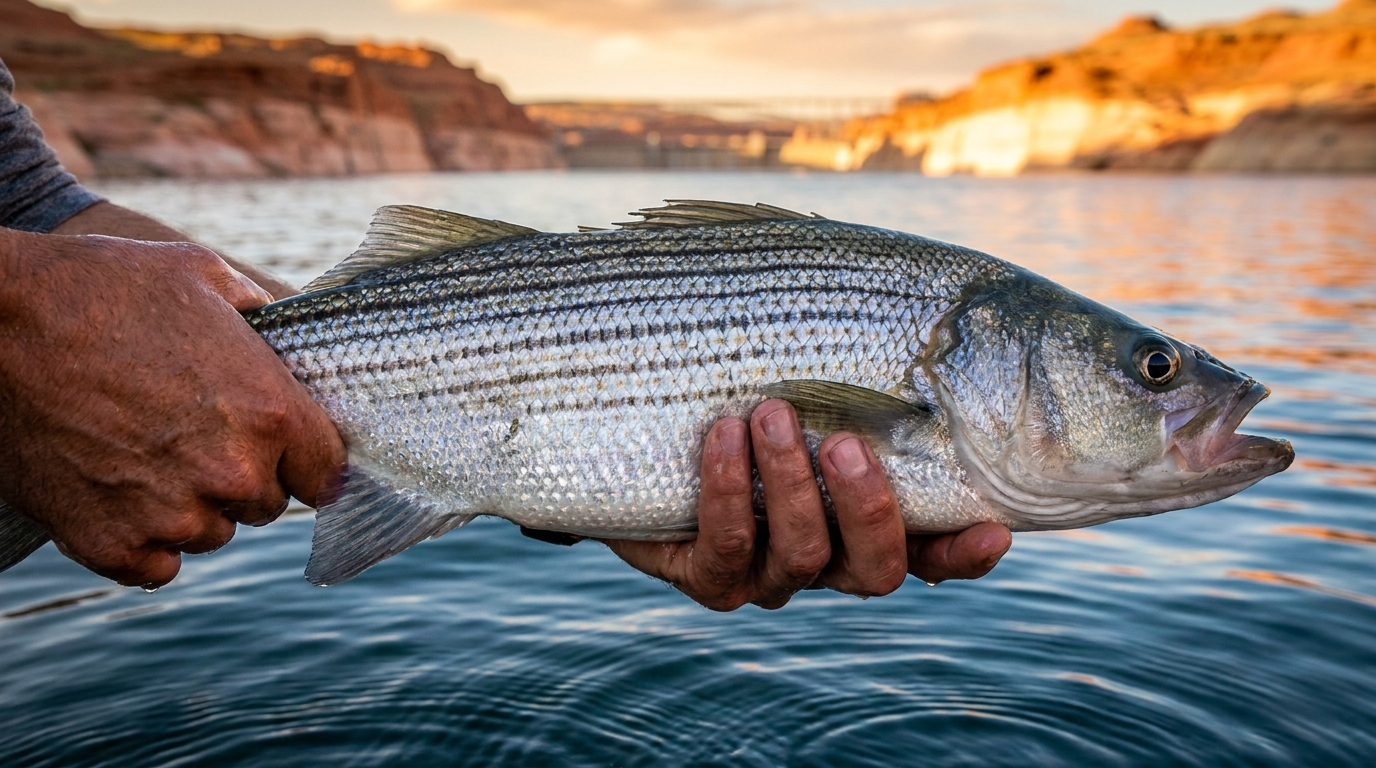
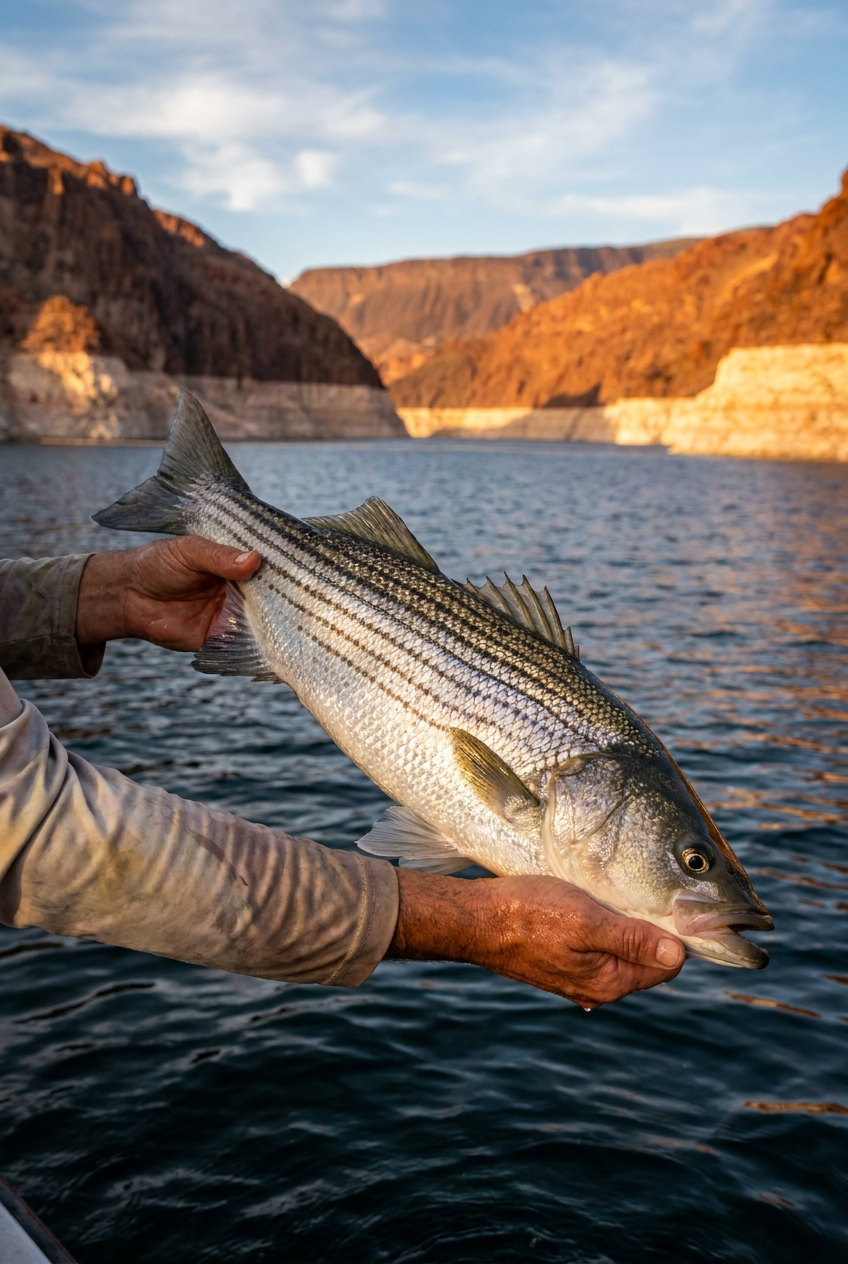
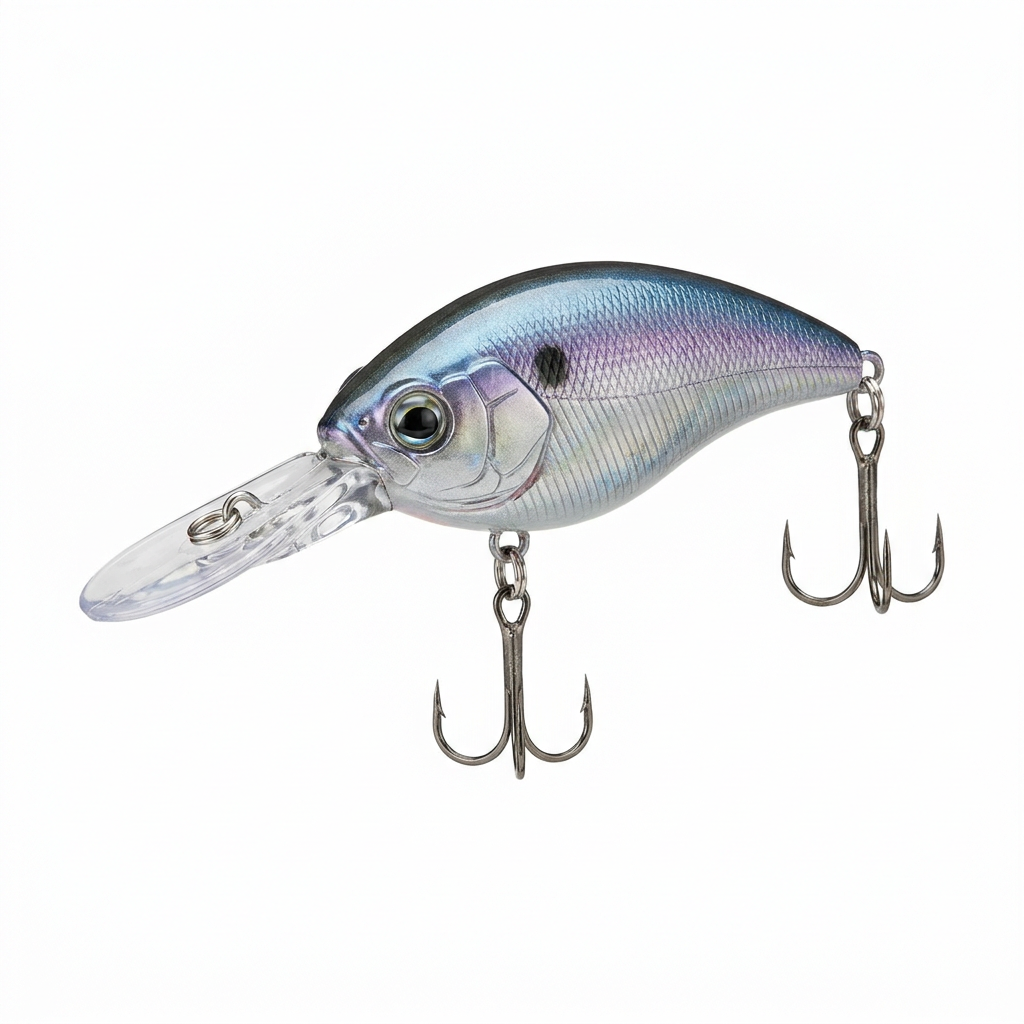
Striped bass are the dominant sport fish at Lake Mead and the primary reason most anglers target the reservoir. As of 2026, there is no daily bag limit and no minimum size for striped bass on Lake Mead under both Nevada and Arizona regulations — anglers are encouraged to harvest aggressively to keep the population in check with the available forage base. Verify current regulations at ndow.org or azgfd.com before fishing. Striped bass at Lake Mead are best targeted March through April and again July through December. During summer, fish push into cooler water at 30 to 60 feet and are located by watching for baitfish activity on depth finders. The Overton Arm on the north end of the lake is consistently productive for stripers throughout the season. Fall brings the most reliable and accessible action as fish chase shad schools into the coves and canyon entrances. Surface schooling activity during low-light hours is spectacular when it occurs. Large swimbaits, heavy jigs, and crankbaits worked at depth produce stripers throughout the warm months. The world record inland striped bass of 52 pounds 8 ounces was caught here in June 1982.
Lake Mead Largemouth Bass Fishing Report
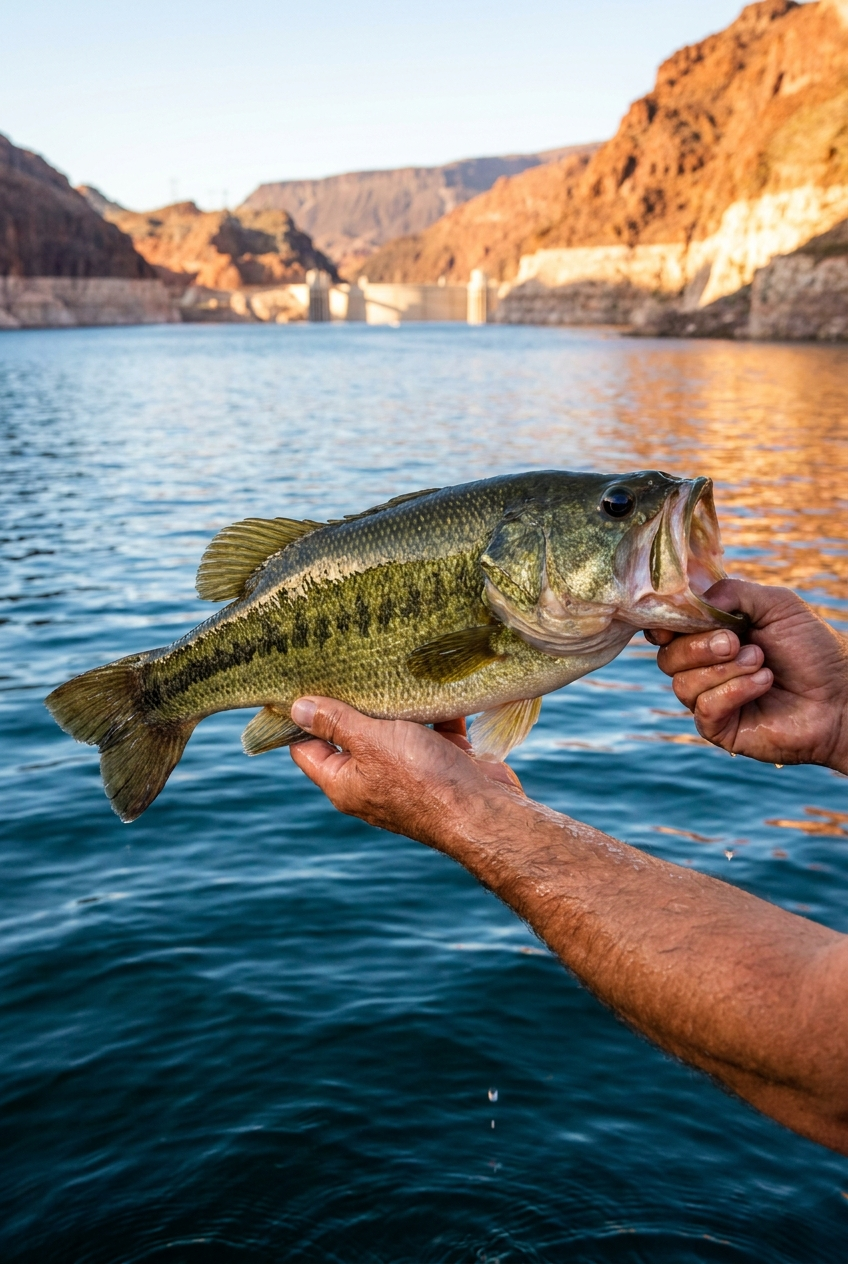
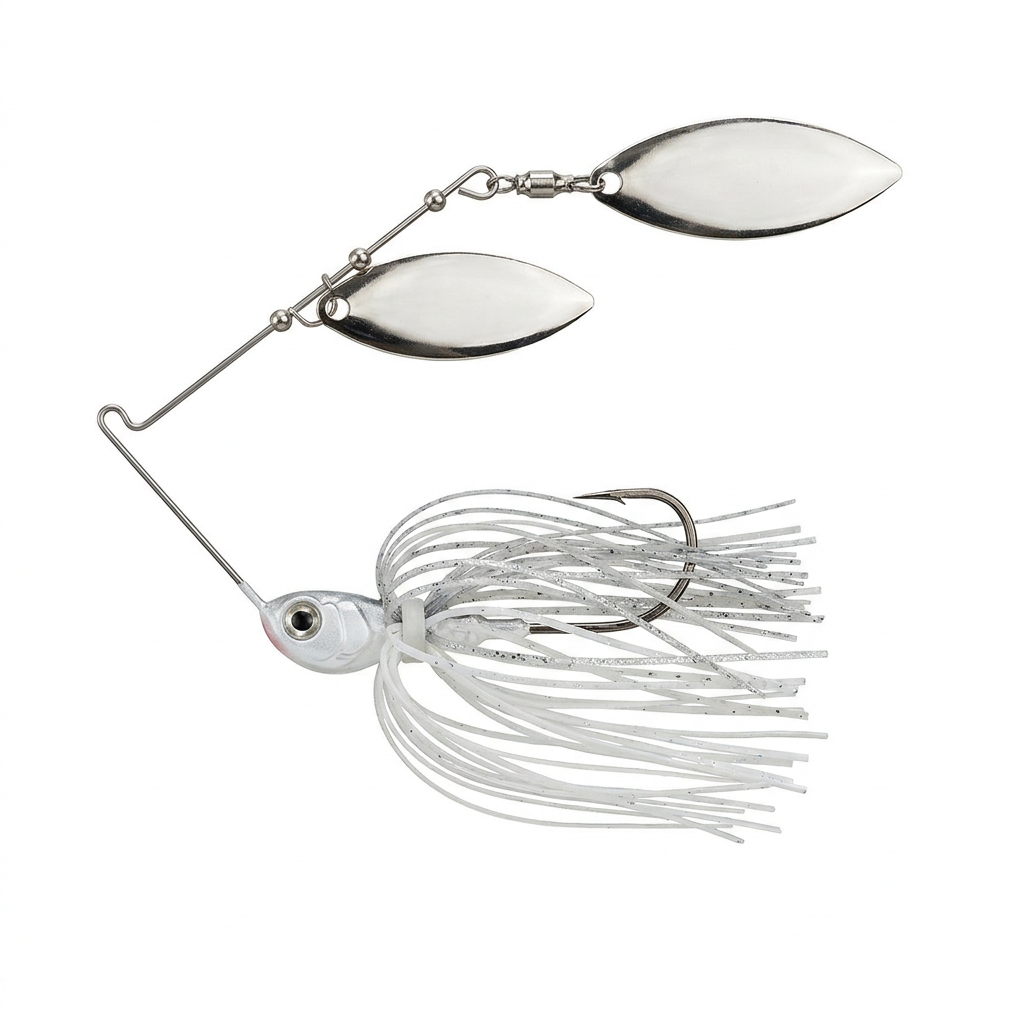
Largemouth bass at Lake Mead relate to the canyon coves, rocky points, and the numerous tributary inlets throughout the reservoir. NDOW regulation: 6-fish daily limit, 13-inch minimum size on the Nevada side. Verify Arizona regulations at azgfd.com for the Arizona waters. Always confirm current regulations before fishing. Spring is the most productive largemouth season, with bass moving into the shallow canyon coves and rocky points to spawn from March through May. Sight fishing for spawning bass in the clear Lake Mead water is effective when water levels are stable. Spinnerbaits, crankbaits, and soft plastic swimbaits worked along the canyon walls and cove entrances produce consistent spring fish. Summer largemouth hold in 15 to 30 feet in the shade of canyon walls. Fall is active as bass feed aggressively on shad before winter.
Lake Mead Smallmouth Bass Fishing Report
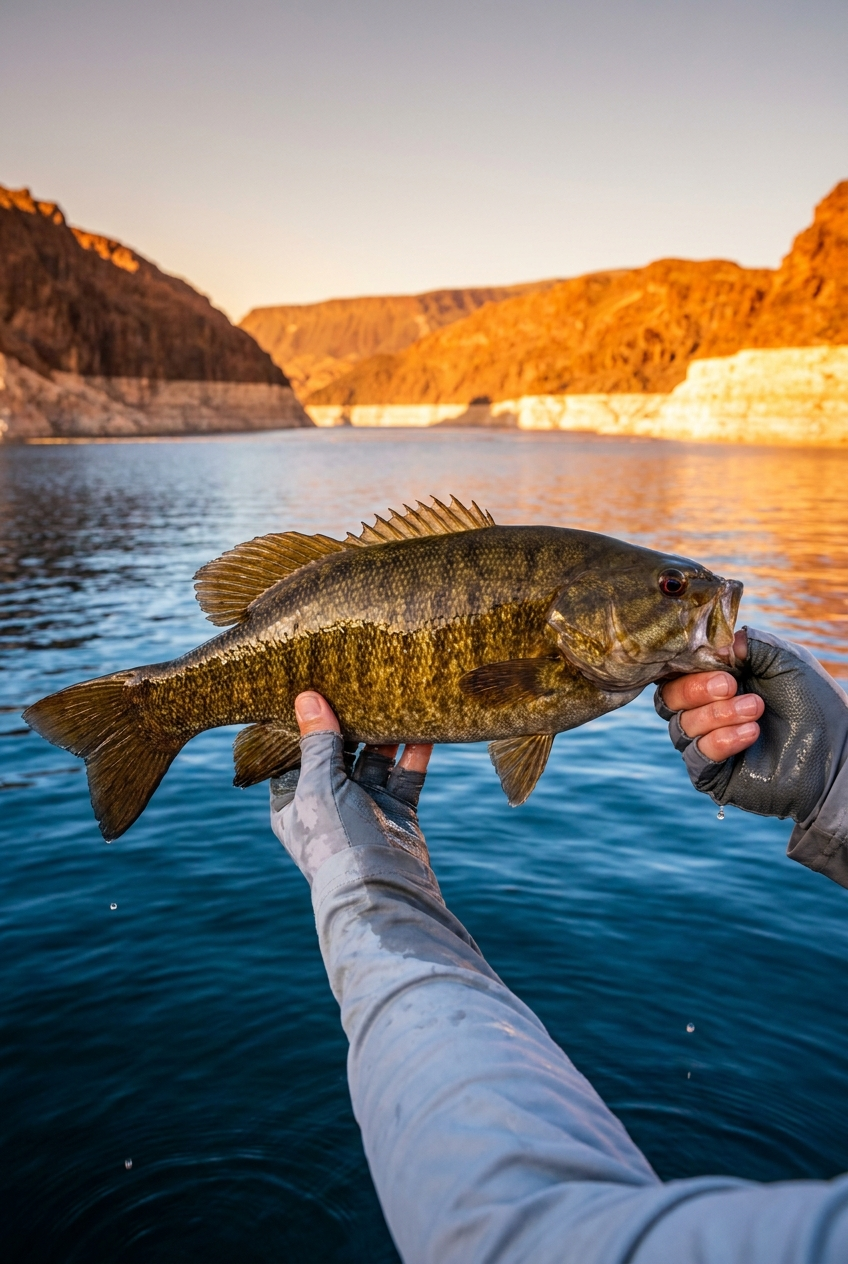
Smallmouth bass thrive in the rocky canyon structure and clear water of Lake Mead, particularly in Boulder Basin near Hoover Dam and the rocky points throughout the main lake. NDOW regulation: 6-fish daily limit, 13-inch minimum (combined black bass). Verify current regulations at ndow.org or azgfd.com before fishing. Tube jigs, drop shots, and small crankbaits worked along the rocky transitions and canyon base in 8 to 20 feet produce consistent smallmouth throughout the season. Spring smallmouth are accessible in the shallower canyon coves adjacent to rocky structure. Summer fish hold deeper along the canyon walls. The clear Lake Mead water rewards finesse presentations and natural color patterns. Fall smallmouth are aggressive feeders on the main lake points through November.
Lake Mead Channel Catfish Fishing Report
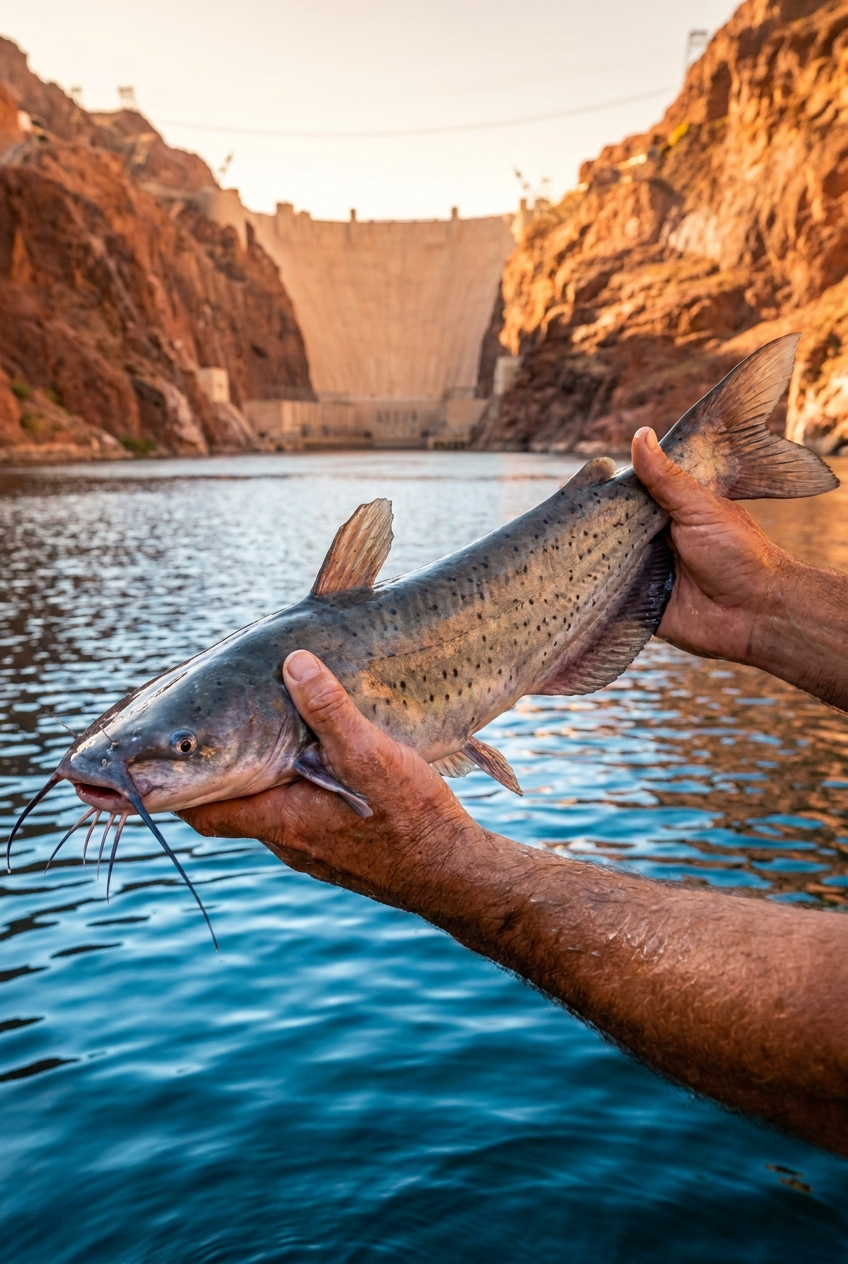
Channel catfish are abundant throughout Lake Mead and provide consistent fishing from May through October as water temperatures warm. As of 2026, both Nevada and Arizona have aligned the catfish bag limit at 25 fish combined (channel and blue catfish). Verify current regulations at ndow.org or azgfd.com before fishing. Cut shad, chicken liver, and prepared catfish baits fished on the bottom in the cove transitions and tributary mouths produce consistent results. The Las Vegas Wash arm and the Virgin River inflow at the Overton Arm concentrate catfish when flows are running. Summer night fishing from shore access points near the cove entrances produces the most consistent catfish action. The warm, productive water of the lake's shallower arms supports strong catfish populations year-round.
Lake Mead Black Crappie Fishing Report
Black crappie are present throughout Lake Mead around the canyon walls, rocky cove structure, and any submerged cover. Spring crappie fishing peaks in May and June as fish move shallow to spawn along the canyon walls and rocky points in 5 to 12 feet. Small tube jigs and crappie jig-minnow combinations worked vertically around the structure produce consistent fish. Summer crappie suspend at 20 to 40 feet in the canyon shade and are most accessible with vertical jigging presentations on a depth finder. Fall crappie return to the shallower rocky structure and the cove margins. Winter crappie hold in 25 to 40 feet in the deeper canyon arms and remain catchable through slow vertical presentations. General Nevada crappie regulations apply — verify at ndow.org before fishing.
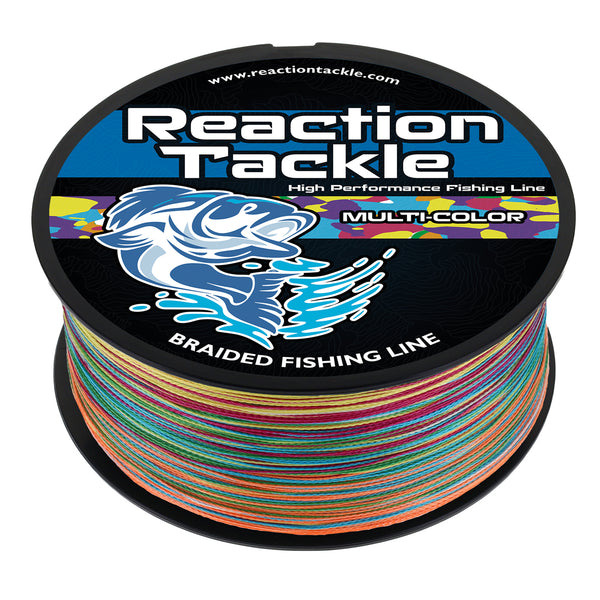
For fishing heavy cover after Striped Bass, I run 50-65lb braid. Zero stretch means you feel every bite and you can pull fish out of structure before they wrap you. Reaction Tackle is where I restock. Their low-vis green disappears in most water conditions.
Top Fish to Target in Lake Mead
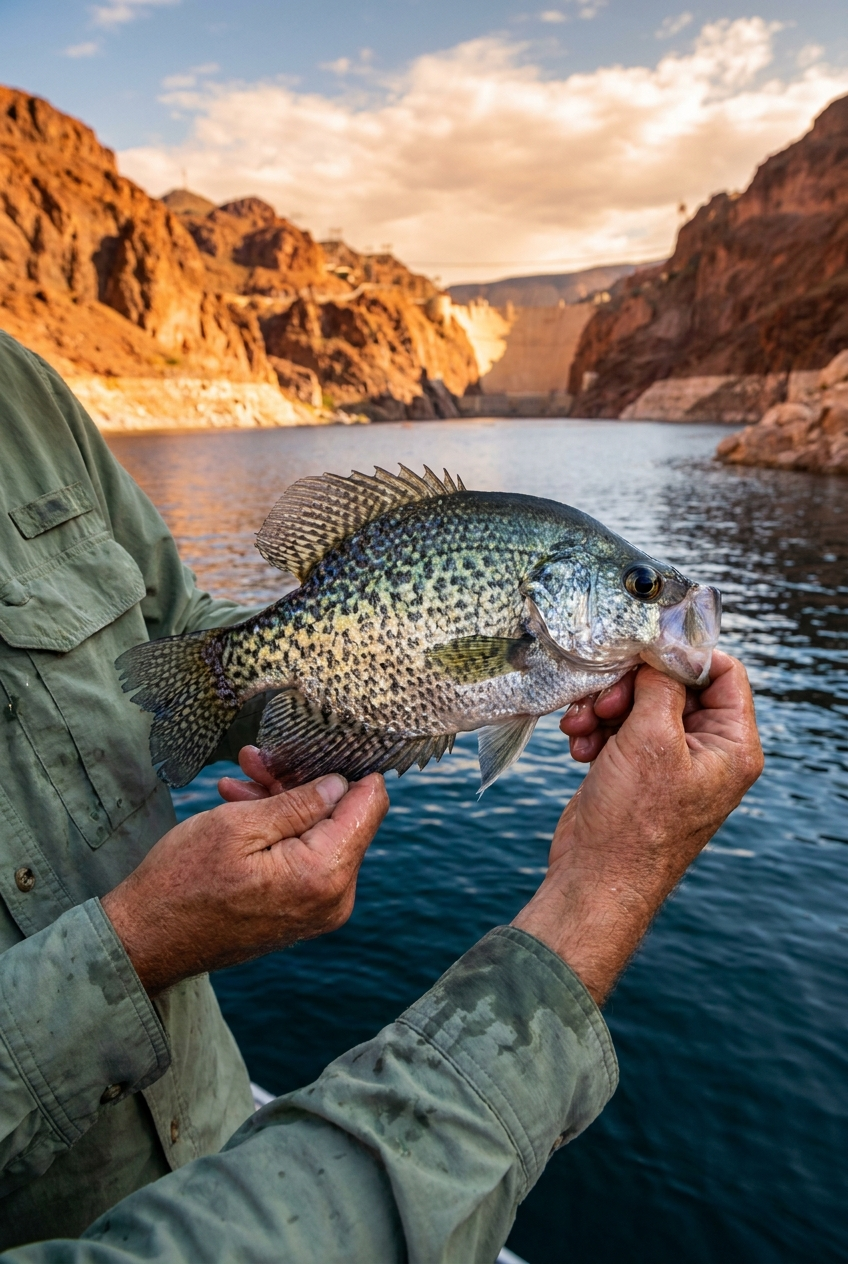
Lures for Lake Mead
Tackle matched to this lake's species and structure.
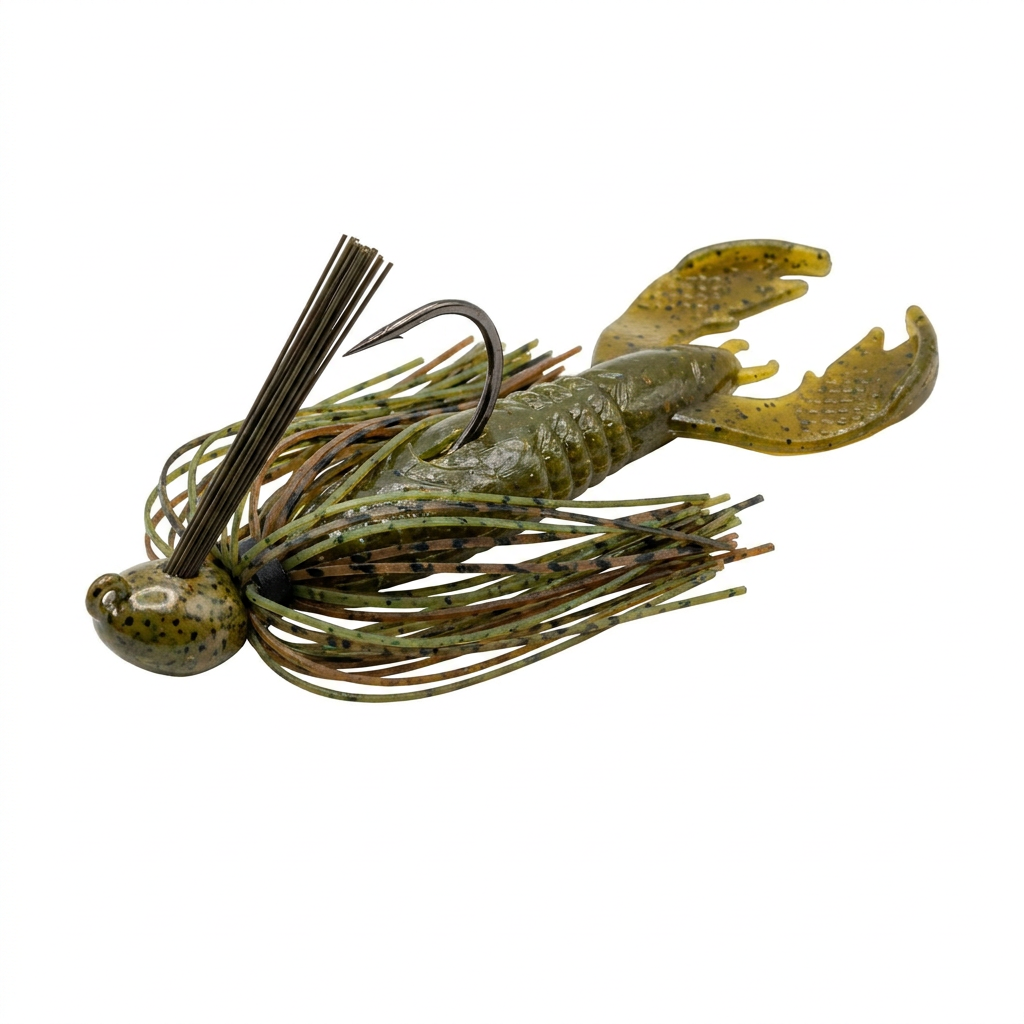
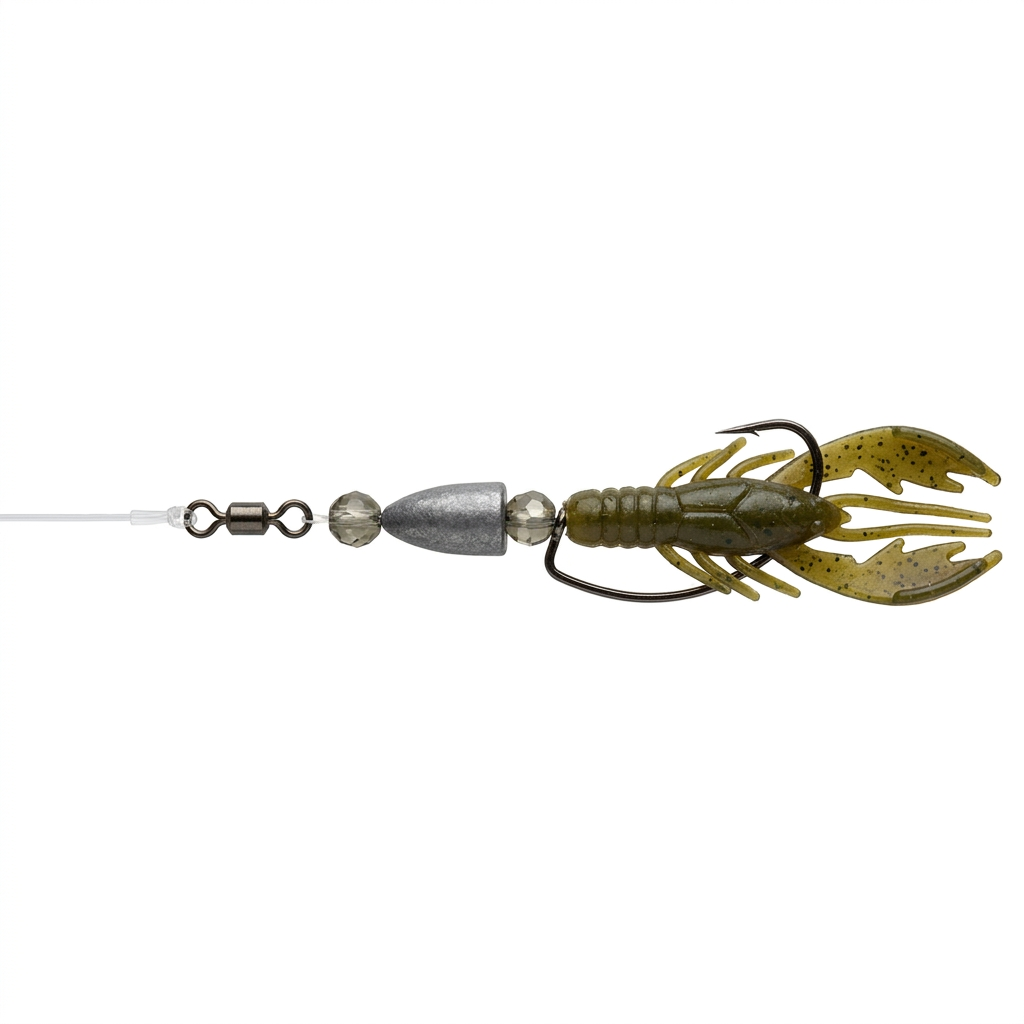
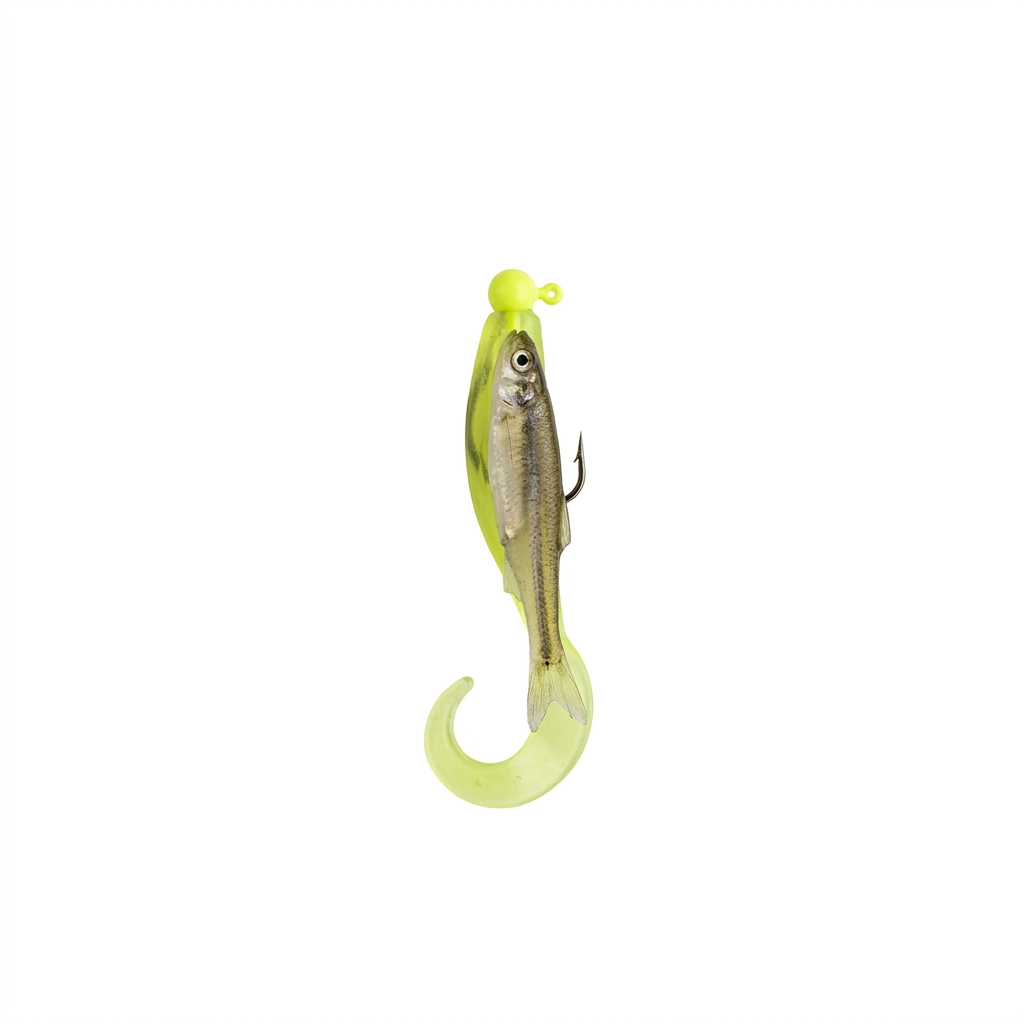
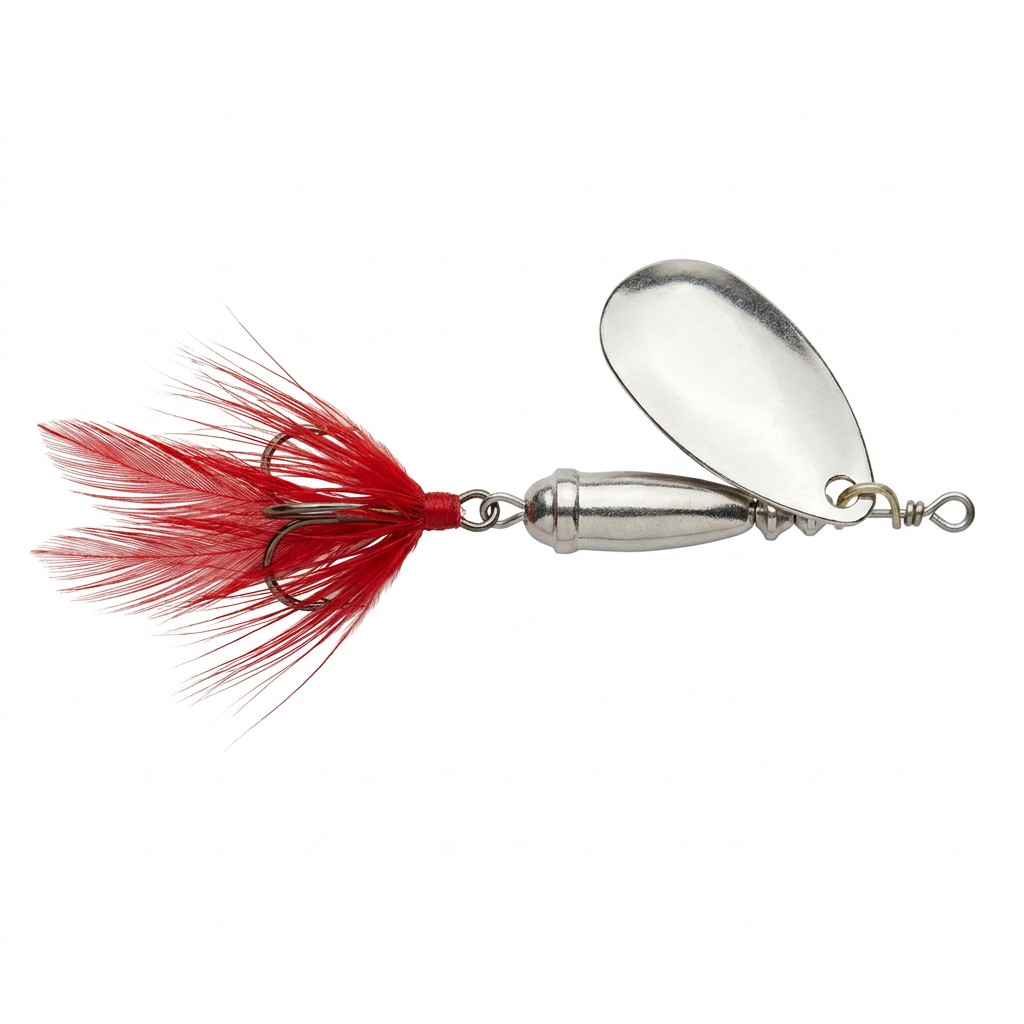
Worth checking before any trip: your line. Old braid gets brittle at the tag end and loses sensitivity over time. I rotate mine every season. Reaction Tackle is where I order from when it's time to restock.
About Lake Mead
Lake Mead is one of the defining water projects in American history and one of the most unusual fishing destinations in the country. Hoover Dam on the Colorado River, completed 1935, created what was briefly the largest reservoir on Earth by volume. The scale is difficult to process until you're on the water: canyon walls, 157,000 acres, 550 miles of shoreline, depths exceeding 500 feet near the dam. The striped bass fishery that took hold here is now fully self-sustaining with no bag limit — a management decision that tells you as much about the species as it does the lake.
Licensing and access. Lake Mead is administered by the National Park Service as Lake Mead National Recreation Area. A Nevada or Arizona fishing license is required depending on which state's waters you are fishing — the license of the state where you launch generally applies. An NPS recreation fee or America the Beautiful pass is required for vehicle access. No separate fishing permit is required beyond the state license.
2026 regulations (verify at ndow.org or azgfd.com). Striped bass: no bag limit, no minimum size (both Nevada and Arizona). Black bass: 6-fish daily limit, 13-inch minimum on Nevada side. Channel catfish: 25-fish combined bag limit (both states, aligned in 2026). Always verify current regulations before fishing — Nevada and Arizona have historically differed on several species limits.
Lake size and location. Lake Mead covers approximately 157,418 surface acres at full pool, spanning Clark County, Nevada and Mohave County, Arizona. The reservoir reaches a maximum depth of 532 feet at the Hoover Dam face. Boulder City, Nevada (approximately 8 miles from Hoover Dam) is the primary gateway. Las Vegas is approximately 25 miles to the west via US-93. The lake has four main basins: Boulder Basin (near the dam), Virgin Basin, the Overton Arm (fed by the Virgin River), and the Las Vegas Wash arm.
Water level note. Lake Mead has experienced significant water level fluctuations in recent decades due to drought and Colorado River water allocation issues. Current water levels affect boat ramp access and fish habitat. Check current lake levels at usbr.gov/lc/region/g4000/lakemead_line.pdf before your trip.