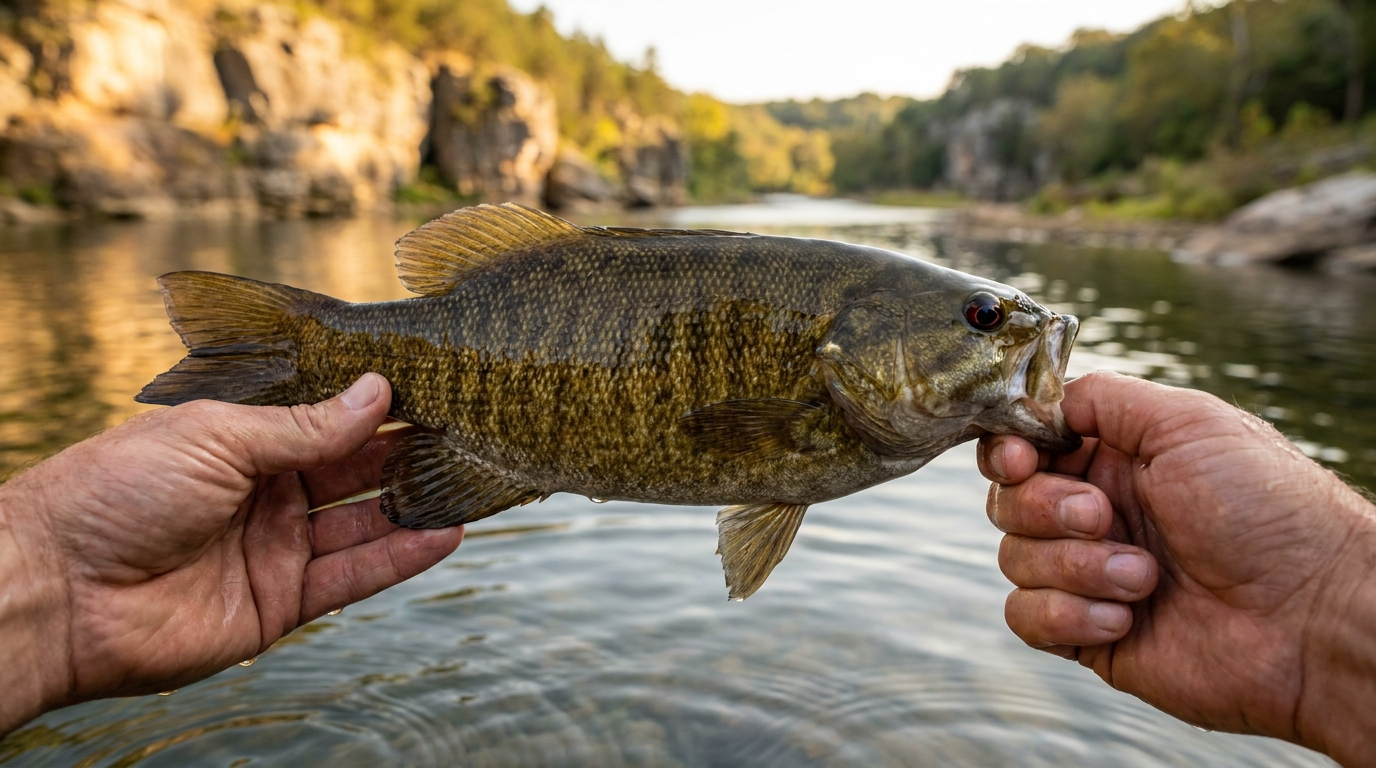
I've fished Grand Lake and came away impressed: solid bass fishing in clear Ozark water, and a guided paddlefish trip on a river tributary that I still talk about years later. One of the more unusual fishing experiences I've had.
Today's Bite Score · October 8, 2026
Above average conditions worth planning a trip
🌘Waning Crescent
Grand Lake O' the Cherokees Fishing Report
Updated October 2, 2026Synthesized from current fishing reports · Updated weekly
Right now at Grand Lake, guides are reporting excellent crappie action with slab fishing generating hot catches. Williams Guide Service and Scott Turnage of The G3 Sportsman are actively pursuing black crappie this week, and the bite has been particularly strong for anglers focusing on these panfish. Current conditions are favorable for getting out on the water and targeting the species that's producing for local anglers right now.
Anglers are finding that crappie fishing is the most productive bite this week at Grand Lake. Guides are targeting slab crappie in areas where these fish are currently congregating. The focus on black crappie and white crappie is delivering consistent action for anglers who are on the water today. Daily limits allow 15 combined crappie per day with a 10-inch minimum, so there's good opportunity to fill a cooler this week.
Right now, the crappie bite appears to be the primary draw at Grand Lake. Anglers looking to maximize their success this week should focus on areas where guides like Scott Turnage are actively fishing. The lake's 460-mile shoreline and 41,749-acre surface area offer plenty of water to explore, with public access available at multiple state park areas including Cherokee, Disney, Bernice, and Honey Creek. For current conditions and specific location tips, local bait and tackle shops around the lake can provide up-to-the-minute intel on where crappie are biting this week.
Get More Fishing Report Specifics
Tap a topic button below for a report on current conditions.
Tap a topic above to get a current report for Grand Lake O' the Cherokees.
Answers are generated on demand and cached. No AI call fires until you tap a tab.
Grand Lake O' the Cherokees Fishing Guides
Looking for a Grand Lake O' the Cherokees fishing guide? Grand Lake O' the Cherokees has excellent striper and bass fishing, but navigating the right points, coves, and river channels across this Oklahoma reservoir takes serious local knowledge. Go here → to check out our recommended fishing guides for Grand Lake O' the Cherokees. Then scroll down on that page to see all of the Grand Lake O' the Cherokees fishing guides.
Grand Lake O' the Cherokees Fishing Strategies by Species
Seasonal patterns and techniques by target species · Verified against official sources
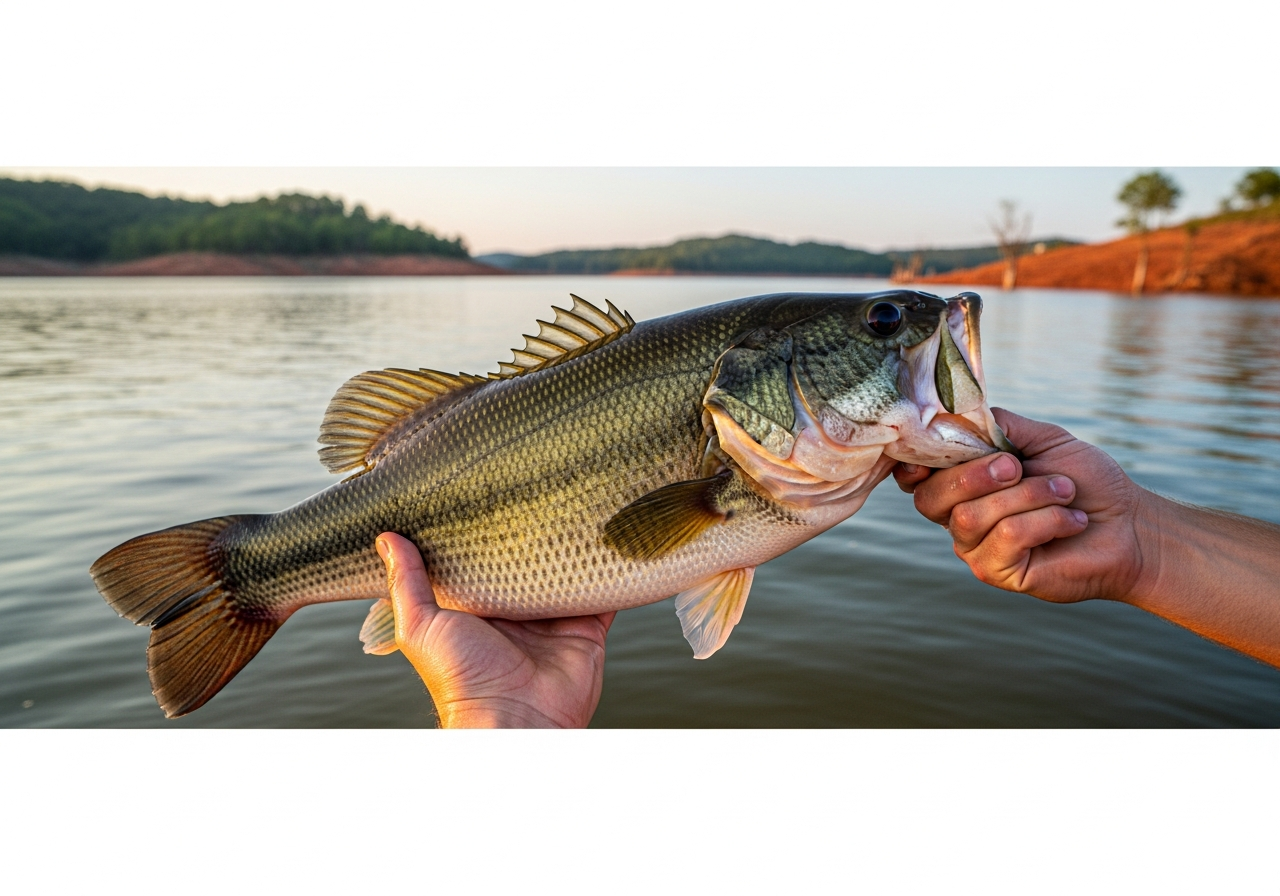
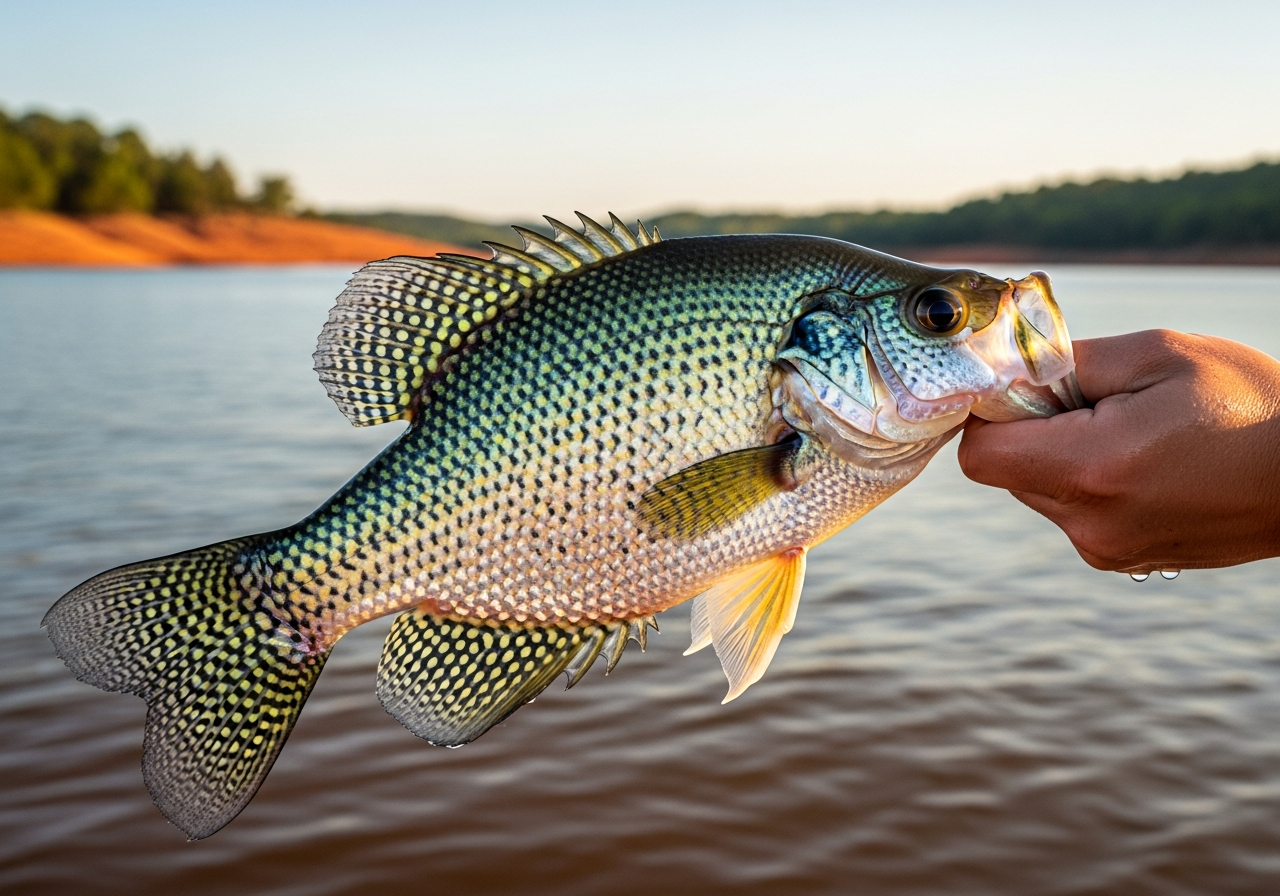
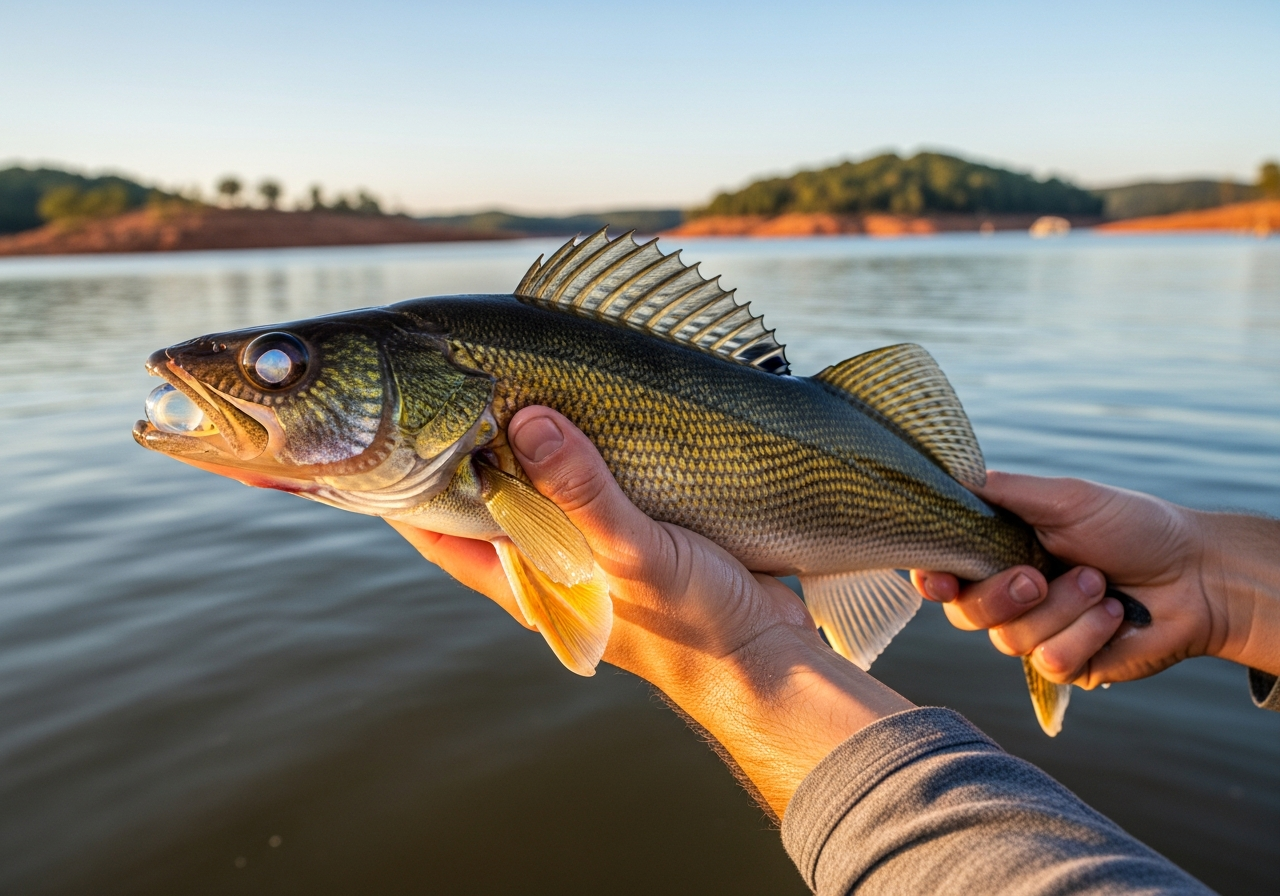
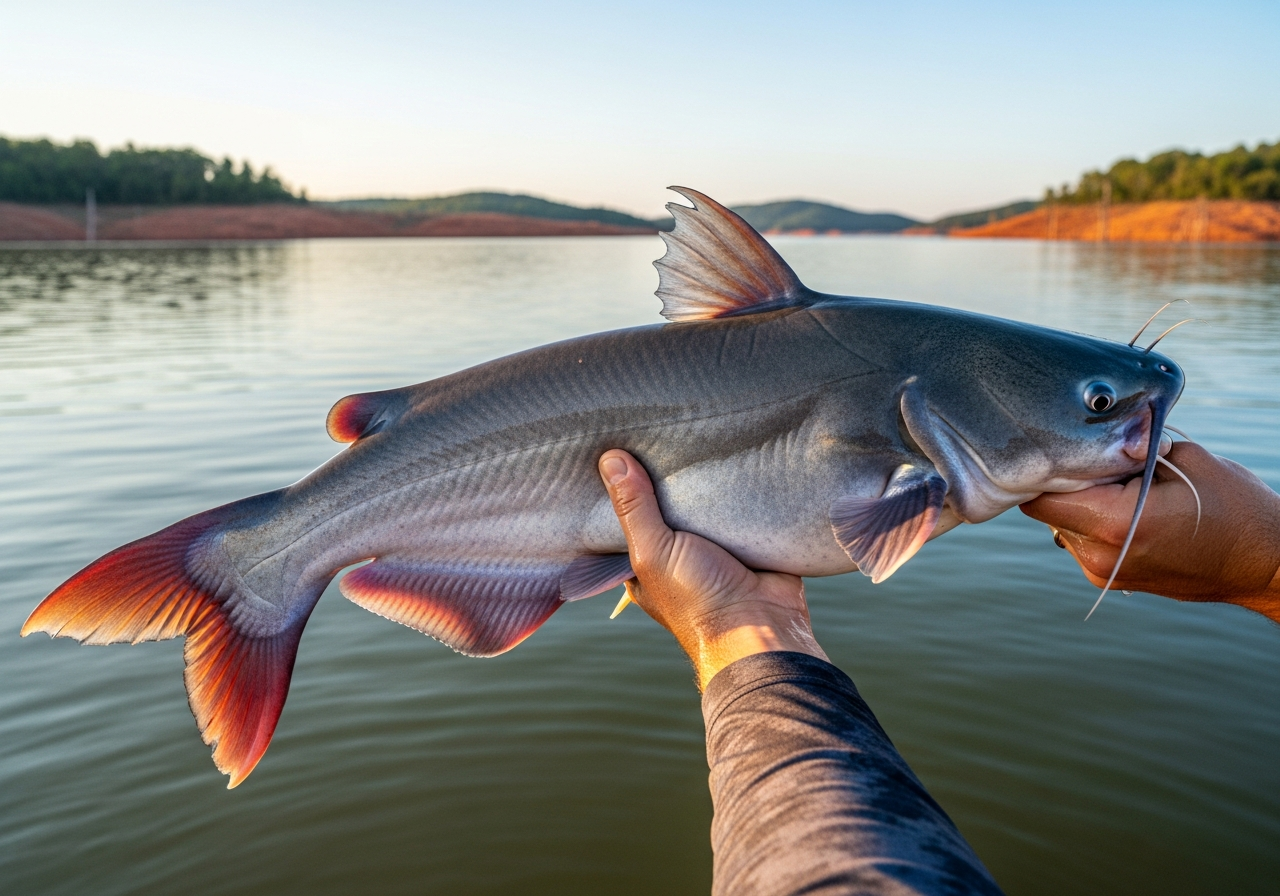
Largemouth bass, crappie, walleye, and blue catfish are the primary sport species at Grand Lake O' the Cherokees, with the bass fishery drawing Major League Fishing and B.A.S.S. tournament circuits to the lake. The Ozark limestone structure and clear water support a walleye population unusual for Oklahoma, while crappie fishing around the dock infrastructure is among the best in the state. Spring is the peak season: bass stage on the rocky points of the Disney area and Honey Creek arm before moving to spawn in April, and crappie move to dock pilings in 6 to 12 feet through March. The ODWC special crappie regulation (10-inch minimum, 15-fish daily bag) applies here and is stricter than Oklahoma's statewide standard.
Grand Lake O' the Cherokees Largemouth Bass Fishing Report
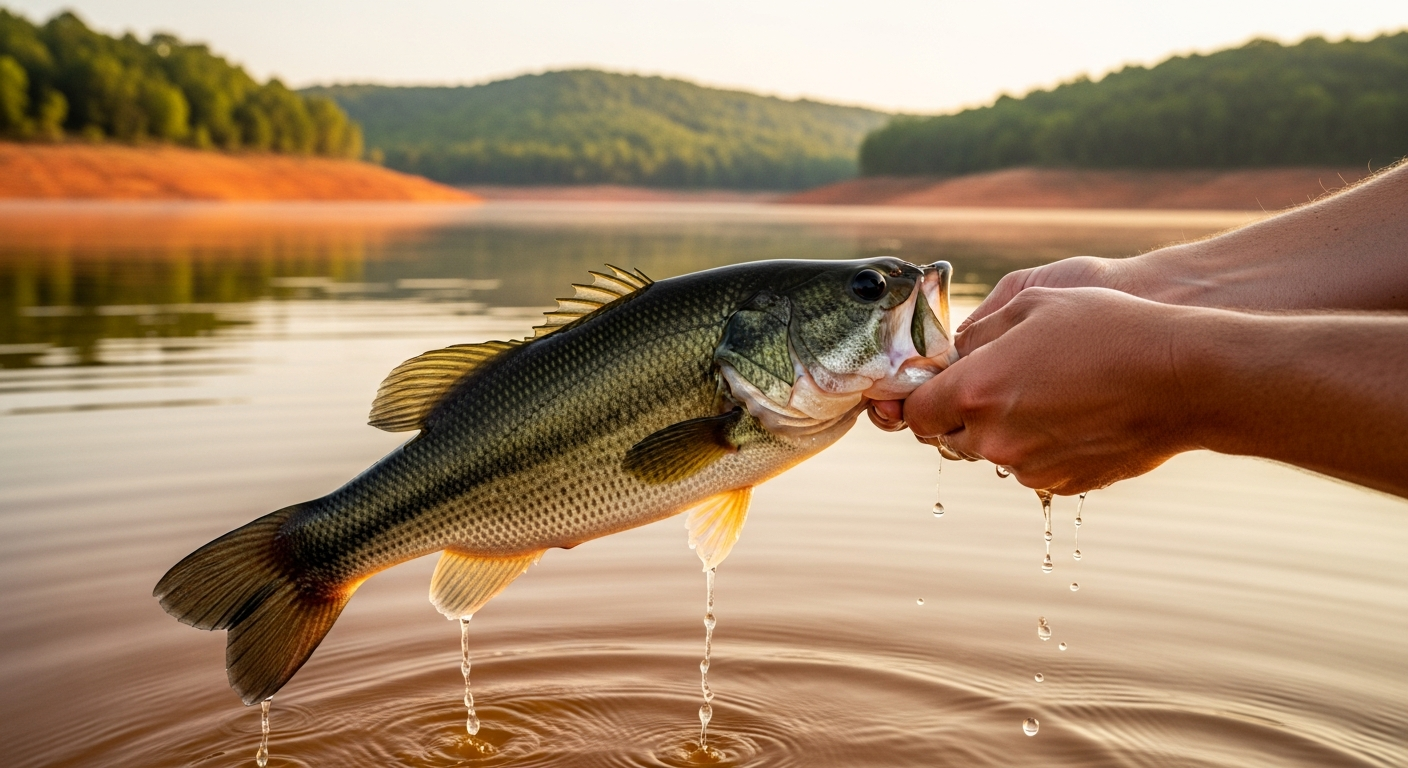
Oklahoma Department of Wildlife Conservation manages the largemouth bass fishery on Grand Lake. Florida-strain largemouth bass have been stocked at Grand Lake since 2020 to improve size quality. Verify current ODWC size and bag limits before fishing. Spring is the peak bass season on Grand Lake. The clear Ozark water warms in late February and March as bass stage on secondary points and the rocky cove transitions throughout the lake. The Disney area on the upper lake and the Honey Creek arm both hold pre-spawn fish on the rock and clay bottom transitions in 6 to 14 feet. By mid-March, fish push to the backs of coves when water hits 60°F, and the spawn is in full swing in April. A Texas-rigged worm, squarebill crankbait, or jig covers the prespawn water effectively on the rocky, harder-bottom structure typical of Grand Lake's Ozark limestone shoreline. Summer bass on Grand Lake relate to the rock structure and the dock edges throughout the lake's 460 miles of shoreline. The clear water demands finesse presentations during midday: a drop shot or small swimbait on a light head produces fish on the deeper dock edges and rock points in 12 to 20 feet. Early morning and evening, bass move onto the shallower rock and brush structure and respond to topwater plugs and spinnerbaits. Fall is the second-best season. Bass school on the main lake points and the mouths of the major creek arms as shad concentrate before winter. Crankbaits and spinnerbaits worked through the falling water temperatures of October and November produce the most consistent fall action.
Grand Lake O' the Cherokees Crappie Fishing Report
Oklahoma Department of Wildlife Conservation sets a special crappie regulation for Grand Lake: 10-inch minimum with a 15-fish daily bag limit. Both black and white crappie are present, and Grand Lake is widely recognized for producing fat, quality crappie throughout the lake. Spring crappie fishing peaks in March and April as fish move from 15 to 20 feet toward the shallower dock pilings, brush, and rock structure in 6 to 12 feet. The Cherokee area near the dam and the Disney area access points both produce consistent crappie in spring. A 1/16-ounce jig in pink or chartreuse dropped vertically through dock structure produces the most fish during the spawn. The dock structure is the key to summer crappie on Grand Lake. The lake has extensive private and commercial dock infrastructure, and shooting small jigs under the shadiest dock sections in 8 to 15 feet of water produces crappie through the summer heat. Fall brings fish back toward medium-depth structure at 12 to 18 feet as water cools.
Grand Lake O' the Cherokees Walleye Fishing Report
Walleye are well-established in Grand Lake, providing a fishery that sets it apart from most Oklahoma reservoirs. The Ozark limestone rock structure and clearer water quality typical of the northeastern Oklahoma Ozarks supports a productive natural walleye fishery. Verify current ODWC size and bag limits before fishing. Spring walleye fishing on Grand Lake begins as fish move shallow before the spawn in late February and March. Rocky points and gravel transitions in 8 to 15 feet on the main lake and the mouths of the major arms hold pre-spawn walleye. Jigs tipped with minnows worked slowly along the rock bottom produce fish. The Pensacola Dam tailwater below the dam is productive for walleye during current generation as fish stage in the transition water. Summer walleye hold on the deeper rock structure in 18 to 30 feet during midday but come up on the rock points and shoals during the evening and overnight hours. Trolling crankbaits along the main lake structure at dusk is one of the most consistent summer approaches.
Grand Lake O' the Cherokees Blue Catfish Fishing Report
Blue catfish are abundant throughout Grand Lake and reach impressive sizes in the deeper sections near Pensacola Dam. The lake also holds channel catfish and flathead catfish throughout. Verify current ODWC size and bag limits before fishing. The Pensacola Dam tailwater below the dam is one of the most productive catfish locations on Grand Lake, particularly during active generation when current concentrates both bait and fish. Cut shad and skipjack herring fished on the bottom in the tailwater pool and the downstream river channel produce blue and channel catfish year-round. In the main lake, the deep channel bends in the Drowning Creek arm and the main Grand River channel hold blue catfish through summer. Night fishing from the GRDA and state access points along the lake produces catfish consistently through summer as fish move shallower to feed.
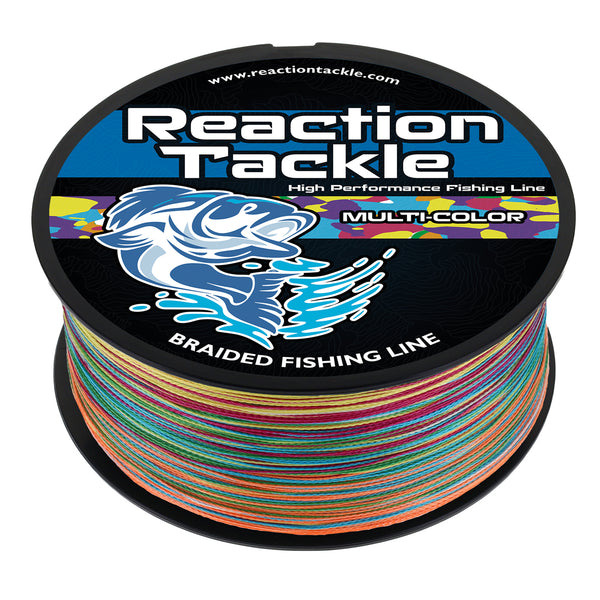
Before you head out, check your line. If it's been sitting on the reel all winter or has seen a lot of rocks and timber, it's worth replacing before a serious trip. I order most of my braid from Reaction Tackle and have been happy with it.
Top Fish to Target in Grand Lake O' the Cherokees
Lures for Grand Lake O' the Cherokees
Tackle matched to this lake's species and structure.
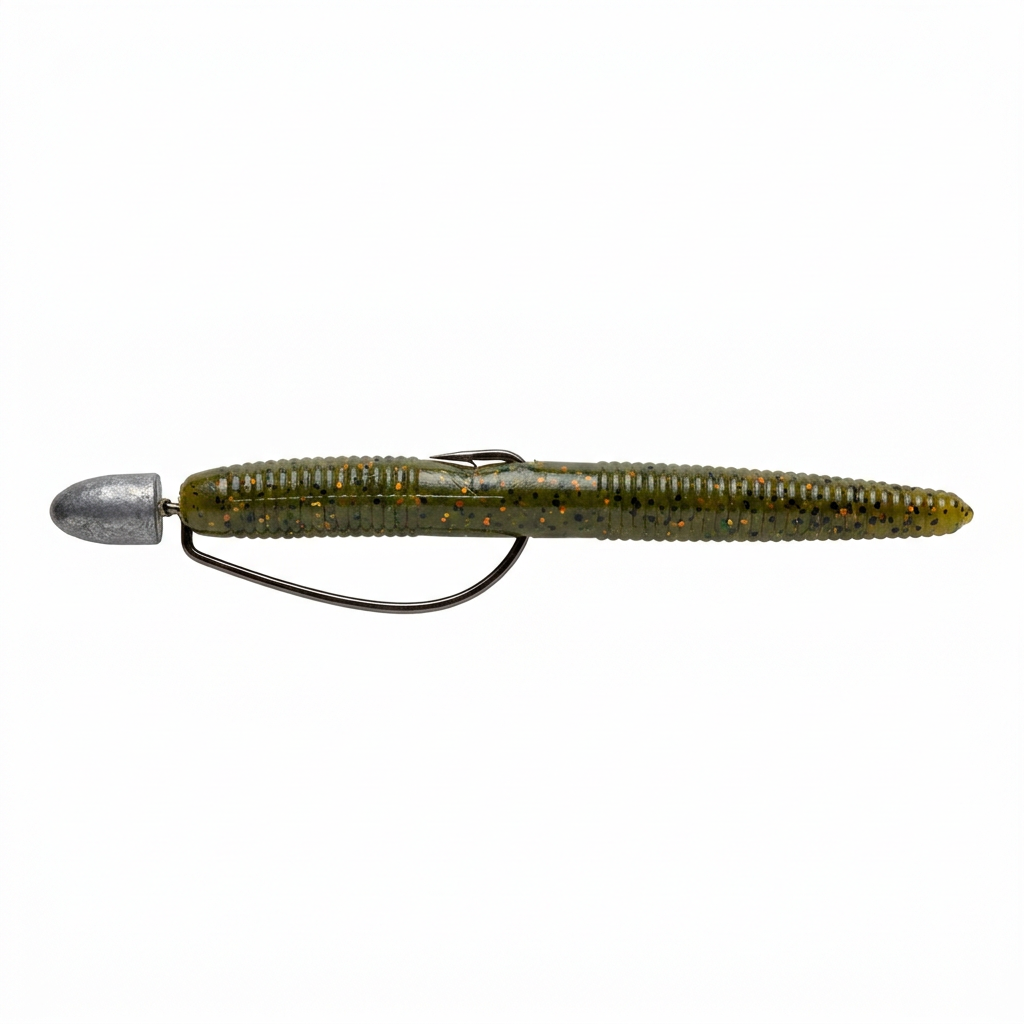
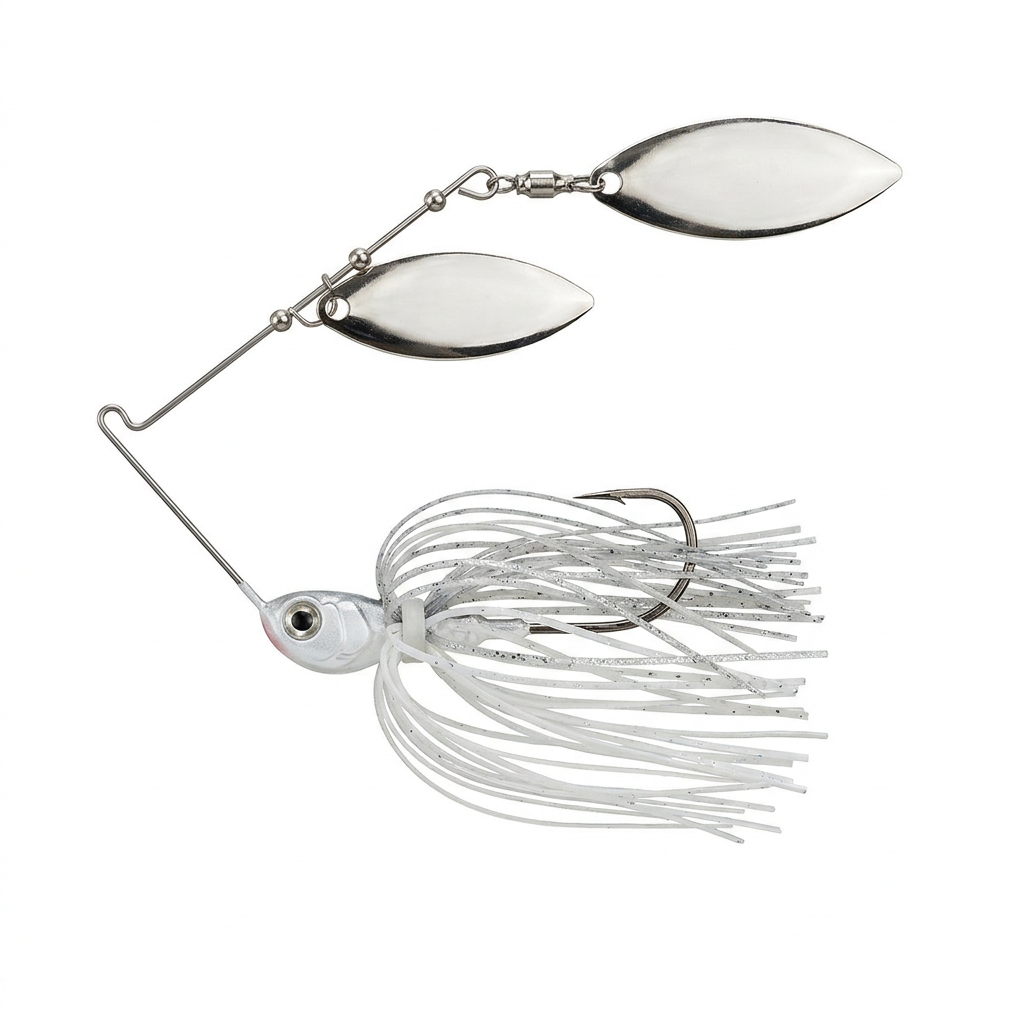
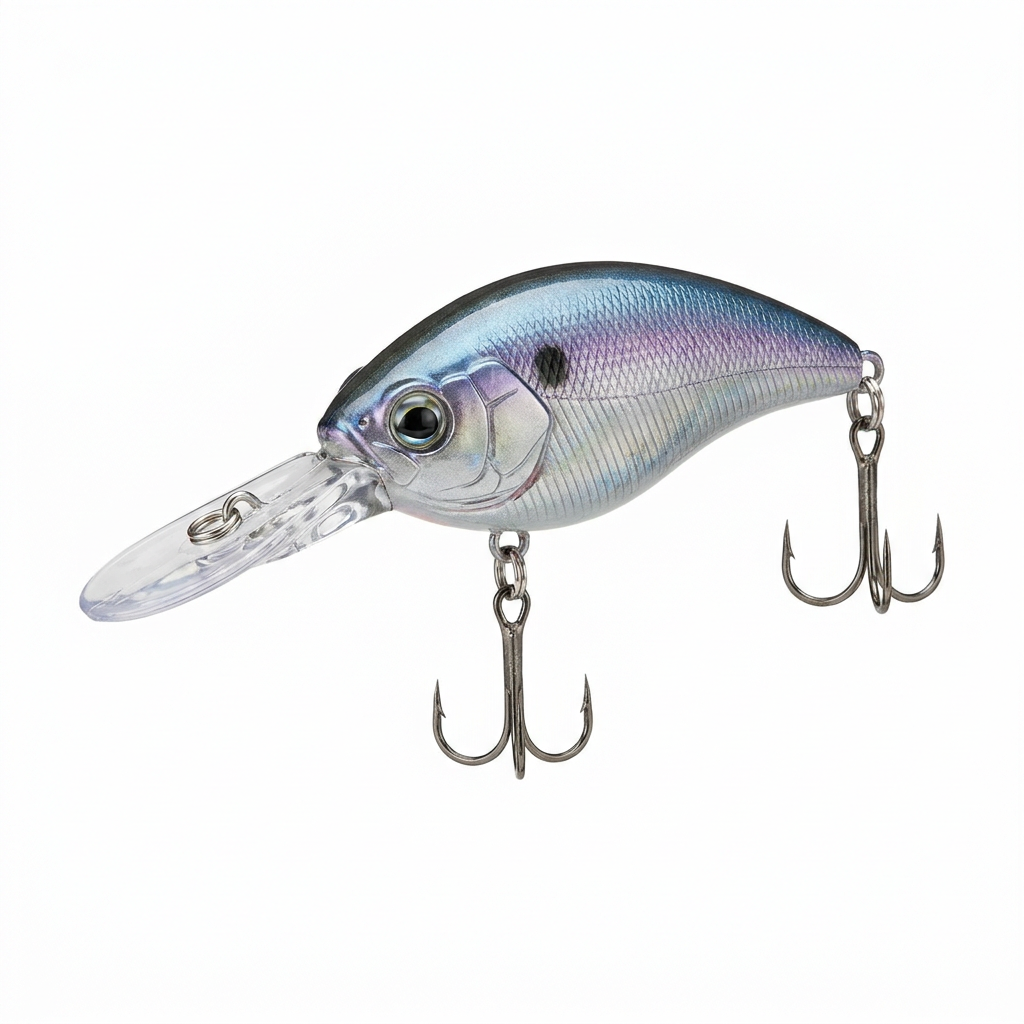
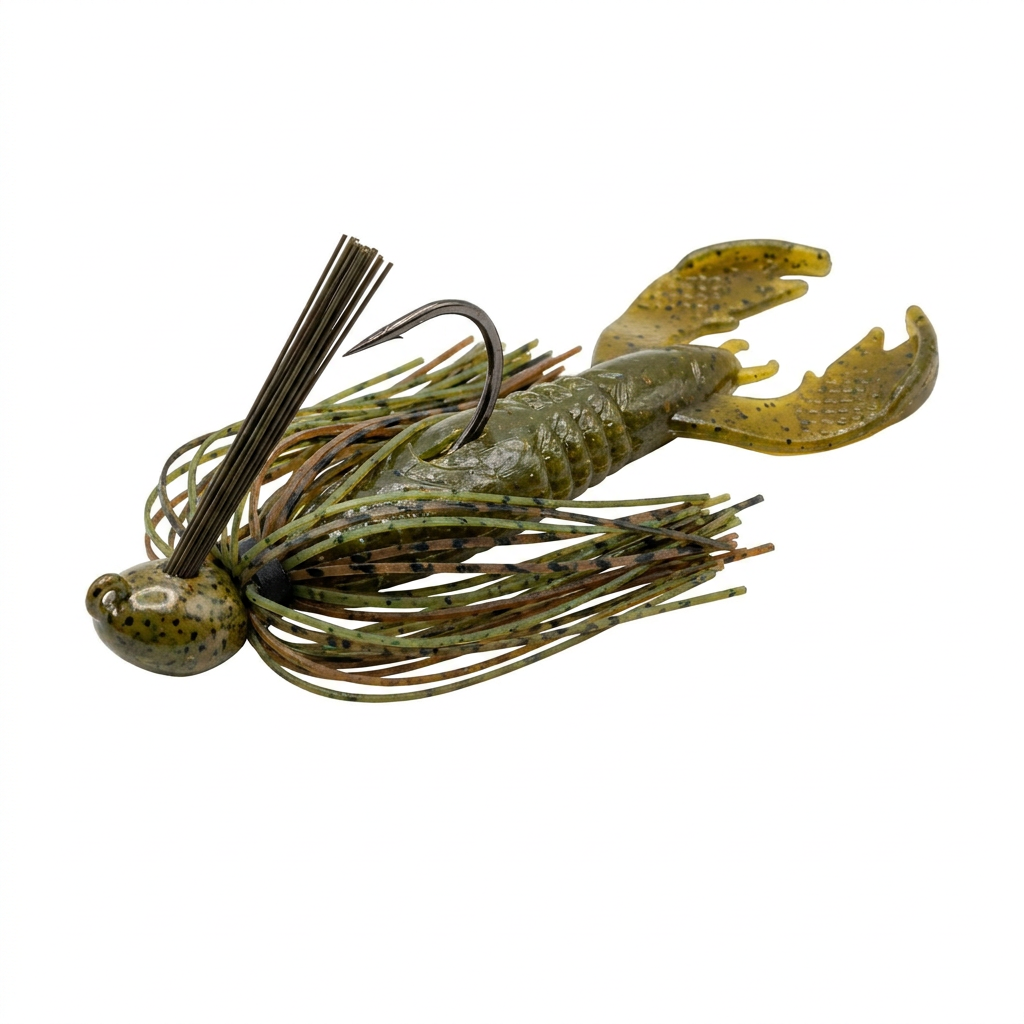
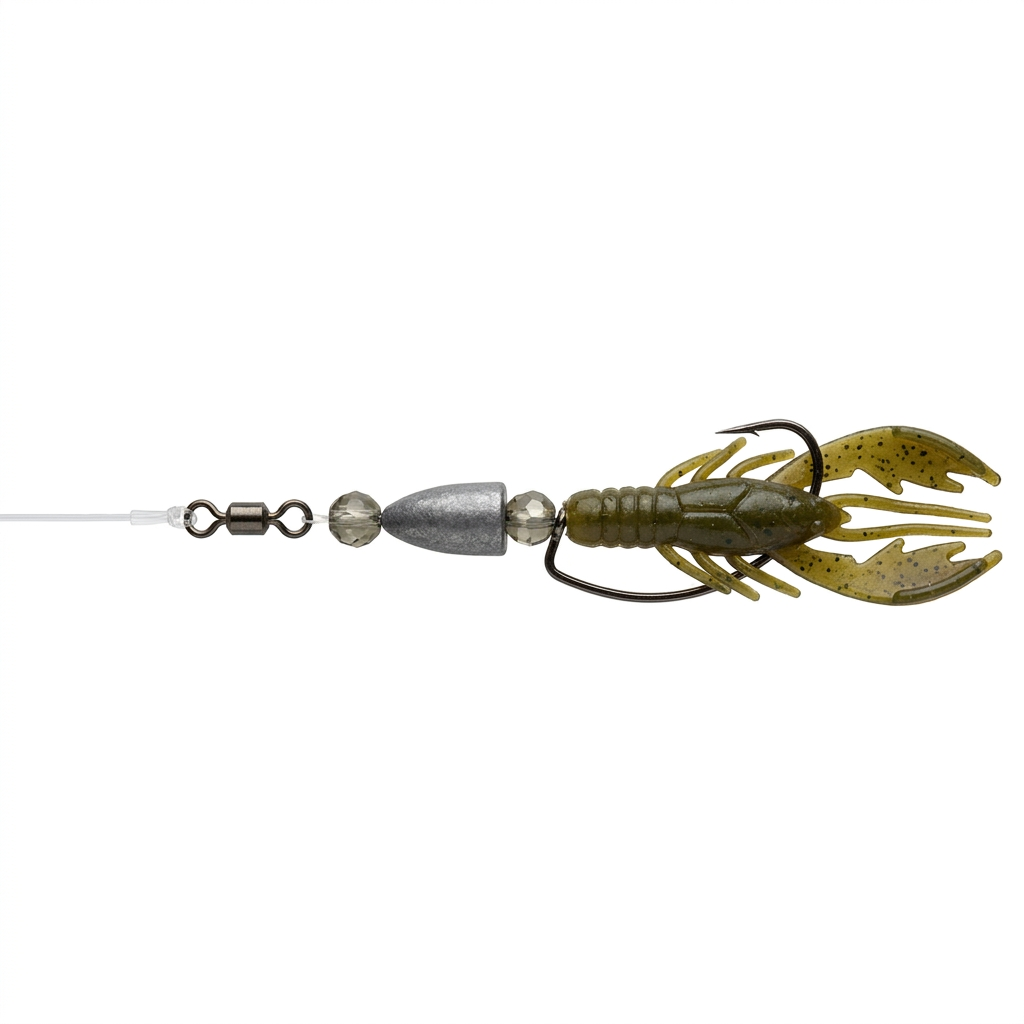
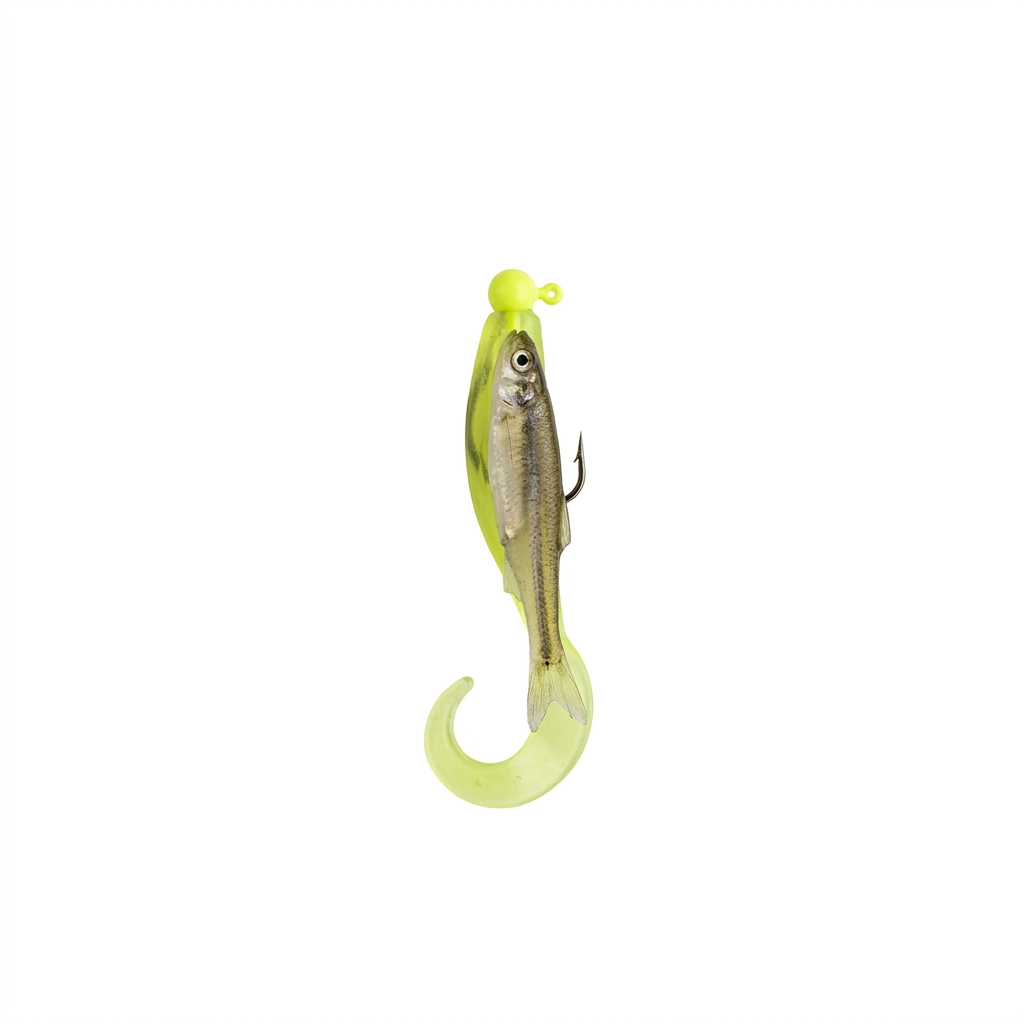
One thing I always check before a big trip is my main line. For most of the presentations that work here, you want braid. The sensitivity makes a real difference, especially when fish are finicky. I've been ordering from Reaction Tackle for a while now and haven't looked back.
About Grand Lake O' the Cherokees
I've fished Grand Lake and had a great trip for bass: the Ozark rock structure fishes differently than the East Texas timber lakes I grew up on, and I enjoyed every minute of it. But the story I still tell from that trip has nothing to do with bass. We hired a guide and ended up on a river tributary where we caught paddlefish: prehistoric, filter-feeding giants that you hook by snagging. I caught one that was legitimately one of the largest fish I've ever had on a rod. If you get the chance to experience Grand Lake's paddlefish opportunity, do not pass it up. And get a guide: you will not find those fish on your own.
Lake size and location. Grand Lake O' the Cherokees covers 46,500 acres with 460 miles of shoreline in Craig, Mayes, Delaware, and Ottawa counties in northeastern Oklahoma. It is Oklahoma's largest lake by surface area. Pensacola Dam, completed in March 1940 by the Grand River Dam Authority, is at 5,145 feet the longest multiple-arch dam in the world. Grove, Oklahoma is the primary service town on the lake's western shore.
Tournament destination. Grand Lake is a premier bass tournament destination. Major League Fishing's Redcrest championship and multiple B.A.S.S. events have been held here. The Cherokee Casino Grand Lake Big Bass Bash has featured $100,000 prizes. The Florida-strain largemouth bass stocking program started by ODWC in 2020 is improving the size quality of the bass population.
Crappie regulations. ODWC sets a special regulation for Grand Lake crappie: 10-inch minimum, 15-fish daily bag (combined black and white crappie). This is stricter than the Oklahoma statewide crappie regulation, reflecting ODWC's management of the lake's quality crappie population.
Pensacola Dam tailwater. The tailwater below Pensacola Dam is a productive fishing area for walleye, catfish, and white bass, particularly during active hydroelectric generation when current concentrates fish. Note: Oklahoma ODWC prohibits bowfishing, gigs, spears, and noodling in the tailwater area below the dam.
Ozark water quality. Grand Lake sits in the Ozark foothills, giving it clearer, harder water than most Oklahoma reservoirs. This supports a productive walleye fishery uncommon in Oklahoma and demands slightly more finesse-oriented bass tactics during clear-water conditions than typical stained Oklahoma lakes.