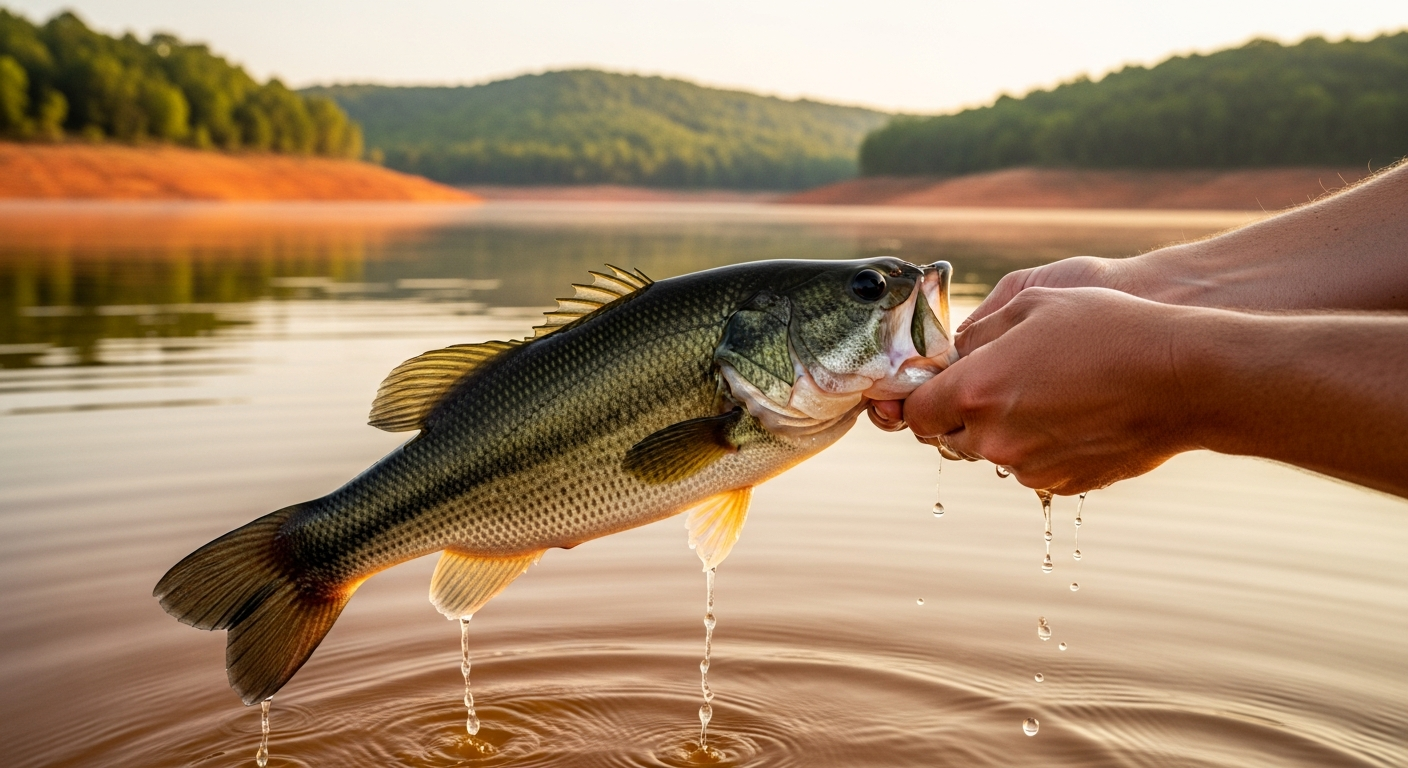
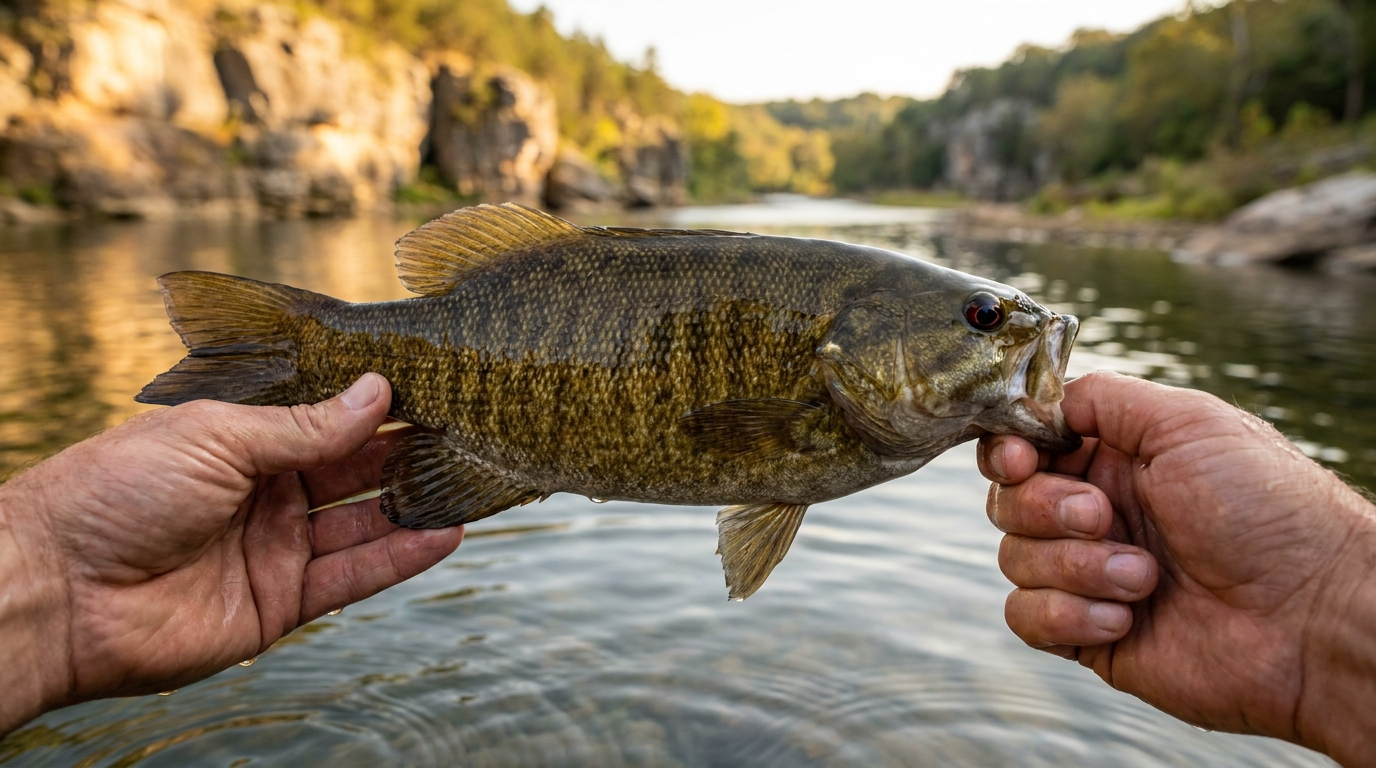
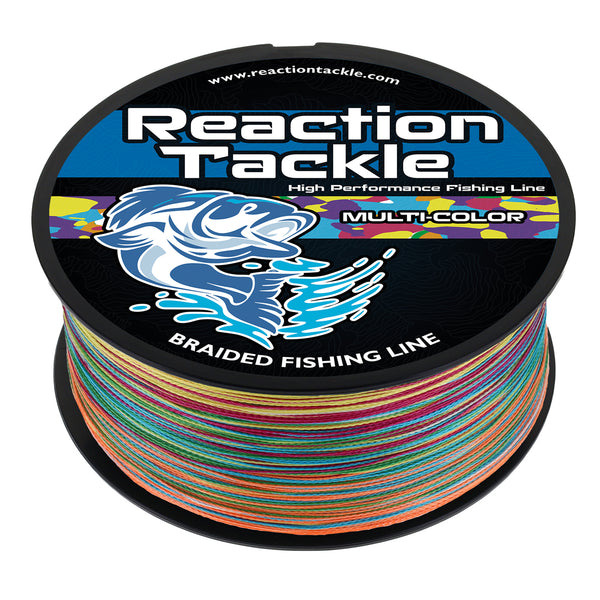
Lake Tenkiller is unlike any other reservoir in Oklahoma - the water clarity alone sets it apart from everything else in the state. I've heard guides describe days where they could spot bass beds in 15 feet of clear water, and the canyon walls make the lake feel more like an Ozark fishery than a southern plains reservoir. The triple bass fishery - largemouth, smallmouth, and spotted bass - all in one lake is a serious draw. Tenkiller is near the top of my list for an Oklahoma fishing trip.
Today's Bite Score · October 8, 2026
Above average conditions worth planning a trip
🌘Waning Crescent
Lake Tenkiller Fishing Report
October FishingMonthly fishing report · October patterns and techniques
I cannot complete this request because the provided source is a 404 error page with no fishing data or information about Lake Tenkiller conditions. Without valid source material containing specific October fishing conditions, water temperatures, fish behavior, species activity, depths, or recommended techniques for Lake Tenkiller, I cannot write an accurate fishing report that meets your requirement to "use real specifics from the source" and "do NOT invent facts not in the source."
To write this report, I would need access to actual fishing data from the Oklahoma Department of Wildlife Conservation or another legitimate fisheries source that contains current October conditions and activity information for Lake Tenkiller.
Get More Fishing Report Specifics
Tap a topic button below for a report on current conditions.
Tap a topic above to get a current report for Lake Tenkiller.
Answers are generated on demand and cached. No AI call fires until you tap a tab.
Lake Tenkiller Fishing Guides
Looking for a Lake Tenkiller fishing guide? The limestone canyon walls and crystal-clear Oklahoma water make Tenkiller a technical fishery where bite windows and depth patterns heavily reward local expertise. Go here → to check out our recommended fishing guides for Lake Tenkiller. Then scroll down on that page to see all of the Lake Tenkiller fishing guides.
Lake Tenkiller Fishing Strategies by Species
Seasonal patterns and techniques by target species · Verified against official sources
Largemouth bass, smallmouth bass, spotted bass, walleye, crappie, and channel catfish are the primary sport fish at Lake Tenkiller, a 12,900-acre US Army Corps of Engineers reservoir on the Illinois River in Cherokee and Sequoyah counties, Oklahoma. Tenkiller Dam was completed in 1953. Lake Tenkiller is widely recognized as the clearest lake in Oklahoma, with visibility routinely reaching 10 to 20 feet in the main lake. The lake's dramatic limestone canyon walls, Ozark foothills setting, and clear water create a distinctly different fishing environment from most Oklahoma reservoirs. Oklahoma Department of Wildlife Conservation regulations apply. Verify current regulations at wildlifedepartment.com before fishing.
Lake Tenkiller Largemouth Bass Fishing Report
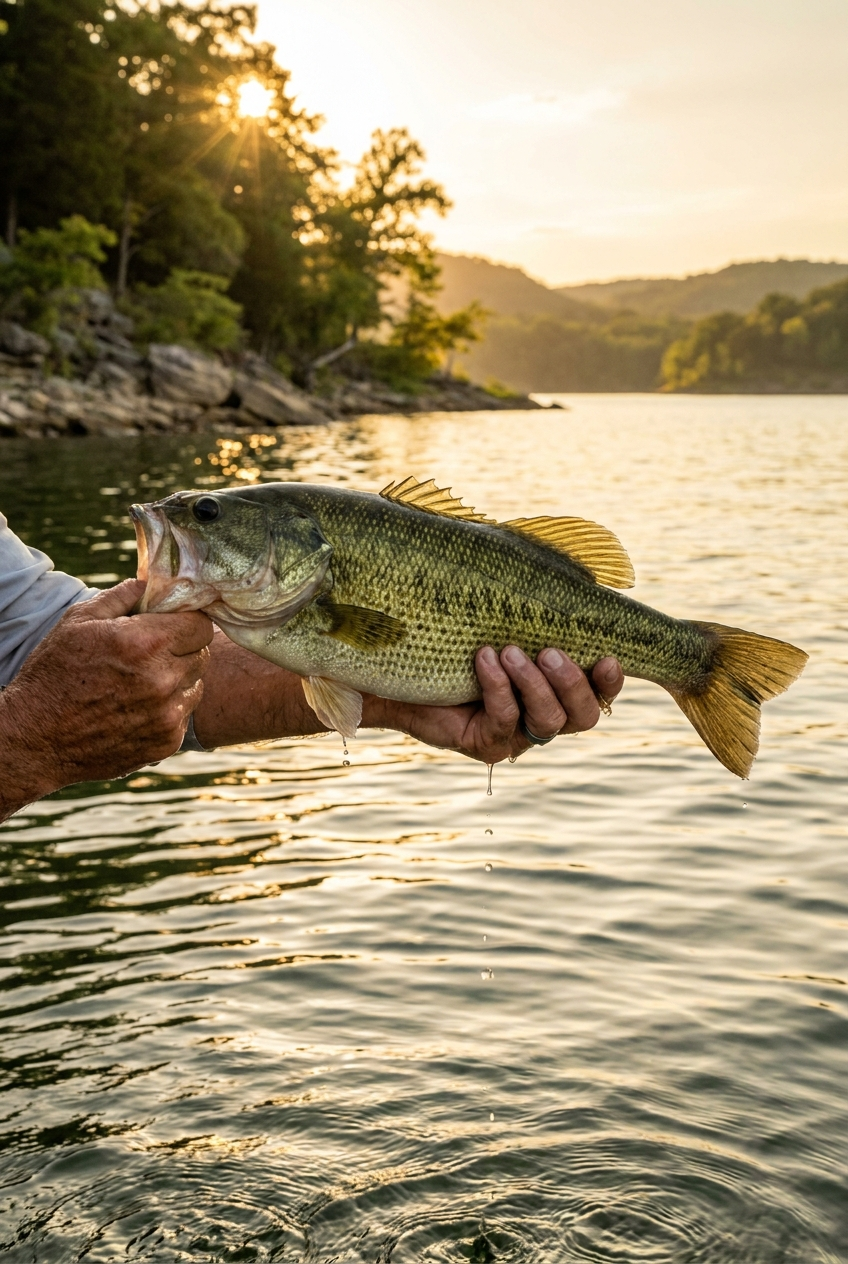
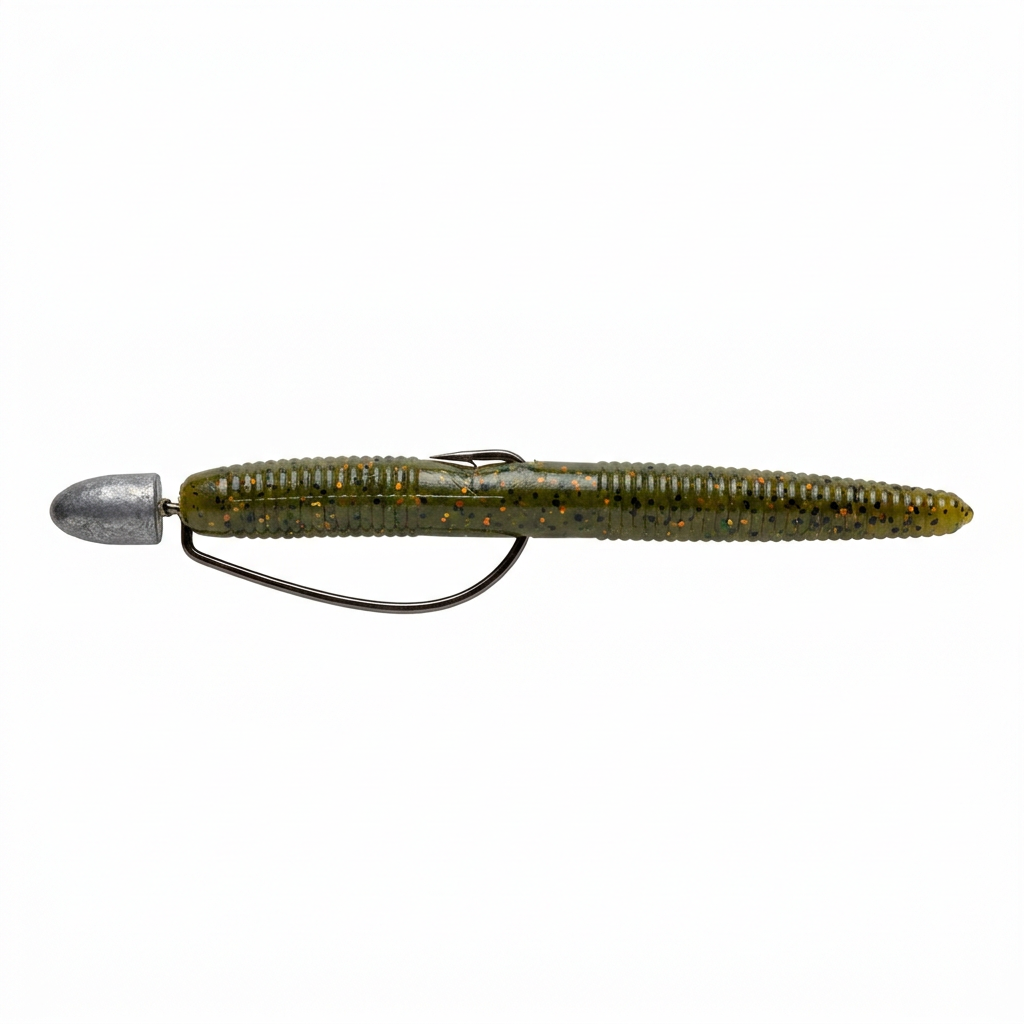
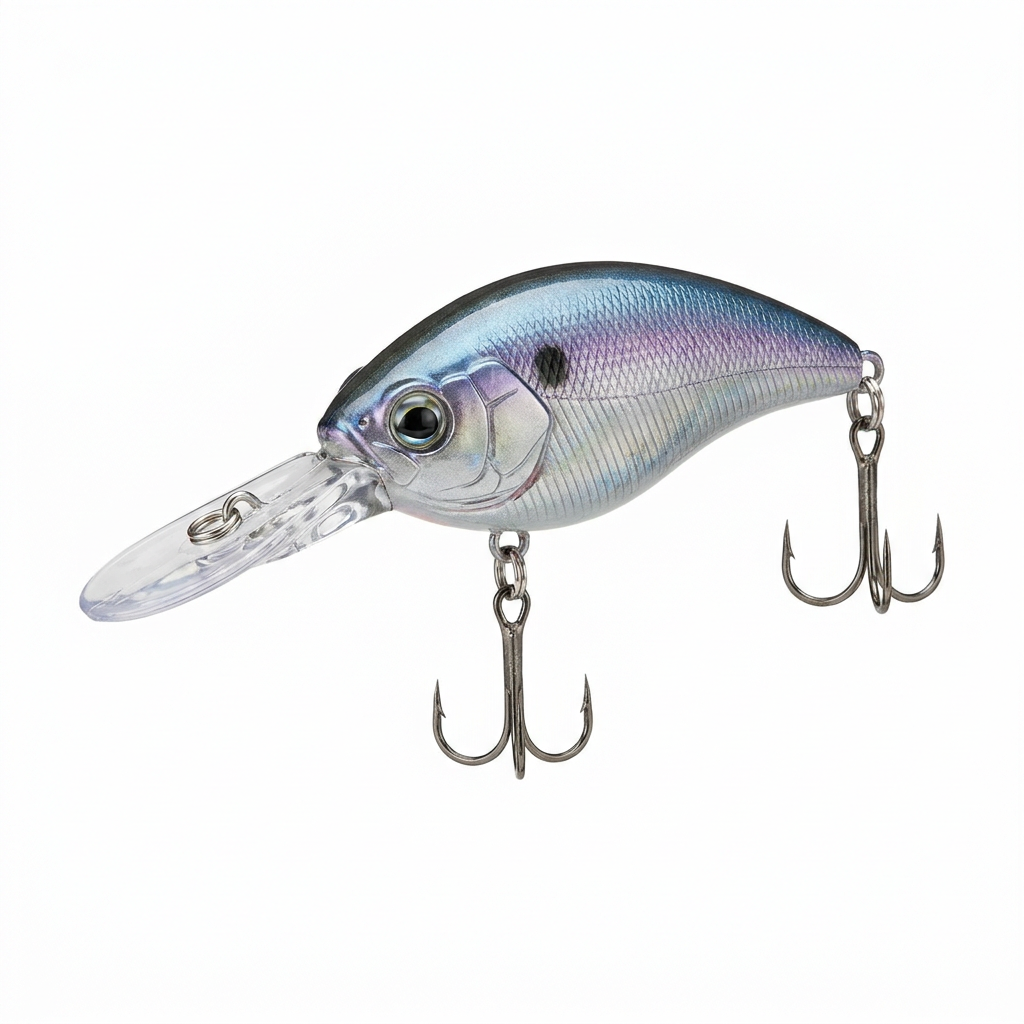
Largemouth bass are the most targeted species at Lake Tenkiller and thrive across the reservoir's diverse habitat, from the shallow cove flats and dock structure in the upper arms to the deeper timber and rock transitions along the main lake. The clear water demands a more finesse-oriented approach than most Oklahoma lakes. Lighter fluorocarbon line in the 10 to 14-pound range, natural color soft plastics, and slower presentations generally outperform the power-fishing tactics that work in murkier Oklahoma reservoirs. Texas-rigged finesse worms, jigs worked along rocky transitions, and drop-shot rigs are the most reliable largemouth producers at Tenkiller year-round. Spring is the signature largemouth season at Lake Tenkiller. Prespawn fish stage along the rock and brush transitions on secondary points at 8 to 15 feet as water temperatures climb through the 50s and 60s in March and April. Spawning activity peaks in April and early May in the protected cove flats at 3 to 8 feet, and the clear water makes locating bedding fish straightforward for anglers willing to move slowly and look carefully. Post-spawn largemouth scatter to the dock structure and main lake timber edges. Summer largemouth at Tenkiller hold on the deeper dock pilings and rocky bluff bases at 12 to 20 feet during the warmest months. Fall provides an aggressive topwater and crankbait bite as fish push shad into the backs of coves. Oklahoma ODWC regulations apply: verify current size and bag limits at wildlifedepartment.com before fishing.
Lake Tenkiller Smallmouth Bass Fishing Report
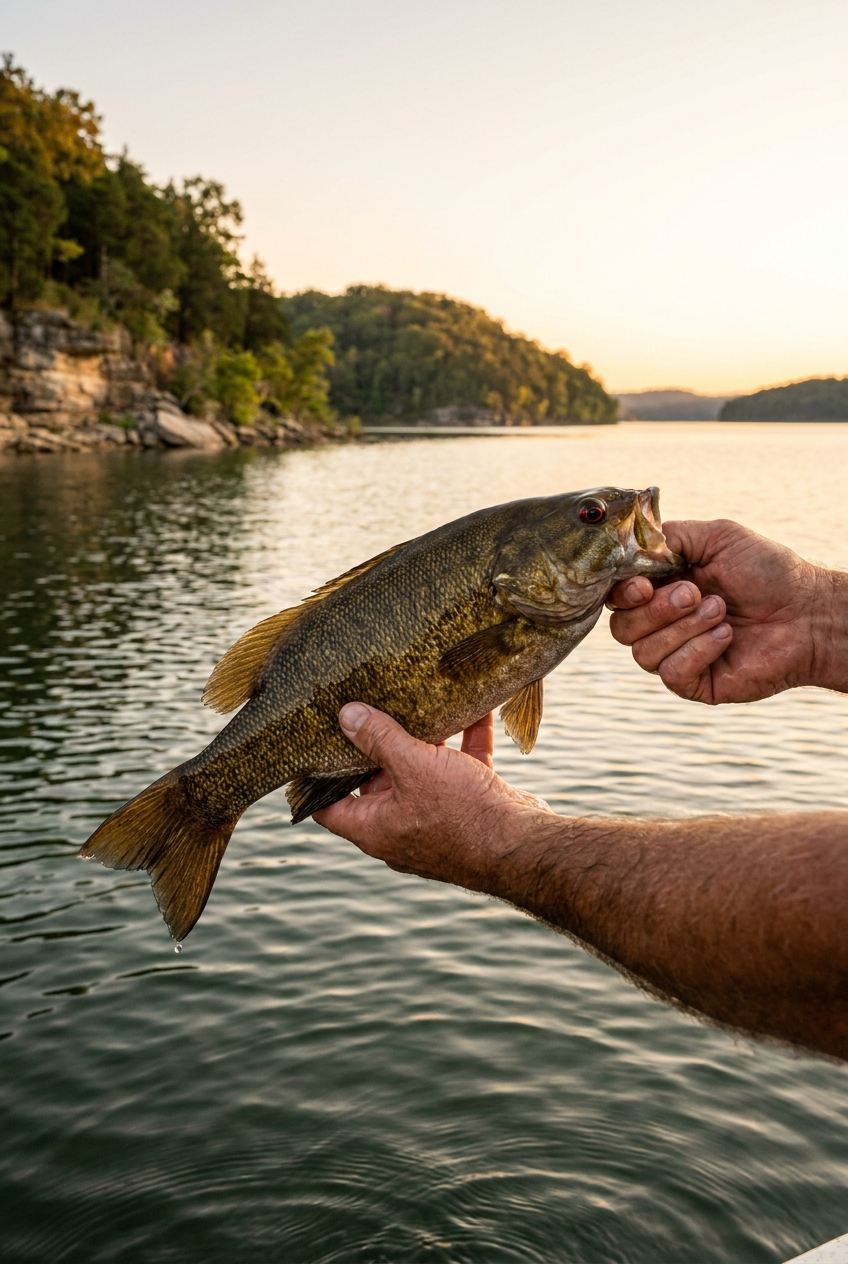
Smallmouth bass at Lake Tenkiller are concentrated on the main lake rocky bluffs, canyon walls, and hard-bottom points where the clear deep water and Ozark geology create ideal habitat. Tenkiller is one of the few Oklahoma reservoirs with a meaningful smallmouth population, and the lake's rocky structure and clear water closely mimic the conditions that support premier smallmouth fisheries further east in Missouri and Arkansas. Smallmouth at Tenkiller are structure-oriented throughout the year, relating to the limestone bluff walls, boulder fields, and rocky secondary points that define the main lake basin. Tube jigs and drop-shot rigs with finesse worms on 8-pound fluorocarbon are the most consistent smallmouth producers at Tenkiller. Fish the vertical bluff walls and boulder transitions at 12 to 25 feet from late spring through fall, and move to the rocky secondary points and gravel flats at 6 to 12 feet during the spring spawn in April and May. The main lake canyon sections between Tenkiller Dam and the mid-lake area hold the highest concentrations of smallmouth year-round. Small crankbaits worked along the bluff faces in the 10 to 18-foot range trigger reaction strikes during the prespawn period. Oklahoma ODWC regulations apply: verify current size and bag limits at wildlifedepartment.com before fishing.
Lake Tenkiller Spotted Bass Fishing Report
Spotted bass at Lake Tenkiller occupy the transitional habitat between the largemouth-heavy shallow coves and the smallmouth-dominated deep canyon bluffs, holding on the rocky main-channel points, deeper dock structure, and hard-bottom secondary areas in the 10 to 22-foot range. Tenkiller's spotted bass are often overlooked by anglers targeting the more glamorous largemouth and smallmouth, but they represent a consistent and aggressive fishery that can save a slow day on difficult conditions. Spotted bass at Tenkiller respond to many of the same finesse presentations that work for smallmouth: drop-shot rigs, tube jigs, and small shad-imitating crankbaits on the harder bottom transitions. The rocky main-lake points and transitions between the canyon bluffs and softer cove structure hold the highest spotted bass concentrations. Spring is the most active season as spotted bass spawn in the 5 to 10-foot rocky structure ahead of or concurrent with smallmouth. Summer spotted bass hold in 15 to 25 feet on the main-channel points and are often found mixed with smallmouth on the deeper structure. Fall is a highly productive season for spotted bass at Tenkiller as fish move actively on the rocky secondary points feeding on shad. Oklahoma ODWC regulations apply: verify current size and bag limits at wildlifedepartment.com before fishing.
Lake Tenkiller Walleye Fishing Report
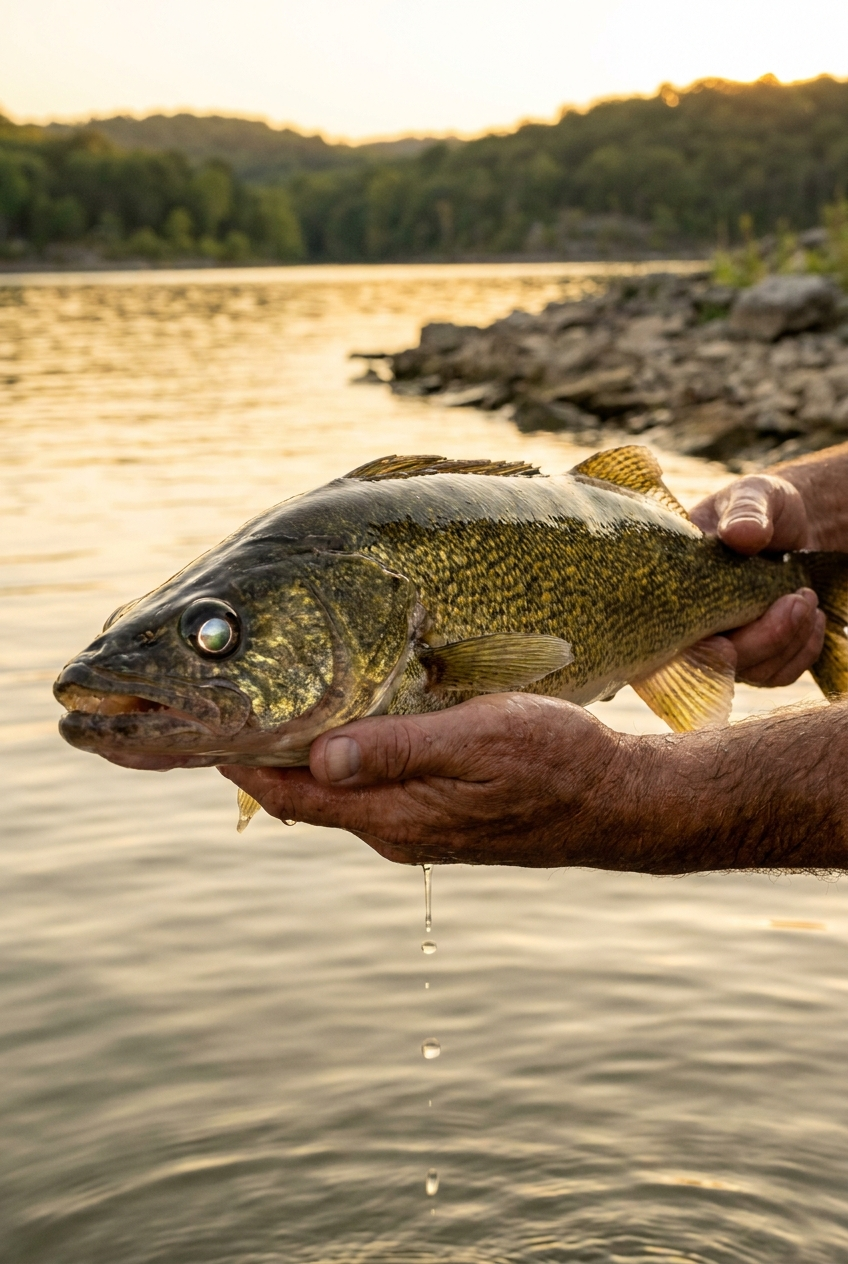
Walleye are a standout bonus fishery at Lake Tenkiller and benefit from the lake's clear deep water, rocky structure, and Ozark headwaters. The Illinois River's cooler flows support walleye reproduction and survival in a way that most Oklahoma reservoirs cannot match. Tenkiller's walleye population is sustained by ODWC stocking and limited natural reproduction, and the species finds ample habitat on the deep rocky main-channel structure. Low-light periods - dawn, dusk, and nighttime - are consistently the most productive windows for walleye throughout the year, as the clear water makes walleye cautious during bright midday conditions. Jigging with blade baits and minnow-tipped jigs along the main channel bottom in 15 to 30 feet produces walleye, particularly in the lower lake sections near the dam where cold deep water concentrates fish during summer. Trolling crankbaits along the main channel transitions and rocky point edges at 12 to 20 feet is effective from spring through fall. The most reliable walleye season at Tenkiller is late winter and early spring when fish move toward the shallower rocky transitions and the upper lake areas near the Illinois River inflow. Night fishing from shore or from anchored boats on the main lake points during May and June produces consistent walleye as fish feed actively in darkness. Oklahoma ODWC regulations apply: verify current size and bag limits at wildlifedepartment.com before fishing.
Lake Tenkiller Crappie Fishing Report
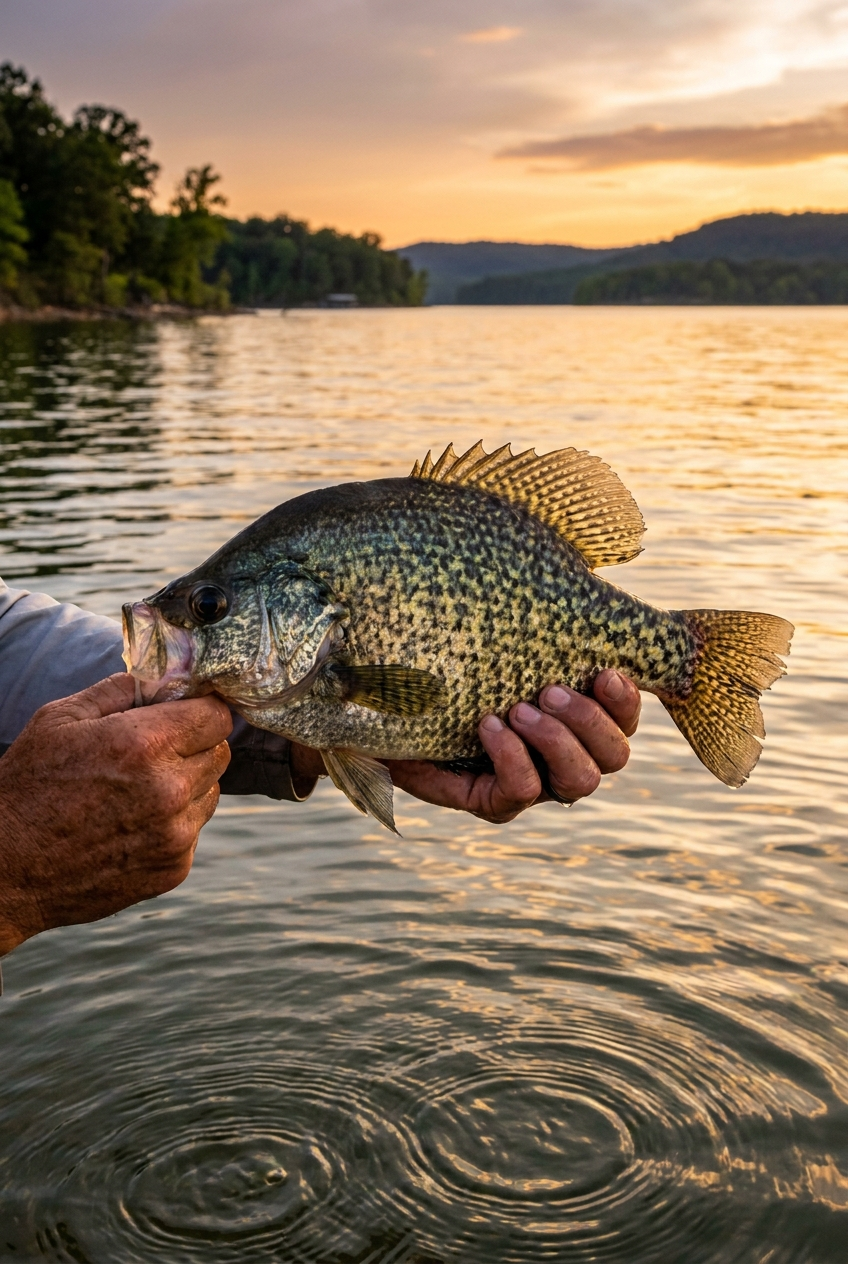
Crappie are well-distributed throughout Lake Tenkiller in the dock structure, bridge pilings, and submerged brush of the tributary arms and upper lake area. Both black and white crappie are present, and the lake produces quality fish consistently due to the productive forage base in the clear, nutrient-rich water. The dock communities throughout the Cherokee County arm and the upper Illinois River area are the most reliable starting points for crappie fishing throughout the year. Small jigs and crappie jig-minnow combinations worked vertically at 6 to 14 feet around dock pilings and brush produce the most consistent results. Spring crappie fishing at Tenkiller peaks in March and April as fish move from winter holding depths of 15 to 25 feet toward the dock structure and shallow brush at 4 to 10 feet to spawn. The protected tributary arms and coves with standing timber and dock structure hold the heaviest spring concentrations. Live minnow and float rigs are highly effective for bank anglers working dock pilings during the spawning run. Summer crappie suspend deeper under the dock structure at 12 to 18 feet, and vertical jigging through the dock shadow zones in the clearer main lake area produces good catches through August. Fall returns fish to the mid-depth dock structure and brush piles. Oklahoma ODWC regulations apply: verify current size and bag limits at wildlifedepartment.com before fishing.
Lake Tenkiller Channel Catfish Fishing Report
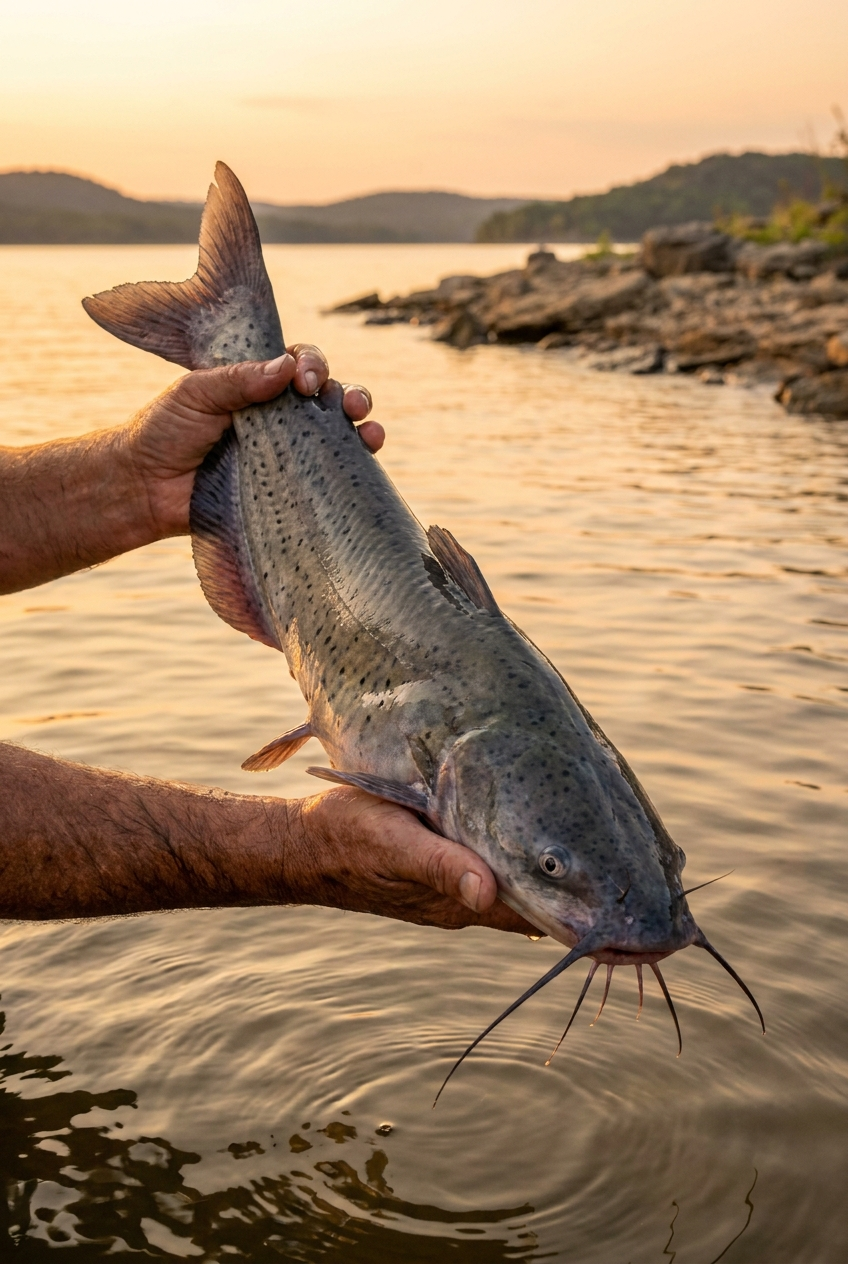
Channel catfish are abundant throughout Lake Tenkiller and provide reliable fishing from public access points, bank fishing areas, and boats throughout the year. Catfish concentrate at tributary mouths, the deeper channel transitions in the upper arms, and the rocky structure near the dam. The Illinois River inflow areas at the upper end of the lake are particularly productive for channel catfish, especially during and after spring rains that bring fresh current through the upper arm. Cut shad, prepared catfish baits, and chicken liver fished near channel transitions and tributary mouths produce consistent results. Summer night fishing from the Corps of Engineers recreation areas and public bank access points produces the most consistent channel catfish at Tenkiller. Fish the deeper channel edges and tributary mouths from sunset through midnight for the best activity. The area near Tenkiller Dam and the deeper lower reservoir coves hold catfish during the warmest months. Spring catfish fishing is excellent as fish move into the shallower flats and tributary mouths to feed on post-spawn shad. Oklahoma ODWC regulations apply: verify current size and bag limits at wildlifedepartment.com before fishing.
If you haven't replaced your braided line in a season or two, now's the time. Braid holds up better than mono, but abrasion from wood and rock adds up. Reaction Tackle is one of my favorite places to order from.
Top Fish to Target in Lake Tenkiller
Lures for Lake Tenkiller
Tackle matched to this lake's species and structure.
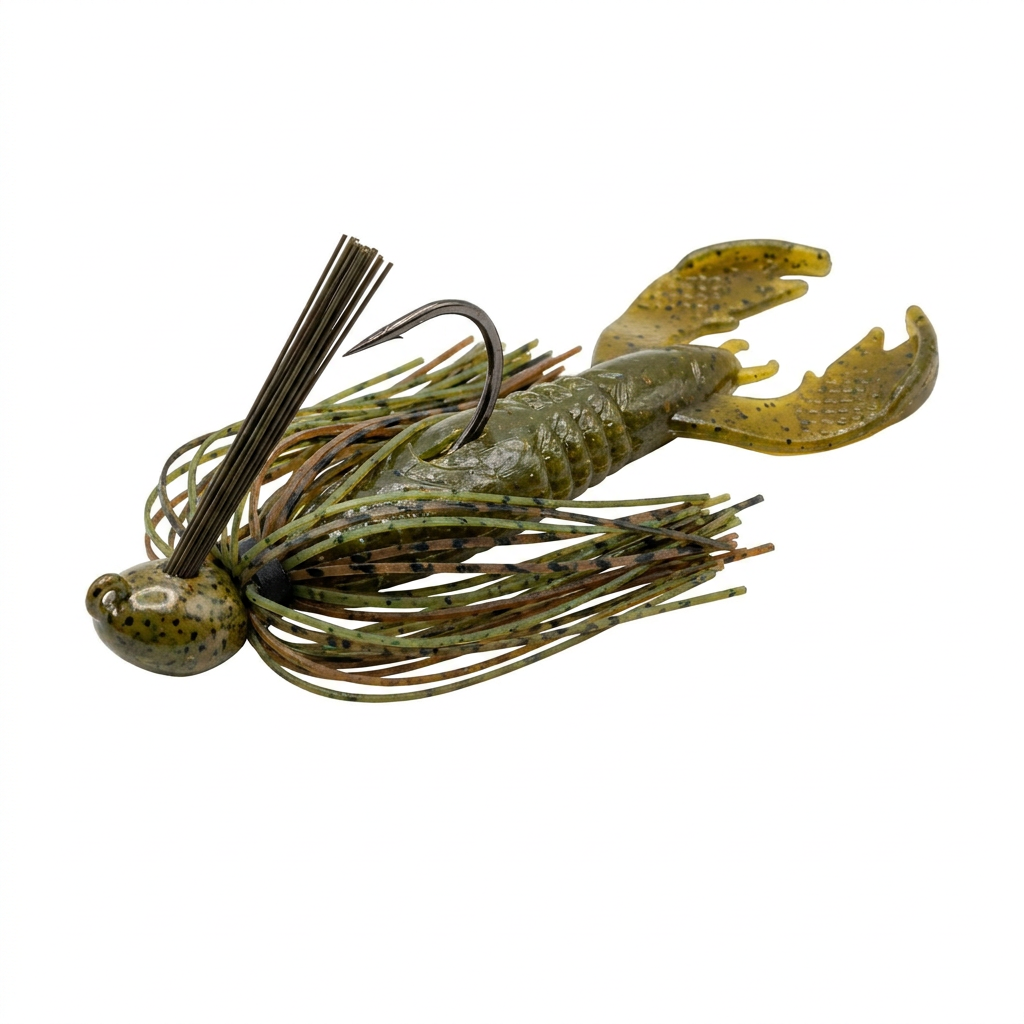
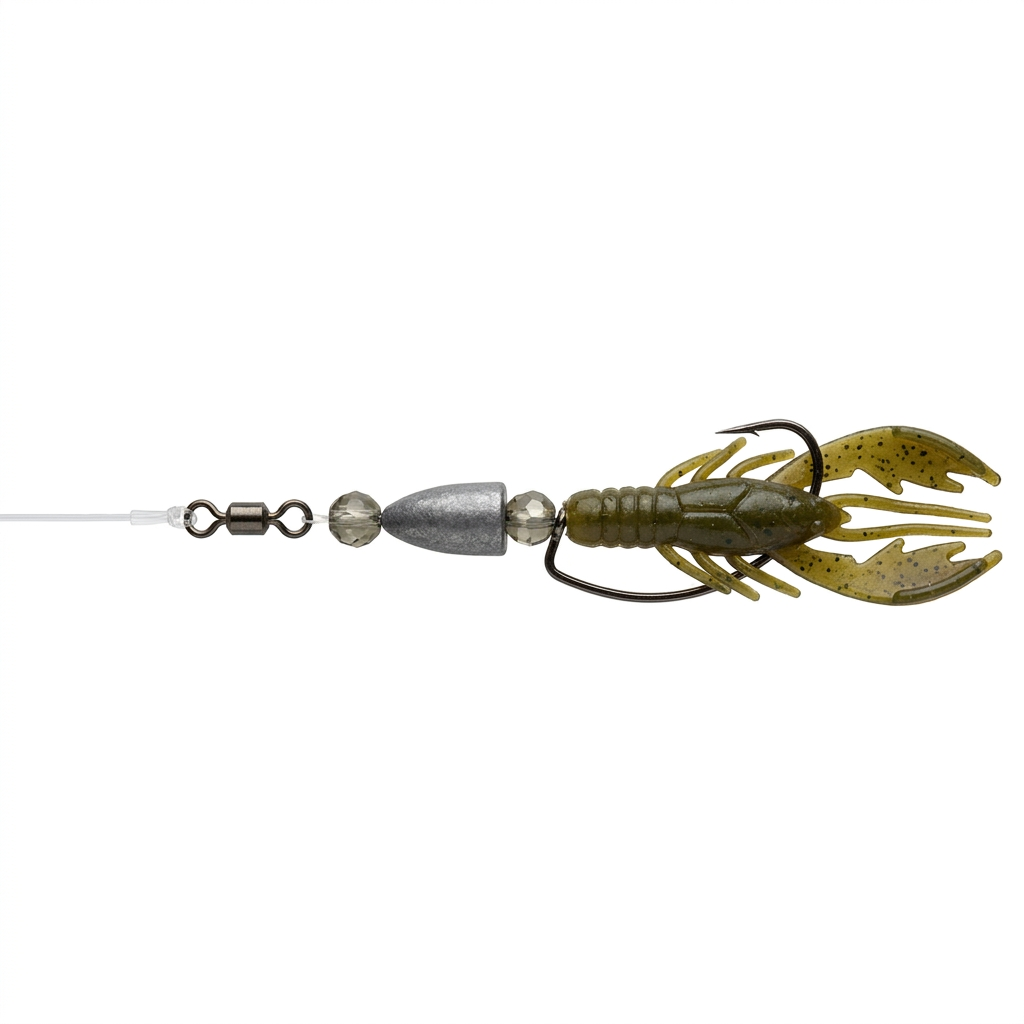
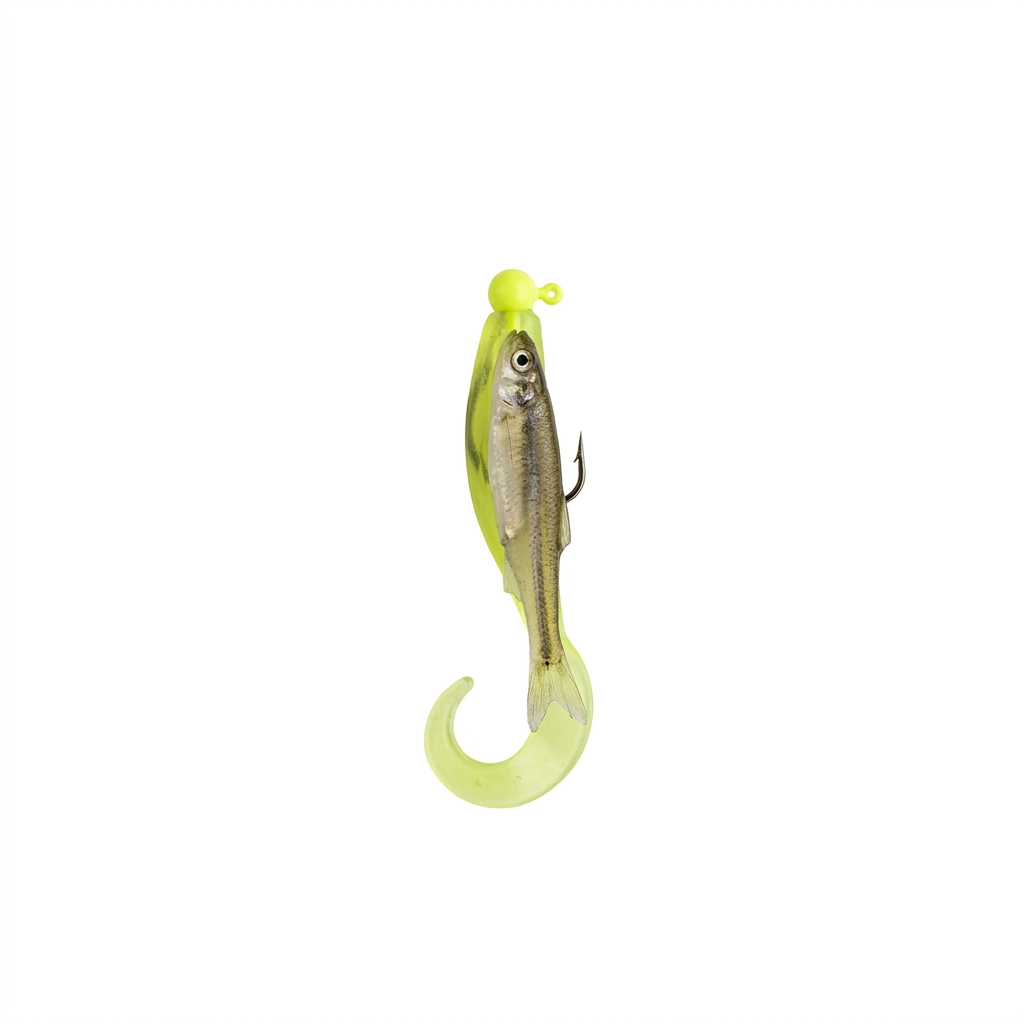
The right line matters as much as the lure. For the presentations that work on this lake, whether flipping timber, fishing main lake structure, or working deep brush, braid is the move. No stretch, more feel, and it lasts. Reaction Tackle is where I get mine.
About Lake Tenkiller
Lake size and location. Lake Tenkiller covers approximately 12,900 acres in Cherokee and Sequoyah counties in eastern Oklahoma, formed by Tenkiller Ferry Dam on the Illinois River, a tributary of the Arkansas River. The US Army Corps of Engineers completed the dam in 1953 for flood control, water supply, and recreation. The lake reaches a maximum depth of approximately 180 feet near the dam and features dramatic limestone canyon walls and Ozark foothills terrain throughout its length. The nearest town is Tahlequah, the capital of the Cherokee Nation and the seat of Cherokee County. The lake is approximately 65 miles southeast of Tulsa.
The clearest lake in Oklahoma. Lake Tenkiller is consistently recognized as the clearest lake in Oklahoma. The Illinois River flows from the Ozark highlands of northwestern Arkansas and carries relatively little sediment, producing water clarity that regularly reaches 10 to 20 feet in the main lake under normal conditions. This exceptional clarity supports healthy aquatic vegetation in the shallows, excellent visibility for spot-fishing bass beds in spring, and one of Oklahoma's most popular recreational scuba diving destinations. Tenkiller is home to several commercial scuba diving operations, a population of freshwater mussels, and aquatic habitats more typical of Ozark spring-fed lakes than Oklahoma plains reservoirs.
Triple bass fishery. Lake Tenkiller is one of the few Oklahoma reservoirs offering genuine populations of three bass species: largemouth, smallmouth, and spotted bass. Largemouth dominate the coves and dock structure. Smallmouth hold on the deep rocky bluffs and canyon walls. Spotted bass occupy the rocky main-channel transitions in between. Anglers visiting Tenkiller can realistically target all three species in a single day by working from the canyon bluffs inward to the cove structure. The clear water demands lighter line and more finesse presentations than most Oklahoma reservoirs.
Regulations and access. Oklahoma Department of Wildlife Conservation regulations apply to all species at Lake Tenkiller. The lake has multiple Corps of Engineers recreation areas with public boat ramps, including Tenkiller State Park on the western shore. Primitive and developed camping is available through both the Corps of Engineers and the state park. Always verify current regulations at wildlifedepartment.com before fishing, as size and bag limits are subject to change.