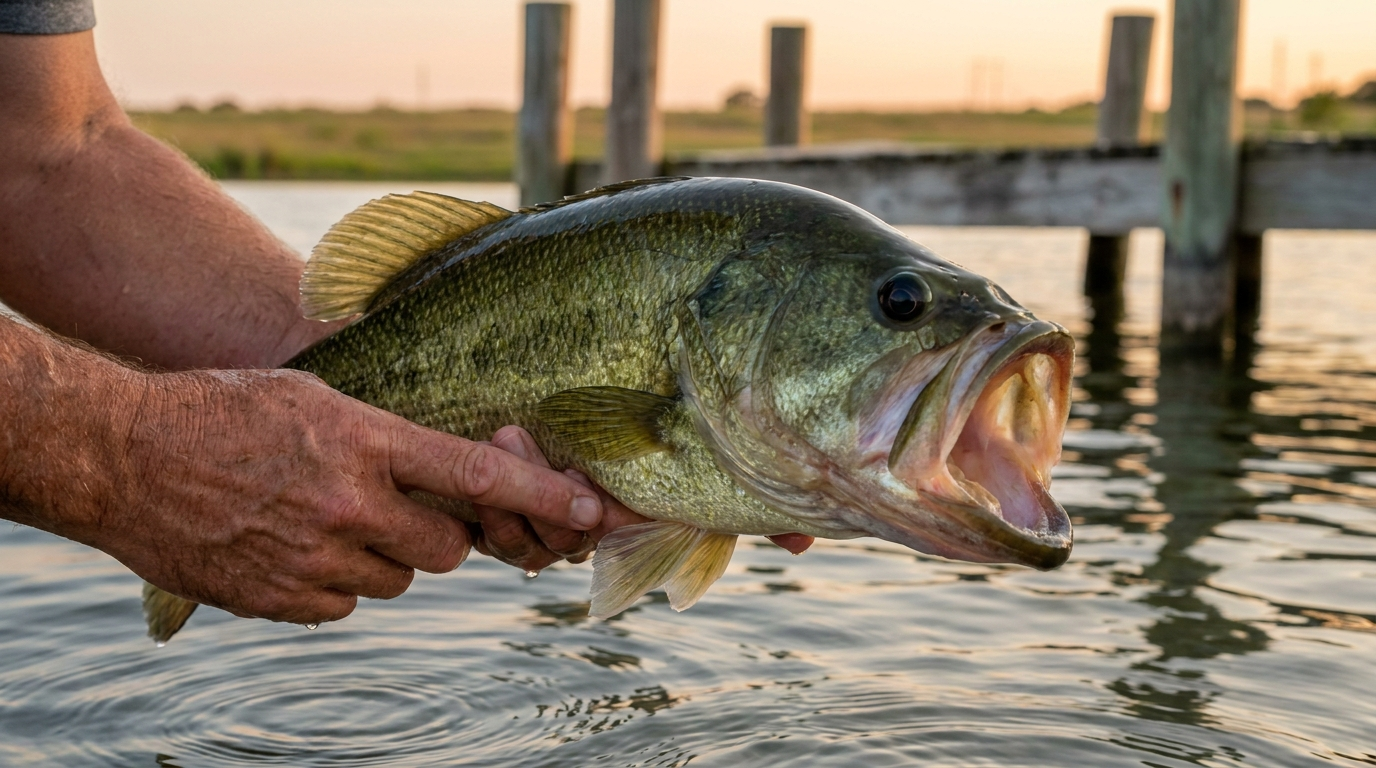
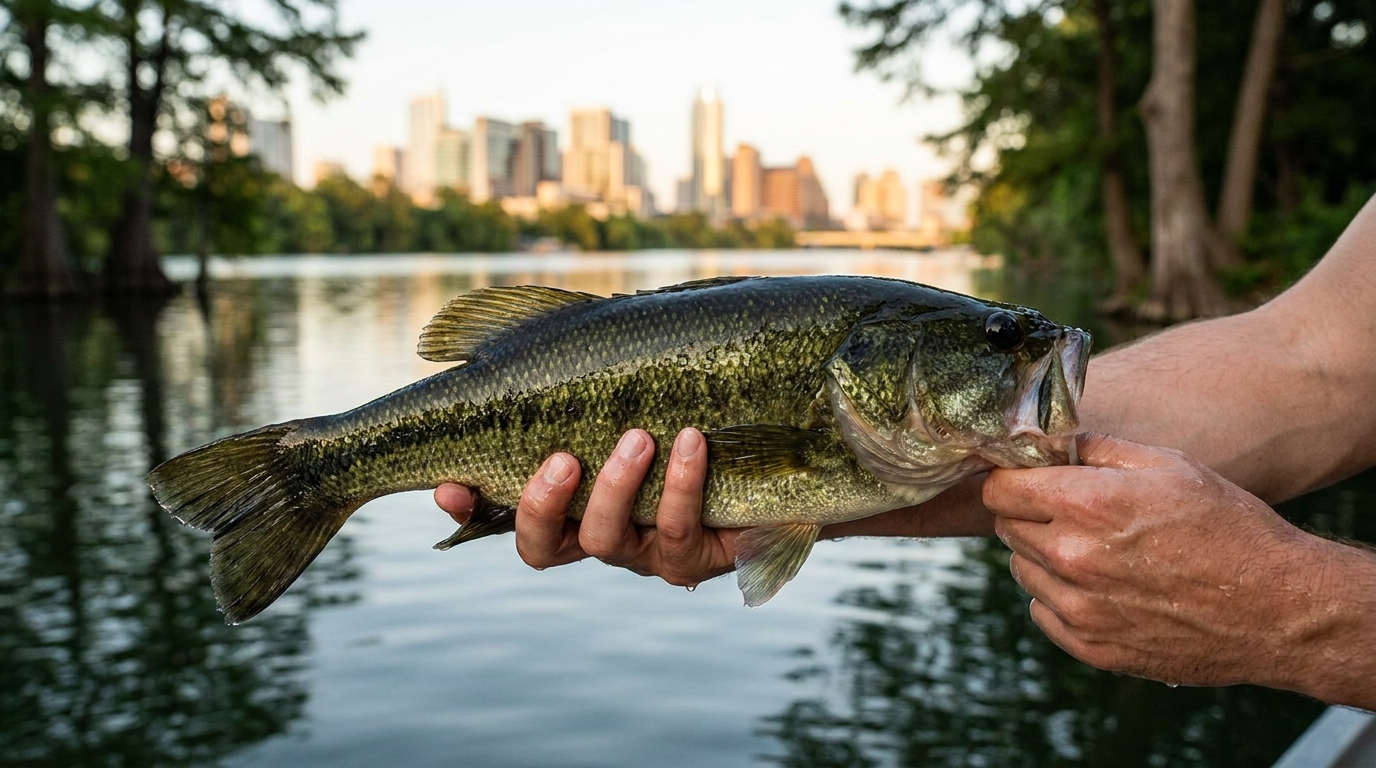
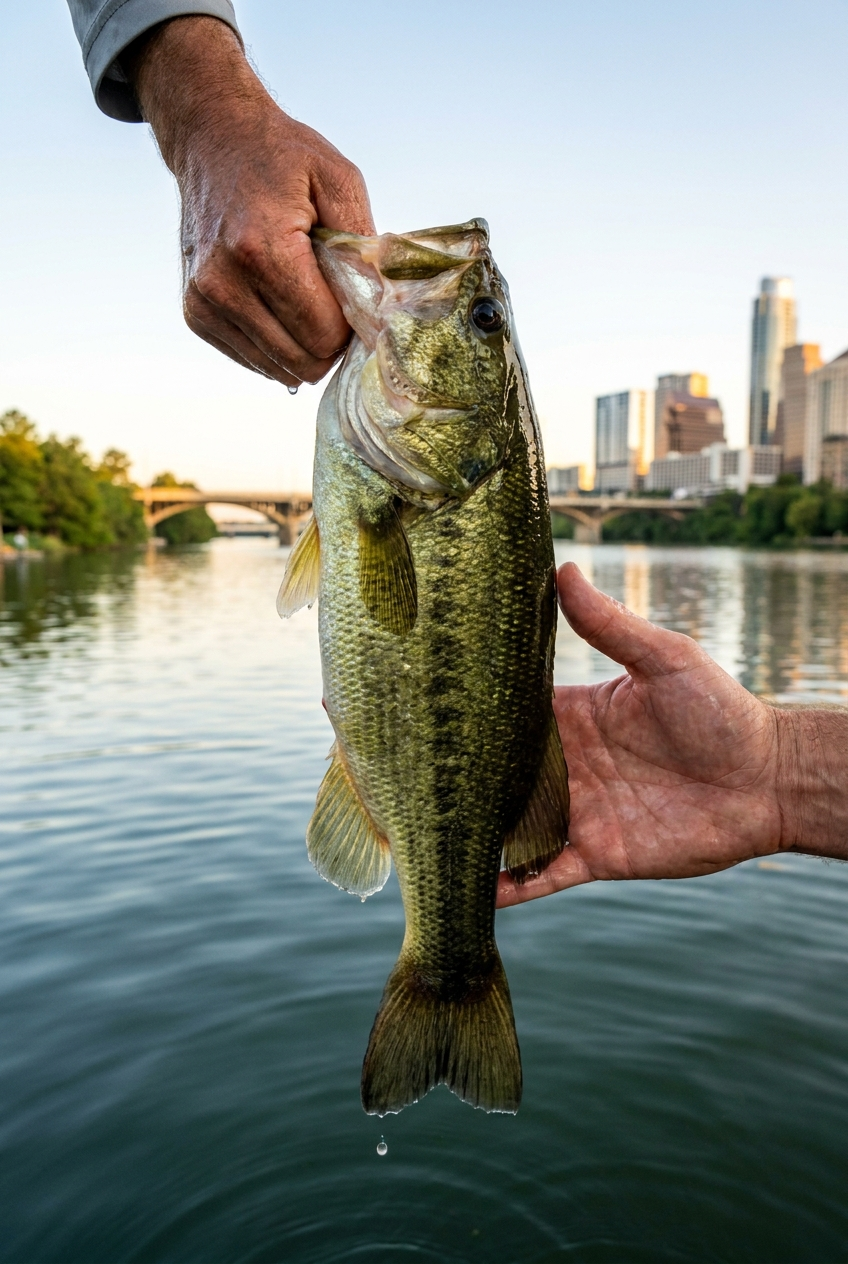
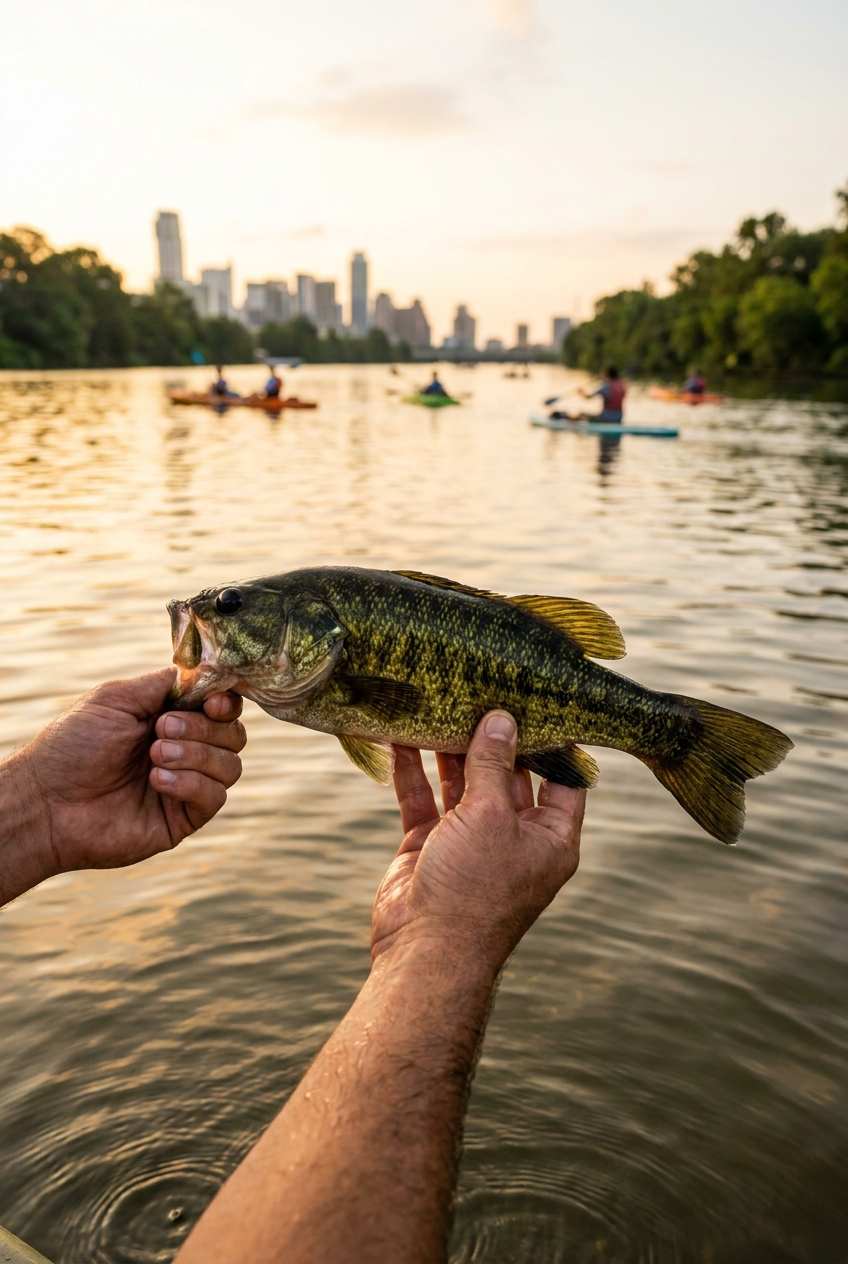
Lady Bird Lake is the only lake on this site where you'll be catching bass with the Austin skyline in your background and stand-up paddleboarders sharing your fishing spot. The catch-and-release bass fishery here is surprisingly robust given the urban setting, and I've caught largemouth over 5 pounds within sight of downtown high-rises.
Today's Bite Score · October 8, 2026
Above average conditions worth planning a trip
🌘Waning Crescent
Lady Bird Lake Fishing Report
October FishingMonthly fishing report · October patterns and techniques
October brings transitional conditions to Lady Bird Lake as water temperatures begin to cool from summer highs. Anglers are finding that fish behavior shifts this month as the lake adjusts to changing environmental conditions. The bite is influenced by these temperature changes, which affect where fish are holding and their feeding patterns throughout the lake.
In October, anglers are finding success targeting species that respond to the month's cooling trends. Fish are moving to areas that provide ideal conditions for their feeding and comfort levels this month. Understanding where species are holding based on depth and structure becomes increasingly important as the month progresses and conditions continue to shift.
Anglers fishing Lady Bird Lake in October should focus on techniques and presentations that match current fish activity. The most effective approach involves matching bait and lure selections to the species being targeted and adjusting presentations based on where fish are holding this month. Anglers are finding that patience and attention to water conditions will lead to the best results as October unfolds.
Get More Fishing Report Specifics
Tap a topic button below for a report on current conditions.
Tap a topic above to get a current report for Lady Bird Lake.
Answers are generated on demand and cached. No AI call fires until you tap a tab.
Lady Bird Lake Fishing Guides
Looking for a Lady Bird Lake fishing guide? Urban Austin bass fishing has its own rhythm — from the best launch windows to the specific downtown structure the fish hold on through the seasons, local knowledge matters more than you'd expect. Go here → to check out our recommended fishing guides for Lady Bird Lake. Then scroll down on that page to see all of the Lady Bird Lake fishing guides.
Lady Bird Lake Fishing Strategies by Species
Seasonal patterns and techniques by target species · Verified against official sources
Lady Bird Lake is a 416-acre Colorado River reservoir in the heart of downtown Austin, Texas, created by Longhorn Dam in 1960. The City of Austin prohibits motorized watercraft on Lady Bird Lake, making it the largest no-motorized-boat lake in Texas and one of the most unique urban fisheries in the country. The lake is designated as a catch-and-release bass fishery by the City of Austin, supplemented by Texas Parks and Wildlife Department regulations. The combination of protected bass fishing, zero motorized boat traffic, and the surrounding hike-and-bike trail creates a genuinely exceptional urban fishing experience adjacent to Zilker Park, Barton Springs, and the Congress Avenue Bridge. TPWD regulations and Austin City ordinances both apply: verify current rules at tpwd.texas.gov.
Lady Bird Lake Largemouth Bass Fishing Report
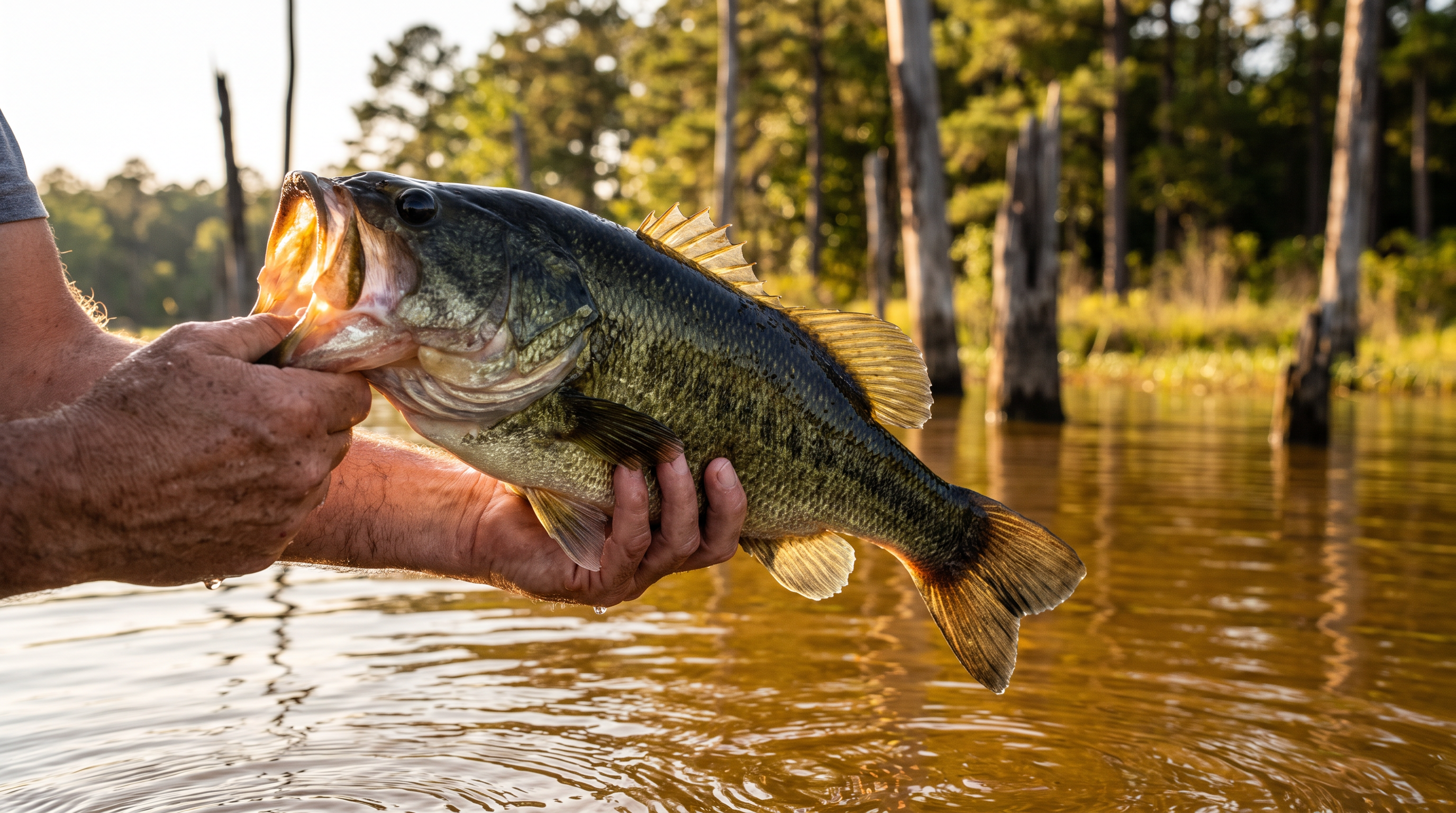
Largemouth bass are the signature fish of Lady Bird Lake and the reason serious anglers come to this urban reservoir. The City of Austin's catch-and-release bass designation protects the population from harvest, allowing bass to reach trophy sizes in a lake that receives enormous recreational use from non-anglers. Bass over 5 pounds are caught regularly, and fish over 8 pounds are documented. The dock structure, rocky points, the Barton Creek arm on the south shore, and the woody debris near the Congress Avenue Bridge all hold quality bass. The Barton Creek arm, which enters Lady Bird Lake from the south near Zilker Park, is consistently the most productive bass area on the lake. The rocky transition where Barton Creek meets the main lake, the floating dock structure throughout the cove, and the vegetation edges near the creek mouth all produce bass year-round. Texas-rigged worms, jigs, and topwater frogs in the morning and evening are the primary presentations. Spring spawning activity concentrates largemouth throughout the shallower protected coves and dock areas in March through May. No harvest of largemouth bass is allowed under city ordinance: all bass must be immediately released. Verify current City of Austin and TPWD regulations at tpwd.texas.gov.
Lady Bird Lake Guadalupe Bass Fishing Report
Guadalupe bass - Texas's state fish - are present in Lady Bird Lake, occupying the rocky areas near the Barton Creek inlet and the main channel structure. Guadalupe bass prefer faster-flowing water and rocky substrate, and the Barton Creek arm provides the most appropriate habitat. These fish are a living connection to the Colorado River's native fish fauna and are a special catch for anglers who appreciate catching Texas's unique endemic bass species. Guadalupe bass in Lady Bird Lake are typically smaller than the largemouth population, averaging 8 to 12 inches, but are aggressive feeders and will hit small jigs, rooster-tail spinners, and soft plastic swimbaits. The confluence of Barton Creek and Lady Bird Lake is the primary area to find Guadalupe bass. Lady Bird Lake's Guadalupe bass population benefits from the absence of motorized boat pressure and the catch-and-release culture. Texas catch-and-release regulations encourage releasing Guadalupe bass throughout their range: verify current regulations at tpwd.texas.gov.
Lady Bird Lake White Bass Fishing Report
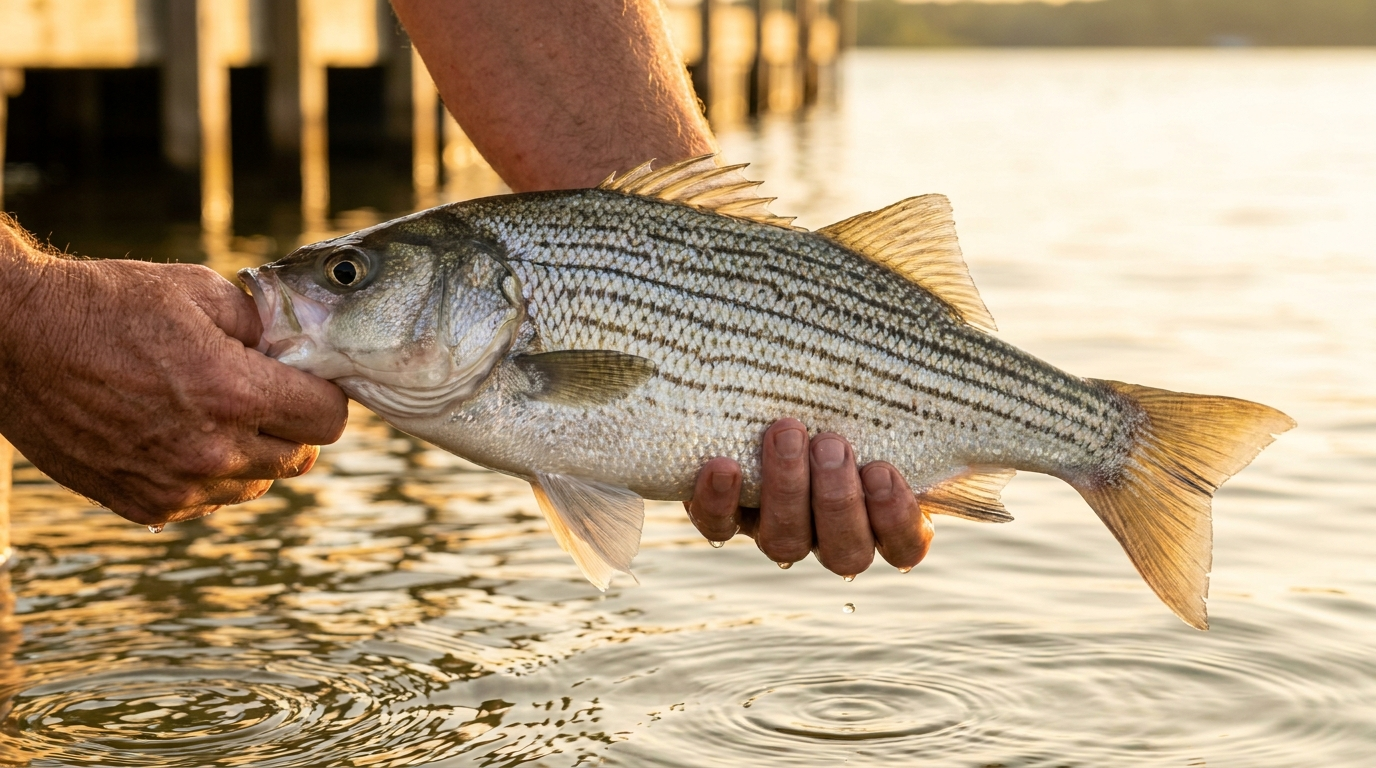
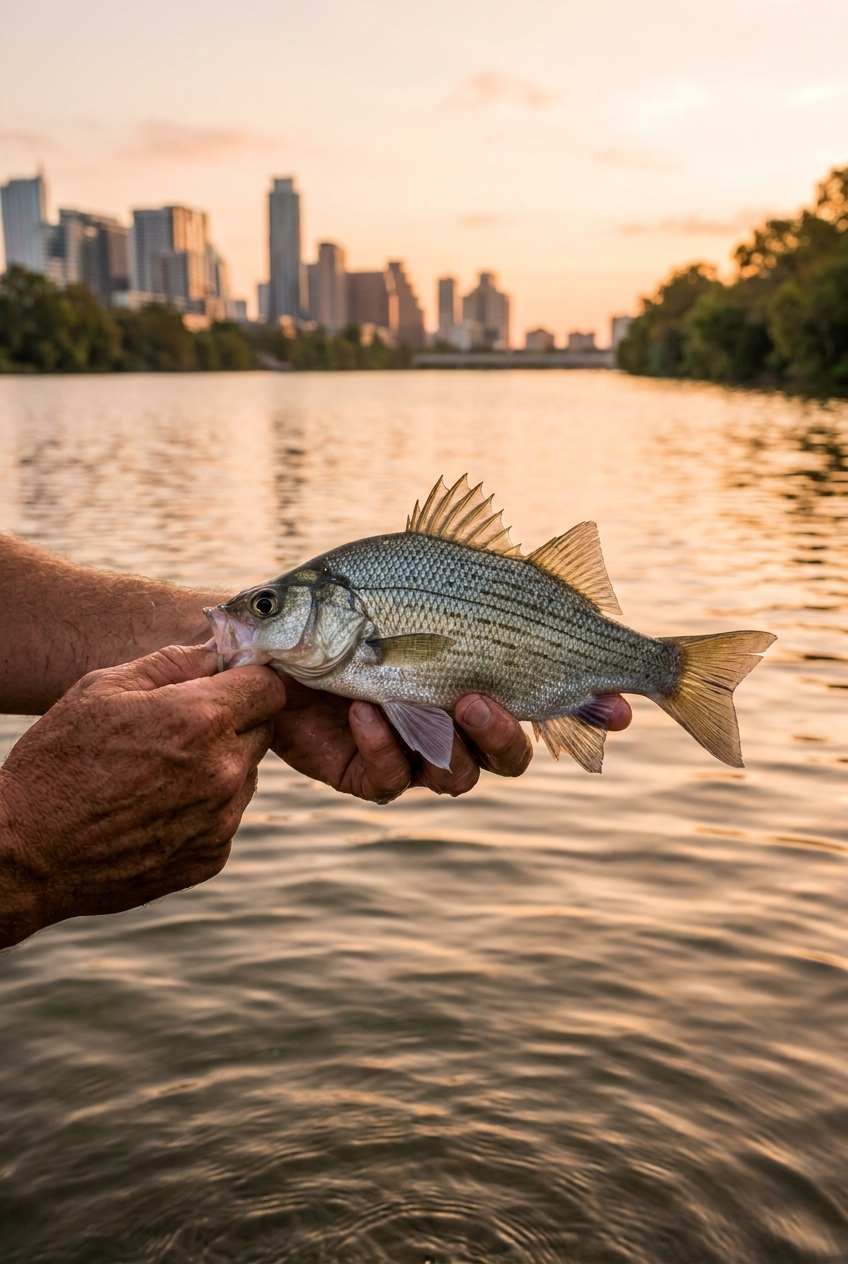
White bass are present in Lady Bird Lake as part of the Colorado River's native fish community and produce short but intense seasonal fishing opportunities. Spring white bass runs, when fish move upstream from larger water to spawn, can produce excellent action near the Congress Avenue Bridge and in the main channel of Lady Bird Lake. White bass schooling activity in spring draws anglers who target the surface-feeding schools with small jigs and spinners. The spring white bass run on Lady Bird Lake is typically brief (two to four weeks in late February through March) but highly concentrated and accessible from shore along the Town Lake Hike and Bike Trail. Small white and chartreuse jigs worked in the current near the bridge structure and the main channel are the most effective presentations during the run. White bass outside of the spring run are caught incidentally while bass fishing with crankbaits and jigs. TPWD white bass regulations apply to Lady Bird Lake: verify current bag limits at tpwd.texas.gov.
Lady Bird Lake Catfish Fishing Report
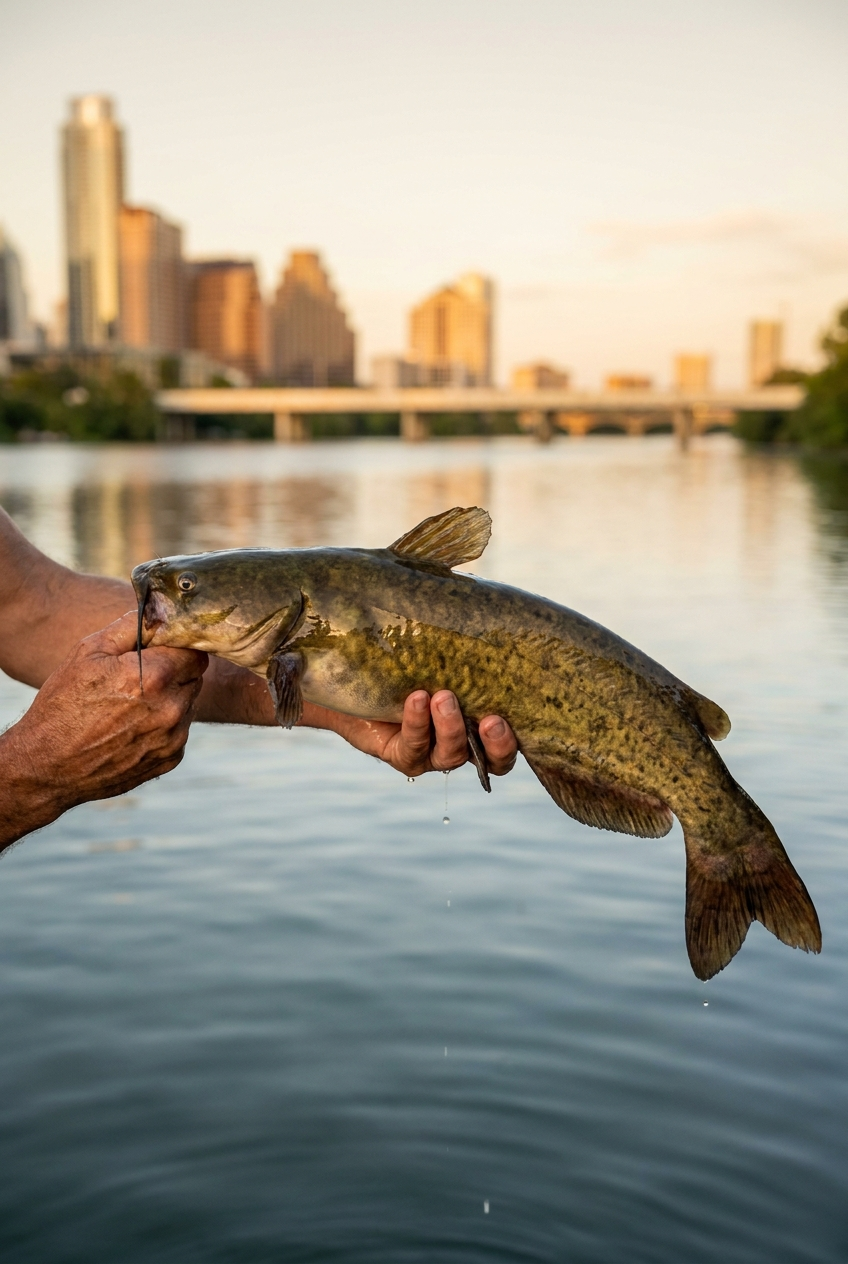
Channel catfish and blue catfish are present throughout Lady Bird Lake, with catfish representing one of the most commonly caught species by shore anglers fishing the hike-and-bike trail. The deeper sections of the main channel, the area near the Longhorn Dam, and the muddy bottom of the Barton Creek arm hold consistent catfish populations. Night fishing with cut bait, chicken liver, and prepared catfish baits on the bottom produces catfish year-round on Lady Bird Lake. Shore fishing for catfish is one of the most accessible fishing activities on Lady Bird Lake, with the extensive Town Lake Hike and Bike Trail providing miles of bank access for anglers with a rod and bait. The area near the Longhorn Dam and the deeper water near the Congress Avenue Bridge produce the largest catfish. Lady Bird Lake catfish grow to quality sizes given the lake's protected status and the abundant forage base of shad, carp, and invertebrates. TPWD catfish regulations apply: verify current bag limits at tpwd.texas.gov.
Lady Bird Lake Carp Fishing Report
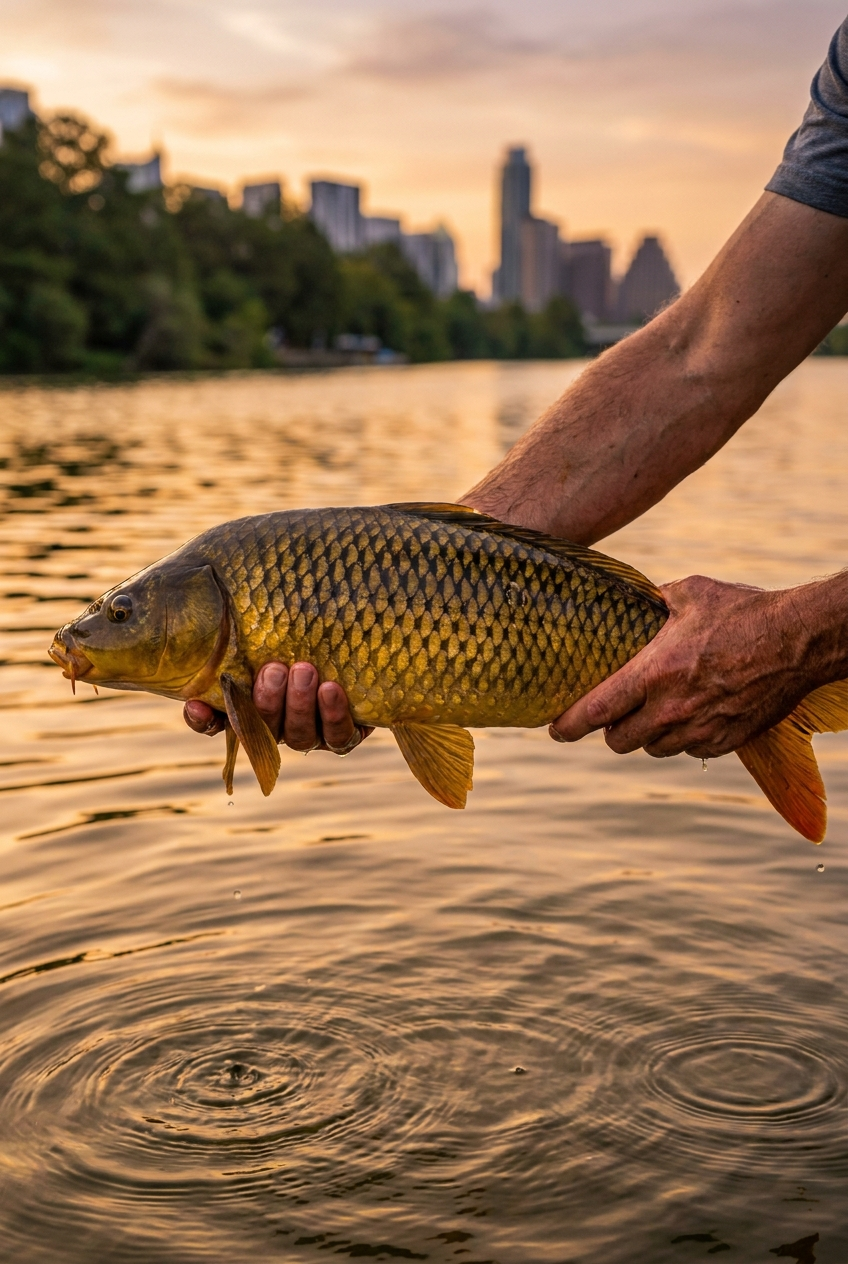
Common carp are abundant throughout Lady Bird Lake and have become a target for a dedicated community of fly anglers and light-tackle specialists who sight-fish for them in the shallower areas of the lake. Carp in urban Lady Bird Lake can reach 20 to 30 pounds and are notoriously challenging to catch on hook and line, making them a legitimate sporting challenge. The shallower western end of the lake near Barton Springs and the Lamar Boulevard bridge area hold large carp that can be observed feeding near the surface and in the shallows. Carp fishing on Lady Bird Lake requires stealth and a precise presentation: fly anglers use carp flies, worm imitations, and midge patterns presented directly to individual fish. Conventional anglers use small dough balls, corn, and nightcrawlers presented near bottom feeding carp. The early morning and evening periods when carp are most visible and active in the shallows are the best times to target them. Lady Bird Lake carp fishing has attracted a dedicated local following from Austin's fly fishing community. TPWD carp regulations apply: verify at tpwd.texas.gov.
For fishing heavy cover after Largemouth Bass, I run 50-65lb braid. Zero stretch means you feel every bite and you can pull fish out of structure before they wrap you. Reaction Tackle is where I restock. Their low-vis green disappears in most water conditions.
Top Fish to Target in Lady Bird Lake
Lures for Lady Bird Lake
Tackle matched to this lake's species and structure.
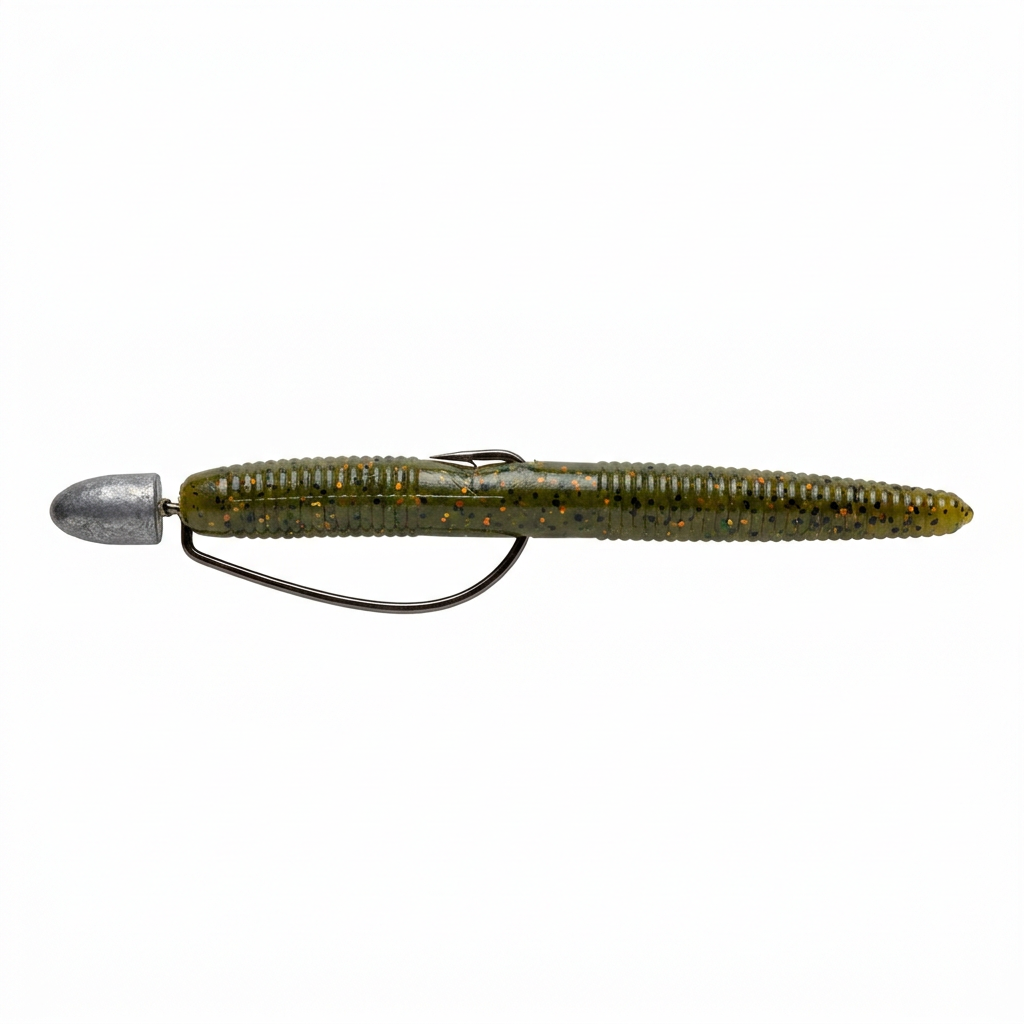
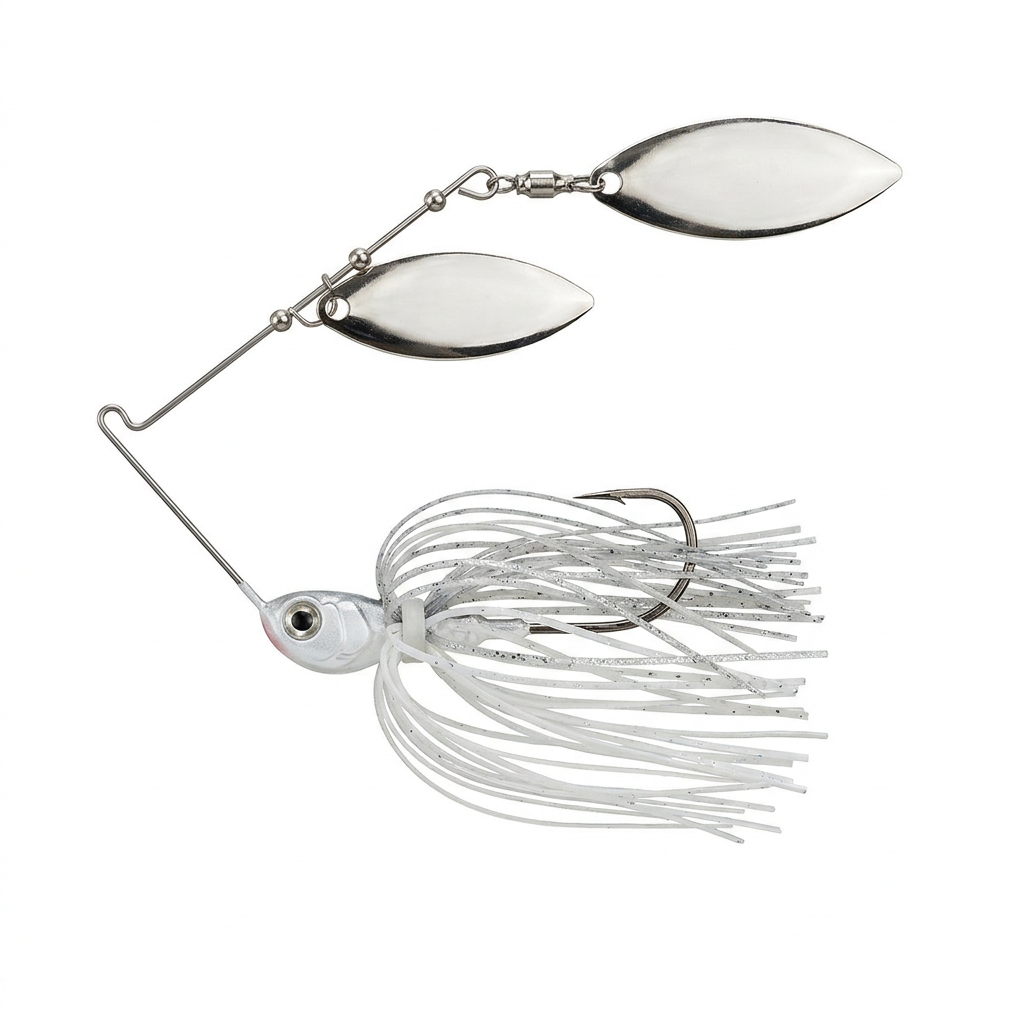
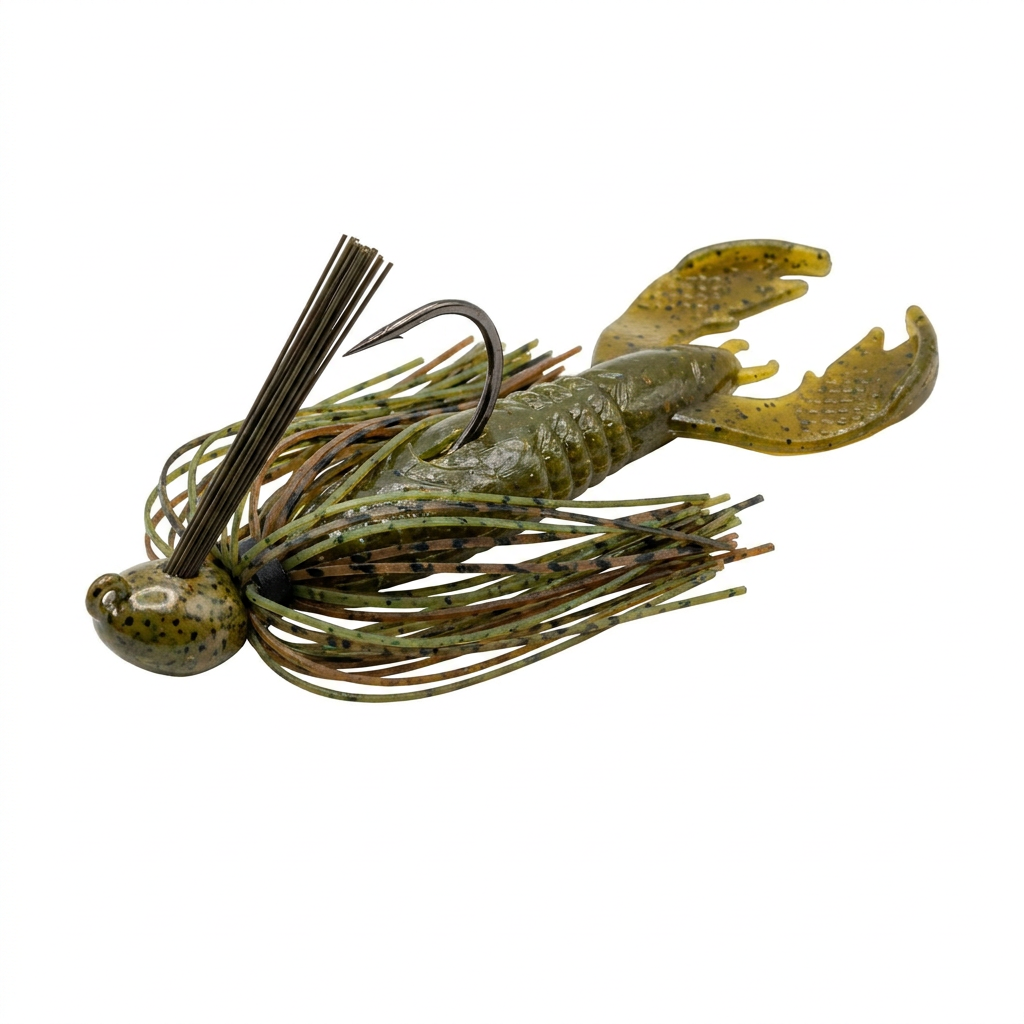
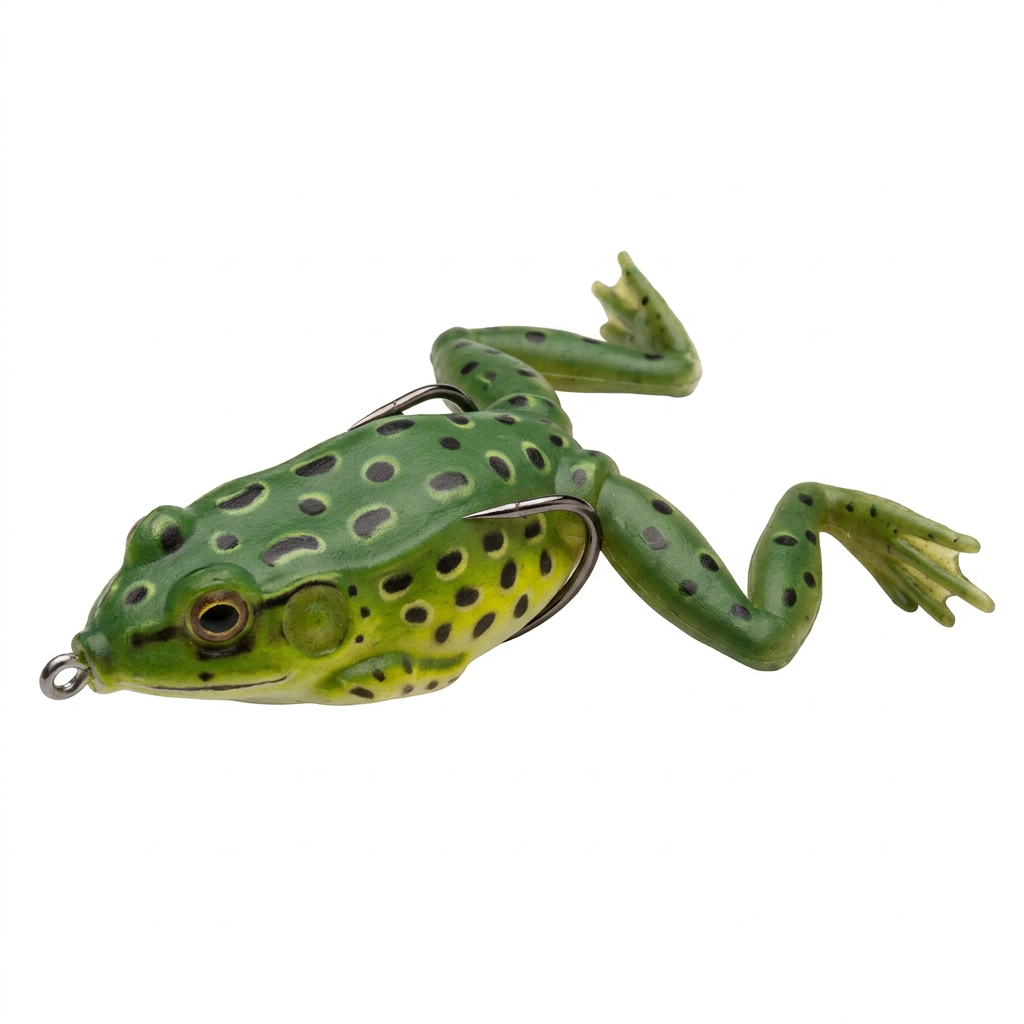
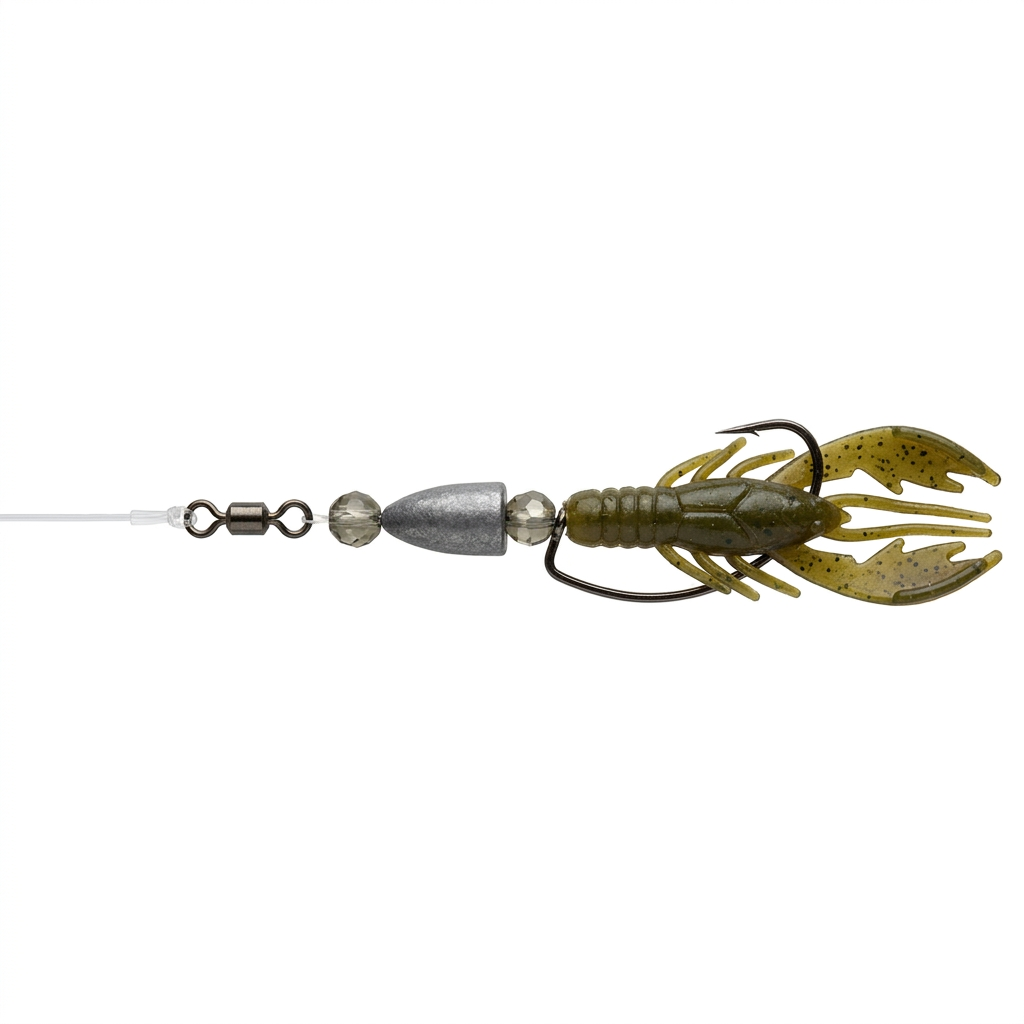
Worth checking before any trip: your line. Old braid gets brittle at the tag end and loses sensitivity over time. I rotate mine every season. Reaction Tackle is where I order from when it's time to restock.
About Lady Bird Lake
Lady Bird Lake is one of the most unusual fishing destinations in Texas - an urban reservoir that runs through the heart of downtown Austin, bordered by some of the most valuable real estate in the state, with stand-up paddleboarders, kayakers, and joggers sharing the water and trail with bass anglers. Formerly called Town Lake, the reservoir was renamed in honor of Lady Bird Johnson in 2007 following her death. The lake was created by Longhorn Dam on the Colorado River in 1960.
No motorized boats and catch-and-release bass. The City of Austin prohibits motorized watercraft on Lady Bird Lake, which means fishing is done from non-motorized kayaks, canoes, and paddleboards, or from the extensive shoreline trail. The catch-and-release bass designation protects the largemouth population from harvest, allowing fish to reach quality sizes. This combination has created one of the best urban catch-and-release bass fisheries in the country.
Barton Creek arm. The Barton Creek arm on the south side of Lady Bird Lake near Zilker Park is the most productive fishing area on the lake. Barton Creek flows from the Edwards Plateau, bringing clear, cool water and creating a productive transition zone where rock, wood, and vegetation provide ideal bass habitat. The Barton Springs Pool area and the lower Barton Creek Greenbelt are accessible to wade anglers from Zilker Park.
Access and fishing from shore. The Town Lake Metropolitan Park Hike and Bike Trail provides nearly continuous access around the lake for shore anglers. Multiple boat ramp alternatives do not apply since motorized boats are prohibited. Fishing from kayaks and canoes rented from local outfitters is the most effective way to access the dock structure and the mid-lake areas. An Austin-area kayak fishing guide service can provide equipment and local knowledge. Texas fishing license required: verify all regulations at tpwd.texas.gov.