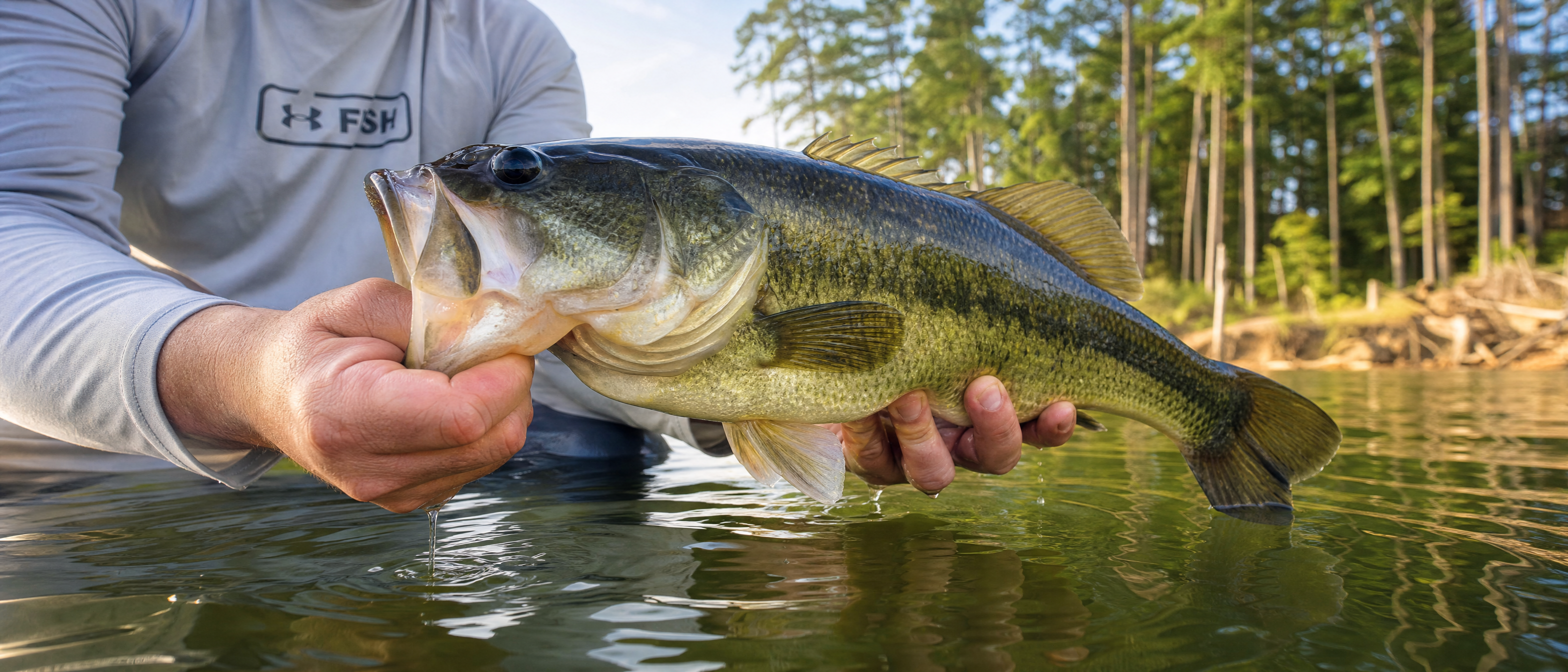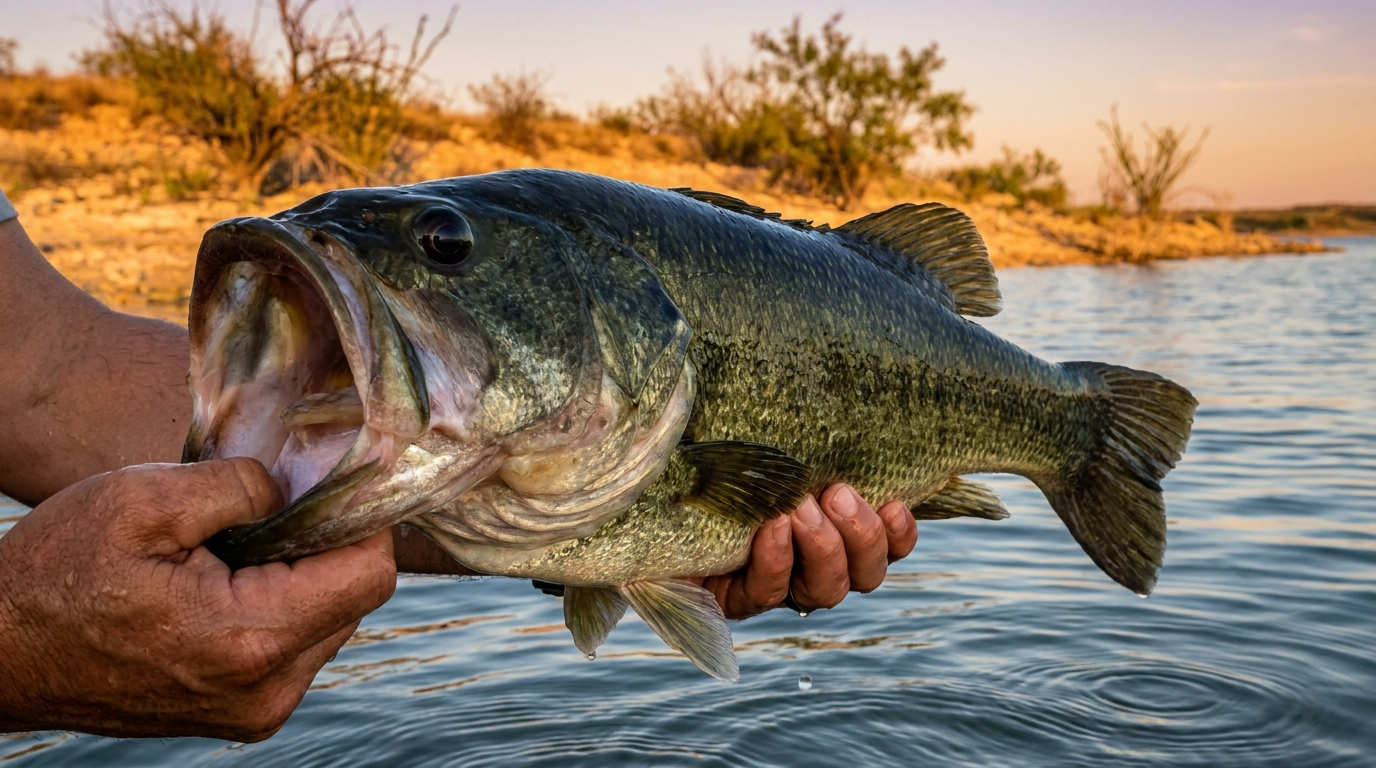
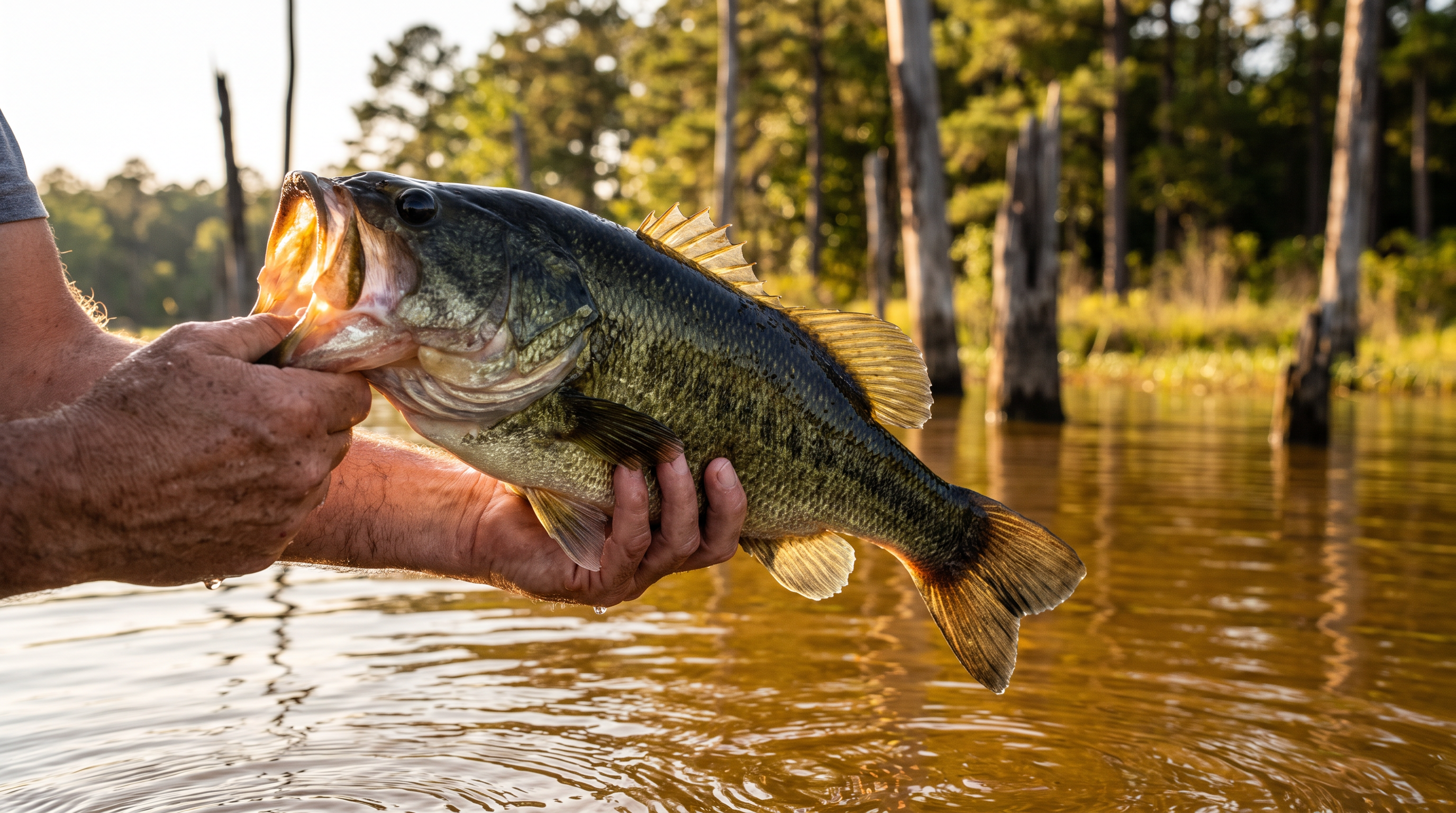
Lake Fork is my home water. I've logged more days on this lake than any other, and there's still nothing quite like watching a double-digit largemouth blow up a topwater in the standing timber at first light. If you fish one Texas lake in your lifetime, make it this one.
Today's Bite Score · October 8, 2026
Above average conditions worth planning a trip
🌘Waning Crescent
Lake Fork Fishing Report
Updated October 2, 2026Synthesized from current fishing reports · Updated weekly
Lake Fork is in excellent shape this week despite running 4 feet low, and guides are reporting the fishing has been productive. Water temperatures are currently in the mid to upper 70s, which is higher than normal for this time of year as summer lingered into fall. Visibility is running about 2 to 3 feet in most areas. The lake's low level actually works in anglers' favor right now, condensing bait and bass into tighter zones and helping speed up the fall turnover process. Matted vegetation is visible throughout many areas due to the summer evaporation, creating excellent cover.
Anglers are finding success with multiple techniques this week, with topwater fishing producing explosive strikes early in the day. Main lake points and secondary points have been the most consistent producers, though schooling action is also showing up in the backs of creeks and coves as water cools. Shallow running crankbaits in 2 to 6 feet of water are working well in areas with grass, timber, and baitfish concentrations. For finicky fish, guides are reporting that drop shot rigs, Texas rigs, and Carolina rigs have been extremely effective. On windy days, swim baits worked directly against the bank are producing quality fish. Deeper structures including humps, roadbeds, and ridges at 16 to 24 feet are also holding bass right now.
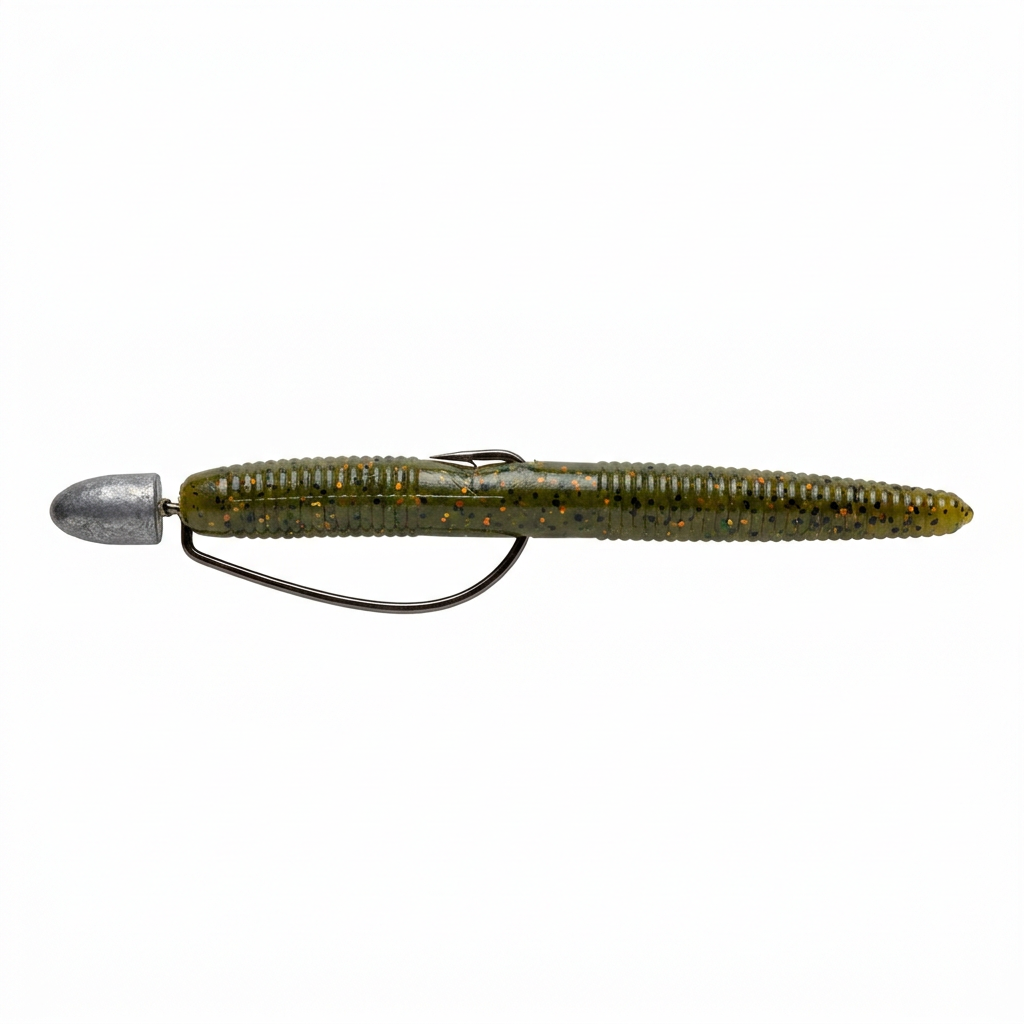
Specific baits working this week include Berkley topwater lures like the J Walker, Bullet Pop, and Choppo in bone, white, and shad colors. Lipless crankbaits such as the Warpig and Square Bull are producing consistent bites in the shallows. For swim baits, gizzard shad, pearl, and Tennessee shad patterns are best. Texas rigged worms in blue fleck, June bug, plum, and black/blue remain reliable choices around grass and timber. On drop shot setups, anglers are having success with 10 to 12 pound test braid paired with fluorocarbon leaders and finesse baits. Carolina rigs with 3/4 to 1 ounce tungsten weights and four-foot leaders are the go-to for deeper structure.
Get More Fishing Report Specifics
Tap a topic button below for a report on current conditions.
Tap a topic above to get a current report for Lake Fork.
Answers are generated on demand and cached. No AI call fires until you tap a tab.
Lake Fork Fishing Guides
Looking for a Lake Fork fishing guide? The 16–24 inch slot limit has built a population of true giants, but the standing timber and seasonal movement patterns on 27,000+ acres reward anglers who fish with someone who's on the water every single week. Go here → to check out our recommended fishing guides for Lake Fork. Then scroll down on that page to see all of the Lake Fork fishing guides.
Lake Fork Fishing Strategies by Species
Seasonal patterns and techniques by target species · Verified against official sources
Largemouth bass, crappie, and channel catfish drive the majority of angling effort on Lake Fork year-round. Spring is the prime bass season: fish stage on the Caney Creek arm and Rocky Point transitions in April and May before moving shallow to spawn, and crappie stack on timber in 12 to 20 feet through March. The Texas Parks and Wildlife slot limit (16 to 24 inches, keep only one over 24 inches) is the regulation that defines how anglers fish Fork: it is a trophy fishery managed for big fish, not harvest, and it is the reason Lake Fork holds 36 of the 50 largest largemouth bass ever recorded in Texas.
Lake Fork Bass Fishing Report
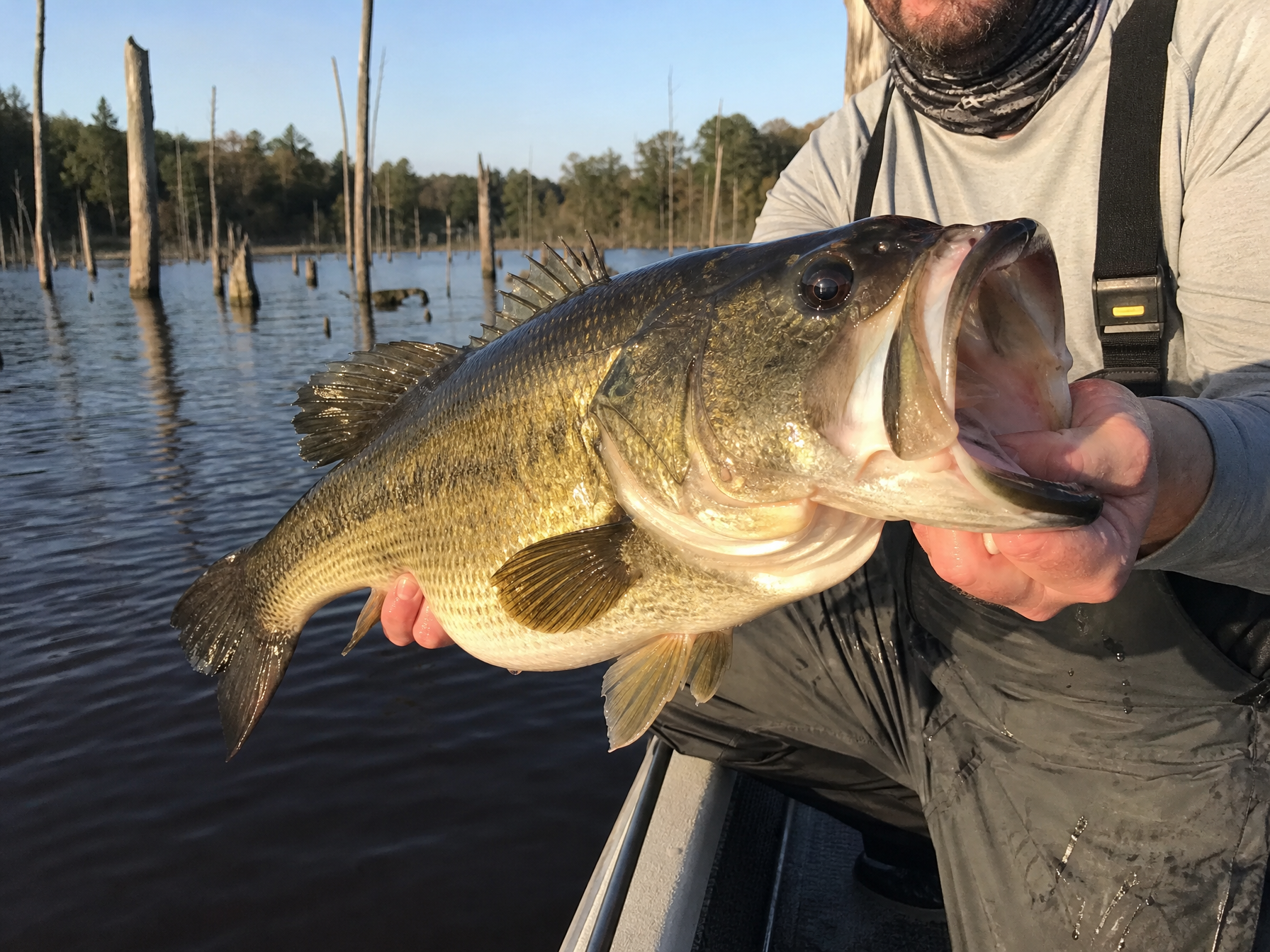
Lake Fork holds 36 of the 50 largest largemouth bass ever recorded in Texas, including the state record of 18.18 pounds, caught by Barry St. Clair on January 24, 1992. TPWD stocked 732,514 Florida-strain largemouth bass between 1979 and 1987 and continues stocking to the present. A protected slot limit requires releasing all bass between 16 and 24 inches immediately, with a limit of one bass 24 inches or larger per day. The slot limit is not incidental. It is the reason Fork keeps producing. The 16-24 inch range is the fastest-growing size class, and every bass the slot protects has the genetics and time to reach double digits. Anglers who know Fork fish specific geography, not general areas. The Caney Creek arm on the north end holds bass through most seasons, with timber lines and channel swings concentrating fish from 8 to 18 feet depending on water temperature. The Highway 17 bridge riprap on the east side is one of the most reliable winter spots on the lake. Largemouth stack against the rock face during cold fronts and hold there until temps climb back into the low 50s. The Rocky Point area and the points flanking Horseshoe Bend produce consistently in spring as fish stage before moving into protected spawning coves. On the northwest side, the standing timber off Bass Farm Creek holds summer fish deep, typically 15 to 25 feet on structure breaks. Fall pushes fish back shallow as cooling water triggers an active feeding response. The back ends of major creek arms and the edges of shallow flats adjacent to deep timber are the first places to check.
Lake Fork Crappie Fishing Report
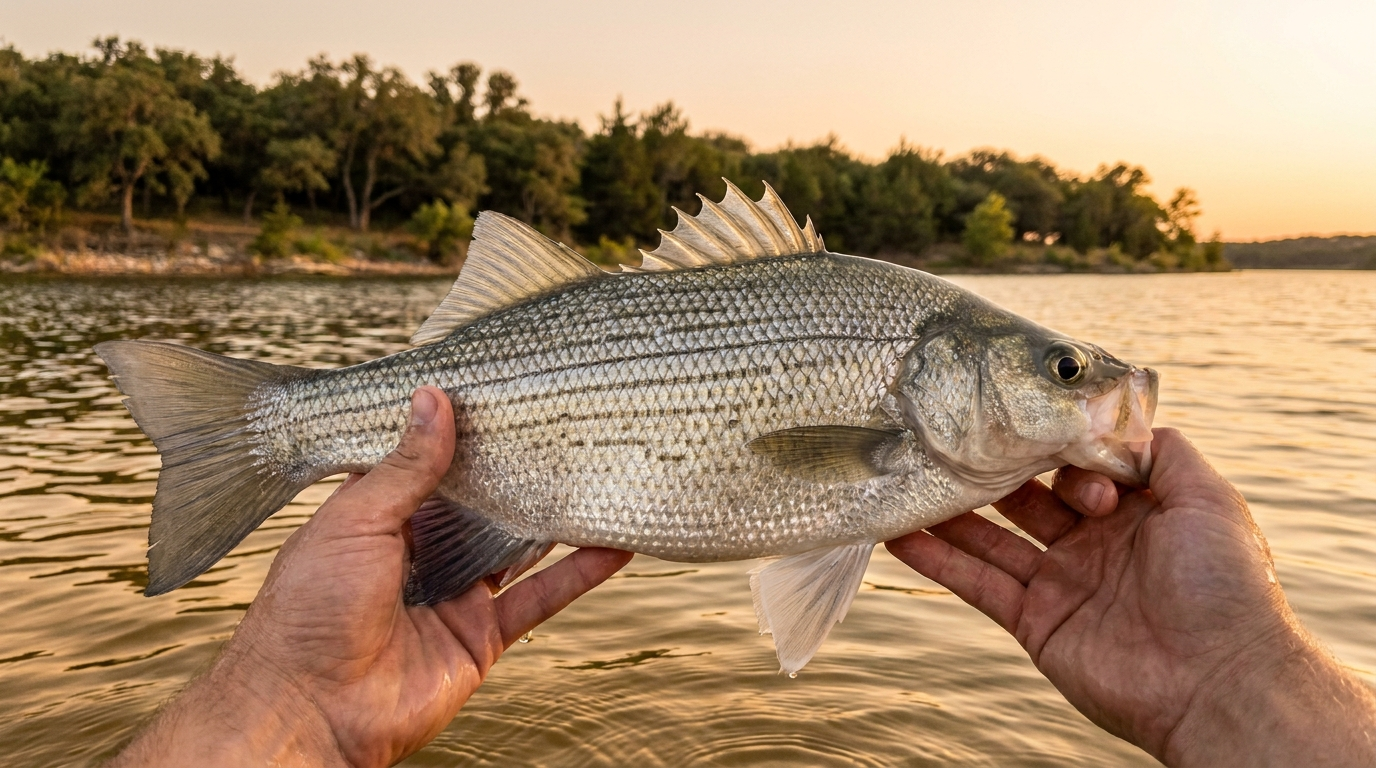
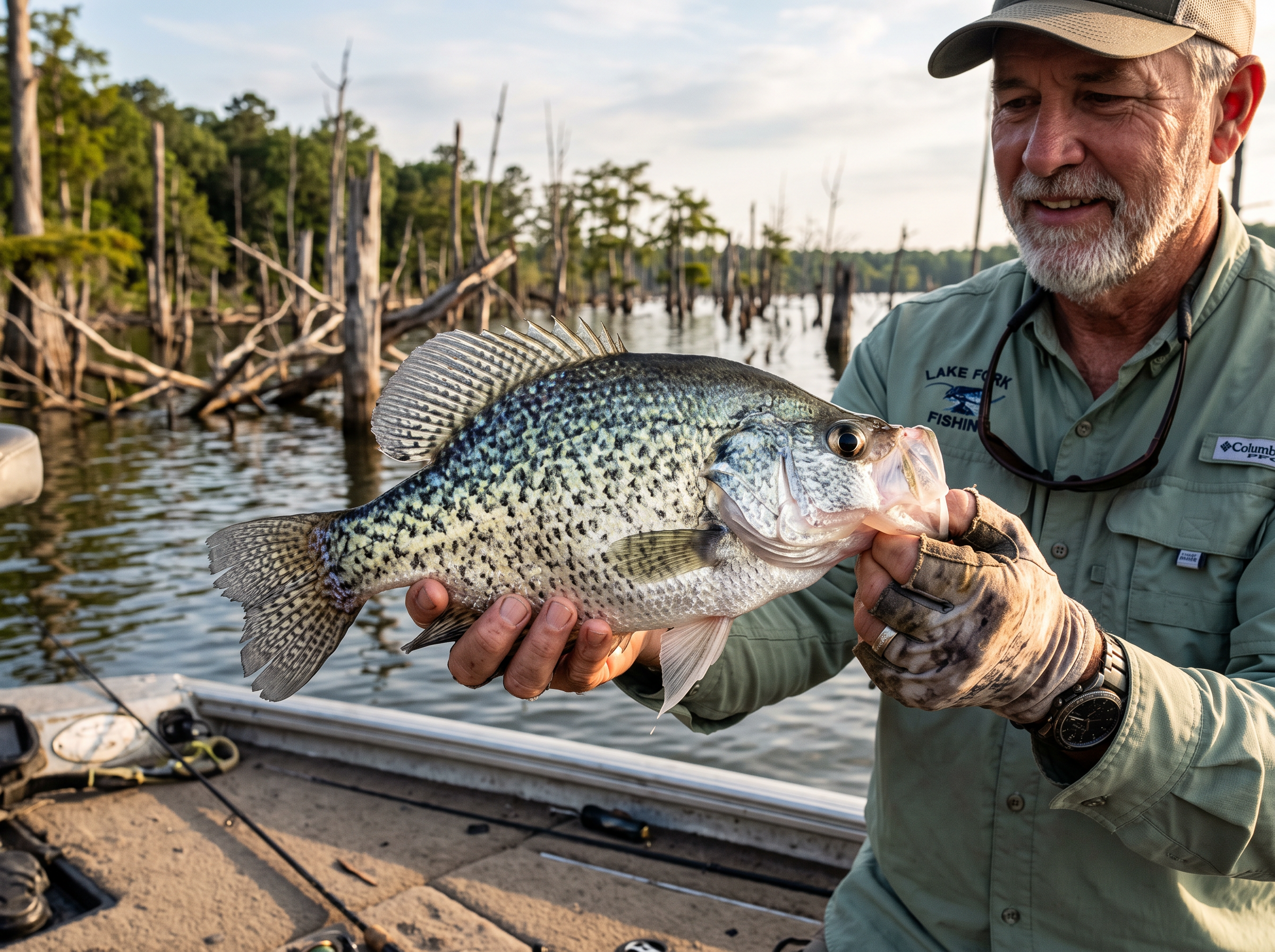
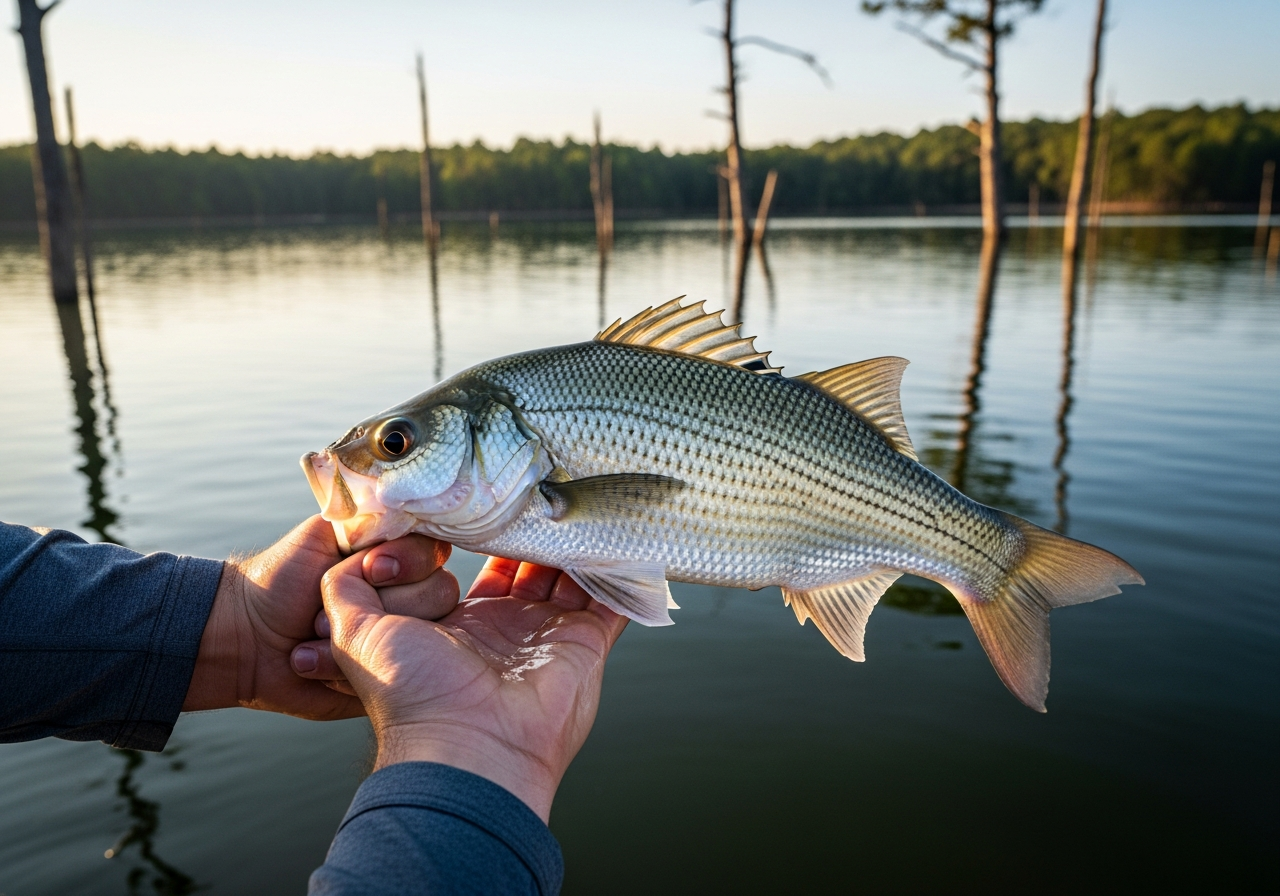
Both white and black crappie are present with a Good rating from TPWD. Lake Fork's standing timber fields and bridge pilings (particularly the crossings on Highway 17 and FM 515) hold crappie through most of the year. Fishing is most consistent from November through March when fish stack tight to deeper timber, typically in 12 to 20 feet. The submerged timber fields on the south end toward the dam hold crappie through summer in deeper water where temperatures stay tolerable. Vertical jigging with small plastics or live minnows around timber is the standard approach. Crappie fishing on Fork draws far less pressure than the bass fishery, which keeps catches consistent for anglers willing to work the structure.
Lake Fork Catfish Fishing Report
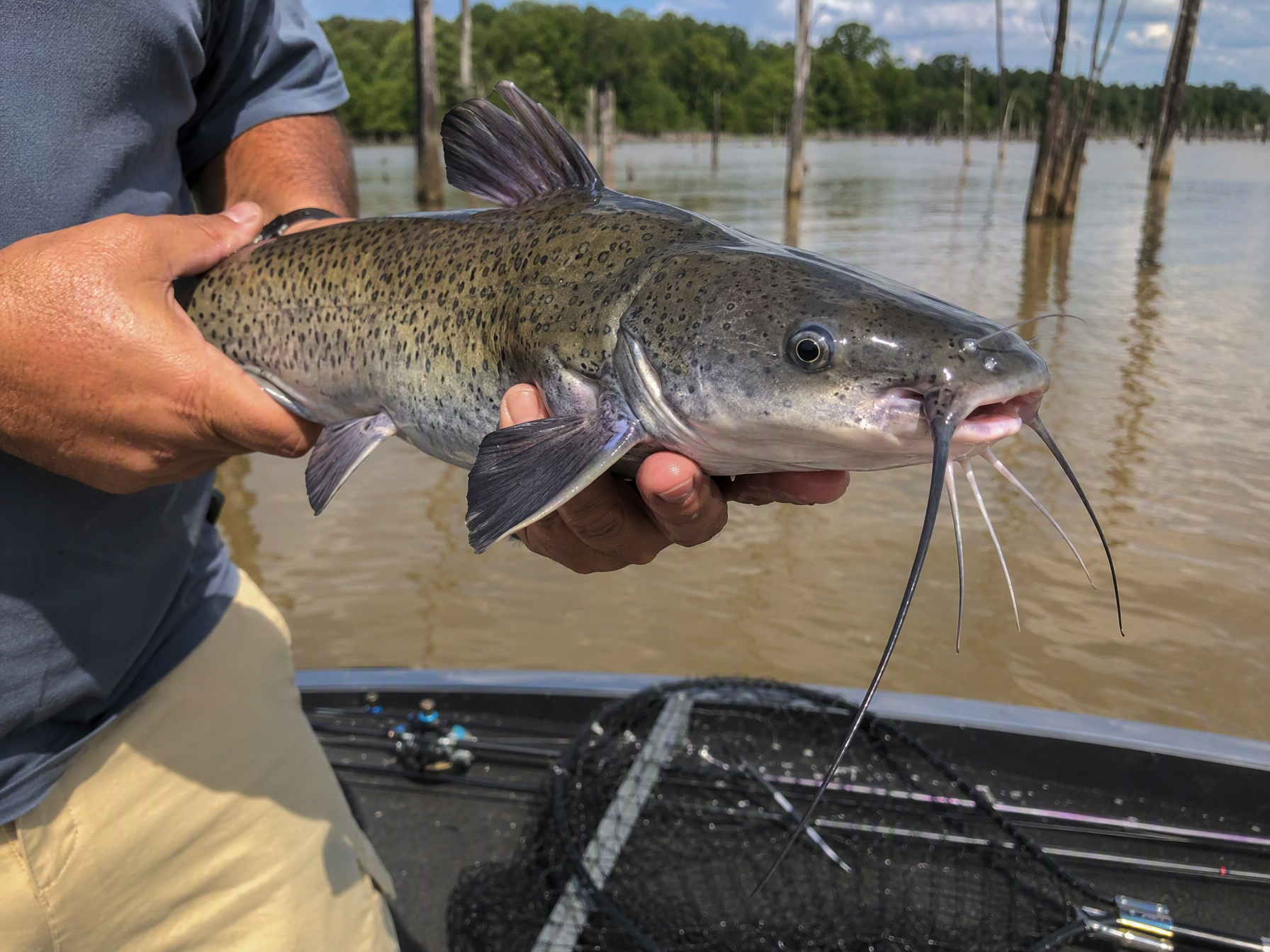
Channel catfish are rated Excellent by TPWD and provide a reliable year-round fishery. Blue catfish and flathead catfish are also present. Cut bait fished on heavy bottom rigs in the deeper channel areas. The main Lake Fork Creek channel running through the southern half of the lake is the primary producer. It holds fish through the summer when the bass bite slows during midday heat. Night fishing near creek channel confluences and main lake points, including the area around the mouth of Caney Creek, is the standard approach for serious catfish anglers. The catfish fishery is often overlooked given the lake's reputation, but the numbers are genuinely strong.
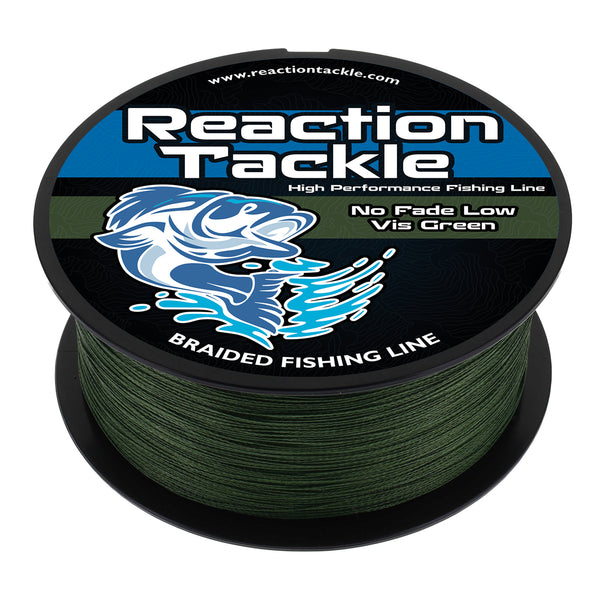
Before you head out, check your line. If it's been sitting on the reel all winter or has seen a lot of rocks and timber, it's worth replacing before a serious trip. I order most of my braid from Reaction Tackle and have been happy with it.
Top Fish to Target in Lake Fork
Lures for Lake Fork
Tackle matched to this lake's species and structure.
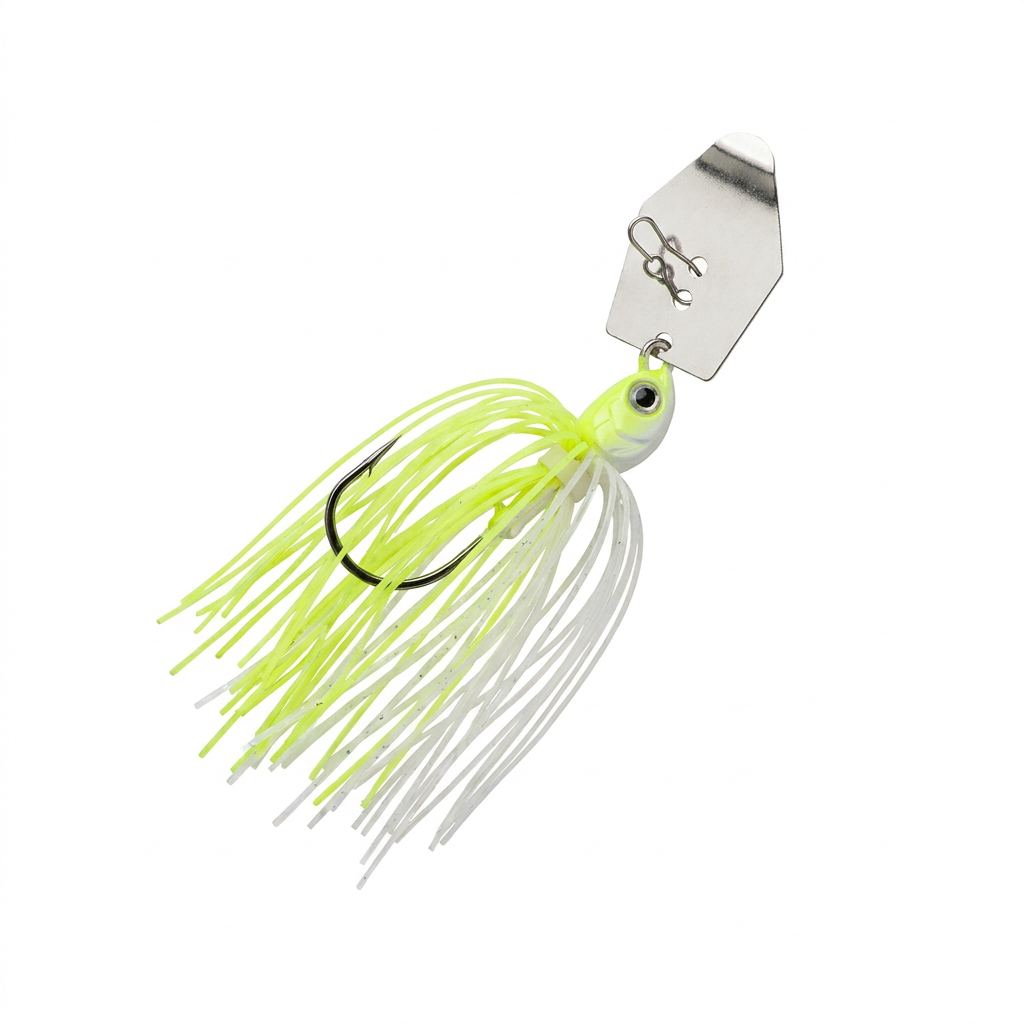
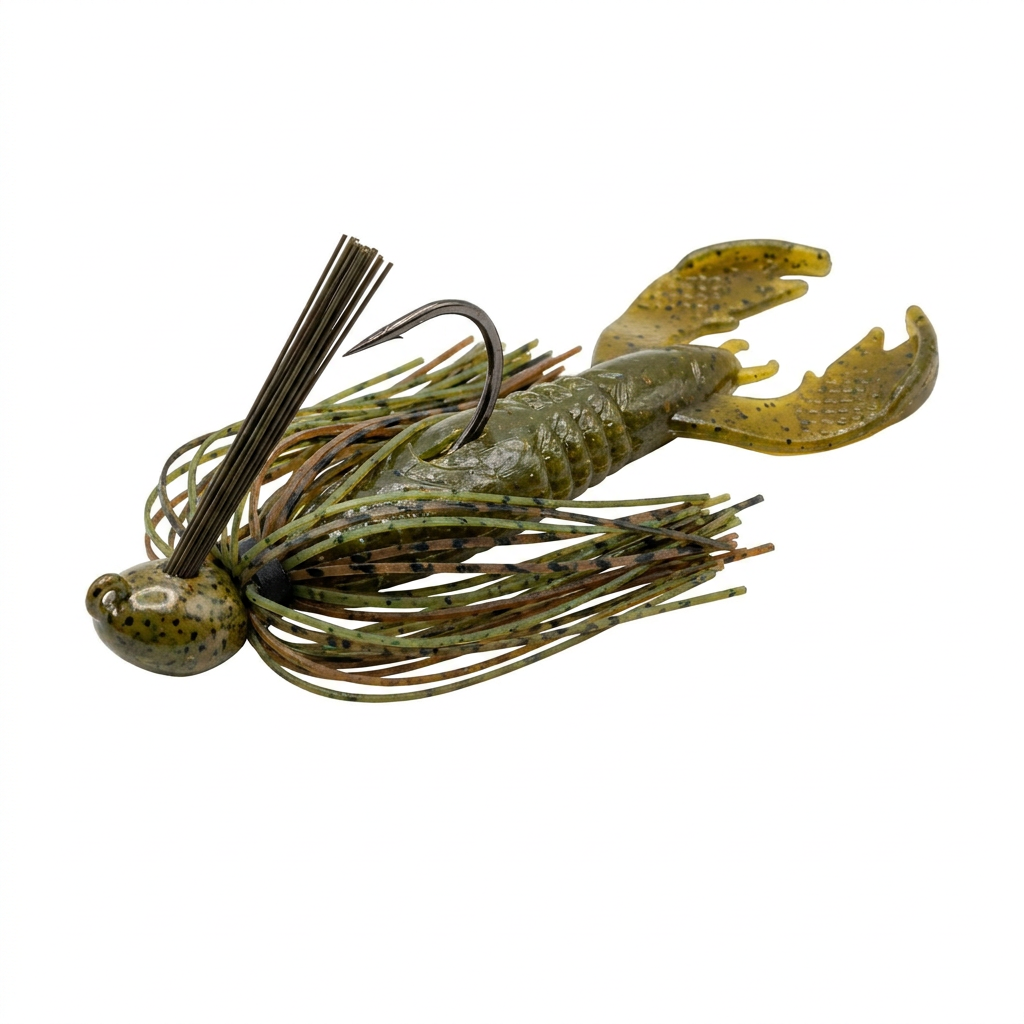
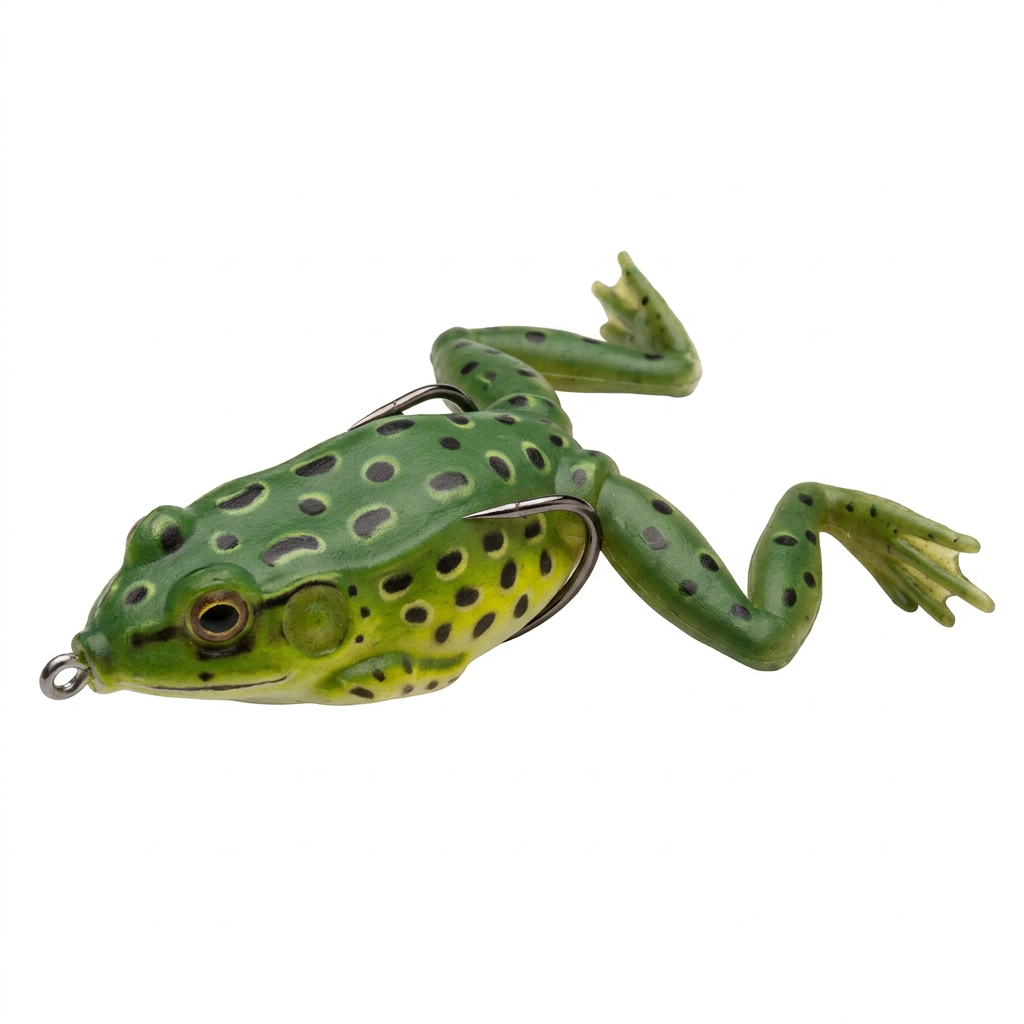
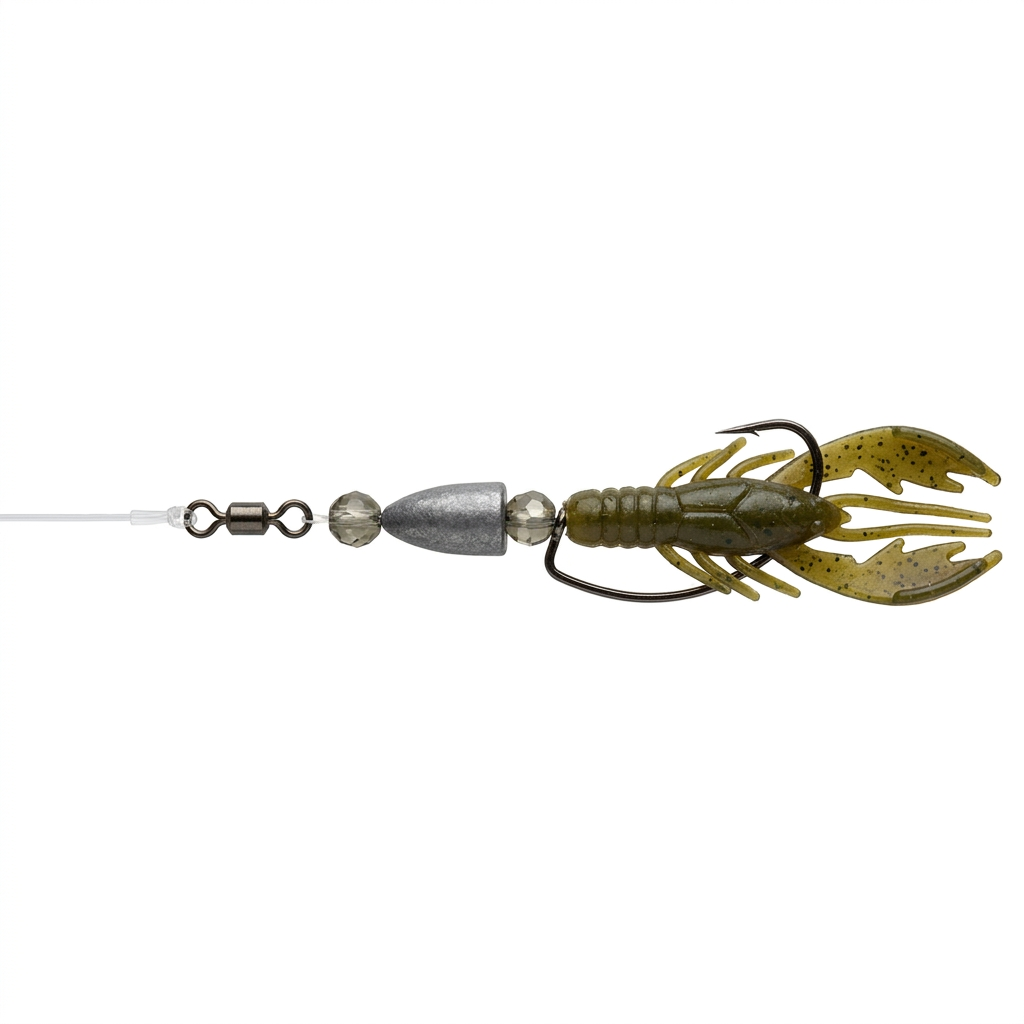
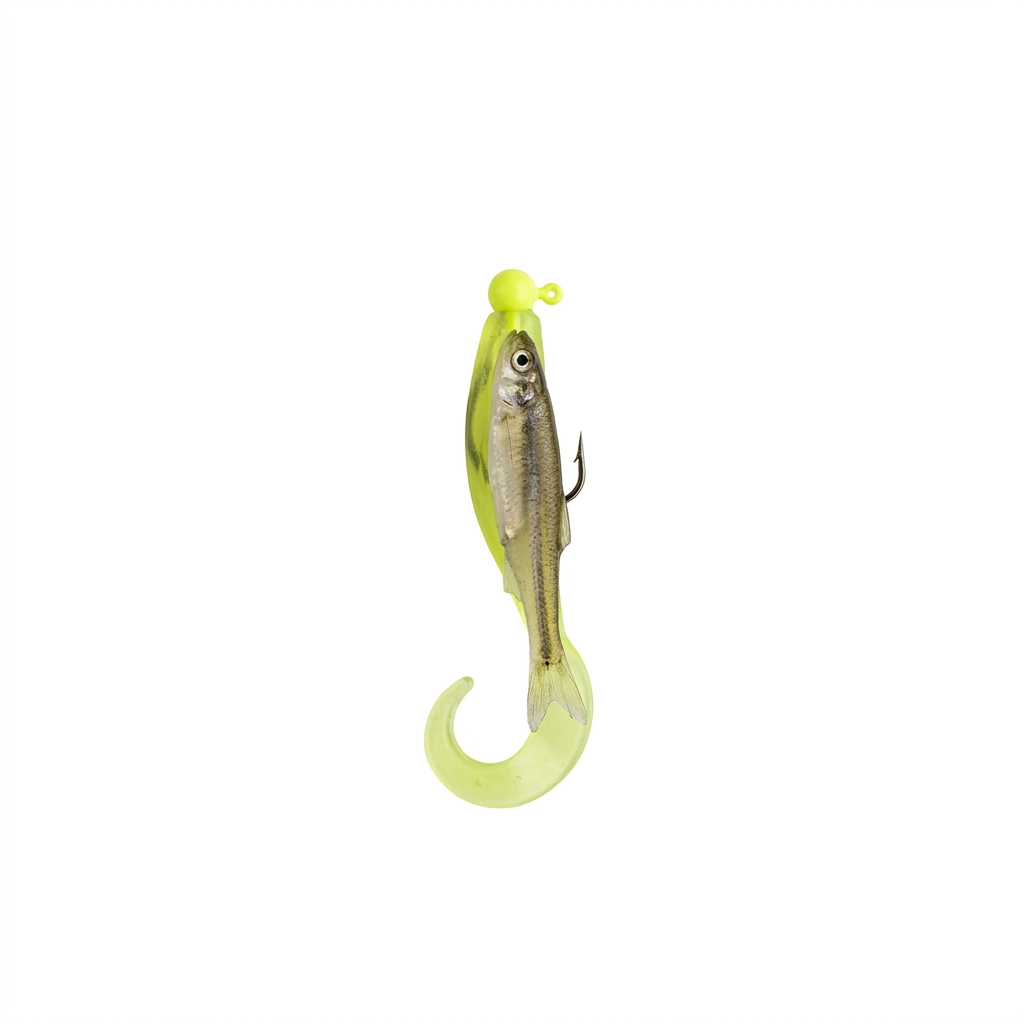
One thing I always check before a big trip is my main line. For most of the presentations that work here, you want braid. The sensitivity makes a real difference, especially when fish are finicky. I've been ordering from Reaction Tackle for a while now and haven't looked back.
About Lake Fork
Lake Fork is my home water and the lake I've spent more time on than any other. There is nothing quite like watching a double-digit largemouth blow up a topwater in the standing timber at first light: my dad and I have had that experience more than once on Fork, and it never gets old. I will say this: even after all the time I've put in here, the best trips I've had on this lake have usually involved a guide. The timber is thick, the fish move with the seasons, and the guides who fish Fork every week know exactly where the big ones are holding. If you're serious about a trophy, book a guide. The fishing reports on this page will get you oriented: but a local guide is worth every penny.
Lake size and depth. Lake Fork covers 27,264 acres with roughly 315 miles of shoreline. It reaches a maximum depth of 70 feet near the dam. The surrounding terrain is East Texas piney woods and hardwood bottomland along the Sabine River basin.
Location. The lake sits about 70 miles east of Dallas on Lake Fork Creek, a tributary of the Sabine River. It spans Wood, Hopkins, and Rains counties. The nearest towns are Quitman, Alba, Emory, and Yantis.
Bass regulations. Lake Fork operates under a protected slot limit for largemouth bass. All bass between 16 and 24 inches must be released immediately. Anglers may keep one bass 24 inches or longer per day. The standard statewide daily bag limit of five bass applies otherwise. These rules have been in place for decades and are the primary reason the lake continues producing trophy-class fish.
Lake history. The Sabine River Authority dam closed in February 1980. TPWD stocked 732,514 Florida-strain largemouth bass between 1979 and 1987 and has continued stocking to the present. The decision to leave approximately 80 percent of the lake's standing timber in place when it filled gave bass cover and ambush points at every depth. Within a decade of opening, Lake Fork was nationally known as a trophy bass destination. The Texas state record of 18.18 pounds, caught January 24, 1992, has stood since.