Amistad is one of those lakes where the combination of factors -- international border reservoir, clear warm water, rocky canyon structure -- produces fishing that surprises people the first time they see it. The largemouth bass fishery is genuinely world-class. The Devils River arm holds excellent smallmouth. The striped bass bite adds variety. 65,000 acres of the Rio Grande on the Texas-Mexico border with Del Rio 12 miles away. Just remember: crossing to the Mexico side of the border buoys requires a Mexican fishing license for everyone in the boat.
Today's Bite Score · October 8, 2026
Above average conditions worth planning a trip
🌘Waning Crescent
Lake Amistad Fishing Report
October FishingMonthly fishing report · October patterns and techniques
Lake Amistad in October presents evolving conditions as water temperatures begin to shift from summer peaks. Anglers visiting this month should be prepared for variable conditions as the lake transitions, with fish behavior changing in response to temperature and light patterns. Understanding these October conditions is key to locating active fish throughout the lake.
In October, anglers are finding several species responding to the month's environmental changes. Bass, catfish, and stripers remain accessible to dedicated anglers, though their locations and activity levels shift as the month progresses. Fish are adjusting their holding patterns based on depth and structure preferences that change with October's conditions, making depth and location awareness crucial for success this month.
The bite is most consistent when anglers focus on proven techniques and presentations. Live bait and standard lures continue to produce results in October, with success often depending on targeting the right depths and structures where fish are holding this month. Anglers should remain flexible in their approach, adjusting tactics based on daily conditions and fish activity levels encountered on the water.
Get More Fishing Report Specifics
Tap a topic button below for a report on current conditions.
Tap a topic above to get a current report for Lake Amistad.
Answers are generated on demand and cached. No AI call fires until you tap a tab.
Lake Amistad Fishing Guides
Looking for a Lake Amistad fishing guide? 65,000 acres of Rio Grande and Devils River canyon water with largemouth, smallmouth, and stripers all holding on different structure — Amistad is big, beautiful, and hard to learn without help. Here are 4 fishing guides for Lake Amistad that are worth checking out.
Lake Amistad Fishing Strategies by Species
Seasonal patterns and techniques by target species · Verified against official sources
Largemouth bass, smallmouth bass, striped bass, white bass, channel catfish, and blue catfish are the primary sport fish at Lake Amistad (Amistad Reservoir), a 65,000-acre international reservoir on the Rio Grande and Devils River in Val Verde County, Texas, approximately 12 miles northwest of Del Rio. The International Boundary and Water Commission completed Amistad Dam in 1969. The National Park Service manages Amistad National Recreation Area on the US side. The lake is jointly managed between the United States and Mexico; the international border is marked by numbered buoys following the historic Rio Grande channel. TPWD statewide regulations apply on the Texas (US) side: largemouth and smallmouth bass 14-inch minimum, 5-fish combined daily limit; striped bass and hybrid striped bass 18-inch minimum, 5-fish combined daily limit; channel and blue catfish 12-inch minimum, 25-fish combined daily limit (maximum 10 fish 20 inches or longer); flathead catfish 18-inch minimum, 5-fish daily limit; crappie 10-inch minimum, 25-fish daily limit. A Mexican fishing license is required for everyone in the boat when fishing the Mexico side of the border buoys. Verify current regulations at tpwd.texas.gov before fishing.
Lake Amistad Largemouth Bass Fishing Report
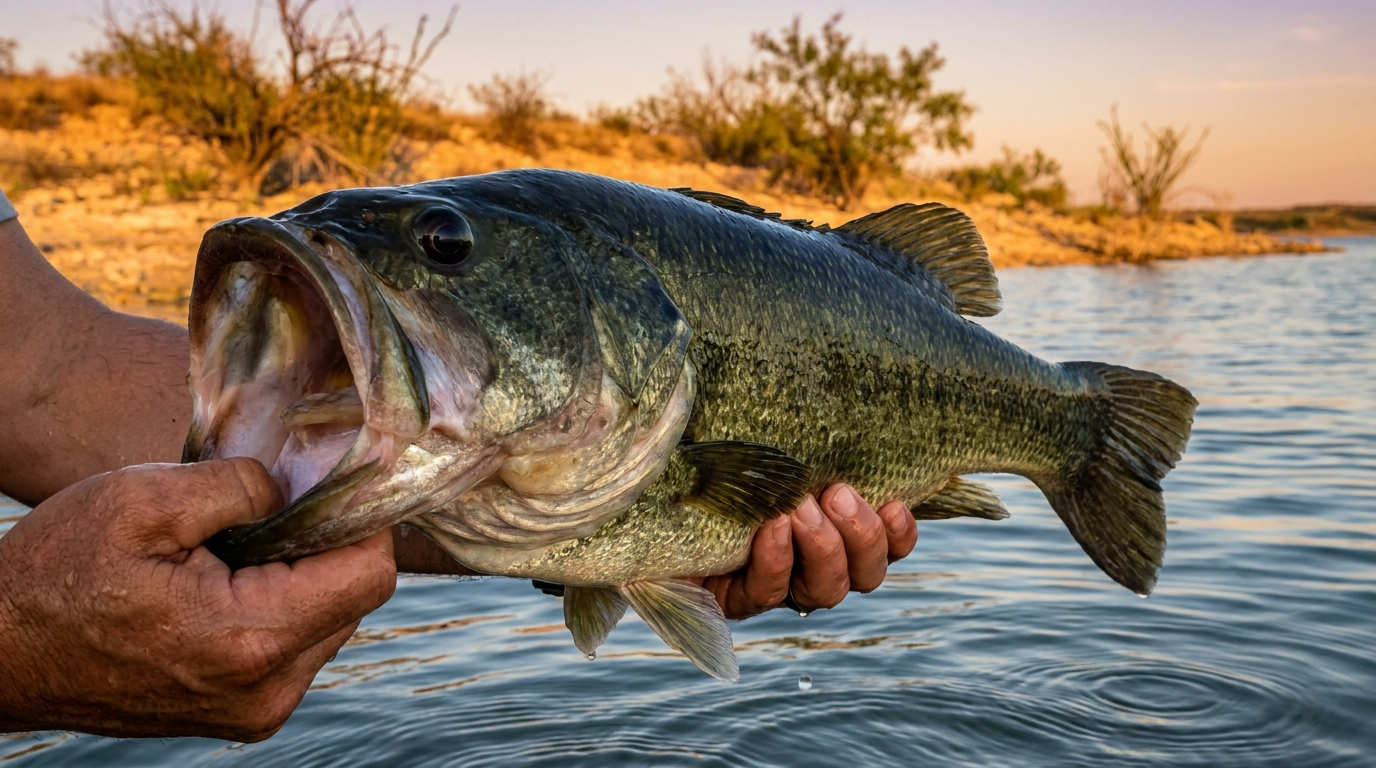
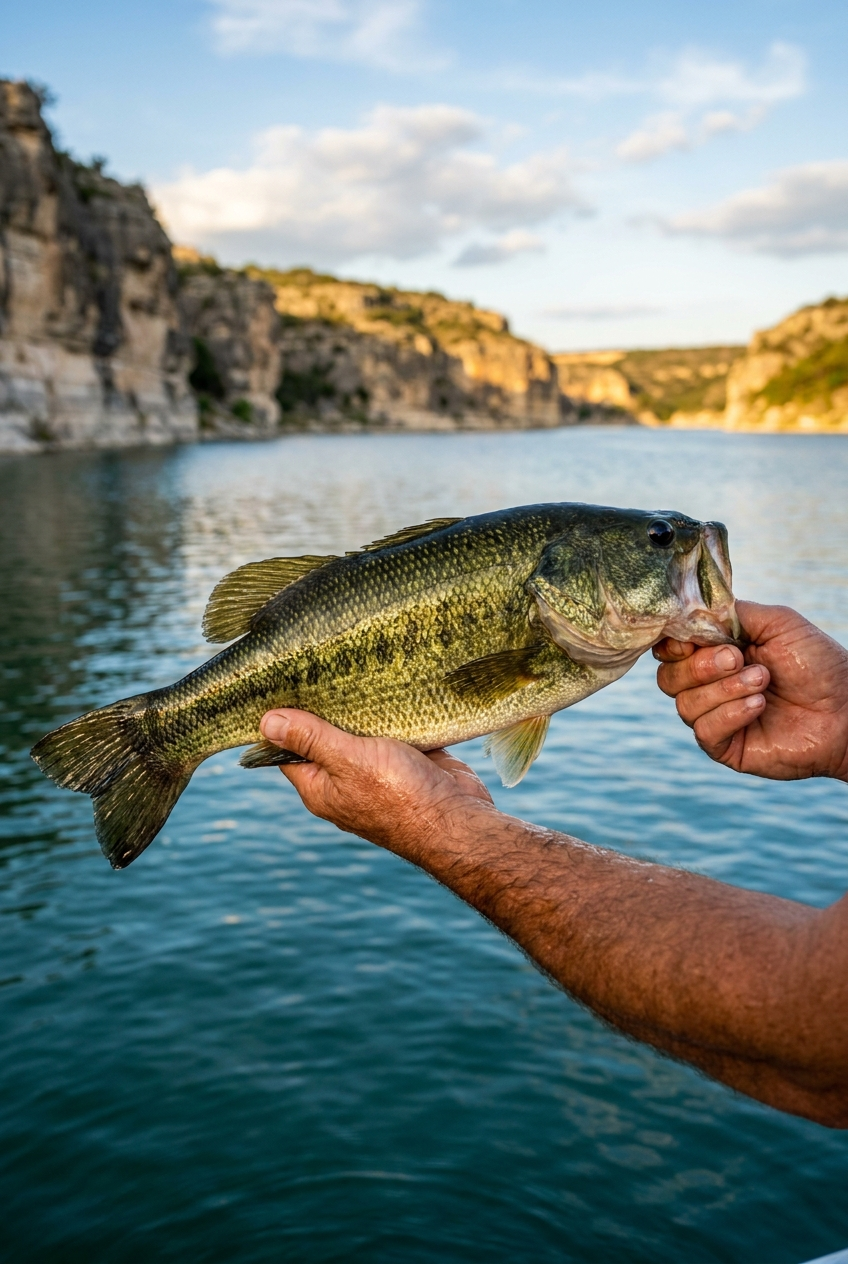
Largemouth bass at Lake Amistad are the primary draw for anglers who travel specifically to fish the reservoir. The combination of clear water, warm temperatures extending the growing season, and abundant rocky limestone structure produces large fish throughout the lake. The lake is consistently ranked among the top largemouth bass fisheries in Texas and the world. TPWD regulation: 14-inch minimum, 5-fish combined daily bag limit for all black bass. Verify current regulations at tpwd.texas.gov. Spring is the primary season, with prespawn fish staging on rocky main-lake points and submerged channel edges in March before moving into the protected coves and canyon pockets to spawn in April and May. The clear water at Amistad makes sight fishing during the spawn a genuine option when conditions align. Summer bass relate to the deeper rocky structure and the shade of submerged canyon walls in 15 to 25 feet. Crankbaits and drop shots worked along rocky transitions produce fish year-round. Fall crankbait and topwater fishing on the main-lake points and creek arm mouths produces actively feeding largemouth through November.
Lake Amistad Smallmouth Bass Fishing Report
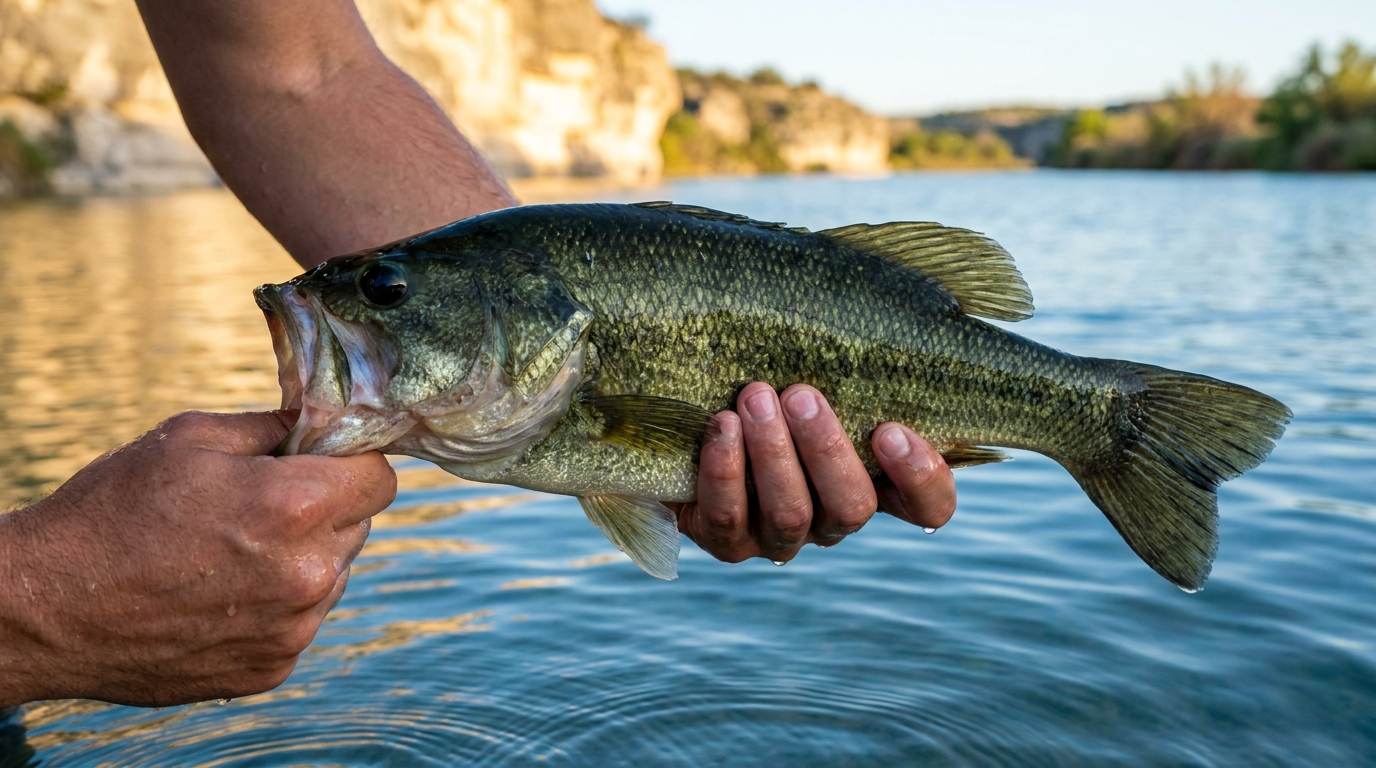
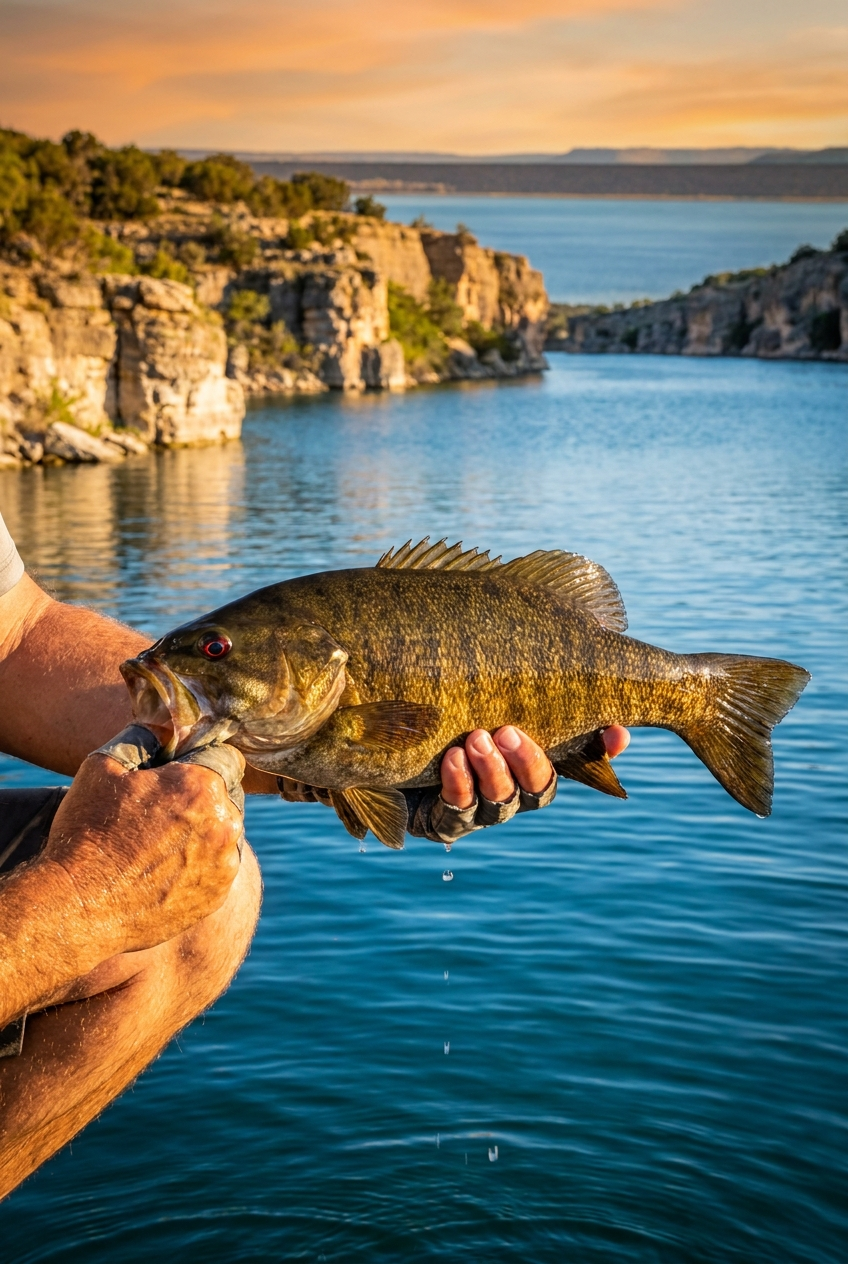
Smallmouth bass at Lake Amistad concentrate primarily in the Devils River arm of the reservoir, where cooler temperatures, current influence, and rocky canyon structure create ideal smallmouth habitat. The Devils River arm is considered one of the better smallmouth fisheries in southwest Texas. TPWD regulation: 14-inch minimum, 5-fish combined daily bag limit with all black bass. Verify current regulations at tpwd.texas.gov. Tube jigs, drop shots, and small crankbaits worked along the rocky canyon walls and submerged point transitions of the Devils River arm in 5 to 20 feet produce consistent smallmouth. Spring smallmouth fishing peaks in March and April as fish move to gravel and rock spawning areas adjacent to the deeper canyon structure. The rocky sections of the main lake near the Devils River confluence also hold smallmouth mixed with largemouth. Fall is productive as smallmouth move shallower to feed aggressively ahead of winter.
Lake Amistad Striped Bass Fishing Report
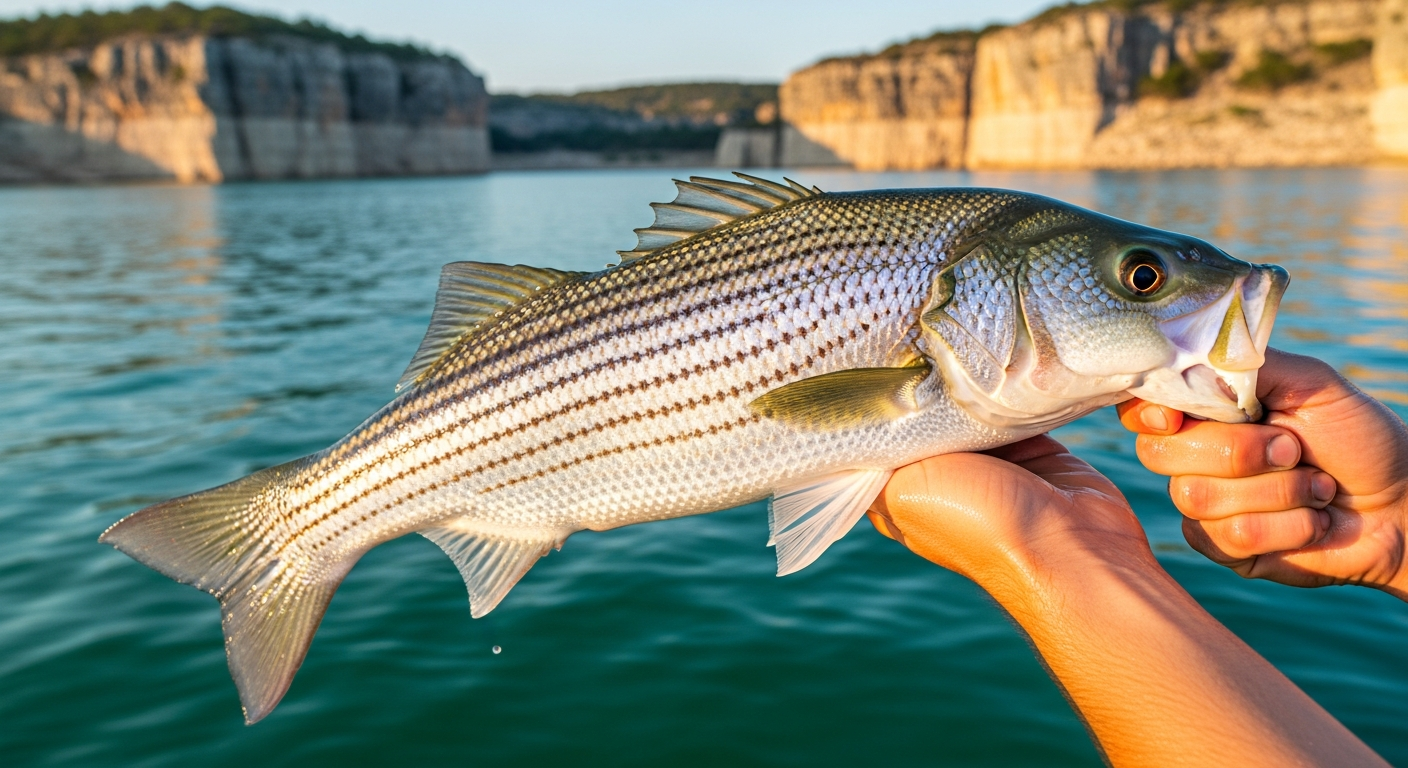
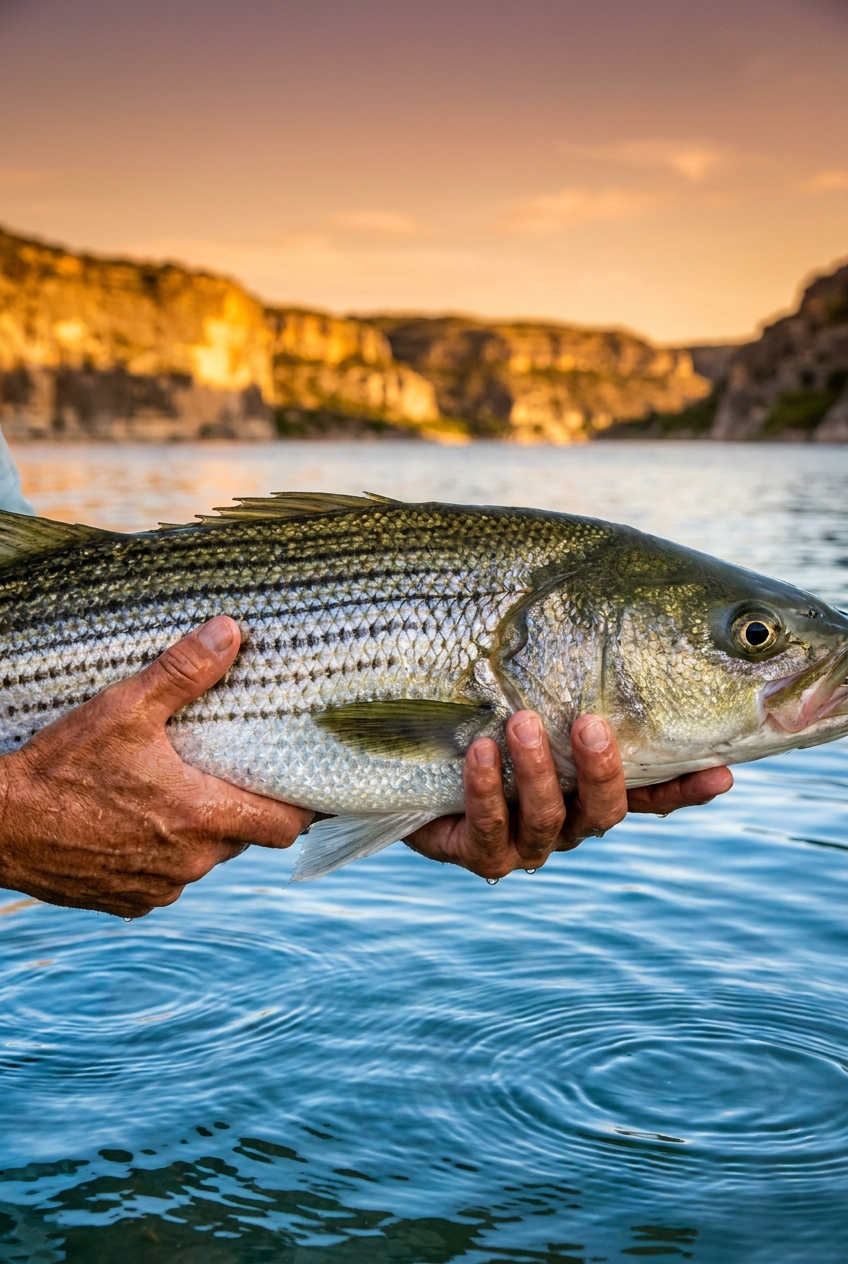
Striped bass at Lake Amistad are maintained by a TPWD stocking program and provide an additional sport fish target throughout the main lake basin. Striped bass do not reproduce naturally in the reservoir. TPWD regulation: 18-inch minimum, 5-fish combined daily limit with hybrid striped bass. Verify current regulations at tpwd.texas.gov. Striped bass at Amistad follow shad schools throughout the main lake and the deeper open-water areas. Trolling deep-diving crankbaits and umbrella rigs in 20 to 35 feet along the main channel produces stripers, particularly during the warmer months when fish hold in the thermocline. Surface feeding activity in fall when stripers push shad to the surface provides the most exciting striped bass fishing of the year.
Lake Amistad White Bass Fishing Report
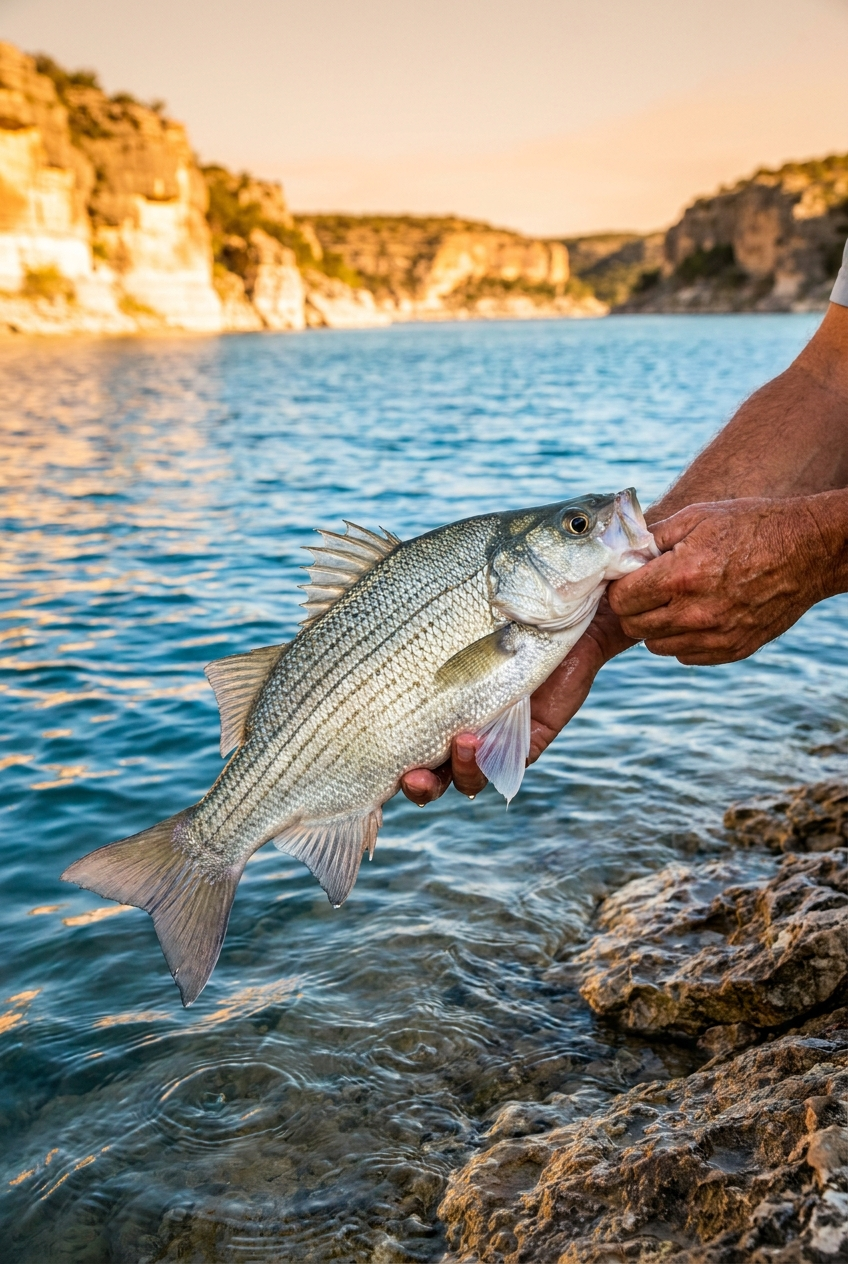
White bass are present throughout Lake Amistad and provide fast action when fish are actively schooling. TPWD regulation: no minimum length, 25-fish daily limit. Verify current regulations at tpwd.texas.gov. Spring white bass runs up the tributary arms and the Rio Grande channel concentrate fish near current-influenced areas in February and March. Schooling activity on the main lake in summer and fall produces quick action when anglers locate feeding fish pushing shad to the surface. Small white spinners and blade baits cast into feeding schools produce multiple fish per stop.
Lake Amistad Channel Catfish Fishing Report
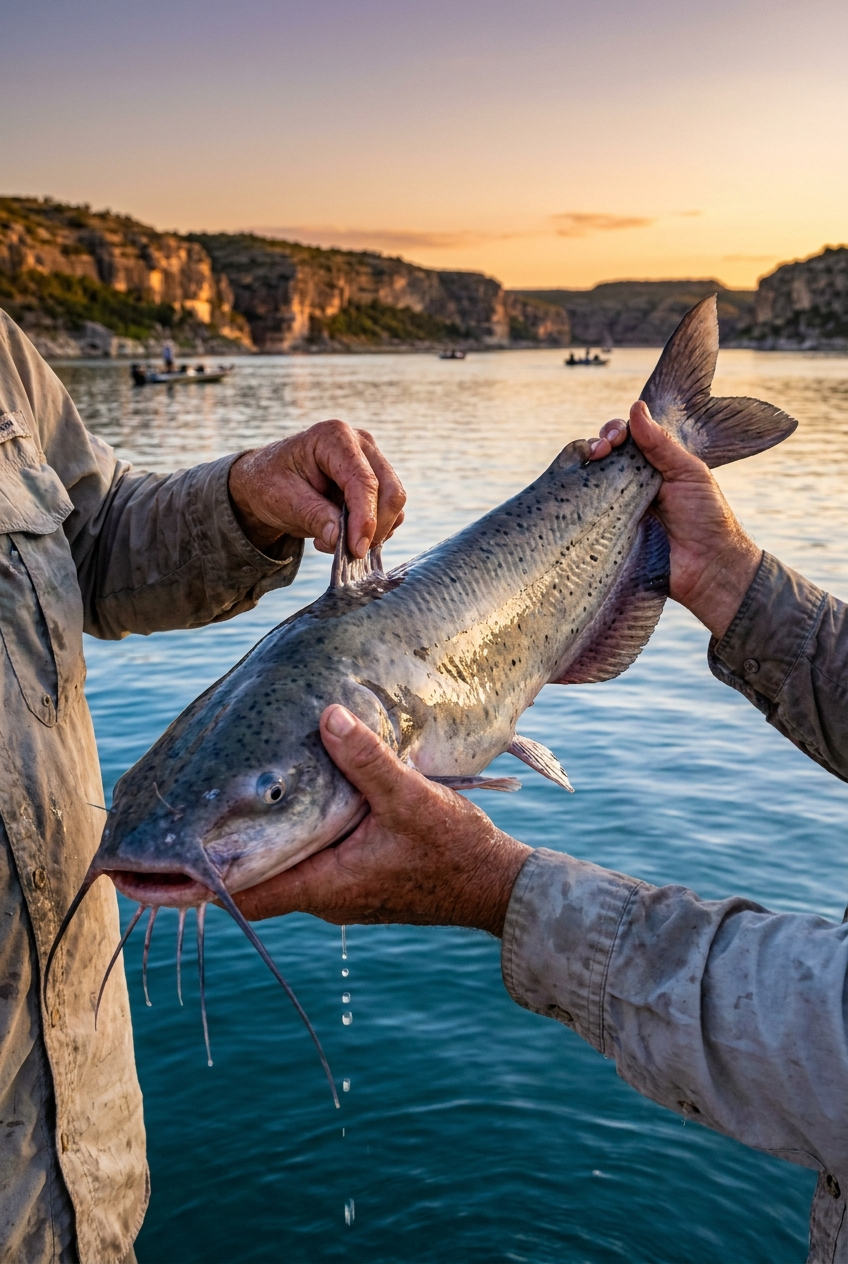
Channel catfish are distributed throughout Lake Amistad in the cove bottoms, the Rio Grande channel, and the tributary arm transitions. TPWD regulation: 12-inch minimum, 25-fish combined daily limit with blue catfish (maximum 10 fish 20 inches or longer). Verify current regulations at tpwd.texas.gov. Cut shad, chicken liver, and prepared catfish baits fished on the bottom near the main channel transitions and tributary mouths produce consistent channel catfish. Summer night fishing from NPS public access areas around the lake is the primary catfish approach. The Rio Grande inflow area concentrates catfish during spring high-water periods.
Lake Amistad Blue Catfish Fishing Report
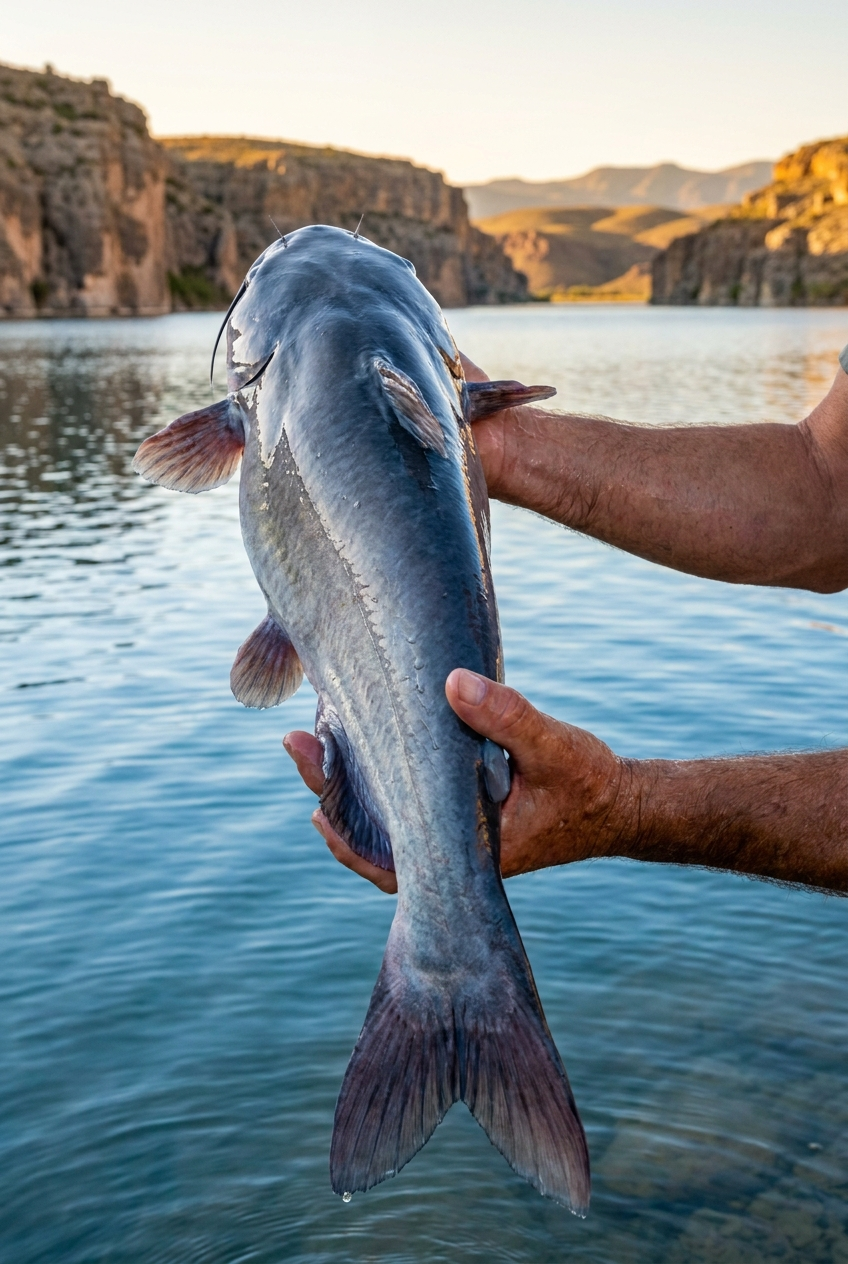
Blue catfish are present in the deeper main channel sections of Lake Amistad and are the larger of the two catfish species in the reservoir. TPWD regulation: 12-inch minimum, 25-fish combined daily limit with channel catfish (maximum 10 fish 20 inches or longer). Verify current regulations at tpwd.texas.gov. Fresh-cut shad fished on the bottom in the deeper channel bends and near the dam structure produces the largest blue catfish on Amistad. Summer night fishing in the main Rio Grande channel with stout tackle produces blue catfish in the 10 to 30-pound range.
If you haven't replaced your braided line in a season or two, now's the time. Braid holds up better than mono, but abrasion from wood and rock adds up. Reaction Tackle is one of my favorite places to order from.
Top Fish to Target in Lake Amistad
Lures for Lake Amistad
Tackle matched to this lake's species and structure.
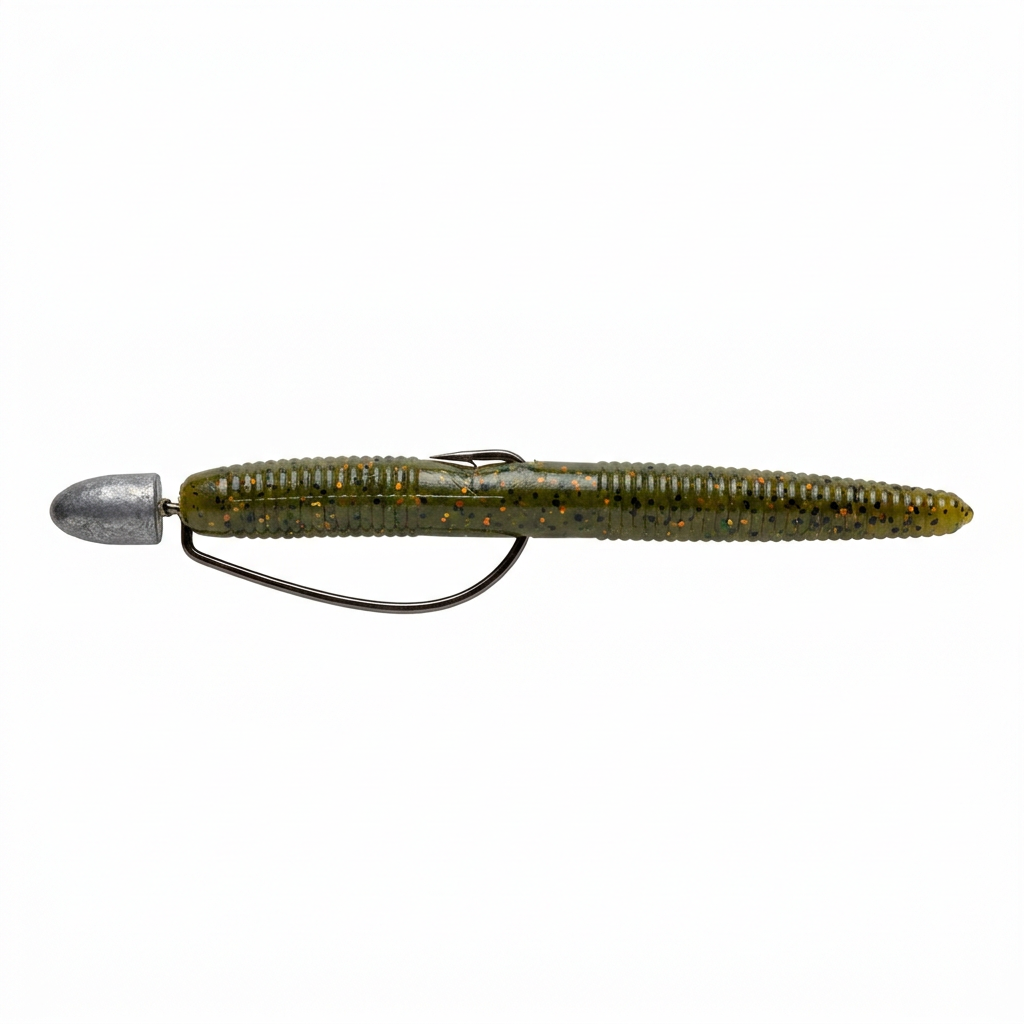
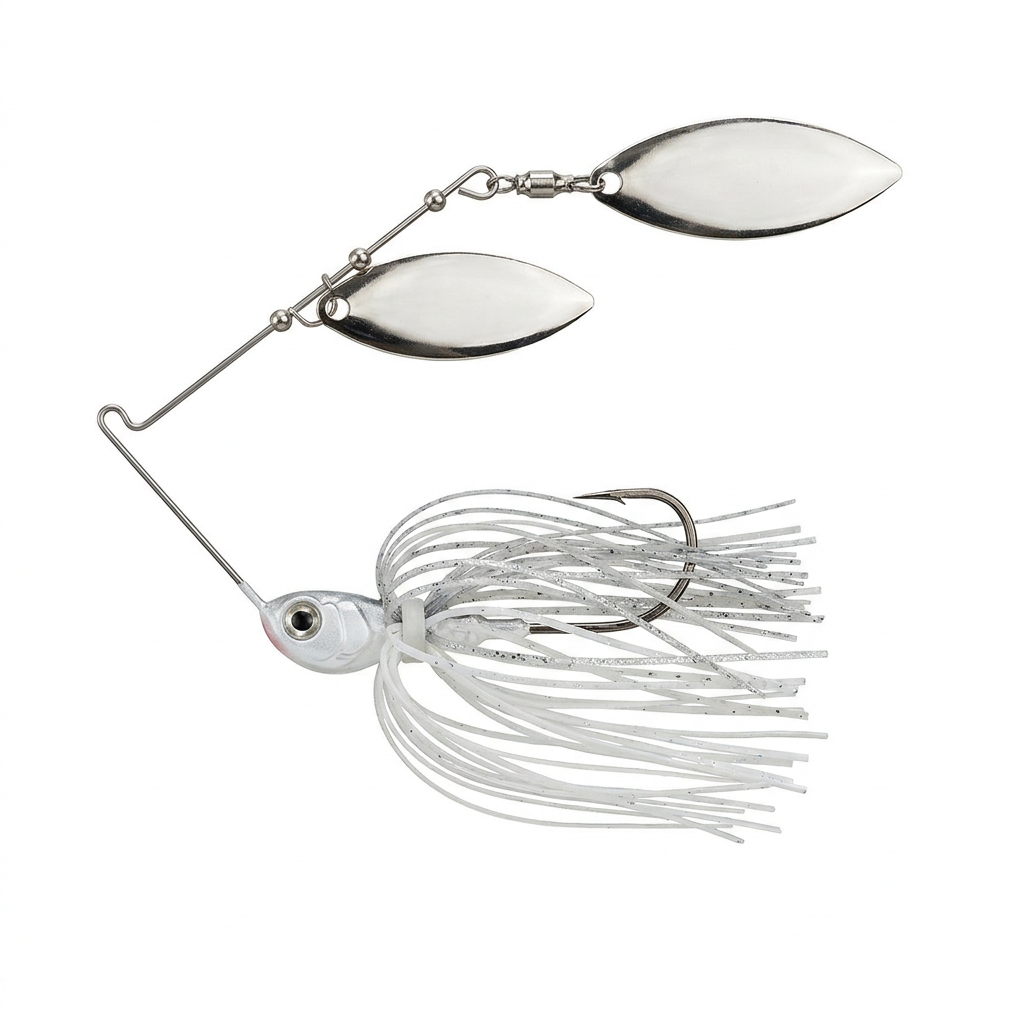
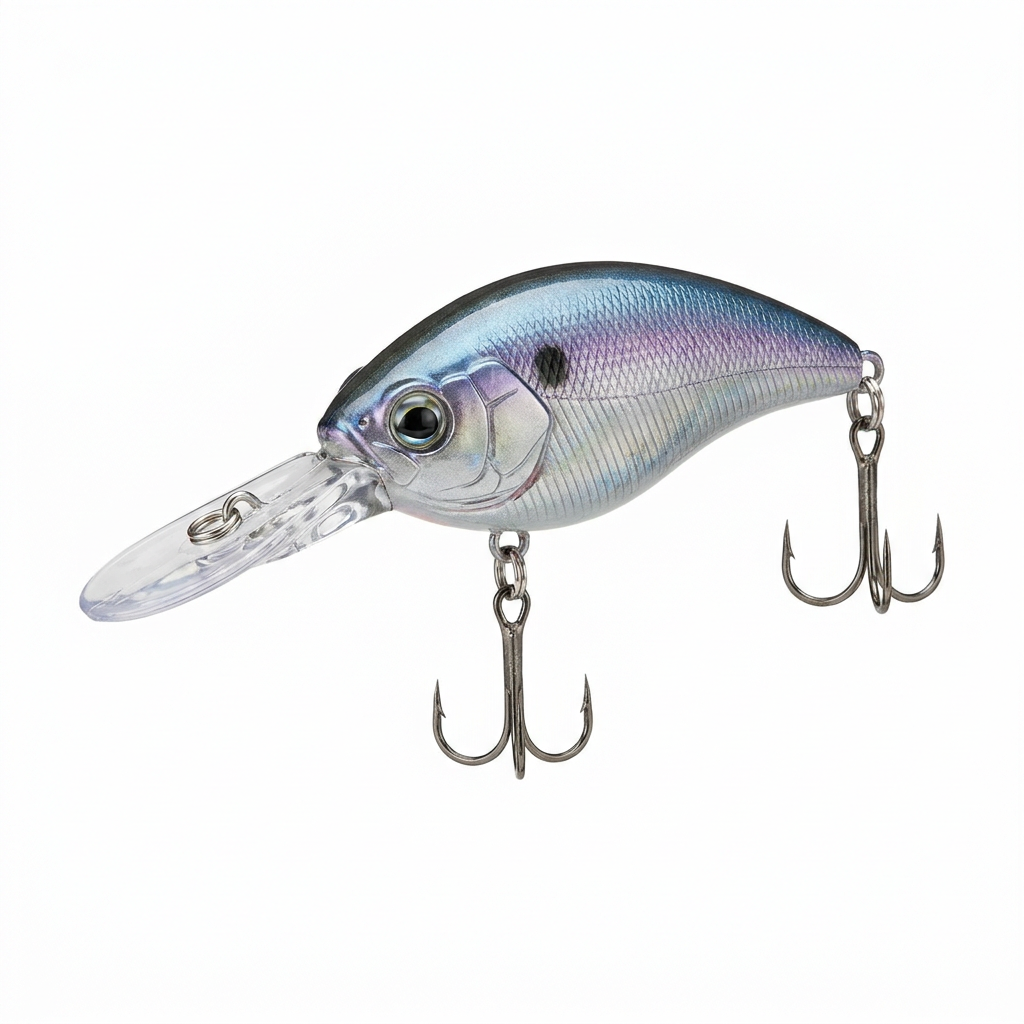
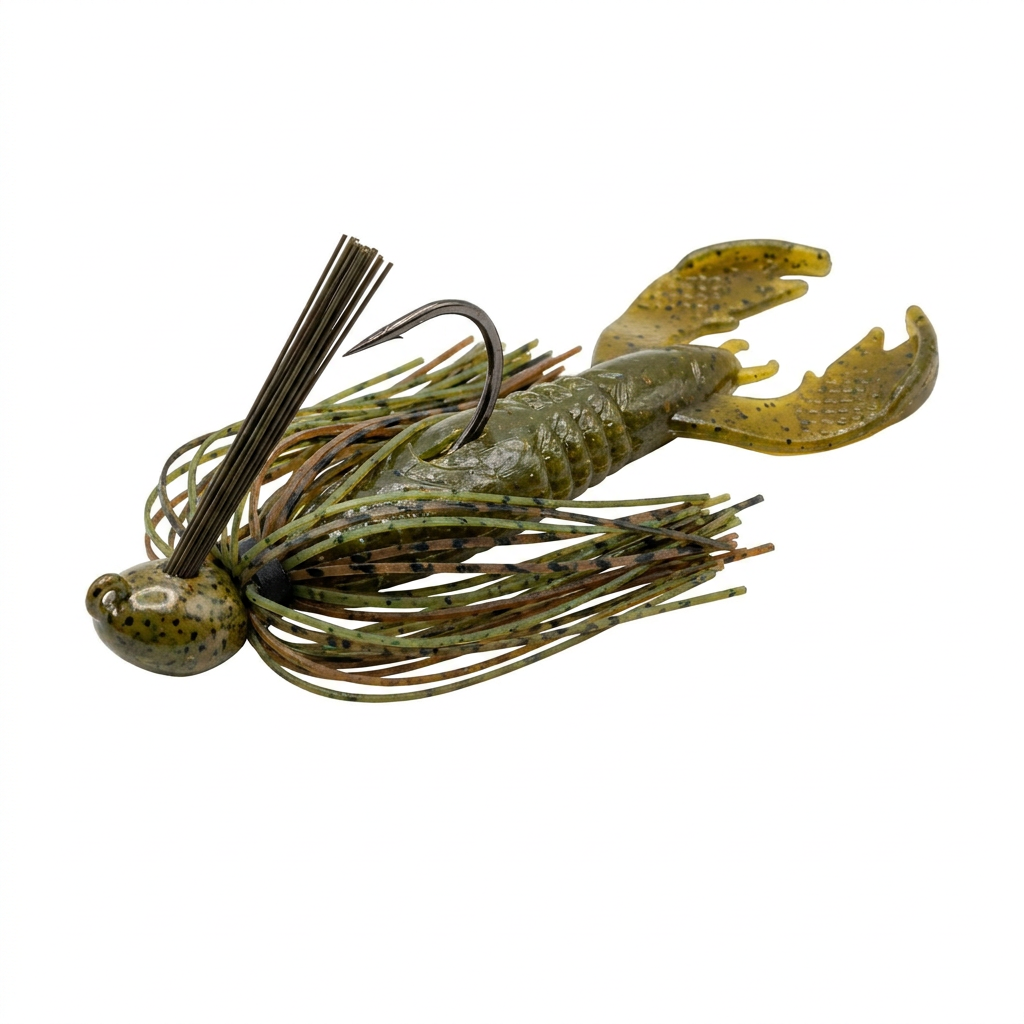
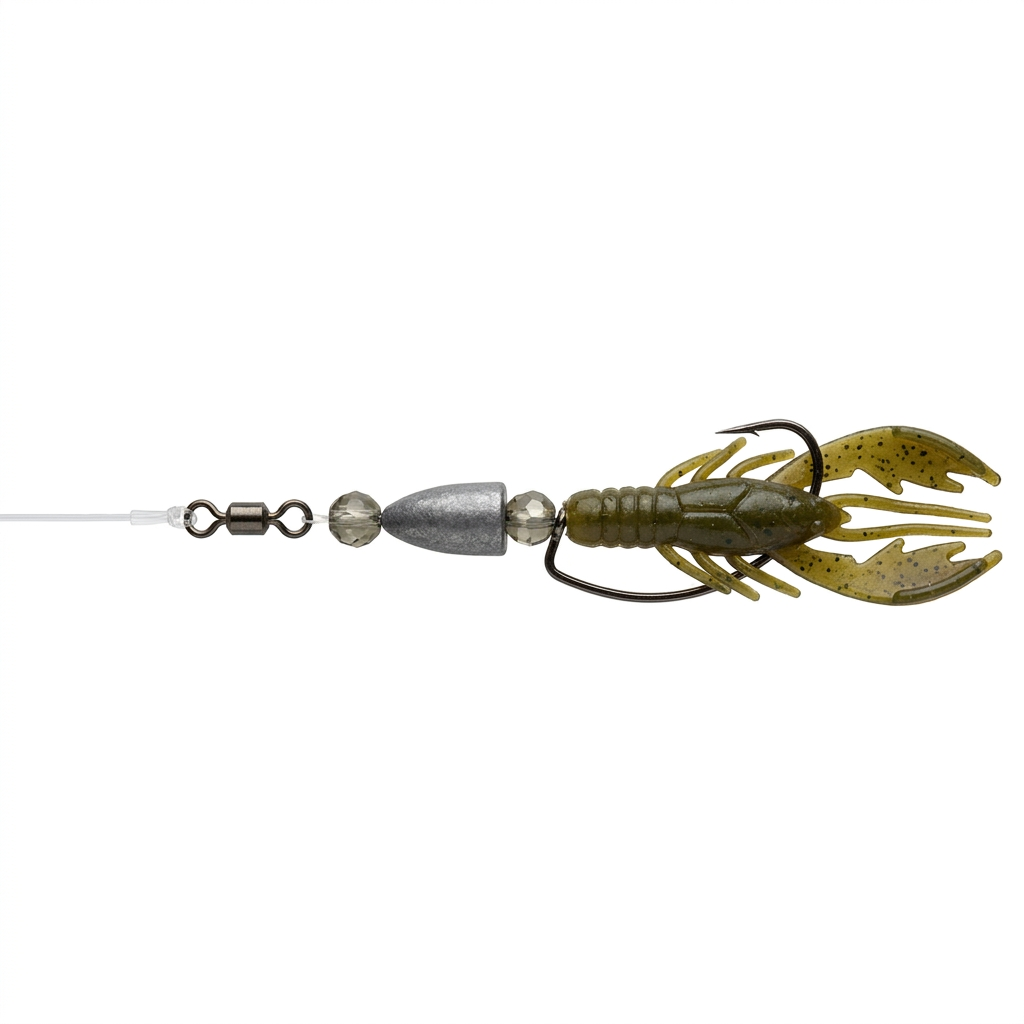
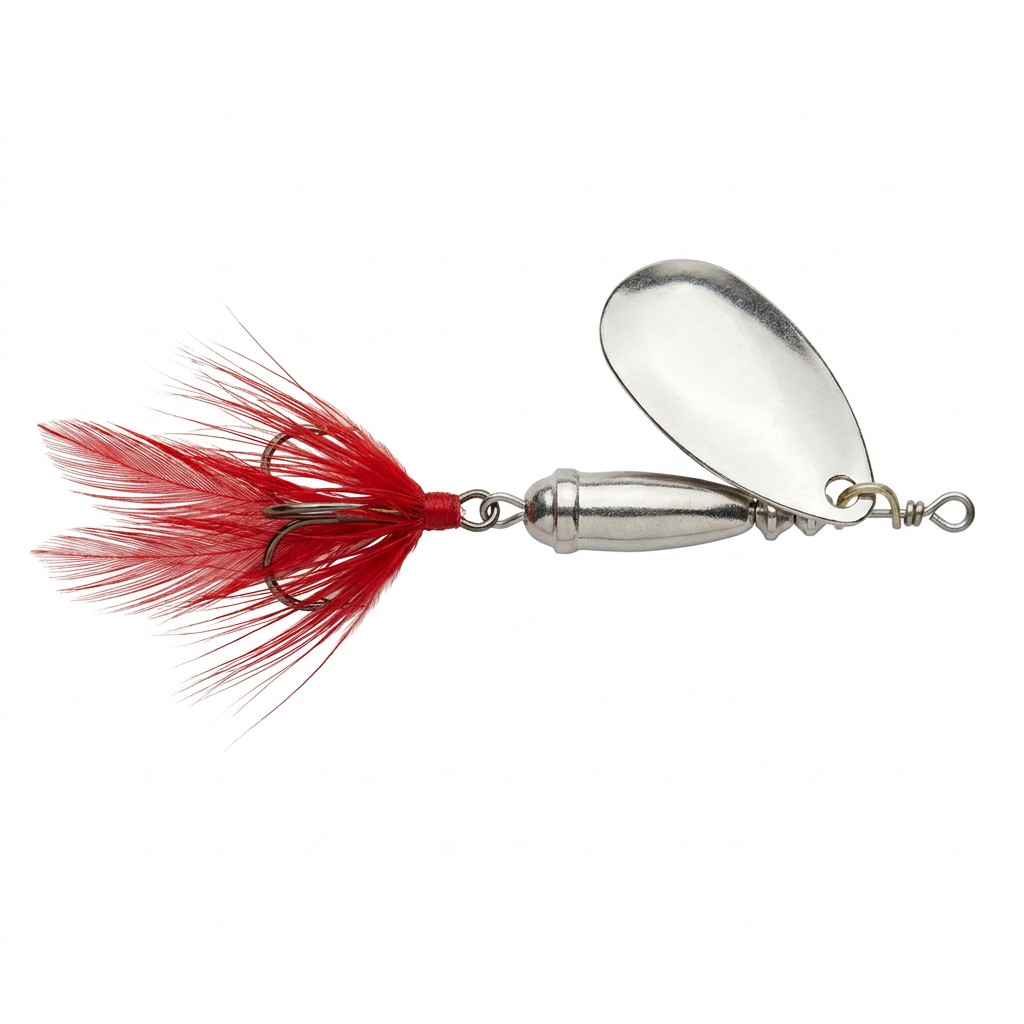
The right line matters as much as the lure. For the presentations that work on this lake, whether flipping timber, fishing main lake structure, or working deep brush, braid is the move. No stretch, more feel, and it lasts. Reaction Tackle is where I get mine.
About Lake Amistad
Lake Amistad (Amistad Reservoir) is the international reservoir on the Texas-Mexico border that has built a reputation as one of the world's premier largemouth bass fisheries. The International Boundary and Water Commission completed Amistad Dam on the Rio Grande in 1969, creating 65,000 acres of clear, warm reservoir water fed by the Rio Grande and the Devils River. Val Verde County, Texas, is the only US county on the reservoir. The National Park Service manages Amistad National Recreation Area on the US side. The Devils River arm adds exceptional smallmouth bass habitat to a lake already known for trophy largemouth.
International border regulations. The US-Mexico international border on Amistad is marked by numbered buoys (RG1 through RG28) following the historic Rio Grande channel. Texas (TPWD) regulations and a valid Texas fishing license apply on the US side. On the Mexico side of the border buoys, all persons in the boat must hold a valid Mexican fishing license, and Mexican fishing regulations apply. The limits differ between the two countries. Verify current Texas regulations at tpwd.texas.gov and obtain a Mexican fishing license if planning to fish the Mexico side.
Devils River arm. The Devils River enters Amistad from the north and creates a distinctly different arm of the reservoir with cooler temperatures, cleaner water, and rocky canyon structure that supports excellent smallmouth bass. Anglers targeting smallmouth specifically should focus efforts in the Devils River arm, particularly in spring and fall when fish are most active in shallower structure.
Lake size and access. Lake Amistad covers approximately 65,000 acres at conservation pool on the Texas-Mexico border in Val Verde County, Texas. Del Rio, Texas (population approximately 35,000) is the primary gateway approximately 12 miles southeast of the dam. US Highway 90 connects Del Rio to the lake. The NPS Amistad National Recreation Area provides boat ramps and public access on the US side. Entrance fees may apply at NPS facilities.