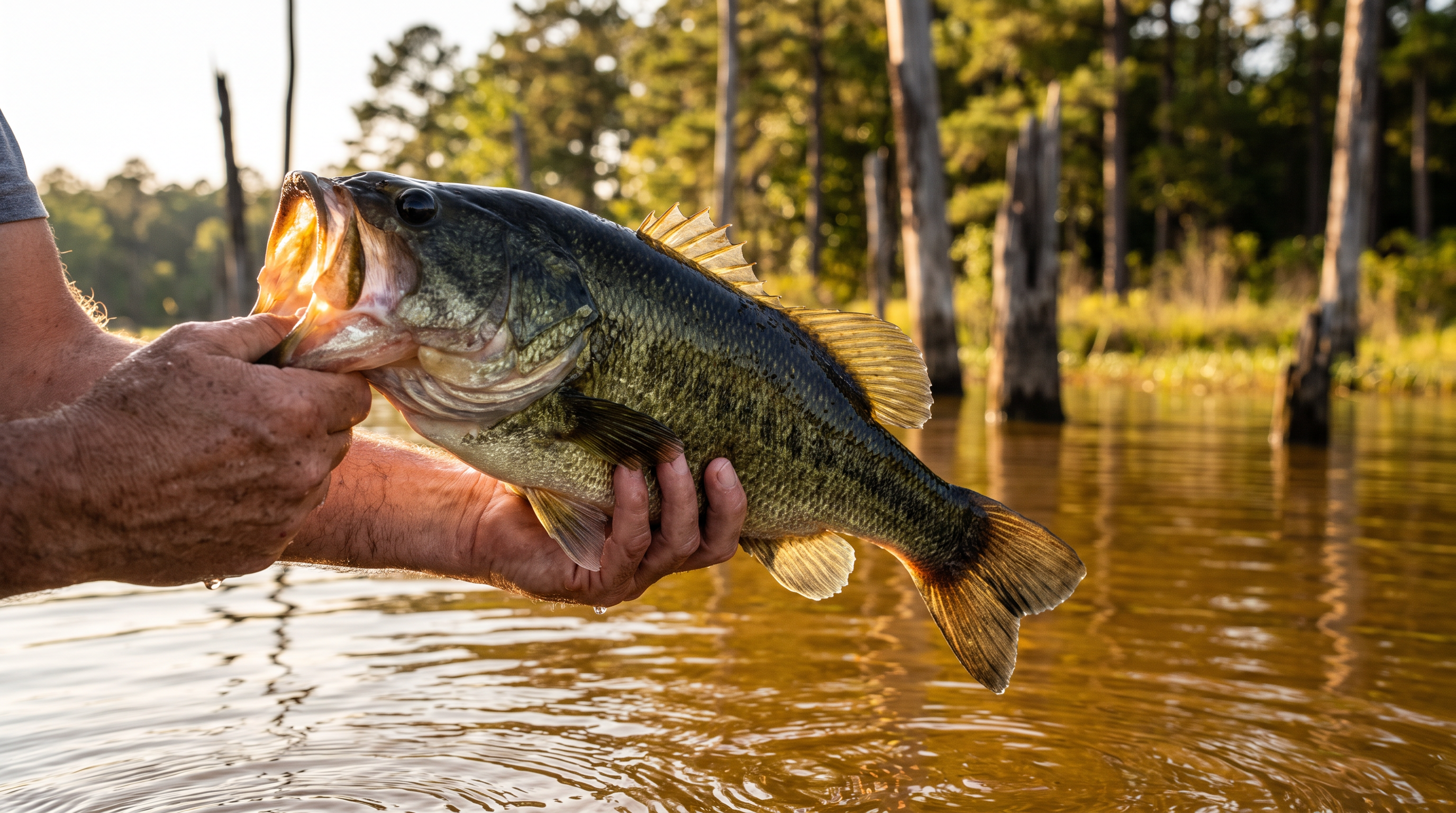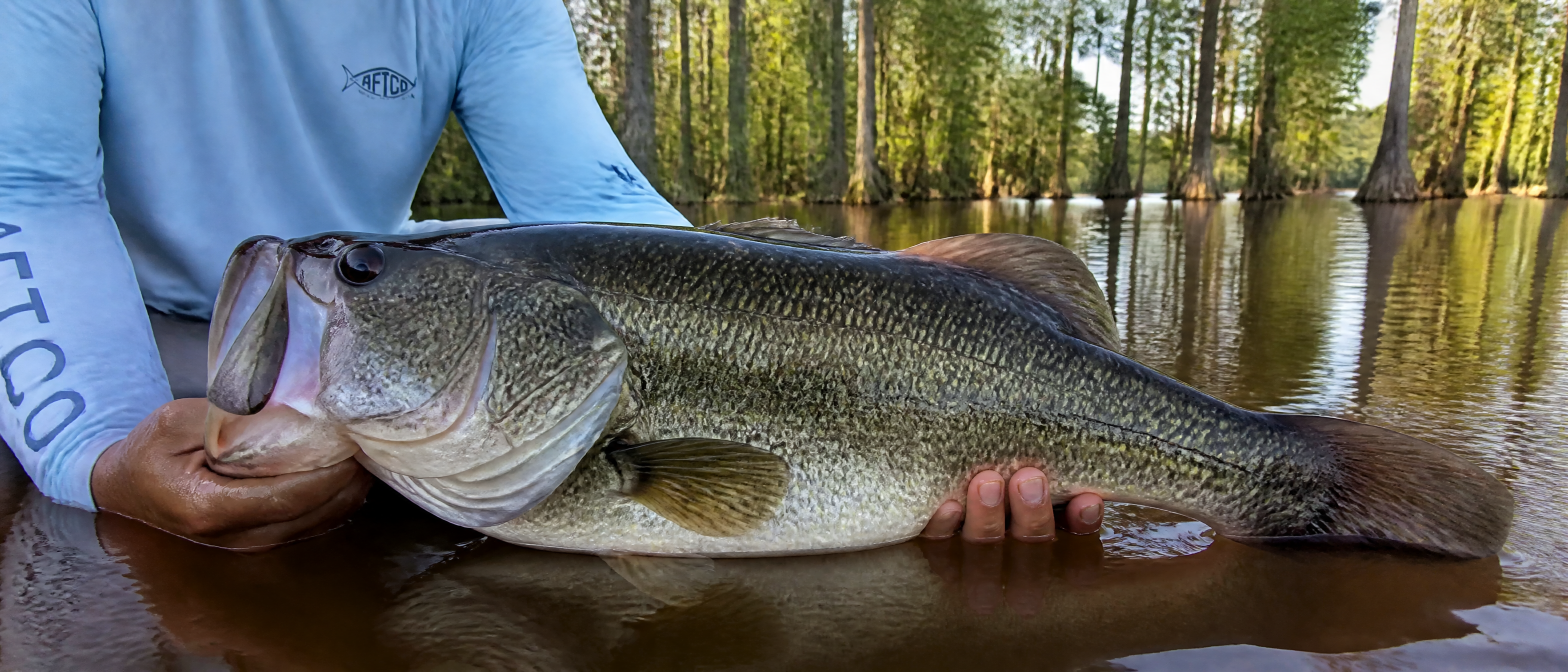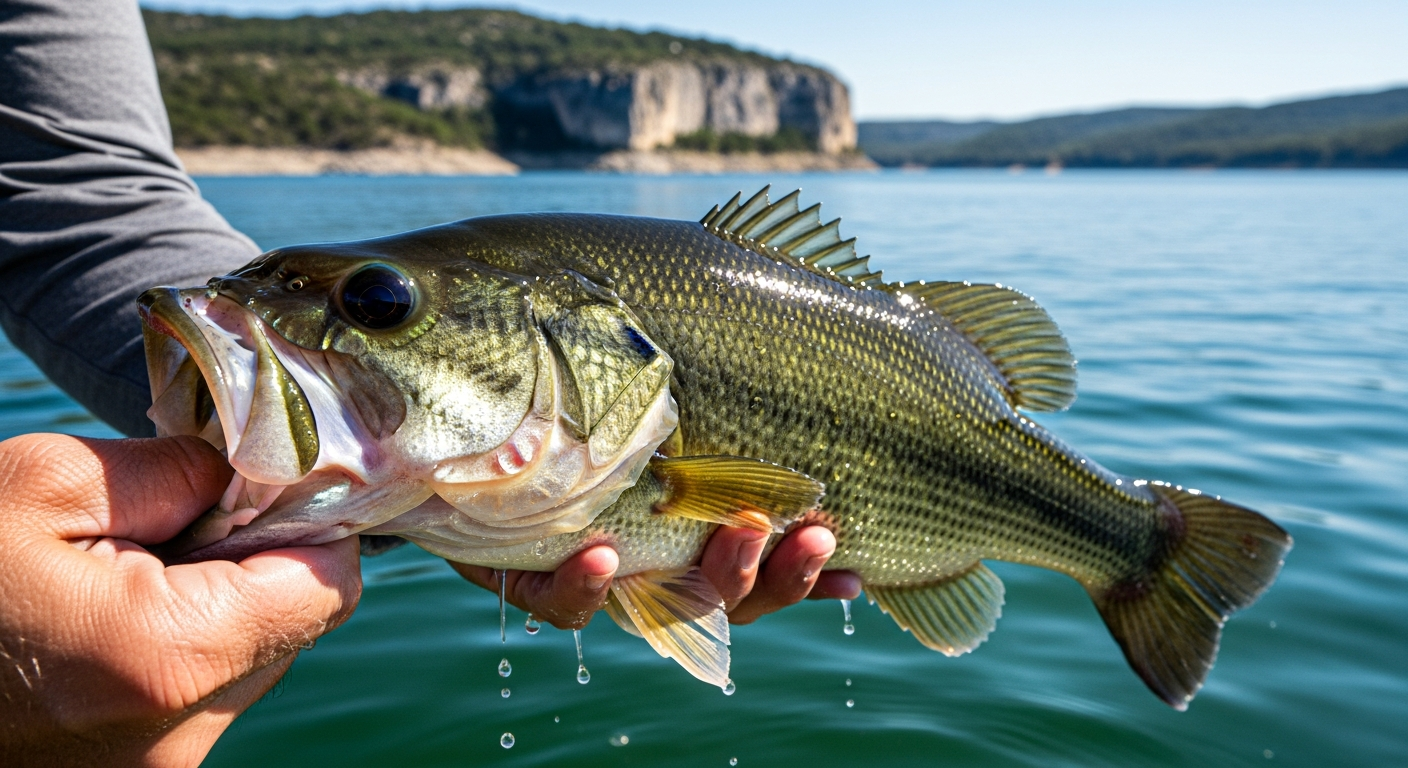
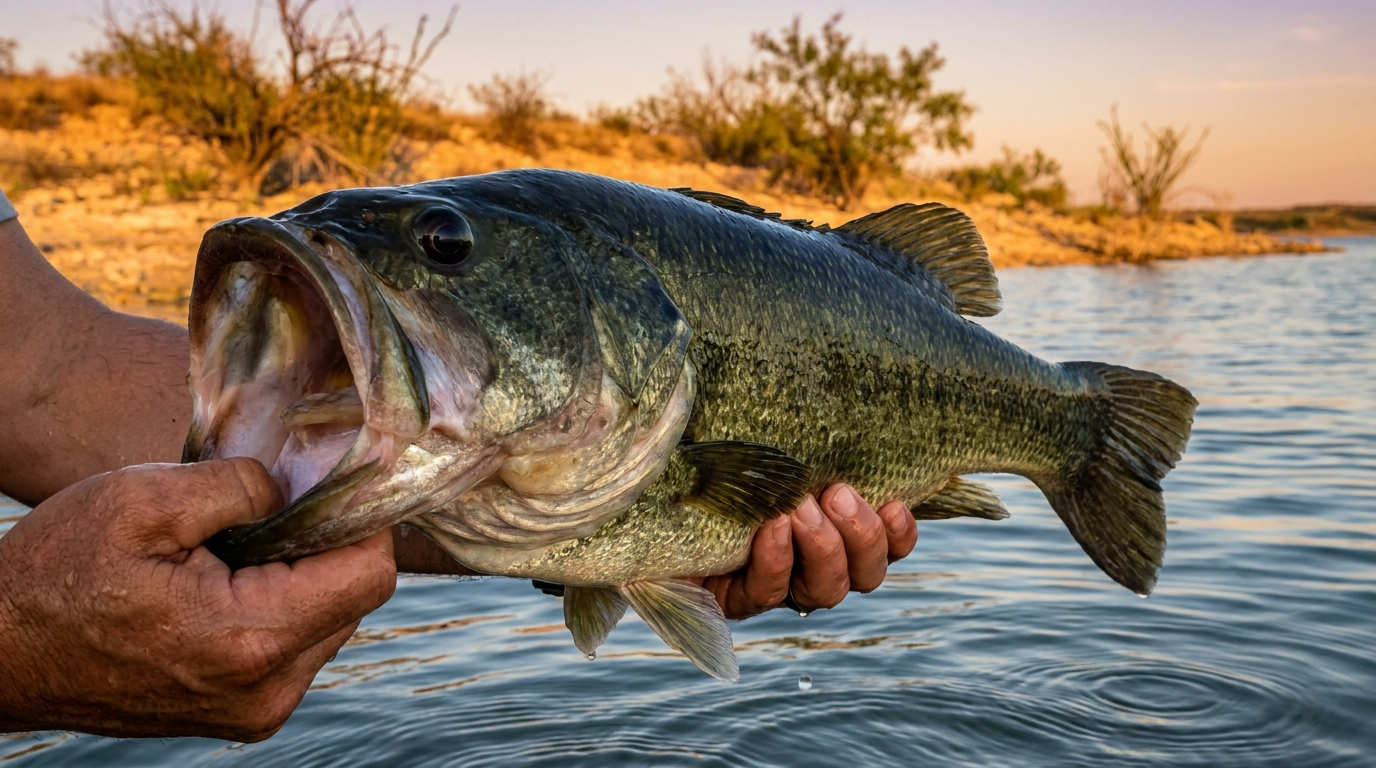
Falcon Lake has a complicated story. The bass fishing here was once considered the best in the world. Bassmaster ranked it #1 in 2012. Paul Elias set the 4-day tournament weight record here. Then security concerns on the Mexican side effectively closed the lake to serious tournament fishing for years. The Texas side remains fishable and the largemouth bass population has benefited from reduced pressure. If you go, fish the US side only and do your homework on current conditions before the trip.
Today's Bite Score · October 8, 2026
Above average conditions worth planning a trip
🌘Waning Crescent
Falcon Lake Fishing Report
October FishingMonthly fishing report · October patterns and techniques
Falcon Lake in October presents conditions that draw anglers seeking active gamefish. Water temperatures moderate this month as fall weather patterns move across South Texas, creating transitions in fish behavior and location. Anglers are finding fish responding to these shifting conditions, with the bite varying throughout the day as water temperatures fluctuate. Understanding current conditions at specific depths becomes increasingly important for successful outings in October.
Largemouth bass and catfish remain the primary targets in October, with anglers finding both species willing to feed as the month progresses. The bite is strongest around structure and deeper holding areas where fish congregate during the seasonal transition. Bass move to depths where they can access food sources while remaining comfortable in the changing water temperatures. Catfish activity increases this month as well, with the species holding in traditional deep-water haunts and channel edges where current and structure combine to create ideal feeding zones.
Anglers are finding success in October by adjusting their presentations to match fish behavior and location. Live bait presentations work effectively for targeting catfish around deeper structures, while artificial lures that mimic natural forage produce results for bass throughout the water column. The most productive approach this month involves fishing areas with depth changes and cover, where both species congregate. Patience and precise depth targeting increase the likelihood of connecting with active fish in October at Falcon Lake.
Get More Fishing Report Specifics
Tap a topic button below for a report on current conditions.
Tap a topic above to get a current report for Falcon Lake.
Answers are generated on demand and cached. No AI call fires until you tap a tab.
Falcon Lake Fishing Guides
Looking for a Falcon Lake fishing guide? Internationally ranked largemouth water on the Rio Grande, with world-record-caliber fish holding on structure that only the experienced guides here know how to read safely from the US side. Go here → to check out our recommended fishing guides for Falcon Lake. Then scroll down on that page to see all of the Falcon Lake fishing guides.
Falcon Lake Fishing Strategies by Species
Seasonal patterns and techniques by target species · Verified against official sources
Largemouth bass, white bass, white crappie, channel catfish, and flathead catfish are the primary sport fish at Falcon Lake (Falcon Reservoir), an 83,654-acre international reservoir on the Rio Grande shared by Texas and Tamaulipas, Mexico. Ranked the #1 bass lake in the United States by Bassmaster in 2012 and site of Paul Elias's record 132-pound 4-day Bassmaster tournament weight, Falcon Lake remains one of the most productive largemouth bass fisheries on the continent. SAFETY ADVISORY: The Mexican side of Falcon Lake (Tamaulipas) is subject to a U.S. State Department Level 4: Do Not Travel advisory. Anglers must fish the Texas (US) side only. Do not cross or approach the international boundary. TPWD statewide regulations apply to Texas waters: largemouth bass 14-inch minimum, 5-fish daily limit. Verify current regulations at tpwd.texas.gov before fishing.
Falcon Lake Largemouth Bass Fishing Report
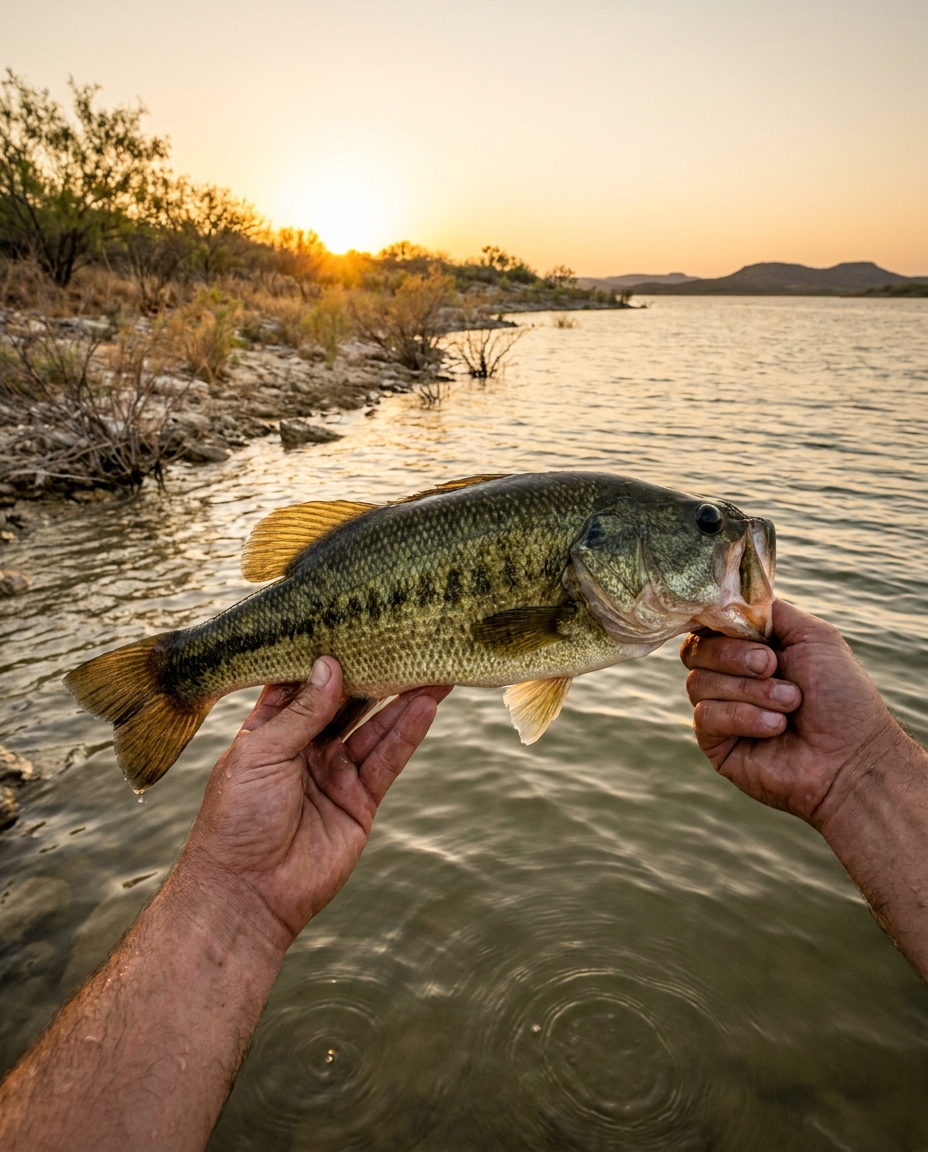
Largemouth bass at Falcon Lake are the reason this reservoir has an international reputation. The combination of warm South Texas climate, Rio Grande fertility, extensive shallow coves, and submerged brush creates ideal largemouth habitat. Bassmaster ranked Falcon #1 in the United States in 2012, and Paul Elias set the 4-day Bassmaster tournament weight record here with 132 pounds. TPWD regulation: 14-inch minimum, 5-fish daily bag limit. Verify current regulations at tpwd.texas.gov before fishing. SAFETY: Fish the Texas (US) side only. Do not cross or approach the international boundary into Mexican waters. Spring is the peak season at Falcon, with largemouth moving shallow into the brush piles and cove edges to spawn from February through April in the warm South Texas climate. The lake's shallow, productive coves on the Texas side hold heavy concentrations of prespawn bass staging on structure in late January and February. Texas rigs, creature baits, and jigs worked through the brush produce large fish during spring. The topwater bite during early morning spring conditions is spectacular. Summer bass seek the deepest, most oxygenated water available in the reservoir during the intense South Texas heat. Fall fishing in the coves on the Texas side produces active bass through November. The largemouth population has rebuilt with reduced fishing pressure over recent years, and the fishery quality remains exceptional on the Texas side.
Falcon Lake White Bass Fishing Report
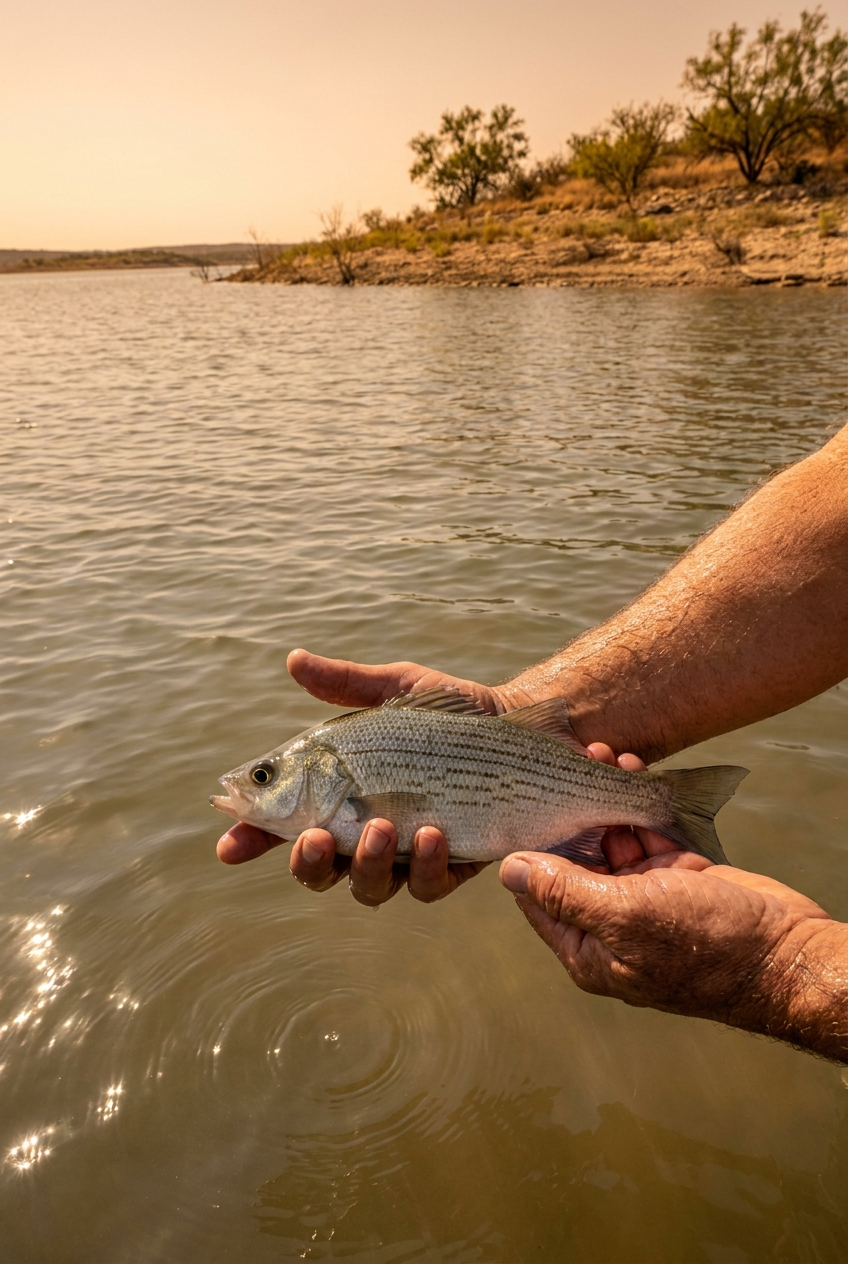
White bass are abundant throughout Falcon Lake and provide fast action when fish are actively schooling on the open water. Spring spawning runs concentrate white bass in the Rio Grande inflow area and the upper arms of the reservoir in February and March. TPWD regulation: 10-inch minimum, 25-fish daily bag limit. Verify current regulations at tpwd.texas.gov. Casting small white jigs, spinners, and blade baits into schooling fish produces white bass consistently during the spring run and fall schooling periods. Summer white bass school in open water and can be located by watching for surface activity and diving birds. The white bass population at Falcon Lake provides a consistent numbers fishery as a secondary target for anglers primarily chasing largemouth.
Falcon Lake White Crappie Fishing Report
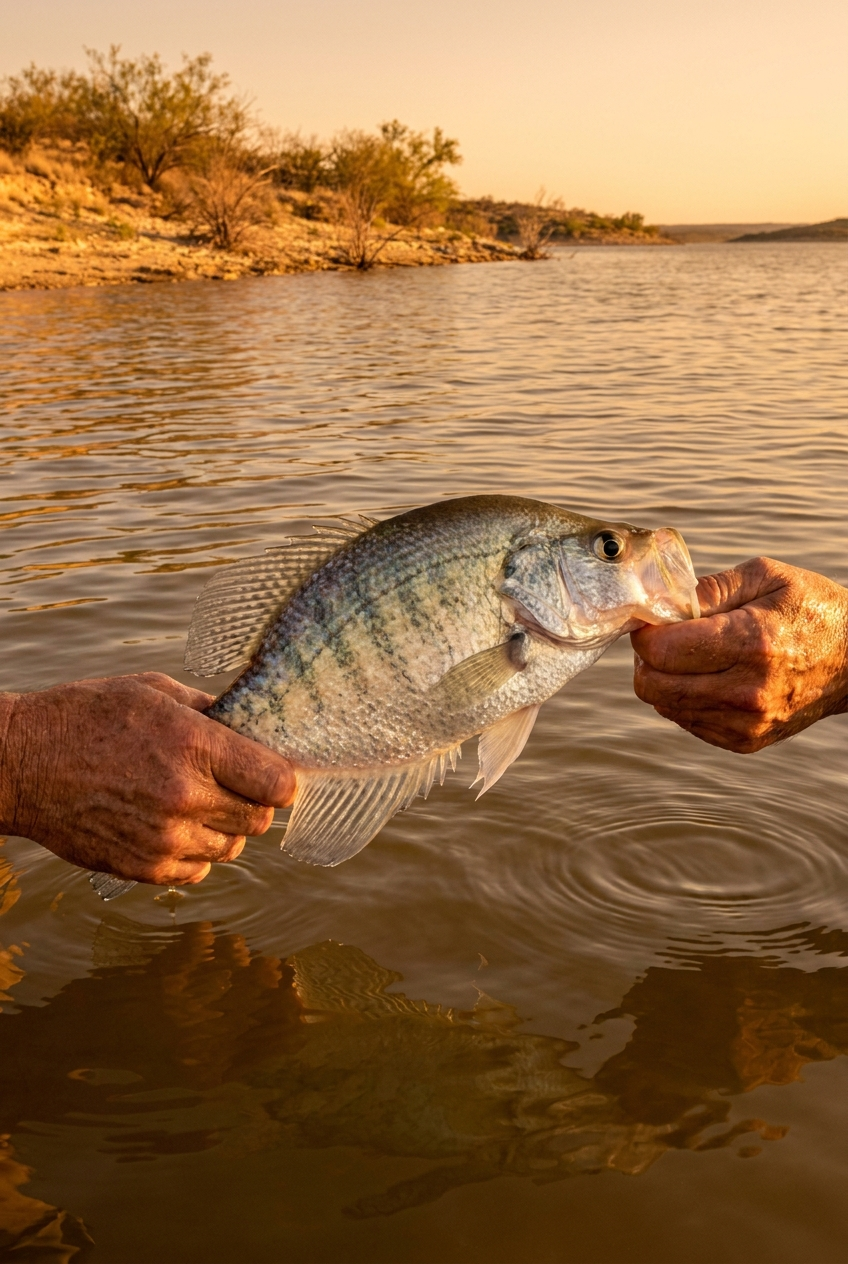
White crappie are present throughout Falcon Lake in the brush structure, submerged timber, and cove edges of the Texas side. The shallow, productive coves hold crappie year-round around any available structure. TPWD regulation: 10-inch minimum, 25-fish daily bag limit. Verify current regulations at tpwd.texas.gov. Spring crappie fishing peaks in March and April as fish move from deeper basin water into the cove brush at 5 to 10 feet. Small tube jigs and crappie jig-minnow combinations worked vertically around brush piles and submerged trees produce reliable catches. Summer crappie suspend in 15 to 25 feet and are most accessible with slow vertical jigging on a depth finder. Fall crappie return to the shallower brush structure and provide consistent action through November.
Falcon Lake Channel Catfish Fishing Report
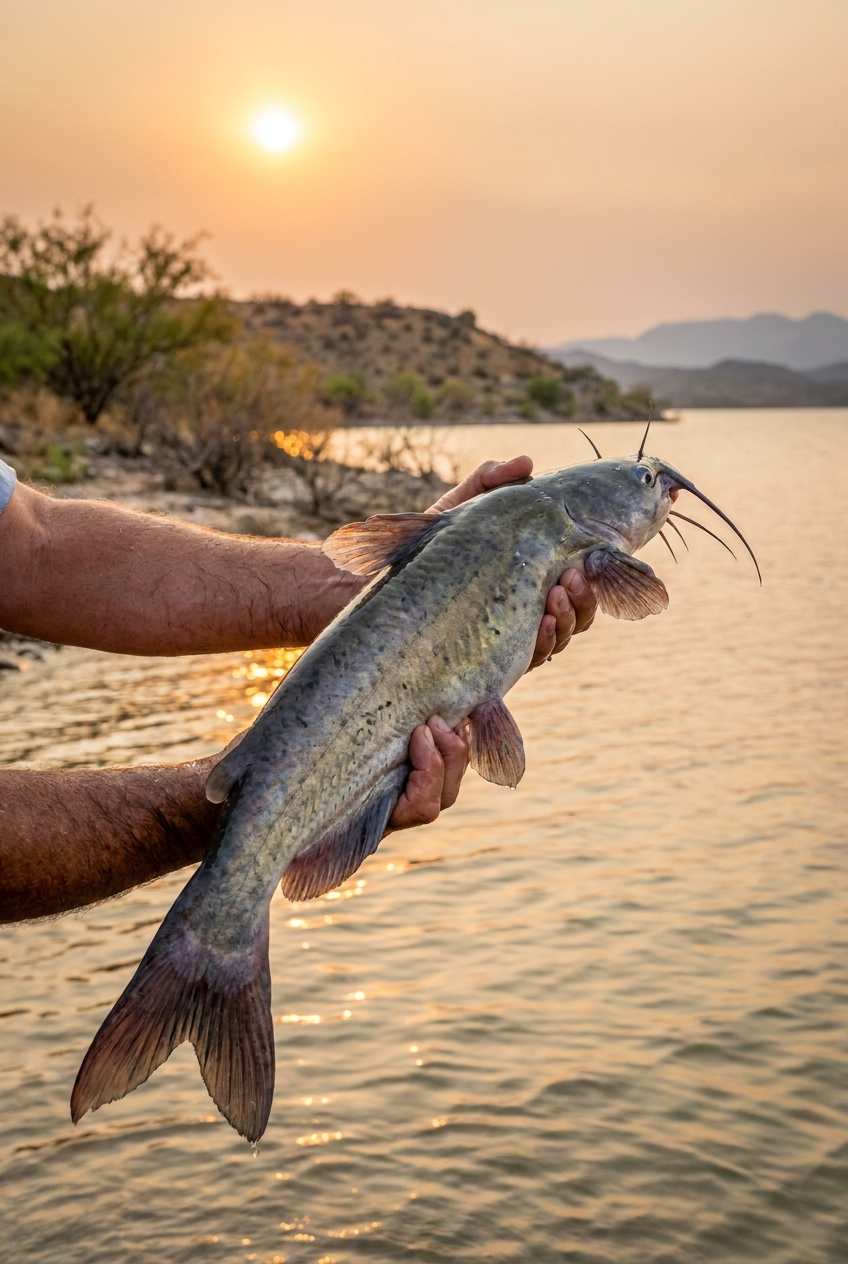
Channel catfish are widely distributed throughout Falcon Lake in the channel bends and the Rio Grande inflow areas. The productive Rio Grande system supports a healthy channel catfish population throughout the Texas portion of the reservoir. TPWD regulation: 12-inch minimum, 25-fish combined daily limit for channel and blue catfish. Verify current regulations at tpwd.texas.gov. Cut shad, chicken liver, and prepared catfish baits fished on the bottom in the channel transitions and tributary mouths produce consistent channel catfish. Summer night fishing from Texas-side boat ramps and bank access areas produces the most consistent catfish action. The upper Rio Grande arm of the reservoir concentrates catfish during periods of inflow.
Falcon Lake Flathead Catfish Fishing Report
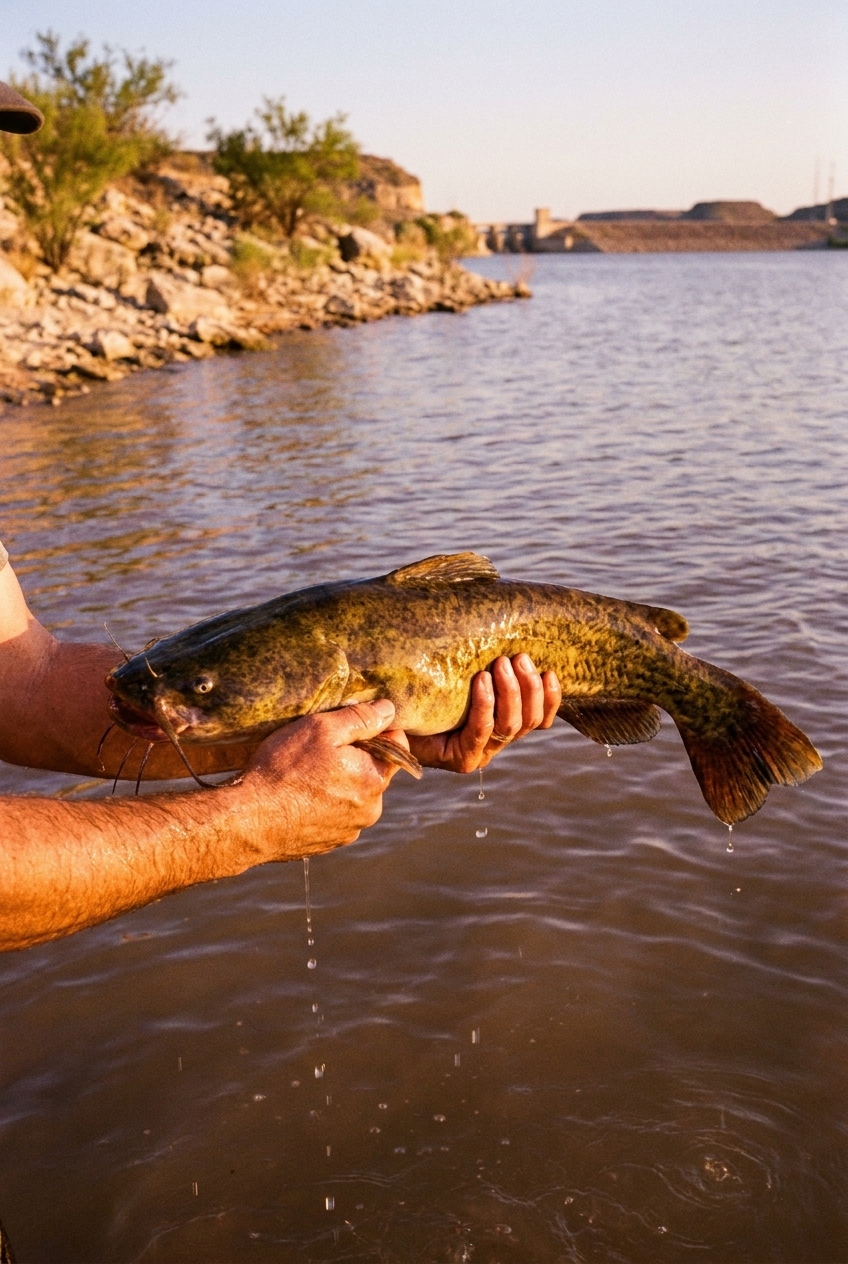
Flathead catfish are present in Falcon Lake in the deeper channel structure and larger brush piles on the Texas side. The Rio Grande's productive catfish population supported flatheads before impoundment, and they remain present in the reservoir. TPWD regulation: 12-inch minimum, 25-fish combined daily limit for channel catfish, flathead catfish counted in a separate 5-fish daily bag. Verify current regulations at tpwd.texas.gov before fishing, as flathead regulations may differ. Large live or fresh-dead bait fished on the bottom near channel bends and deep brush produces the largest flathead catfish. Flatheads are most active at night and hold in heavier cover than channel catfish during the day. Summer nights produce the most consistent large flathead action on the Texas side of the reservoir.
For fishing heavy cover after Largemouth Bass, I run 50-65lb braid. Zero stretch means you feel every bite and you can pull fish out of structure before they wrap you. Reaction Tackle is where I restock. Their low-vis green disappears in most water conditions.
Top Fish to Target in Falcon Lake
Lures for Falcon Lake
Tackle matched to this lake's species and structure.
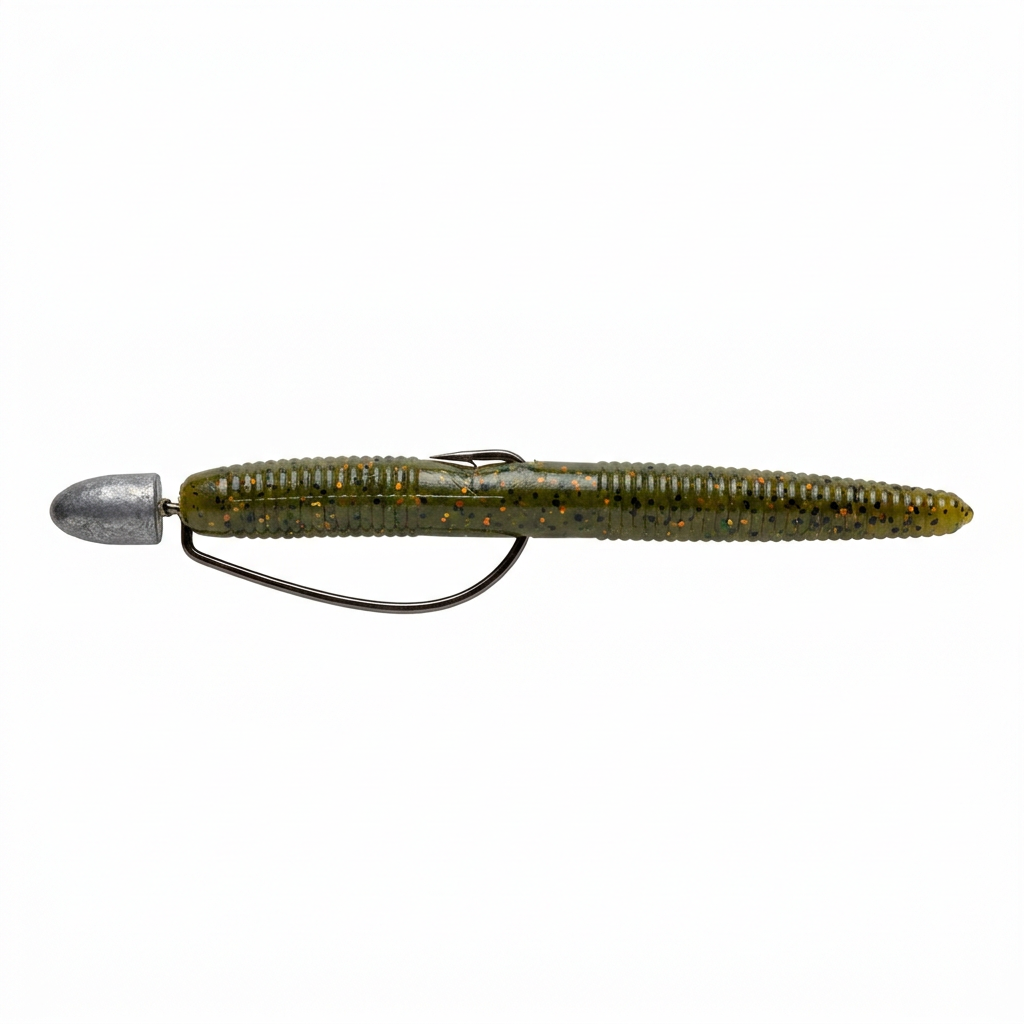
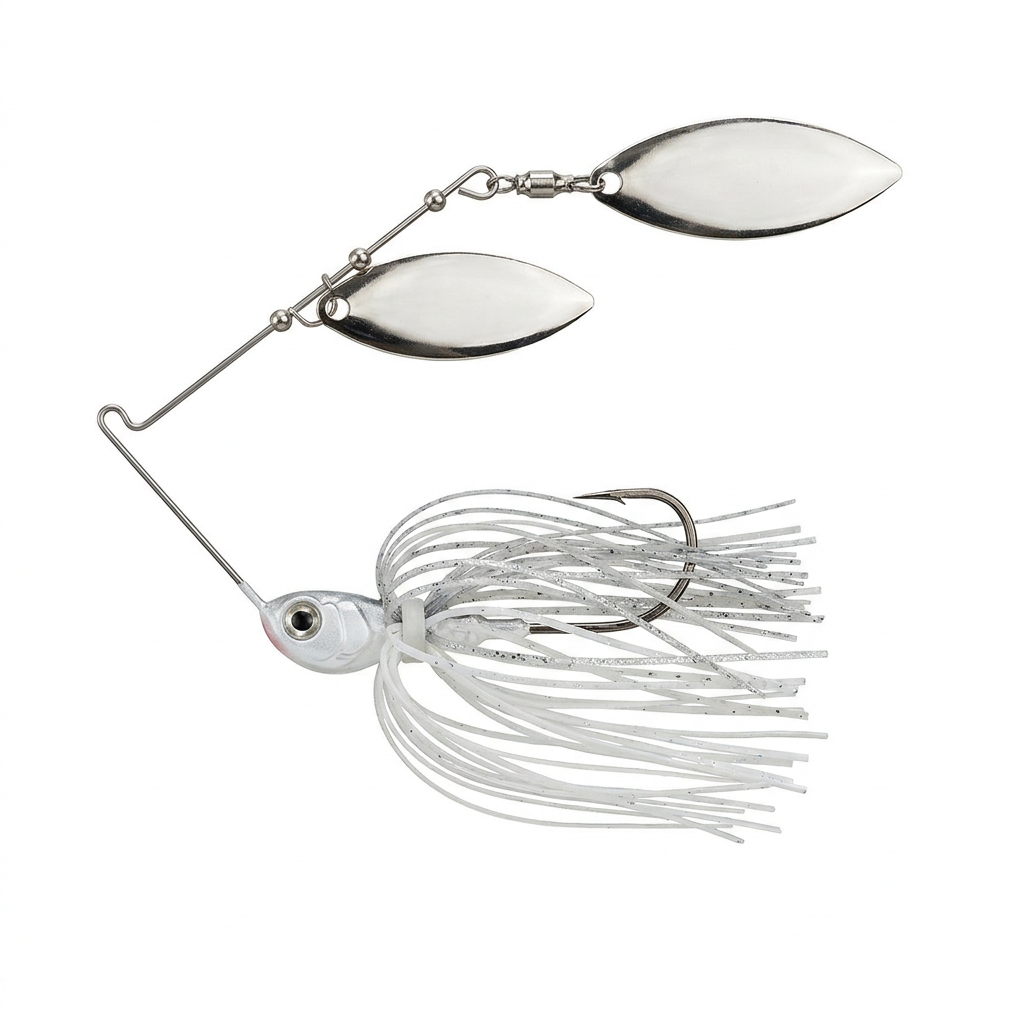
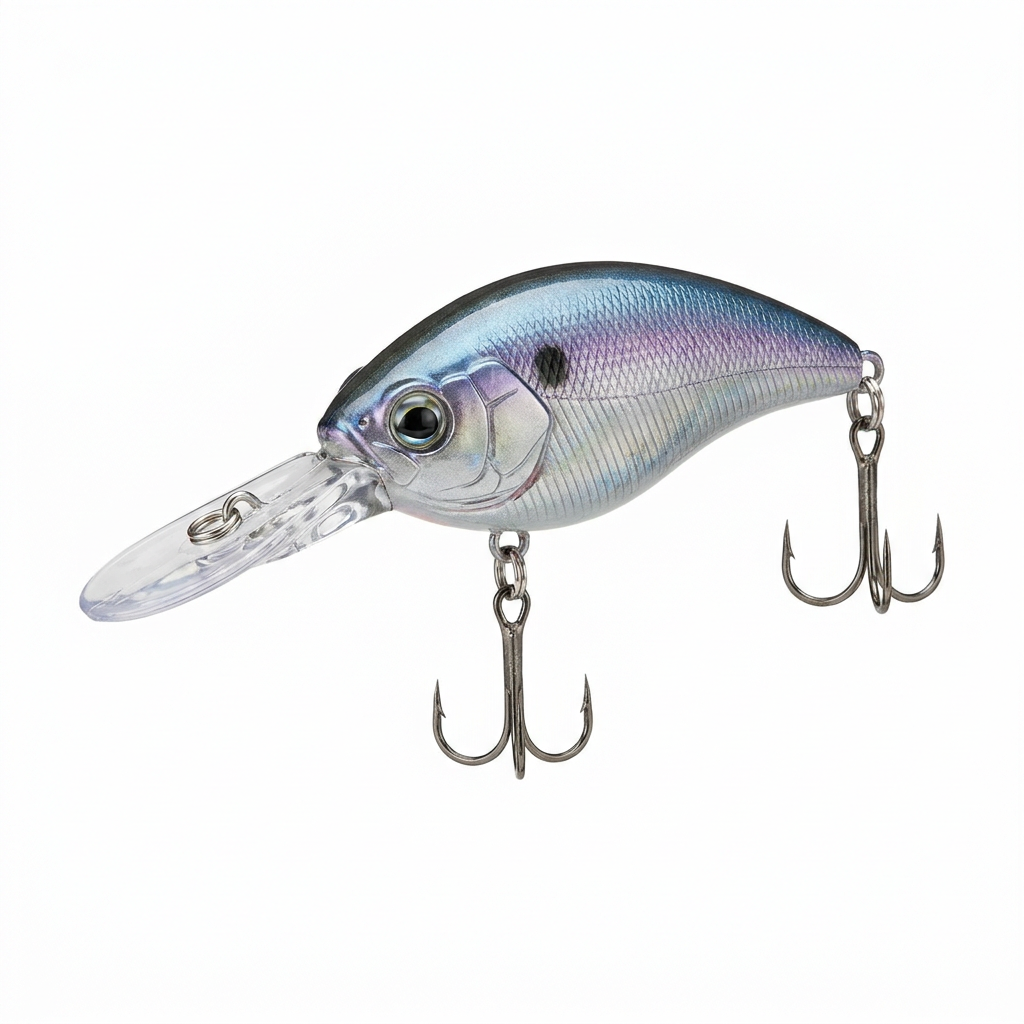
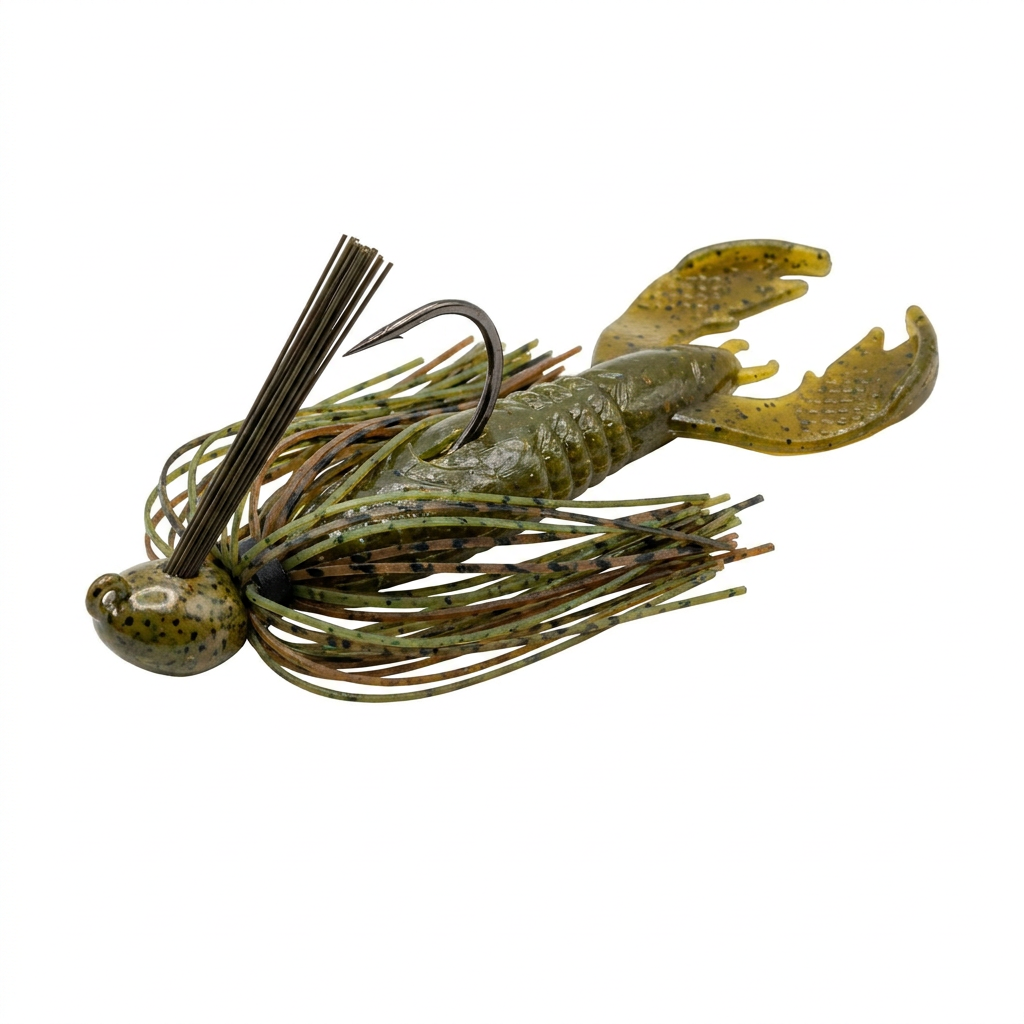
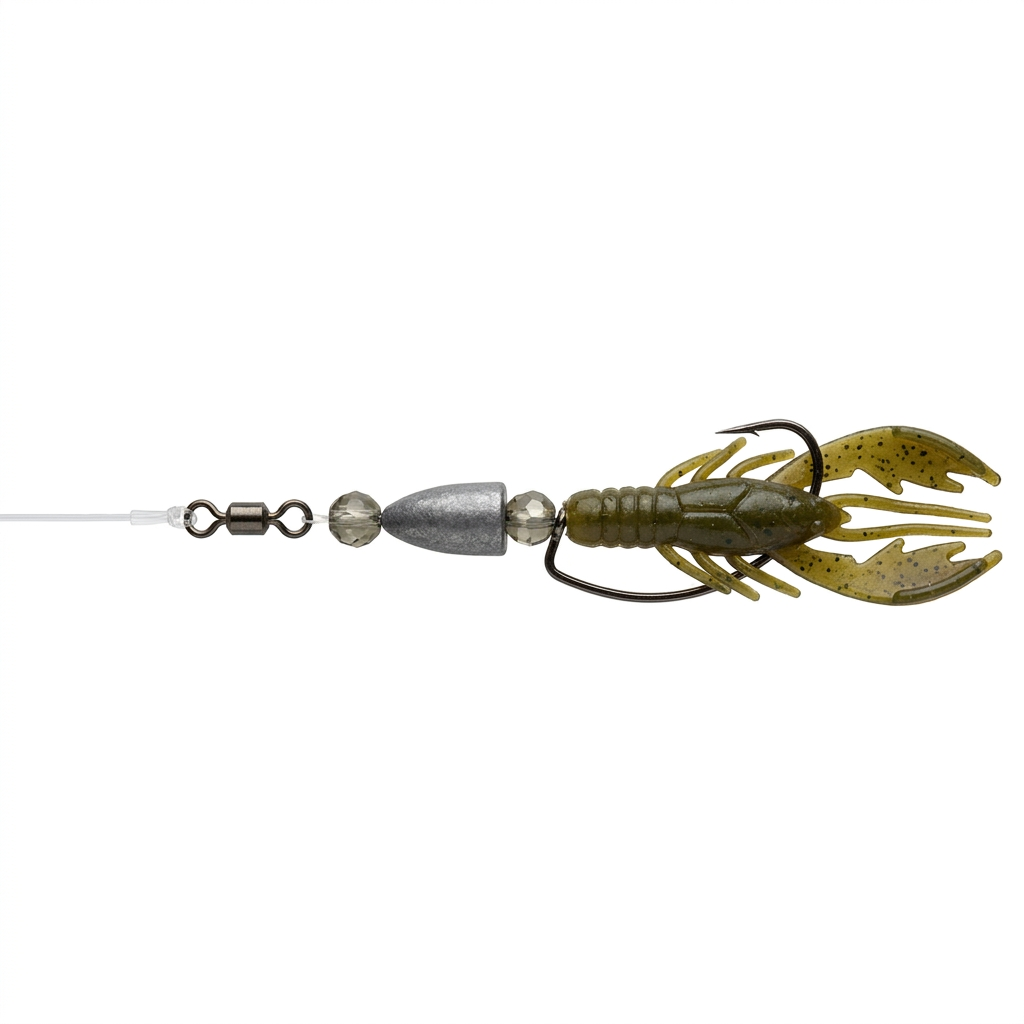
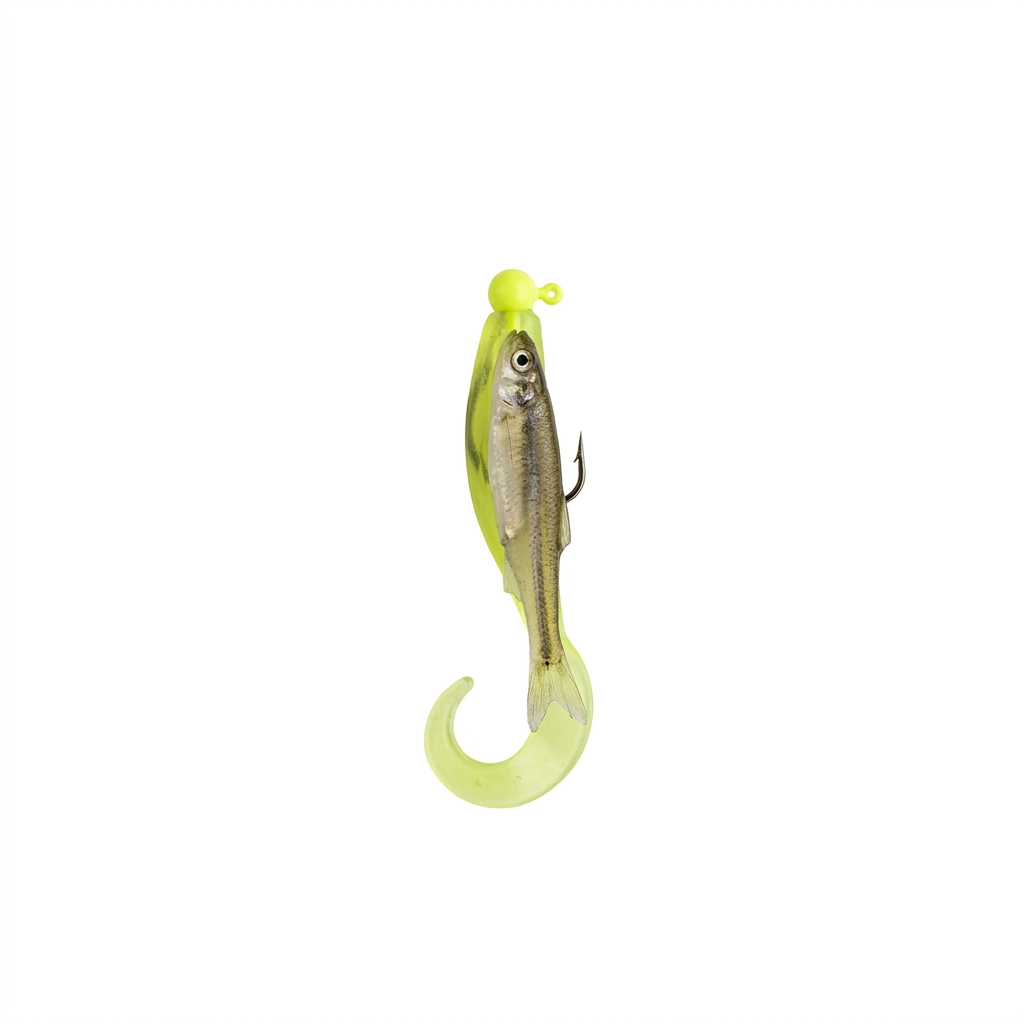
Worth checking before any trip: your line. Old braid gets brittle at the tag end and loses sensitivity over time. I rotate mine every season. Reaction Tackle is where I order from when it's time to restock.
About Falcon Lake
Falcon Lake is one of the most celebrated bass fisheries in North America and one of the most complicated to fish safely. The numbers are undeniable: Bassmaster's #1 bass lake in the US in 2012, Paul Elias's 4-day tournament weight record of 132 pounds set here, warm Rio Grande water producing largemouth year-round in a climate that never really gets cold. The Texas side of the reservoir remains fishable and productive. The security situation on the Mexican side has made the full lake inaccessible for years and reduced overall fishing pressure significantly, which has benefited the bass population on the Texas side.
Safety advisory: Texas side only. The Mexican side of Falcon Lake falls within Tamaulipas, Mexico, which is subject to a U.S. State Department Level 4: Do Not Travel advisory due to crime and kidnapping risk. Anglers must fish only the Texas (US) side of Falcon Lake. Do not cross or approach the international boundary on the water. Check current U.S. State Department travel advisories at travel.state.gov before any trip. The Zapata County Sheriff's Department and Texas Department of Public Safety have jurisdiction on the US side.
Tournament history. Falcon Lake was the site of one of the most remarkable tournament performances in bass fishing history. In January 2012, Paul Elias won the Bassmaster Elite Series tournament here with a 4-day weight of 132 pounds 3 ounces, setting the all-time 4-day Bassmaster tournament record. The lake was ranked #1 in the US by Bassmaster that same year. Tournament activity on the lake has been significantly reduced since 2012 due to security concerns, but the fishery quality has remained high and pressure on the Texas side has decreased.
Lake size and location. Falcon Lake (Falcon Reservoir) is an international reservoir on the Rio Grande managed jointly by the United States and Mexico through the International Boundary and Water Commission. The reservoir covers approximately 83,654 acres at conservation pool, spanning Zapata and Starr counties in Texas and Tamaulipas, Mexico. Falcon Dam was completed in 1954. Zapata, Texas is the primary gateway, approximately 40 miles east of Laredo via US-83. The Texas-side boat ramps are at Falcon State Park (Starr County) and at the Zapata County facilities near the dam.
TPWD regulations (verify at tpwd.texas.gov). Largemouth bass: 14-inch minimum, 5-fish daily limit. White bass: 10-inch minimum, 25-fish daily limit. White crappie: 10-inch minimum, 25-fish daily limit. Channel catfish: 12-inch minimum, 25-fish combined daily limit with blue catfish. Always verify current regulations before fishing.