Lake Bastrop is a hidden gem in the Austin area - a small, productive reservoir that most people drive right past on the way to the Colorado River. The hybrid striped bass stocking gives this lake a unique dimension that most small Texas lakes don't have. I'd be on the water at first light in spring targeting bass on the upper end near the Spicer Creek inflow before the weekend crowd shows up.
Today's Bite Score · October 8, 2026
Above average conditions worth planning a trip
🌘Waning Crescent
Lake Bastrop Fishing Report
October FishingMonthly fishing report · October patterns and techniques
Lake Bastrop in October offers anglers changing conditions as water temperatures begin to cool from summer highs. In October, fish behavior shifts as cooler water moves through the lake, prompting species to adjust their feeding patterns and positioning. Anglers are finding that understanding these monthly changes is key to locating active fish throughout the lake.
This month, multiple species are responding to October's conditions across different areas of the lake. The bite is most productive where fish are concentrating in response to the seasonal water temperature changes. Anglers are finding success by focusing on areas where fish naturally congregate during this period, taking advantage of the active feeding that occurs as the lake transitions into cooler water conditions.
For October fishing at Lake Bastrop, anglers are finding success with a variety of techniques matched to current conditions. The bite responds well to both live bait and artificial presentations, with anglers experimenting to determine what works best on any given day. Focus on areas where fish are holding this month, and adjust presentations based on water conditions and species behavior.
Get More Fishing Report Specifics
Tap a topic button below for a report on current conditions.
Tap a topic above to get a current report for Lake Bastrop.
Answers are generated on demand and cached. No AI call fires until you tap a tab.
Lake Bastrop Fishing Guides
Looking for a Lake Bastrop fishing guide? The warm-water discharge zones and bass holding spots aren't obvious to newcomers, and a guide who's dialed into the seasonal patterns will put you on fish fast. Go here → to check out our recommended fishing guides for Lake Bastrop. Then scroll down on that page to see all of the Lake Bastrop fishing guides.
Lake Bastrop Fishing Strategies by Species
Seasonal patterns and techniques by target species · Verified against official sources
Lake Bastrop is a 906-acre Lower Colorado River Authority (LCRA) reservoir on Spicer Creek in Bastrop County, Texas, approximately 35 miles southeast of Austin. Impounded in 1964 as a cooling water reservoir for the Bastrop Power Station, the lake benefits from slightly warmer water temperatures that extend the growing season and keep fish active through the cooler months. Texas Parks and Wildlife Department (TPWD) manages the fishery with regular stocking of hybrid striped bass alongside natural populations of largemouth bass, catfish, crappie, and bluegill. Bastrop State Park is nearby, and the lake is accessible through LCRA park facilities. TPWD regulations apply: verify current limits at tpwd.texas.gov before fishing.
Lake Bastrop Largemouth Bass Fishing Report
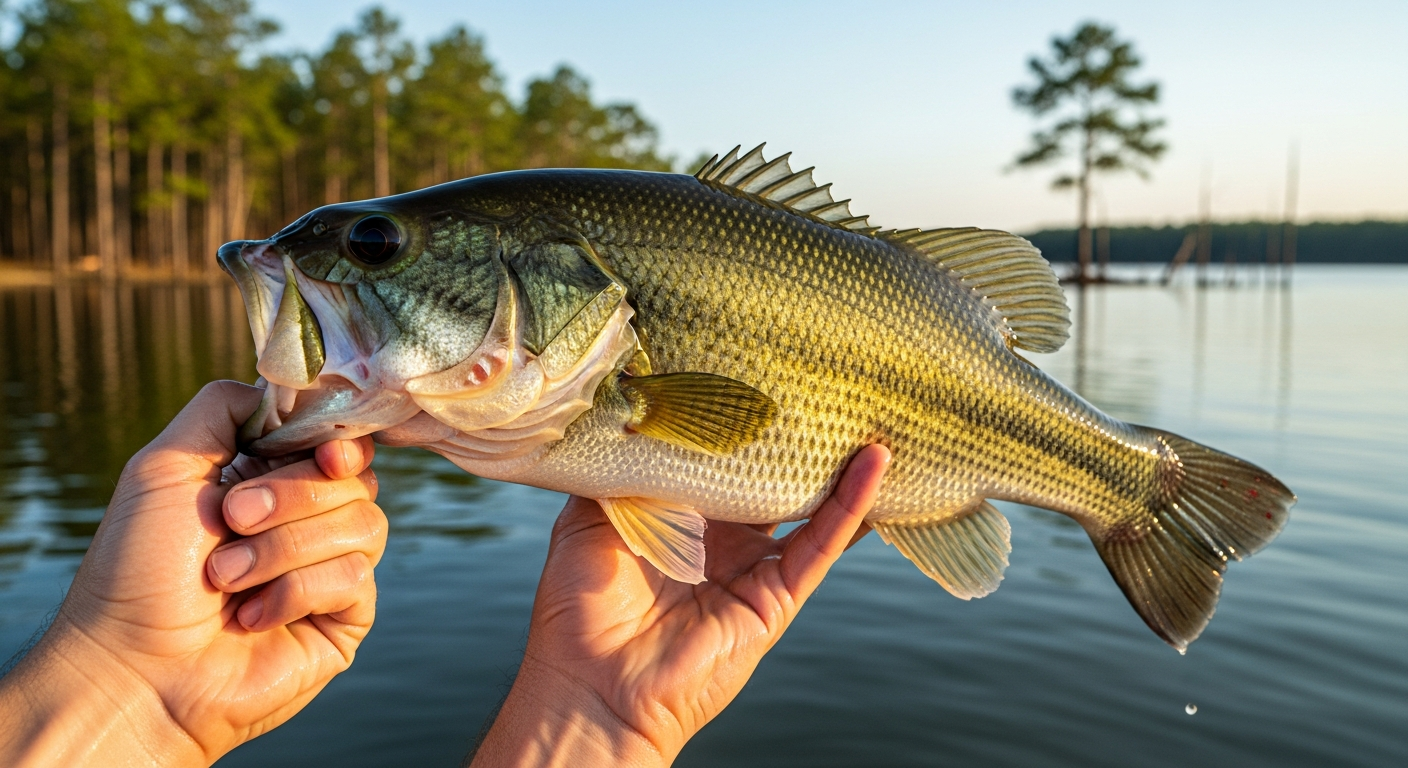
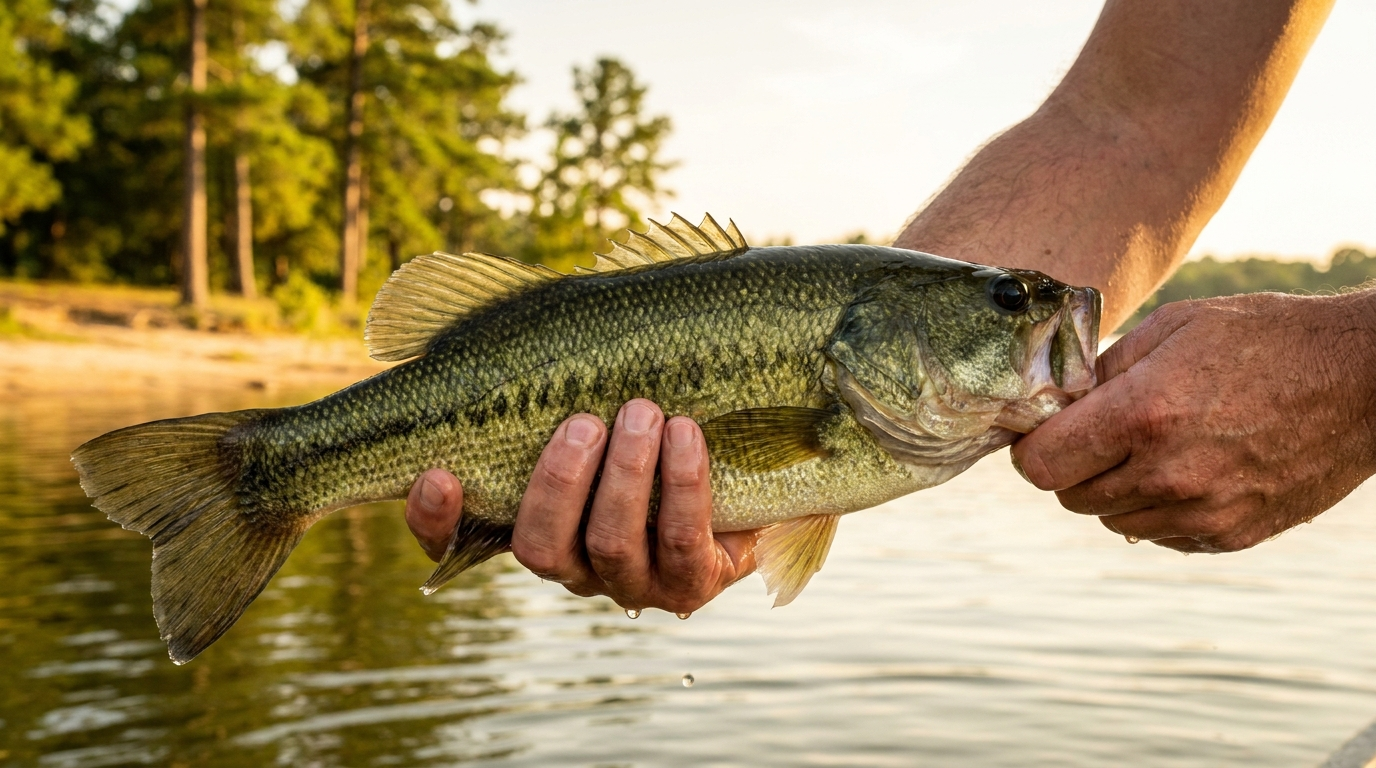
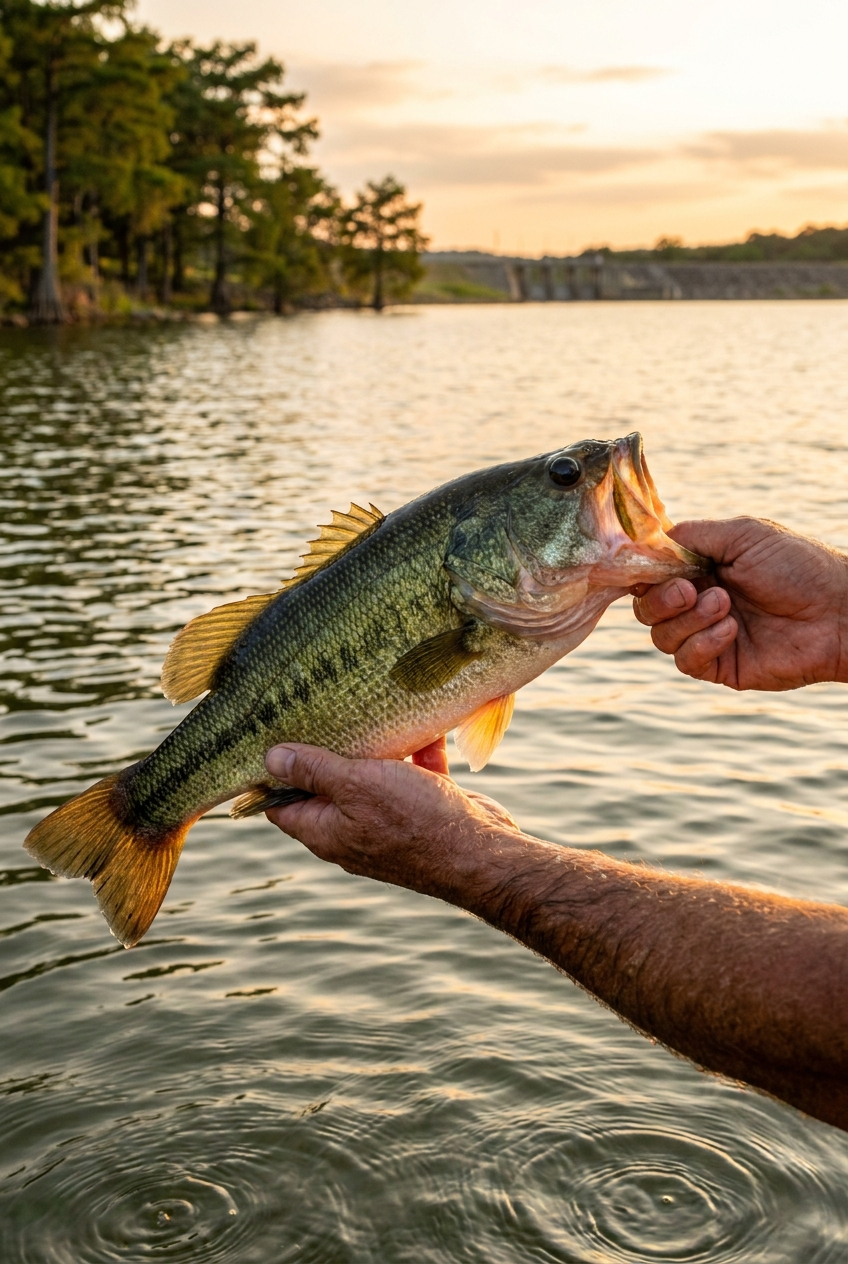
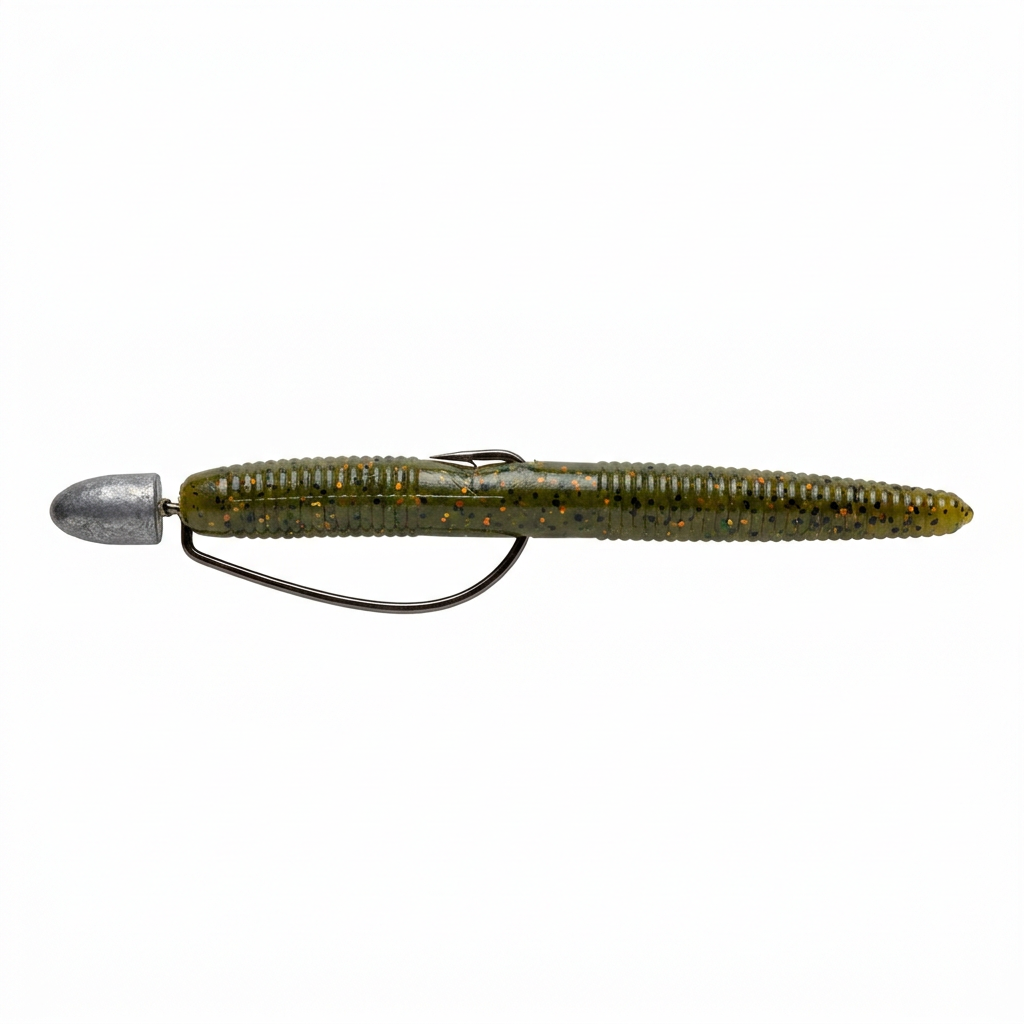
Largemouth bass are the premier sport fish on Lake Bastrop and the lake punches well above its 906-acre size in terms of bass quality. The combination of warm water from the former cooling reservoir operations, productive vegetation including milfoil and lily pads, and the relatively light fishing pressure compared to nearby urban lakes has produced quality bass. Spring bass fishing begins in late February or early March as fish move to the shallow coves and the Spicer Creek arm to spawn. Texas-rigged worms, spinnerbaits, and topwater frogs over the vegetation are the most effective spring presentations. Summer largemouth fishing on Lake Bastrop is best during the early morning hours when bass are active on the weed edges and the scattered dock structure around the lake's perimeter. The lake is small enough that a kayak or small boat gives access to the entire shoreline, including the quieter coves away from the main boat ramp. Carolina rigs worked along the drop from the shallow flats to the deeper basin areas in 8 to 15 feet produce bass during midday summer heat. The timber and brush near the old creek channel on the upper end of the lake holds fish year-round. Fall is an excellent season as bass chase shad and bluegill fry into the shallower coves. Verify Texas largemouth bass regulations at tpwd.texas.gov.
Lake Bastrop Hybrid Striped Bass Fishing Report
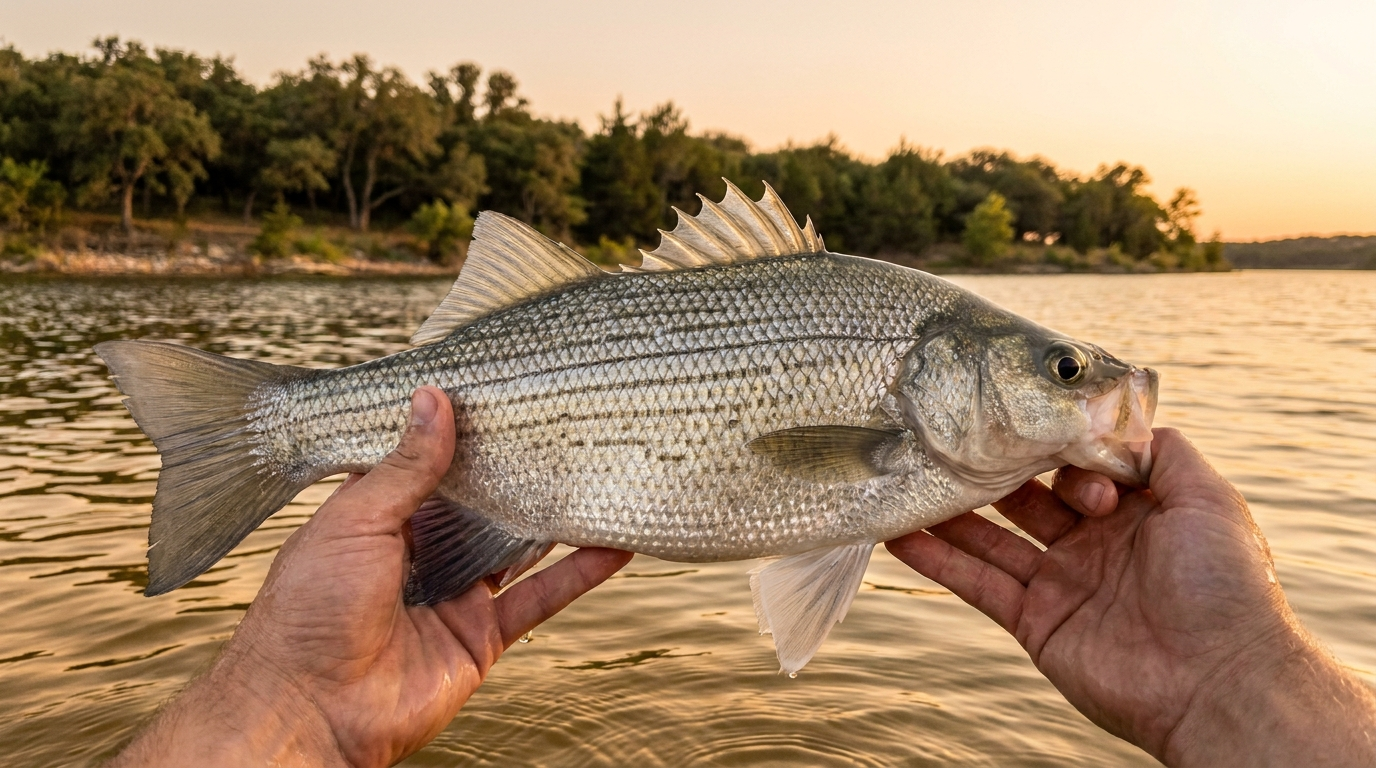
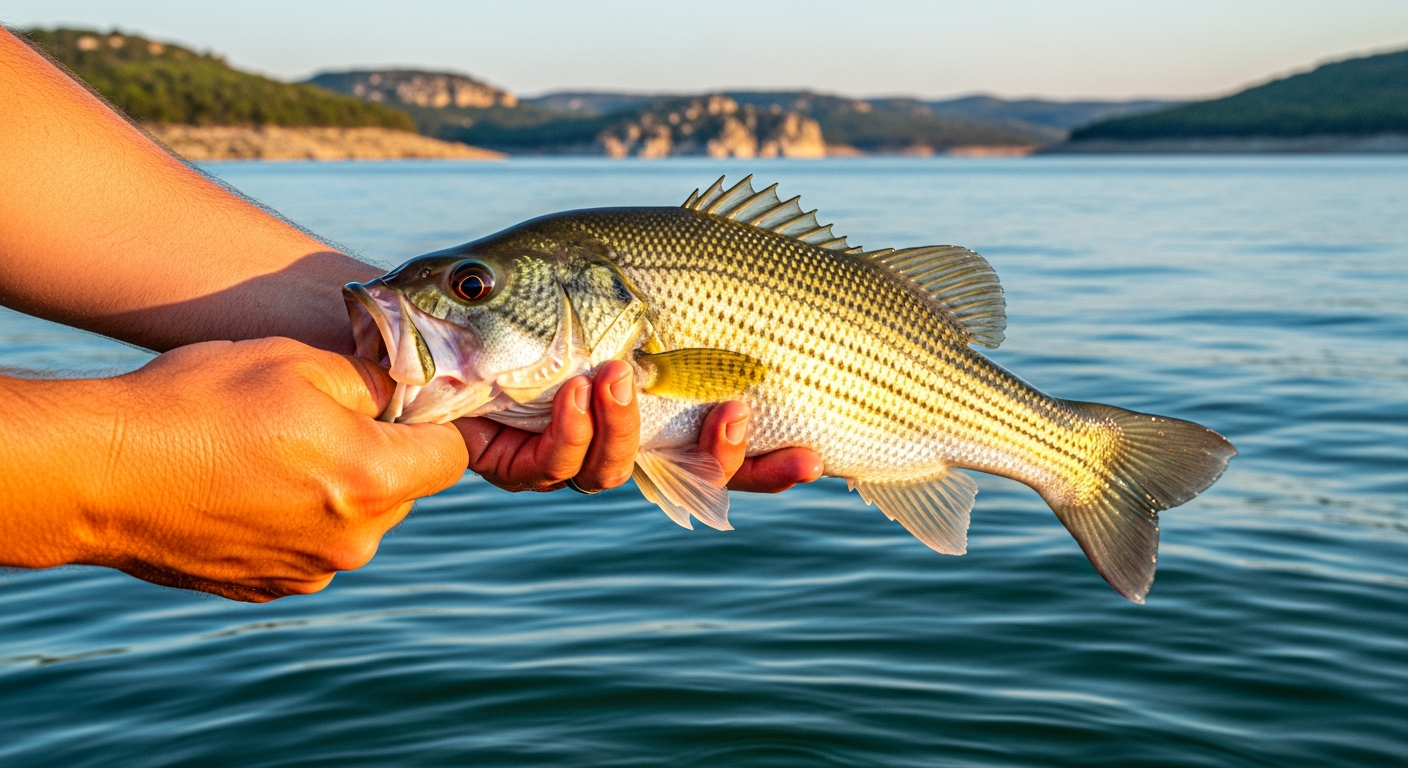
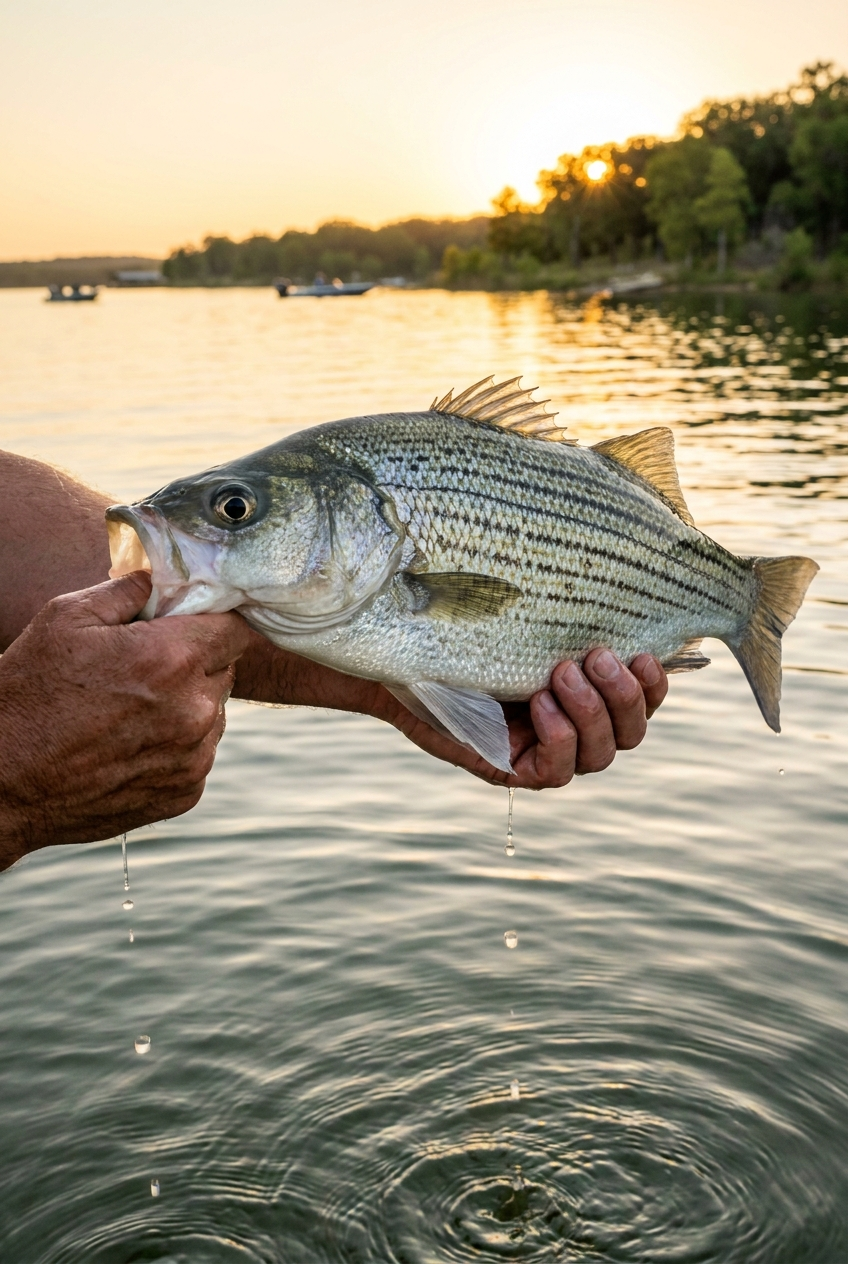
Hybrid striped bass are stocked regularly by Texas Parks and Wildlife Department in Lake Bastrop, providing an exciting open-water species in a lake that would otherwise be a purely warm-water fishery. Hybrids use the main lake basin and the deeper areas, feeding aggressively on the abundant shad and bluegill populations. The hybrid striper schooling behavior - pushing shad schools to the surface in explosive feeding frenzies - is visible from a distance and provides fast-action fishing when located. Small crankbaits, jigging spoons, and rooster-tail spinners worked through the schooling fish produce quick limits. The warmer water temperatures from Lake Bastrop's cooling reservoir history benefit hybrid stripers, extending their feeding activity through the cooler months when fish in other lakes may slow down. Winter hybrid striper fishing on Bastrop can be productive in the deeper sections of the main basin. Spring and fall hybrids are most active in the early morning and evening hours in 8 to 20 feet of water over the main lake basin. Trolling small crankbaits along the edges of the main channel also produces hybrid stripers. Verify current hybrid striped bass regulations and TPWD stocking schedules at tpwd.texas.gov.
Lake Bastrop Catfish Fishing Report
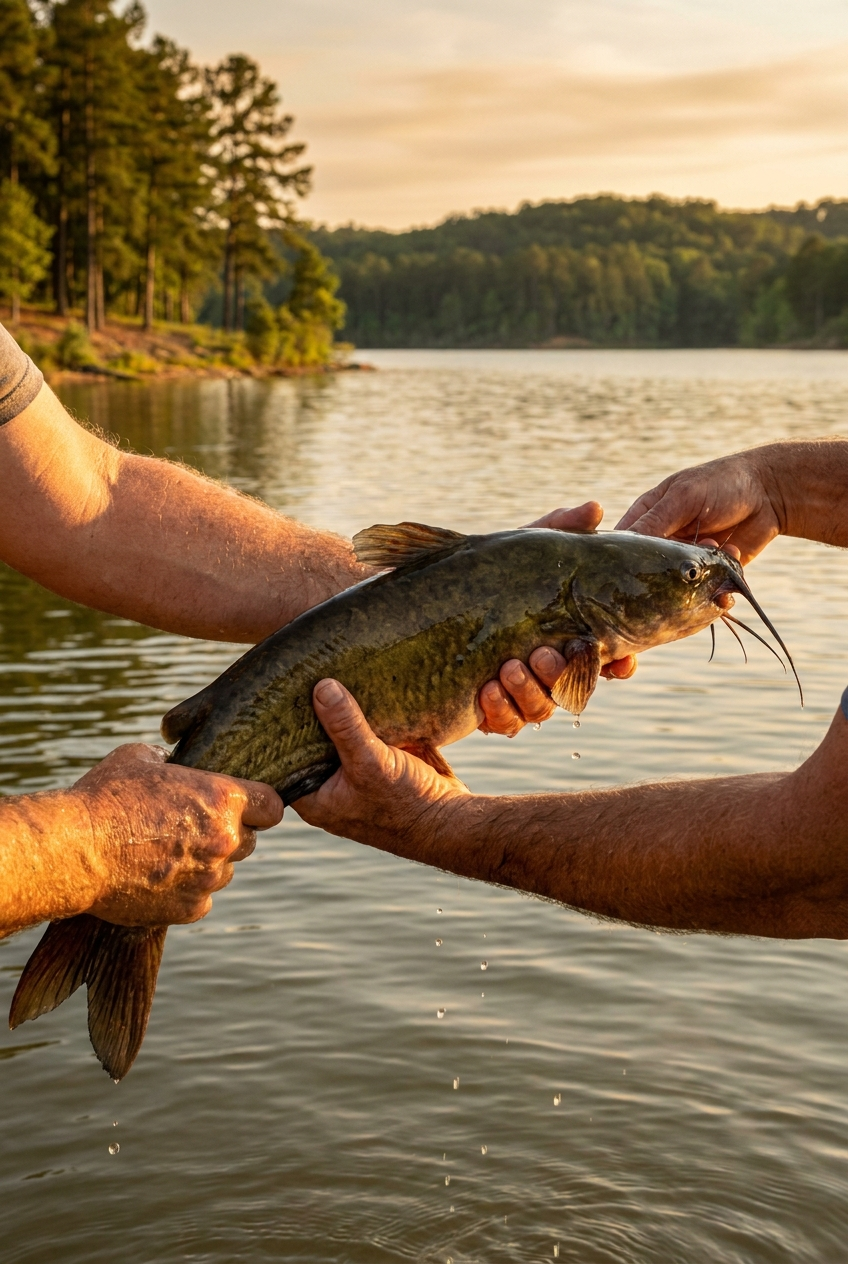
Catfish are abundant in Lake Bastrop and provide excellent warm-weather fishing from late spring through fall. Channel catfish are the primary catfish species, found throughout the lake in the deeper channel areas and the flat muddy bottom sections near the upper end near Spicer Creek. The warm water temperatures in Lake Bastrop accelerate catfish growth and keep fish actively feeding through more of the year than most Texas lakes. Night fishing along the channel edges and the flat areas of the main basin with cut shad, chicken liver, or prepared catfish bait produces the most consistent results. Summer catfishing on Lake Bastrop from June through August is the peak season. Setting rod holders along the flatter sections of the main lake near the channel edges and waiting for fish to find the bait is the classic approach. Catfish in Lake Bastrop average 2 to 5 pounds with larger fish over 10 pounds present in the deeper channel areas. The Spicer Creek inflow area on the upper end of the lake concentrates catfish when current is flowing after rainfall. Flathead catfish may also be present in the creek channel areas. Verify current Texas catfish regulations at tpwd.texas.gov.
Lake Bastrop Crappie Fishing Report
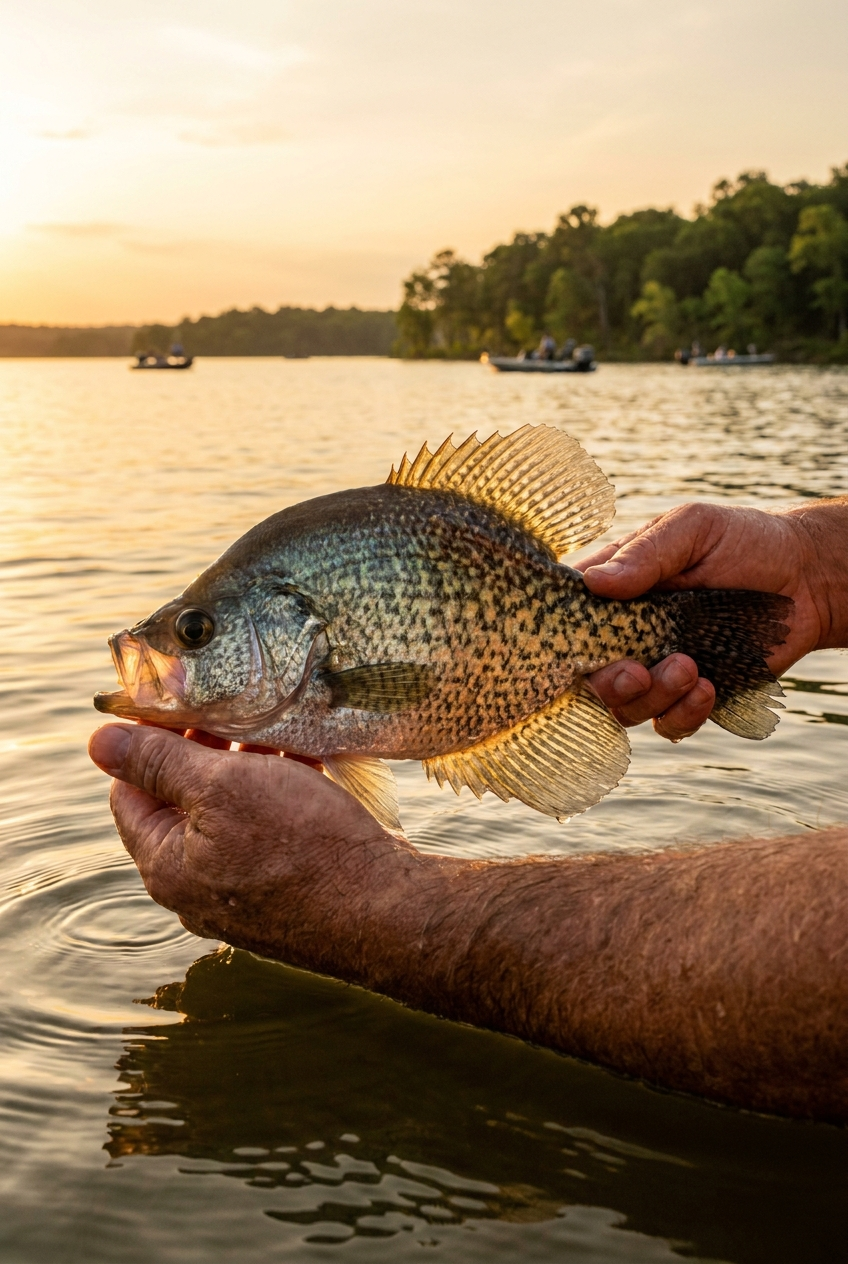
Crappie fishing on Lake Bastrop is productive around the available brush, dock structure, and submerged cover throughout the reservoir. Spring crappie fishing peaks in March and April when fish move to spawn near any available brush in 3 to 8 feet of water. Crappie jig-minnow rigs and small tube jigs fished under a slip-float near brush piles and dock pilings produce the most spawning crappie. Both black and white crappie are present, with black crappie more common in the clearer sections near the main basin. Post-spawn crappie on Lake Bastrop move to the deeper brush piles and any submerged structure in 10 to 15 feet. The limited amount of natural deep structure in the shallow lake means that private brush piles maintained by local anglers are the most productive crappie spots. Fall crappie fishing improves again as fish school near the mid-depth brush piles before moving to the warmest areas of the lake in winter. The warm water from the former cooling reservoir operations may keep Lake Bastrop crappie active through the winter months when other area lakes slow down. Verify current crappie regulations at tpwd.texas.gov.
Lake Bastrop Bluegill Fishing Report
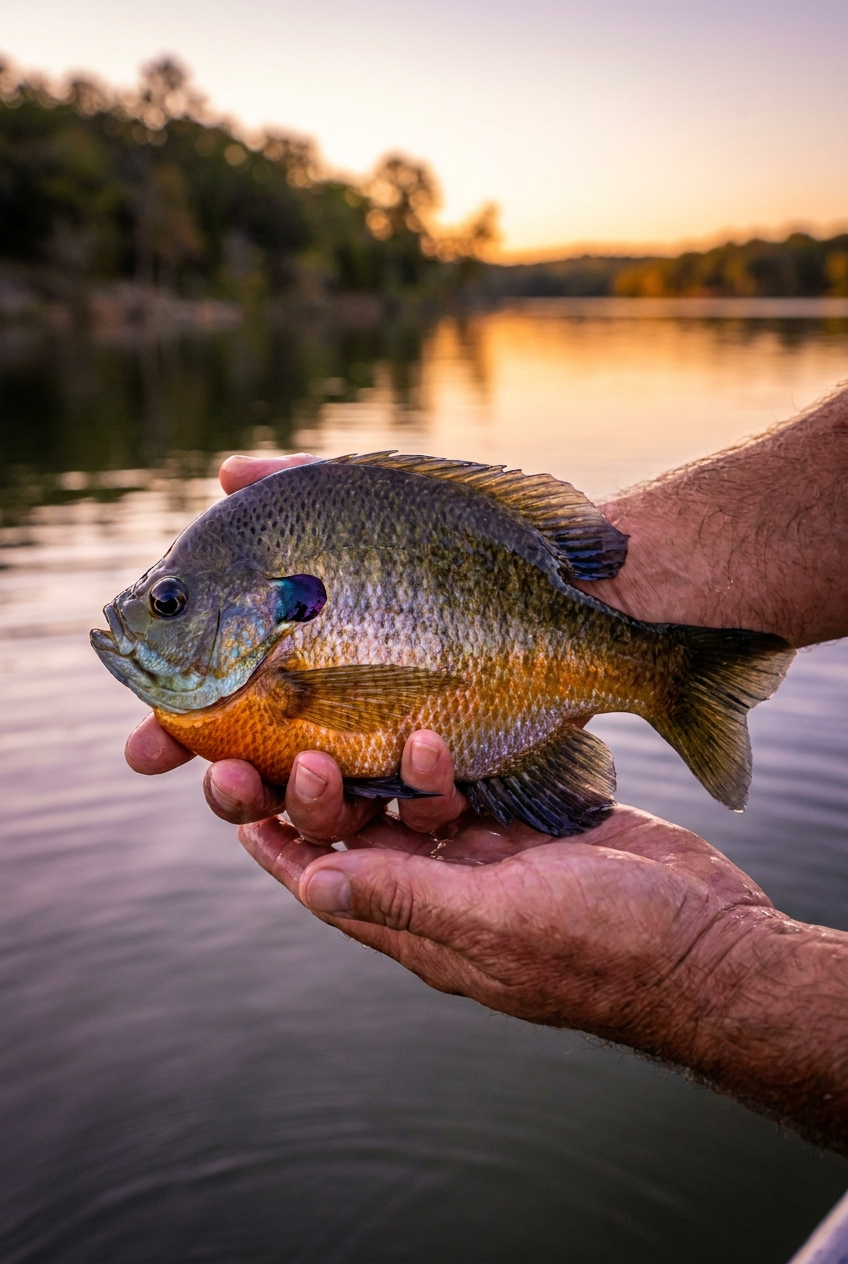
Bluegill are plentiful throughout Lake Bastrop and provide the kind of fast, consistent panfish action that is ideal for younger anglers or anyone looking for an easy outing on the water. The lake's shallow coves with vegetation and the dock structure around the perimeter hold bluegill from spring through fall. Spawning bluegill in May and June fan beds in the sandy shallows of the protected coves and are easily caught on small jigs, crickets, and worms fished under a bobber. The warm water of Lake Bastrop supports excellent bluegill growth and the lake produces above-average panfish for its size. Bull bluegill over 9 inches are caught regularly near deeper cover and the better brush piles. Summer bluegill fishing is excellent in the early morning near vegetation edges and the dock shade. Bluegill are an important forage species for the hybrid striped bass in Lake Bastrop, and large concentrations of bluegill near the weed edges often attract hybrid stripers. There is no minimum size requirement for bluegill in Texas - verify current bag limits at tpwd.texas.gov.
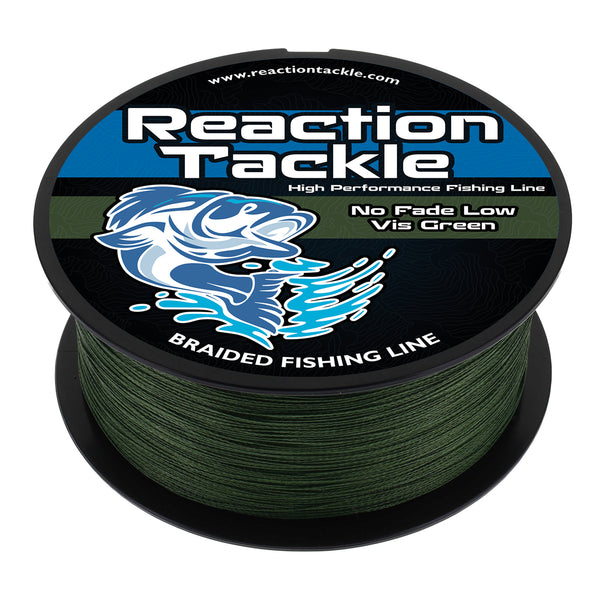
If you haven't replaced your braided line in a season or two, now's the time. Braid holds up better than mono, but abrasion from wood and rock adds up. Reaction Tackle is one of my favorite places to order from.
Top Fish to Target in Lake Bastrop
Lures for Lake Bastrop
Tackle matched to this lake's species and structure.
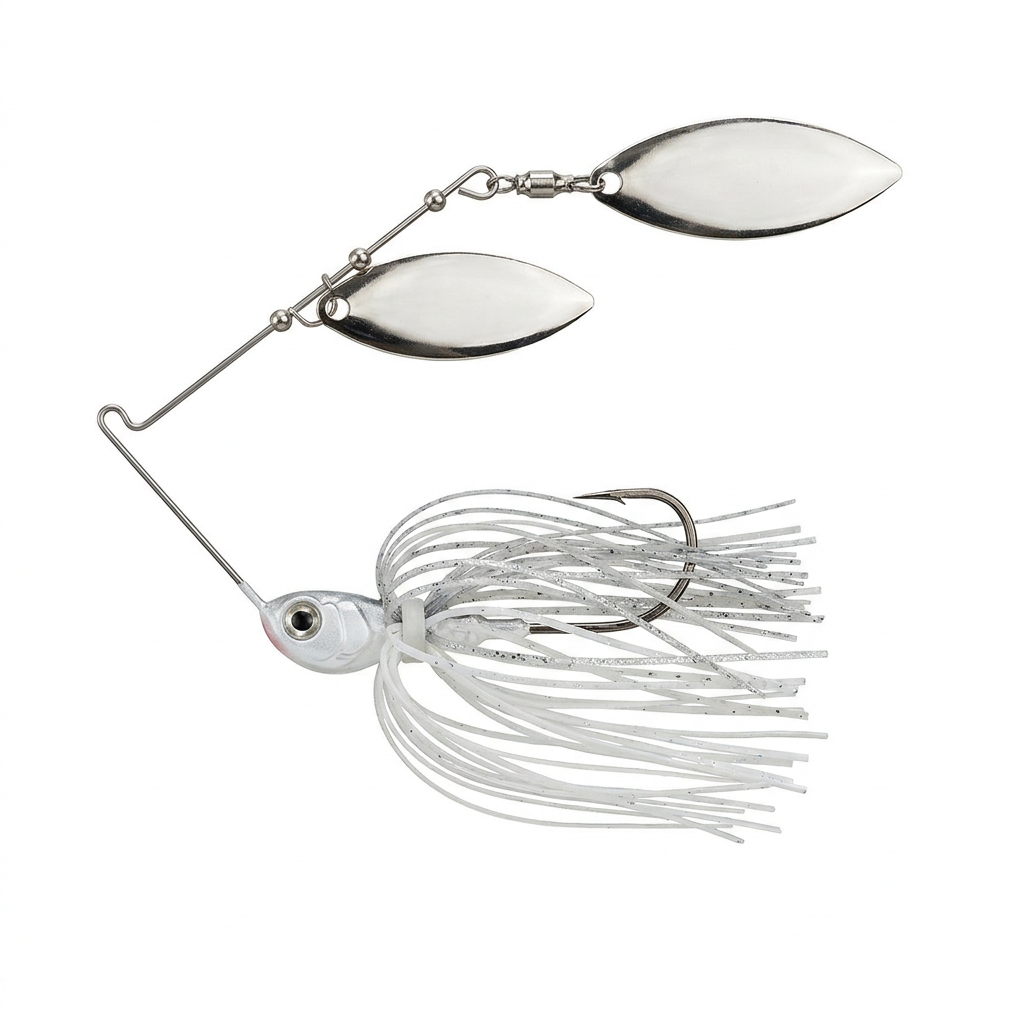
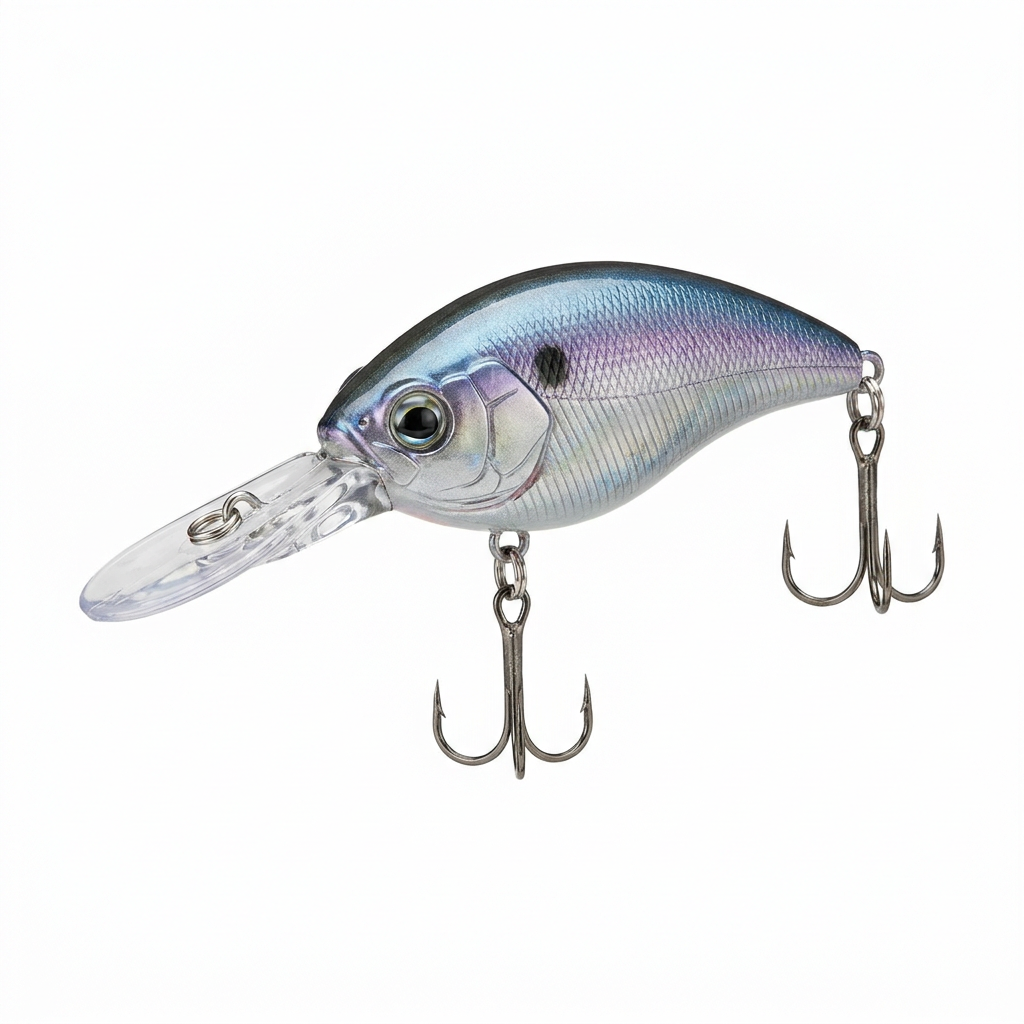
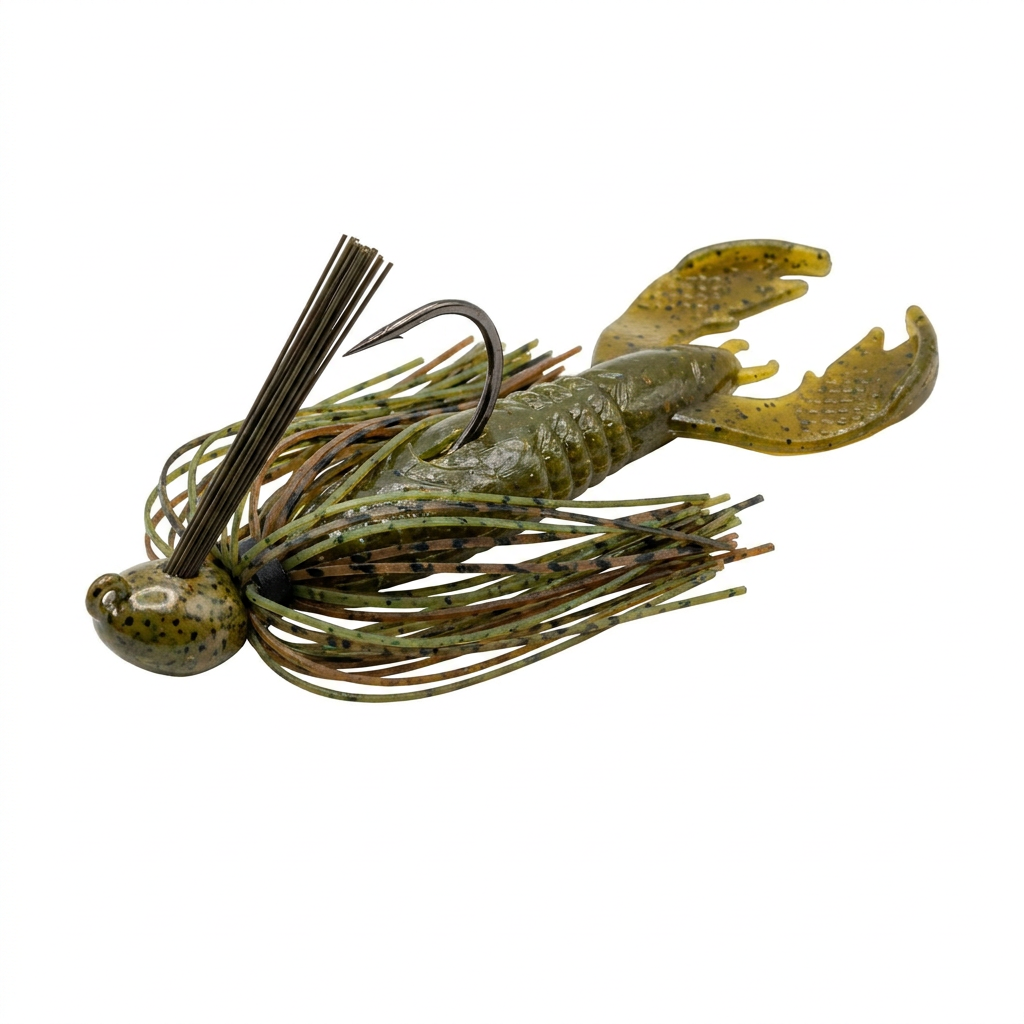
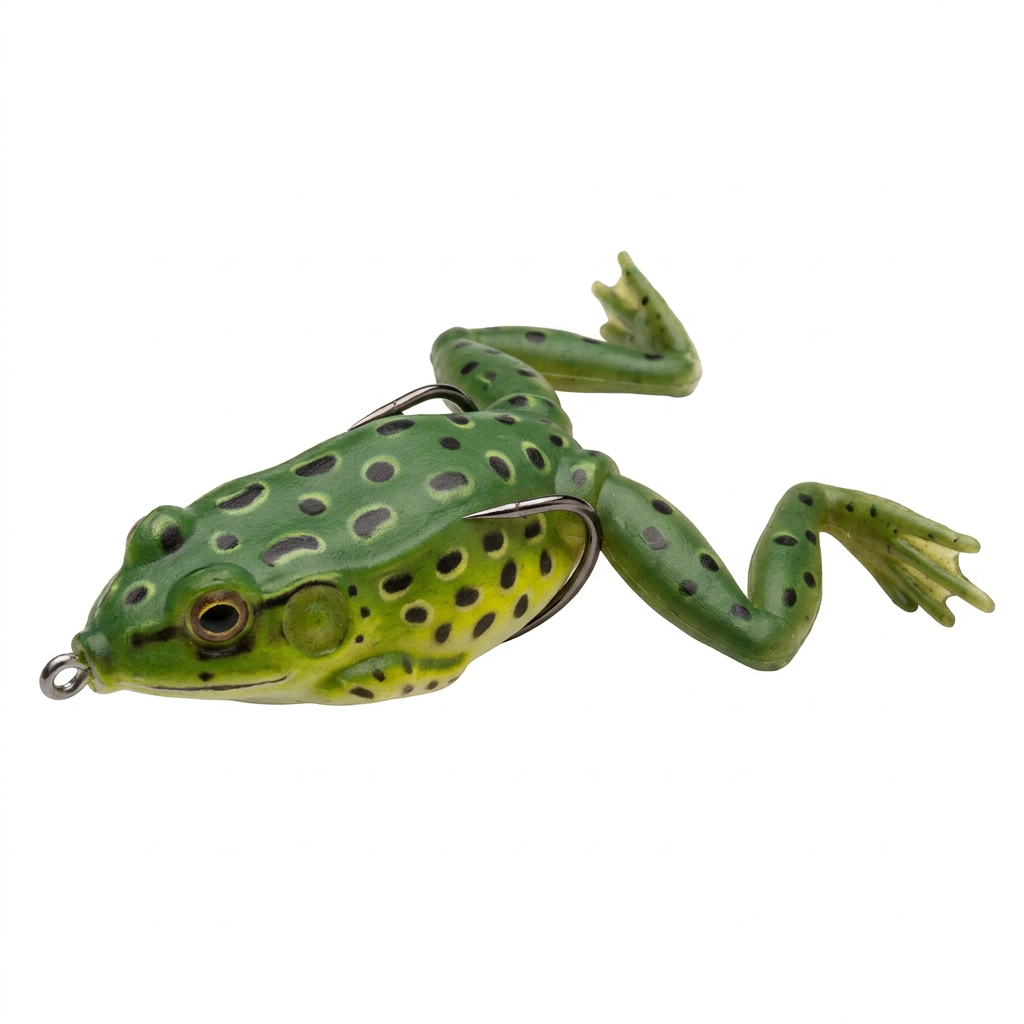
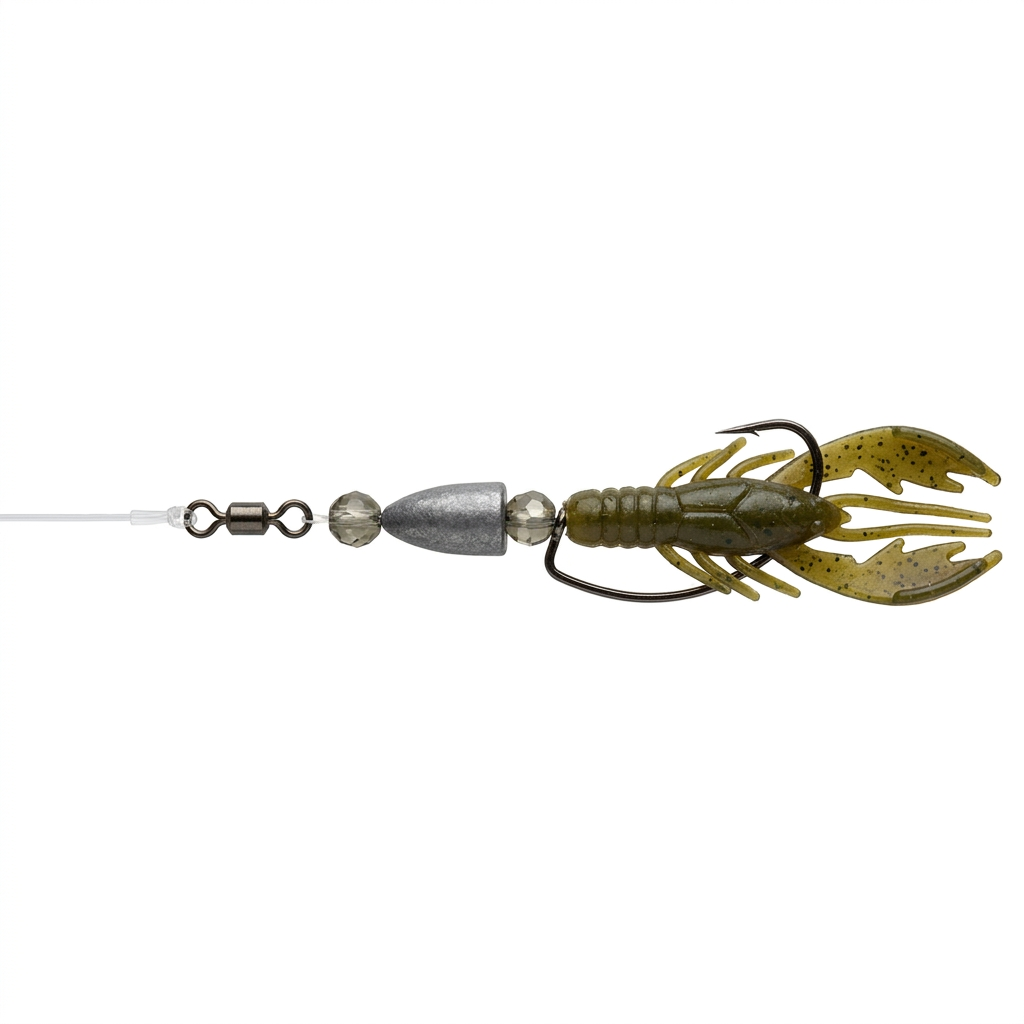
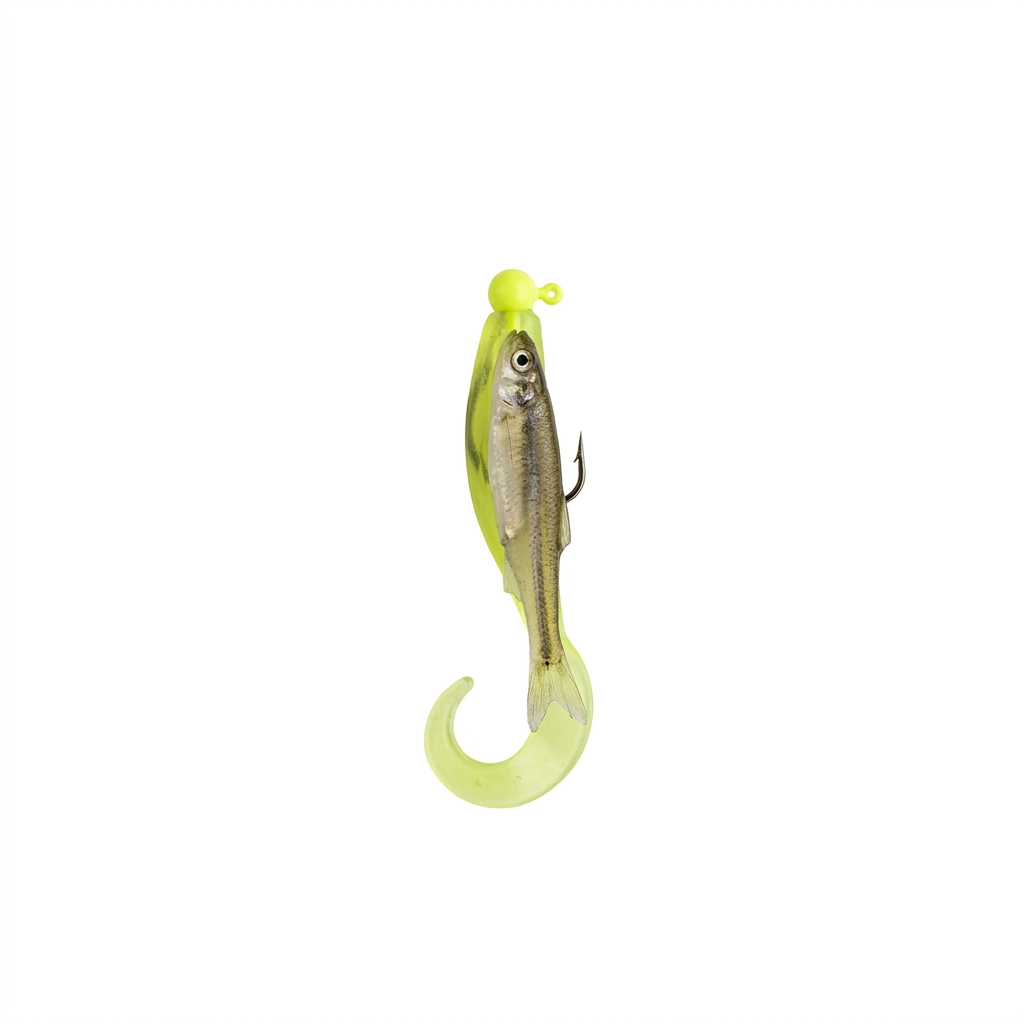
The right line matters as much as the lure. For the presentations that work on this lake, whether flipping timber, fishing main lake structure, or working deep brush, braid is the move. No stretch, more feel, and it lasts. Reaction Tackle is where I get mine.
About Lake Bastrop
Lake Bastrop is a 906-acre Lower Colorado River Authority reservoir on Spicer Creek in Bastrop County, approximately 35 miles southeast of Austin. Impounded in 1964 as a cooling water source for the Bastrop Power Station, the lake occupies a scenic area of the Lost Pines region of central Texas - a westward extension of the East Texas Piney Woods characterized by loblolly pines that are unique this far west in Texas. The combination of the pine forest setting and the productive fishing makes Lake Bastrop a distinctive destination near Austin.
Cooling reservoir history and warm water benefits. Lake Bastrop was built to serve as a cooling water reservoir for the Bastrop Power Station, and the warm-water discharge from plant operations historically elevated lake temperatures above ambient levels. The warmer water extended the growing season for fish and kept feeding activity higher through the cooler months. Even with changes in plant operations, the lake retains characteristics from its cooling reservoir origin that benefit fish productivity year-round.
LCRA management and TPWD fishery programs. The Lower Colorado River Authority owns and manages Lake Bastrop, providing public recreation access through LCRA park facilities. Texas Parks and Wildlife Department manages the fishery and conducts regular stocking of hybrid striped bass that add a sport fishing dimension beyond the natural warm-water species. TPWD conducts periodic electrofishing surveys on Lake Bastrop to monitor bass, crappie, and panfish populations and adjust management accordingly.
Access and Bastrop State Park. LCRA Lake Bastrop Park provides boat ramp access and camping facilities on the lake's southern shore. Bastrop State Park, one of the most historic Texas State Parks, is nearby and provides additional recreation access in the Lost Pines area. The lake is accessible from State Highway 21 east of Bastrop. Obtain a Texas fishing license and verify all current regulations at tpwd.texas.gov before fishing Lake Bastrop.