Today's Bite Score · October 8, 2026
Above average conditions worth planning a trip
🌘Waning Crescent
Lake Livingston Fishing Report
October FishingMonthly fishing report · October patterns and techniques
Lake Livingston anglers are experiencing October conditions as water temperatures begin their seasonal shift. This month brings changing water dynamics that influence fish behavior throughout the lake. As the month progresses, fish are adjusting to cooler water conditions, which affects their feeding patterns and location preferences. Anglers should monitor water temperature changes closely, as these fluctuations directly impact where fish will be holding and how actively they feed.
In October, anglers are finding that various species respond to the month's conditions by positioning themselves in specific depth zones and structure types. Fish are actively feeding this month as they respond to the changing water conditions. The bite is strongest when anglers focus on areas where fish naturally congregate during this period. Understanding which species are most active and their preferred holding locations will help anglers make the most of their time on the water.
The most effective techniques for October at Lake Livingston involve matching baits and lures to the active species and current conditions. Anglers are finding success by adjusting their presentations based on water temperature and fish behavior this month. Different bait and lure selections produce results depending on target species and depth. The bite responds well when anglers focus on proven techniques that match October conditions at Lake Livingston.
Get More Fishing Report Specifics
Tap a topic button below for a report on current conditions.
Tap a topic above to get a current report for Lake Livingston.
Answers are generated on demand and cached. No AI call fires until you tap a tab.
Lake Livingston Fishing Guides
Looking for a Lake Livingston fishing guide? A local guide is worth every penny on this lake. The structure is complex, fish move with the seasons, and the guides who are out here every week know exactly where the big ones are holding. Here are 3 fishing guides for Lake Livingston that are worth checking out.
Lake Livingston Fishing Strategies by Species
Seasonal patterns and techniques by target species · Verified against official sources
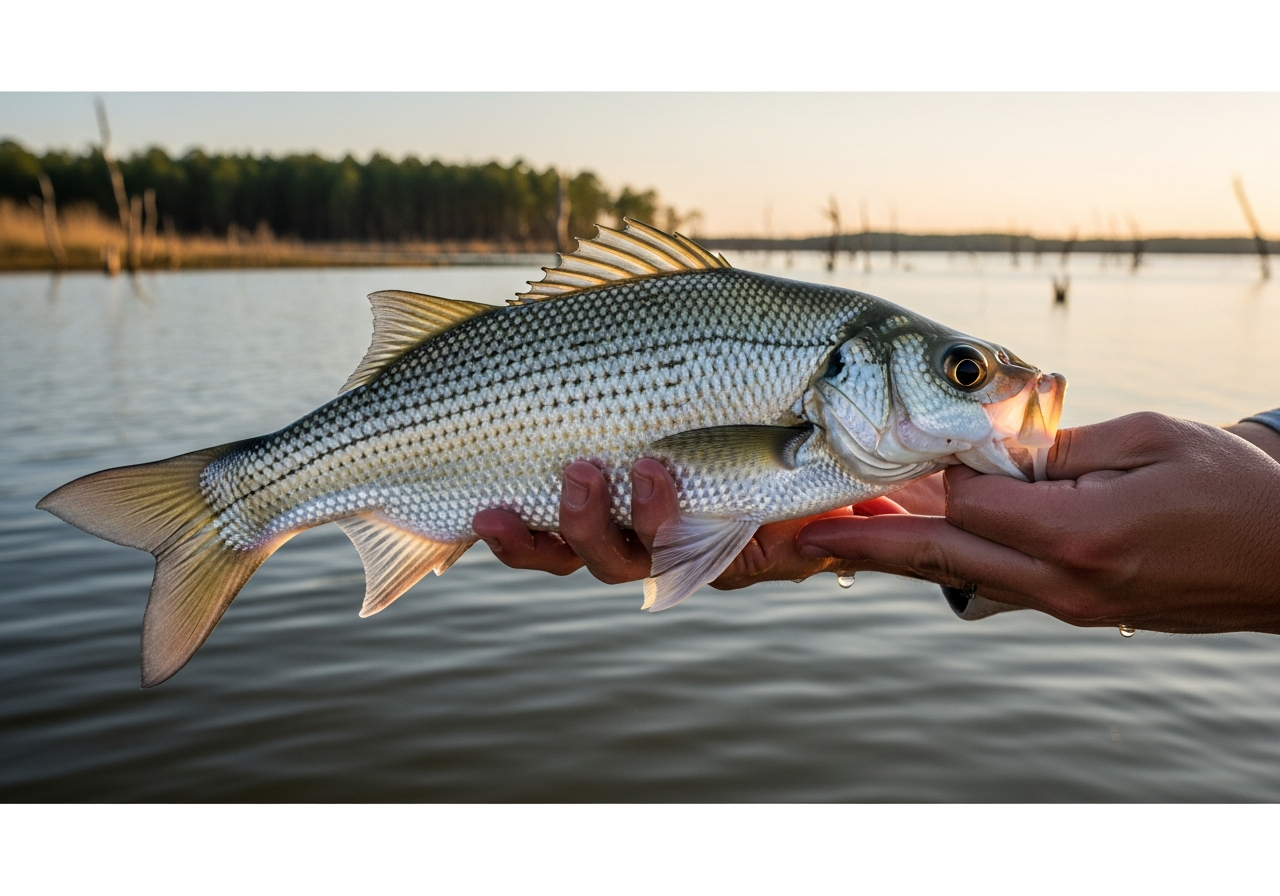
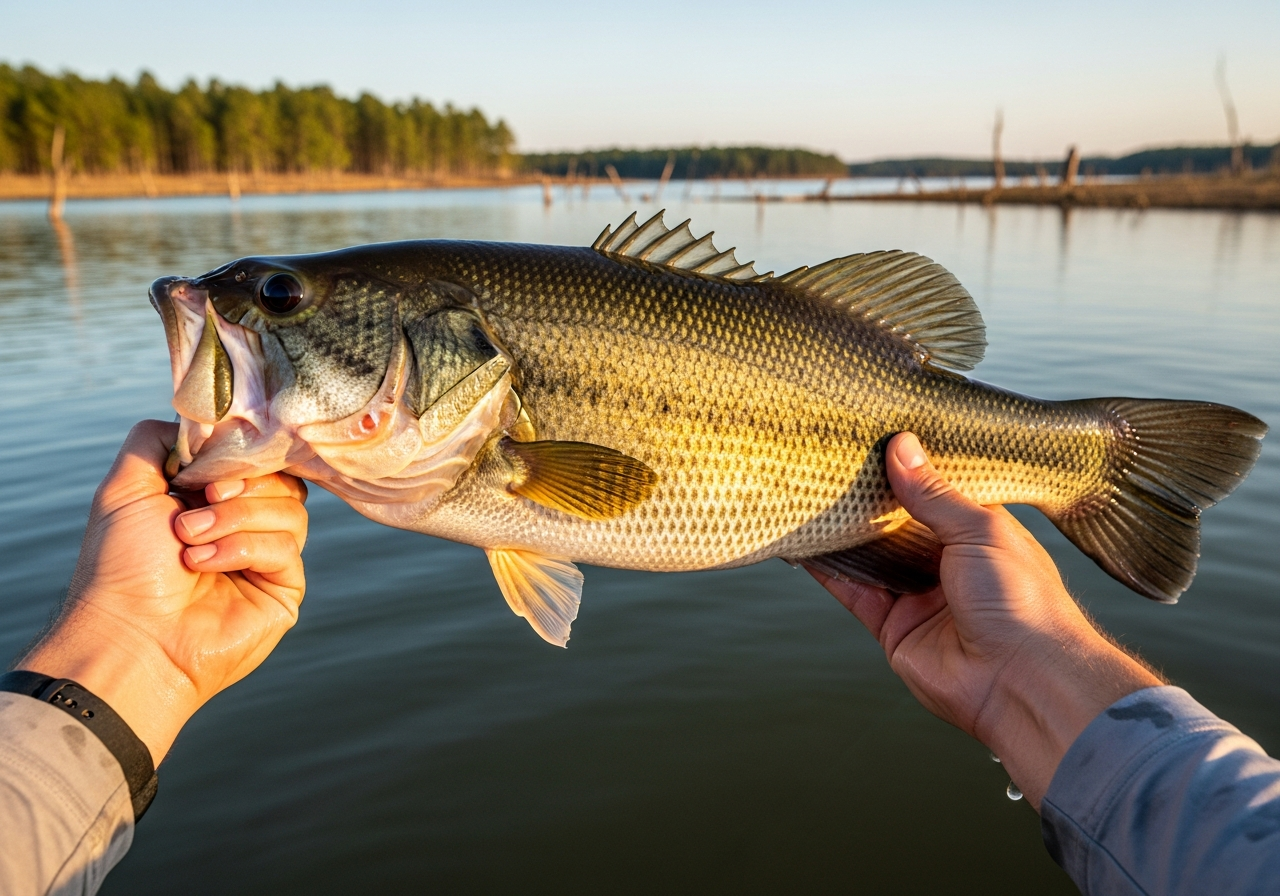
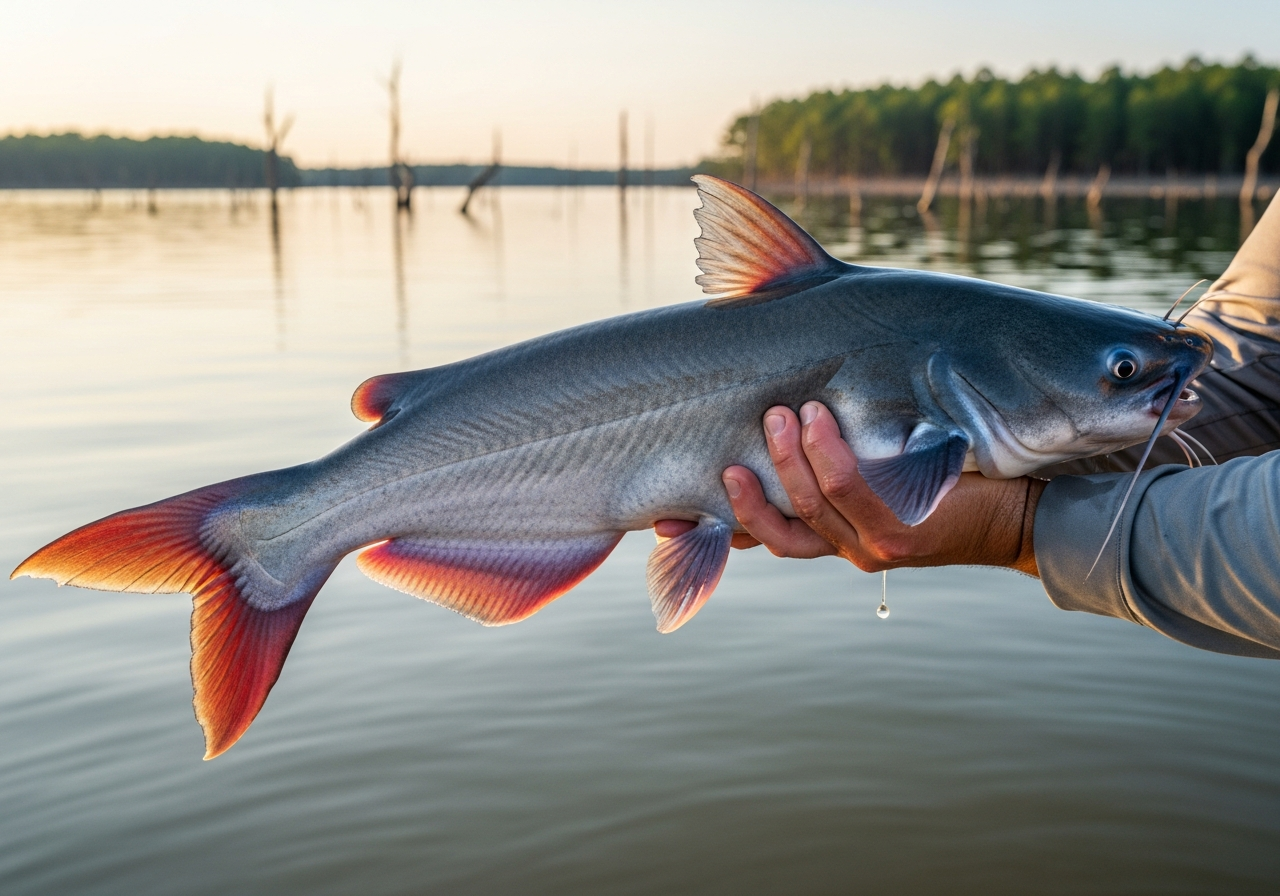
White bass, blue catfish, largemouth bass, and crappie are the primary draws at Lake Livingston. The spring white bass spawning run through the Trinity River arm is one of the most celebrated freshwater fishing events in East Texas, drawing anglers from across the region from late February through April. Blue catfish fishing is rated strong throughout the year, with trophy-class fish available in the deep channel structure near the dam. Largemouth bass respond well to the lake's timber and vegetation edges, particularly in the upper lake arms and creek pockets throughout the Sam Houston National Forest shoreline. Verify current TPWD regulations before fishing.
Lake Livingston White Bass Fishing Report
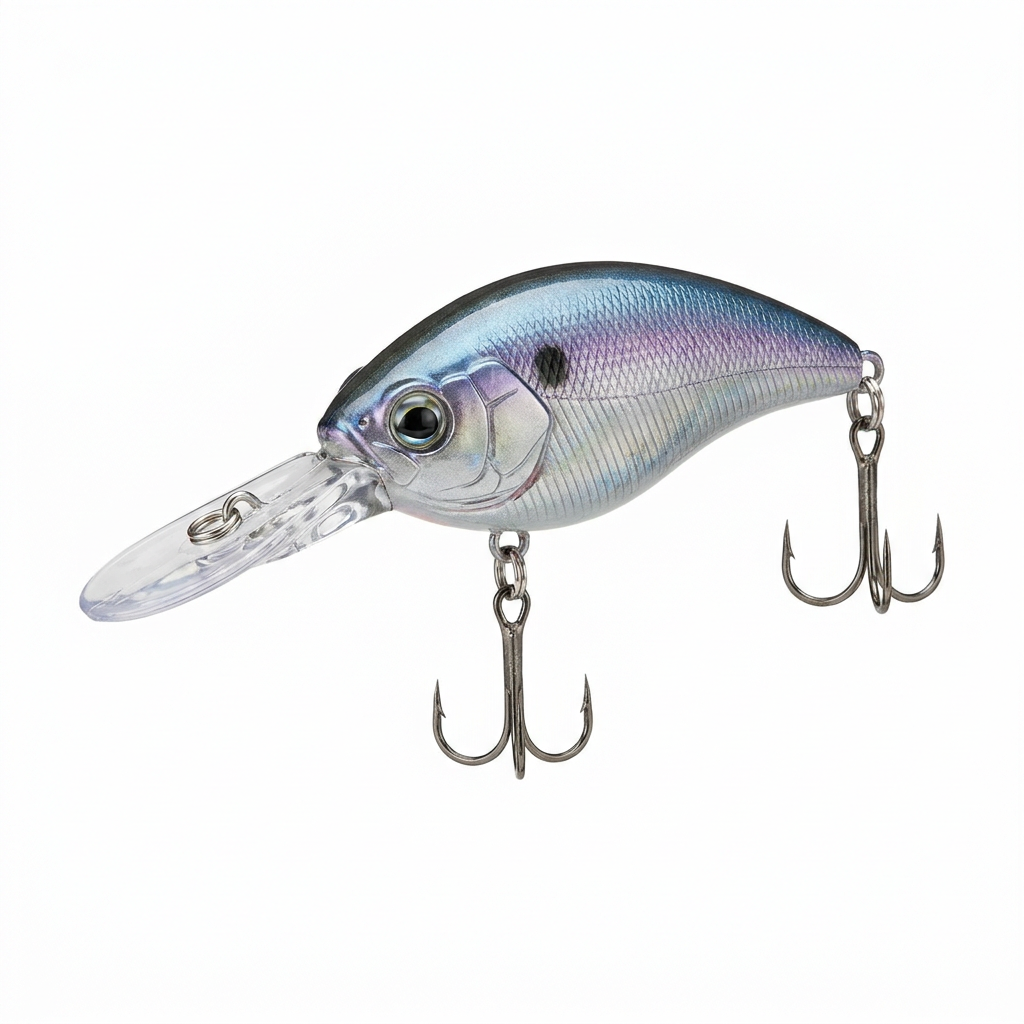
The white bass spawning run at Lake Livingston is the signature event on the lake each year. From late February through April, white bass push up the Trinity River arm and into the tributary creeks in massive numbers, creating fast-action fishing in shallow, stained water. Anglers work small white and chartreuse jigs, in-line spinners, and quarter-ounce spoons along the current seams and shallow riffles in the upper Trinity arm. The Highway 59 bridge area and the river mouth above the main lake concentrate fish at the start of the run before they scatter into the upper reaches. Summer white bass at Livingston school on the main lake in open water, pushing shad to the surface on calm mornings near the main lake points and the deeper timber lines. The schooling activity is most consistent at dawn and dusk, and anglers who position near bird activity find the best surface action. White beetle-spins and small chrome crankbaits cast into the boil produce fast limits when schools are active. Fall brings another concentrated schooling period as water temperatures cool from the summer peak. White bass team with largemouth bass on the main lake points chasing shad schools in September and October, and the action can be excellent on topwater lures and small jigs worked through the surface boils. TPWD regulation: 10-inch minimum length, 25-fish daily bag limit. Verify current regulations at tpwd.texas.gov before fishing.
Lake Livingston Largemouth Bass Fishing Report
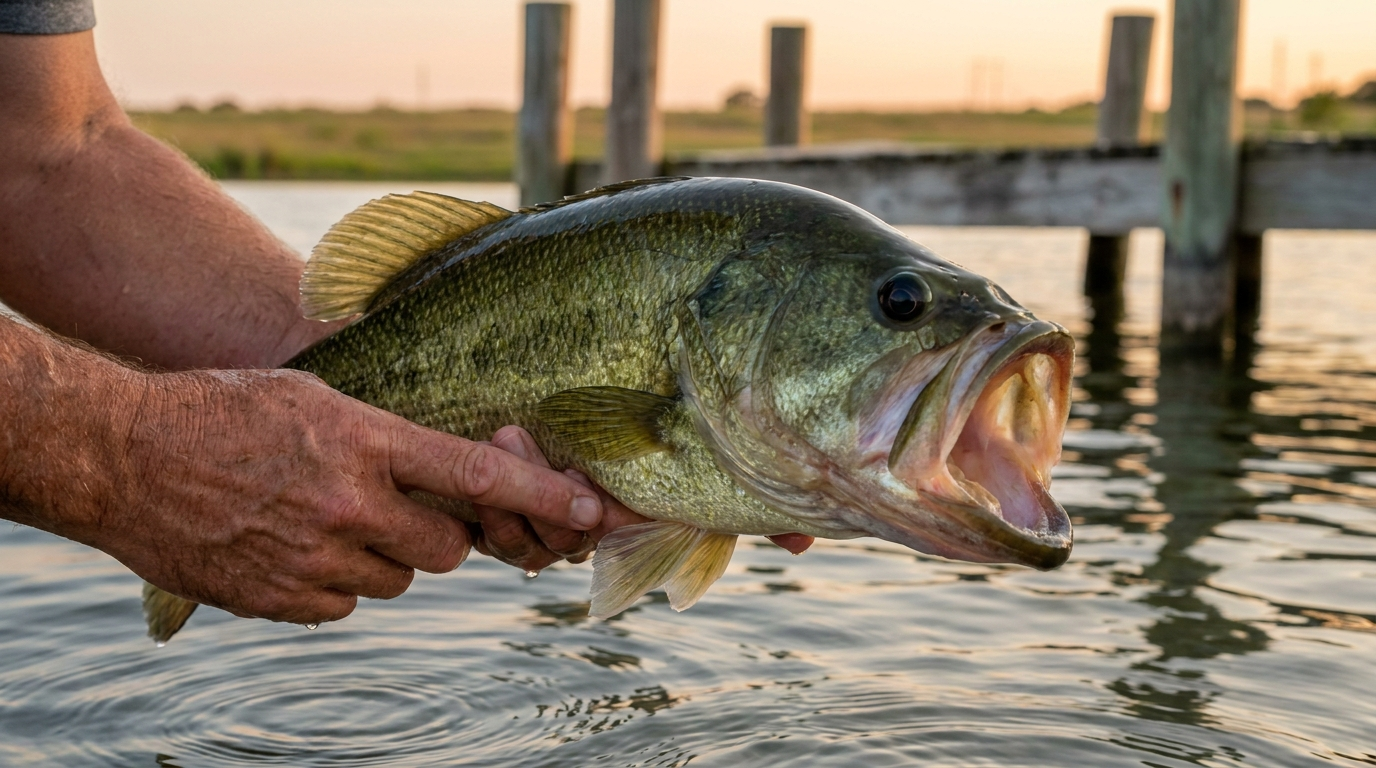
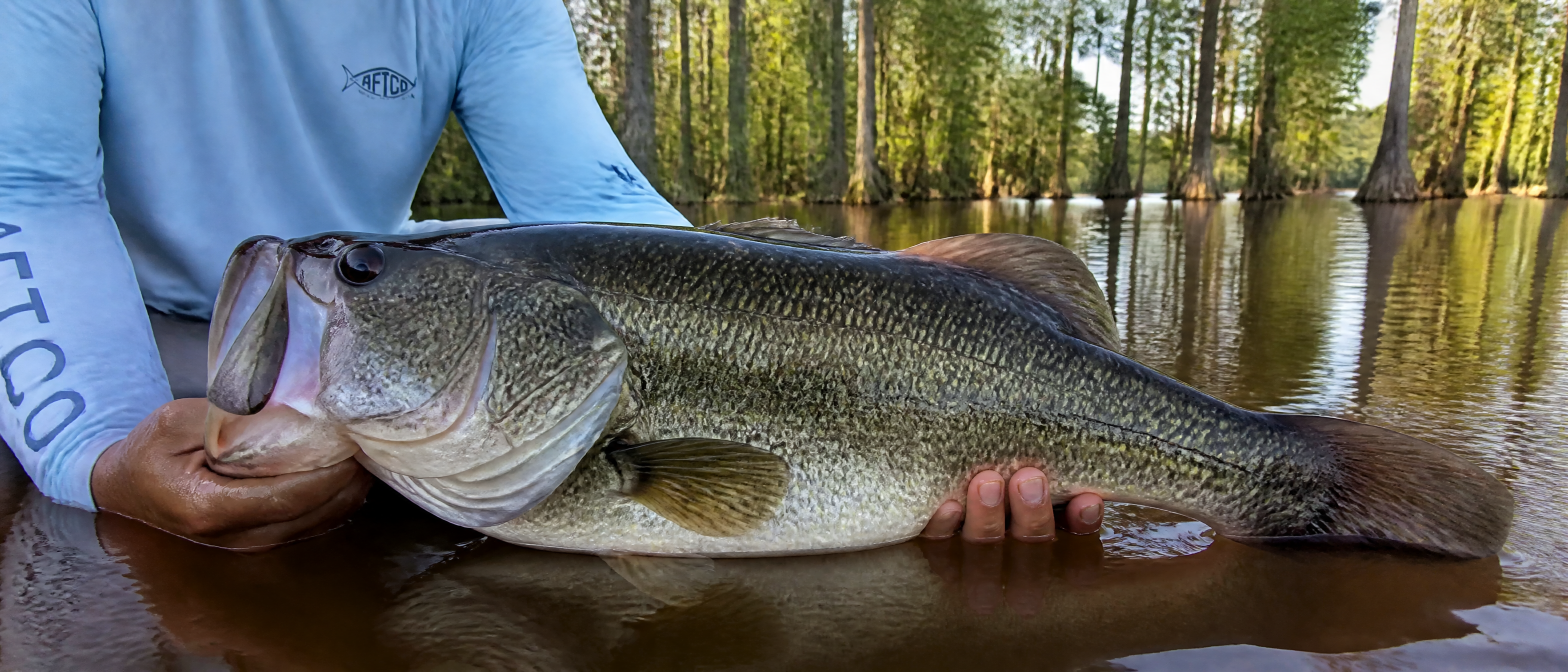
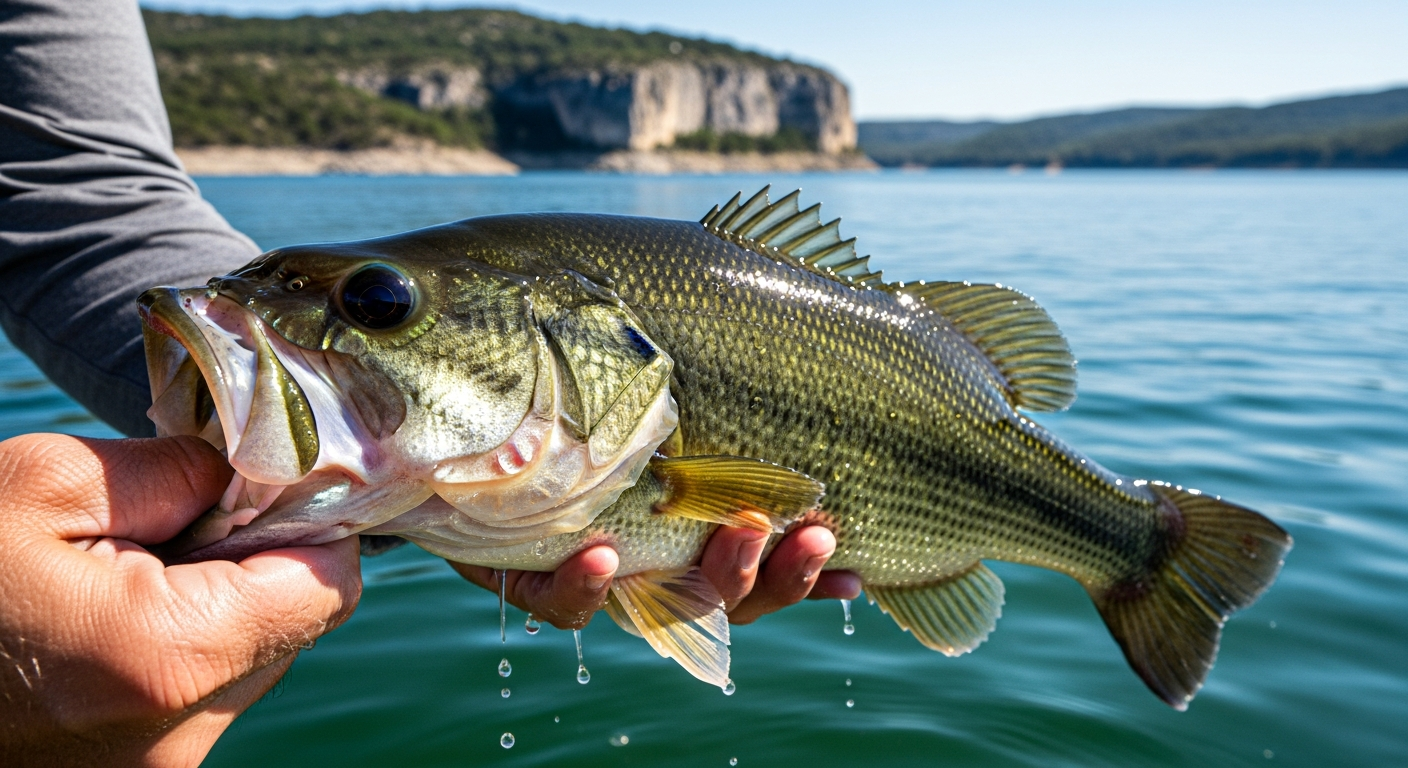
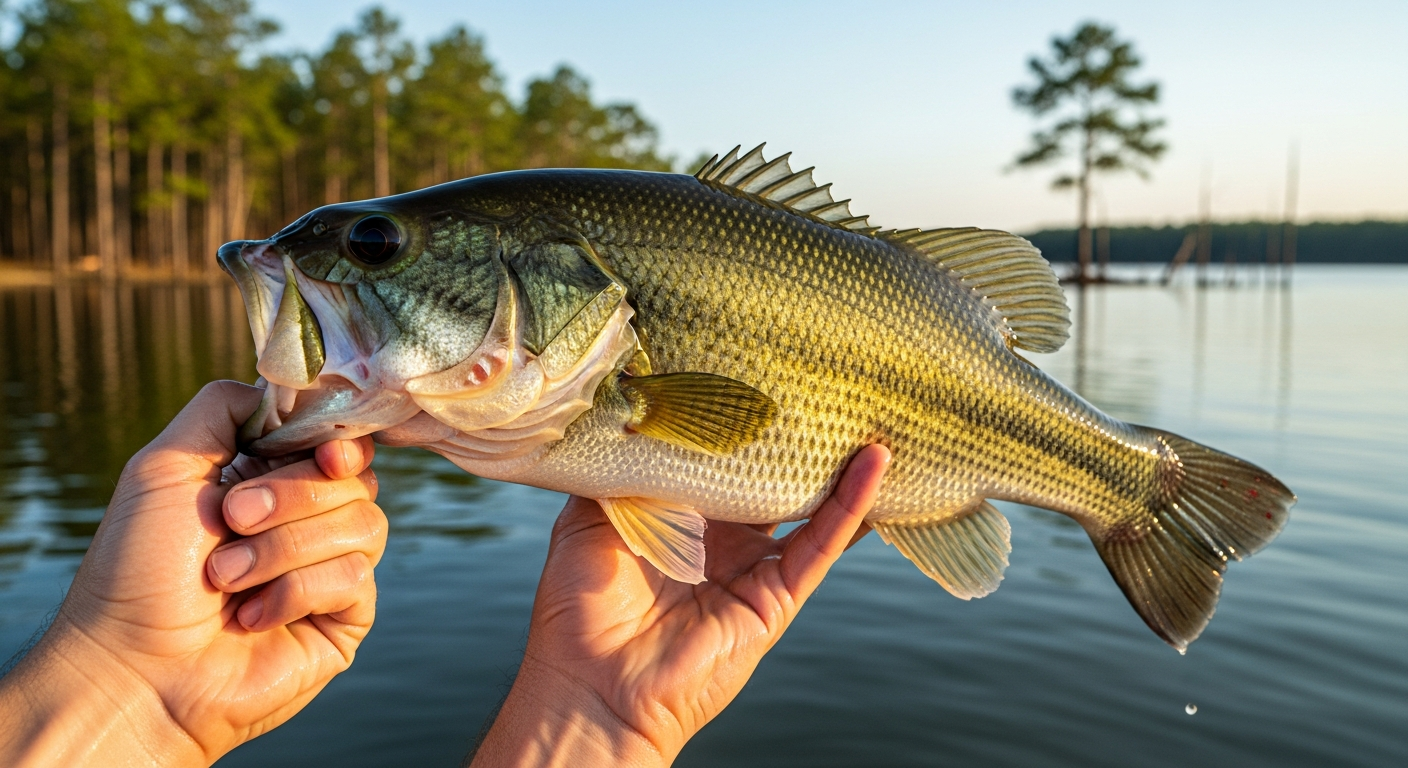
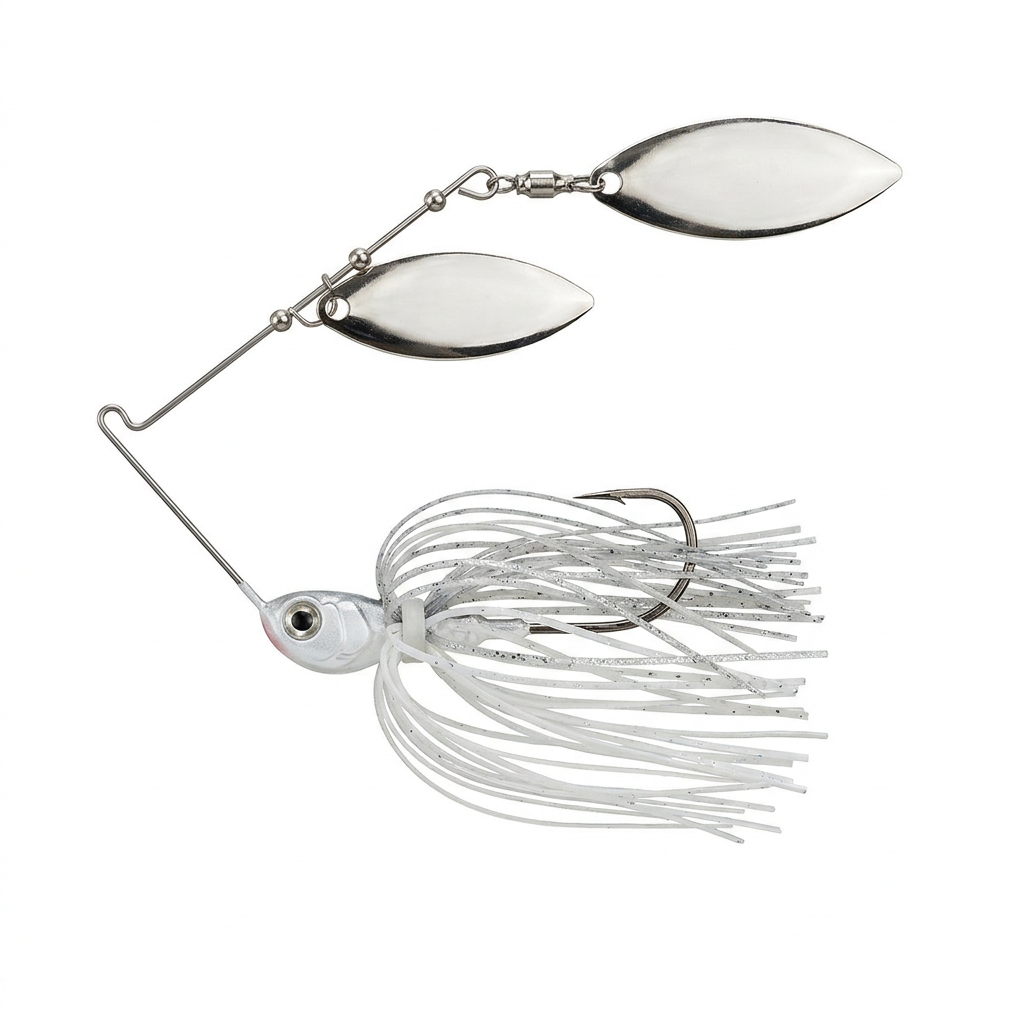
Largemouth bass fishing at Lake Livingston centers on the timber, vegetation edges, and creek arm structure throughout the lake's 83,000 acres. The upper lake sections near the Trinity River arm and the National Forest shoreline provide the most consistent bass habitat, with fallen timber, stumps, and emergent vegetation holding fish throughout the year. Spring is the prime season, with bass moving from deeper timber edges onto the shallow flats and cove pockets between late February and April. Spinnerbaits and squarebill crankbaits are the most versatile lures for covering the timber structure and clay-bank transitions throughout the lake. During the spawn in late March and April, bass move into the protected cove pockets along the National Forest shoreline in 2 to 6 feet of water, and sight-fishing with soft plastics on a Texas rig produces some of the biggest fish of the year. The lake's red-clay banks warm faster than sandy substrate and concentrate pre-spawn bass in good numbers. Summer largemouth hold on the deeper timber edges and channel transitions in 12 to 20 feet, and Carolina rigs dragged through the open bottom adjacent to standing timber are the most consistent midday presentations. Early morning topwater fishing along the timber lines and vegetation pockets remains productive through September. TPWD regulation: 14-inch minimum length, 5-fish daily bag limit combined black bass. Verify current regulations at tpwd.texas.gov.
Lake Livingston Blue Catfish Fishing Report
Blue catfish are one of Lake Livingston's most consistent year-round fisheries, and the lake holds a significant population of trophy-class fish in the deep channel structure near the dam and along the main Trinity River channel. The dam area and the main channel bends in 20 to 40 feet are the premier locations for the largest blue catfish, particularly in winter when big fish concentrate on the deepest structure available. Cut shad is the premier bait for Lake Livingston blue catfish throughout the year. Fresh-cut gizzard shad fished on the bottom on the main channel bends, the deeper cove transitions, and the dam face produces the most consistent results. Skipjack herring, when available in the lower lake near the dam, is another top bait for trophy-class fish. Night catfishing from late spring through summer is extremely productive as fish move from the deep daytime holding areas to the shallower cove edges and main lake points after dark. The Trinity River arm above the main lake body concentrates catfish during high-water periods when fresh current activates feeding. Channel catfish are also abundant throughout the lake and are accessible on a variety of baits including chicken liver, prepared stink baits, and cut bream from the bank or shallow cove fishing. TPWD statewide catfish regulation applies: no minimum length, 25-fish combined bag for blue and channel catfish. Verify at tpwd.texas.gov.
Lake Livingston Crappie Fishing Report
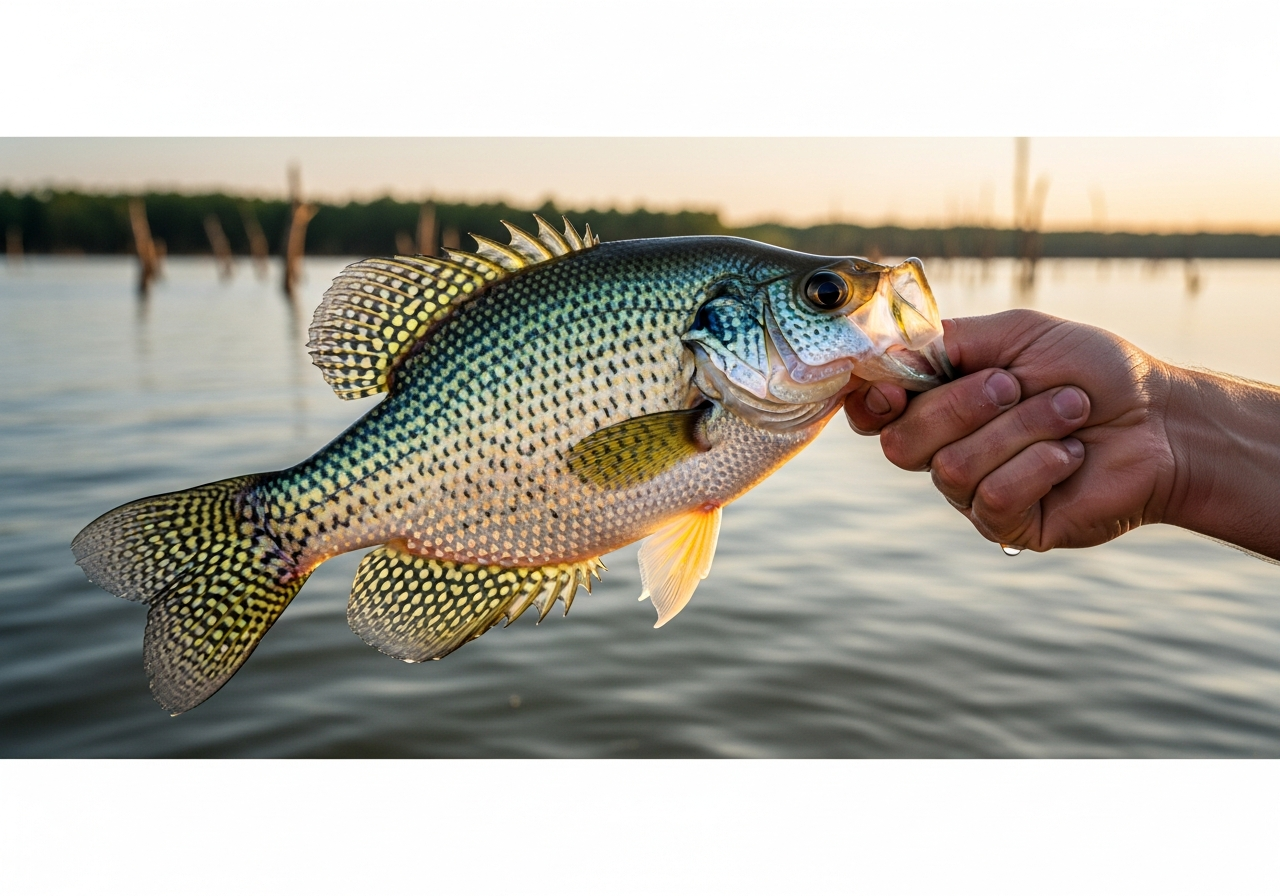
Crappie fishing at Lake Livingston is consistently productive around the lake's dock structure, bridge pilings, and submerged timber throughout the year. The lake's large surface area and abundance of shallow timber habitat in the upper arms provide excellent crappie habitat, and the fishery supports good populations of both white and black crappie. Spring crappie fishing begins in earnest in February and March when fish move from deeper holding structure into the shallower timber and dock pilings in 4 to 10 feet as water temperatures warm toward 60 degrees. Small tube jigs and crappie jig-and-minnow combinations worked vertically around dock pilings and submerged timber edges are the most reliable presentations. The Highway 190 bridge area and the dock communities along the southern shoreline concentrate crappie through the spawn. Summer crappie at Livingston suspend in the timber canopy at 12 to 18 feet and are most accessible by slow-trolling small jigs through the standing timber or fishing vertically with a long pole in the deeper flooded timber areas along the National Forest shoreline. Fall crappie return to the dock structure and bridge pilings in good numbers and are accessible through November before moving to their deepest winter holding areas. TPWD regulation: 10-inch minimum length, 25-fish daily bag limit. Verify at tpwd.texas.gov.
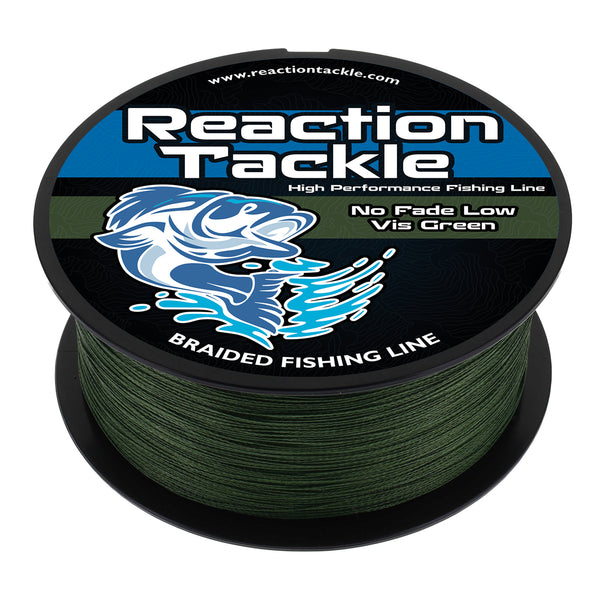
For fishing heavy cover after White Bass, I run 50-65lb braid. Zero stretch means you feel every bite and you can pull fish out of structure before they wrap you. Reaction Tackle is where I restock. Their low-vis green disappears in most water conditions.
Top Fish to Target in Lake Livingston
Lures for Lake Livingston
Tackle matched to this lake's species and structure.
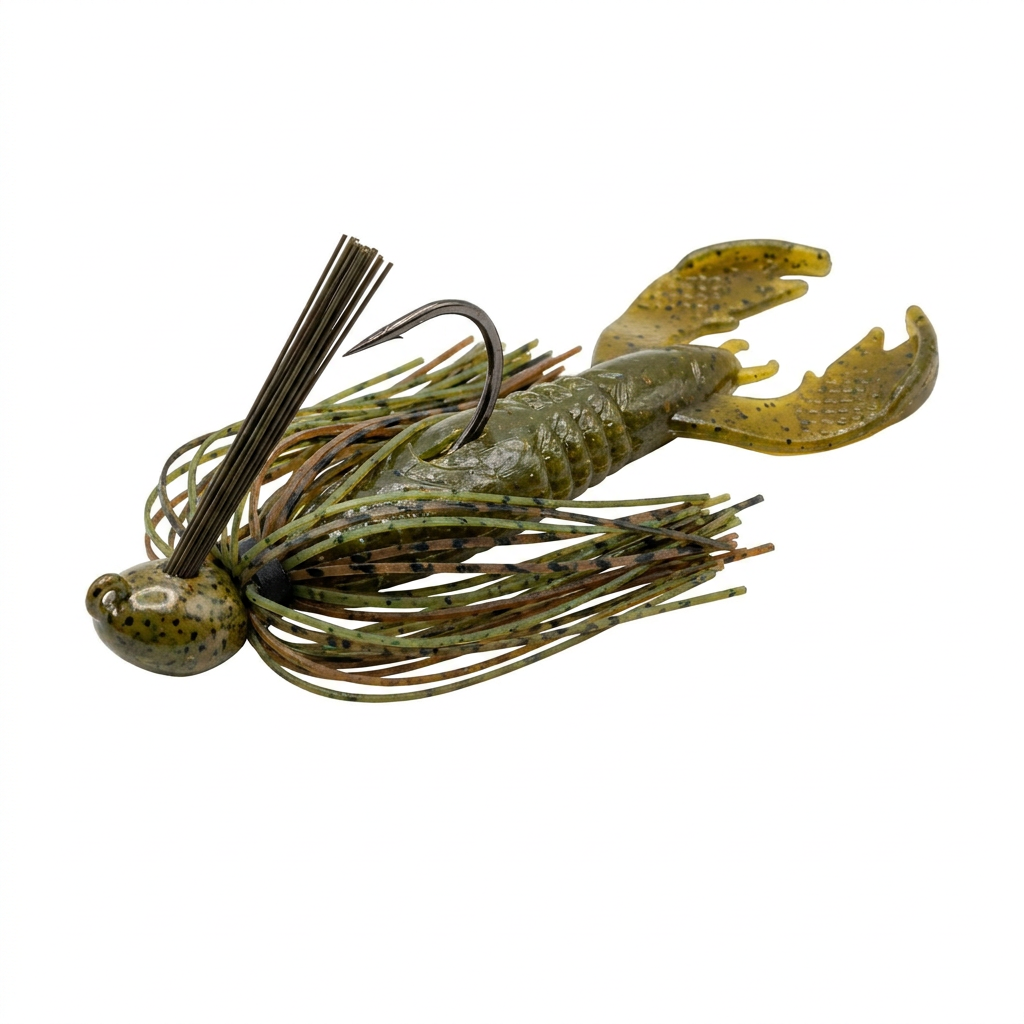
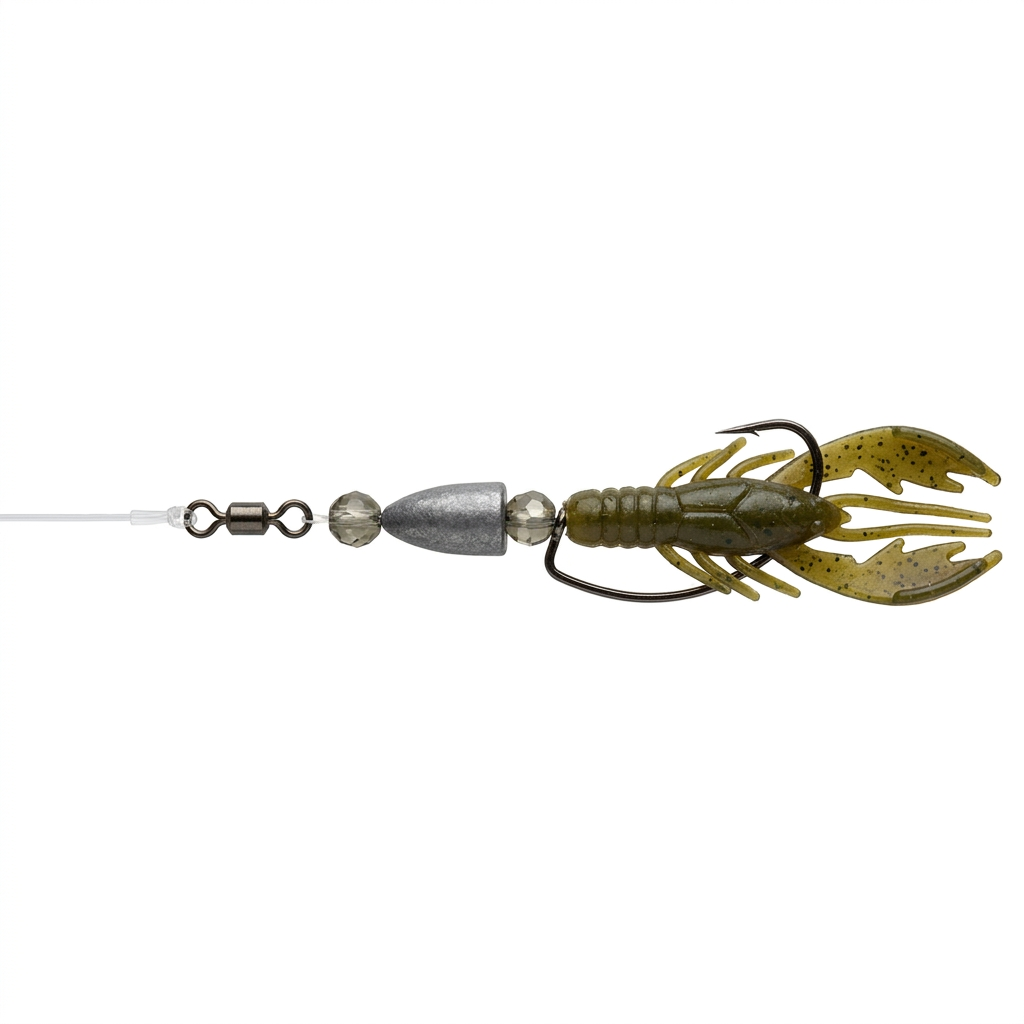
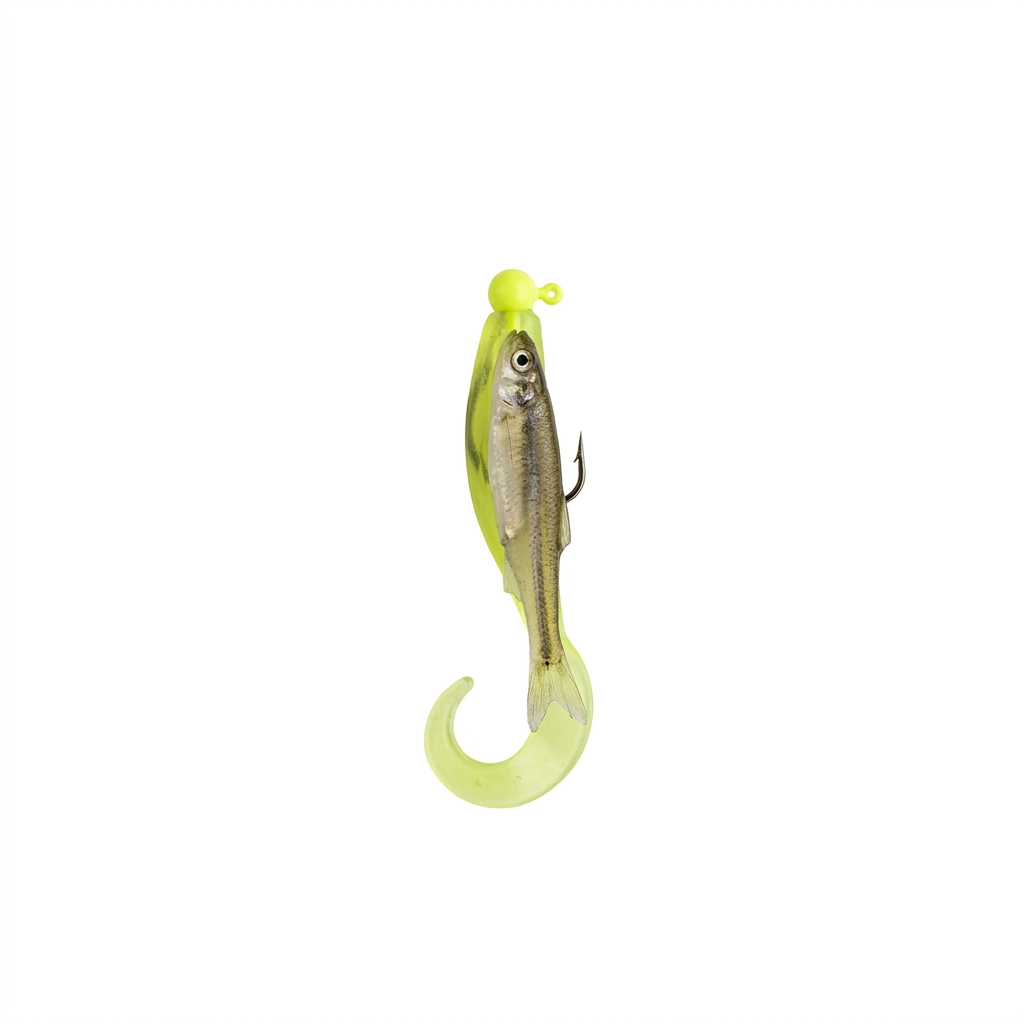
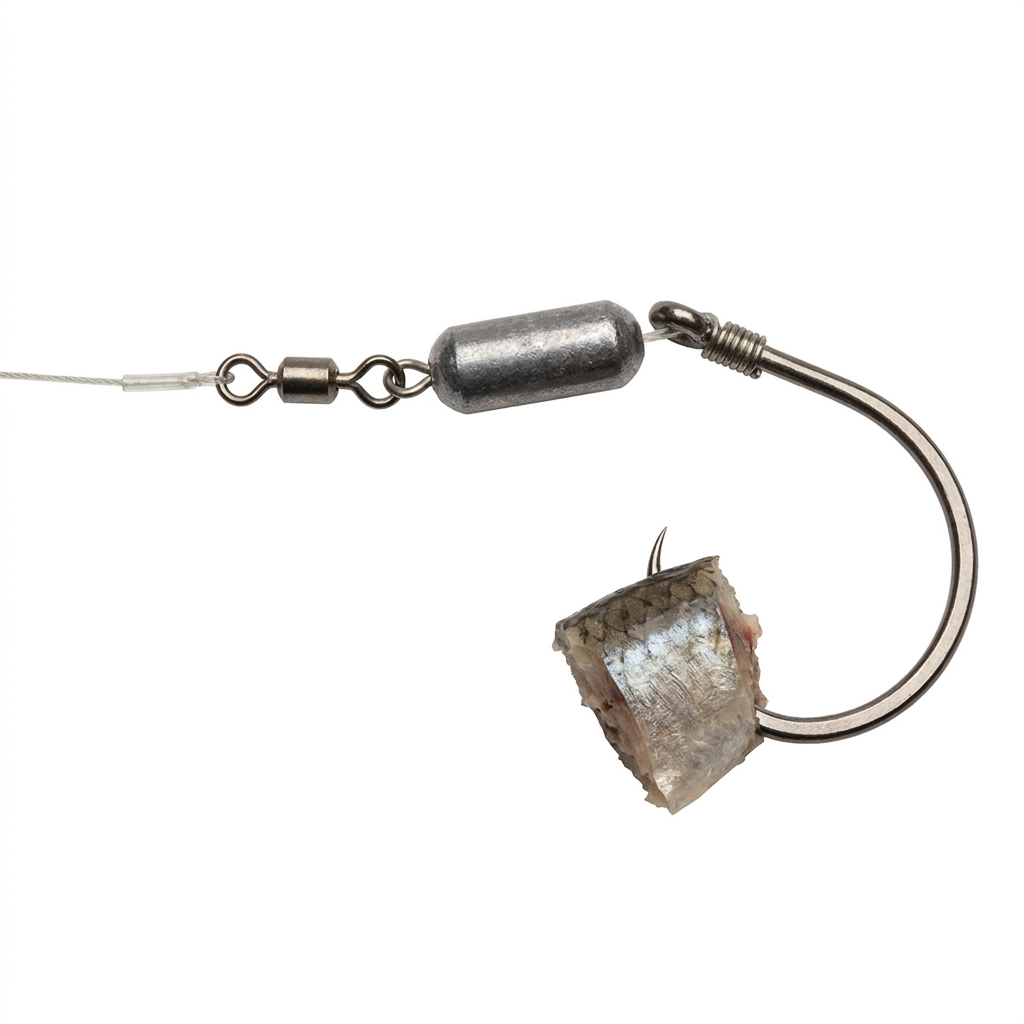
Worth checking before any trip: your line. Old braid gets brittle at the tag end and loses sensitivity over time. I rotate mine every season. Reaction Tackle is where I order from when it's time to restock.
About Lake Livingston
Lake size and location. Lake Livingston covers approximately 83,000 acres in Trinity, San Jacinto, and Polk counties in East Texas, making it one of the largest reservoirs in Texas by surface area. The Livingston Dam was completed in 1969 on the Trinity River, and the reservoir serves as a primary water supply for the Houston metropolitan area. The lake reaches a maximum depth of approximately 90 feet near the dam. The nearest town is Livingston, the seat of Polk County, located along US Highway 59 southwest of the dam.
Habitat and character. Lake Livingston's upper arms and creek pockets border Sam Houston National Forest, providing miles of undeveloped shoreline with abundant timber, stumps, and shallow vegetation that support strong bass and crappie populations. The lower lake near the dam is wider and deeper, providing open-water habitat for blue catfish and concentrating white bass in winter. The lake's stained-water character (typical of East Texas reservoirs on the Trinity River system) makes reaction baits and attractor colors like chartreuse and white consistently effective.
Key regulations (verify at TPWD). Largemouth bass: 14-inch minimum, 5/day combined black bass. White bass: 10-inch minimum, 25/day. Blue and channel catfish combined: no minimum length, 25/day statewide standard. Crappie: 10-inch minimum, 25/day. Always verify current regulations at tpwd.texas.gov before fishing, as lake-specific regulations may apply.
Access points. Lake Livingston State Park on the western shoreline provides boat ramps and fishing access. Multiple commercial marinas and private launch facilities operate on the lake. The US Highway 190 bridge over the lake is a notable structure for crappie and catfish fishing, and the State Park provides bank fishing access along the National Forest shoreline.
White bass run. The spring white bass spawning run in the Trinity River arm above Lake Livingston is one of the most popular fishing events in East Texas. The run typically peaks from late February through March, drawing large numbers of anglers to the upper river mouth and tributary access points. Wade fishermen and kayak anglers have particular advantages during the peak of the run.