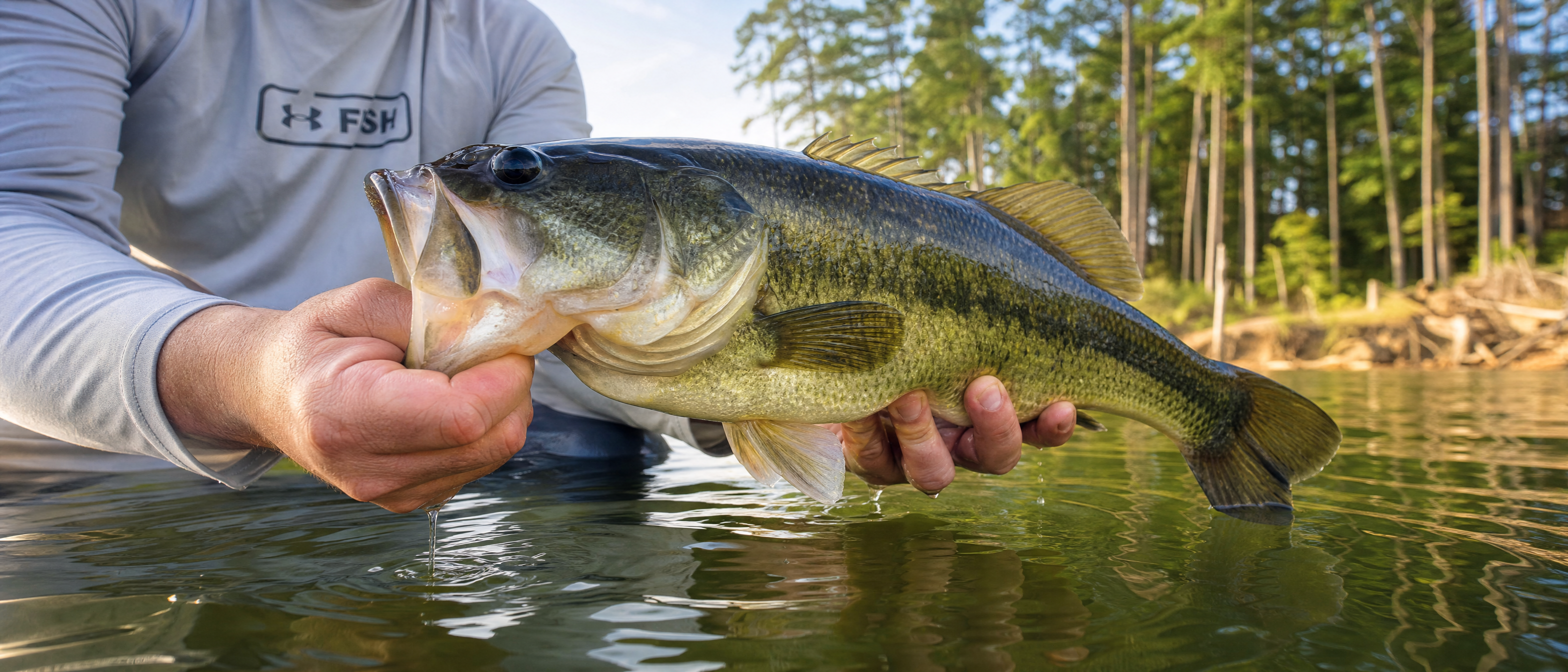
Lake Conroe is one of those Texas lakes I've driven past more times than I can count without actually fishing it. The hybrid striper fishing here has a solid reputation, and this one is overdue for me.
Today's Bite Score · October 8, 2026
Very favorable conditions for catching fish
🌘Waning Crescent
Lake Conroe Fishing Report
October FishingMonthly fishing report · October patterns and techniques
October conditions at Lake Conroe are bringing cooler water temperatures that shift fish behavior across the lake. As water temps drop this month, anglers are finding fish becoming more active and willing to feed compared to the heat of summer months. The bite is strengthening as bass and other species adjust to the changing conditions, making October an excellent time for both experienced anglers and those new to the lake.
In October, largemouth bass and catfish are among the most active species at Lake Conroe. Anglers are finding bass moving into deeper areas and around structure as they respond to the temperature changes this month. The bite is concentrated around points, drop-offs, and submerged timber where fish are staging. Catfish activity also increases this month, with fish holding in deeper holes and channels as they prepare for cooler months ahead.
The most effective techniques in October include casting crankbaits and soft plastics around deeper structure, which anglers are finding produces consistent results this month. Live bait presentations with shiners and shad are working well for both bass and catfish. The bite is best during early morning and late afternoon hours when water conditions are most stable, and anglers should focus their efforts on the deeper basins and channel transitions where fish are congregating this month.
Get More Fishing Report Specifics
Tap a topic button below for a report on current conditions.
Tap a topic above to get a current report for Lake Conroe.
Answers are generated on demand and cached. No AI call fires until you tap a tab.
Lake Conroe Fishing Guides
Looking for a Lake Conroe fishing guide? The hybrids in the main lake and the largemouth in the timber arms both require completely different approaches, and the guides here know which bite is on any given week. Go here → to check out our recommended fishing guides for Lake Conroe. Then scroll down on that page to see all of the Lake Conroe fishing guides.
Lake Conroe Fishing Strategies by Species
Seasonal patterns and techniques by target species · Verified against official sources
Trophy largemouth bass and hybrid striped bass are the two fisheries TPWD rates Excellent at Lake Conroe, making it the premier bass and hybrid destination for the Houston metro area. Bass fishing is best in spring when fish stage near the Stubblefield area timber and move to spawn in the protected coves in late March and April; hybrid stripers school on the main lake near the I-45 bridge corridor year-round and create explosive surface action in fall. The lake carries a 16-inch minimum for largemouth bass (stricter than the Texas statewide 14-inch standard), reflecting its designation as a managed trophy fishery. Channel catfish are rated Excellent as well, with a 25-fish daily bag and a specific slot limiting fish over 20 inches.
Lake Conroe Largemouth Bass Fishing Report
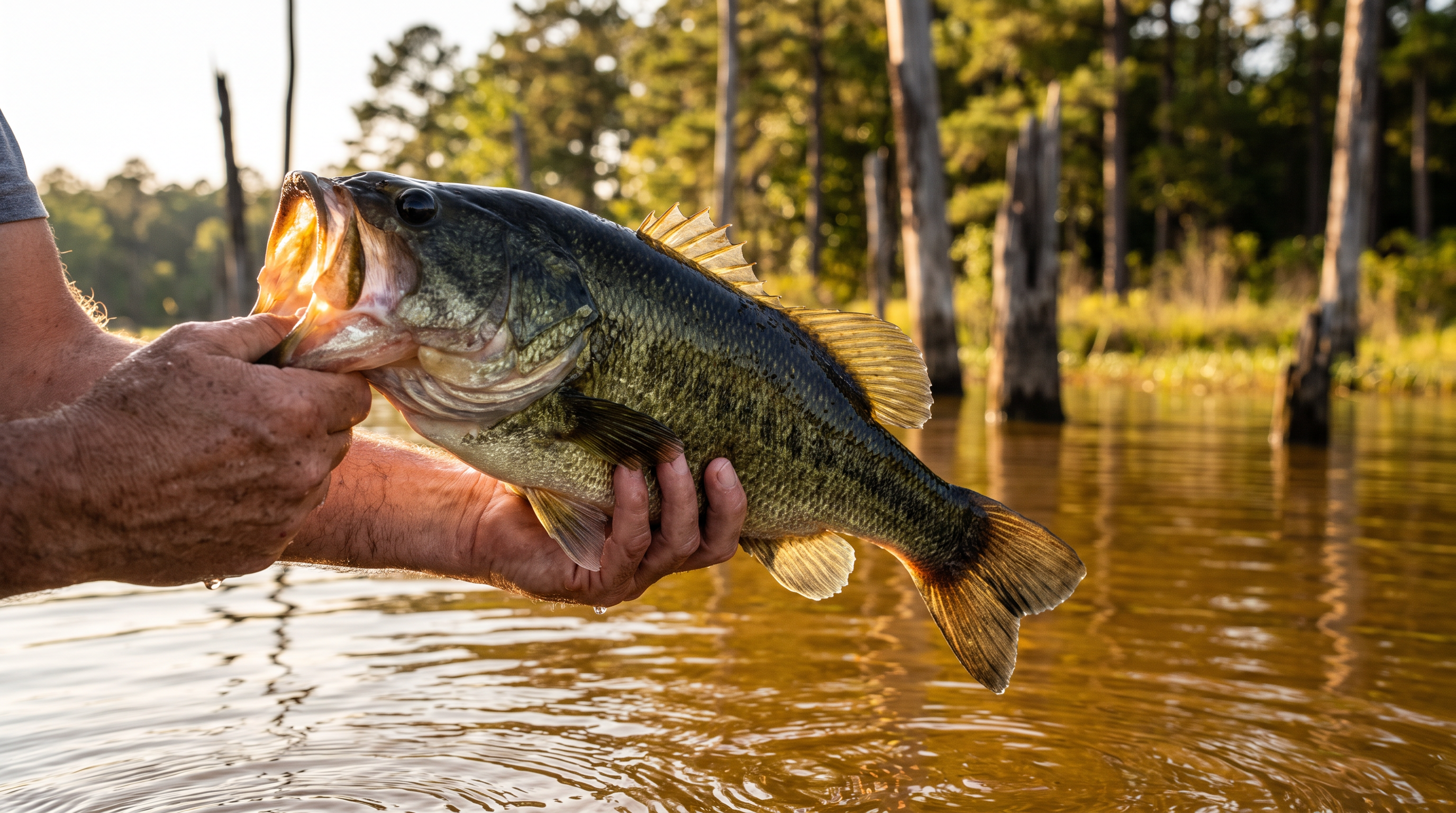
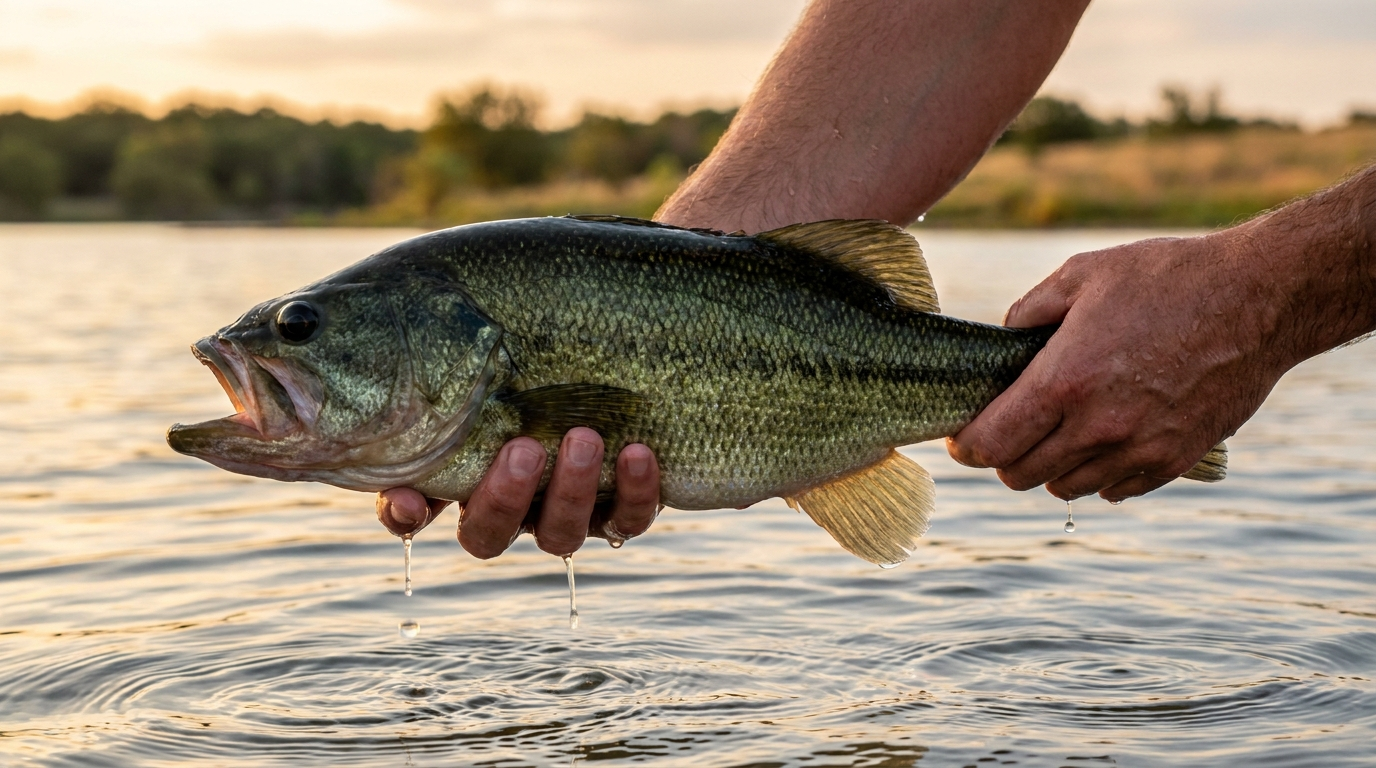
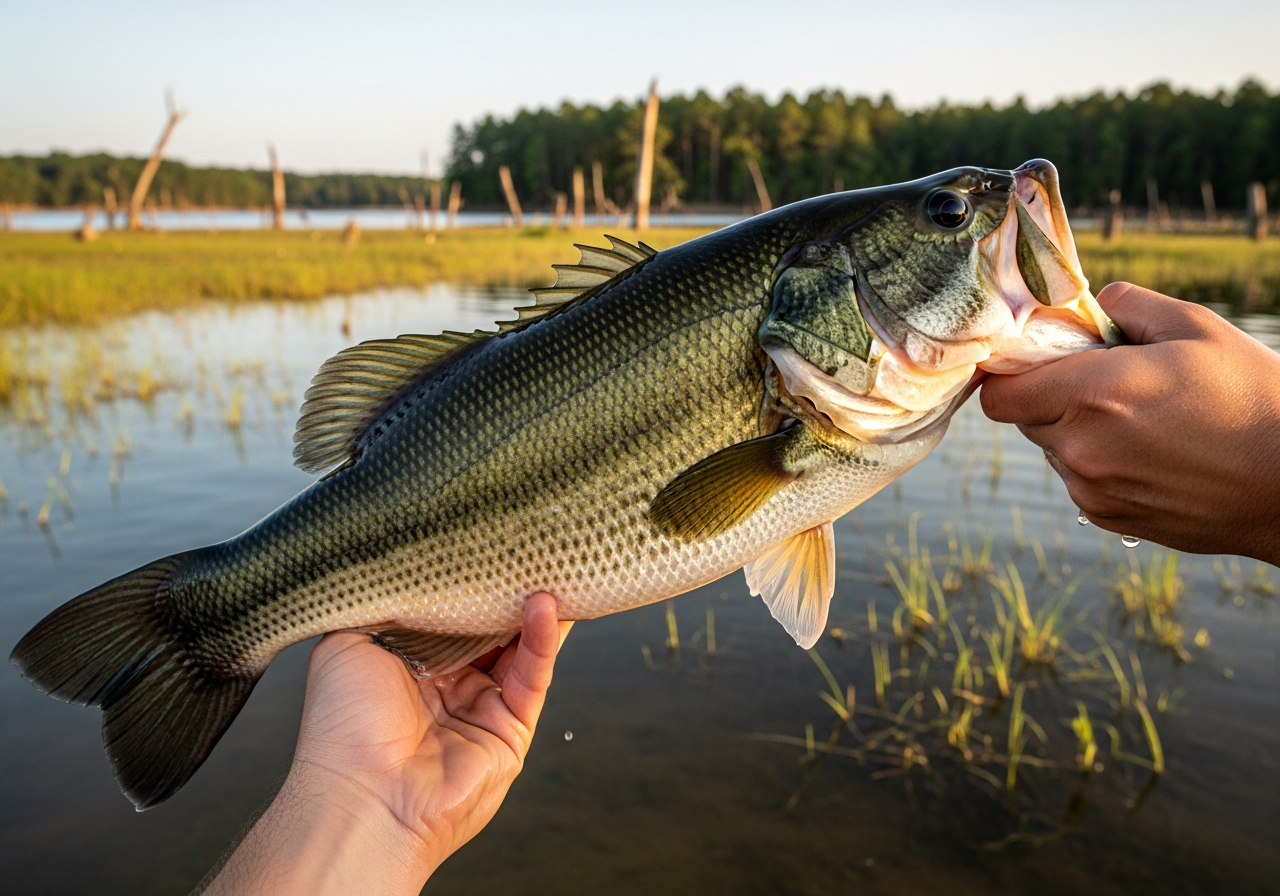
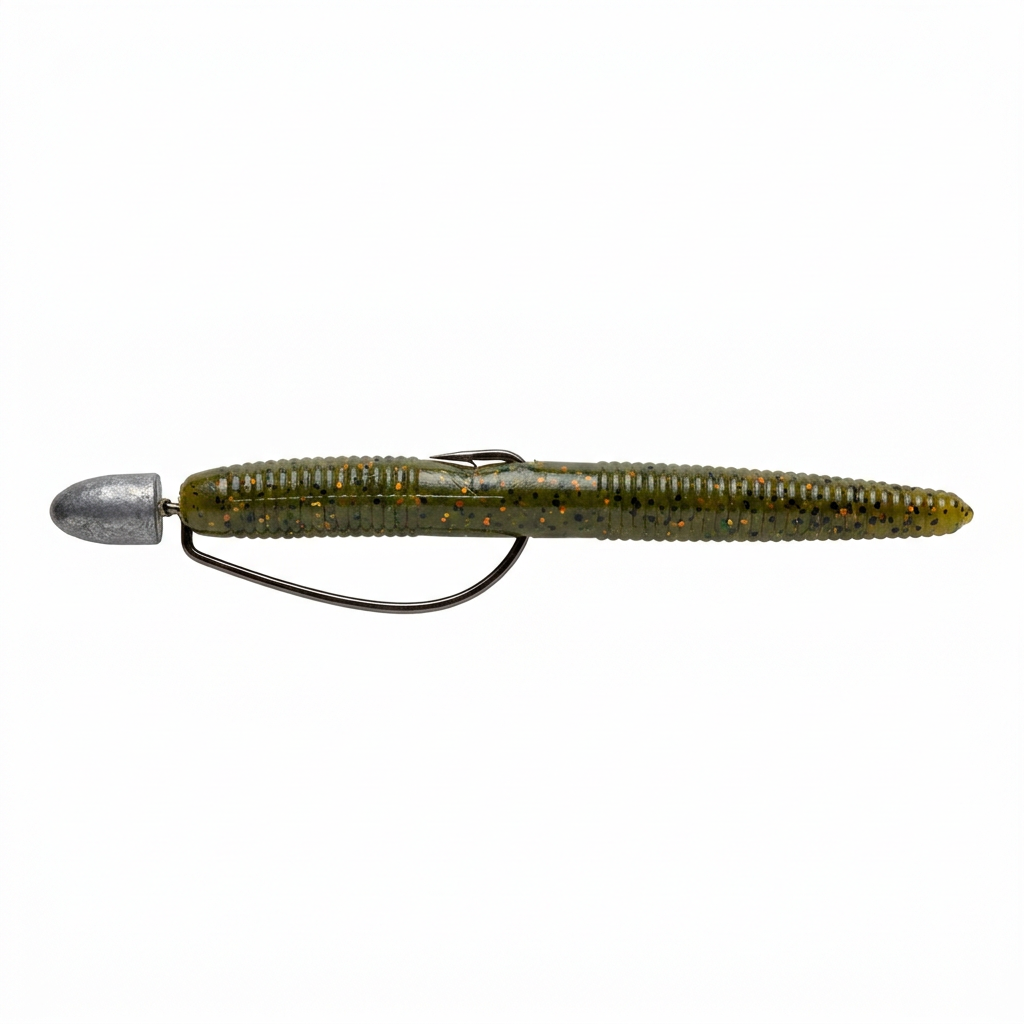
Texas Parks & Wildlife sets a 16-inch minimum length for largemouth bass on Lake Conroe with a 5-fish daily bag limit in any combination of black bass species. The 16-inch minimum: stricter than the Texas statewide 14-inch standard: reflects Conroe's status as a managed trophy fishery. The lake record stands at 15.93 pounds, caught in 2009, and TPWD consistently rates the largemouth fishery Excellent. Spring is the prime season. Bass begin staging on secondary points and the edges of flooded timber pockets as water temperatures climb into the upper 50s in late February and March. The coves off the main lake on the western shore: particularly near the Stubblefield area in the national forest: warm ahead of the main lake and draw early prespawn fish. By the time water hits 63 to 68°F in late March and April, bass are on beds in the protected back portions of coves in 2 to 6 feet. A Texas-rigged worm or a squarebill crankbait covers the prespawn water efficiently; bedding fish respond to a shaky head or finesse worm worked slowly. Summer on Lake Conroe is a morning-and-evening game. The lake sits in the humid East Texas lowlands and surface temperatures reach the upper 80s by July. Bass push to deeper timber edges and the channel drops off the main lake points in 12 to 18 feet during the midday heat. A Carolina-rigged worm dragged along the bottom transitions between 14 and 22 feet accounts for fish that crankbaits won't reach. Early morning and late evening, bass come up on spinnerbaits and swim jigs worked through the shoreline timber and dock edges. Fall brings Conroe's best topwater action. Largemouth and hybrid stripers both push shad toward the surface on the main lake points and the mouth of the upper river channel as water cools into the mid-70s in October. A walking topwater or buzzbait in the low-light windows produces fast action through November.
Lake Conroe Hybrid Striped Bass Fishing Report
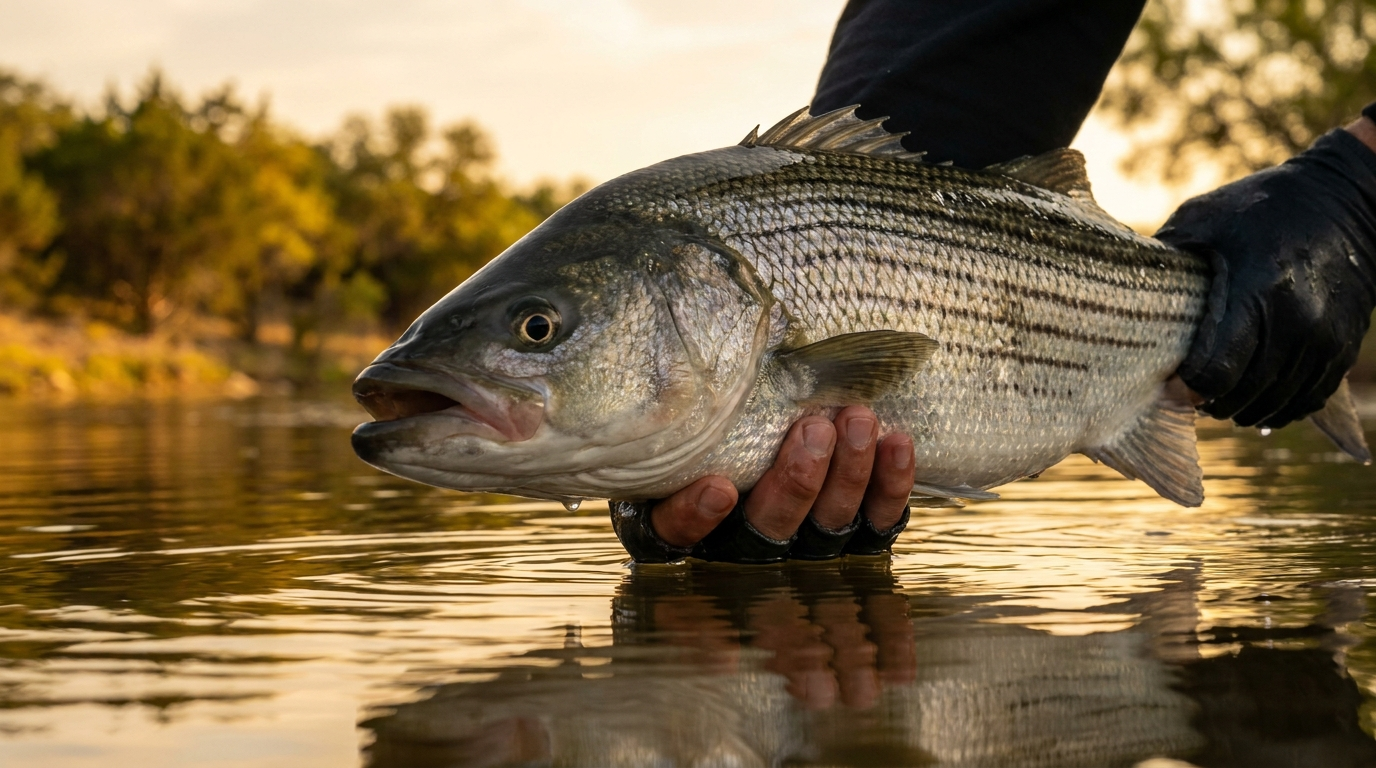
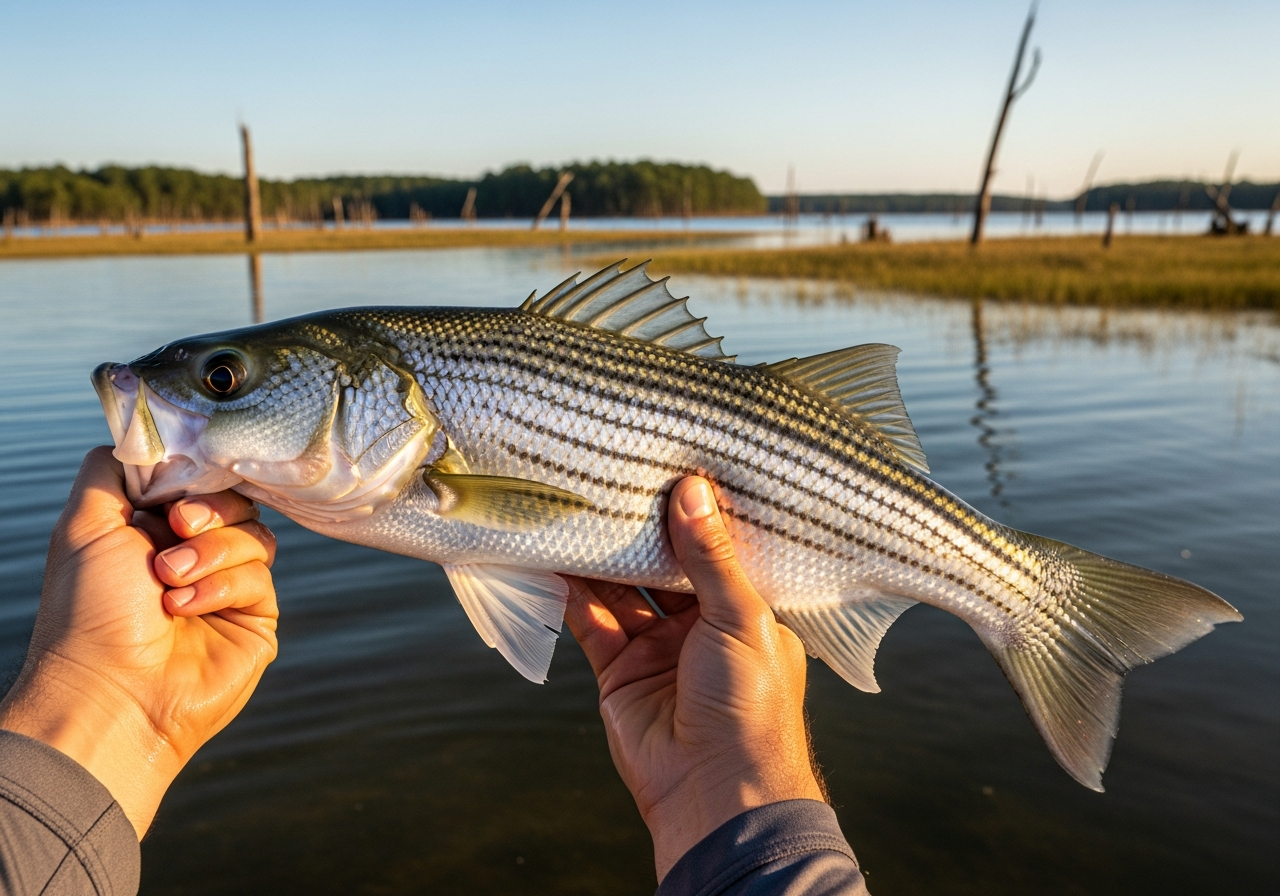
Hybrid striped bass were introduced to Lake Conroe in 1995 and the fishery has been called one of the best in the Houston area. TPWD rates it Excellent. The regulation is an 18-inch minimum with a 5-fish daily bag limit combined across striped bass and hybrid striped bass. Hybrids on Lake Conroe are a schooling, open-water species. The most reliable pattern is finding the shad schools: look for birds working the surface and fish busting bait near the main lake points, the I-45 bridge area, and the mouth of the upper West Fork channel. When fish are schooling visibly, a 1/2-ounce white or chartreuse jig, a small spinnerbait, or any shad-imitating lure cast into the school produces immediate strikes. The school moves, so staying with it requires watching the surface activity and repositioning quickly. Spring and fall offer the most consistent topwater and shallow-water hybrid action. In summer, hybrids move deeper to find cooler, oxygenated water and are best targeted by trolling medium-diving crankbaits or umbrella rigs along the main lake channels in 18 to 30 feet. The early morning window is more productive than midday regardless of season.
Lake Conroe Crappie Fishing Report
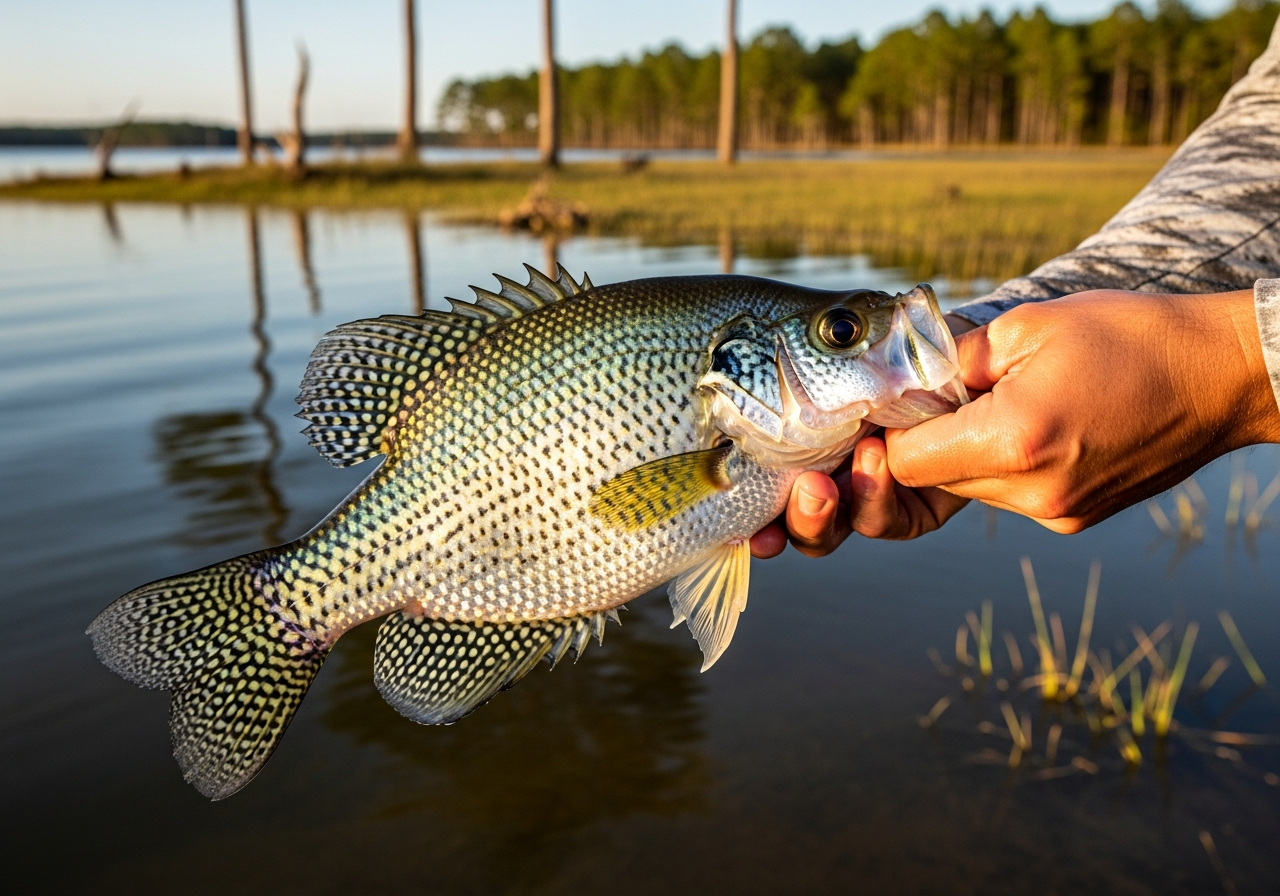
Both black and white crappie are present in Lake Conroe. The regulation is a 10-inch minimum with a 25-fish daily bag limit. TPWD maintains fish habitat structures in the lake: GPS coordinates are available through the TPWD Habitat Structure Viewer: and the standing timber in the upper West Fork arm provides year-round crappie habitat. Spring crappie fishing is the most consistent. Fish move from 15 to 20 feet toward the shallower timber and dock pilings as water temperatures approach 60°F in late February and March. A 1/16-ounce jig in chartreuse, pink, or white dropped vertically through timber in 8 to 12 feet takes the most fish during this window. The upper lake near the Baker Bridge area in Walker County and the timber-heavy coves on the national forest side of the lake concentrate fish through the spawn in April. Summer crappie pull back to deeper timber in 18 to 25 feet. Long-lining and shooting small jigs under dock structures produces through the summer heat. Fall brings fish back toward medium-depth timber as water temperatures cool into the 60s.
Lake Conroe Channel Catfish Fishing Report
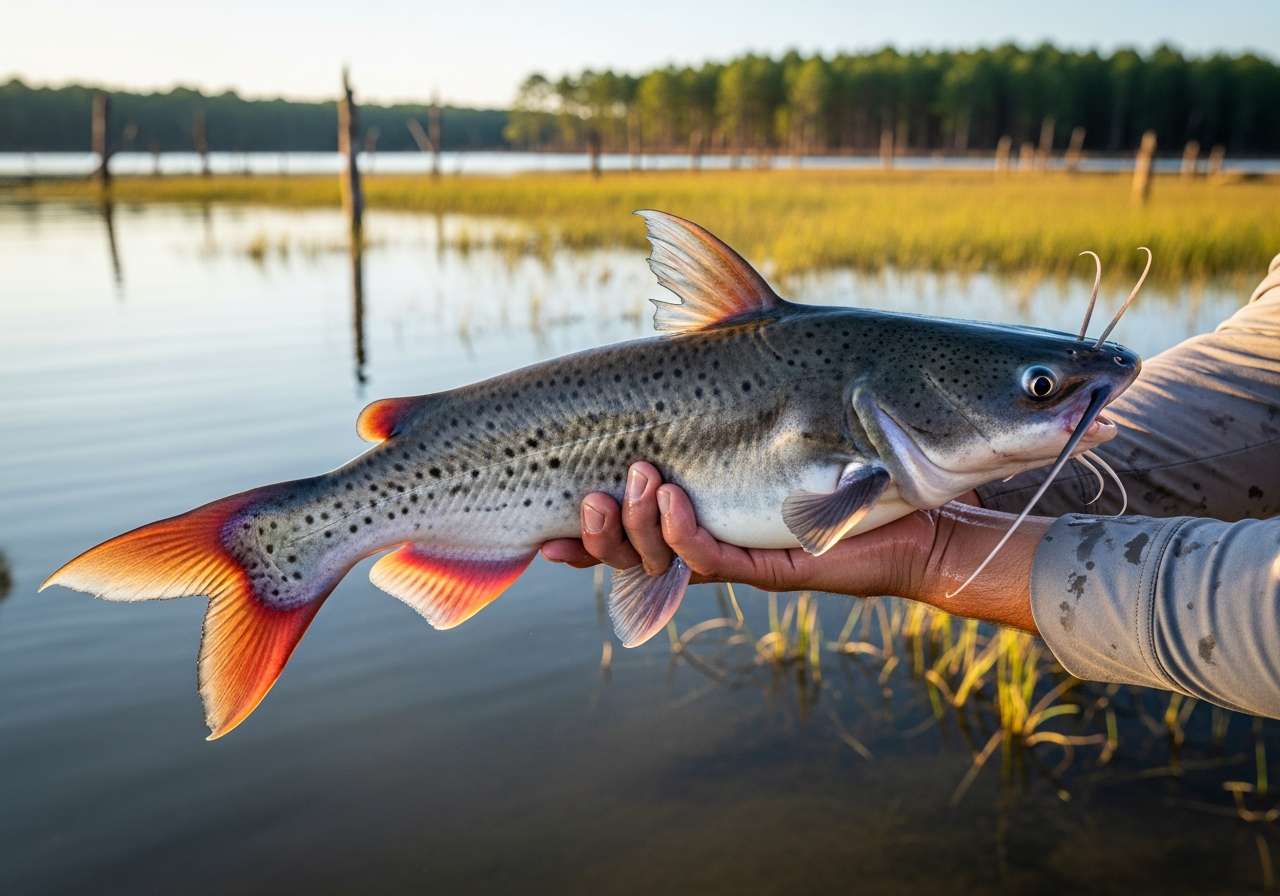
Channel catfish are rated Excellent at Lake Conroe by TPWD and are the most abundant sportfish in the lake. The regulation allows 25 catfish per day (combined channel and blue catfish), with no more than 5 fish at 20 inches or larger and no more than 1 fish at 30 inches or larger. Cut shad and chicken liver fished on the bottom in the creek channel bends of the upper West Fork arm produce channel cats year-round. The river channel in the northern section of the lake: near the Stubblefield and Cagle access areas: holds catfish through summer. Night fishing from bank access areas in the national forest produces catfish from June through September as fish move into shallower water after dark. Catfish in the 2 to 6 pound range are common; larger fish are taken regularly from the deeper channel sections near the dam.
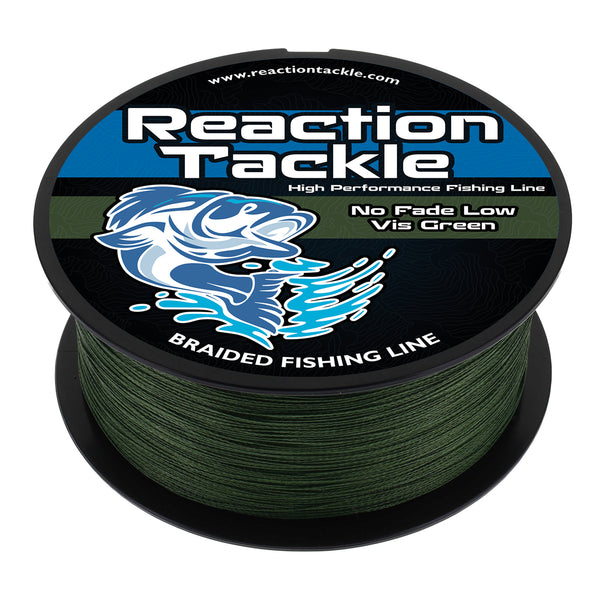
If you haven't replaced your braided line in a season or two, now's the time. Braid holds up better than mono, but abrasion from wood and rock adds up. Reaction Tackle is one of my favorite places to order from.
Top Fish to Target in Lake Conroe
Lures for Lake Conroe
Tackle matched to this lake's species and structure.
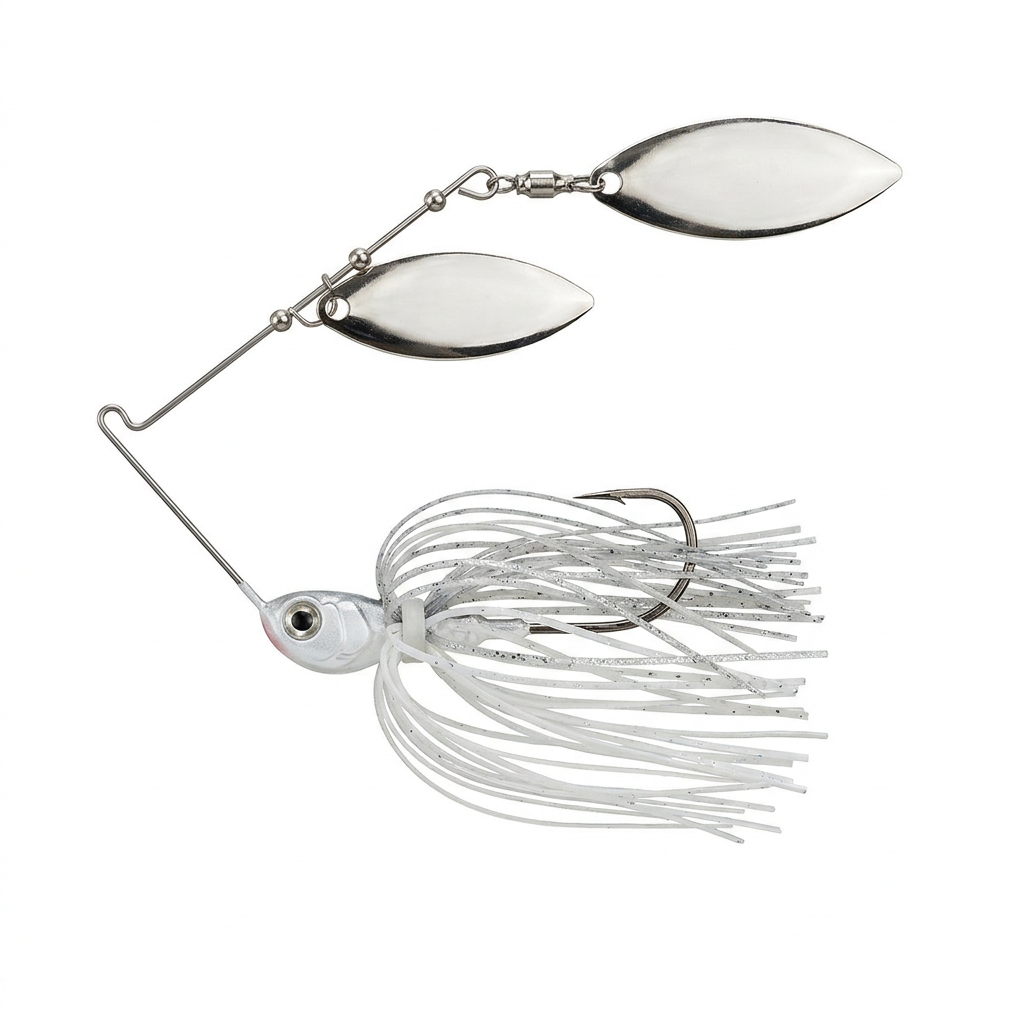
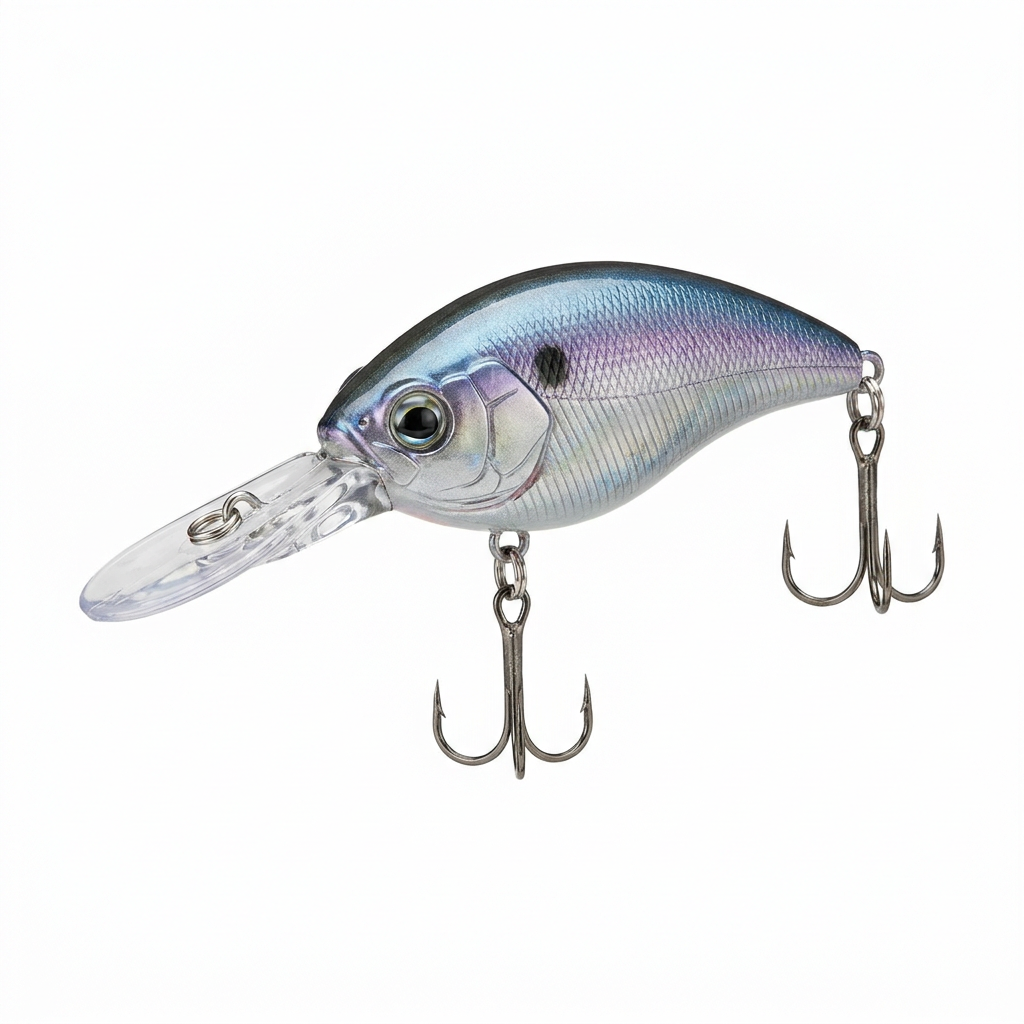
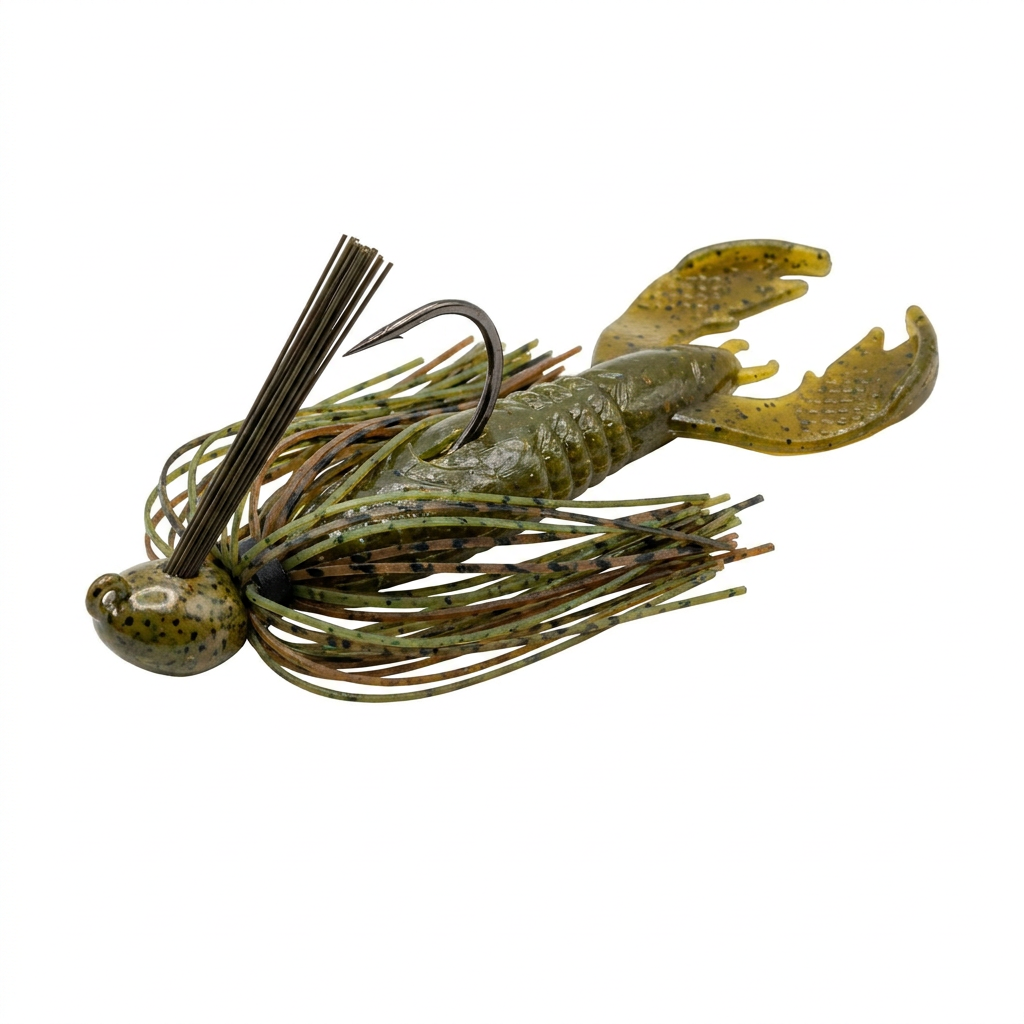
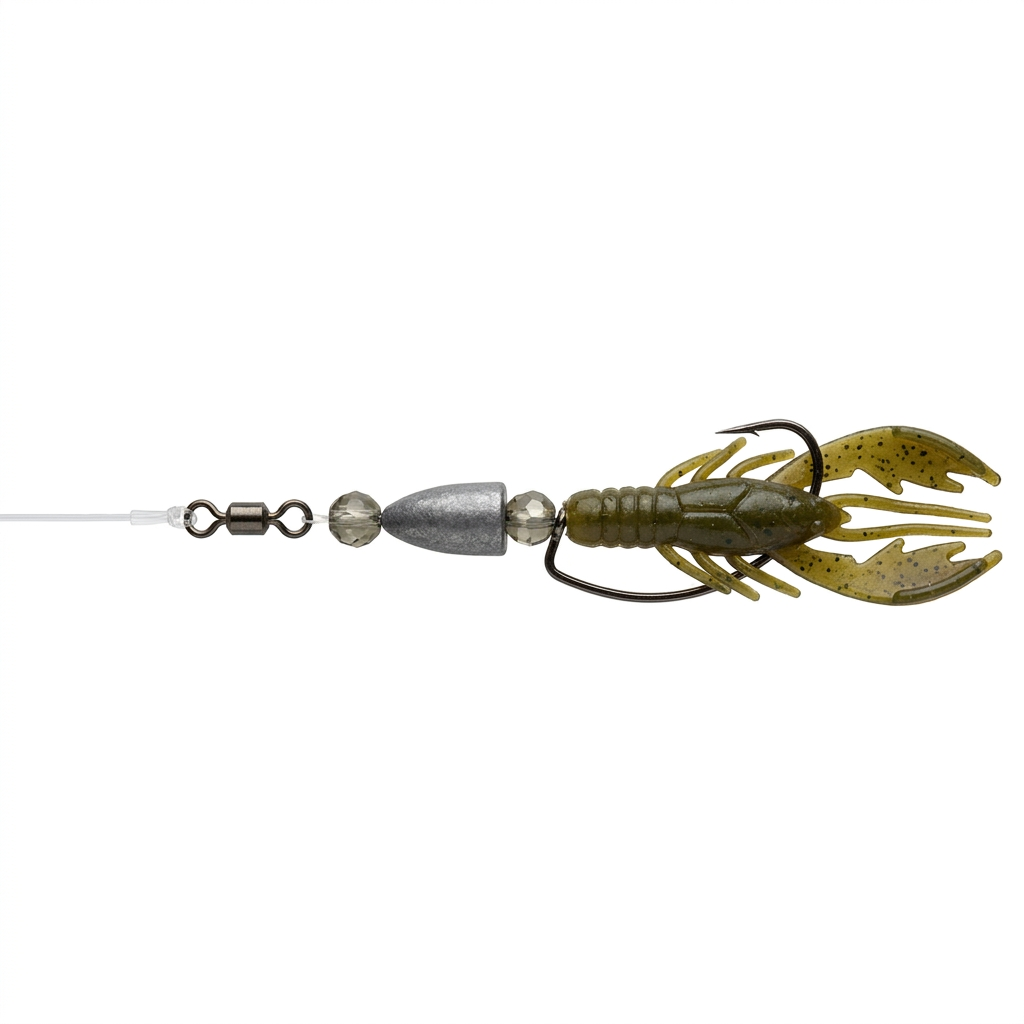
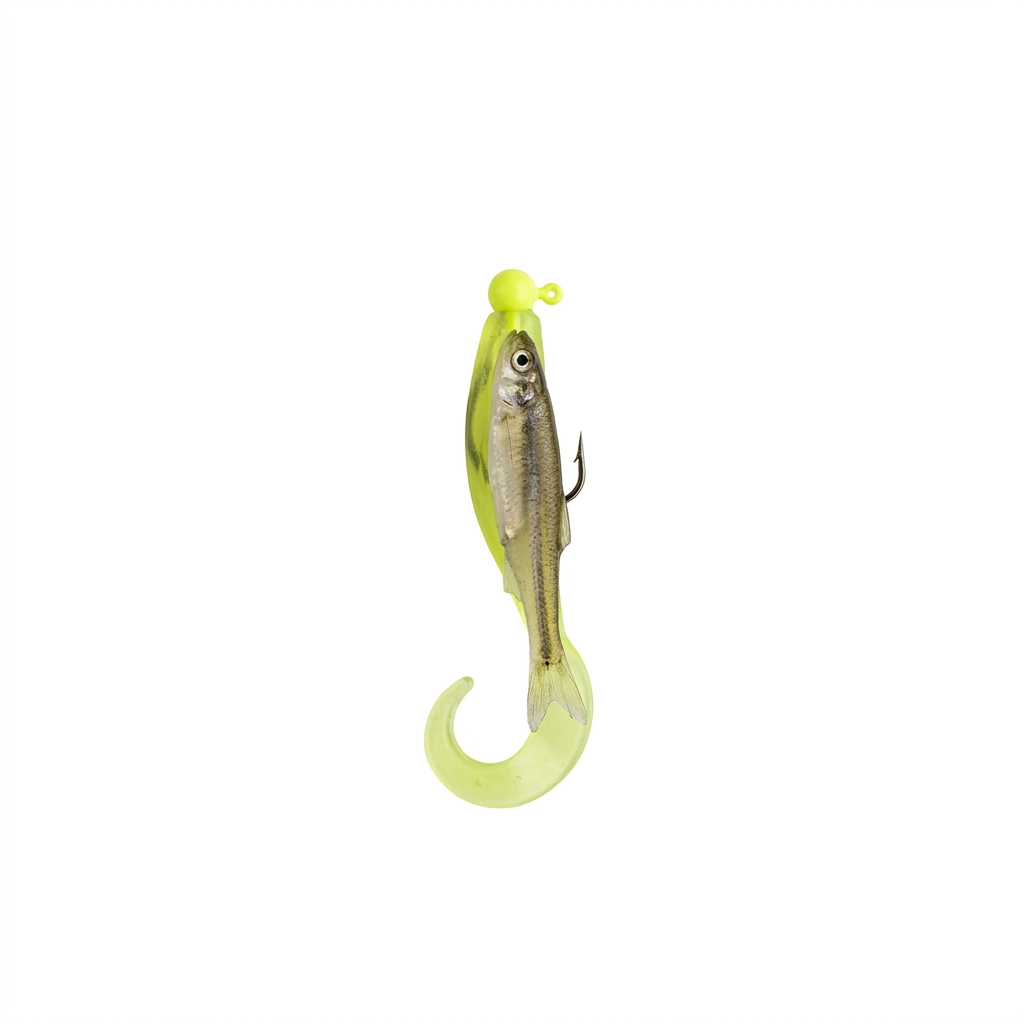
The right line matters as much as the lure. For the presentations that work on this lake, whether flipping timber, fishing main lake structure, or working deep brush, braid is the move. No stretch, more feel, and it lasts. Reaction Tackle is where I get mine.
About Lake Conroe
Lake Conroe is one of those Texas lakes I've driven past more times than I can count without actually fishing it. The hybrid striper fishing here has a solid reputation, and it's the kind of accessible reservoir where you can have a great day without a long drive. This one is overdue for me.
Lake size and location. Lake Conroe covers 19,640 acres at conservation pool in Montgomery and Walker counties, approximately 40 miles north of Houston. The San Jacinto River Authority completed the dam in January 1973; the lake reached full pool by October 1973. The lake is 21 miles long with 157 miles of shoreline. The West Fork of the San Jacinto River feeds the upper lake and defines the primary channel structure in the northern arm.
Trophy bass management. TPWD sets a 16-inch minimum length for largemouth bass on Lake Conroe: stricter than the Texas statewide 14-inch minimum: reflecting its designation as a managed trophy fishery. The lake record is 15.93 pounds (2009). TPWD rates the largemouth bass and hybrid striped bass fisheries Excellent.
Hybrid striped bass. Hybrids were introduced in 1995 and have established a strong self-sustaining population. They are an open-water, schooling species best targeted by watching for surface activity near the main lake points and the I-45 bridge corridor. Regulation: 18-inch minimum, 5-fish daily bag combined with striped bass.
Public access. The Sam Houston National Forest borders the western and northern shoreline. The USDA Forest Service operates the Stubblefield Lake Recreation Area and Cagle Recreation Area on the national forest side, providing significant public bank and boat ramp access. TPWD also maintains fish habitat structures in the lake; GPS coordinates are available through the TPWD Habitat Structure Viewer online.
Crappie and catfish regulations. Crappie: 10-inch minimum, 25-fish daily bag. Channel catfish: 25-fish daily bag with no more than 5 fish at 20 inches or larger. Verify current regulations at the TPWD Outdoor Annual before fishing.