Toledo Bend has been on my list for too long. One of the largest reservoirs in the South, with a bass fishing reputation that Texas anglers have been talking about my entire fishing life.
Today's Bite Score · October 8, 2026
Above average conditions worth planning a trip
🌘Waning Crescent
Toledo Bend Fishing Report
Summer FishingMonthly fishing report · Summer patterns and techniques
August at Toledo Bend presents challenging but rewarding conditions as summer heat intensifies across the 185,000-acre Texas-Louisiana border lake. Water temperatures typically climb into the upper 80s and low 90s, pushing fish into deeper structure and shaded areas. The lake's famous clarity remains good during this period, though algae blooms can occasionally reduce visibility in shallow bays. Fish metabolism accelerates in the heat, but most species exhibit reduced daytime activity, forcing anglers to adjust their schedules and focus on early morning, late evening, and nighttime presentations when conditions prove most productive.
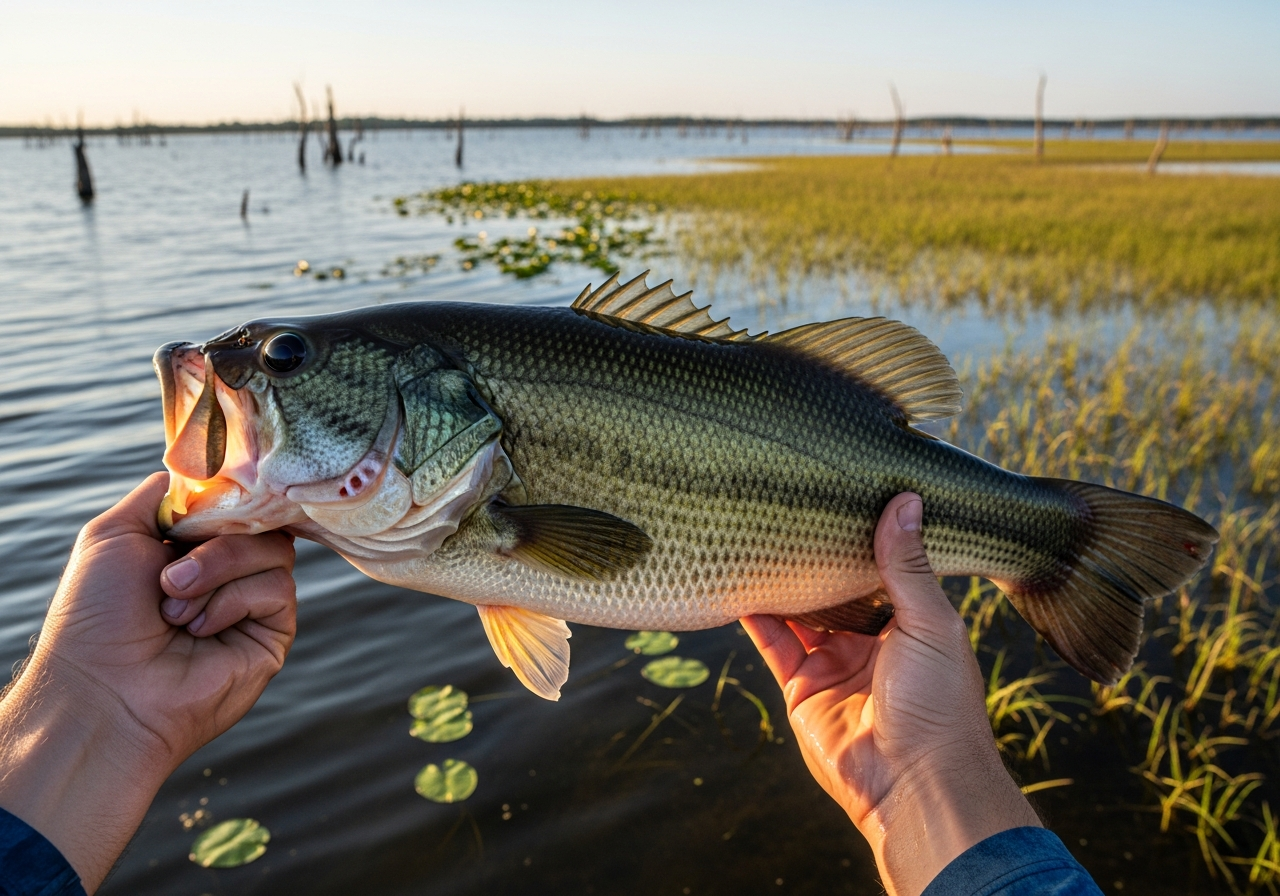
Largemouth bass remain the primary target, holding tight to deeper timber, submerged brush, and the numerous creek channels that characterize Toledo Bend's structure-rich environment. Fish retreat to depths between 15 and 35 feet during peak heat, suspending around fallen trees and channel ledges where cooler water and abundant forage provide relief. White crappie and hybrid stripers also thrive during August, schooling in deeper main lake basins and responding well to both live bait and artificial presentations. Catfish become increasingly active in darkness, making night fishing exceptionally productive for trophy blue and flathead catfish that prowl the deeper holes and baited areas.
Anglers find success with multiple approaches tailored to the season. Early morning topwater and shallow crankbait presentations in 3 to 8 feet of water can produce explosive strikes during the brief window before heat settles in. As the day progresses, deeper tactics prove essential: Carolina rigging soft plastics around the lake's extensive timber, flipping and pitching to submerged brush piles, and working deep-diving crankbaits along channel breaks near 20 to 30 feet. For crappie, live shiners and small jigs fished vertically around deeper structure yield consistent results. Night fishing with live bluegill or cut bait near point structures and creek channels produces quality catfish. Anglers should prioritize low-light periods, focus on shade lines and structure, and maintain patience as the heat challenges even experienced Toledo Bend veterans.
Get More Fishing Report Specifics
Tap a topic button below for a report on current conditions.
Tap a topic above to get a current report for Toledo Bend.
Answers are generated on demand and cached. No AI call fires until you tap a tab.
Toledo Bend Fishing Guides
Looking for a Toledo Bend fishing guide? 181,600 acres of hydrilla, flooded timber, and creek channels means you can burn a whole trip in the wrong areas without a guide who knows the seasonal patterns cold. Go here → to check out our recommended fishing guides for Toledo Bend. Then scroll down on that page to see all of the Toledo Bend fishing guides.
Toledo Bend Fishing Strategies by Species
Seasonal patterns and techniques by target species · Verified against official sources
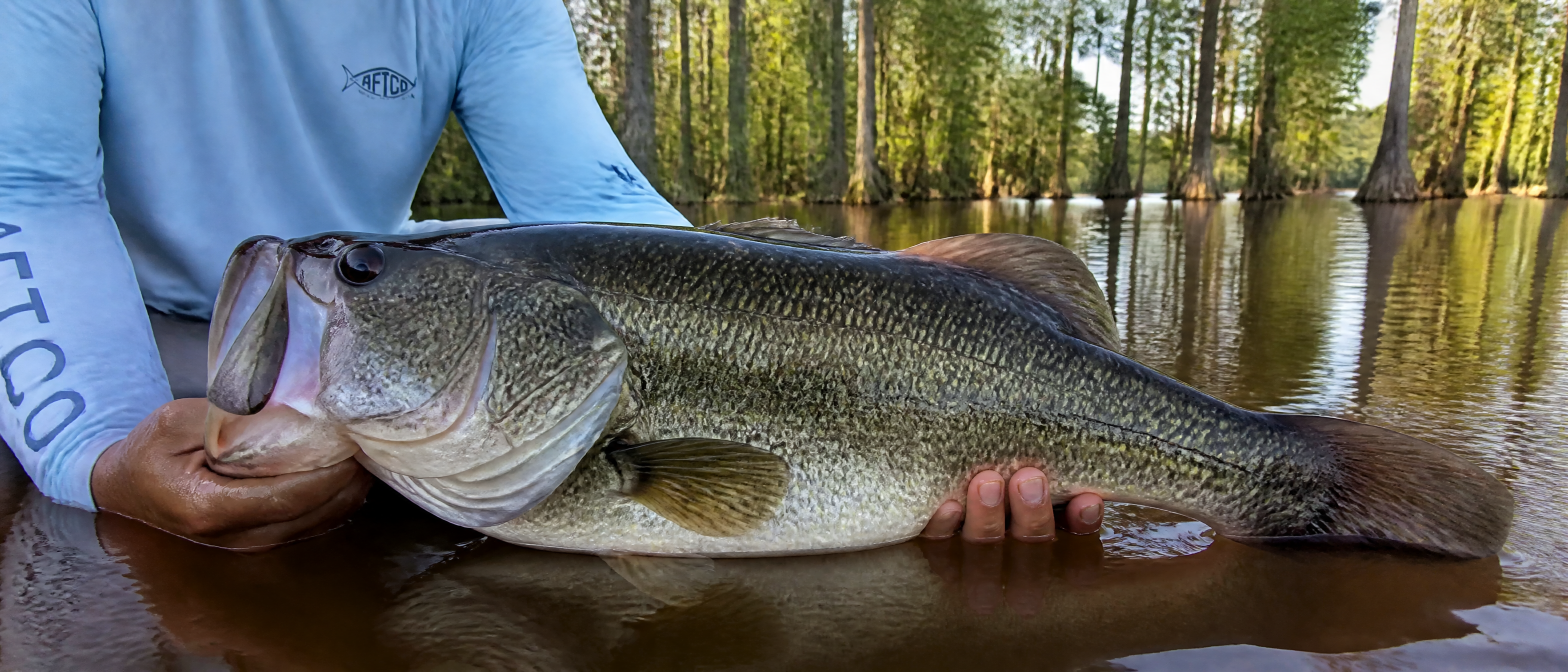
Largemouth bass dominate angling on Toledo Bend, with hydrilla beds and submerged timber providing the primary structure throughout this 181,600-acre reservoir. Spring spawning season (late February through April) is the peak period, with bass moving onto shallow flats in 2 to 6 feet of both the Texas and Louisiana shorelines; summer and fall fishing focuses on the hydrilla edges and creek channel drops in the lower lake. Anglers need to know which state's water they are on: Texas regulations (14-inch minimum, 8-fish daily bag) differ from Louisiana, and both sides require a current license from the applicable state. The upper lake above Pendleton Bridge holds the heaviest timber and most consistent crappie habitat.
Toledo Bend Largemouth Bass Fishing Report
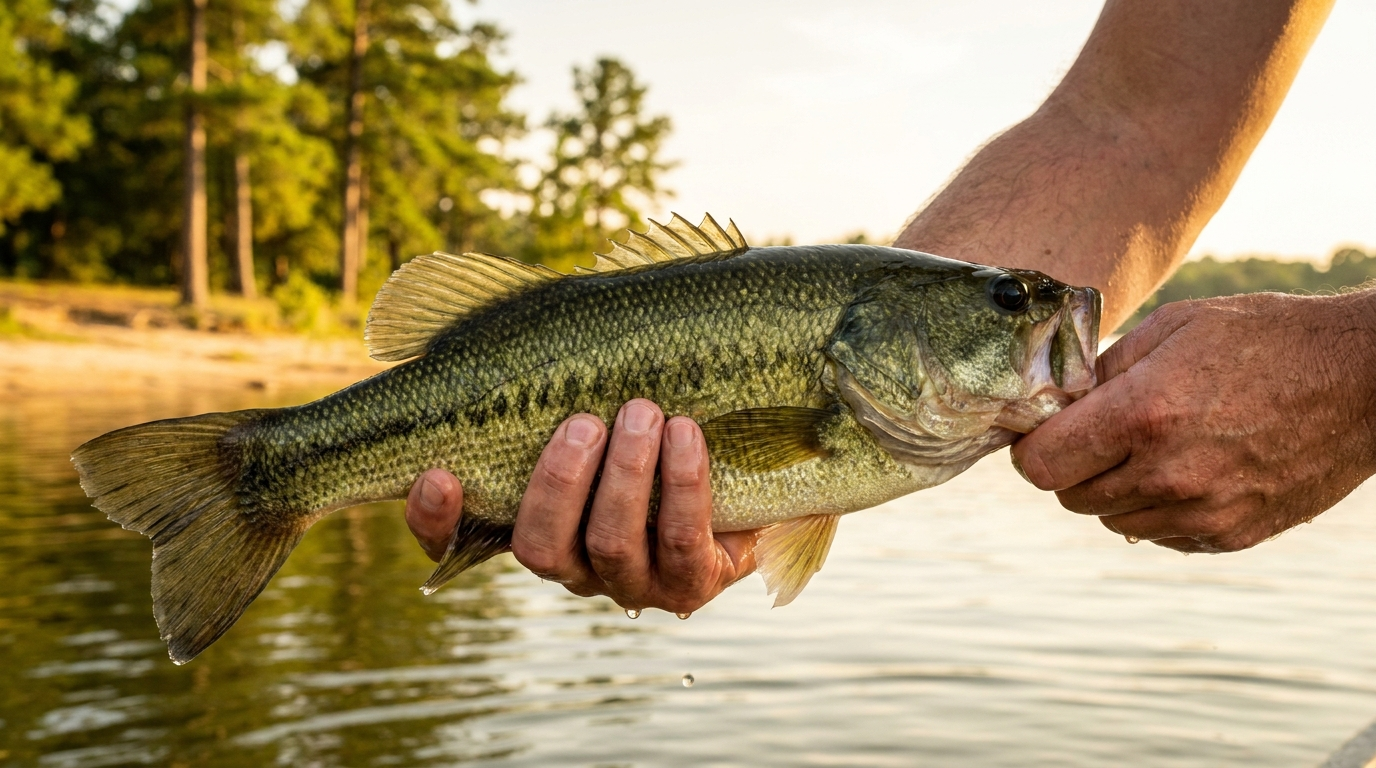
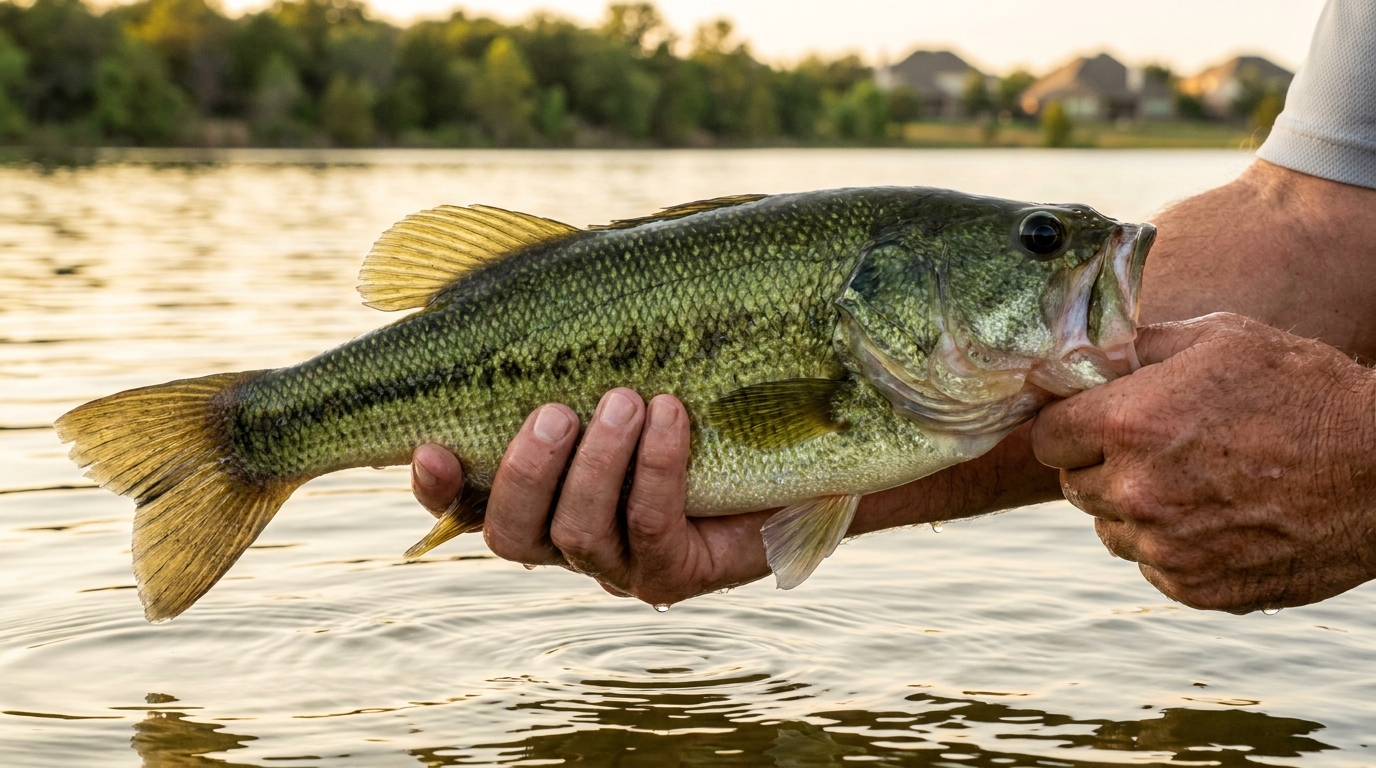
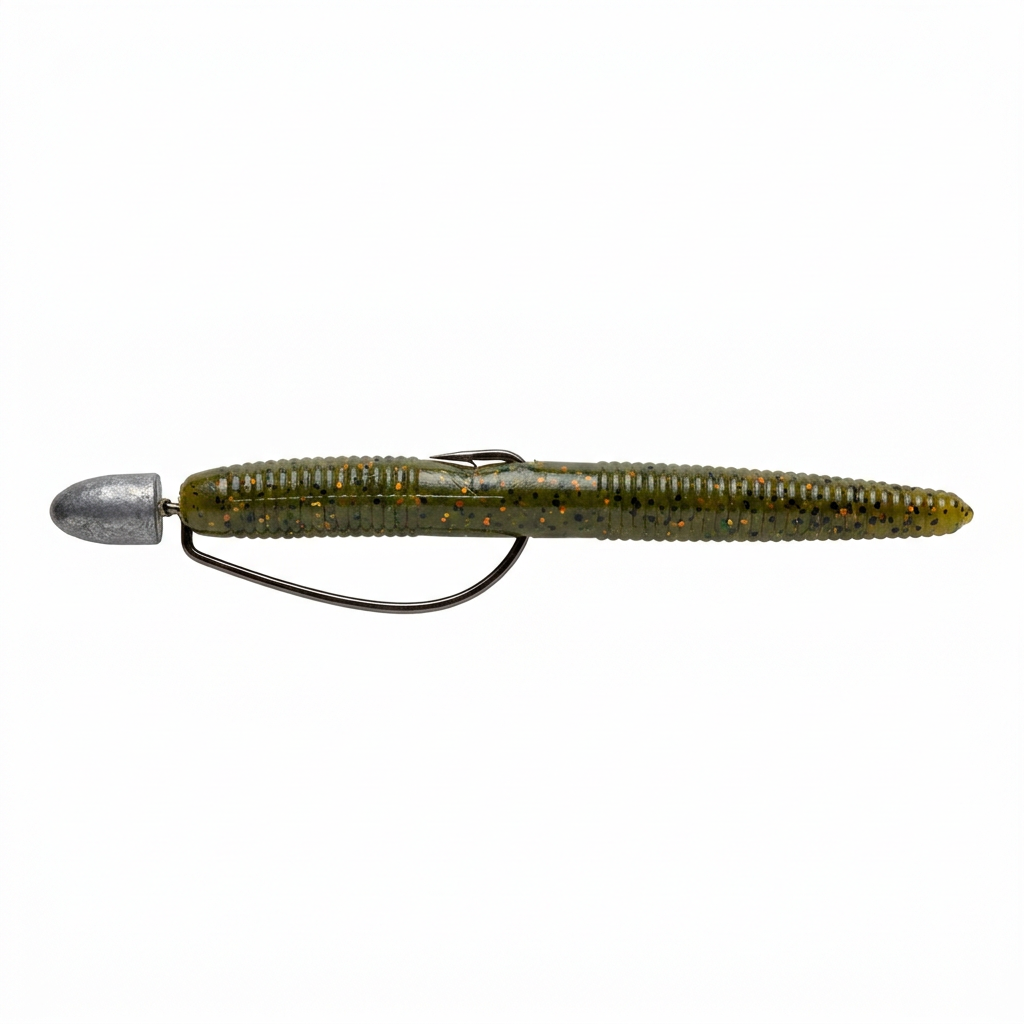
Texas Parks & Wildlife sets the largemouth bass regulations on the Texas side: 14-inch minimum, 8-fish daily bag limit in any combination of black bass species. Louisiana DWLF regulations govern the Louisiana side: verify current limits at the Louisiana Department of Wildlife and Fisheries before fishing Louisiana waters. Spring is when Toledo Bend performs at its highest level. Water temperatures in the mid-50s start pushing fish from the creek channel edges toward secondary points. By the time the water hits 60 to 65°F: typically late February through March on Toledo Bend: bass are on shallow spawning flats in 2 to 6 feet. The coves off the main lake on both the Texas and Louisiana shores hold staging fish in pockets with laydowns, stumps, and emergent grass. A squarebill crankbait or a Texas-rigged worm in this pattern covers water efficiently. The spawn produces the most consistent shallow-water bites of the year, and the fish are larger on average during this window than any other season. Hydrilla is the defining vegetation on Toledo Bend and the structure that most summer and fall patterns are built around. By June the hydrilla has grown to within a few feet of the surface in 8 to 14 feet of water across much of the lower lake. Bass hold on the outside edge of the hydrilla in summer, particularly early morning and evening. A swim jig or a hollow-body frog worked over the top of the grass produces in low-light conditions. Midday fish push to the deepest hydrilla edge where the vegetation meets the creek channel drops, and a Carolina rig dragged along the bottom transition takes fish when the surface bite dies. Fall brings topwater action back to Toledo Bend as water temperatures cool into the 70s and 60s. White bass and largemouth both chase shad on the main lake points and the mouth of the major creek arms. A buzzbait or a walking topwater lure in the early morning produces strikes from feeding fish. October and November are the most consistent fall months before the bite slows in winter.
Toledo Bend Crappie Fishing Report
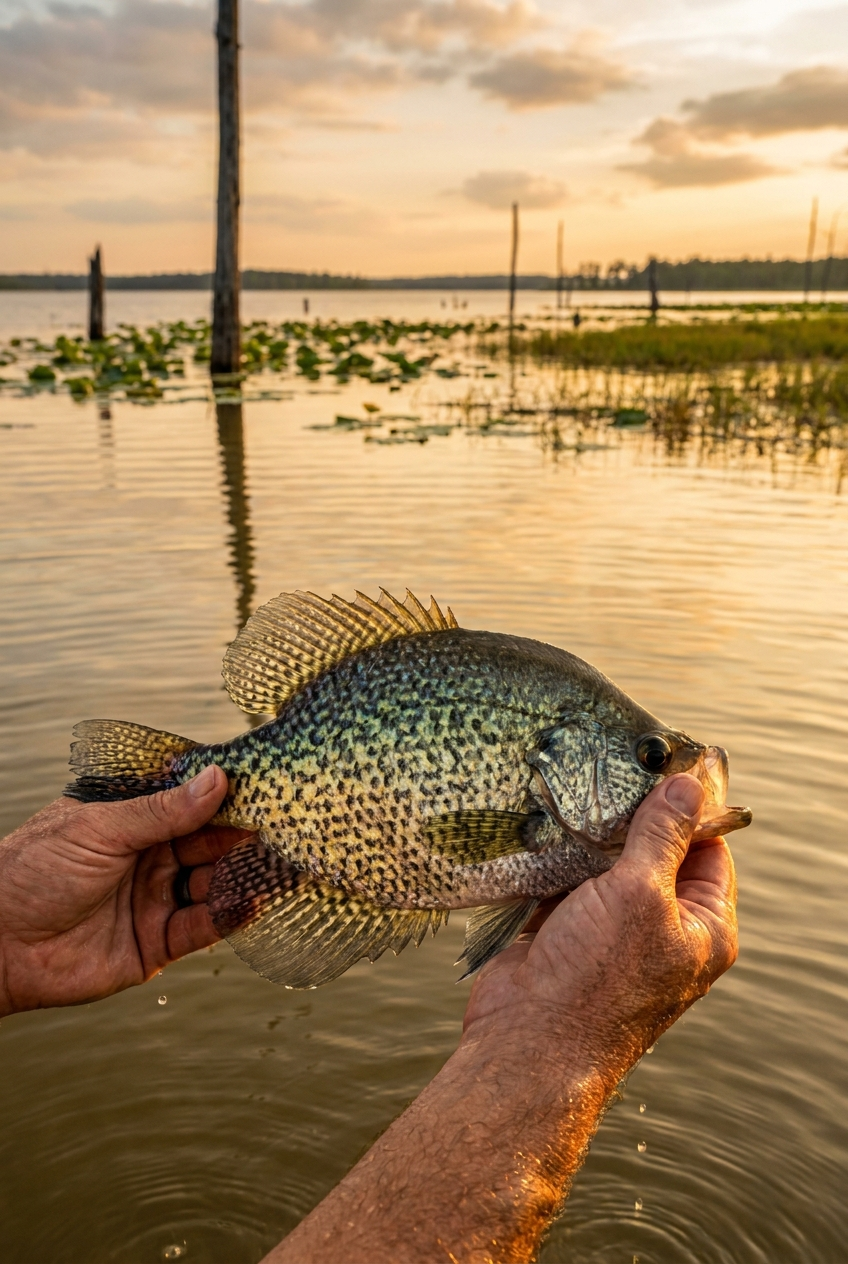
Toledo Bend produces crappie throughout the lake, but the timber-heavy upper arms hold the most consistent populations. Black crappie are the dominant species, supplemented by white crappie in some areas. The submerged timber left when the lake was impounded in 1967 provides year-round habitat, and anglers who know where the standing timber sits have a significant advantage. Spring crappie fishing on Toledo Bend runs from late February through April as fish move from 15 to 20 feet toward the shallower timber to spawn. A small jig in chartreuse or pink dropped vertically into standing timber in 8 to 14 feet produces the most fish during this window. The upper lake arms above Pendleton Bridge hold some of the densest crappie concentrations, particularly around brushy points and flooded timber pockets. Summer crappie pull back to deeper timber and the edges of creek channels in 18 to 25 feet. They don't disappear: they just require finding the right depth. Shooting docks and the shade side of floating structures produces crappie through the summer. Fall brings fish back toward medium-depth timber as water cools.
Toledo Bend Channel Catfish Fishing Report
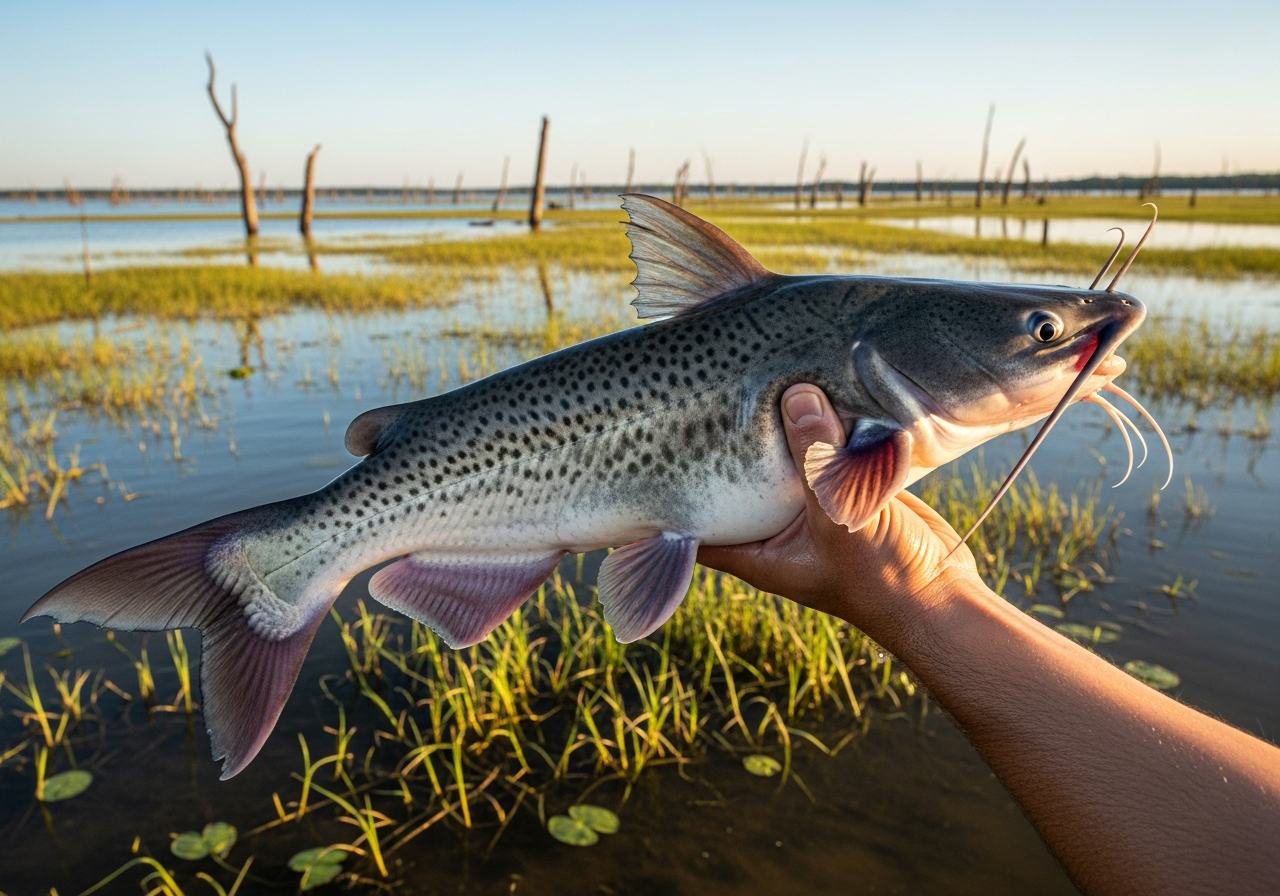
Channel catfish are abundant throughout Toledo Bend and provide consistent action for anglers who aren't targeting bass. The lake's creek channels, submerged timber, and the main river channel all hold catfish year-round. Channel cats in the 2 to 5 pound range are common; larger fish push into the double digits in the deeper sections near the dam. Catfish on Toledo Bend respond to cut shad, chicken liver, and prepared baits fished on the bottom in creek channel bends and the main river channel. The stretch below major creek inlets holds catfish through summer as the moving water stays slightly cooler and delivers food. Night fishing in summer is more productive than daytime fishing for catfish on Toledo Bend, particularly from bank access points along the Texas side near Pendleton Bridge and the various fishing areas maintained by the Sabine River Authority.
Toledo Bend White Bass Fishing Report
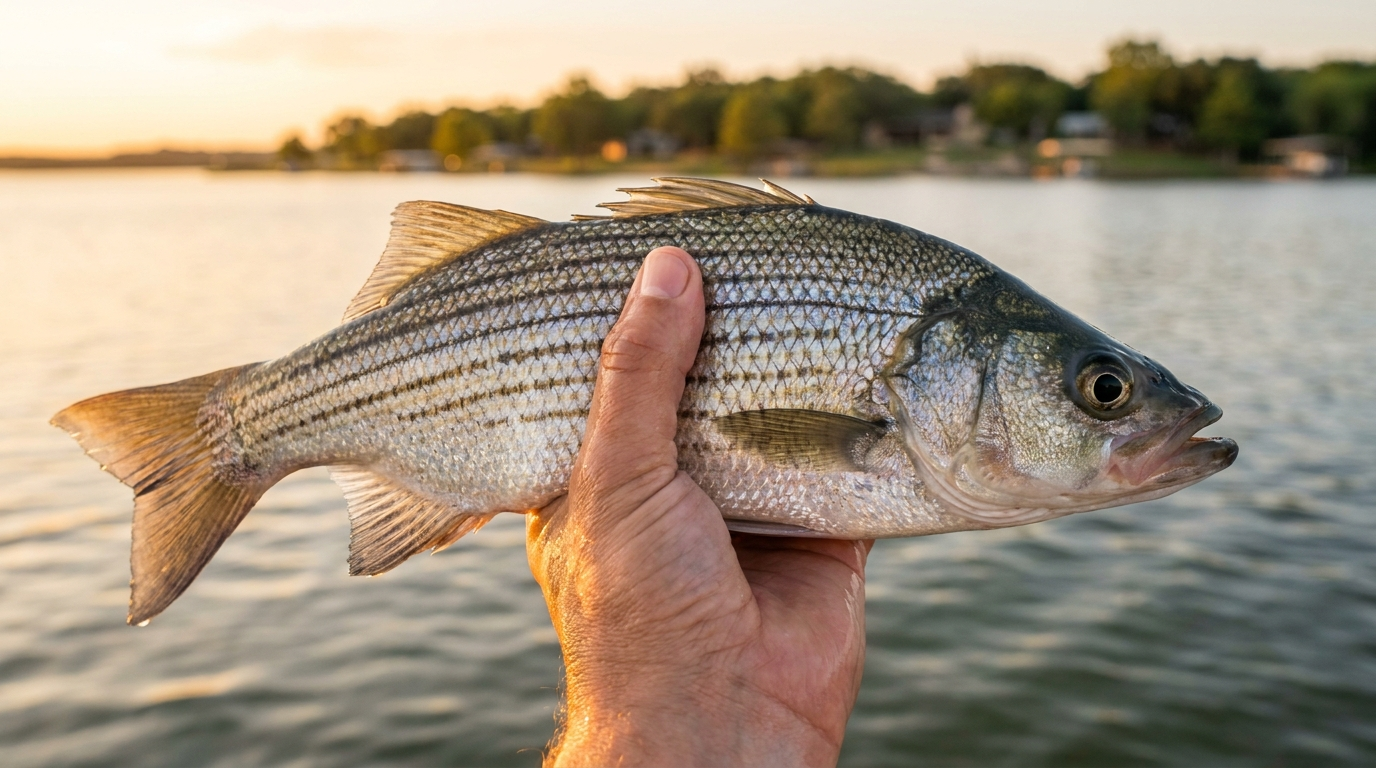
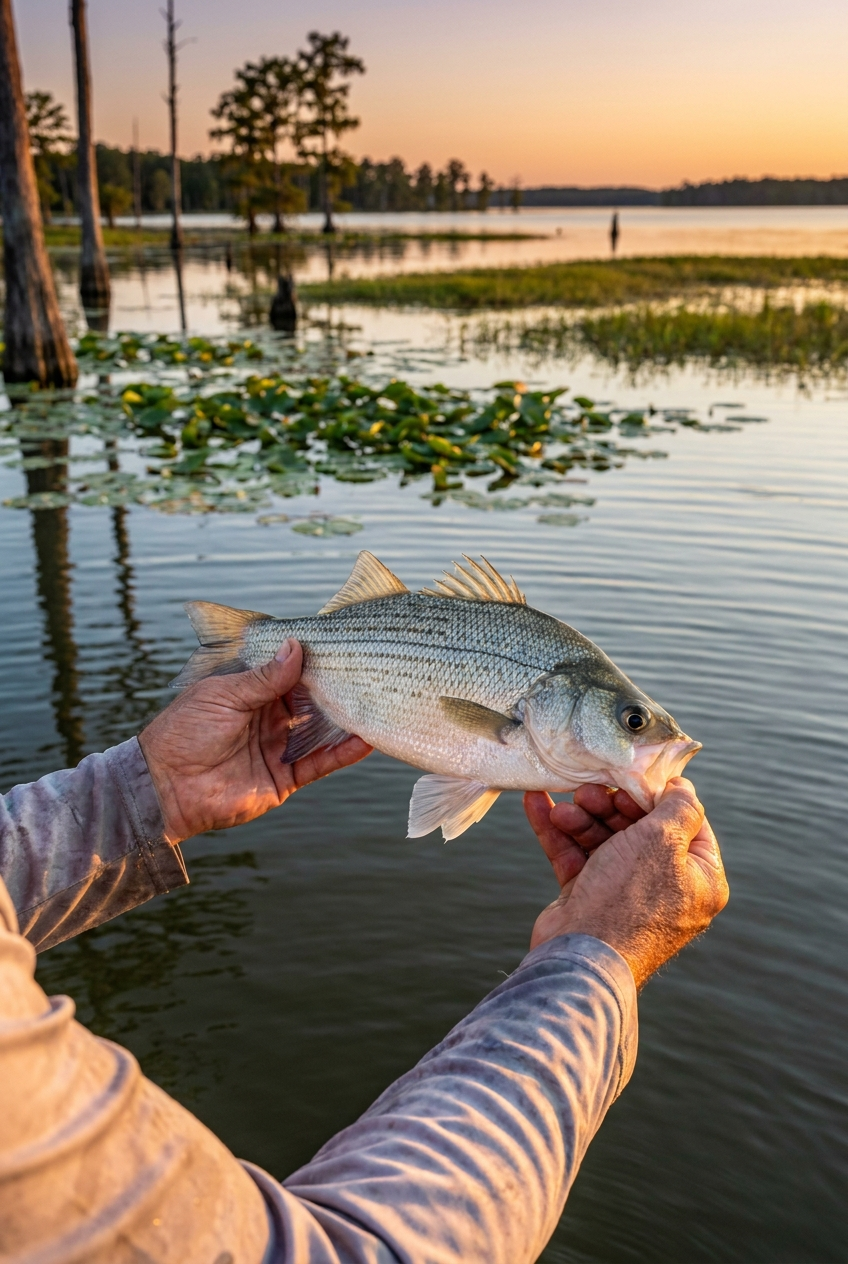
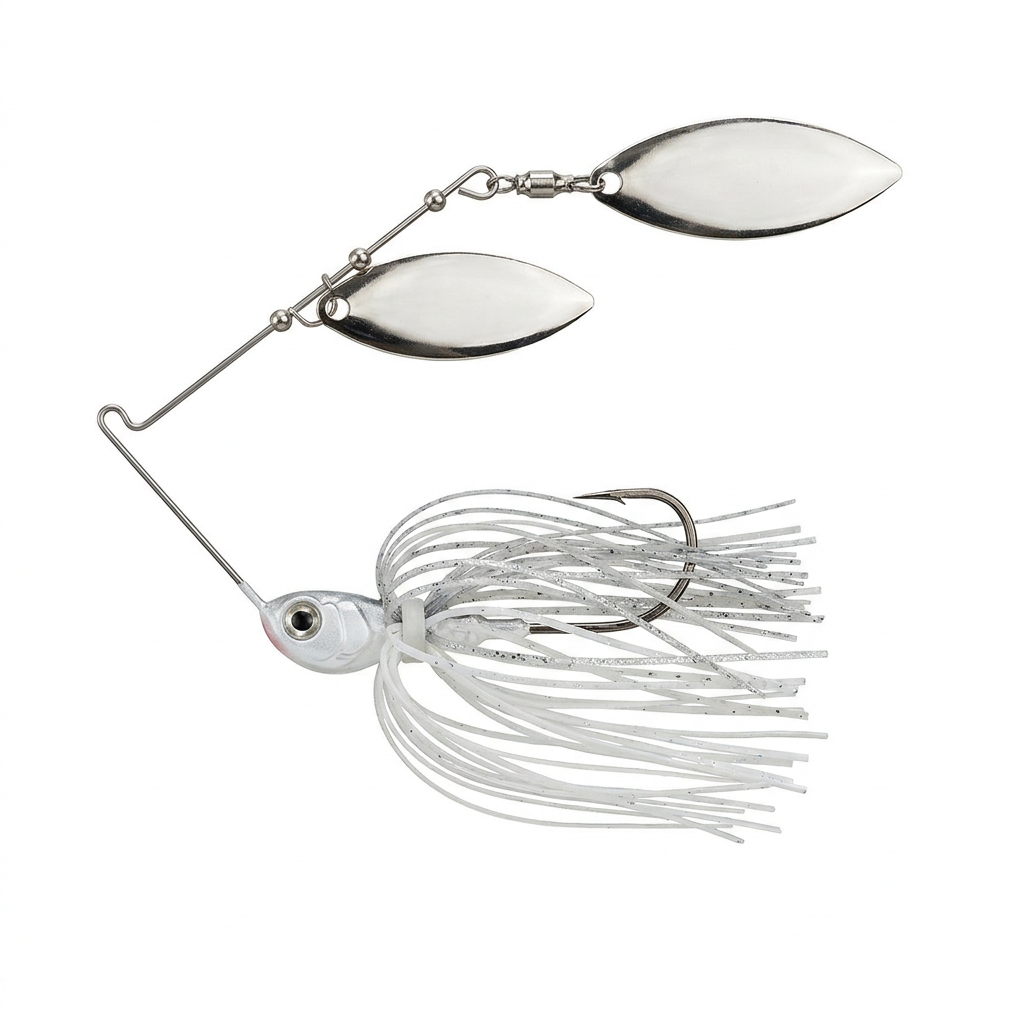
White bass provide a secondary but entertaining fishery on Toledo Bend, particularly in spring and fall. The spring run concentrates white bass at the mouths of creek arms and main lake points as fish school up before moving into tributaries. Small rooster tail spinners and 1/4-ounce jigs worked through schooling fish produce fast action during this window. Fall schooling activity on Toledo Bend puts white bass on the surface in late September and October, chasing shad near main lake points and across open water. The activity is visible: look for birds working the surface and fish busting shad from below. A small spinnerbait or any shad-imitating lure cast into the school produces immediate strikes. White bass are often incidental catches for bass anglers fishing the same main lake structure through fall.
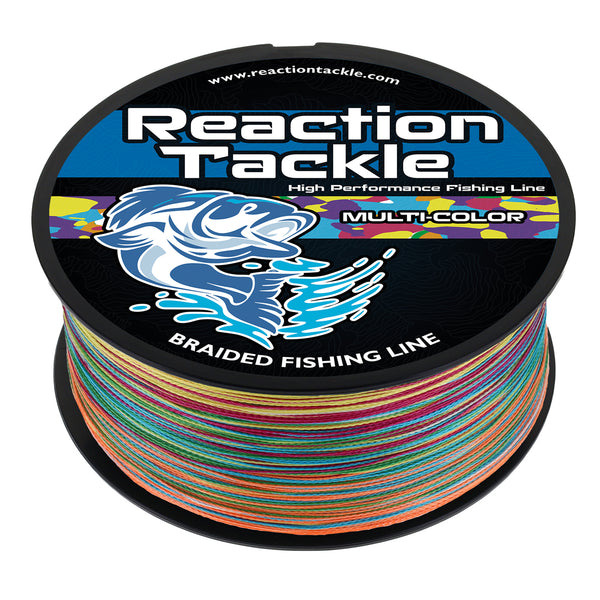
If you haven't replaced your braided line in a season or two, now's the time. Braid holds up better than mono, but abrasion from wood and rock adds up. Reaction Tackle is one of my favorite places to order from.
Top Fish to Target in Toledo Bend
Lures for Toledo Bend
Tackle matched to this lake's species and structure.
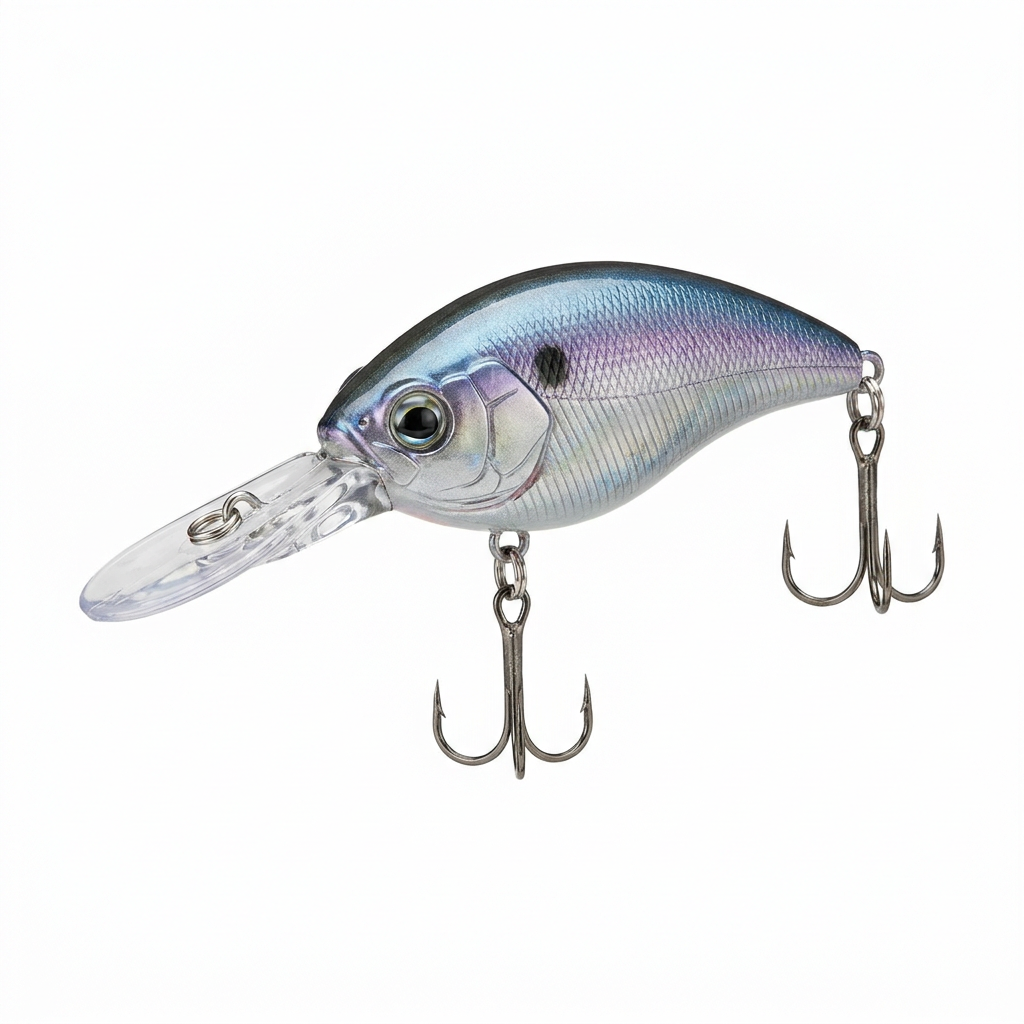
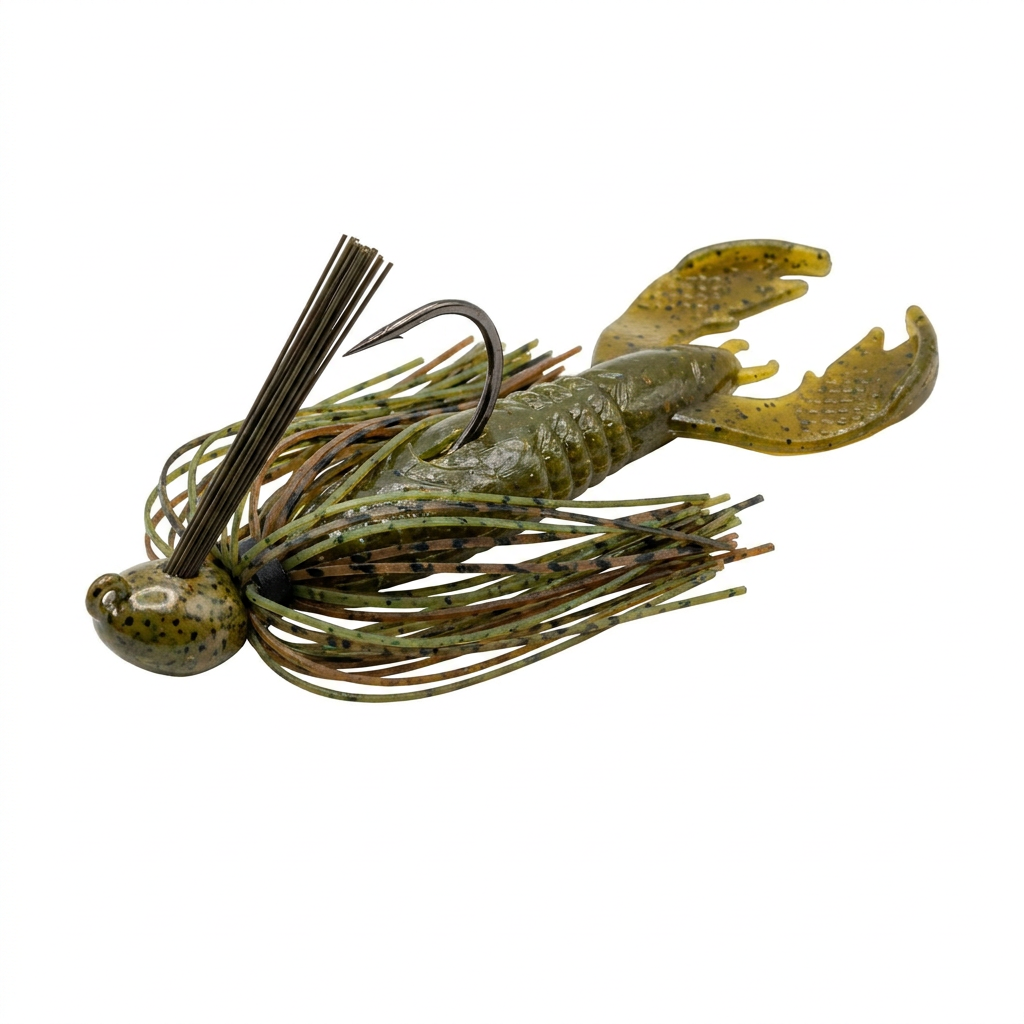
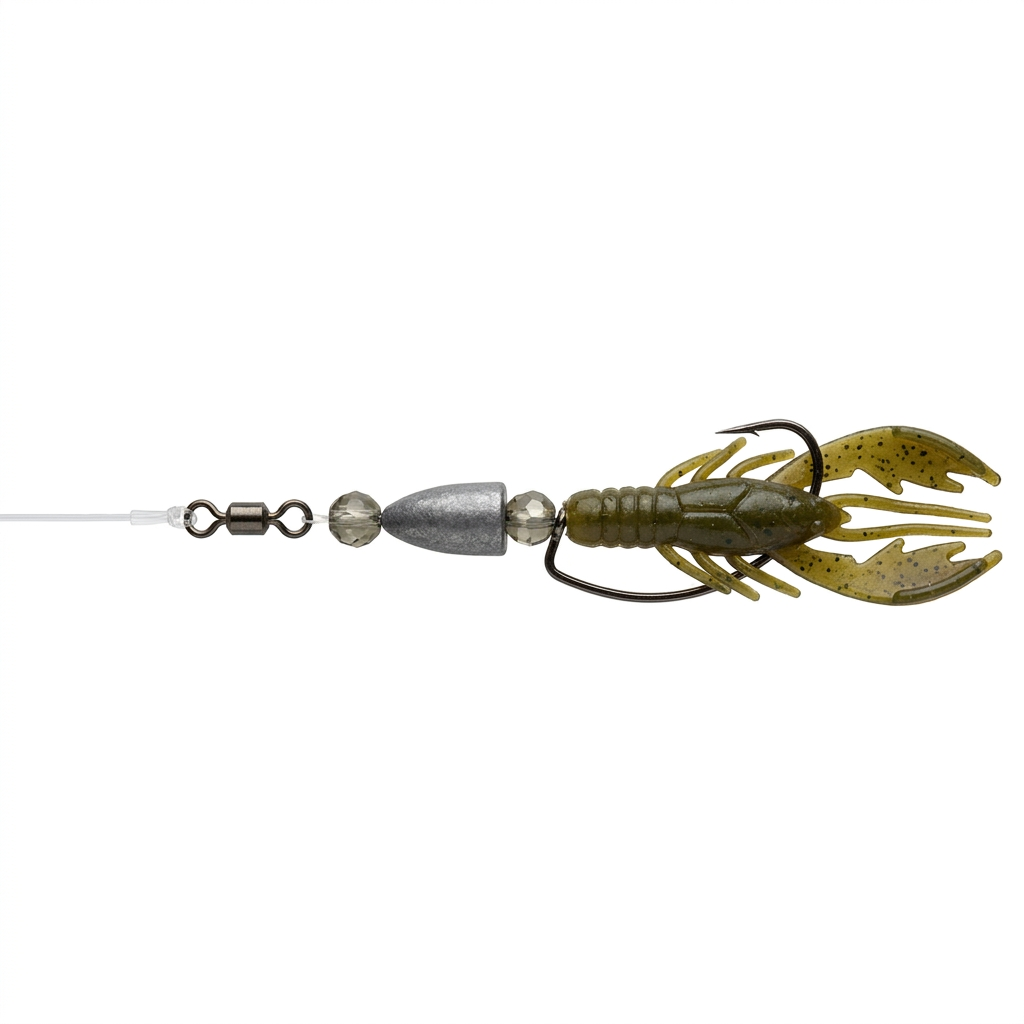
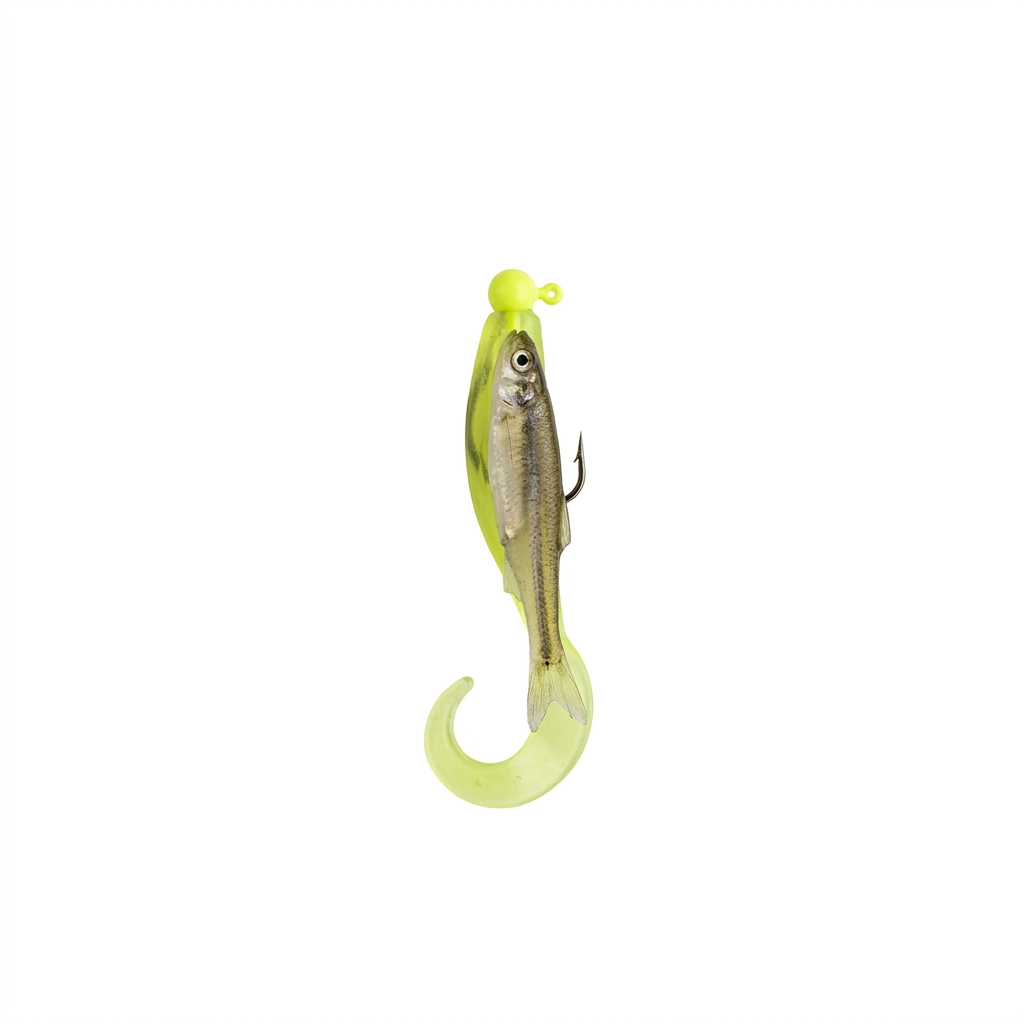
The right line matters as much as the lure. For the presentations that work on this lake, whether flipping timber, fishing main lake structure, or working deep brush, braid is the move. No stretch, more feel, and it lasts. Reaction Tackle is where I get mine.
About Toledo Bend
Toledo Bend has been on my list for a long time. As a Texas angler you hear about it constantly: it's one of the largest reservoirs in the South and the bass fishing reputation is serious. I'd love to spend a week on this lake, working both the Texas and Louisiana sides. This is one of those trips that keeps getting pushed back and probably shouldn't.
Lake size and location. Toledo Bend covers 181,600 acres along 65 miles of the Sabine River on the Texas-Louisiana border. It is one of the largest reservoirs in the United States and the largest body of water on the Texas-Louisiana state line. The dam sits in Newton County, Texas, approximately 24 miles northeast of Jasper. The lake spans Newton, Sabine, Shelby, and Panola counties in Texas and Sabine and DeSoto parishes in Louisiana.
Regulations: two states. Anglers on Toledo Bend must know which state's water they are fishing. Texas Parks & Wildlife regulations apply on the Texas side; Louisiana DWLF regulations apply on the Louisiana side. Bass regulations, bag limits, and size minimums differ between the two states. The Texas minimum for largemouth bass is 14 inches with an 8-fish daily bag. Verify current Louisiana regulations at the Louisiana Department of Wildlife and Fisheries website before fishing the Louisiana side.
Vegetation and habitat. Hydrilla is the dominant aquatic vegetation and the primary structure for bass fishing in the lower and middle lake. Submerged timber from the original 1967 impoundment remains standing in the upper arms and provides year-round habitat for crappie and catfish. The Sabine River Authority maintains the dam and manages the reservoir.
Dam and history. The Sabine River Authority completed Toro Bend Dam in 1969. Impoundment began in 1967. The reservoir is jointly owned and operated by the Sabine River Authority of Texas and the Sabine River Authority of Louisiana. It was built for hydroelectric power generation, water supply, and flood control on the Sabine River.