Lake Ouachita has been on my radar for a long time because of its reputation for clarity. The Ouachita Mountains water is some of the clearest you'll find anywhere in the South, which changes how you approach the bass entirely. The smallmouth fishing on the rocky bluffs is the draw for me personally, though the striper and crappie action looks hard to pass up. I'd build a full long-weekend trip around this lake without hesitation.
Today's Bite Score · October 8, 2026
Above average conditions worth planning a trip
🌘Waning Crescent
Lake Ouachita Fishing Report
October FishingMonthly fishing report · October patterns and techniques
Lake Ouachita in October presents prime conditions for anglers seeking active fish. Water temperatures this month support increased feeding activity across multiple species, and anglers are finding fish responding well to various presentation styles throughout the lake. The moderate October conditions create an ideal window for both shallow and deep water fishing opportunities.
In October, largemouth bass and crappie are among the most active species at Lake Ouachita. Anglers are finding bass holding in shallow areas where they respond to spinnerbaits and small crankbaits. Crappie in this month are suspended around brush piles and timber at depths between 18 and 40 feet, where they concentrate in the cooler water column. Hybrid and white bass are also feeding throughout the day from 25 to 50 feet, showing consistent activity across different times. These fish are holding at these depths due to their preference for cooler October water temperatures.
The bite is most effective this month using proven techniques and specific baits. For crappie, jigs and live minnows produce consistent results around brush piles and timber. Bass anglers find success with spinnerbaits and small crankbaits worked shallow, while those targeting deeper fish can use C-rigs and football heads out to 50 feet. Hybrid and white bass respond well to spoons, inline spinners, swimbaits, and hair jigs, with Alabama rigs also proving effective. Whether targeting shallow or deep structure, October anglers at Lake Ouachita should focus on these proven combinations for the best results.
Get More Fishing Report Specifics
Tap a topic button below for a report on current conditions.
Tap a topic above to get a current report for Lake Ouachita.
Answers are generated on demand and cached. No AI call fires until you tap a tab.
Lake Ouachita Fishing Guides
Looking for a Lake Ouachita fishing guide? The ultra-clear water on Ouachita means everything has to be right — presentation, depth, location — and guides who know this mountain lake cut through all of that instantly. Go here → to check out our recommended fishing guides for Lake Ouachita. Then scroll down on that page to see all of the Lake Ouachita fishing guides.
Lake Ouachita Fishing Strategies by Species
Seasonal patterns and techniques by target species · Verified against official sources
Lake Ouachita is a 40,000-acre U.S. Army Corps of Engineers reservoir in the Ouachita Mountains of west-central Arkansas, managed by the USACE Little Rock District. Renowned as one of the clearest lakes in the United States, the reservoir sits at the confluence of the Ouachita, Caddo, and Mazarn rivers and holds largemouth bass, smallmouth bass, striped bass, crappie, walleye, and channel catfish. The rocky bluff structure and flooded timber throughout the 975-mile shoreline create diverse habitat for all target species. AGFC enforces standard fishing regulations: largemouth and smallmouth bass 12-inch minimum, 6-fish daily combined limit; striped bass 15-inch minimum, 10-fish daily limit. Verify current regulations at https://www.agfc.com/en/fishing/regulations/ before fishing.
Lake Ouachita Smallmouth Bass Fishing Report
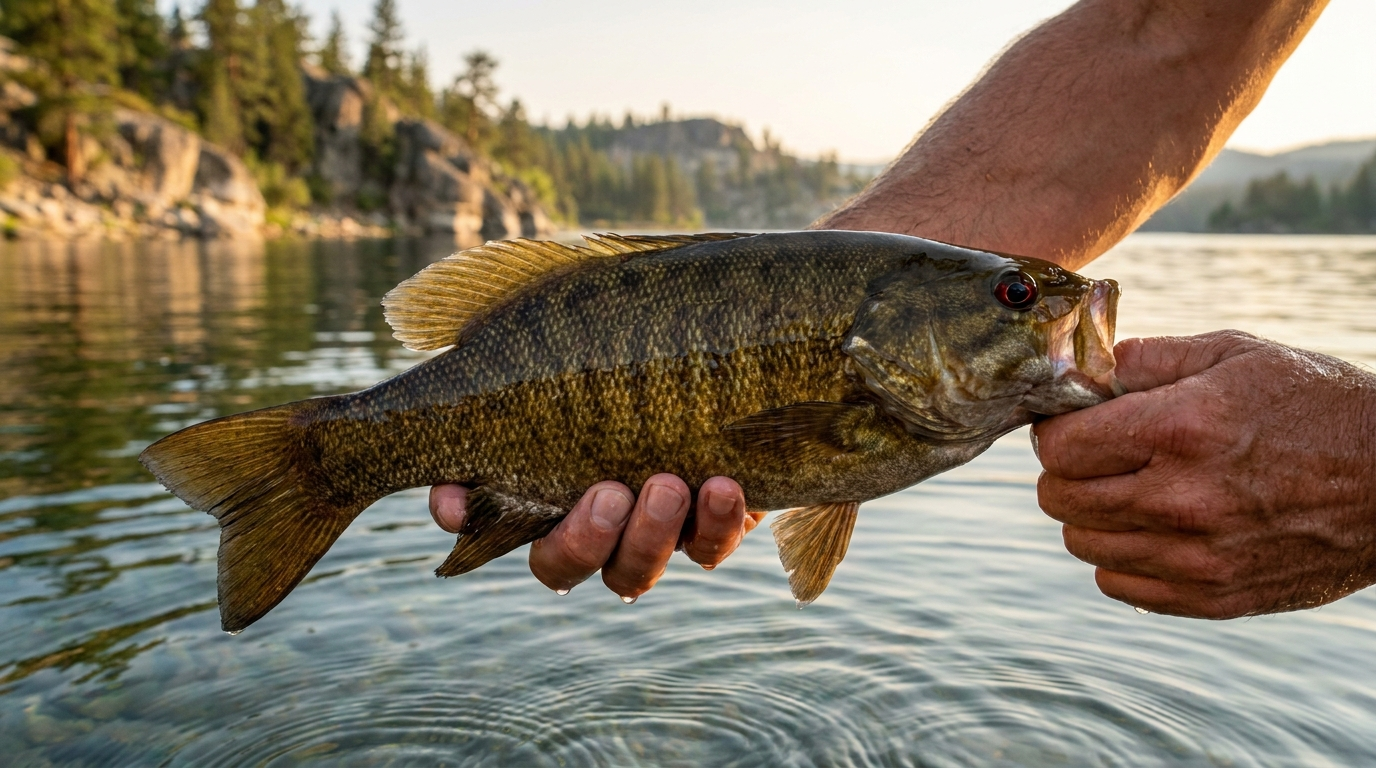
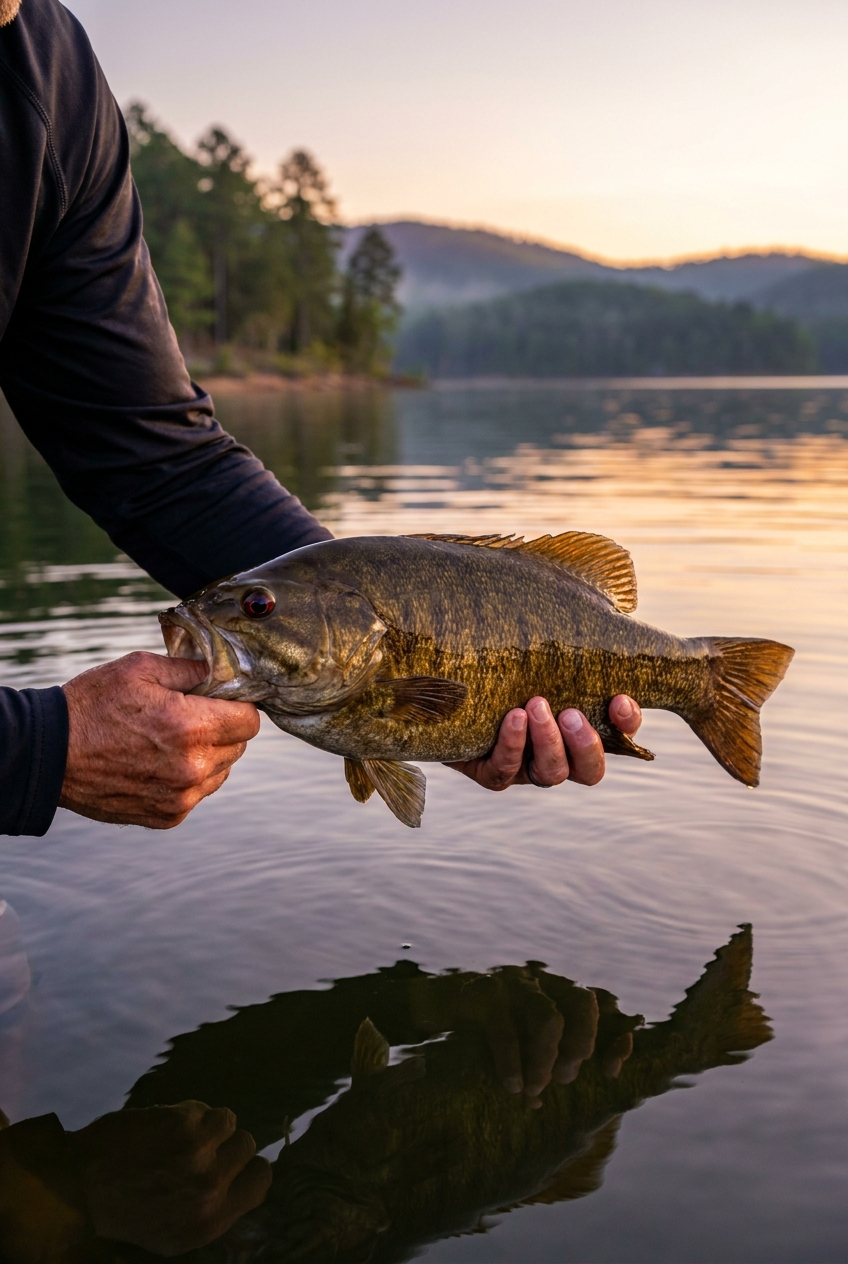
Smallmouth bass are arguably the top target at Lake Ouachita, thriving in the clear water over the abundant rocky points, bluff walls, and main lake structure that defines the reservoir. The upper Ouachita River arm and the rocky main lake points hold the best concentrations of smallmouth. Jigs, tube baits, and small crankbaits worked along bluff bases in 8 to 20 feet produce consistently throughout the year, with finesse presentations required in the clear water. Spring smallmouth move onto shallow gravel flats adjacent to bluffs to spawn in April and May, offering exceptional sight-fishing opportunities. Summer fish push deeper along the bluff walls and main lake points in 15 to 30 feet, where drop-shot rigs and Carolina rigs produce steady action. Fall is prime time as smallmouth aggressively chase bait on the main lake points through November. AGFC regulation for Lake Ouachita: smallmouth bass 12-inch minimum length, counted within the 6-fish combined black bass daily limit. Verify current regulations at https://www.agfc.com/en/fishing/regulations/ before fishing.
Lake Ouachita Striped Bass Fishing Report
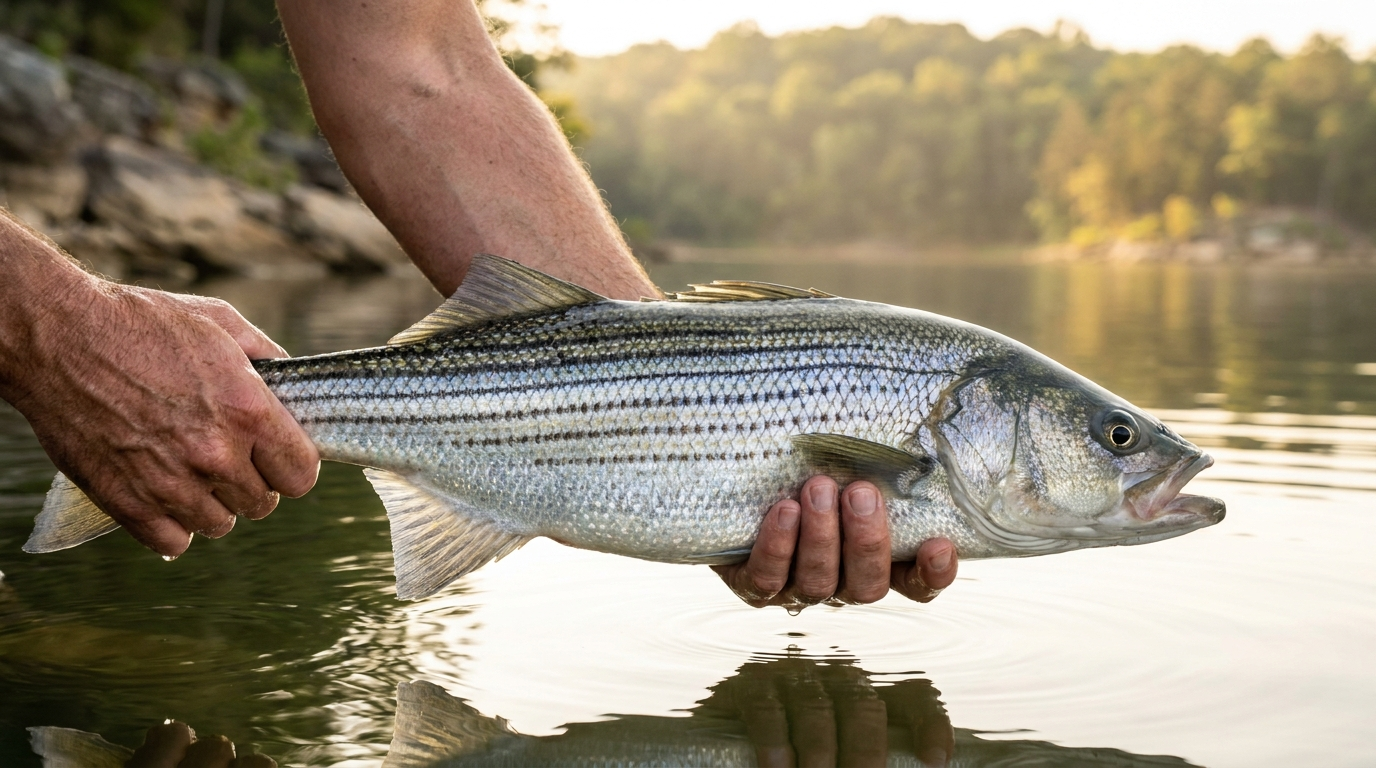
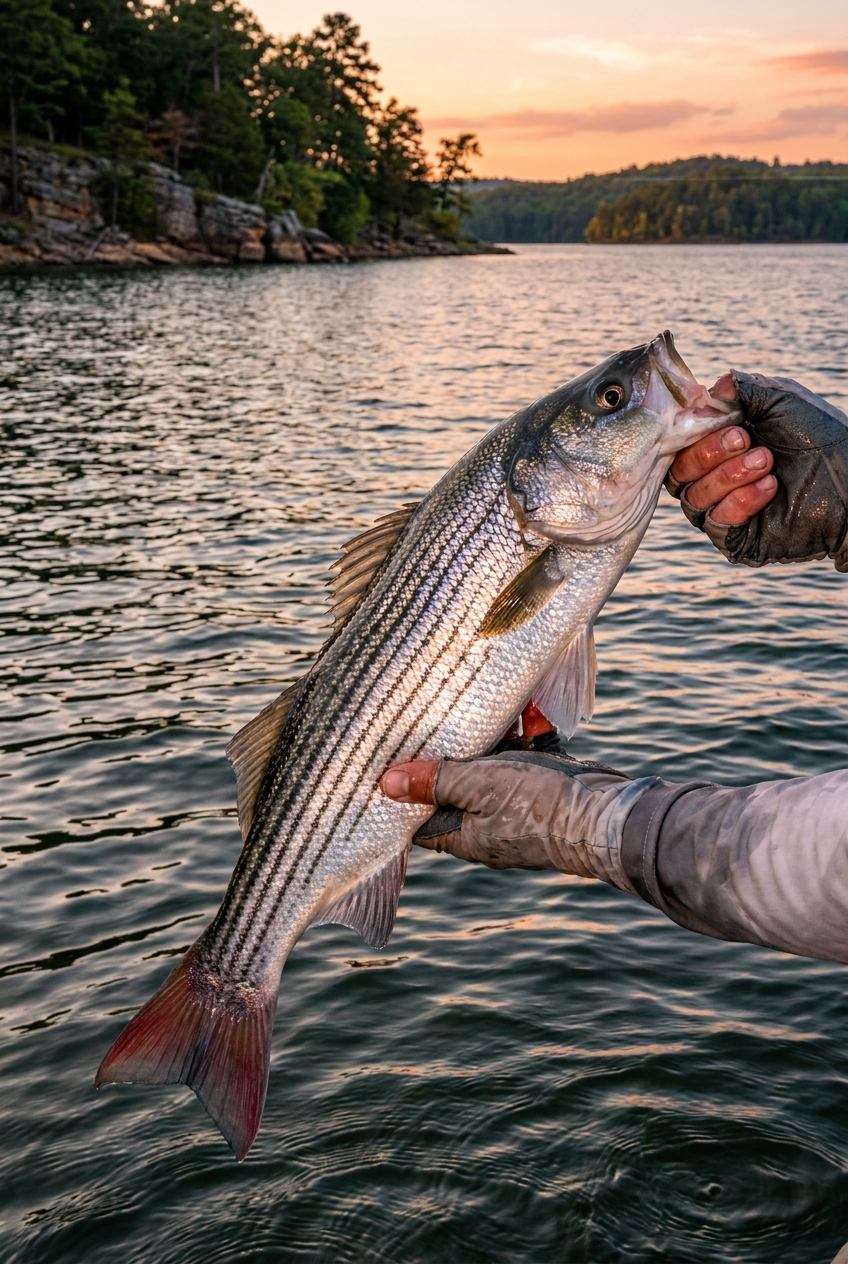
Striped bass at Lake Ouachita are found primarily in the open main lake basin and the deeper river channel areas, where they chase shad schools in the clear water. Live shad and large swimbaits are the most consistent producers, with trolling umbrella rigs and jigging spoons near the thermocline also effective during summer. Stripers follow shad migrations, so locating bait schools with sonar is the key to consistent success. Spring and fall offer the best surface action as stripers corral shad near the main lake points and the deeper cove entrances. Summer fish hold near the thermocline in 25 to 45 feet during the heat of the day, then push shad to the surface near points and creek mouths at dawn and dusk. AGFC regulation: striped bass 15-inch minimum, 10-fish daily limit. Verify current regulations at https://www.agfc.com/en/fishing/regulations/ before fishing.
Lake Ouachita Largemouth Bass Fishing Report
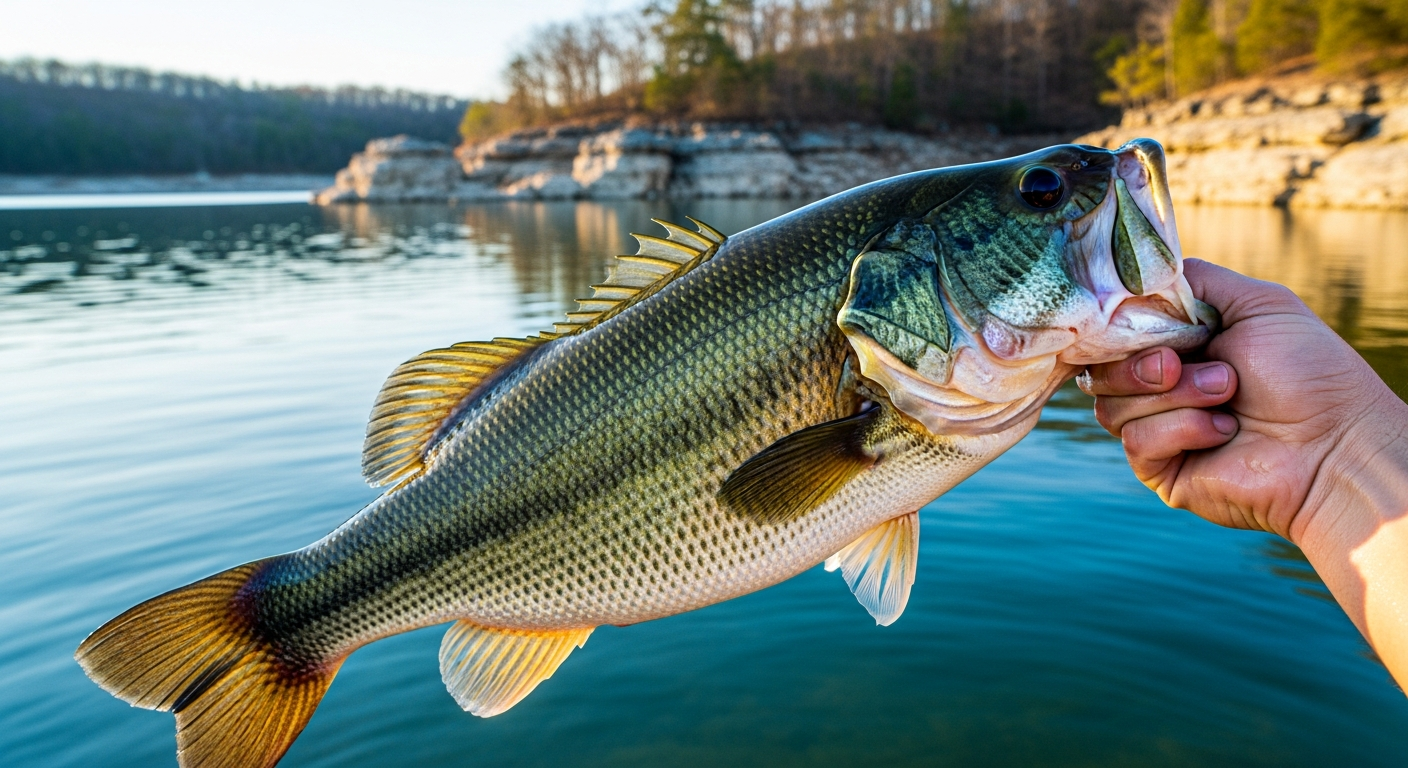
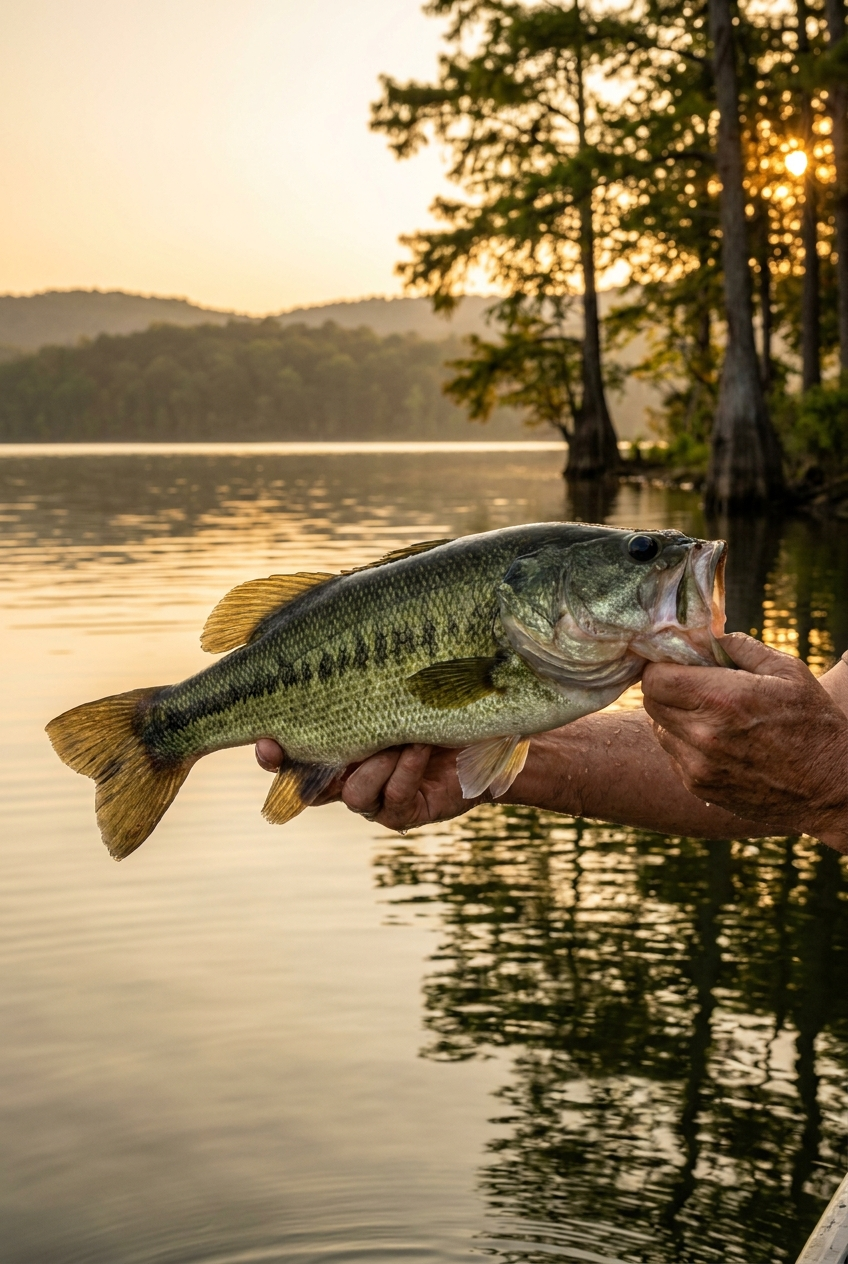
Largemouth bass at Lake Ouachita concentrate in the flooded timber throughout the creek arms, cove pockets, and dock structure around the reservoir's 975 miles of shoreline. The clear Ouachita Mountain water demands finesse presentations and longer casts compared to stained-water fisheries. Spring is the strongest season, with prespawn fish staging on main lake points in March before moving into the protected coves and creek arm timber to spawn in April and May. Spinnerbaits, Texas-rigged worms, and Carolina rigs worked along the timber edges and rocky cove transitions produce consistent spring catches. Summer bass retreat to deeper bluff shade and dock shadows during midday, with topwater and spinnerbait action improving at dawn and dusk along the shaded bluff walls. AGFC regulation: largemouth bass 12-inch minimum, 6-fish combined black bass daily limit. Verify current regulations at https://www.agfc.com/en/fishing/regulations/ before fishing.
Lake Ouachita Crappie Fishing Report
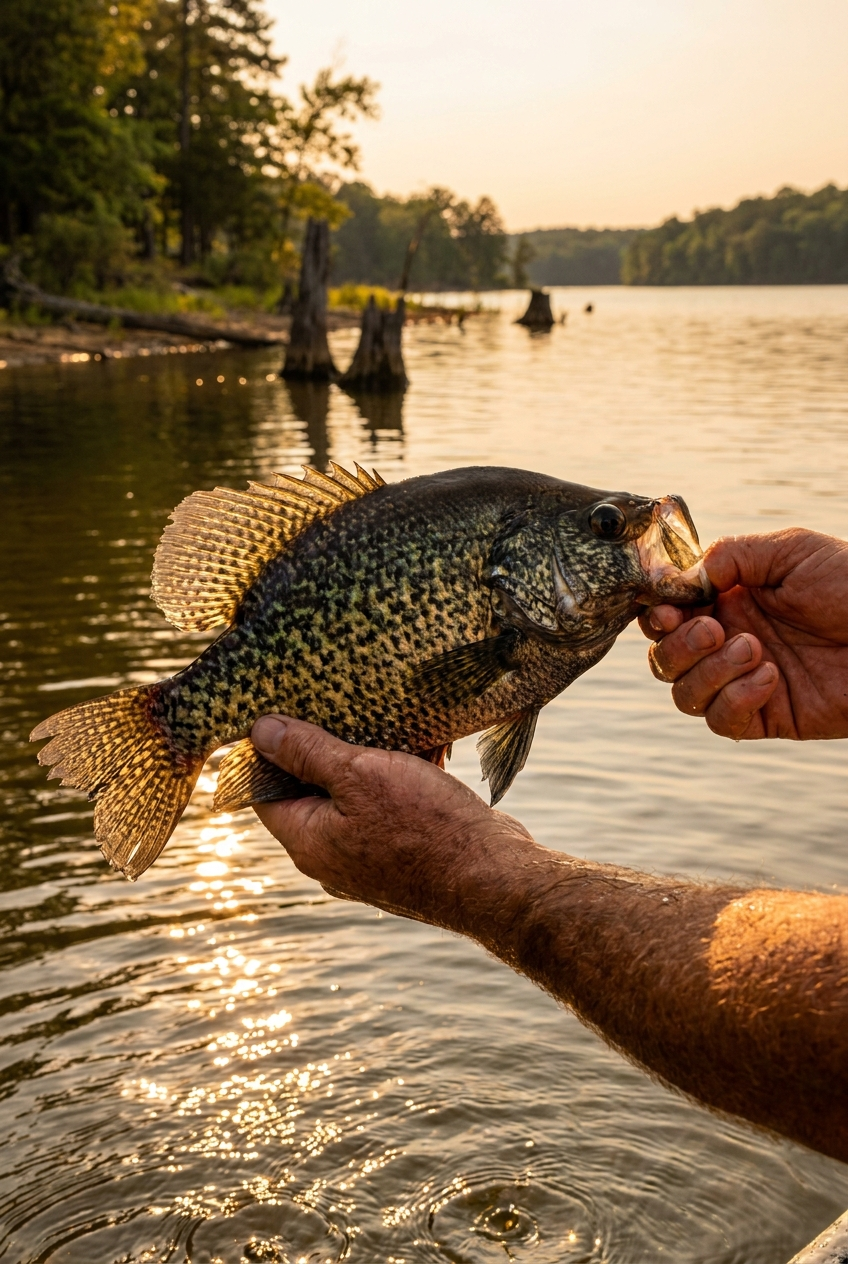
Crappie are abundant in the flooded timber throughout the creek arms of Lake Ouachita and rank among the most popular recreational targets on the reservoir. The extensive timber in the upper river arms and major creek arms holds crappie year-round, with spawning fish moving to shallower timber in April and May at 4 to 8 feet. Crappie jig-minnow combinations and small tube jigs fished vertically in and around the timber produce reliable catches during spring. Summer crappie suspend in the timber at 12 to 20 feet near the creek channel transitions, responding to slow-trolled jigs and live minnows. Fall returns crappie to the mid-depth timber in 10 to 18 feet, and the bite often extends through December in the deeper arms. AGFC regulation: crappie 10-inch minimum length, 15-fish daily bag limit. Verify current regulations at https://www.agfc.com/en/fishing/regulations/ before fishing.
Lake Ouachita Walleye Fishing Report
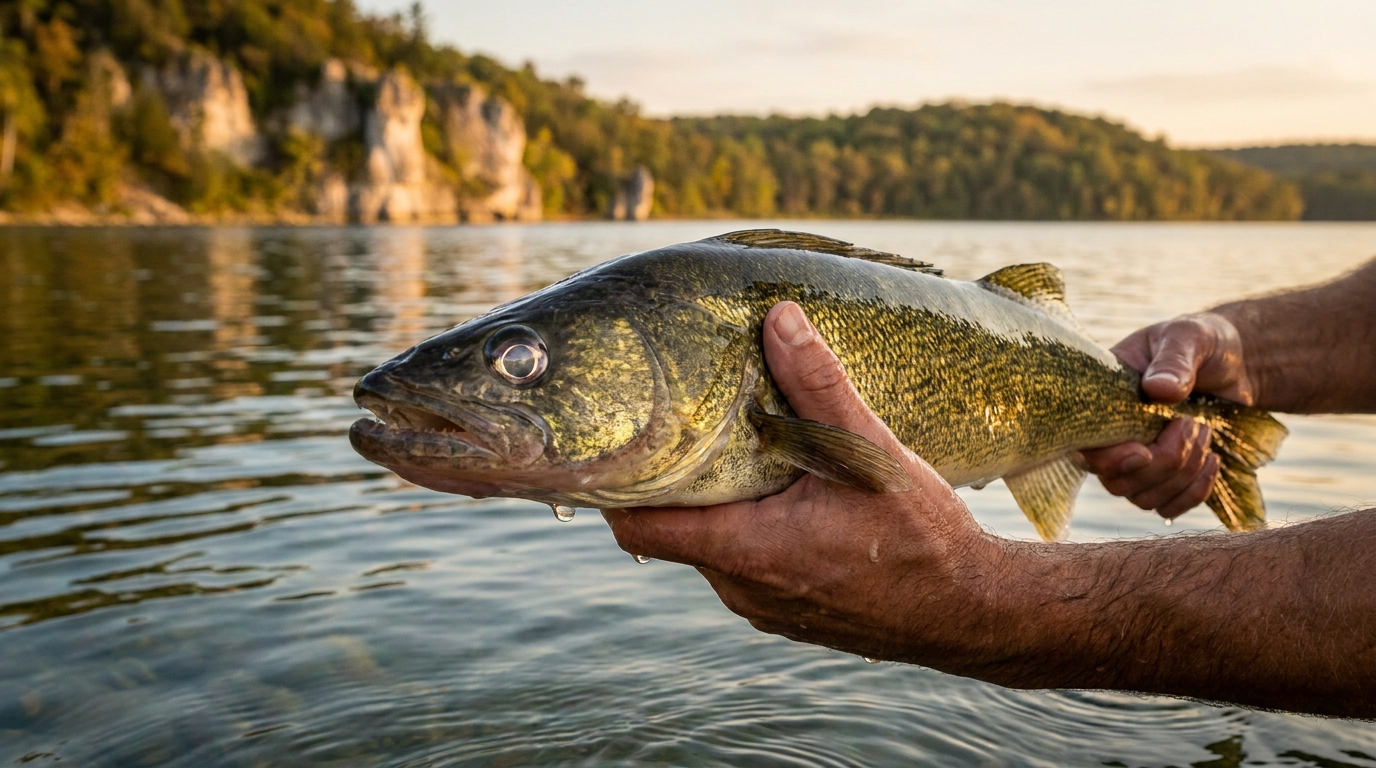
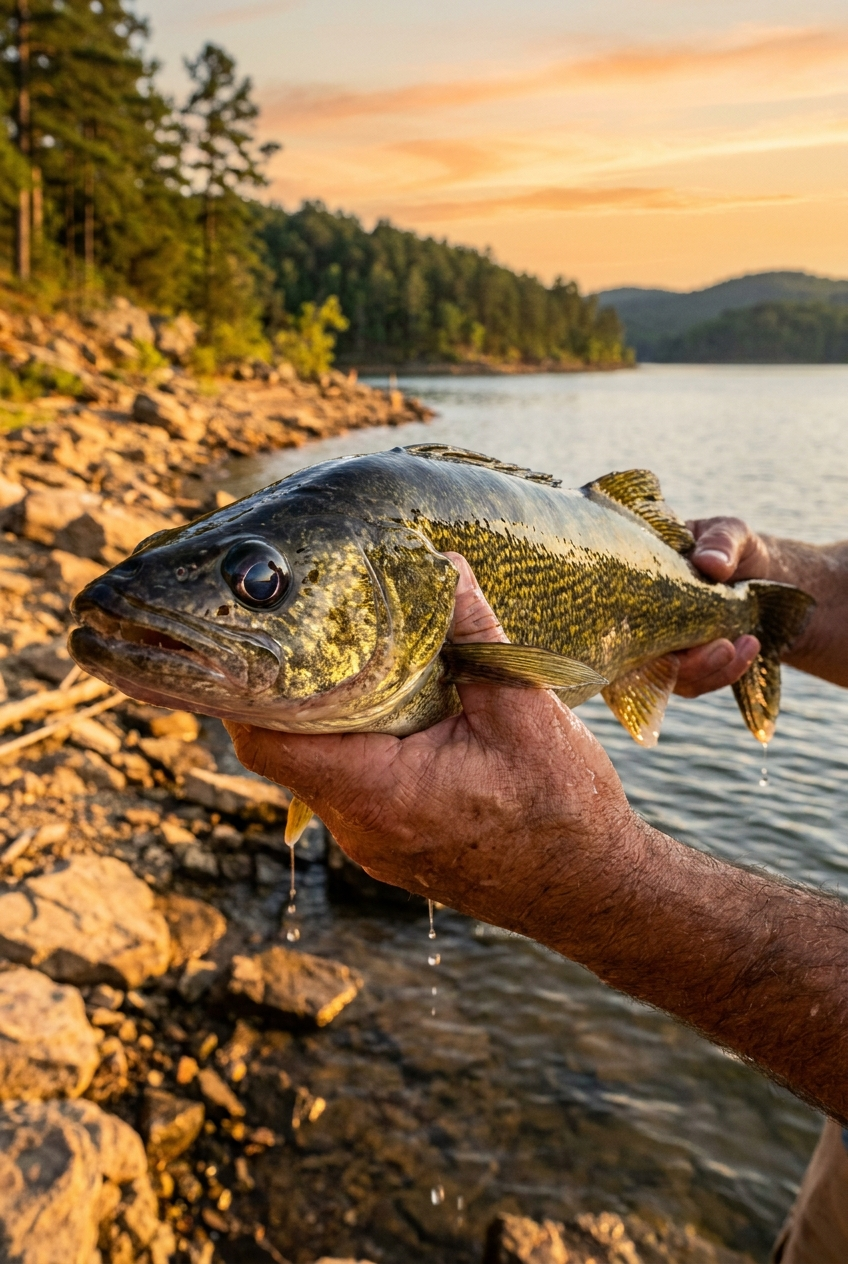
Walleye are present in Lake Ouachita but represent a secondary fishery compared to the bass and crappie. AGFC has stocked walleye in the reservoir to maintain the population, and fish are found primarily in the upper river arms and near the major creek mouths where current and cooler water temperatures concentrate them. Jigs tipped with minnows and crankbaits worked along channel transitions in 15 to 30 feet produce the best results. Night fishing from April through June is the most consistent approach, particularly on the main lake points and along the bluff walls. The clearer water at Ouachita compared to other Arkansas walleye lakes demands lighter line and more subtle presentations. AGFC standard walleye regulations apply. Verify current regulations at https://www.agfc.com/en/fishing/regulations/ before fishing.
Lake Ouachita Channel Catfish Fishing Report
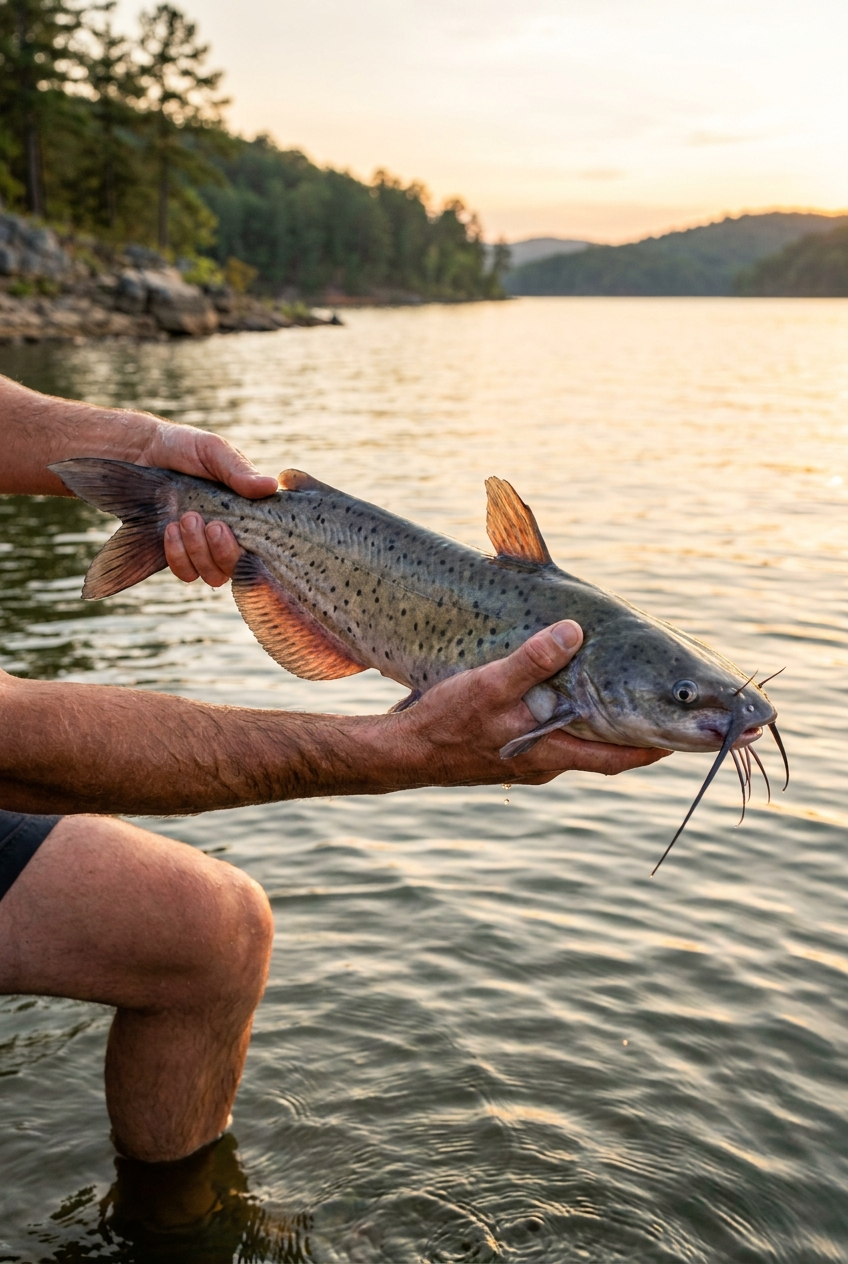
Channel catfish are distributed throughout Lake Ouachita in the deeper channel bends, tributary mouths, and the main Ouachita River arm. The original river channel running through the length of the reservoir concentrates catfish, particularly in the upper sections where tributary inflows provide current and feeding opportunities. Summer night fishing from bank access points and boat ramps near the cove and creek transitions produces consistent catfish on cut shad and prepared baits. The tributary mouths in the Caddo and Mazarn arms are productive catfish locations in spring and early summer when water temperatures are rising. Fall catfish action remains solid through October along the main channel bends. AGFC standard catfish regulations apply. Verify current regulations at https://www.agfc.com/en/fishing/regulations/ before fishing.
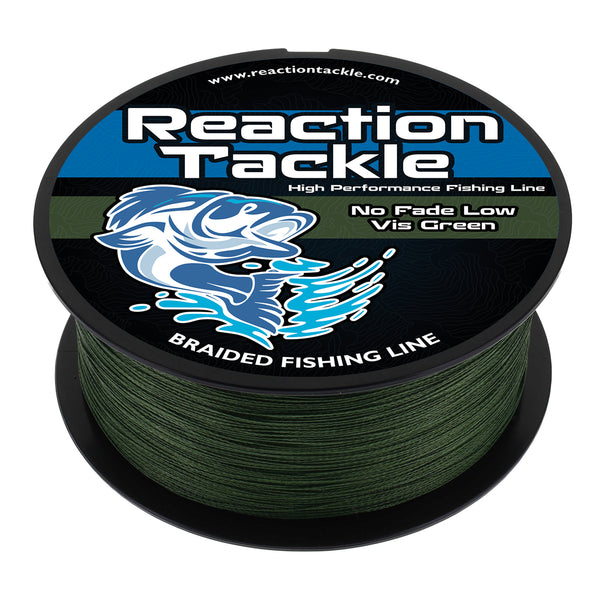
Before you head out, check your line. If it's been sitting on the reel all winter or has seen a lot of rocks and timber, it's worth replacing before a serious trip. I order most of my braid from Reaction Tackle and have been happy with it.
Top Fish to Target in Lake Ouachita
Lures for Lake Ouachita
Tackle matched to this lake's species and structure.
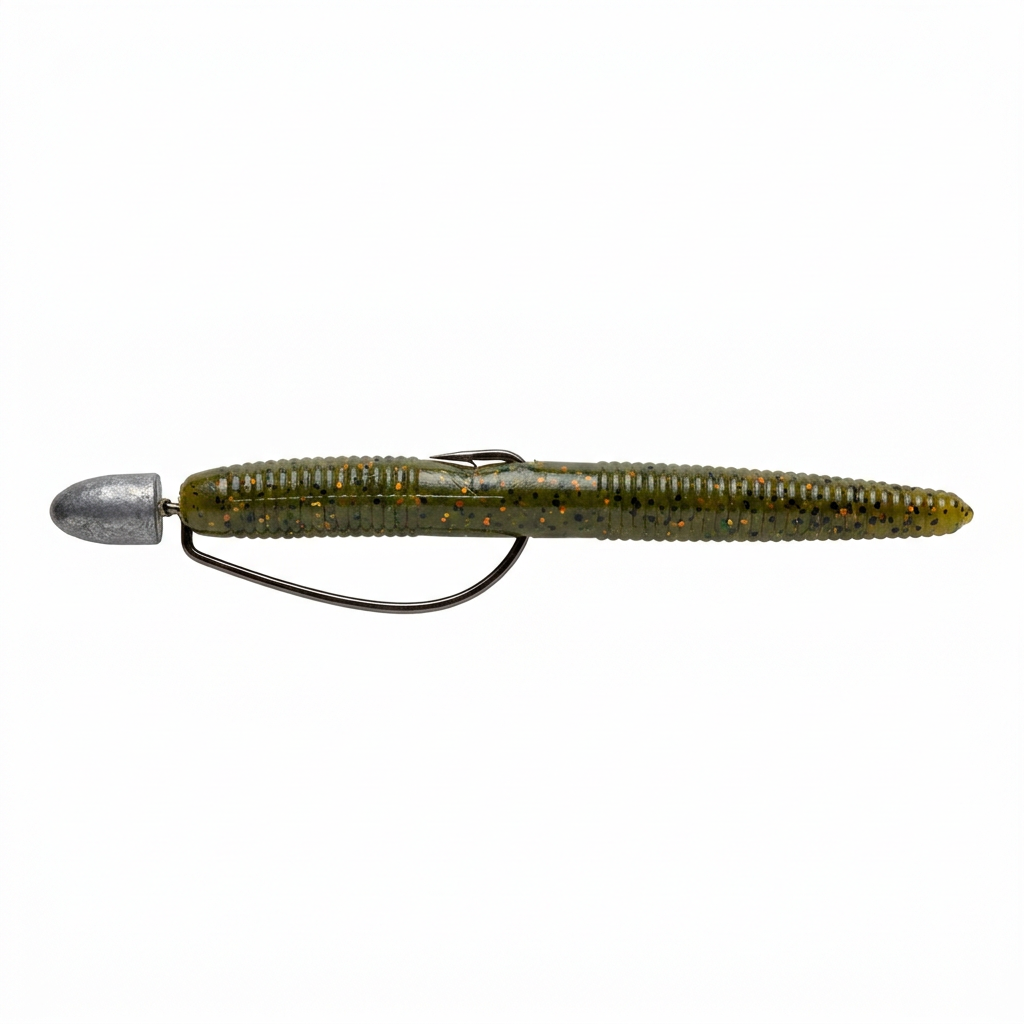
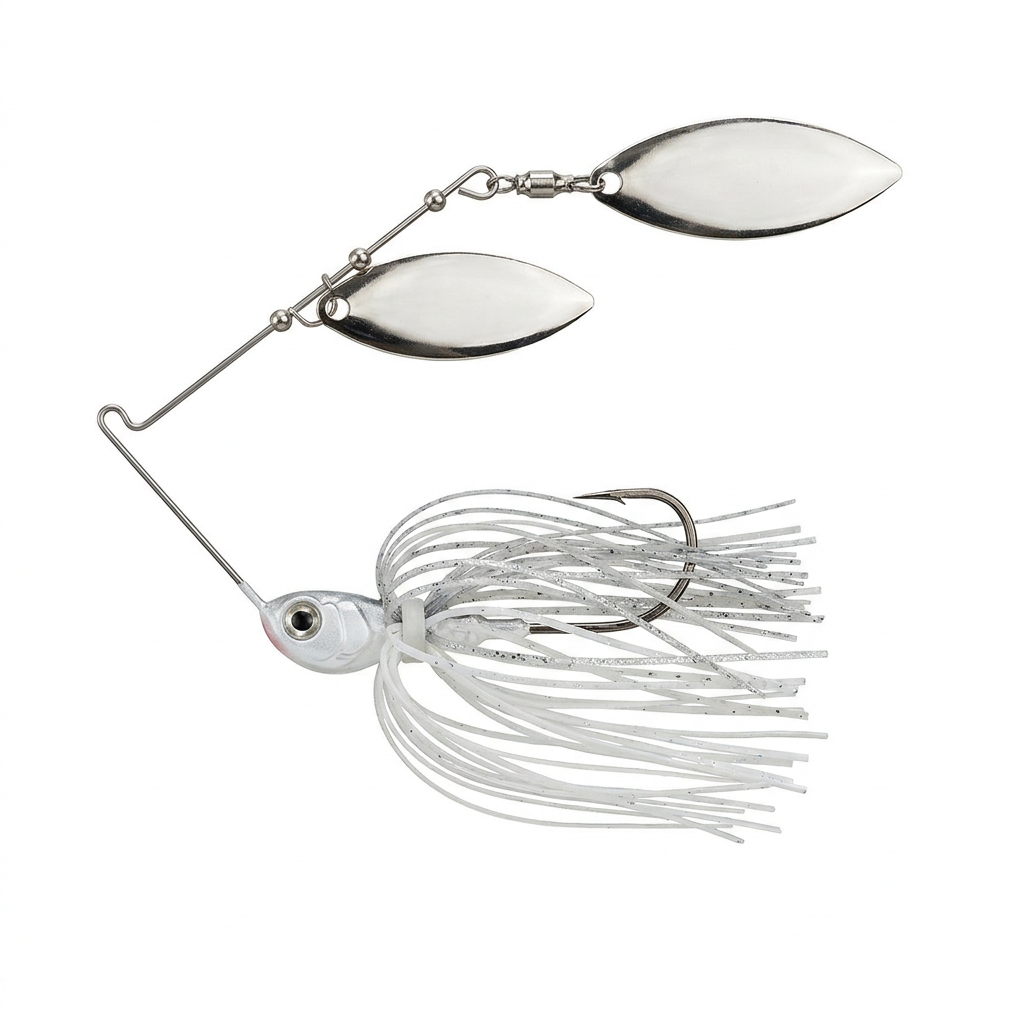
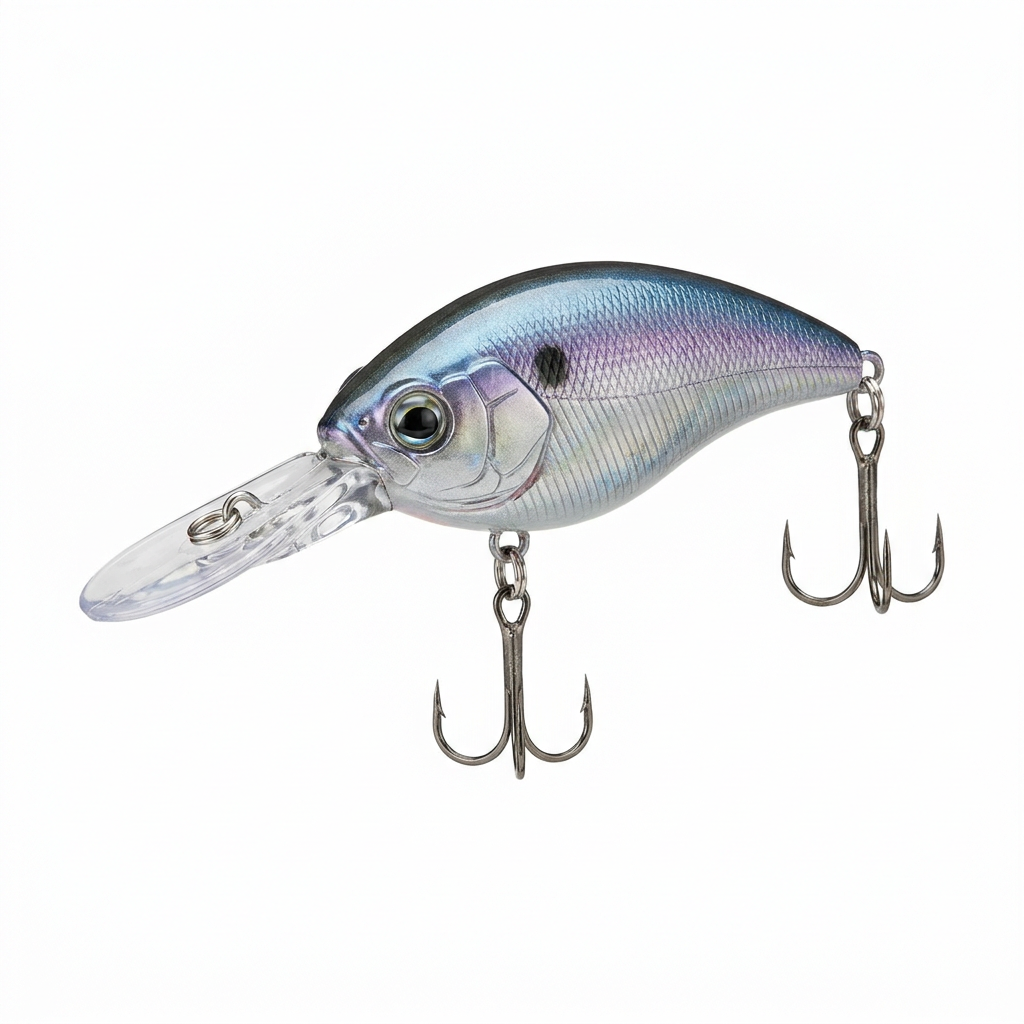
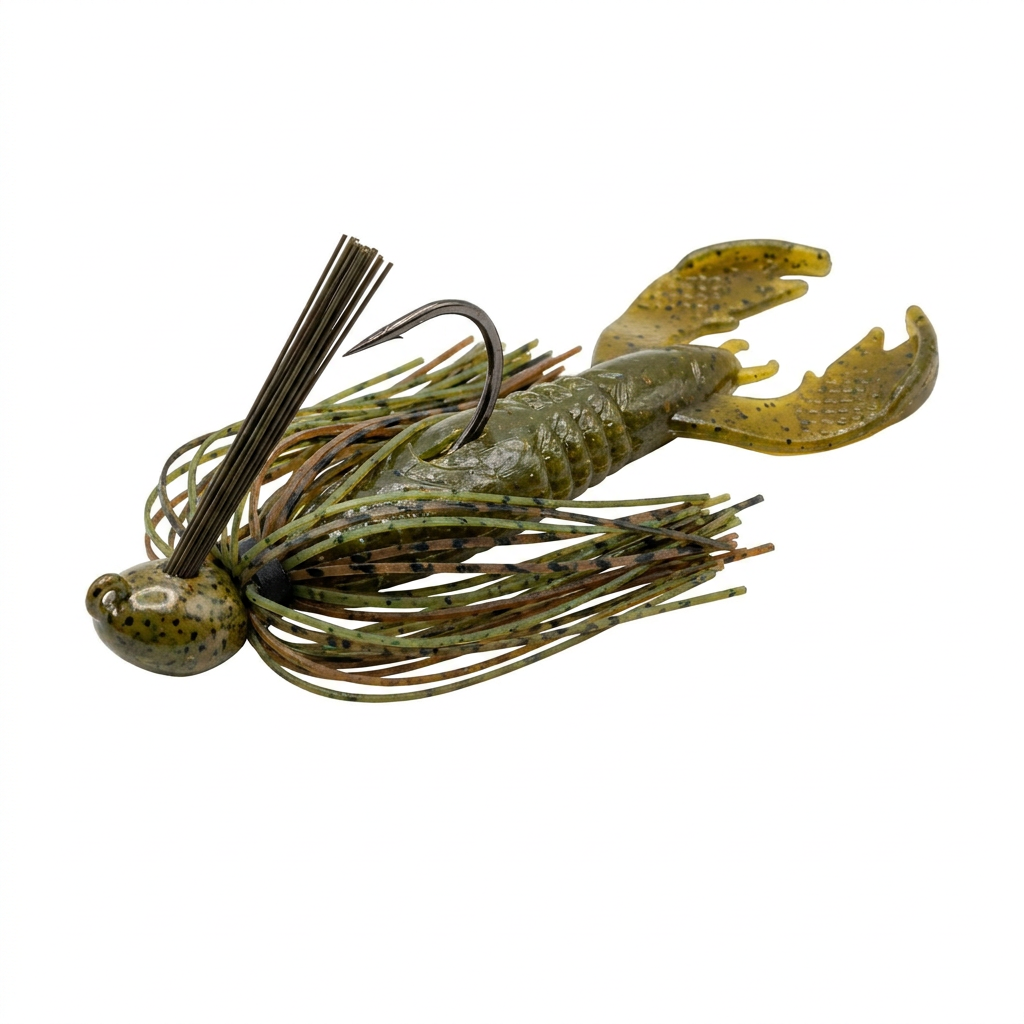
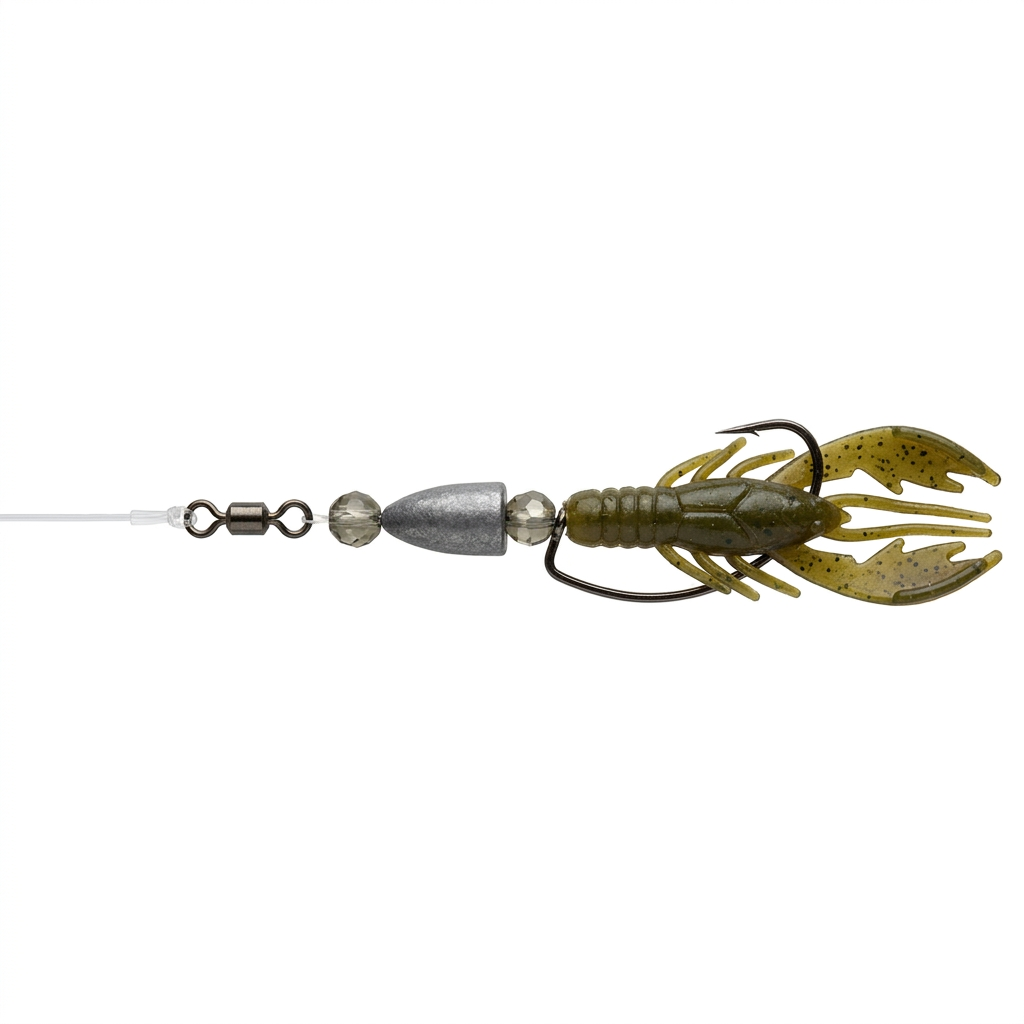
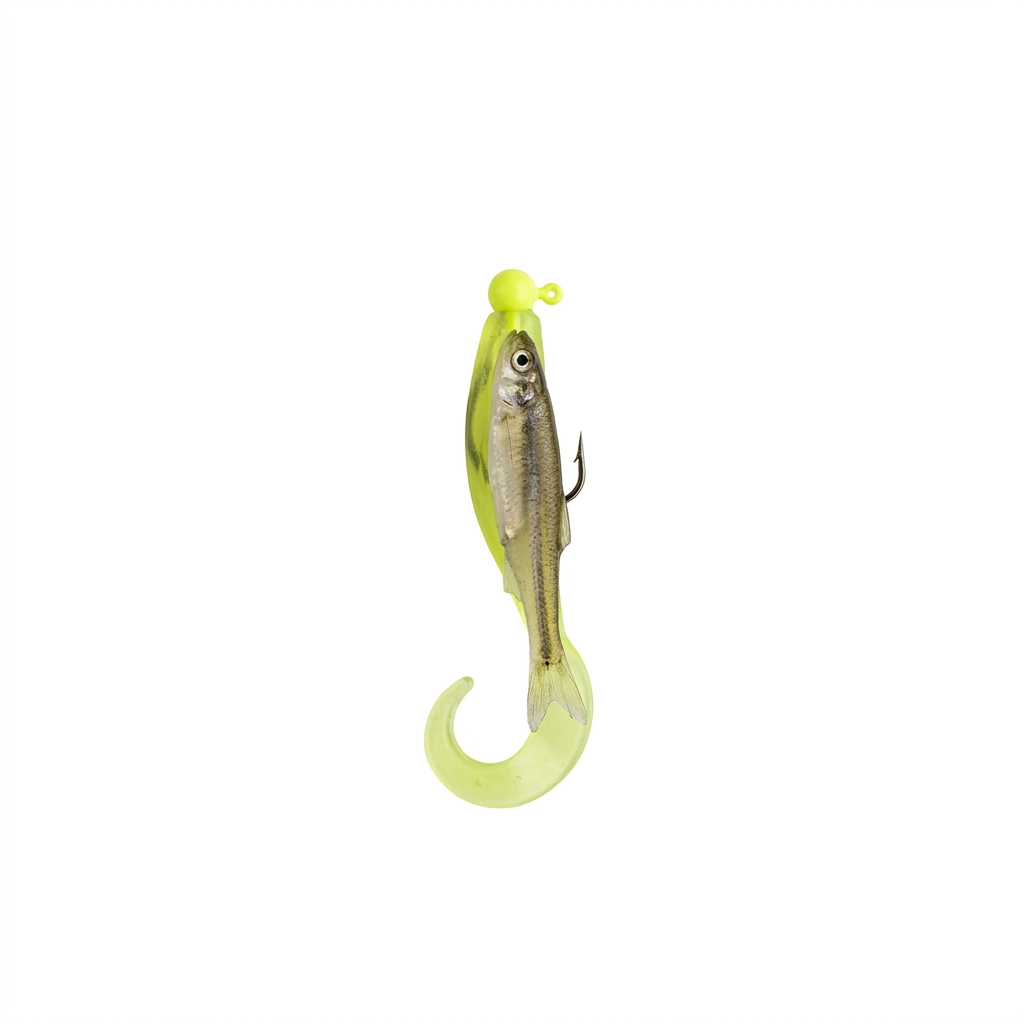
One thing I always check before a big trip is my main line. For most of the presentations that work here, you want braid. The sensitivity makes a real difference, especially when fish are finicky. I've been ordering from Reaction Tackle for a while now and haven't looked back.
About Lake Ouachita
Lake Ouachita is one of the clearest lakes in the United States and one of the most visually striking reservoirs in the South. Situated in the Ouachita Mountains of west-central Arkansas, the 40,000-acre USACE reservoir is fed by the Ouachita, Caddo, and Mazarn rivers and sits within the Ouachita National Forest. The clarity of the water sets the fishing experience apart from most Southern reservoirs -- visibility can exceed 20 feet in some conditions, which demands a different approach and rewards anglers who adapt.
Lake size and location. Lake Ouachita covers approximately 40,000 acres at normal pool across Montgomery, Garland, and Polk counties in Arkansas. The U.S. Army Corps of Engineers completed Blakely Mountain Dam on the Ouachita River in 1953. Hot Springs, Arkansas, is the nearest major city, approximately 25 miles east of the dam. Maximum depth is approximately 175 feet. The 975 miles of shoreline are largely undeveloped due to the surrounding national forest, which preserves the water quality and habitat.
AGFC fishing regulations (verify at agfc.com). Largemouth and smallmouth bass: 12-inch minimum, 6-fish combined daily limit. Striped bass: 15-inch minimum, 10-fish daily limit. Crappie: 10-inch minimum, 15-fish daily limit. Always verify current regulations at https://www.agfc.com/en/fishing/regulations/ before fishing -- regulations are subject to change.
USACE recreation and access. Lake Ouachita State Park on the eastern end of the lake provides camping, boat launches, and shore fishing access. The USACE manages multiple developed recreation areas with boat ramps around the reservoir. The lake is popular for scuba diving as well as fishing, owing to the exceptional water clarity. Blakely Mountain Dam and Ouachita National Forest visitor information is available through the USACE Little Rock District.