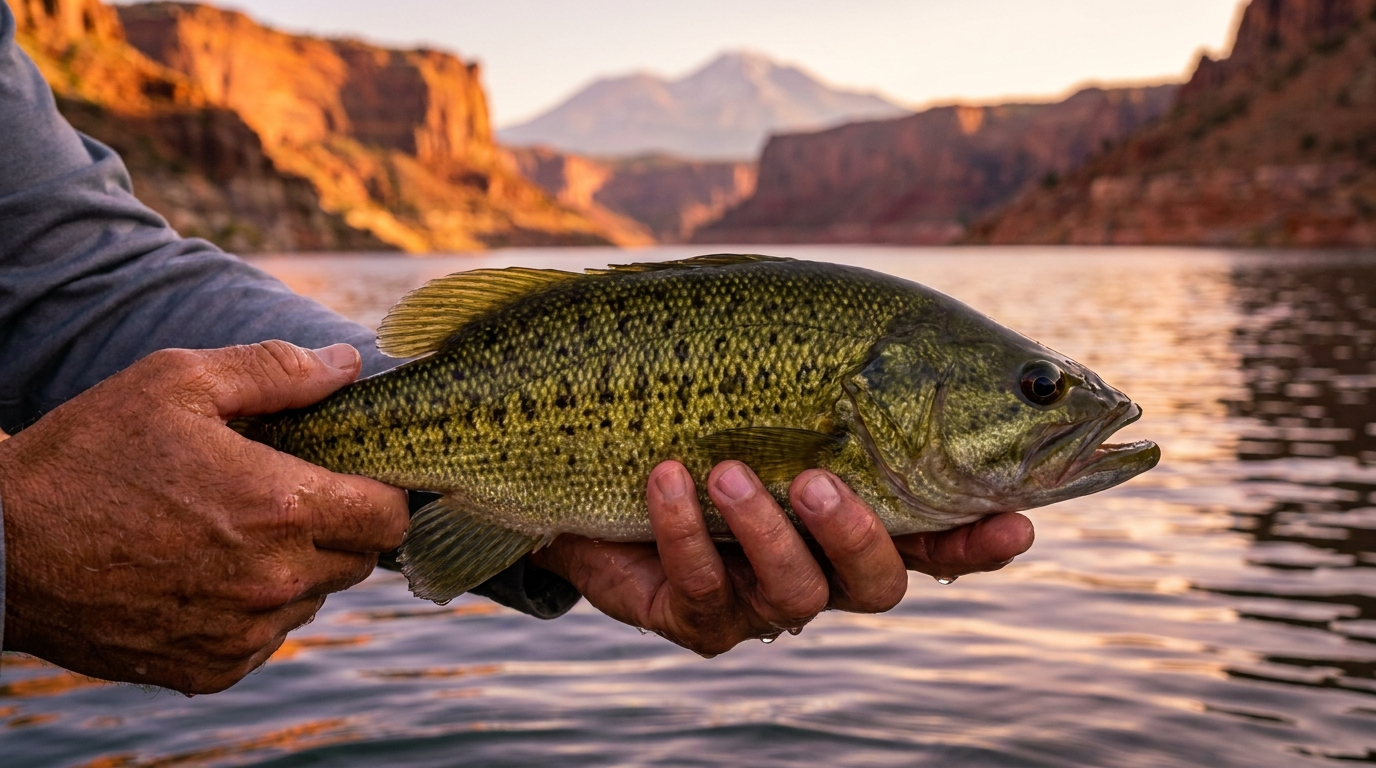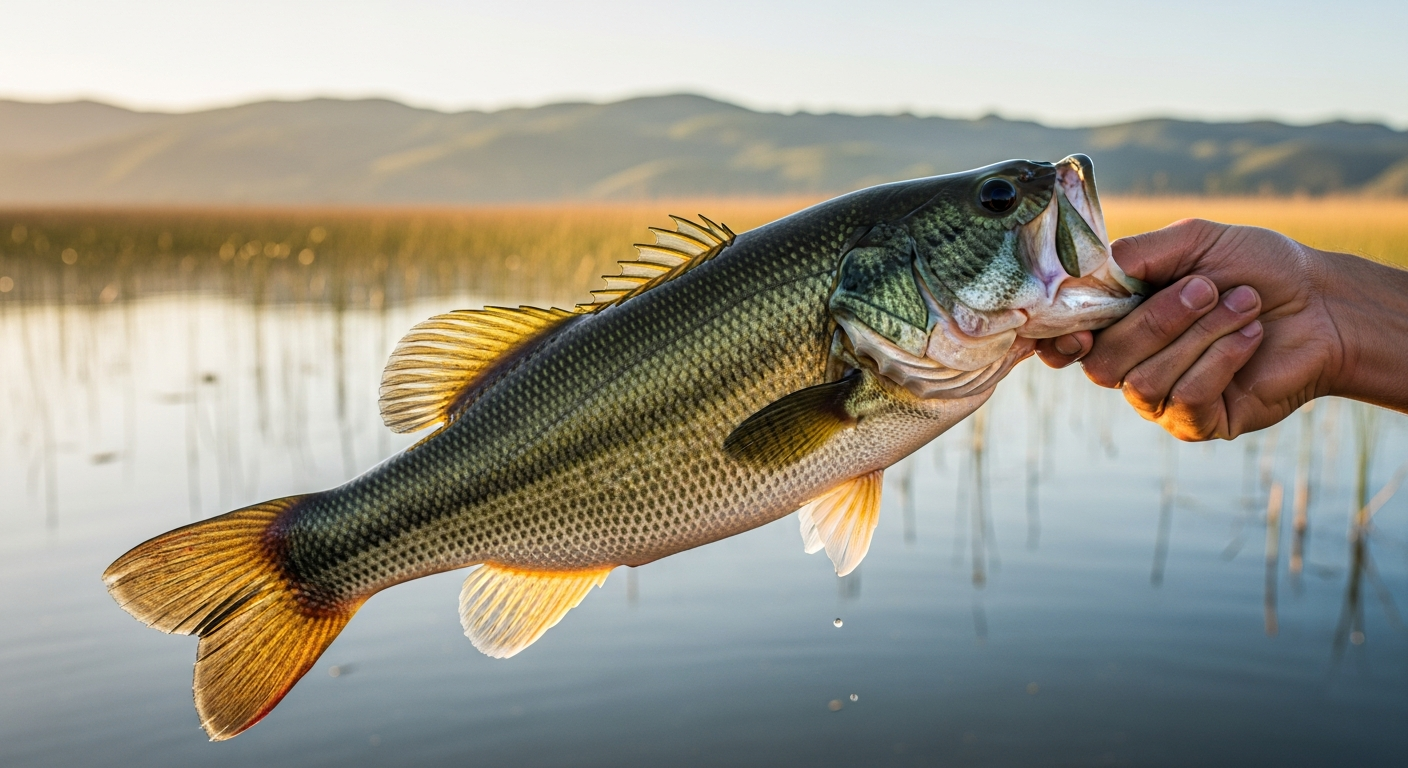
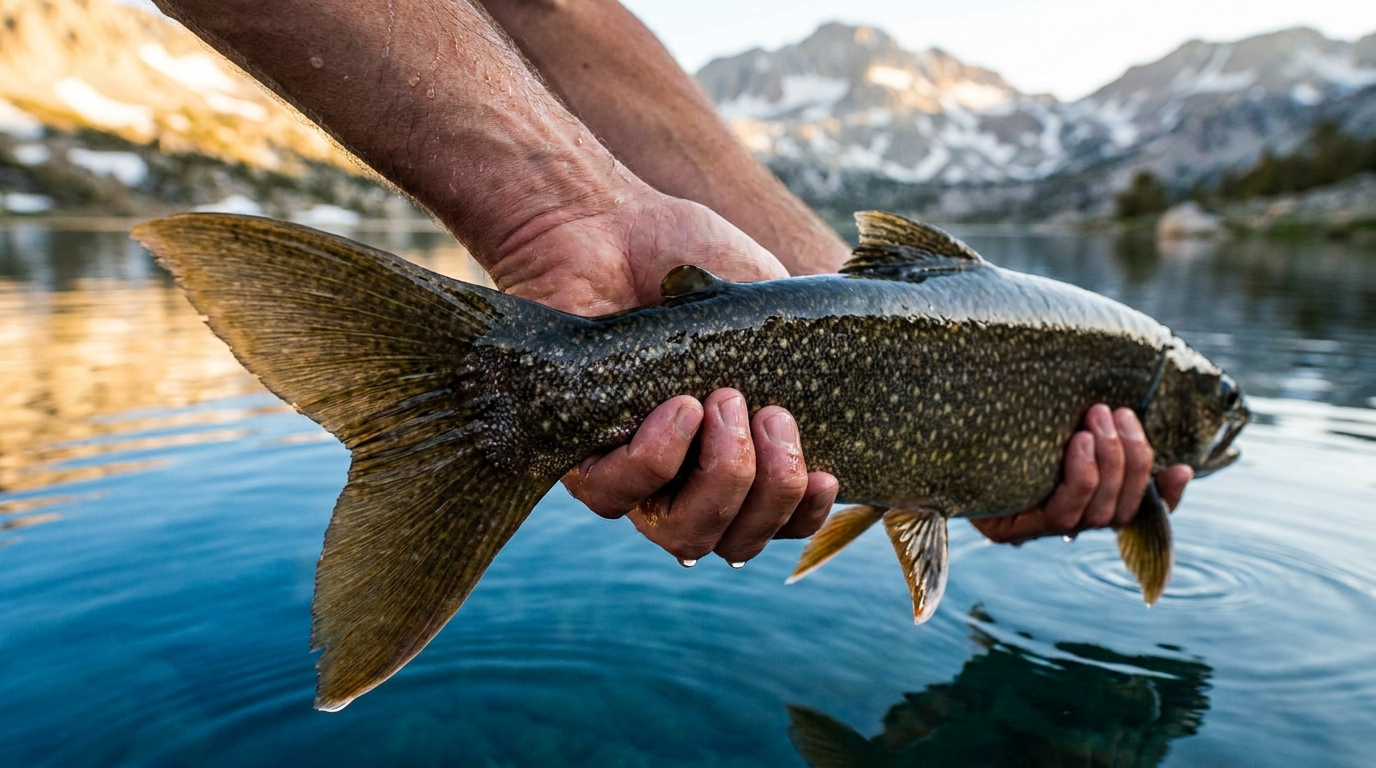
Lake Tahoe is unlike any other fishing destination I have experienced. The water clarity is almost disorienting at first, you can watch a Mackinaw follow your lure up from 60 feet in water so blue it barely looks real. I have done multiple trips targeting Mackinaw here and the learning curve is real: these fish are not easy, and the deep water demands the right gear. When everything comes together, though, landing a 15-pound lake trout at 9,000 feet above sea level with that view is something you do not forget.
Today's Bite Score · October 8, 2026
Very favorable conditions for catching fish
🌘Waning Crescent
Lake Tahoe Fishing Report
October FishingMonthly fishing report · October patterns and techniques
Lake Tahoe in October experiences a significant shift in water conditions that directly influences fish behavior. Water temperatures drop into the 50-55 degree Fahrenheit range this month, triggering deeper migrations and increased feeding activity as fish prepare for winter. The clearer waters of early fall remain largely consistent through October, with visibility often exceeding 60 feet in many areas. Anglers find that fish are more aggressive this month compared to summer months, as the cooling trend signals fish to feed heavily before temperatures decline further.
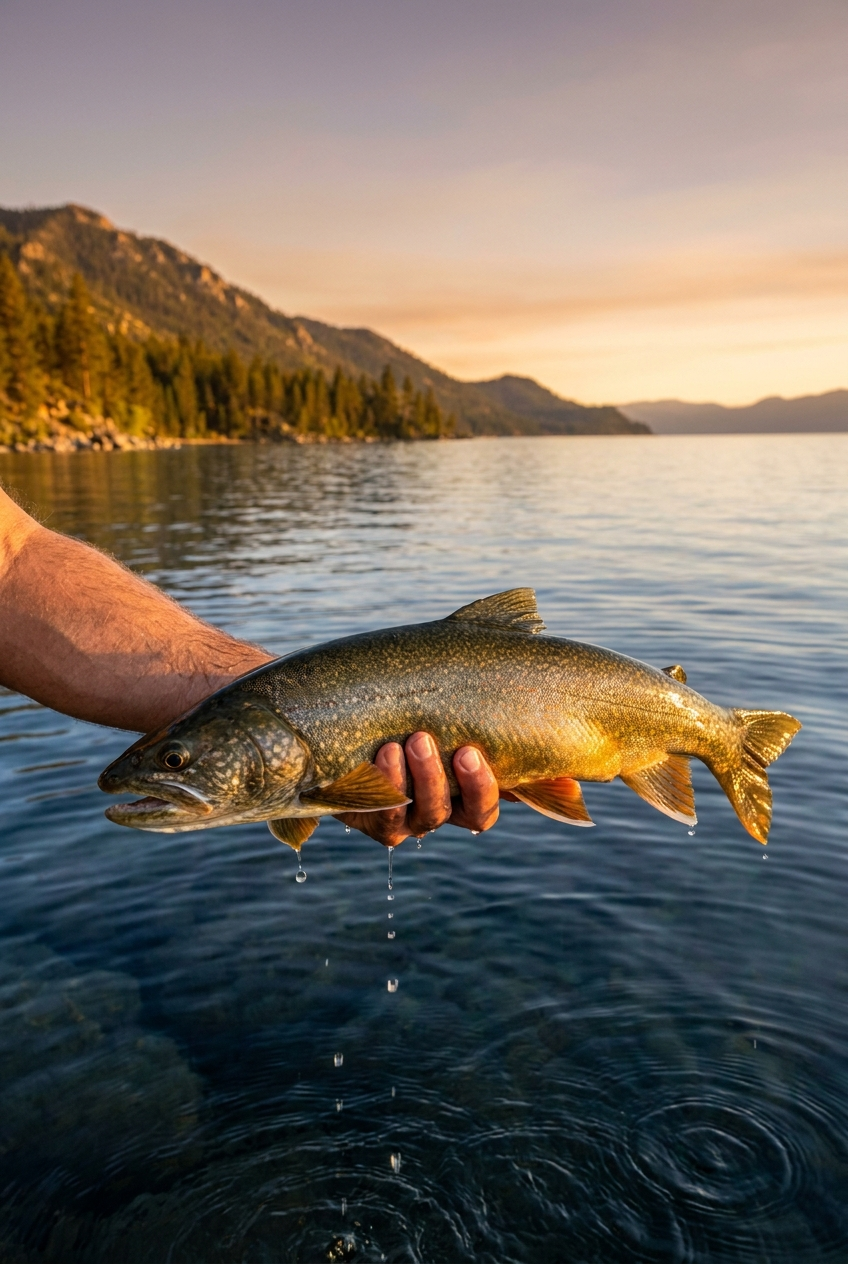
Mackinaw trout, also called lake trout, dominate October fishing at Tahoe and fish are most active along the lake's deeper structure and drop-offs. These fish hold between 200 and 400 feet of water in October, particularly around the rocky shelves near Sand Harbor and the steep walls off Emerald Point. Kokanee salmon remain viable targets in October, schooling in slightly shallower zones around 150 to 250 feet where they chase small baitfish. Rainbow trout and brown trout also become increasingly active this month, holding near underwater structure and transition zones where deeper water meets rocky points and underwater plateaus.
Anglers find jigging remains the most productive technique in October at Lake Tahoe. Vertical jigging with spoons ranging from 1/2 to 1 ounce near the deep structure produces consistent results, with silver and white patterns proving most effective. For Mackinaw trout, anglers should focus on jigging primarily in the morning hours when fish are more aggressive. Live baitfish, particularly small shiners and anchovies, work well for both trolling and jigging presentations this month. Trolling along the deep edges using small crankbaits and spoons at varying depths allows anglers to locate active schools quickly. In October, anglers find success by covering water systematically and adjusting depth based on sonar readings, as fish movement patterns shift as water temperatures continue to decline.
Get More Fishing Report Specifics
Tap a topic button below for a report on current conditions.
Tap a topic above to get a current report for Lake Tahoe.
Answers are generated on demand and cached. No AI call fires until you tap a tab.
Lake Tahoe Fishing Guides
Looking for a Lake Tahoe fishing guide? Fishing for Mackinaw at depth in the clearest alpine lake in North America is a specialized pursuit — guides here have the gear, the sonar, and the history to find fish in water that can reach 1,600 feet. Here are 5 fishing guides for Lake Tahoe that are worth checking out.
Lake Tahoe Fishing Strategies by Species
Seasonal patterns and techniques by target species · Verified against official sources
Lake Tahoe is a natural alpine lake on the California-Nevada border, sitting at 6,225 feet elevation in the Sierra Nevada. Covering approximately 122,000 acres and reaching a maximum depth of 1,645 feet, it is the second deepest lake in the United States. The lake is renowned for its extraordinary clarity, with average water transparency exceeding 70 feet. The primary fishing draw is Mackinaw (lake trout), which thrive in the cold, clear deep water. Rainbow trout, brown trout, kokanee salmon, and largemouth bass round out the fishery. Anglers must comply with both California and Nevada regulations depending on which side of the state line they are fishing.
Lake Tahoe Mackinaw (Lake Trout) Fishing Report
Mackinaw, also known as lake trout, are the signature species of Lake Tahoe and the primary reason serious anglers make the trip. These fish were originally stocked in the lake in the late 1800s and have maintained a self-sustaining population in Tahoe's cold, deep, well-oxygenated water. The lake's extraordinary depth means Mackinaw can be found anywhere from 60 to over 300 feet depending on season and water temperature. In summer, fish concentrate at thermocline depth, typically between 100 and 200 feet, where water temperatures remain in the 40s Fahrenheit. Trolling with large diving plugs, cowbells, or large spoons on lead core line or downriggers set to depth is the standard approach. Hiring a guide for your first Mackinaw trip on Tahoe is strongly advised, as local knowledge of specific drop-offs, underwater ledges, and seasonal migration routes is critical. The best Mackinaw fishing occurs in spring (May and June) and fall (October and November), when fish are more active and somewhat shallower. During the spring and fall transition, Mackinaw can be found as shallow as 50 to 80 feet, which makes them accessible to a wider range of trolling setups. Large flutter spoons worked over the deep structure of the west shore are historically productive fall spots. Winter fishing (ice-free, but cold) produces Mackinaw as shallow as 20 to 40 feet near rocky structure as fish move up to feed in very cold surface water. California and Nevada impose specific regulations on Mackinaw including size and bag limits that differ between the two states. Always verify current CDFW (California) and NDOW (Nevada) regulations before fishing, as these are strictly enforced.
Lake Tahoe Rainbow Trout Fishing Report
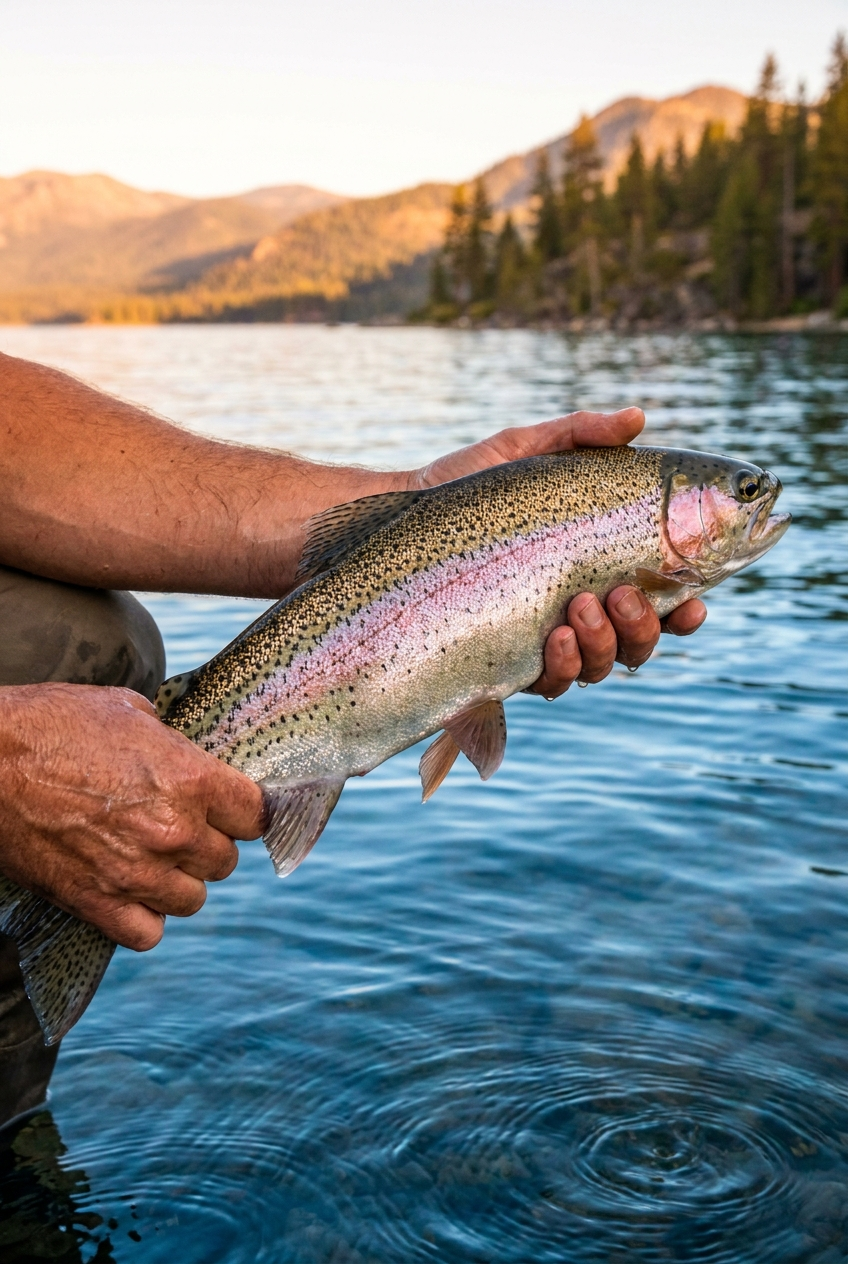
Rainbow trout in Lake Tahoe are found in the upper water column and are most accessible from late fall through spring when surface temperatures are cool enough to hold fish in the top 30 to 40 feet. CDFW and NDOW both stock rainbow trout periodically in Tahoe and its tributaries, supplementing a naturally reproducing population in the tributary streams. Trolling small spoons, rooster tail spinners, and shallow-running minnow plugs along the shoreline structure in 10 to 30 feet is the standard rainbow trout approach. The tributary mouths at Taylor Creek, Trout Creek, and the Upper Truckee River on the south end of the lake attract both rainbows and brown trout, particularly in fall when the fish are staging for the annual spawn run. Shore fishing for rainbow trout is popular and accessible at several public access points around the lake, including the beaches at Tahoe City, Kings Beach, and the South Lake Tahoe Y area. A simple setup with a nightcrawler or PowerBait fished under a small bobber in 6 to 12 feet of water produces rainbows for bank anglers during morning and evening feeding windows. Spring through June is the most productive period for shore-caught rainbow trout. As water warms into July, the fish move deeper and become harder to target from shore. Always verify current CDFW and NDOW rainbow trout regulations, including any tributary closures, before fishing.
Lake Tahoe Brown Trout Fishing Report
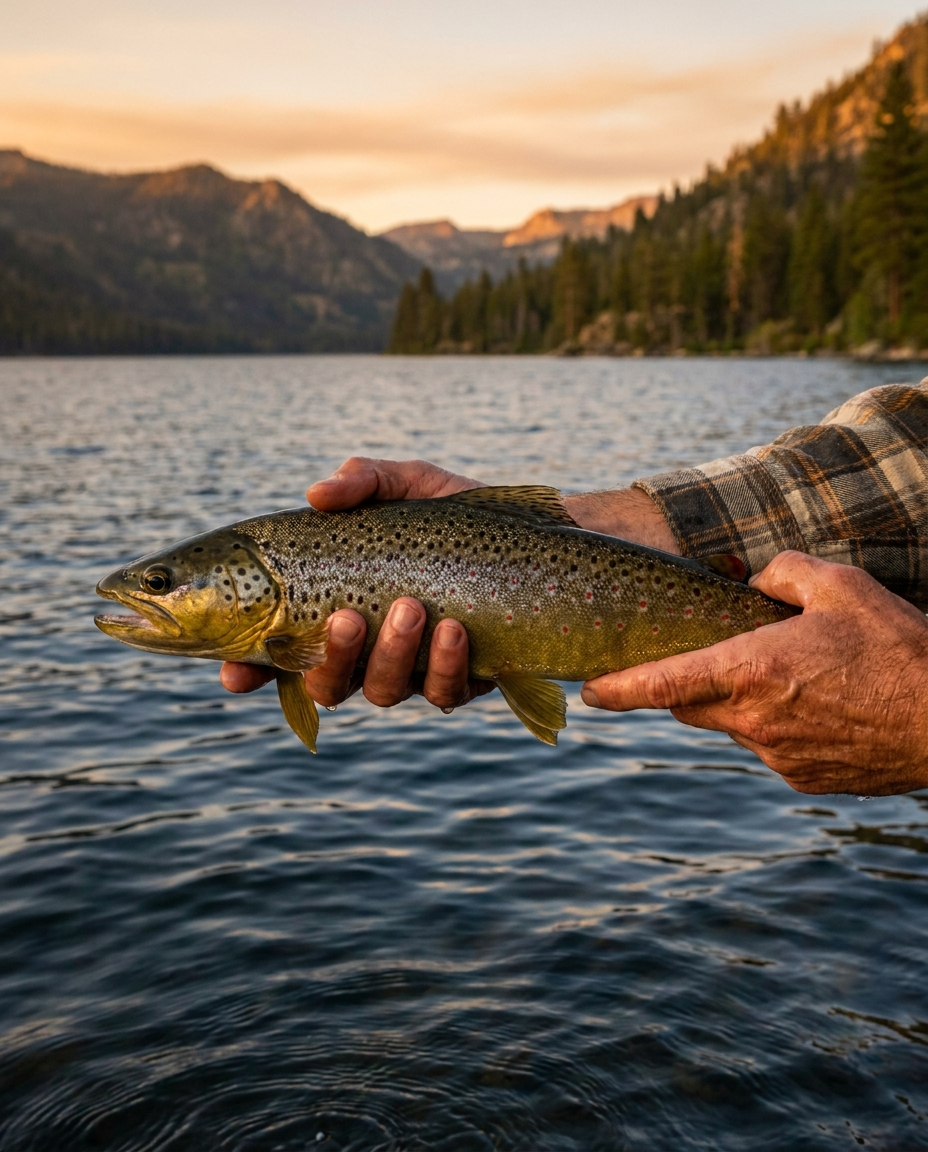
Brown trout in Lake Tahoe can reach very large sizes, with double-digit fish caught regularly by anglers targeting the near-shore structure around tributary mouths and rocky points. Brown trout are primarily a fall target on Tahoe, as they become very active in October and November when water temperatures drop and fish stage near the major tributaries ahead of spawning runs. The Upper Truckee River inlet on the south end and the Truckee River outlet at Tahoe City on the north end are the two primary staging areas. Large minnow-pattern lures, spoons, and natural bait such as nightcrawlers or live minnows fished near the inlet and outlet structures produce trophy-class brown trout during peak fall activity. Summer brown trout on Tahoe are deeper and more difficult to target deliberately, often in 40 to 80 feet of water near rocky structure on the deeper sections of shoreline. Trolling large crankbaits and spoons at intermediate depths on the west shore (Emerald Bay, DL Bliss State Park area) is a productive summer approach. Brown trout are less common than rainbows or Mackinaw and receive somewhat less targeted effort on Tahoe, but dedicated anglers willing to fish the right structure at the right time will find quality fish. Current CDFW and NDOW regulations apply to brown trout; check for any special size limits or tributary closures before fishing.
Lake Tahoe Kokanee Salmon Fishing Report
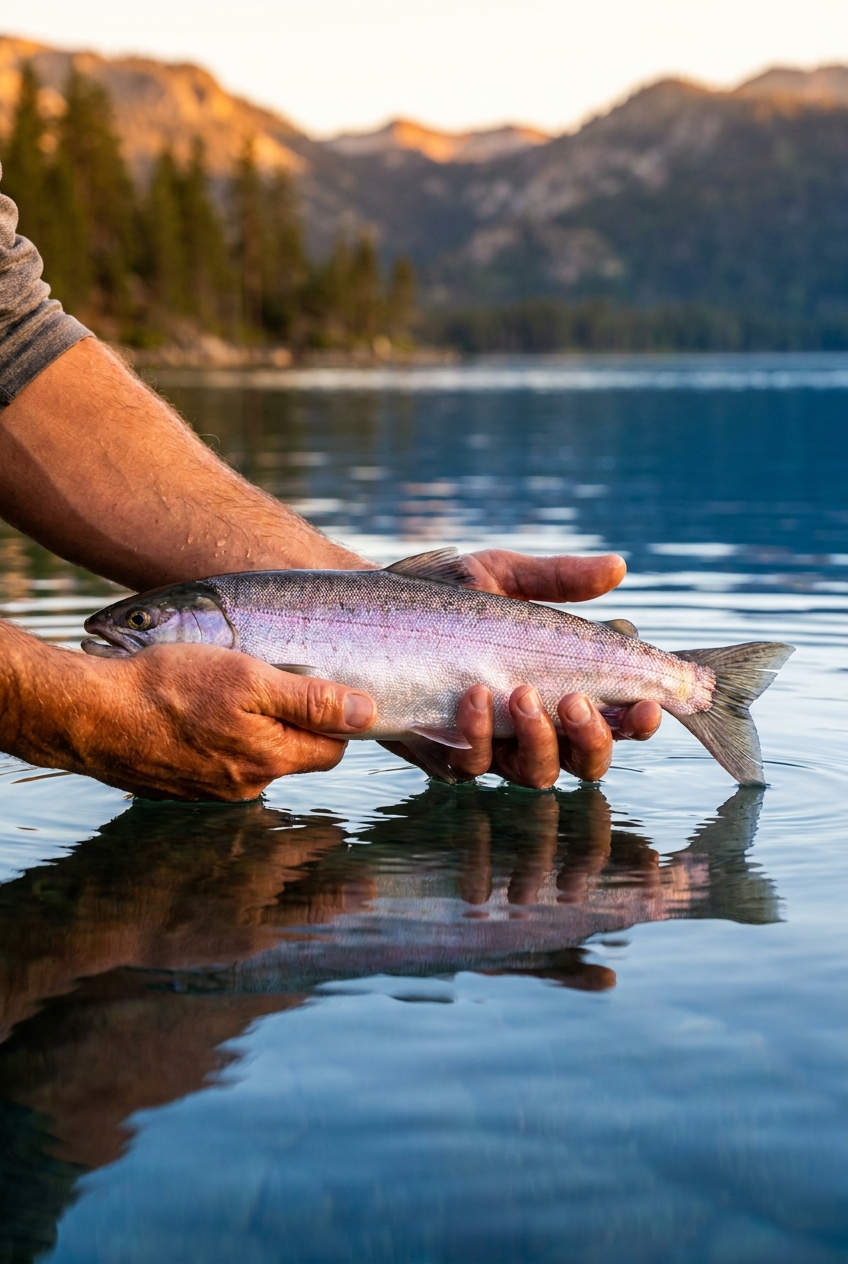
Kokanee salmon are a landlocked form of sockeye salmon that have been present in Lake Tahoe since their introduction in the mid-20th century. They are pelagic schooling fish that roam the open water in large schools, making them classic trolling targets. Kokanee are found at varying depths depending on season: in summer they suspend at 30 to 60 feet in the cooler water below the thermocline, and they move shallower in spring and fall. Small dodger-and-fly combinations, small spoons, and wedding ring spinners trolled slowly (1.5 to 2 mph) are the classic kokanee presentations. A piece of white shoepeg corn or a small scent added to the hook improves results significantly. The kokanee population in Tahoe has fluctuated over the decades, partly due to competition from the introduced opossum shrimp (Mysis relicta) which altered the zooplankton community that kokanee depend on. Populations have recovered somewhat but remain below historic highs. Fall brings kokanee into the tributary streams for spawning, turning the fish bright red and orange in their spawning colors. Fishing for them during the spawning run is subject to specific regulations that can include closures on certain tributaries. Always check current CDFW and NDOW kokanee regulations before fishing, as bag limits and open waters vary.
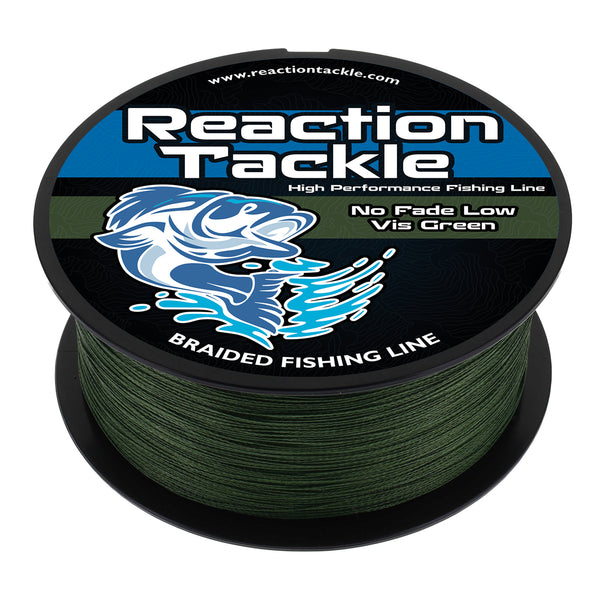
For fishing heavy cover after Mackinaw (Lake Trout), I run 50-65lb braid. Zero stretch means you feel every bite and you can pull fish out of structure before they wrap you. Reaction Tackle is where I restock. Their low-vis green disappears in most water conditions.
Top Fish to Target in Lake Tahoe
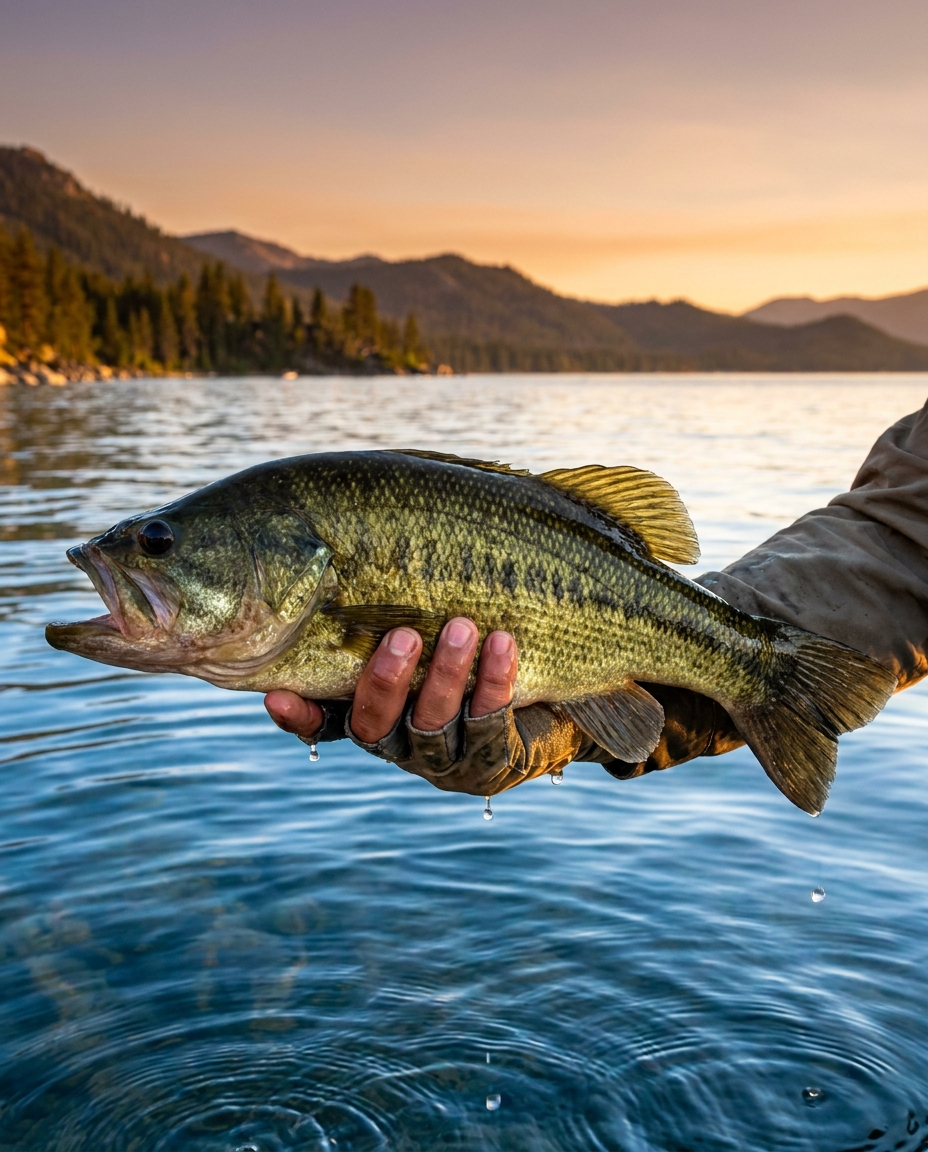
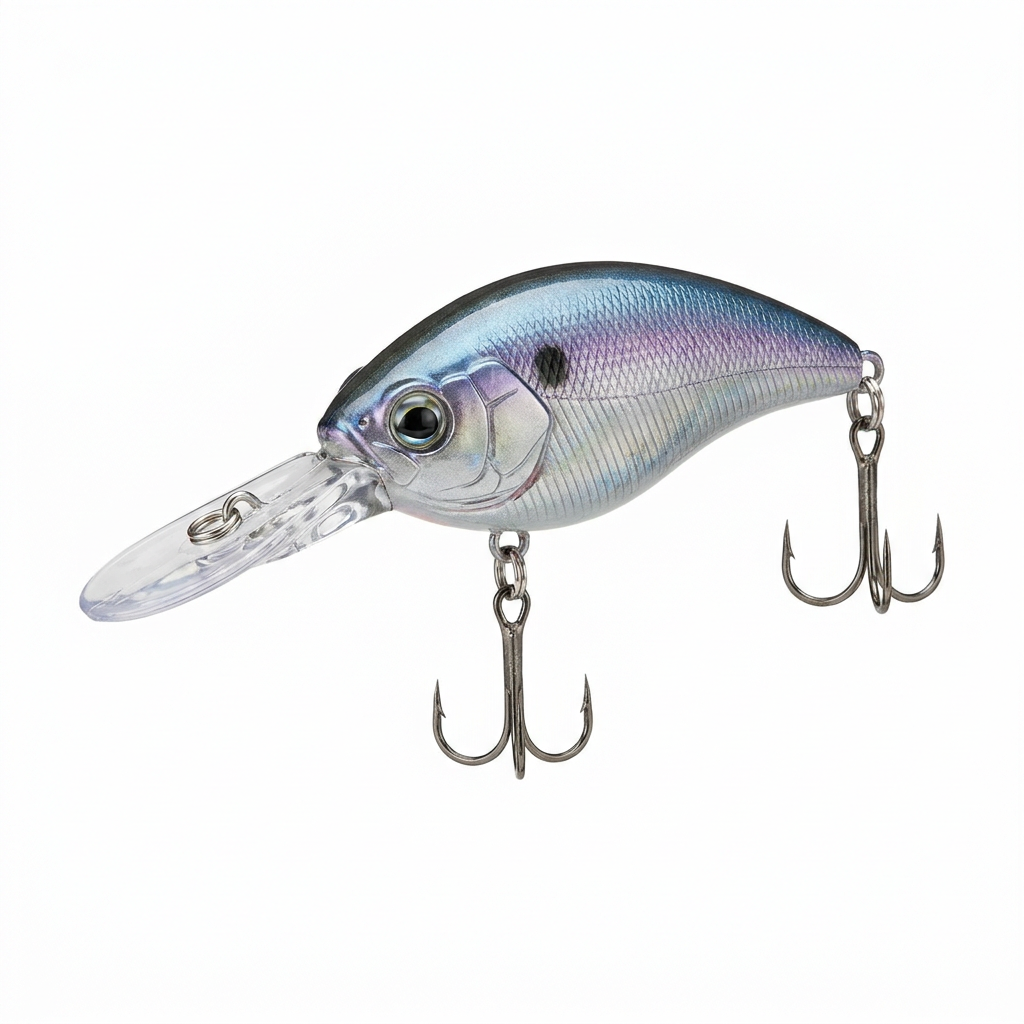
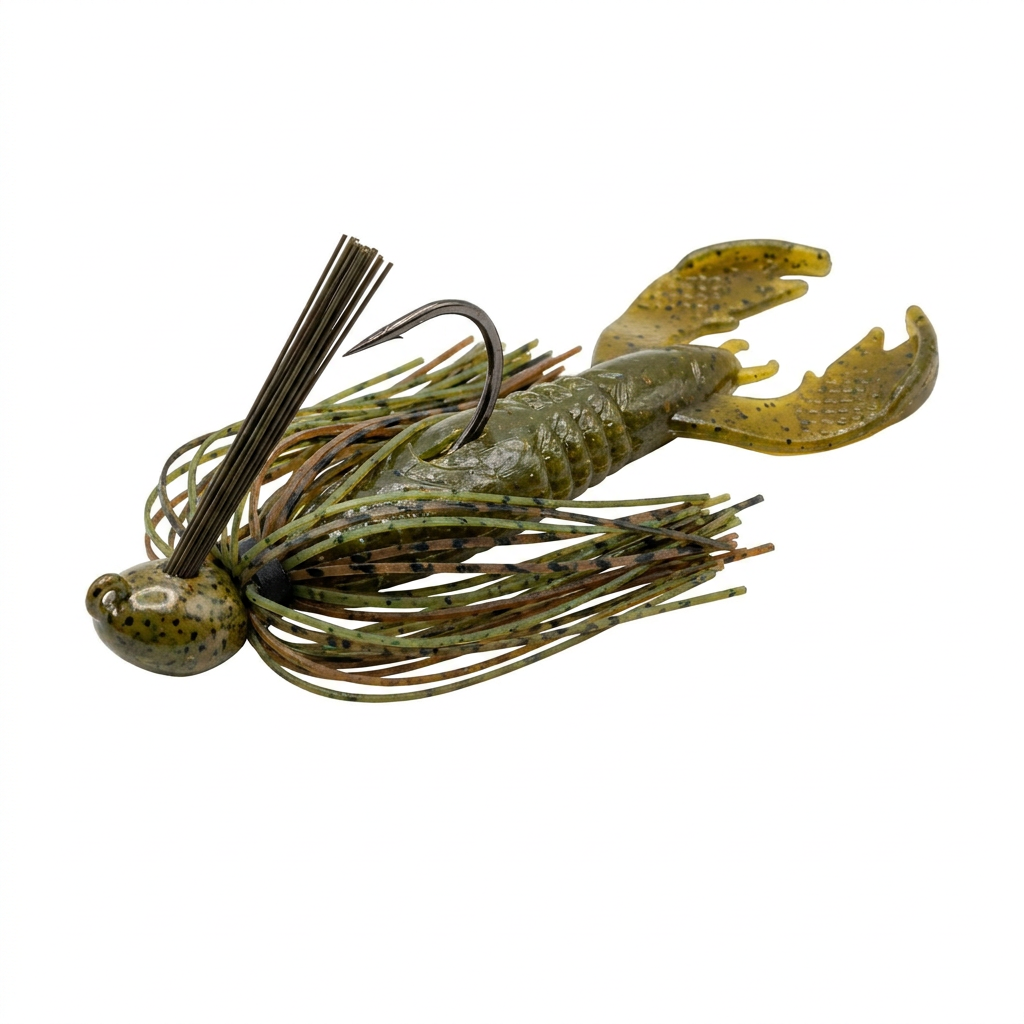
Lures for Lake Tahoe
Tackle matched to this lake's species and structure.
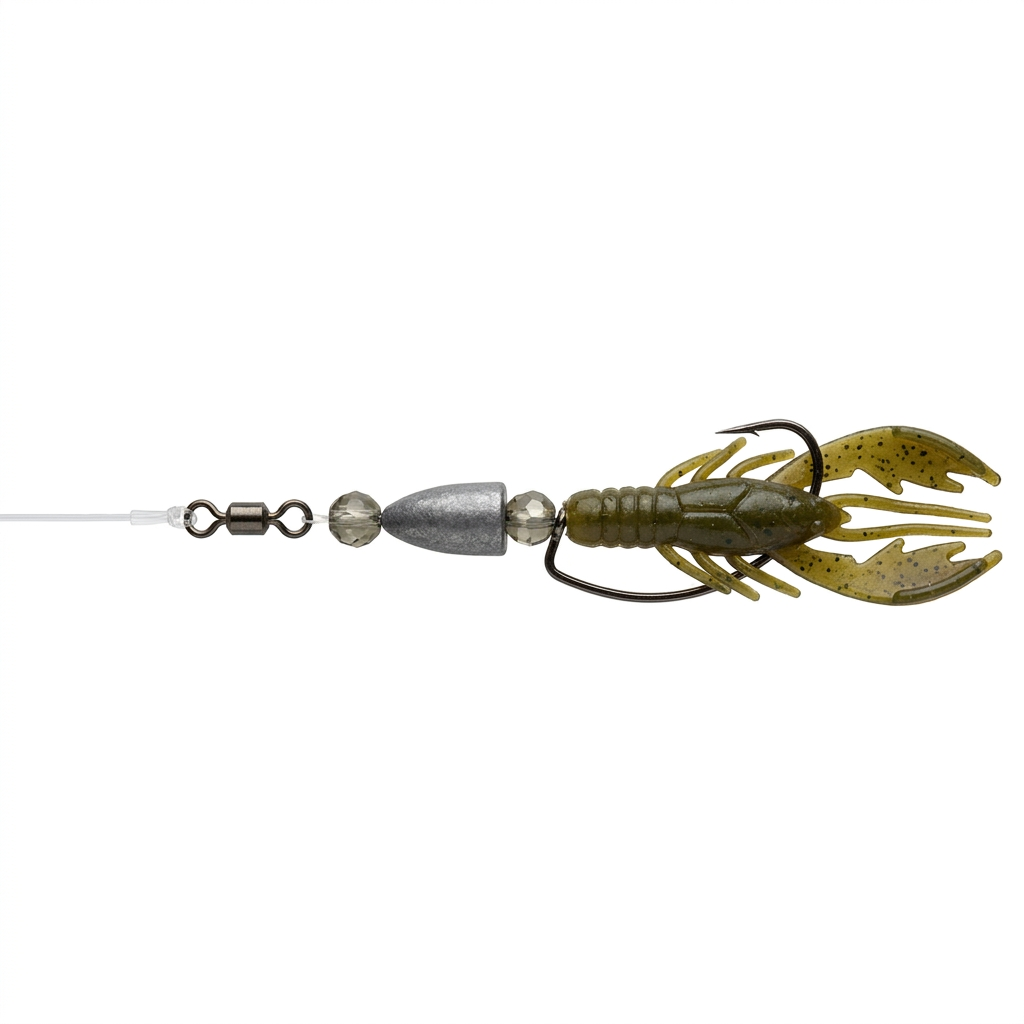
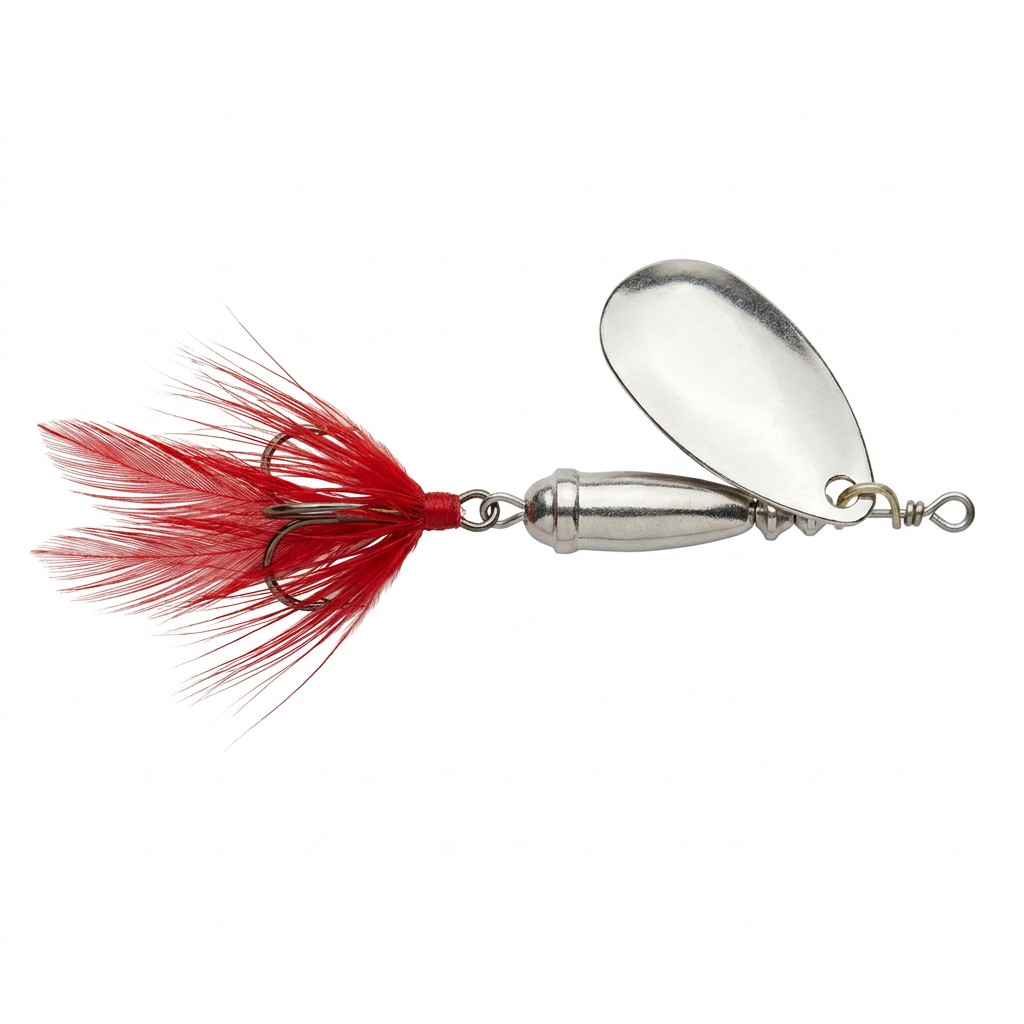
Worth checking before any trip: your line. Old braid gets brittle at the tag end and loses sensitivity over time. I rotate mine every season. Reaction Tackle is where I order from when it's time to restock.
About Lake Tahoe
Lake Tahoe is one of the most iconic natural features in North America. Sitting astride the California-Nevada border at 6,225 feet elevation, the lake spans approximately 22 miles in length and 12 miles in width, covering roughly 122,000 surface acres. Its maximum depth of 1,645 feet makes it the second deepest lake in the United States, behind Crater Lake in Oregon. The lake is estimated to contain enough water to cover the entire state of California 14 inches deep. Water temperatures remain cold year-round, rarely exceeding 68 degrees Fahrenheit at the surface even in summer, and the depths remain a constant 39 degrees Fahrenheit regardless of season.
The lake's famous clarity is the product of its geology, elevation, and the long residence time of water in the basin. The Tahoe Basin drains a relatively small watershed of granite and volcanic rock that contributes minimal sediment and nutrients. For many decades, Tahoe's transparency exceeded 100 feet, though clarity has decreased somewhat due to fine particulates from stormwater runoff and other sources. Restoration efforts led by the Tahoe Regional Planning Agency (TRPA) and the League to Save Lake Tahoe have worked to improve clarity, and the lake remains among the clearest large lakes in the world. The clarity directly affects fishing: species in Tahoe are highly line-shy and light-sensitive compared to fish in more turbid inland reservoirs.
Dual-state regulations are one of the most important logistical factors for anglers planning a trip to Lake Tahoe. California and Nevada draw the state boundary through the lake, and each state's fishing regulations apply in their respective waters. License requirements, species size limits, bag limits, and tackle restrictions differ between the two states and can change seasonally. Tributary streams feeding the lake may be subject to separate seasonal closures. Anglers are required to carry a valid license from the state in whose waters they are fishing. Some anglers purchase both CA and NV licenses for flexibility. Checking CDFW and NDOW regulation publications before each trip is not optional: it is required for legal compliance.
Access to Lake Tahoe for fishing is well-developed on both the California and Nevada sides. Public boat launches are available at South Lake Tahoe, Tahoe City, Kings Beach, and several other points around the lake. Charter and guide fishing operations are concentrated near South Lake Tahoe and Tahoe City, and guides familiar with Mackinaw trolling techniques are worth the cost for first-time visitors. Bank fishing access is available at numerous public beaches and state parks including Lake Tahoe Nevada State Park, D.L. Bliss State Park, and Emerald Bay State Park. Elevation affects physical activity; visitors from lower elevations should plan for reduced exertion capacity on their first day at Tahoe.