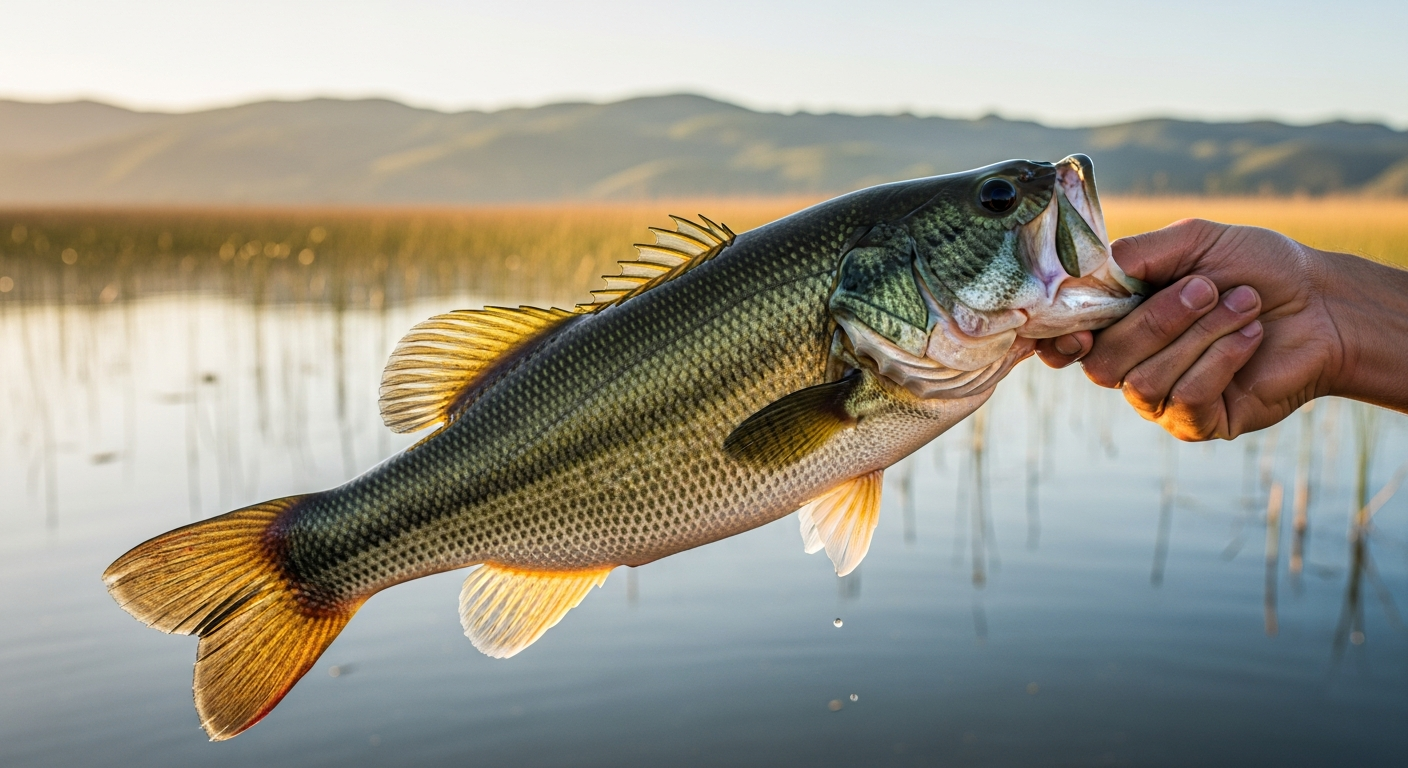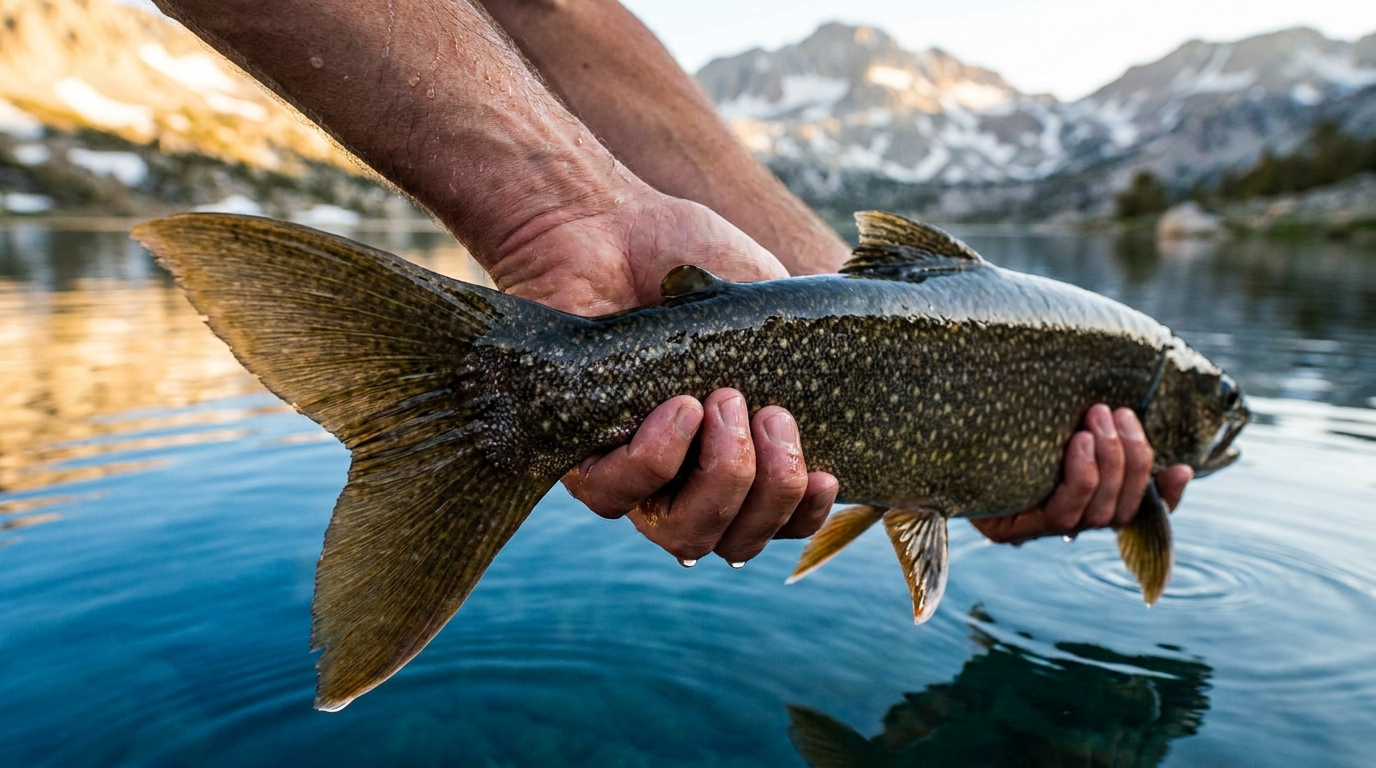
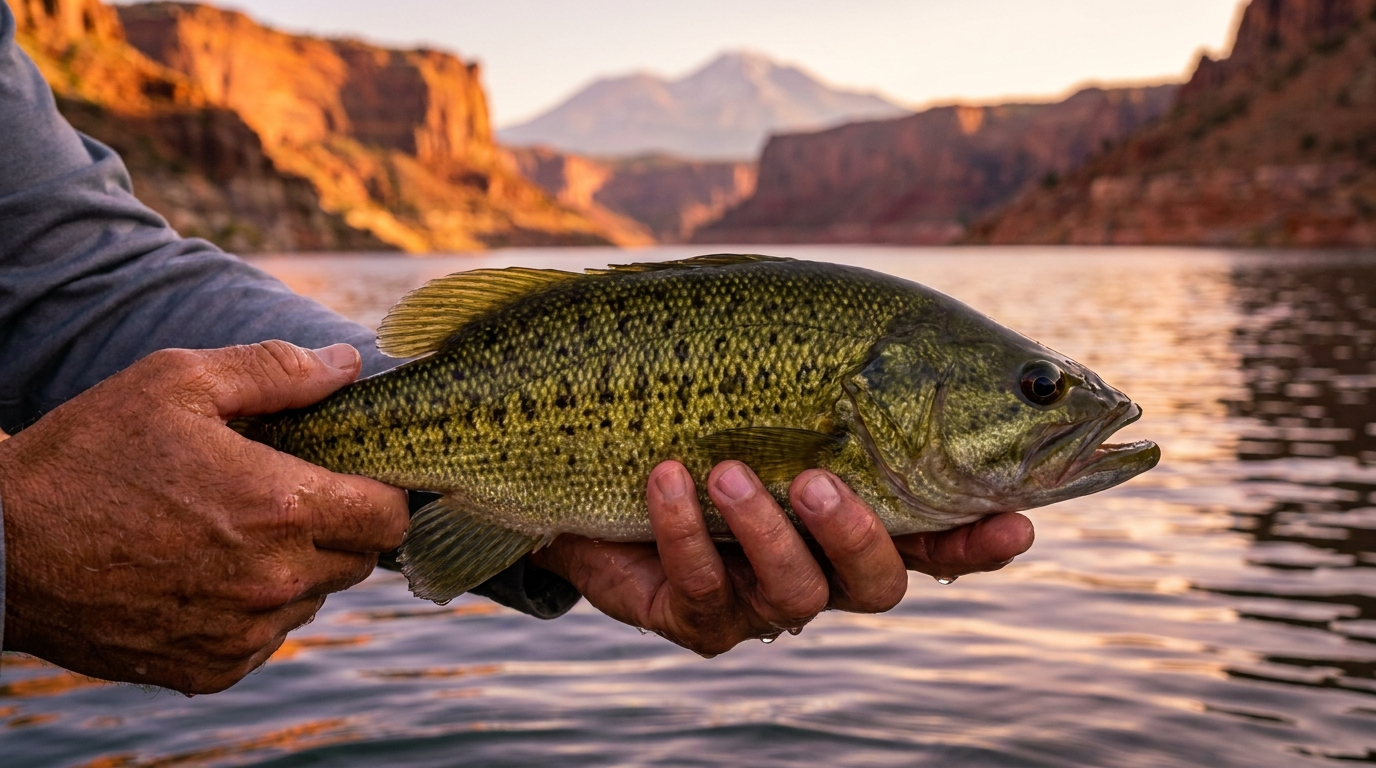
Shasta Lake is one of those places where the scenery makes you forget to pay attention to your rod. I first fished the McCloud arm during a fall kokanee run and was not ready for how good it would be -- red-sided kokanee stacked in 60 feet of water and hitting small spoons on every pass. The smallmouth fishing on the rocky canyon walls of the Sacramento arm has the same addictive quality as fishing an Ozark impoundment, just with a view of Mount Shasta out the back of the boat.
Today's Bite Score · October 8, 2026
Very favorable conditions for catching fish
🌘Waning Crescent
Shasta Lake Fishing Report
October FishingMonthly fishing report · October patterns and techniques
October at Shasta Lake brings cooler water temperatures ranging from the mid-50s to low-60s Fahrenheit, creating ideal conditions for aggressive feeding. Fish are moving to deeper structure as the lake transitions, and water clarity remains excellent this month. The declining daylight and temperature shift trigger spawning and pre-winter feeding patterns that push bass, kokanee, and rainbow trout into active feeding windows throughout the day.
Anglers find largemouth and smallmouth bass concentrated around the lake's submerged timber in the Pit River and McCloud River arms, where wood structure provides shelter in 15 to 35 feet of water. Kokanee salmon are most active this month in the main lake channels and deeper open water, staging for their spawning runs up the inlet tributaries. Rainbow trout remain shallow along rocky points and creek channels, particularly near the dam and in the northern reaches where cooler water provides oxygen-rich habitat. Smallmouth bass respond aggressively to the temperature drop and hold tight to boulder fields and ledge transitions.
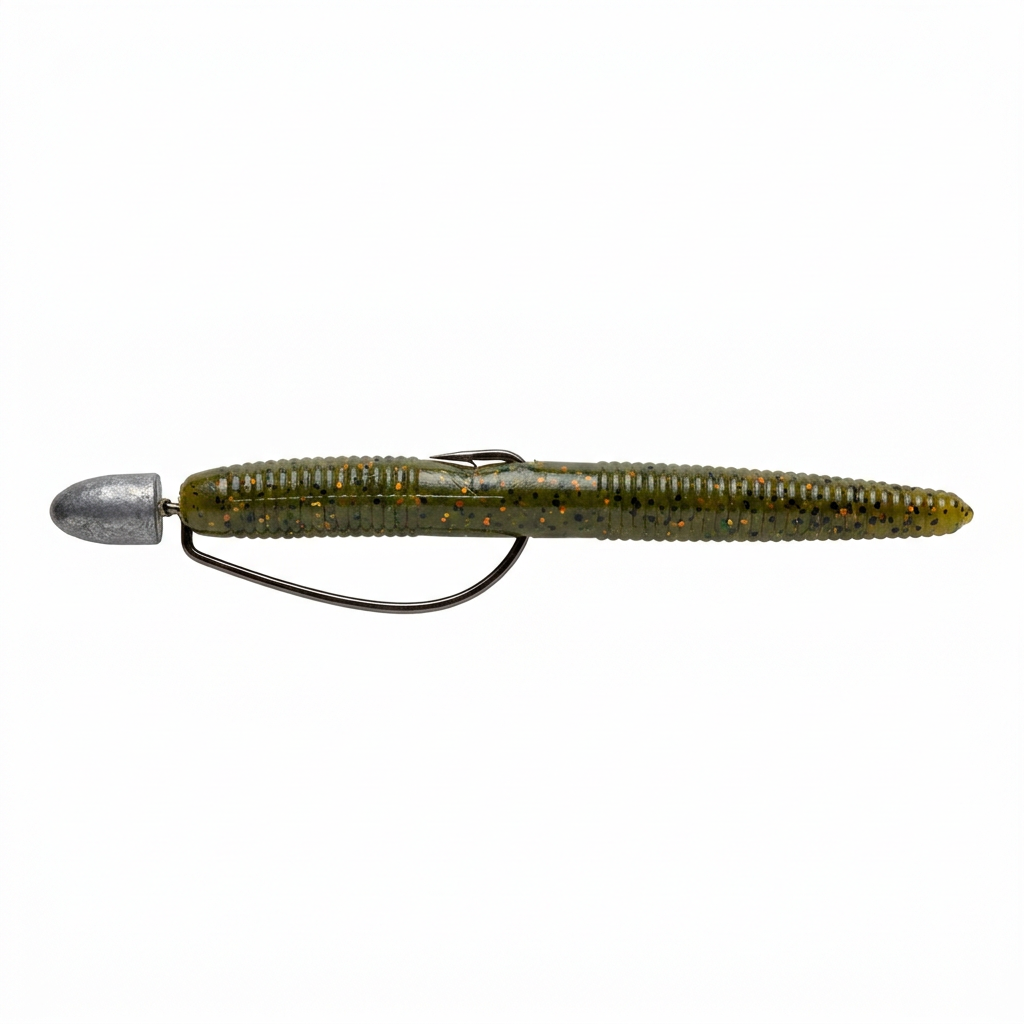
Effective techniques this month include deep-diving crankbaits and jerkbaits targeting bass around submerged timber, with chartreuse and natural color patterns producing best. Anglers find success jigging for kokanee using small spoons and tube jigs in silver and pink near the thermocline, typically 40 to 60 feet deep. Live bait presentations work exceptionally well for rainbow trout; ned rigs and small swimbaits near rocky structure in 8 to 20 feet of water generate consistent strikes. Dawn and dusk periods remain productive, though fish feed throughout the day in October as they build energy reserves. Trolling the main lake body with shad-pattern plugs covers water efficiently for trout, while slower presentations around timber remain most productive for bass seeking cover before winter. Anglers should focus efforts on structure changes and depth transitions where fish stage this month.
Get More Fishing Report Specifics
Tap a topic button below for a report on current conditions.
Tap a topic above to get a current report for Shasta Lake.
Answers are generated on demand and cached. No AI call fires until you tap a tab.
Shasta Lake Fishing Guides
Looking for a Shasta Lake fishing guide? California's largest reservoir has spotted bass, largemouth, and smallmouth all in different zones, and the dramatic water level fluctuations here make local knowledge absolutely essential. Go here → to check out our recommended fishing guides for Shasta Lake. Then scroll down on that page to see all of the Shasta Lake fishing guides.
Shasta Lake Fishing Strategies by Species
Seasonal patterns and techniques by target species · Verified against official sources
Shasta Lake is California's largest reservoir by storage capacity, impounded by Shasta Dam on the Sacramento River in 1945 and covering 29,500 acres at full pool in Shasta County. The reservoir has four distinct arms -- the Sacramento River arm, McCloud River arm, Pit River arm, and Squaw Creek arm -- each offering different habitat and fishing character. Rocky canyon walls dominate the Sacramento and McCloud arms and produce some of the best spotted and smallmouth bass fishing in Northern California. Kokanee salmon are a major fishery in the deeper McCloud and Pit arms from spring through early fall. Water levels fluctuate significantly between wet and dry years, which directly affects where fish hold and how structure relates to depth.
Shasta Lake Spotted Bass Fishing Report
Spotted bass are the dominant bass species at Shasta Lake and thrive on the reservoir's rocky canyon walls, chunk-rock points, and steep bluff structure. The Sacramento River arm and McCloud River arm offer the most consistent spotted bass fishing, with fish holding tight to vertical structure from the surface down to 40 feet depending on season and water temperature. Spring is the best season as spotted bass stage on rocky points and transitions before moving shallow to spawn in protected coves. Finesse jigs, drop-shots, and small crankbaits worked along rocky banks are the standard approach. Summer fish suspend over deeper structure and respond to drop-shot rigs and tube jigs fished vertically. The water clarity at Shasta is typically excellent, making natural and subtle color patterns more effective than in stained-water fisheries. CDFW regulations set a 12-inch minimum size limit and a 5-fish daily bag limit for largemouth, smallmouth, and spotted bass combined at Shasta Lake. No special slot limits apply. Bass regulations at California reservoirs can change, and fluctuating water levels affect access and structure. Verify current regulations at https://wildlife.ca.gov/regulations before fishing.
Shasta Lake Smallmouth Bass Fishing Report
Smallmouth bass are abundant in Shasta Lake and concentrate on the hardest, rockiest structure in the reservoir -- vertical canyon walls, chunk-rock points, and the rock slides common throughout the Sacramento River arm. The upper Sacramento River arm near the old river channel is particularly productive for smallmouth from late spring through fall. Small tube jigs, drop-shot rigs with finesse plastics, and 2- to 3-inch crankbaits worked along rocky walls produce consistently. Smallmouth at Shasta tend to school and can be caught in numbers once the school is located. Electronics are invaluable for finding suspended fish on the deeper canyon walls during summer. The Pit River arm also holds good numbers of smallmouth on its rocky transitions and points. CDFW regulations set a 12-inch minimum size limit and a 5-fish combined daily bag limit for black bass at Shasta Lake (largemouth, smallmouth, and spotted bass combined). No special regulations apply specifically to smallmouth. Verify current regulations at https://wildlife.ca.gov/regulations before fishing.
Shasta Lake Largemouth Bass Fishing Report
Largemouth bass are less common than spotted or smallmouth bass at Shasta Lake but are present in the warmer, shallower cove areas with softer bottom composition and more vegetation. The back ends of the Squaw Creek arm and the flatter, protected coves off the lower Sacramento arm hold the best largemouth habitat. Spinnerbaits worked around dock structure and flooded brush, and Texas-rigged worms fished slow through coves with vegetation, are the most reliable largemouth tactics at Shasta. Spring draws largemouth into the backs of coves to spawn in the shallower areas where the canyon walls give way to gravel and sand flats. The largemouth fishery is secondary to spotted and smallmouth bass at Shasta, but fish in the 3- to 5-pound range are consistent. CDFW regulations set a 12-inch minimum size limit and a 5-fish combined daily bag limit for black bass at Shasta Lake. No species-specific bag limits apply to largemouth separately. Verify current regulations at https://wildlife.ca.gov/regulations before fishing.
Shasta Lake Kokanee Salmon Fishing Report
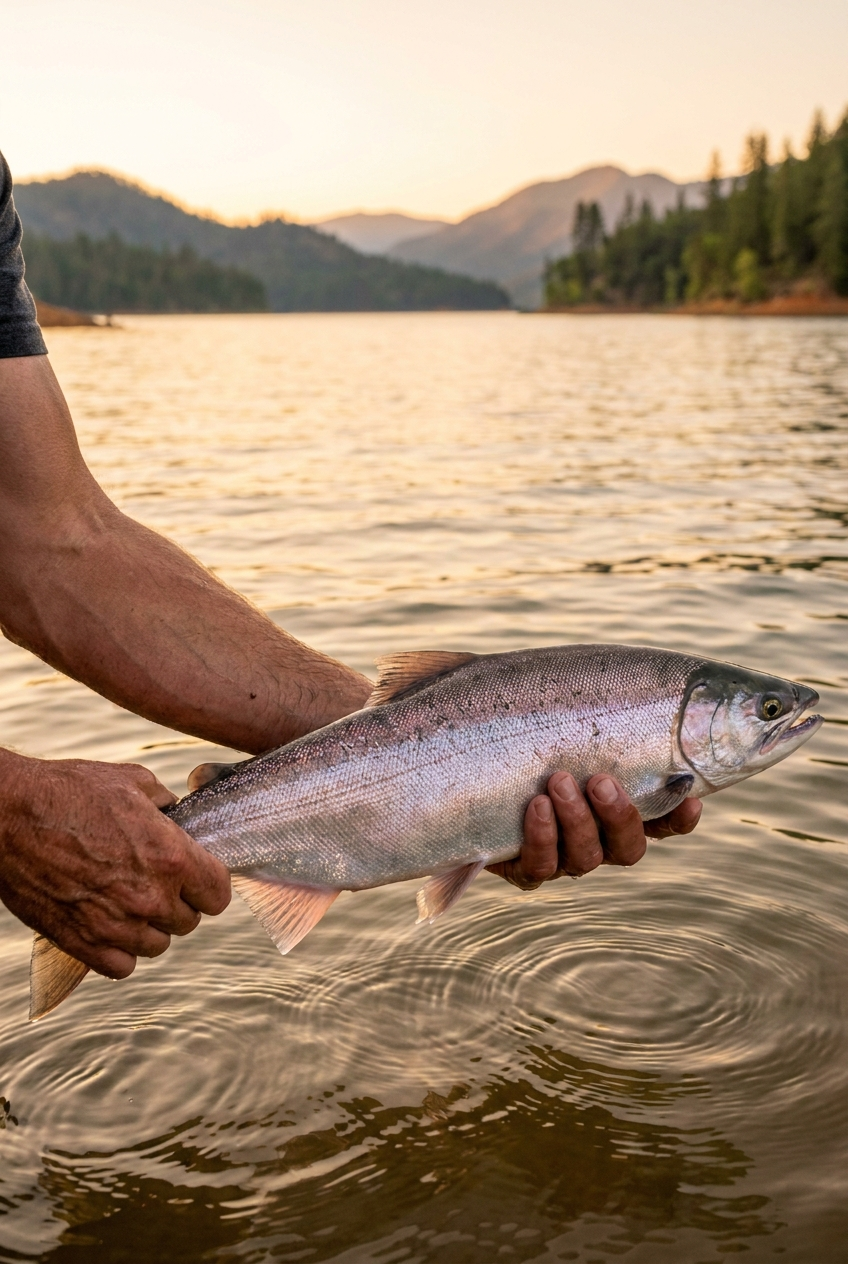
Kokanee salmon support one of the most popular trolling fisheries in Northern California at Shasta Lake. Fish are stocked by CDFW and are found throughout the deeper arms of the reservoir, with the McCloud River arm and the main lake basin near the dam being the most productive. The peak season runs from late spring through early fall, with June through September typically the best months. Trolling small kokanee spoons, Wedding Ring spinners tipped with white corn, and small flasher-and-fly rigs in the 40- to 80-foot depth range is the standard approach. Kokanee are sensitive to water temperature and stratification, so finding the thermocline with electronics is critical. Fish often show clearly on sonar screens in dense schools. The fall pre-spawn period concentrates mature kokanee in the shallower ends of arms, where they can be targeted with lighter tackle as they stage before moving toward stream mouths. CDFW sets kokanee salmon regulations at Shasta Lake as part of standard statewide trout and salmon regulations. A daily bag limit applies and may be subject to in-season adjustments based on population status. Verify current regulations at https://wildlife.ca.gov/regulations before fishing.
Shasta Lake Rainbow Trout Fishing Report
Rainbow trout are stocked by CDFW in Shasta Lake and are found throughout the cooler, deeper portions of the reservoir year-round. The McCloud River arm receives regular trout plants and is the most consistent area for rainbow trout action. Trolling Rapalas, small spoons, and floating nightcrawlers behind dodgers is effective from late fall through early spring when trout are more active in cooler surface temperatures. Shore fishing near boat ramps and day-use areas with bait rigs accounts for a steady catch of planted rainbows. During summer, trout retreat to depths below the thermocline (typically 40 to 60-plus feet) and are best targeted by trolling at those depths with downriggers or lead-core setups. Wild rainbow trout from the Sacramento River system also move through the reservoir seasonally. CDFW statewide trout regulations apply to rainbow trout at Shasta Lake, including standard daily bag limits and minimum size requirements. Verify current regulations at https://wildlife.ca.gov/regulations before fishing.
Shasta Lake Channel Catfish Fishing Report
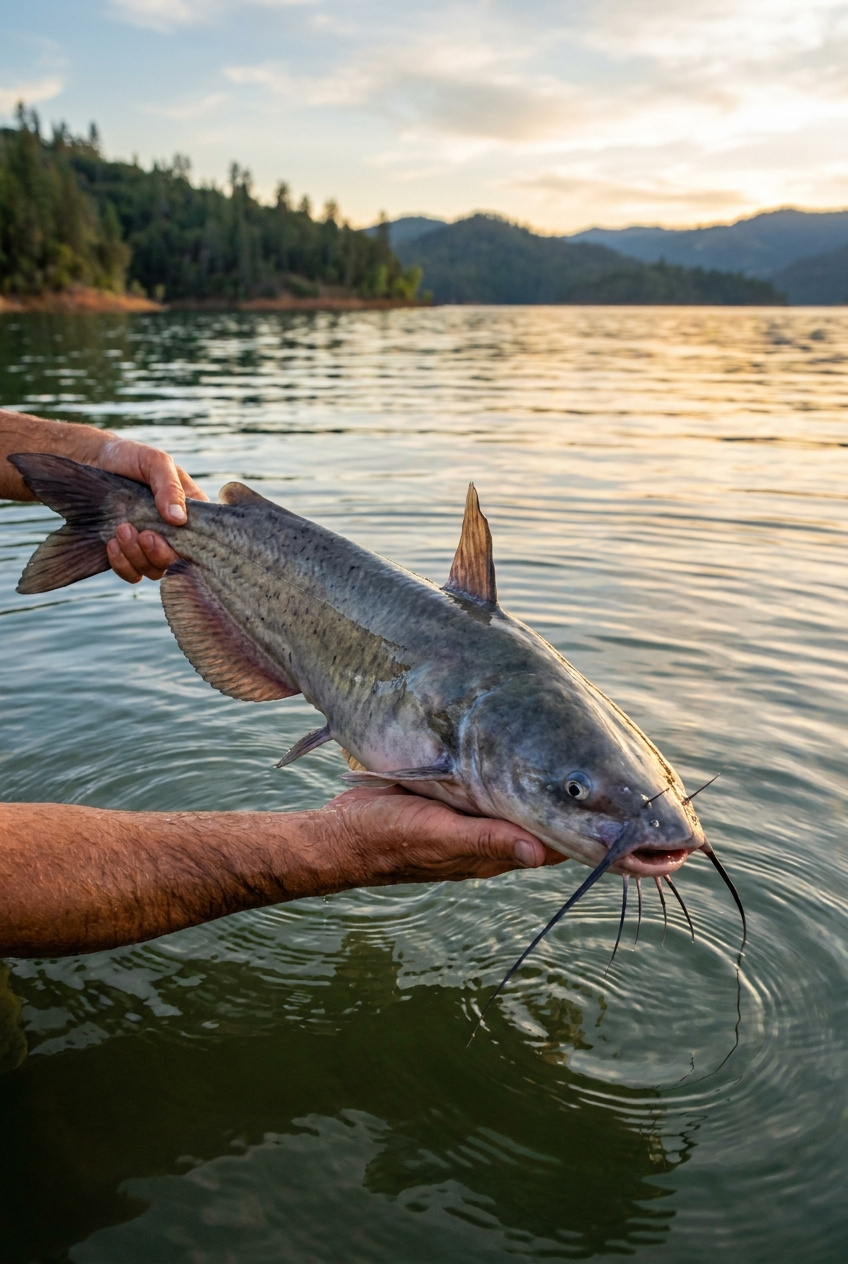
Channel catfish are widely distributed throughout Shasta Lake and provide reliable action for shore anglers and boat fishermen targeting the deeper cove areas and creek channel confluences. The backs of the Squaw Creek arm and the flatter, soft-bottom areas of the lower Sacramento arm hold the highest catfish densities. Cut shad, chicken liver, and commercial stink baits fished on the bottom are the standard approach. Night fishing during summer is particularly productive as catfish move into shallower water along clay banks after dark. Catfish at Shasta grow to respectable sizes given the abundant shad forage base, and fish in the 5- to 10-pound range are caught regularly. The catfish fishery receives relatively light pressure compared to the bass and kokanee fisheries, keeping catch rates consistent. CDFW has no statewide minimum size limit for channel catfish but does set a daily bag limit. Special regulations may apply in specific zones of the reservoir. Verify current regulations at https://wildlife.ca.gov/regulations before fishing.
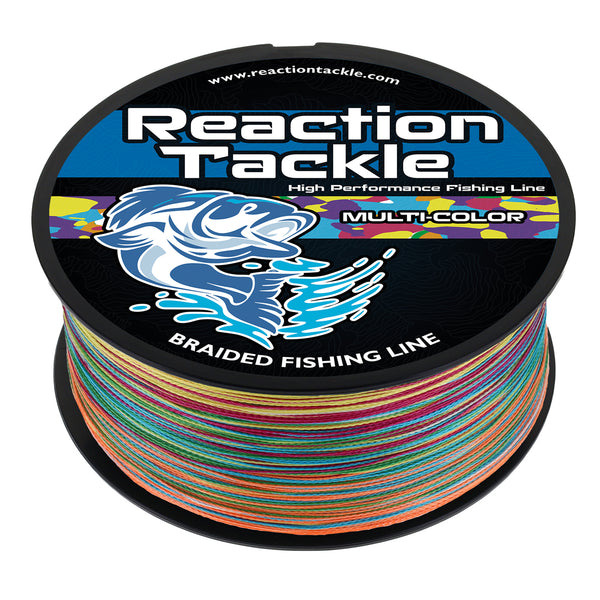
If you haven't replaced your braided line in a season or two, now's the time. Braid holds up better than mono, but abrasion from wood and rock adds up. Reaction Tackle is one of my favorite places to order from.
Top Fish to Target in Shasta Lake
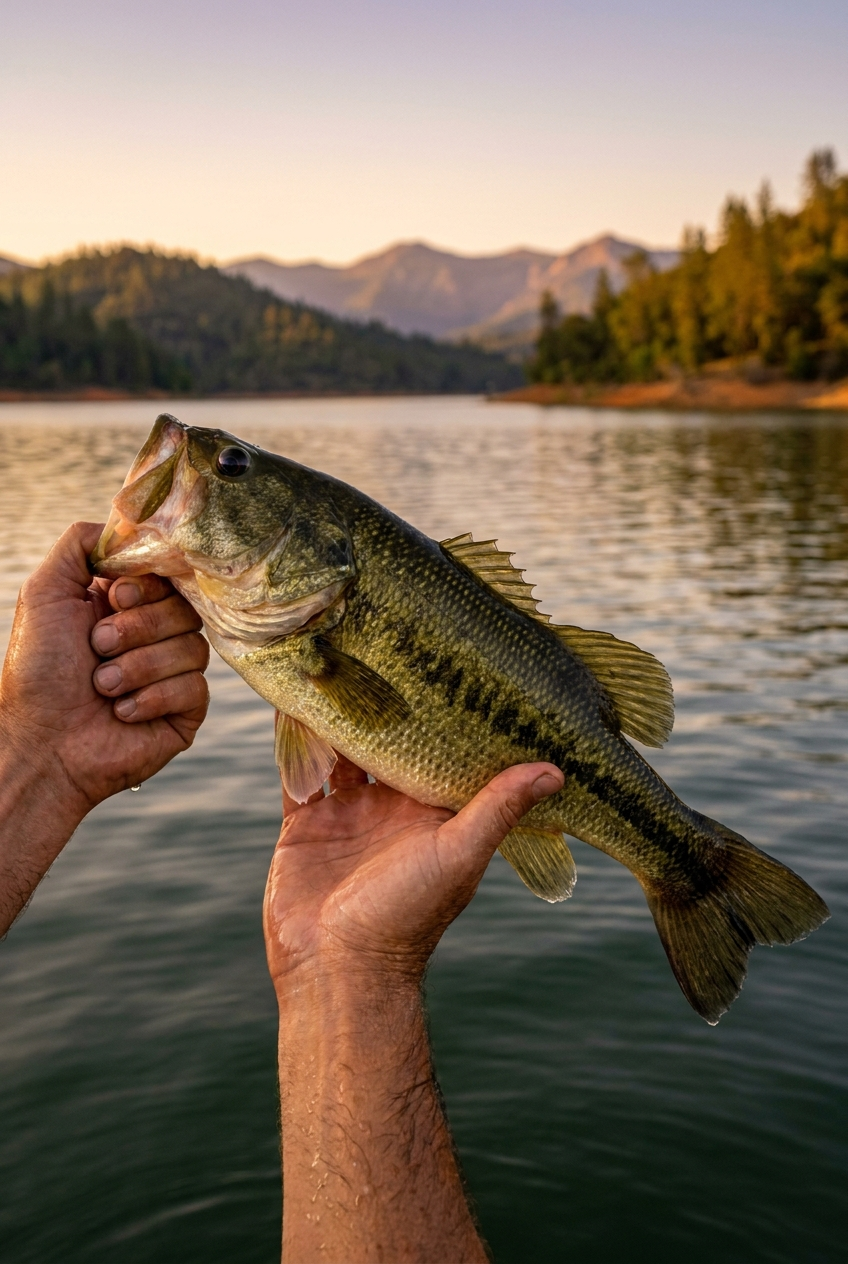
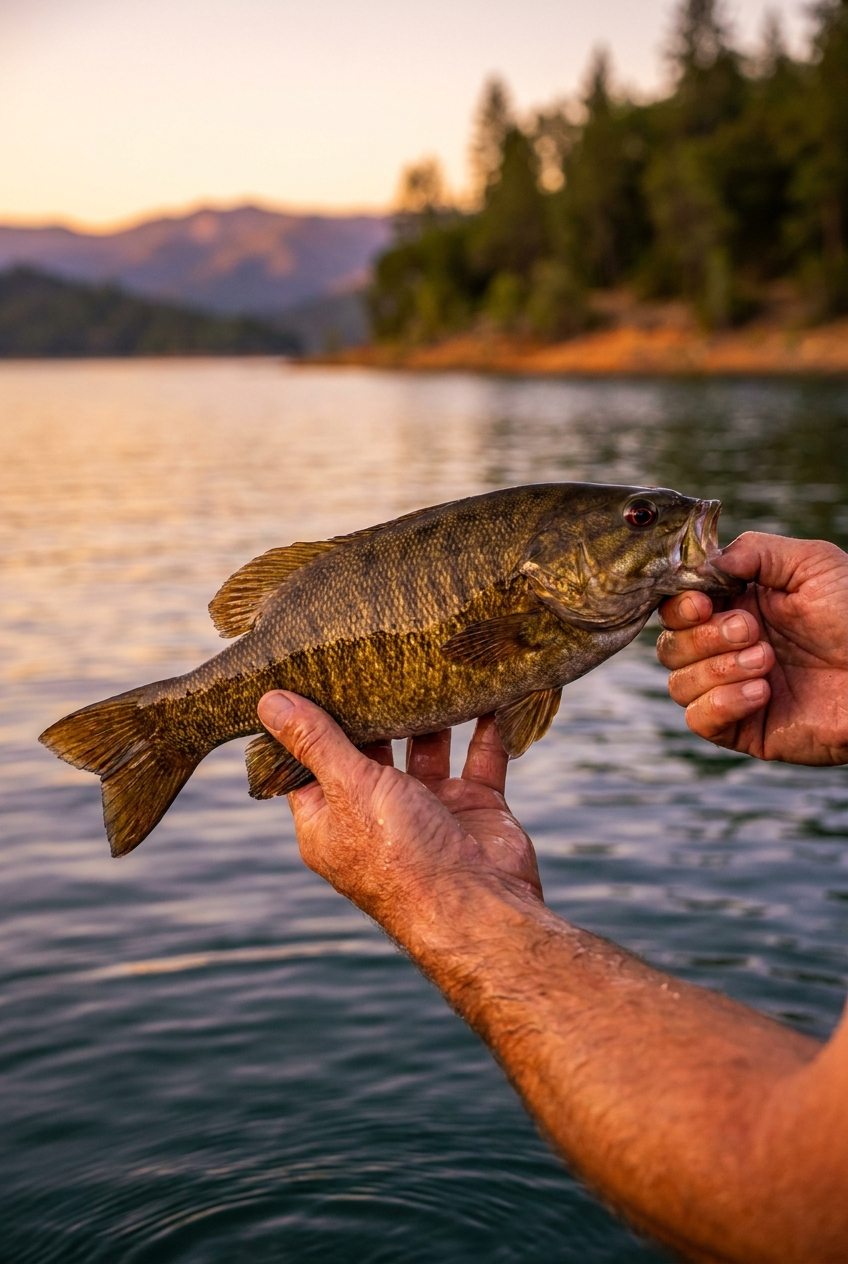
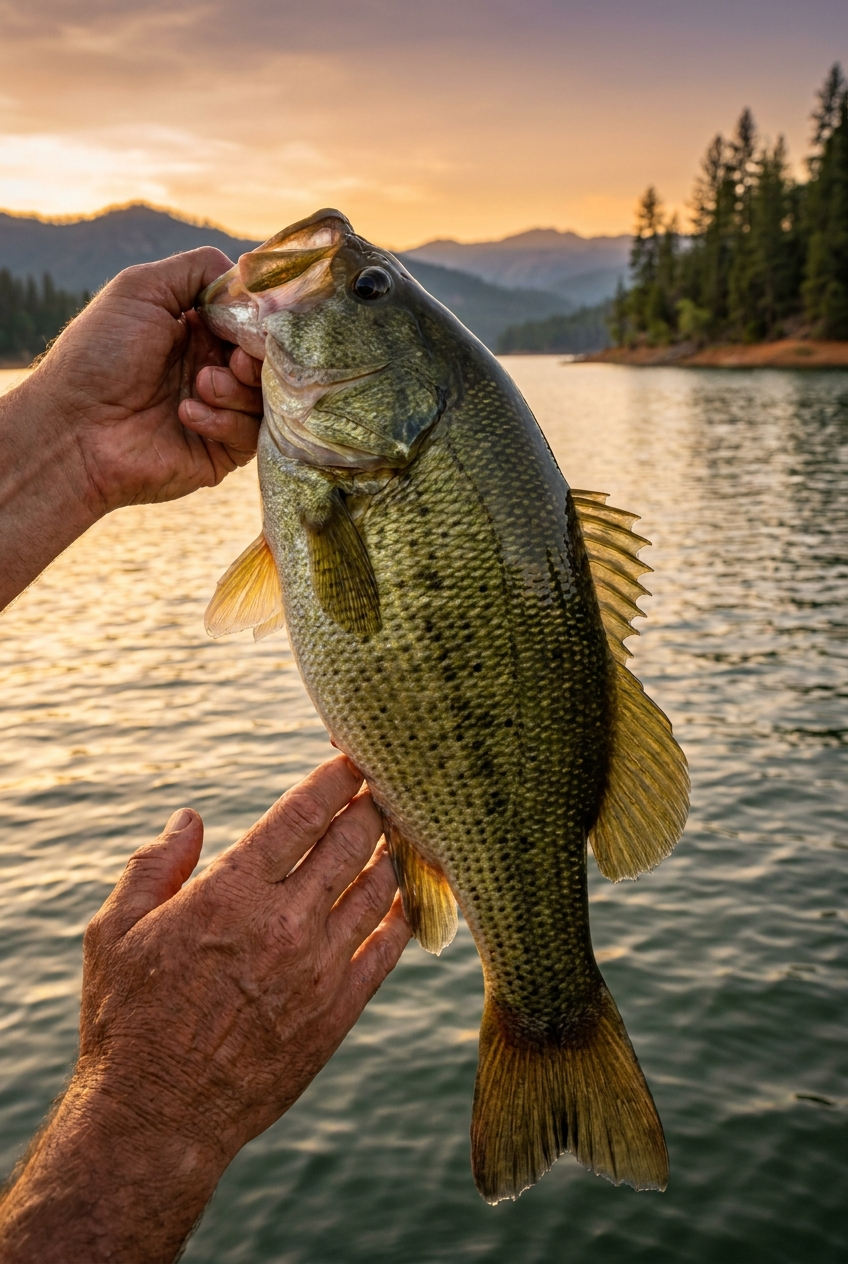
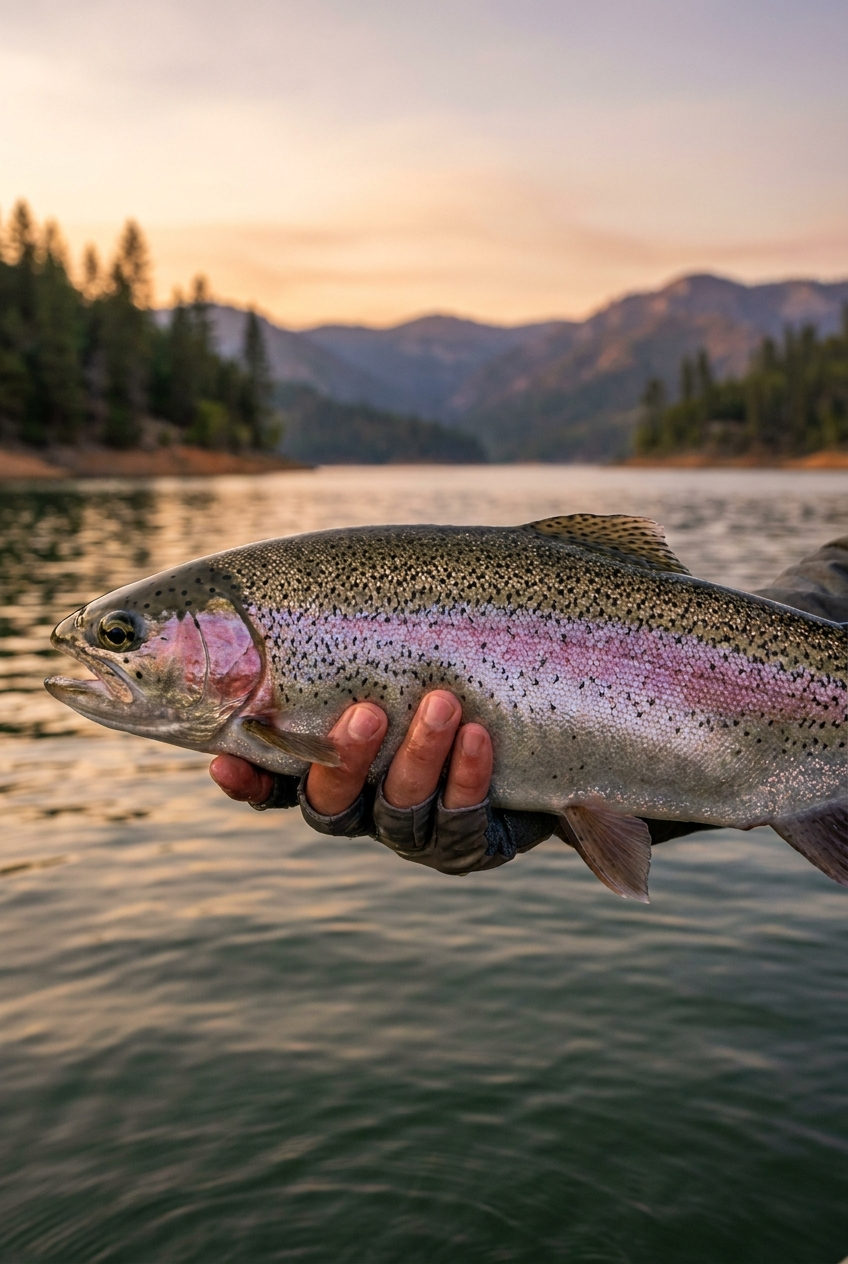
Lures for Shasta Lake
Tackle matched to this lake's species and structure.
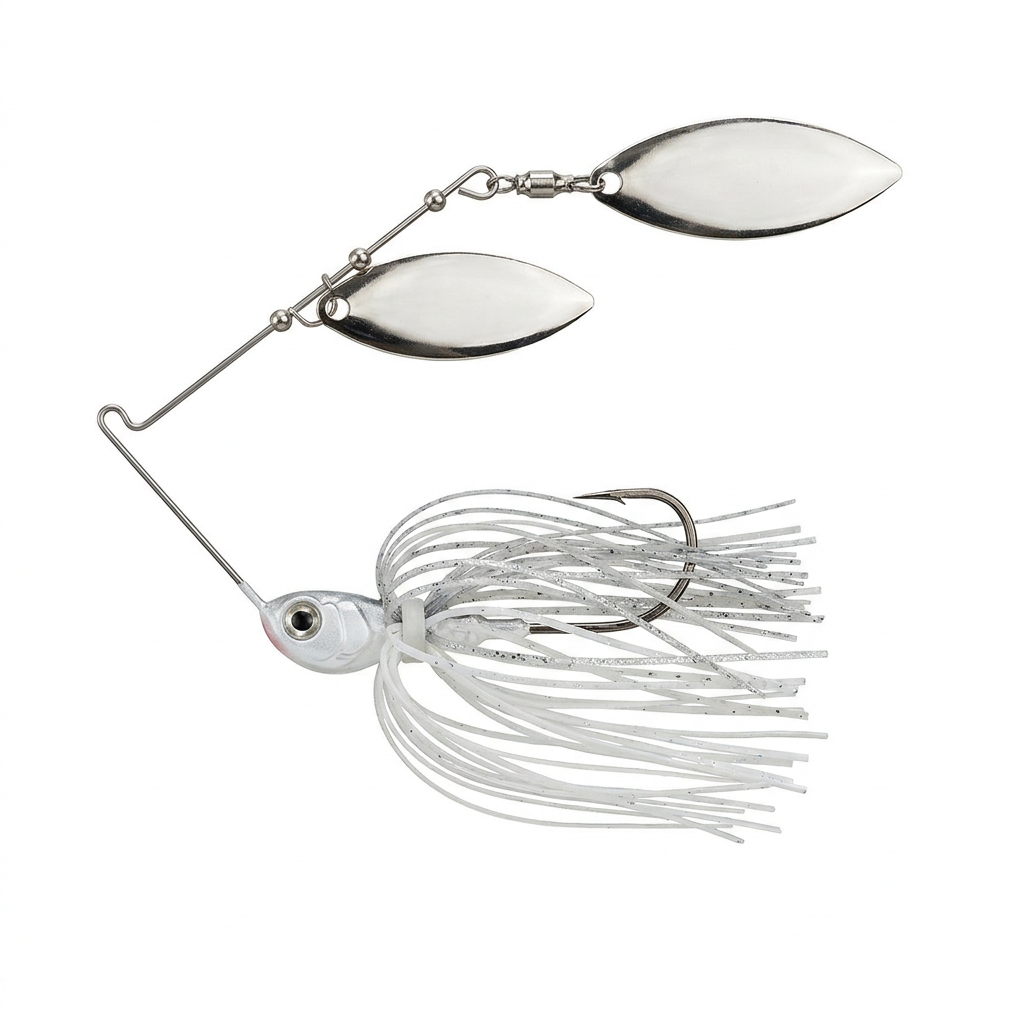
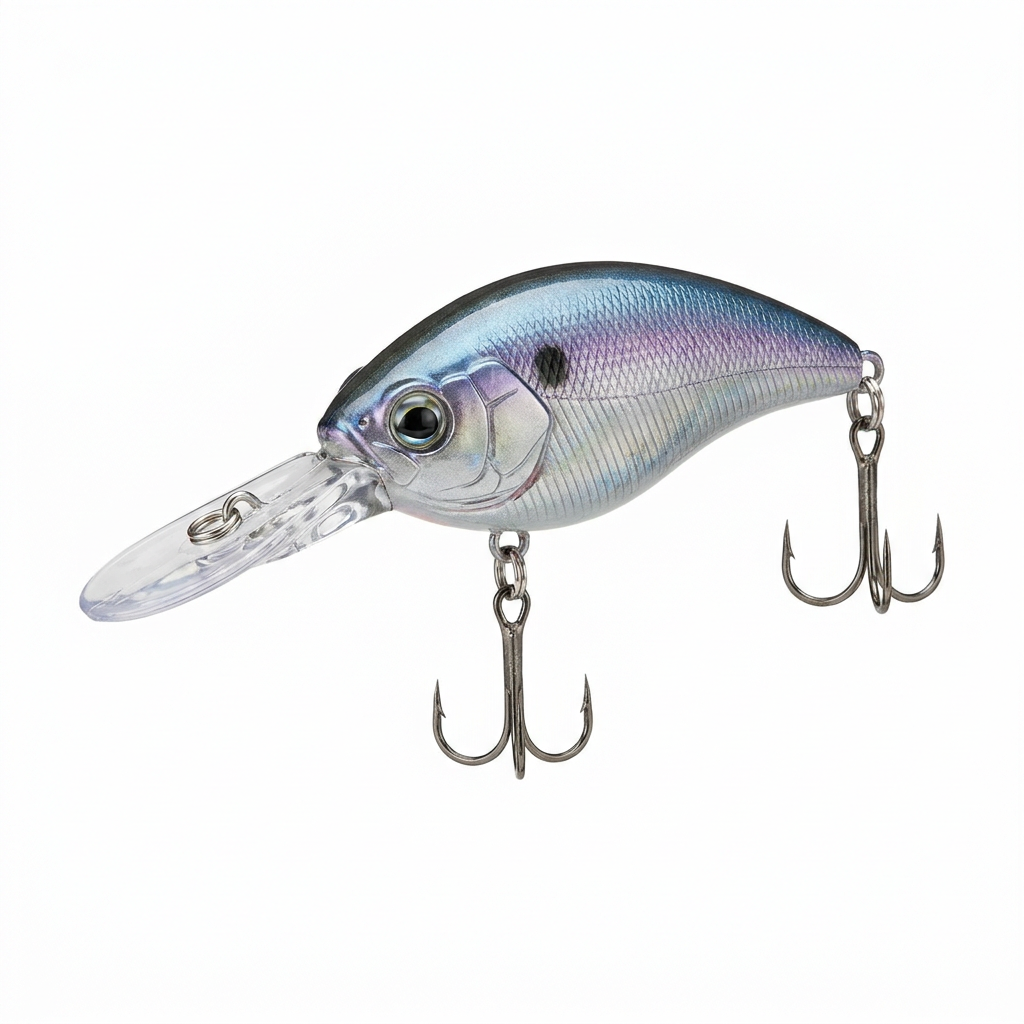
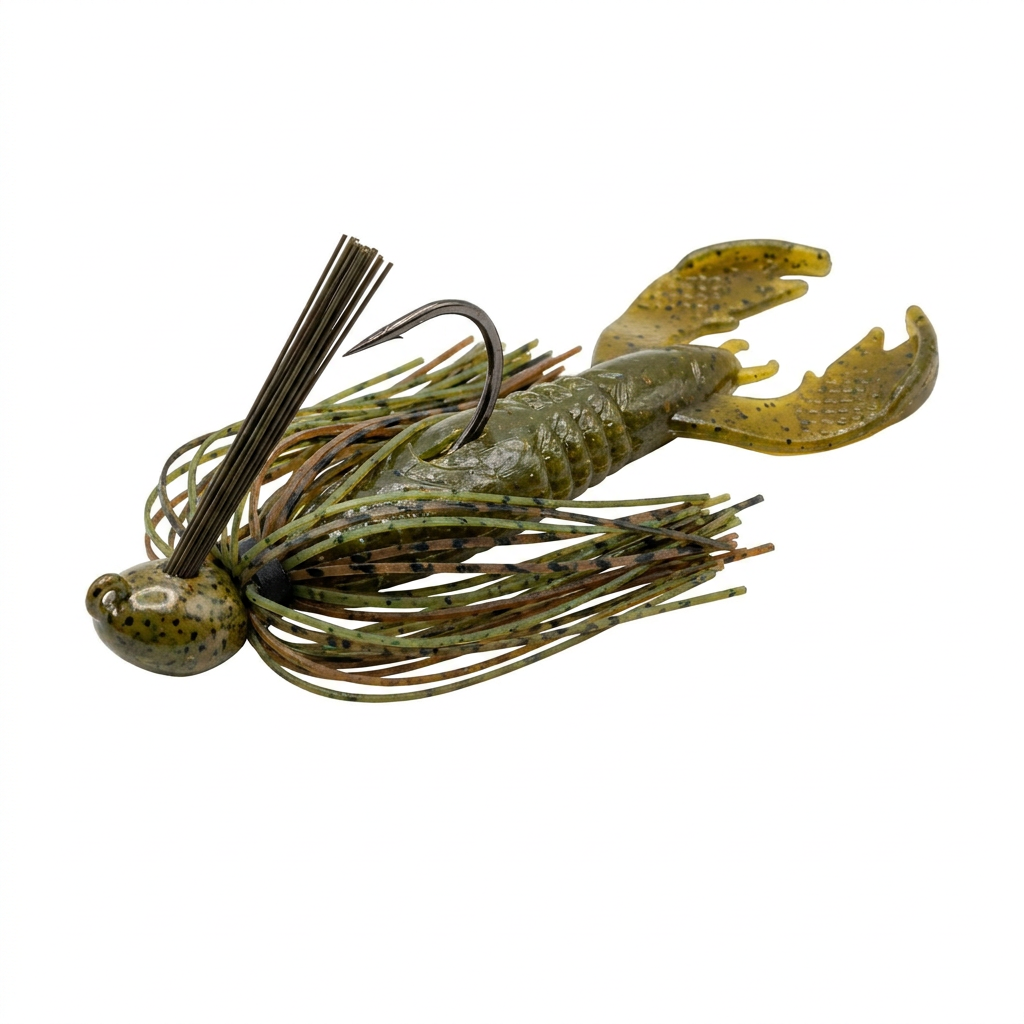
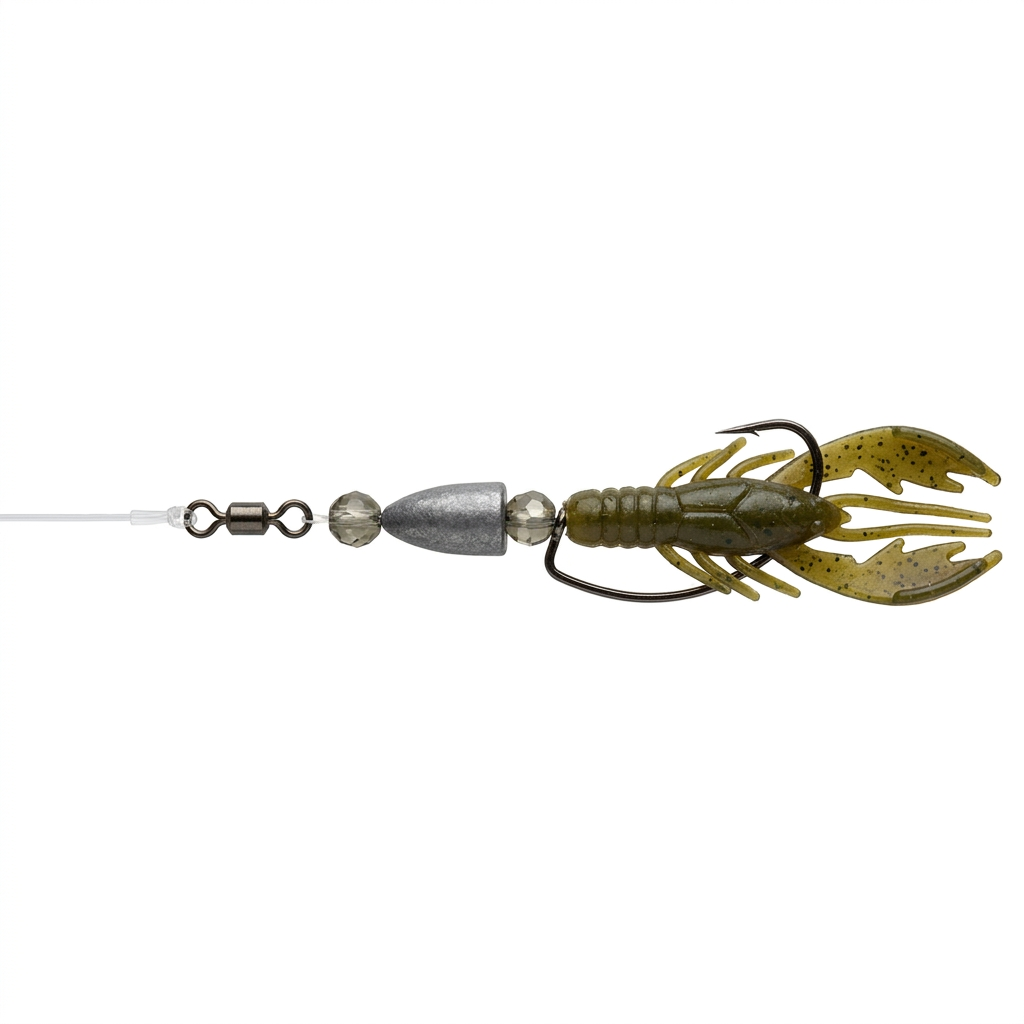
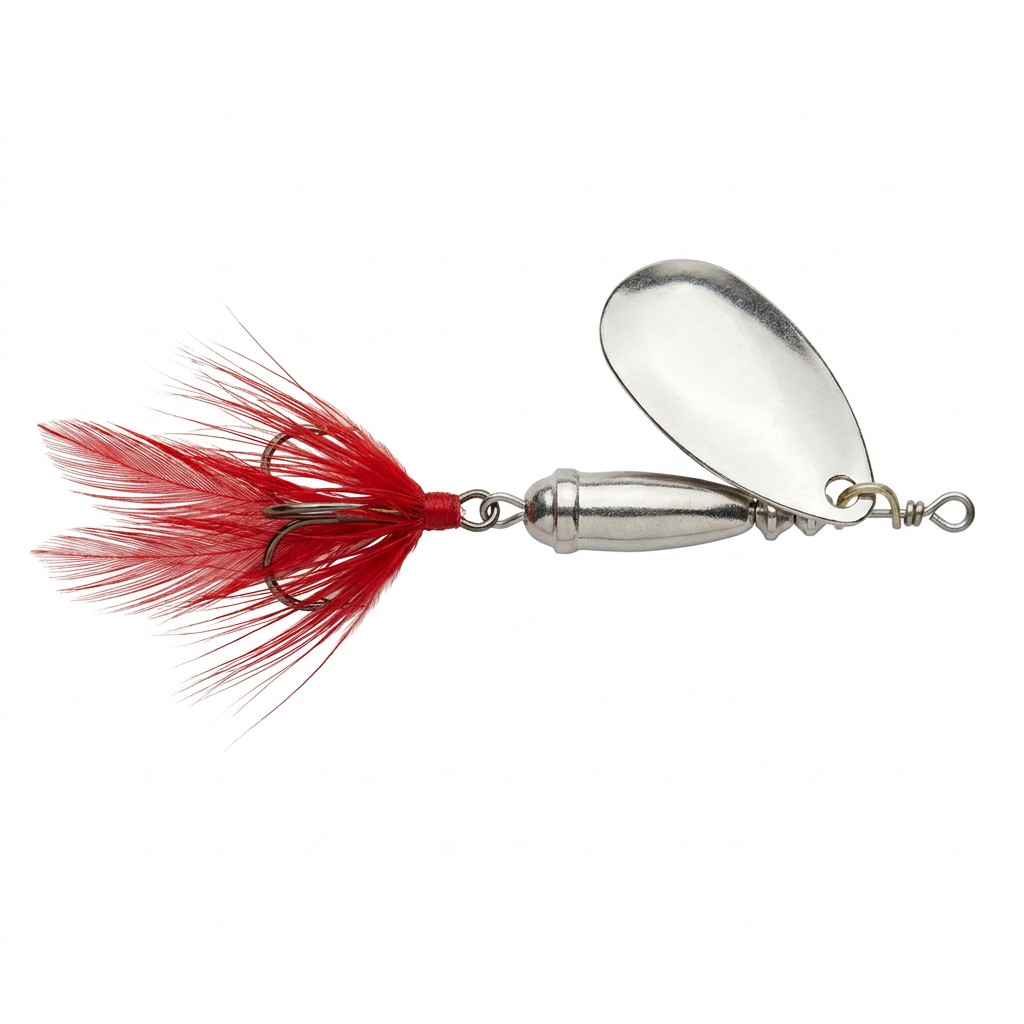
The right line matters as much as the lure. For the presentations that work on this lake, whether flipping timber, fishing main lake structure, or working deep brush, braid is the move. No stretch, more feel, and it lasts. Reaction Tackle is where I get mine.
About Shasta Lake
Shasta Lake is California's largest reservoir by storage capacity, formed by Shasta Dam on the Sacramento River in Shasta County. Completed by the Bureau of Reclamation in 1945, the dam impounds the Sacramento, McCloud, Pit, and Squaw Creek river systems, creating a four-armed reservoir that covers 29,500 acres at full pool with 365 miles of shoreline. The reservoir sits at the southern end of the Cascade Range, approximately 9 miles north of Redding, California. Mount Shasta is visible from much of the lake on clear days. The surrounding terrain is managed by the Shasta-Trinity National Forest, and the lake is one of the most popular recreation destinations in Northern California.
The four arms of Shasta Lake each offer distinct fishing character. The Sacramento River arm is the longest and deepest, dominated by steep canyon walls and rocky structure that produce excellent spotted and smallmouth bass. The McCloud River arm is the coldest and clearest, supporting the best kokanee salmon and rainbow trout fishing on the lake. The Pit River arm offers a mix of rocky and softer-bottom structure and is productive for bass, catfish, and trout. The Squaw Creek arm is the smallest and shallowest, with the warmest water and the best largemouth bass and catfish habitat. Water level fluctuation due to irrigation and drought conditions significantly affects fishing at Shasta, exposing or submerging key structure from year to year.
Houseboat rentals on Shasta Lake are a major part of the lake's recreational identity, and the lake hosts one of the largest houseboat fleets in the western United States. Multiple marina operators offer rental houseboats ranging from basic to luxury, and boat-in camping is available at numerous sites around the lake. The combination of warm summers, clear water, and 365 miles of shoreline makes Shasta one of the premier destinations for combined fishing and family recreation in the West. The lake also hosts wakeboarding, water skiing, and kayaking, particularly in the main lake basin near the bridge areas.
CDFW enforces fishing regulations at Shasta Lake consistent with statewide California regulations unless special rules are posted. Bass regulations set a 12-inch minimum and a combined 5-fish daily bag limit for all black bass species. Standard statewide trout regulations apply to rainbow trout and kokanee salmon. Water level information, current fishing reports, and regulation updates are available from CDFW and from local bait shops in Redding and at the Shasta Lake area marinas.