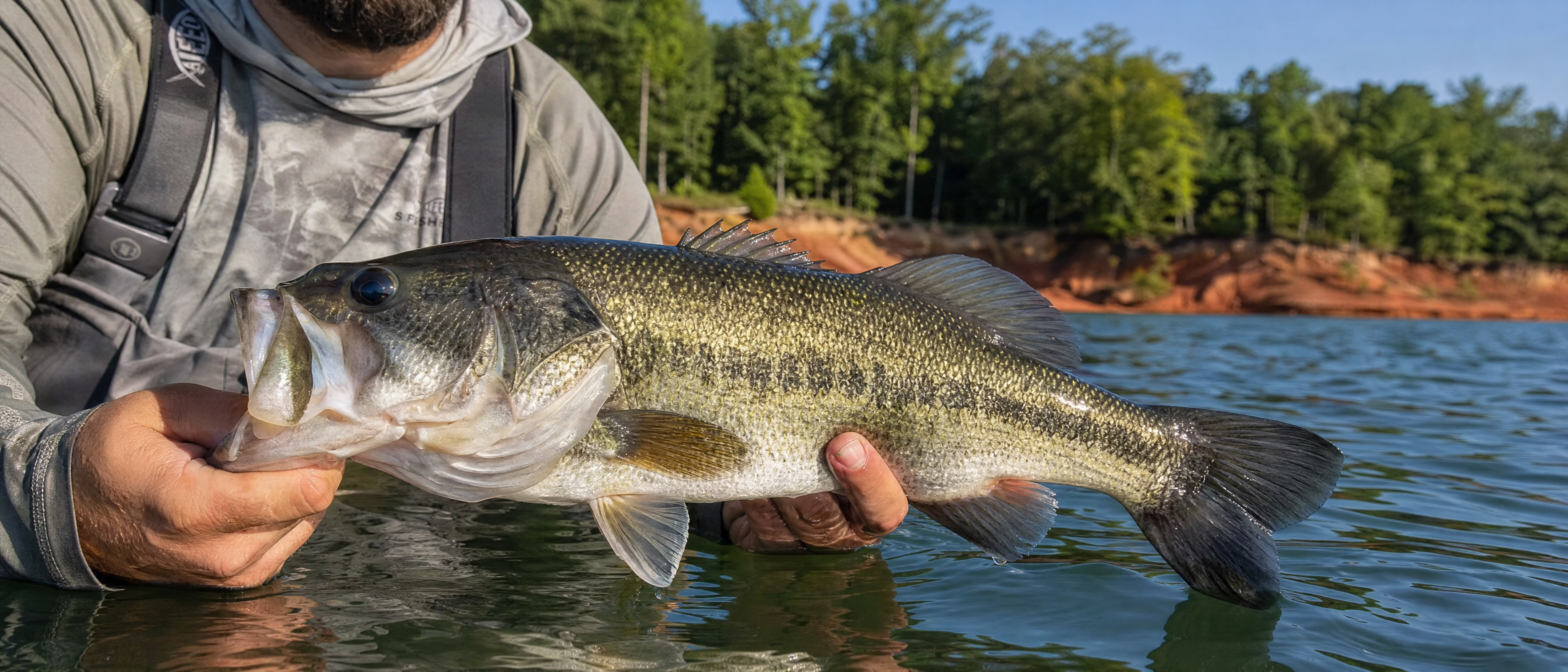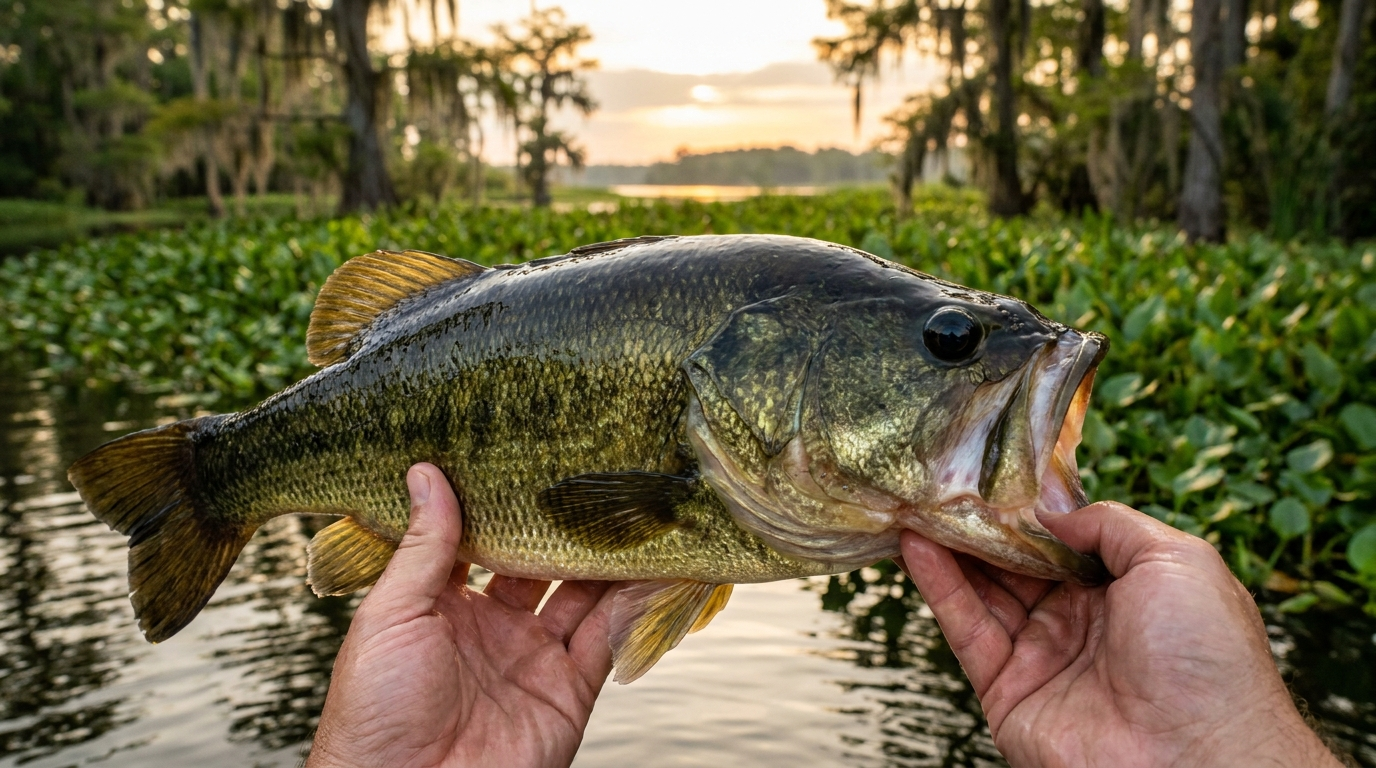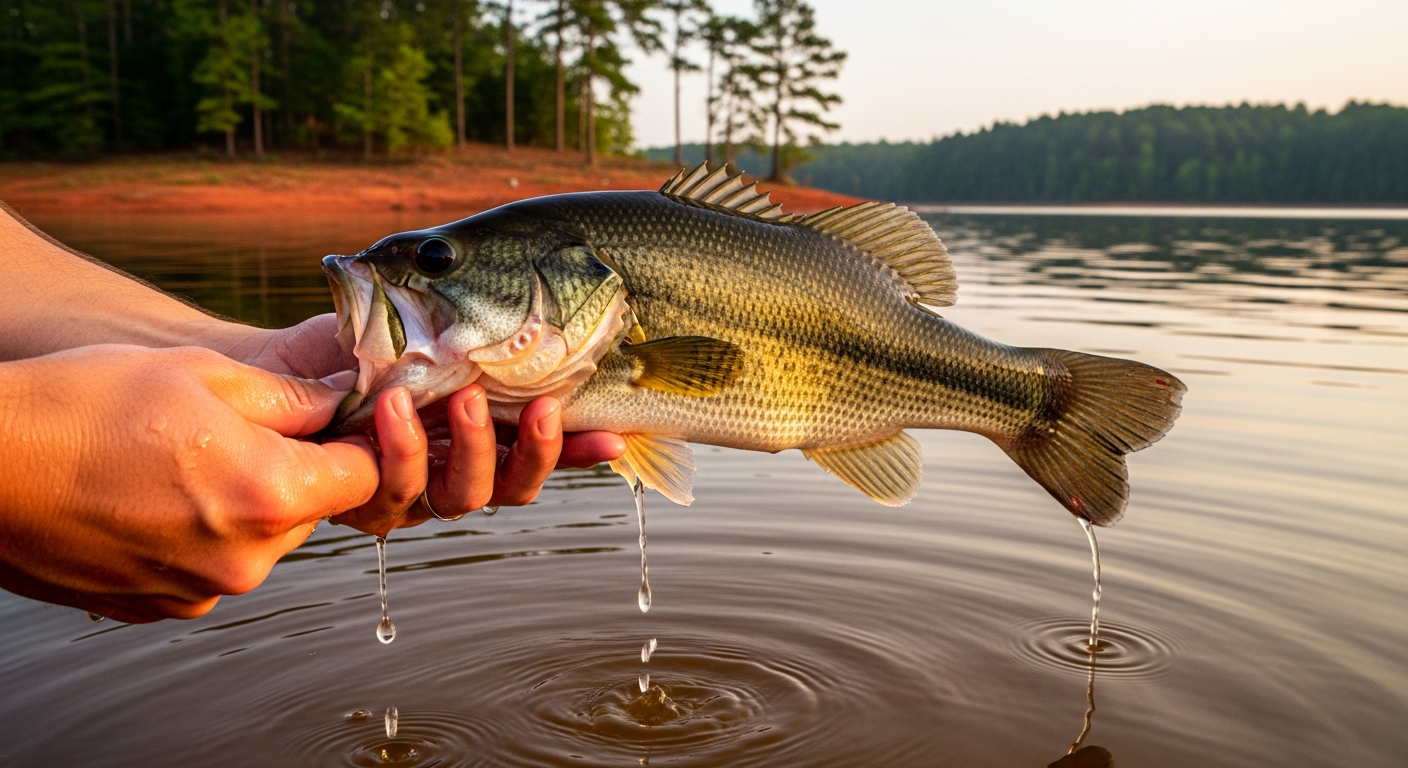
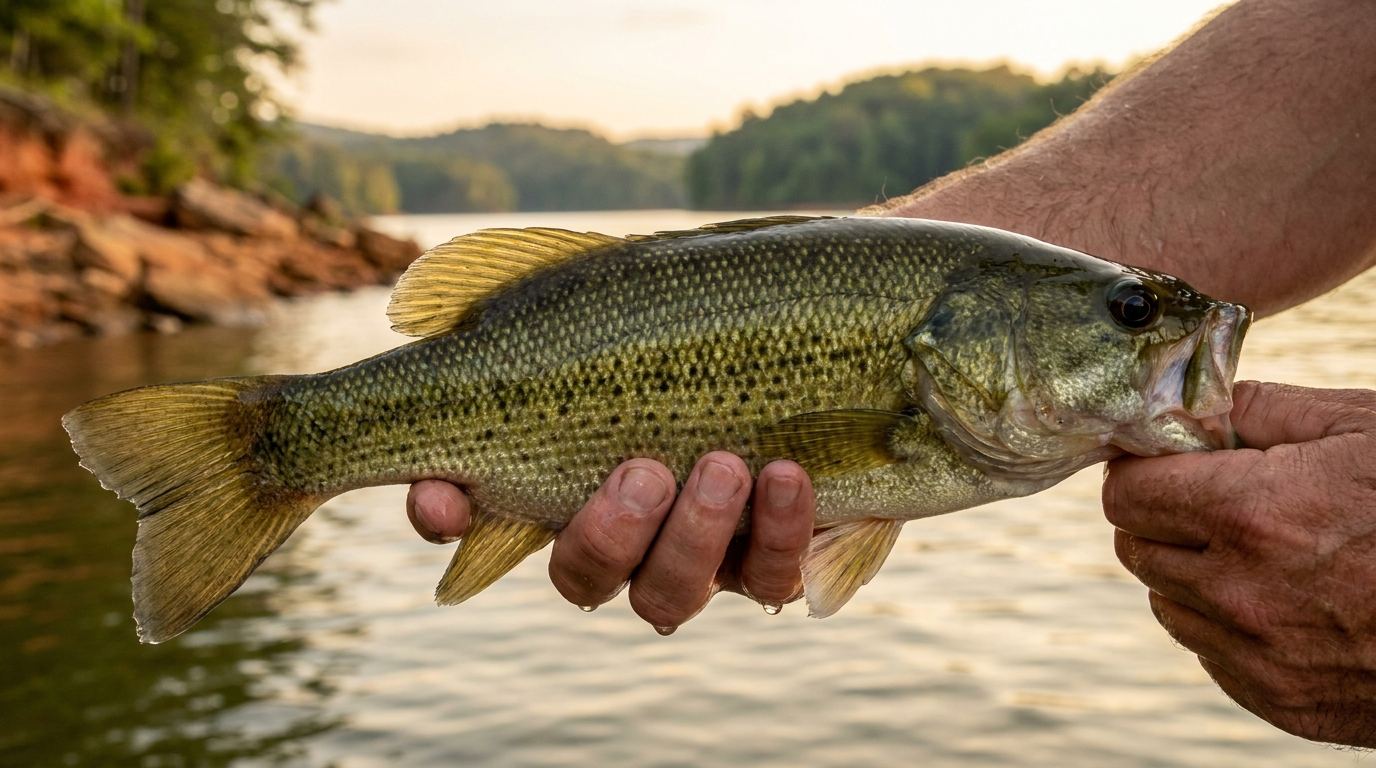
Lake Allatoona is one of those lakes I keep coming back to because the spotted bass fishing is just relentless. The rocky points and chunk-rock banks in the Allatoona Creek arm remind me why I started fishing impoundments in the first place. It is thirty miles from Atlanta, so you will share the water on weekends, but the fish do not seem to mind -- the striper trolling at dawn is worth every early alarm.
Today's Bite Score · October 8, 2026
Above average conditions worth planning a trip
🌘Waning Crescent
Lake Allatoona Fishing Report
October FishingMonthly fishing report · October patterns and techniques
Lake Allatoona in October experiences a significant cooling trend as water temperatures drop from the mid-70s to the low 60s, triggering a noticeable shift in fish behavior. The lake's 12,000 acres of varied structure becomes increasingly important as fish are responding to shortened daylight and changing water chemistry. Anglers find that baitfish are moving deeper into the 40 to 60-foot zones, and predatory fish are beginning to feed more aggressively in preparation for winter. The cooler water temperatures in October also improve oxygen levels throughout the lake, making fish more active during midday hours.
Largemouth bass and striped bass are most active in October at Lake Allatoona, with both species positioning themselves along the creek channels and submerged timber that characterizes this Army Corps lake. Fish are congregating near the old river channels that run through the main lake body, particularly around Standing Boy Creek and Noonday Creek arms. Crappie populations begin moving toward deeper structure this month, while catfish remain accessible in channels and near the dam. Stripers are most aggressive in October, feeding heavily in the main lake near bluff lines and drop-offs where they pursue schools of shad moving into deeper water.
Effective October techniques at Lake Allatoona include jigging live shiners around the 45 to 55-foot depths for striped bass, while largemouth anglers should focus on topwater presentations early and late in the day around shallow creek mouths before moving to deeper structure by midday. Crankbaits that mimic shad patterns work well for bass in October, and anglers find success with 6 to 12-foot diving plugs along the main lake points. For catfish, cut shad and live bluegill presentations near the dam's lower elevations produce consistent results. Soft plastic swimbaits in natural colors around submerged timber near the 40-foot mark yield excellent results for both bass species. The dam area itself remains productive in October, with stripers and catfish feeding aggressively on live baitfish in the current below the spillway.
Get More Fishing Report Specifics
Tap a topic button below for a report on current conditions.
Tap a topic above to get a current report for Lake Allatoona.
Answers are generated on demand and cached. No AI call fires until you tap a tab.
Lake Allatoona Fishing Guides
Looking for a Lake Allatoona fishing guide? The spotted bass and crappie fishery on this Georgia reservoir rewards local knowledge of the cove structure and seasonal staging patterns that visiting anglers miss entirely. Here are 4 fishing guides for Lake Allatoona that are worth checking out.
Lake Allatoona Fishing Strategies by Species
Seasonal patterns and techniques by target species · Verified against official sources
Lake Allatoona is a 11,860-acre USACE reservoir on the Etowah River in the Appalachian foothills of northwest Georgia, sitting about 30 miles north of Atlanta. Spotted bass are the signature species here, thriving on the lake's abundant rocky structure -- chunk-rock banks, points, and steep bluffs create ideal habitat throughout the Allatoona Creek and Little River arms. Striped bass and hybrid striped bass add a second dimension to the fishery, particularly during spring runs and fall trolling seasons. Crappie hold on the deeper timber and dock structure across the lake, providing a consistent secondary bite year-round.
Lake Allatoona Spotted Bass Fishing Report
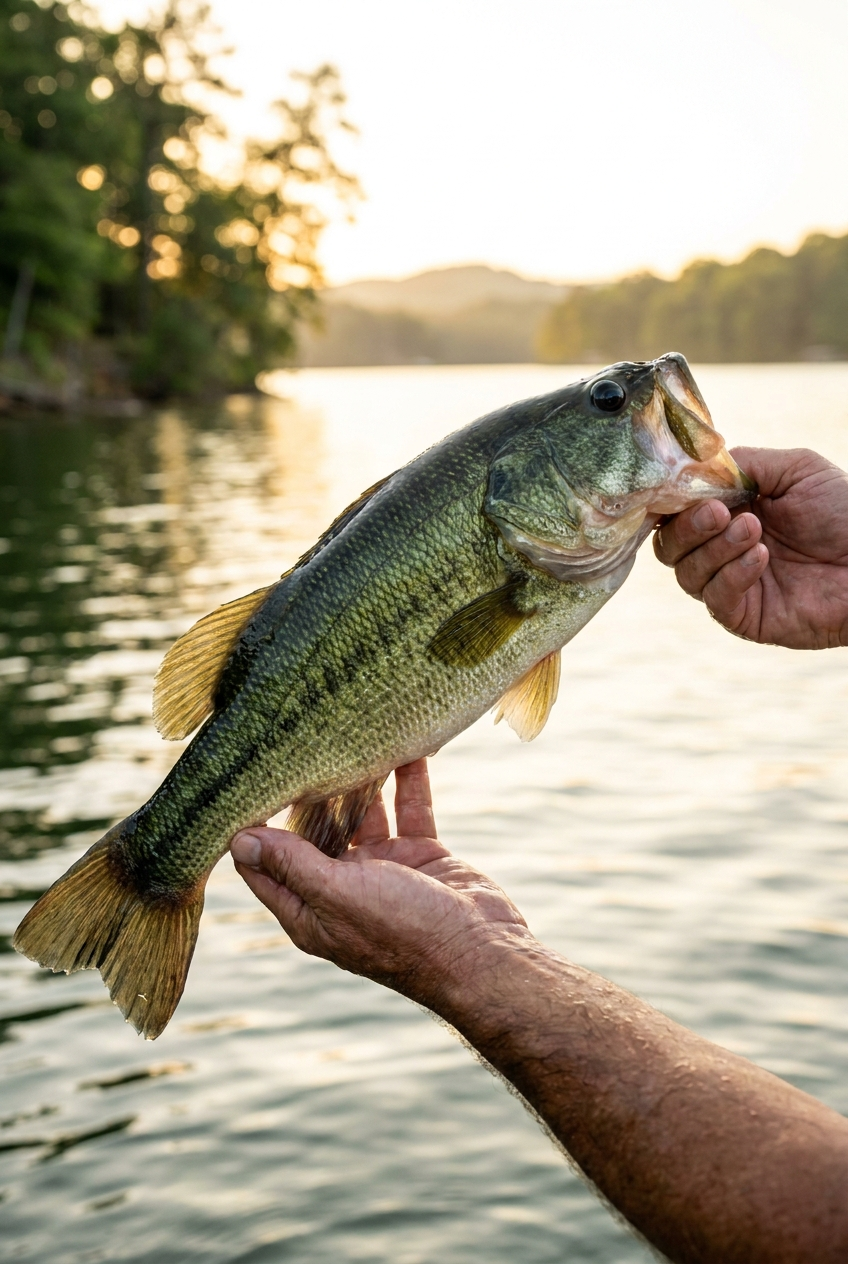
Lake Allatoona is consistently ranked among the top spotted bass fisheries in Georgia, and the rocky Appalachian foothills terrain is the reason. Chunk-rock banks, steep bluff walls, and hard-bottom points hold spotted bass from the surface down to 30 feet depending on season and water temperature. The Allatoona Creek arm on the upper end of the lake is particularly productive, with laydown logs along rocky banks and channel swings concentrating fish in spring and fall. Summer fish suspend over deeper structure and respond well to drop-shots and finesse presentations around main lake points. Carolina rigs dragged across chunk-rock transitions are a reliable all-season approach when fish are not showing on the surface. Small crankbaits worked along rocky banks at dawn and dusk are the go-to for covering water and locating active schools. Georgia WRD regulations set a 12-inch minimum size limit and a 10-fish daily bag limit for all black bass on Lake Allatoona. No special slot limit applies. Bass fishing regulations can change, and on-water conditions vary from the published report. Verify current regulations at https://georgiawildlife.com/fishing/regulations before fishing.
Lake Allatoona Largemouth Bass Fishing Report
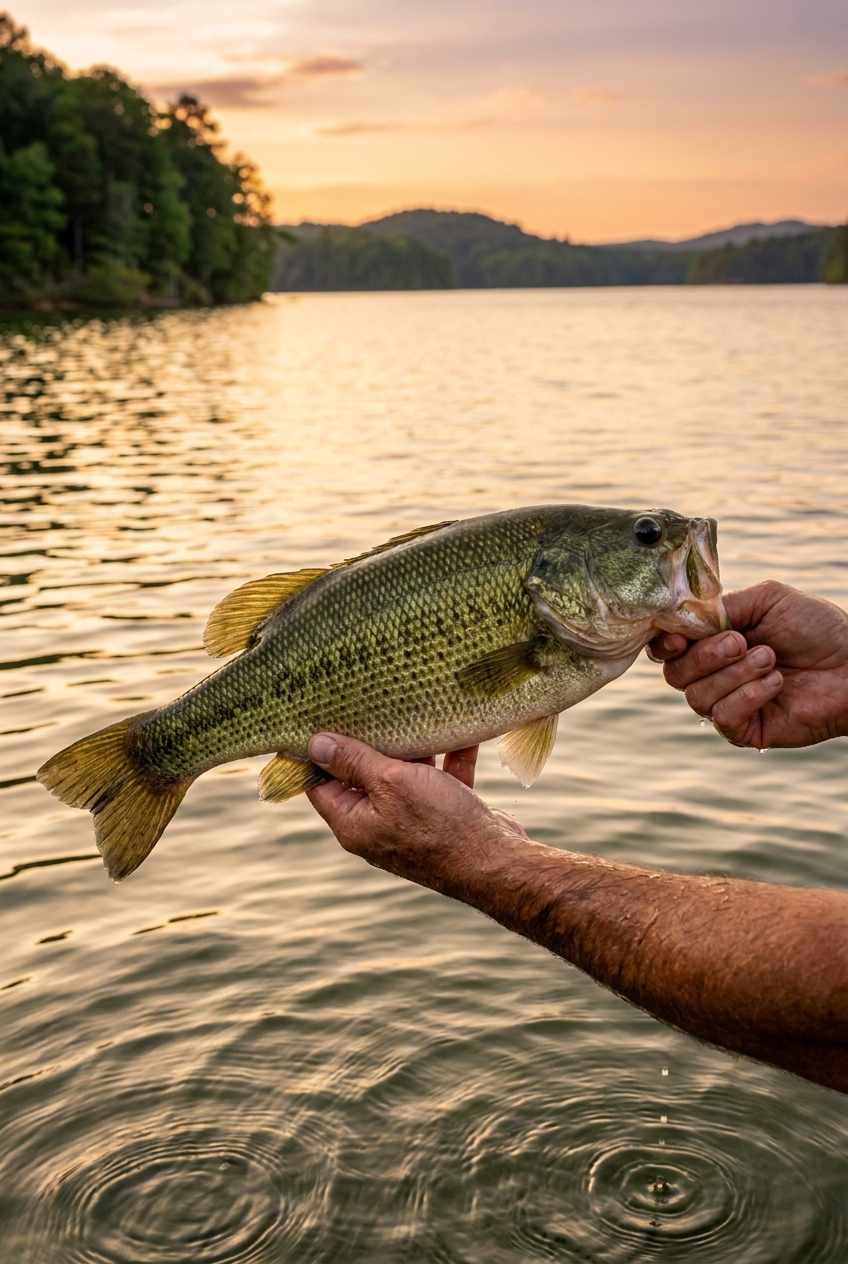
Largemouth bass share the lake with spotted bass but favor the flatter, softer-bottom coves and the backs of creek arms where vegetation and woody cover are more available. The upper reaches of the Little River arm and the protected coves along the Kellogg Creek drainage hold largemouth through the spring spawn and into early summer. Spinnerbaits worked around dock posts and laydowns produce consistently in the back halves of major coves during the post-spawn period. Texas-rigged worms fished slow along grass edges and submerged wood are reliable through summer. Largemouth are less abundant than spotted bass at Allatoona, so anglers targeting trophy-class fish typically focus on the quieter, less-pressured cove systems on the north end. Georgia WRD regulations set a 12-inch minimum size limit and a 10-fish daily bag limit for all black bass on Lake Allatoona. No special slot limit applies to largemouth. Verify current regulations at https://georgiawildlife.com/fishing/regulations before fishing.
Lake Allatoona Striped Bass Fishing Report
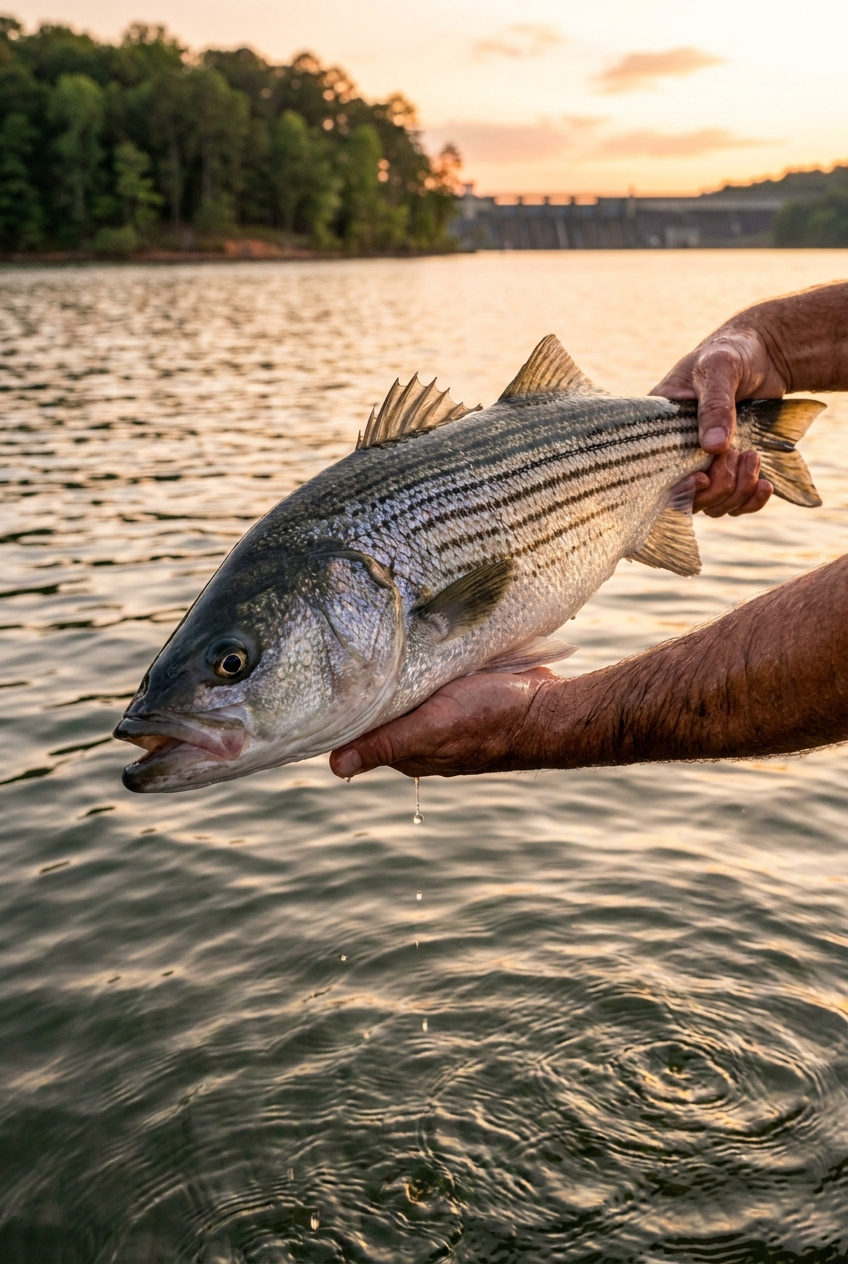
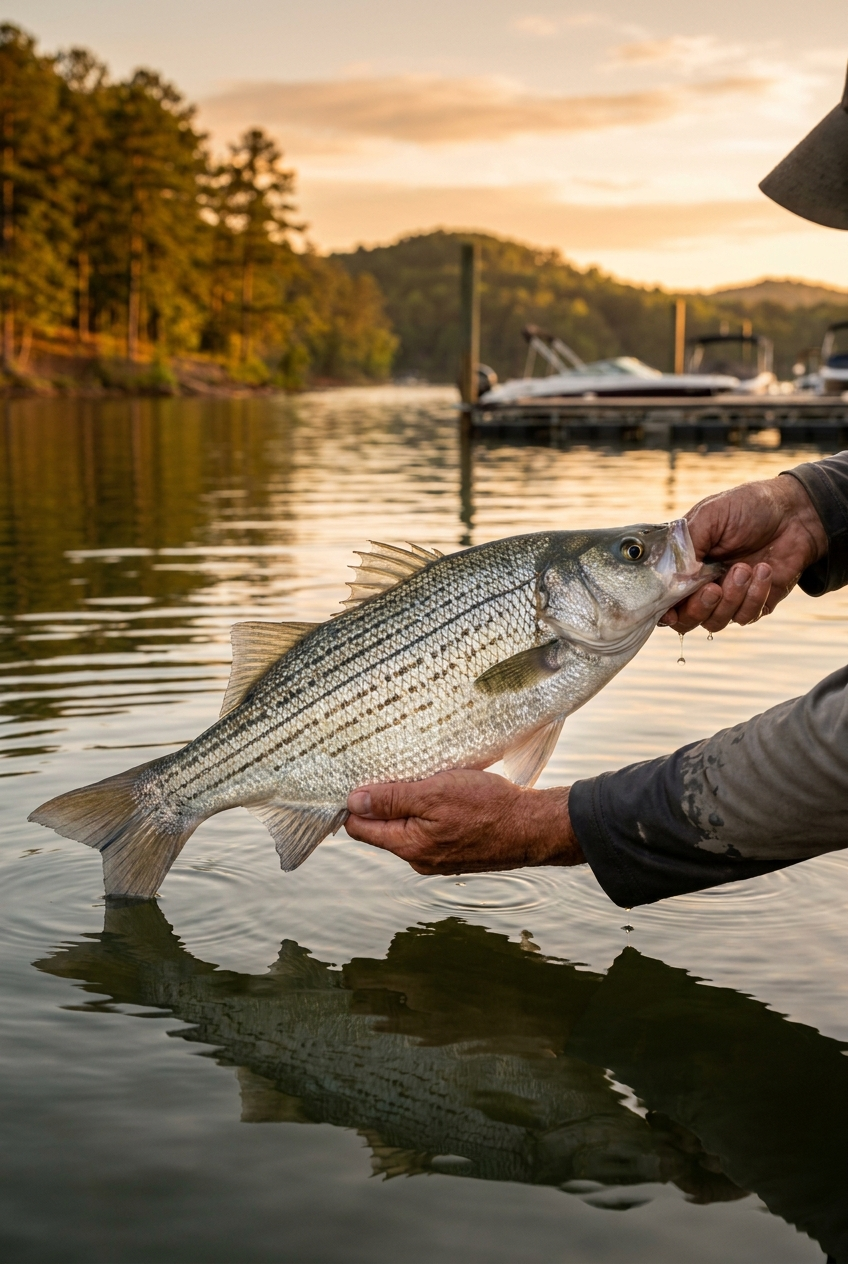
Striped bass are stocked by Georgia WRD and provide one of the most exciting seasonal fisheries on the lake. Spring is the peak season as stripers move up the Etowah River arm and the Allatoona Creek arm following shad schools. Trolling live shad or umbrella rigs along the main lake channel during April and May is the most consistent approach. Surface blowups on schooling shad happen regularly at dawn and dusk in fall when cooling water pushes stripers into feeding mode across open water flats. Summer stripers suspend deep over the old river channel in 40 to 60 feet of water to find tolerable temperatures, making downrigger trolling the primary summer tactic. Stripers in the 10- to 20-pound range are realistic targets, and larger fish are caught each season. Georgia WRD regulations set a 16-inch minimum size limit for striped bass on Lake Allatoona. Hybrid striped bass share the same 16-inch minimum. Verify current regulations at https://georgiawildlife.com/fishing/regulations before fishing.
Lake Allatoona Hybrid Striped Bass Fishing Report
Hybrid striped bass (a cross between striped bass and white bass) are stocked regularly in Lake Allatoona and are often encountered alongside pure stripers during spring shad runs. Hybrids are aggressive schooling fish that hit topwater plugs, swimbaits, and live shad with equal enthusiasm. They tend to be more widely distributed through the lake than pure stripers and are frequently caught by anglers not specifically targeting them while casting for spotted bass on main lake points. The fall surface school bite for hybrids can be exceptional when shad are pushed to the surface. Umbrella rigs and large white swimbaits trolled at 3 to 5 mph cover the most water when fish are actively moving. Georgia WRD regulations set a 16-inch minimum size limit for hybrid striped bass on Lake Allatoona, consistent with the pure striped bass regulation. Hybrids and stripers share a combined daily bag limit. Verify current regulations at https://georgiawildlife.com/fishing/regulations before fishing.
Lake Allatoona Crappie Fishing Report
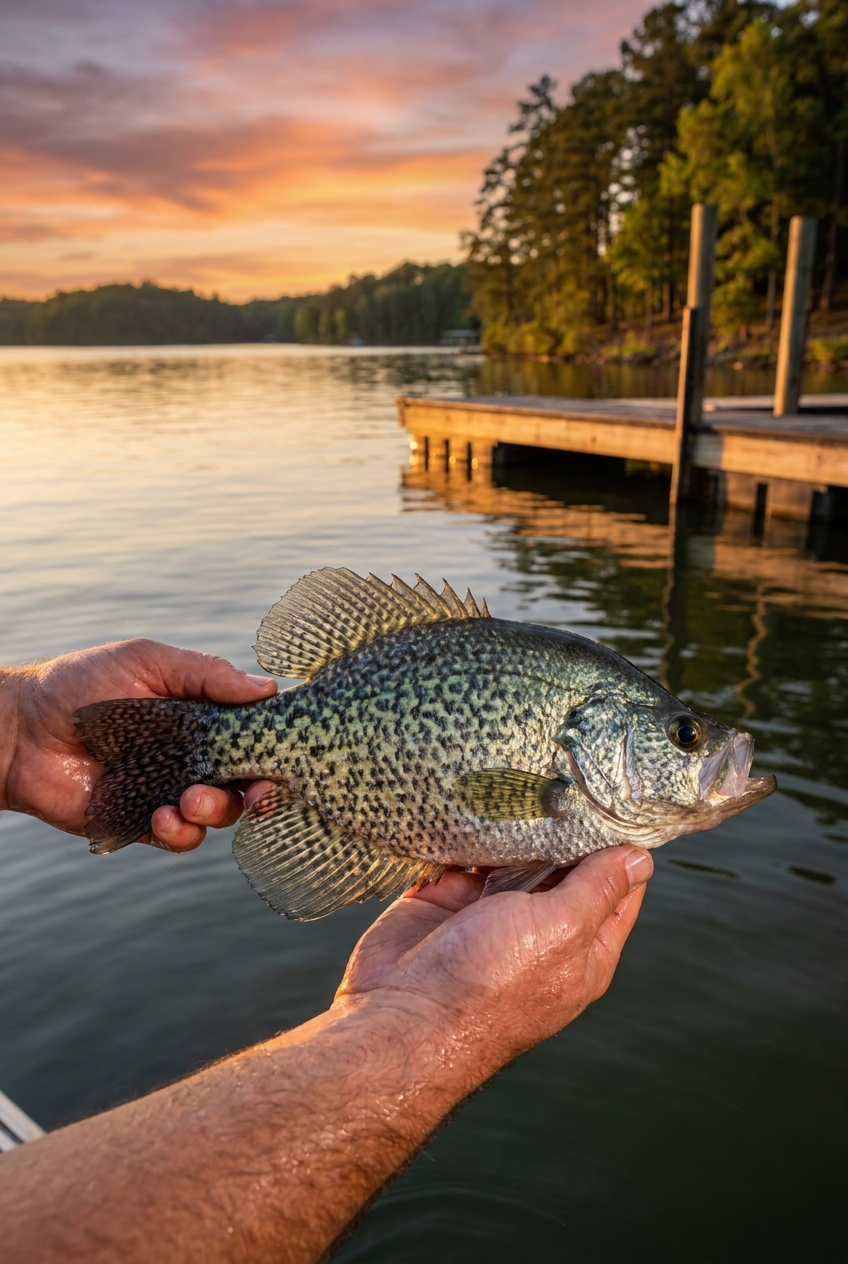
Crappie fishing at Lake Allatoona centers on the dock and brush pile structure scattered throughout the main lake coves, especially in the Wilderness Camp Road area and along the mid-lake coves off Highway 20. Both black and white crappie are present. The best fishing occurs in late winter and early spring as fish move shallow to stage near spawning areas, typically in 6 to 12 feet around dock posts and flooded brush. Small jigs in chartreuse, white, and pink fished vertically around structure produce consistently. Live minnow rigs are effective through summer when fish retreat to deeper timber in 15 to 22 feet. The crappie fishery at Allatoona receives much less pressure than the bass bite and produces solid numbers for patient anglers willing to find the right structure. Georgia WRD regulations for crappie on Lake Allatoona require a 9-inch minimum size limit with a 30-fish daily bag limit (combined species). Verify current regulations at https://georgiawildlife.com/fishing/regulations before fishing.
Lake Allatoona Channel Catfish Fishing Report
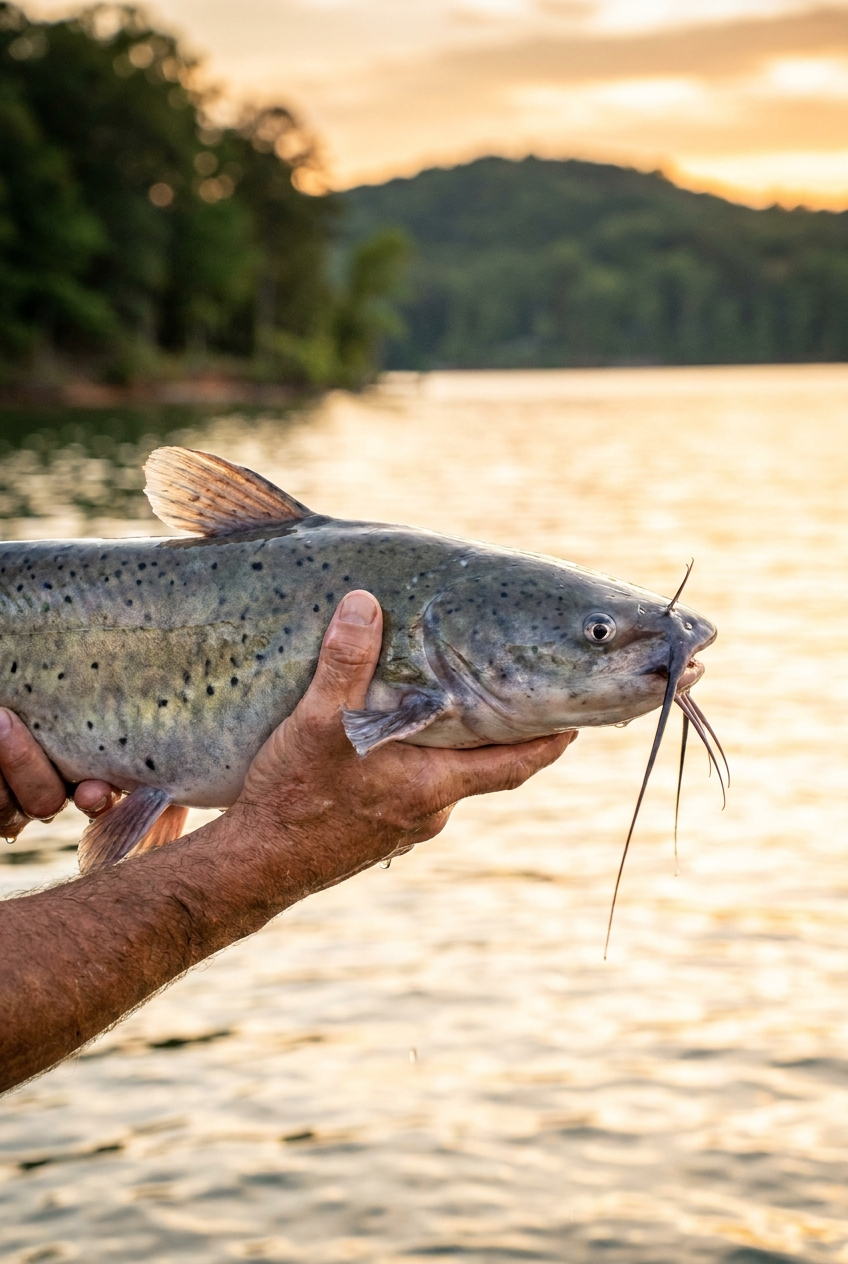
Channel catfish are widely distributed throughout Lake Allatoona and provide reliable year-round action, particularly for anglers fishing the lower half of the lake near the dam and in the deeper creek channel areas. Cut shad, chicken liver, and prepared stink baits on heavy bottom rigs fished along channel edges and near the mouths of major creek arms are the standard approach. Night fishing during summer is especially productive as catfish move into shallower water along clay banks and gravel bars after dark. The catfish population benefits from the lake's abundant shad forage base and consistent water quality maintained by the USACE. Blue catfish are also present in the lower lake near the tailwaters below Allatoona Dam. Georgia WRD imposes no statewide minimum size limit on channel catfish but does set a combined daily bag limit for catfish species. Regulations can change seasonally. Verify current regulations at https://georgiawildlife.com/fishing/regulations before fishing.
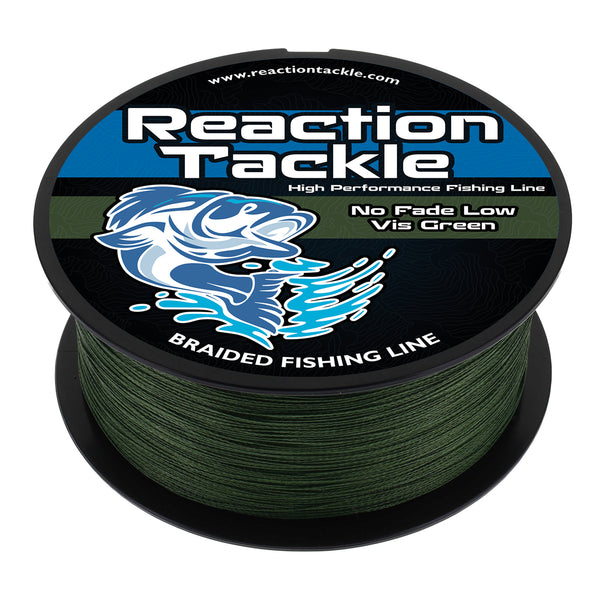
If you haven't replaced your braided line in a season or two, now's the time. Braid holds up better than mono, but abrasion from wood and rock adds up. Reaction Tackle is one of my favorite places to order from.
Top Fish to Target in Lake Allatoona
Lures for Lake Allatoona
Tackle matched to this lake's species and structure.
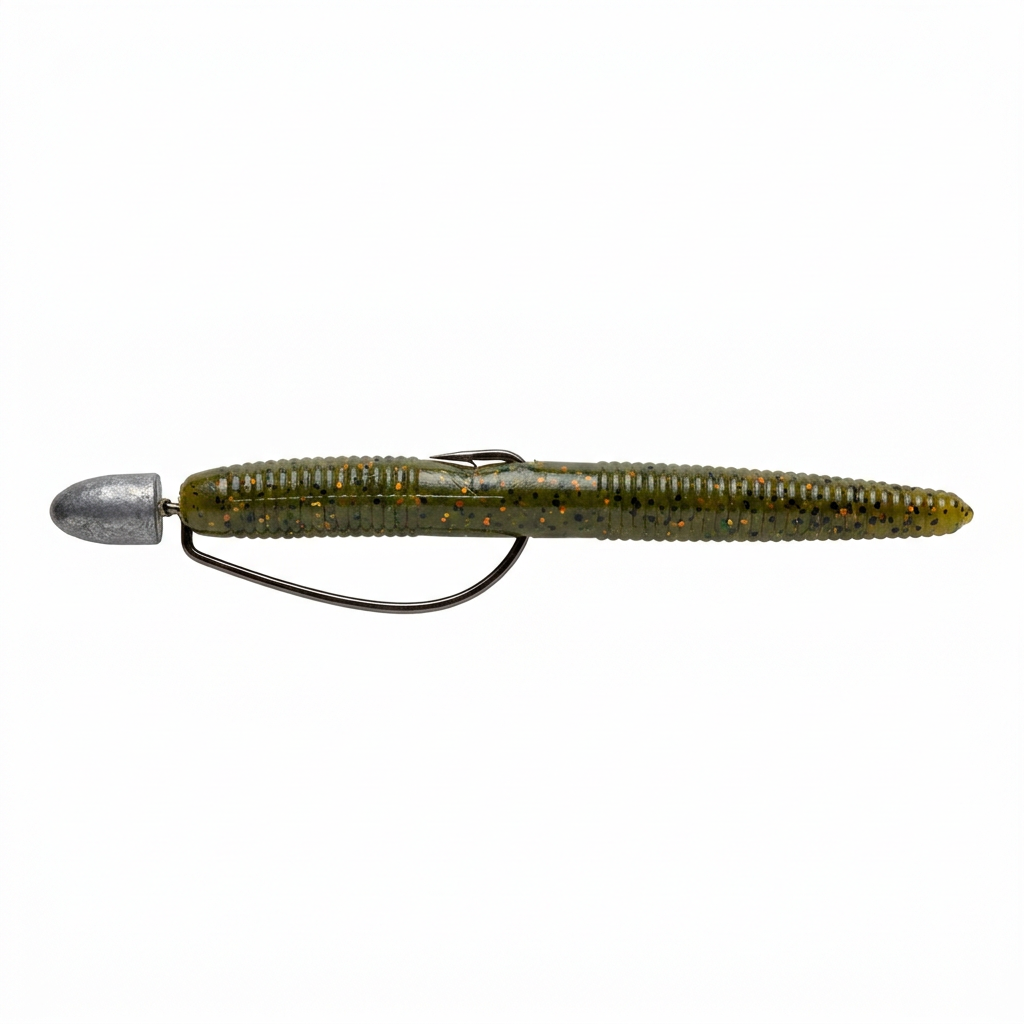
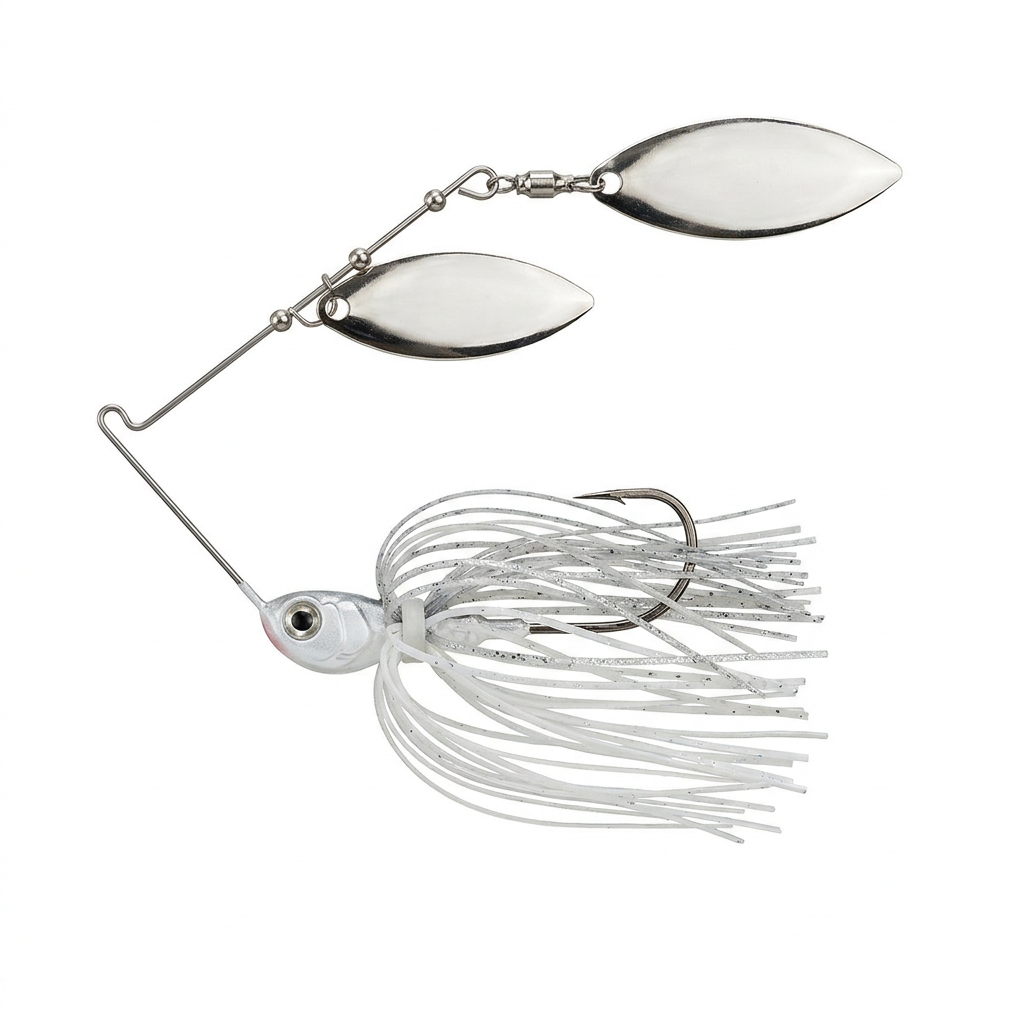
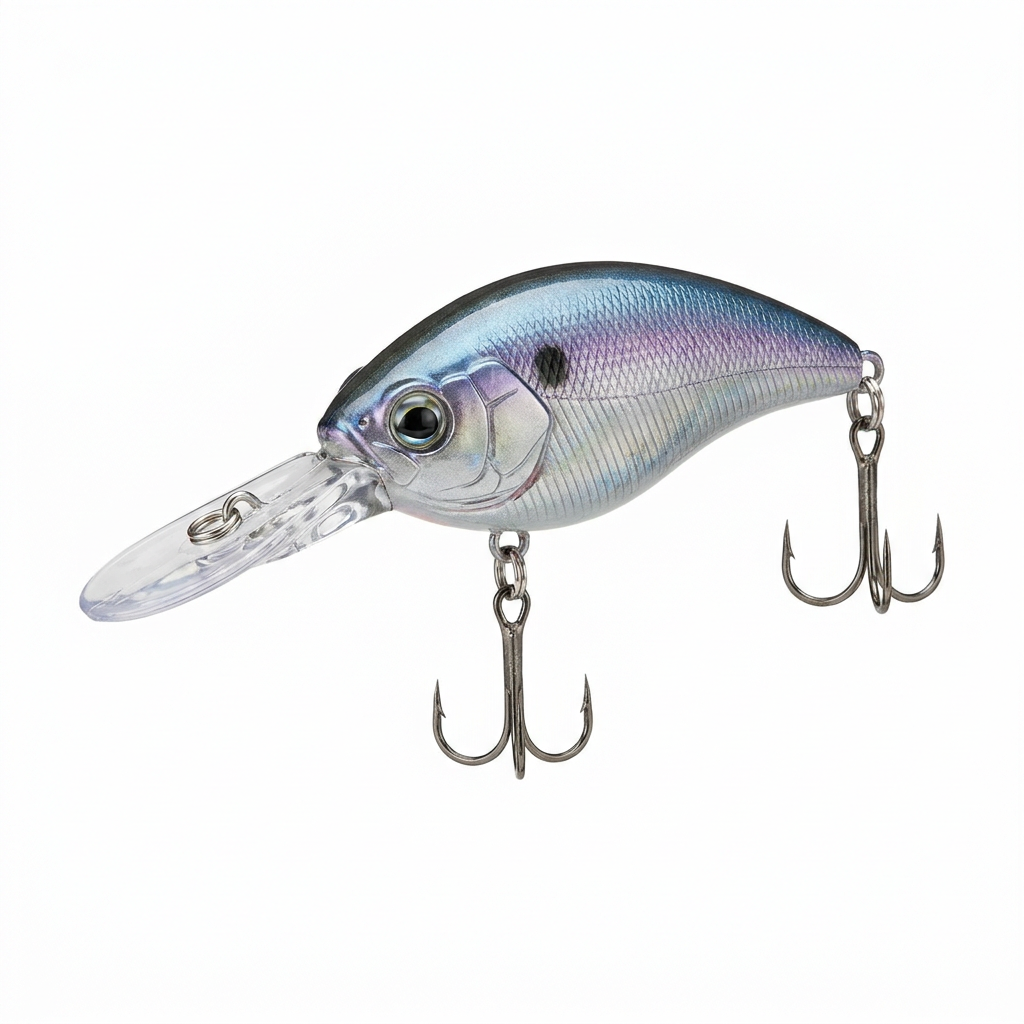
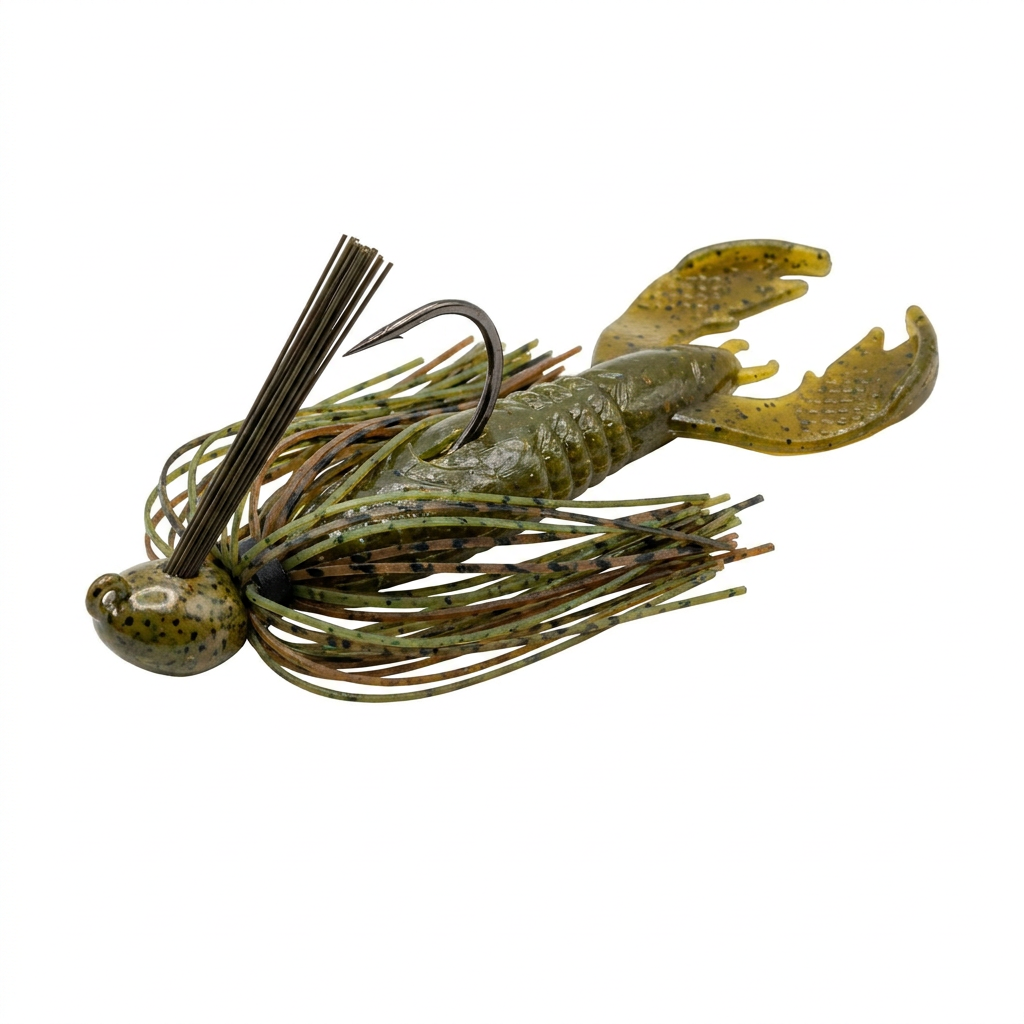
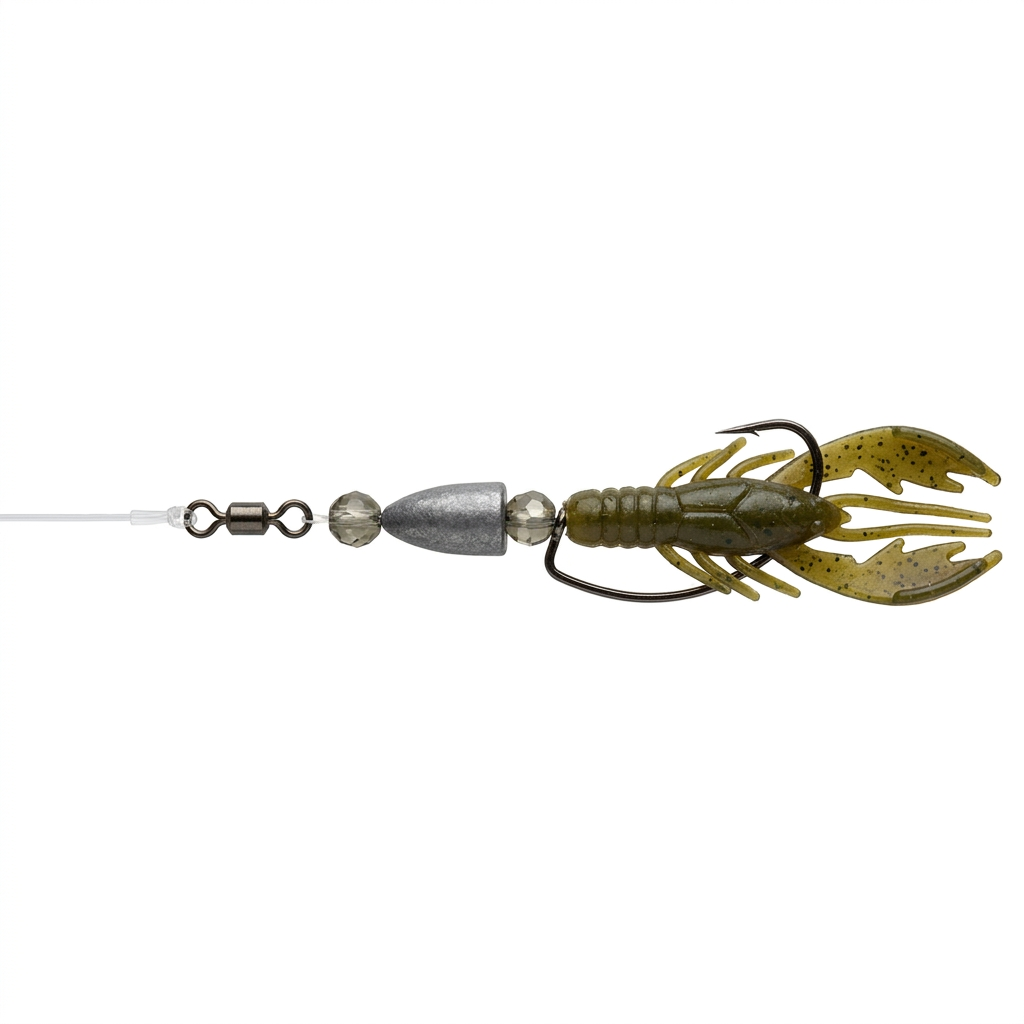
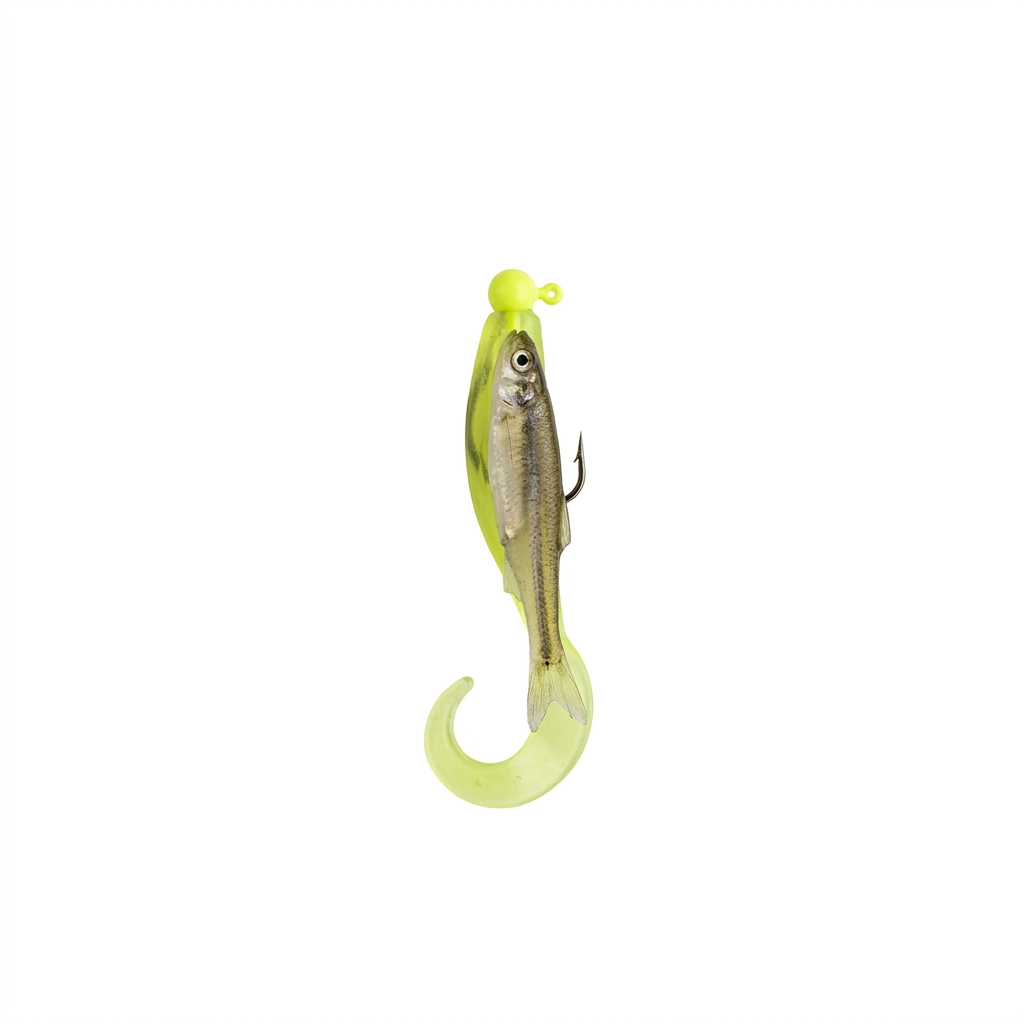
The right line matters as much as the lure. For the presentations that work on this lake, whether flipping timber, fishing main lake structure, or working deep brush, braid is the move. No stretch, more feel, and it lasts. Reaction Tackle is where I get mine.
About Lake Allatoona
Lake Allatoona is a US Army Corps of Engineers reservoir on the Etowah River in the Appalachian foothills of northwest Georgia, completed in 1950 and covering 11,860 acres across Cherokee, Bartow, and Cobb counties. It sits approximately 30 miles north of Atlanta, making it one of the most heavily visited recreational lakes in the Southeast. Despite the recreational pressure, the fishery remains productive year-round thanks to excellent rocky structure, consistent water quality management by the USACE Mobile District, and active stocking programs run by Georgia Wildlife Resources Division.
Spotted bass are the signature fish at Allatoona, and the lake's Appalachian foothills geology is the reason. The rocky chunk-rock banks, bluff walls, and hard-bottom points that define much of the Allatoona Creek and Little River arms create ideal spotted bass habitat at every depth. Georgia WRD surveys consistently rate the spotted bass population as one of the strongest in the state. Largemouth bass occupy the softer-bottom coves and creek arm backwaters, while striped bass and hybrids are stocked to take advantage of the abundant shad forage base in the main lake basin.
The lake's 270 miles of shoreline provide access to a wide range of structure types, from the steep bluff walls near the dam pool to the broad, shallow flats in the upper Etowah River arm. Multiple USACE-managed public boat ramps and day-use areas are distributed around the lake, including facilities at McKinney Campground, Sweetwater Campground, and Clark Creek South. The USACE manages the lake for flood control, water supply, recreation, and water quality, with pool levels managed seasonally.
Georgia WRD enforces fishing regulations on Lake Allatoona, including a 12-inch minimum size on all black bass with a 10-fish daily bag limit, and a 16-inch minimum for striped and hybrid striped bass. The lake has no special slot limits or trophy bass regulations. Anglers must hold a valid Georgia fishing license. The lake also hosts periodic fishing tournaments throughout the spring and summer seasons, which can affect boat traffic and shoreline access at popular areas on weekends.