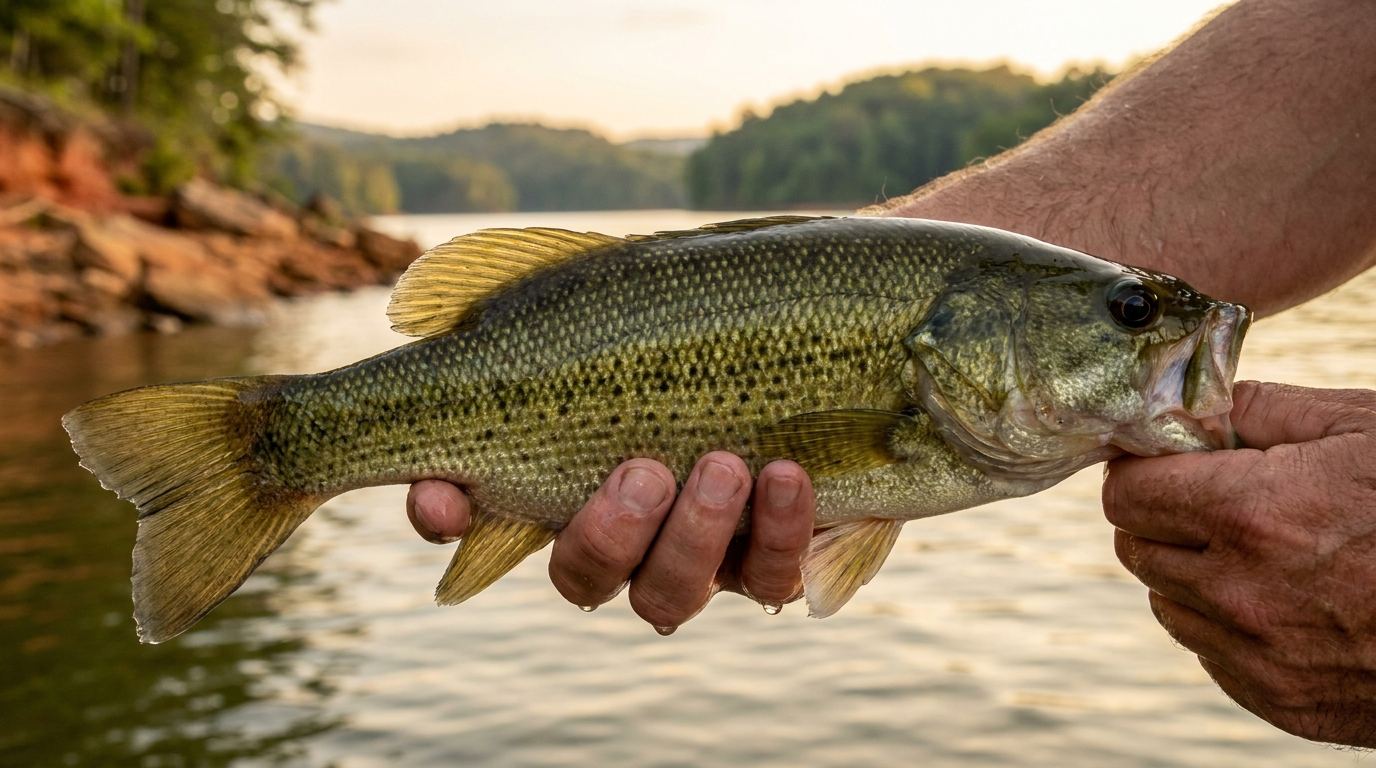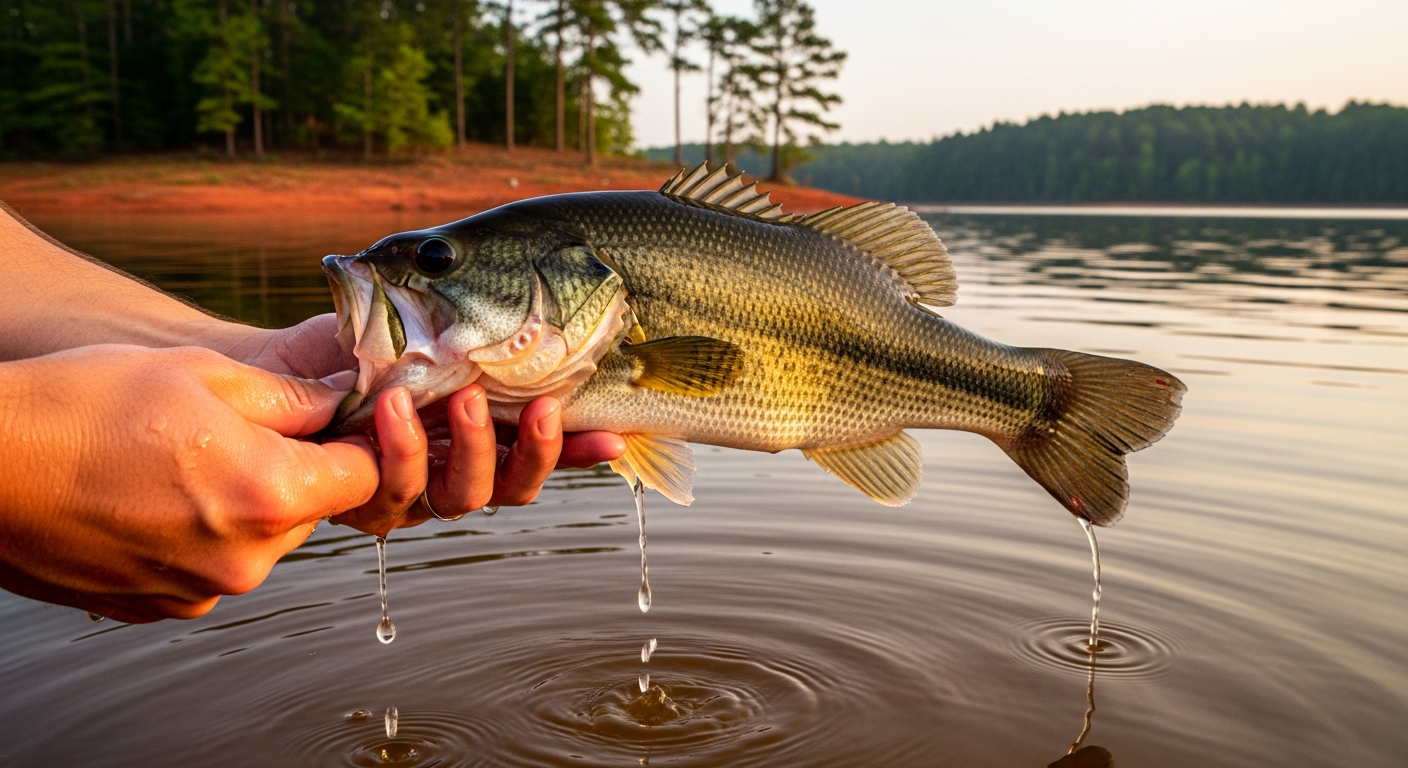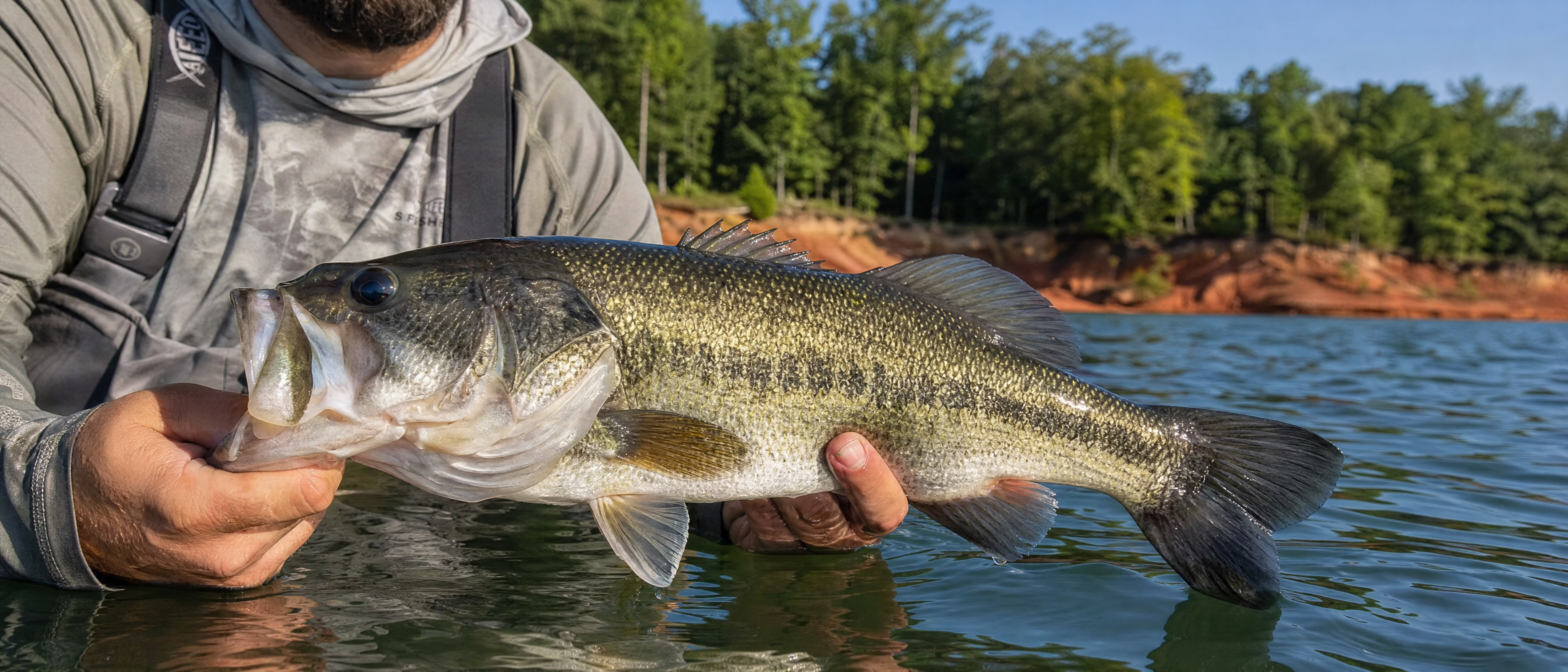
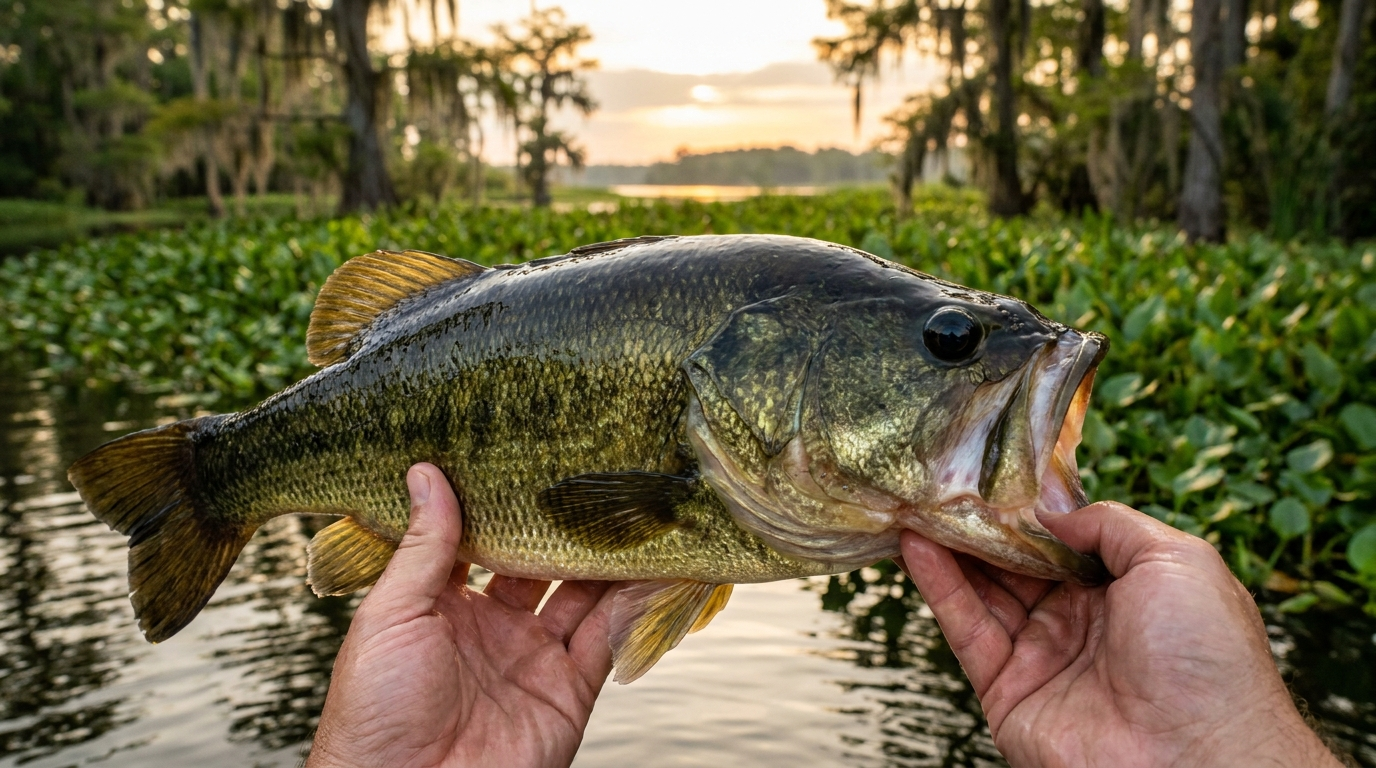
Lake Seminole is the kind of lake you make a trip for. It is not on the way to anywhere. You plan it, you drive to the Georgia-Florida line, and when you get there you understand why people keep coming back. The hydrilla coverage is like nothing I have seen on any other reservoir in the South. It is everywhere, it is thick, and it is holding bass. I have punched through mats on the upper Flint arm in June and had fish blow up on a hollow-body frog that felt like they came out of nowhere. The crappie fishing in the bridges and the dock structure around Bainbridge is equally impressive. This is a bucket-list lake for Southern freshwater anglers, and it earns that reputation every time.
Today's Bite Score · October 8, 2026
Very favorable conditions for catching fish
🌘Waning Crescent
Lake Seminole Fishing Report
October FishingMonthly fishing report · October patterns and techniques
Lake Seminole in October experiences a noticeable shift in water conditions that directly influences fish behavior throughout the 37,500-acre impoundment. Water temperatures drop into the mid-70s to low-70s Fahrenheit this month, triggering increased feeding activity as bass, catfish, and panfish adjust to changing seasonal patterns. The cooling water temperatures energize fish that may have been sluggish during summer heat, and anglers find improved conditions across the main lake channels, creek arms, and shallow flats where thermal transitions are most pronounced.
Largemouth bass are particularly active in October at Lake Seminole, holding around submerged timber, cypress trees, and the creek channel ledges that define much of the lake's structure. Spotted bass move shallower into the 8 to 15-foot range around rock formations and dock pilings. Catfish, abundant throughout Seminole's channels and deeper basins, feed aggressively this month as cooler water stimulates their appetite. Bream species including bluegill and shellcracker become more catchable on flats adjacent to deeper water where they stage before moving to winter grounds. Fish are moving with purpose, transitioning between shallow feeding areas and deeper sanctuaries.
Crankbaits and lipless shad patterns prove highly effective in October when anglers work the main channel breaks and submerged structure that Lake Seminole is known for. Shallow-diving crankbaits in 6 to 12-foot zones produce consistent bass action around the lake's standing timber. Jigs tipped with crawfish imitations excel along the deeper ledges, particularly in the lower lake near the Apalachicola River influence. For catfish, live bluegill and shad fished on the bottom in 15 to 30-foot depths yield strong results. Topwater lures early and late in the day capitalize on aggressive feeding windows as water temperatures continue their decline. Anglers find success fishing slower presentations than summer tactics require, allowing fish time to commit to lures in the clearing water. The combination of decreasing water temperature, stable lake levels, and October's extended feeding windows creates prime fishing conditions throughout the month at Lake Seminole.
Get More Fishing Report Specifics
Tap a topic button below for a report on current conditions.
Tap a topic above to get a current report for Lake Seminole.
Answers are generated on demand and cached. No AI call fires until you tap a tab.
Lake Seminole Fishing Guides
Looking for a Lake Seminole fishing guide? A Georgia-Florida border reservoir known for consistent bass fishing in vegetation and timber — guides here know the seasonal movement patterns in this Jim Woodruff impoundment that most visitors never unlock. Here are 2 fishing guides for Lake Seminole that are worth checking out.
Lake Seminole Fishing Strategies by Species
Seasonal patterns and techniques by target species · Verified against official sources
Lake Seminole is a 37,500-acre USACE reservoir formed by the Jim Woodruff Lock and Dam at the confluence of the Chattahoochee and Flint Rivers on the Georgia-Florida border. Impounded in 1957, it is one of the oldest and most productive fisheries in the Southeast, consistently ranked among the region's top destinations for largemouth bass and crappie. Approximately 70% of the lake's surface carries hydrilla coverage, giving it an exceptionally productive shallow-water habitat that supports dense bass populations. Georgia DNR regulations govern most of the lake by interstate agreement and apply to both the Georgia and Florida portions for most species. Verify current regulations at gadnr.org for the Georgia side and myfwc.com for the Florida side before fishing.
Lake Seminole Largemouth Bass Fishing Report
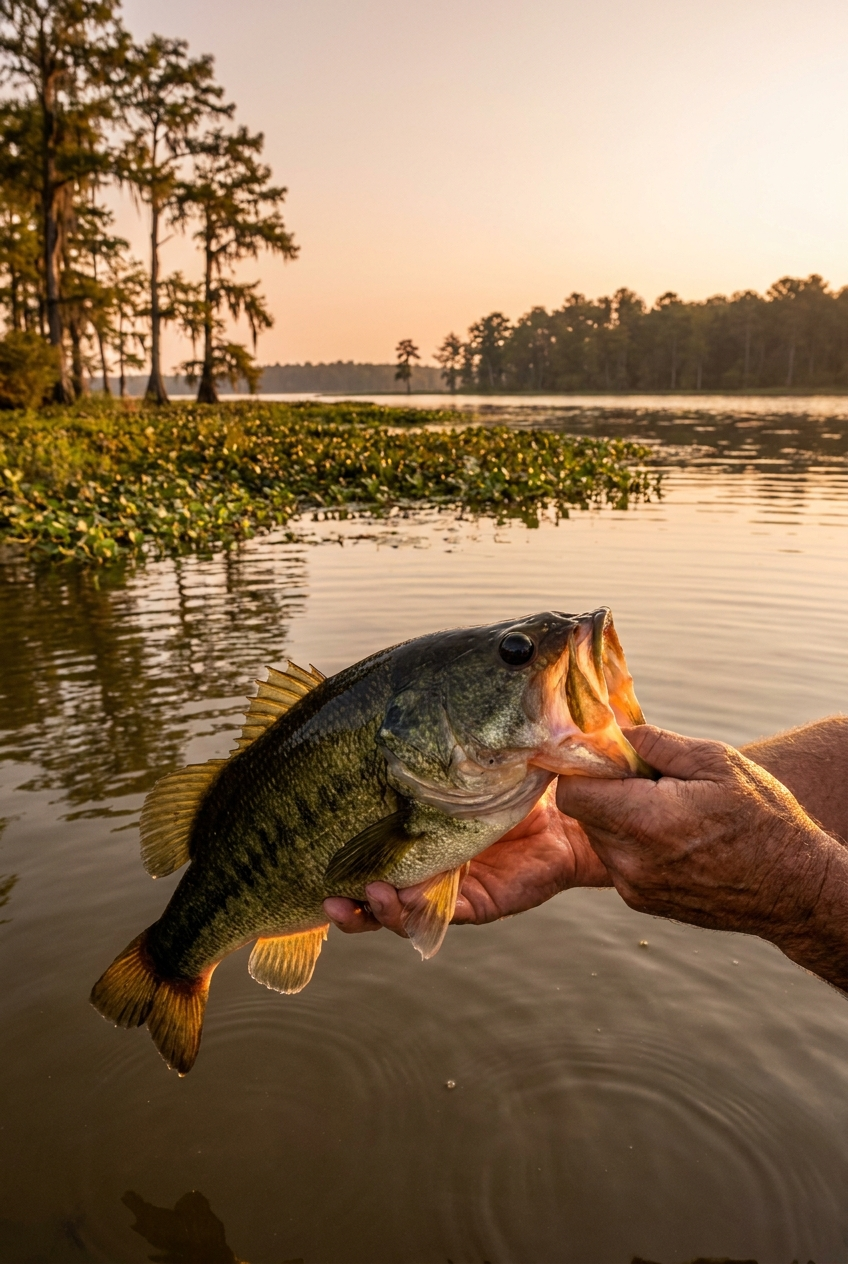
Largemouth bass at Lake Seminole benefit from one of the most hydrilla-rich environments of any major reservoir in the South. The dense submerged grass covering the majority of the lake's shallow flats creates ideal habitat for large bass populations, and the fishery consistently produces quality fish in the 3 to 6-pound range with trophy specimens available throughout the year. The shallow, stained water and heavy vegetation favor power fishing presentations, and tournament anglers from across the Southeast target Lake Seminole regularly. Georgia DNR regulation by interstate agreement: 12-inch minimum length, 10-fish daily limit. Verify current regulations at gadnr.org before fishing. Spring is peak season at Lake Seminole. Bass begin staging on the hydrilla edges in late February as water temperatures climb through the mid-50s, and the spawn peaks in March and April in water temperatures of 62 to 68 degrees. Spinnerbaits worked along the outside edges of hydrilla mats, squarebill crankbaits through the open pockets in the grass, and Texas-rigged worms punched through the thickest mats all produce spring bass. The upper Flint River arm and the Chattahoochee arm carry the heaviest hydrilla growth and the most concentrated pre-spawn bass. Summer bass at Seminole shift to the matted hydrilla in the upper arms, and hollow-body frogs and punch rigs worked through the thickest surface mats produce fish in the heat. Fall returns aggressive feeding activity along the hydrilla edges as bass chase shad through October and November.
Lake Seminole Crappie Fishing Report
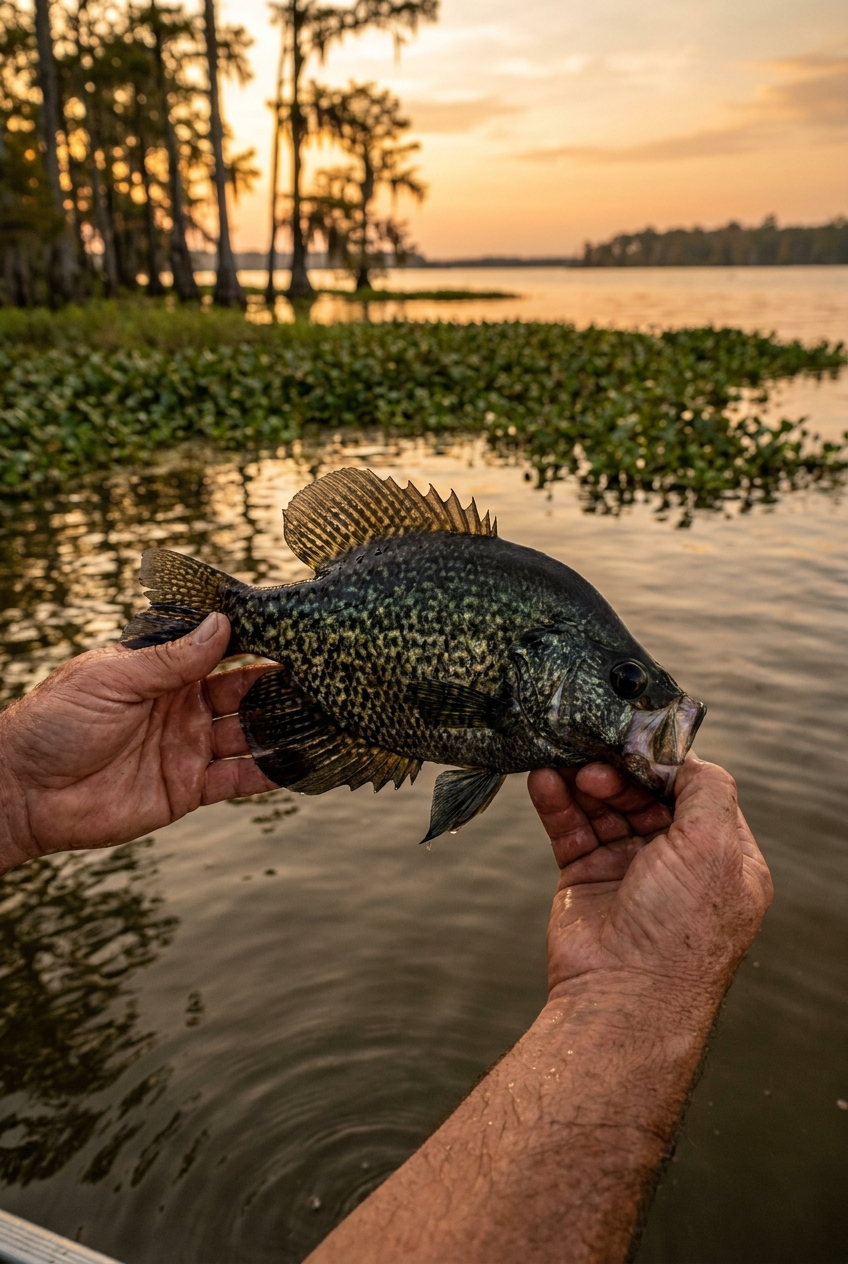
Lake Seminole is one of the premier crappie lakes in the Southeast, with both black and white crappie present in excellent numbers across the reservoir. The lake's shallow, productive water and the abundance of dock structure, bridge pilings, and flooded timber in the river arms support crappie populations that rival any major Southeastern reservoir. The bridge structure in Bainbridge, the dock communities along the upper Flint arm, and the flooded timber near the headwater zones of both river arms are the most consistently productive crappie locations. Georgia DNR regulation: no minimum size, 30-fish daily bag limit. Verify current regulations at gadnr.org before fishing. Spring is the best time to target crappie at Lake Seminole. Fish move from 8 to 12-foot winter holding areas into the shallower dock pilings and flooded timber from late February through April, staging in 3 to 6 feet before spawning on brush and woody structure. Small tube jigs and crappie jig-minnow combinations worked vertically around the Bainbridge bridge pilings and the dock structure in the Spring Creek area are the most reliable spring presentations. Live minnows suspended under a cork are effective for bank anglers at the public access areas near the bridge crossings. Summer crappie push deeper to 8 to 15 feet and suspend under the larger dock structures during peak heat. The bite is best before 9 a.m. and after 5 p.m. from June through August. Fall crappie return to the shallower structure through October.
Lake Seminole Striped Bass Fishing Report
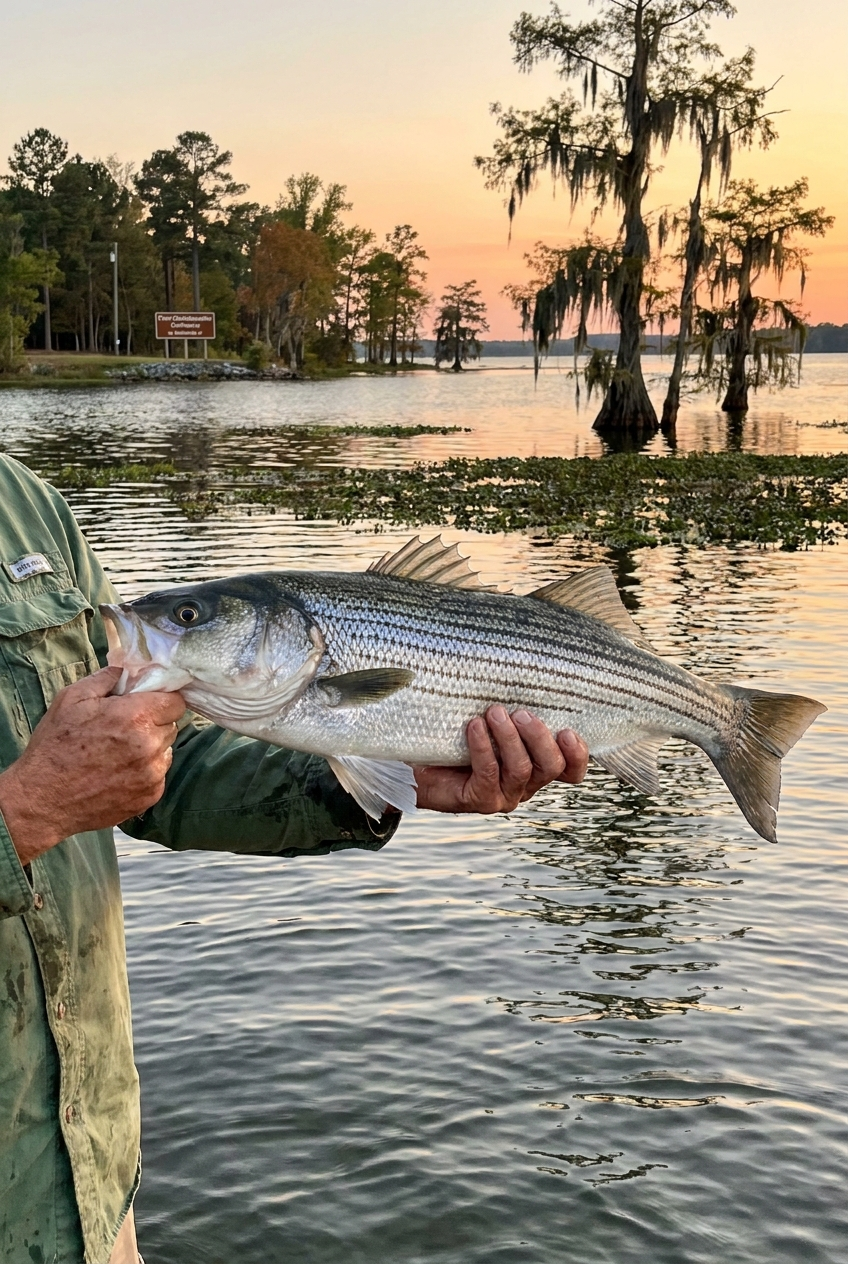
Striped bass at Lake Seminole are a put-and-grow stocked fishery supported by annual fingerling plants from Georgia DNR of 300,000 or more fish per year. The stocking program maintains a fishery that would otherwise be unsustainable in a lake without accessible river spawning runs adequate for natural reproduction. Stripers at Seminole are most commonly found in the lower lake near the dam and in the deeper water of the main channel intersections in both river arms, where cooler, more oxygenated water concentrations hold fish during the summer. Live shad, umbrella rigs, and large swimbaits are the primary presentations for striped bass. Georgia DNR regulation: combined striped, white, and sunshine bass limit of 15 per day with no more than 2 fish at 22 inches or longer. Verify current regulations at gadnr.org before fishing. Spring and fall are the most productive seasons for striped bass at Lake Seminole. As water temperatures drop in October and November, stripers move from the deeper channel zones into the open water of the lower lake and begin chasing shad schools near the surface. Topwater presentations and large crankbaits thrown into surface-schooling fish produce fast action during fall striper blitzes near the dam. Winter and early spring find stripers stacked near the deepest water in the river channel bends, where live shad fished on the bottom or slow-trolled umbrella rigs produce the most consistent results before summer heat pushes fish back into deep refugia.
Lake Seminole Bluegill Fishing Report
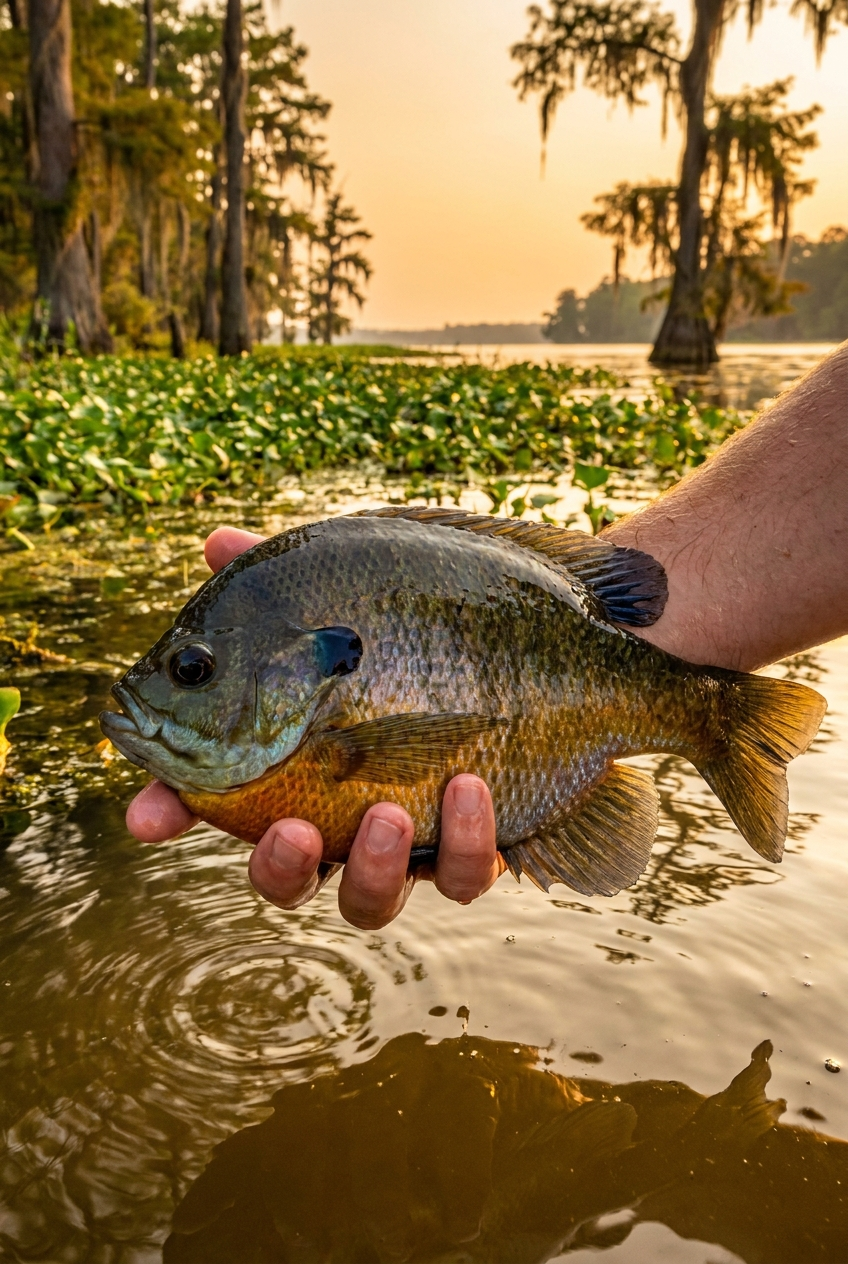
Bluegill are abundant throughout Lake Seminole and provide some of the most accessible and family-friendly fishing on the reservoir. The lake's shallow hydrilla flats and the shoreline vegetation in the upper river arms hold dense bluegill populations, and bank anglers at the public access areas around Bainbridge and at Faceville Landing can catch them throughout the warm months on small live baits and lightweight jigs. Crickets, red worms, and small grubs fished beneath a float in 2 to 5 feet near the vegetation edges and dock pilings produce consistent bluegill. No size minimum, no daily bag limit under Georgia DNR regulations. Verify current regulations at gadnr.org before fishing. Bluegill at Seminole are most active and most accessible from April through September. The shallow hydrilla flats in the upper arms warm quickly in spring, and bluegill move into these areas early in the season. The spawn runs from late April through June as water temperatures approach 70 degrees, and fish stack on sandy or gravel pockets in 1 to 3 feet near emergent vegetation and dock pilings. This spawning concentration produces the fastest action of the year on small hooks baited with crickets or small pieces of worm. Summer bluegill shift slightly deeper to the 3 to 6-foot zone along the outer hydrilla edges during peak heat but remain catchable throughout the day. Fall bluegill stay active and cooperative through October before the bite slows in winter.
Lake Seminole Channel Catfish Fishing Report
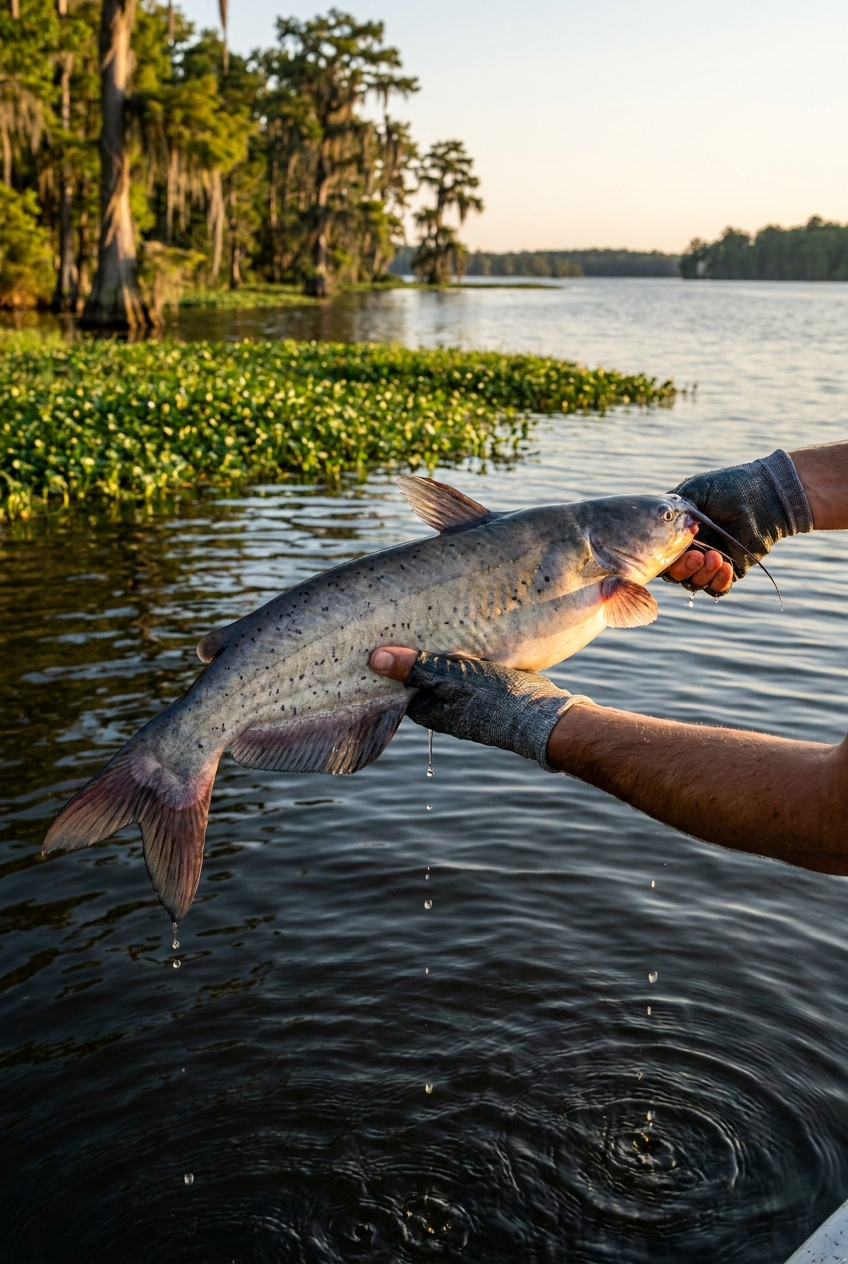
Channel catfish are plentiful throughout Lake Seminole and are a major target for bank anglers at the various public access points around the reservoir. The river arms of the Chattahoochee and Flint hold the densest catfish populations, and the channel bends and deeper flat transitions in both arms are the most productive catfishing locations. Cut shad, chicken liver, and stink baits fished on the bottom in 4 to 10 feet of water produce consistent channel cat action throughout the warm months. Night fishing from the bank at Faceville Landing and the USACE access areas near Bainbridge is especially productive from May through September. Georgia DNR regulation: no daily bag limit and no size minimum for channel or flathead catfish. Verify current regulations at gadnr.org before fishing. Spring channel catfish fishing begins in earnest at Seminole as water temperatures approach 60 degrees in March, with fish moving into the shallower flat areas ahead of the spawn. The lower stretches of both river arms, where the channel transitions from deeper water into the broad shallow flats, are the prime spring catfishing zones. Summer is peak season for bank catfishermen, and the public access ramps and flat grassy banks along the river arms see heavy overnight pressure. The lack of a bag limit makes Lake Seminole an attractive destination for catfish harvest anglers. Fall catfishing remains productive through November, and the channel bends near the dam area hold larger fish as the season progresses.
Lake Seminole Chain Pickerel Fishing Report
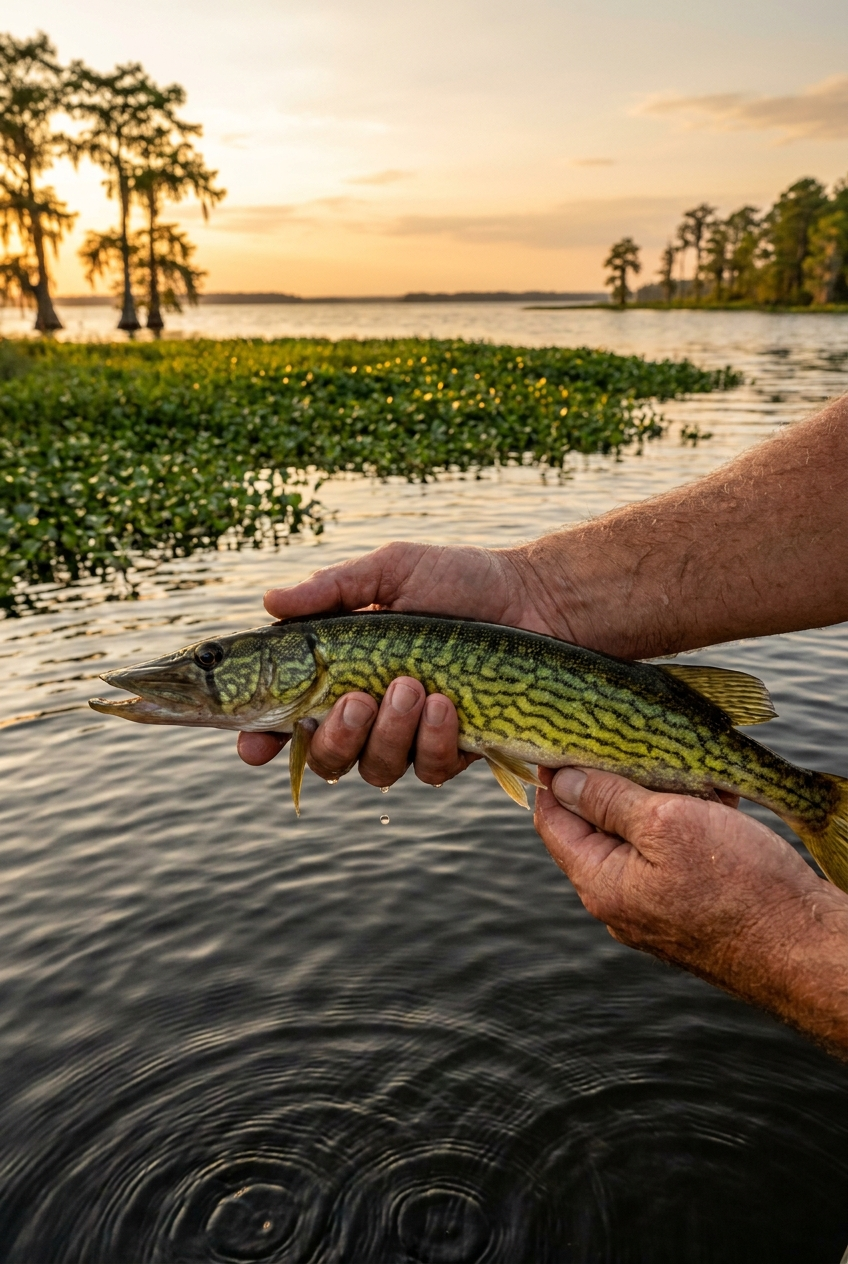
Chain pickerel are a native predator at Lake Seminole that thrive in the lake's shallow, heavily vegetated environment. The species favors exactly the kind of dense hydrilla and emergent shoreline vegetation that covers most of Seminole's upper arms, and they are present in numbers that make them a reliable incidental catch for bass anglers and an intentional target for dedicated pickerel fishermen. Pickerel at Seminole are found primarily in the shallowest zones of the upper Flint and Chattahoochee arms, in water under 5 feet with dense hydrilla or emergent grass. Fast-retrieve spinnerbaits, slender swimbaits, and small crankbaits worked through the vegetation pockets draw aggressive strikes from chain pickerel throughout the year. Georgia DNR: no size minimum, no daily bag limit for chain pickerel. Verify current regulations at gadnr.org before fishing. Fall and winter are the best seasons to specifically target chain pickerel at Lake Seminole. As water temperatures drop below 65 degrees in October and November, pickerel become more actively aggressive along the vegetation edges and are easier to locate as the hydrilla begins to pull back slightly from the surface. Winter pickerel fishing can be excellent on mild days from November through February, as the species tolerates cold water much better than largemouth bass and continues feeding when bass activity slows. Small jerkbaits and spinnerbaits fished along the remaining green hydrilla edges produce consistent pickerel through the cooler months. Spring pickerel spawn in the shallows in late winter and early spring, and the fish are particularly aggressive and catchable in February and March before water temperatures climb above 60 degrees.
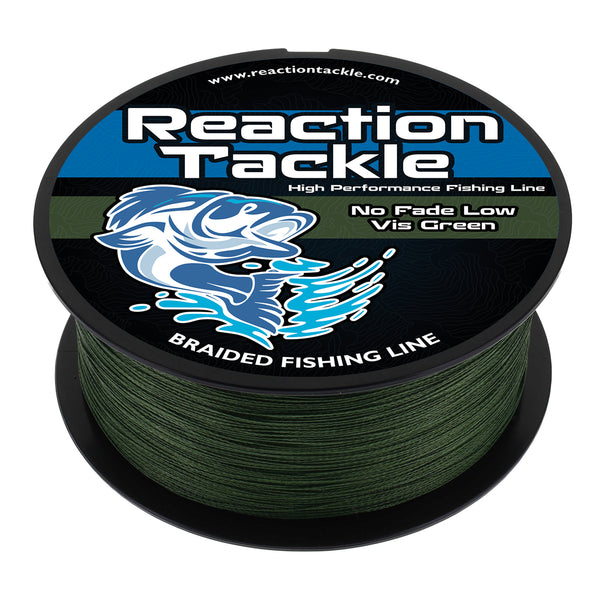
Before you head out, check your line. If it's been sitting on the reel all winter or has seen a lot of rocks and timber, it's worth replacing before a serious trip. I order most of my braid from Reaction Tackle and have been happy with it.
Top Fish to Target in Lake Seminole
Lures for Lake Seminole
Tackle matched to this lake's species and structure.
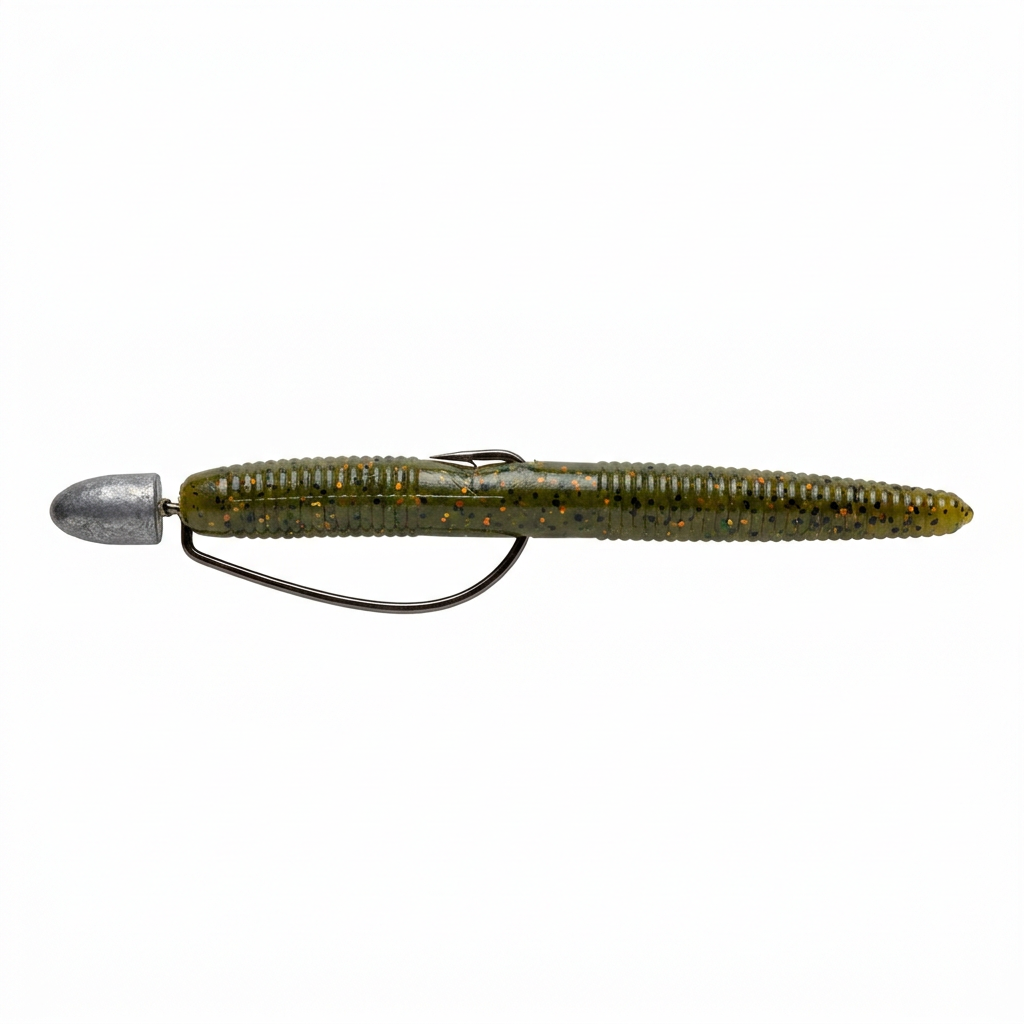
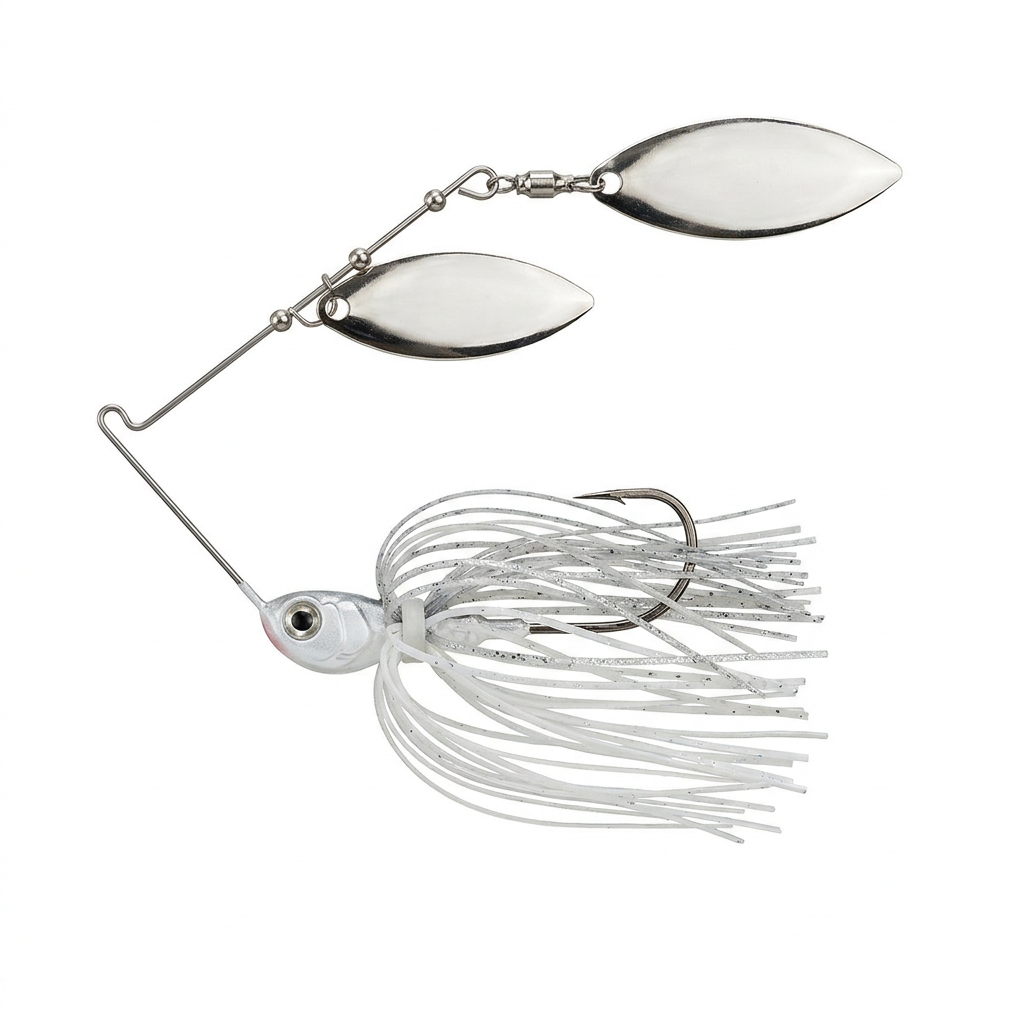
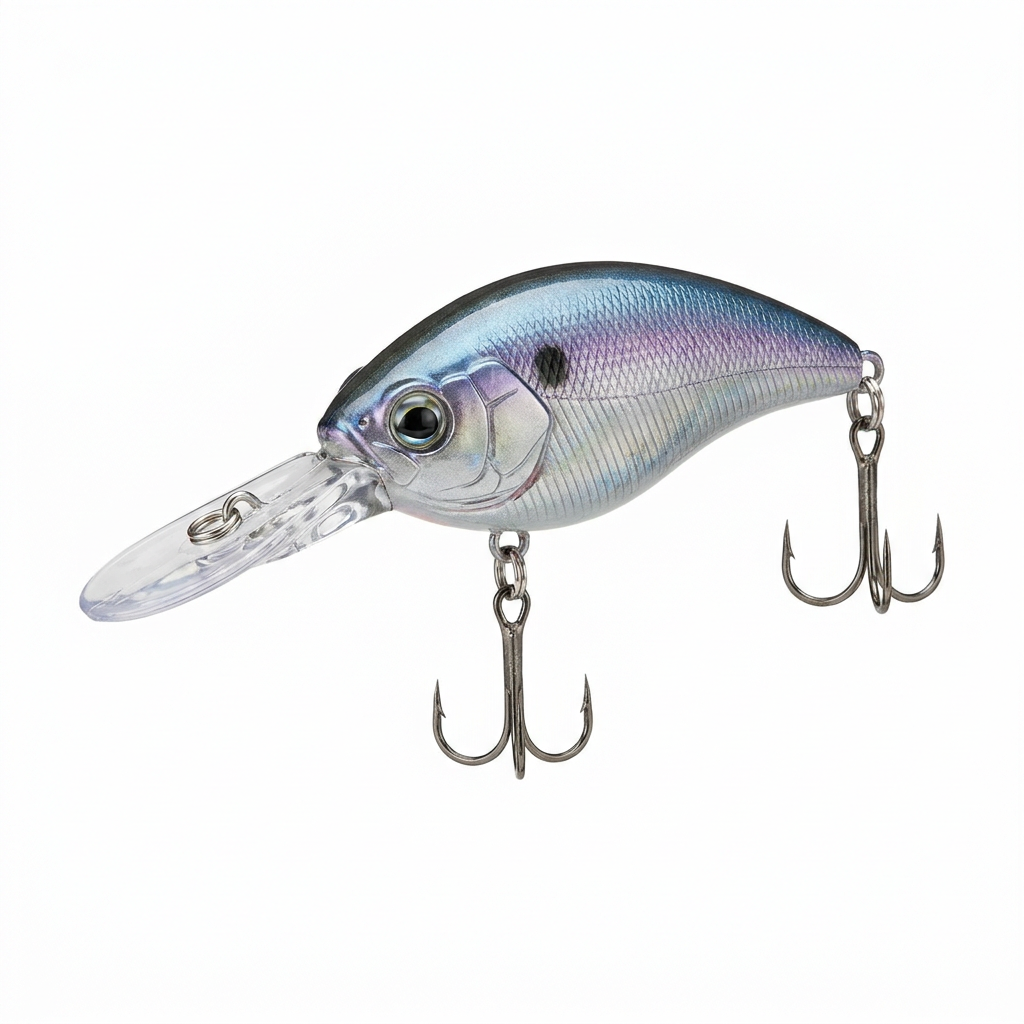
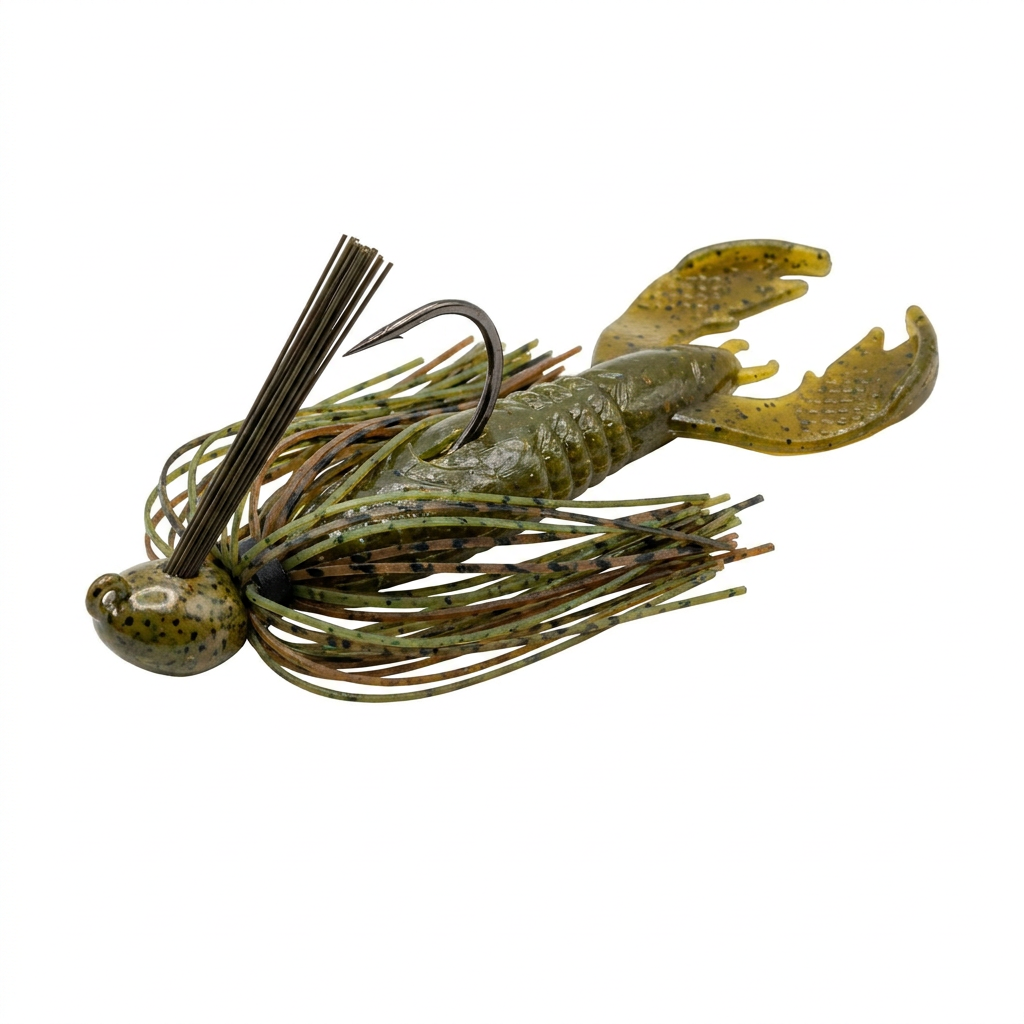
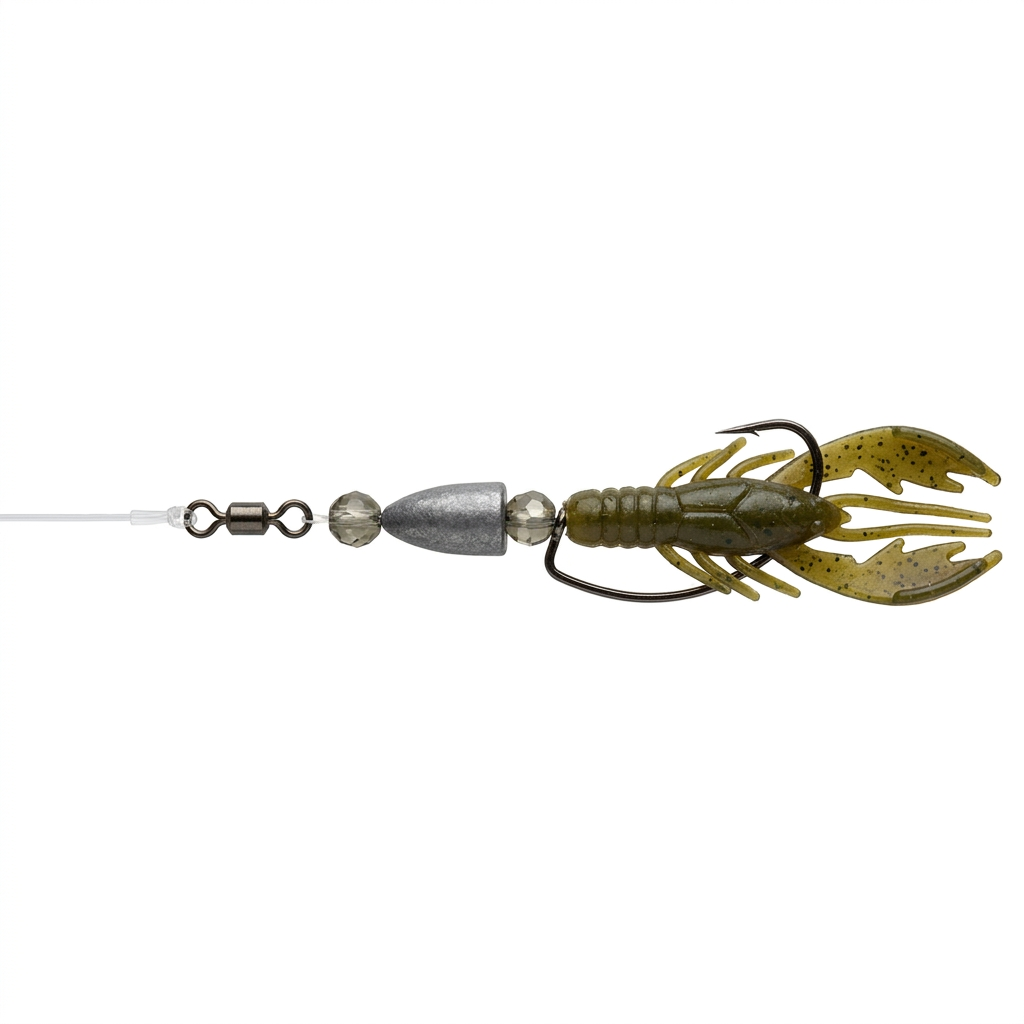
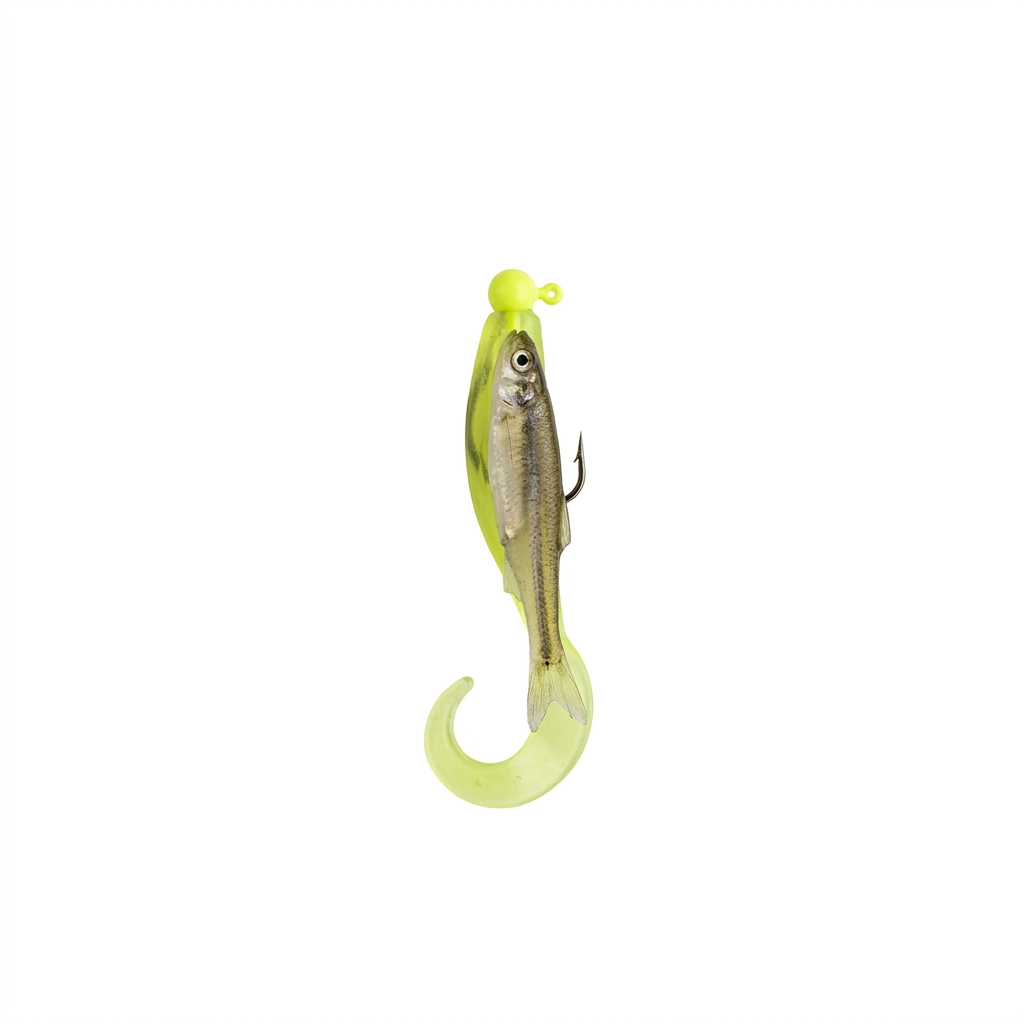
One thing I always check before a big trip is my main line. For most of the presentations that work here, you want braid. The sensitivity makes a real difference, especially when fish are finicky. I've been ordering from Reaction Tackle for a while now and haven't looked back.
About Lake Seminole
Lake Seminole sits at the bottom corner of Georgia where the Chattahoochee and Flint Rivers converge and cross into Florida. The Jim Woodruff Lock and Dam backed that confluence into a 37,500-acre reservoir in 1957, and the Southeast has had one of its best bass fisheries ever since. The lake averages only about 10 feet deep, which means sunlight penetrates almost to the bottom across most of the reservoir, and the result is a hydrilla growth rate that covers roughly 70% of the lake's surface area. That is the engine behind everything good that happens here. Dense grass, shallow warm water, and two productive river systems feeding in from the north create conditions that largemouth bass, crappie, and bluegill exploit to the fullest.
Regulations and interstate management. Lake Seminole straddles the Georgia-Florida state line, but Georgia DNR regulations govern the majority of the lake's fishery by an interstate agreement that has been in place for decades. For practical purposes, most anglers fishing Seminole should check gadnr.org first. The Florida portion is managed by the Florida Fish and Wildlife Conservation Commission (myfwc.com). Largemouth bass: 12-inch minimum, 10 per day. Crappie: no minimum, 30 per day. Combined striped, white, and sunshine bass: 15 per day, no more than 2 at 22 inches or longer. Channel and flathead catfish: no minimum, no bag limit. Always verify at gadnr.org and myfwc.com before fishing.
The hydrilla factor. More than any other single characteristic, the hydrilla coverage at Lake Seminole defines the fishery. At peak growth, which runs from late spring through fall, the submerged grass extends from the lake bottom nearly to the surface across most of the shallow flats and both river arms. Tournament anglers prize this environment for the quality bass it concentrates. Shallow running presentations like frogs, hollow-body swimbaits, and punch rigs through the matted surface growth are the most effective methods when grass is at peak density. The hydrilla also holds the enormous crappie and bluegill populations that make non-bass fishing at Seminole equally compelling.
Access and lodging. Bainbridge, Georgia is the primary base of operations, with multiple marinas, fishing guides, and lodging options. Faceville Landing and the USACE-managed areas around the lake provide public boat ramps and bank fishing access. The Spring Creek arm, the Chattahoochee arm north of the dam, and the upper Flint arm are the three main geographic zones anglers navigate. Guide services based in Bainbridge offer half-day and full-day trips and are the fastest way to learn the lake's seasonal patterns if you are visiting for the first time.