I actually fished Lake Lanier as a kid on a family vacation, and what I remember most is how beautiful it was: clear water, granite shoreline, stunning country. I didn't know enough about fishing then to appreciate what I was sitting on. I've been wanting to get back ever since.
Today's Bite Score · October 8, 2026
Very favorable conditions for catching fish
🌘Waning Crescent
Lake Lanier Fishing Report
Updated September 11, 2026Synthesized from current fishing reports · Updated weekly
Lake Lanier is running 5.84 feet below full pool right now, with water temperatures holding steady in the 84-86 degree range and clear conditions across the main lake. The lake remains in its deep-summer pattern this week, with stripers scattered throughout the deeper creek and river channels as they seek cooler water.
Anglers are finding consistent striper action across the lake right now. Trolling is proving to be the most effective and productive technique this week for locating and catching fish as they remain spread out in deep channels. Guides are reporting solid striped bass catches on back-to-back trips, with both stripers and spotted bass contributing to the daily action.
Right now, focusing your efforts on the deep creek and river channel systems is your best bet this week. The bait bite remains active, and persistence in working the deeper structures where stripers are holding will put fish in the boat. Current conditions favor anglers who are mobile and willing to cover water rather than staying pinned to one location.
Get More Fishing Report Specifics
Tap a topic button below for a report on current conditions.
Tap a topic above to get a current report for Lake Lanier.
Answers are generated on demand and cached. No AI call fires until you tap a tab.
Lake Lanier Fishing Guides
Looking for a Lake Lanier fishing guide? The deep spotted bass on Lanier's underwater humps and the striper run in spring are both highly seasonal — a guide knows which bite is worth chasing on any given trip. Go here → to check out our recommended fishing guides for Lake Lanier. Then scroll down on that page to see all of the Lake Lanier fishing guides.
Lake Lanier Fishing Strategies by Species
Seasonal patterns and techniques by target species · Verified against official sources
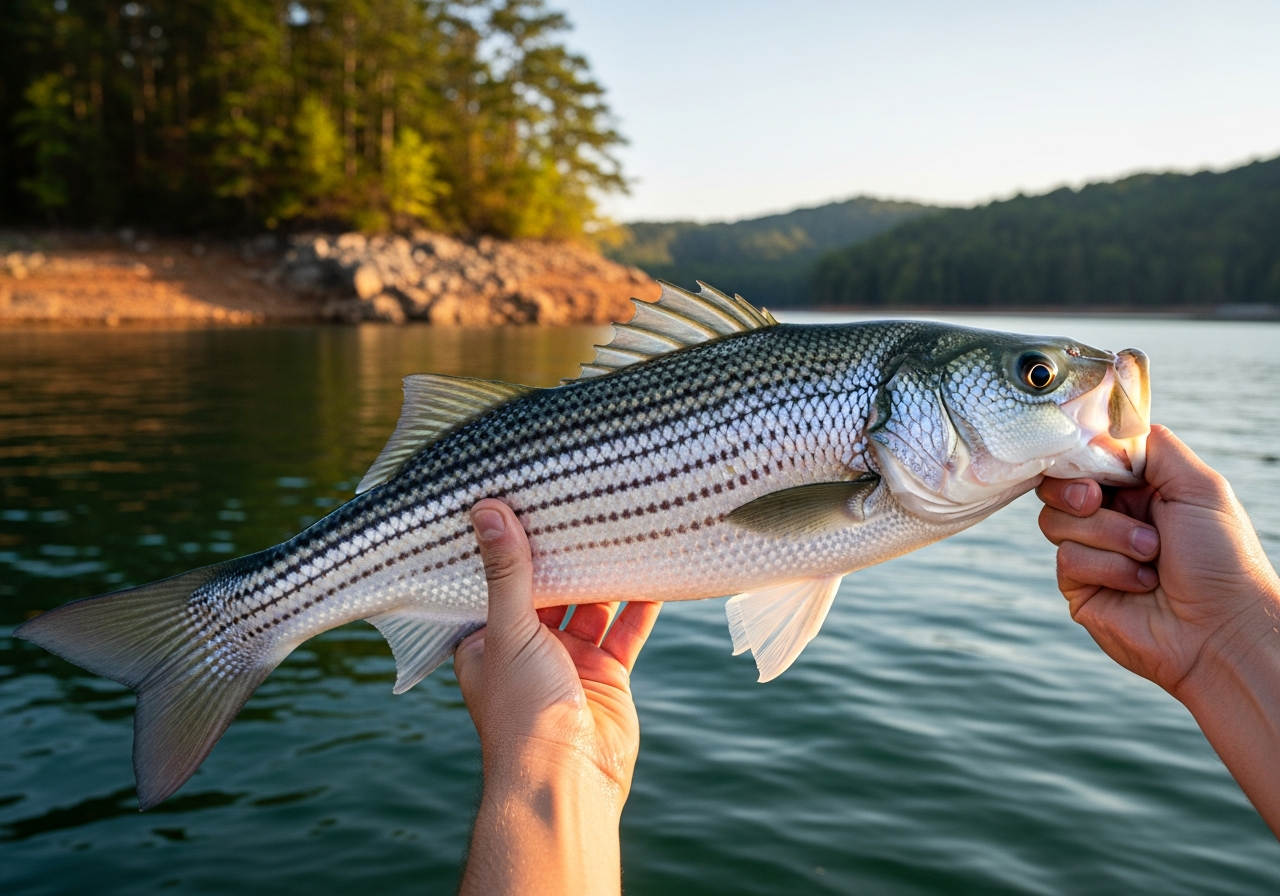
Striped bass and spotted bass are the two species that define fishing on Lake Lanier. Stripers are stocked annually by Georgia DNR and most accessible in the Chestatee and Chattahoochee arms in spring (fish stack in 8 to 20 feet on current seams in April and May), then push to 40 to 70 feet at the thermocline near Buford Dam and the Balus Creek channel by July. Spotted bass are the most consistently catchable fish in the lake, tied to chunk-rock main lake points and the structure near Brown's Bridge year-round: 8-pound fluorocarbon on a spinning rod with a drop-shot or tube jig is the standard approach. The striper season runs May 1 through October 31 with a daily bag of 15, but only 2 may be 22 inches or longer. The combined bass bag limit is 10 fish with a 14-inch minimum.
Lake Lanier Striped Bass Fishing Report
The Georgia DNR runs Lake Lanier's striped bass fishery as a put-and-take operation, stocking annually to maintain the population. The season runs May 1 through October 31. The 2025 regulation allows 15 striped bass per day, but only 2 of those may measure 22 inches or longer. That size restriction protects the larger class fish while allowing harvest of the smaller stockers. The spring opener in May catches fish that have moved shallow in response to warming water. The Chestatee River arm and the Chattahoochee arm above the Highway 53 bridge both hold stripers in April and May. Fish stack in 8 to 20 feet on current seams where the river channel meets the lake bottom. Live gizzard shad or large swimbaits worked on the swing take fish during this window. Summer pushes stripers deep. By July, fish suspend at the thermocline: typically 40 to 70 feet down in the main lake channels and deep trenches near Buford Dam. Downriggers with live threadfin shad at the marked depth account for most of the summer catch. The water clarity on Lanier means fish can see a long way, and leader selection matters more than on stained Southeast reservoirs. Twenty-pound fluorocarbon is standard. The Balus Creek channel, the main lake near Brown's Bridge, and the deep water off Vanns Tavern all produce stripers in summer when you have graph marks on fish suspended in the thermocline. The bite window is early: first light to 9 a.m. before the heat builds and the boat traffic picks up on a lake that sees heavy recreational use through summer.
Lake Lanier Spotted Bass Fishing Report
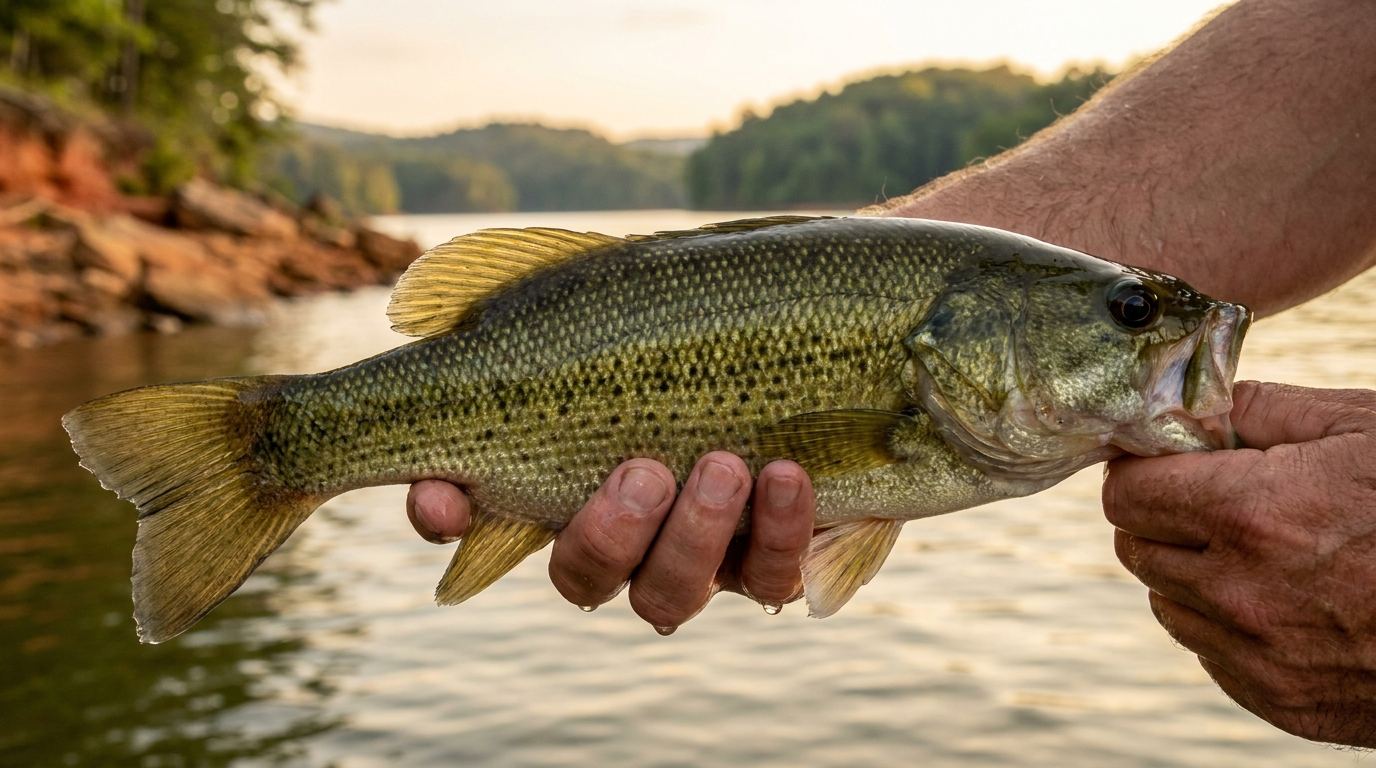
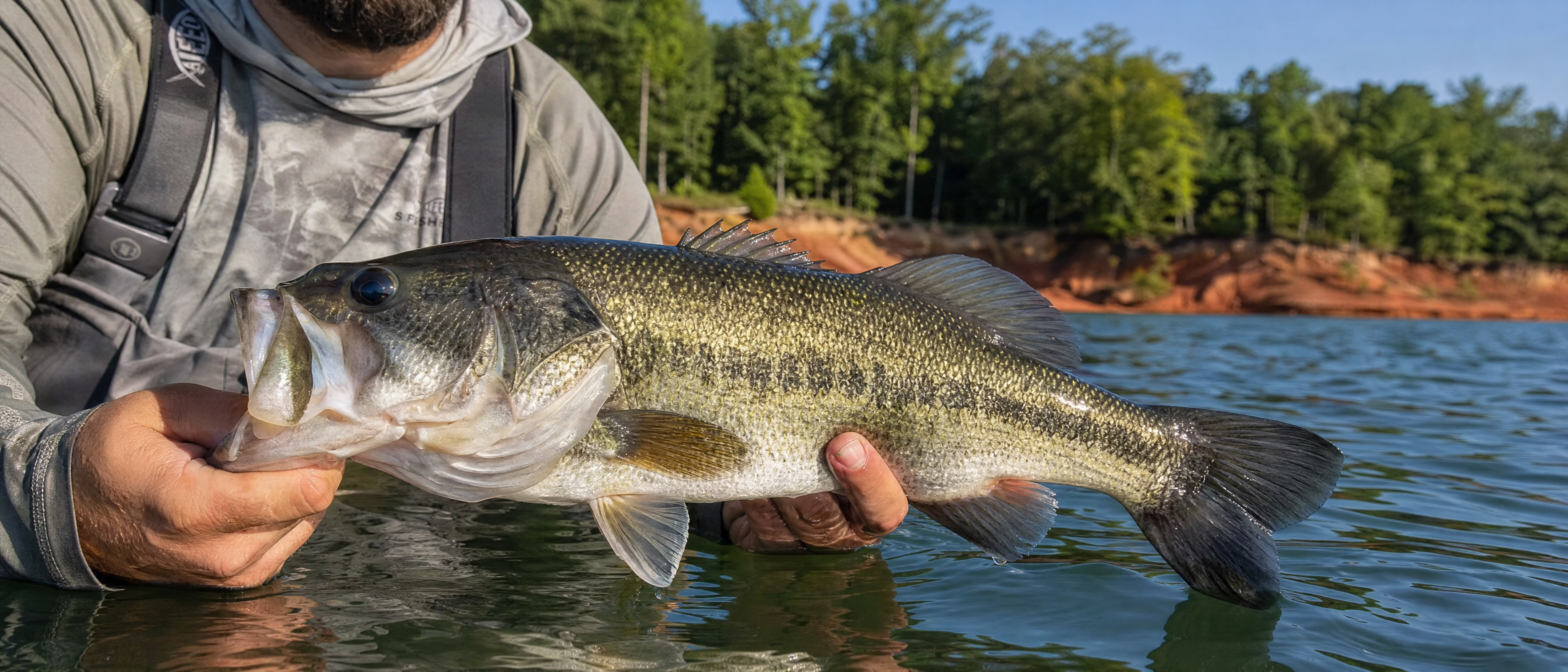
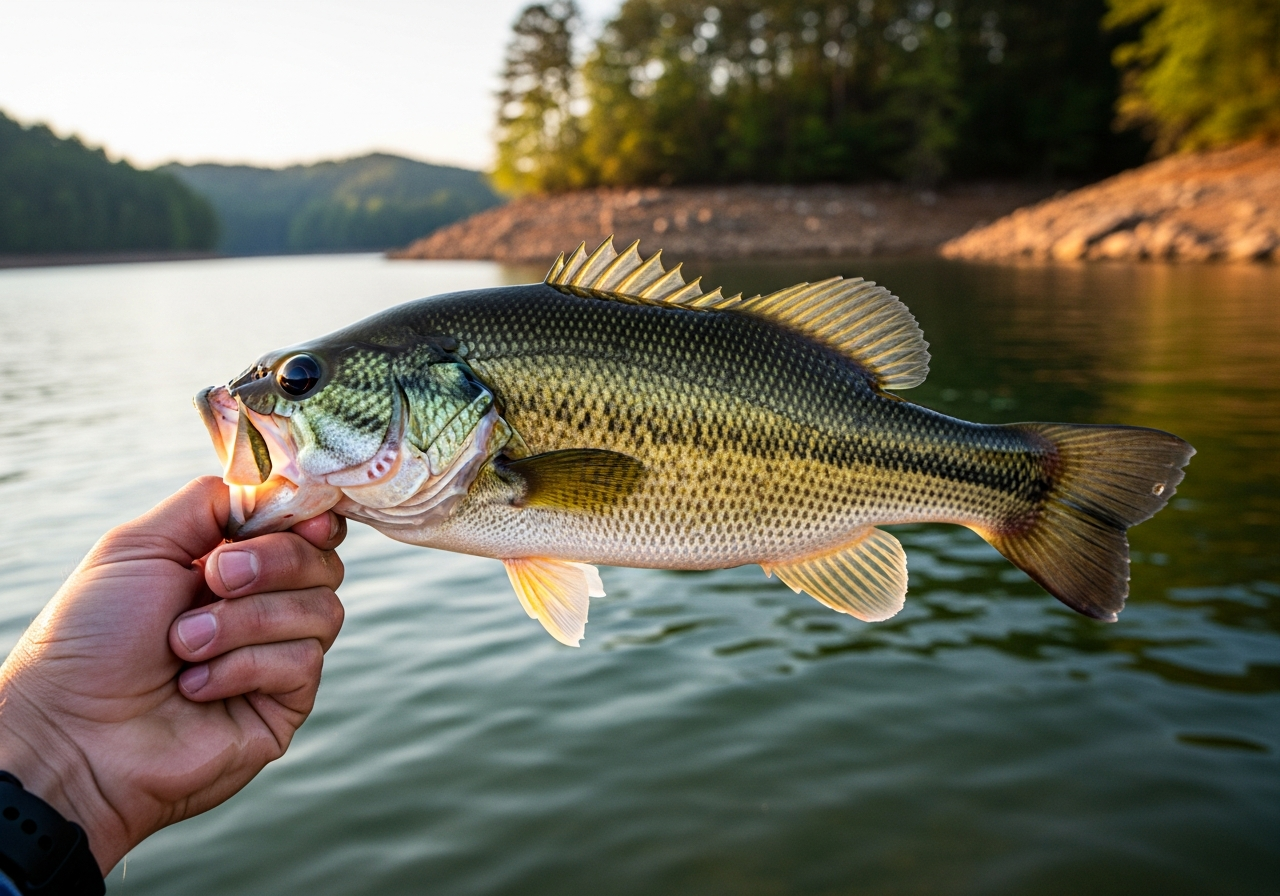
Spotted bass are the most consistently catchable fish in Lake Lanier and the species that rewards anglers who understand the lake's structure. The 14-inch minimum and 10-fish combined daily bag limit for all black bass apply here. Spotted bass outnumber largemouth in most of the main lake, and fish in the 2 to 4 pound range are common. The lake record has pushed past 5 pounds. The clear water and rock bottom define how you fish for spots on Lanier. Main lake points with chunk rock, submerged riprap at old road crossings, and dock pilings over 15 feet of water are the primary holding structure. These fish are line-shy: 8-pound fluorocarbon on a spinning rod is the standard approach, not the option you fall back to when finesse is required. Drop shots rigged with 4-inch straight-tail worms in green pumpkin or watermelon red account for the most fish year-round. Spotted bass on Lanier respond better to a bait sitting still at their depth than to a bait moving through their zone. A tube jig on a ball-head dragged slowly over the rock bottom produces through summer when fish are holding 18 to 30 feet. The area around Brown's Bridge, the rocky points between Clarks Bridge and Six-Mile Creek, and the main lake structure near the dam all hold spots through the summer. These fish don't move as aggressively with season as largemouth: they stay tied to the same rock structure year-round.
Lake Lanier Largemouth Bass Fishing Report
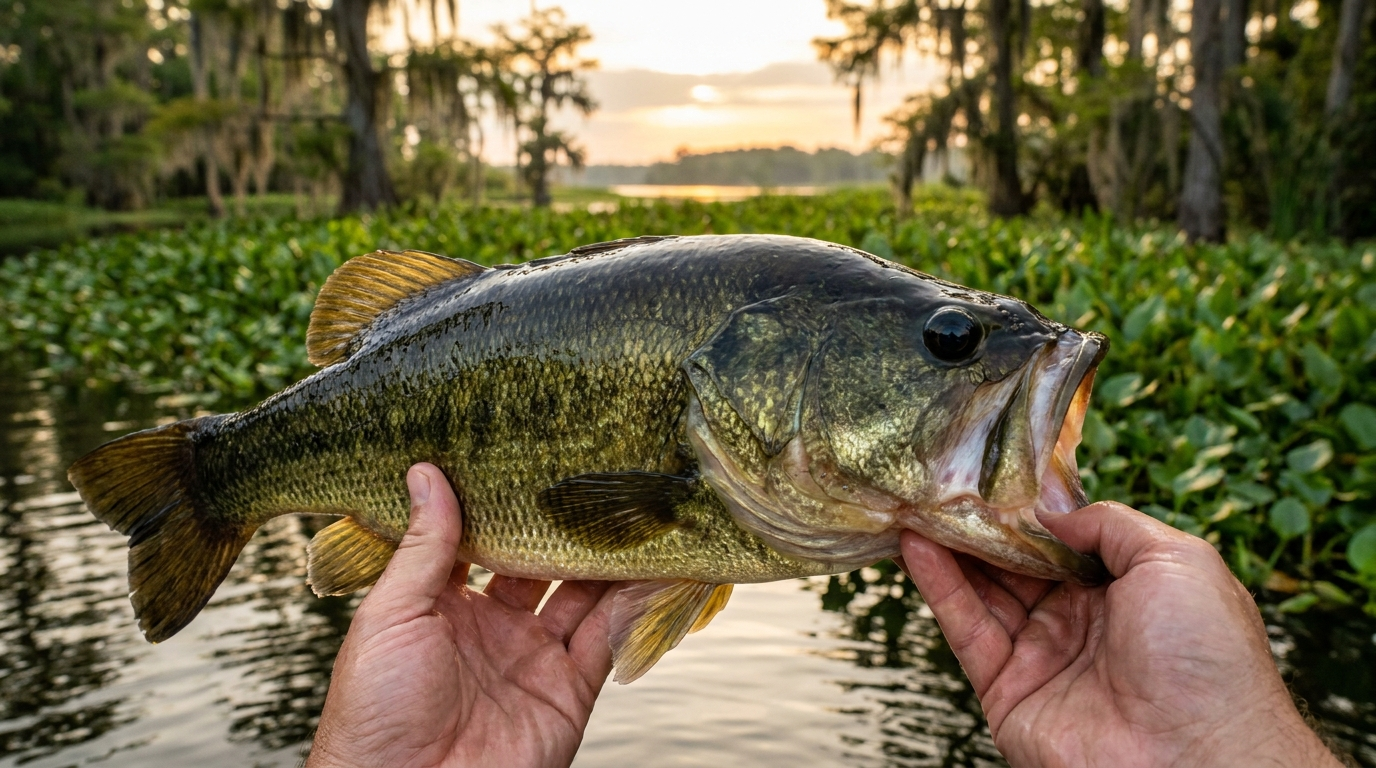
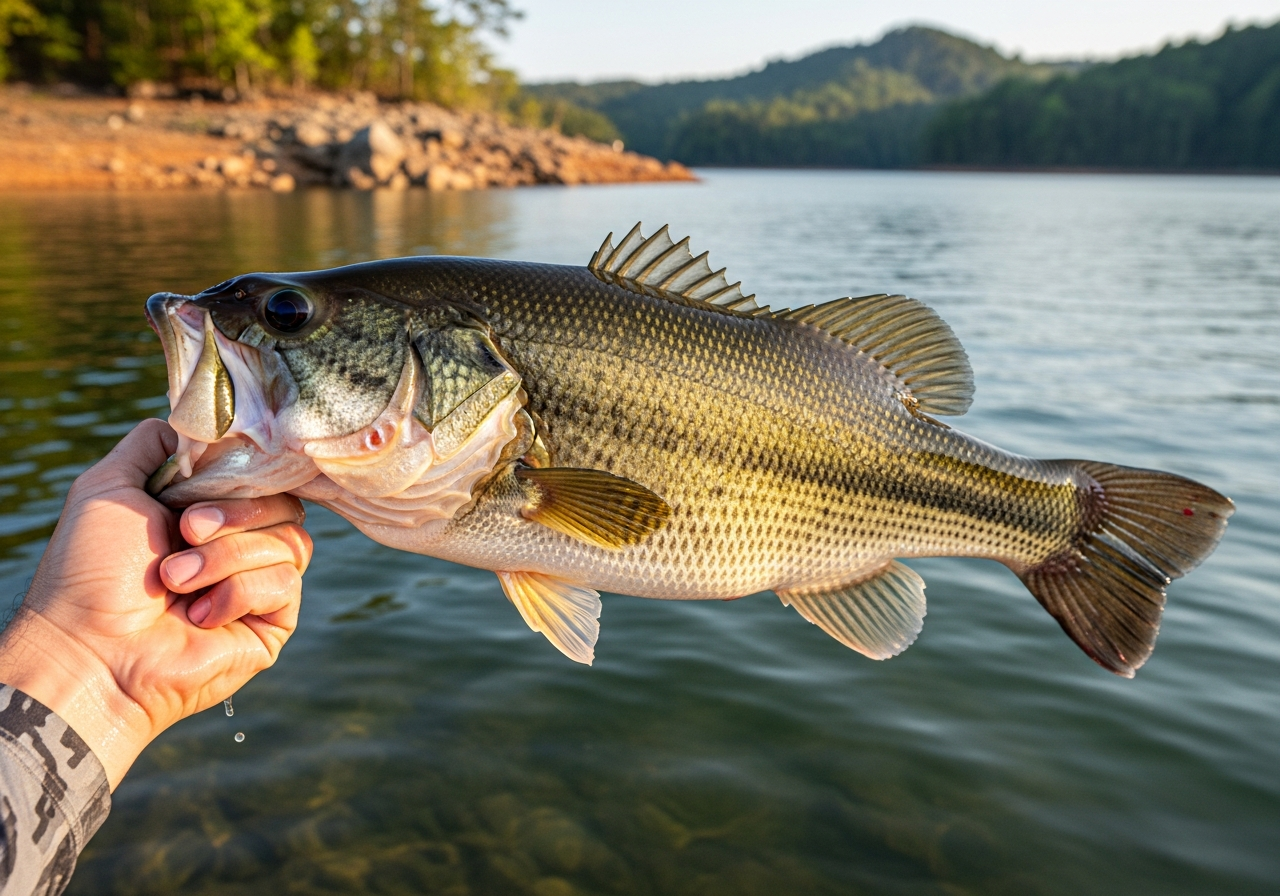
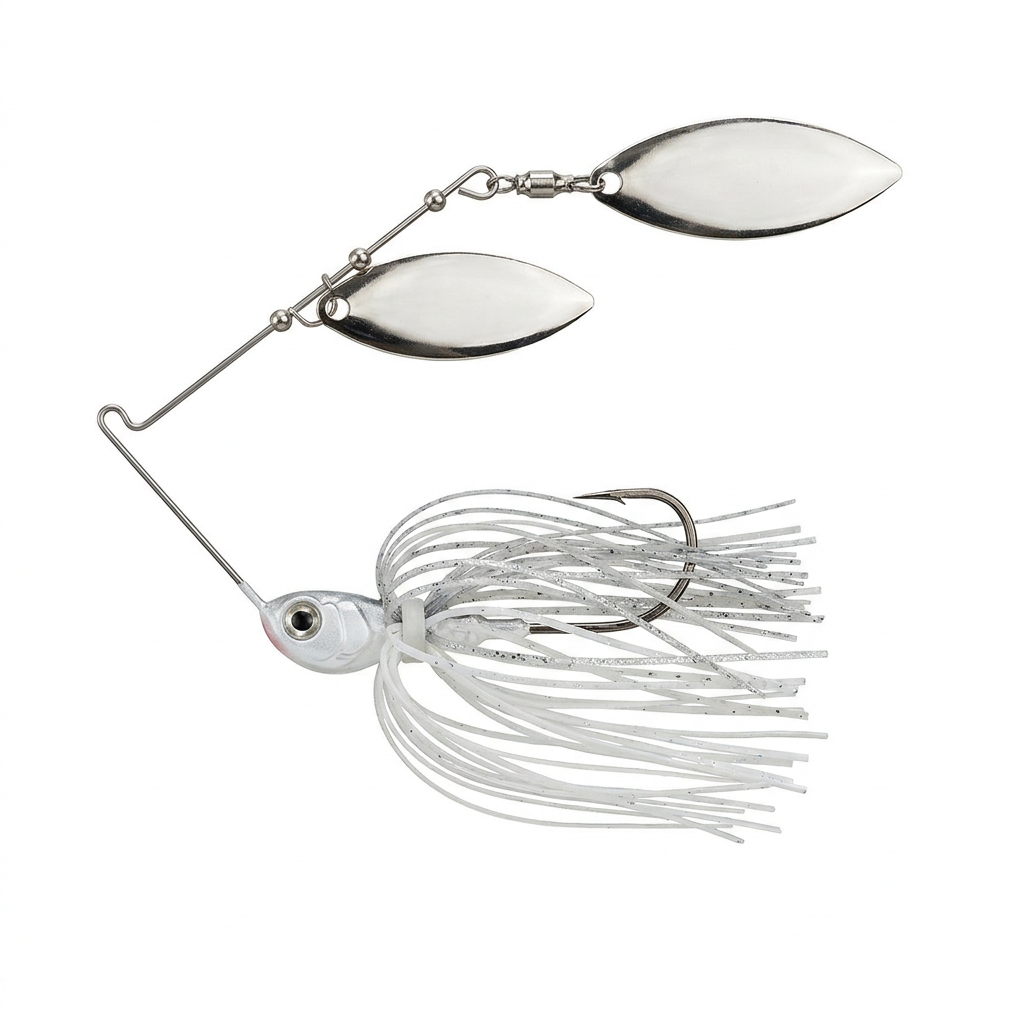
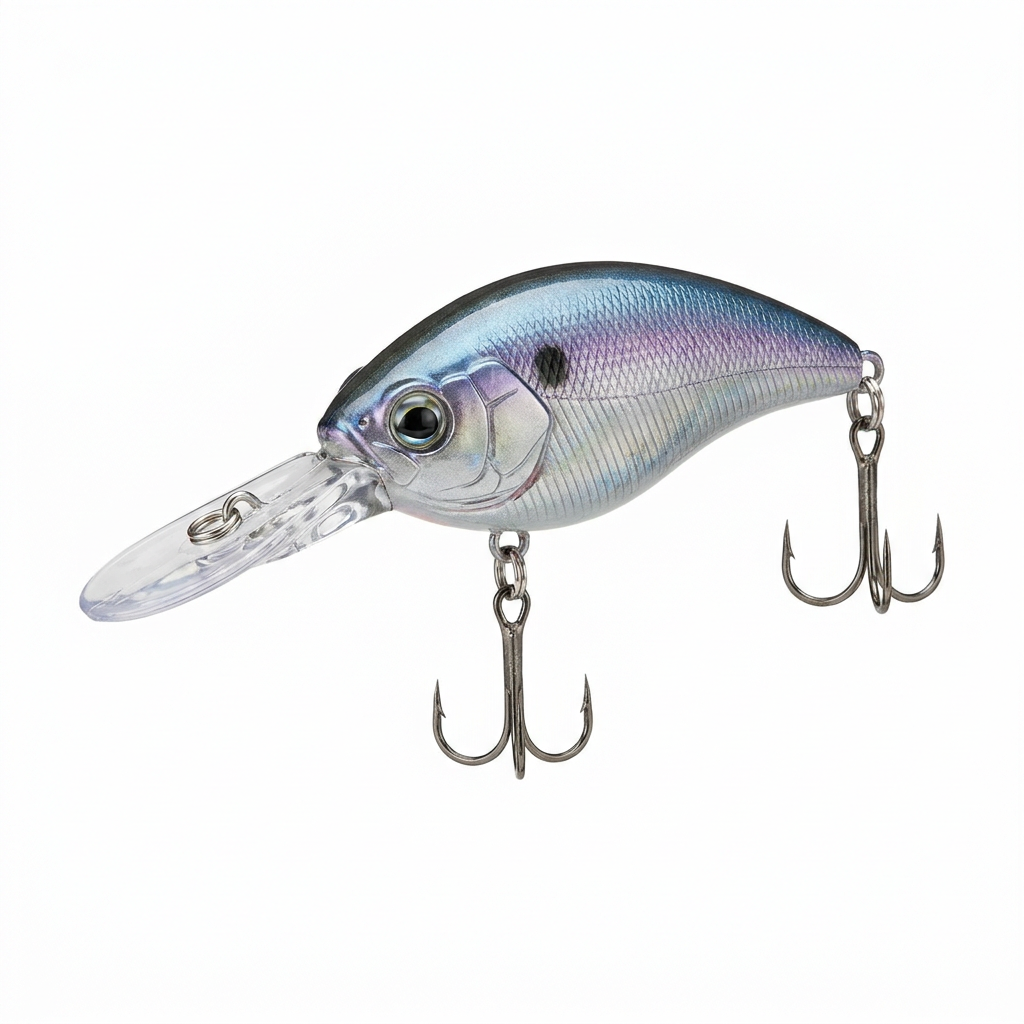
Largemouth bass on Lake Lanier concentrate in the upper arms and creek pockets where the bottom transitions from the main lake rock to the softer, silted creek bottoms with more vegetation and dock cover. Flowery Branch, Two-Mile Creek, and the backs of the major creek arms on the Forsyth County side hold largemouth in spring and fall when water temperatures put fish in the 8 to 20 foot range. Spring is the time on Lanier for largemouth. Pre-spawn fish stage on the first break coming out of the creek flats in March. As water hits 60°F in April, they push into pockets with docks, wood, and rock combinations. A half-ounce spinnerbait or a 3/8-ounce squarebill crankbait worked through dock shadows produces from March through early May. Summer largemouth on Lanier go deep and get harder to catch than spotted bass. They're not wired to the main lake rock structure the way spots are, so they follow the shad into the thermocline or suspend under the dock edges in 12 to 20 feet. A Carolina rig with a 6-inch lizard worked along the transition from the creek bank to the main lake point covers the right depth zone in July and August. The 14-inch minimum applies, and the 10-fish combined bag limit includes largemouth, spotted, and any other black bass species.
Lake Lanier Crappie Fishing Report
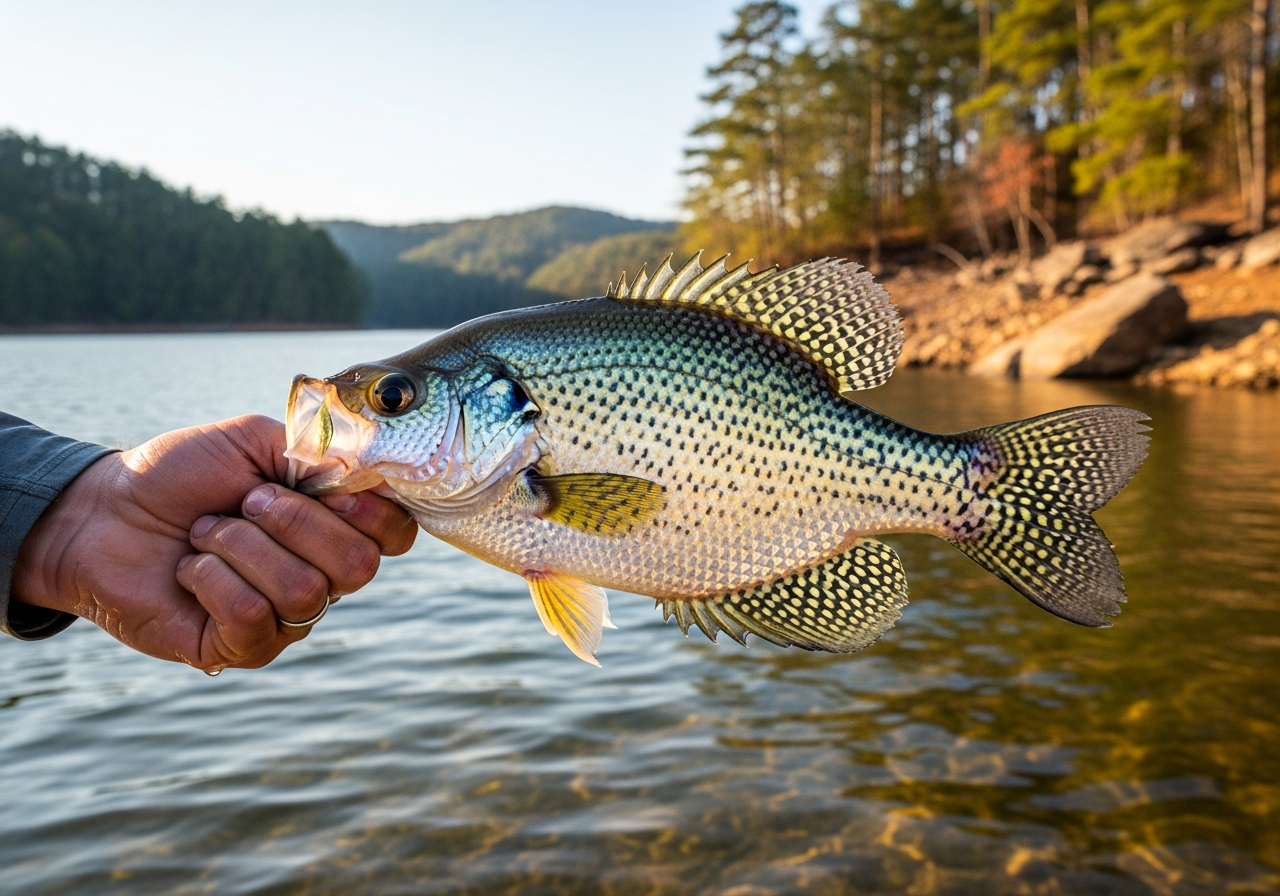
Crappie on Lake Lanier don't get the attention that stripers and bass do, but the lake holds fish and the dock-heavy shoreline creates ideal habitat. The clearest concentration of crappie is around the dock pilings and submerged brush in the creek arms, particularly in the shallower pockets off the main lake where the bottom comes up to 10 to 20 feet. Spring is the prime crappie time. Fish push from 15 to 25 feet in February and March toward the shallower dock pilings and brushpiles as water warms into the low 60s. A 1/16-ounce jig tipped with a small minnow dropped vertically along dock pilings in 8 to 12 feet is the standard Lanier approach. Pink and chartreuse jigs both produce. Summer crappie on Lanier pull back to deeper dock pilings and the submerged timber in the creek channels. The same vertical jigging technique works, just deeper: 18 to 28 feet in the heat of July and August. Electronics help locate the schools; once you mark fish, they're typically stacked in a narrow depth band and will bite until the school moves. Georgia regulations allow 30 crappie per day with no size minimum statewide.
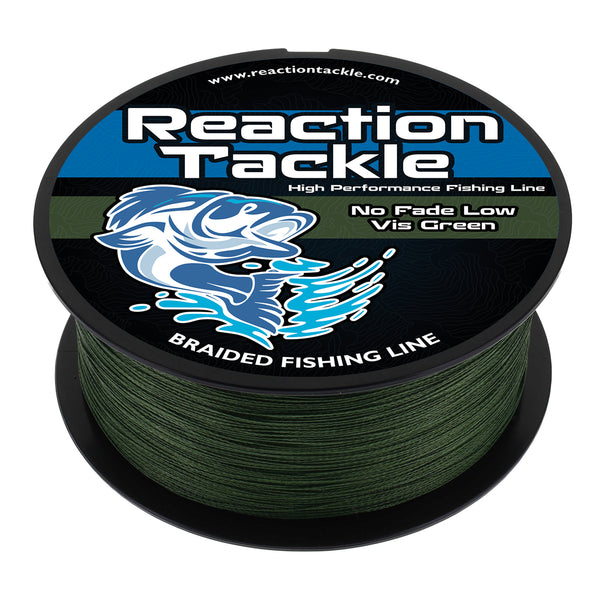
Before you head out, check your line. If it's been sitting on the reel all winter or has seen a lot of rocks and timber, it's worth replacing before a serious trip. I order most of my braid from Reaction Tackle and have been happy with it.
Top Fish to Target in Lake Lanier
Lures for Lake Lanier
Tackle matched to this lake's species and structure.
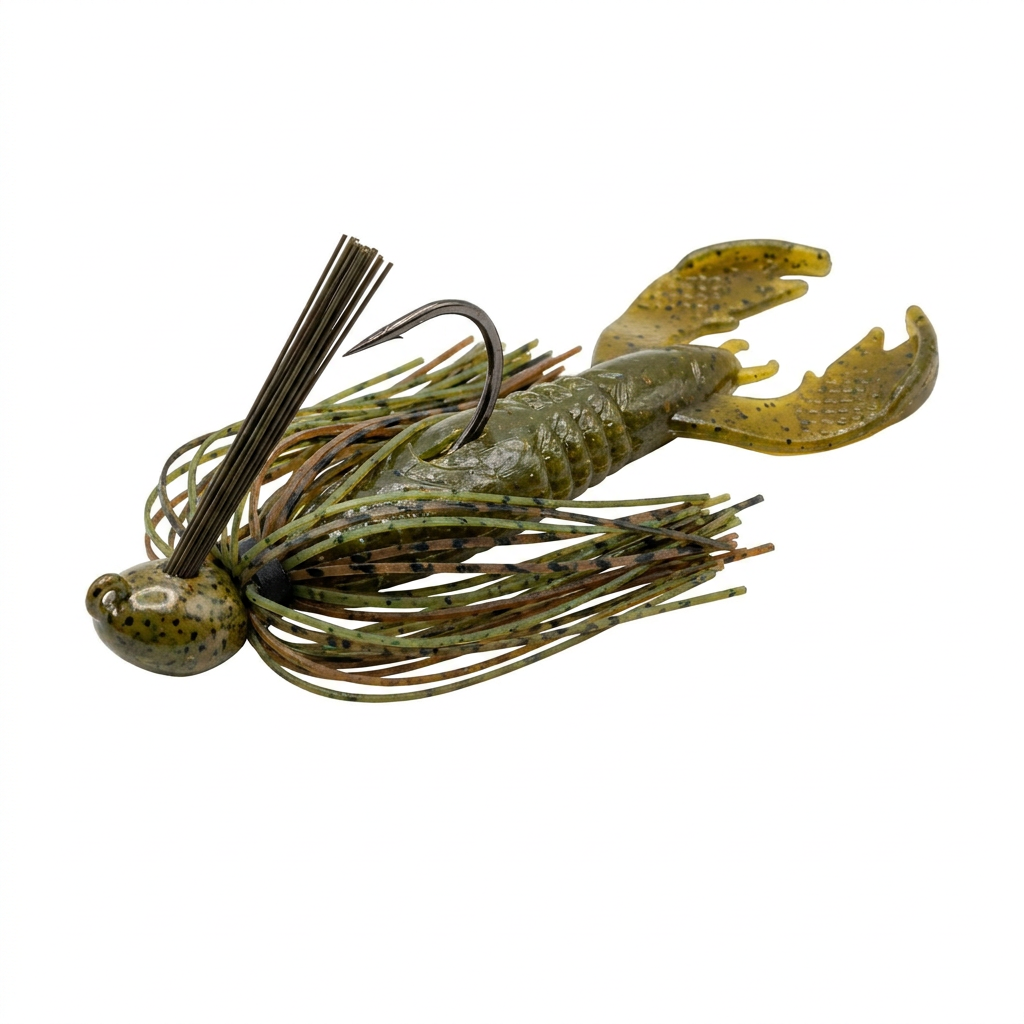
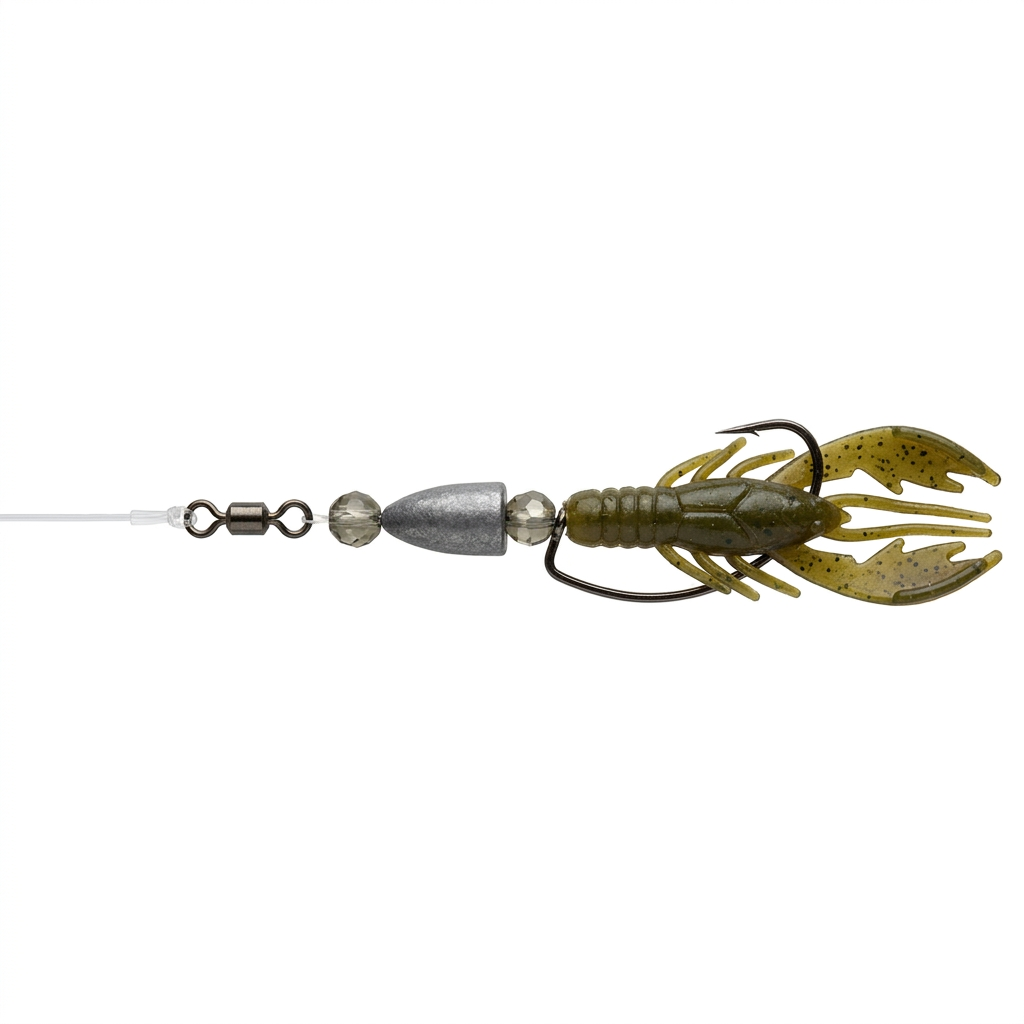
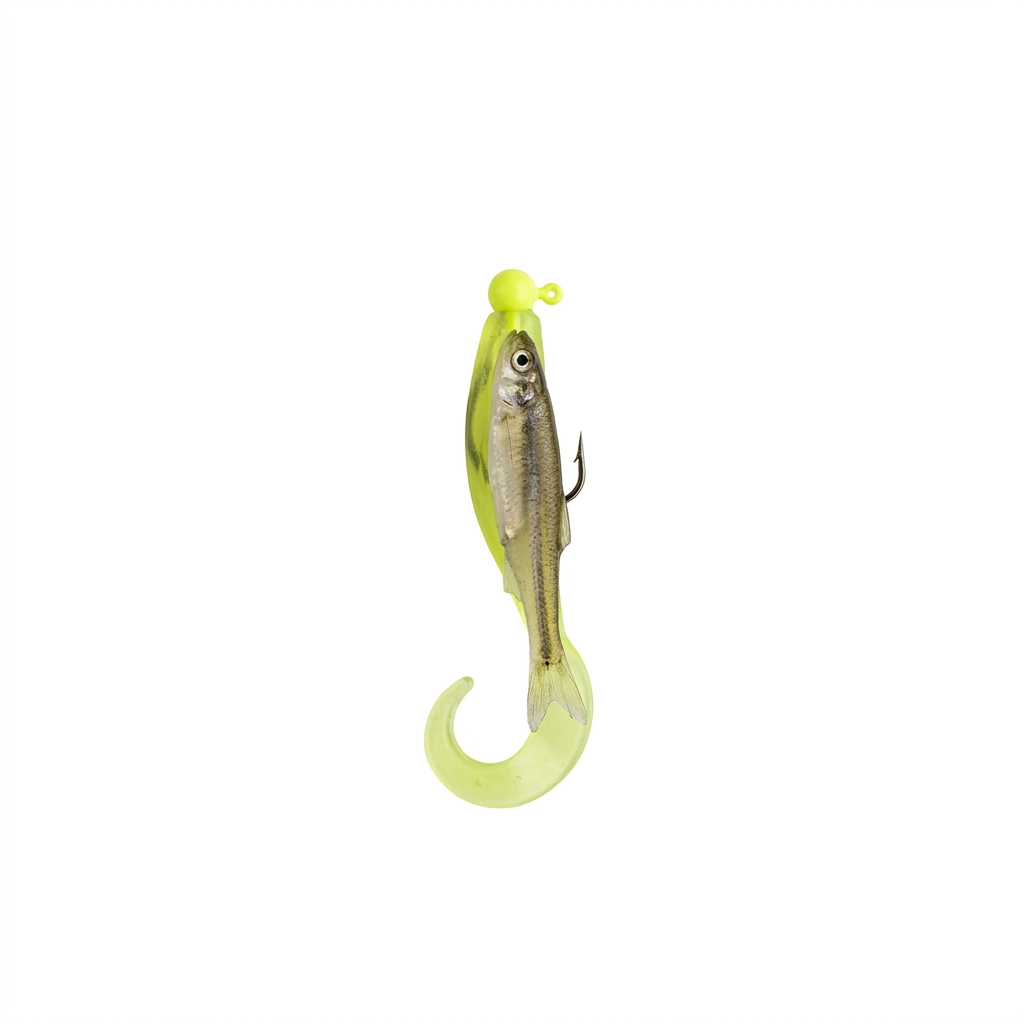
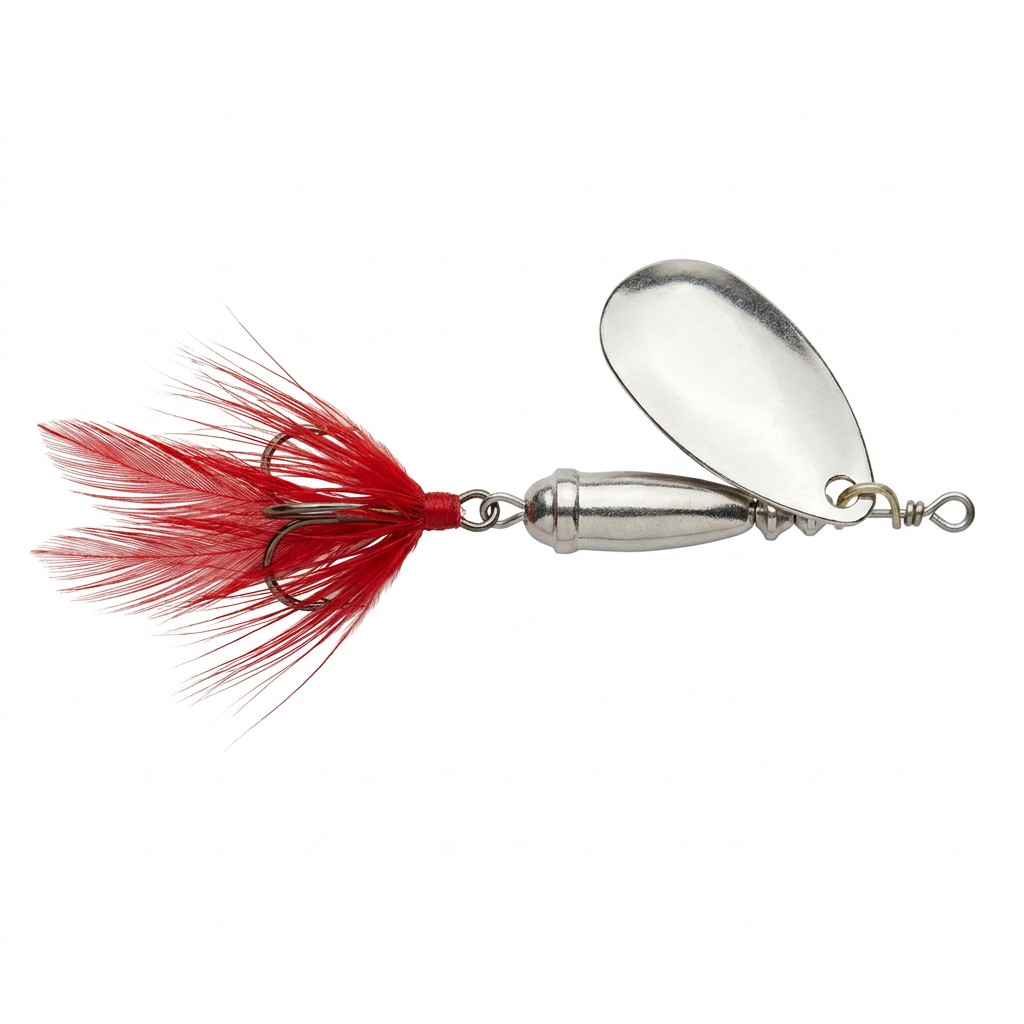
One thing I always check before a big trip is my main line. For most of the presentations that work here, you want braid. The sensitivity makes a real difference, especially when fish are finicky. I've been ordering from Reaction Tackle for a while now and haven't looked back.
About Lake Lanier
I fished Lake Lanier as a kid on a family vacation and still remember how clear and beautiful the water was: granite shoreline, blue water, nothing like the lakes I grew up on in Texas. I didn't know enough about fishing then to take full advantage of it. That's something I've always wanted to come back and fix as an adult. The spotted bass on that clear water and the striper fishing in the upper arms are exactly what I'd go after.
Lake size and depth. Lake Lanier covers 38,000 acres at full pool with 692 miles of shoreline. Maximum depth at Buford Dam reaches 160 feet, and the lake averages approximately 60 feet deep. The Chattahoochee River arm and the Chestatee River arm feed the northern end of the lake. The main lake near Buford Dam is the deepest water; the upper arms are shallower and warmer.
Location. Lake Lanier sits in the Georgia foothills northeast of Atlanta, spread across Hall, Forsyth, Dawson, Gwinnett, and Lumpkin counties. Gainesville, in Hall County, is the largest city on the lake and the center of the primary fishing and boating area. The US Army Corps of Engineers manages the lake, which serves as a water supply reservoir for the Atlanta metro area in addition to flood control and recreation.
Striped bass regulations. The striped bass season on Lake Lanier runs May 1 through October 31. The daily bag limit is 15 striped bass, with a size restriction that only 2 of those 15 may be 22 inches or longer. The DNR manages the fishery as a put-and-take stocking operation. Verify current regulations at the Georgia DNR Wildlife Resources Division website before fishing.
Bass regulations. The minimum length for largemouth and spotted bass on Lake Lanier is 14 inches. The combined daily bag limit for all black bass species is 10 fish. These regulations are Lake Lanier-specific and differ from the statewide default in some cases. Confirm current regulations before fishing.
Lake history. Construction on Buford Dam began in 1950 and was completed in 1956. The lake is named after Sidney Lanier, the 19th-century Georgia poet. The US Army Corps of Engineers built Lanier for flood control on the Chattahoochee River, hydroelectric power generation, and water supply. It is consistently one of the most visited Corps of Engineers lakes in the country, with heavy recreational boat traffic through the summer months.