Lake Burton is the highest and arguably most scenic of the Georgia Power lakes in Rabun County. Fishing for trout in a Georgia mountain lake that sits above 1,900 feet elevation with the Blue Ridge all around you is a different experience than anything else in the state. The multi-species potential between the trout in the cold water and the bass in the shallower coves makes Burton worth a dedicated trip.
Today's Bite Score · October 8, 2026
Very favorable conditions for catching fish
🌘Waning Crescent
Lake Burton Fishing Report
October FishingMonthly fishing report · October patterns and techniques
Lake Burton in October presents ideal fishing conditions as water temperatures drop into the mid-60s, triggering increased feeding activity across the lake. The cooling water invigorates fish that have been lethargic during summer heat, and anglers find the clearer water conditions particularly advantageous this month. The lake's 5,900-acre surface begins to show seasonal color changes along its wooded shorelines, while deeper channels maintain stable temperatures that concentrate fish in predictable zones.
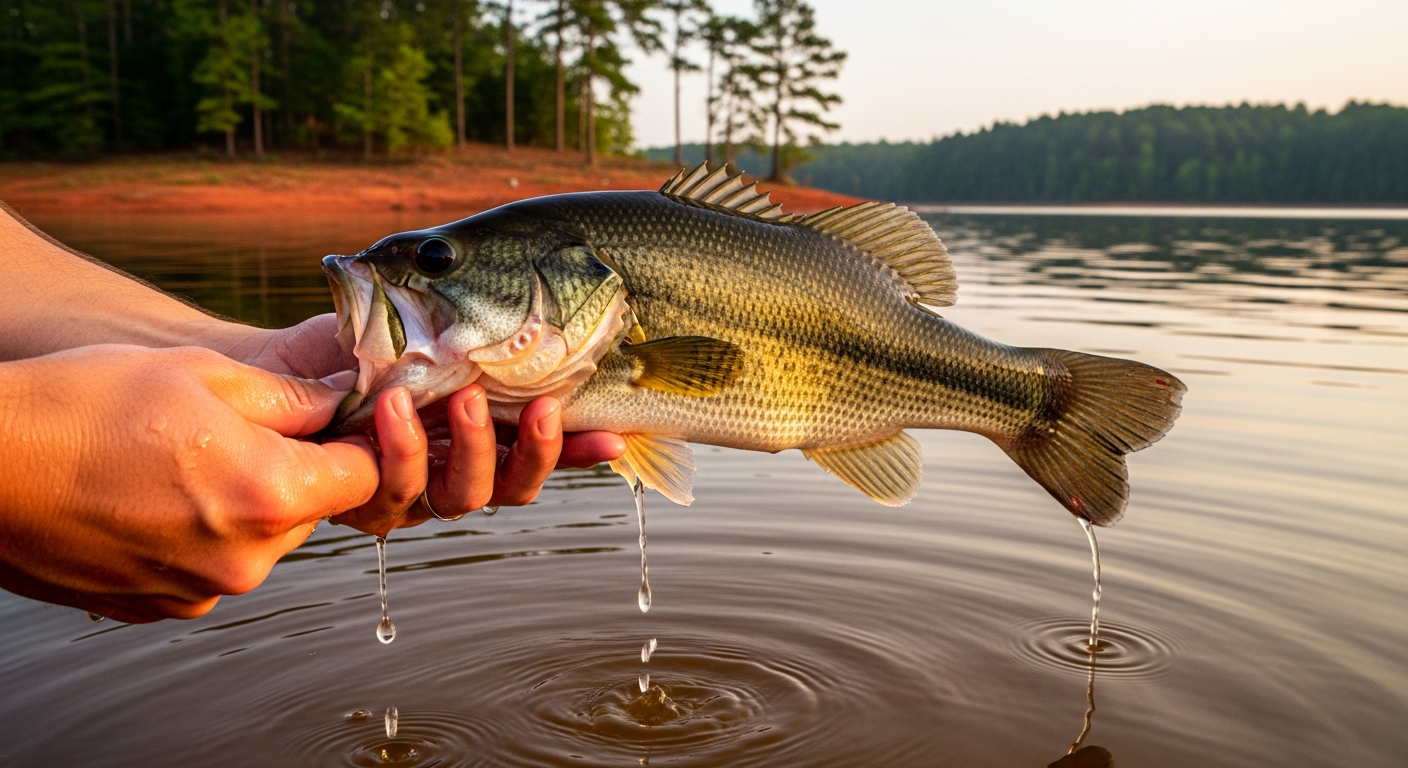
In October, largemouth bass, smallmouth bass, and crappie dominate catches at Lake Burton. Bass move from deeper summer haunts into shallow coves and along submerged timber, responding to the month's improved oxygen levels and baitfish activity. The lake's numerous creek channels and rocky points become prime locations, as fish stage near these structures during their more aggressive feeding periods. Crappie, both black and white varieties, suspend near the lake's deeper main channel areas but also venture into shallower brush piles and fallen trees where they hunt actively. Striped bass and catfish remain viable targets in October, with stripers patrolling the main lake body and deeper channels.
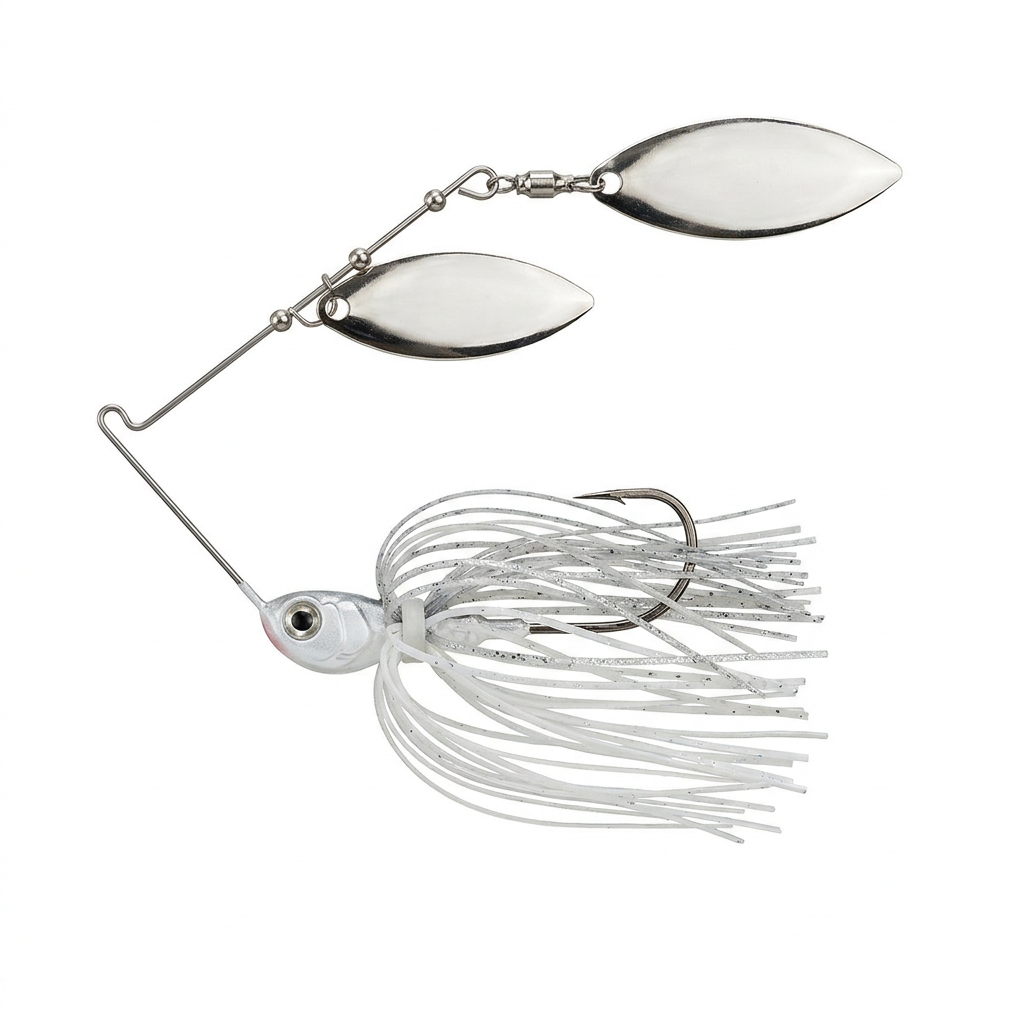
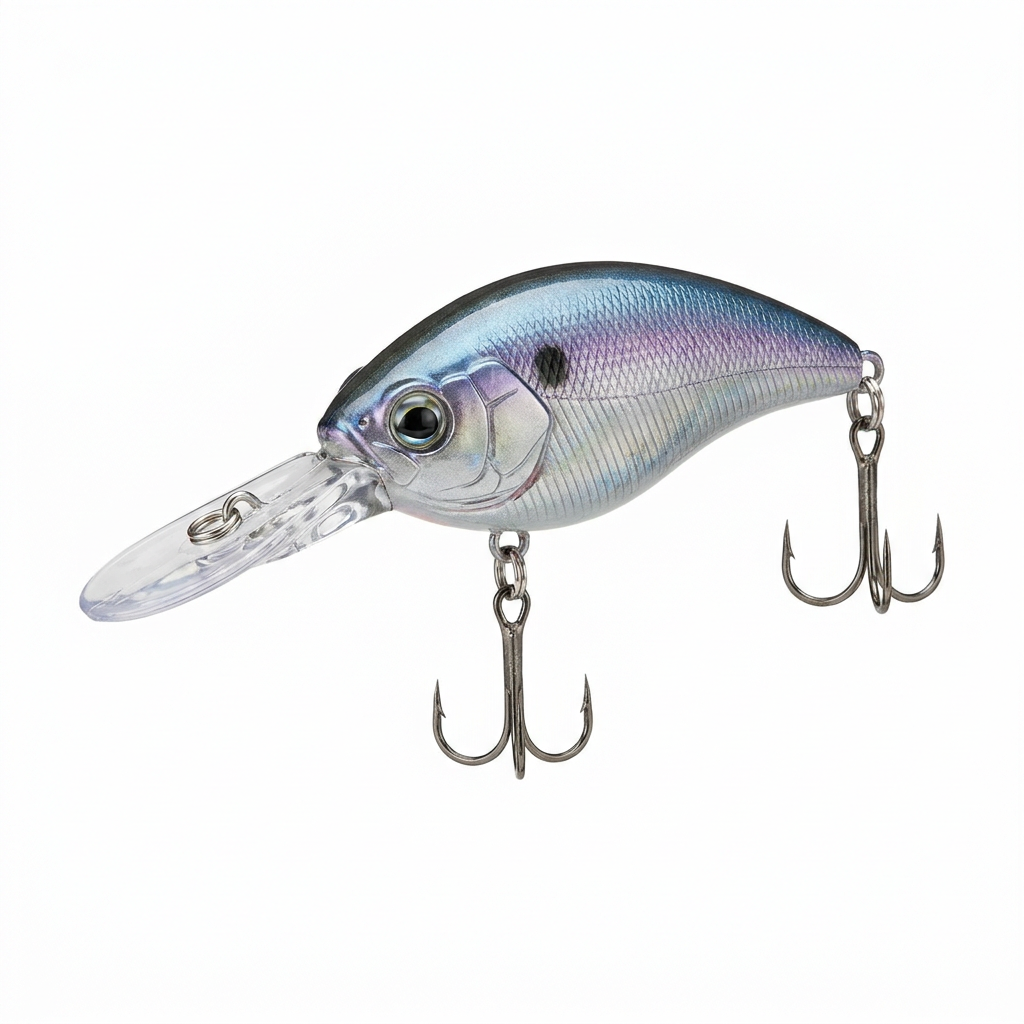
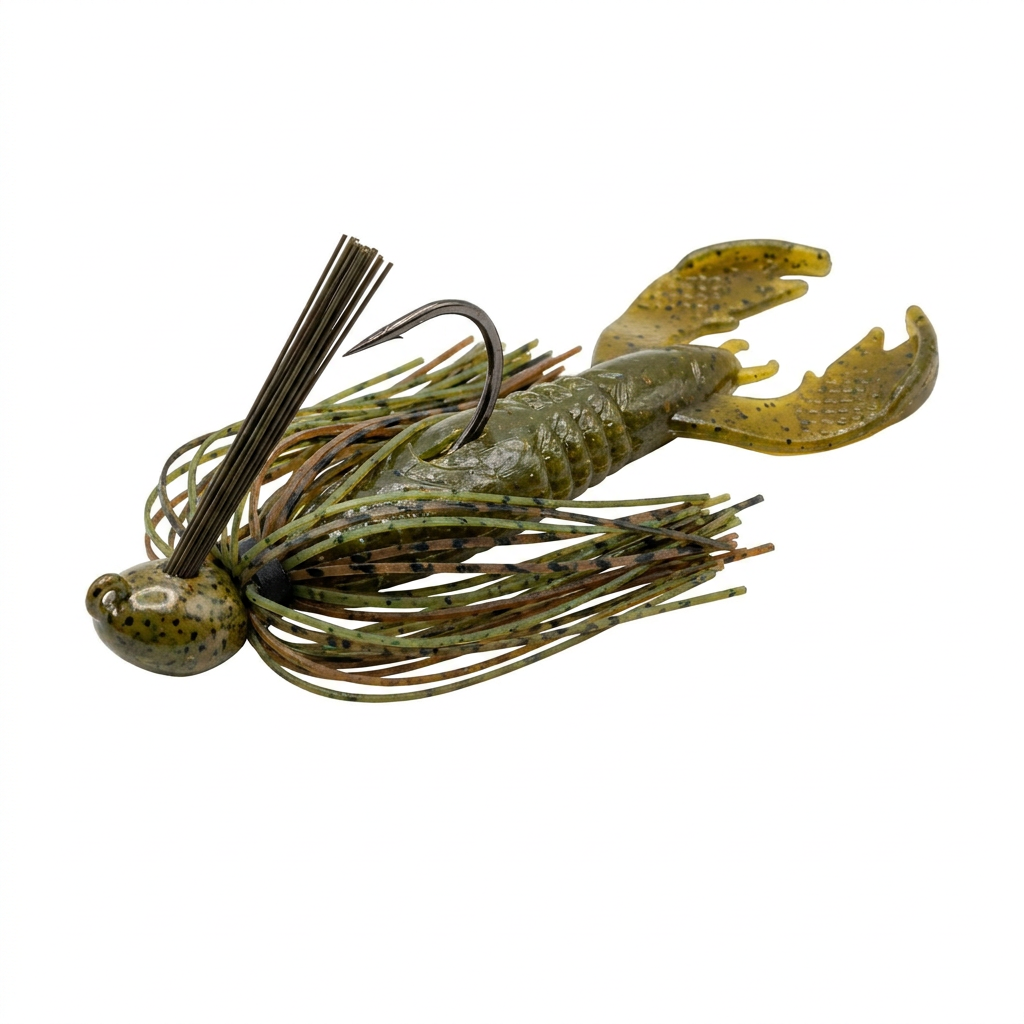
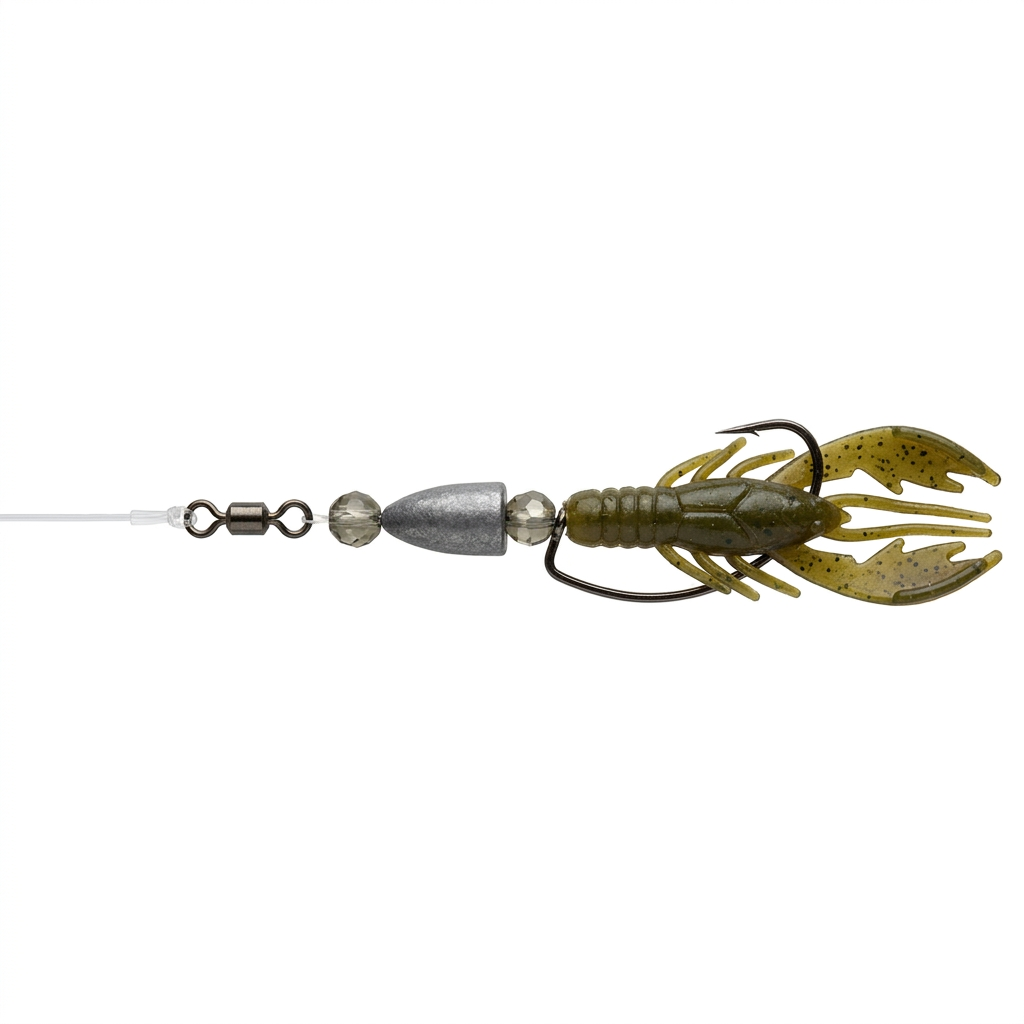
Anglers find success this month using a combination of approaches tailored to Lake Burton's structure. Topwater plugs and spinnerbaits work effectively along shallow grass beds and timber-lined banks in early morning hours, while crankbaits targeting the 8 to 15-foot range produce steady results throughout the day. Live shiners prove deadly for both largemouth and striped bass, particularly when worked near deeper channel ledges and rocky outcrops. For crappie, small jigs tipped with live minnows or artificial soft plastics excel when worked vertically around brush and fallen timber. Texas-rigged soft plastics in natural colors appeal to bass holding tight to cover, while Carolina rigs excel in deeper water presentations. Nighttime catfishing with cut shad or chicken liver in the lake's deeper basins yields consistent results throughout October.
Get More Fishing Report Specifics
Tap a topic button below for a report on current conditions.
Tap a topic above to get a current report for Lake Burton.
Answers are generated on demand and cached. No AI call fires until you tap a tab.
Lake Burton Fishing Guides
Looking for a Lake Burton fishing guide? This Blue Ridge mountain reservoir fishes completely differently through the seasons, and guides who know the cold, clear Rabun County water will put you on fish that most visitors never find. Here are 1 fishing guides for Lake Burton that are worth checking out.
Lake Burton Fishing Strategies by Species
Seasonal patterns and techniques by target species · Verified against official sources
Lake Burton is Georgia's oldest Georgia Power hydroelectric lake, completed in 1919 on the Tallulah River in Rabun County. The 2,775-acre reservoir sits at approximately 1,900 feet elevation in the Blue Ridge Mountains of extreme northeastern Georgia, making it one of the highest and coolest of Georgia's major lakes. The lake's mountain setting produces cold enough water to support a trout fishery alongside the bass, spotted bass, and crappie that are common throughout the Piedmont Georgia lakes. Georgia DNR Wildlife Resources Division manages the fishery: verify current regulations at georgiawildlife.com before fishing.
Lake Burton Rainbow Trout Fishing Report
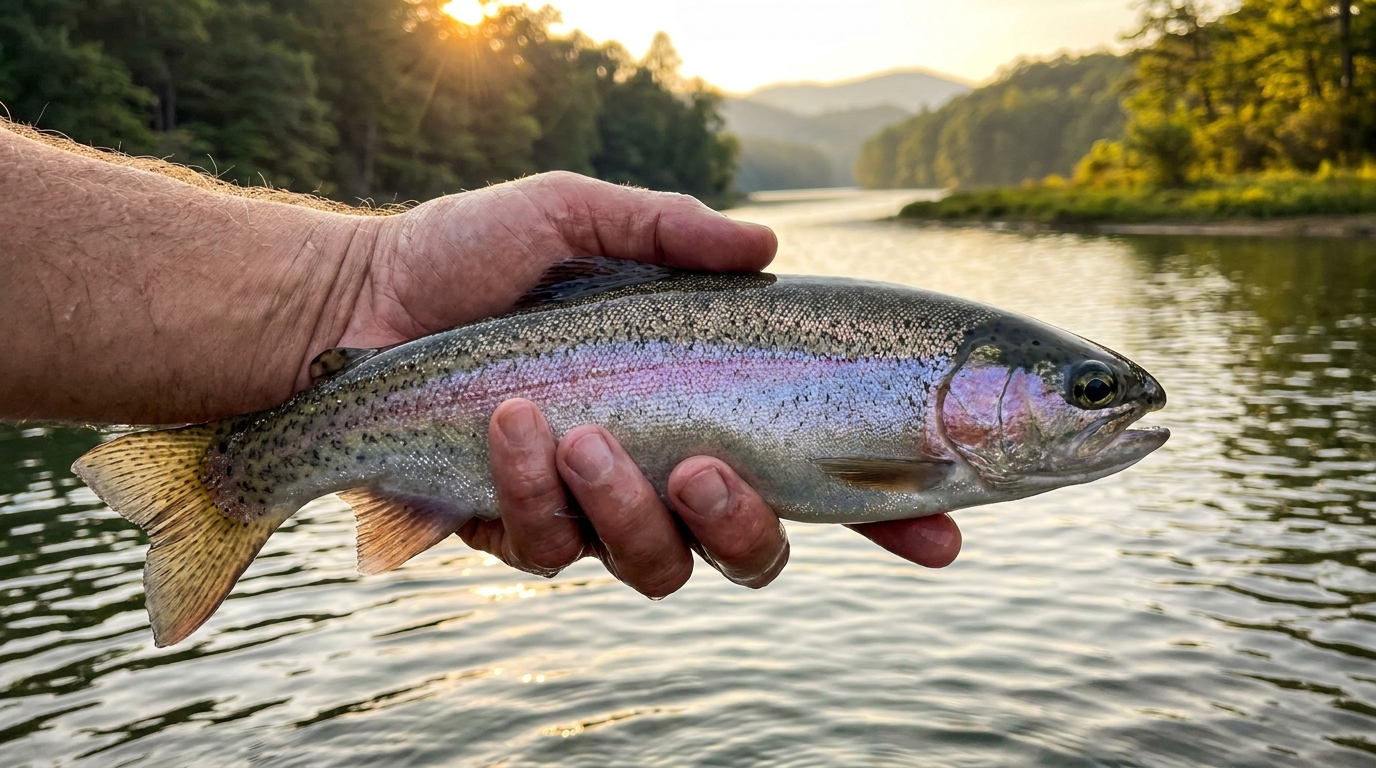
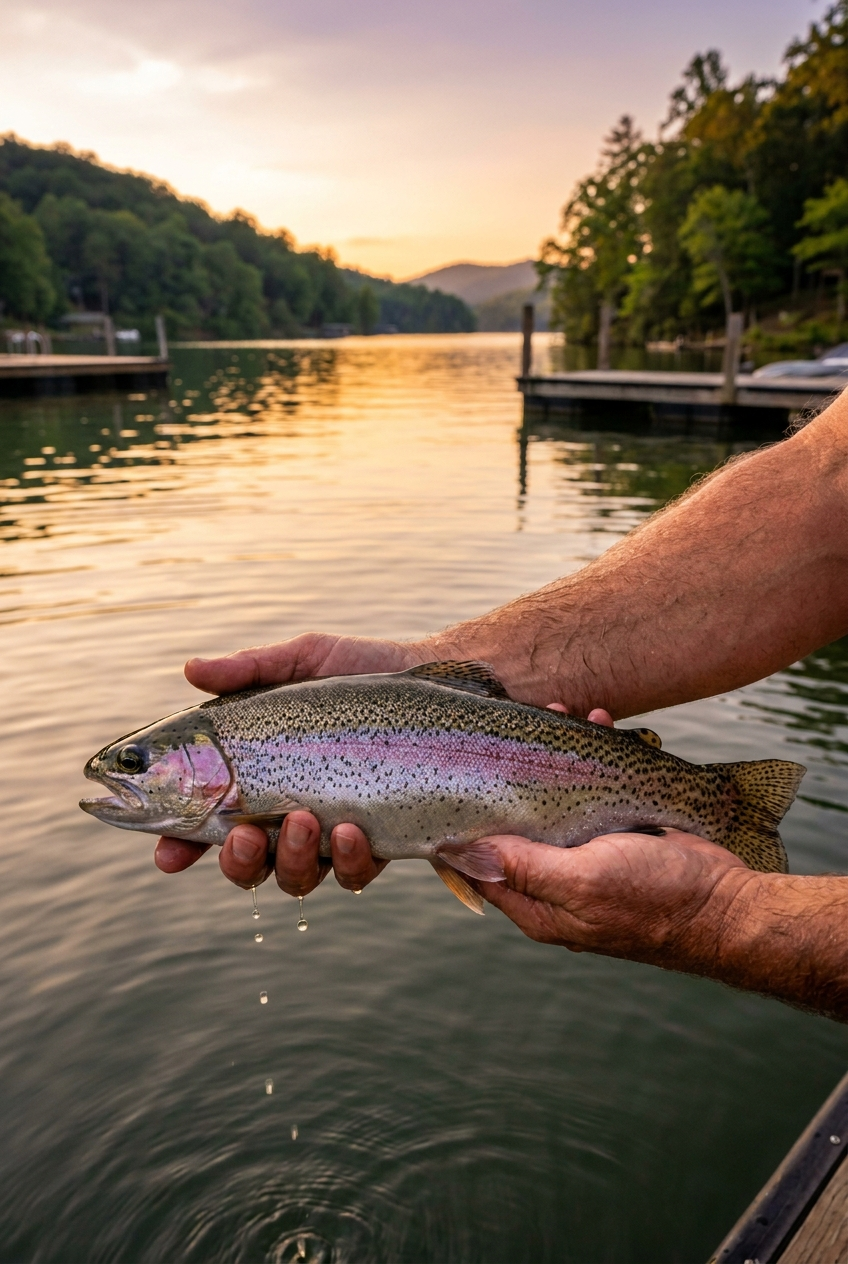
Rainbow trout are stocked in Lake Burton by the Georgia DNR Wildlife Resources Division, taking advantage of the lake's higher elevation and cooler water temperatures relative to Georgia's Piedmont and coastal plain lakes. Burton's cold, clear water sustains trout through much of the year, with the best fishing occurring in the cooler months from fall through early summer before surface temperatures warm during the July and August heat. Trout fishing peaks from November through May when water temperatures remain in the optimal range. Trolling with rooster-tail spinners and small crankbaits in the deeper main channel sections and near the cold tributary inflows produces the most rainbow trout. Shore fishing with PowerBait, salmon eggs, and nightcrawlers near the boat ramp areas and the deeper coves is productive during stocking periods. Georgia DNR stocks rainbow trout at Burton during the cooler months: check georgiawildlife.com for current stocking schedules. The Tallulah River arm on the southern end of the lake is a productive spring trout area when cold tributary water keeps fish in the shallower sections. Verify Georgia trout regulations at georgiawildlife.com.
Lake Burton Brown Trout Fishing Report
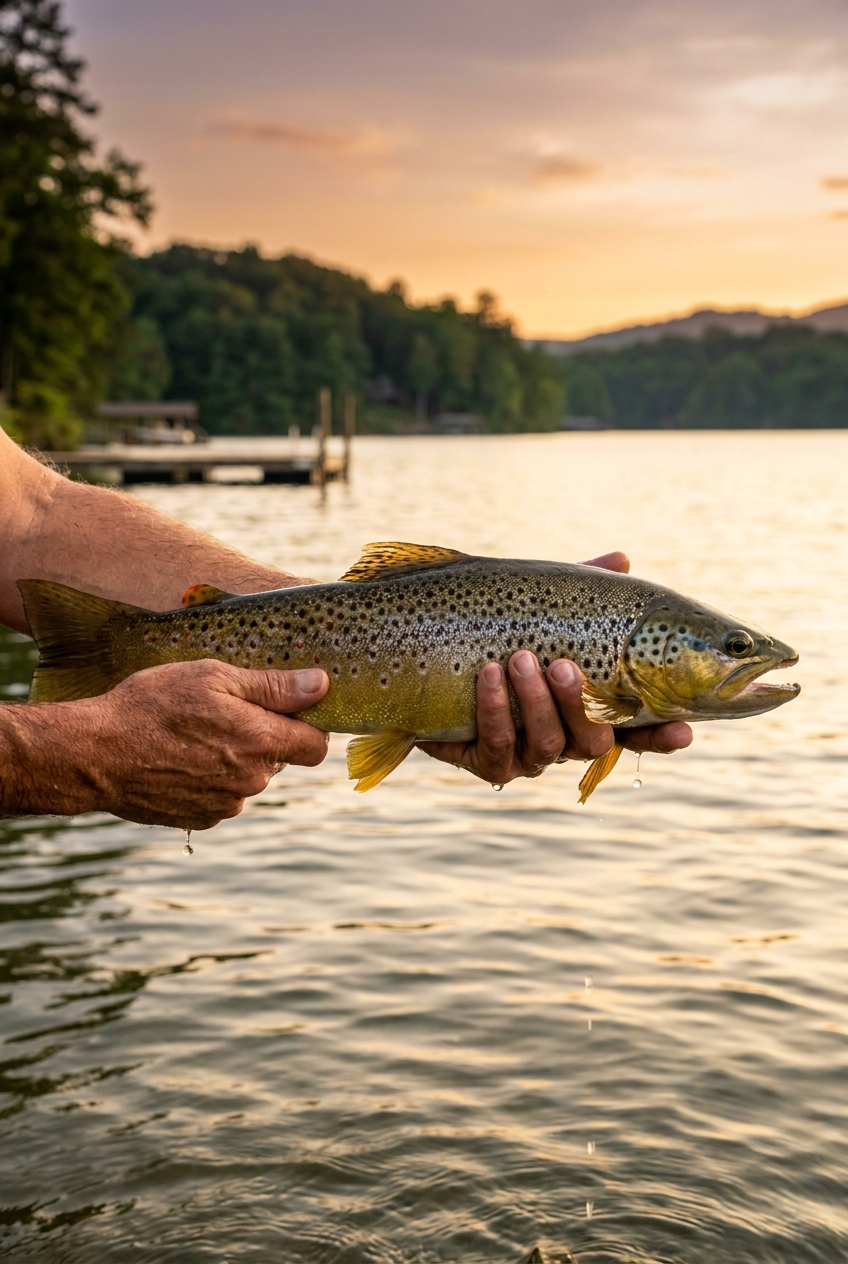
Brown trout are present in Lake Burton, utilizing the lake's cold mountain water for year-round habitat and accessing the Tallulah River and Burton Creek tributaries for spawning during fall. Georgia DNR may stock brown trout at Burton as part of the mountain trout management program in Rabun County: verify current stocking at georgiawildlife.com. Brown trout in Lake Burton grow larger on average than rainbow trout due to their longer residence time in the lake and their predatory behavior targeting perch, smaller trout, and other forage. The best brown trout fishing at Burton occurs in the deeper main channel sections during summer when fish hold near the thermocline in 20 to 50 feet. Trolling with flutter spoons and larger crankbaits in the mid-depths produces the biggest brown trout. Fall is an important season as brown trout become active and move toward the tributary mouths in preparation for spawning. The Tallulah River arm and the tributary inlets on the southern end of the lake are the best fall brown trout areas. Georgia brown trout regulations apply: verify at georgiawildlife.com.
Lake Burton Largemouth Bass Fishing Report
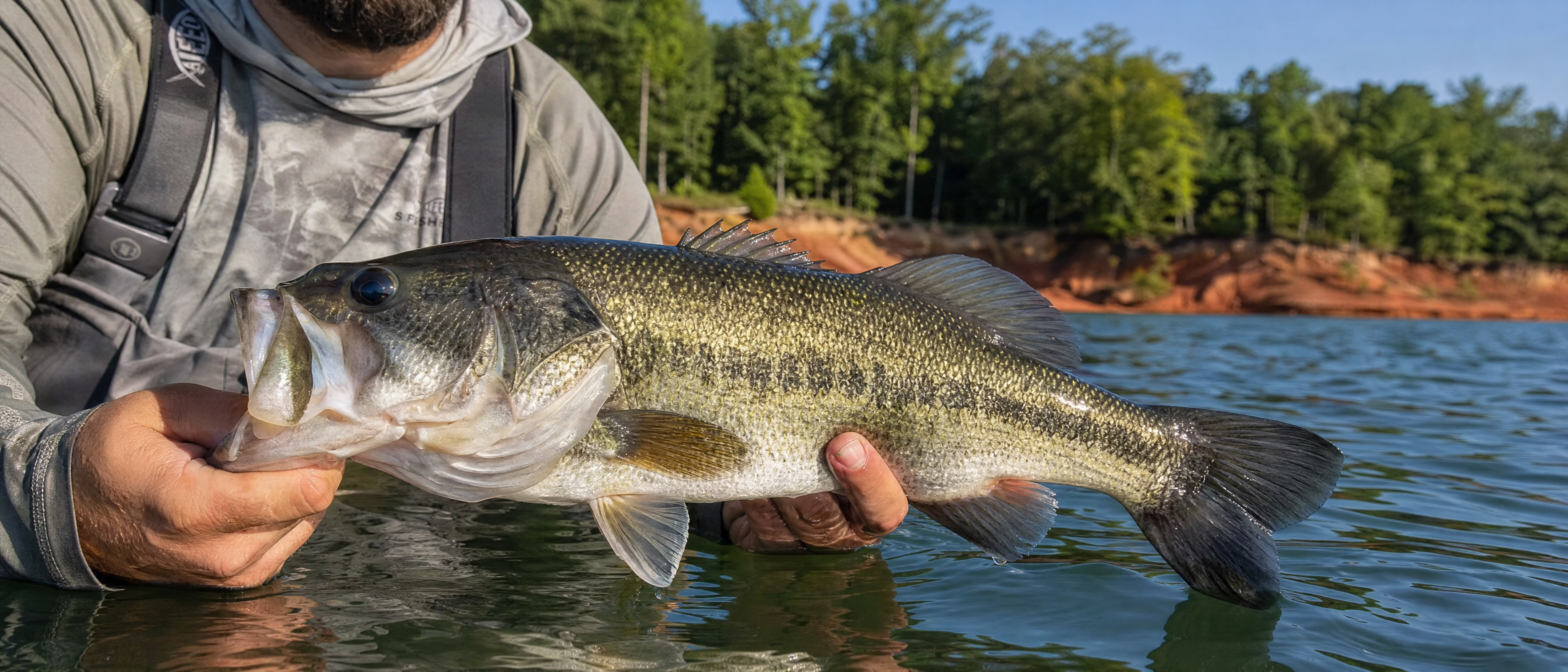
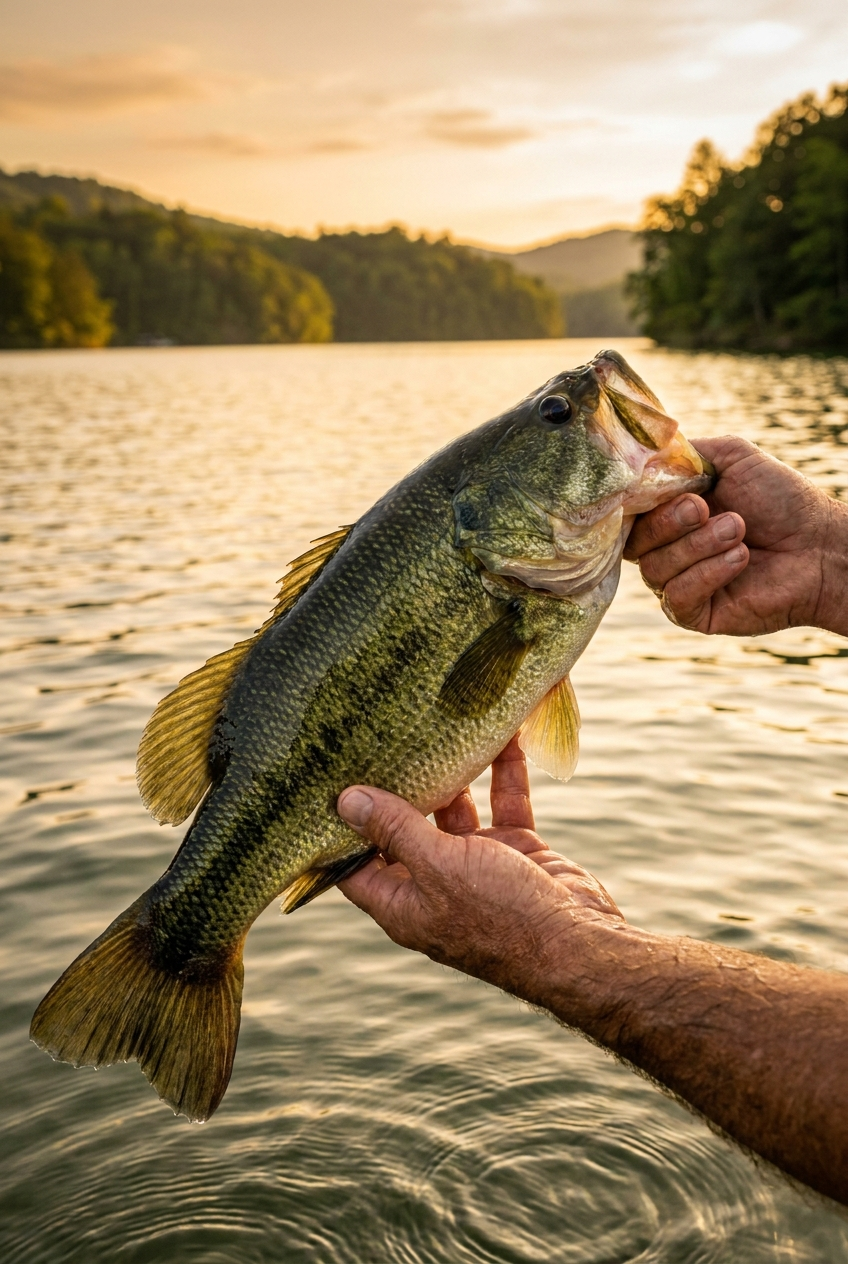
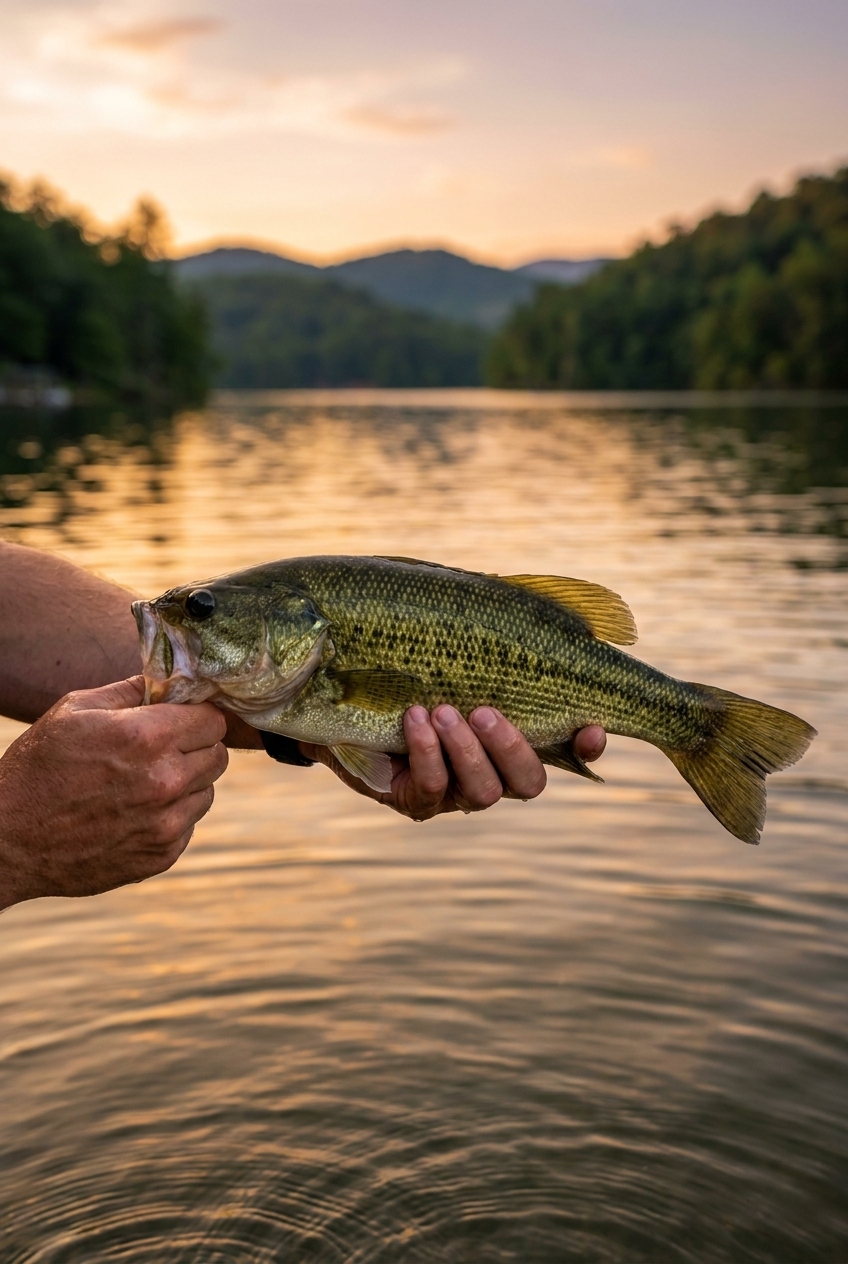
Largemouth bass occupy the warmer, shallower coves and the dock-lined areas throughout Lake Burton, taking advantage of the lake's substantial development and the coves on the western and northern shoreline. Burton's mountain setting and cooler water temperatures mean largemouth don't grow as large or reproduce as prolifically as they do in Georgia's Piedmont lakes, but the fish present are healthy and provide quality fishing in a spectacular mountain setting. The residential coves with dock cover and the backs of the creek arms hold the most consistent largemouth. Spring largemouth fishing at Burton is the most productive season, with fish moving to the warmest available coves in April and May to spawn in 2 to 6 feet near dock pilings and woody debris. Texas-rigged worms and spinnerbaits worked through the dock structure and the rocky cove banks produce fish through the spring season. Summer largemouth fishing is most effective early in the morning before activity and heat push fish deep. Fall returns largemouth to the cove shallows as temperatures cool and bass feed aggressively before winter. Georgia bass regulations apply: verify at georgiawildlife.com.
Lake Burton Smallmouth Bass Fishing Report
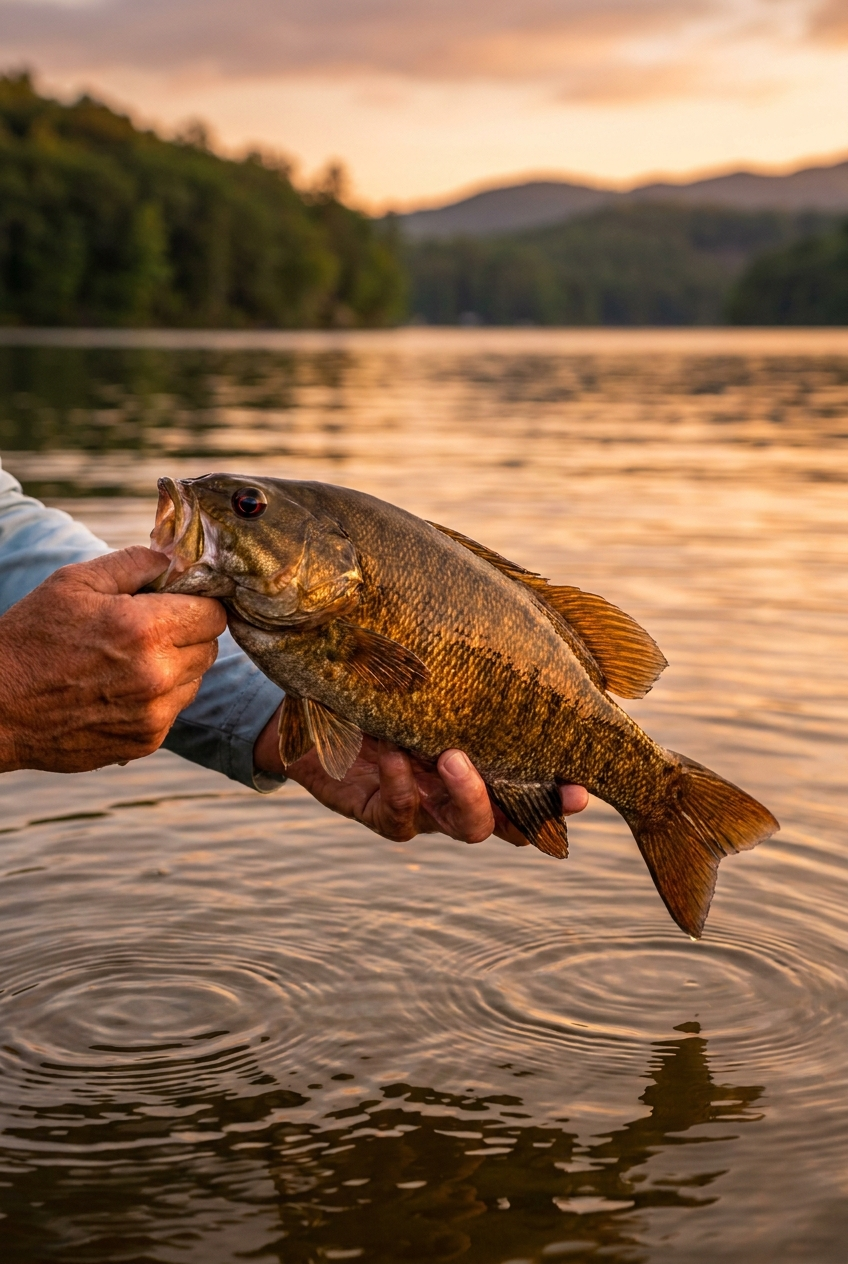
Smallmouth bass are present in Lake Burton, finding the lake's rocky mountain terrain and cooler water much more to their preference than the warmer Piedmont Georgia lakes. The rocky bluff sections, the main channel structure, and the harder-bottom points throughout the lake hold smallmouth year-round. Smallmouth in Burton's cold, clear mountain water can be found at considerable depths during summer and respond to more finesse presentations than Georgia's typical warm-water bass. Drop-shot rigs with small plastics and jigs worked on the rocky main channel structure in 10 to 25 feet produce quality smallmouth through the summer months. Spring smallmouth fishing on the rocky transition points and the tributary mouths in 4 to 10 feet is consistently productive as fish move shallow to spawn. The clearer water of the upper lake near the Tallulah River arm is the most productive smallmouth area. Smallmouth at Lake Burton benefit from the lake's cooler temperatures and light fishing pressure compared to Georgia's lower-elevation bass lakes. Verify Georgia smallmouth bass regulations at georgiawildlife.com.
Lake Burton Spotted Bass Fishing Report
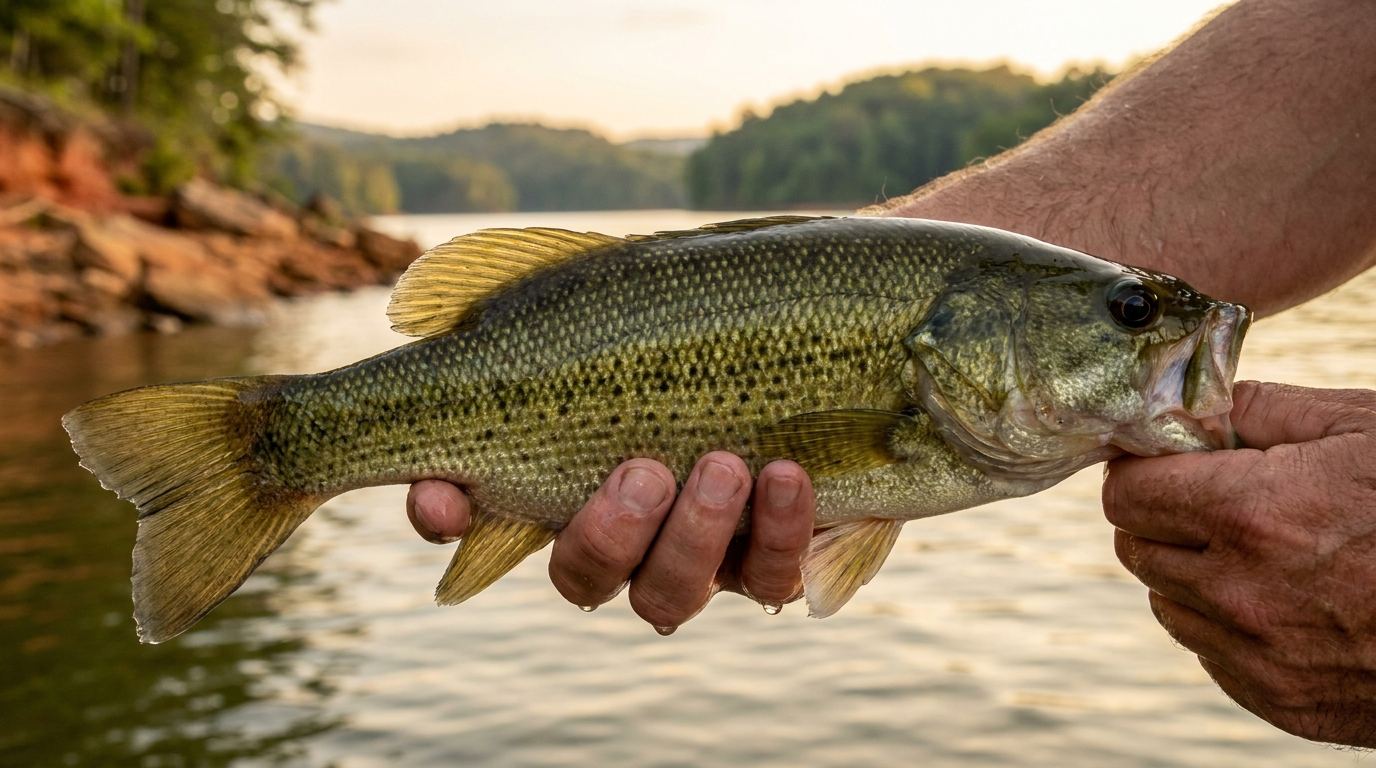
Spotted bass are the most common bass species in much of the Georgia mountain lake system and are well represented at Lake Burton. The Tallulah River drainage has historically supported spotted bass, and the lake's rocky structure and moderate current near the river arm are ideal for this species. Spotted bass tend to school more tightly than largemouth and can be found on the main channel ledges and rocky points throughout the lake. Spotted bass at Burton respond well to crankbaits, Carolina rigs, and jigs worked on the main channel structure in 8 to 20 feet throughout summer. The rocky bluff sections near the dam and the main channel points produce spotted bass that fight hard for their size. In spring, spotted bass move to the rocky transition areas between the creek arms and the main lake channel. Carolina rigs with soft plastic finesse baits are a consistent spotted bass producer at Lake Burton year-round. Verify Georgia spotted bass regulations and any size limits at georgiawildlife.com.
Lake Burton Crappie Fishing Report
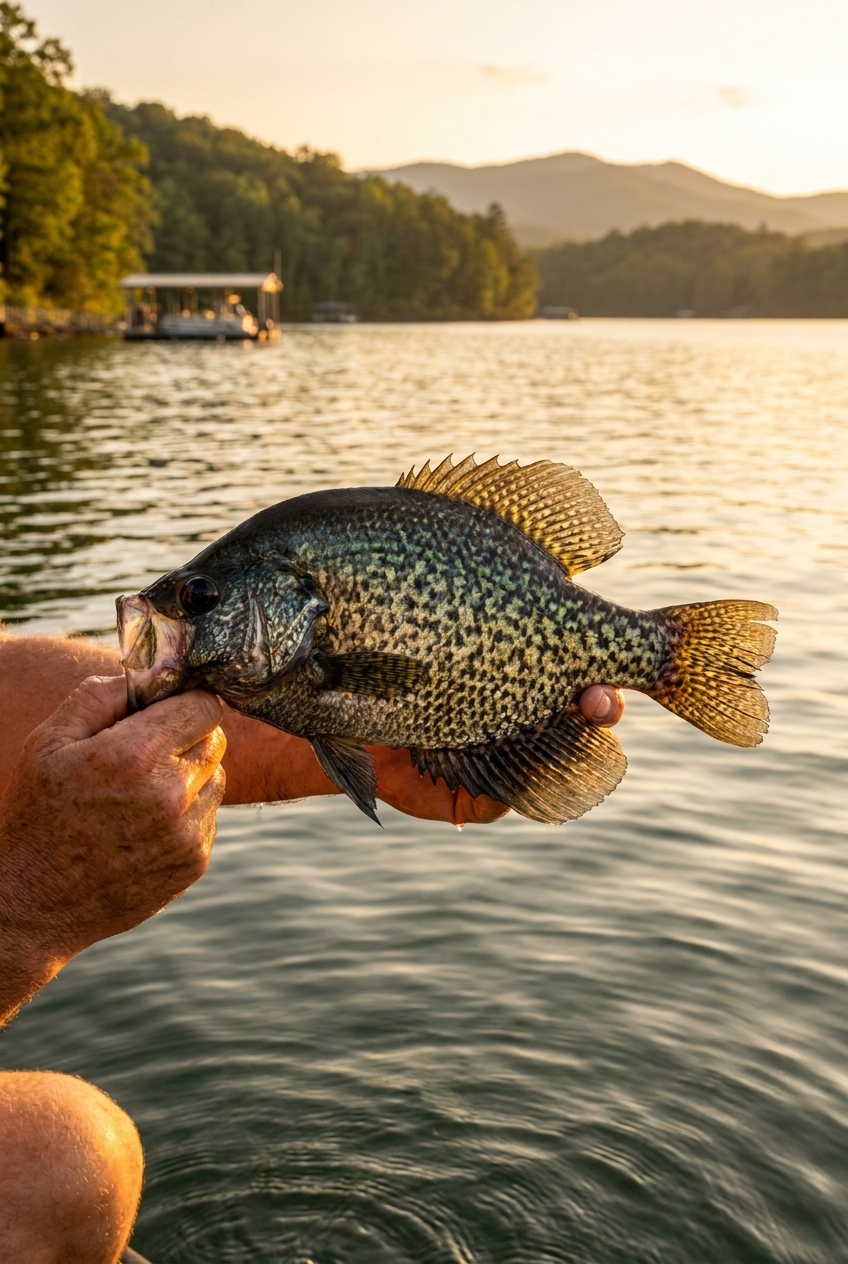
Crappie are present in Lake Burton, concentrated near the dock structure, the submerged timber, and the rocky cove areas throughout the reservoir. The dock-lined coves on the developed western and northern shoreline of Burton hold the most accessible crappie populations. Spring crappie fishing peaks when fish move shallow near the docks and woody structure to spawn in March and April in the warmer protected coves. Small jigs and crappie jig-minnow rigs worked vertically around the dock pilings and near the submerged timber in the creek arms produce consistent crappie catches. Night fishing around lighted docks in summer is a reliable warm-weather technique at the developed areas of Lake Burton. Crappie fishing at Burton is a secondary fishery compared to the trout and bass opportunities, but fish are available throughout the lake and provide a productive change of pace. Georgia crappie regulations should be verified at georgiawildlife.com before fishing.
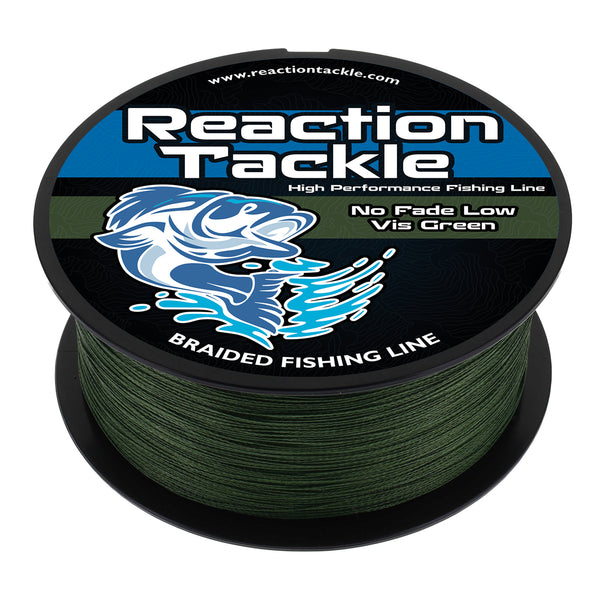
For fishing heavy cover after Rainbow Trout, I run 50-65lb braid. Zero stretch means you feel every bite and you can pull fish out of structure before they wrap you. Reaction Tackle is where I restock. Their low-vis green disappears in most water conditions.
Top Fish to Target in Lake Burton
Lures for Lake Burton
Tackle matched to this lake's species and structure.
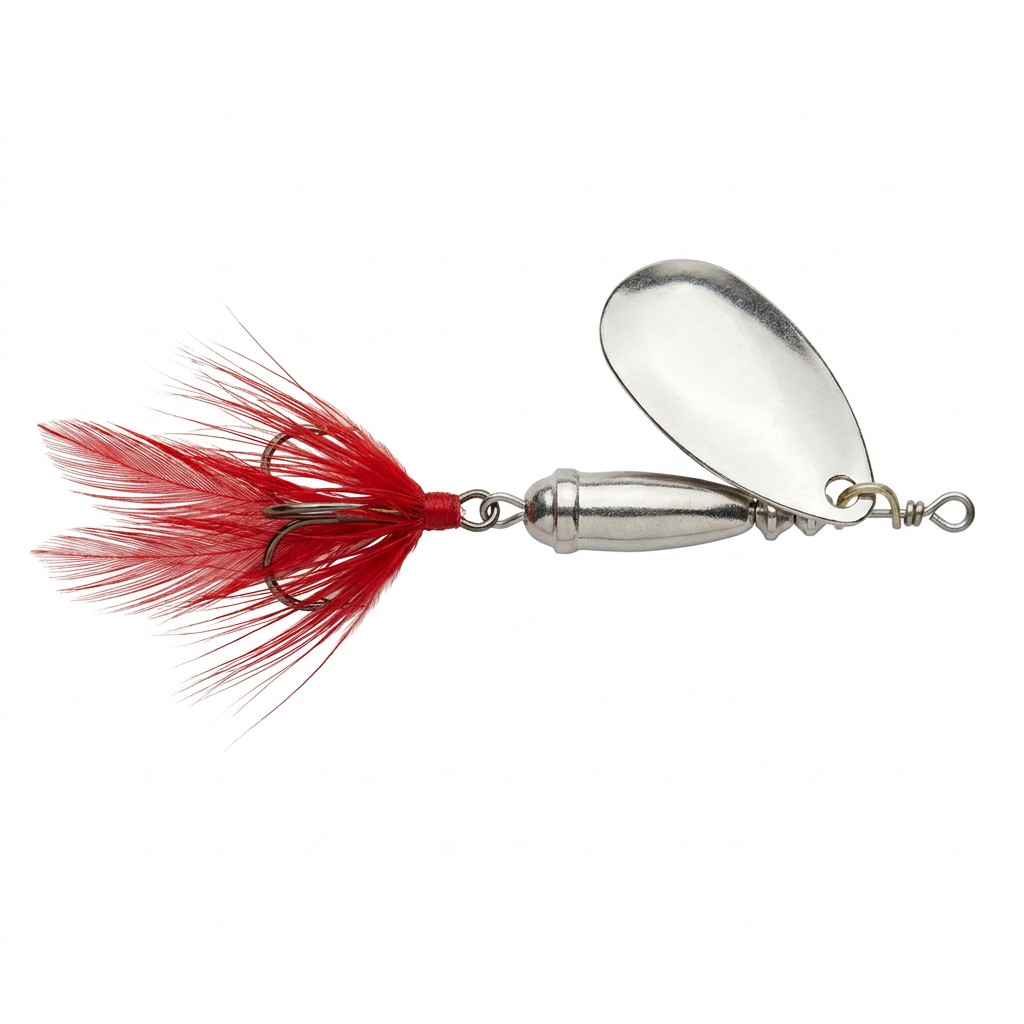
Worth checking before any trip: your line. Old braid gets brittle at the tag end and loses sensitivity over time. I rotate mine every season. Reaction Tackle is where I order from when it's time to restock.
About Lake Burton
Lake Burton holds the distinction of being Georgia Power's oldest reservoir, completed in 1919 as part of the Tallulah-Tugalo hydroelectric development in the Blue Ridge Mountains of Rabun County. The 2,775-acre lake at approximately 1,900 feet elevation is the highest of the Georgia Power lakes and the most northerly, sitting in a mountain landscape of rhododendron, hemlock, and hardwood forest that defines northeastern Georgia's highlands character.
Georgia Power ownership and access. Georgia Power owns Lake Burton and manages its water level for hydroelectric generation. Public fishing access is limited compared to state-owned lakes, with Georgia Power providing designated public access areas and the Georgia DNR managing several boat ramp sites around the lake. The residential development on the western and northern shores is substantial, with private docks and camps that have been on the lake for generations.
Tallulah Gorge and regional context. Lake Burton is part of a chain of Georgia Power lakes on the Tallulah-Tugalo river system that also includes Seed Lake, Rabun Lake, Tallulah Falls Lake, and Tugalo Lake. Tallulah Gorge State Park, one of Georgia's most dramatic natural features, is located at the outlet below the original Tallulah Falls (now Tallulah Falls Lake) just downstream from Lake Burton in the chain. The Tallulah River above Lake Burton provides additional trout fishing in a designated stream section.
Mountain trout regulations and licensing. Rabun County falls within Georgia's mountainous trout counties, which have specific regulations that may differ from the statewide regulations. Georgia requires a fishing license and a trout license for trout fishing. All current regulations, including mountain trout county rules, should be verified at georgiawildlife.com before fishing Lake Burton or the Tallulah River system.