Kentucky Lake's crappie reputation is legendary, and it's a trip I want to make with my dad. He'd love the spring dock fishing around Jonathan Creek.
Today's Bite Score · October 8, 2026
Above average conditions worth planning a trip
🌘Waning Crescent
Kentucky Lake Fishing Report
Updated October 2, 2026Synthesized from current fishing reports · Updated weekly
Kentucky Lake is holding steady this week with lake levels hovering around 356.2 feet and water clarity remaining clear. Surface temperatures are currently holding in the 85-degree range. The hot and dry conditions across the TVA valley have resulted in sluggish current in the main Tennessee River channel, with TVA discharging only 20,000 cubic feet per second through Kentucky Dam. Right now, anglers are adjusting their tactics to the slower-moving conditions and bright sunny days.
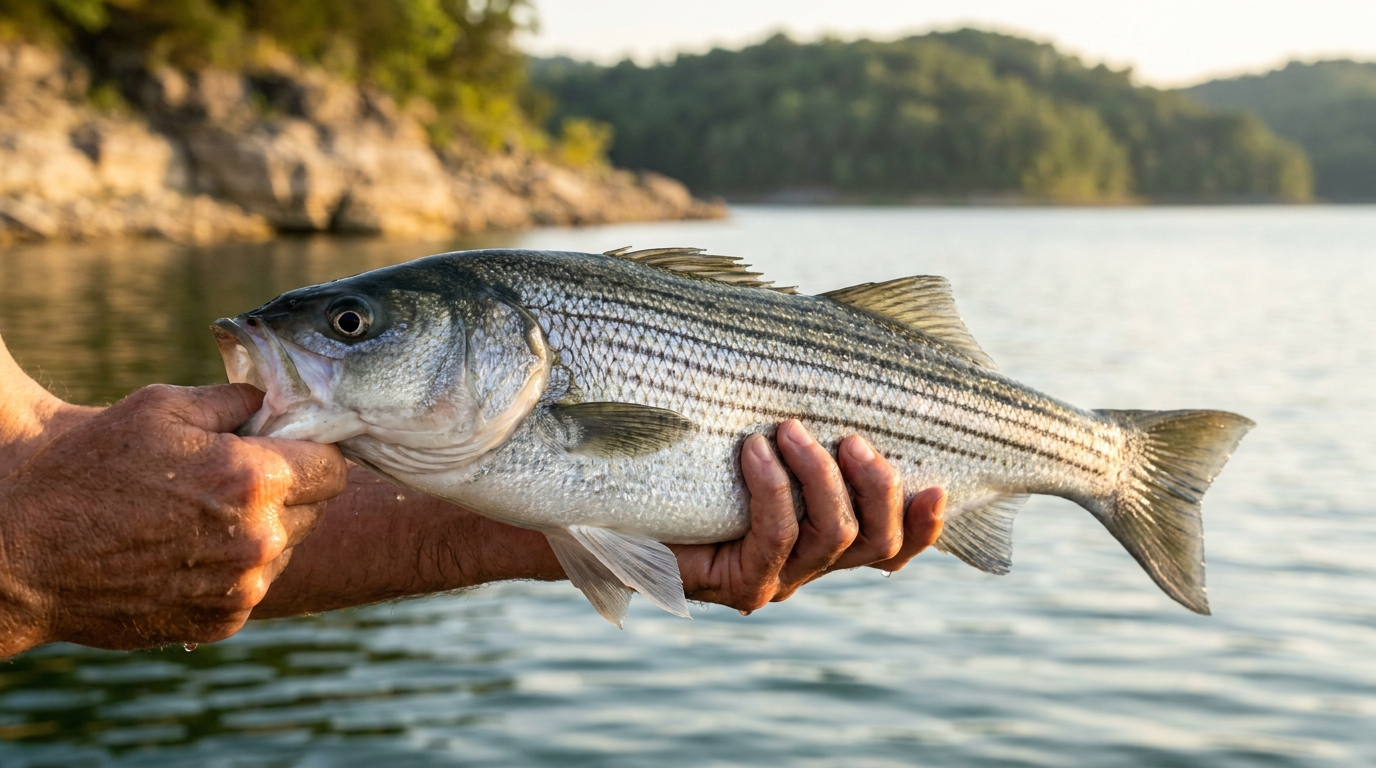
The bite has been sluggish this week due to the combination of slow current and intense heat. Catfish activity remains curtailed as the lack of flow has diminished baitfish movement, leaving catfish lethargic. Bass fishing has also been challenging, with the best action occurring during early morning hours and just before dark when the sun isn't bearing down. Guides are reporting that a few crappie are being caught in the 11 to 14-foot depth range during lowlight conditions. White bass are occasionally visible blitzing at the surface and corralling shad schools over shallow sandbars, creating opportunities for anglers targeting these aggressive feeding windows.
Anglers are finding success this week with specific techniques and presentations. For crappie, jigs tipped with live minnows are producing reluctant bites, with some anglers scoring fish using live minnows exclusively. Bass anglers are having the most success in early morning hours casting topwater and shallow-running shad-colored crankbaits along shallow gravel banks. When white bass are busting the surface with schooling largemouth and smallmouth, tossing big spoons or larger crankbaits can pay dividends on bigger fish. Relief should be coming soon as cooler days arrive next week, which should help lower surface temperatures and resume stronger current flow.
Get More Fishing Report Specifics
Tap a topic button below for a report on current conditions.
Tap a topic above to get a current report for Kentucky Lake.
Answers are generated on demand and cached. No AI call fires until you tap a tab.
Kentucky Lake Fishing Guides
Looking for a Kentucky Lake fishing guide? 160,000 acres of Tennessee River reservoir makes this one of the most complex bodies of water in the country to learn — guides who know where the crappie and bass are staging by season are worth every dollar. Here are 4 fishing guides for Kentucky Lake that are worth checking out.
Kentucky Lake Fishing Strategies by Species
Seasonal patterns and techniques by target species · Verified against official sources
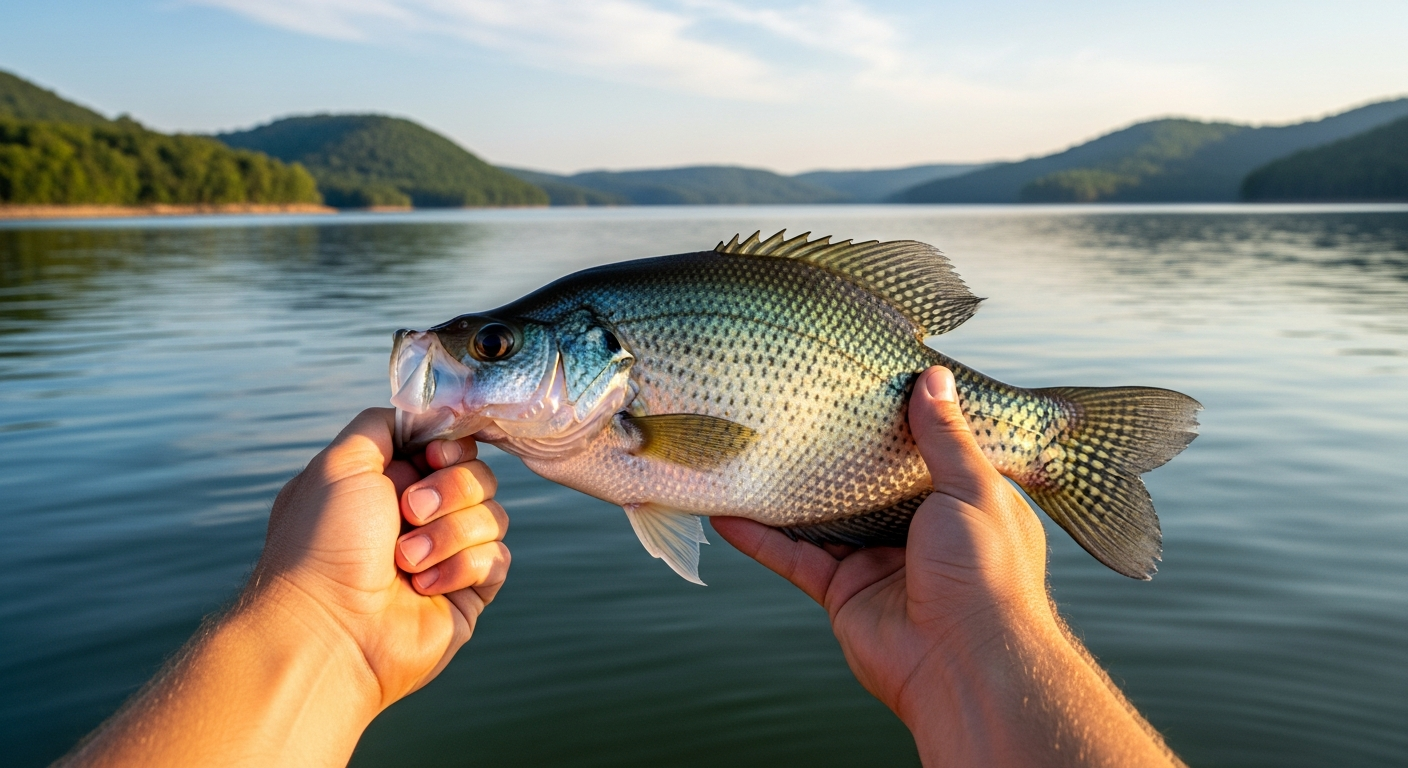
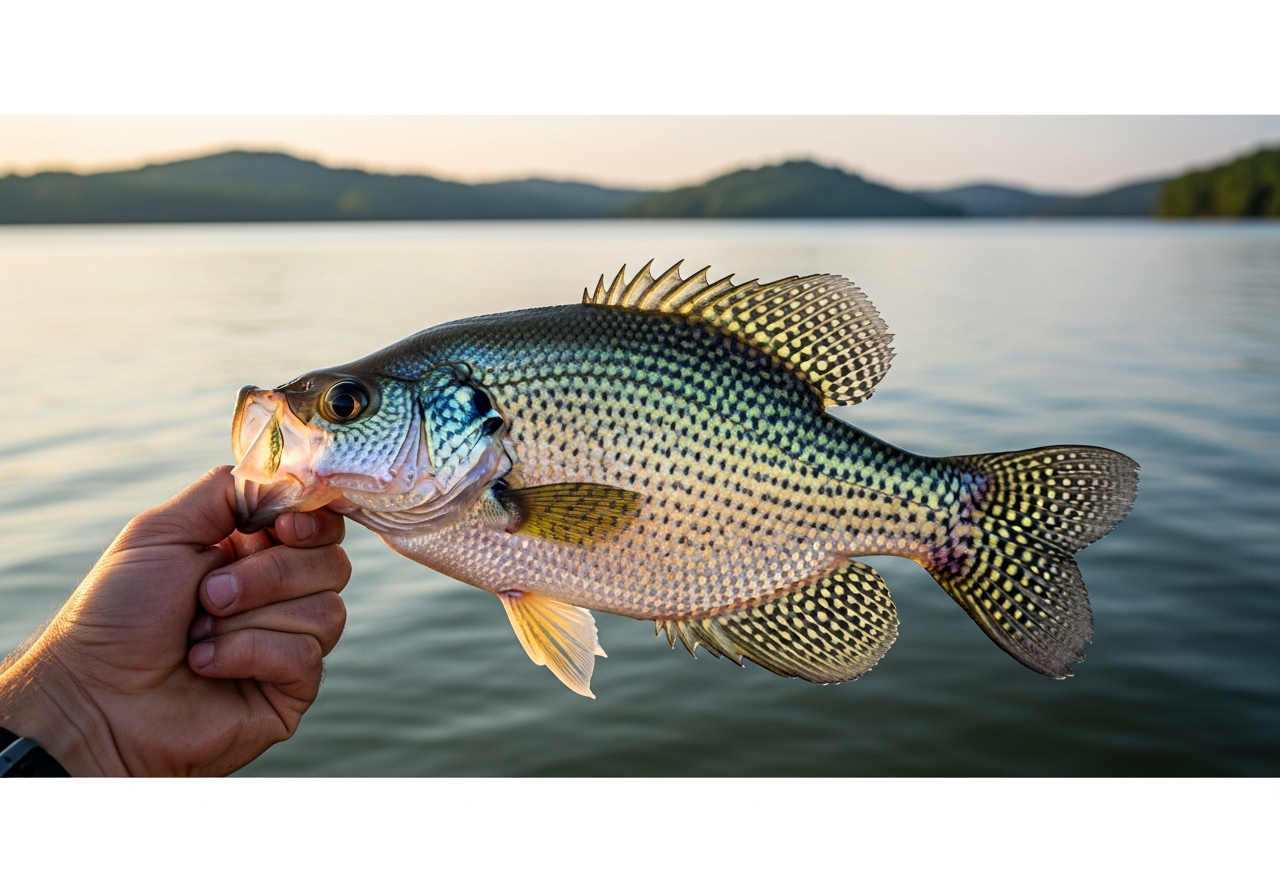
Crappie define the reputation at Kentucky Lake, consistently ranking it among the top crappie destinations in the eastern United States. Late winter and spring are the peak seasons: the Blood River arm and Jonathan Creek warm first and draw prespawn crappie into dock pilings and brush in 6 to 12 feet through March and April. The Kentucky crappie regulation is 9-inch minimum with a 30-fish daily bag. Largemouth bass, sauger (most accessible in the Kentucky Dam tailwater in fall), and channel catfish round out the primary fisheries. A valid Kentucky or Tennessee fishing license covers the entire lake under a reciprocal agreement between the two states.
Kentucky Lake Crappie Fishing Report
Kentucky Department of Fish & Wildlife sets the crappie regulation on Kentucky Lake at a 9-inch minimum with a 30-fish daily bag limit combined for black and white crappie. Both species are present, and the lake's reputation is built largely on the quality and consistency of the crappie fishery. Late winter and early spring are the peak crappie seasons on Kentucky Lake. Fish begin moving from their winter depth: 18 to 25 feet on main lake brush piles and dock structure: toward shallower cover as water temperatures climb through the low 50s in February and March. The Blood River arm on the south end of the Kentucky portion warms ahead of the main lake and draws early prespawn crappie into the protected coves. Jonathan Creek on the western shore and the Ledbetter Bay area also concentrate fish through the spawn in April, with crappie moving into 6 to 12 feet of water around dock pilings and submerged brush. A 1/16-ounce jig in chartreuse, pink, or white fished vertically through dock structure and brush produces consistently through the spawn. The long-lining technique: trolling multiple jigs on multiple rods at a slow idle speed: is popular on Kentucky Lake and covers water efficiently for locating active crappie on the main lake. Summer crappie pull to deeper main lake brush in 18 to 25 feet but remain catchable on vertical presentations through the dock structure.
Kentucky Lake Largemouth Bass Fishing Report
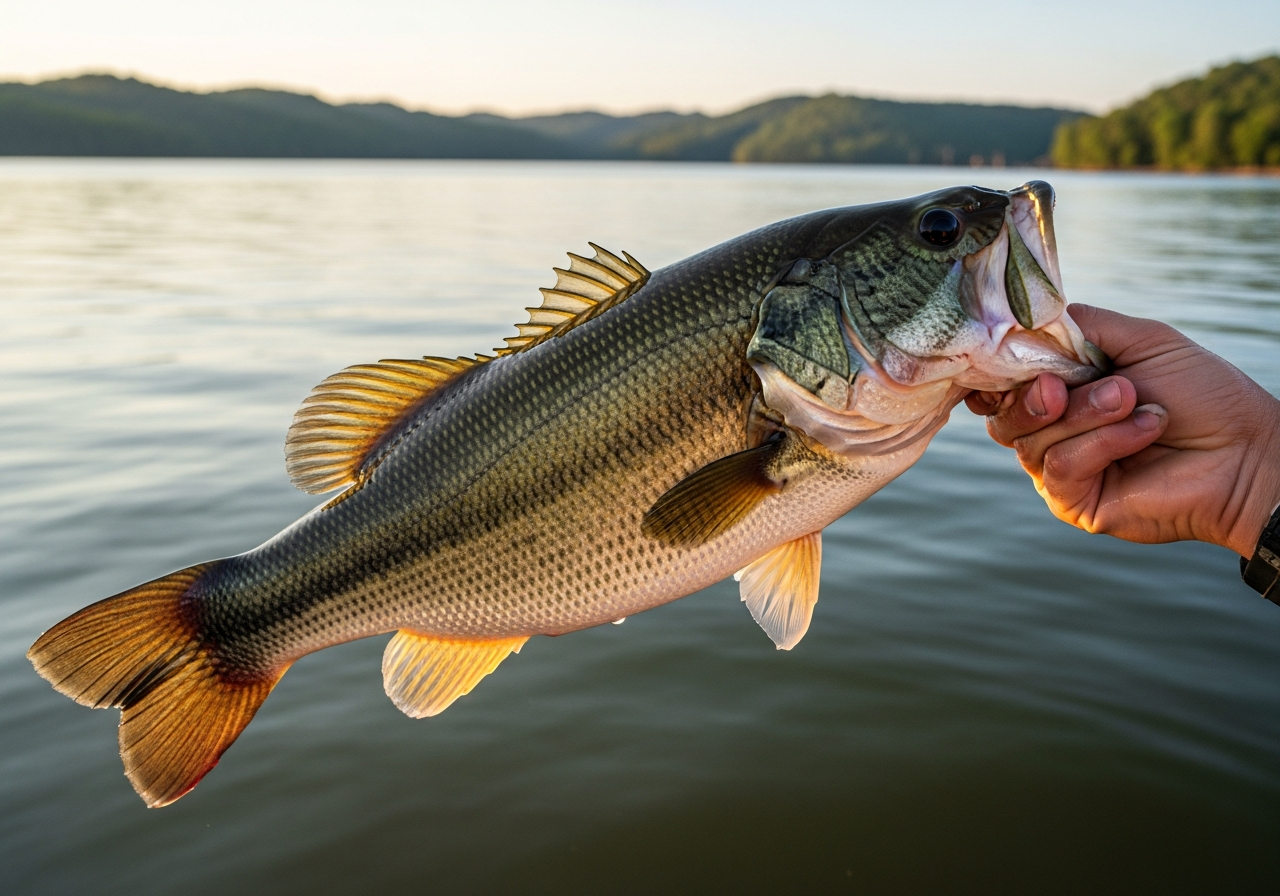
Kentucky Department of Fish & Wildlife sets the largemouth bass regulation at a 15-inch minimum with a 6-fish daily bag limit. The reciprocal license agreement with Tennessee means either state license covers the entire lake. Kentucky Lake largemouth fishing follows a pattern driven by the Tennessee River current and the lake's extensive cove and backwater system. Spring is the primary season. Bass stage on secondary points and the mouths of the major creek arms: Blood River, Jonathan Creek, and the smaller coves off the Ledbetter area: as water temperatures approach 60°F in late February and March. Squarebill crankbaits and Texas-rigged worms cover the prespawn water effectively. By mid-April, fish are on beds in the backs of the protected coves throughout the lake. Summer bass on Kentucky Lake follow a different pattern than most southern reservoirs. The lake's position as a TVA hydroelectric impoundment means current plays a significant role: bass position relative to current seams and the main channel transitions. Points and humps on the main lake between current-generating dam operations produce fish through summer. Carolina-rigged worms dragged along the bottom transitions in 12 to 20 feet and deep-diving crankbaits worked along the main channel edges are the most consistent summer approaches.
Kentucky Lake Sauger Fishing Report
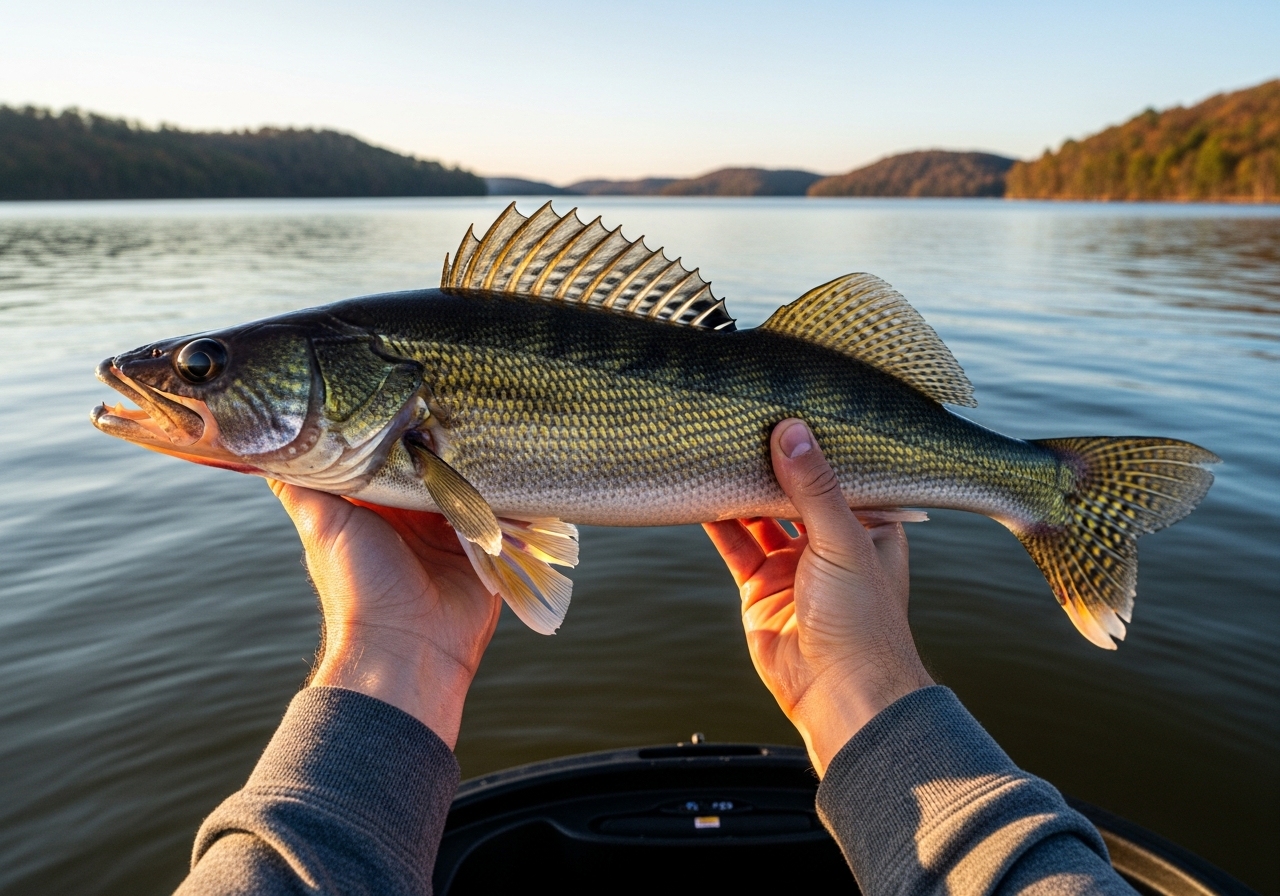
Sauger are more abundant than walleye in Kentucky Lake and provide a distinct cold-water fishery that peaks in fall and winter. The Tennessee Wildlife Resources Agency sets the sauger regulation on the Tennessee portion at a 15-inch minimum with a 10-fish daily bag. Verify current Kentucky KDFWR regulations before fishing the Kentucky waters. Sauger are a current-oriented species that concentrate near the dam tailwaters and in the deeper channel sections of the main lake. Fall is when the sauger bite on Kentucky Lake is most consistent. Fish move from their summer holding areas in the main channel into the shallower tailwater areas below Kentucky Dam as water temperatures cool into the 50s in October and November. Jigging spoons and curly-tail jigs worked vertically in the dam tailwater produce fish through late fall and winter. The main lake channel through the Benton County section of the Tennessee portion holds sauger through winter. Trolling small crankbaits and jigs along the channel edges in 15 to 25 feet produces fish when tailwater conditions aren't fishable.
Kentucky Lake Channel Catfish Fishing Report
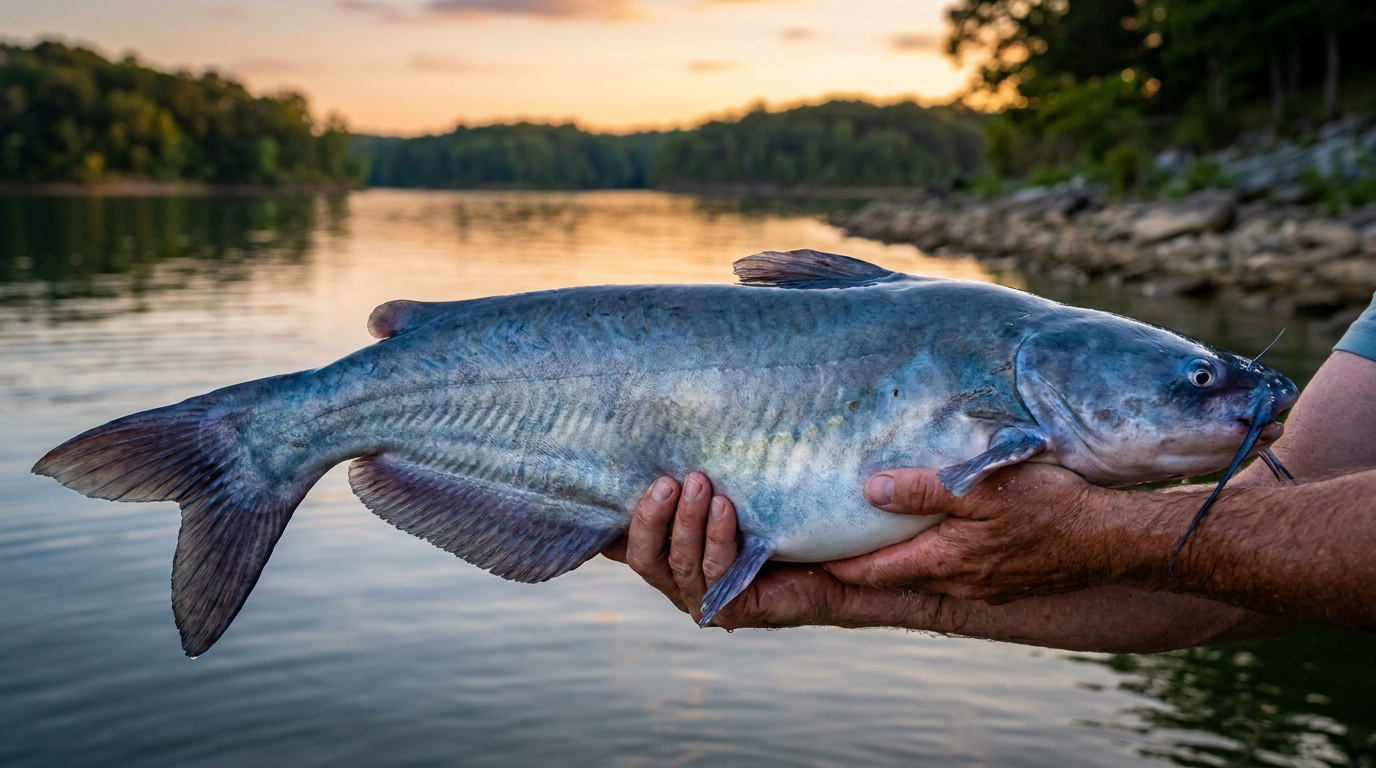
Channel catfish are abundant throughout Kentucky Lake and provide year-round action from bank and boat. The TVA shoreline includes extensive bank access through the Land Between the Lakes National Recreation Area on the north end of the lake, where the USFS manages 300 miles of shoreline with numerous developed and primitive access points. Cut shad, chicken liver, and prepared dip baits fished on the bottom in the creek channel bends of the Blood River arm and the main Tennessee River channel produce channel cats year-round. Summer night fishing from the bank access points in the LBL and at the various KDFWR and TVA recreation areas produces consistently as catfish move into shallower water after dark. The tailwater below Kentucky Dam also holds catfish year-round, particularly in the transition water below the powerhouse discharge.
For fishing heavy cover after Crappie, I run 50-65lb braid. Zero stretch means you feel every bite and you can pull fish out of structure before they wrap you. Reaction Tackle is where I restock. Their low-vis green disappears in most water conditions.
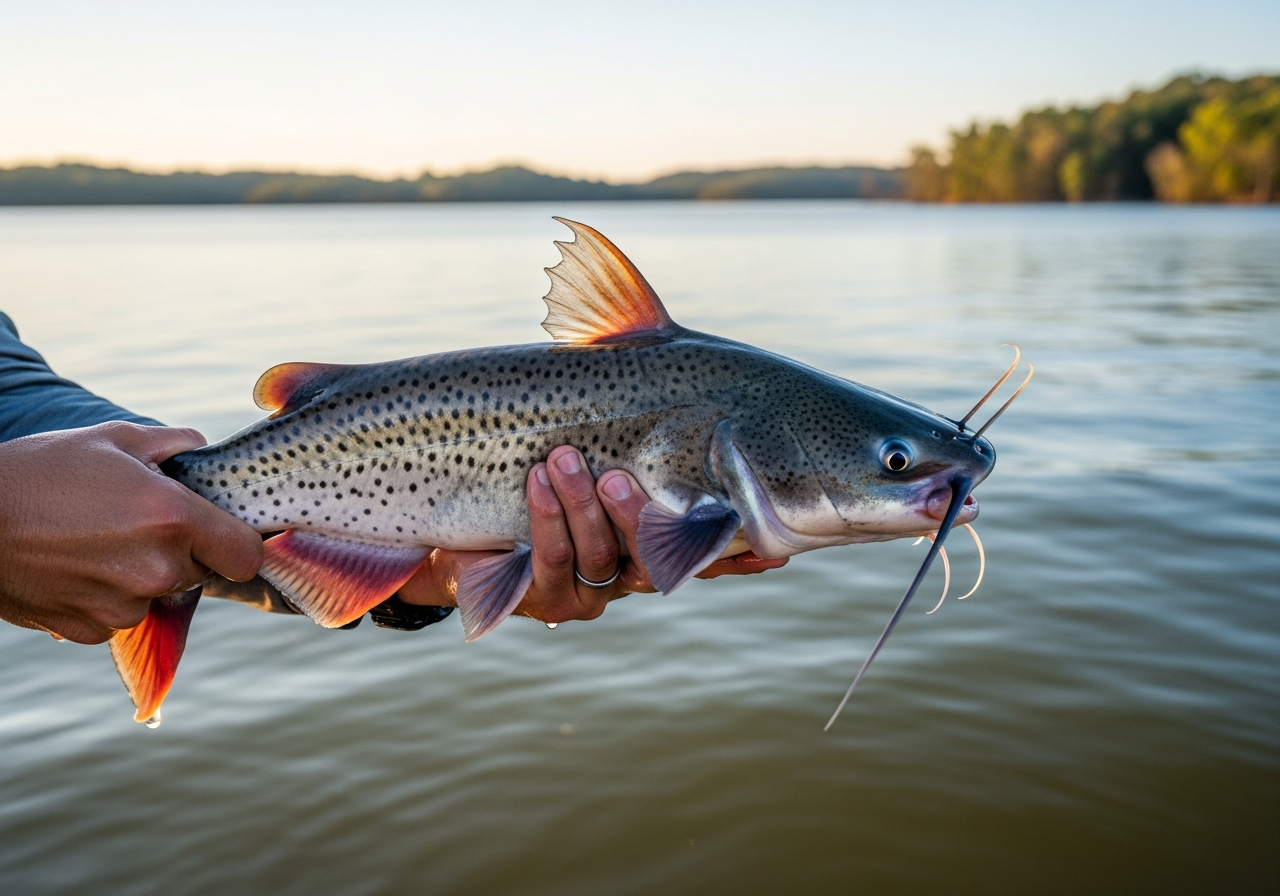
Top Fish to Target in Kentucky Lake
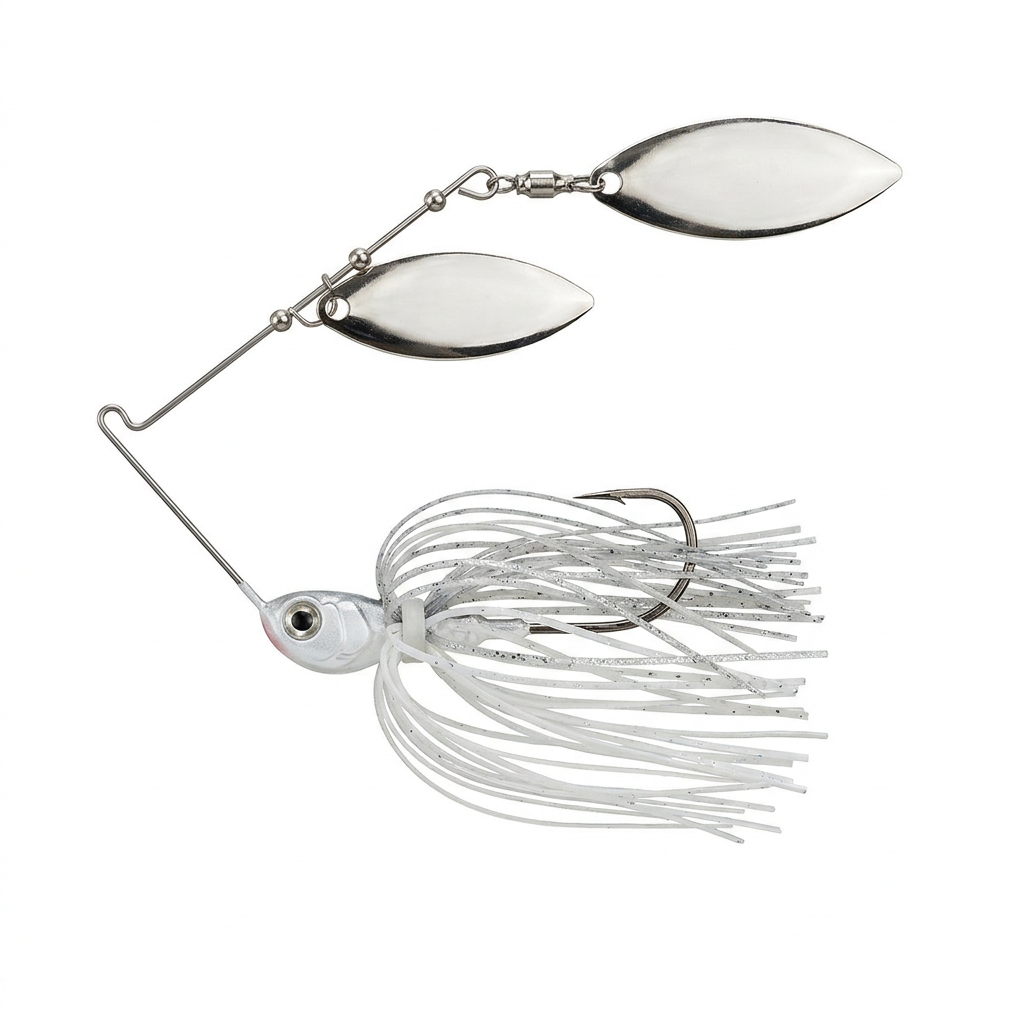
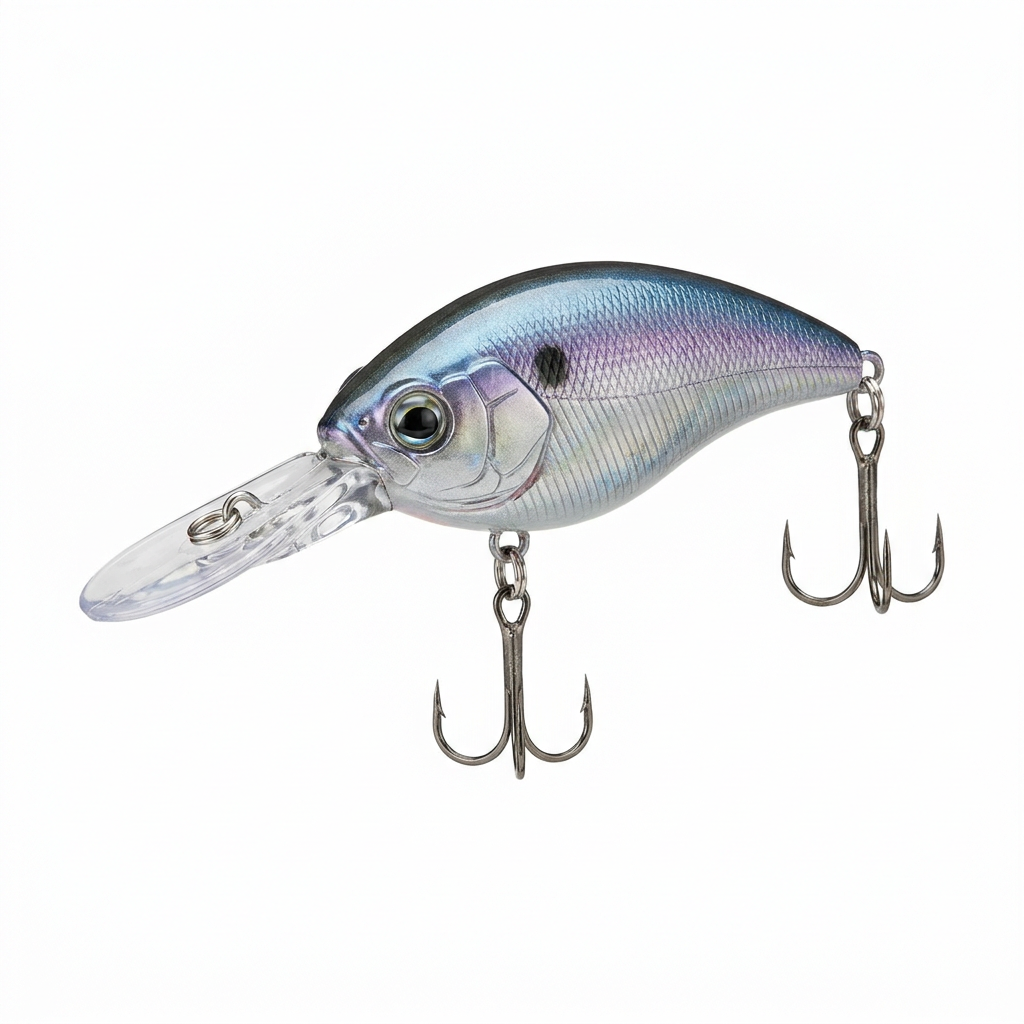
Lures for Kentucky Lake
Tackle matched to this lake's species and structure.
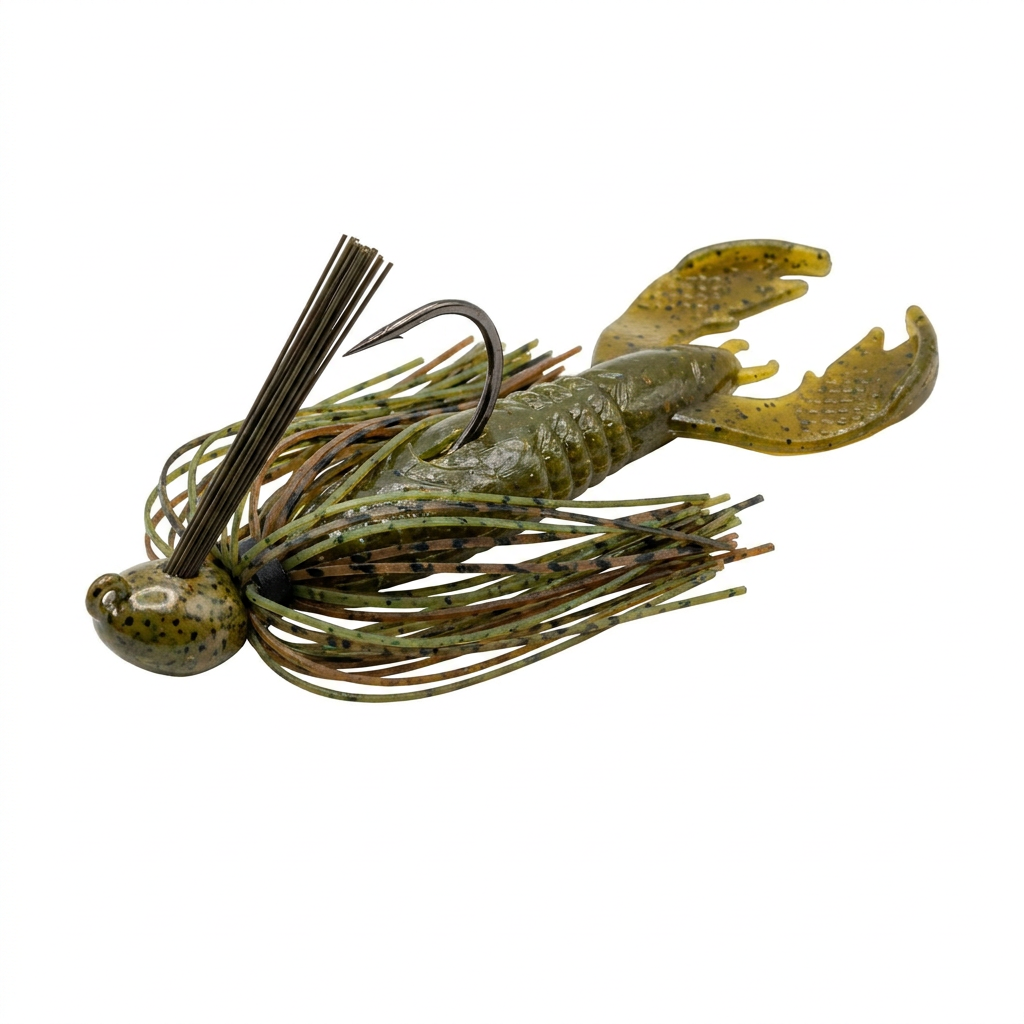
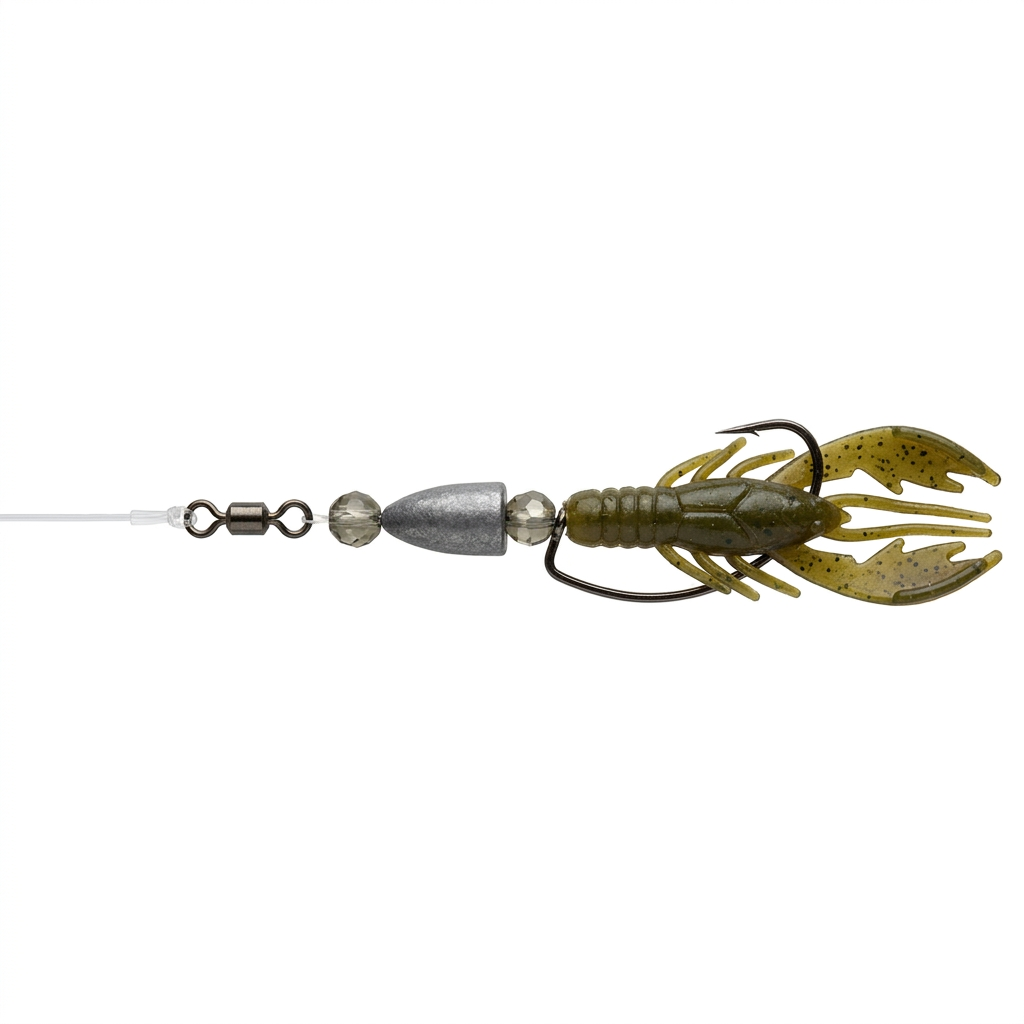
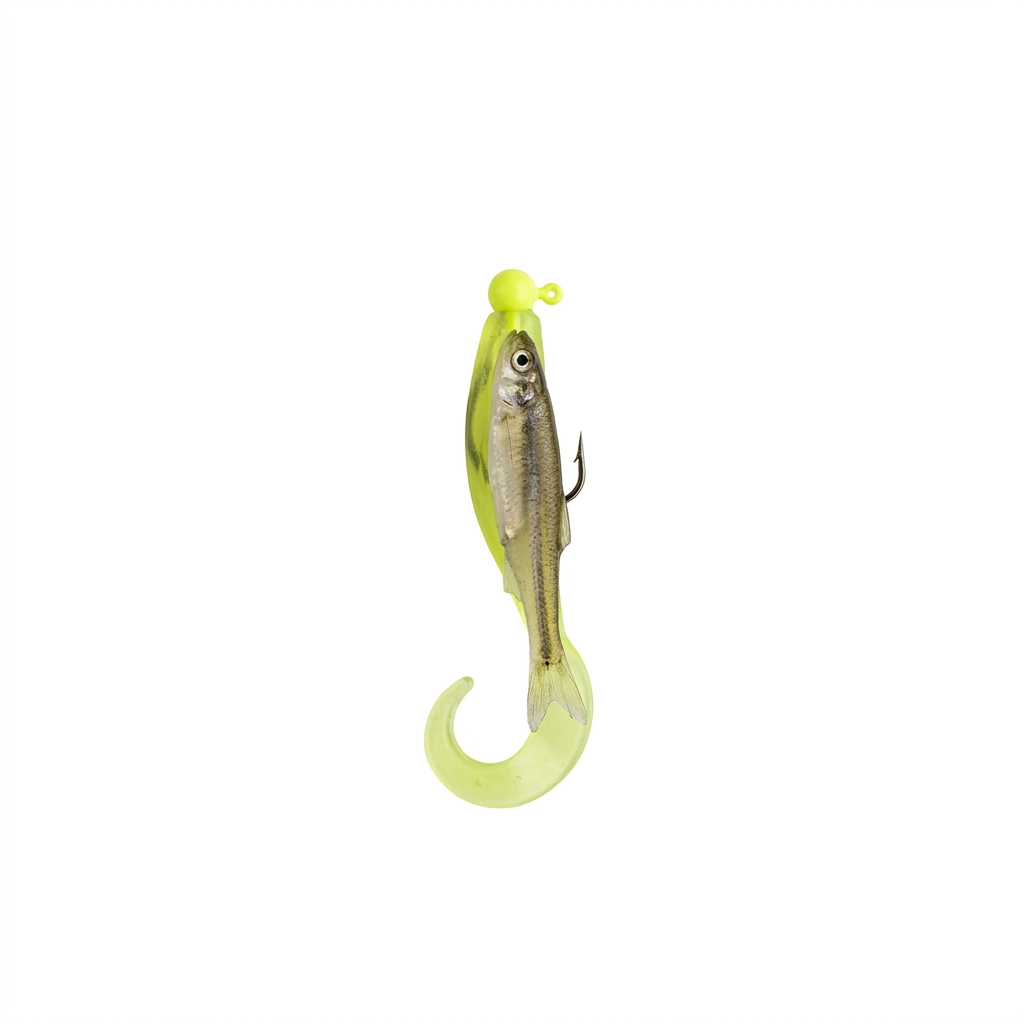
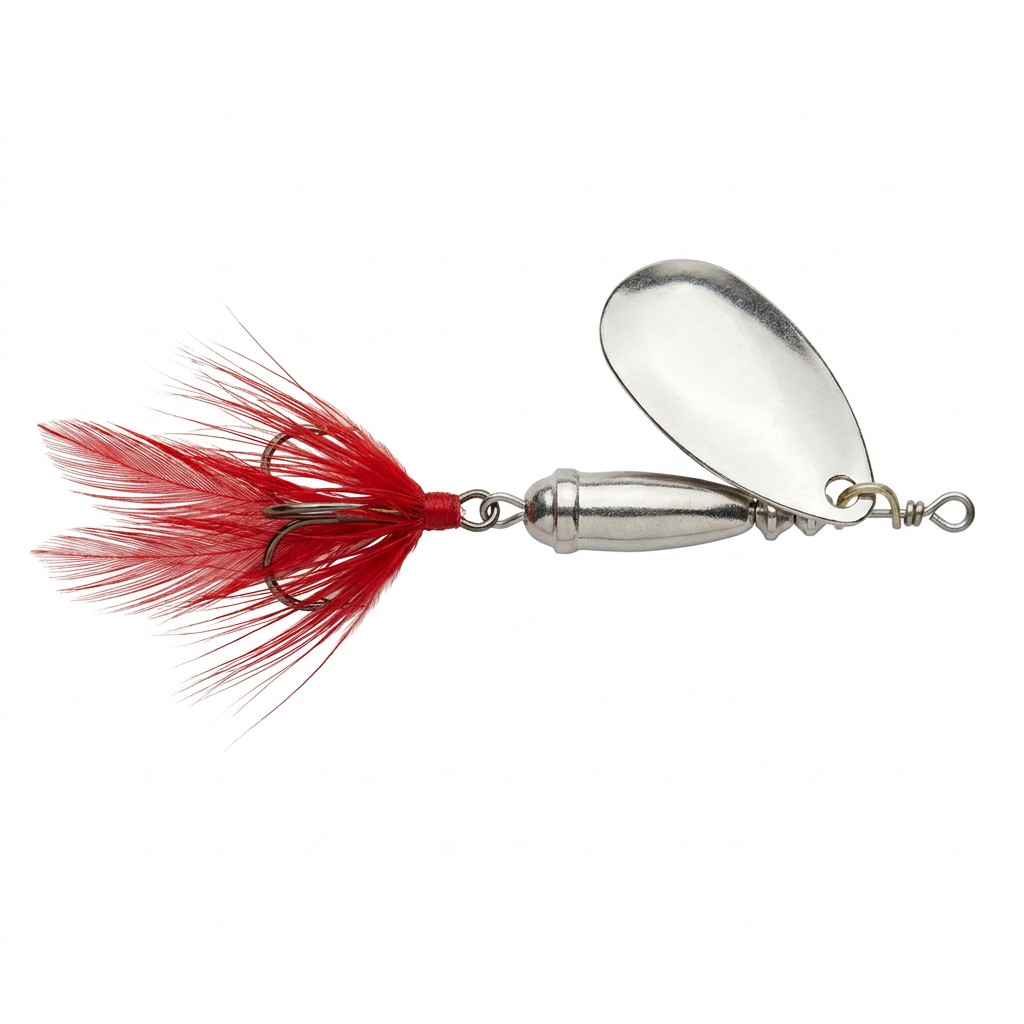
Worth checking before any trip: your line. Old braid gets brittle at the tag end and loses sensitivity over time. I rotate mine every season. Reaction Tackle is where I order from when it's time to restock.
About Kentucky Lake
Kentucky Lake's crappie reputation is the stuff of legend, and it's a trip I want to make with my dad. The spring bite around Jonathan Creek and the Blood River arm sounds like exactly the kind of fishing he'd love: big crappie, dock structure, and a cooler full of fish. Tennessee and Kentucky are both still on my state list.
Lake size and location. Kentucky Lake covers 160,309 acres along 184 miles of the Tennessee River: the largest man-made reservoir east of the Mississippi River by surface area. The Tennessee Valley Authority completed Kentucky Dam in August 1944. The lake runs from the dam near Gilbertsville, Kentucky south into Tennessee, touching Marshall, Calloway, Livingston, Lyon, and Trigg counties in Kentucky and Benton, Henry, and Decatur counties in Tennessee.
Reciprocal fishing license. Kentucky and Tennessee have a reciprocal fishing license agreement: a valid Kentucky or Tennessee fishing license covers the entire lake. Anglers do not need both state licenses. Verify current license requirements at KDFWR or TWRA before fishing.
Land Between the Lakes. The northern end of Kentucky Lake borders the Land Between the Lakes National Recreation Area: 170,000 acres of federal land managed by the US Forest Service between Kentucky Lake and Lake Barkley. LBL provides extensive public shoreline access, campgrounds, and boat ramps along both lakes' north ends.
Crappie regulations. Kentucky: 9-inch minimum, 30-fish daily bag (combined black and white crappie). Largemouth bass: 15-inch minimum, 6-fish daily bag. Sauger (Tennessee side): 15-inch minimum, 10-fish daily bag. Verify current regulations at KDFWR and TWRA before fishing.
TVA management. The Tennessee Valley Authority operates Kentucky Dam for hydroelectric power generation and flood control on the Tennessee River. Current generation schedules affect current patterns throughout the lake and influence fish positioning, particularly for sauger and bass near the main channel.