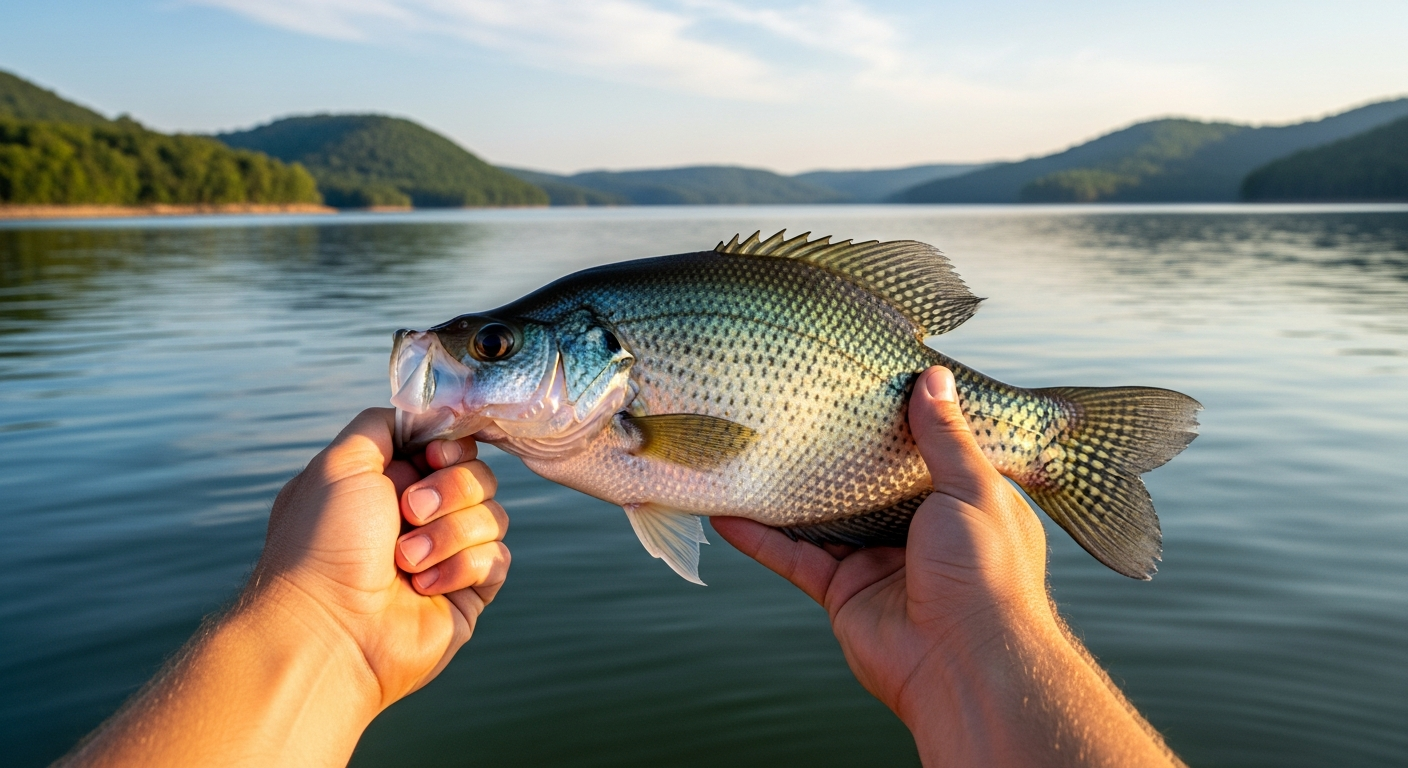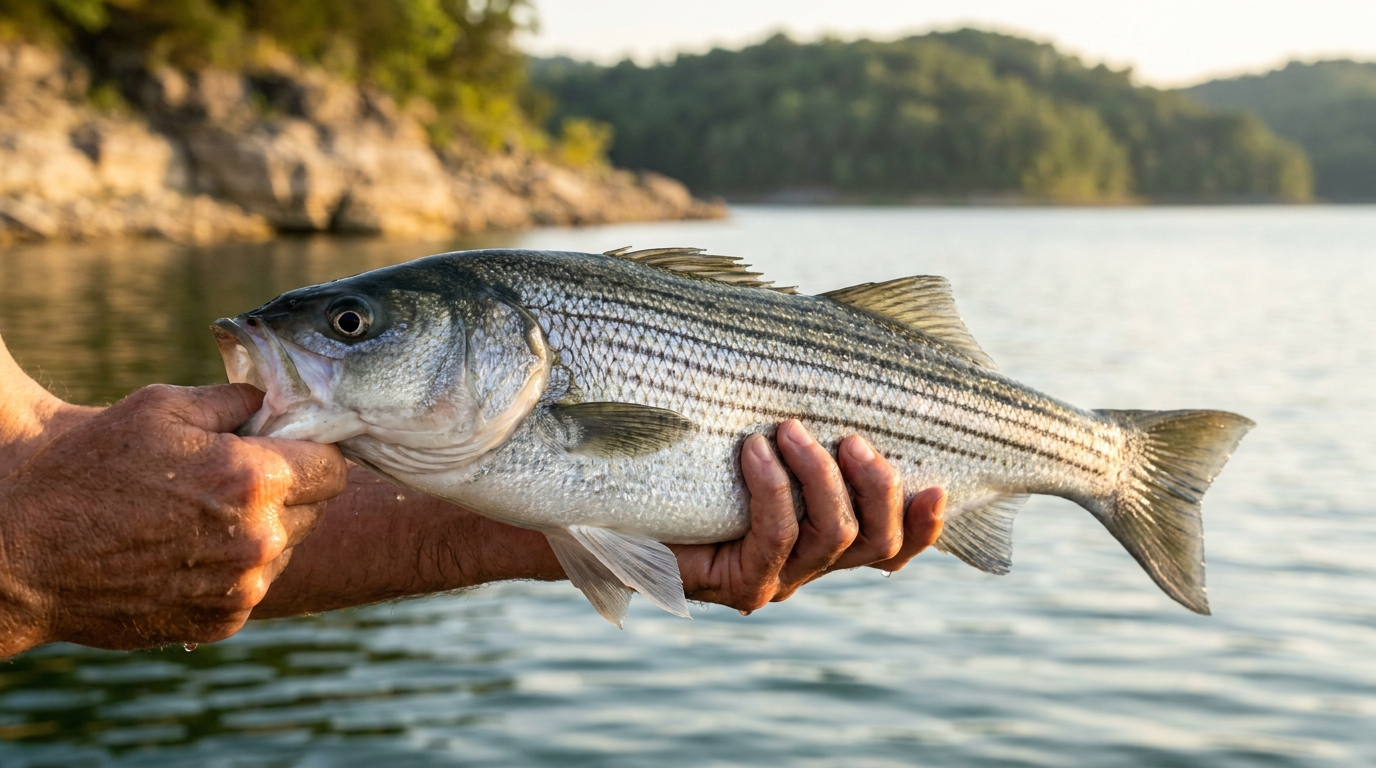
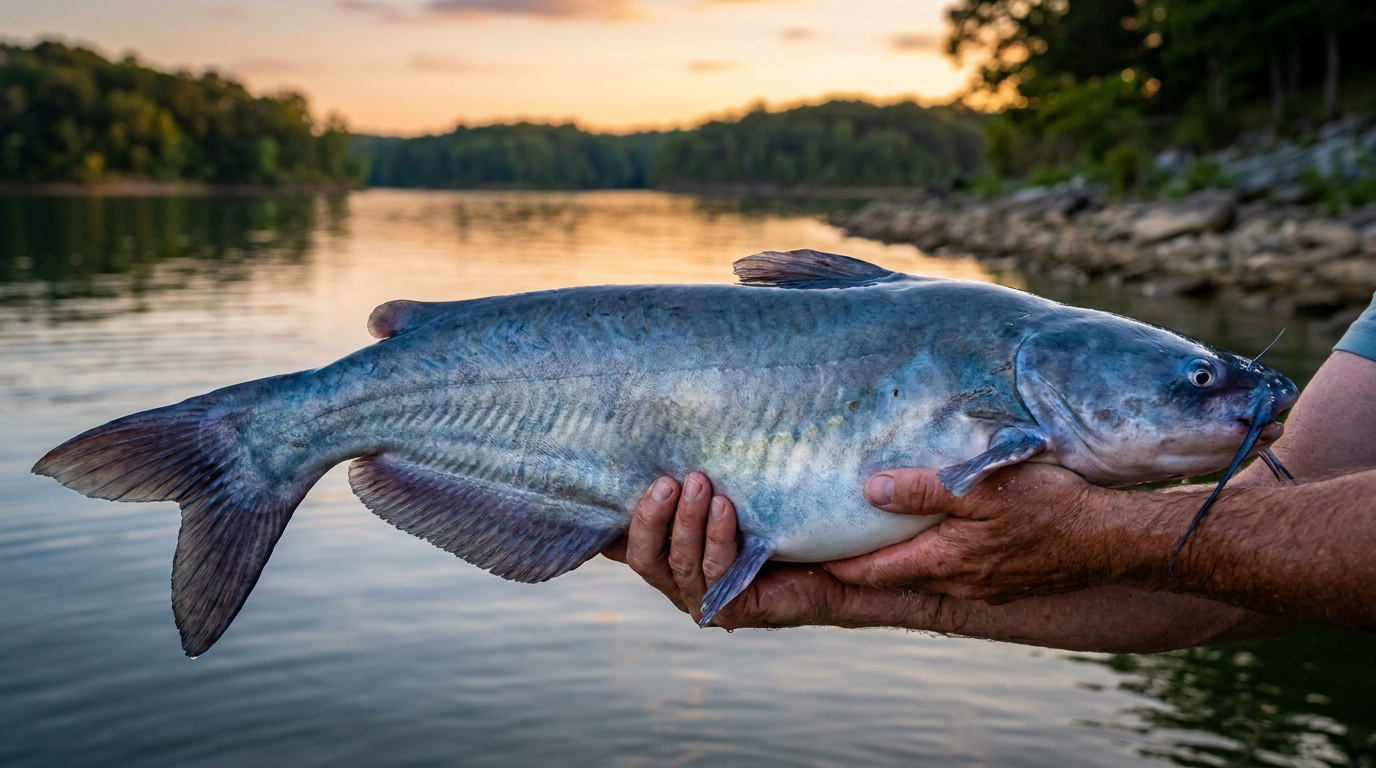
Lake Barkley is the quieter sibling to Kentucky Lake right next door, and I think it gets underrated because of that comparison. The Tennessee state record blue catfish came out of Barkley in 2023 at 122 pounds, which is an absolutely insane fish. Sauger fishing in the fall and winter near Barkley Dam is another reason I want to make this trip. The canal connection to Kentucky Lake is one of those unique features you just do not see elsewhere.
Today's Bite Score · October 8, 2026
Above average conditions worth planning a trip
🌘Waning Crescent
Lake Barkley Fishing Report
October FishingMonthly fishing report · October patterns and techniques
Lake Barkley is experiencing prime fishing conditions this month as water temperatures begin to cool and fish activity increases throughout the lake. In October, anglers are finding that the cooling water temps trigger more aggressive feeding behavior as fish prepare for the colder months ahead. The transition period creates ideal circumstances for anglers of all skill levels to connect with quality catches, as fish move into more predictable patterns and feeding zones.
Bass fishing is particularly strong in October at Lake Barkley, with largemouth and smallmouth bass actively feeding in deeper structure and along rocky shorelines. The bite is excellent around submerged timber, ledges, and main lake points where fish congregate this month. Crappie are also very active in October, with both black and white crappie moving into moderate depths as they respond to the seasonal water temperature changes. Catfish remain a reliable target throughout the lake, holding in deeper holes and channels where anglers are finding consistent action.
Anglers are finding success in October using a variety of techniques tailored to the current conditions at Lake Barkley. Crankbaits and soft plastic baits work effectively for bass, particularly when worked around deeper structure and main lake features. Live baitfish presentations, including shiners and shad, produce solid results for both bass and crappie throughout this month. For catfish, the bite is best using cut bait and stink baits fished on the bottom in deeper water. Early morning and late afternoon periods offer peak feeding windows in October, though fish remain active throughout daylight hours as the month progresses.
Get More Fishing Report Specifics
Tap a topic button below for a report on current conditions.
Tap a topic above to get a current report for Lake Barkley.
Answers are generated on demand and cached. No AI call fires until you tap a tab.
Lake Barkley Fishing Guides
Looking for a Lake Barkley fishing guide? Right next to Kentucky Lake and sharing the canal connection, Barkley's crappie, catfish, and sauger fisheries all have specific seasonal patterns that local guides know cold. Here are 2 fishing guides for Lake Barkley that are worth checking out.
Lake Barkley Fishing Strategies by Species
Seasonal patterns and techniques by target species · Verified against official sources
Lake Barkley is a 57,920-acre Cumberland River impoundment in western Kentucky and Tennessee, adjacent to Kentucky Lake and separated from it by the Land Between the Lakes National Recreation Area. A navigational canal connects the two lakes. Lake Barkley was named for Vice President Alben W. Barkley, a Kentucky native, and Barkley Dam was completed by the USACE Nashville District in 1966. The lake is best known for blue catfish, crappie, sauger, and largemouth bass. The Tennessee state record blue catfish (122 lbs 3 oz, Micka Burkhart, June 28, 2023) came from Lake Barkley. Anglers must carry the license for the state whose waters they are fishing. Lake Barkley has no reciprocal license agreement between Kentucky and Tennessee. Verify all current regulations at fw.ky.gov (KY waters) and tn.gov/twra (TN waters) before fishing.
Lake Barkley Largemouth Bass Fishing Report
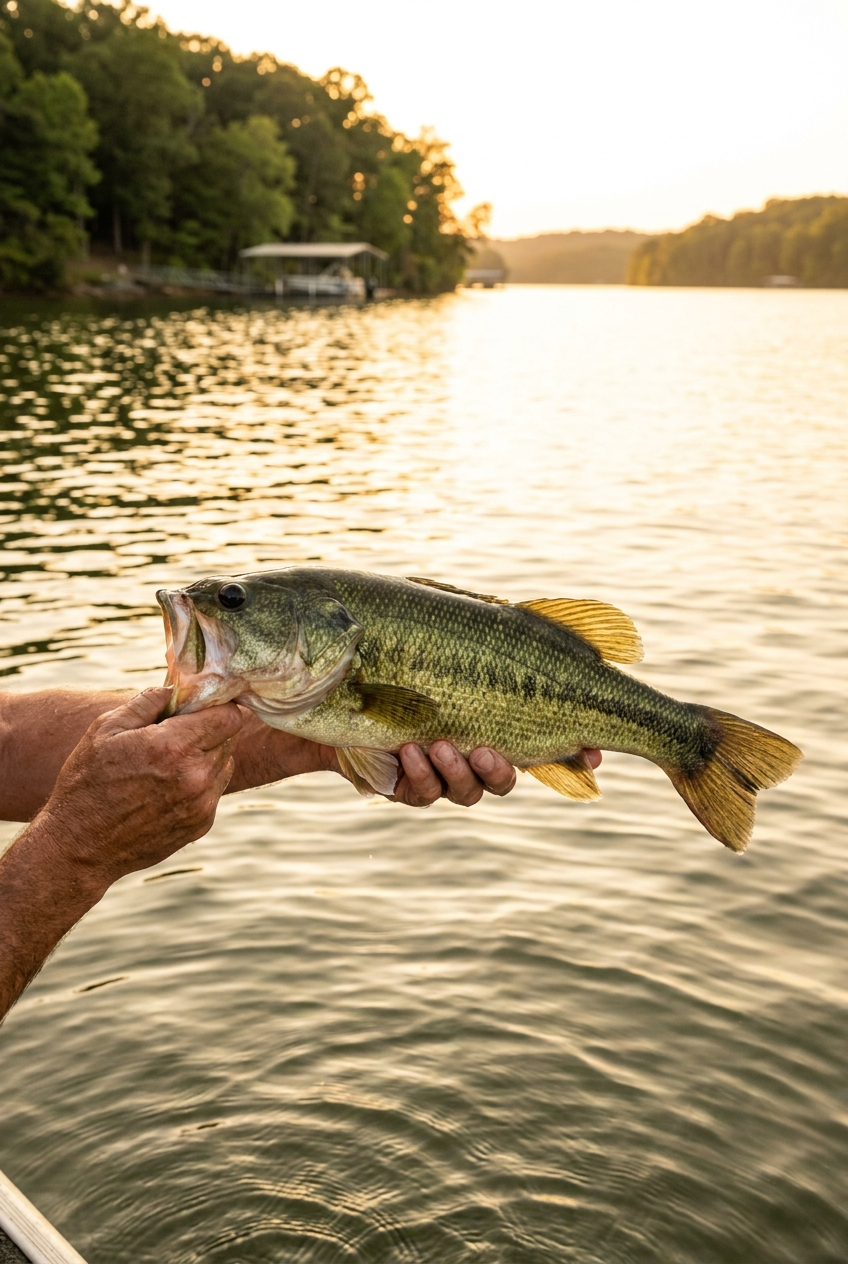
Largemouth bass fishing at Lake Barkley centers on the creek arms, dock communities, and flooded timber throughout the Kentucky portion of the lake. The Lyon and Trigg County arms hold the highest largemouth concentrations, with the cove and creek pocket structure on the LBL shoreline providing extensive natural habitat. Kentucky KDFWR regulates largemouth bass on the KY side at a 12-inch minimum with a 6-fish daily combined bag limit for all black bass. Tennessee TWRA sets no minimum size for black bass on the TN side with a 5-fish daily bag. Always fish with the license of the state whose waters you are in, as Lake Barkley has no reciprocal license agreement. Verify regulations at fw.ky.gov and tn.gov/twra before fishing. Spring is the primary largemouth season at Lake Barkley. Bass stage on the main lake points and cove mouths in 8 to 14 feet as temperatures climb through late March and April, then move into the creek pockets and protected cove flats to spawn in 2 to 6 feet through mid-May. The LBL shoreline on the eastern bank provides extensive shallow cove structure with limited development pressure, making it productive throughout the spring. Spinnerbaits and Texas-rigged worms work best through the prespawn and spawn periods. Summer largemouth relate to the deeper dock structure and the shaded bluff faces in 10 to 18 feet during the hottest months, with morning and evening topwater fishing productive around the dock communities.
Lake Barkley Smallmouth Bass Fishing Report
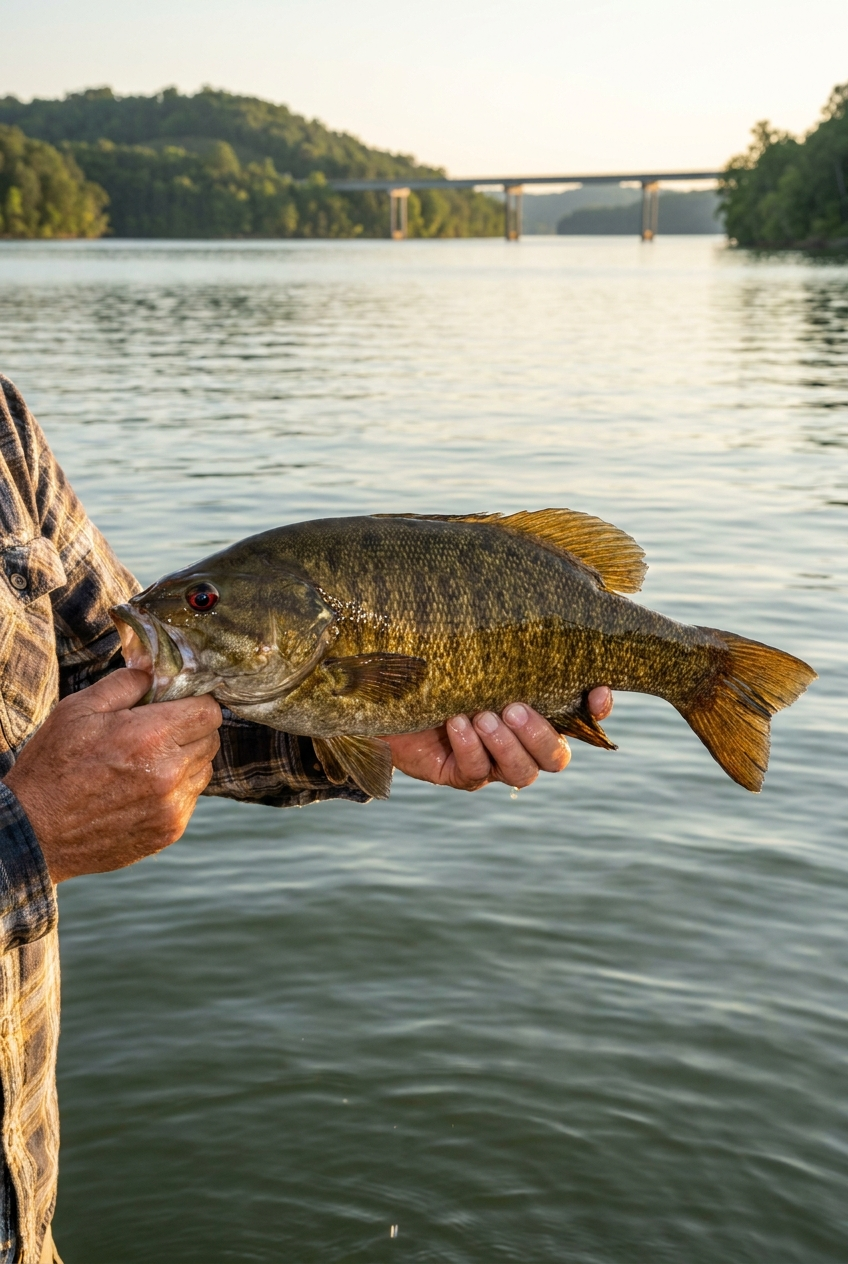
Smallmouth bass are present at Lake Barkley in the rockier main lake sections and along the primary points and channel transitions in the deeper portions of the lake. Smallmouth are less abundant here than largemouth but provide a quality alternative fishery for anglers targeting the rocky main lake structure near Barkley Dam. Kentucky KDFWR regulates smallmouth with the same combined bass regulation: 12-inch minimum, 6-fish daily. Tennessee TWRA sets no minimum for black bass on the TN side with a 5-fish daily bag. Verify regulations at fw.ky.gov and tn.gov/twra before fishing. Smallmouth at Lake Barkley follow a seasonal pattern similar to other Cumberland River impoundments. Spring prespawn fish move from deeper main lake transitions toward the rocky secondary points in 8 to 15 feet in April. Tube jigs and grub-style soft plastics on lighter line produce the most consistent spring smallmouth. Summer fish retreat to deeper structure in 15 to 25 feet and are most effectively targeted with deep-diving crankbaits and Carolina rigs along the channel edges and rocky bluff walls in the lower lake sections. Fall brings smallmouth back to the main lake rocky structure for an active feeding period through October.
Lake Barkley Crappie Fishing Report
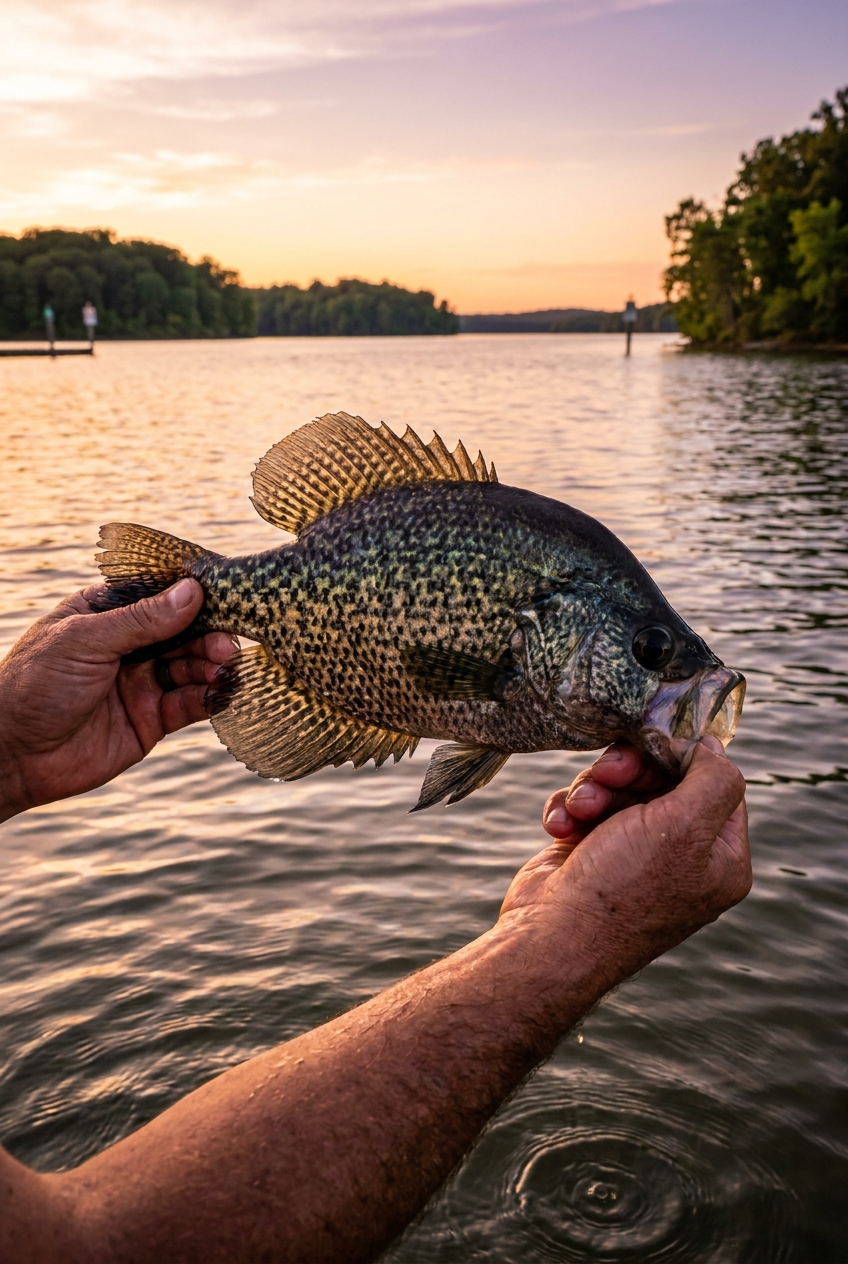
Crappie are one of the primary draws at Lake Barkley, with both black and white crappie throughout the dock structure, bridge pilings, and submerged timber of the upper lake arms. The lake's proximity to Kentucky Lake and the shared LBL shoreline means crappie anglers have access to a large amount of structure-rich water. Kentucky KDFWR crappie regulation on the KY side is no minimum size with a 20-fish daily bag. Tennessee TWRA sets a 10-inch minimum with a 15-fish daily bag on the TN side. Fish with the license and observe the regulations of the state whose waters you are fishing. Verify current regulations at fw.ky.gov and tn.gov/twra before fishing. Spring is the peak crappie season at Lake Barkley. Fish move from winter depth on the main lake brush and dock structure in 15 to 20 feet toward the shallow dock pilings and cove timber in 4 to 10 feet as water temperatures climb through the low 50s in March and April. The protected cove arms in Lyon and Trigg counties warm first each spring and draw early prespawn fish. Small jigs in chartreuse, white, and pink worked vertically through dock structure produce consistent results. The canal between Lake Barkley and Kentucky Lake also concentrates crappie during current-generated feeding periods. Summer crappie suspend at 12 to 20 feet under the dock structure throughout the main lake.
Lake Barkley Sauger Fishing Report
Sauger are an underrated but significant fishery at Lake Barkley, concentrated in the main lake channel and the dam tailwater areas. The lake's current-influenced main channel provides the habitat that sauger prefer, and fall and winter sauger fishing near Barkley Dam is a legitimate reason to make the trip. Kentucky KDFWR regulates walleye, sauger, and their hybrids combined at a 14-inch minimum with a 6-fish daily bag on the KY side. Verify Tennessee TWRA regulations for the TN side at tn.gov/twra before fishing waters in Stewart or Montgomery counties. Sauger at Lake Barkley are most accessible in fall and winter when fish move from their summer holding areas on the main channel transitions into the shallower tailwater and dam areas as water temperatures cool into the 50s in October and November. Jigging spoons, blade baits, and curly-tail jigs worked vertically in the channel near Barkley Dam are the primary fall and winter presentations. Night fishing from mid-November through February is productive when sauger move shallow under low-light conditions. Main lake channel trolling with small crankbaits in 15 to 25 feet produces sauger throughout winter when tailwater conditions are not fishable.
Lake Barkley Blue Catfish Fishing Report
Lake Barkley holds the current Tennessee state record blue catfish: 122 pounds 3 ounces, caught by Micka Burkhart on June 28, 2023. This record-class fish reflects the population of trophy blue catfish that inhabit the deeper channel sections and the dam area. Blue catfish are the largest catfish species in Lake Barkley and are concentrated in the main lake channel transitions and the deeper sections near Barkley Dam. Tennessee TWRA sets the blue catfish regulation on the TN side at 15 fish per day with no minimum size. Kentucky KDFWR sets blue catfish at 5 fish per day on the KY side. Verify current regulations at fw.ky.gov and tn.gov/twra before fishing. Large blue catfish at Lake Barkley are targeted in the main channel on fresh-cut shad, skipjack herring, and live bream suspended at depth near the bottom transitions in 20 to 45 feet. The deep channel sections and the current areas near Barkley Dam hold the largest concentrations of blue cats throughout the year. Summer is the most productive season for trophy blue catfish as fish feed actively in the deep channel. Night fishing with heavy bottom rigs in the channel bends of the main lake produces consistently. A quality sonar unit to locate channel edges and depth transitions is essential for consistently finding the largest fish.
Lake Barkley Channel Catfish Fishing Report
Channel catfish are abundant throughout Lake Barkley and provide accessible bank and boat fishing across all seasons. The creek arm channels, cove bottoms, and the main lake transitions hold channel cats throughout the KY and TN portions of the lake. Kentucky KDFWR sets channel catfish at 10 fish per day with no minimum size on the KY side. Tennessee TWRA sets channel catfish at 15 fish per day on the TN side. Verify regulations at fw.ky.gov and tn.gov/twra before fishing. Cut shad, chicken liver, and prepared bait fished on the bottom in the creek channel bends and along the main lake flat transitions produce channel catfish year-round. The LBL shoreline on the eastern bank provides extensive bank access through the Land Between the Lakes National Recreation Area, managed by the USDA Forest Service. Summer night fishing from the LBL bank access points produces consistently as channel cats move into shallow water to feed after dark. The USACE operates boat ramps and recreation areas throughout both the KY and TN portions of the lake.
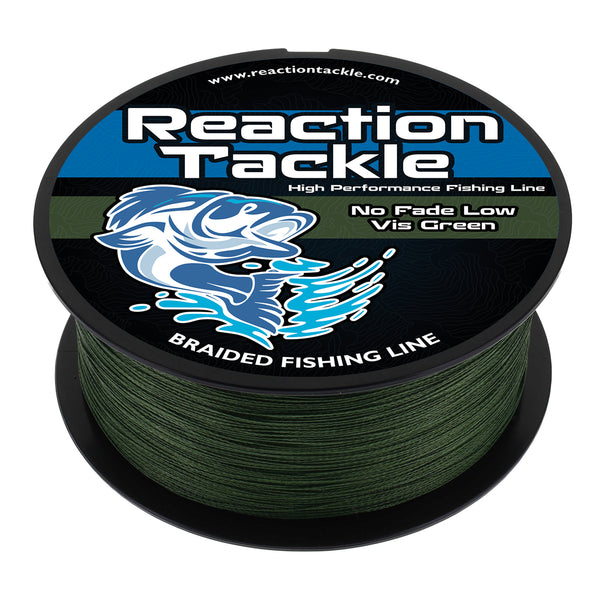
For fishing heavy cover after Largemouth Bass, I run 50-65lb braid. Zero stretch means you feel every bite and you can pull fish out of structure before they wrap you. Reaction Tackle is where I restock. Their low-vis green disappears in most water conditions.
Top Fish to Target in Lake Barkley
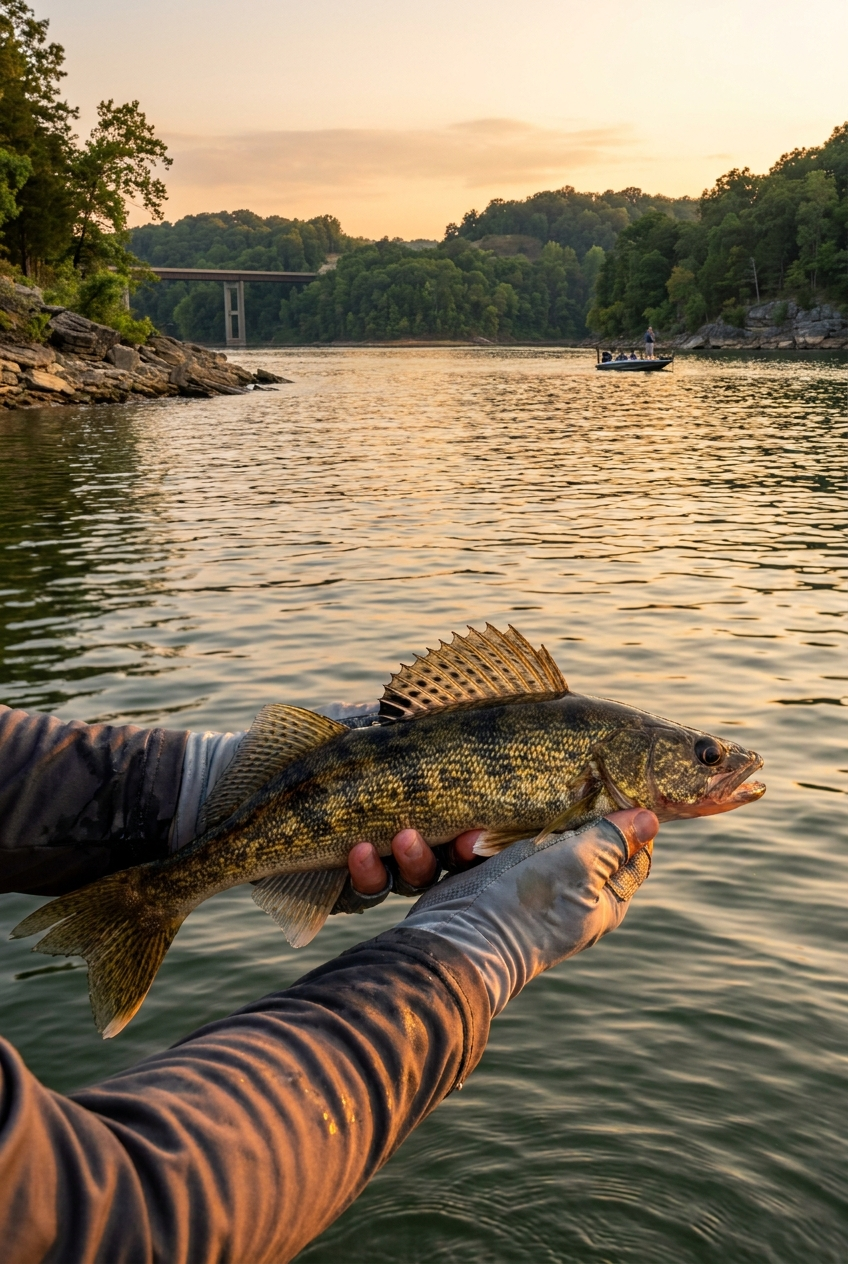
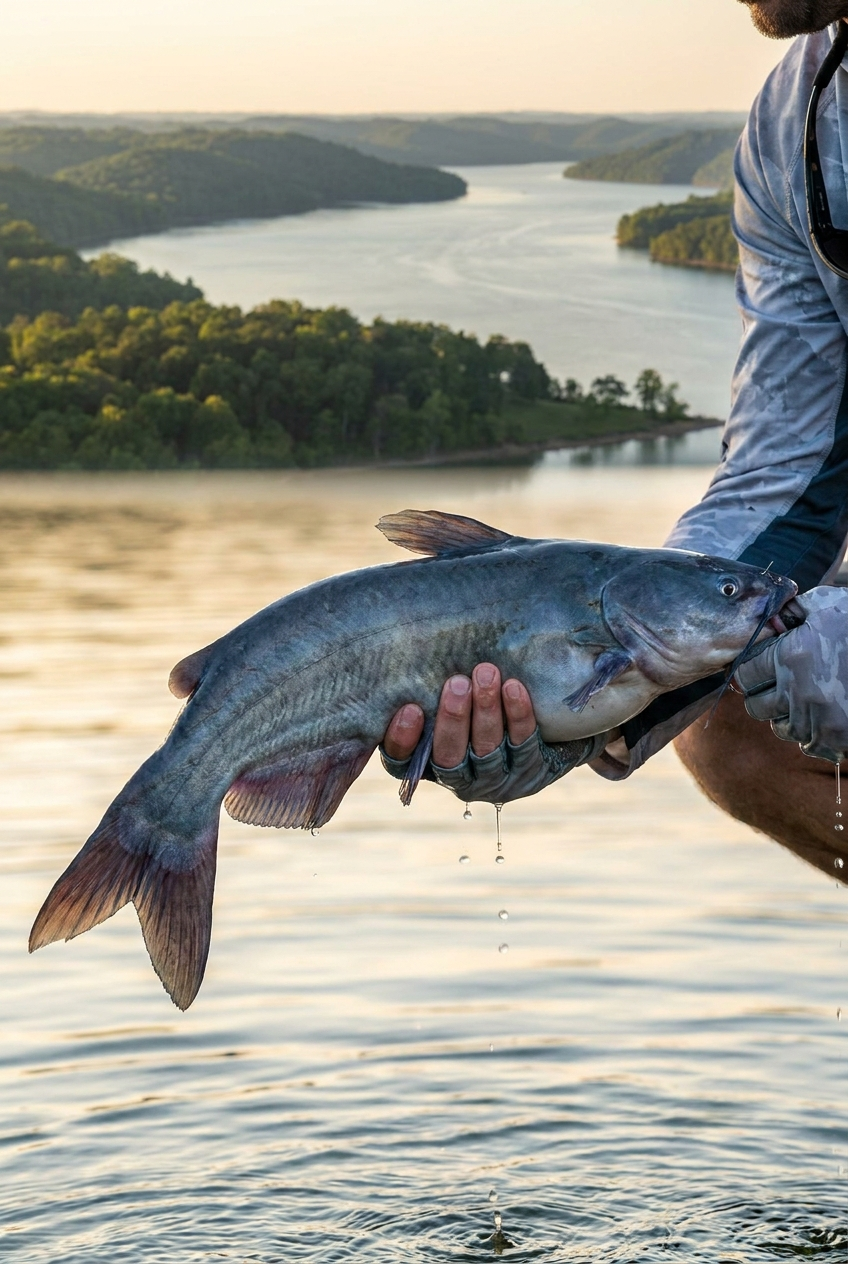
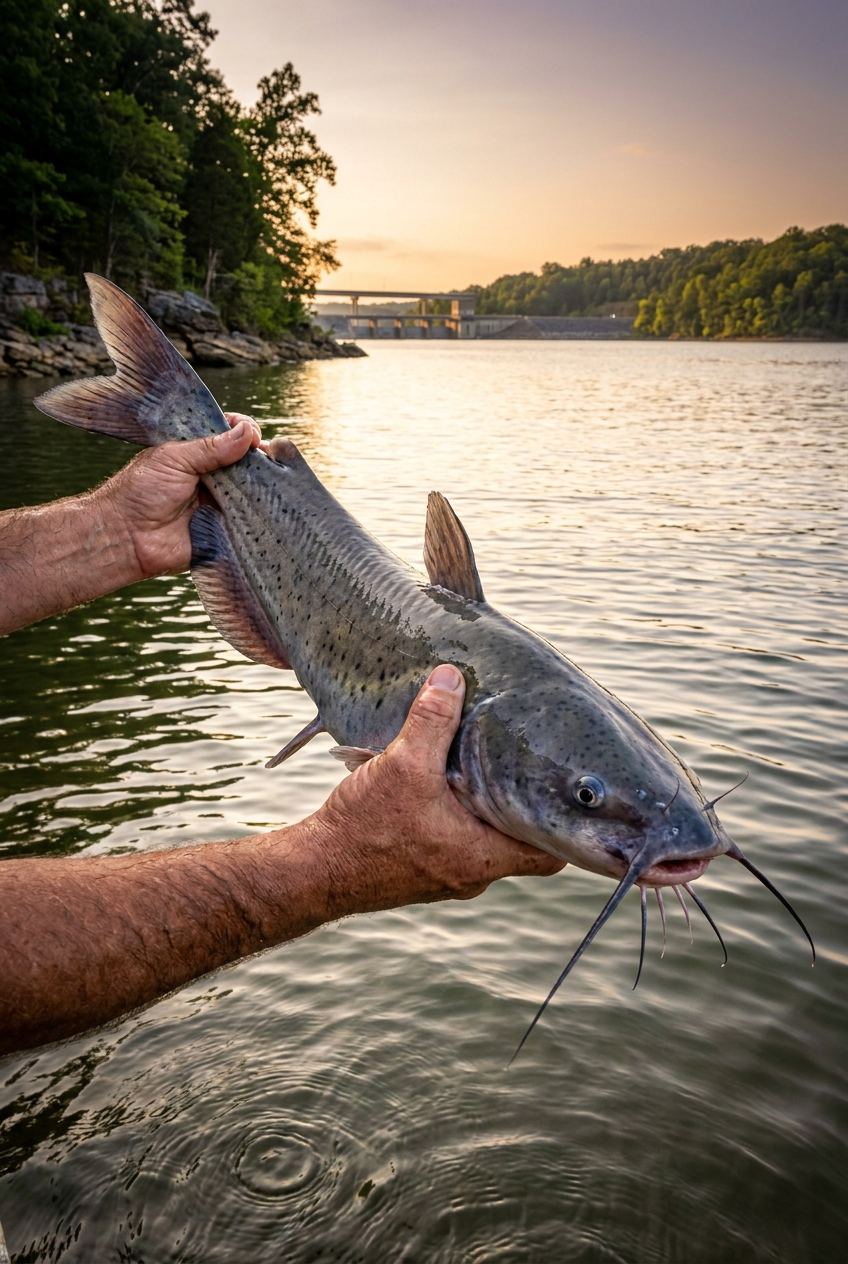
Lures for Lake Barkley
Tackle matched to this lake's species and structure.
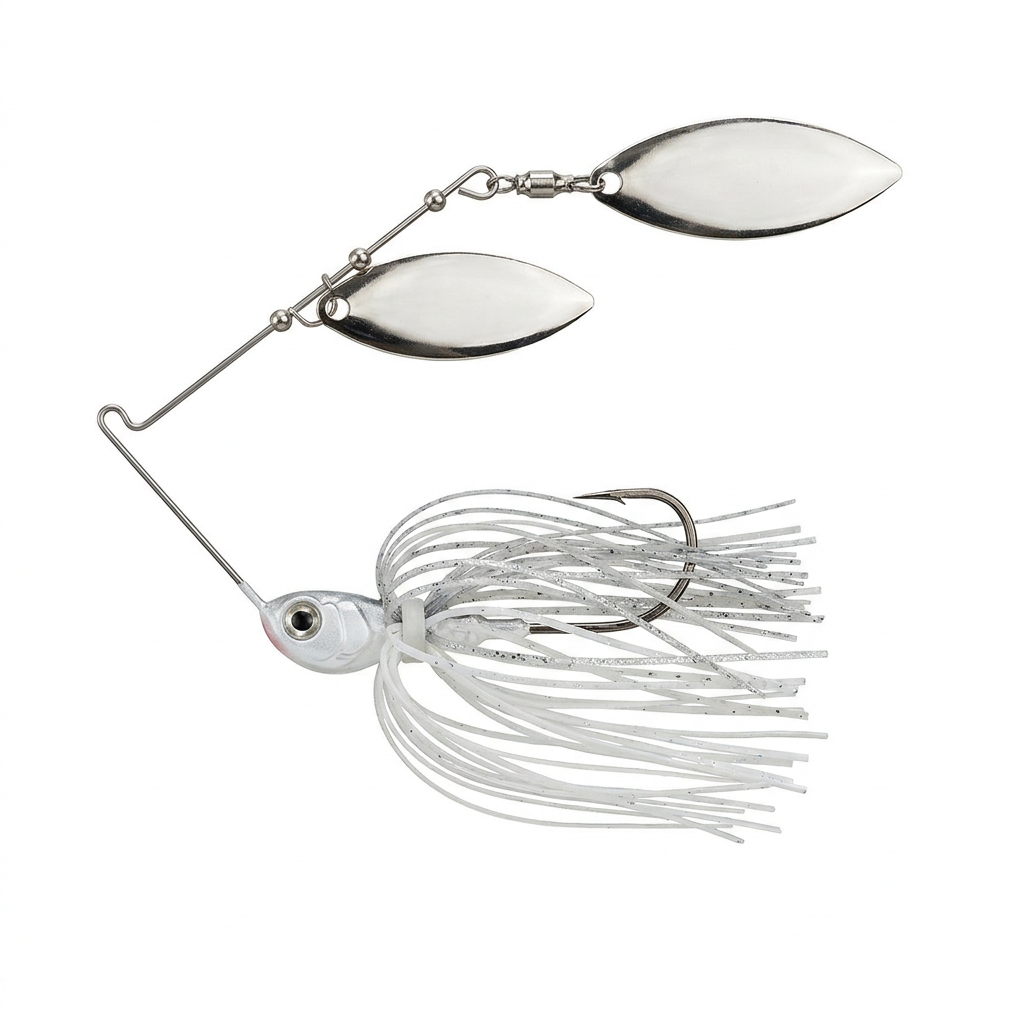
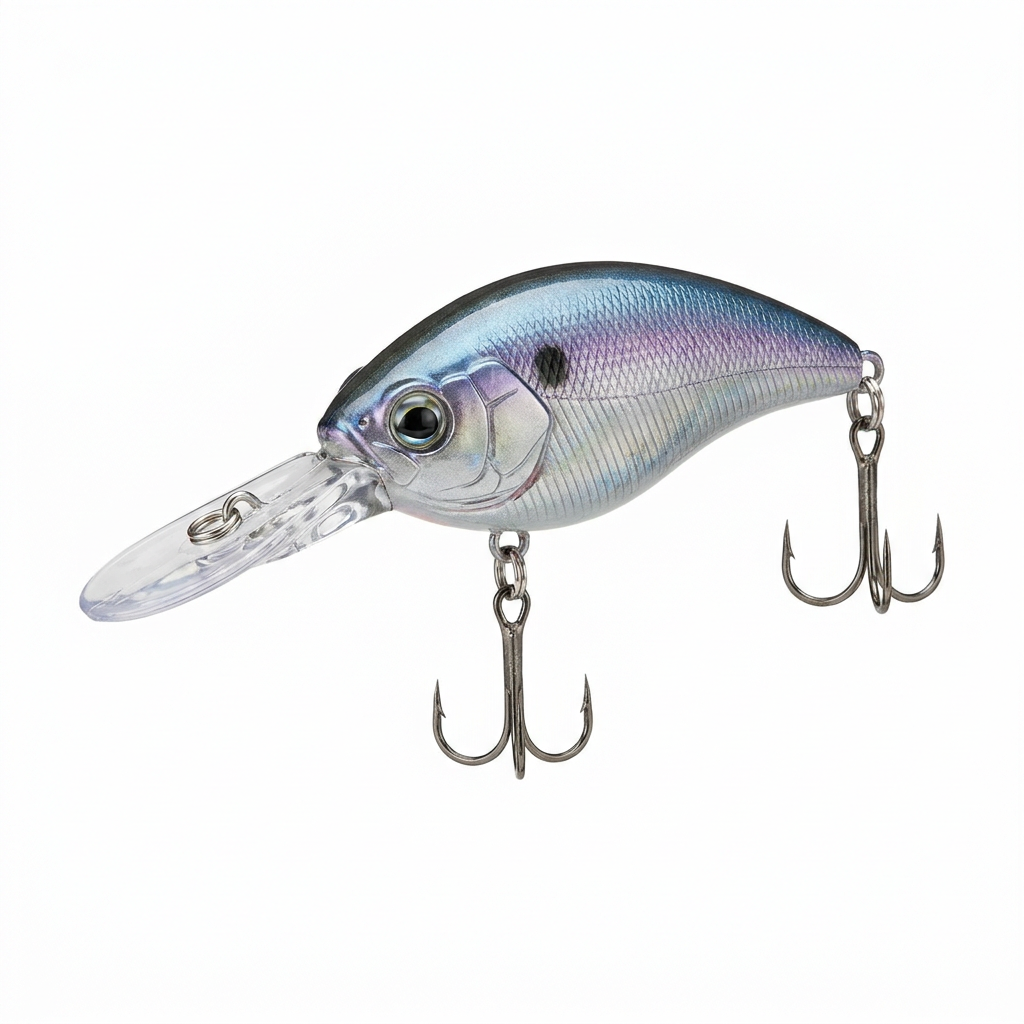
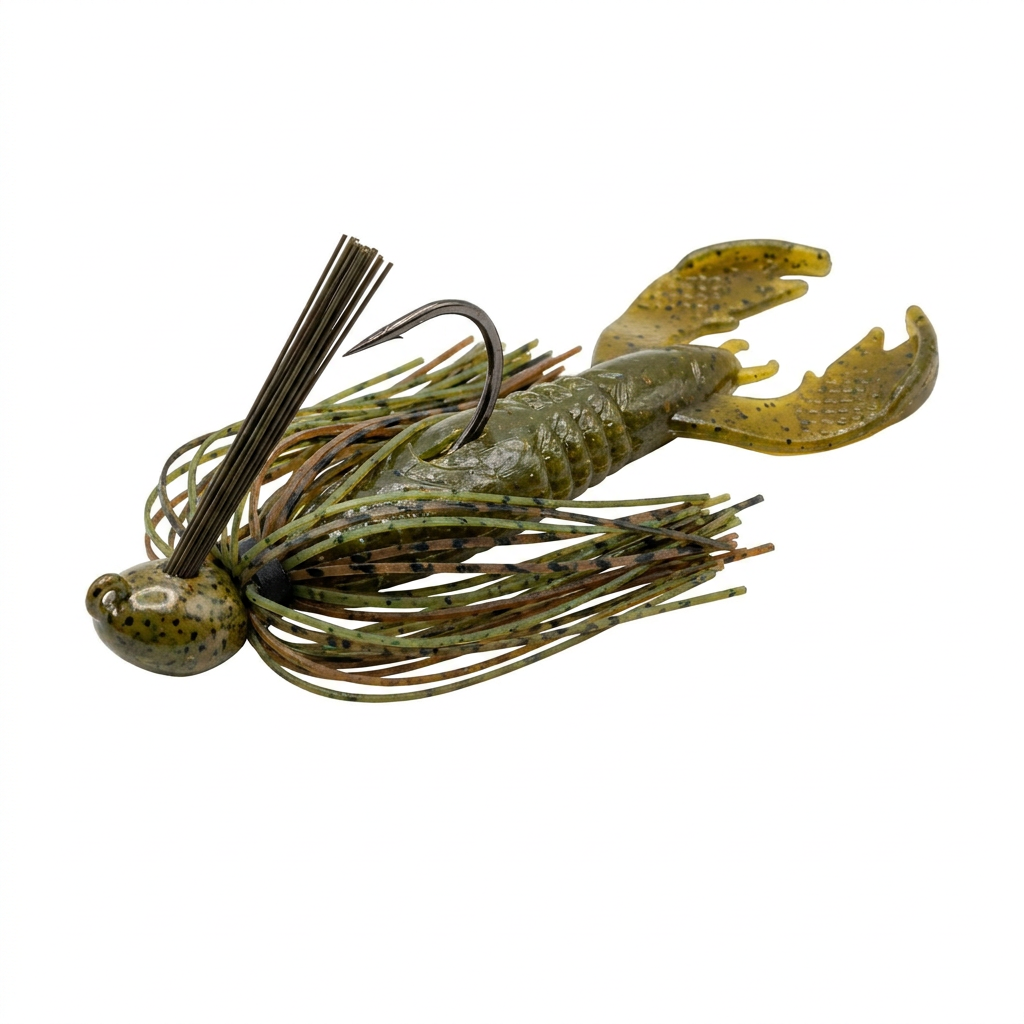
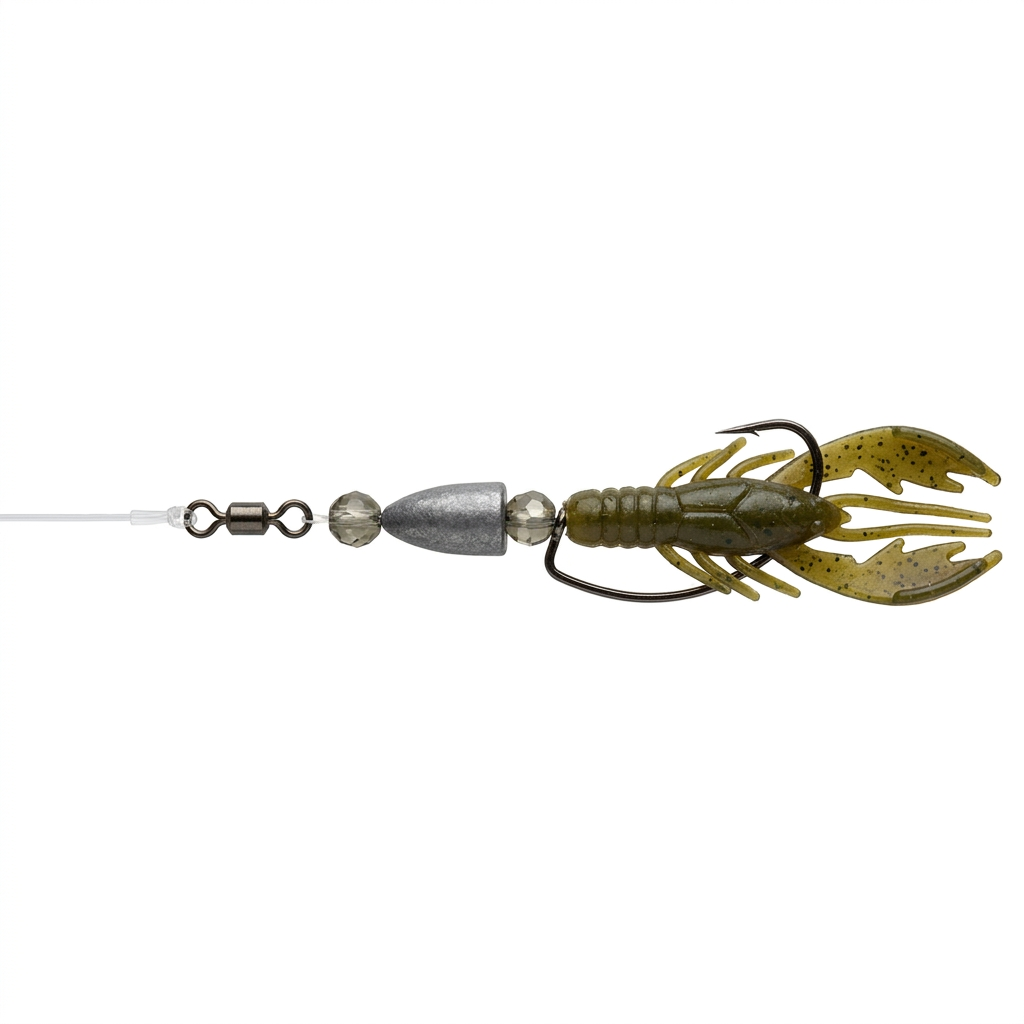
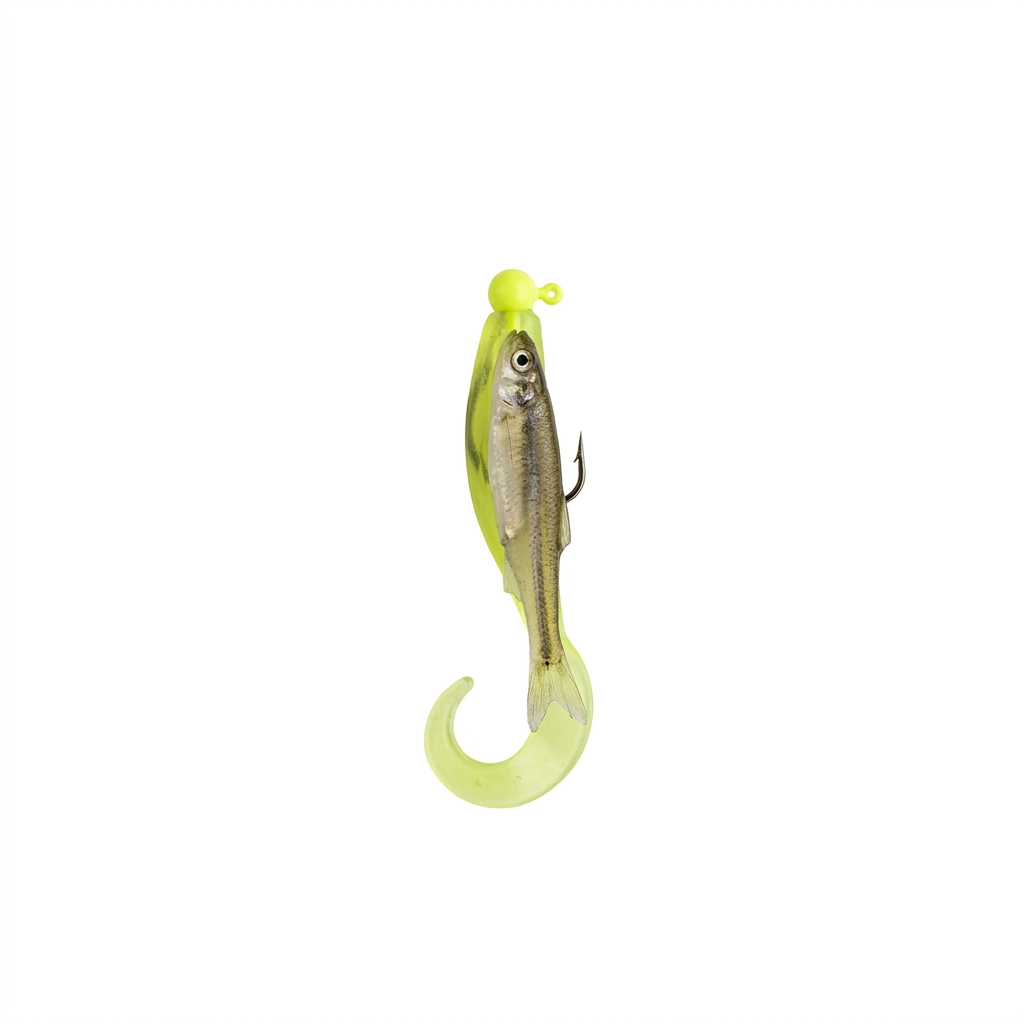
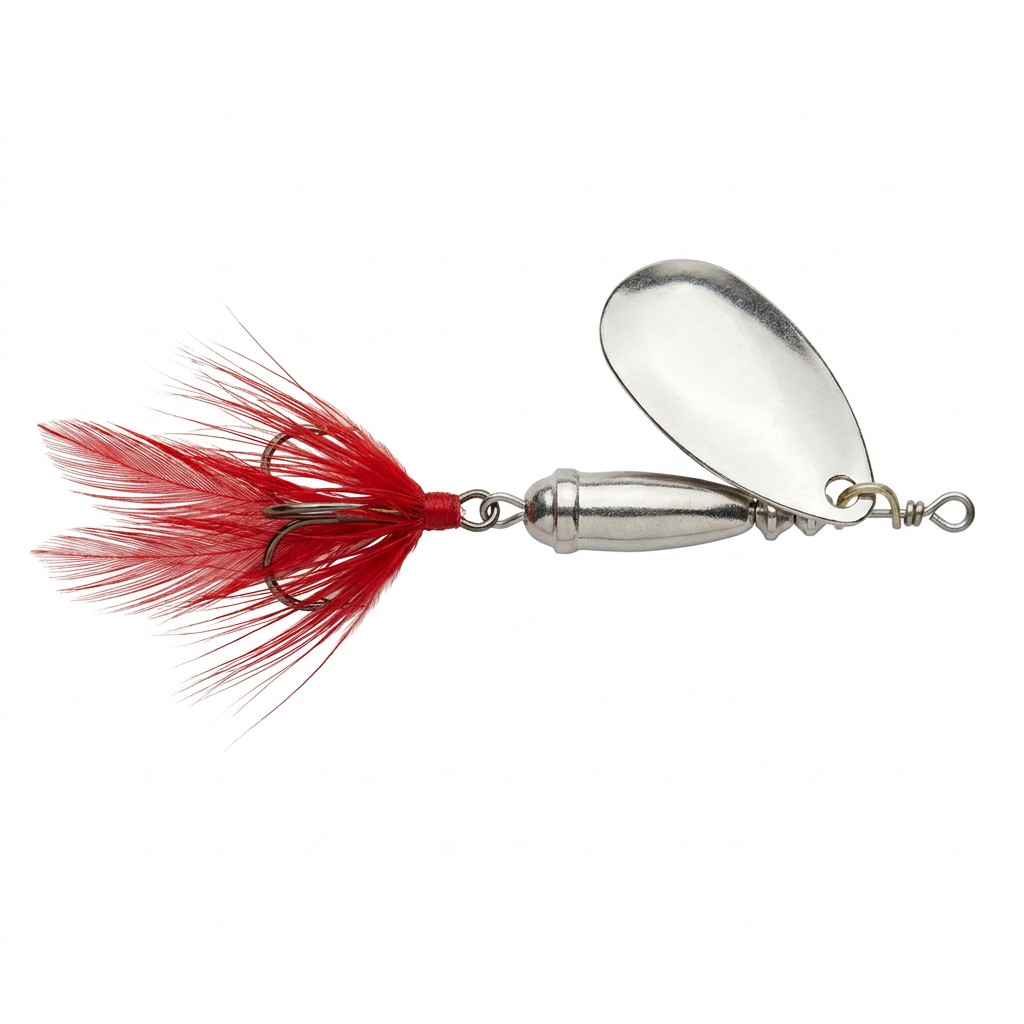
Worth checking before any trip: your line. Old braid gets brittle at the tag end and loses sensitivity over time. I rotate mine every season. Reaction Tackle is where I order from when it's time to restock.
About Lake Barkley
Lake Barkley is a 57,920-acre Cumberland River reservoir in western Kentucky and Tennessee, impounded by Barkley Dam, completed in 1966 by the US Army Corps of Engineers Nashville District. The lake was named for Alben W. Barkley, a Kentucky native who served as Vice President of the United States. The USACE office is located at 200 Barkley Dam Overlook in Grand Rivers, KY. The lake reaches a maximum depth of approximately 85 feet and spans Lyon, Trigg, Caldwell, and Livingston counties in Kentucky, and Stewart and Montgomery counties in Tennessee. Lake Barkley is adjacent to Kentucky Lake, separated by the Land Between the Lakes National Recreation Area managed by the USDA Forest Service. A navigational canal connects the two lakes.
Tennessee state record blue catfish. Lake Barkley holds the current Tennessee state record blue catfish: 122 pounds 3 ounces, caught by Micka Burkhart on June 28, 2023. This is one of the largest blue catfish ever caught in the southeastern United States and reflects the trophy-class blue catfish population in the lake's deep main channel sections near Barkley Dam. Blue catfish, crappie, sauger, largemouth bass, smallmouth bass, and channel catfish make up the primary recreational fisheries.
Dual-state licensing and regulations. Lake Barkley has no reciprocal fishing license agreement between Kentucky and Tennessee. Anglers must carry a valid fishing license for the state whose waters they are in. Kentucky KDFWR regulations apply to all fishing in the Kentucky portion; Tennessee TWRA regulations apply in the Tennessee portion. Regulations differ between the two states for several species, particularly crappie (KY: 20-fish/no minimum; TN: 15-fish/10-inch minimum) and blue catfish (KY: 5/day; TN: 15/day). Always verify current regulations at fw.ky.gov and tn.gov/twra before fishing.
Land Between the Lakes. The eastern shoreline of Lake Barkley borders the Land Between the Lakes National Recreation Area, 170,000 acres of federal land managed by the USDA Forest Service between Lake Barkley and Kentucky Lake. LBL provides extensive public shoreline access, campgrounds, and boat ramps along both lakes. Anglers fishing from the LBL shoreline access the Kentucky portion of Lake Barkley and must hold a valid Kentucky fishing license.