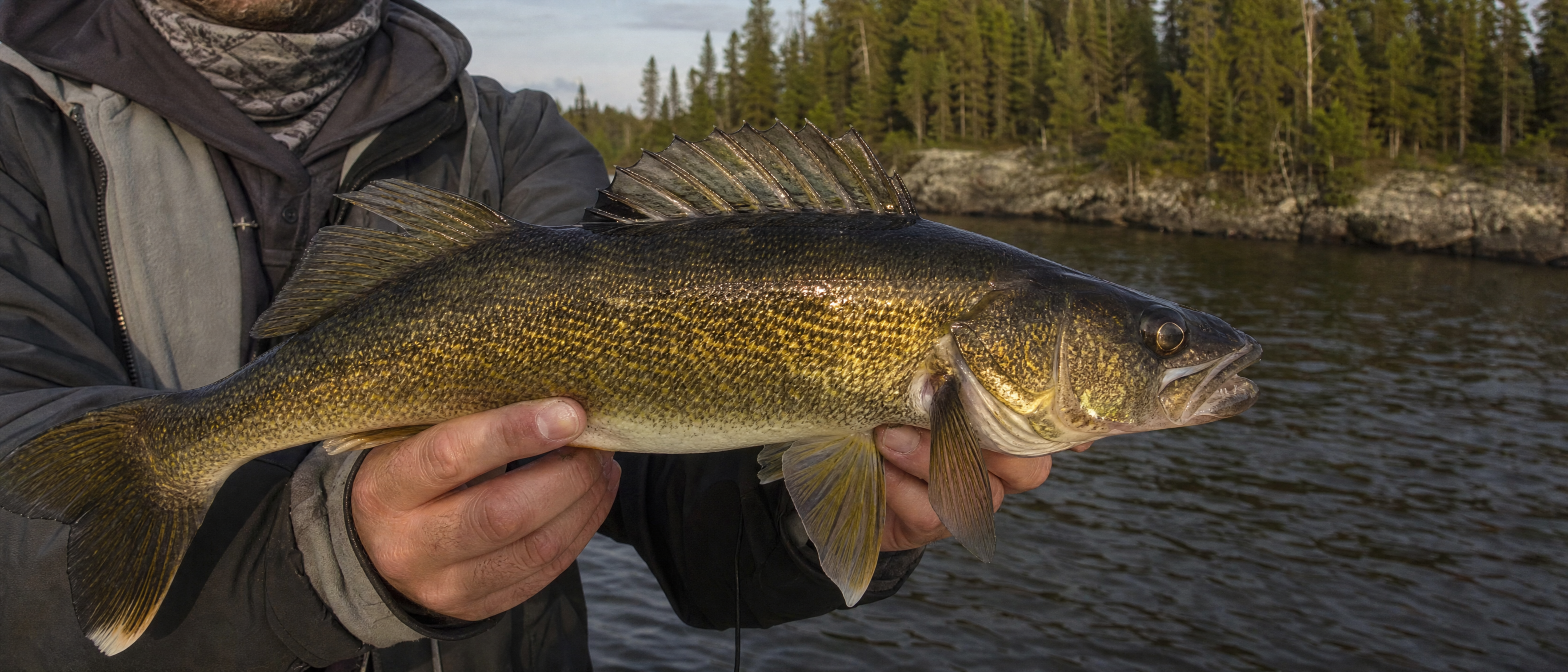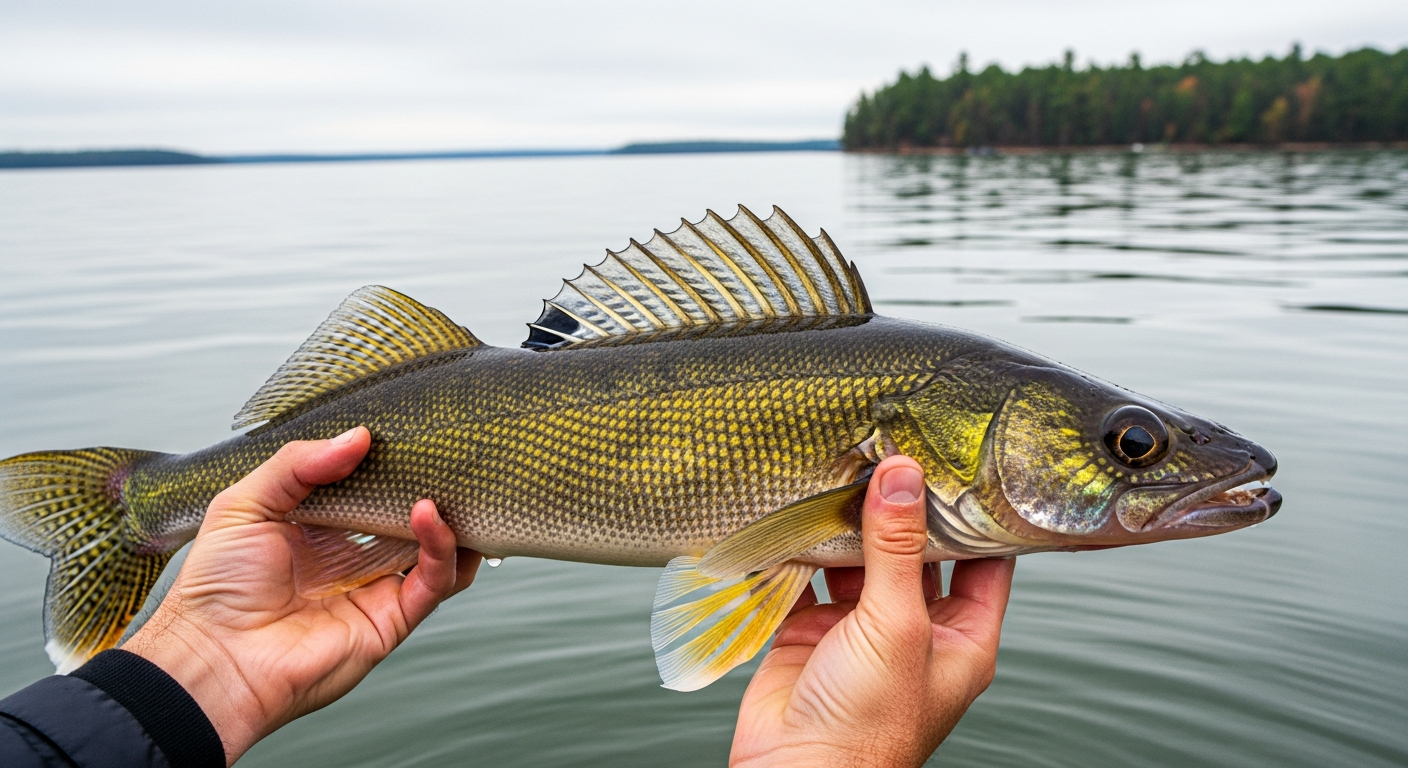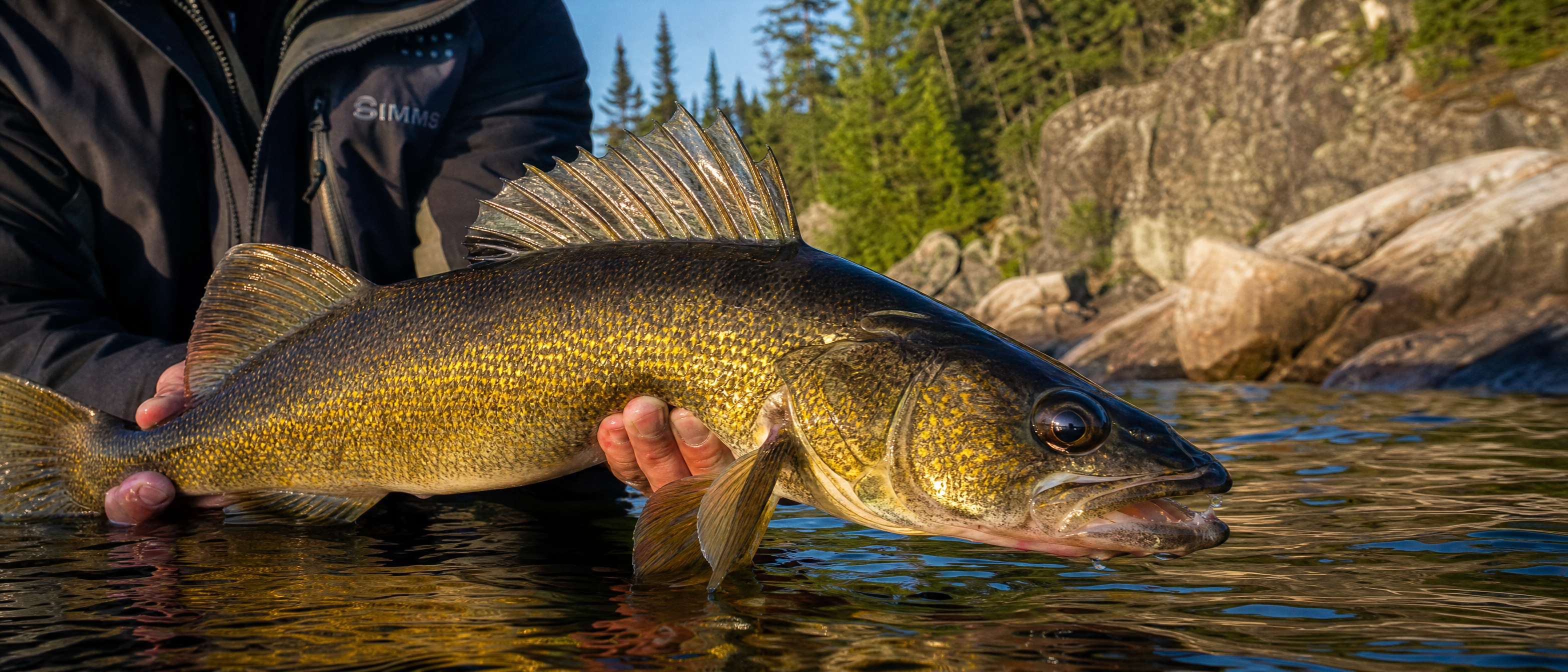
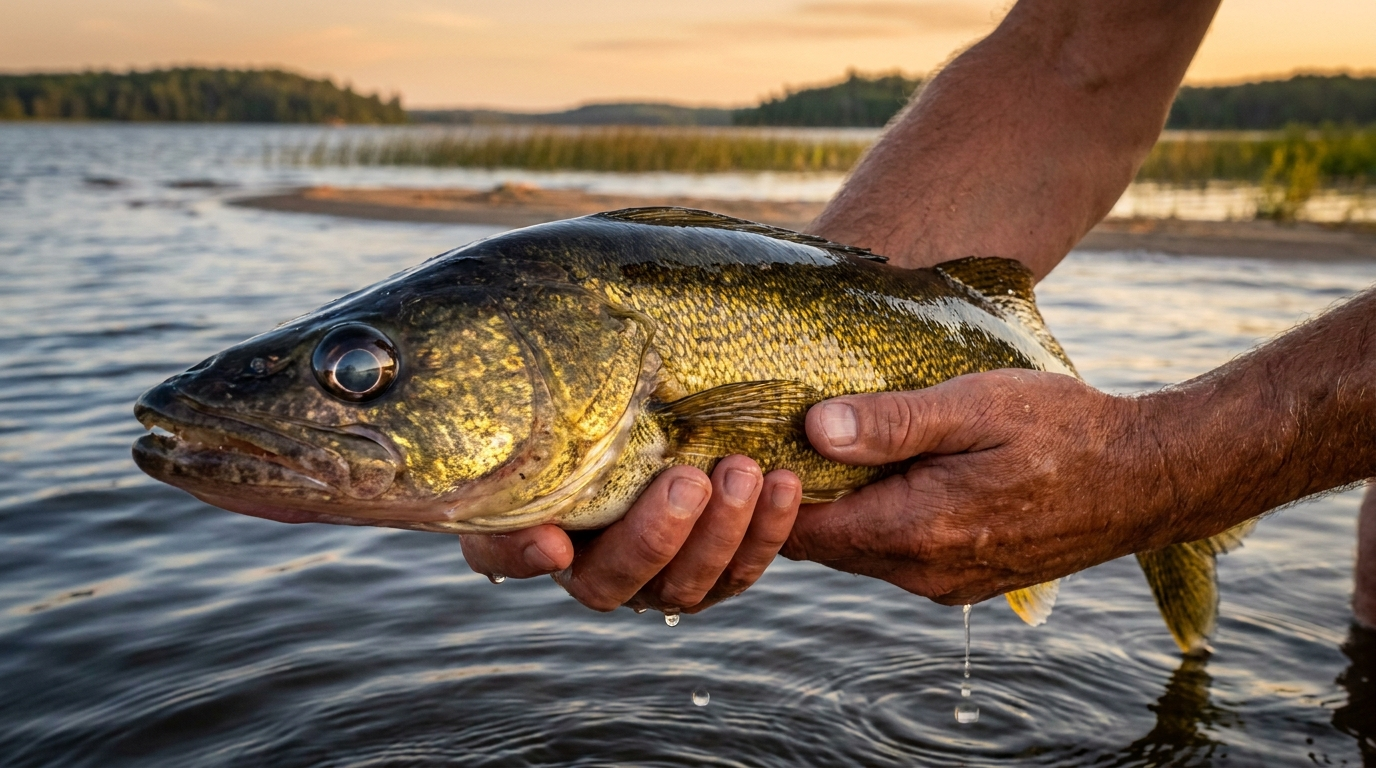
Leech Lake is everything I picture when someone says Minnesota fishing. I hit it for the first time on a cold April morning on the Walker Bay side with jigs and shiners, and we had walleye in the livewell before the fog lifted. The muskie population here is underrated -- the shallow, weedy bays off the north end hold fish that will ruin you for every other species. Come in fall when the crowds thin out and the big pike start chasing.
Today's Bite Score · October 8, 2026
Above average conditions worth planning a trip
🌘Waning Crescent
Leech Lake Fishing Report
October FishingMonthly fishing report · October patterns and techniques
In October, Leech Lake's water temperature drops into the 50s, triggering aggressive feeding behavior as walleye, pike, and bass prepare for colder months ahead. Fish are moving from summer haunts toward deeper structure and transition zones. The lake's massive 112,000-acre surface begins to cool evenly, and anglers find that fish concentrate around deeper weed edges, rock formations, and the numerous sunken timber beds scattered throughout the lake. Water clarity improves this month, making sight-feeding predators more active during midday hours.
Walleye are most active this month along the deeper edges of Leech Lake's main basin, particularly near the transition zones between shallow and deep water around the 15 to 25-foot depths. Pike remain aggressive throughout October and hold in the thicker weed remnants and fallen trees near the lake's extensive shoreline structure. Bass are still responsive near rocky points and deeper vegetation, though they are moving slower than earlier in the season. Crappie and sunfish school up in this month around deeper weed edges and move slightly offshore compared to their summer patterns. Northern pike anglers find fish are more willing to chase larger presentations as their metabolism increases before winter dormancy.
Anglers find success in October using live bait presentations, particularly live shiners and chubs for pike and walleye along structure. Jig-and-minnow combinations work effectively for walleye on Leech Lake's deep humps and along the basin edges. Crankbaits that reach 12 to 18 feet prove productive this month for pike and bass around point structure. For walleye, slow-speed trolling live bait along transition zones remains one of the most consistent techniques. Anglers targeting bass should focus on subtle presentations near fallen timber, as fish are more cautious in the clearer water. Vertical jigging in deeper water basins is effective in October for walleye. Early morning and late afternoon remain prime hours this month, though midday sight-feeding means all-day opportunities exist on Leech Lake. Water levels are stable this month, making navigation to deep-water structure reliable for anglers seeking consistent October success.
Get More Fishing Report Specifics
Tap a topic button below for a report on current conditions.
Tap a topic above to get a current report for Leech Lake.
Answers are generated on demand and cached. No AI call fires until you tap a tab.
Leech Lake Fishing Guides
Looking for a Leech Lake fishing guide? One of Minnesota's premier walleye lakes has thousands of acres of structure and bite locations that shift significantly through the season — local guides stay on top of it daily. Go here → to check out our recommended fishing guides for Leech Lake. Then scroll down on that page to see all of the Leech Lake fishing guides.
Leech Lake Fishing Strategies by Species
Seasonal patterns and techniques by target species · Verified against official sources
Leech Lake is one of the great walleye lakes in Minnesota, covering approximately 113,000 acres in Cass County and ranking as the third largest lake entirely within the state. The lake is renowned for its walleye population, which supports both a significant sport fishery and treaty-based harvest by the Leech Lake Band of Ojibwe. Northern pike and muskellunge provide trophy opportunities, particularly in the weed-lined bays and shallow flats on the northern and eastern portions of the lake. Walker Bay on the southwest end is the main hub for access and services, and the lake draws ice anglers from across the Midwest through the winter months for its consistent walleye bite under the ice.
Leech Lake Walleye Fishing Report
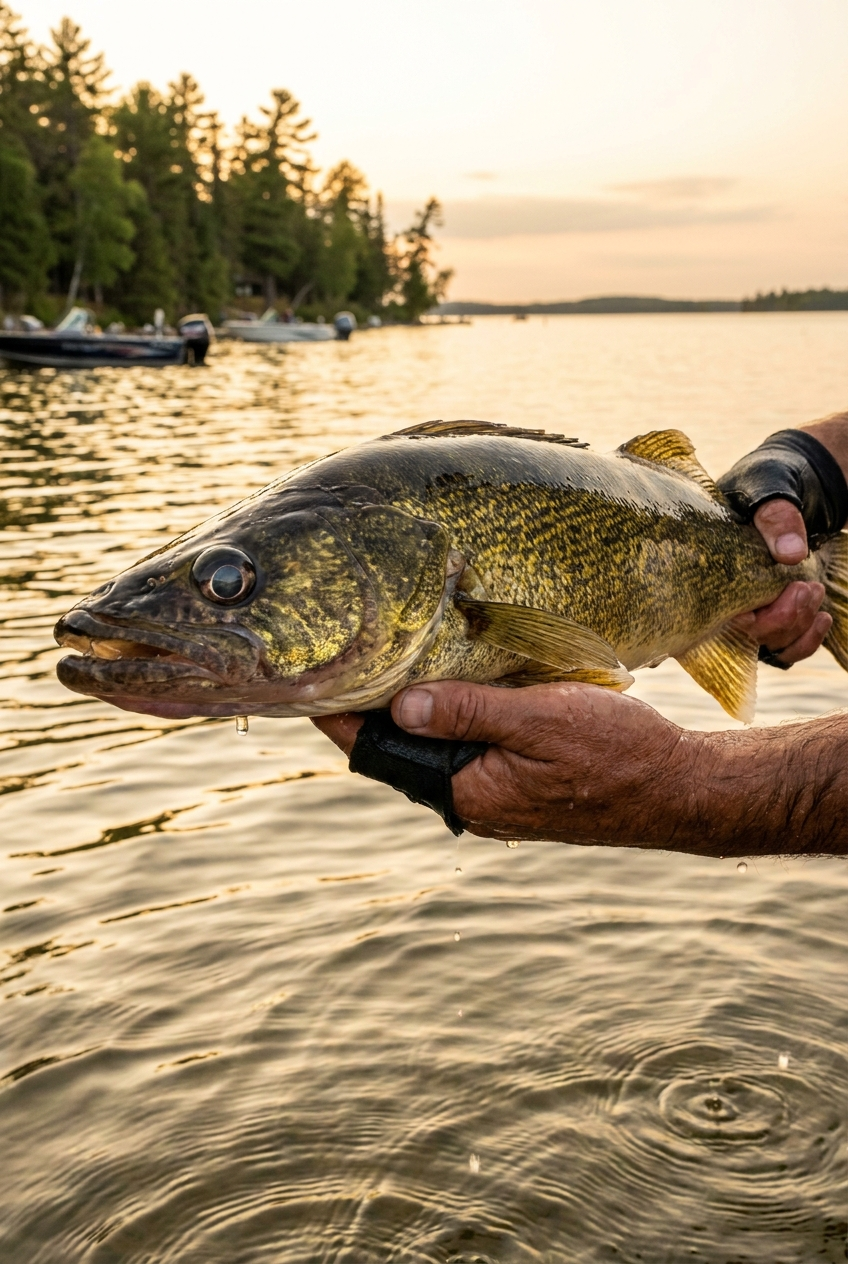
Walleye are the signature species at Leech Lake, and the fishery is among the most storied in Minnesota. The lake's combination of wind-swept sandy flats, rocky points, and weed-adjacent structure creates diverse walleye habitat throughout its 113,000 acres. Spring walleye fishing begins as ice leaves the lake, typically in late April, with fish stacking on the rocky shoreline transitions of Walker Bay and the main lake points at Government Island. Jig and minnow rigs worked along these transitions at 8 to 14 feet are the classic early-season approach. Open-water trolling with crawler harnesses and crankbaits covers the sandy flats from summer through fall and produces consistent catches across a wide range of depths. The mid-lake humps and rock piles in the central basin are reliable fall structure as walleye school up ahead of winter. Ice fishing for walleye on Leech Lake is a regional institution, with tip-ups and jigging rods set over 15- to 25-foot flats producing fish from first ice through late February. Minnesota DNR regulations set a 15-inch minimum size limit and a 6-fish daily bag limit for walleye on Leech Lake. A protected slot between 17 and 26 inches may apply -- confirm this with current DNR regulations as special rules can be in effect. The Leech Lake Band of Ojibwe holds treaty-based co-management rights on the lake and exercises independent harvest under those rights. Verify current regulations at https://www.dnr.state.mn.us/regulations/fishing/index.html before fishing.
Leech Lake Northern Pike Fishing Report
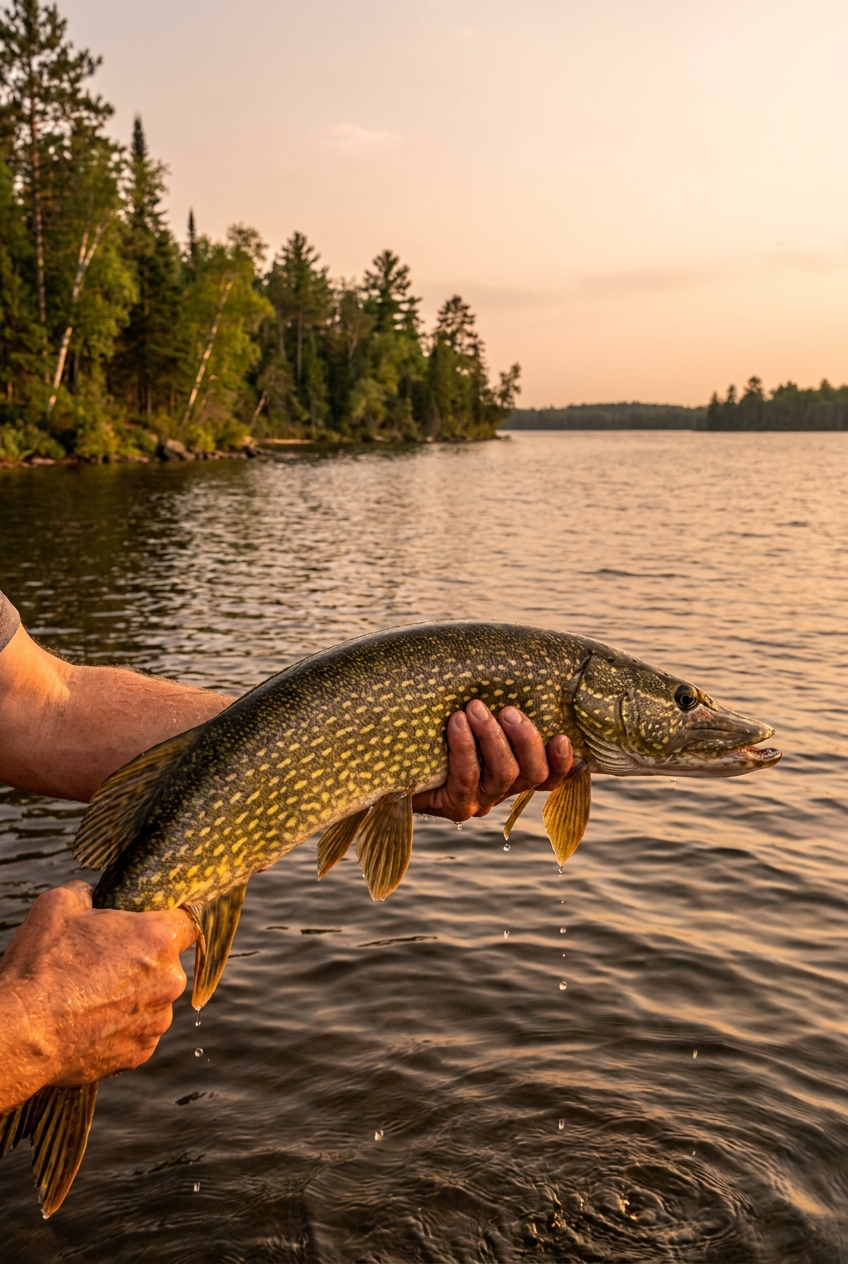
Northern pike are abundant throughout Leech Lake and grow to impressive sizes in its fertile waters. The large, shallow, weed-filled bays on the north and east ends of the lake -- particularly the bays off the Leech Lake River inlet and the Portage Bay area -- hold the highest pike densities. Spring is the prime season as pike move extremely shallow to spawn ahead of walleye, often in water less than 3 feet deep in flooded marsh vegetation. Large spinnerbaits, sucker minnows on quick-strike rigs, and large swimbaits work well along weed edges from spring through early summer. Summer pike retreat into deeper weed edges in 8 to 14 feet and are best targeted by casting to the outside weed lines. Fall triggers aggressive pre-winter feeding, and large pike move back into weed flats as water temperatures drop below 55 degrees. Big sucker minnows under bobbers and large jerkbaits are fall pike go-tos on Leech Lake. Minnesota DNR regulations set a 24-inch minimum size limit and a 3-fish daily bag limit for northern pike on Leech Lake. A slot limit or reduced bag limit may be in effect on specific portions of the lake. The Leech Lake Band of Ojibwe also exercises treaty rights on the lake, which affect overall harvest management. Verify current regulations at https://www.dnr.state.mn.us/regulations/fishing/index.html before fishing.
Leech Lake Muskellunge Fishing Report
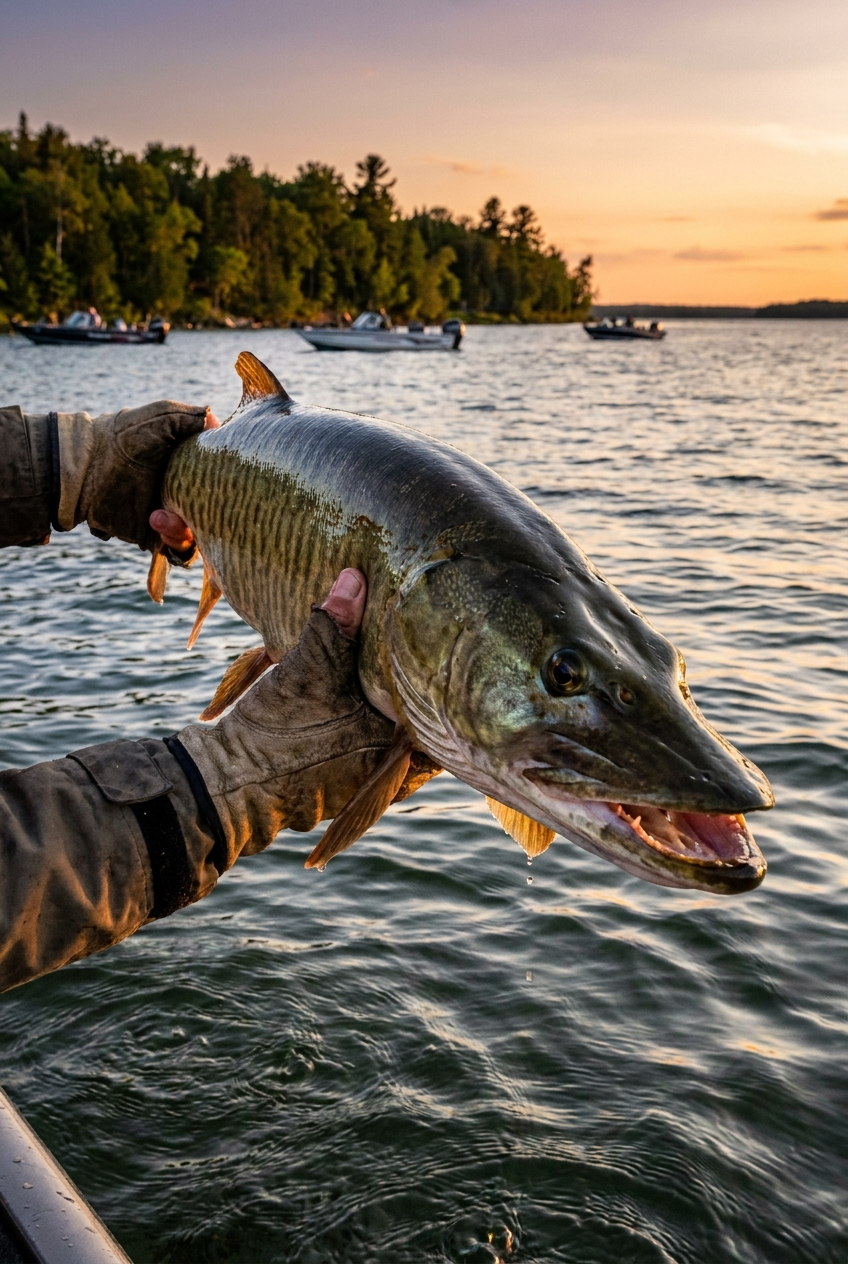
Muskellunge at Leech Lake are a legitimate trophy fishery, with the lake's size and productivity capable of growing fish to impressive lengths. The northern and eastern portions of the lake, including the broad shallow bays near the Leech Lake River outlet and the weed flats off Boy River Bay, hold the best muskie habitat. Fall is the peak season as muskies feed heavily ahead of winter ice-up, and fish in the 45- to 54-inch range are caught each season. Large bucktail spinners, glide baits, and oversized jerkbaits are the primary lures. Muskie fishing at Leech Lake rewards persistence and boat control around key structural transitions -- inside weed corners, points extending into open water, and the outside edges of large cabbage weed beds are the primary targets. Figure-eight retrieves at boatside are essential to convert follows into strikes. Minnesota DNR regulations set a 54-inch minimum size limit and a 1-fish daily bag limit for muskellunge on Leech Lake. This regulation is strictly enforced as Minnesota DNR uses a catch-and-release management philosophy for most muskie waters to protect the trophy fishery. Verify current regulations at https://www.dnr.state.mn.us/regulations/fishing/index.html before fishing.
Leech Lake Crappie Fishing Report
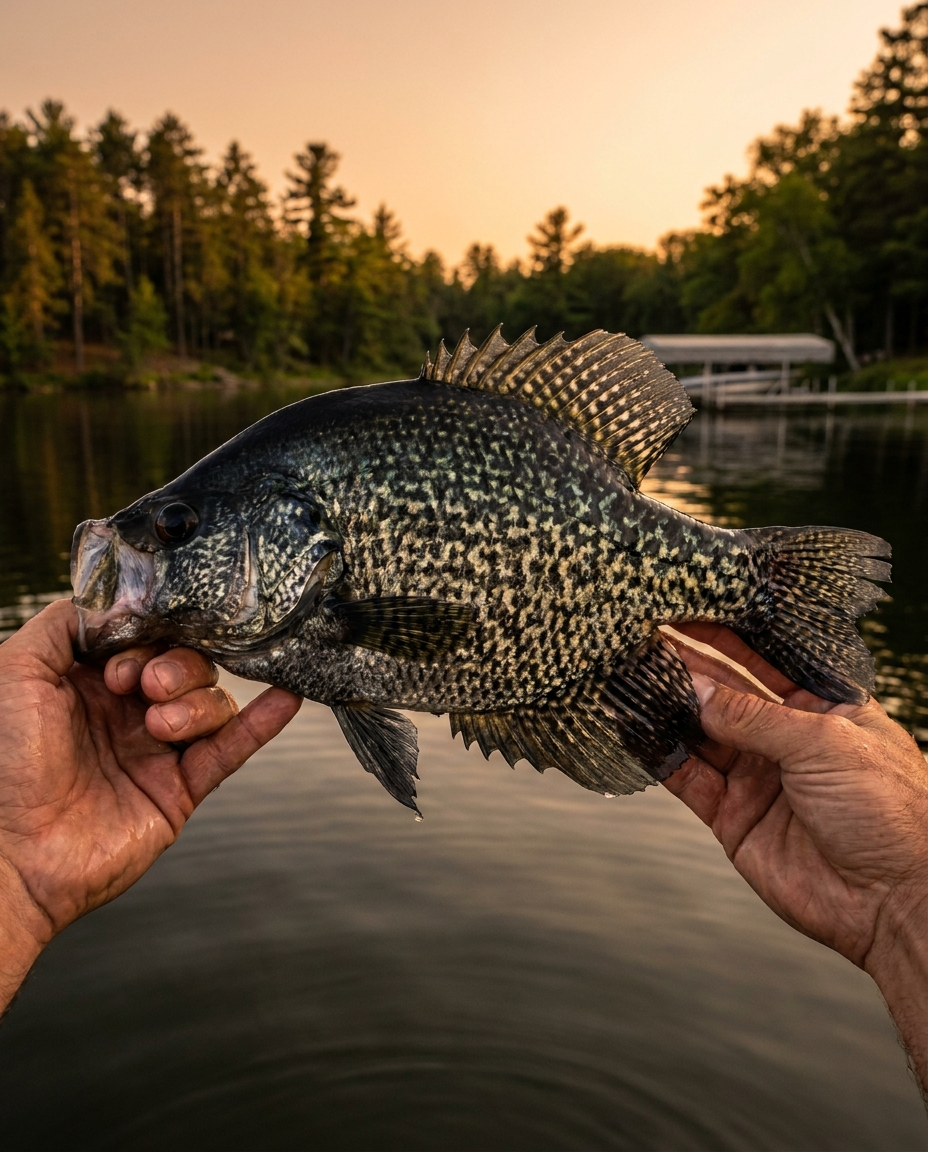
Crappie are widely distributed throughout Leech Lake and provide excellent fishing during spring and early summer when they move shallow to spawn. The dock-lined shores and protected coves near Walker and Federal Dam hold crappie through the spawn, typically in 4 to 10 feet of water around woody structure and dock pilings. Small jigs in white, chartreuse, and pink tipped with small minnows or soft plastic tails are the most effective presentations. Post-spawn crappie retreat to timber and brush piles in 12 to 20 feet where they remain through summer, accessible with vertical jigging techniques. The crappie bite on Leech Lake is a secondary fishery behind walleye and pike but produces good numbers for anglers who target them specifically. Ice fishing for crappie in late winter, when fish school tightly in deeper basins, can be exceptionally good. Minnesota DNR regulations set a 10-inch minimum size limit and a 25-fish daily bag limit for crappie on Leech Lake. Regulations apply to the combined take of black and white crappie. Verify current regulations at https://www.dnr.state.mn.us/regulations/fishing/index.html before fishing.
Leech Lake Bluegill Fishing Report
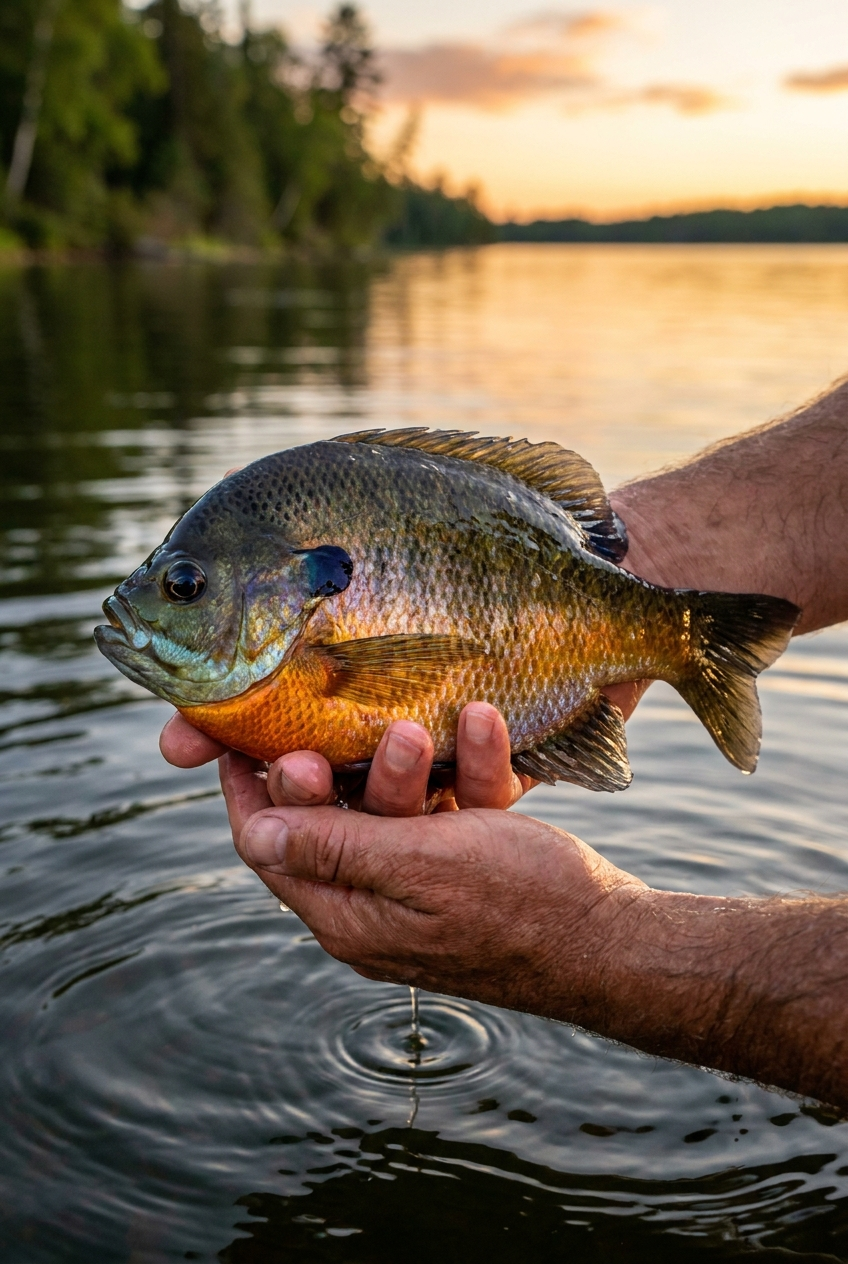
Bluegill are present throughout Leech Lake's warmer, weedy bays and are a popular target for families and shore anglers. The protected coves on the south and east end of the lake near Walker Bay and the Federal Dam area hold good populations of pan-sized bluegill. Spring spawning bluegill concentrate in 2 to 5 feet of water over sandy or gravel beds, where small jigs, wax worms, and live crickets on light spinning tackle produce easy catches. Summer bluegill push out to weed edges in 6 to 10 feet and feed actively throughout the morning hours. The bluegill at Leech Lake are not the giant slab populations found in some southern Minnesota lakes, but the numbers are consistent and they provide reliable action for casual anglers between walleye bites. Minnesota DNR regulations set no minimum size limit for bluegill on Leech Lake but impose a combined sunfish daily bag limit of 25 fish per day (bluegill, pumpkinseed, and other sunfish combined). Verify current regulations at https://www.dnr.state.mn.us/regulations/fishing/index.html before fishing.
Leech Lake Yellow Perch Fishing Report
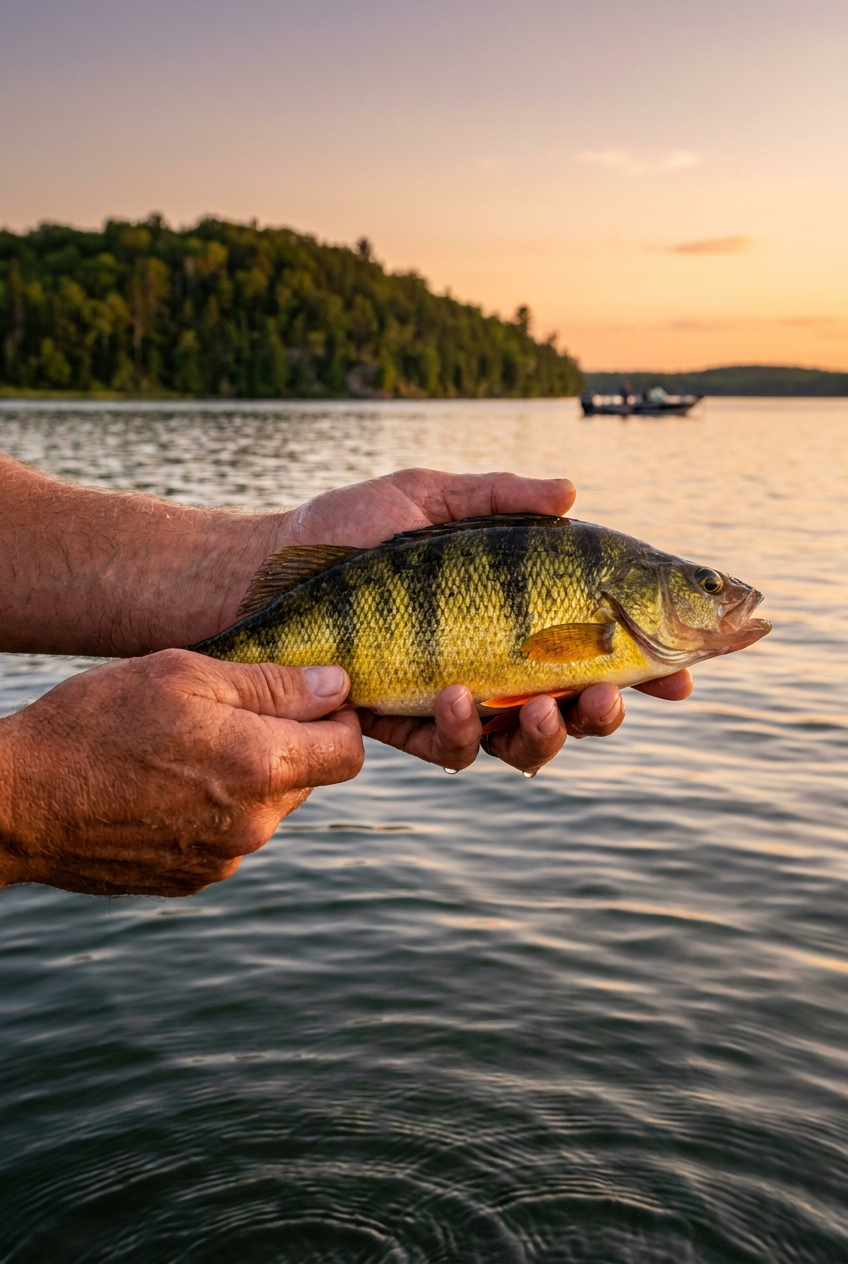
Yellow perch are abundant in Leech Lake and support a popular fishery both in open water and under the ice. Perch school in moderate depths in the 15- to 30-foot range over sandy bottom areas and around the edges of weed beds throughout the main lake basin. Small jig and minnow combinations worked vertically produce consistent catches, and once a school is located on electronics it is common to catch multiple fish in quick succession. The best open-water perch fishing occurs in late spring and again in fall as fish are most actively feeding. Ice fishing for yellow perch on Leech Lake is a winter staple, with fish moving shallower onto hard-bottom flats as the season progresses. Perch are one of the most accessible species on the lake for shore anglers fishing from public access areas around Walker Bay. Minnesota DNR regulations for yellow perch on Leech Lake set a daily bag limit consistent with statewide perch regulations. No minimum size limit applies. Regulations can change annually based on survey data. Verify current regulations at https://www.dnr.state.mn.us/regulations/fishing/index.html before fishing.
If you haven't replaced your braided line in a season or two, now's the time. Braid holds up better than mono, but abrasion from wood and rock adds up. Reaction Tackle is one of my favorite places to order from.
Top Fish to Target in Leech Lake
Lures for Leech Lake
Tackle matched to this lake's species and structure.
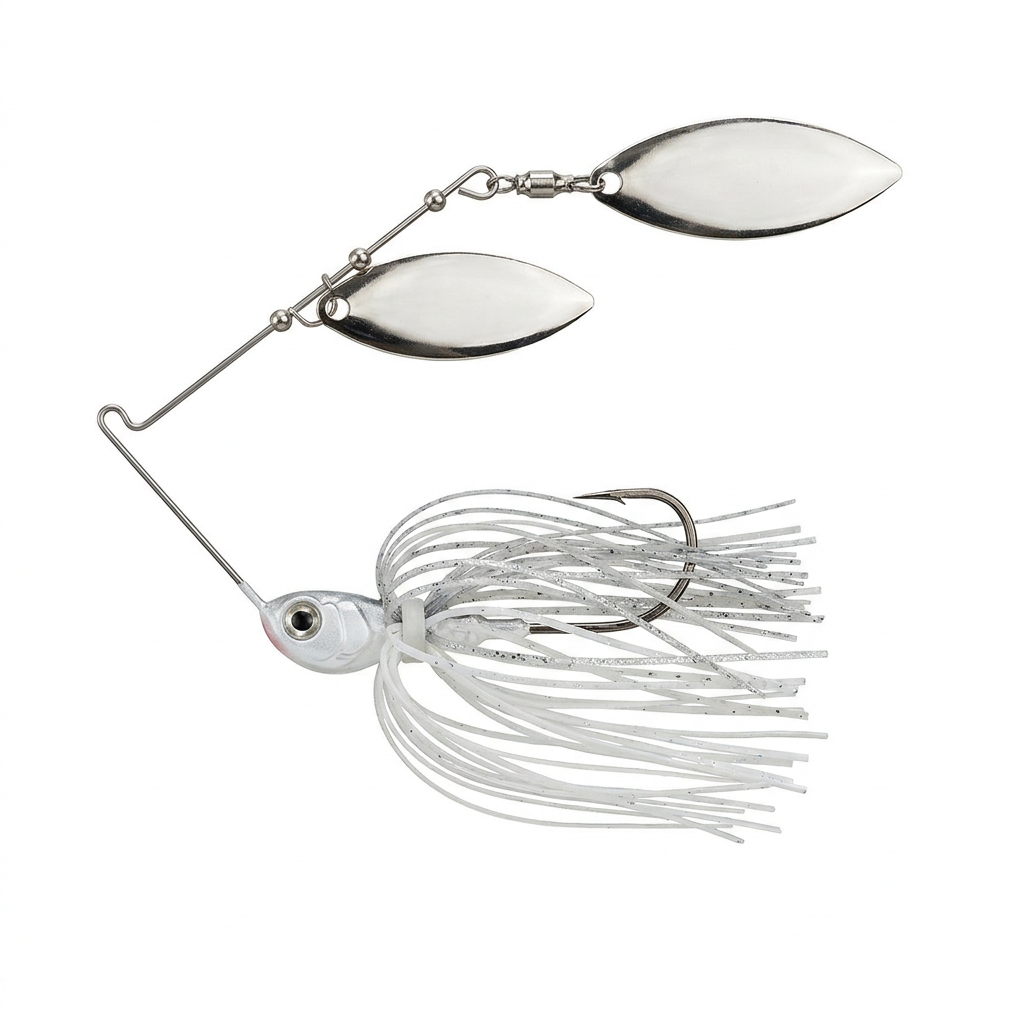
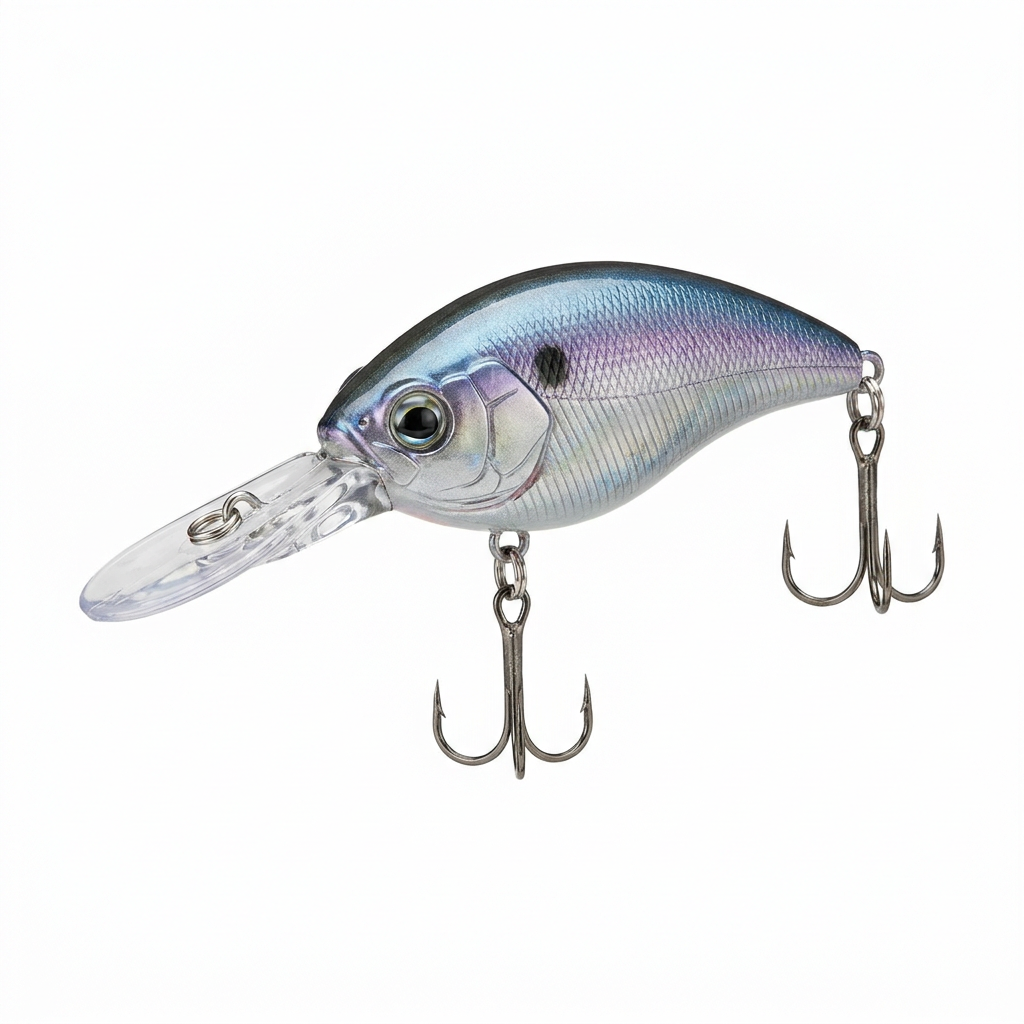
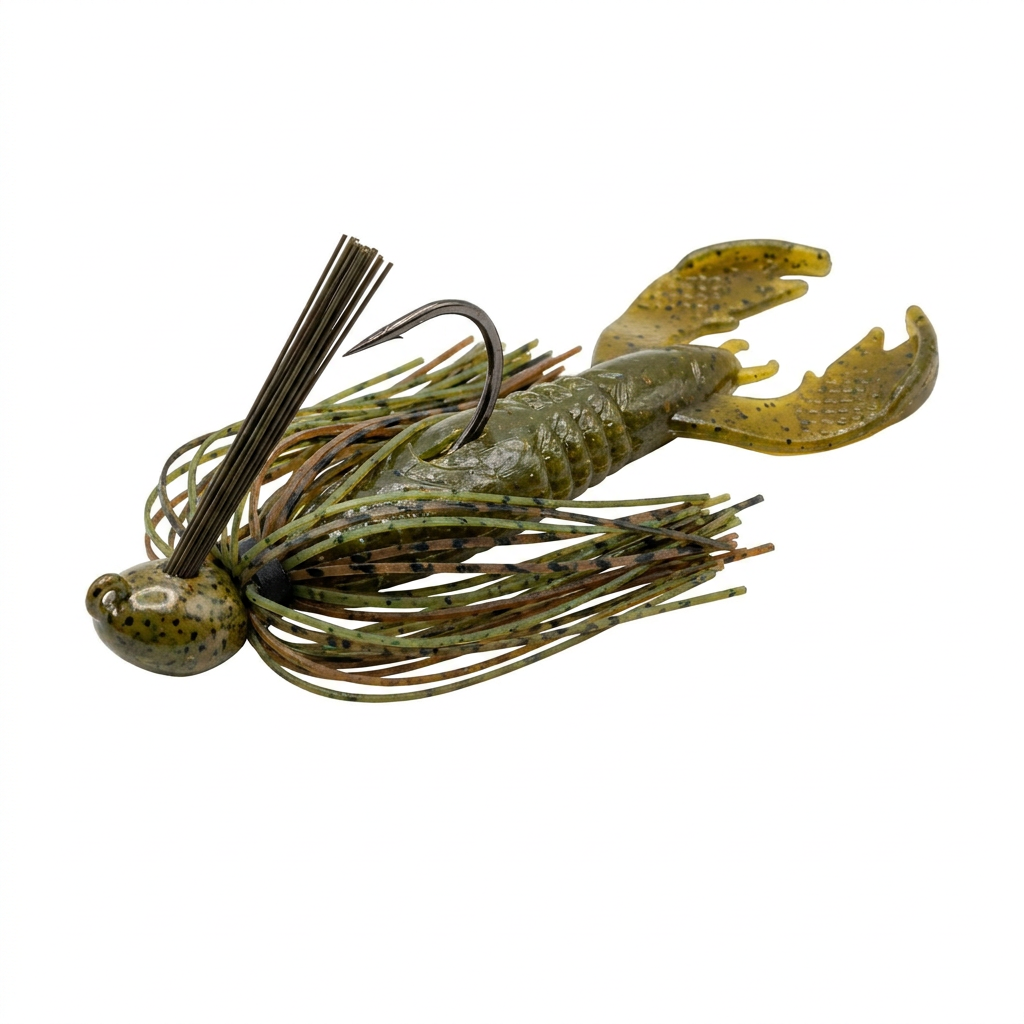
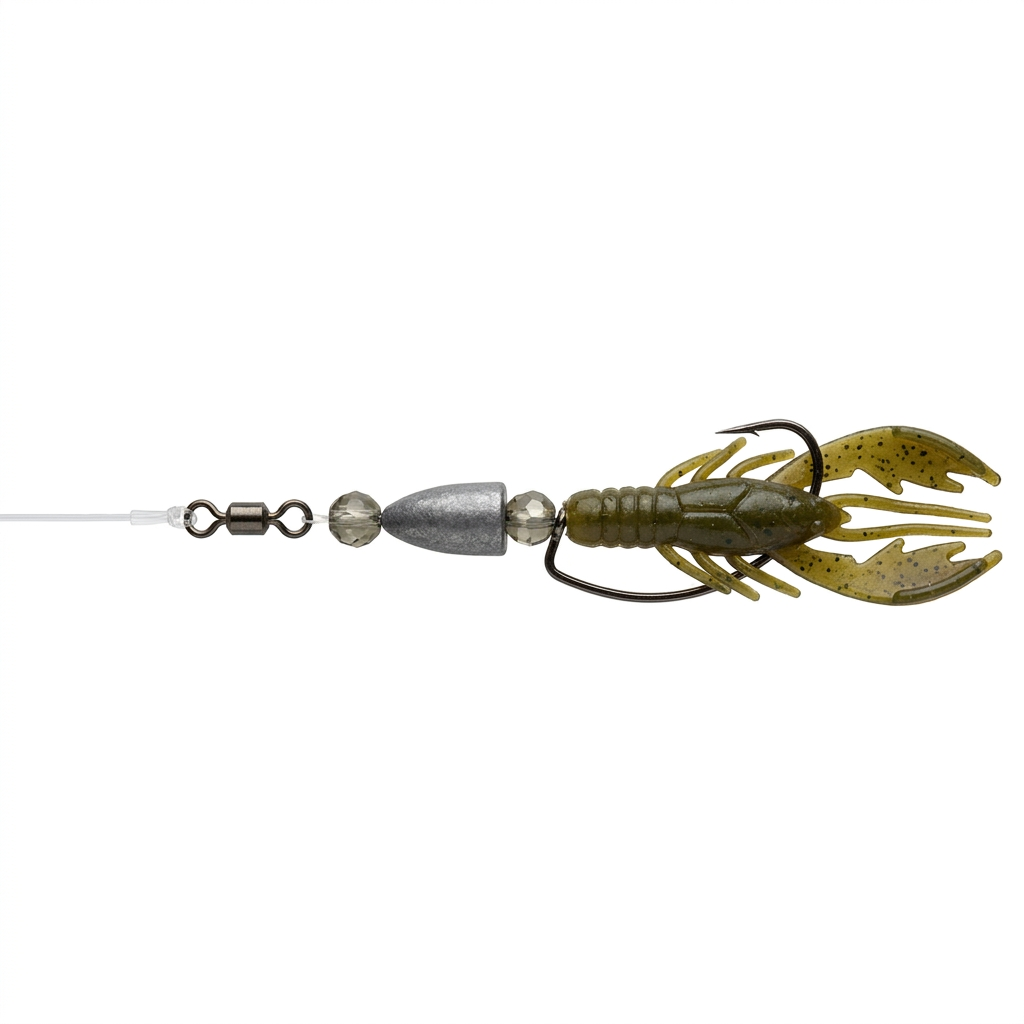
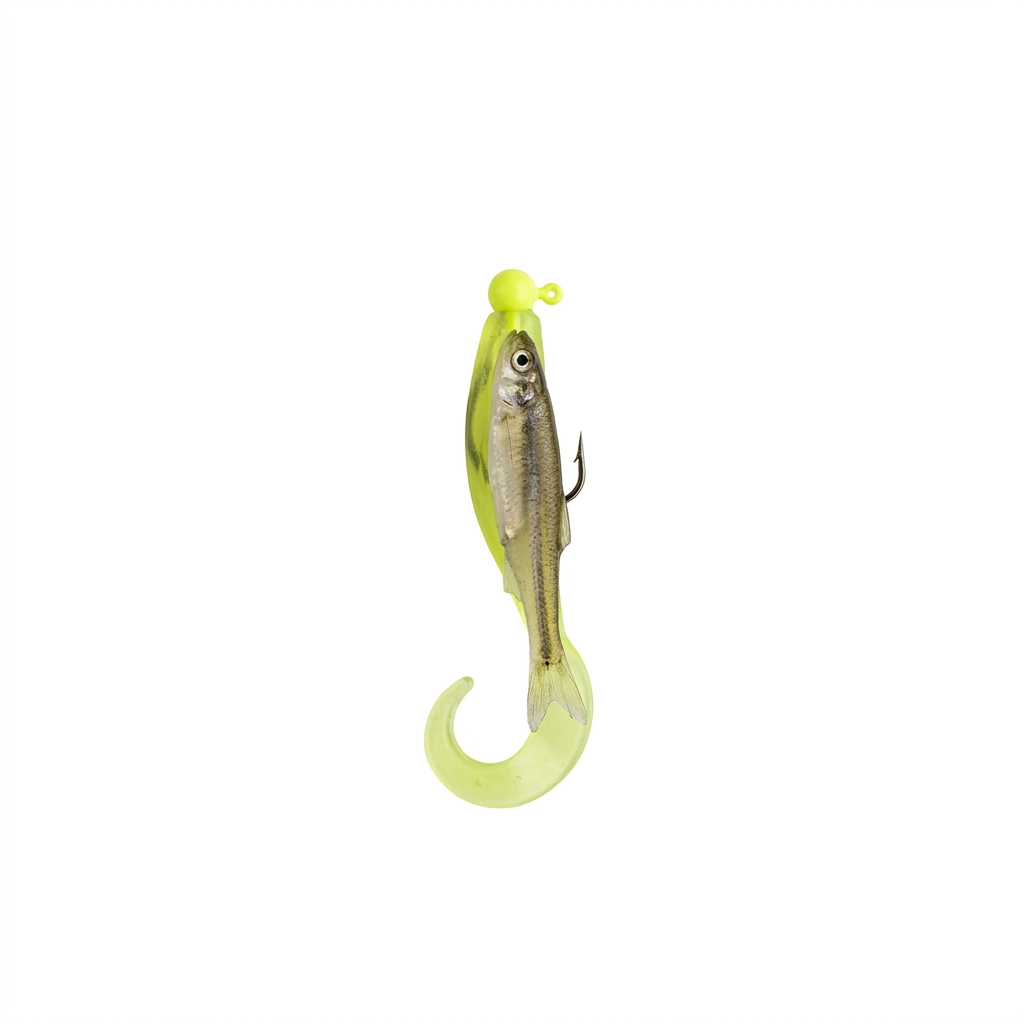
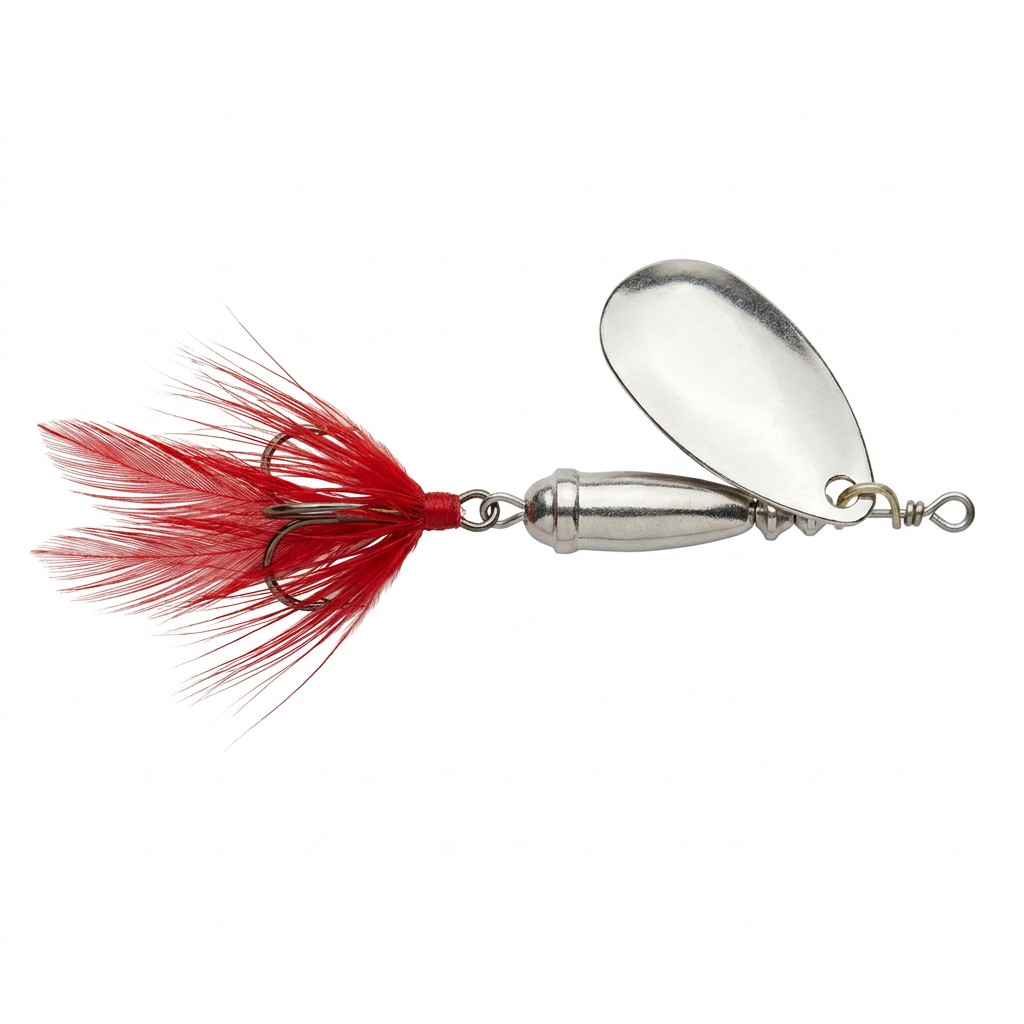
The right line matters as much as the lure. For the presentations that work on this lake, whether flipping timber, fishing main lake structure, or working deep brush, braid is the move. No stretch, more feel, and it lasts. Reaction Tackle is where I get mine.
About Leech Lake
Leech Lake is the third largest lake entirely within Minnesota, covering approximately 113,000 acres (about 176 square miles) in Cass County in the north-central part of the state. The town of Walker on the southwest shore is the primary access hub, with boat ramps, marinas, resorts, and bait shops serving the year-round fishing community. The lake is managed jointly by Minnesota DNR and the Leech Lake Band of Ojibwe, which holds treaty-based fishing and natural resource rights across the lake and the surrounding Leech Lake Indian Reservation. The Band manages these rights through its own regulatory structure, independent of but coordinated with the state DNR.
Walleye are the defining species at Leech Lake and the reason anglers travel from across the Midwest to fish it. Minnesota DNR surveys consistently document strong walleye year-classes, and the lake's diverse structure -- from the sandy flats of Walker Bay to the mid-lake humps and rocky points of Government Island -- provides excellent habitat at every life stage. Northern pike and muskellunge add a trophy dimension to the fishery, with the large weed-filled bays on the north end capable of producing fish of exceptional size. Crappie, bluegill, and yellow perch round out the species mix and provide consistent action for panfish anglers and shore-based fishermen.
Ice fishing on Leech Lake is a Midwest institution, with permanent fish houses and ice roads establishing a temporary village on the lake each winter. The walleye bite under the ice begins as soon as safe ice forms, typically in late December, and continues through February. The mid-lake basin and Walker Bay flats are the primary winter walleye areas, with tip-ups baited with live suckers and jigging rods tipped with blade baits producing consistent results. The ice fishing economy around Walker is a significant part of the town's annual revenue, and local bait shops and resorts maintain up-to-date information on ice conditions and bite reports throughout the season.
Access around Leech Lake is managed through Minnesota DNR public boat ramps at Walker, Federal Dam, Boy River, and several undeveloped access sites around the lake perimeter. The lake's size and open water can create dangerous wave conditions quickly when weather changes, and small boats should monitor forecasts carefully. The north end of the lake in particular is exposed to long wind fetches and can build heavy chop. Multiple commercial resorts and guide services operate on Leech Lake year-round, offering walleye and muskie guide trips for visiting anglers.