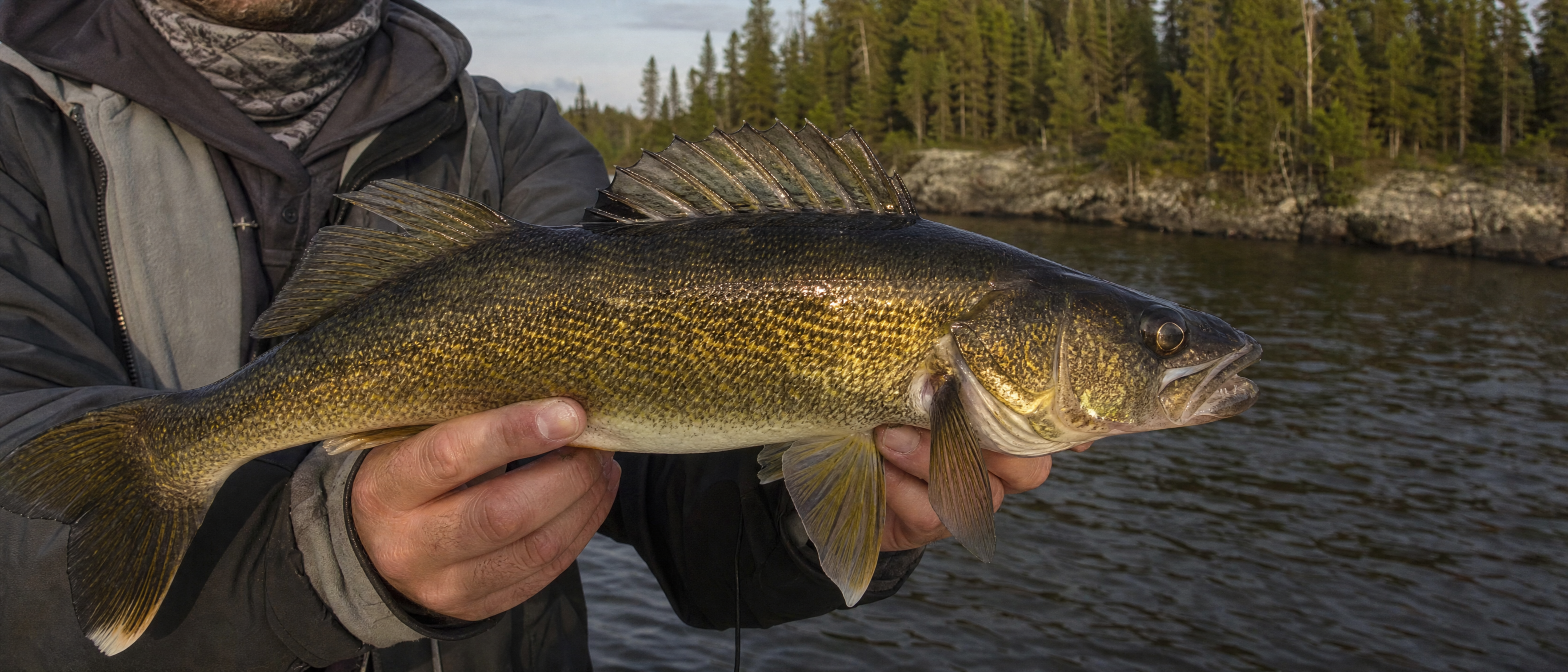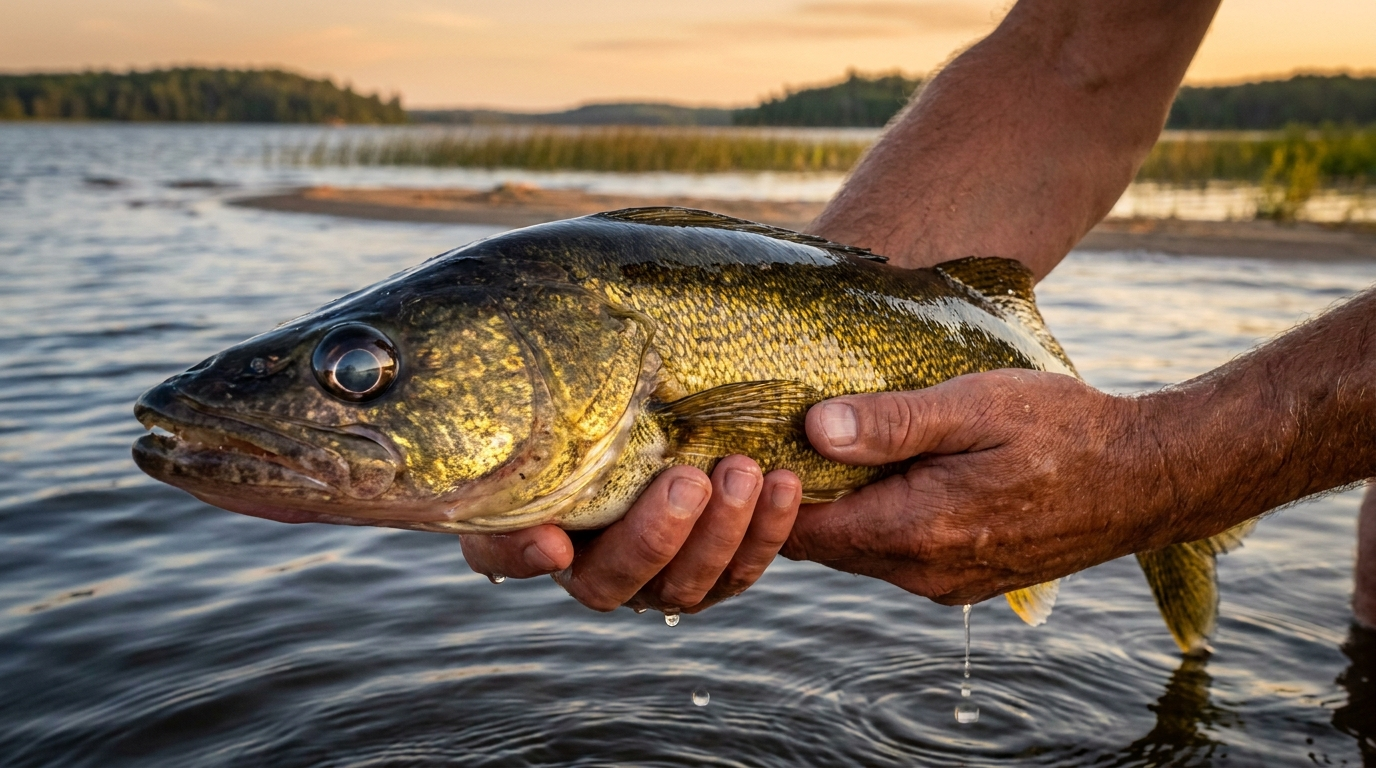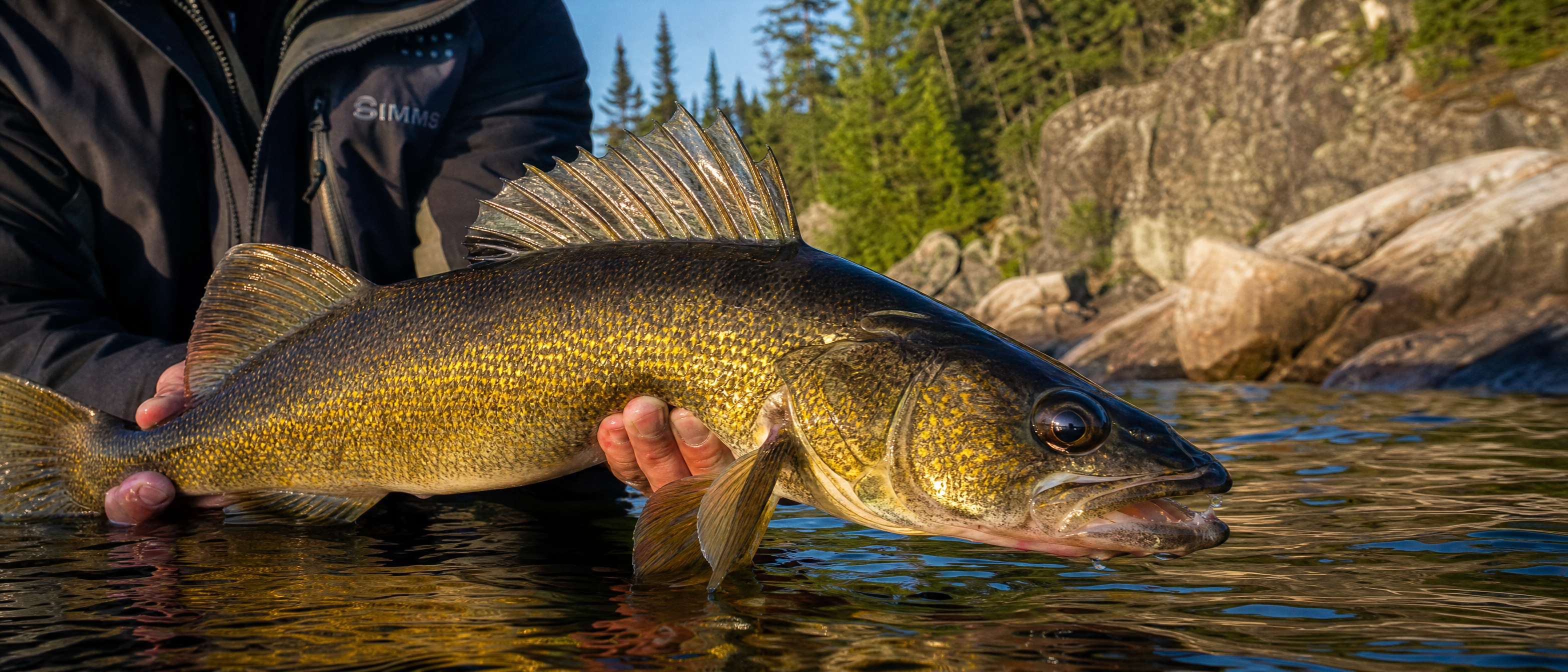
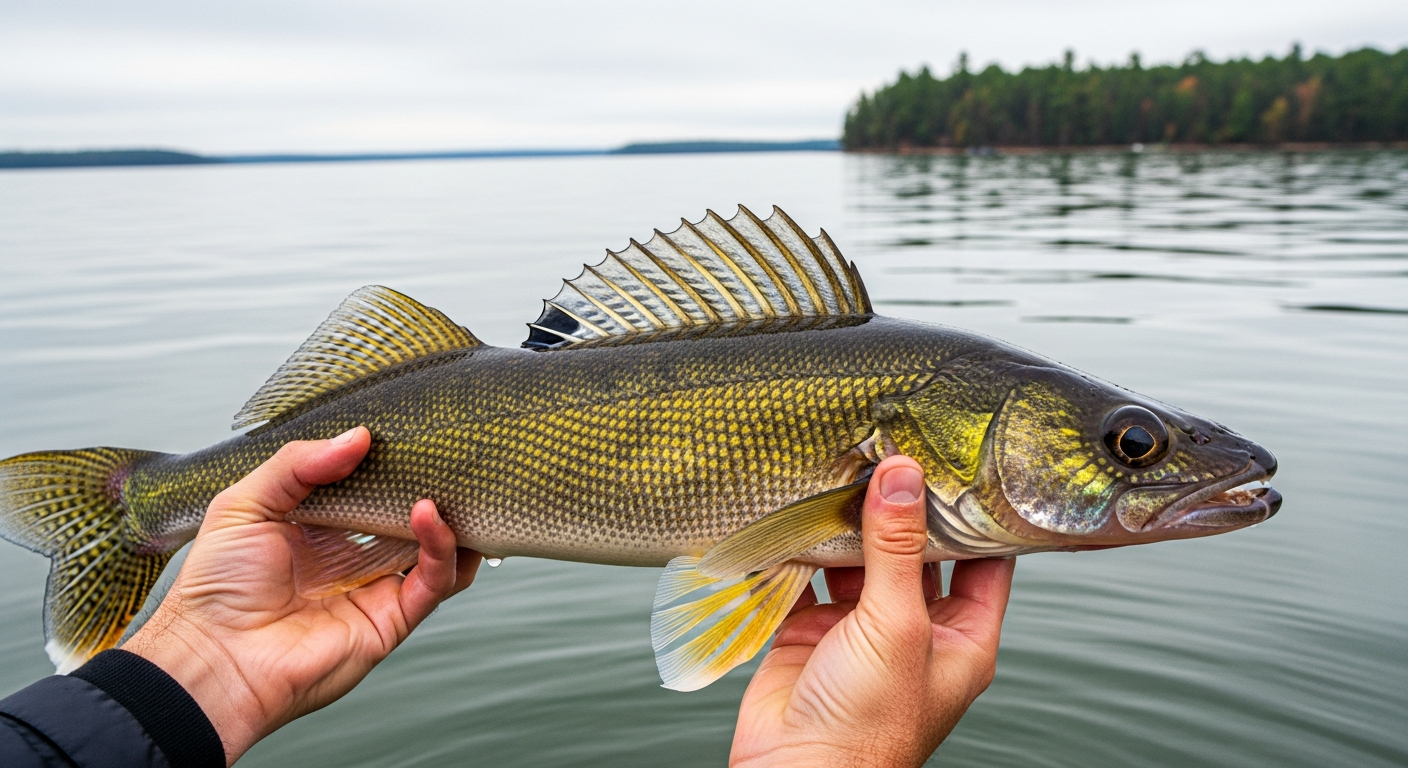
Mille Lacs walleye is famous even among Texas anglers who've never been to Minnesota. The fall reef bite here is legendary, and it's the kind of fishing experience I want to have before I finish the state list.
Today's Bite Score · October 8, 2026
Above average conditions worth planning a trip
🌘Waning Crescent
Mille Lacs Lake Fishing Report
Updated October 2, 2026Synthesized from current fishing reports · Updated weekly
Mille Lacs is in its summer groove this week, with walleyes sliding deeper during midday but remaining very catchable during low-light periods. Water conditions are supporting solid fishing across the lake's famous structure, and anglers are finding success on both early morning and evening bites. The lake is transitioning fully into its summer pattern with fish positioning on deeper flats and gravel bars as the week progresses.
Right now, the evening walleye bite is picking up significantly, and guides are reporting strong action on the mud flats and gravel bars. Anglers are finding walleyes in 18 to 22 feet of water during low-light periods, particularly around Three Mile, Shermans, Seven Mile, and Seguchie flats, as well as near rock and gravel areas like Hennepin Island and Garrison Reef. Early and late in the day, fish are also sliding onto the tops of shallow rock reefs to feed. Smallmouth bass are aggressive around rock structure, and perch are showing up more consistently this week.
For tackle and technique this week, slip bobbers tipped with leeches are producing walleyes on the 18 to 22-foot flats during low-light windows. Slow-death rigs pulling crawlers along gravel bars work well for midday presentations. For smallmouth, tube jigs and ned rigs are pulling aggressive fish around big boulders and isolated rock piles. Shore anglers should focus on access points like Garrison Public Access on the north end, which offers quick access to deeper water and scattered weed growth. A plain red hook and leech remains a go-to presentation for productive, honest fishing right now.
Get More Fishing Report Specifics
Tap a topic button below for a report on current conditions.
Tap a topic above to get a current report for Mille Lacs Lake.
Answers are generated on demand and cached. No AI call fires until you tap a tab.
Mille Lacs Lake Fishing Guides
Looking for a Mille Lacs Lake fishing guide? 132,000 acres of open Minnesota water with walleye, muskies, and bass all requiring completely different presentations and locations — local knowledge here is a massive shortcut. Go here → to check out our recommended fishing guides for Mille Lacs Lake. Then scroll down on that page to see all of the Mille Lacs Lake fishing guides.
Mille Lacs Lake Fishing Strategies by Species
Seasonal patterns and techniques by target species · Verified against official sources
Walleye and smallmouth bass are the two primary fisheries at Mille Lacs Lake, with the walleye fishery co-managed between Minnesota DNR and Ojibwe treaty tribes and the smallmouth fishery recognized by Bassmaster as among the best in the United States. Spring walleye concentrate on rock-to-sand transitions in 6 to 15 feet at the opener in mid-May, while fall is the most aggressive feeding window on the reefs and transitions in 12 to 22 feet. The 2026 walleye regulation is a 17-inch minimum with a 3-fish daily limit (only 1 over 20 inches): regulations are set annually and may be adjusted mid-season, so always verify at MN DNR before fishing. Trophy northern pike and muskellunge are present across the rocky reef structure that defines the entire lake bottom.
Mille Lacs Lake Walleye Fishing Report
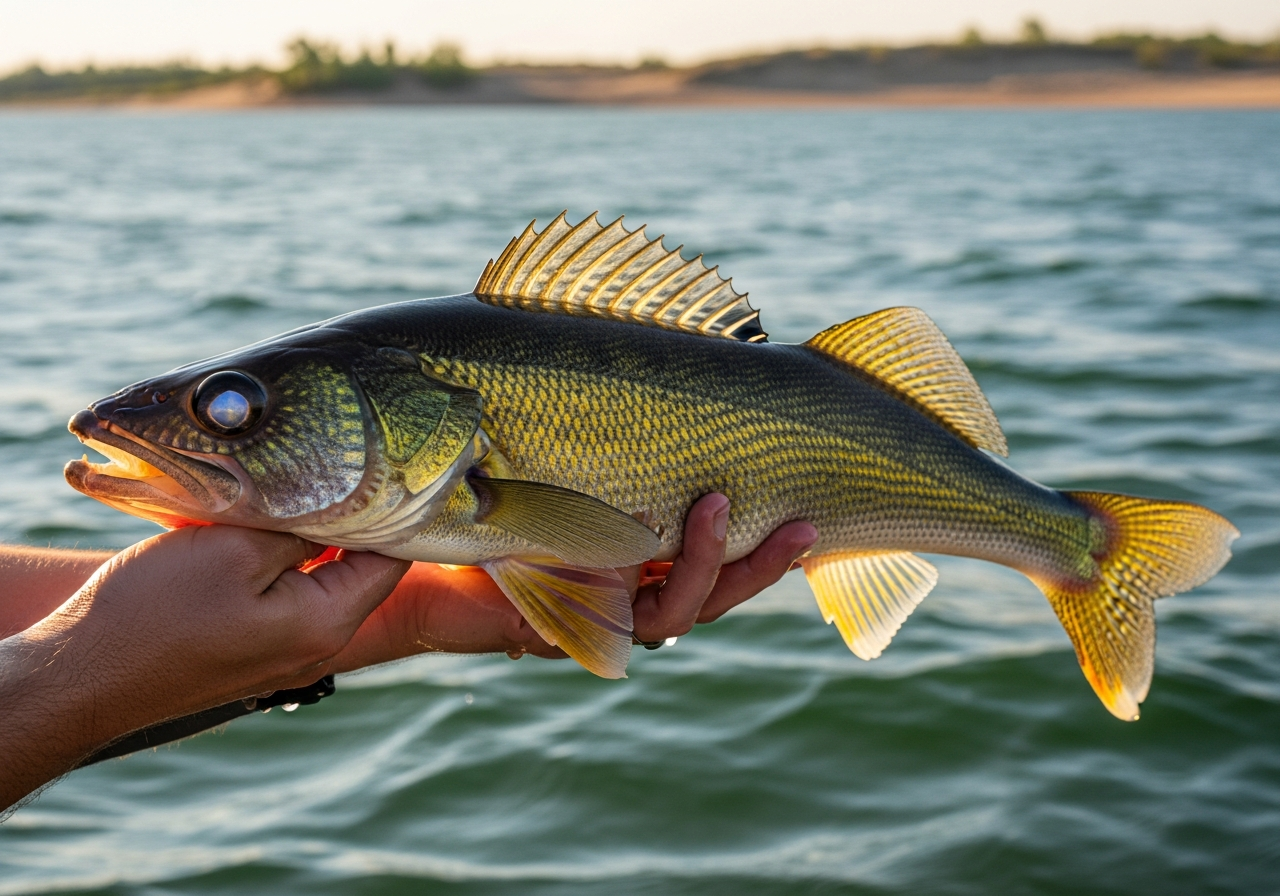
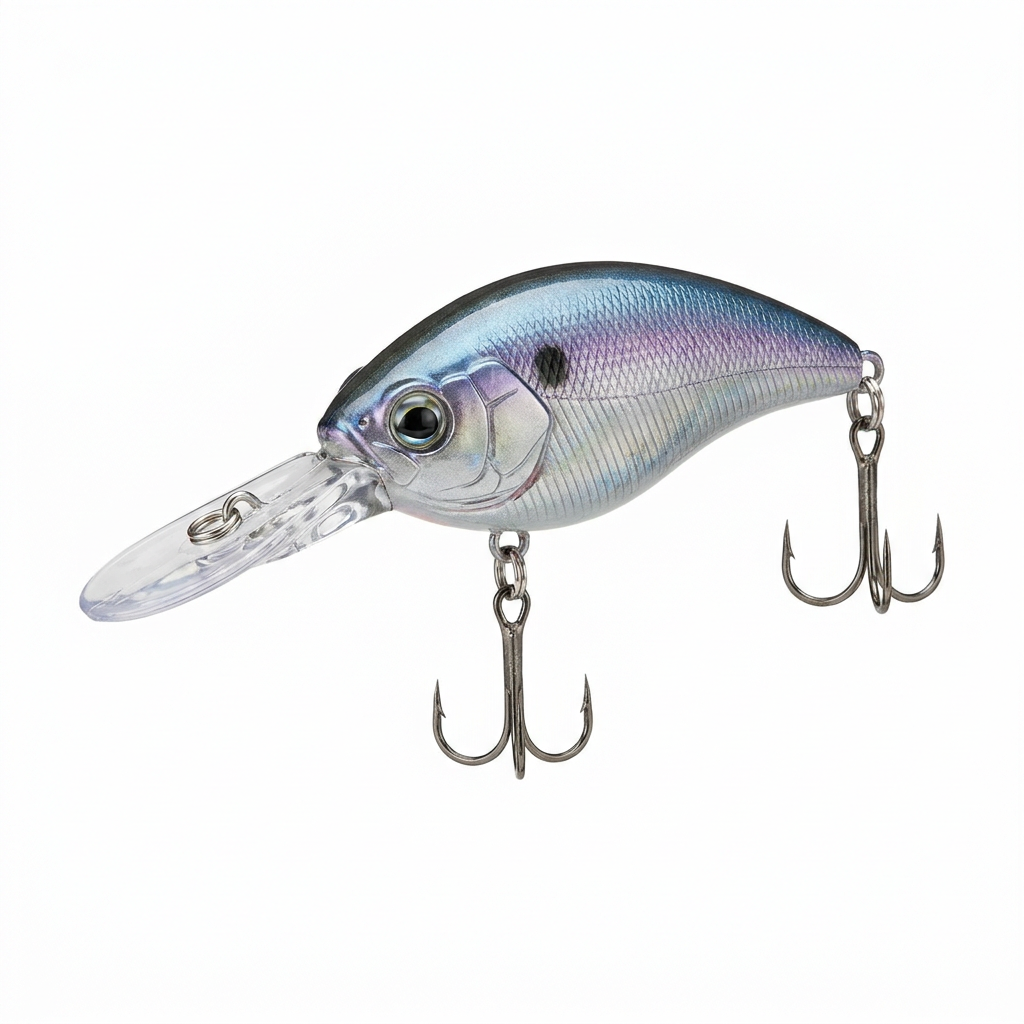
The Minnesota DNR 2026 open water walleye regulation for Mille Lacs is a 17-inch minimum with a 3-fish daily limit, of which only 1 may exceed 20 inches. The season runs May 9 through November 30. Winter regulations: 17-inch minimum, 3-fish daily limit. Regulations are set annually under co-management with treaty tribes and may be adjusted if harvest approaches limits: verify at MN DNR before fishing. Spring walleye fishing on Mille Lacs begins at the opener in mid-May. Post-spawn walleye move from the sandy spawning shorelines on the north and west sides of the lake toward the rock reef structure in 6 to 15 feet. A jig tipped with a minnow worked slowly along the rock transition from sand to rock produces fish through May and into June. The sand breaks on the north shore are productive early opener locations; Banana Reef and the unnamed reef structure running through the middle of the lake hold fish as the season progresses. Summer walleye on Mille Lacs are a deep-water game. Fish move to 20 to 35 feet on the main basin mud flats and the deeper rock edges by July. Trolling crankbaits along the 25 to 30-foot contour produces consistent walleye through the heat of summer. The evening and low-light windows are significantly more productive than midday from June through August. Fall is the most aggressive feeding window of the year. Walleye move back onto the rock reefs and transition areas in 12 to 22 feet as water temperatures cool in September and October. Jigging spoons and live-bait rigs worked along the reef edges produce larger fish through this period. The late-season bite before ice-up is excellent for trophy-class walleye.
Mille Lacs Lake Smallmouth Bass Fishing Report
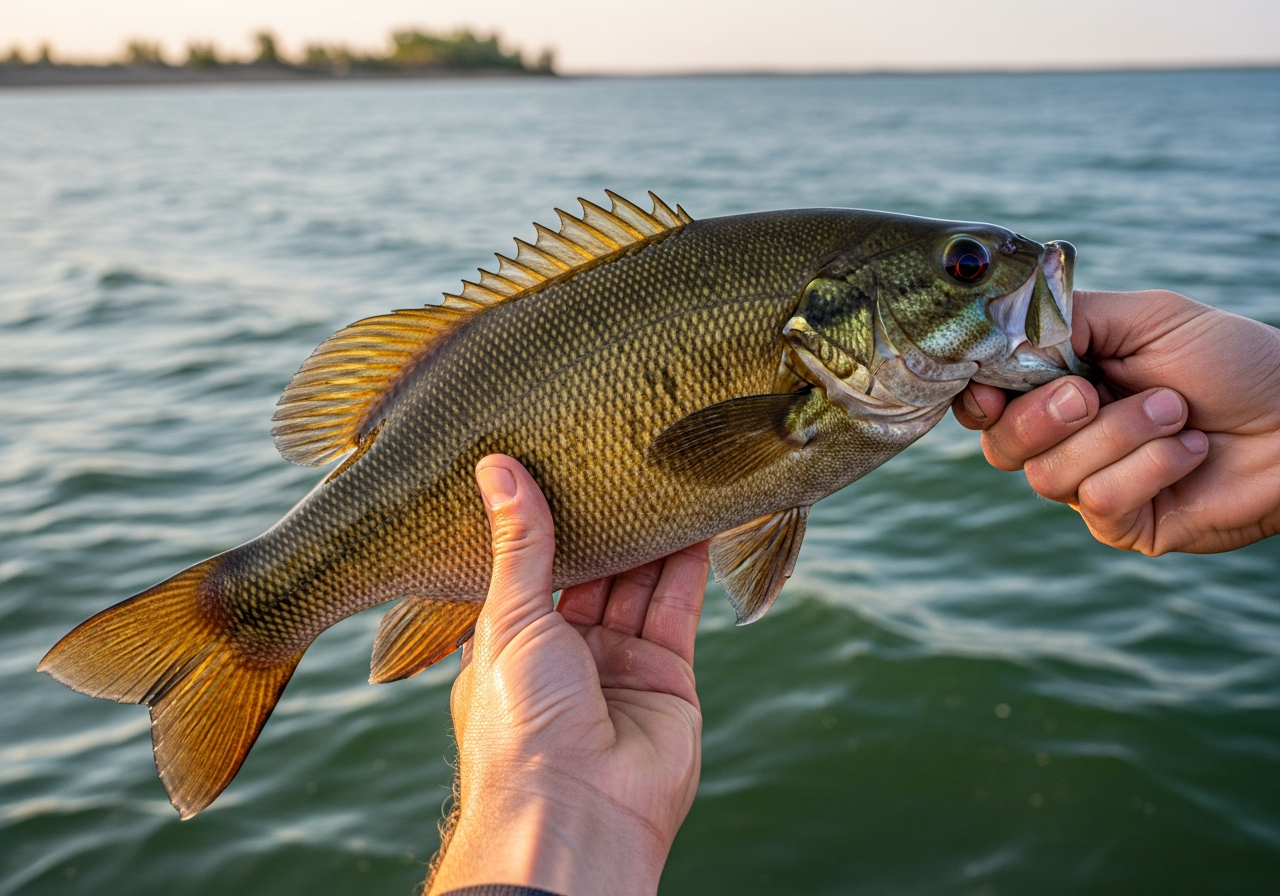
Bassmaster magazine has recognized Mille Lacs as one of the best bass lakes in the United States. The smallmouth bass fishery here is built on the same rock reef structure that holds walleye: the clear water, abundant crayfish, and rocky habitat produce large, hard-fighting fish. Minnesota DNR manages smallmouth bass with a standard regulation; verify current size and bag limits at MN DNR before fishing. Spring smallmouth fishing on Mille Lacs begins as water temperatures warm into the low 60s in late May and June. Pre-spawn fish stage on the shallow rock points and the outside edges of reef structure in 4 to 10 feet. Tube jigs and small crankbaits worked along the rock edges produce consistently. Spawn occurs on the rock flats in 3 to 6 feet in June, with males guarding beds that are visible in the clear water. Summer is the top smallmouth season on Mille Lacs. Fish hold on the rock reefs throughout the lake in 8 to 18 feet, feeding heavily on crayfish. A drop shot rigged with a finesse worm or a tube jig worked slowly across the rocky bottom produces large fish from June through September. The clear water demands light line and careful boat positioning: staying well off the structure and making long casts is more productive than fishing directly over the fish.
Mille Lacs Lake Northern Pike Fishing Report
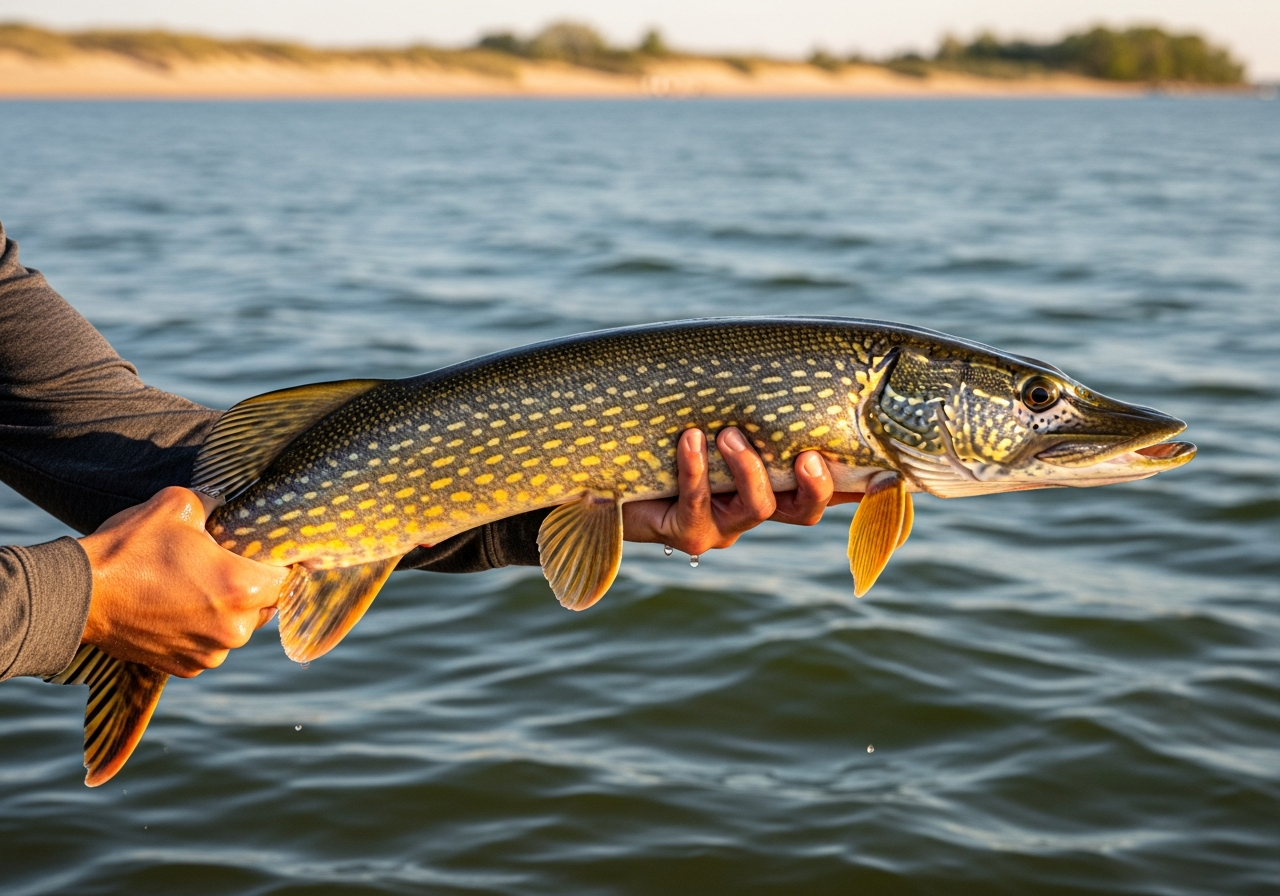
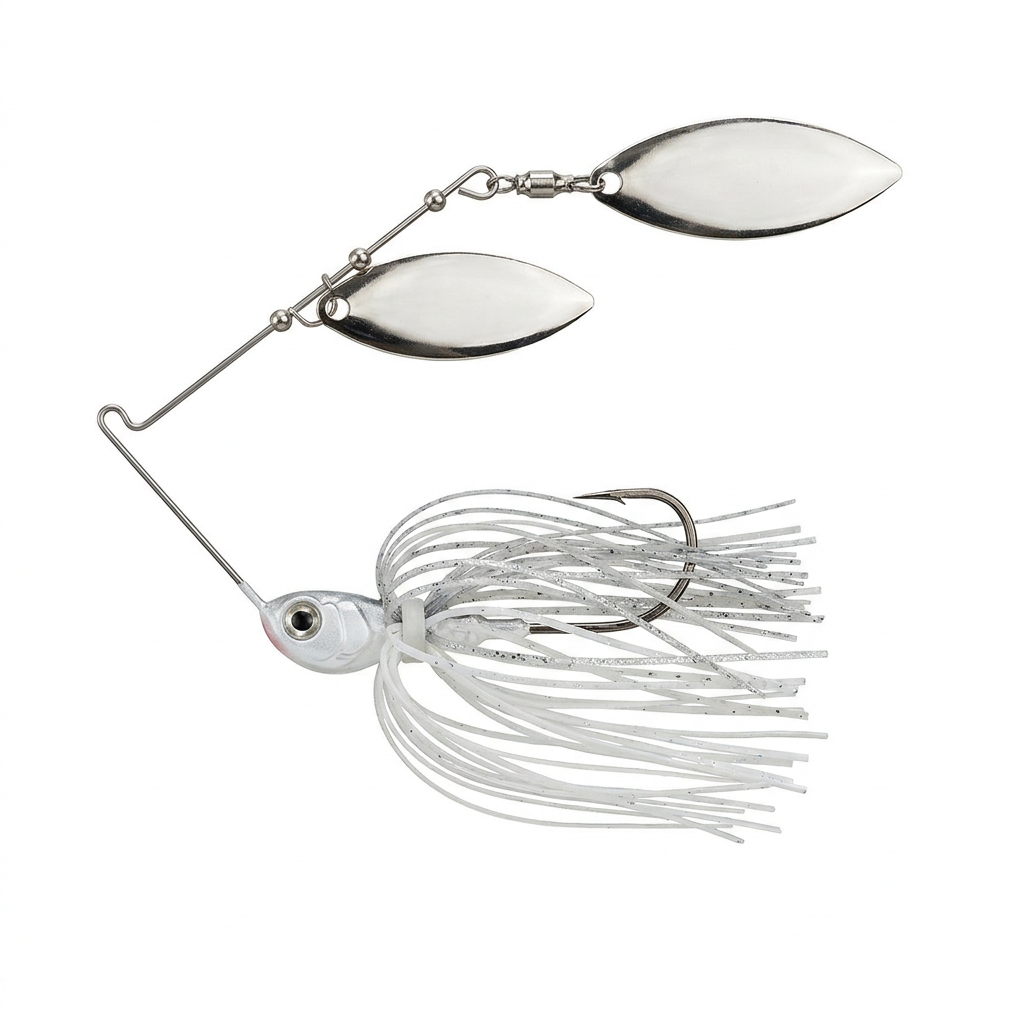
Northern pike are a world-class fishery on Mille Lacs, with the combination of clear water, abundant forage, and a large lake ecosystem producing fish that reach trophy sizes. Verify current Minnesota DNR pike regulations before fishing, as size and bag limits apply. Spring pike fishing on Mille Lacs begins early: pike spawn in the shallow weedy bays and shoreline areas before the walleye opener, and fish are accessible in the warmest, weediest sections of the lake in April and early May. Large suckers and pike-specific swimbaits worked through the emerging vegetation on the shallow bays along the south and west shores produce fish through the spawn. Summer pike on Mille Lacs relate to the weed beds and the edges of the rock structure where weeds transition to rock. A large spinnerbait or a magnum swimbait worked along the weed edge in 6 to 12 feet produces pike through the summer. The fish in Mille Lacs are excellent condition going into fall from a summer of feeding on the abundant perch and smaller walleye population.
Mille Lacs Lake Muskellunge Fishing Report
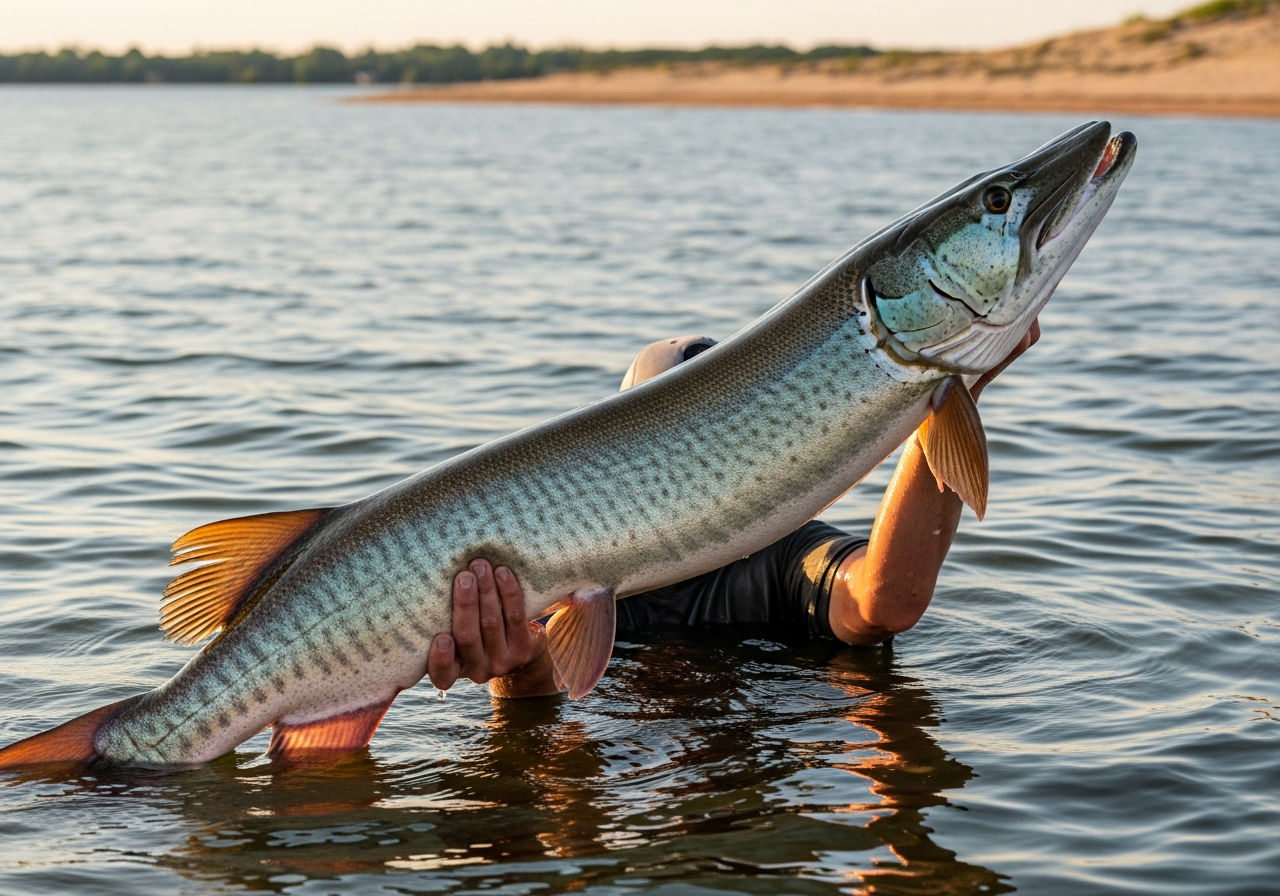
Muskellunge are a legitimate trophy fishery on Mille Lacs. The lake's size, water clarity, and forage base support fish that grow to trophy class. Muskie fishing requires patience: the species is famously called "the fish of 10,000 casts": but the potential for a large fish on every cast makes it compelling. Verify current Minnesota DNR muskie regulations (size limit and season) before fishing. The rocky reefs scattered across Mille Lacs are the primary muskie structure. Horseshoe Reef is one of the locally recognized muskie spots, along with the main reef complex running through the center of the lake. Large bucktails, figure-eight presentations at the boat, and large swimbaits worked slowly along reef edges are the most productive approaches. Muskie are most active during low-light periods: early morning and evening: and on overcast days when reduced light makes them more aggressive. Fall is the best muskie season on Mille Lacs. Fish feed aggressively in September and October ahead of the winter, and the cooler water temperatures make them more active through more of the day. Large glide baits and jerk baits worked on the main reef edges and the deeper basin drop-offs produce the largest fish of the year during this period.
If you haven't replaced your braided line in a season or two, now's the time. Braid holds up better than mono, but abrasion from wood and rock adds up. Reaction Tackle is one of my favorite places to order from.
Top Fish to Target in Mille Lacs Lake
Lures for Mille Lacs Lake
Tackle matched to this lake's species and structure.
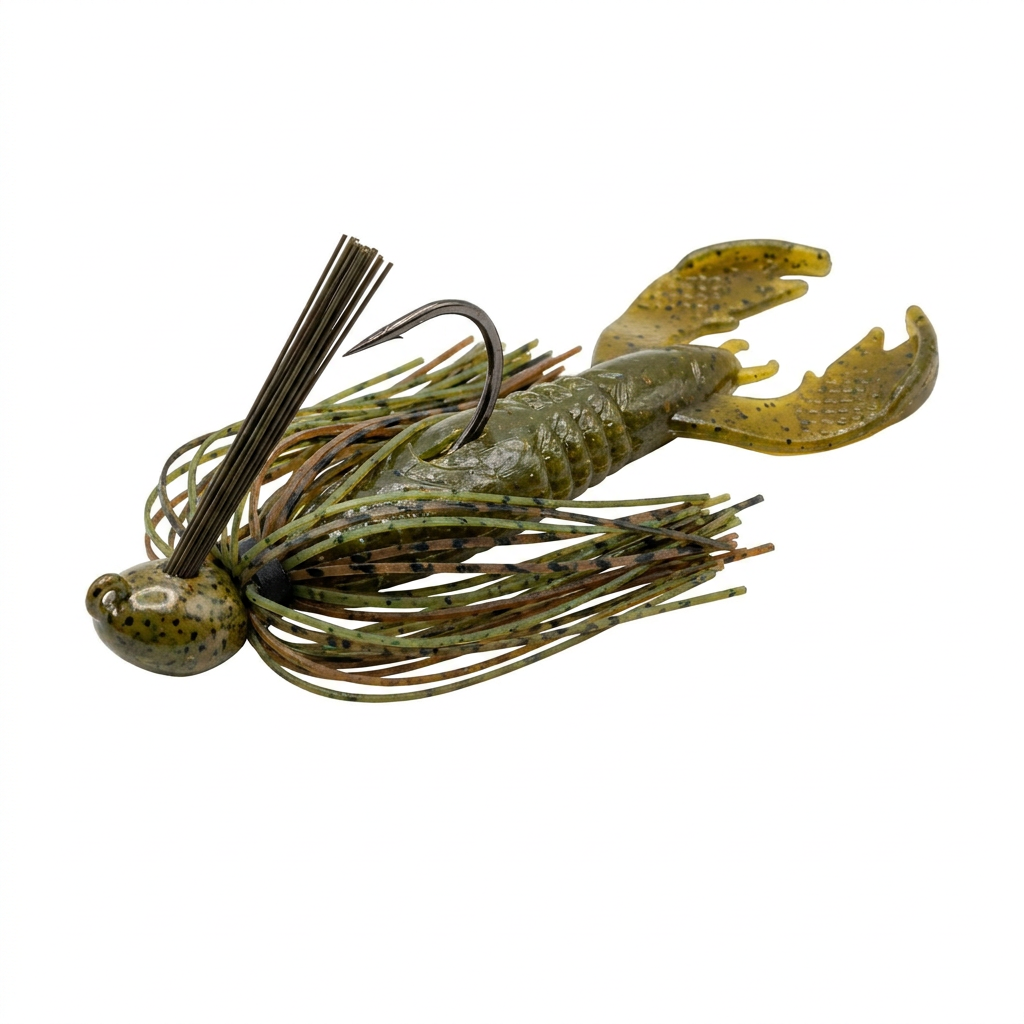
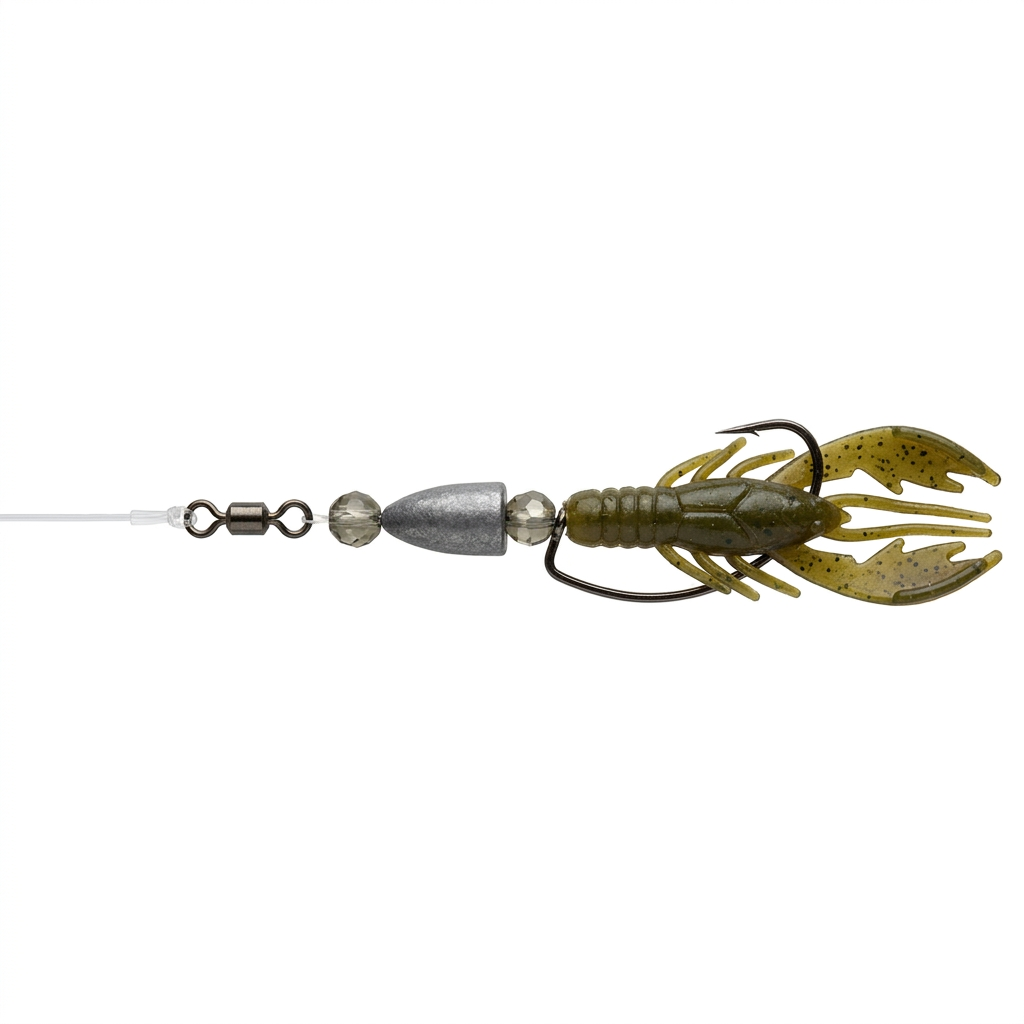
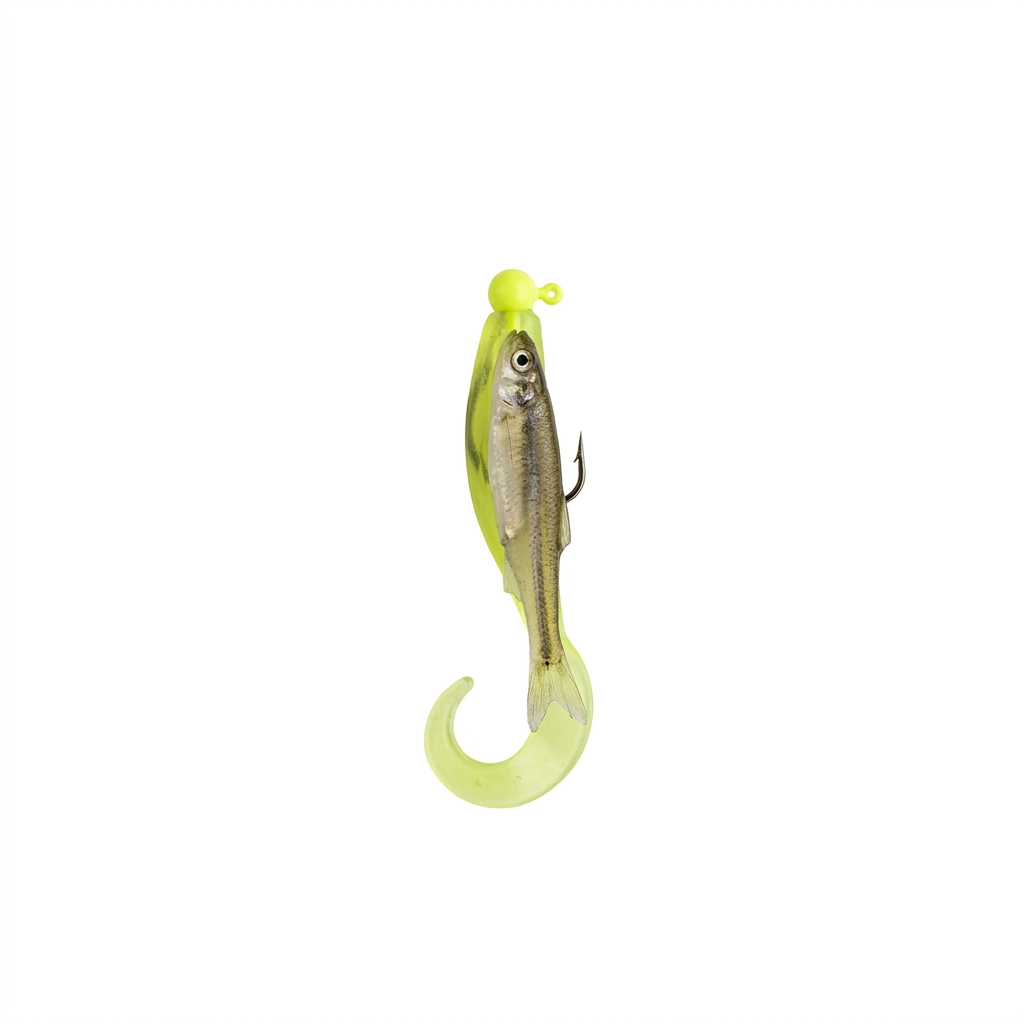
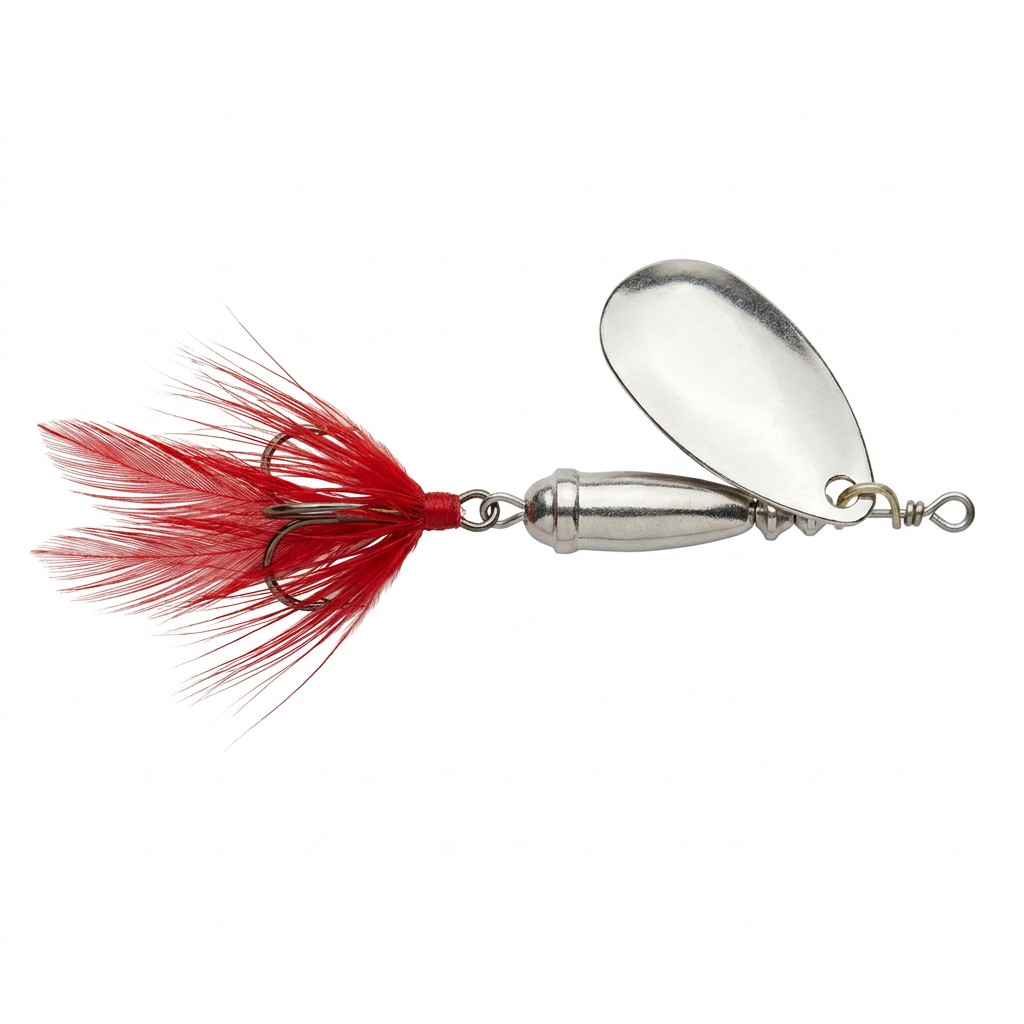
The right line matters as much as the lure. For the presentations that work on this lake, whether flipping timber, fishing main lake structure, or working deep brush, braid is the move. No stretch, more feel, and it lasts. Reaction Tackle is where I get mine.
About Mille Lacs Lake
Mille Lacs is one of those lakes where even a Texas angler knows the name. The walleye fishing here is so storied that it shows up in any serious conversation about freshwater fishing in North America, and the fall reef bite sounds exceptional. Minnesota is still on my state list, and Mille Lacs would be a worthy reason to finally go.
Lake size and location. Mille Lacs Lake covers 132,516 acres (Minnesota's second-largest inland lake) in Mille Lacs, Aitkin, and Crow Wing counties, approximately 90 minutes north of Minneapolis via US-169. It is a natural glacial basin with no dam. The maximum depth is 42 feet. The shallow, clear water over extensive rock reef structure defines the lake's character and fisheries.
Co-managed walleye fishery. Mille Lacs walleye are co-managed between the Minnesota DNR and Ojibwe treaty tribes (Mille Lacs Band and others) under the 1837 Treaty. Harvest limits are set annually through a joint assessment process. The 2026 open water regulation is 3 walleye per day, 17-inch minimum, with only 1 fish over 20 inches allowed. Limits may be adjusted mid-season if harvest approaches population targets. Always verify current regulations at MN DNR before fishing: this is a lake where regulations can change during the season.
Smallmouth bass recognition. Bassmaster magazine has recognized Mille Lacs as one of the best bass lakes in the United States. The rocky reef structure, clear water, and crayfish-rich bottom produce large smallmouth bass throughout the summer. Minnesota DNR manages the smallmouth fishery; verify current size and bag limits before fishing.
Trophy species. Muskellunge and northern pike both reach trophy size in Mille Lacs. The lake's size and forage base: abundant perch, cisco, and smaller fish species: support fast growth rates. Muskie and pike regulations include size limits; verify at MN DNR before fishing.
Access. Multiple public boat launches ring the lake, with the communities of Garrison, Isle, Onamia, and Wahkon providing services and access on the west, south, and east shores. Mille Lacs Kathio State Park on the southwest corner provides additional public access.