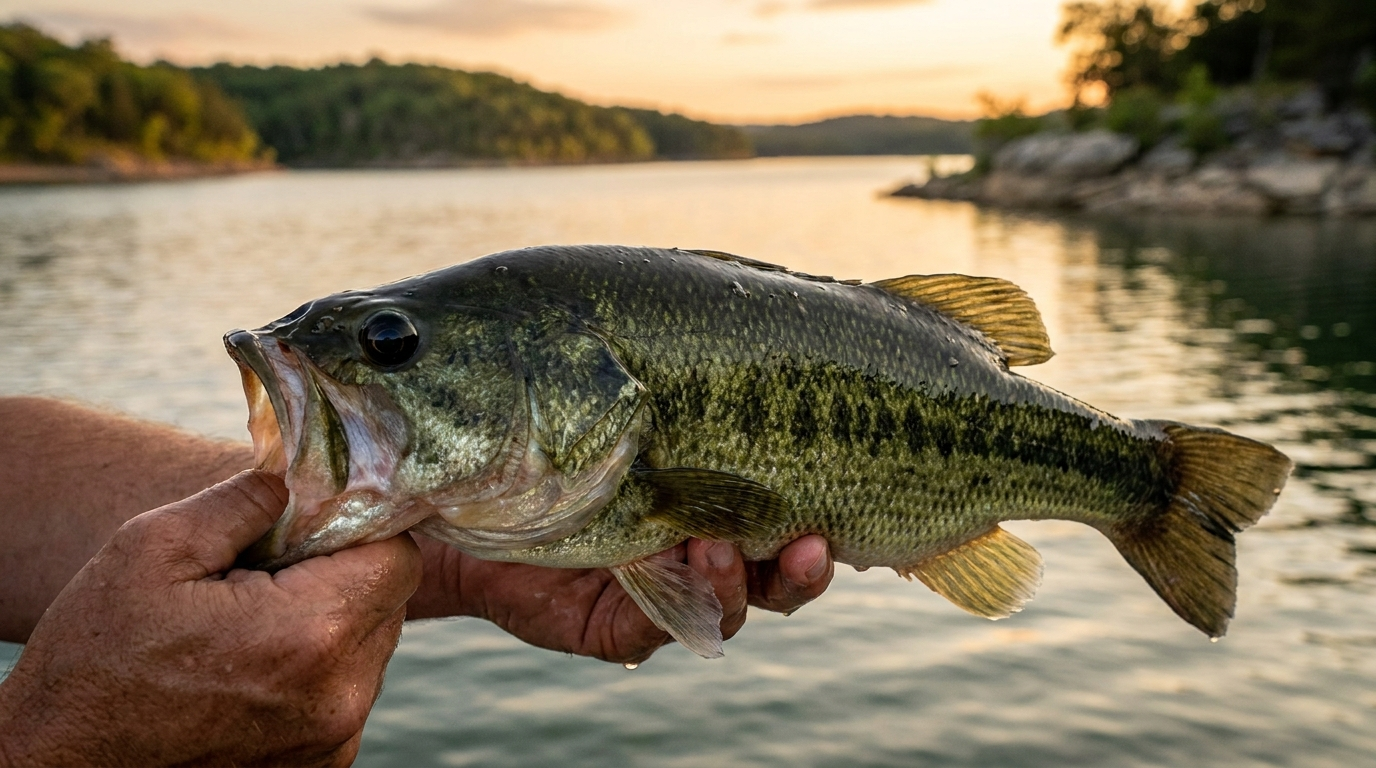
Clarks Hill Lake sits on the South Carolina-Georgia line on the Savannah River, and most anglers just call it Clarks Hill regardless of which state's regulations apply where they are standing. At 71,100 acres it is a big fishery with real depth to it - both literally and in terms of species variety. The rocky coves on the SC side produce quality largemouth, the open water produces stripers and hybrids, and the brush pile crappie fishing is consistently mentioned by anglers who know this lake well. The two-state regulations situation is worth understanding before you fish here.
Today's Bite Score · October 8, 2026
Very favorable conditions for catching fish
🌘Waning Crescent
Clarks Hill Lake Fishing Report
October FishingMonthly fishing report · October patterns and techniques
October conditions at Clarks Hill Lake bring cooler water temperatures that trigger significant changes in fish behavior and location. As the month progresses and water cools, fish that held in deeper channels and structures during the heat of late summer begin their migration toward shallower areas. Anglers are finding that this cooling trend activates feeding patterns across multiple species, creating improved bite windows compared to late summer conditions.
In October, black bass are most active around shallow banks and topwater presentations, with anglers finding success using buzzbaits and topwater lures along the banks. Schooling activity over deeper water remains productive, and fish holding on humps and bridges can be caught on drop shots. Stripers and hybrids progressively migrate out of deeper channels as the month advances, relating to humps and moving higher in the water column with increased surface activity. Crappie transition from deeper brush into the 12-15 foot range as cooling accelerates, holding around brush and timber where they respond well to jigs and minnows. Catfish activity becomes increasingly productive this month, with fish scattering between shallow creek backs feeding on threadfin and gizzard shad, and deeper humps and points where they feed on blueback herring. October marks the beginning of prime time for landing big blue catfish on Clarks Hill.
The bite is strongest when anglers target black bass with buzzbaits and topwater lures around banks and schooling areas, or work drop shots on deeper structure. For stripers and hybrids, focusing on humps as fish move shallower produces results. Crappie respond best to jigs and minnows fished at appropriate depths around brush. Catfish anglers should work both shallow creek areas with cut herring and main lake structure, adjusting their approach based on water depth and available forage. As water temperatures continue cooling through October, overall feeding activity improves, making this an excellent month for multi-species opportunities at Clarks Hill Lake.
Get More Fishing Report Specifics
Tap a topic button below for a report on current conditions.
Tap a topic above to get a current report for Clarks Hill Lake.
Answers are generated on demand and cached. No AI call fires until you tap a tab.
Clarks Hill Lake Fishing Guides
Looking for a Clarks Hill Lake fishing guide? 71,000 acres on the SC-GA border with one of the most complex shoreline structures in the Southeast — guides here have spent years learning which areas produce bass and stripers by season. Here are 4 fishing guides for Clarks Hill Lake that are worth checking out.
Clarks Hill Lake Fishing Strategies by Species
Seasonal patterns and techniques by target species · Verified against official sources
Largemouth bass, striped bass, hybrid striped bass, crappie, channel catfish, and bluegill are the primary sport fish at Clarks Hill Lake, a 71,100-acre USACE reservoir on the Savannah River on the South Carolina-Georgia border. The dam (J. Strom Thurmond Dam) was completed in 1954 by the U.S. Army Corps of Engineers, Savannah District. Clarks Hill Lake is one of the largest reservoirs in the Southeast and is known for largemouth bass in the rocky cove structure, striped bass and hybrid striped bass in the open main-lake basin, and crappie concentrated on brush piles throughout both arms of the lake. Anglers must follow the regulations of the state they are fishing in: SCDNR regulations on the South Carolina side, Georgia Wildlife Resources Division regulations on the Georgia side. For SC side: verify at https://www.dnr.sc.gov/fishing/regs.html. For GA side: verify at https://georgiawildlife.com/fishing/regulations before fishing.
Clarks Hill Lake Largemouth Bass Fishing Report
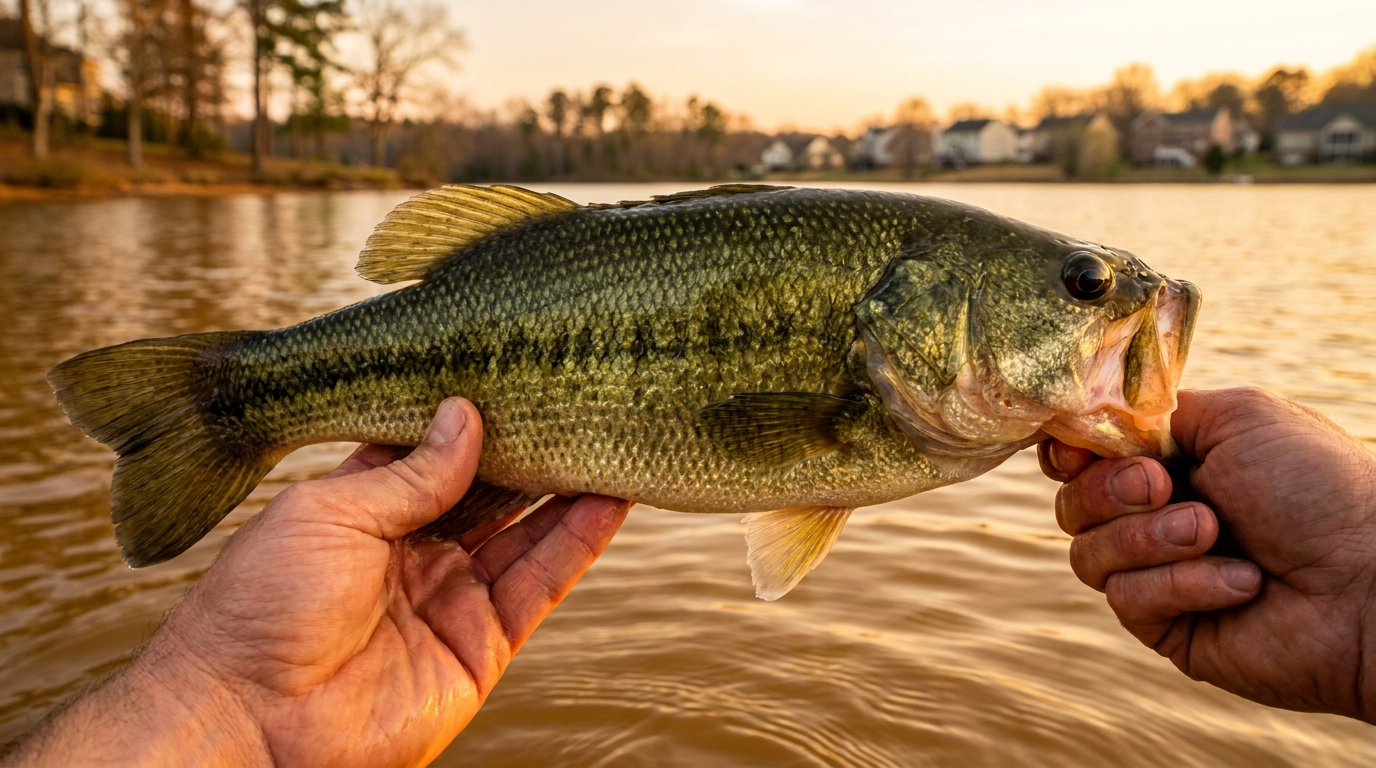
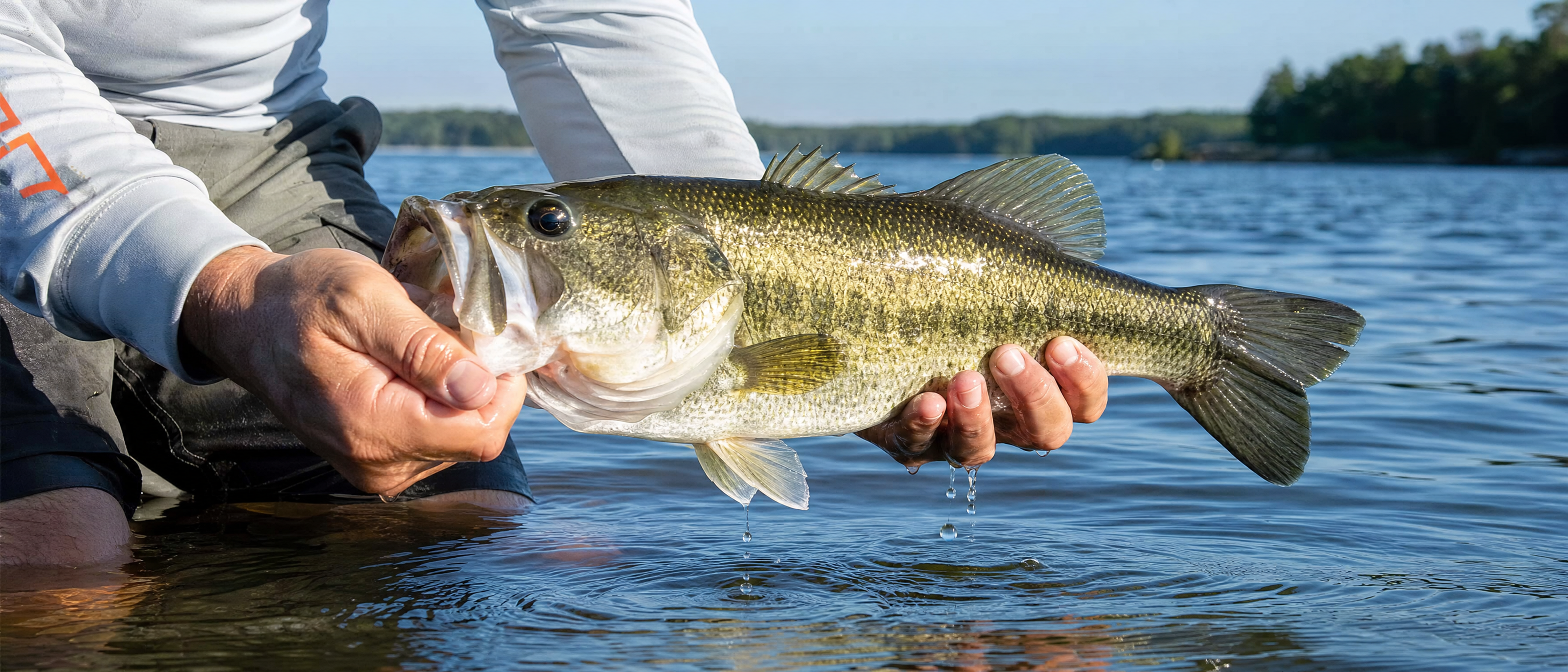
Largemouth bass at Clarks Hill Lake are closely associated with the rocky coves, submerged rock points, dock structure, and brush piles that characterize the Savannah River basin reservoir. The granite and clay-based shoreline on the SC side produces a mix of rocky points and secondary structure that concentrates bass throughout the year. Jigs worked on the rocky points and dock lines, Texas-rigged worms flipped into the brush, and crankbaits on the rocky channel transitions produce the most consistent largemouth results. The upper Savannah River arm and the McCormick County coves on the SC side are well-regarded bass zones. SCDNR regulations apply on the SC side: 12-inch minimum size limit for largemouth bass. Verify current SC regulations at https://www.dnr.sc.gov/fishing/regs.html and GA regulations at https://georgiawildlife.com/fishing/regulations before fishing. Spring is the primary largemouth season at Clarks Hill Lake. Prespawn fish stage at the rocky point and dock structure at 6 to 12 feet from mid-March before moving into the protected coves and brush to spawn in April and May. The rocky coves on the McCormick County side and the secondary points throughout the lake provide reliable staging habitat. Summer bass retreat to the deeper rocky structure and brush at 15 to 25 feet during the warmest months. Fall produces an excellent crankbait bite on the windswept rocky points and cove entrances from September through November as bass follow shad schools back into the shallower structure.
Clarks Hill Lake Striped Bass Fishing Report
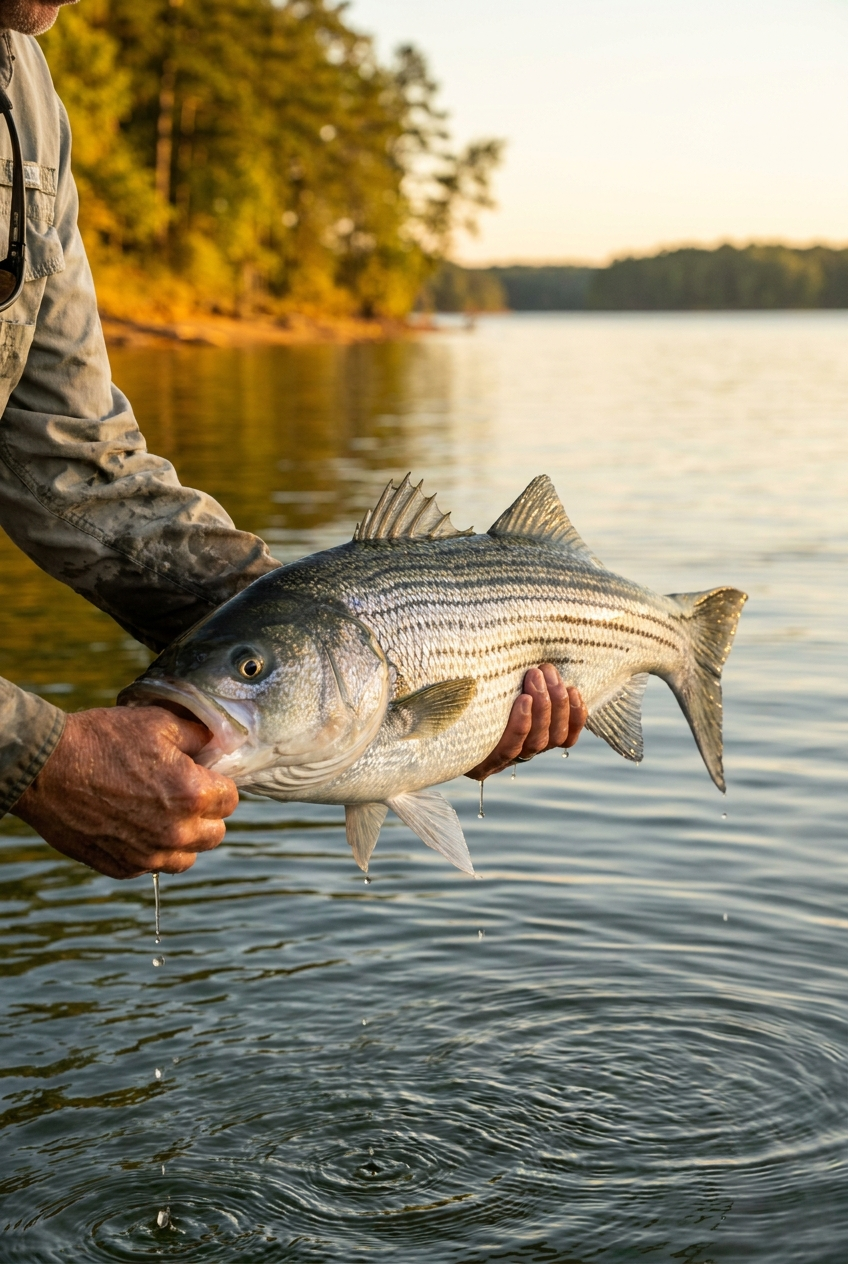
Striped bass are stocked by both SCDNR and Georgia WRD in Clarks Hill Lake and provide a quality open-water fishery throughout the main Savannah River basin. The deep clear water of Clarks Hill allows stripers to access cold-water depths during summer, making it one of the better striper reservoirs in the Piedmont South. Trolling umbrella rigs and large swimbaits through the main-lake basin produces consistent stripers from fall through spring. Live shad fished below the thermocline on downriggers is the most effective summer approach for the largest fish. SCDNR striped bass regulations apply on the SC side: 16-inch minimum size limit. Verify current SC regulations at https://www.dnr.sc.gov/fishing/regs.html and GA regulations at https://georgiawildlife.com/fishing/regulations before fishing. Cooler water from October through April allows stripers to roam the entire main lake basin and produces the most accessible open-water trolling. Surface blitzes on schooling stripers pushing shad to the surface occur regularly from May through October in the early morning on the main lake. The deep basin near J. Strom Thurmond Dam and the main Savannah River channel hold the most consistent striper concentrations throughout the year.
Clarks Hill Lake Crappie Fishing Report
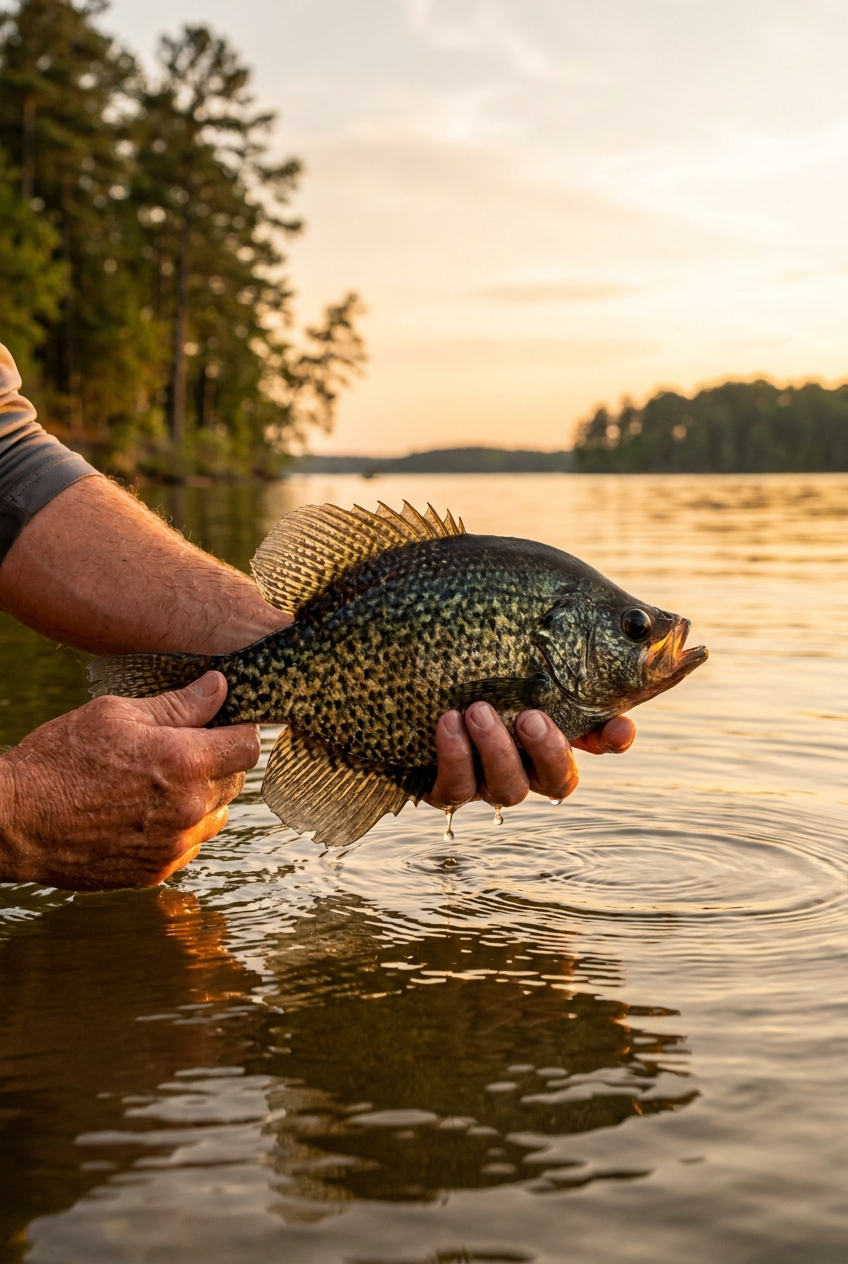
Crappie are abundant throughout Clarks Hill Lake, concentrated on the brush piles, submerged timber, and dock structure distributed across both the SC and GA sides of the reservoir. Both black and white crappie are present, with the lake supporting quality fish across all size classes. Brush piles in 8 to 18 feet hold crappie year-round and are the most reliable starting point for targeting crappie on this large reservoir. Small tube jigs, crappie jig-minnow combinations, and small grubs worked vertically around the brush produce consistent catches. SCDNR standard crappie regulations apply on the SC side. Verify current SC regulations at https://www.dnr.sc.gov/fishing/regs.html and GA regulations at https://georgiawildlife.com/fishing/regulations before fishing. Spring crappie fishing at Clarks Hill Lake peaks from late February through April as fish move from winter holding depths of 15 to 25 feet into the shallower brush and dock structure in 5 to 10 feet. The upper coves of both the SC and GA sides concentrate spawning crappie around any available wood structure. Private brush piles and SCDNR-maintained attractors throughout both arms of the lake provide reliable crappie targets in every season. Fall crappie fishing on Clarks Hill is consistent from October through December as fish return to mid-depth brush structure.
Clarks Hill Lake Channel Catfish Fishing Report
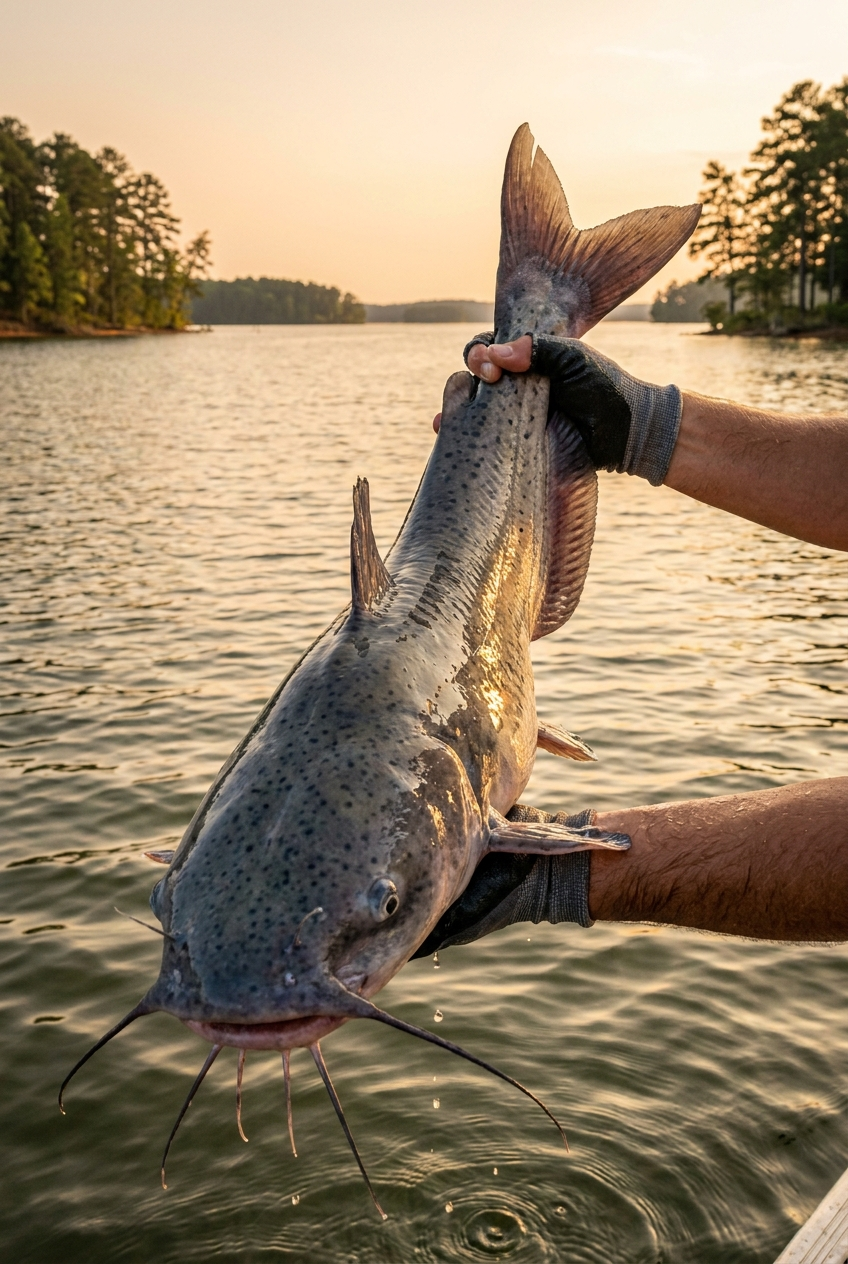
Channel catfish are widely distributed throughout Clarks Hill Lake in the channel transitions, tributary mouths, and softer-bottom basin areas of the Savannah River system. The productive reservoir supports quality channel catfish across all size classes. Cut shad, chicken liver, and prepared catfish baits fished near channel edges, brush piles, and creek mouths produce consistent results. SCDNR standard catfish regulations apply on the SC side. Verify current SC regulations at https://www.dnr.sc.gov/fishing/regs.html and GA regulations at https://georgiawildlife.com/fishing/regulations before fishing. Summer night fishing from the public access areas on both the SC and GA sides produces the most consistent channel catfish action at Clarks Hill Lake. The Savannah River arm channel transitions and the tributary mouths on the McCormick and Lincoln county sides concentrate feeding catfish during warm months. Catfish are available year-round but are most active in the evening and nighttime hours from June through September.
Clarks Hill Lake Bluegill Fishing Report
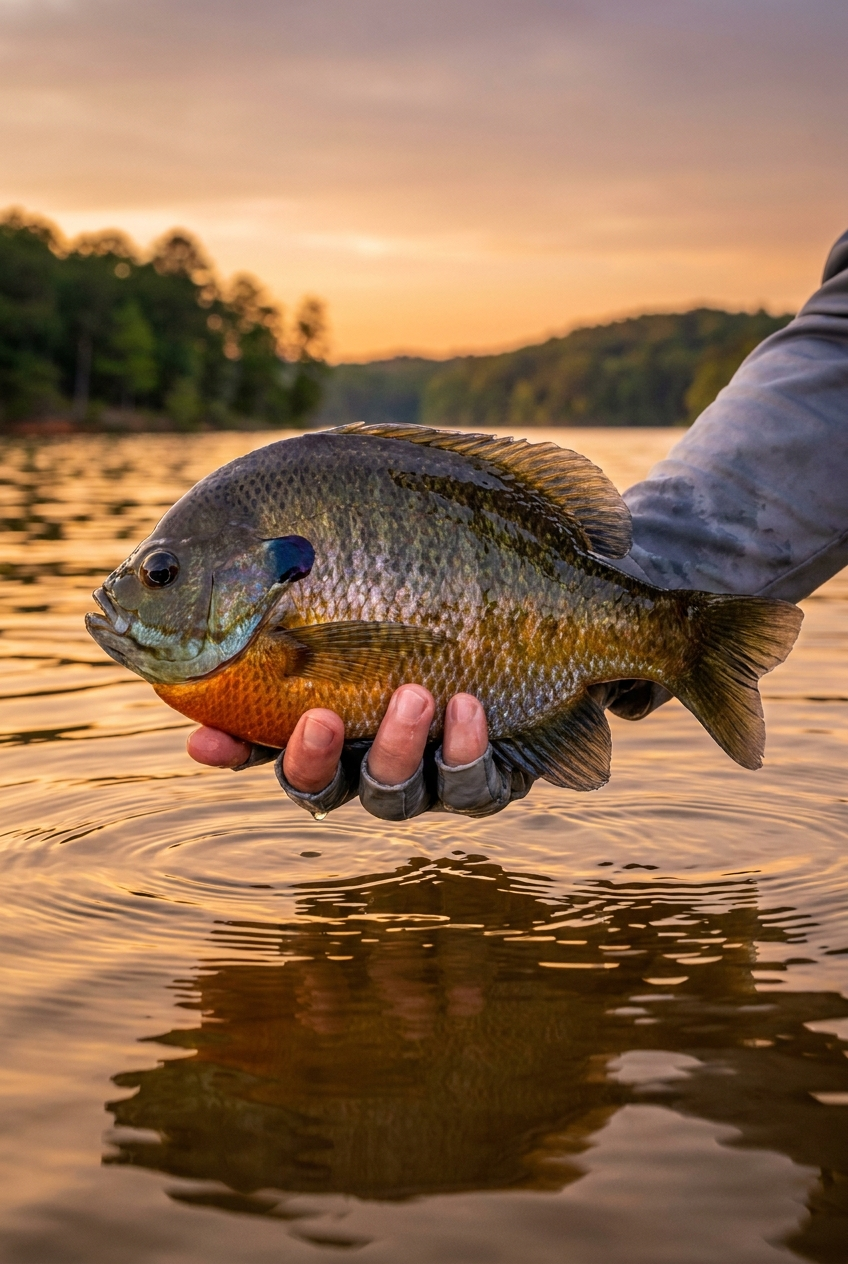
Bluegill and redear sunfish (shellcrackers) are abundant throughout Clarks Hill Lake in the protected coves, dock areas, and vegetated shallows of the Savannah River basin. The warm Piedmont water and productive cove habitat support quality bluegill populations on both the SC and GA sides of the lake. Small jigs, crickets, and worms fished around dock pilings, brush piles, and emerging shallow vegetation in 2 to 5 feet produce consistent catches. SCDNR standard panfish regulations apply on the SC side. Verify current SC regulations at https://www.dnr.sc.gov/fishing/regs.html and GA regulations at https://georgiawildlife.com/fishing/regulations before fishing. Bluegill and redear sunfish fishing peaks at Clarks Hill Lake from May through July during the spawning season when fish form visible beds on the sandy and gravel-bottom shallows of the protected coves. Redear sunfish are particularly well-represented in the Clarks Hill bass-sunfish community and provide fast action near the mussel beds and vegetation in 2 to 4 feet throughout the summer months.
Clarks Hill Lake Hybrid Striped Bass Fishing Report
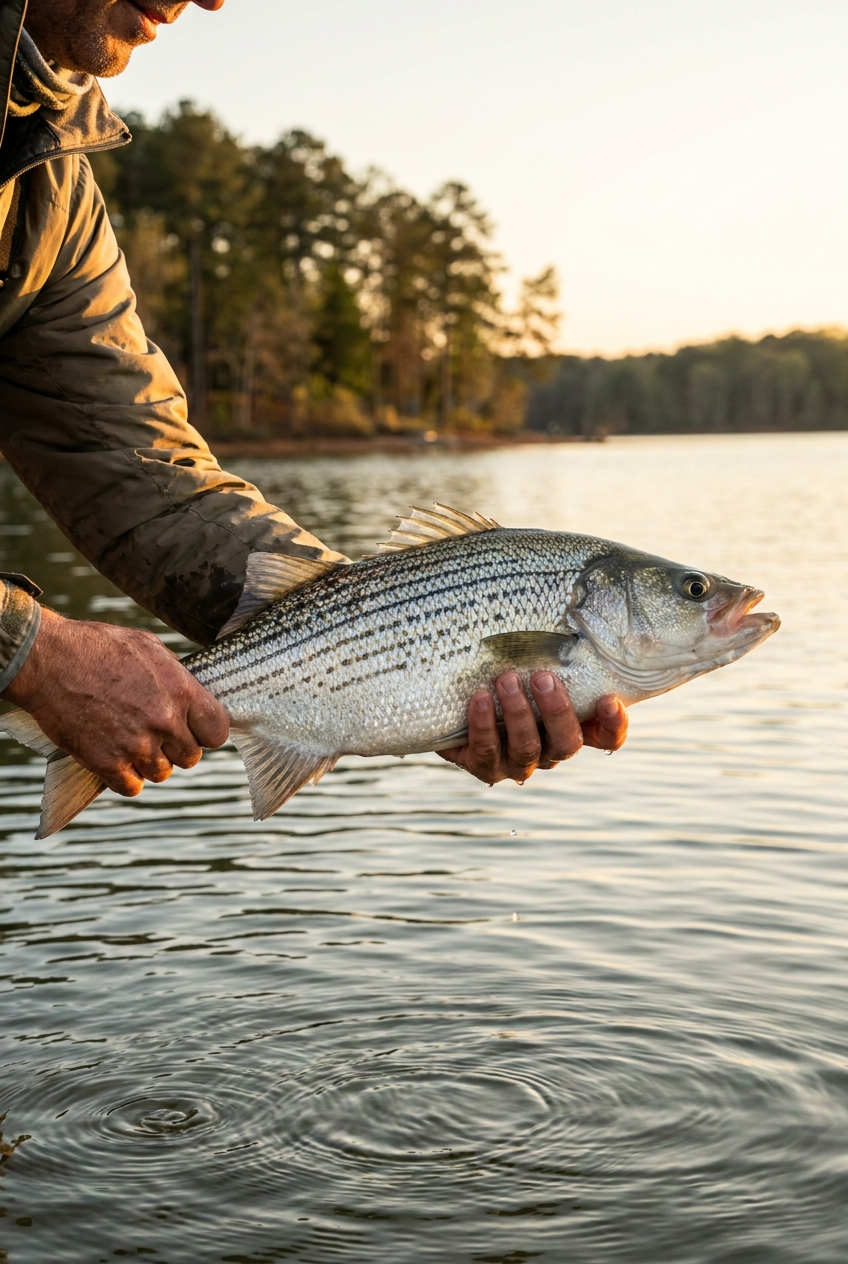
Hybrid striped bass (wipers) are stocked in Clarks Hill Lake and provide an additional open-water schooling species that complements the pure striped bass fishery. Hybrids are aggressive feeders and are often found in shallower water than pure stripers, particularly during fall when they chase shad schools aggressively near the surface. Swimbaits, crankbaits, and topwater lures fished around surface-busting schools of hybrids in the main lake basin produce fast action. Jigging spoons and blade baits worked below the surface busts also produce fish. SCDNR regulations apply to hybrid striped bass on the SC side. Verify current SC regulations at https://www.dnr.sc.gov/fishing/regs.html and GA regulations at https://georgiawildlife.com/fishing/regulations before fishing. Fall is the peak hybrid striped bass season at Clarks Hill Lake. Schools of hybrids actively push shad to the surface on the main lake basin and near the dam from September through November, creating visible surface activity that can be located visually. The open main-lake sections of both the SC and GA sides hold hybrid schools throughout the fall. Winter hybrids move deeper but remain active and can be targeted with jigging spoons and blade baits in the main basin.
Before you head out, check your line. If it's been sitting on the reel all winter or has seen a lot of rocks and timber, it's worth replacing before a serious trip. I order most of my braid from Reaction Tackle and have been happy with it.
Top Fish to Target in Clarks Hill Lake
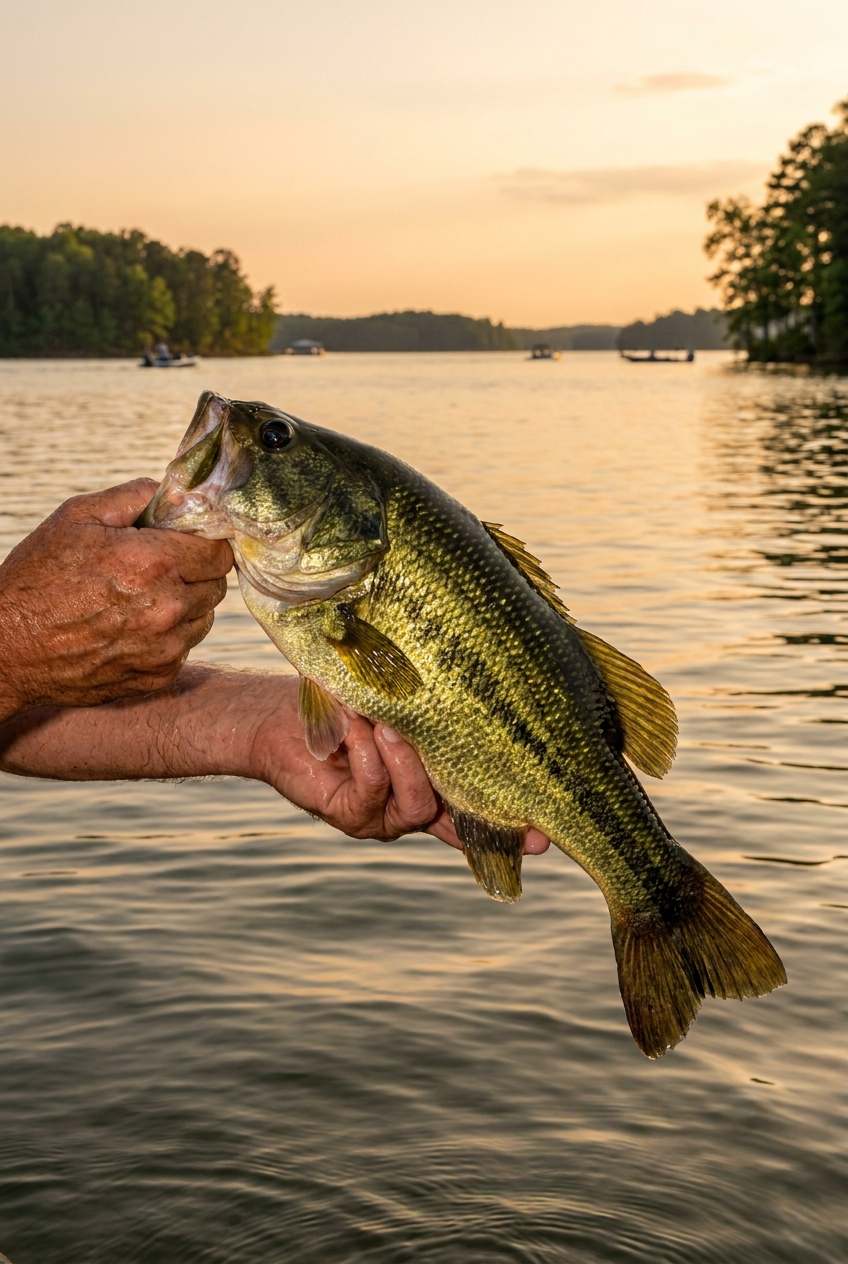
Lures for Clarks Hill Lake
Tackle matched to this lake's species and structure.
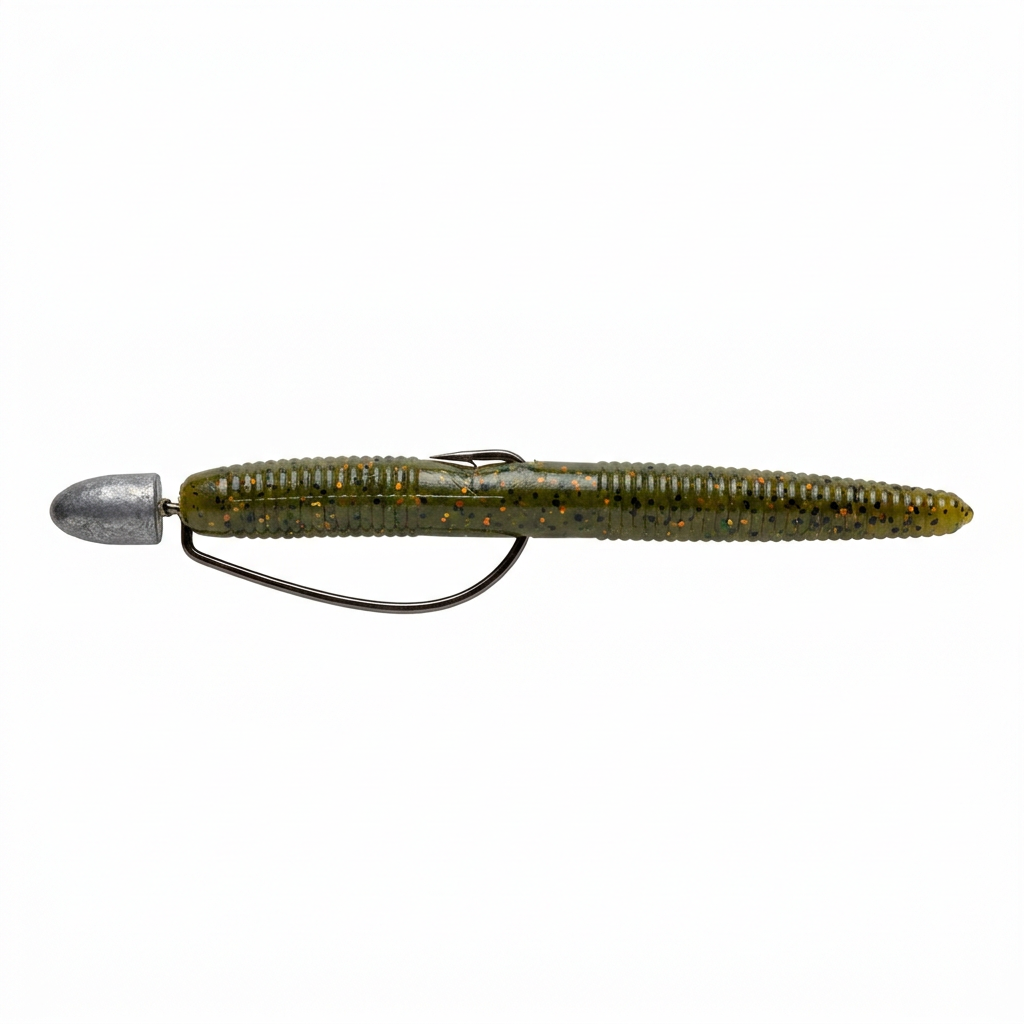
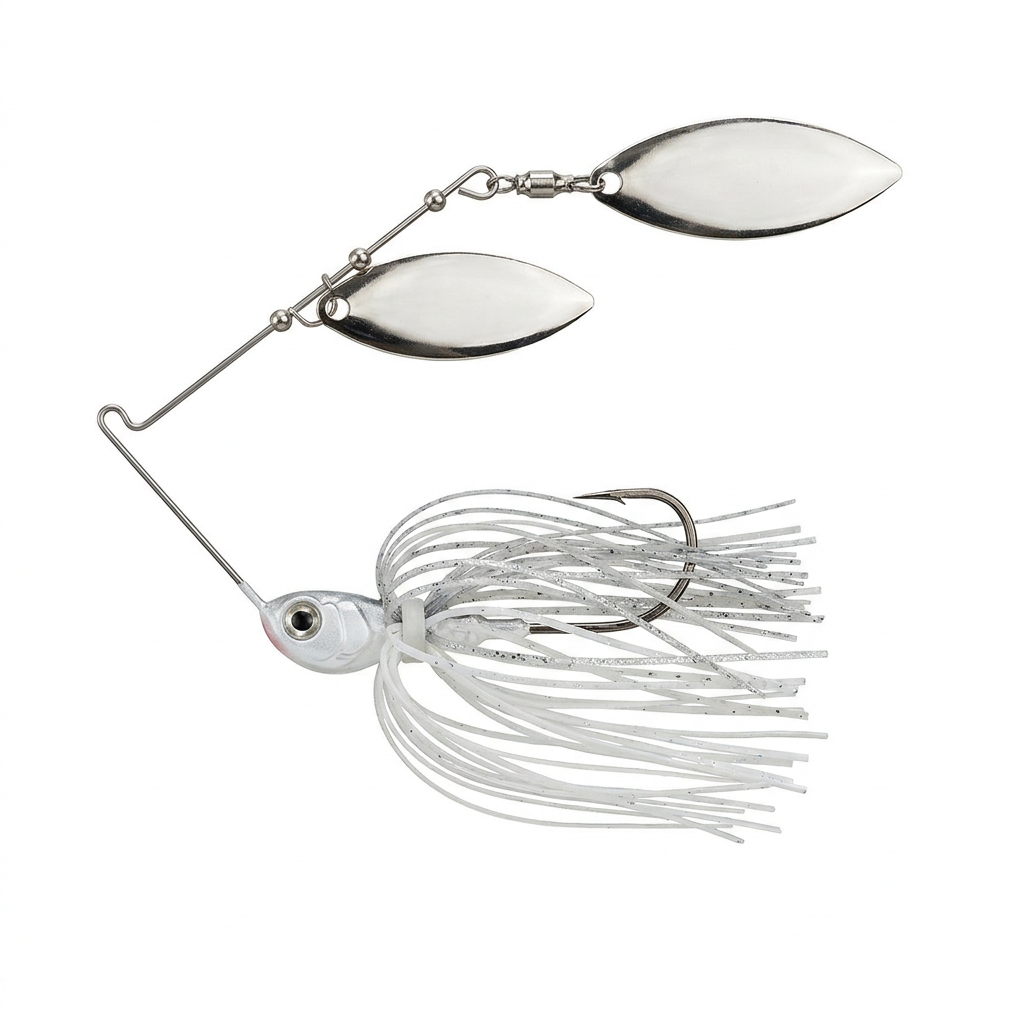
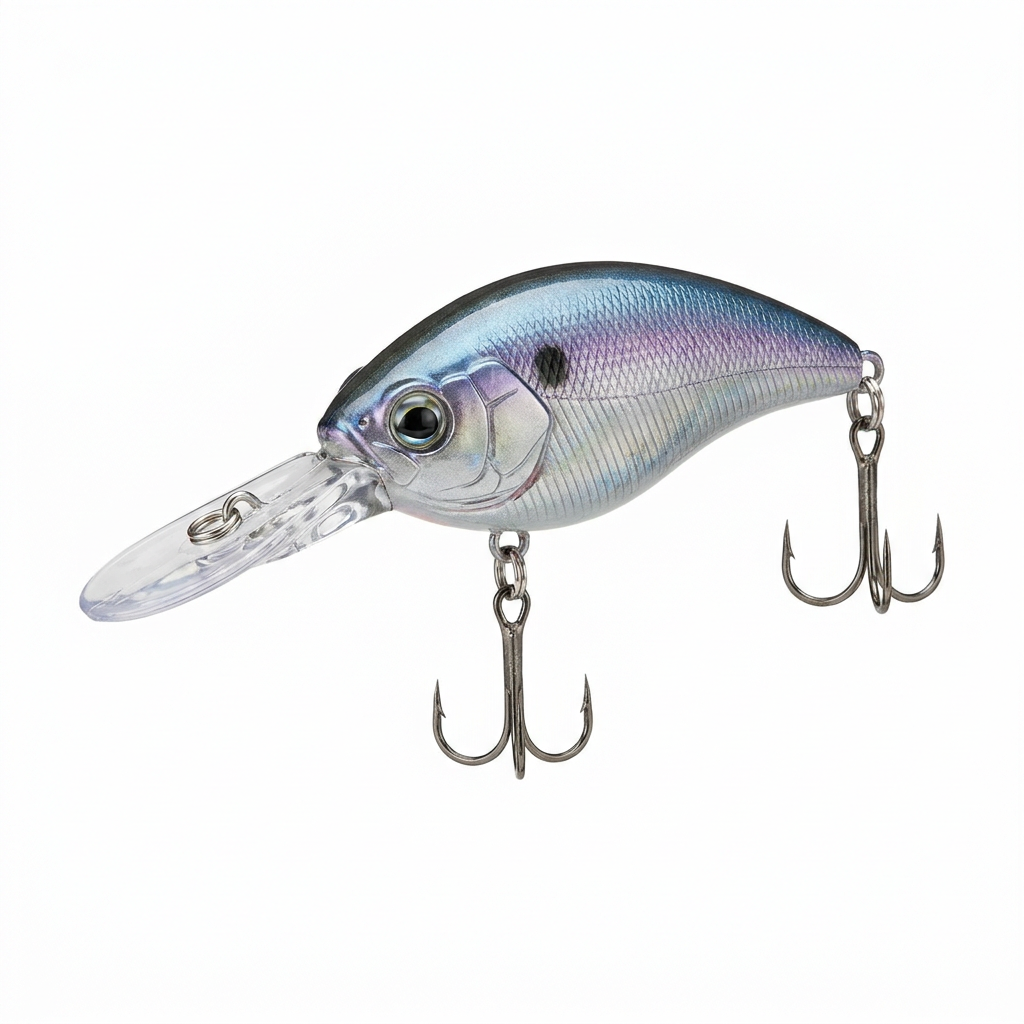
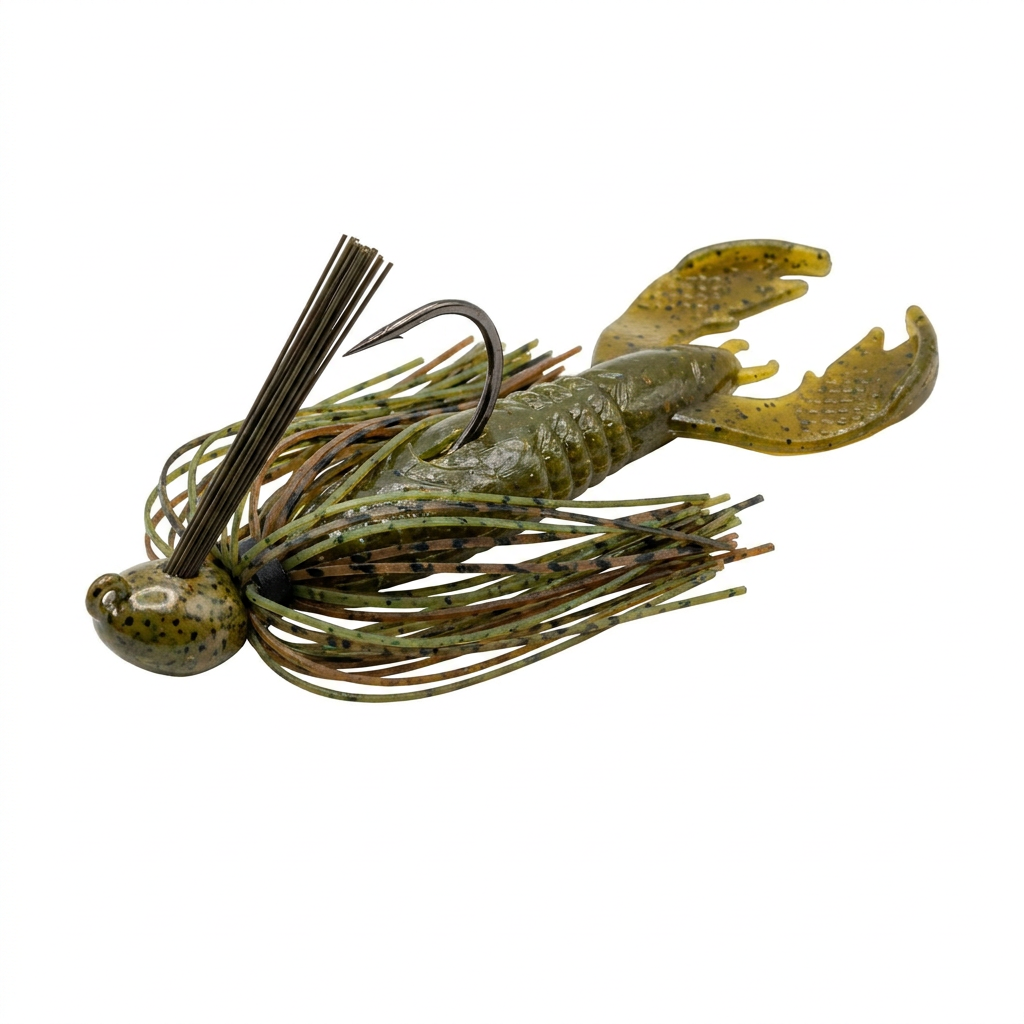
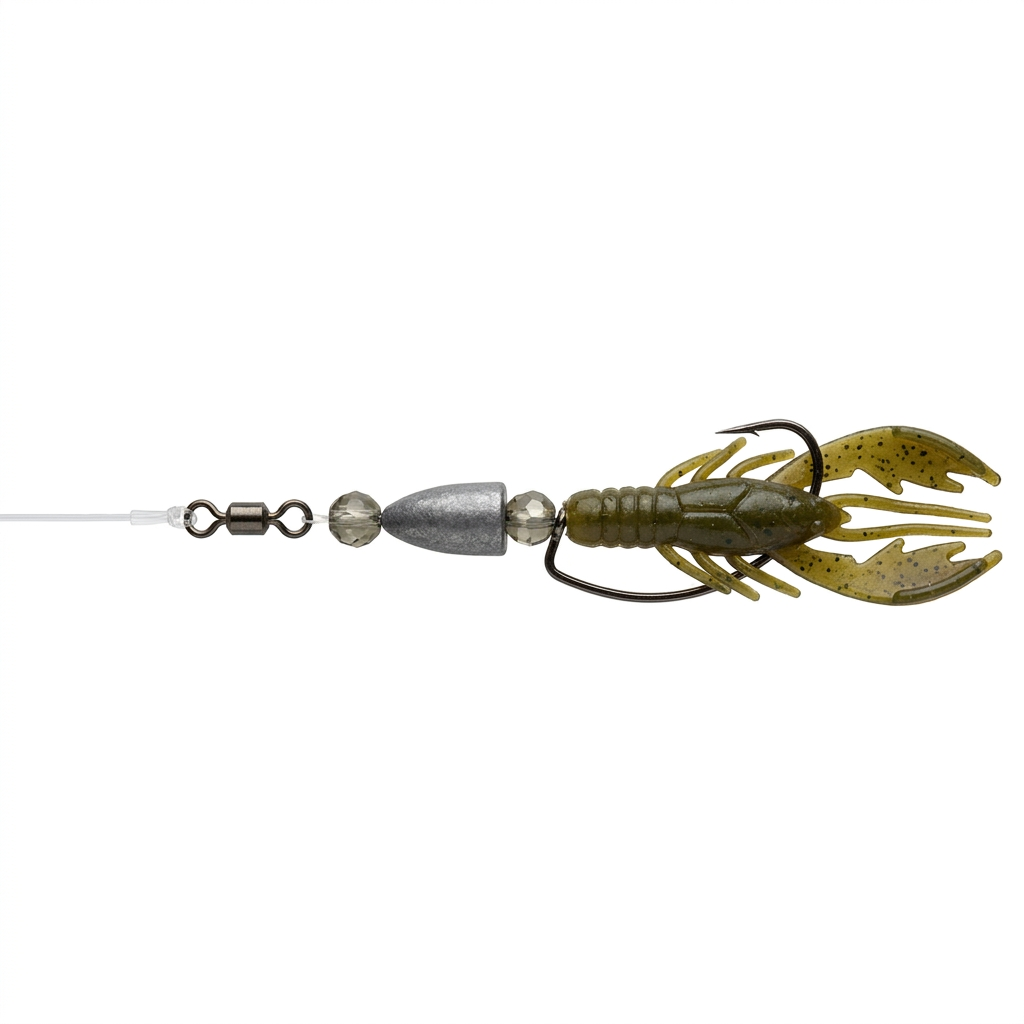
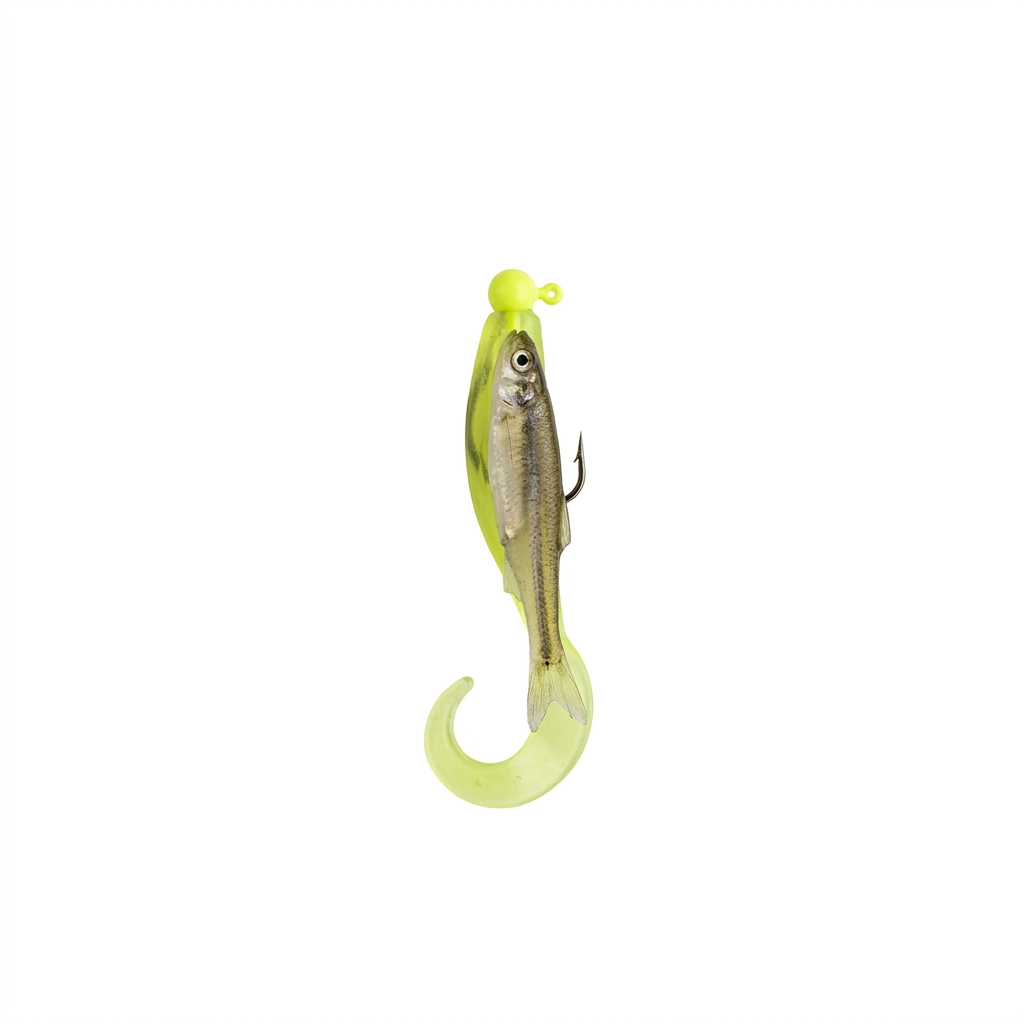
One thing I always check before a big trip is my main line. For most of the presentations that work here, you want braid. The sensitivity makes a real difference, especially when fish are finicky. I've been ordering from Reaction Tackle for a while now and haven't looked back.
About Clarks Hill Lake
Two states, one lake. Clarks Hill Lake sits on the South Carolina-Georgia border on the Savannah River, managed by the U.S. Army Corps of Engineers Savannah District. J. Strom Thurmond Dam was completed in 1954. Most anglers call it Clarks Hill regardless of which side of the state line they are fishing - the name Clarks Hill refers to the South Carolina community near the dam, while J. Strom Thurmond Lake is the official federal name commonly used on the Georgia side. An interstate compact governs fishing on the lake, but regulations differ by state: SCDNR rules apply in South Carolina waters and Georgia WRD rules apply in Georgia waters. Anglers should confirm which state's water they are fishing and consult the appropriate agency before going out.
Rocky cove largemouth fishing. The SC side of Clarks Hill Lake features granite and Piedmont clay shoreline with rocky coves, hard-bottom points, and brush pile structure that concentrates largemouth bass. The McCormick County coves and the secondary points throughout the upper Savannah River arm are productive bass zones year-round. Jigs on the rocky transitions, crankbaits on the main-lake points, and Texas-rigged worms around the brush produce consistent largemouth from this quality Savannah River fishery. Baker Creek State Park on the SC side provides public access and serves as a primary hub for bass anglers targeting the SC waters.
Open-water stripers and hybrids. The main Savannah River basin at Clarks Hill holds consistent populations of both pure striped bass and hybrid striped bass, stocked by both SCDNR and Georgia WRD. The deep clear Savannah River impoundment allows stripers to hold at depth during summer and roam the full basin during cooler months. Fall surface blitzes on schooling stripers and hybrids pushing shad are a Clarks Hill signature experience. Trolling umbrella rigs through the main basin and fishing live shad near the dam structure produce the most consistent results for larger fish.
Lake size and access. Clarks Hill Lake covers approximately 71,100 acres at normal pool, making it one of the largest reservoirs in the Southeast. The SC side is served by Baker Creek State Park near McCormick, which has boat ramps, camping, and fishing access. Multiple USACE public boat ramps are available on both the SC and GA sides throughout the lake. The nearest large city is Augusta, Georgia, approximately 22 miles southeast of the dam. McCormick, SC and Appling, GA are the closest small communities.