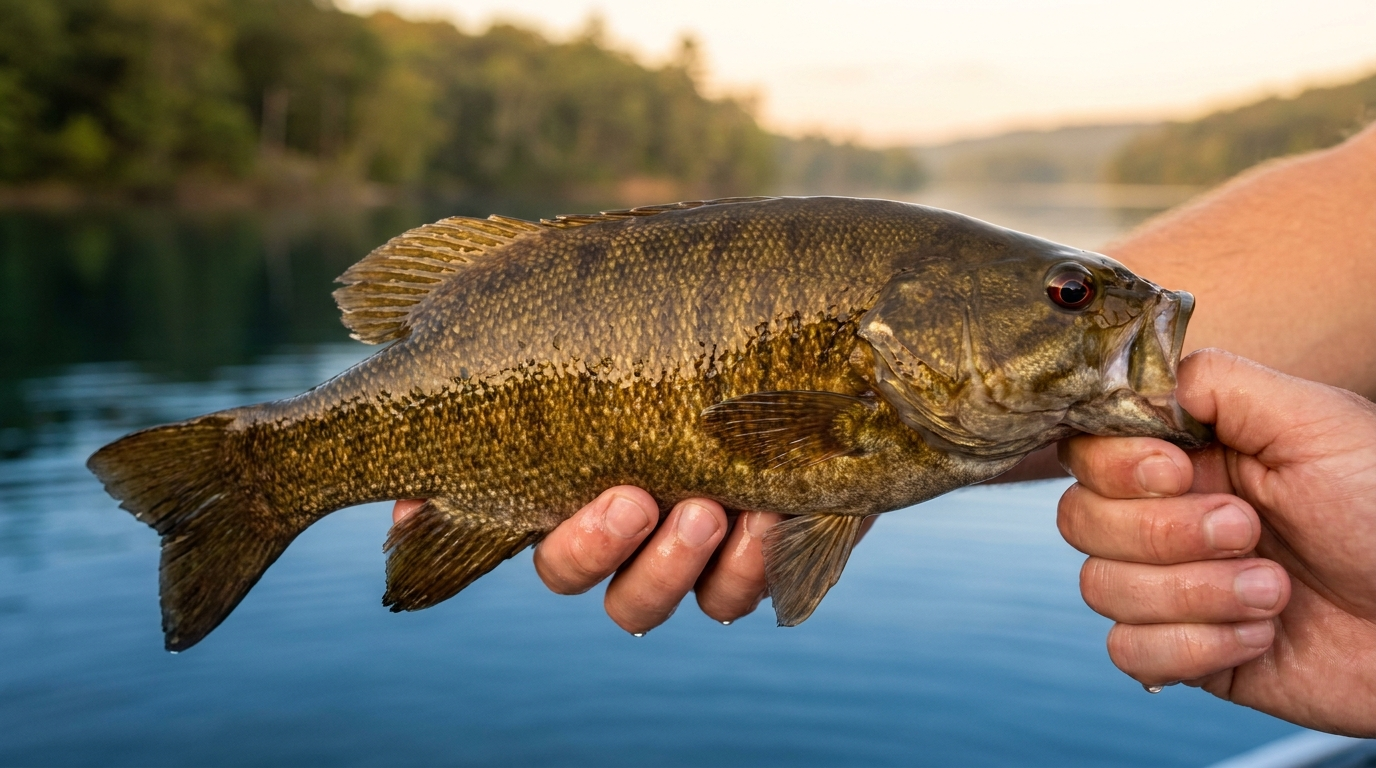
Lake Keowee is the kind of lake that makes me wish I fished the Southeast more. That water clarity on a deep, clear reservoir in the Blue Ridge foothills is something I want to experience, and the smallmouth fishery fed by cold water from Lake Jocassee above it sounds exceptional. Seneca is a reasonable drive from a lot of the Southeast's population centers and I think this lake is underrated nationally.
Today's Bite Score · October 8, 2026
Very favorable conditions for catching fish
🌘Waning Crescent
Lake Keowee Fishing Report
October FishingMonthly fishing report · October patterns and techniques
Lake Keowee anglers are finding October conditions shifting as water temperatures cool and fish behavior changes throughout the month. The bite is improving as the lake transitions, with fish beginning to move from their late-summer patterns into more active feeding zones. This month presents excellent opportunities as aquatic life responds to seasonal water temperature changes, creating windows of increased angler success across multiple species.
In October, black bass and crappie are the most active species at Lake Keowee. Bass are holding around shallow banks and structure, with anglers finding success running buzzbaits and topwater lures along the shoreline. Schooling activity becomes more widespread this month, offering chances to locate aggressive fish over deeper water. Crappie continue to hold around deeper brush and timber early in October, but as temperatures drop throughout the month they transition into shallower brush in the 12 to 15-foot range where they respond well to jigs and minnows. Catfish also move shallower this month and can be caught in less than 15 feet of water.
Anglers are finding the most effective October techniques combine both shallow and deeper presentations. For bass, topwater lures, buzzbaits, and drop shot rigs all produce results depending on depth and conditions. Crappie bite best on jigs and live minnows fished around brush and timber structure. Catfish respond well to cut herring and cut bait presentations in shallow water. This month rewards anglers who work multiple depths and adjust their approach as fish continue moving shallower, making it an excellent time to visit Lake Keowee for consistent action across species.
Get More Fishing Report Specifics
Tap a topic button below for a report on current conditions.
Tap a topic above to get a current report for Lake Keowee.
Answers are generated on demand and cached. No AI call fires until you tap a tab.
Lake Keowee Fishing Guides
Looking for a Lake Keowee fishing guide? The top smallmouth fishery in South Carolina is cold, clear, and technical — the fish relate to specific rocky structure and depth transitions that guides here have mapped over years. Here are 1 fishing guides for Lake Keowee that are worth checking out.
Lake Keowee Fishing Strategies by Species
Seasonal patterns and techniques by target species · Verified against official sources
Lake Keowee is one of South Carolina's most distinctive fisheries: a cold, clear, deep Duke Energy reservoir in the Blue Ridge foothills with exceptional water clarity exceeding 20 feet in many areas. The 18,372-acre lake receives cold, clear water from Lake Jocassee above it through the Keowee-Toxaway Project, creating conditions that support quality smallmouth bass unusual for South Carolina. SCDNR stocks striped bass and manages a diverse fishery that also includes largemouth bass, crappie, channel catfish, and blue catfish. SCDNR statewide bass regulation: 12-inch minimum, 10-fish combined daily bag limit; Keowee may have lake-specific modifications. Verify current regulations at dnr.sc.gov before fishing.
Lake Keowee Largemouth Bass Fishing Report
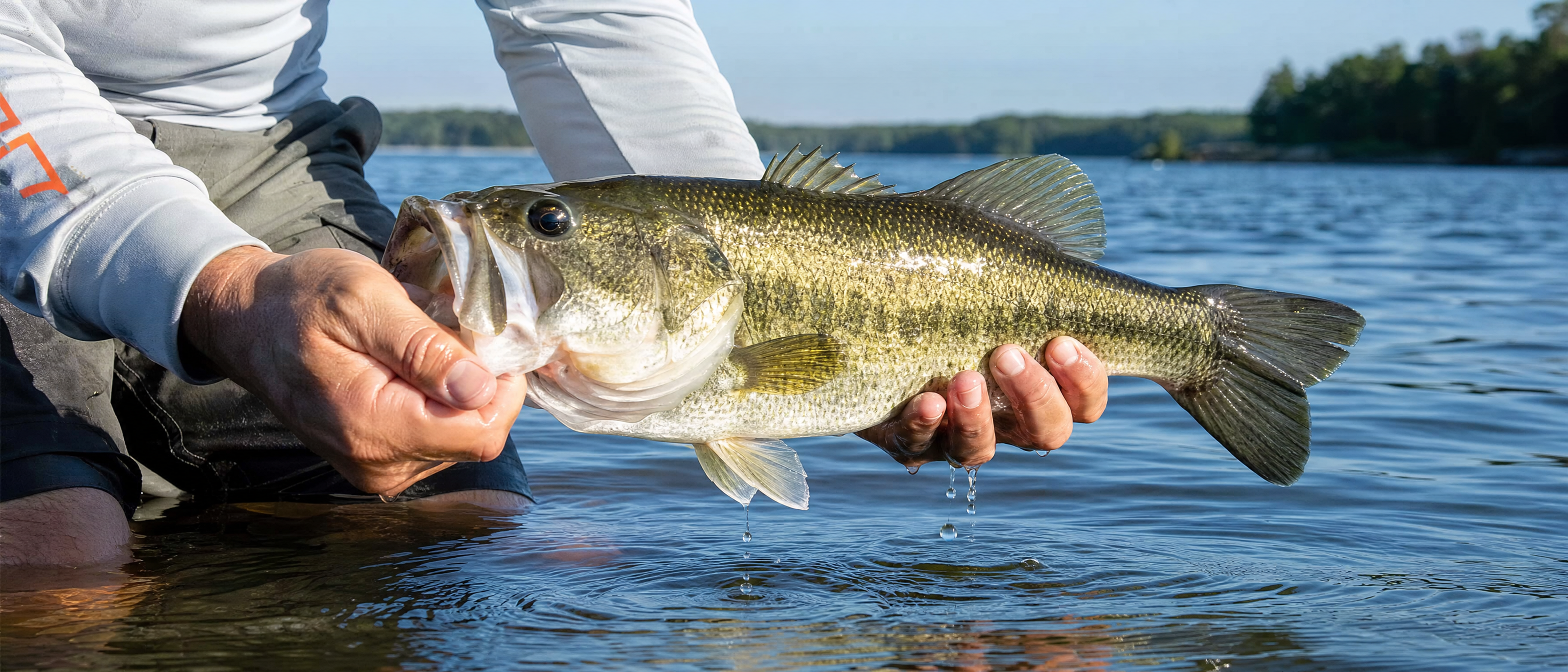
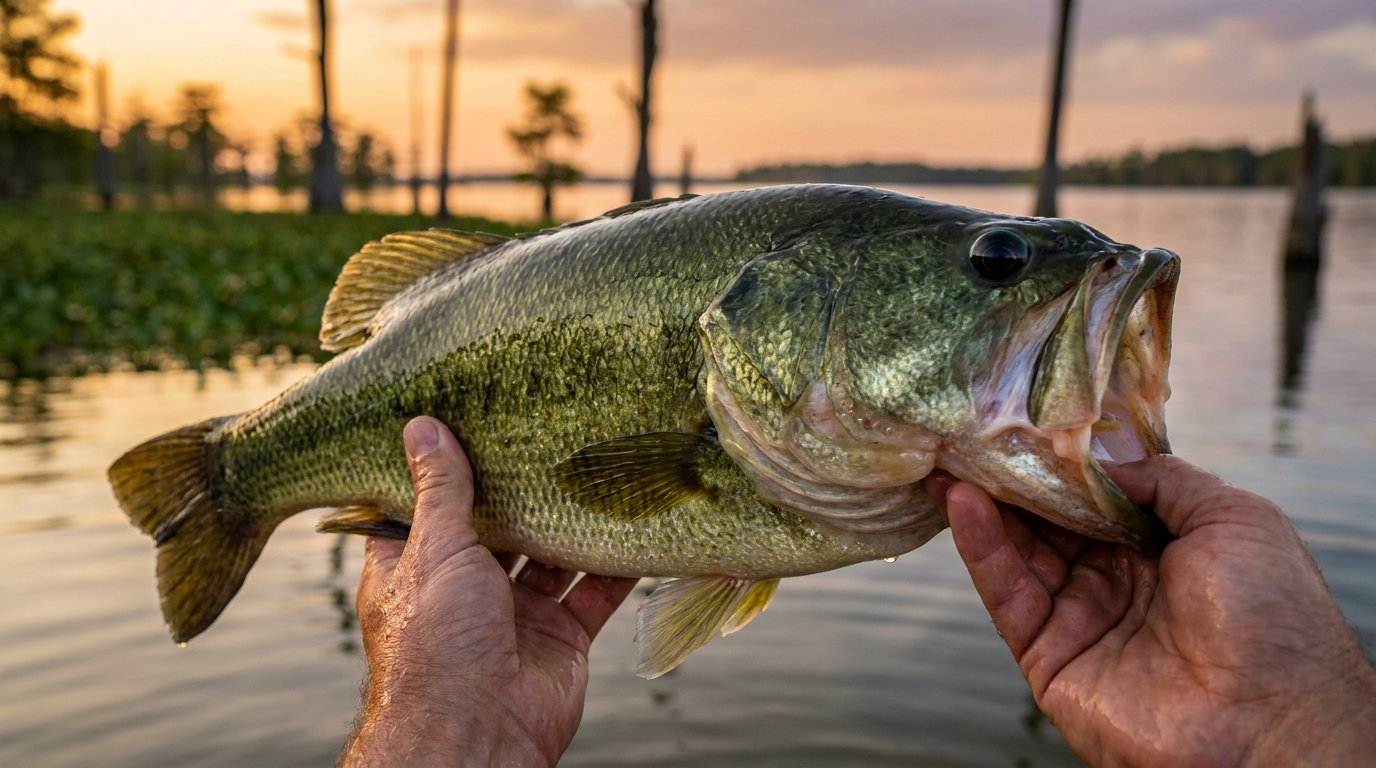
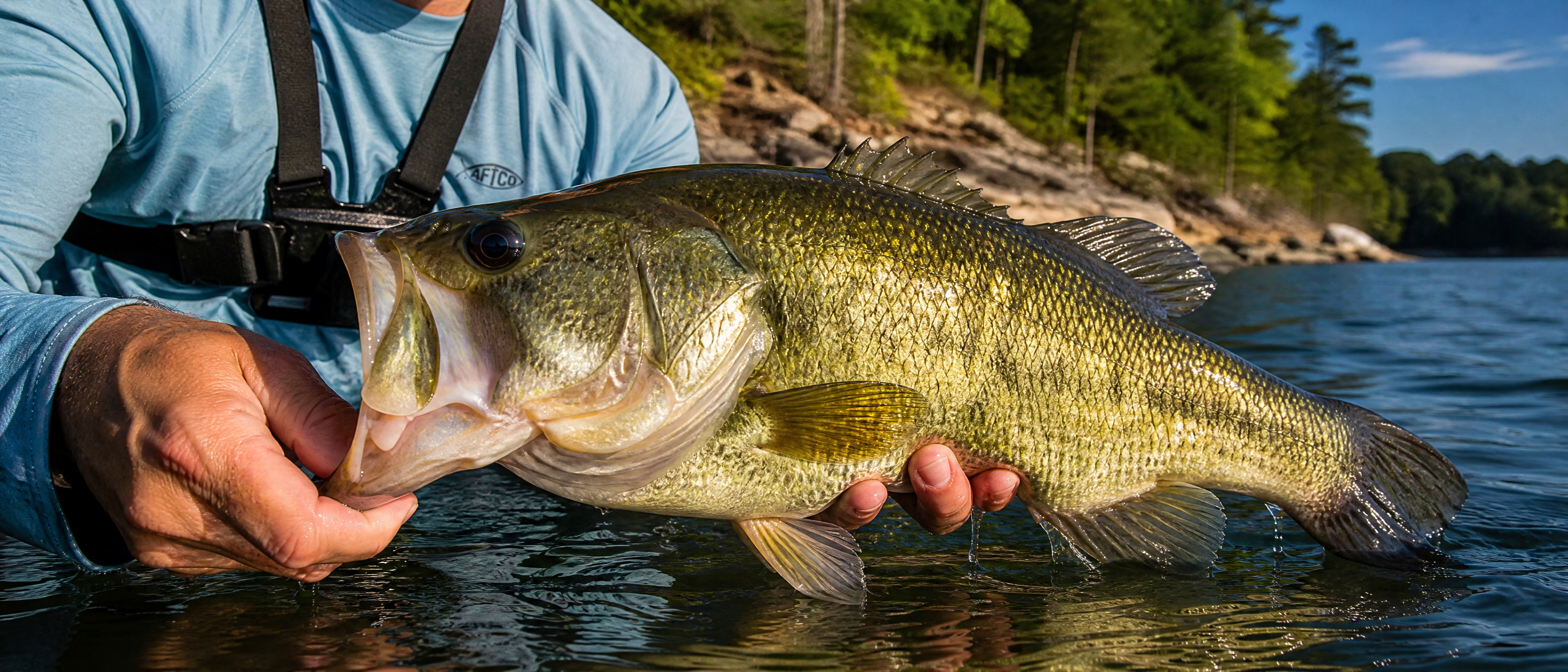
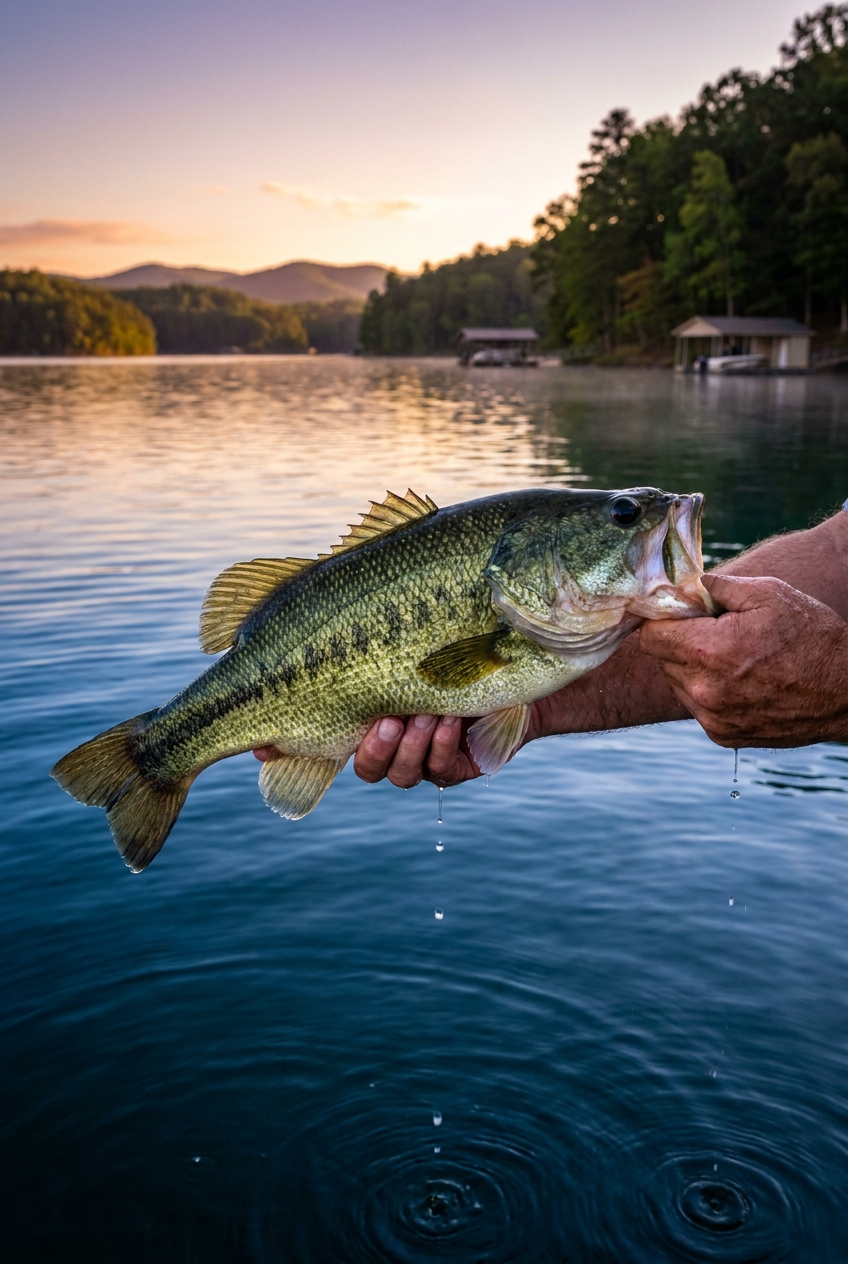
Largemouth bass are present throughout Lake Keowee, with the clearer and deeper water of this reservoir producing a different style of fishing than most South Carolina impoundments. SCDNR statewide regulation: 12-inch minimum length, 10-fish combined daily bag (largemouth and smallmouth combined). Lake Keowee may have specific modifications to statewide regulations. Verify current limits at dnr.sc.gov before fishing. Spring is the primary largemouth season on Lake Keowee. Bass stage on the secondary points and the mouths of the cove systems as water temperatures approach 60 degrees in March and April. The lake's exceptional clarity means fish are often visible on the beds in April and early May, but also means they are more easily spooked and respond better to natural, finesse presentations. Spinnerbaits and crankbaits cover the prespawn points effectively. The steeper bank structure throughout the lake creates transition zones where largemouth hold through summer in 10 to 20 feet along the drop-offs adjacent to the cove mouths. Carolina-rigged worms dragged along these transitions and deep-diving crankbaits are the most consistent summer approaches.
Lake Keowee Smallmouth Bass Fishing Report
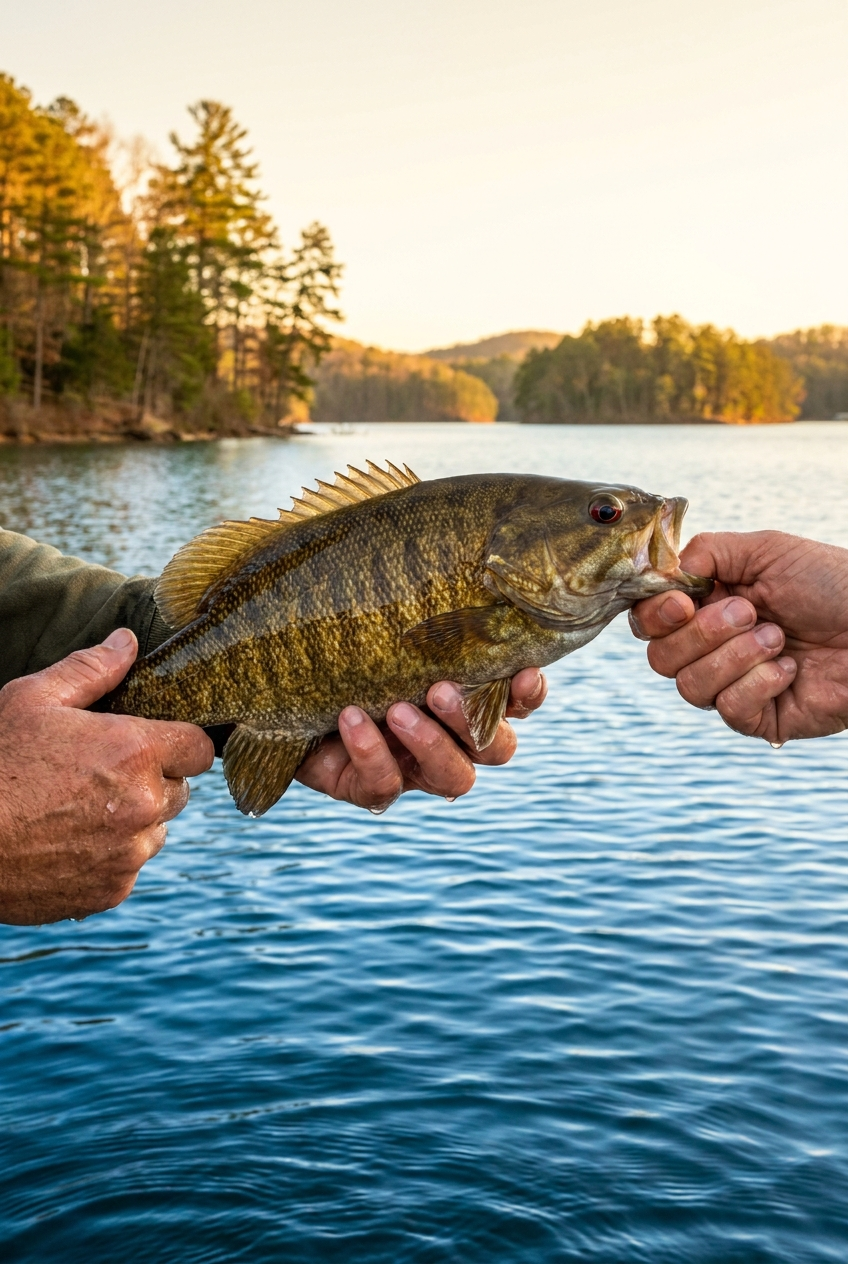
Lake Keowee is considered one of South Carolina's top smallmouth bass fisheries, with the cold, clear water from Lake Jocassee creating conditions that favor quality smallmouth growth and behavior uncommon in most of the state. Smallmouth share the same SCDNR statewide regulation as largemouth: 12-inch minimum, 10-fish combined daily bag. Lake Keowee may have specific modifications. Verify current regulations at dnr.sc.gov before fishing. The rocky points, hard-bottom transitions, and deeper main lake structure are the primary smallmouth habitat on Keowee. The lake's maximum depth near the dam approaches 300 feet, creating a temperature refuge in summer that keeps smallmouth active longer than in shallower Piedmont reservoirs. Spring smallmouth fishing on the rocky main lake points and the current-influenced areas near the Keowee River arm produces quality fish in March and April. Tube jigs and finesse jigs on light line are the most effective spring presentations given the lake's clear water. Summer smallmouth fishing requires targeting the 15 to 30-foot depth range on the main lake points and channel transitions using drop-shot rigs and small swimbaits. Fall brings fish back to the shallower rocky points and the mouths of the major coves.
Lake Keowee Striped Bass Fishing Report
Striped bass are stocked by SCDNR in Lake Keowee and provide a trophy fishery in the cold, deep main channel and the deeper sections of the reservoir. SCDNR regulation: 18-inch minimum length for striped bass. Keowee may have lake-specific modifications to this statewide limit. Verify current Keowee striped bass regulations at dnr.sc.gov before fishing. The cold, deep water of Lake Keowee creates favorable conditions for striped bass survival through summer, unlike shallower Piedmont reservoirs where stripers may experience summertime mortality from warm surface temperatures. Spring is the most accessible season for striped bass on Keowee, with fish active near the surface and in the shallower sections of the reservoir following threadfin shad. Large crankbaits, live shad, and surface lures worked near schooling baitfish produce stripers in spring. Summer fishing requires targeting the thermocline depth in the main channel and the deeper sections near the dam where stripers suspend over cold water. Downriggers with live shad or large swimbaits are the most reliable summer approach. Fall striper fishing returns to the shallower water as surface temperatures cool through October.
Lake Keowee Crappie Fishing Report
Crappie are present throughout Lake Keowee and provide reliable panfish action, particularly in the cove systems and around the dock structure and submerged timber along the residential and park shorelines. SCDNR statewide regulation: no minimum length for crappie, 30-fish daily bag limit. Verify current Keowee-specific modifications at dnr.sc.gov before fishing. Spring crappie fishing is the peak season on Lake Keowee. Fish move from their winter holding depth in the main lake toward the shallower cove timber and dock structure in late February and March. The clear water on Keowee allows crappie to be more structure-oriented and deeper than in stained water lakes, with prespawn fish often holding in 8 to 15 feet around dock pilings and cove timber. Small tube jigs and crappie jigs with minnows fished vertically around the dock structure throughout the cove systems produce the most consistent spring results. Summer crappie on Lake Keowee suspend deeper than in most SC reservoirs: 15 to 25 feet of water around deeper cove brush and submerged structure is where fish hold through the hottest months. Fall crappie fishing is productive around the mid-depth dock structure and timber through October and into November.
Lake Keowee Channel Catfish Fishing Report
Channel catfish are present throughout Lake Keowee and provide reliable action from the bank access areas and by boat throughout the reservoir. SCDNR statewide regulation: no minimum length for channel catfish, 20-fish combined daily bag (channel and blue catfish combined). Verify current Keowee-specific regulations at dnr.sc.gov before fishing. Channel catfish on Lake Keowee are most accessible from the established boat ramps and the public access areas in Oconee and Pickens counties, including the access points around Oconee State Park and the SCDNR-managed access on the lake. Cut shad, chicken liver, and prepared stink baits fished on the bottom in the channel bends of the Keowee River arm and the major cove systems produce channel cats through the warmer months. Summer night fishing is a productive pattern as catfish move into shallower water after dark. The creek channel mouths and the bends in the original Keowee River channel where it runs through the main reservoir concentrate catfish through fall and winter.
Lake Keowee Blue Catfish Fishing Report
Blue catfish are present in Lake Keowee and are managed under the same combined bag limit as channel catfish. SCDNR statewide regulation: no minimum length, 20-fish combined daily bag (channel and blue catfish combined). Verify current regulations at dnr.sc.gov before fishing. Blue catfish on Lake Keowee concentrate in the deeper main channel water and the deeper sections of the reservoir year-round. They are less targeted than channel catfish but are caught regularly by anglers fishing the main channel and the deeper cove mouths. Large cut shad and skipjack herring fished on the bottom in the main channel and near the dam area produce blue catfish through fall and winter when they are most active in cooler water. The deeper, clearer water of Keowee supports blue catfish that grow to quality size. Fall and winter are the most productive seasons as blues concentrate in the main river channel with cooling water temperatures.
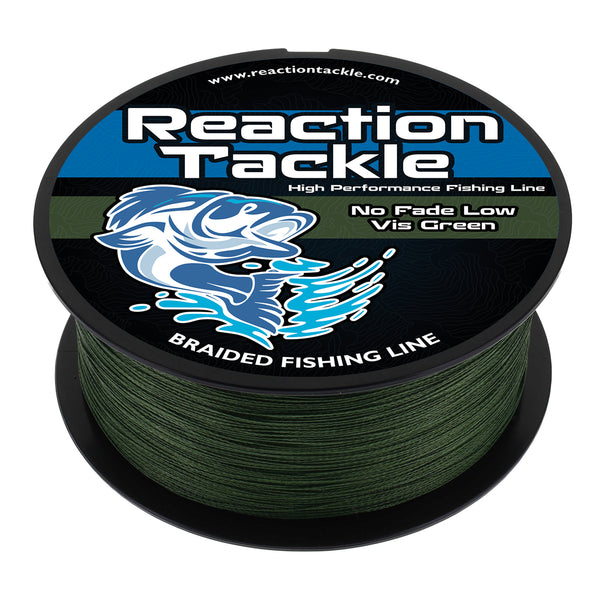
For fishing heavy cover after Largemouth Bass, I run 50-65lb braid. Zero stretch means you feel every bite and you can pull fish out of structure before they wrap you. Reaction Tackle is where I restock. Their low-vis green disappears in most water conditions.
Top Fish to Target in Lake Keowee
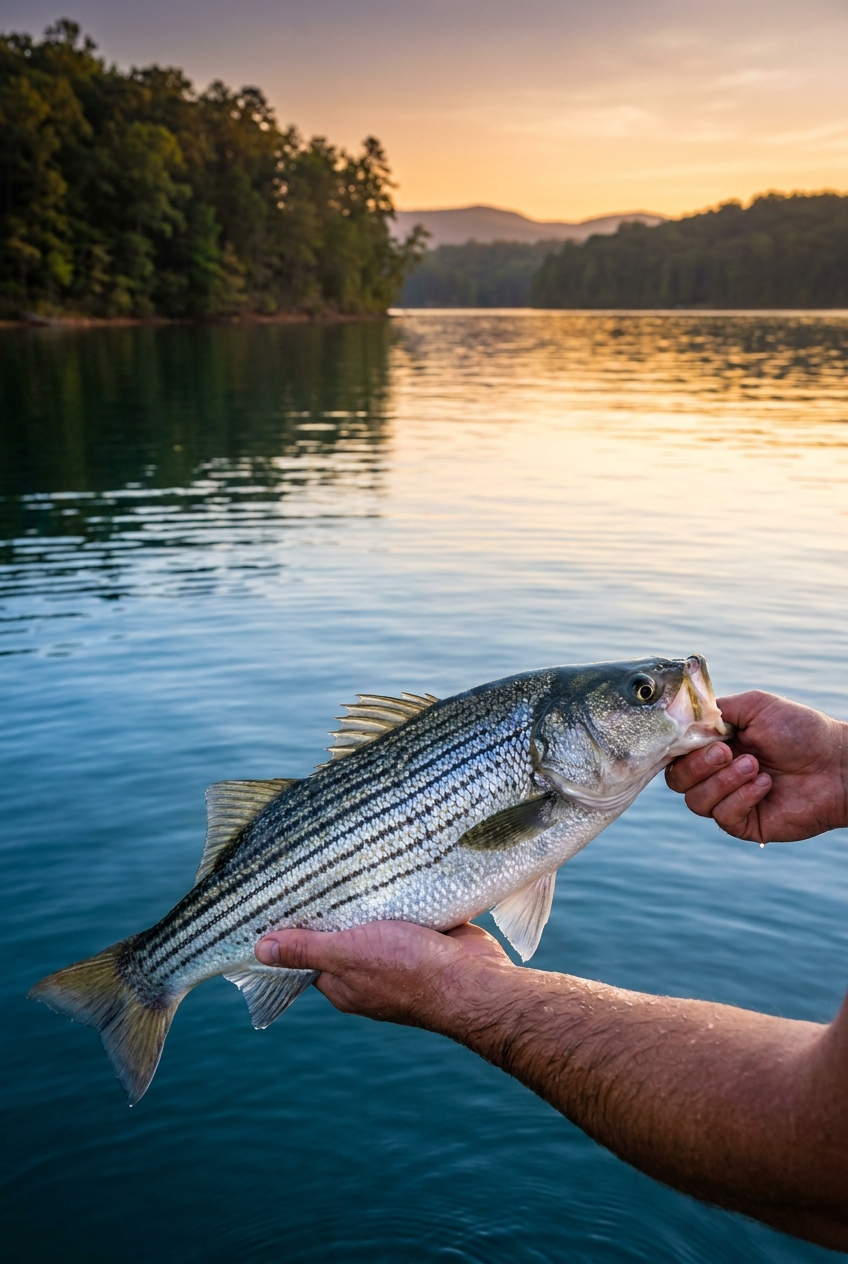
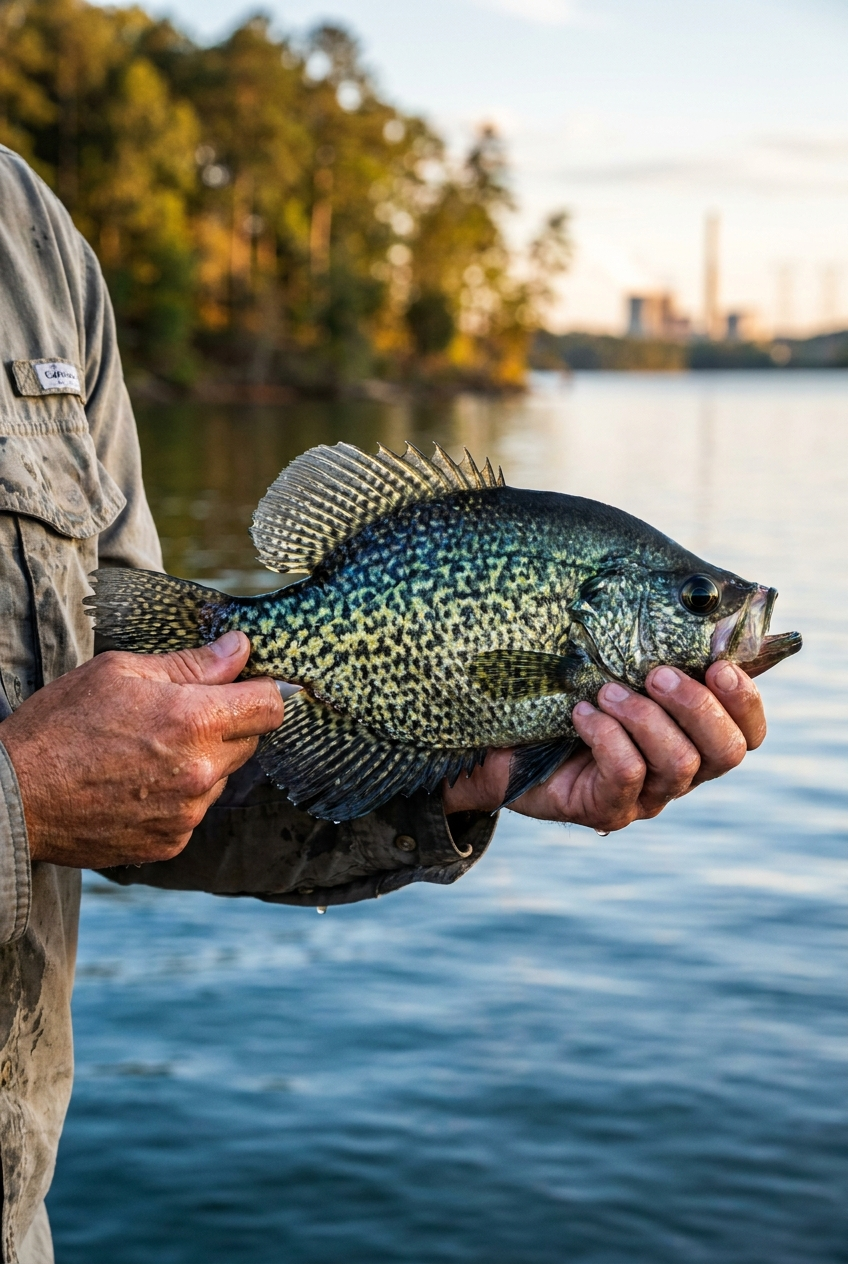
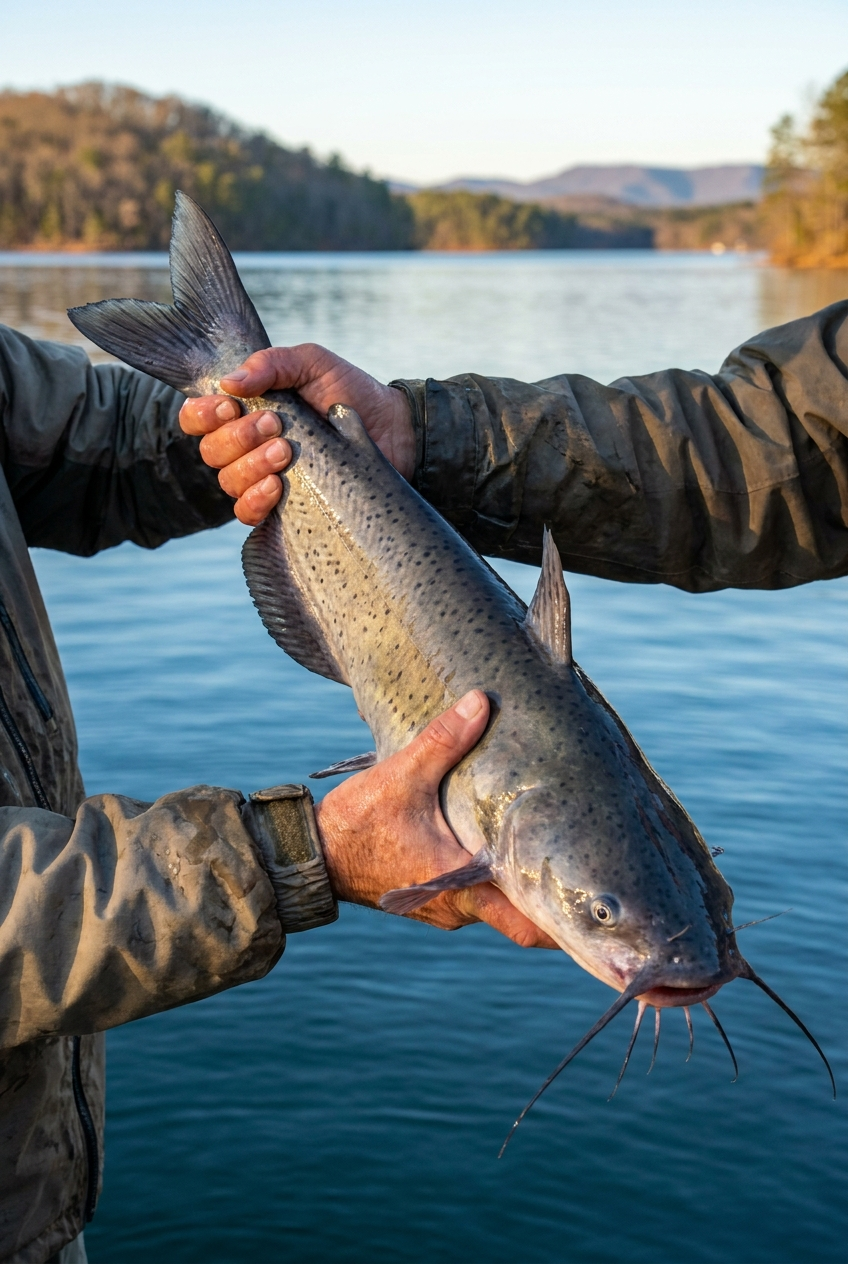
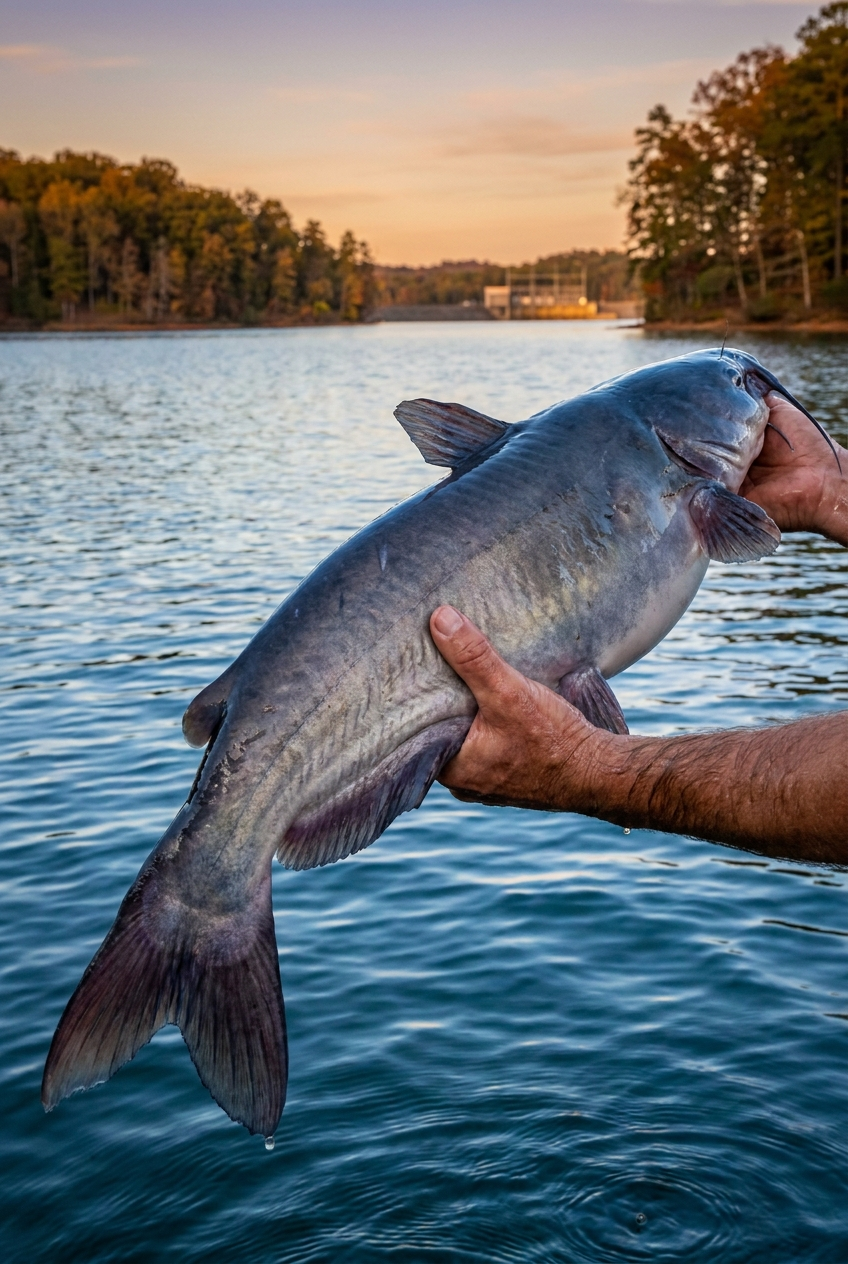
Lures for Lake Keowee
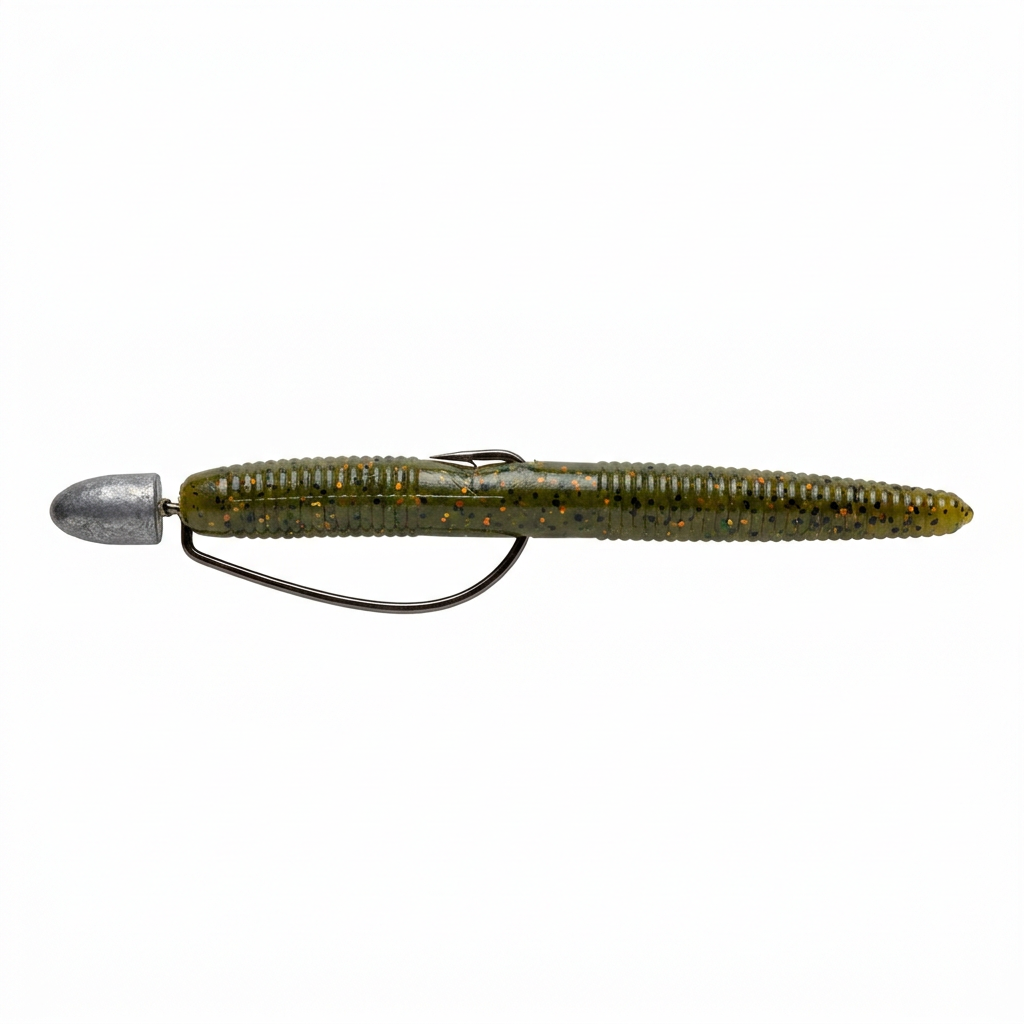
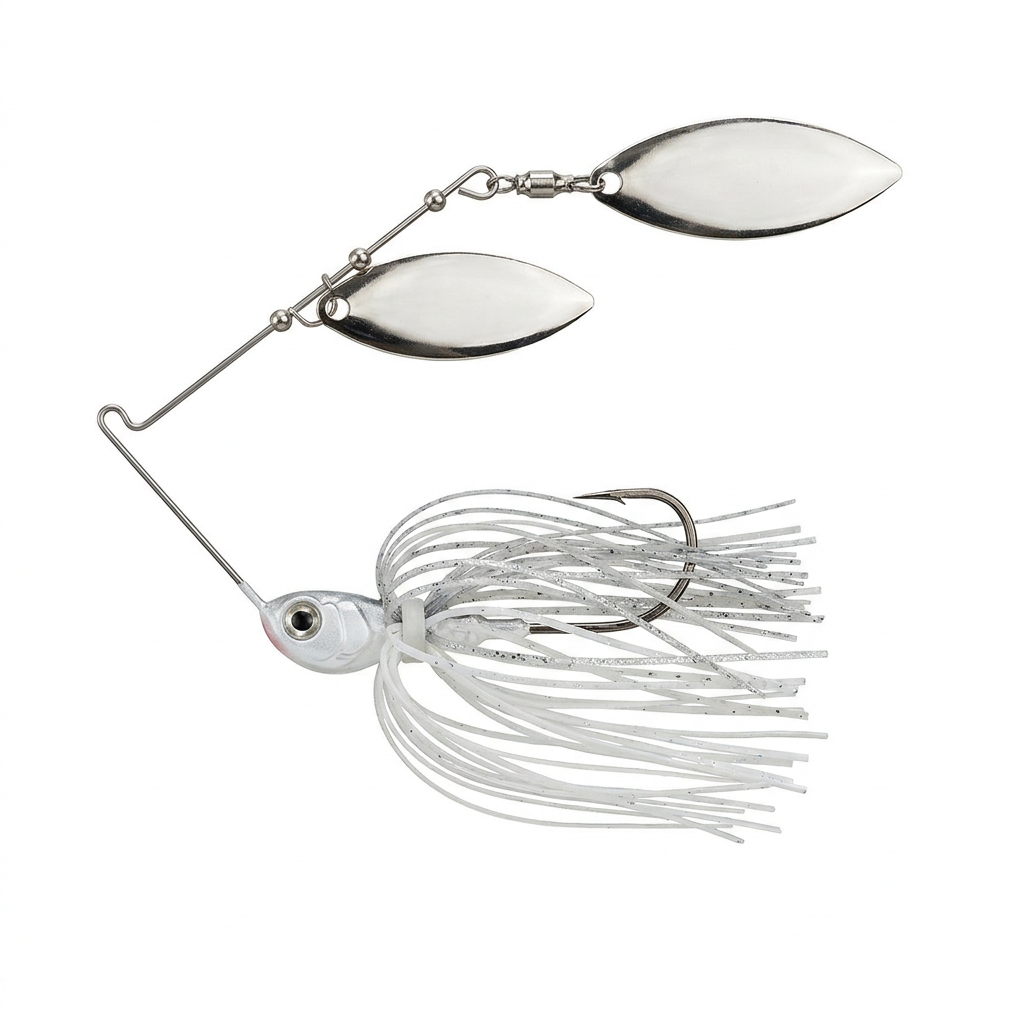
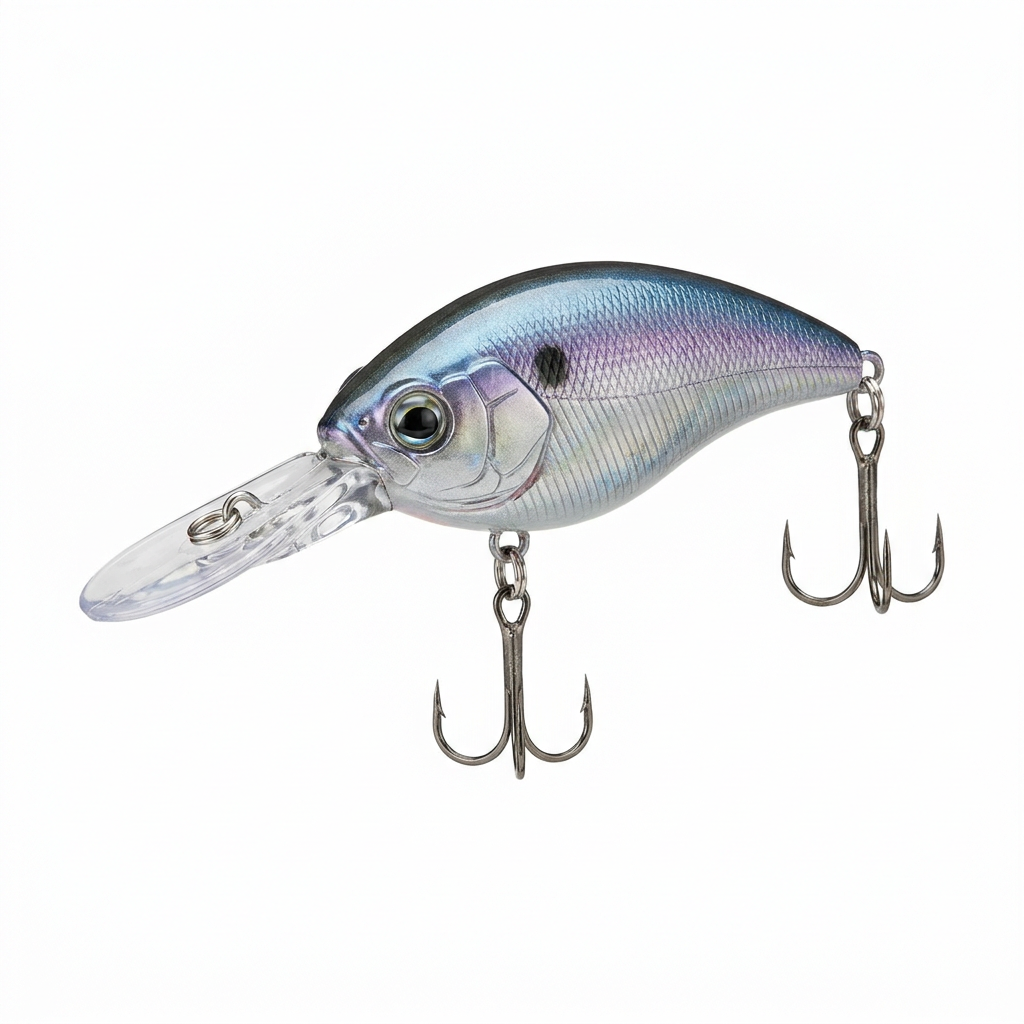
Tackle matched to this lake's species and structure.
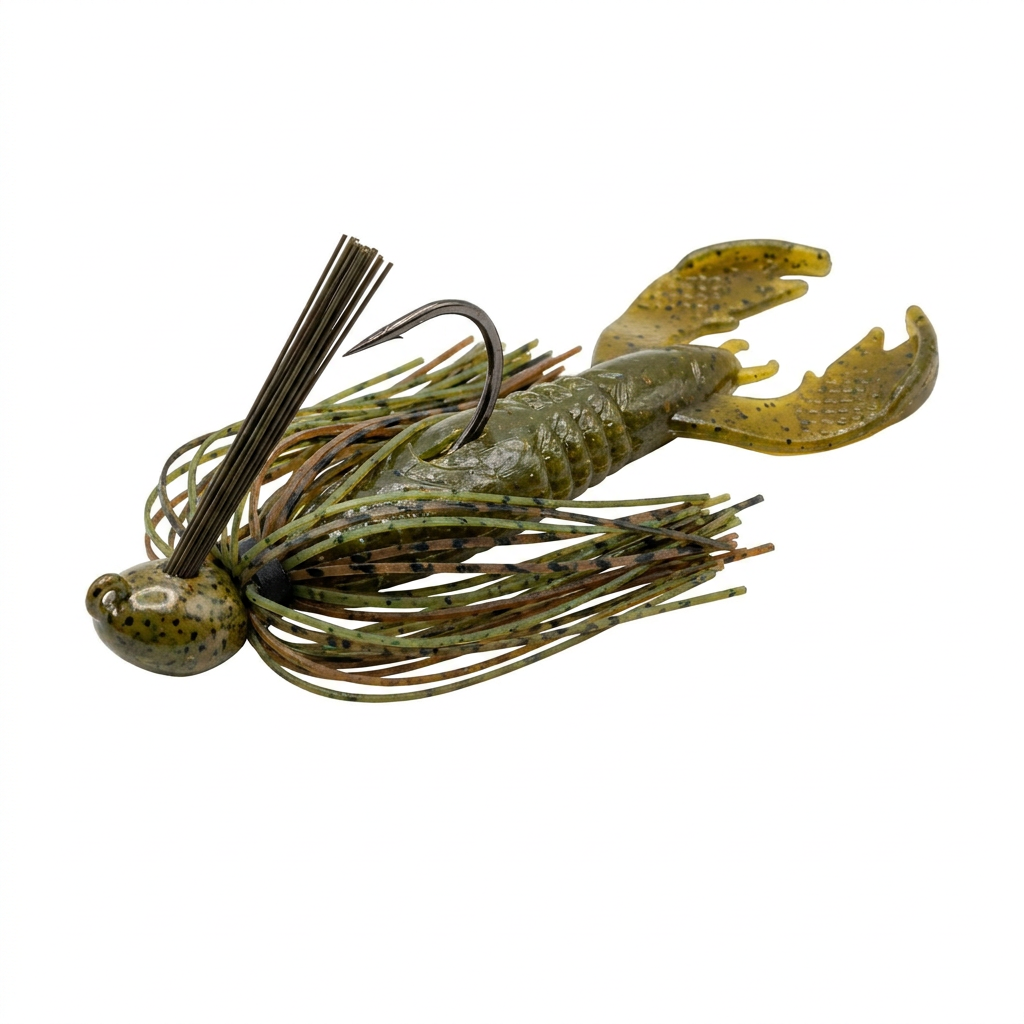
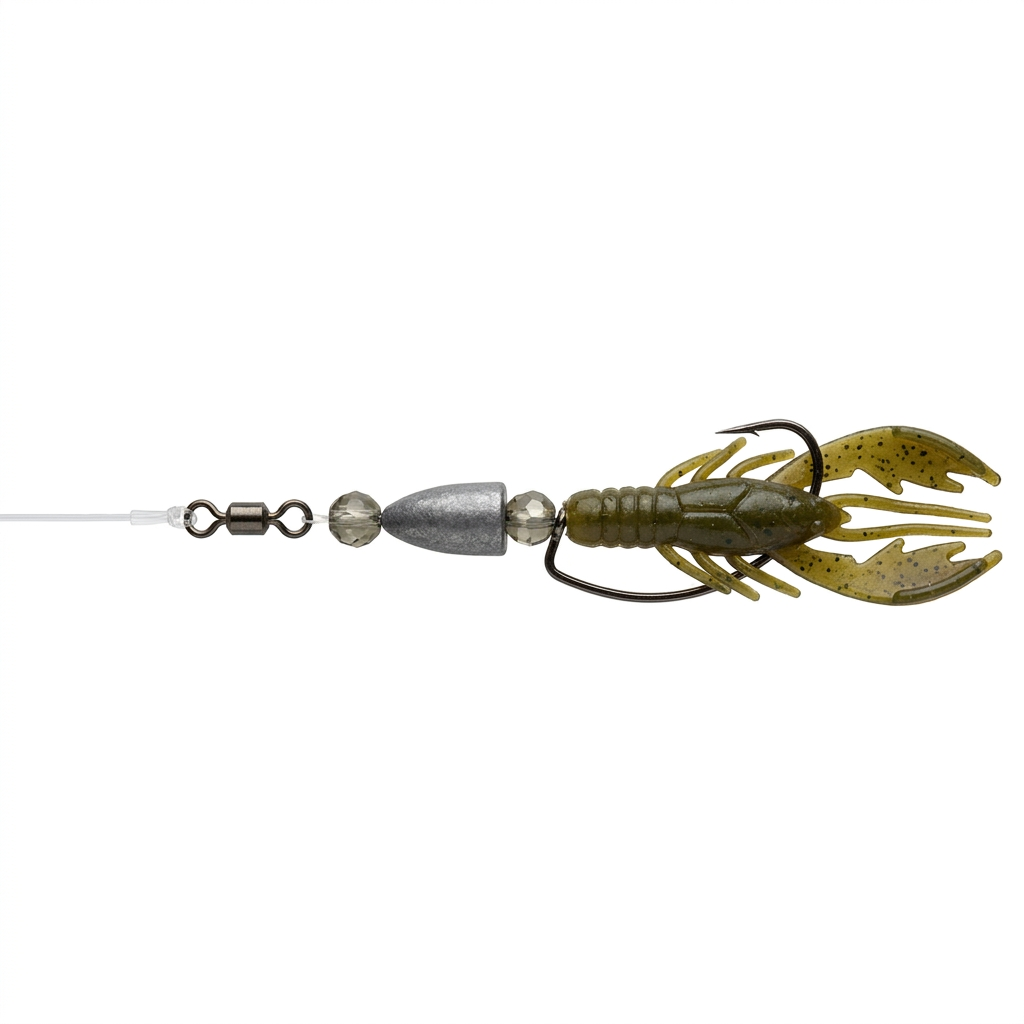
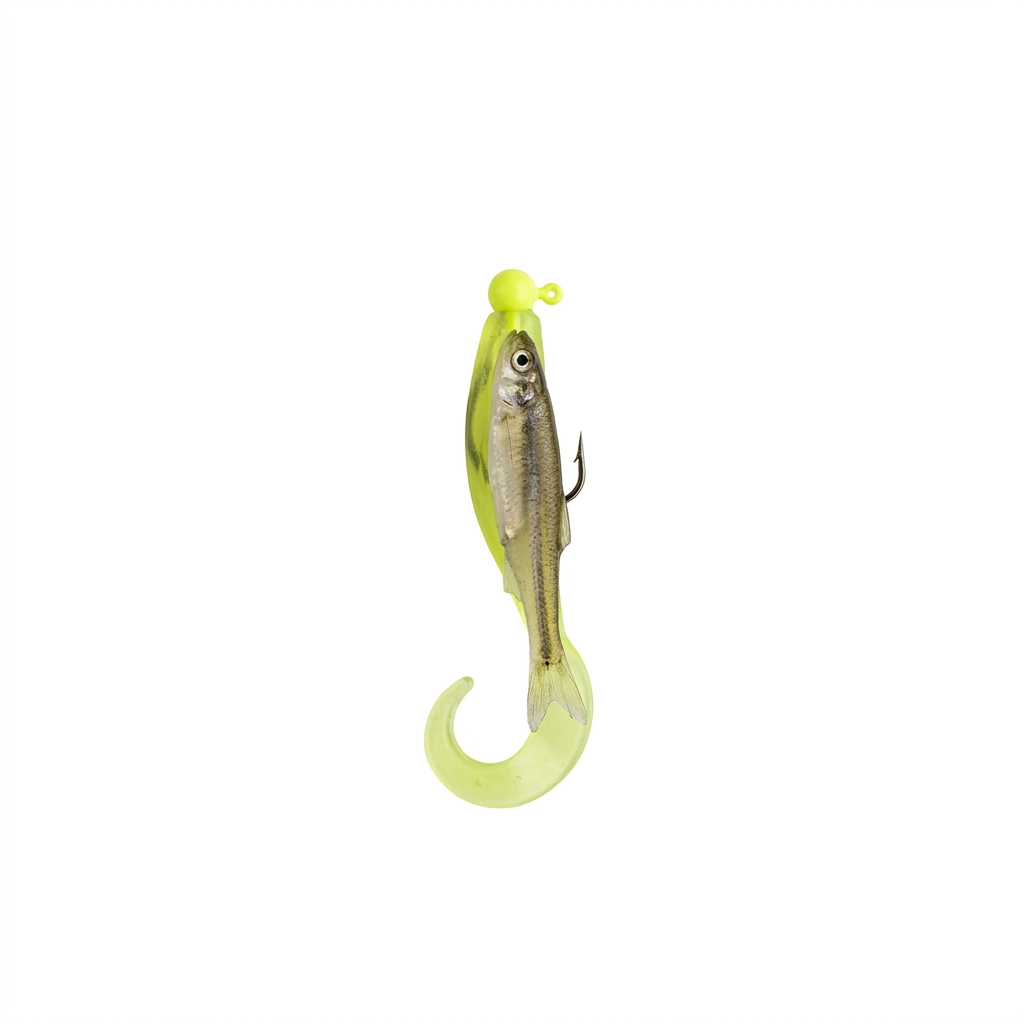
Worth checking before any trip: your line. Old braid gets brittle at the tag end and loses sensitivity over time. I rotate mine every season. Reaction Tackle is where I order from when it's time to restock.
About Lake Keowee
Lake Keowee is an 18,372-acre Duke Energy reservoir in the Blue Ridge foothills of South Carolina, impounded in 1971 as part of the Keowee-Toxaway Project. The lake spans Oconee and Pickens counties with the town of Seneca serving as the primary gateway. Keowee is distinct among South Carolina reservoirs for its exceptional water clarity (20-plus feet of visibility in many areas), its maximum depth of approximately 300 feet near the dam, and the cold, clear water input from Lake Jocassee above it through the Keowee-Toxaway hydroelectric system. These conditions support a smallmouth bass fishery that is among the best in the state and SCDNR-stocked striped bass that survive South Carolina summers better than in most Piedmont reservoirs.
Duke Energy operations and Oconee Nuclear Station. Duke Energy operates Lake Keowee as part of the Keowee-Toxaway Project, which includes Lake Jocassee above it and the Oconee Nuclear Station on the lake's shore. The Oconee Nuclear Station uses lake water for cooling. Duke Energy manages water levels and operations across the system, which influences the lake's temperature profile and clarity. The cold water pumped from Lake Jocassee is the primary factor in Keowee's exceptional water quality and the cold-water fishery it supports.
SCDNR regulations (verify before fishing). SCDNR manages fishing regulations on Lake Keowee. Statewide bass regulation: 12-inch minimum, 10-fish combined daily bag (largemouth and smallmouth combined). Lake Keowee may have specific modifications. Striped bass: 18-inch minimum statewide; verify Keowee-specific limits. Crappie: no statewide minimum, 30-fish daily. Channel and blue catfish: no minimum, 20-fish combined daily bag. Verify all current regulations at dnr.sc.gov before fishing.
Water clarity and fishing approach. Lake Keowee's exceptional water clarity requires a different fishing approach than the stained reservoirs typical of South Carolina. Clear-water tactics, lighter line, and more natural presentations outperform heavier gear and bright colors that work in murkier lakes. Fish are often visible but also more wary. Finesse jigs, light drop-shot rigs, and natural-colored crankbaits are the most consistent producers across all species in Keowee's clear water.