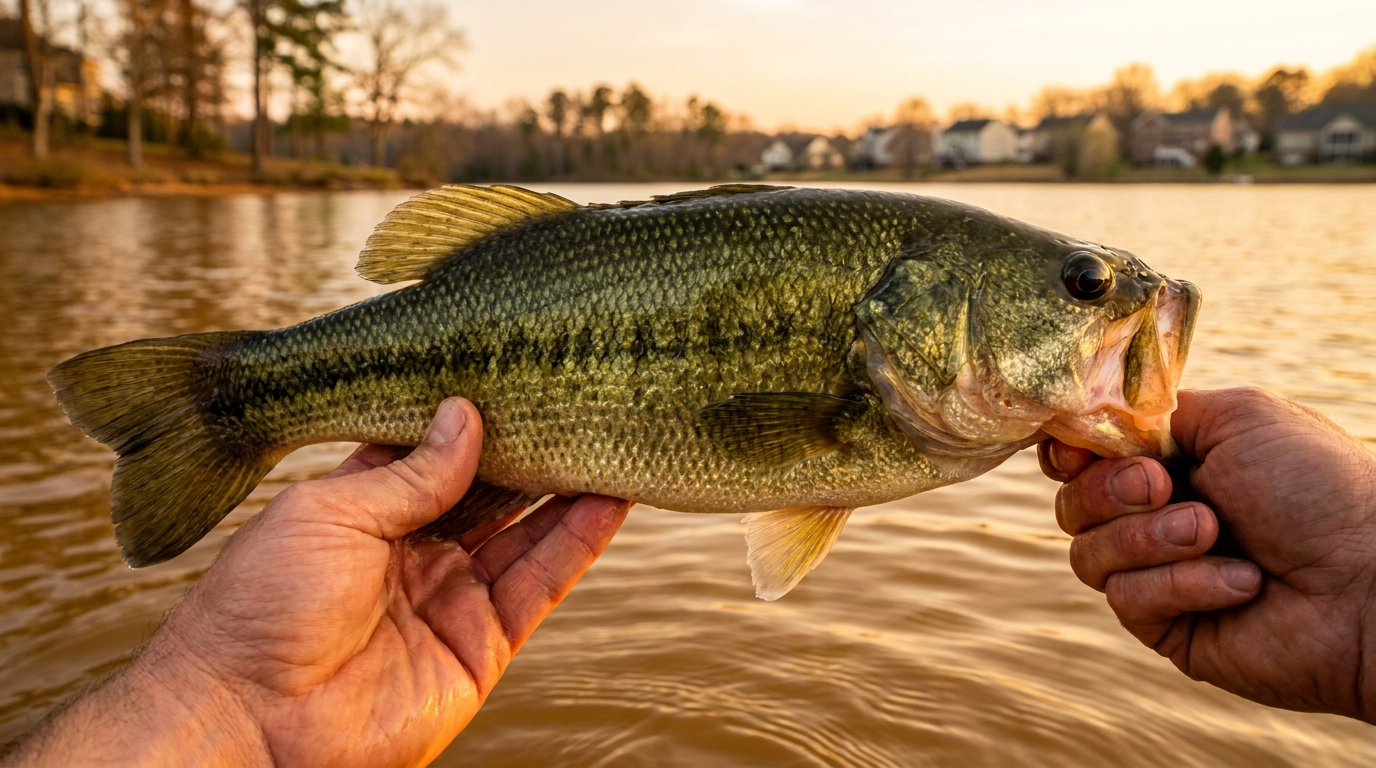
Lake Wylie is Charlotte's backyard bass lake, and I mean that as high praise. The lake is busy on weekends but the fishing holds up. I have had some genuinely good March mornings on the upper Catawba arm targeting pre-spawn largemouth in shallow wood, and the crappie bite here in late winter is underrated. If you live in the Charlotte metro, you should know this lake well. There are bigger and better-known lakes in the Carolinas, but Wylie punches its weight.
Today's Bite Score · October 8, 2026
Very favorable conditions for catching fish
🌘Waning Crescent
Lake Wylie Fishing Report
October FishingMonthly fishing report · October patterns and techniques
Water conditions at Lake Wylie are shifting in October as cooler temperatures begin to influence fish behavior throughout the lake. Anglers are finding that fish are becoming more active as the month progresses, with movement patterns changing from their late summer positions. The transition creates opportunities across multiple species as fish respond to the seasonal water temperature changes and adjust their feeding patterns accordingly.
Anglers are finding black bass particularly active this month, with both shallow and offshore presentations producing results. Tournament angler Reid McGinn reports that working the banks with buzzbaits and Whopper Ploppers can be as productive as fishing offshore, and schooling action is becoming more widespread across the lake in October. Crappie are also responding well in October, moving into the creeks where they hold at a variety of depths around brush and timber. Captain Chris Nichols notes that fish will be caught with minnows and jigs throughout the water column this month. Catfish are scattered but feeding consistently, with daytime drifting at mid-depths using cut bluegill, perch, or shad proving effective, while nighttime anglers find success anchoring with cut bait and fan-casting to multiple depths.
The most productive techniques for Lake Wylie in October depend on the target species and time of day. For bass, buzzbaits and topwater lures like Whopper Ploppers work well along the banks and over schooling fish. Crappie anglers should focus on minnows and jigs around brush and creek areas at varying depths. Catfish anglers drifting during daylight hours should use cut bluegill, perch, or shad at mid-depths, while those fishing at night can anchor and fan-cast cut bait across different depths for consistent results throughout the month.
Get More Fishing Report Specifics
Tap a topic button below for a report on current conditions.
Tap a topic above to get a current report for Lake Wylie.
Answers are generated on demand and cached. No AI call fires until you tap a tab.
Lake Wylie Fishing Guides
Looking for a Lake Wylie fishing guide? Dual SC/NC regulations and decades of Catawba River impoundment make Wylie's structure complex — local guides know exactly where the fish stage through each season. Go here → to check out our recommended fishing guides for Lake Wylie. Then scroll down on that page to see all of the Lake Wylie fishing guides.
Lake Wylie Fishing Strategies by Species
Seasonal patterns and techniques by target species · Verified against official sources
Lake Wylie is a 12,455-acre Duke Energy reservoir on the Catawba River, straddling the South Carolina-North Carolina border directly west of Charlotte. One of the oldest impoundments in the Catawba chain, it has developed a well-rounded sport fishery anchored by largemouth bass and crappie, with striped bass, white bass, catfish, and bluegill providing supporting opportunities across seasons. The lake's proximity to the Charlotte metropolitan area makes it one of the most heavily used reservoirs in the Carolinas, with boat traffic peaking on summer weekends.
Lake Wylie Bass Fishing Report
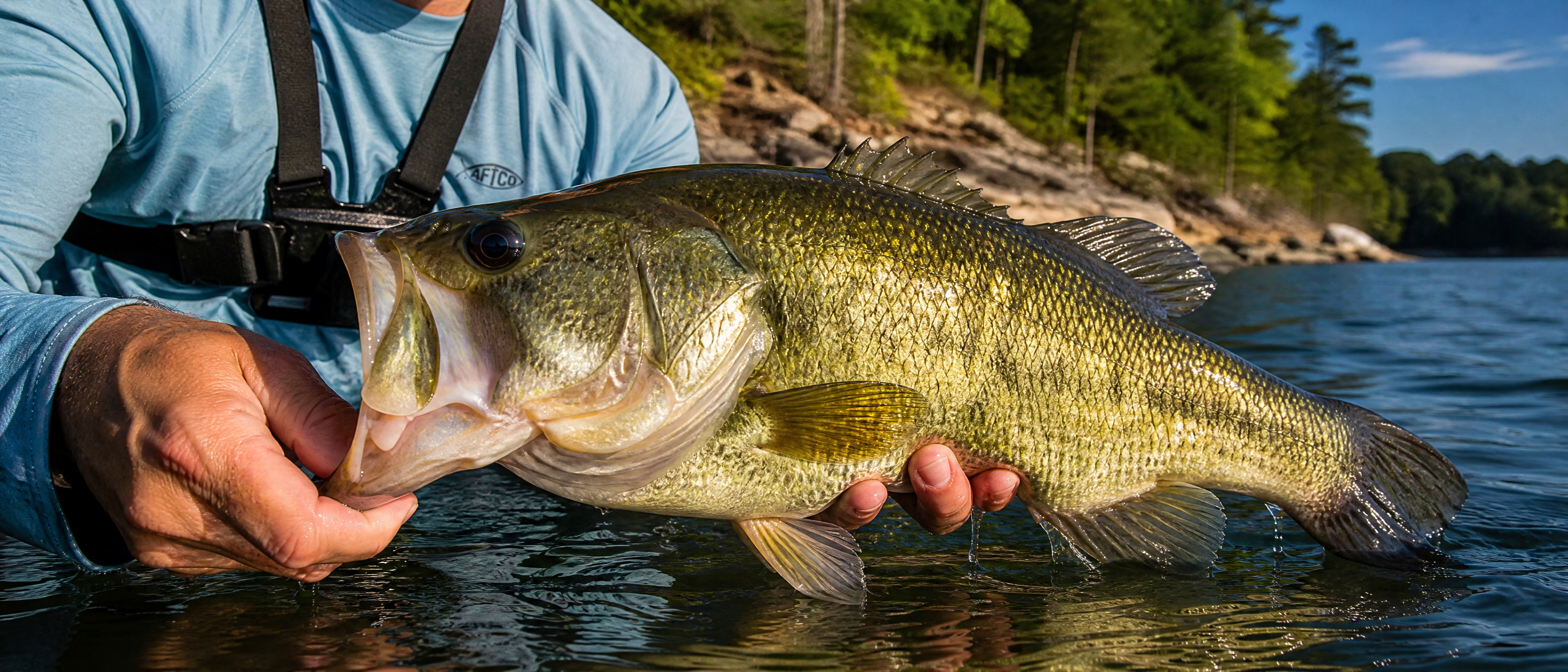
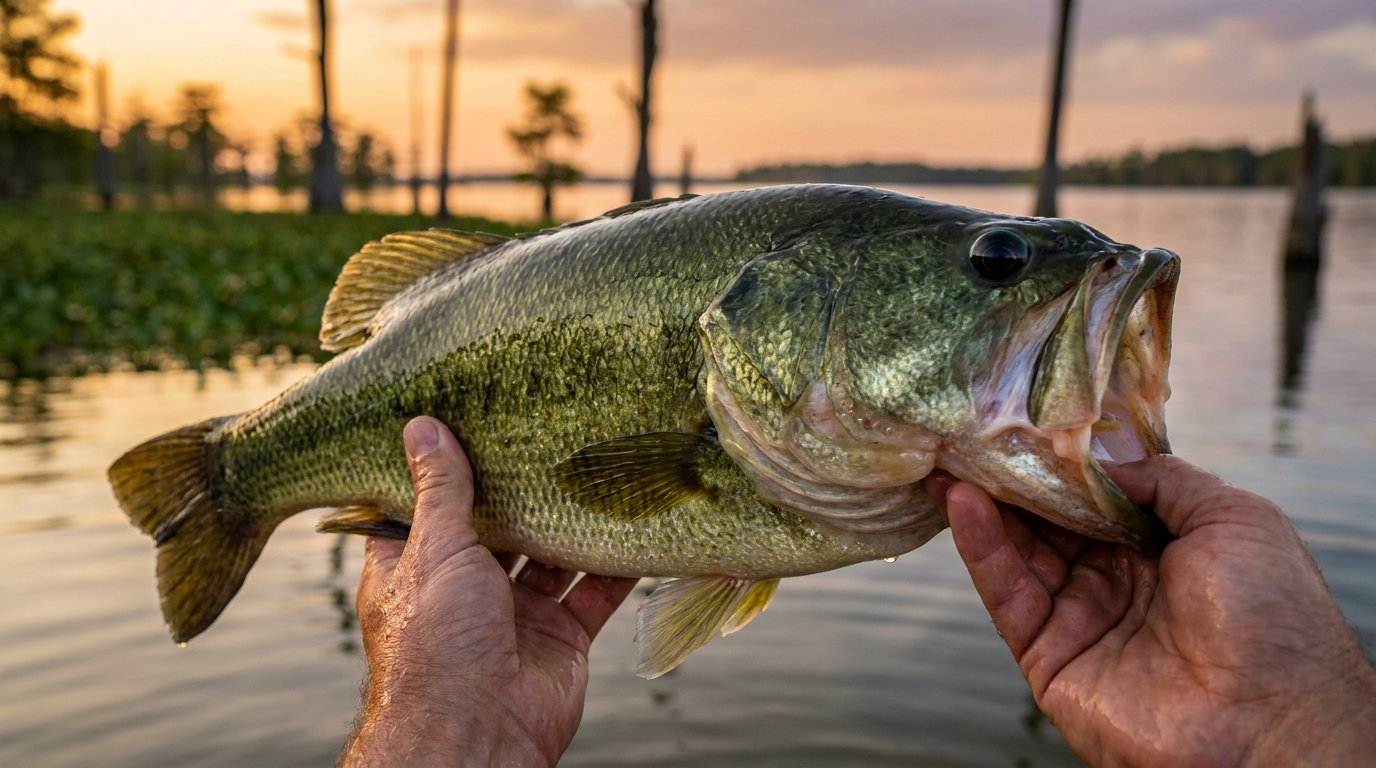
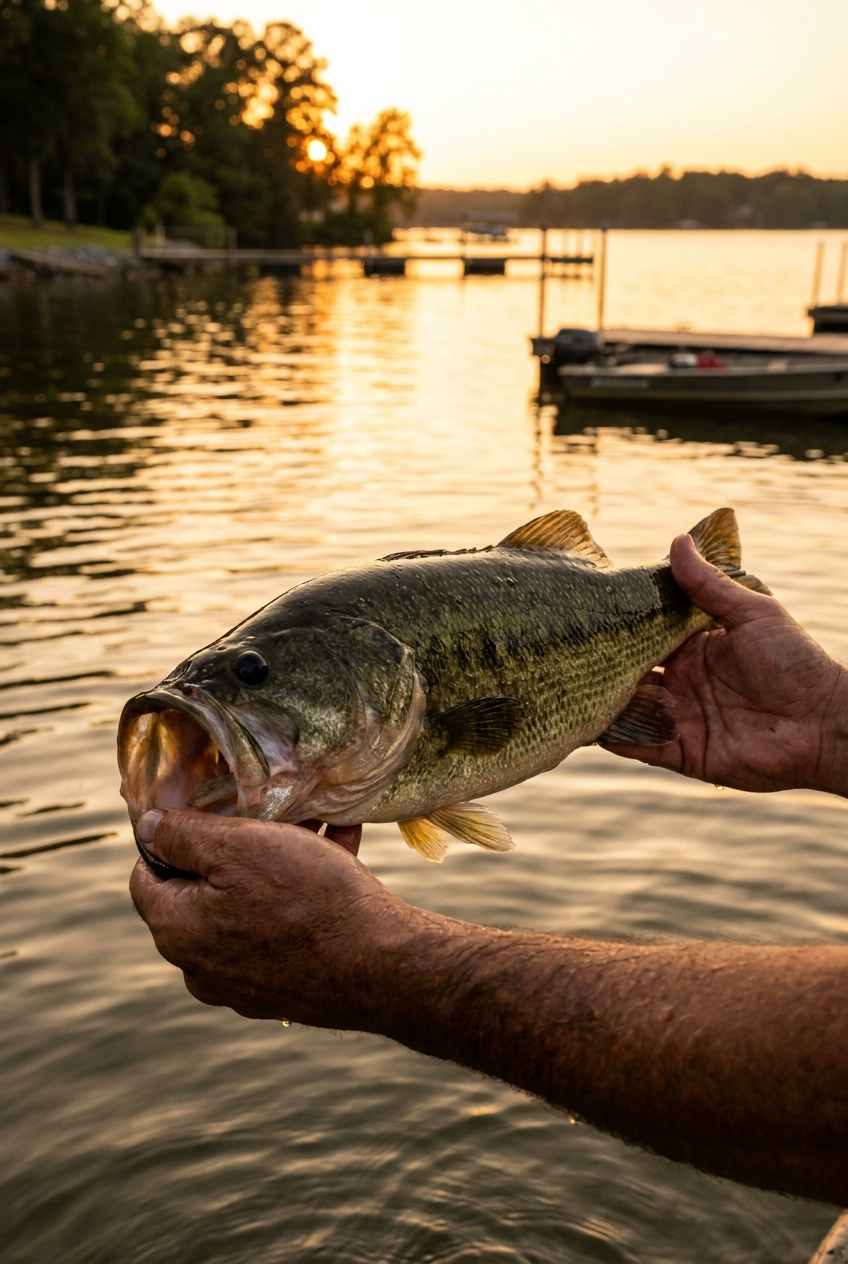
Largemouth bass are the most targeted species on Lake Wylie and the fishery is strong enough to support significant angling pressure year-round. The lake's combination of rocky Catawba River structure, dock lines, shallow coves with grass, and riprap banks gives bass multiple habitat types to use across seasons. Spring is the peak period, with pre-spawn bass moving from 10 to 15 foot rocky structure to the shallower spawning flats in March and April. The upper end of the lake near the NC state line, where the Catawba River enters, holds quality pre-spawn fish on the current breaks and transition banks from February through April. Spinnerbaits and jigs are the standard presentations during this window. Summer largemouth fishing requires early morning or evening trips to beat the recreational boat traffic. Fish hold under docks and along shaded bluffs during midday, and a jig or Texas-rigged worm dropped into dock shade produces fish when the sun is high. The Crowders Creek arm on the NC side and the smaller coves on the SC side toward the Wylie dam are historically productive summer spots. Fall draws bass back to shallower structure as water cools, and topwater walking baits and popping plugs produce some of the most exciting fishing of the year on the main lake points. The SC side of Lake Wylie falls under SCDNR regulations; the NC side falls under NC Wildlife Resources Commission rules. Both have size and bag limits for bass, and anglers fishing near the state line should be familiar with both sets of rules.
Lake Wylie Striped Bass Fishing Report
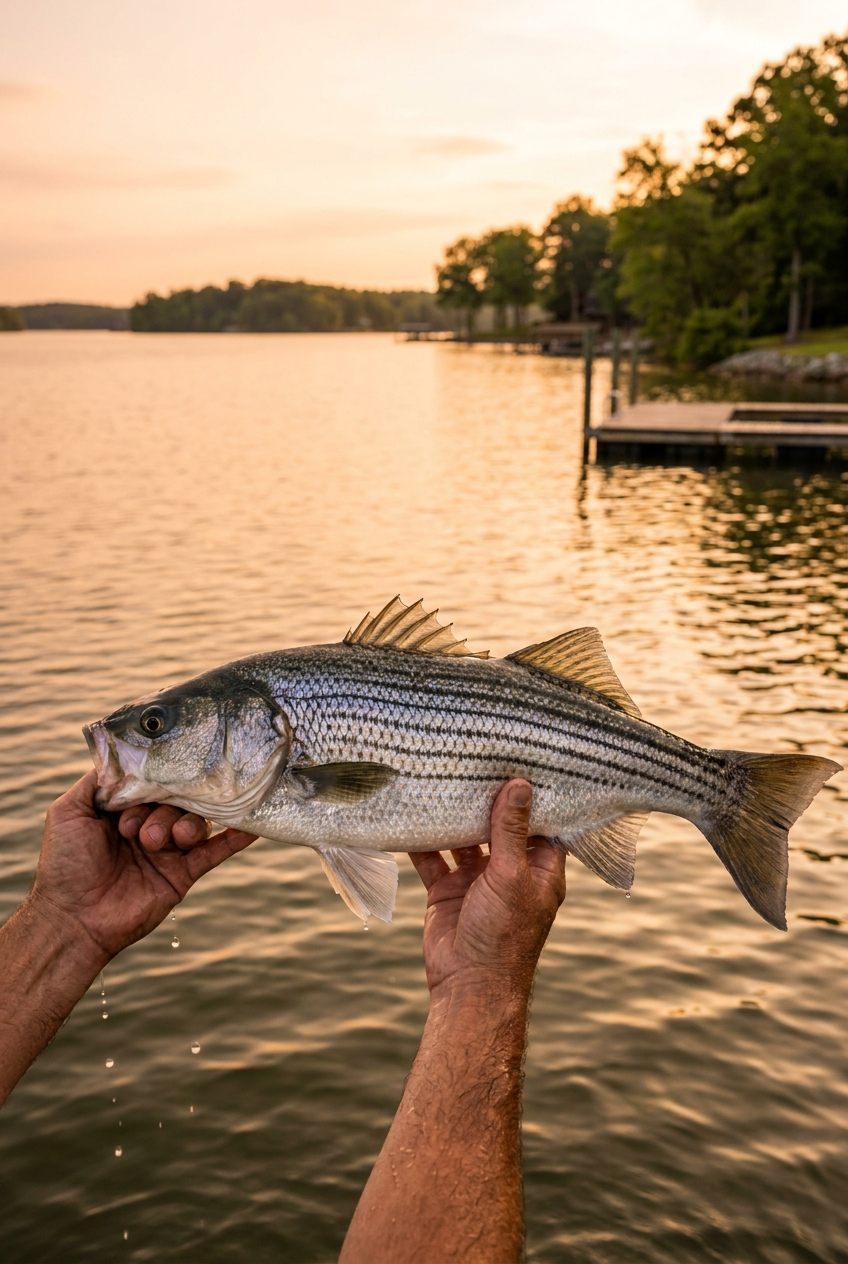
Striped bass in Lake Wylie are a stocked species maintained by periodic SCDNR stocking efforts, as the Catawba River below the lake does not provide suitable spawning habitat for natural reproduction in this section. Fish grow well on the shad forage base and reach sizes of 10 to 25 pounds for experienced anglers targeting the right structure. The deeper sections of the main Catawba channel and the area near the dam are the primary summer striper zones, where fish seek cooler, more oxygenated water in the 25 to 45 foot range. Trolling live shad or large crankbaits along the main channel during summer produces consistent results for anglers with depth finders and downriggers. Fall striper action on Lake Wylie can be exciting as fish push shad to the surface on main lake points, particularly in September and October when surface temperatures begin to drop. The open water sections between the Duke Energy dam and the Highway 274 bridge area are prime fall striper hunting grounds. Live shad under a float or cast umbrella rigs and swimbaits at birds working the surface produce well during the fall baitfish push. Always verify current SCDNR and NC Wildlife Resources Commission striped bass regulations before fishing, including size limits and possession limits, which may differ between the SC and NC sides of the lake.
Lake Wylie Crappie Fishing Report
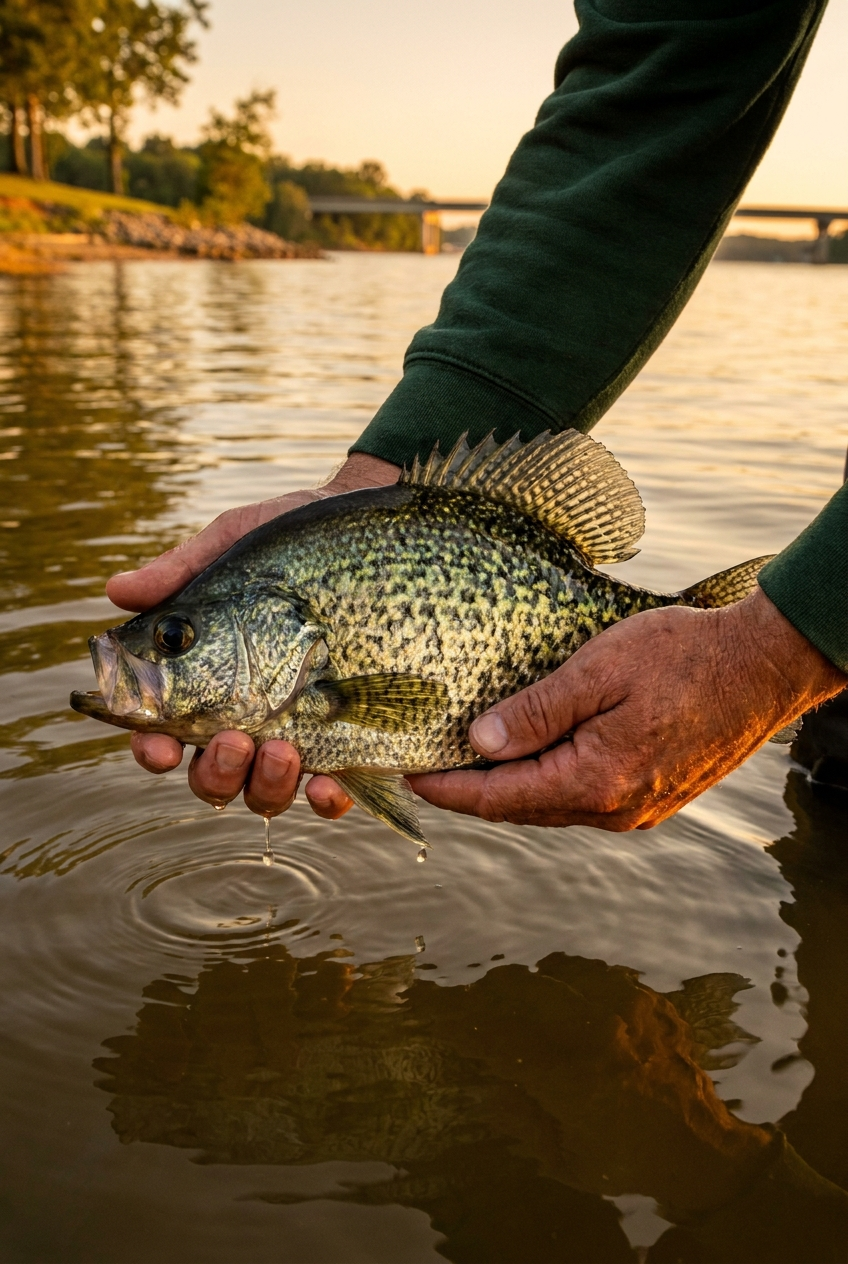
Crappie fishing is one of Lake Wylie's most underappreciated fisheries, with both white and black crappie present in good numbers throughout the lake. The dock infrastructure, bridge pilings at multiple highway crossings, and any remaining timber in the creek arms all hold crappie year-round. Spring is the prime crappie season, with fish moving into 4 to 10 feet around brush piles and shallow dock pilings from February through April. Local crappie anglers on Wylie work the back ends of the smaller coves on both sides of the lake, where fish stack in protected shallow water during the spawn. A 1/16-ounce jig or live minnow under a light float is the standard approach for these shallow spawning fish. The Allison Creek arm on the NC side is a historically productive crappie area, as are the smaller secondary creek arms on the SC side near Clover. Summer crappie retreat to 15 to 20 feet around dock pilings and any deeper brush, where they can be taken on vertical jigging techniques with small plastics or minnow rigs. The fall bite picks back up in October through December as cooling water makes fish more active on shallower structure. Night fishing under dock lights for crappie is a popular local practice on Lake Wylie during summer. Crappie regulations vary slightly between SC and NC; check SCDNR and NC Wildlife Resources Commission rules before keeping fish.
Lake Wylie Catfish Fishing Report
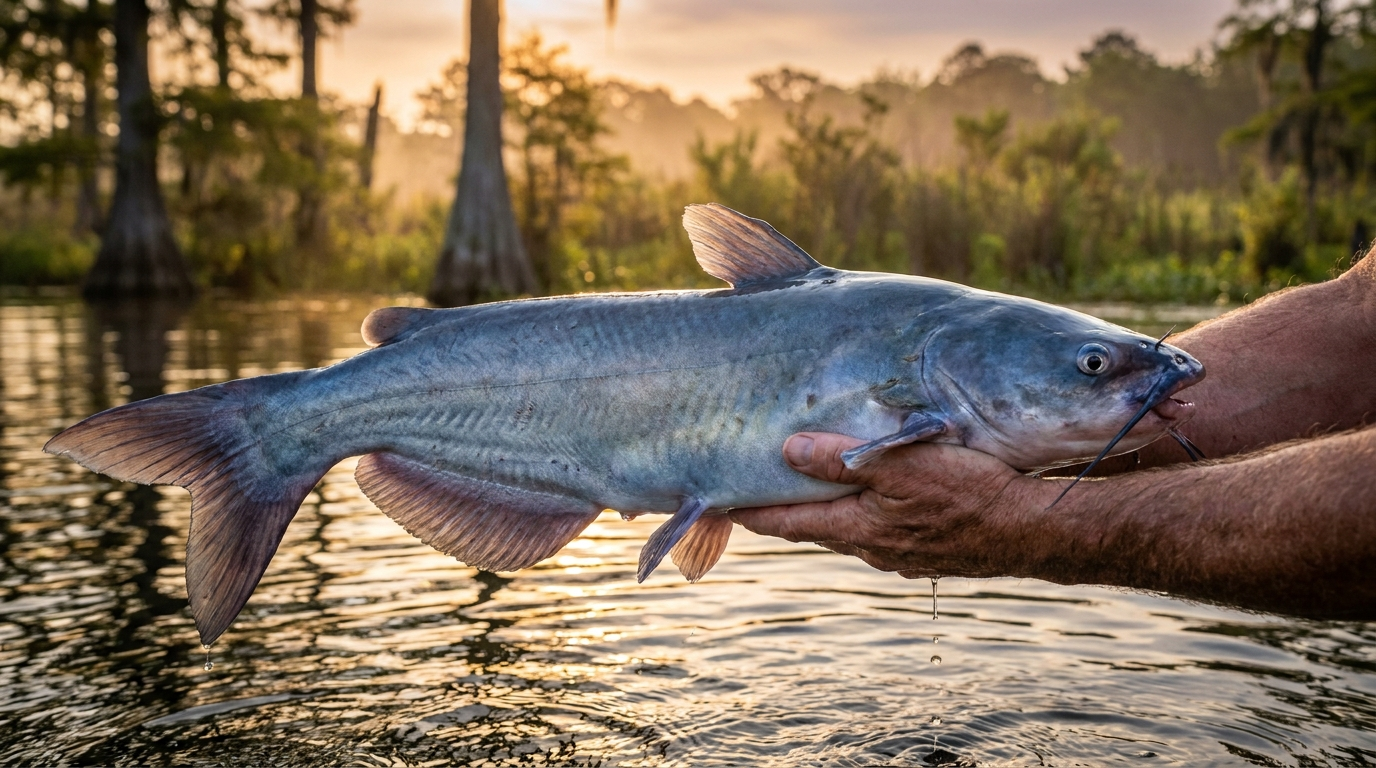
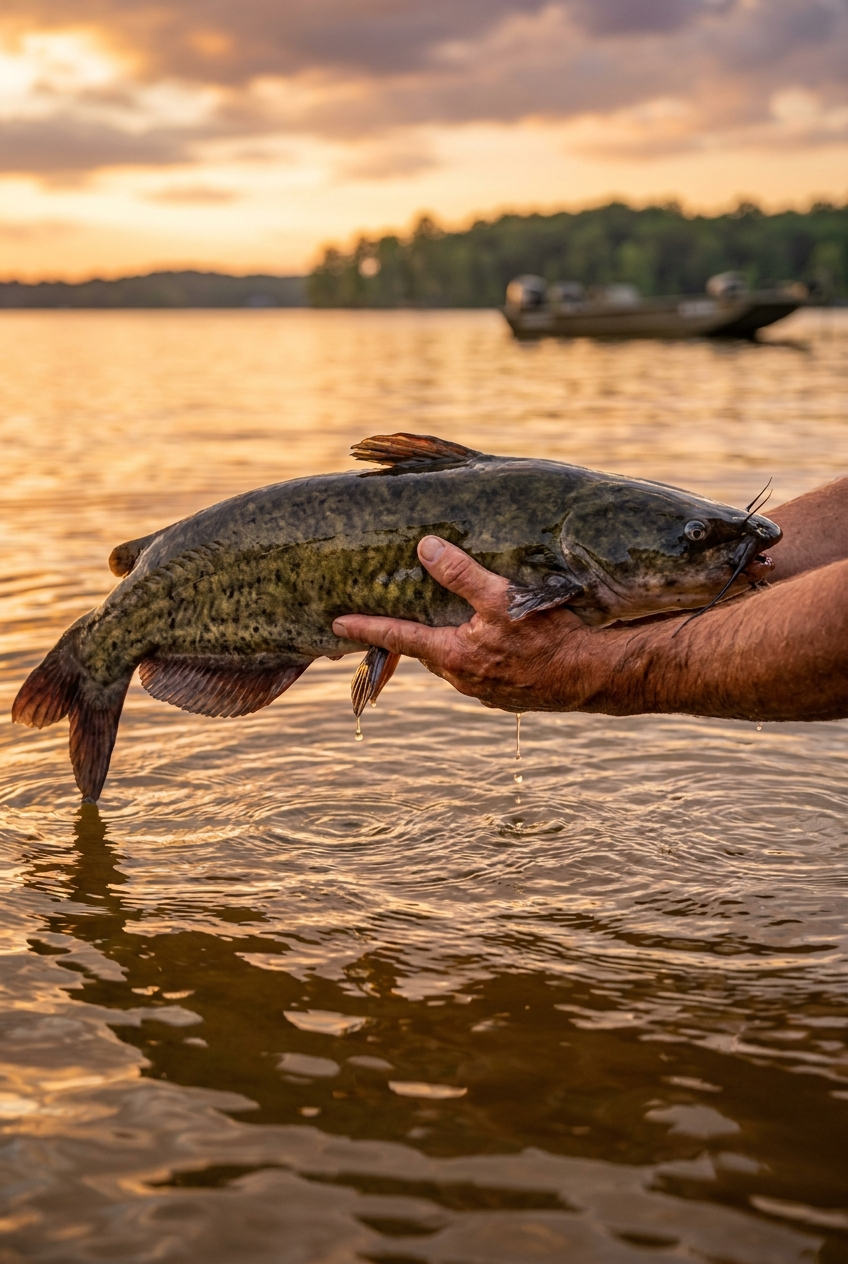
Channel catfish and blue catfish are both present in Lake Wylie, with channel cats more numerous in the upper sections and blue catfish more prevalent in the main river channel near the dam. The Catawba River arm feeding the upper end of the lake provides current and structure that concentrates catfish, particularly in the deeper holes and channel bends. Cut shad, chicken liver, and shrimp are the standard baits for channel cats. Bottom rigs fished in 10 to 20 feet of water near channel bends and points produce fish consistently from spring through fall. Night fishing from the public access areas on the upper end of the lake is a productive and popular approach during summer. Blue catfish in Lake Wylie can reach substantial sizes in the main channel near the dam and in the deeper sections of the Catawba arm. Live bream or large cut bait fished on heavy bottom rigs in 20 to 40 feet near the primary channel produces the biggest blue cats. Flathead catfish are also present in the lake's deeper structure. The catfish fishery on Wylie receives less targeted attention than bass or crappie, but dedicated catfish anglers find the lake very productive. Verify current SCDNR and NC Wildlife Resources Commission catfish regulations for size and bag limits before keeping fish.
If you haven't replaced your braided line in a season or two, now's the time. Braid holds up better than mono, but abrasion from wood and rock adds up. Reaction Tackle is one of my favorite places to order from.
Top Fish to Target in Lake Wylie
Lures for Lake Wylie
Tackle matched to this lake's species and structure.
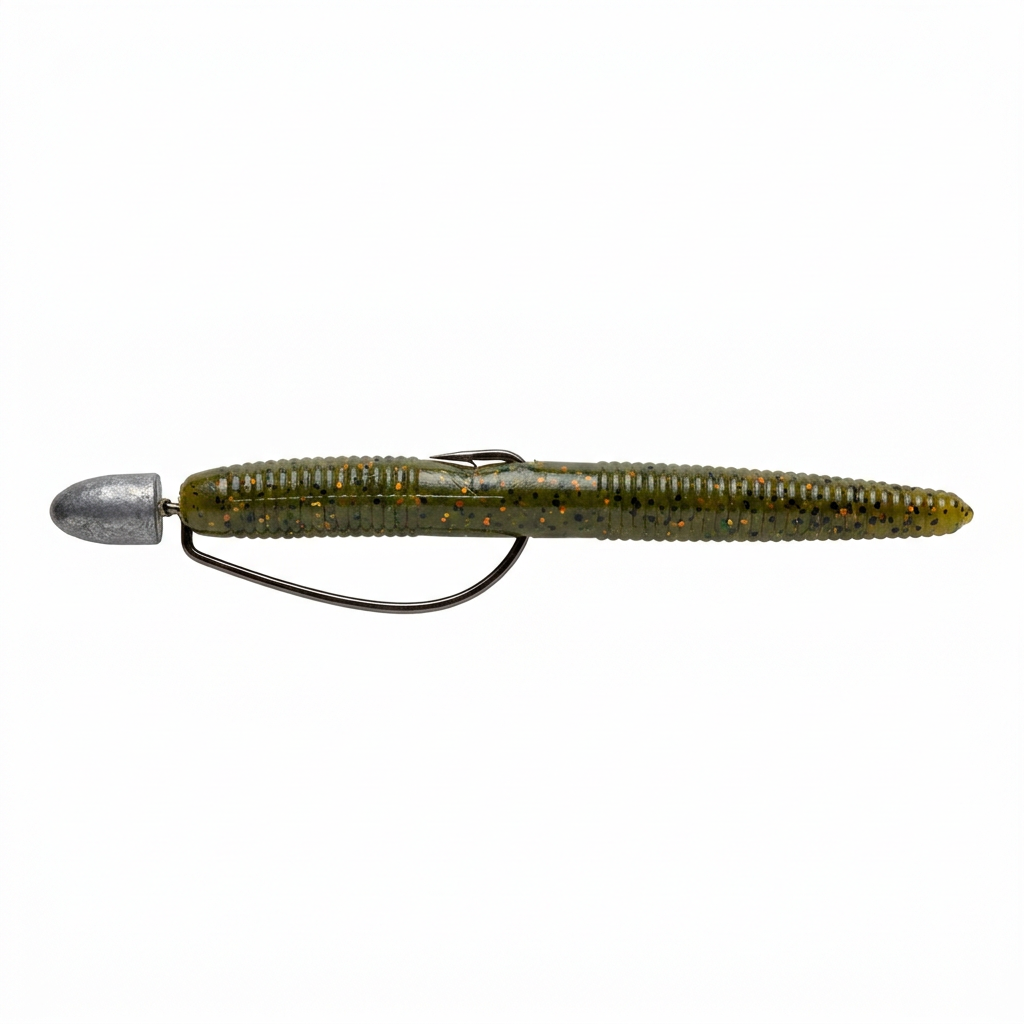
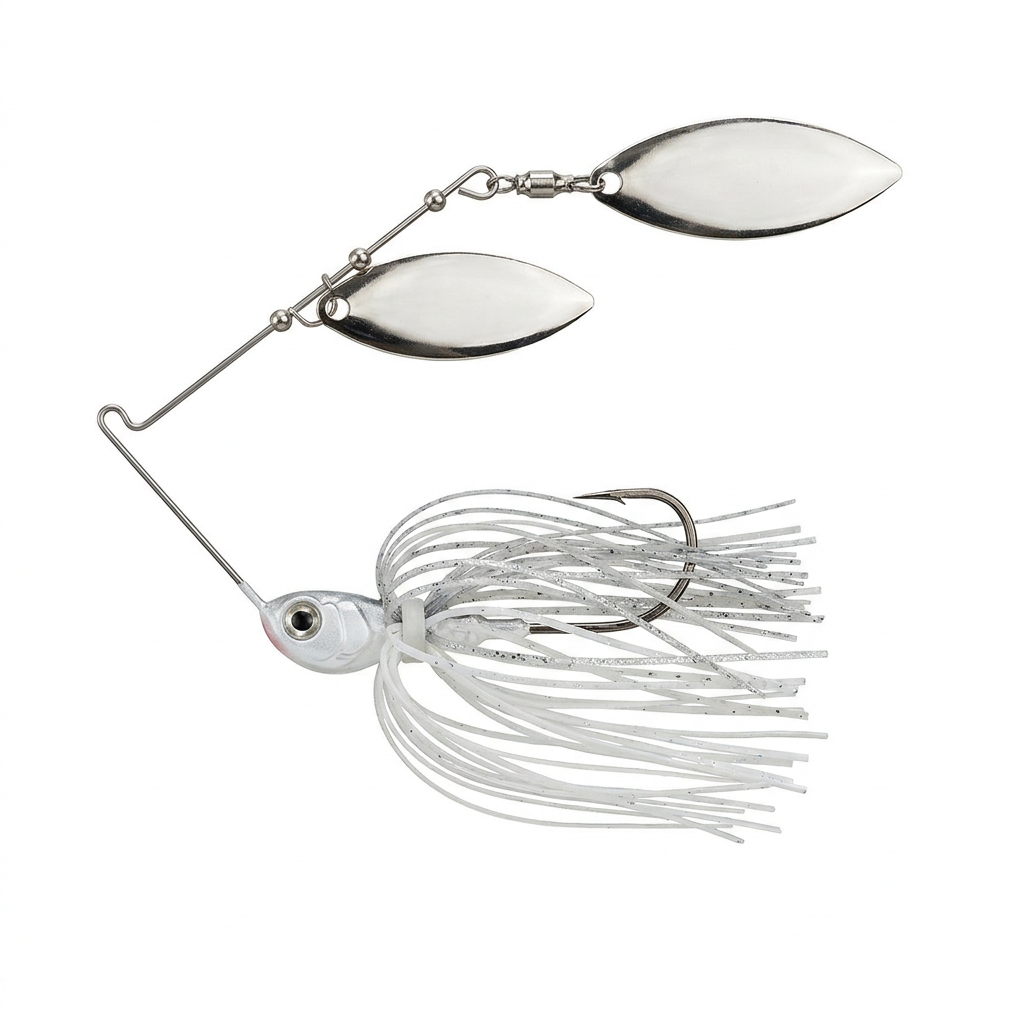
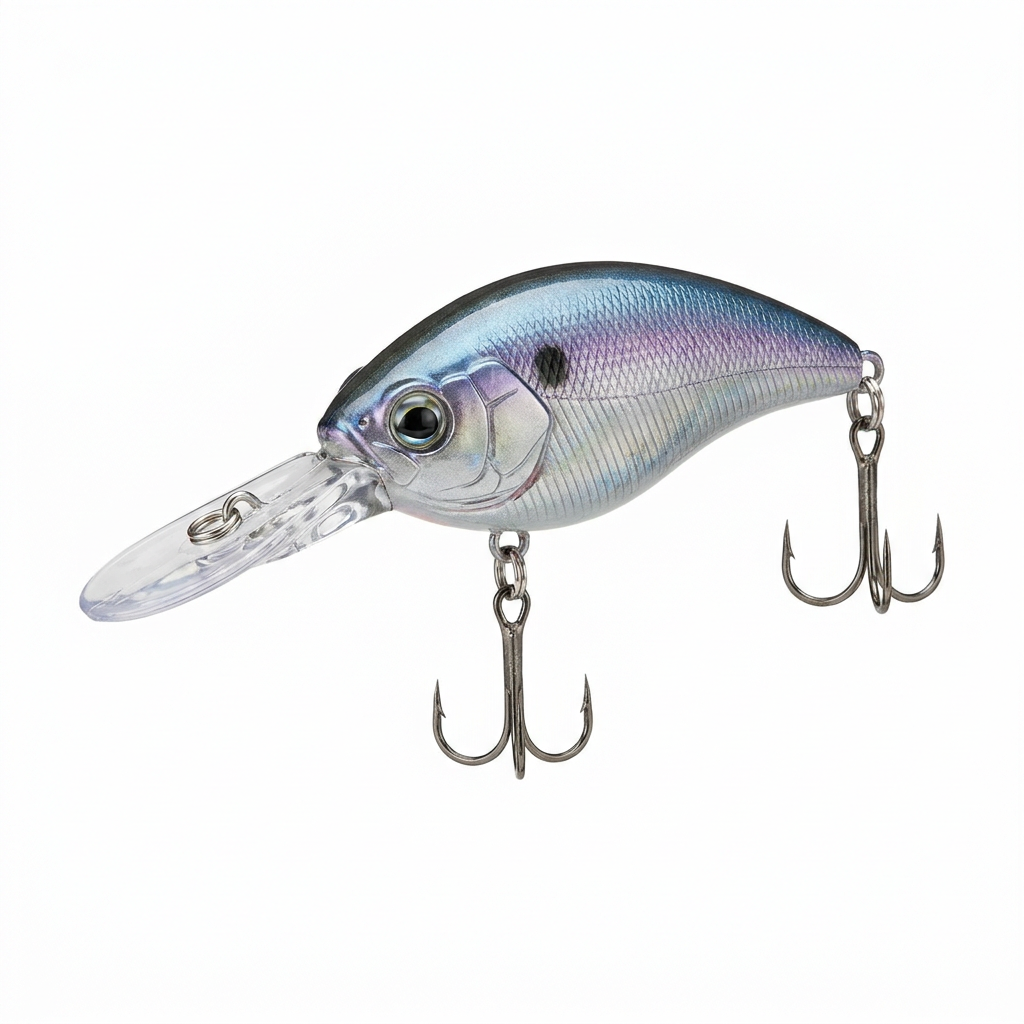
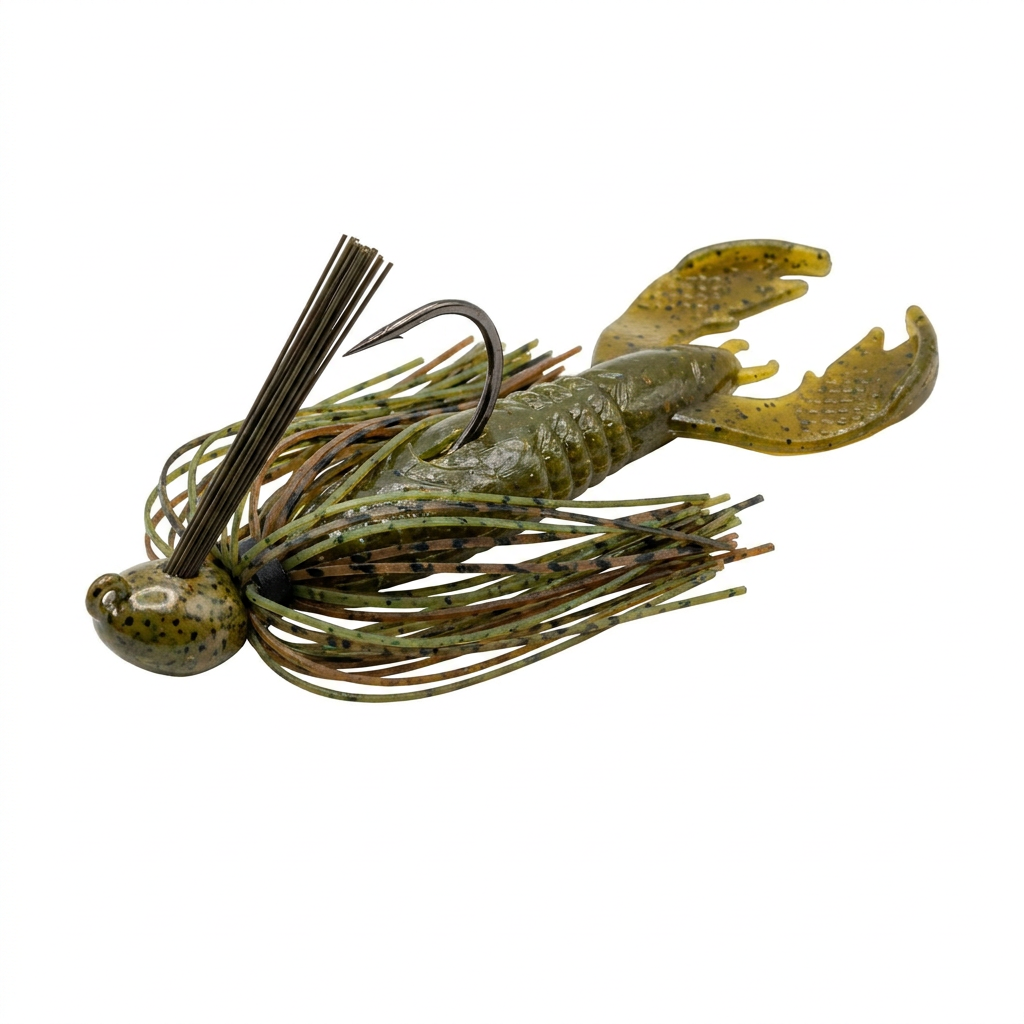
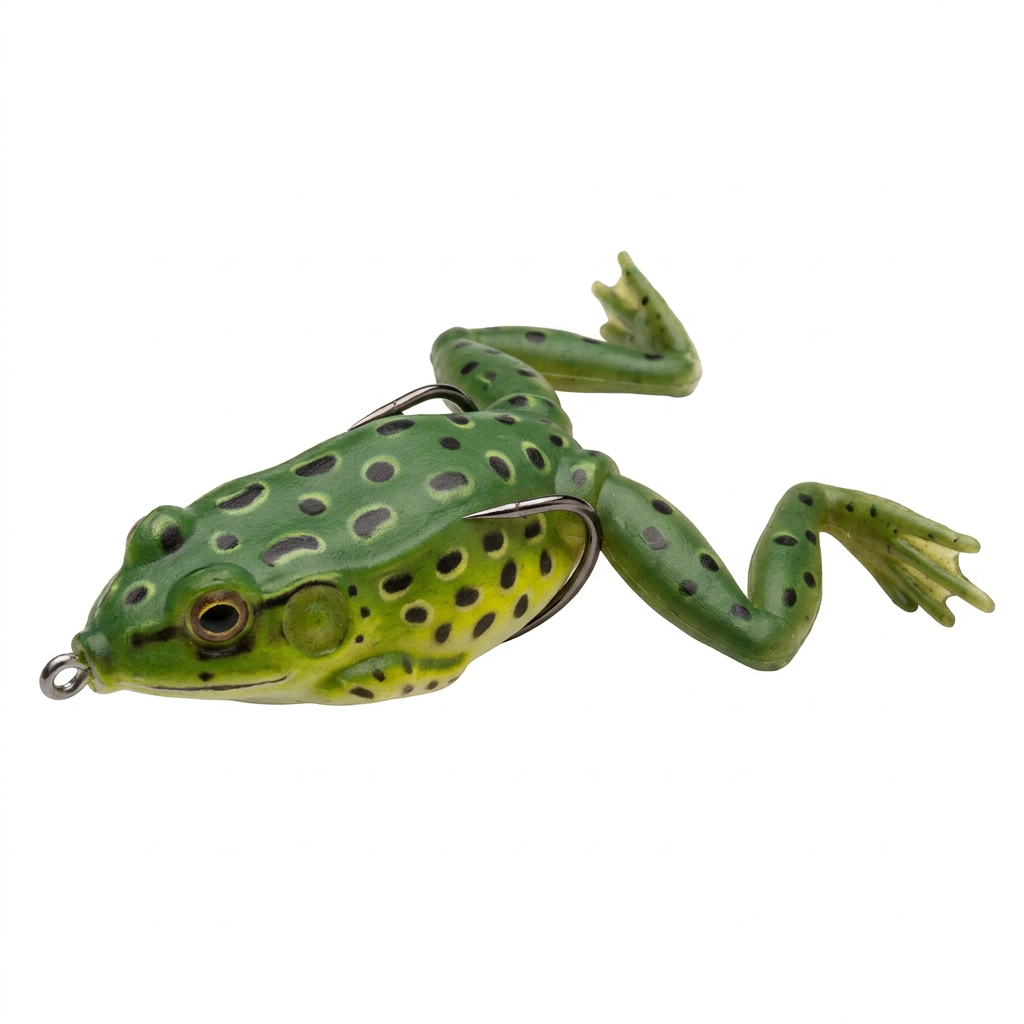
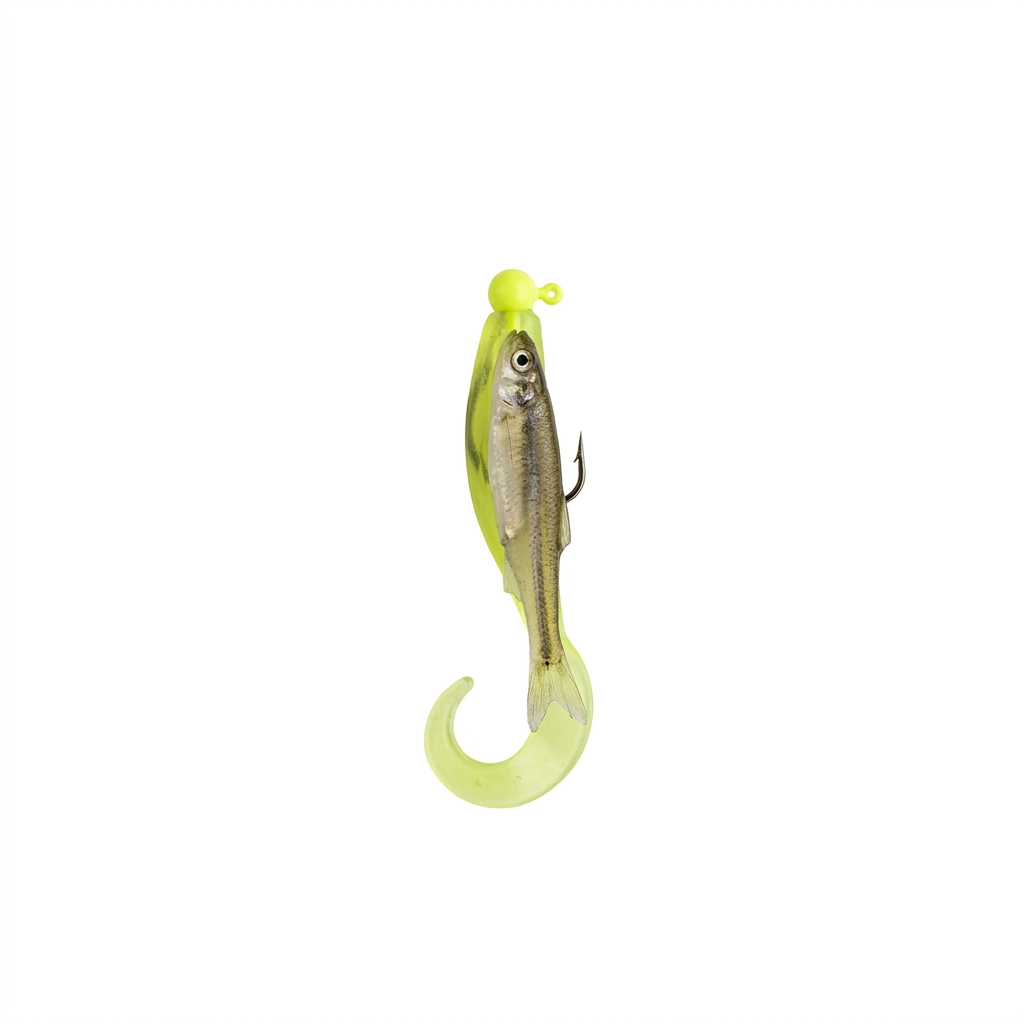
The right line matters as much as the lure. For the presentations that work on this lake, whether flipping timber, fishing main lake structure, or working deep brush, braid is the move. No stretch, more feel, and it lasts. Reaction Tackle is where I get mine.
About Lake Wylie
Lake Wylie is a Duke Energy reservoir on the Catawba River, sitting on the South Carolina-North Carolina border about 15 miles west of Charlotte. The site has a long history as a power generation location: the original Catawba Station dam was built in 1904, making this one of the oldest hydroelectric sites on the Catawba River. The current Lake Wylie configuration reflects improvements and expansions made in the 1940s. Duke Energy operates the Wylie Hydroelectric Station at the dam and manages the lake level for power generation balanced against recreation and water supply demands. The lake covers 12,455 surface acres and has roughly 325 miles of shoreline.
The Charlotte metro context defines Lake Wylie's fishing character. The lake is easily accessible from Charlotte, Rock Hill, Gastonia, and surrounding communities, and weekend boat traffic is among the heaviest of any reservoir in the Carolinas during summer months. The fishing remains viable because the lake is large enough and has enough structure to absorb pressure, and because the largemouth bass and crappie populations are robust. Serious anglers tend to fish weekdays or arrive well before sunrise on weekends to get productive time in before recreational traffic builds. The southern end of the lake near Clover and the upper Catawba arm near the NC line are the two zones most worth knowing for fishing quality.
Like all border lakes, Lake Wylie requires anglers to understand which state's waters they are fishing. The state line runs through the lake in the upper sections, and both South Carolina DNR and NC Wildlife Resources Commission regulations apply depending on location. Both states require a valid fishing license, and size and bag limits for bass, crappie, and catfish may differ. The line is not always obvious on the water; a good map or GPS with the state boundary marked is useful for border-area fishing. Duke Energy also has specific rules about activities on the lake that are worth reviewing before your trip.
Public access to Lake Wylie is available at several county and city parks, including Ebenezer Park in York County, SC, and Crowders Mountain State Park adjacent to the lake on the NC side. Multiple private marinas offer launching, fuel, and supplies. The lake has significant residential development on much of its shoreline, and private docks are abundant. The SC side around Clover and Lake Wylie area has grown substantially as a Charlotte suburb, with waterfront real estate commanding premium prices. Despite the development, the lake retains good fishing quality and remains an important resource for the Charlotte-area fishing community.