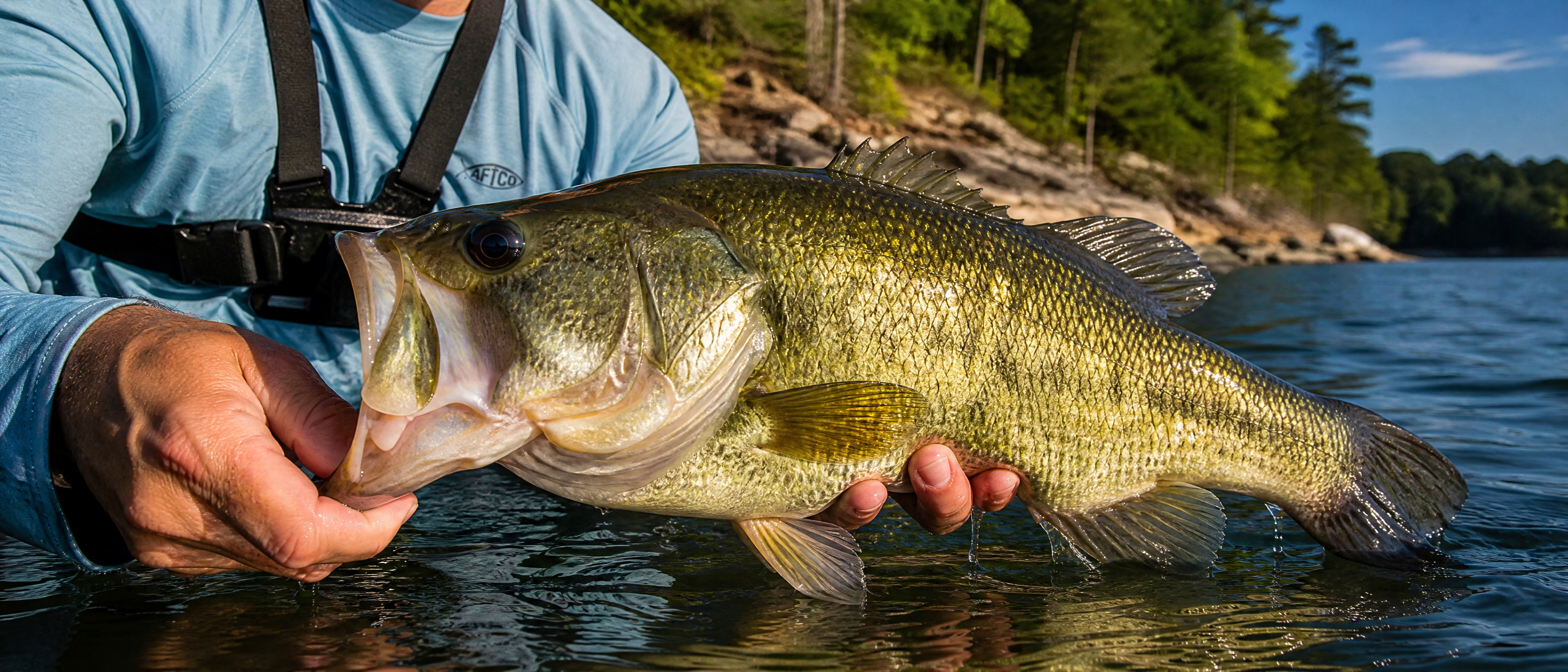
Lake Hartwell catches my attention for the combination of clear water, quality bass, and a striper program in one reservoir. South Carolina is still on my state list.
Today's Bite Score · October 8, 2026
Very favorable conditions for catching fish
🌘Waning Crescent
Lake Hartwell Fishing Report
Updated October 2, 2026Synthesized from current fishing reports · Updated weekly
Lake Hartwell right now sits at 649.11 feet, down from full pool of 660.00, with the main lake running clear while the river systems show darker water suggesting a turnover may be approaching. Morning surface water temperatures are holding around 80 degrees this week, creating active feeding conditions across the lake.
Anglers are finding the striper and hybrid bite absolutely on fire this week, with guides reporting excellent mixed bags. The early morning bite has been particularly productive, with anglers filling limits in just a few hours. Right now, focus on both the early dawn periods and transition times, as both stripers and hybrids are responding aggressively to current presentations.
Guides are reporting success with live herring presentations and early morning topwater action for stripers and hybrids. For those targeting crappie, fish are currently holding on shallow brush and responding well to jigs and minnows. The bite has been consistent throughout the week, making this an excellent time to get on the water before conditions cool further.
Get More Fishing Report Specifics
Tap a topic button below for a report on current conditions.
Tap a topic above to get a current report for Lake Hartwell.
Answers are generated on demand and cached. No AI call fires until you tap a tab.
Lake Hartwell Fishing Guides
Looking for a Lake Hartwell fishing guide? The striper thermocline game and deep ledge bass fishing on Hartwell are technical — guides here have the electronics and the history to get it right consistently. Go here → to check out our recommended fishing guides for Lake Hartwell. Then scroll down on that page to see all of the Lake Hartwell fishing guides.
Lake Hartwell Fishing Strategies by Species
Seasonal patterns and techniques by target species · Verified against official sources
Striped bass and largemouth bass are the primary draws at Lake Hartwell, with the thermocline striper pattern driving one of the more technical summer fisheries in the Southeast: fish suspend at 40 to 70 feet in the thermocline from June through September, requiring live bait at the precise depth. Spring is the best all-around season, with largemouth moving into the Coneross Creek and Lightwood Log Creek spawning pockets and stripers accessible in 15 to 30 feet before stratification sets in. The USACE and SC DNR maintain 23 combined fish attractor buoys across the lake, which are the most reliable starting points for crappie. SC DNR regulation for striped and hybrid bass: 10 fish per day maximum, with only 3 allowed over 26 inches.
Lake Hartwell Largemouth Bass Fishing Report
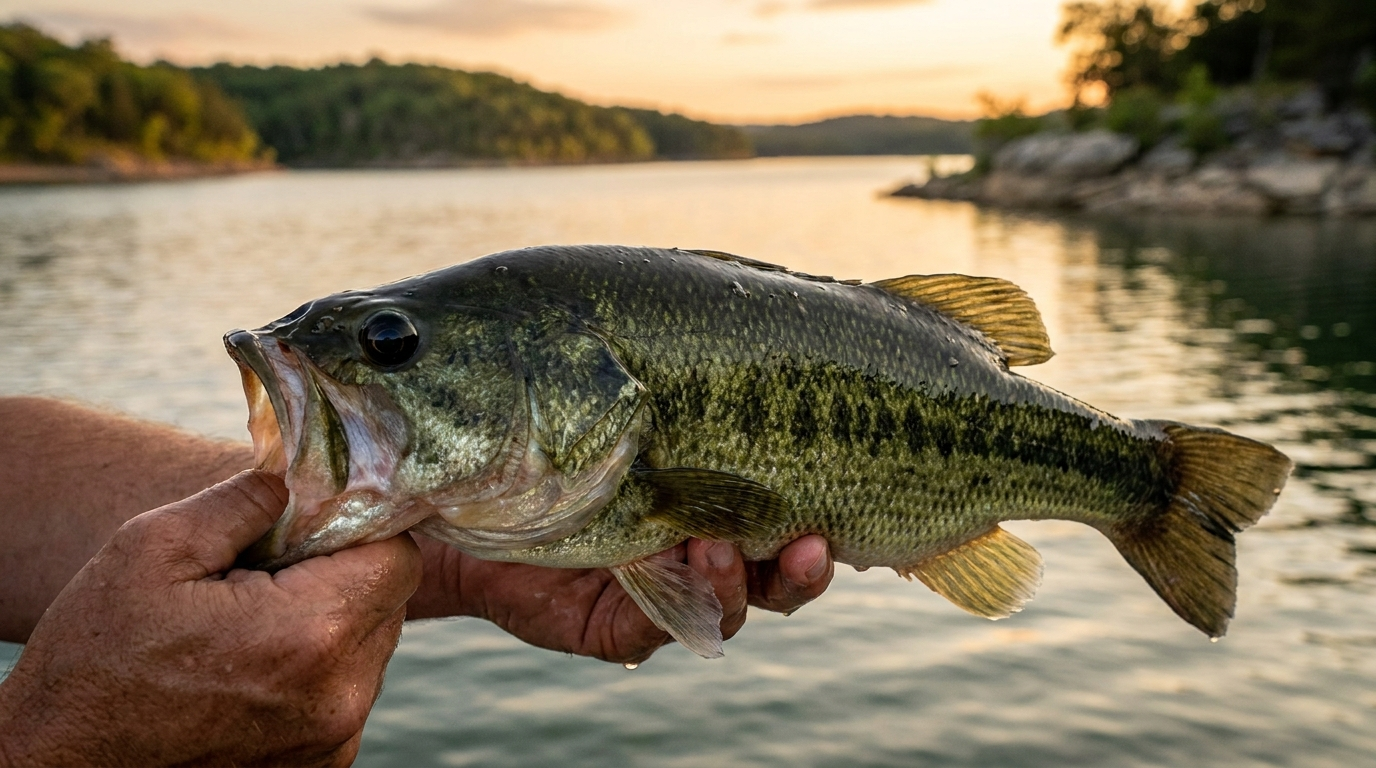
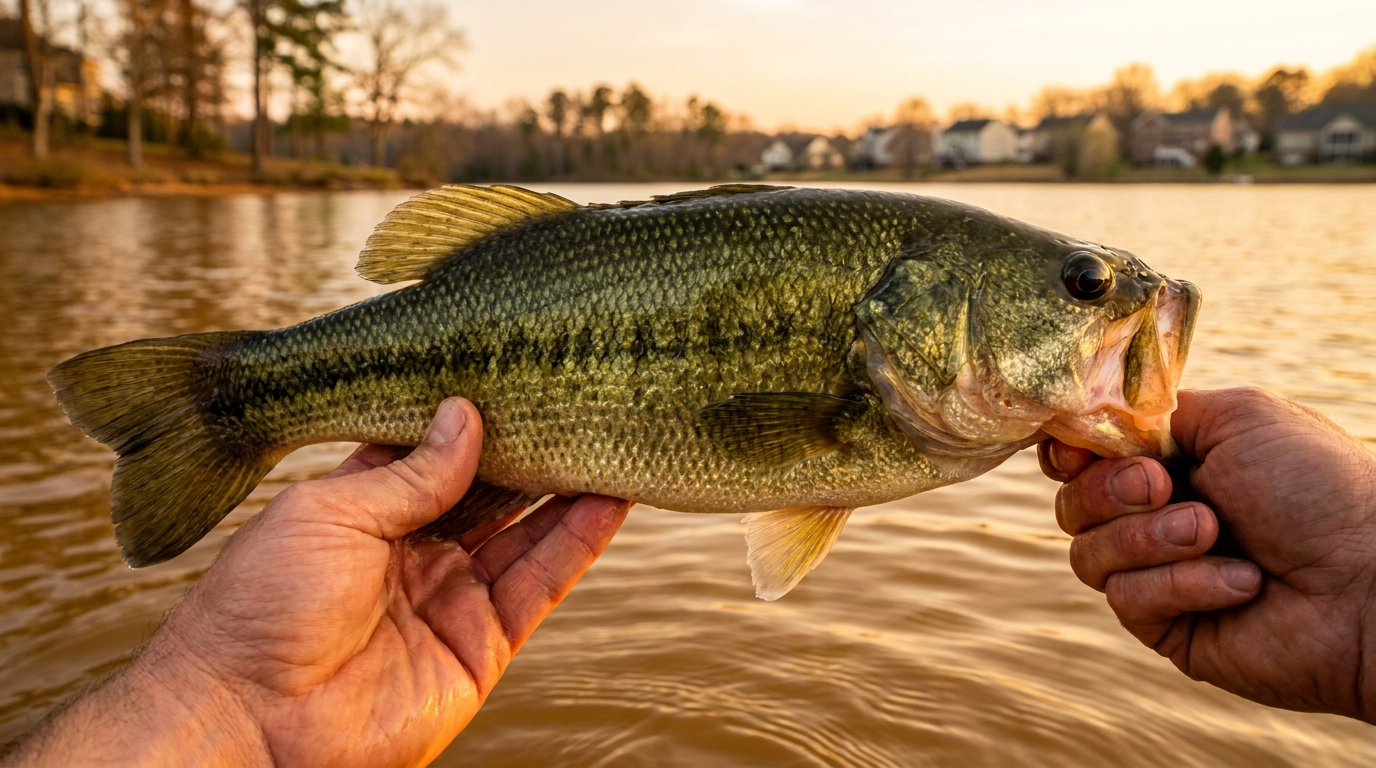
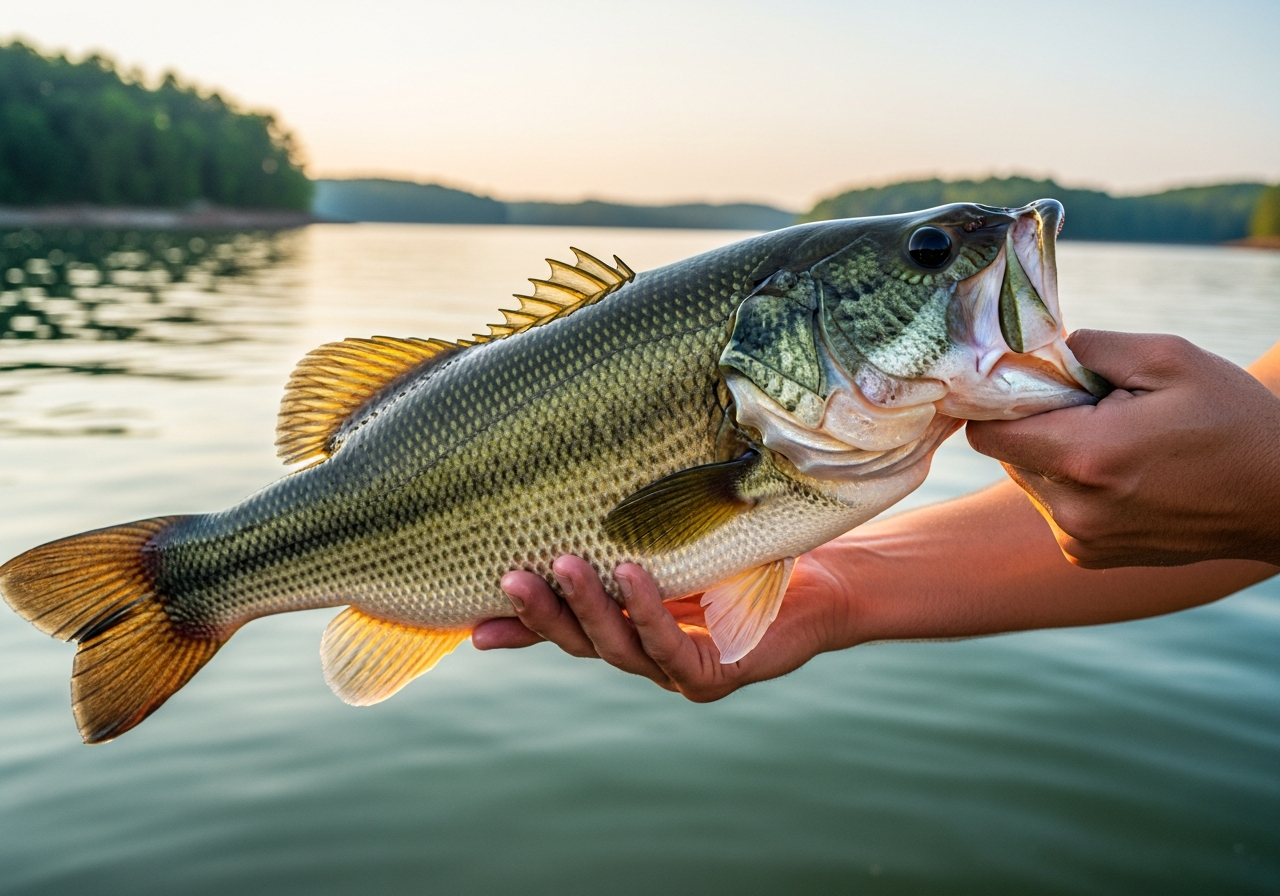
South Carolina DNR sets the largemouth bass regulations on the SC side of Lake Hartwell: 12-inch minimum length, 10-fish daily bag limit in any combination of black bass species. Georgia DNR regulations govern the Georgia side: verify current limits at Georgia Wildlife Resources Division before fishing Georgia waters. Spring is the primary season for largemouth bass on Hartwell. Water temperatures in the upper creek pockets warm first, and bass stage on secondary points and flat transitions in 8 to 15 feet when the water hits the upper 50s in late February and March. As the temperature approaches 65°F, fish move into the spawning pockets of the major coves: Coneross Creek, Lightwood Log Creek, and the smaller pockets off the Seneca Arm all hold spawning bass from mid-March through April. A squarebill crankbait or a shaky head rigged with a straight-tail worm covers the water efficiently during the prespawn. Hartwell's clear water requires different summer tactics than stained South Carolina Midlands reservoirs. Bass see long distances and are more finesse-oriented in the 10 to 20-foot range off rocky points and dock edges. A drop shot or a small swimbait on a light jig head produces fish through the heat of summer on the main lake structure. Carolina-rigged worms worked along the rock and clay bottom transitions between 12 and 22 feet catch fish that crankbaits won't reach. Fall at Hartwell brings bass back to shallow points and cove entrances as water temperatures cool into the 60s. Crankbaits and spinnerbaits worked across the points at the mouths of the major coves produce from September through November. The fish in Hartwell are typically in excellent condition going into fall from a summer of feeding on the abundant shad population.
Lake Hartwell Striped Bass Fishing Report
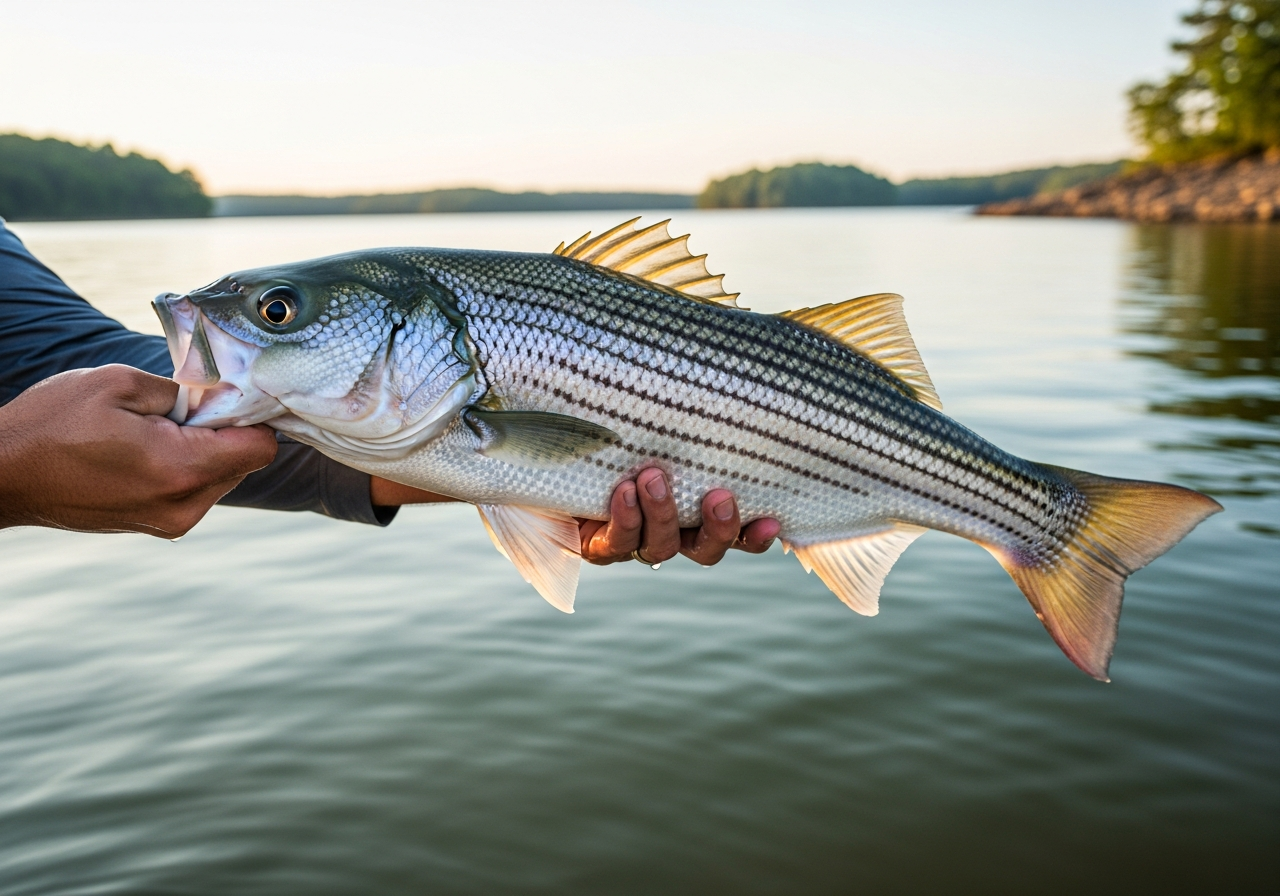
Striped bass are the signature technical fishery on Lake Hartwell, and the thermocline pattern that drives the summer bite is one of the more interesting structural patterns in Southeast reservoir fishing. The US Army Corps of Engineers notes that stratification on Hartwell begins in late April or early May at approximately 30 feet depth, gradually dropping to 50 feet by mid-September and reaching 70 feet by late fall. Stripers live in the thermocline: the middle layer where temperature and dissolved oxygen are within their tolerance range. In summer, that means fishing 40 to 70 feet down in the main lake while the surface is too warm and the bottom layer is oxygen-depleted. South Carolina DNR regulations for striped and hybrid bass: 10 fish per day maximum, with only 3 of those 10 allowed to exceed 26 inches. Verify current regulations at SC DNR before fishing. Live bait in the thermocline is the most consistent summer approach. Blueback herring or large threadfin shad rigged on circle hooks and set at the exact thermocline depth: located with a temperature probe or by watching where fish are suspending on the graph: accounts for most summer stripers. Trolling large diving plugs at the right depth also produces. The early morning window before the sun gets high is more productive than midday, even though the fish are deep. Spring stripers are accessible to more anglers before the thermocline develops. April and May put fish in 15 to 30 feet in the main lake and the mouths of the river arms. Trolling medium-diving crankbaits and umbrella rigs covers the pre-thermocline fish.
Lake Hartwell Crappie Fishing Report
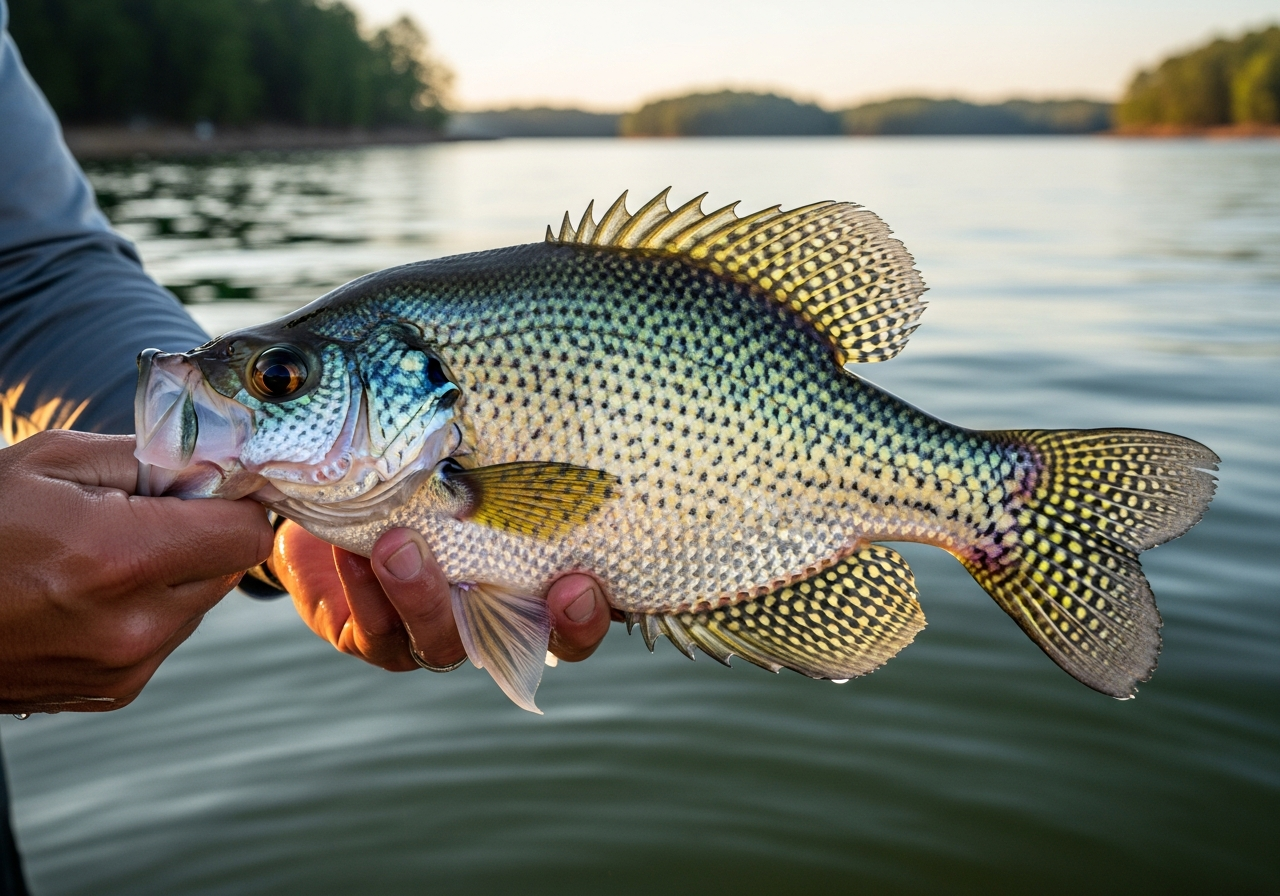
Black crappie are the primary crappie species in Lake Hartwell and concentrate around the fish attractor buoys maintained by the US Army Corps of Engineers and SC DNR. The Corps maintains 12 named fish attractor sites across the lake: marked with buoys: specifically to concentrate crappie. SC DNR maintains 11 additional fish attractors. These structures are the most reliable starting points for crappie fishing on a lake with 962 miles of shoreline. Spring is the peak crappie season. Fish move from 15 to 22 feet toward the shallower attractors and dock pilings when water temperatures climb into the low 60s in March and April. A 1/16-ounce jig in pink, chartreuse, or white dropped vertically along dock pilings and fish attractor structure in 8 to 14 feet produces the most fish during this window. The coves off the Seneca Arm and the shallow pockets near Singing Pines and Twin Lakes recreation areas hold crappie through the spawn. Summer crappie pull deeper on Hartwell than on stained reservoirs because the clear water allows more light penetration. Fish attractors in 20 to 30 feet hold fish through the summer. Shooting small jigs under dock structures and fishing vertically through the attractors with a long rod covers this depth range.
Lake Hartwell Channel Catfish Fishing Report
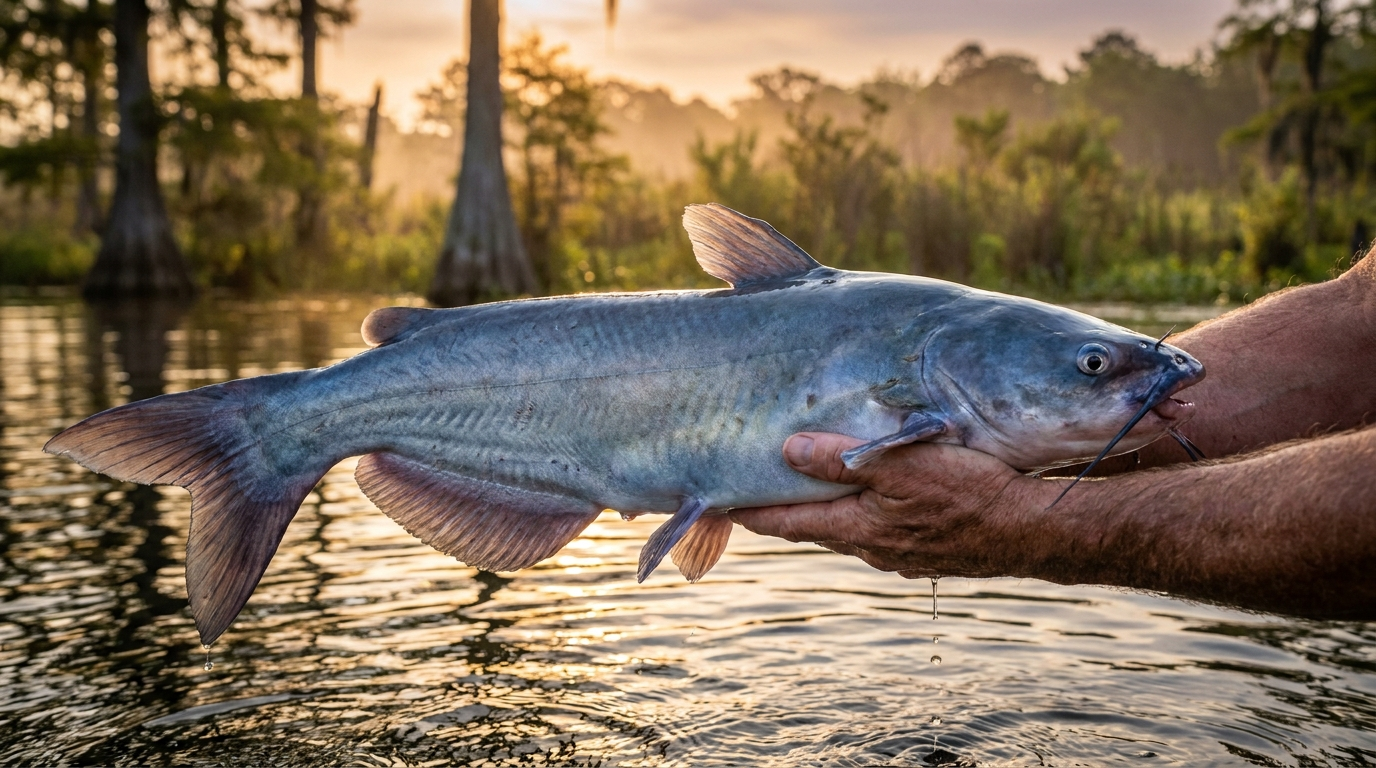
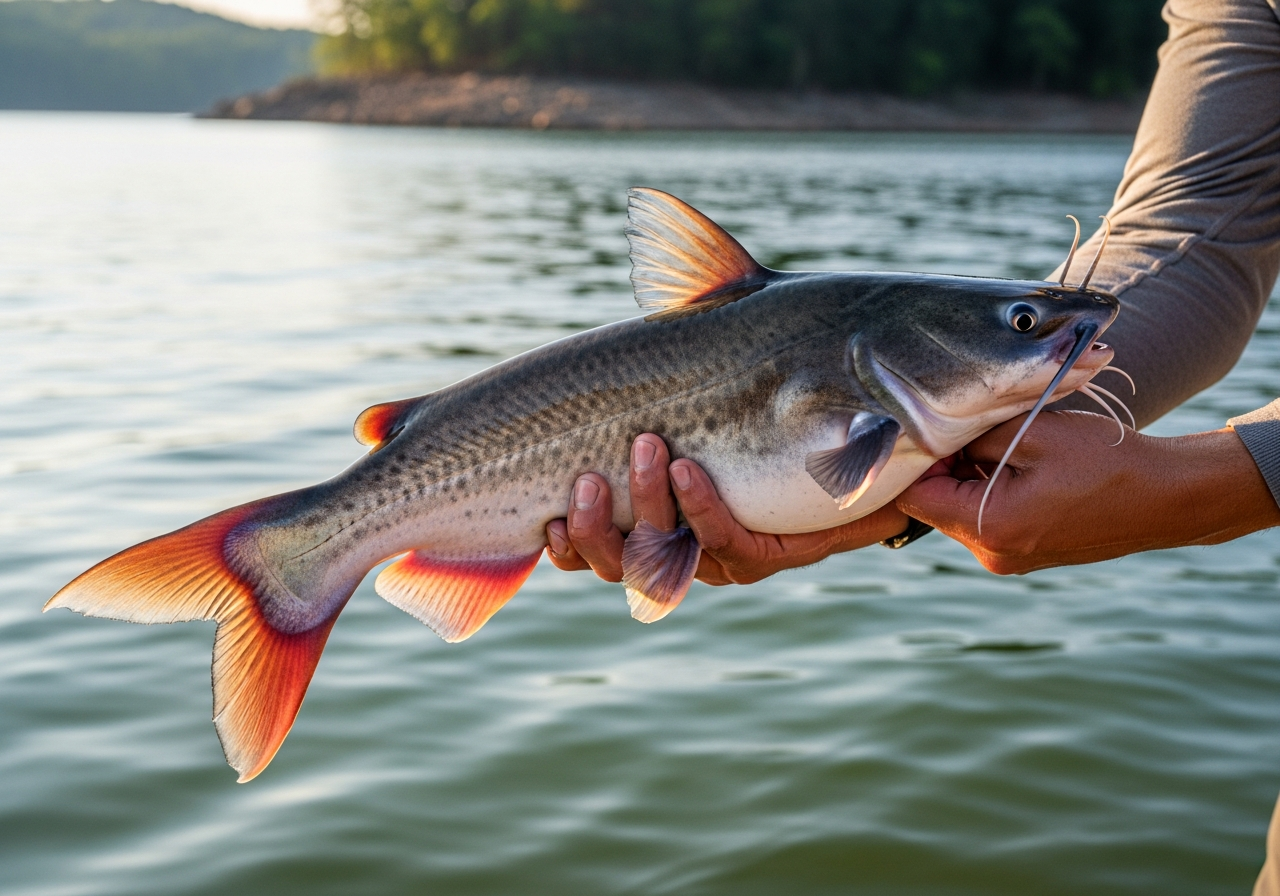
Channel catfish are present throughout Lake Hartwell and provide consistent fishing from the bank access areas and from boats working the main lake channels. The creek bends in the Tugaloo and Seneca arms hold catfish year-round, and the clay and gravel bottom of Hartwell holds natural forage that supports a healthy population. Cut shad, nightcrawlers, and chicken liver fished on the bottom in creek bends and the main river channel produce channel catfish through summer. The tailwater below Hartwell Dam produces trout (stocked annually by both GA and SC DNRs) as well as catfish in the transition water below the powerhouse. Night fishing from the bank access areas along the South Carolina side produces catfish through summer, with the bite picking up after dark when fish move into shallower water to feed.
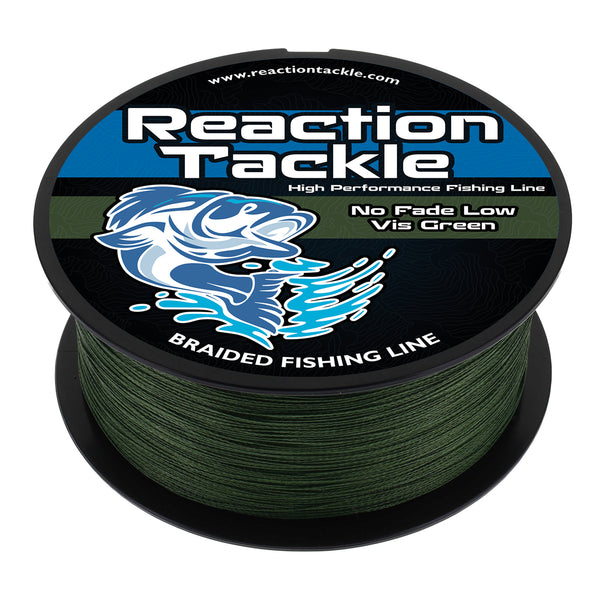
Before you head out, check your line. If it's been sitting on the reel all winter or has seen a lot of rocks and timber, it's worth replacing before a serious trip. I order most of my braid from Reaction Tackle and have been happy with it.
Top Fish to Target in Lake Hartwell
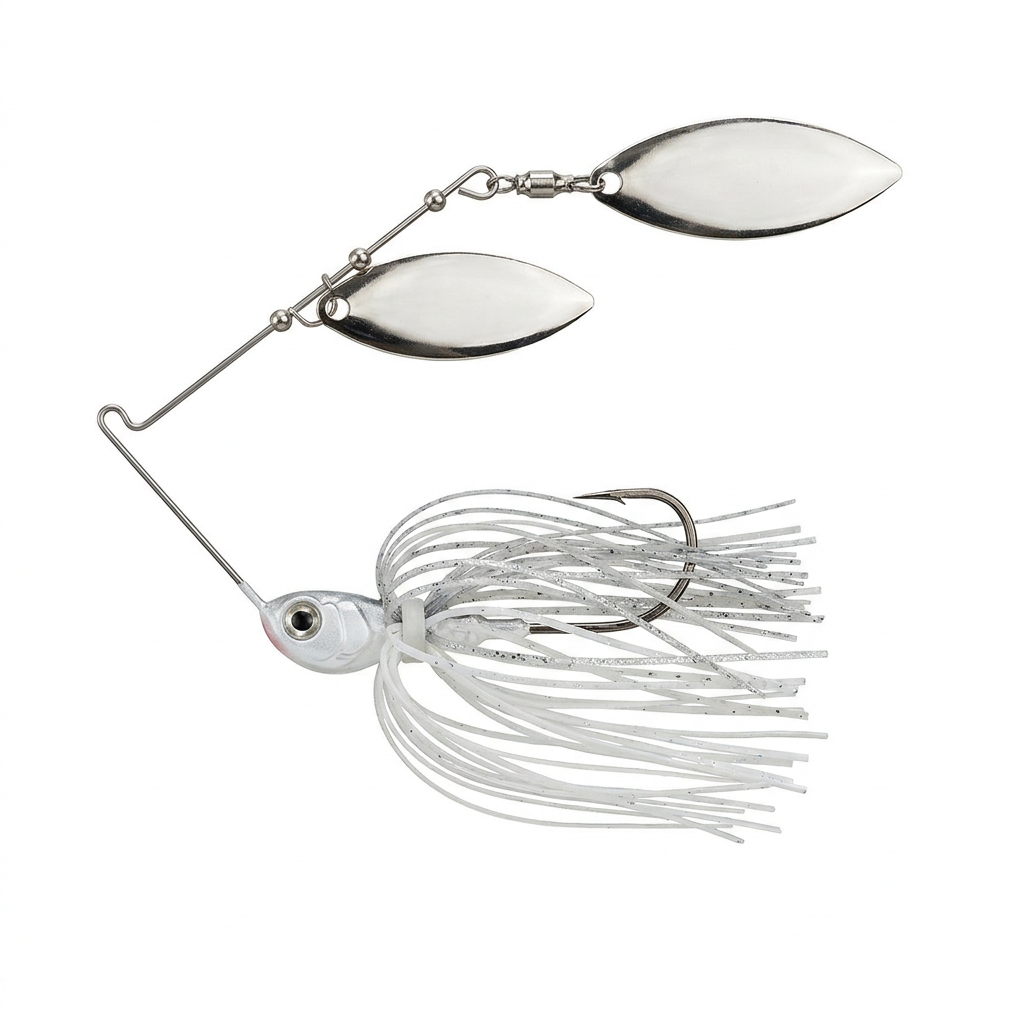
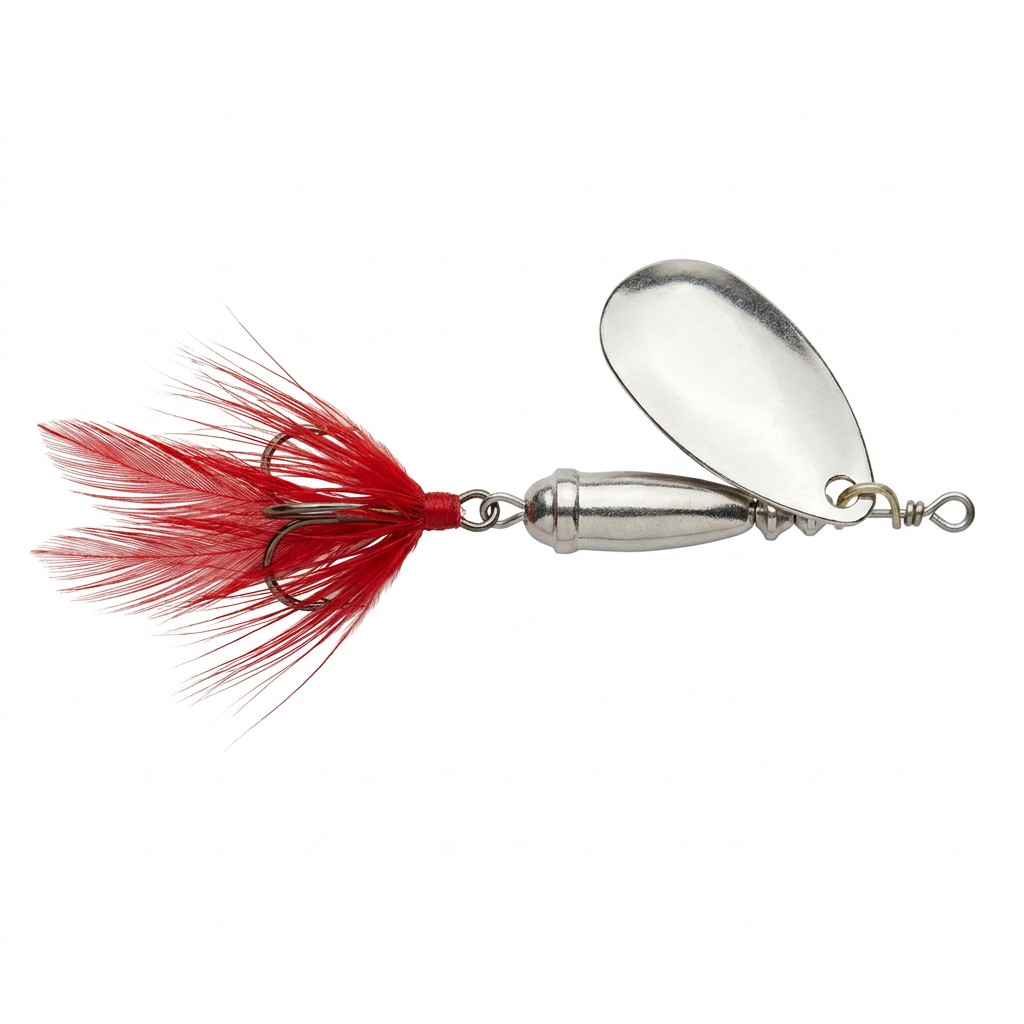
Lures for Lake Hartwell
Tackle matched to this lake's species and structure.
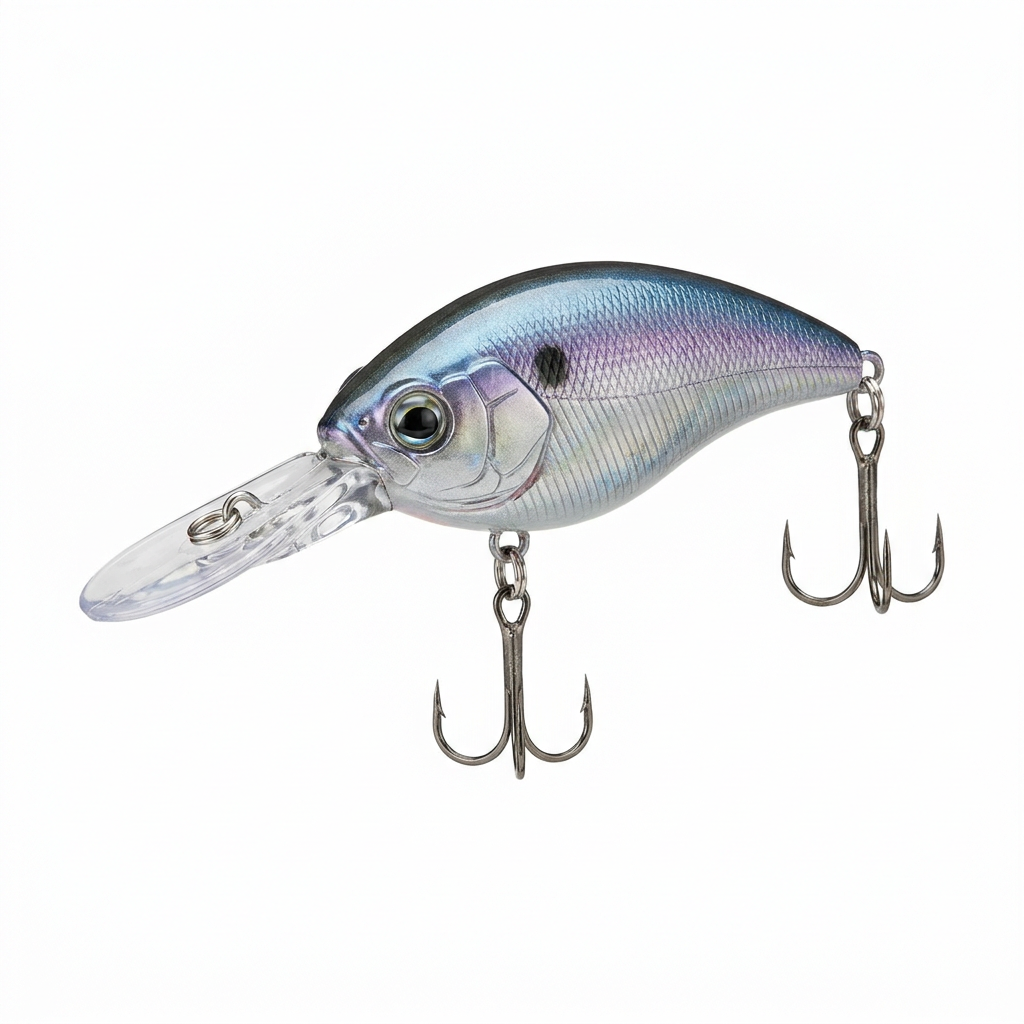
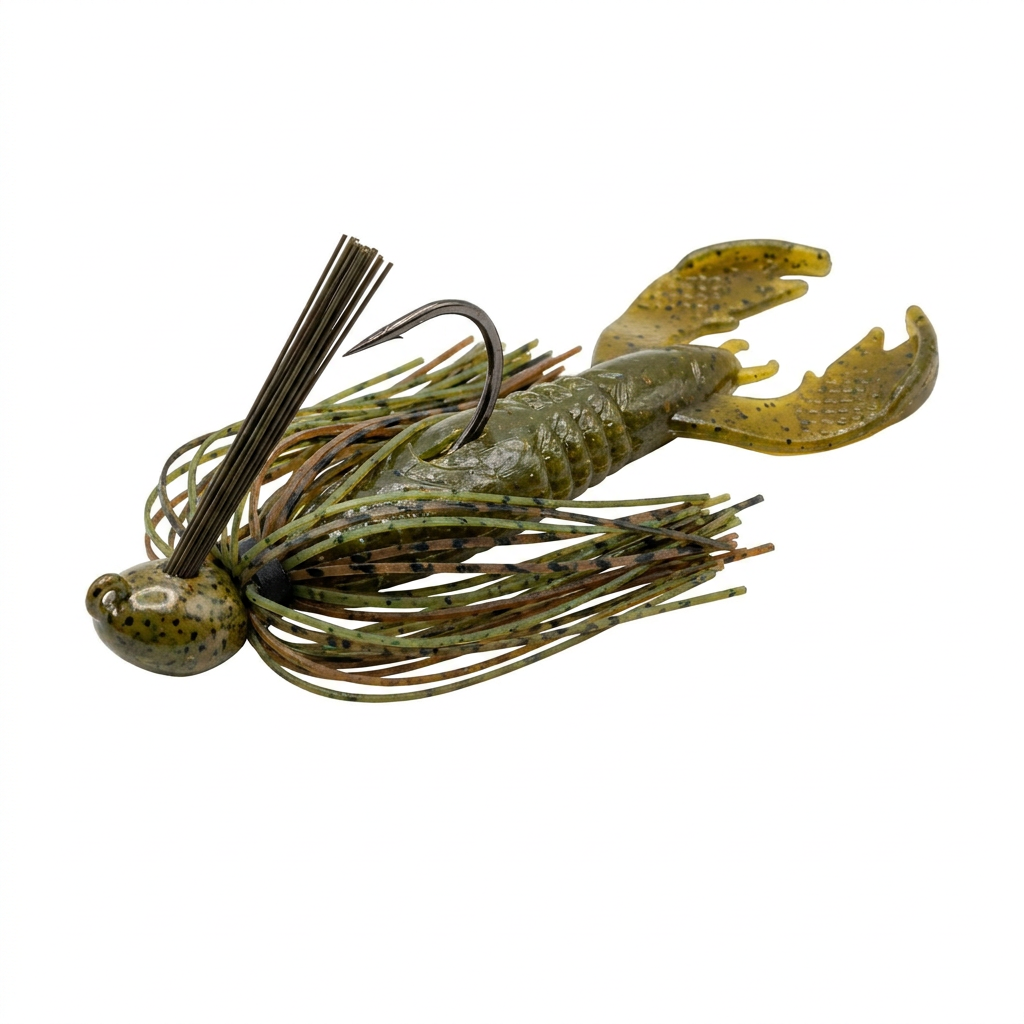
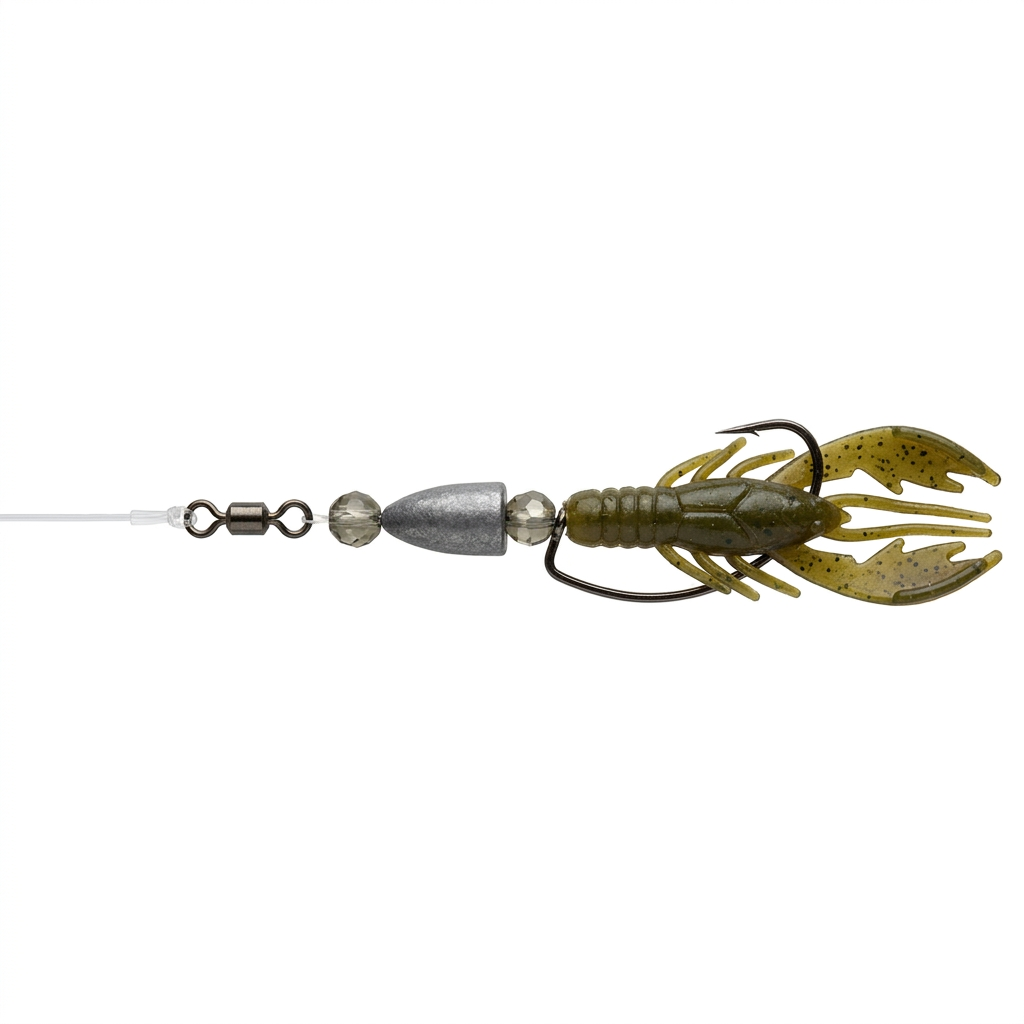
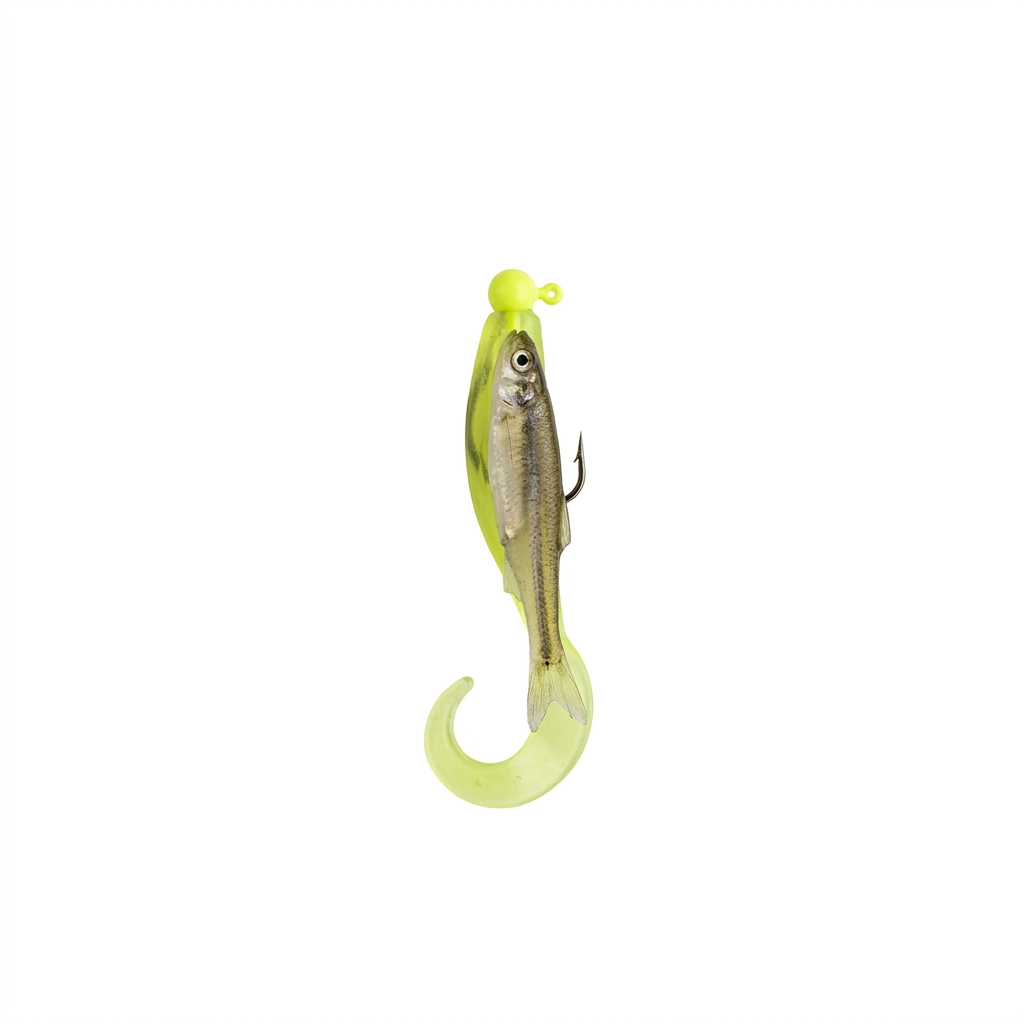
One thing I always check before a big trip is my main line. For most of the presentations that work here, you want braid. The sensitivity makes a real difference, especially when fish are finicky. I've been ordering from Reaction Tackle for a while now and haven't looked back.
About Lake Hartwell
Lake Hartwell catches my attention for the combination of clear water and the diversity of the fishery: largemouth, spotted bass, and stripers all in one reservoir. The South Carolina setting is beautiful country, and the winter largemouth fishing here, when the fish are big and the crowds are thin, sounds like a great trip. South Carolina is still on my list.
Lake size and location. Lake Hartwell covers 56,000 acres at full pool with 962 miles of shoreline across six counties on the South Carolina-Georgia border. The Tugaloo River arm extends 49 miles into the upper lake; the Seneca River arm runs 45 miles through Anderson County. The dam sits on the Savannah River system at the confluence of the Tugaloo and Seneca rivers. Anderson, South Carolina is the nearest major city on the SC side; Hartwell, Georgia anchors the Georgia side.
Two-state regulations. South Carolina DNR regulations cover the SC waters; Georgia DNR regulations cover the Georgia side. The SC largemouth bass regulation is a 12-inch minimum with a 10-fish combined daily bag. Striped and hybrid bass: maximum 10 per day, only 3 may exceed 26 inches. Verify current Georgia-side regulations at Georgia Wildlife Resources Division before fishing Georgia waters.
Water quality and depth. Lake Hartwell is a clear-water Upstate South Carolina reservoir with visibility commonly reaching 6 to 10 feet. Maximum depth at the dam is 185 feet. The lake stratifies significantly in summer, with the thermocline forming at approximately 30 feet in late April and dropping to 50 to 70 feet by fall. This stratification defines the striped bass fishery from June through October.
Fish attractors. The US Army Corps of Engineers maintains 12 named fish attractor buoys across Lake Hartwell, specifically to concentrate crappie. SC DNR maintains 11 additional structures. These attractors are the primary crappie fishing locations and are marked with buoys. GPS coordinates are available from the USACE Savannah District.
Dam and history. Hartwell Dam was built by the US Army Corps of Engineers. Construction began in October 1955 and was completed in 1963. The lake first reached full pool on March 12, 1962. The dam provides flood control, hydroelectric power, and water supply for the Savannah River basin.