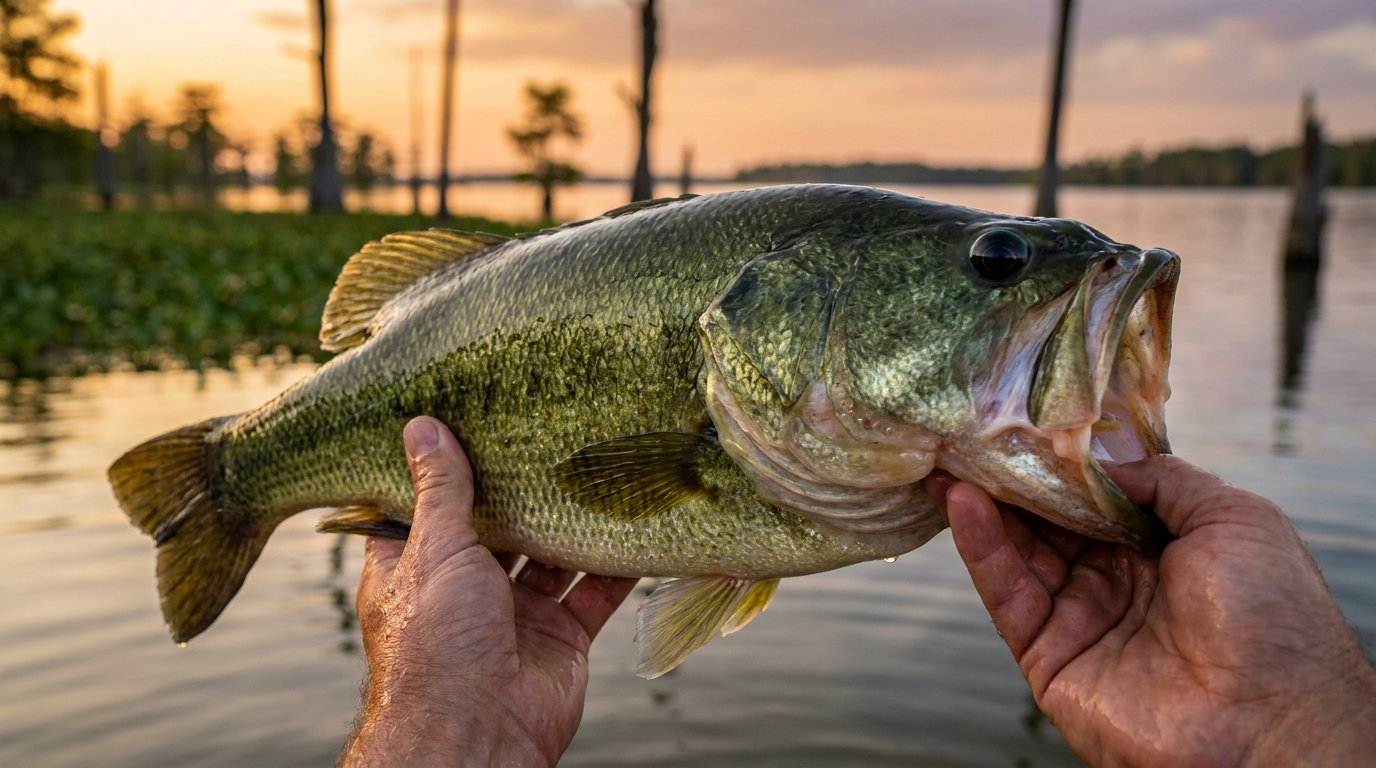
Lake Marion is one of those reservoirs that keeps coming up whenever serious bass fishermen talk about big fish in the Southeast. 110,000 acres of Santee Cooper water, hydrilla, aquatic vegetation, and a largemouth bass population that produces fish that other lakes just do not see. The striped bass fishing here is also considered among the best on the entire East Coast. I want to spend time on this lake - the sheer scale of the fishery and the quality of the target species make it stand out even in a state with strong options.
Today's Bite Score · October 8, 2026
Very favorable conditions for catching fish
🌘Waning Crescent
Lake Marion Fishing Report
October FishingMonthly fishing report · October patterns and techniques
Water conditions at Lake Marion in October are transitioning as temperatures begin to cool from summer peaks. Fish behavior is shifting as the calendar turns, with many species responding to these changing conditions. Anglers are finding that the cooling trend through the month creates improving bite windows across multiple species, making this an excellent time to be on the water.
The bite is strongest for crappie, catfish, and bass this month at Lake Marion. Crappie are holding around deeper brush and timber early in October but should move shallower as temperatures continue to drop, where they can be caught on jigs and minnows. Catfish are moving into shallower water in less than 15 feet, responding to the seasonal shift. Bass are becoming more active in shallow water, with anglers finding success running the banks and working topwater presentations as the month progresses.
Most effective techniques in October involve matching presentation to species and depth. Crappie anglers should focus on jigs and minnows around brush structure. For catfish, cut herring and cut bait in shallow water under 15 feet produce well this month. Bass anglers are finding success with topwater lures along the banks and over schooling activity. As water temperatures continue cooling through October, the overall bite should improve, making this month one of the more productive periods on Lake Marion.
Get More Fishing Report Specifics
Tap a topic button below for a report on current conditions.
Tap a topic above to get a current report for Lake Marion.
Answers are generated on demand and cached. No AI call fires until you tap a tab.
Lake Marion Fishing Guides
Looking for a Lake Marion fishing guide? 110,000 acres of hydrilla, flooded timber, and open striper water is a lot of Santee Cooper system to learn — guides here know these lowcountry waters better than anyone. Go here → to check out our recommended fishing guides for Lake Marion. Then scroll down on that page to see all of the Lake Marion fishing guides.
Lake Marion Fishing Strategies by Species
Seasonal patterns and techniques by target species · Verified against official sources
Largemouth bass, striped bass, crappie, channel catfish, bluegill, and yellow perch are the primary sport fish at Lake Marion, a 110,000-acre reservoir in Orangeburg, Clarendon, Calhoun, and Berkeley counties, South Carolina. Lake Marion is part of the Santee Cooper system, which also includes Lake Moultrie connected by the Rediversion Canal. The lake was impounded in 1942 and is one of the largest reservoirs in the eastern United States. It is nationally recognized for trophy largemouth bass in the hydrilla and aquatic vegetation fields, and is considered one of the top striped bass lakes on the East Coast. South Carolina Department of Natural Resources regulations apply. Verify current regulations at dnr.sc.gov before fishing.
Lake Marion Largemouth Bass Fishing Report
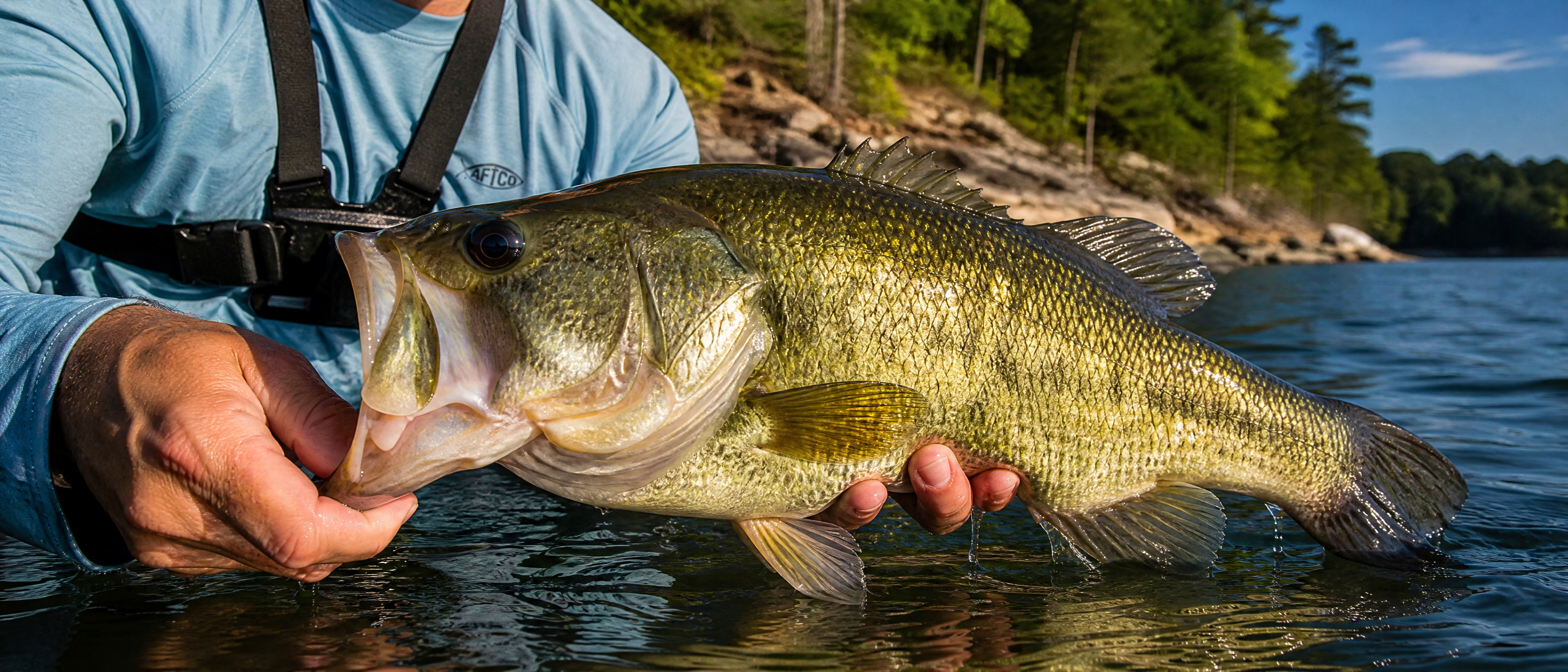
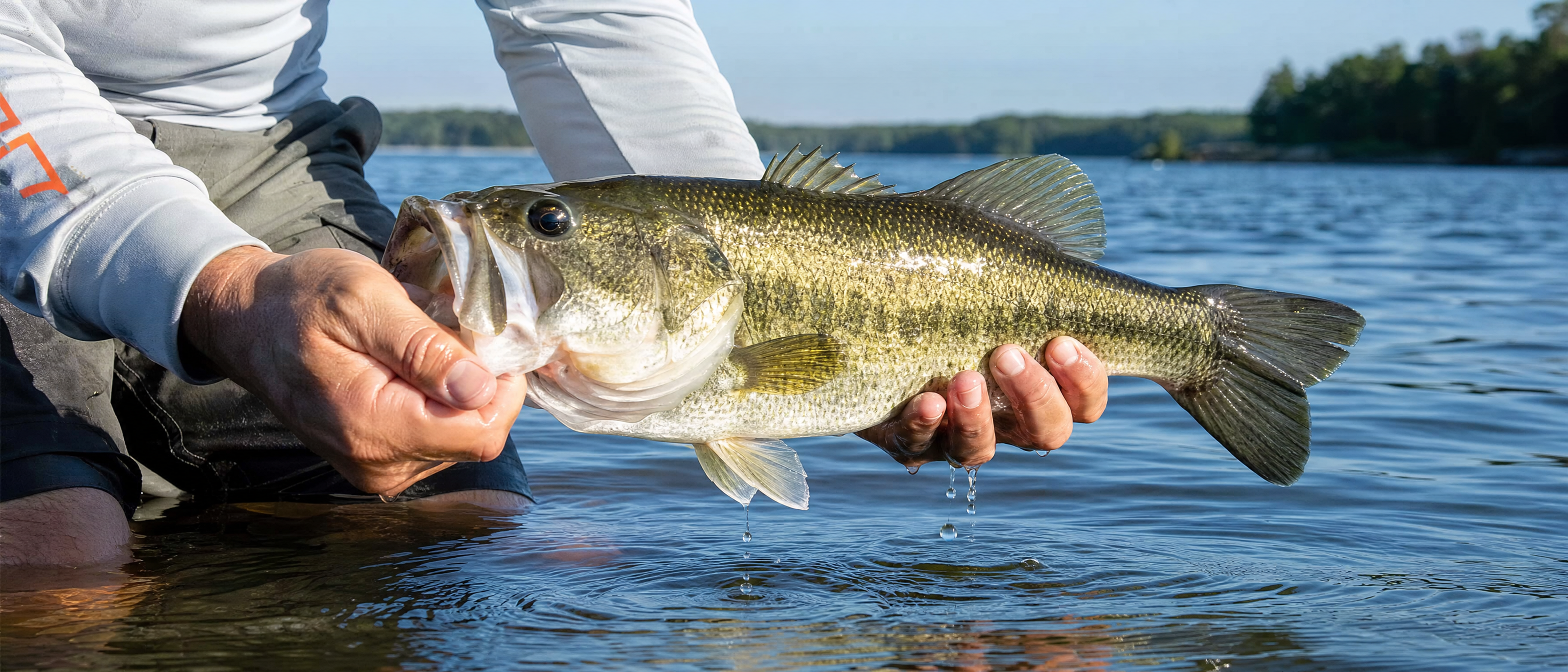
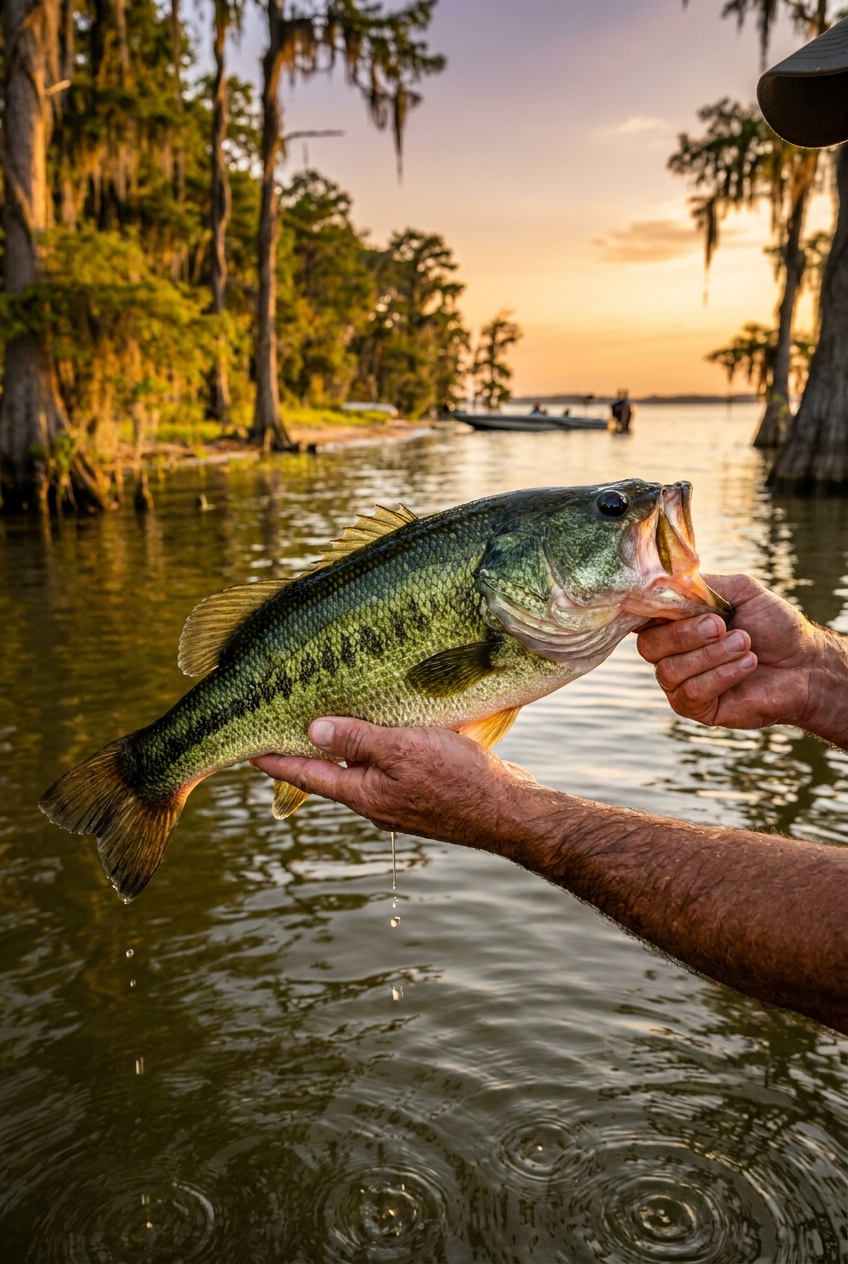
Largemouth bass at Lake Marion are defined by the extensive hydrilla beds, aquatic vegetation, flooded timber, and cypress tree structure that cover large portions of the reservoir. Lake Marion is nationally recognized as a trophy largemouth destination, and the aquatic vegetation provides ideal cover and forage concentration throughout the year. Flipping and pitching jigs and Texas-rigged worms into the hydrilla edges and cypress root systems produces quality fish. Spinnerbaits and swim jigs worked along the outer edges of the vegetation mats and the submerged timber produce more active fish. SCDNR standard South Carolina largemouth bass regulations apply: 12-inch minimum size limit, 10-fish daily bag limit. Verify current regulations at https://www.dnr.sc.gov/fishing/regs.html before fishing. Spring is the strongest season for trophy largemouth at Lake Marion. Prespawn fish stage on the deeper vegetation edges and submerged timber at 6 to 12 feet before moving into the backs of coves and the cypress-lined pockets to spawn from late March through May. The sheer size of the lake - 110,000 acres - means that pressure on any given location is lower than comparable trophy fisheries. Fall produces excellent crankbait fishing on the outer vegetation edges and the main-lake points as bass chase shad schools from September through November. The Santee area, the upper Orangeburg arm, and the flooded timber fields in the Clarendon County portion of the lake are all productive bass zones.
Lake Marion Striped Bass Fishing Report
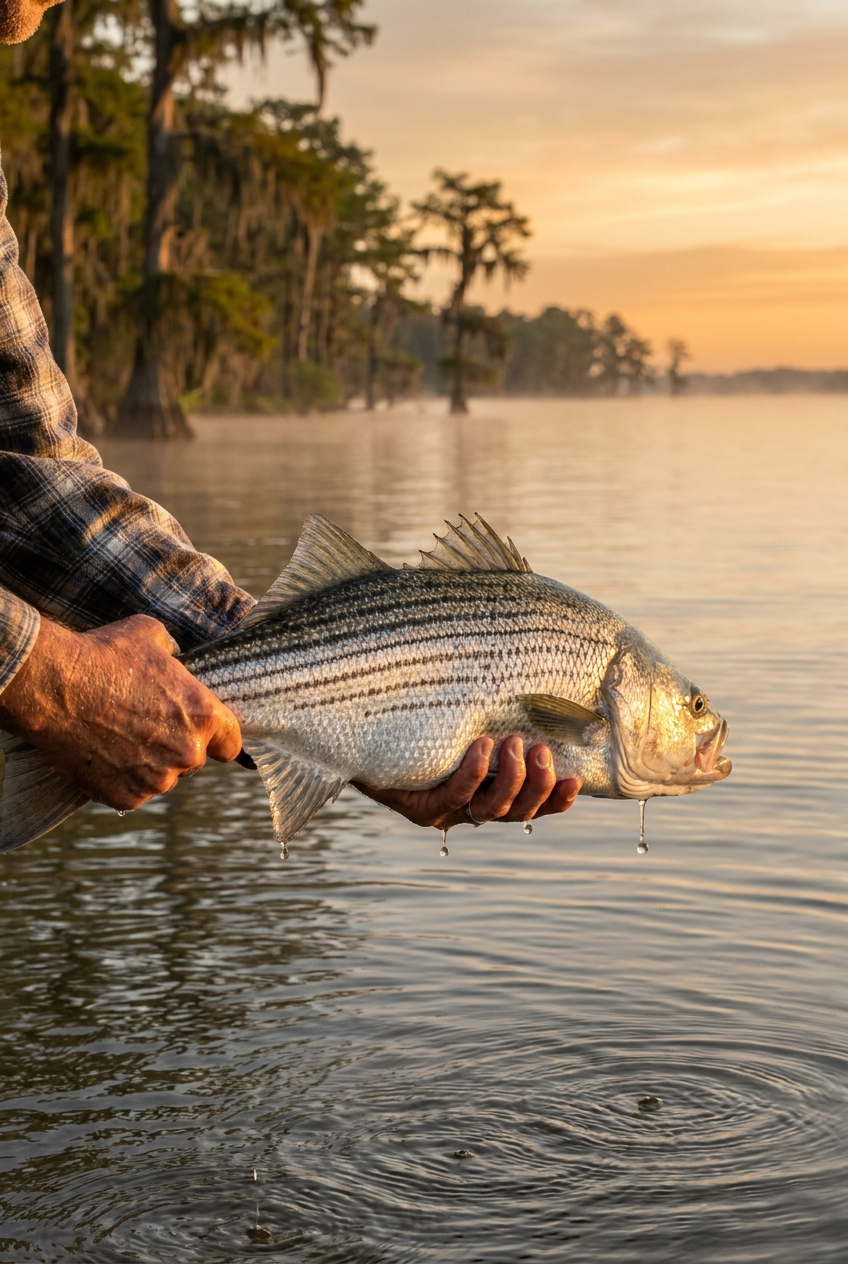
Striped bass fishing at Lake Marion is considered among the best on the entire East Coast, with the Santee Cooper system historically having one of the largest landlocked striped bass populations in the United States. Trolling large swimbaits and umbrella rigs through the main lake basin and along the Rediversion Canal connecting Lake Marion and Lake Moultrie produces consistent stripers. Live threadfin shad and eels fished on downriggers near the thermocline during summer produce the largest fish. Surface blitzes on schooling stripers pushing shad to the surface are a regular occurrence on the main lake from early spring through fall. SCDNR striped bass regulations apply: 16-inch minimum size limit, 10-fish daily bag limit. Verify current regulations at https://www.dnr.sc.gov/fishing/regs.html before fishing. Cooler months from October through April allow stripers to roam the entire 110,000-acre lake surface and provide the most accessible fishing. The area near Santee Dam, the Rediversion Canal, and the main basin along the Orangeburg-Clarendon county line hold consistent striper concentrations during cooler months. Summer stripers drop to the thermocline at 20 to 40 feet and are most accessible with downriggers or live bait fished at depth. The Santee Cooper striper fishery was the original source of landlocked stripers that were transplanted across the country beginning in the 1950s, giving Lake Marion a historically significant role in American freshwater fishing.
Lake Marion Crappie Fishing Report
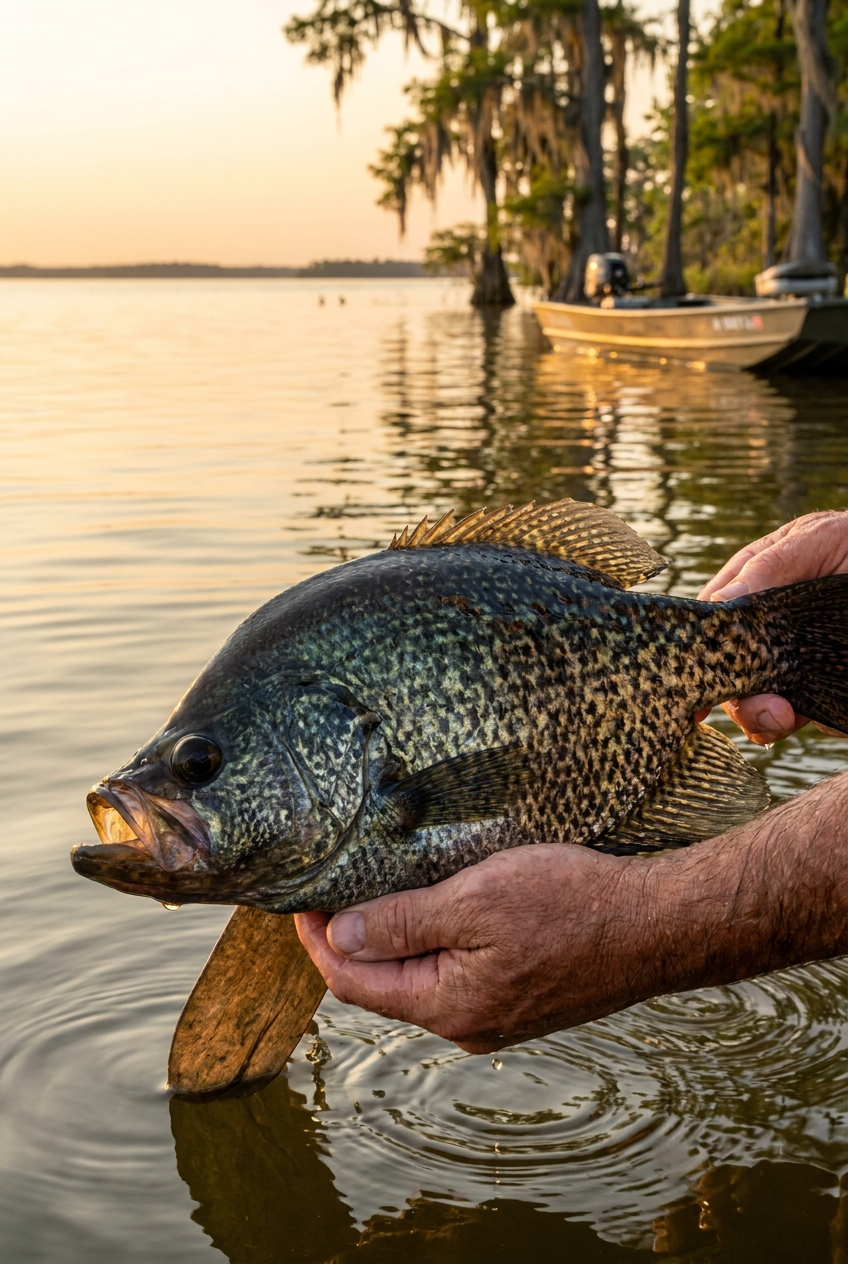
Crappie are abundant throughout Lake Marion in the flooded timber, cypress stands, brush piles, and dock structure that provide consistent year-round habitat across the massive reservoir. Both black and white crappie are present, with fish averaging solid sizes across all portions of the lake. The flooded timber fields in the Clarendon and Orangeburg county portions of the lake are particularly productive crappie zones. Small tube jigs, crappie jig-minnow combinations, and small curly-tail grubs worked vertically around submerged timber and brush produce consistent catches. SCDNR standard crappie regulations apply. Verify current regulations at https://www.dnr.sc.gov/fishing/regs.html before fishing. Spring crappie fishing peaks from late January through April at Lake Marion. Fish move from winter holding depths of 15 to 25 feet into the shallower timber and cypress structure at 5 to 10 feet as water temperatures climb through the 60s. The cypress-lined coves and the standing timber in the upper portions of both the Santee River and the Wateree River arms provide outstanding spring crappie habitat. The scale of the lake means that prime crappie timber is never crowded, even during peak season. Fall crappie return to mid-depth timber and brush and remain active through December.
Lake Marion Channel Catfish Fishing Report
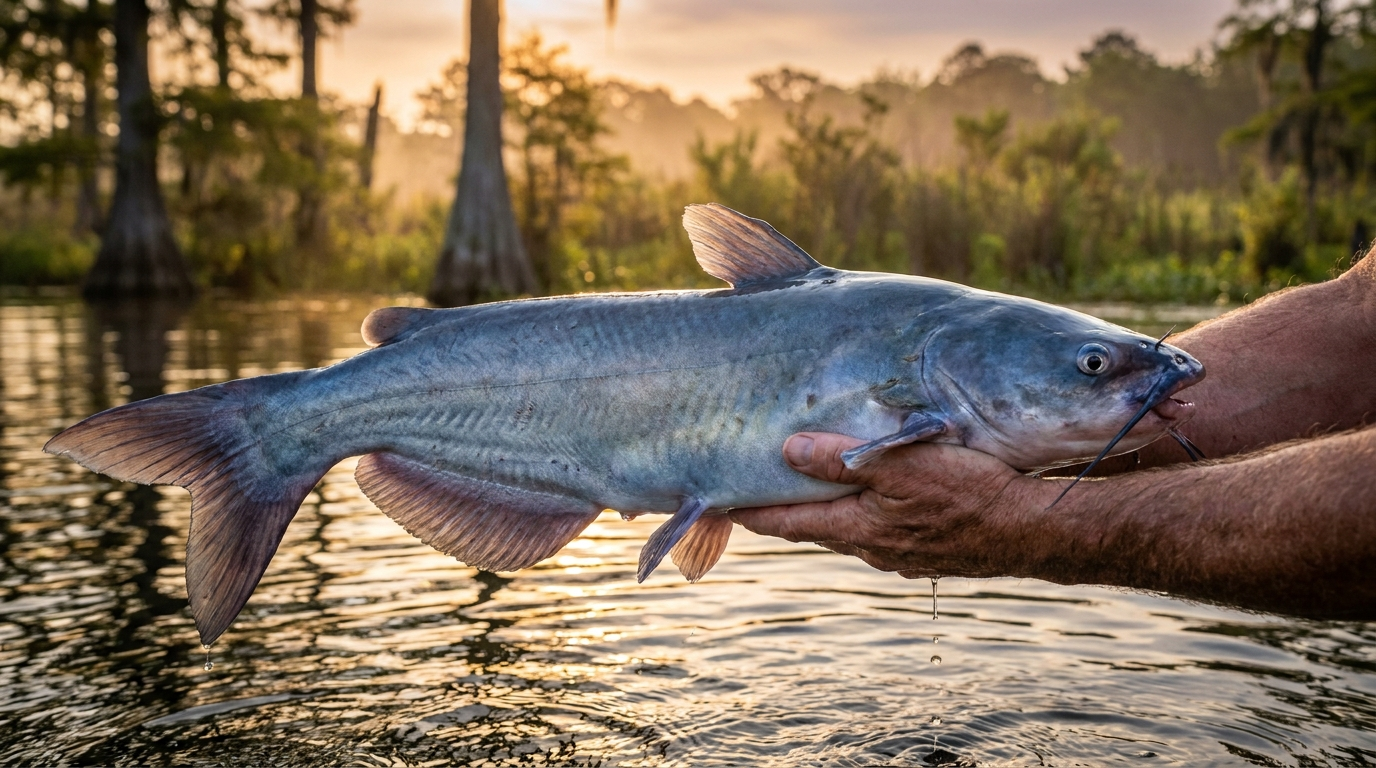
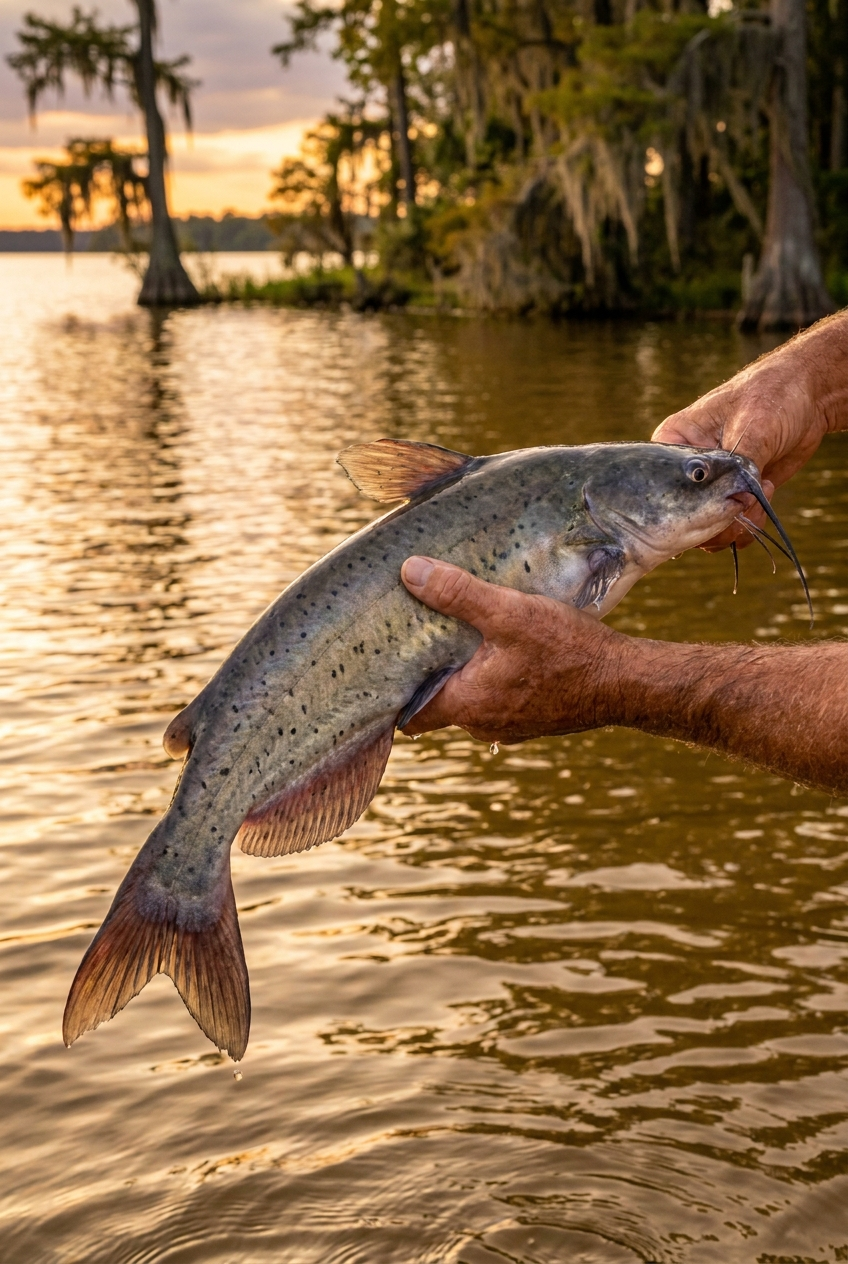
Channel catfish are abundant throughout Lake Marion in the channel transitions, tributary mouths, flooded timber areas, and the softer-bottom basin zones of the Santee River arm. The productive Santee Cooper system supports quality channel catfish across all size classes, and the large surface area of the reservoir provides extensive habitat. Cut shad, chicken liver, and prepared catfish baits fished near channel transitions and creek mouths produce consistent results from both bank and boat. SCDNR standard catfish regulations apply. Verify current regulations at https://www.dnr.sc.gov/fishing/regs.html before fishing. Summer night fishing from public access areas around Santee and the Clarendon County public ramps produces the most consistent channel catfish action on Lake Marion. The Santee River arm concentrates feeding catfish near the inflow during warm months. Large channel catfish are also regularly caught in the deeper basin areas near the main lake channel transitions throughout the year.
Lake Marion Bluegill Fishing Report
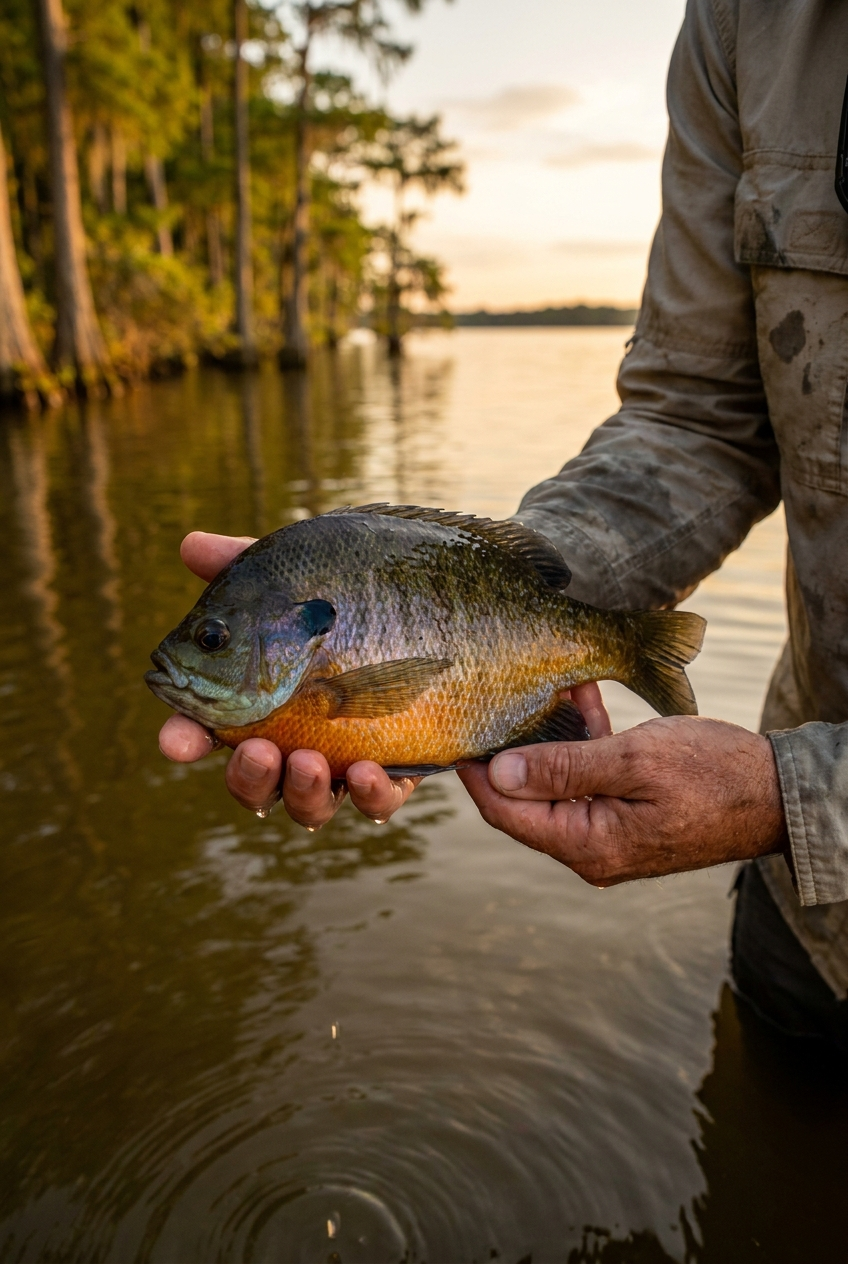
Bluegill and redear sunfish (shellcrackers) are abundant throughout Lake Marion's coves, vegetation areas, and shallow timber. The productive warm-water habitat of the Santee Cooper lowcountry supports quality bluegill across the entire reservoir. Small jigs, crickets, and earthworms fished around the cypress root systems, brush piles, and emerging vegetation in 2 to 5 feet produce consistent catches. SCDNR standard panfish regulations apply. Verify current regulations at https://www.dnr.sc.gov/fishing/regs.html before fishing. Bluegill and redear sunfish fishing peaks from May through July during the spawning period when fish bed on the sandy and firm-bottom shallows of the protected coves throughout the lake. Redear sunfish (shellcrackers) are particularly abundant in the vegetation and mussel-laden bottom areas of the Santee Cooper system and are a regional specialty. The spring shellcracker run from April through June produces some of the fastest panfish action available in South Carolina.
Lake Marion Yellow Perch Fishing Report
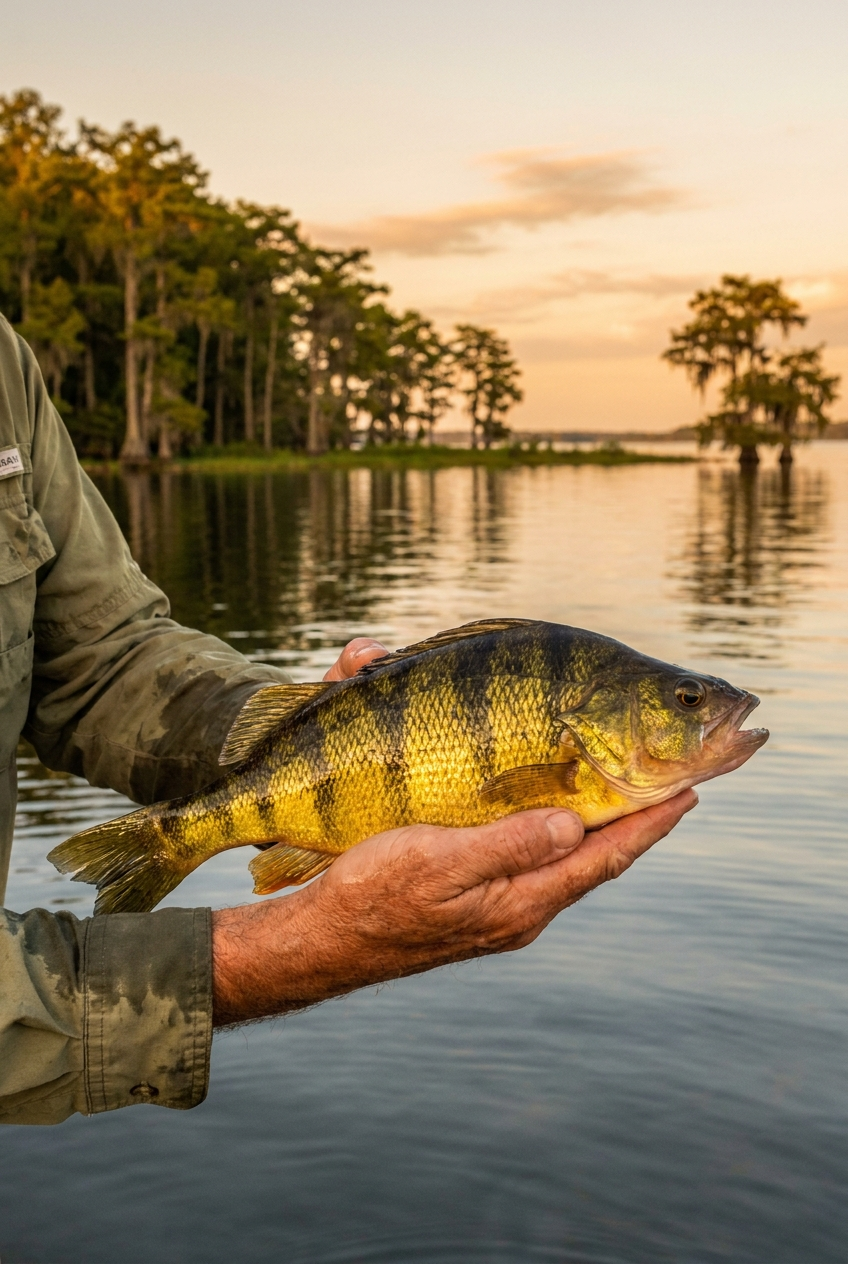
Yellow perch are present in Lake Marion as part of the diverse Santee Cooper fish community. Perch are found throughout the flooded timber and brush areas of the reservoir, particularly in the cooler deeper water portions of the lake during summer. Small jigs, minnows, and small spinners worked around the submerged timber in 8 to 18 feet produce yellow perch. SCDNR standard yellow perch regulations apply. Verify current regulations at https://www.dnr.sc.gov/fishing/regs.html before fishing. Yellow perch are most active at Lake Marion during the cooler months from November through March when fish are found in more accessible depths. Winter perch fishing around submerged timber and brush in 10 to 20 feet produces consistent catches. Yellow perch represent an additional panfish target that complements the crappie and bluegill fishing available throughout the reservoir.
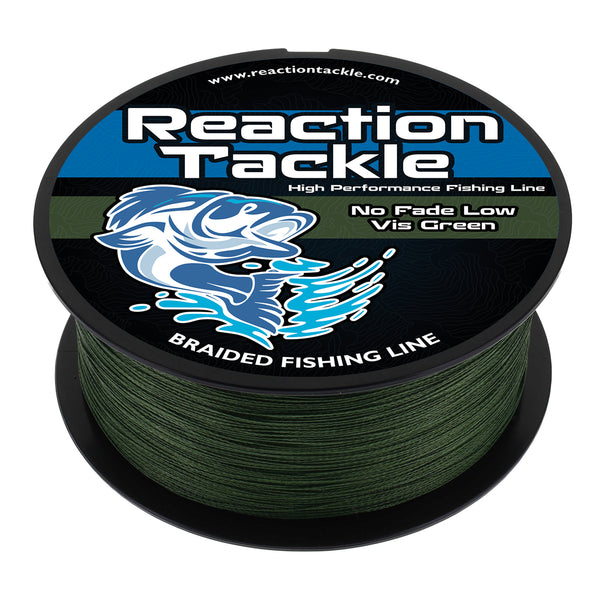
For fishing heavy cover after Largemouth Bass, I run 50-65lb braid. Zero stretch means you feel every bite and you can pull fish out of structure before they wrap you. Reaction Tackle is where I restock. Their low-vis green disappears in most water conditions.
Top Fish to Target in Lake Marion
Lures for Lake Marion
Tackle matched to this lake's species and structure.
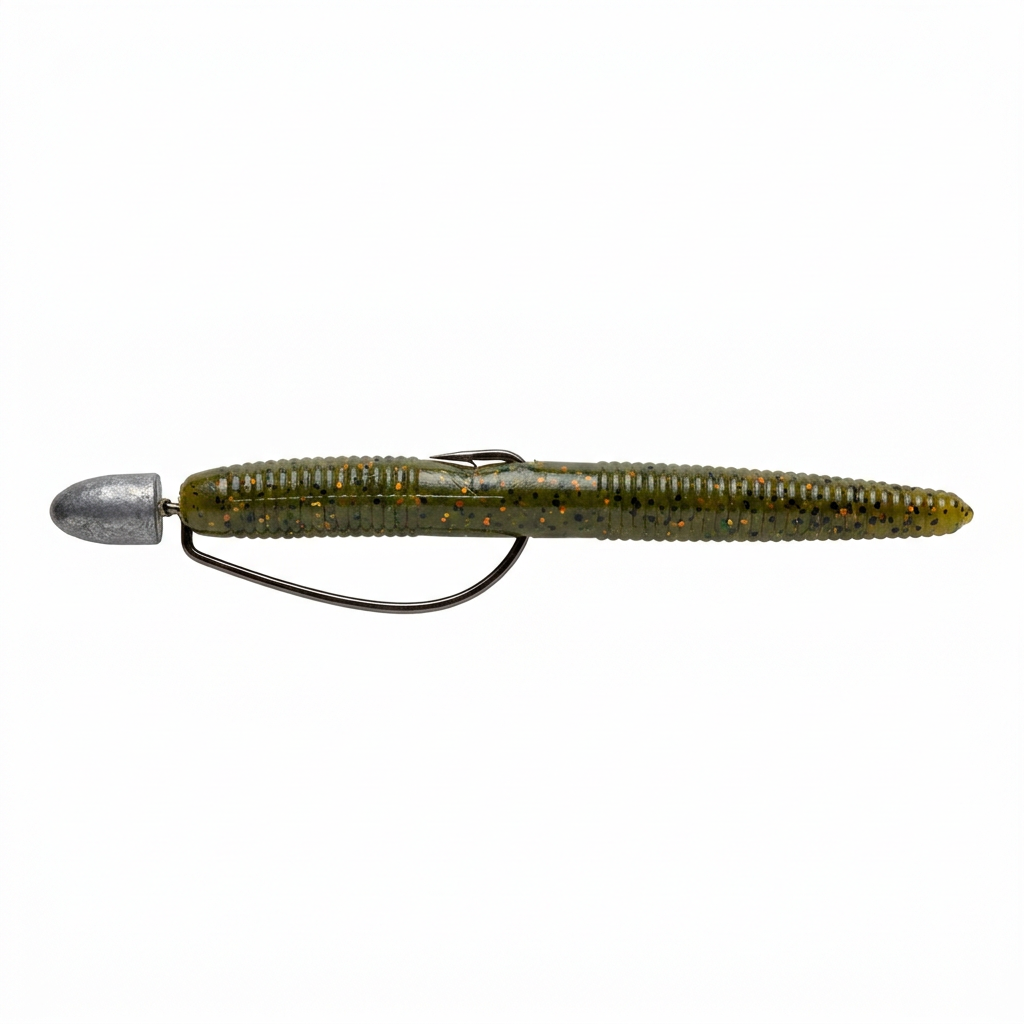
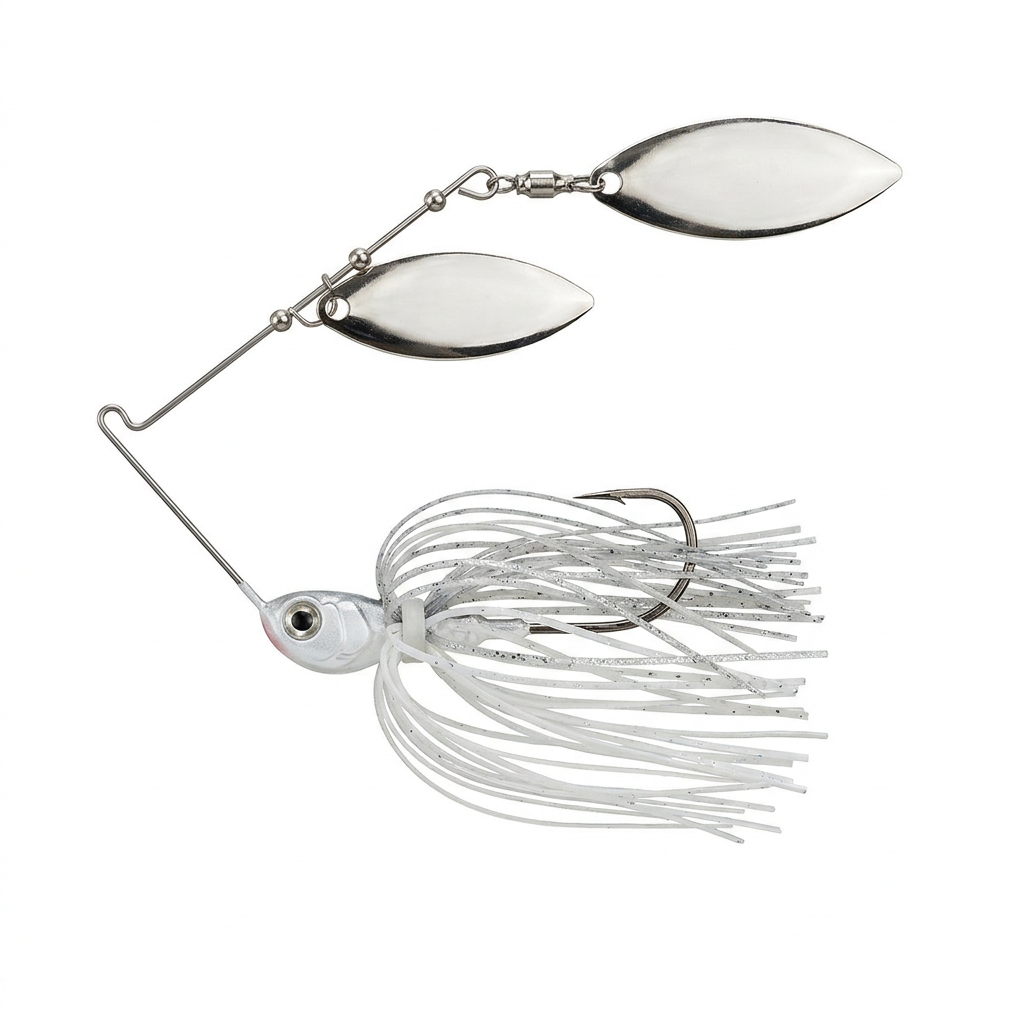
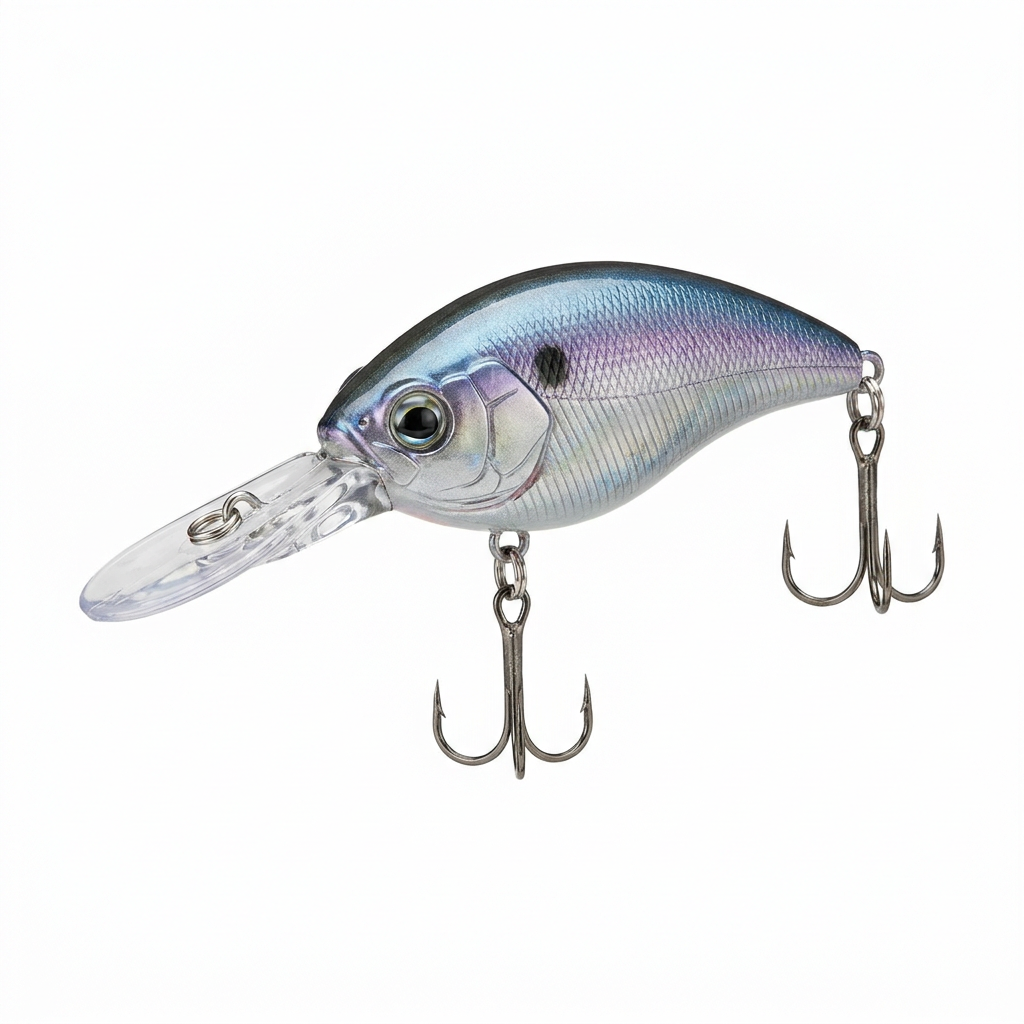
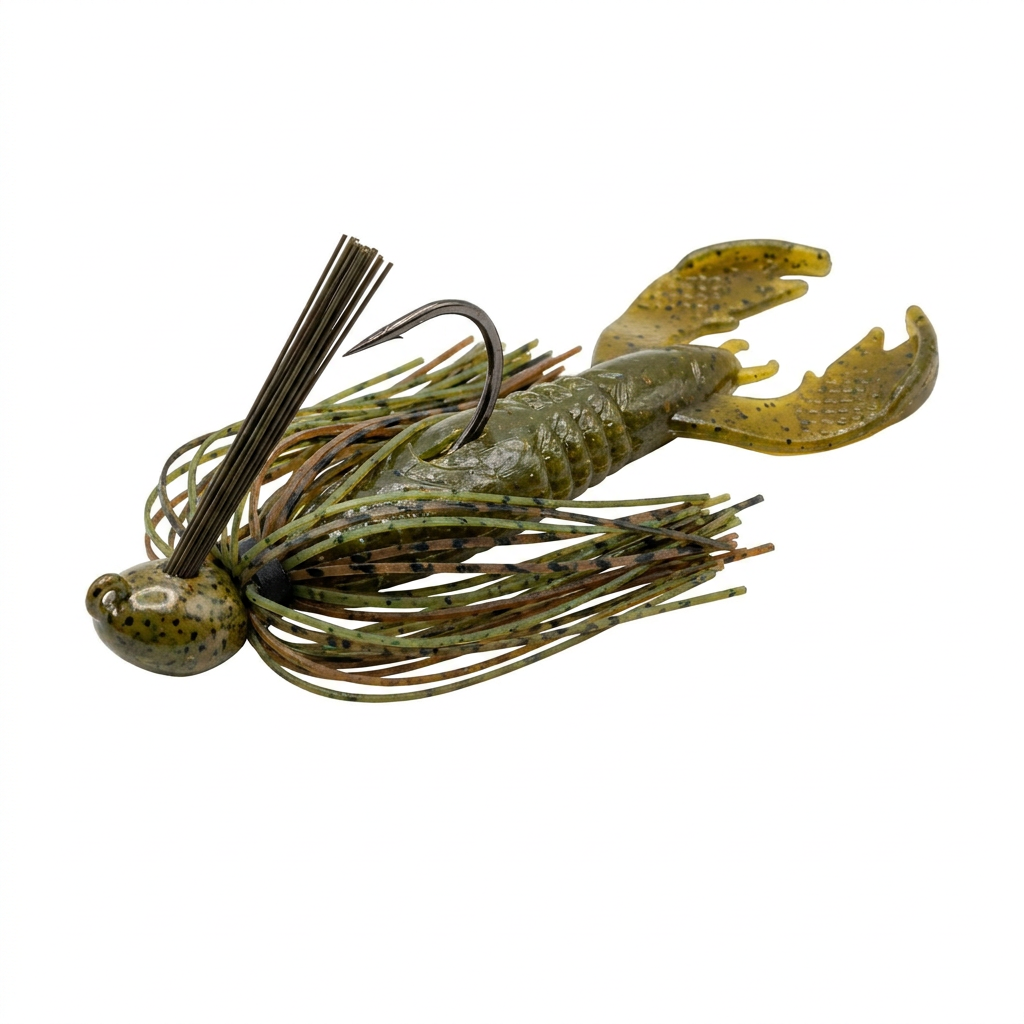
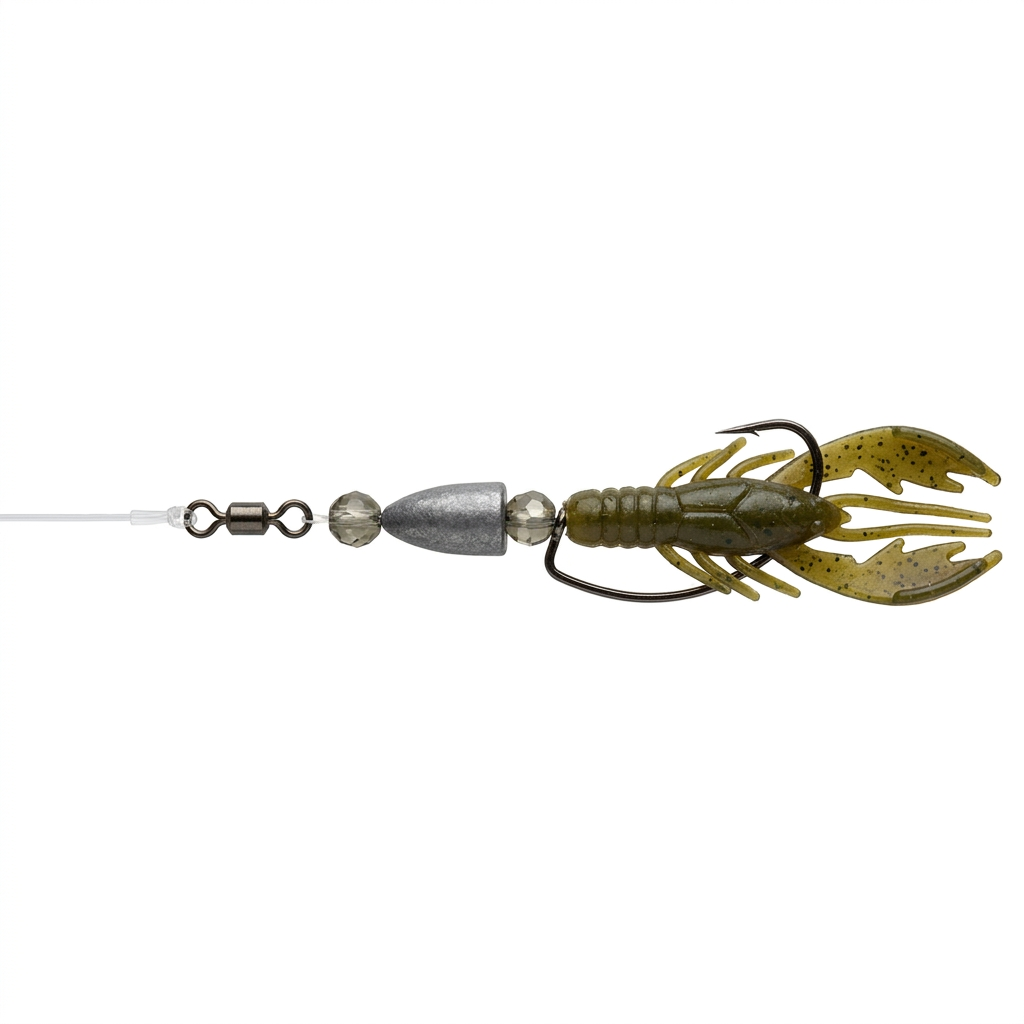
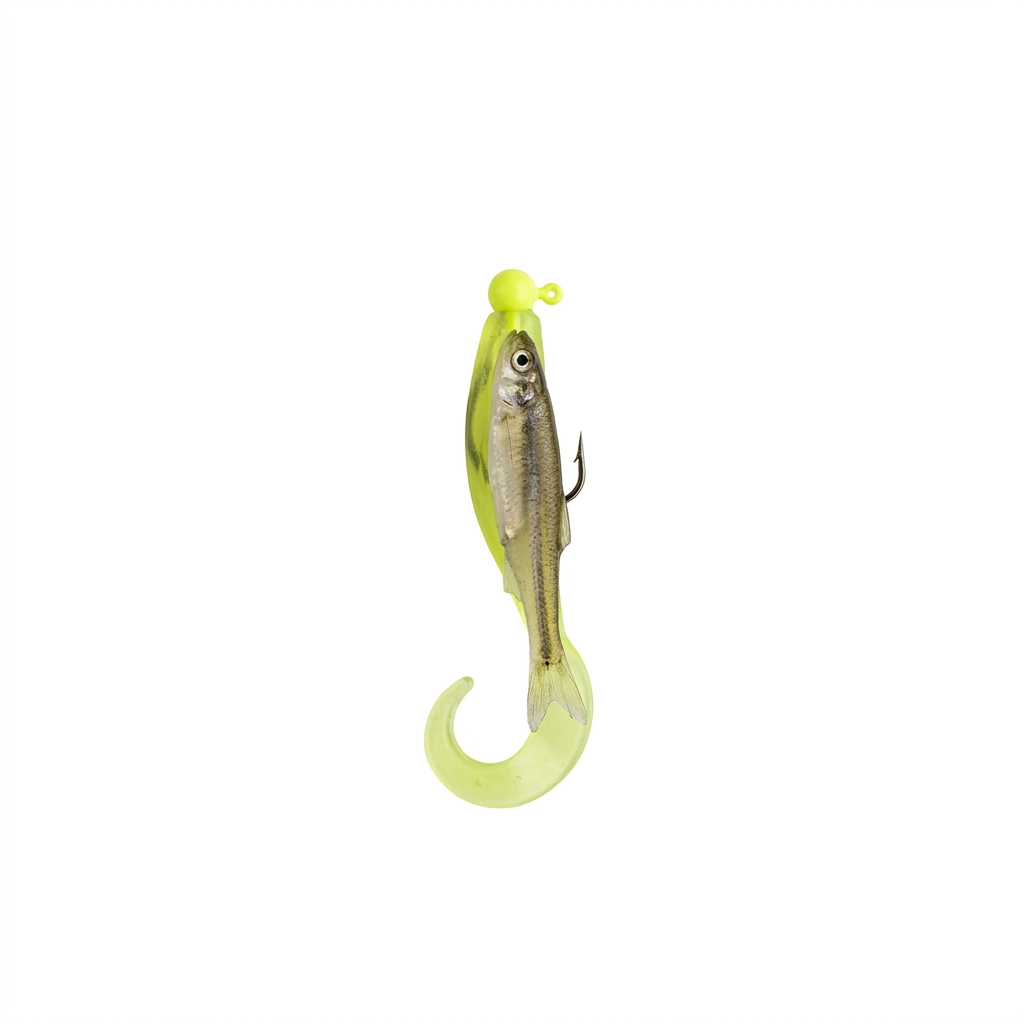
Worth checking before any trip: your line. Old braid gets brittle at the tag end and loses sensitivity over time. I rotate mine every season. Reaction Tackle is where I order from when it's time to restock.
About Lake Marion
Scale and history. Lake Marion is one of the largest reservoirs in the eastern United States, covering approximately 110,000 acres across Orangeburg, Clarendon, Calhoun, and Berkeley counties in South Carolina. The lake was created by the Santee-Cooper hydroelectric project in 1942, along with Lake Moultrie, connected by the Rediversion Canal. The Santee Cooper system was a Depression-era public works project that fundamentally changed South Carolina's lowcountry landscape. One consequence of the impoundment that no one anticipated: the original striped bass stocked in the new reservoir successfully reproduced and established the first landlocked striped bass population ever documented, launching a program that eventually spread striped bass throughout inland waters across the United States.
Trophy largemouth bass. Lake Marion is nationally recognized as a trophy largemouth bass destination. The combination of 110,000 acres of lowcountry habitat, extensive hydrilla and aquatic vegetation, flooded cypress timber, and productive warm water creates ideal conditions for large bass. The SCDNR manages the fishery with a 12-inch minimum and 10-fish daily bag. The scale of the lake means that even at peak season, bass pressure is distributed across an enormous fishable area. The Clarendon County timber fields and the upper Santee River arm are particularly well-regarded for quality fish.
Striped bass legacy. The Santee Cooper striped bass fishery has national significance: Lake Marion was where landlocked striped bass reproduction was first documented in 1942, and subsequent SCDNR stocking programs using Santee Cooper broodstock established striped bass fisheries throughout the country. Today the lake continues to produce exceptional striped bass fishing, with trolling in the main basin and live-bait fishing near the Rediversion Canal connection to Lake Moultrie being the primary approaches for larger fish.
Access and infrastructure. Santee State Park on the northern shore of Lake Marion provides public camping, fishing piers, boat ramps, and cabin rentals directly on the lake. Multiple commercial marinas and public boat ramps are available in the Santee and Manning areas. The town of Santee in Orangeburg County is the primary angling hub and has guide services, lodging, and tackle shops serving the lake.