The Santee Cooper system is a different kind of fishing experience. You do not come here for solitude, you come for numbers and for the chance at a fish of a lifetime. I have fished Lake Marion for crappie in the cypress timber on the upper end and had 40-fish mornings on a small jig and minnow. The scale of these lakes takes time to learn, but once you understand the seasonal patterns, this system consistently delivers some of the best freshwater fishing in the Southeast.
Today's Bite Score · October 8, 2026
Very favorable conditions for catching fish
🌘Waning Crescent
Santee Cooper Lakes Fishing Report
October FishingMonthly fishing report · October patterns and techniques
October conditions at Santee Cooper Lakes bring cooler water temperatures that trigger significant changes in fish behavior. As the month progresses, anglers are finding that fish begin moving from their summer haunts into more productive holding areas. The bite is improving compared to late summer patterns, with fish becoming more active and feeding with greater consistency. Water temperatures dropping throughout the month create ideal conditions for multiple species to transition into fall feeding patterns.
In October, anglers are finding black bass, crappie, and catfish among the most active species at Santee Cooper Lakes. Bass are holding around shallow banks, points, and brush piles where they can be caught on buzzbaits and topwater lures. Schooling activity becomes more widespread this month, offering anglers opportunities to locate feeding fish over deeper water. Crappie are moving from their deep summer positions into shallower brush and timber in the 12-15 foot range, where they respond well to jigs and minnows. Catfish are also becoming more cooperative this month, moving shallower and staging on main lake humps and points while feeding on various baits.
The most effective October techniques at Santee Cooper Lakes include buzzbaits and Whopper Ploppers worked along the banks for bass, with topwater lures kept ready for schooling activity. Drop shot rigs remain effective for deeper bass around structure. For crappie, anglers should fish jigs and minnows over brush and timber. Catfish anglers are finding success drifting mid-depths with cut bluegill, perch, or shad during the day, while night fishing with anchored cut bait and fan-casting to various depths produces well. Live bream or perch presented at night will also take flathead catfish this month.
Get More Fishing Report Specifics
Tap a topic button below for a report on current conditions.
Tap a topic above to get a current report for Santee Cooper Lakes.
Answers are generated on demand and cached. No AI call fires until you tap a tab.
Santee Cooper Lakes Fishing Guides
Looking for a Santee Cooper Lakes fishing guide? A local guide is worth every penny on this lake. The structure is complex, fish move with the seasons, and the guides who are out here every week know exactly where the big ones are holding. Here are 5 fishing guides for Santee Cooper Lakes that are worth checking out.
Santee Cooper Lakes Fishing Strategies by Species
Seasonal patterns and techniques by target species · Verified against official sources
The Santee Cooper Lakes, comprising Lake Marion (approximately 110,000 acres) and Lake Moultrie (approximately 61,000 acres), form the largest freshwater lake system in South Carolina and one of the largest in the Southeast. Created in 1941 by the Santee Cooper hydroelectric project, the lakes are managed by South Carolina Public Service Authority (Santee Cooper). The system is nationally known for its striped bass fishery, enormous catfish population, world-class crappie fishing in cypress timber, and quality largemouth bass. The sheer size of the system means different lakes suit different fishing styles, with Lake Marion's cypress swamp arms offering classic Southern crappie fishing and Lake Moultrie's cleaner, more open water favoring striper trolling.
Santee Cooper Striped Bass Fishing Report
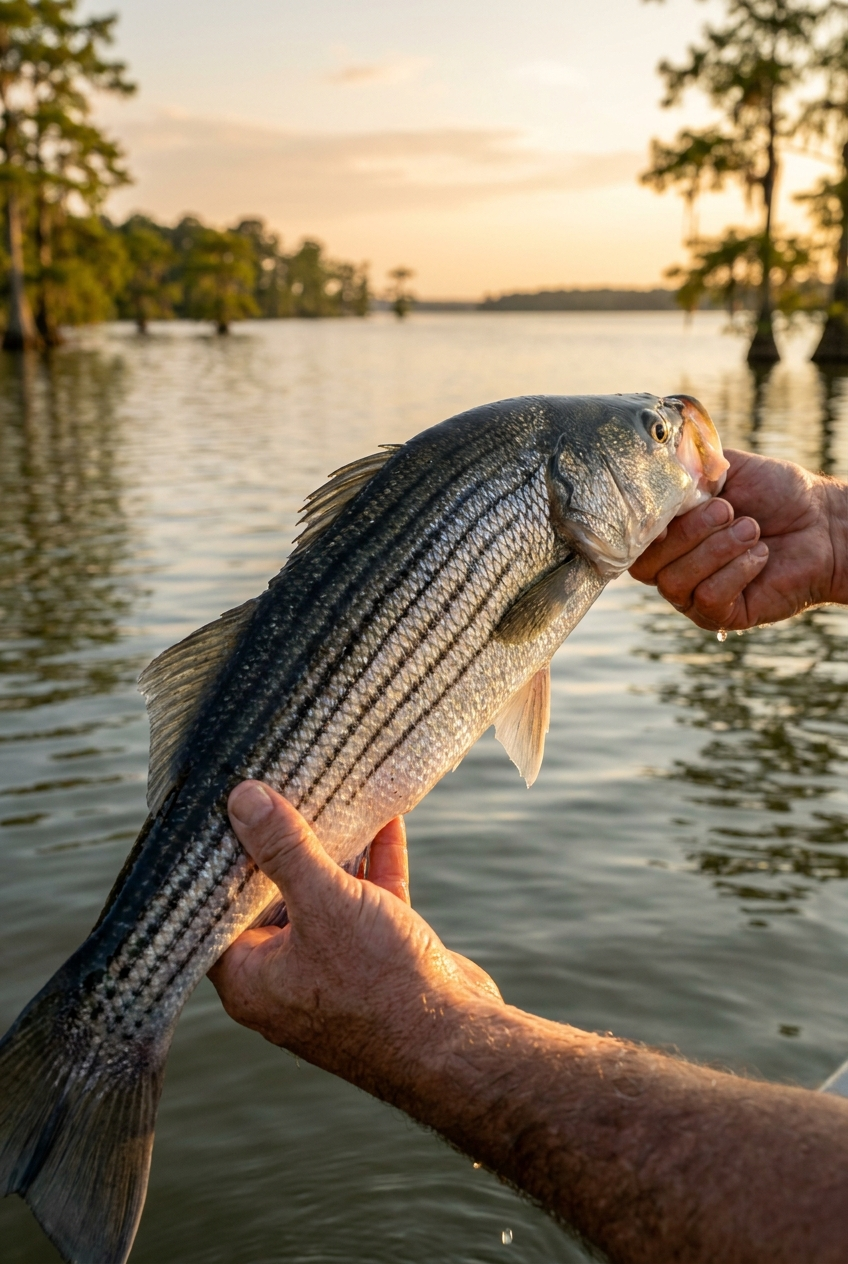
The Santee Cooper system holds the distinction of being the location where landlocked striped bass were first documented as a self-sustaining population. When Santee Cooper was built in 1941, migratory striped bass from the Santee River were trapped behind the dams. Rather than dying out, they adapted to freshwater, established a naturally reproducing population, and the discovery of this population in the 1950s led to the widespread landlocked striper stocking programs that now exist across the country. The Santee Cooper striper fishery is thus historically significant to American freshwater fishing, not just locally important. Fish in the 10 to 30 pound range are caught regularly, and fish over 40 pounds are landed each year by dedicated trolling anglers on Lake Moultrie. Lake Moultrie is the primary striper lake of the two, with its cleaner, more open water and deeper main channel providing better summer habitat than the shallower, more turbid Lake Marion. Trolling large umbrella rigs, diving plugs, and live shad along the main channel of the Tailrace Canal and the deeper sections of Lake Moultrie produces fish year-round. The Tailrace Canal connecting the two lakes is a particularly productive area, as it concentrates fish movement and provides current-related feeding opportunities. Fall through spring is the most active period for surface-oriented striper fishing. SCDNR maintains size and bag limits for striped bass in the Santee Cooper system; always verify current regulations at the SCDNR website before fishing.
Santee Cooper Catfish Fishing Report
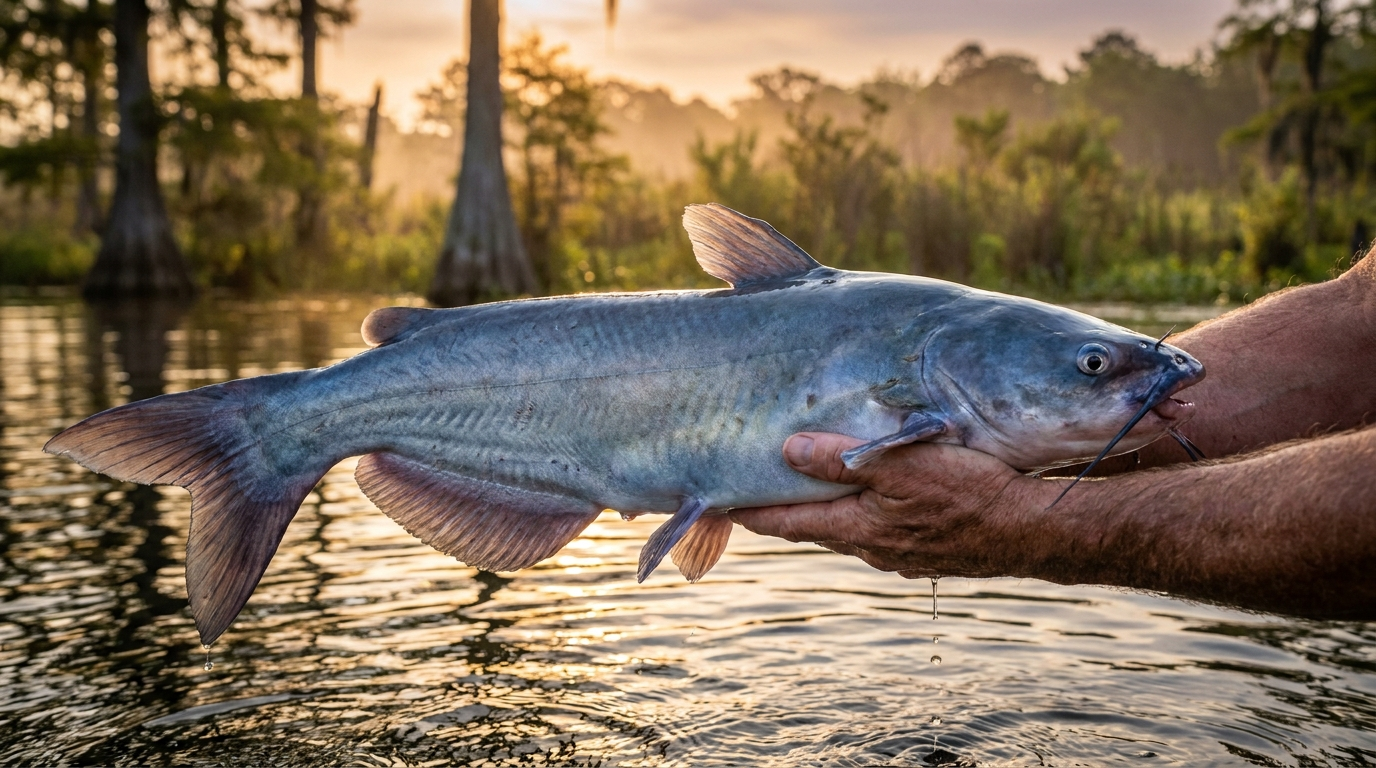
The Santee Cooper catfish fishery is legendary in the Southeast. Both blue catfish and flathead catfish reach enormous sizes in this system, fed by a nearly unlimited supply of shad, herring, and other baitfish. Blue catfish over 50 pounds are caught with some regularity, and flathead catfish of comparable size have been landed in Lake Marion. The world record for blue catfish has been set and reset in the Santee Cooper system and nearby rivers over the decades. The lakes' size, water volume, and forage base simply produce fish that few other freshwater systems can match. Blue catfish are most effectively targeted by drift fishing or anchor fishing in the main lake channels with large cut shad or skipjack herring on heavy-duty bottom rigs. Lake Moultrie's open water sections and the deeper channel areas of Lake Marion both hold large concentrations of blue cats. Flathead catfish prefer the cypre timber and woody debris in the more swampy sections of Lake Marion's upper arms, where they can be targeted with large live bream or other live bait fished near structure after dark. Night fishing is particularly productive for flatheads from May through September. Channel catfish are also present throughout both lakes in large numbers and are accessible on a wider variety of baits and techniques. SCDNR catfish regulations apply; check current rules before fishing.
Santee Cooper Crappie Fishing Report
Lake Marion's crappie fishery in the upper lake's cypress timber is one of the most storied in the South. The stands of standing cypress trees, submerged stumps, and fallen logs in the upper sections of Lake Marion between Summerton and Manning create virtually unlimited crappie habitat. White crappie dominate in the open water sections, while black crappie are more numerous in the timber. The lake produces crappie of exceptional size, with fish over 2 pounds caught regularly and 3-pound fish present in the system. Guide trips targeting crappie in the upper Marion cypress swamp are a well-established local industry, and visiting anglers who book a guide for the first time on this system come away with a much better understanding of how to fish the timber. Spring crappie fishing peaks from late February through April as fish move into the shallower timber to spawn. Small jigs in chartreuse and white, live minnows, and small minnow-style crankbaits all produce during the spawn. The ability to position a boat silently within the cypress timber and drop a small jig precisely into a 2-foot pocket of open water is the skill that separates successful crappie anglers from unsuccessful ones on Marion. Summer crappie retreat to 12 to 20 feet and hold tight to submerged timber structure. Lake Moultrie also holds quality crappie around its dock lines and bridge structure, though Marion is the preferred lake for serious crappie anglers. SCDNR crappie regulations apply; verify current rules before keeping fish.
Santee Cooper Largemouth Bass Fishing Report
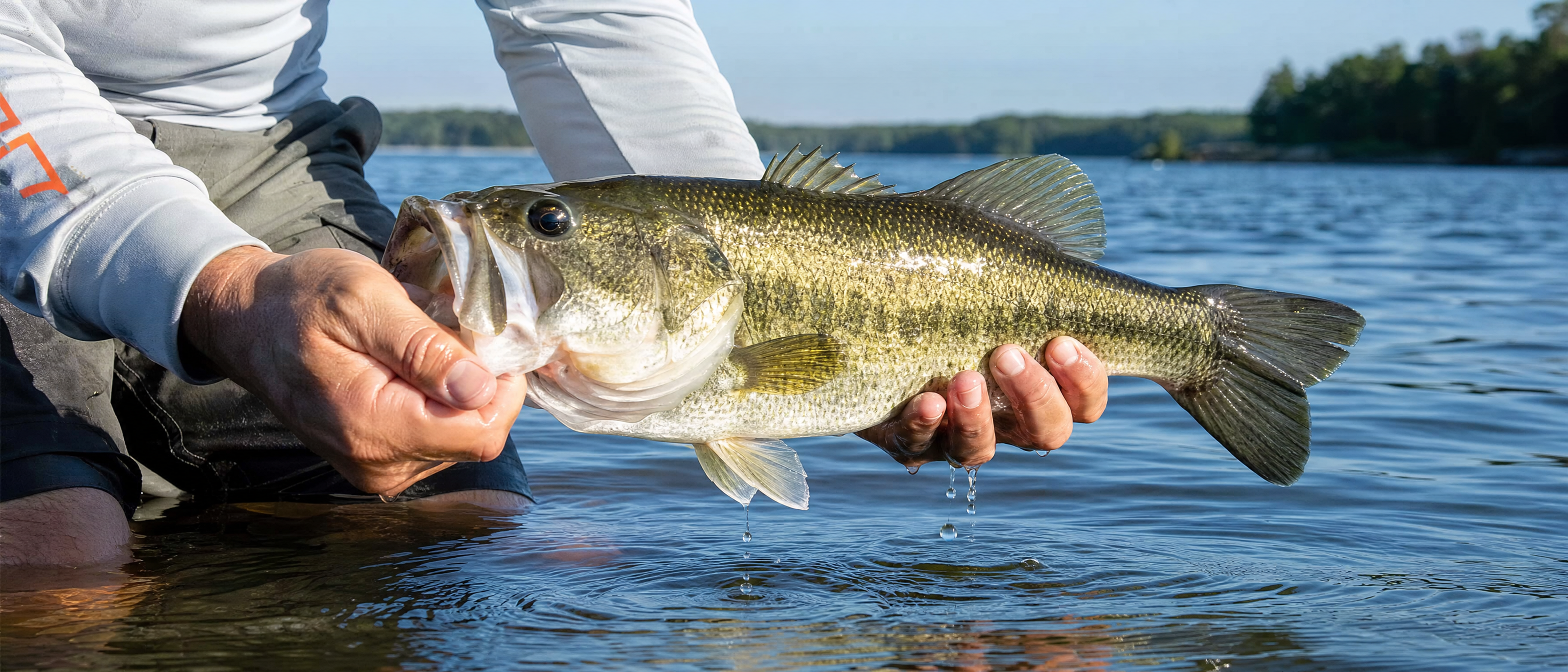
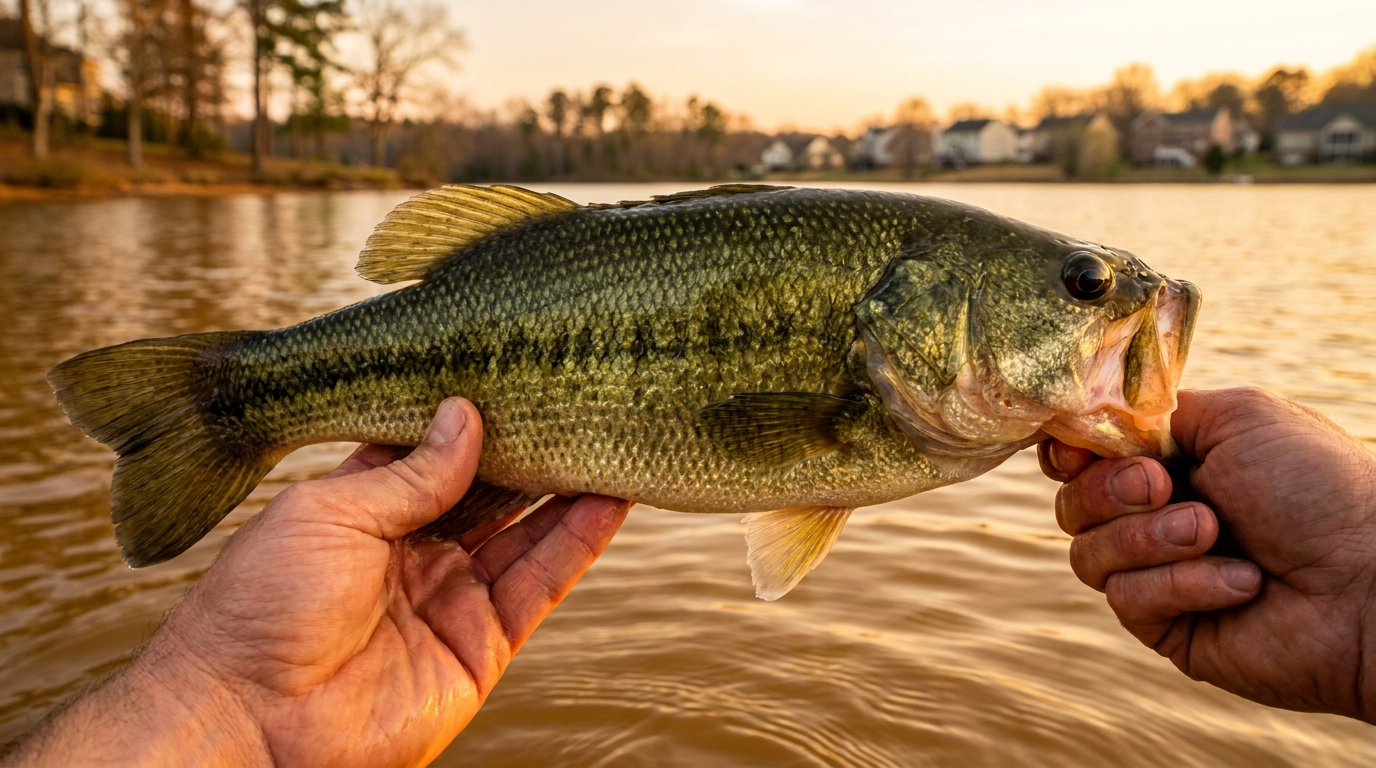
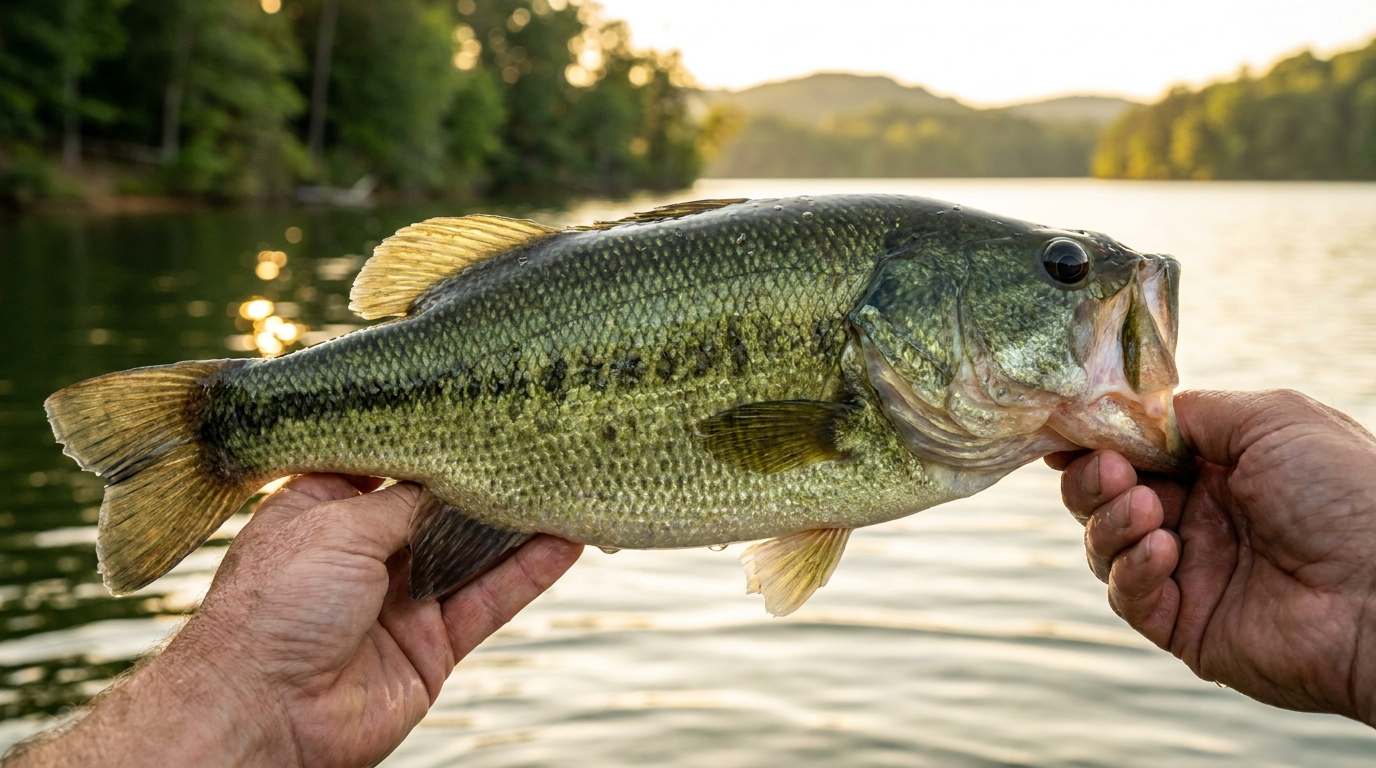
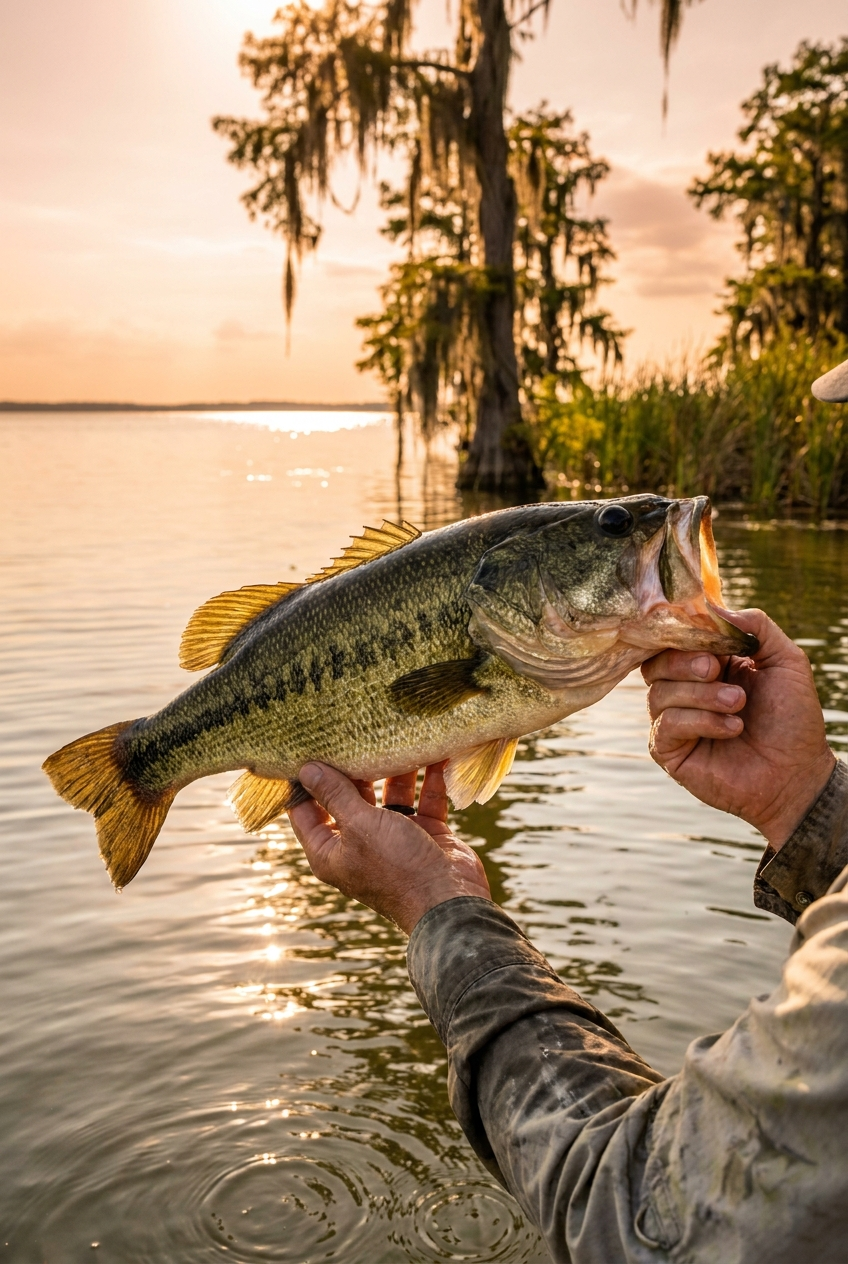
Largemouth bass fishing on the Santee Cooper system tends to fly under the radar given the system's fame for catfish and stripers, but the bass fishing on Lake Marion in particular is genuinely good. The upper end of Lake Marion with its cypress timber, grass beds, and shallow swamp structure is classic largemouth habitat, and the fish here have access to abundant baitfish and crawfish. Spring bass fishing in the cypress timber of the upper Marion is as aesthetically Southern as fishing gets: frogs along the edges of lily pad fields, jigs around root systems, and spinnerbaits through timber gaps all produce quality fish from March through May. Summer bass on Lake Marion and Lake Moultrie become structure-oriented and early morning-focused. The open water sections of Lake Moultrie have less traditional bass structure than Marion, but fish hold on the scattered points and dock lines throughout the main lake. Lake Marion's grass and timber sections hold bass through the summer heat, with early morning topwater presentations producing well along the grass edges. Fall bass fishing picks up again as water cools, and the combination of active fish and relatively light recreational pressure on the more remote sections of Marion makes for some excellent autumn days. Both SC statewide bass regulations and any applicable special rules apply; verify current requirements at SCDNR before fishing.
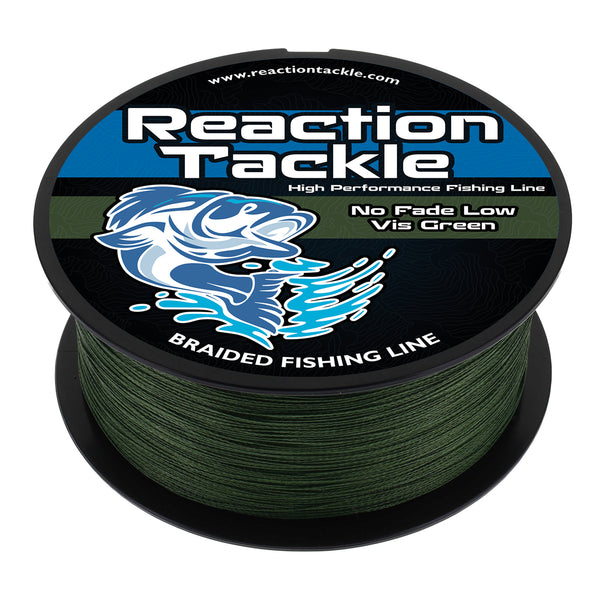
If you haven't replaced your braided line in a season or two, now's the time. Braid holds up better than mono, but abrasion from wood and rock adds up. Reaction Tackle is one of my favorite places to order from.
Top Fish to Target in Santee Cooper Lakes
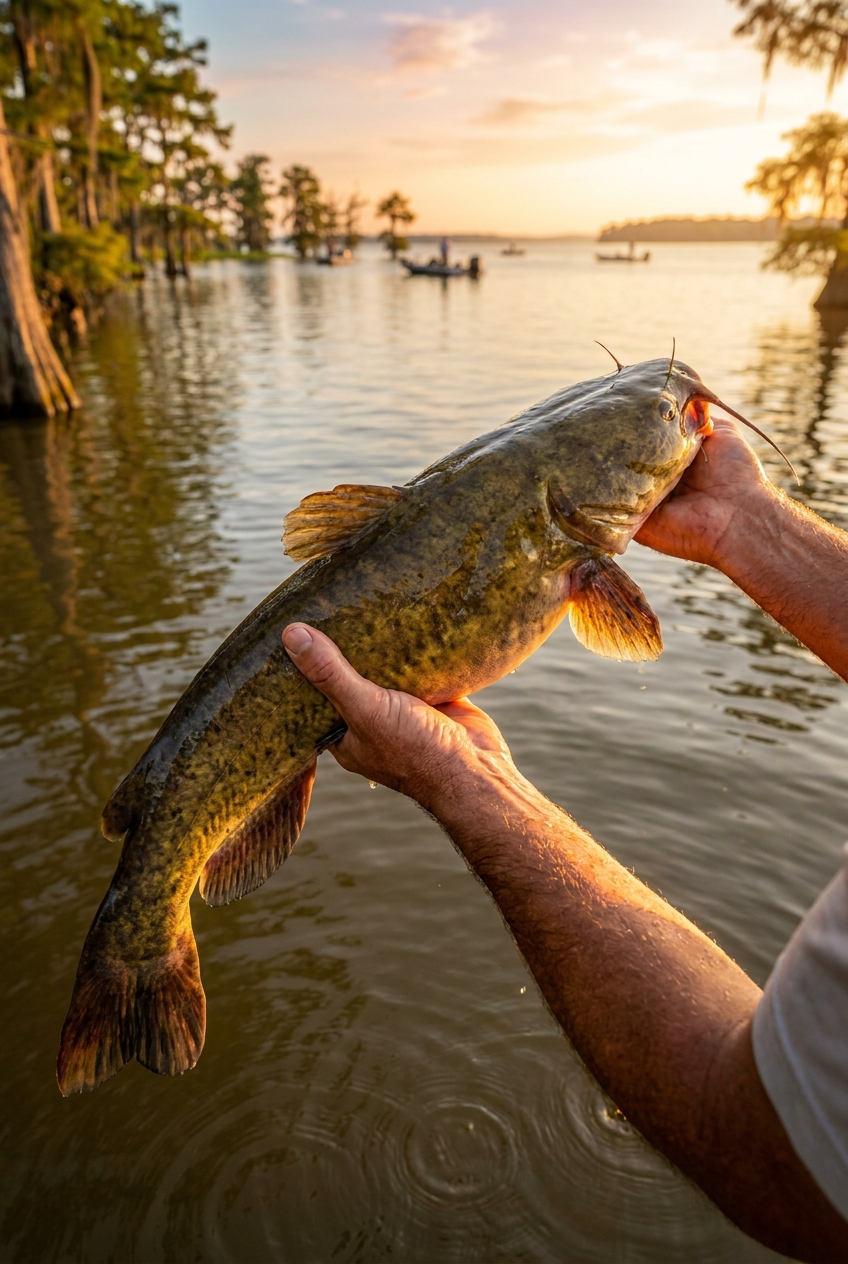
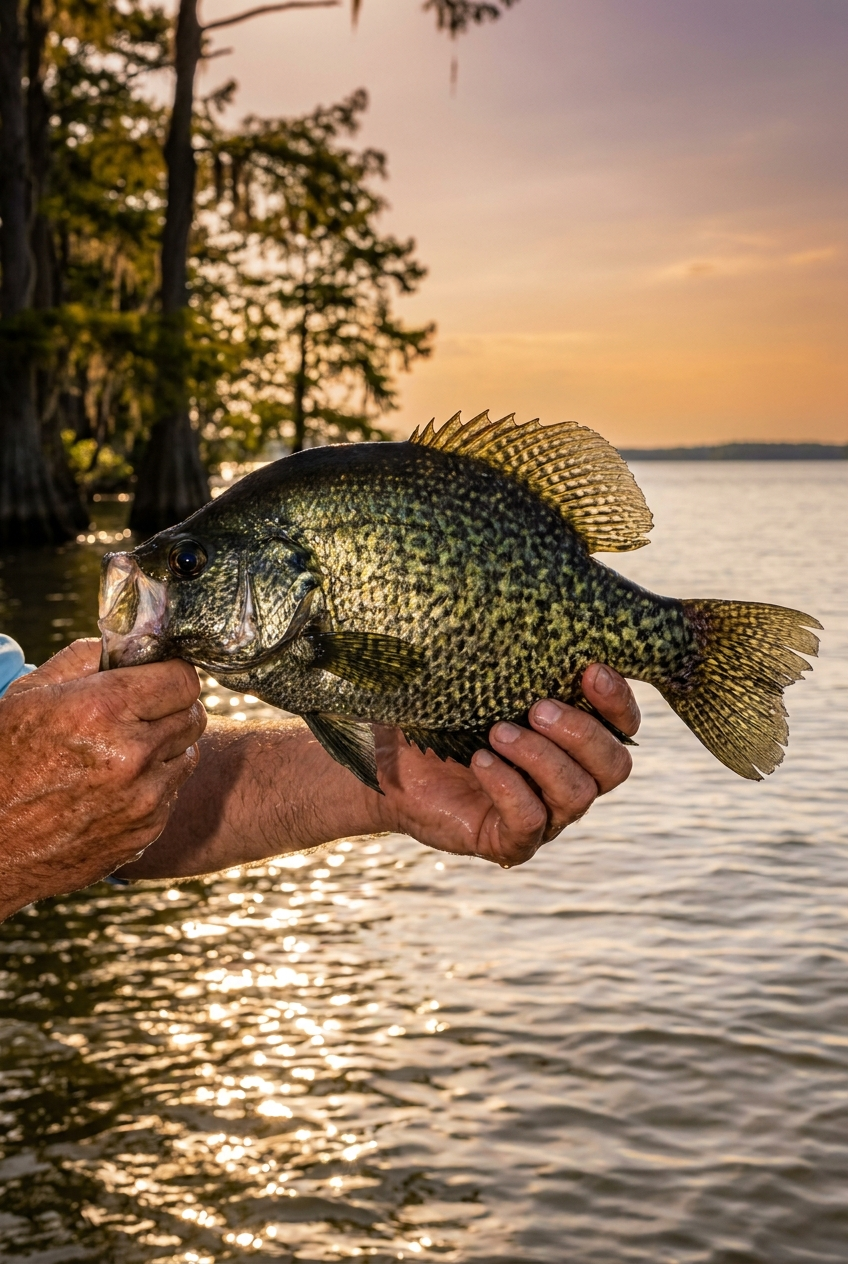
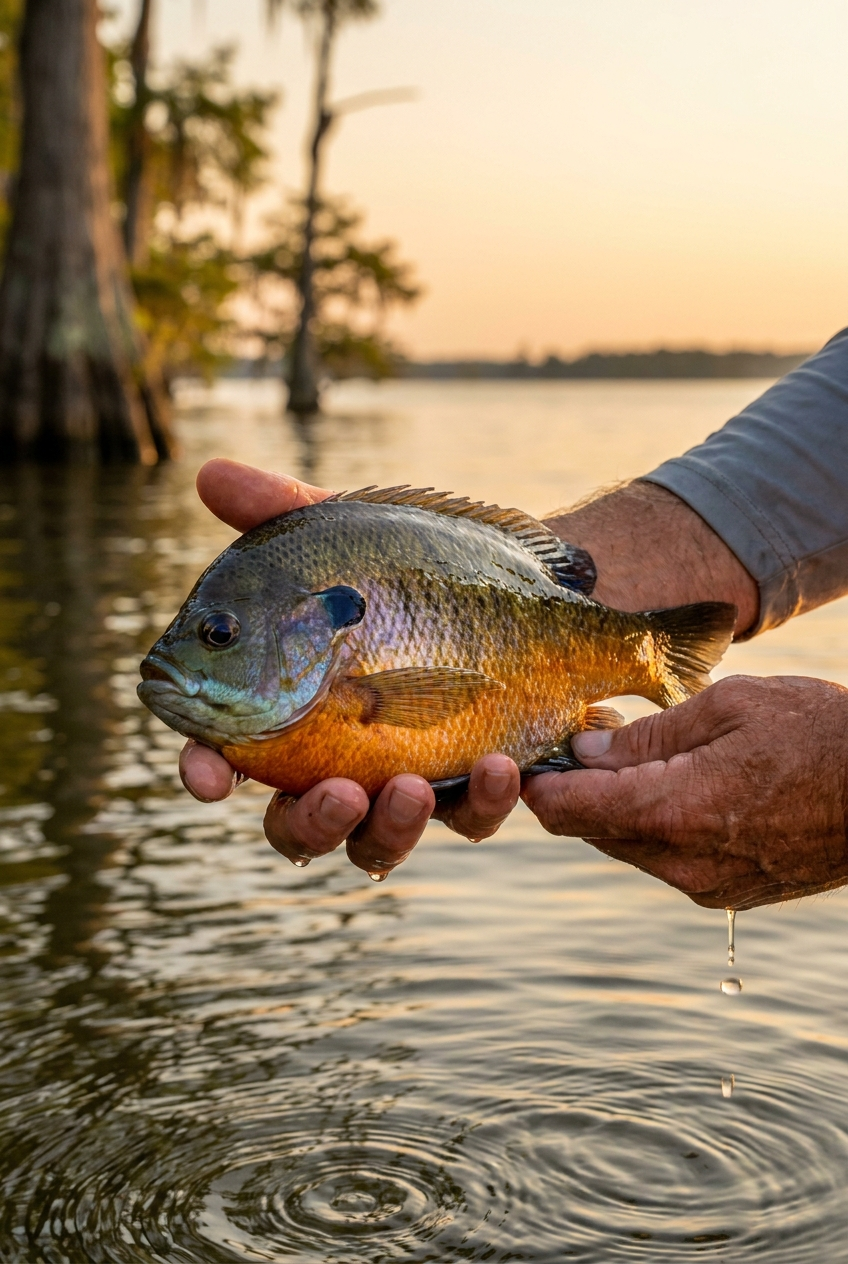
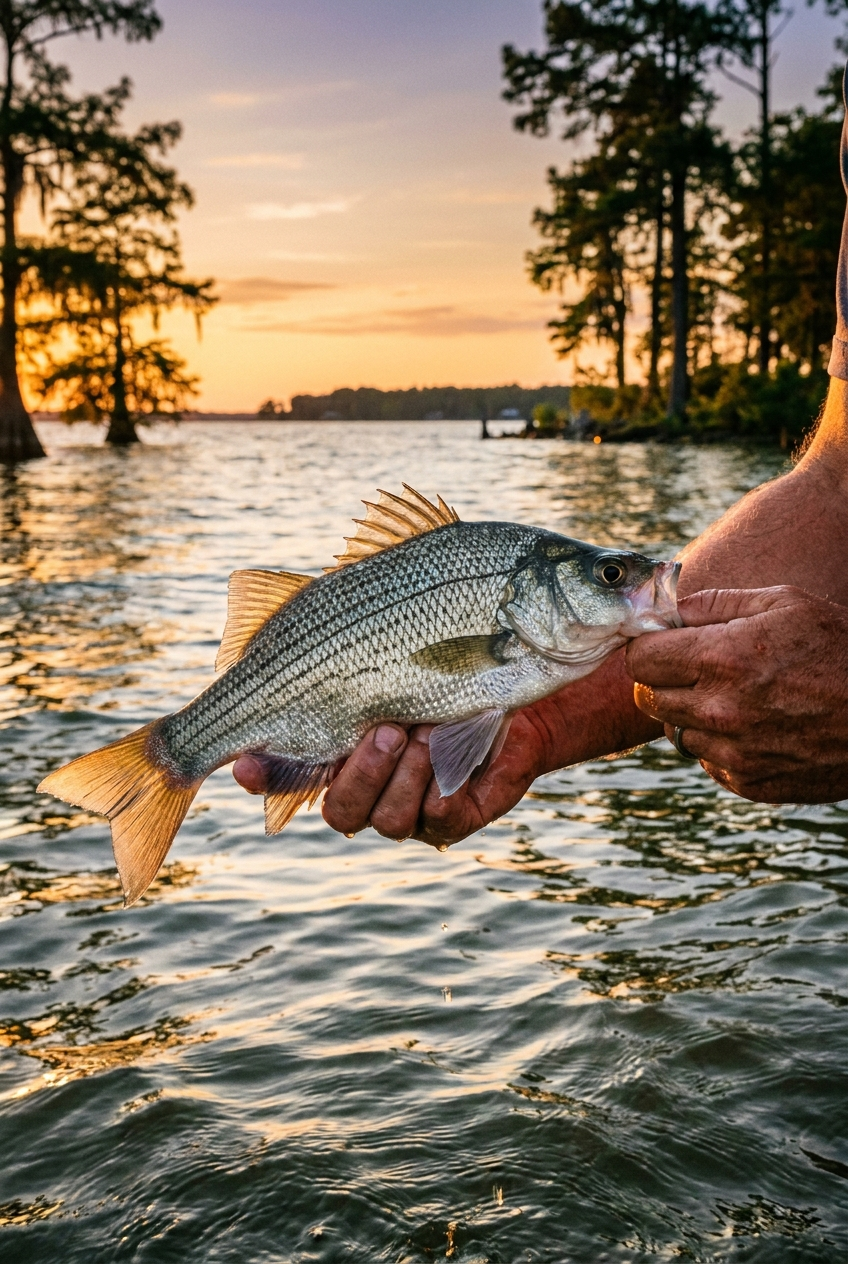
Lures for Santee Cooper Lakes
Tackle matched to this lake's species and structure.
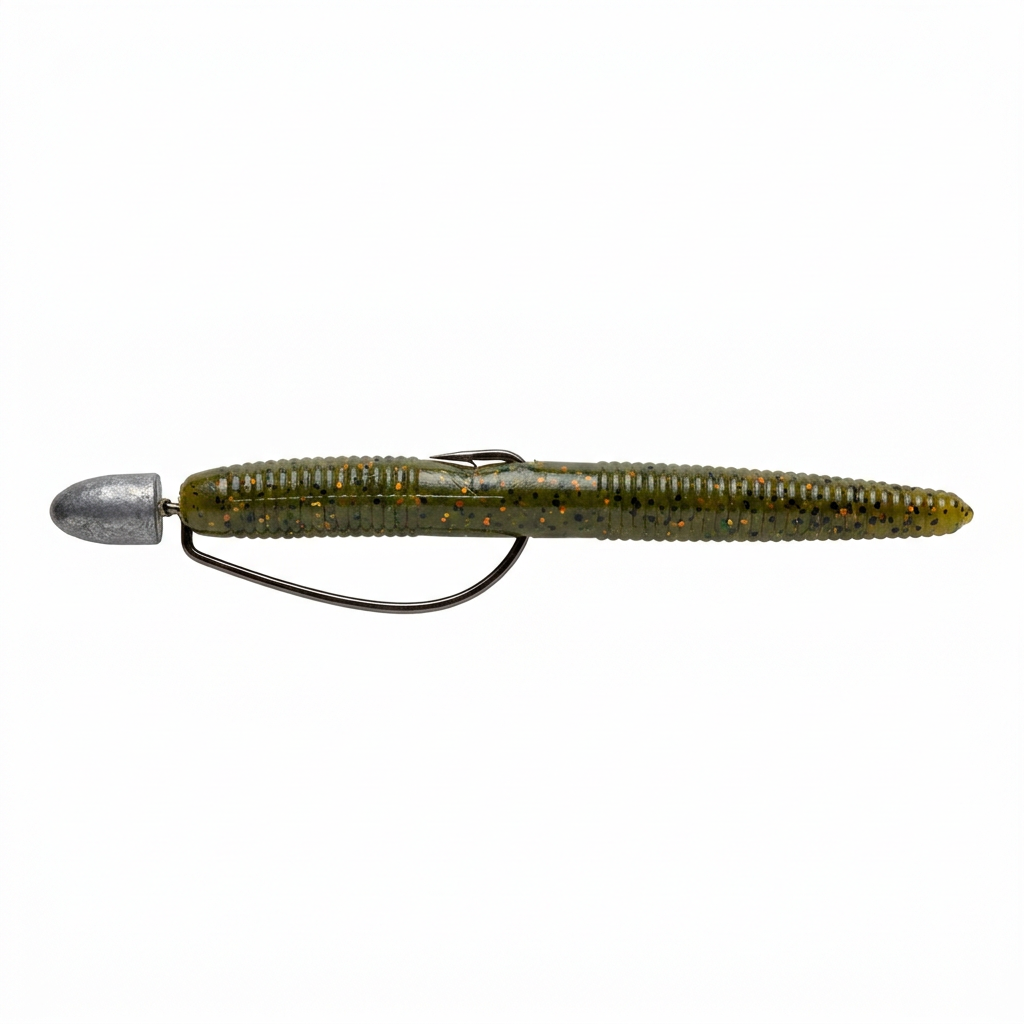
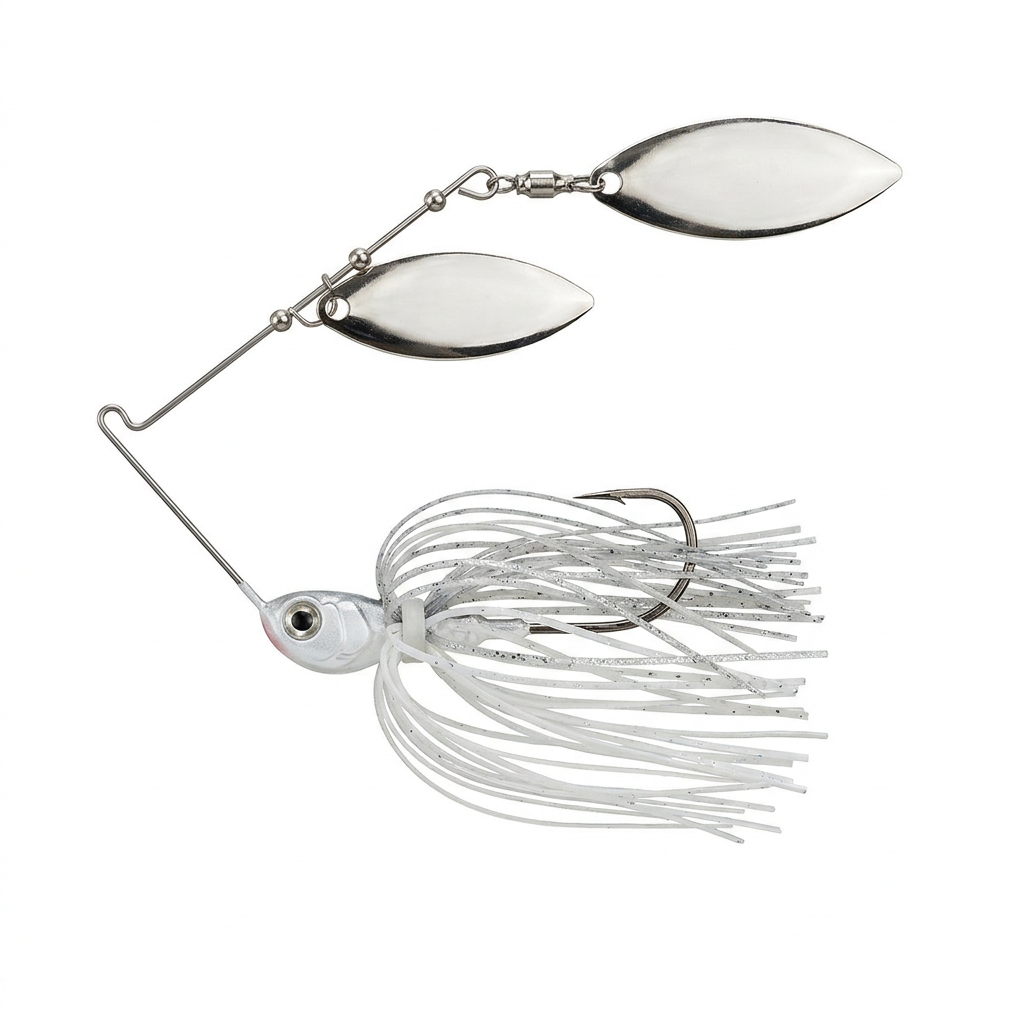
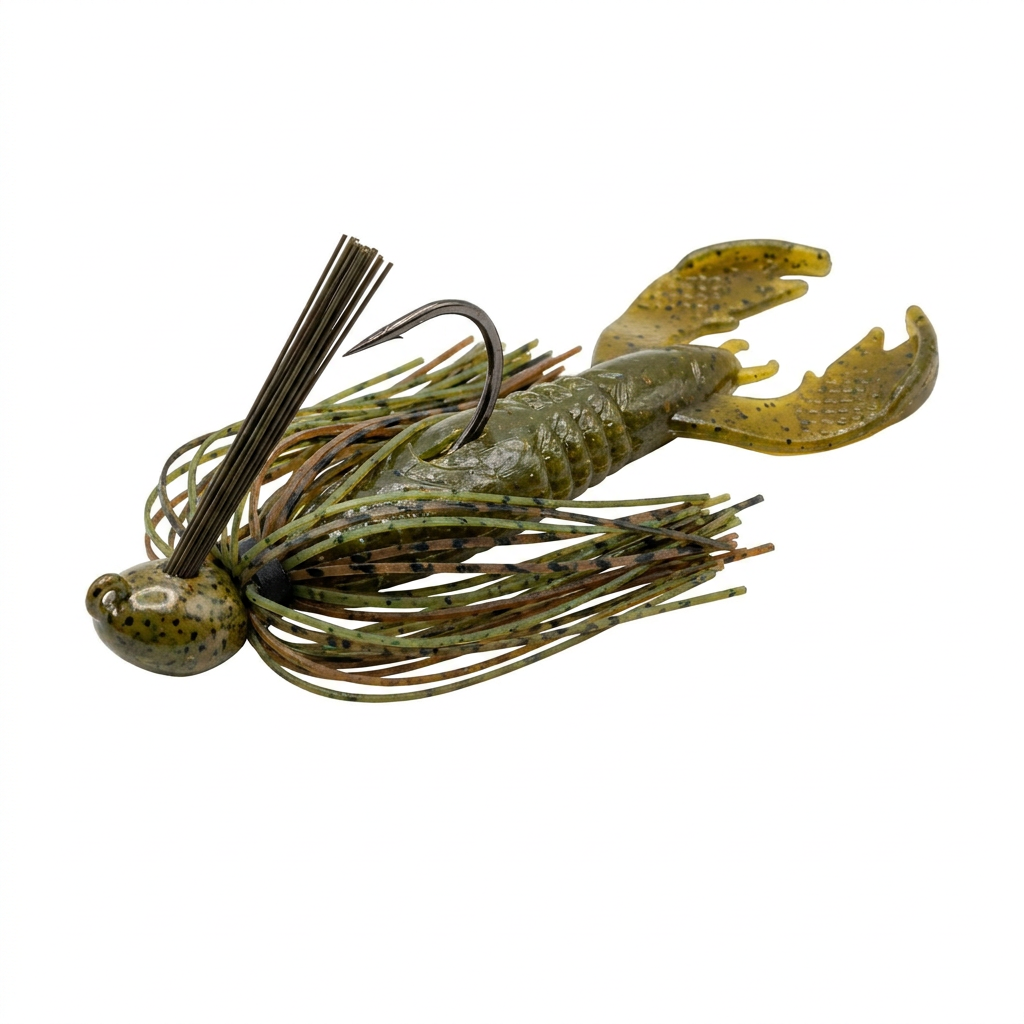
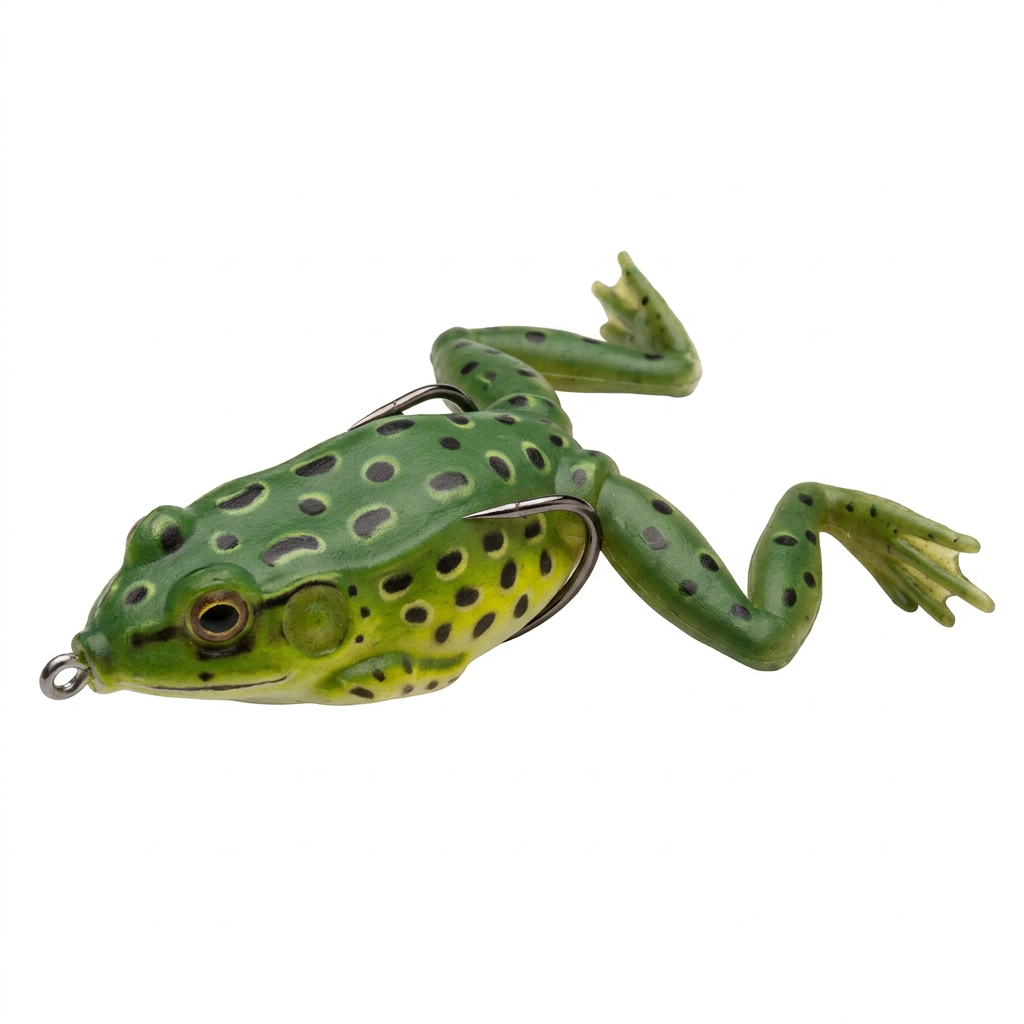
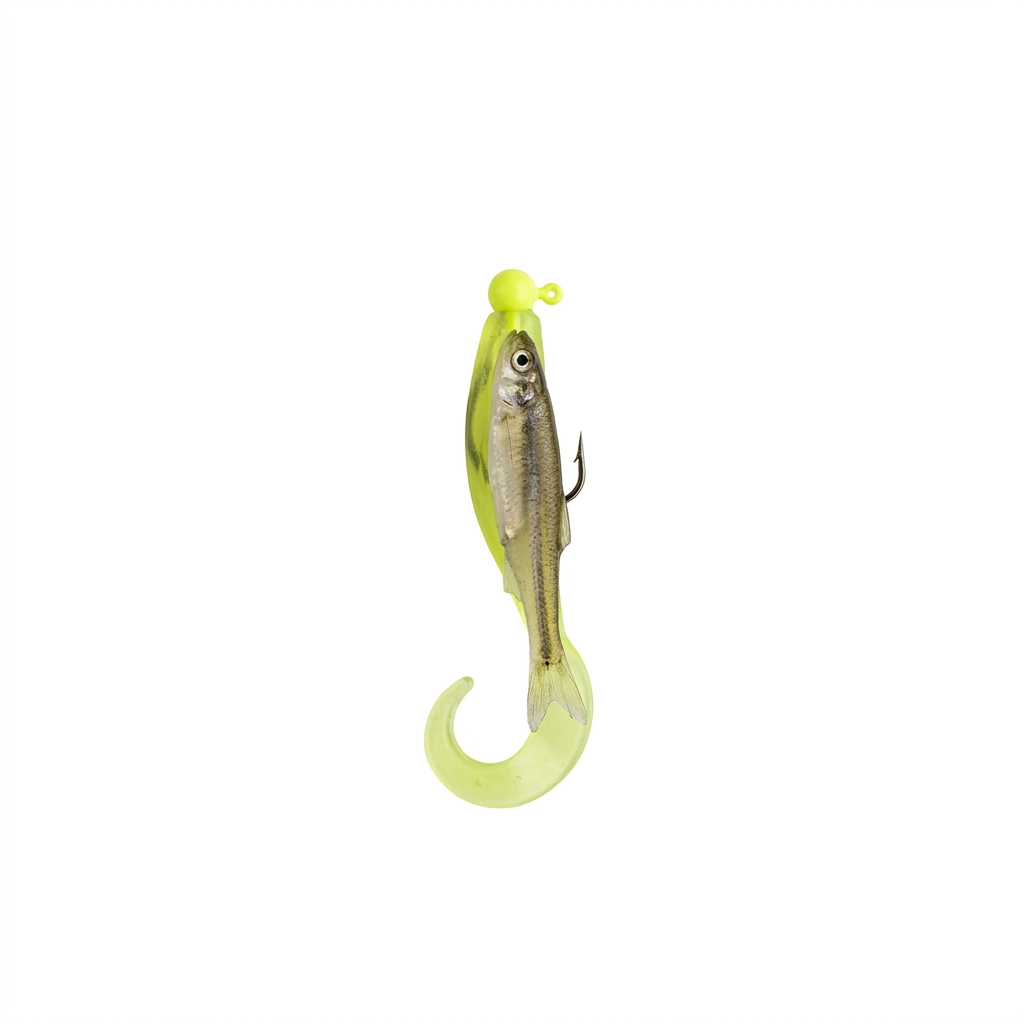
The right line matters as much as the lure. For the presentations that work on this lake, whether flipping timber, fishing main lake structure, or working deep brush, braid is the move. No stretch, more feel, and it lasts. Reaction Tackle is where I get mine.
About Santee Cooper Lakes
The Santee Cooper Lakes, Lake Marion and Lake Moultrie, were created between 1939 and 1941 as part of the Santee Cooper Hydroelectric and Navigation Project, one of the largest New Deal-era public works projects in the South. When it was built, the project involved constructing what was then the largest earthen dam in the United States. Lake Marion, the upper lake, covers approximately 110,000 acres across Clarendon, Orangeburg, and Sumter counties. Lake Moultrie, the lower lake, covers approximately 61,000 acres in Berkeley and Orangeburg counties. Together they form a combined system of approximately 171,000 acres, making them the largest freshwater bodies in South Carolina and among the largest in the Southeast.
The history of the Santee Cooper system is intertwined with the history of landlocked striped bass fishing in America. When the dams were completed in 1941, migratory Atlantic striped bass that had been moving upstream through the Santee River system were blocked from returning to the ocean. Rather than perishing, the landlocked fish adapted, established a breeding population in freshwater, and the resulting fishery was documented in the 1950s. The discovery that striped bass could maintain a naturally reproducing population in freshwater reservoirs led directly to the widespread stocking programs that created striper fisheries across the country. In this sense, the Santee Cooper Lakes occupy a unique place in American fishing history.
Lake Marion and Lake Moultrie each have a distinct character that attracts different fishing styles. Lake Marion's upper end is dominated by the original Santee River swamp, with standing cypress trees, flooded bottomland timber, and grass beds that feel nothing like a typical reservoir. This is the primary crappie and largemouth bass habitat in the system, and guide operations focused on cypress timber crappie fishing are a significant part of the local economy around Manning, Summerton, and the Santee area. Lake Moultrie, by contrast, is a cleaner, more open-water lake with a well-defined main channel and fewer obstructions. Striper trolling, blue catfish, and open-water fishing are the Moultrie specialties. The Tailrace Canal connecting the two lakes is a high-traffic fishing zone that experiences heavy pressure but produces fish year-round.
Access to the Santee Cooper Lakes is well developed on both lakes. The town of Santee on the north shore of Lake Marion is the primary fishing hub, with multiple marinas, tackle shops, and guide services catering to visiting anglers. Moncks Corner on the south side of Lake Moultrie is the other primary access point and serves as the home base for striper and catfish guides operating on the lower lake. SCDNR-managed boat ramps and several county parks provide free and low-cost public access at multiple points around both lakes. The system's size means anglers can find water away from crowds even on busy weekends, particularly on the upper sections of Lake Marion.