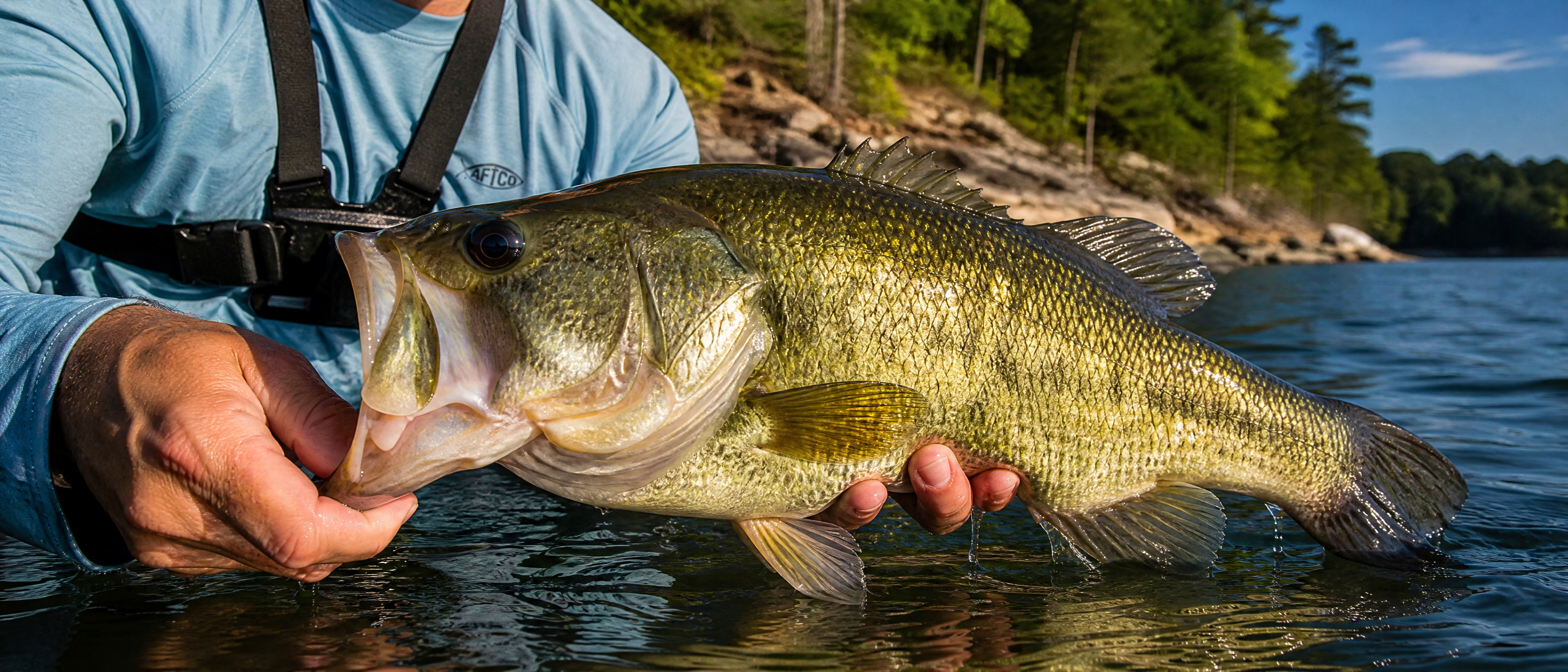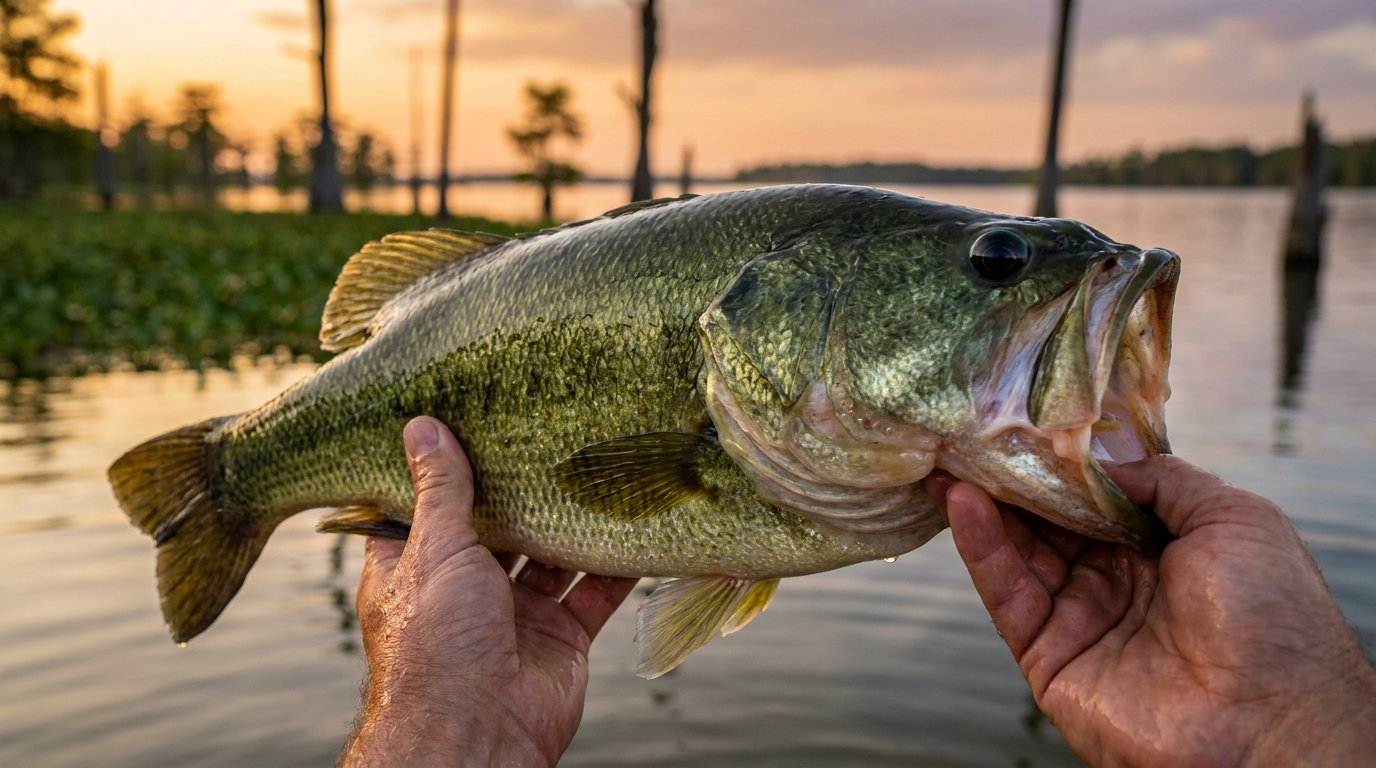
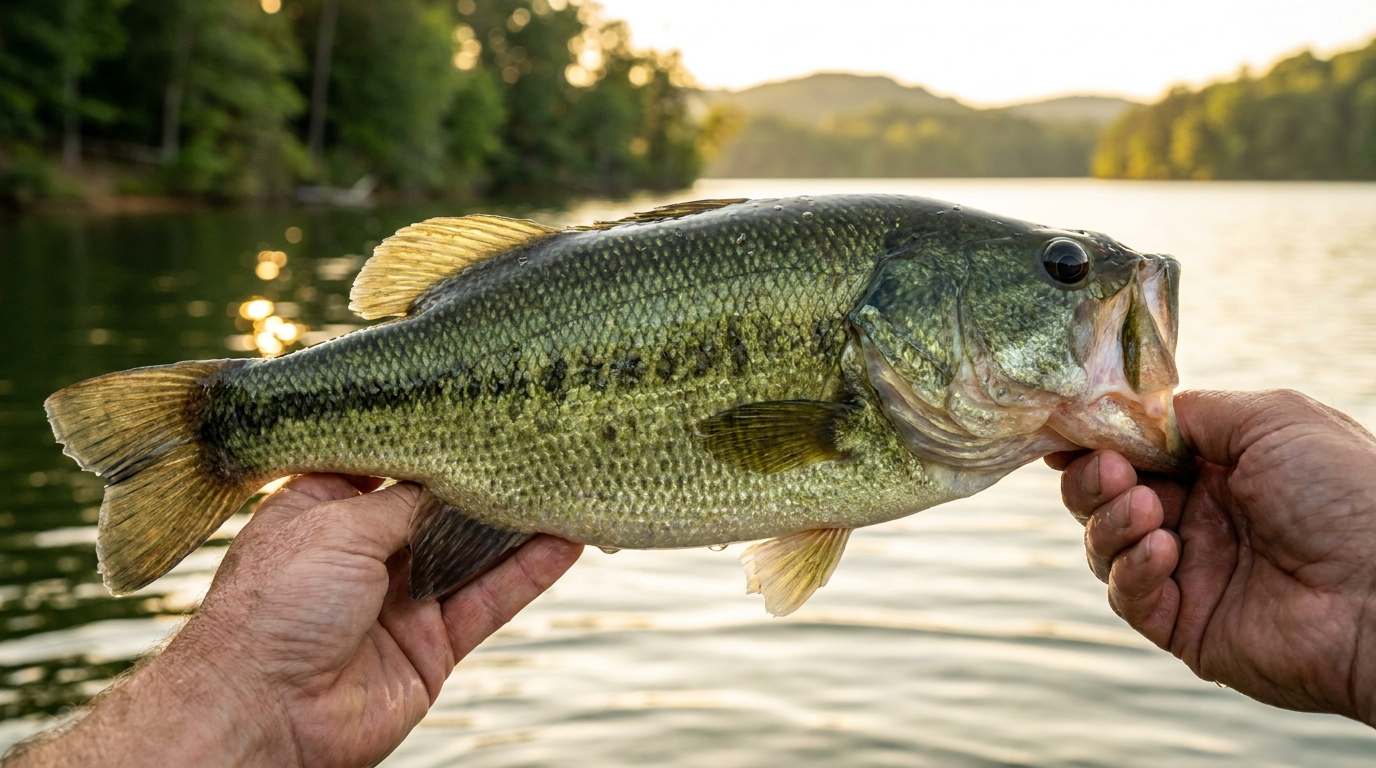
Lake Wateree is one of those South Carolina lakes that rewards patience and local knowledge. I have had some of my best early spring largemouth fishing on this lake, working jigs through the flooded timber on the upper end before the crappie anglers show up. The striper fishing here gets overlooked next to the Santee Cooper system, but the fish are real and they get big. Camden is a great town to base out of for a Wateree trip.
Today's Bite Score · October 8, 2026
Very favorable conditions for catching fish
🌘Waning Crescent
Lake Wateree Fishing Report
October FishingMonthly fishing report · October patterns and techniques
Water temperatures at Lake Wateree are cooling in October, triggering shifts in fish behavior and movement patterns. As conditions change this month, anglers are finding fish transitioning from their late summer depths to more active feeding zones. The cooling water prompts fish to move shallower and higher in the water column, creating improved bite windows throughout the day.
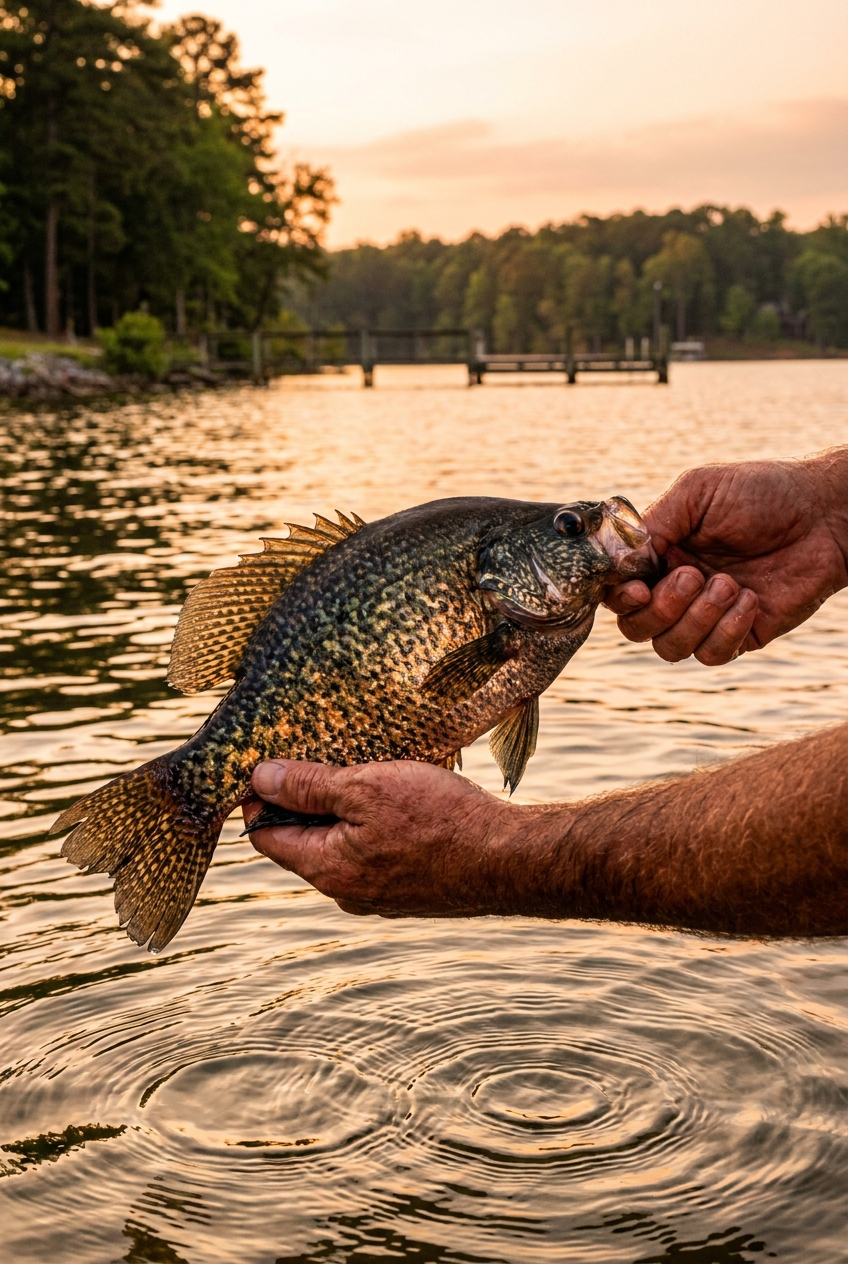
Black bass are among the most active species in October at Lake Wateree, with anglers are finding success working shallow banks and structure. The bite is improving as fish move into shallower areas where they respond to buzzbaits and topwater presentations along the shoreline. Schooling activity becomes more prevalent in October, offering anglers opportunities to locate feeding fish over deeper water while maintaining topwater lures nearby. Crappie are also active this month, continuing to hold around brush and timber but gradually moving into shallower zones as temperatures drop. In October, these fish respond well to jigs and minnows at varying depths, particularly around the 12 to 15 foot range as the month progresses.
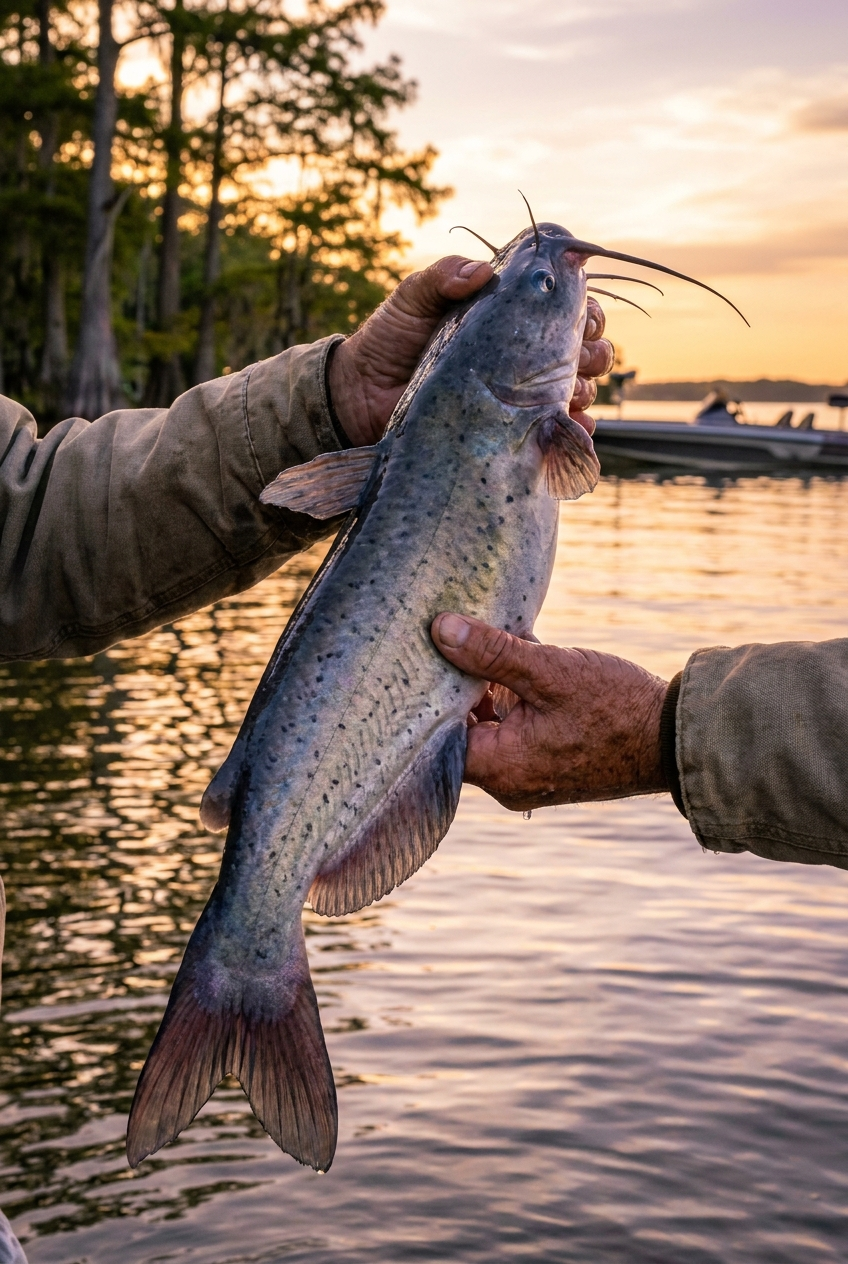
Effective October techniques at Lake Wateree include working shallow banks with buzzbaits and walking baits for bass, while also keeping topwater lures ready for schooling activity. Drop shot rigs and finesse presentations work well for fish still relating to deeper structure. For crappie, jigs and minnows fished over brush piles and creek mouths produce consistent results throughout October. Catfish in October are caught drifting mid-depths with cut bait, particularly shad or bluegill, during daylight hours. At night, anchoring and fan-casting cut bait to various depths can be productive for catfish in October.
Get More Fishing Report Specifics
Tap a topic button below for a report on current conditions.
Tap a topic above to get a current report for Lake Wateree.
Answers are generated on demand and cached. No AI call fires until you tap a tab.
Lake Wateree Fishing Guides
Looking for a Lake Wateree fishing guide? The oldest Catawba River reservoir has largemouth holding on timber and dock structure that locals have mapped for generations — a guide here is a genuine and immediate shortcut. Go here → to check out our recommended fishing guides for Lake Wateree. Then scroll down on that page to see all of the Lake Wateree fishing guides.
Lake Wateree Fishing Strategies by Species
Seasonal patterns and techniques by target species · Verified against official sources
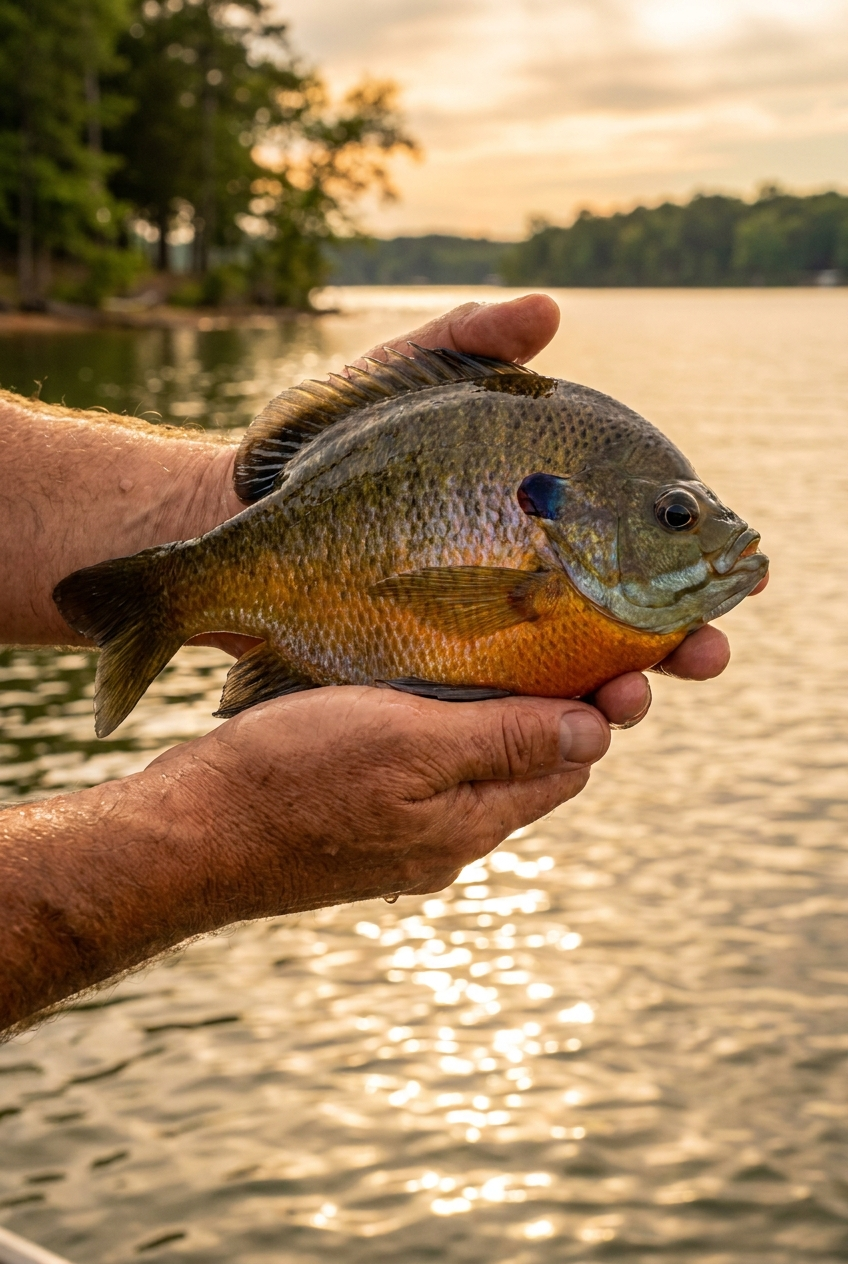
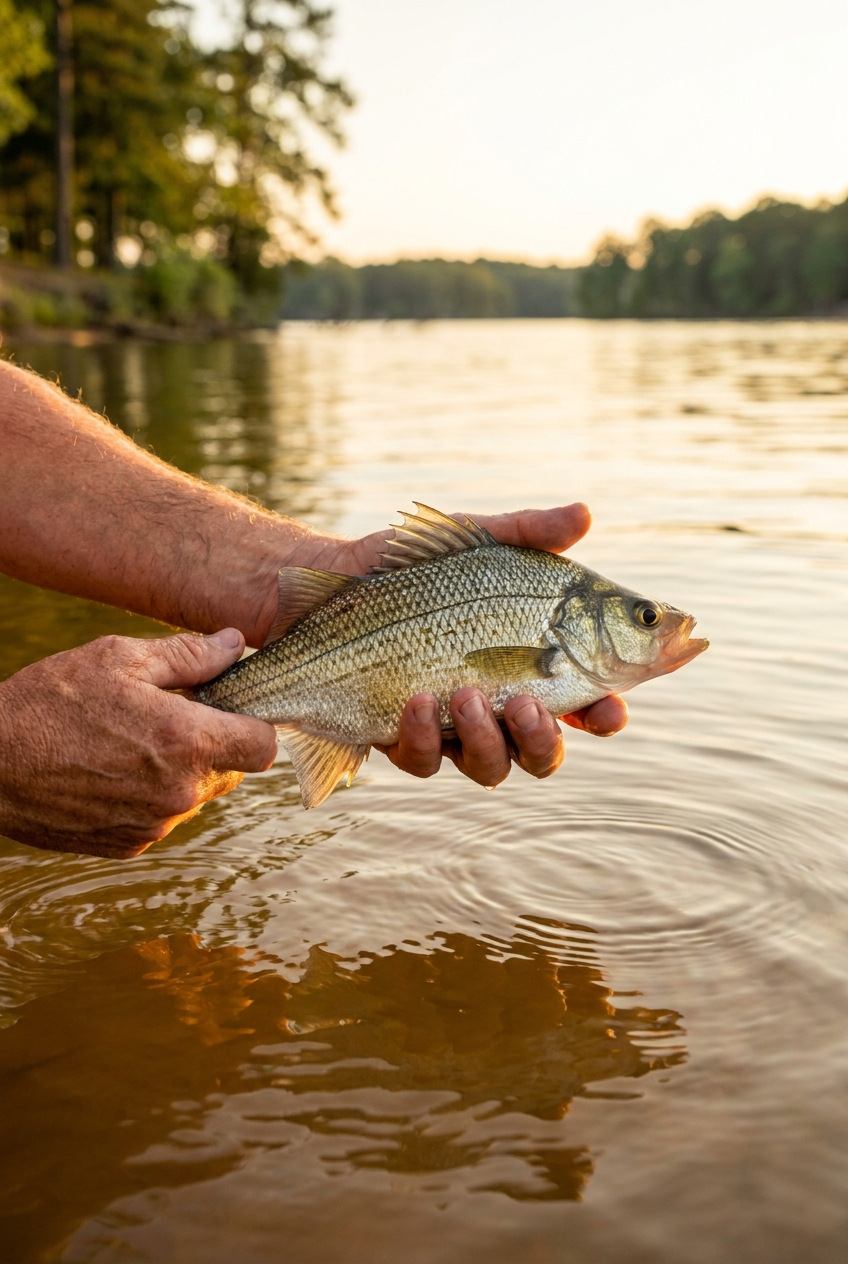
Lake Wateree is a 13,700-acre Duke Energy reservoir on the Catawba-Wateree River in the South Carolina Midlands, straddling Kershaw, Lancaster, and Fairfield counties. Completed in 1919 as the Wateree Hydroelectric Station, it is the oldest reservoir in Duke Energy's Catawba-Wateree chain and one of the oldest hydroelectric reservoirs in the state. The lake supports a healthy multi-species fishery led by largemouth bass and striped bass, with quality crappie, channel catfish, bluegill, and white perch providing excellent supporting opportunities throughout the year.
Lake Wateree Largemouth Bass Fishing Report
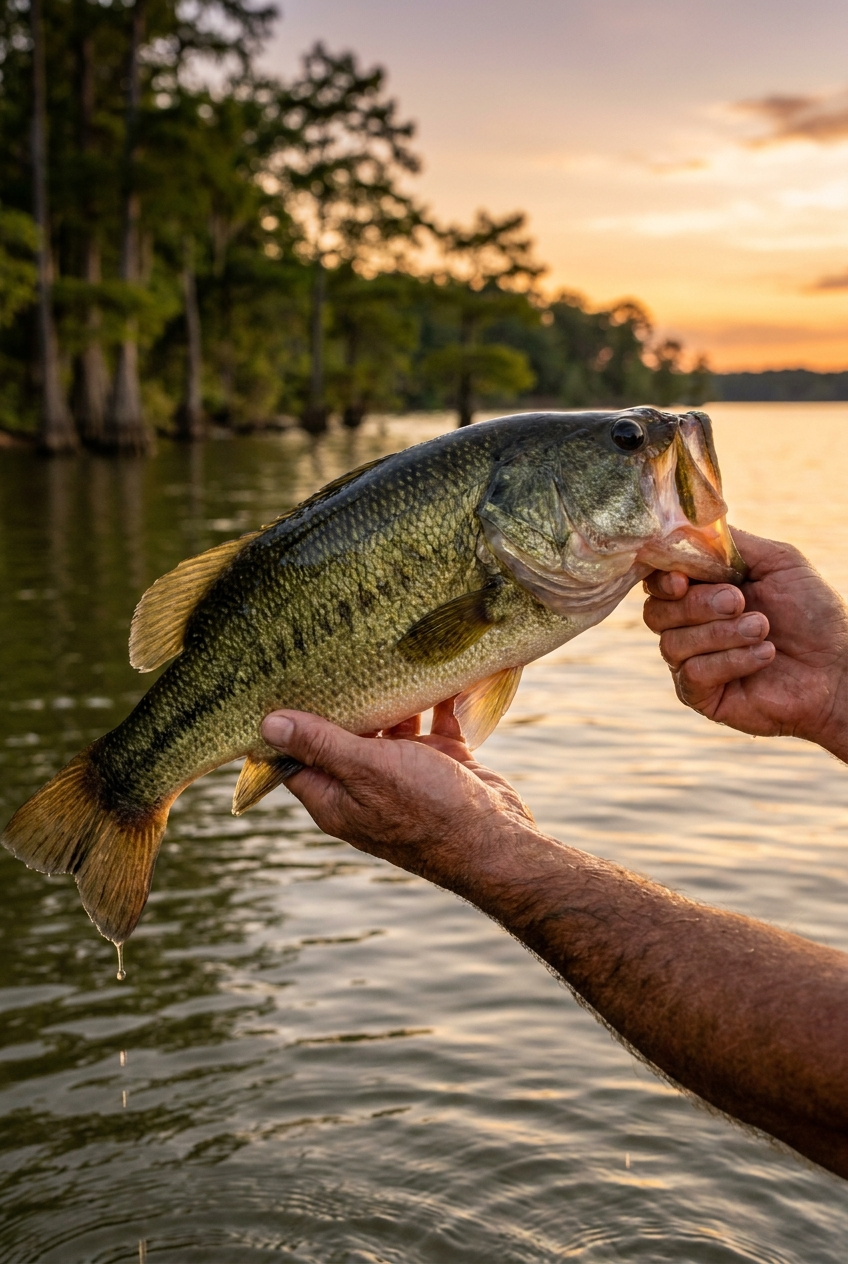
Largemouth bass are the primary target species on Lake Wateree and the fishery is well-regarded among South Carolina bass anglers. The lake combines rocky Piedmont structure, flooded timber in the upper sections, dock infrastructure on the lower lake, and grass beds in protected coves to create varied habitat that holds bass at multiple depths year-round. Spring is the peak period, with fish moving up from 10 to 18 foot channel structure onto the rocky clay banks and shallow timber in February and March. The upper sections of the lake in Kershaw County, where the Catawba River flows in from Lake Wateree's upstream side, hold pre-spawn bass staging in the current breaks and transition banks through early April. Summer bass on Lake Wateree shift to an early morning and evening pattern, with fish holding under boat docks and along shaded bluff banks during the heat of the day. A jig dropped into dock shade is one of the most consistent summer presentations on this lake. The western arm of the lake toward the Fairfield County side has historically productive dock structure for summer bass. Fall brings a topwater window from September through November as cooling water triggers aggressive feeding. Walking baits and poppers worked over the shallow points and grass edges produce active fish. SCDNR statewide bass regulations apply; verify current size and bag limits at the SCDNR website before fishing.
Lake Wateree Striped Bass Fishing Report
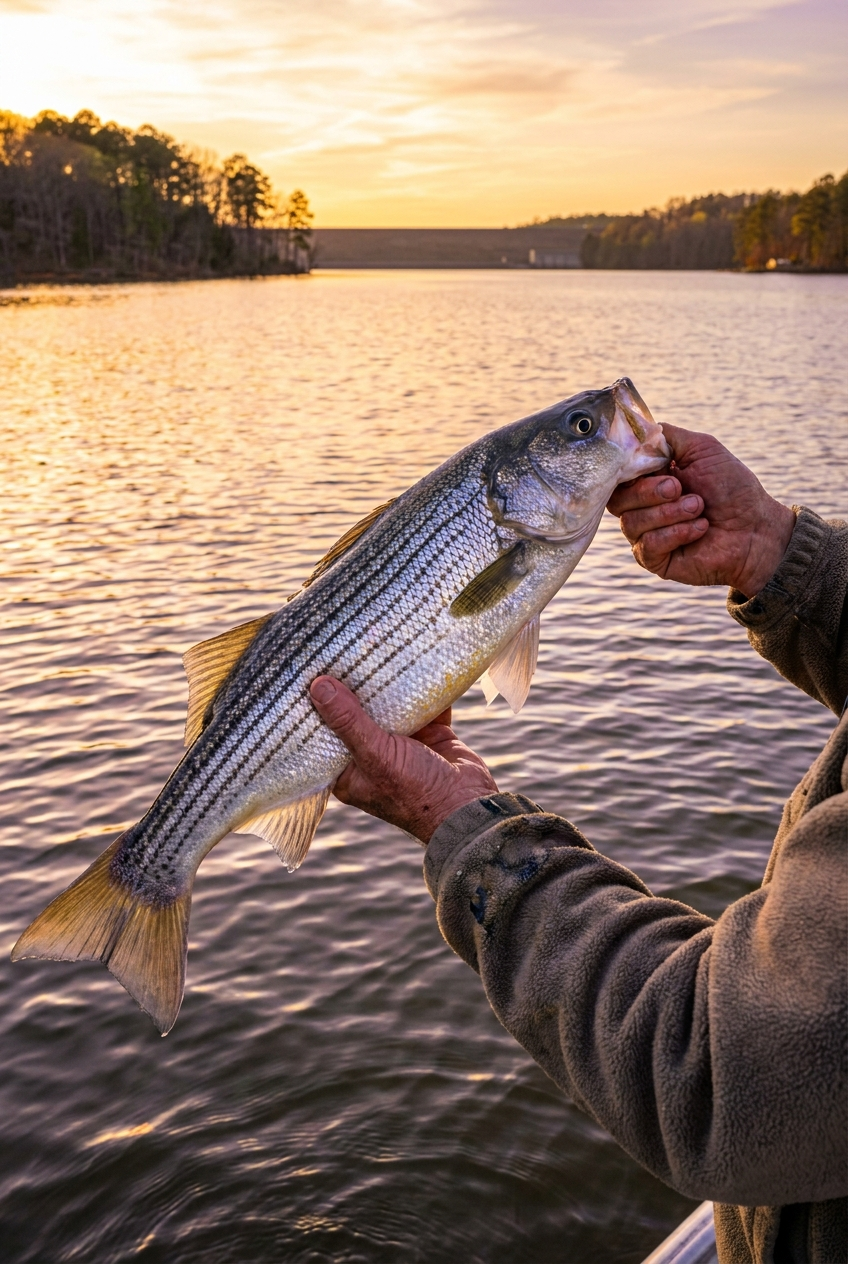
Striped bass in Lake Wateree are a stocked species supported by periodic SCDNR stocking, as the Wateree River below the dam does not provide suitable natural spawning habitat in this section of the river. Fish grow well on the lake's shad and herring forage base and reach double-digit weights regularly, with larger fish caught by dedicated trolling anglers targeting the deeper main channel sections. The Wateree Dam tailrace area immediately below the dam is one of the more productive spots for stripers, particularly in fall and winter when fish are active in cooler water and the tailrace concentrates baitfish. Main lake striper fishing on Lake Wateree follows the seasonal thermocline pattern typical of southeastern reservoirs. Summer fish are found in the thermocline zone at 25 to 45 feet along the main Catawba-Wateree channel, accessible by trolling live shad or large crankbaits on downriggers. Fall is the most exciting season for surface-oriented striper fishing, with fish pushing shad to the top of the main lake sections in September and October. Casting large swimbaits and flutter spoons into working birds or visible surface activity produces fast action during these fall baitfish pushes. Always verify current SCDNR striped bass regulations, including size and bag limits, before fishing.
Lake Wateree Crappie Fishing Report
Crappie fishing is one of Lake Wateree's most consistent and popular fisheries, with both white and black crappie present in good numbers. The lake's combination of dock structure, flooded timber in the upper arms, and bridge pilings provides year-round crappie habitat. Spring is the peak season: fish move into 4 to 10 feet around shallow dock pilings and flooded timber from February through April, making them accessible to light-tackle anglers using small jigs or live minnows. The Camden side of the lake and the upper sections near the Catawba River arm are known for holding strong spring crappie concentrations. Summer crappie on Lake Wateree move deeper to 12 to 20 feet and hold tight to dock pilings, bridge supports, and any submerged timber in the main lake. Vertical jigging with small crappie jigs in chartreuse, white, or pink is effective on these summer fish, particularly during morning and evening. Night fishing under dock lights during summer is a popular and productive local approach for crappie and white perch simultaneously. The fall bite picks up again from October through December as water cools and fish become more active across a wider range of structure. SCDNR crappie regulations apply; verify current rules before keeping fish.
Lake Wateree Channel Catfish Fishing Report
Channel catfish are abundant in Lake Wateree and provide reliable action for bottom-fishing anglers across all seasons. The main Catawba-Wateree channel running through the lake concentrates catfish in the deeper holes and channel bends, particularly in summer when warm surface temperatures push fish to cooler bottom structure. Cut shad, chicken liver, and commercial catfish stink bait fished on bottom rigs in 10 to 25 feet along the channel produce channel cats in the 1 to 5 pound range consistently. The tributary creek mouths entering the lake from both sides are secondary catfish locations worth targeting in spring and fall. Night fishing is the most productive approach for channel catfish on Lake Wateree during the summer months. Bank fishing from the public access areas with simple bottom rigs and aromatic baits produces fish from dusk through midnight, particularly from May through September. Blue catfish are also present in the main channel of Lake Wateree, though they are less numerous than channel cats. The connected Wateree River below the dam holds larger concentrations of blue catfish and can be worth exploring for anglers willing to fish the tailrace. Flathead catfish have been documented in the lake as well, primarily in the deeper woody debris areas. Verify SCDNR catfish regulations for current bag and size limits.
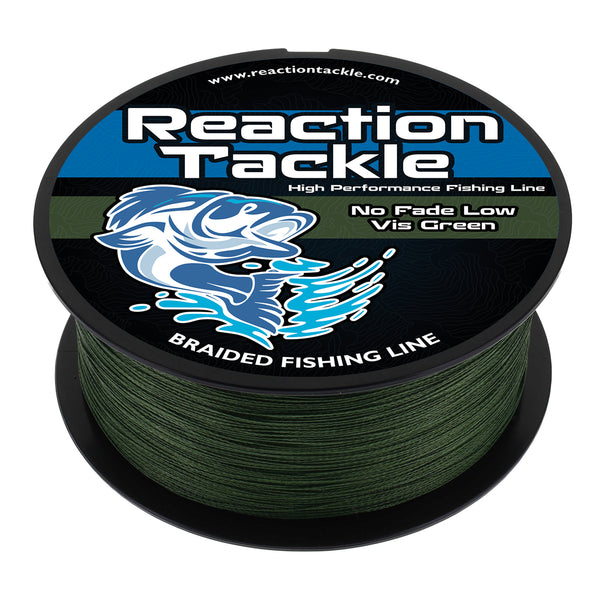
If you haven't replaced your braided line in a season or two, now's the time. Braid holds up better than mono, but abrasion from wood and rock adds up. Reaction Tackle is one of my favorite places to order from.
Top Fish to Target in Lake Wateree
Lures for Lake Wateree
Tackle matched to this lake's species and structure.
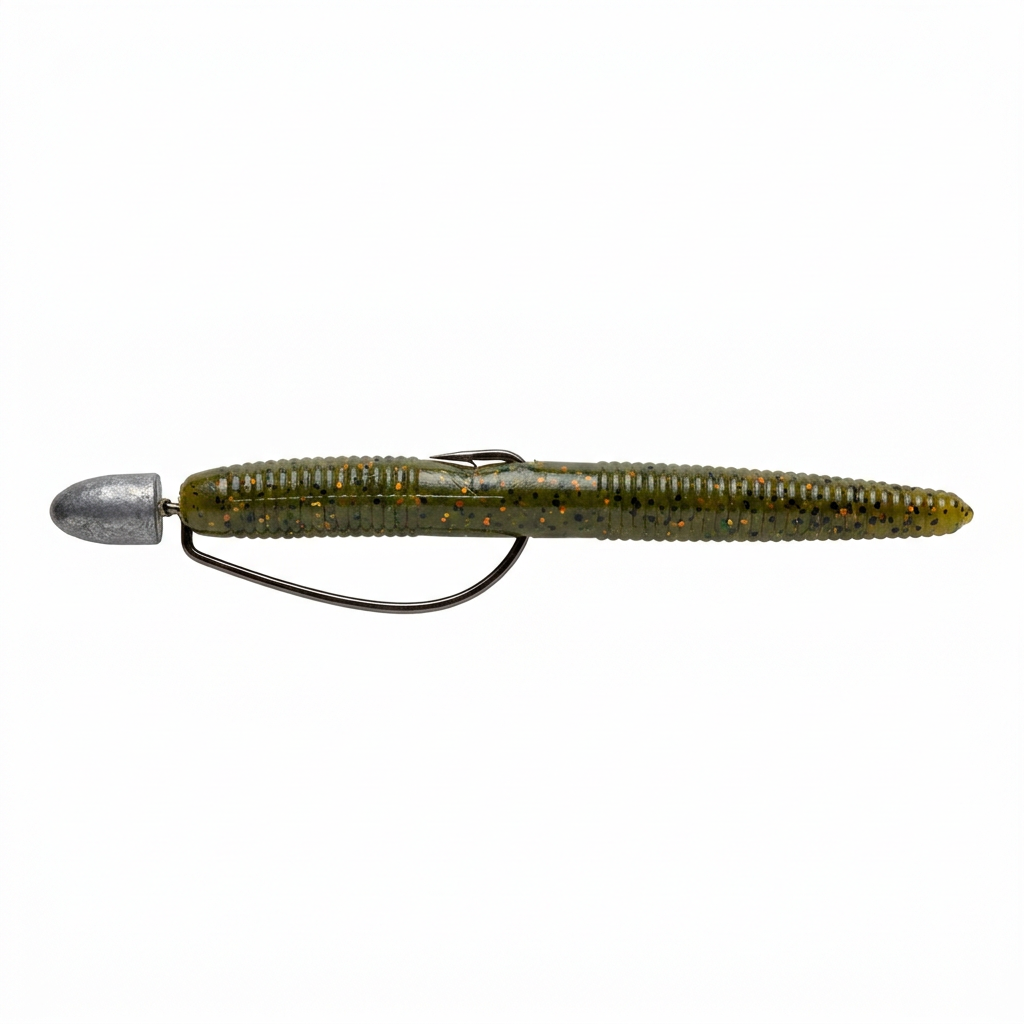
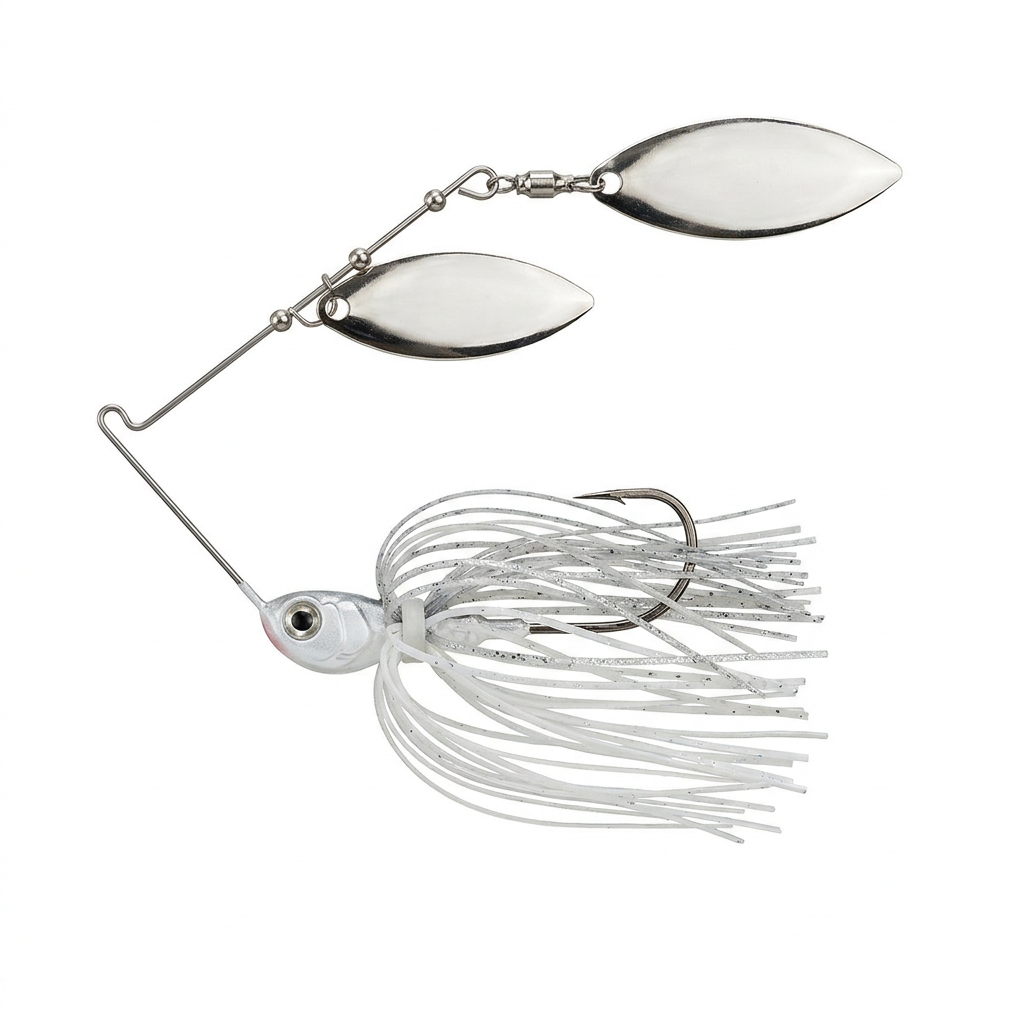
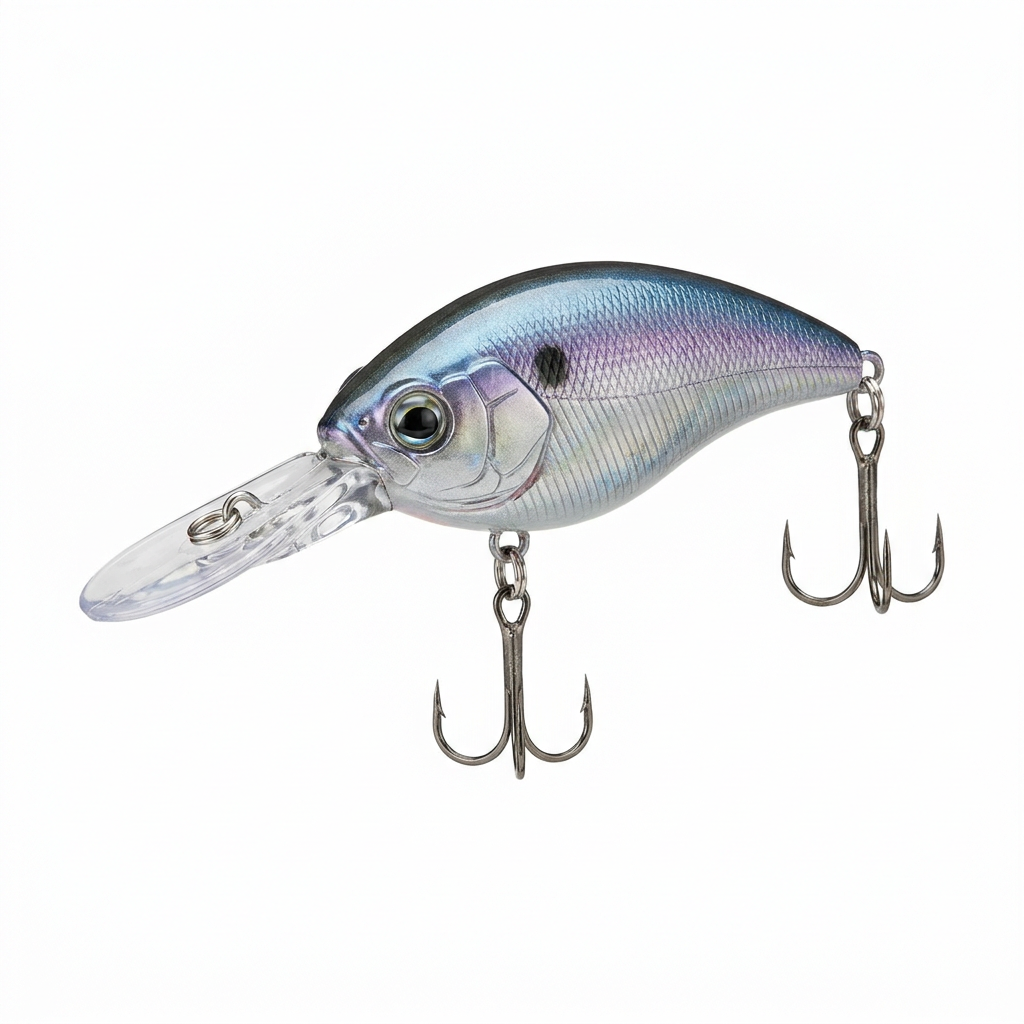
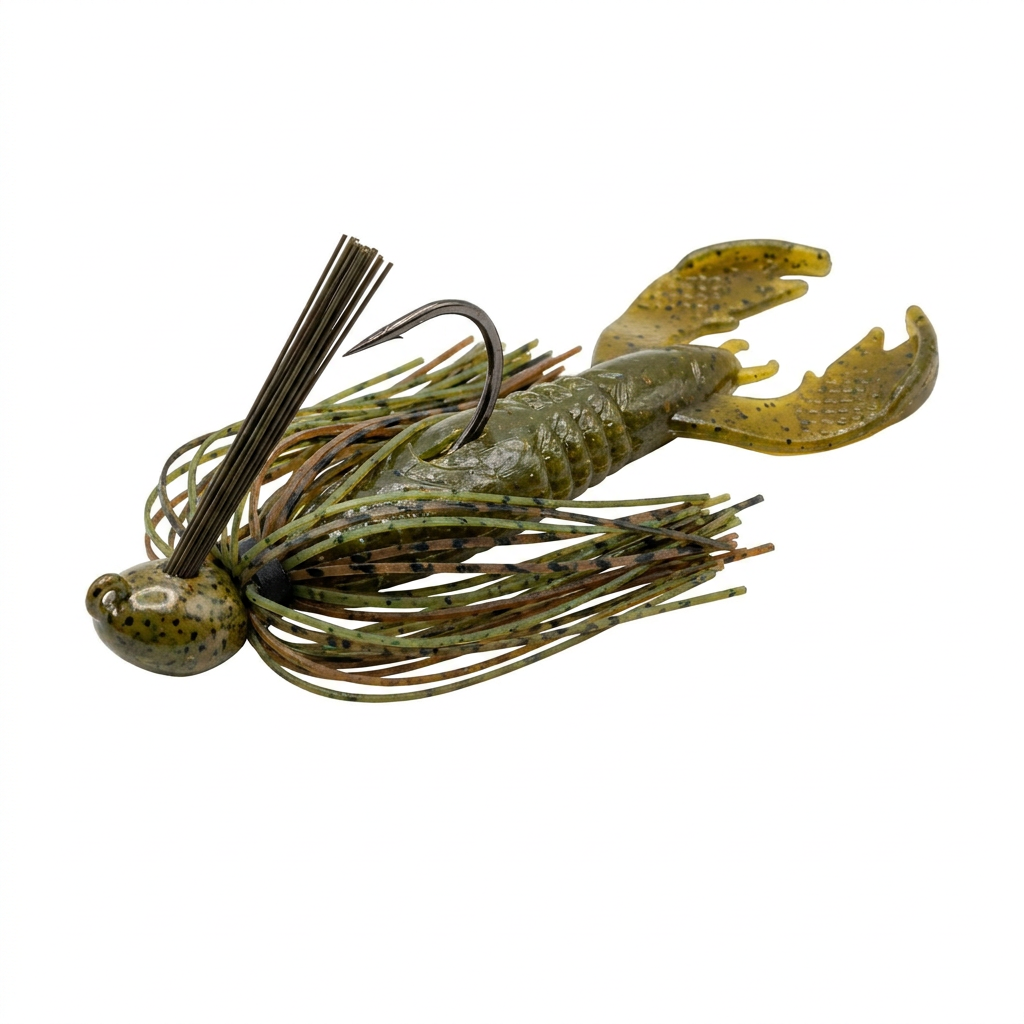
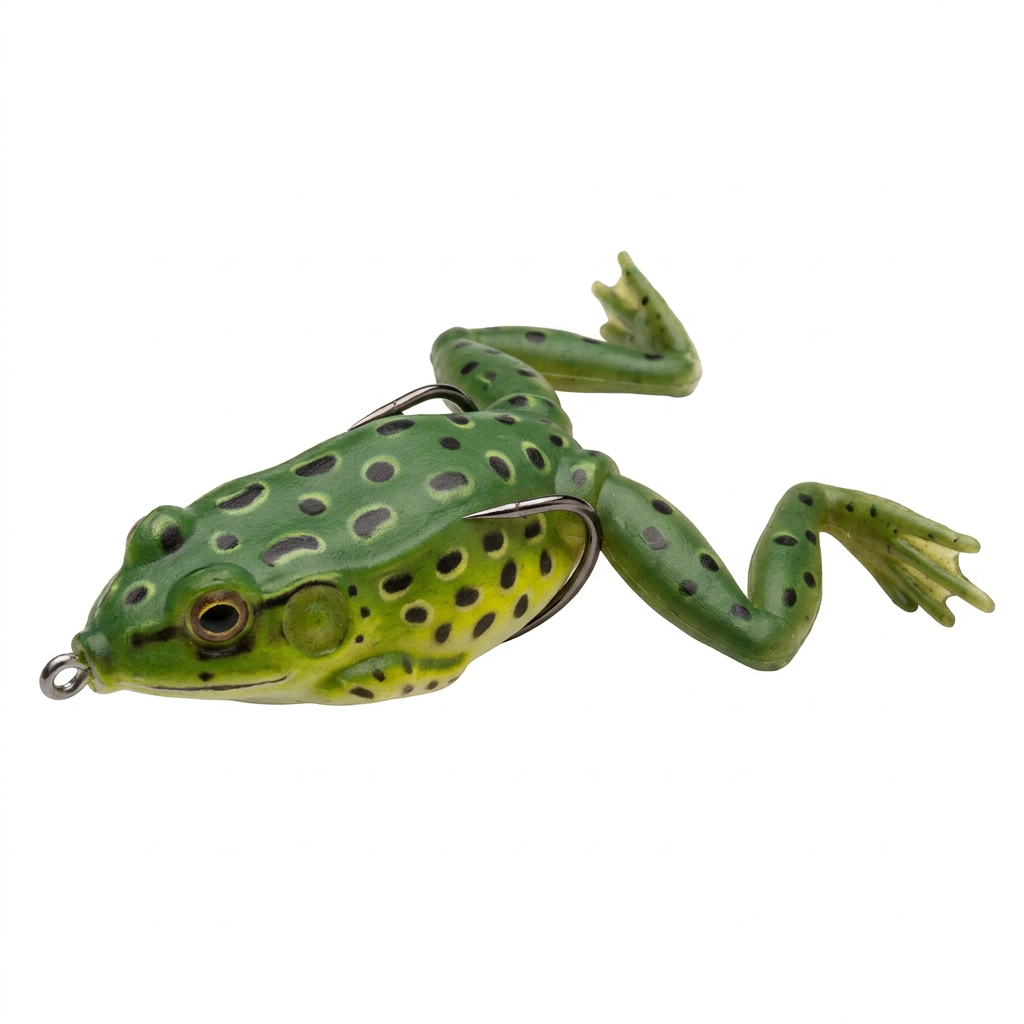
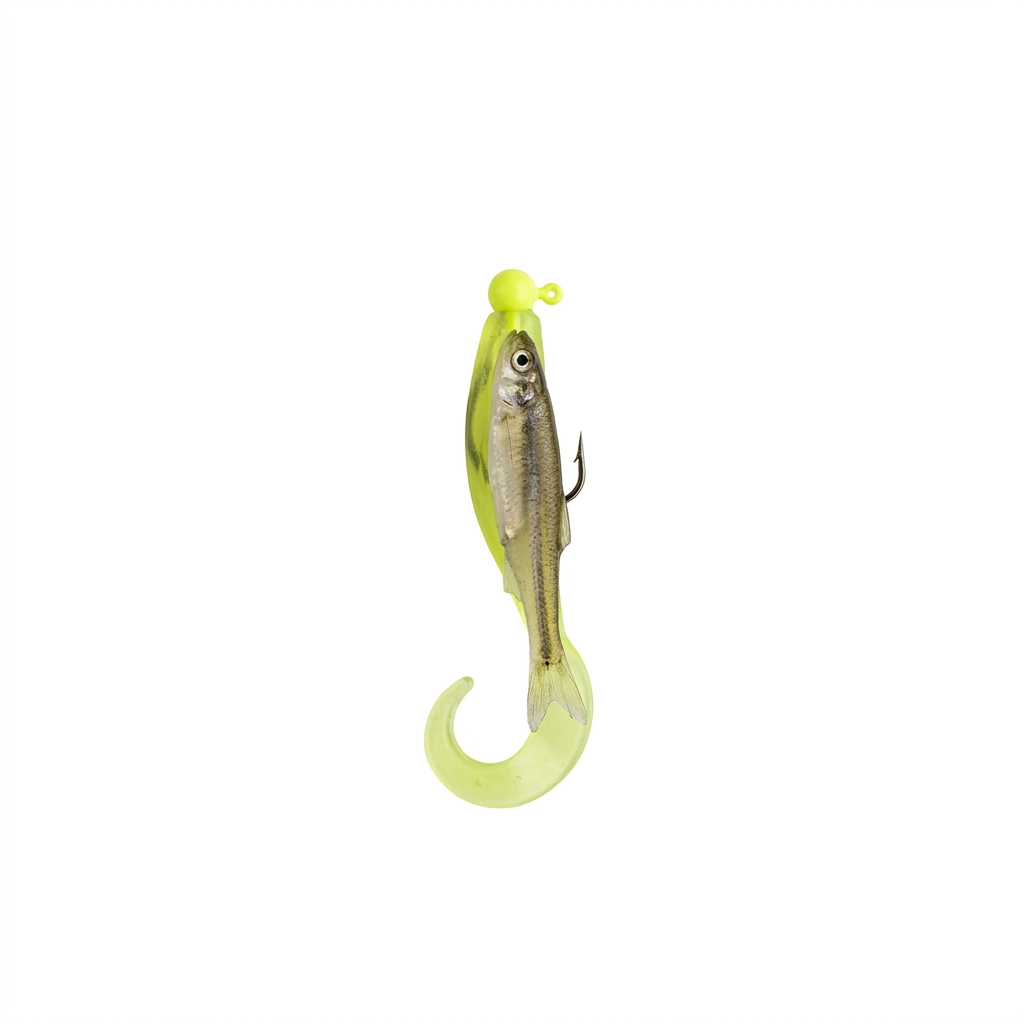
The right line matters as much as the lure. For the presentations that work on this lake, whether flipping timber, fishing main lake structure, or working deep brush, braid is the move. No stretch, more feel, and it lasts. Reaction Tackle is where I get mine.
About Lake Wateree
Lake Wateree holds a distinctive place in South Carolina's fishing heritage as the oldest reservoir in the Duke Energy Catawba-Wateree chain. Duke Energy (then Southern Power Company) completed the Wateree Hydroelectric Station in 1919, more than 20 years before the famous Santee Cooper project was built downstream. The lake sits in the South Carolina Midlands, straddling Kershaw, Lancaster, and Fairfield counties, and stretches roughly 18 miles along the Catawba-Wateree River drainage. The town of Camden, one of South Carolina's most historically significant communities and the site of a major Revolutionary War battle, lies just east of the lake and serves as the primary base for visiting anglers.
The lake's character reflects its age and position in the Catawba chain. Unlike the newer and deeper lakes upstream, Lake Wateree has a more mature shoreline with significant dock development on the lower sections and more natural flooded timber and brush remaining in the upper reaches. The Catawba River flows into the upper end of the lake from Lake Camden above, and the main Catawba-Wateree channel defines the lake's deepest sections. Water clarity is moderate with typical Piedmont staining in the upper arms after rain events and clearer conditions near the dam. The lake's age means it has a well-established shoreline ecology and fish populations that have had over a century to develop.
Duke Energy manages Lake Wateree as part of its Catawba-Wateree hydroelectric system, which includes multiple reservoirs from the North Carolina mountains down through the South Carolina Midlands. The system is operated for power generation, and lake levels fluctuate based on Duke Energy's management schedule and precipitation. Duke Energy publishes lake level data and water management information on its website, which is useful for anglers planning trips. The company also has specific rules about activities on the lake, including no-wake zones and dock regulations, that differ from the purely recreation-focused lakes managed by state or federal agencies.
Public access to Lake Wateree is available through several county-managed boat ramps and Kershaw County parks on the lake. The Camden area has tackle shops and bait stores catering to the local fishing community, and guide services operate on the lake for bass and striper fishing. The lake sees moderate recreational boat traffic compared to the Charlotte-area Duke Energy lakes, and weekday fishing is generally peaceful. The Wateree State Park, located just below the Wateree Dam on the river, provides camping and river fishing access as well. Camden itself is worth visiting for its history and the annual Colonial Cup steeplechase race held each fall.