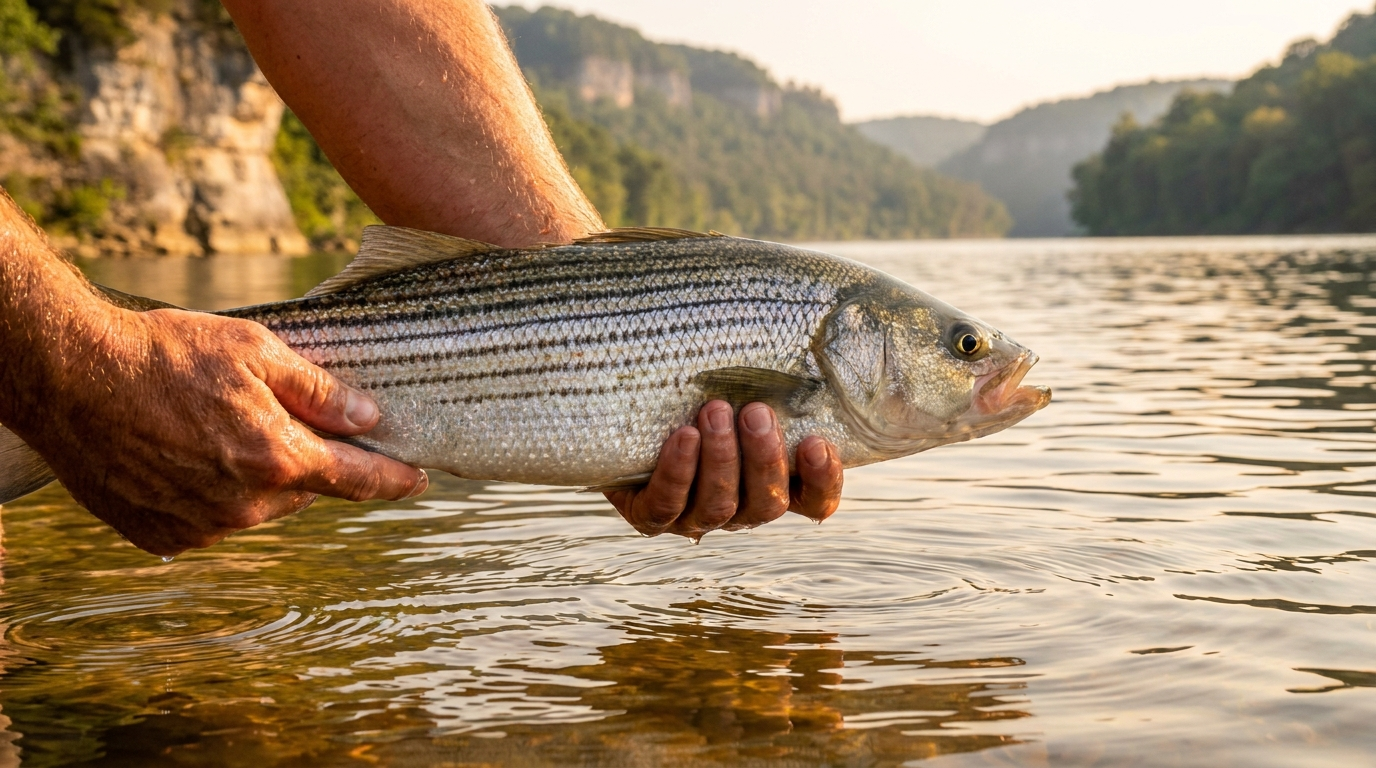
Center Hill Lake is one of those Tennessee reservoirs that punches above its weight. The striped bass fishery is well-regarded statewide and the smallmouth action on the deep rocky bluffs is exactly the kind of structure-fishing I gravitate toward. Clear water, serious depth, and a Caney Fork River channel that runs through the heart of the lake give it a different character than the typical Tennessee flatwater impoundment. I'd specifically target this lake for a fall smallmouth and striper trip.
Today's Bite Score · October 8, 2026
Above average conditions worth planning a trip
🌘Waning Crescent
Center Hill Lake Fishing Report
October FishingMonthly fishing report · October patterns and techniques
Center Hill Lake is experiencing prime fishing conditions in October as water temperatures begin to moderate and fish become more active throughout the water column. This month brings cooler surface temperatures that trigger increased feeding periods, with fish responding well to early morning and late afternoon presentations. Anglers are finding that the transition from summer heat is creating ideal conditions for sustained action across multiple species.
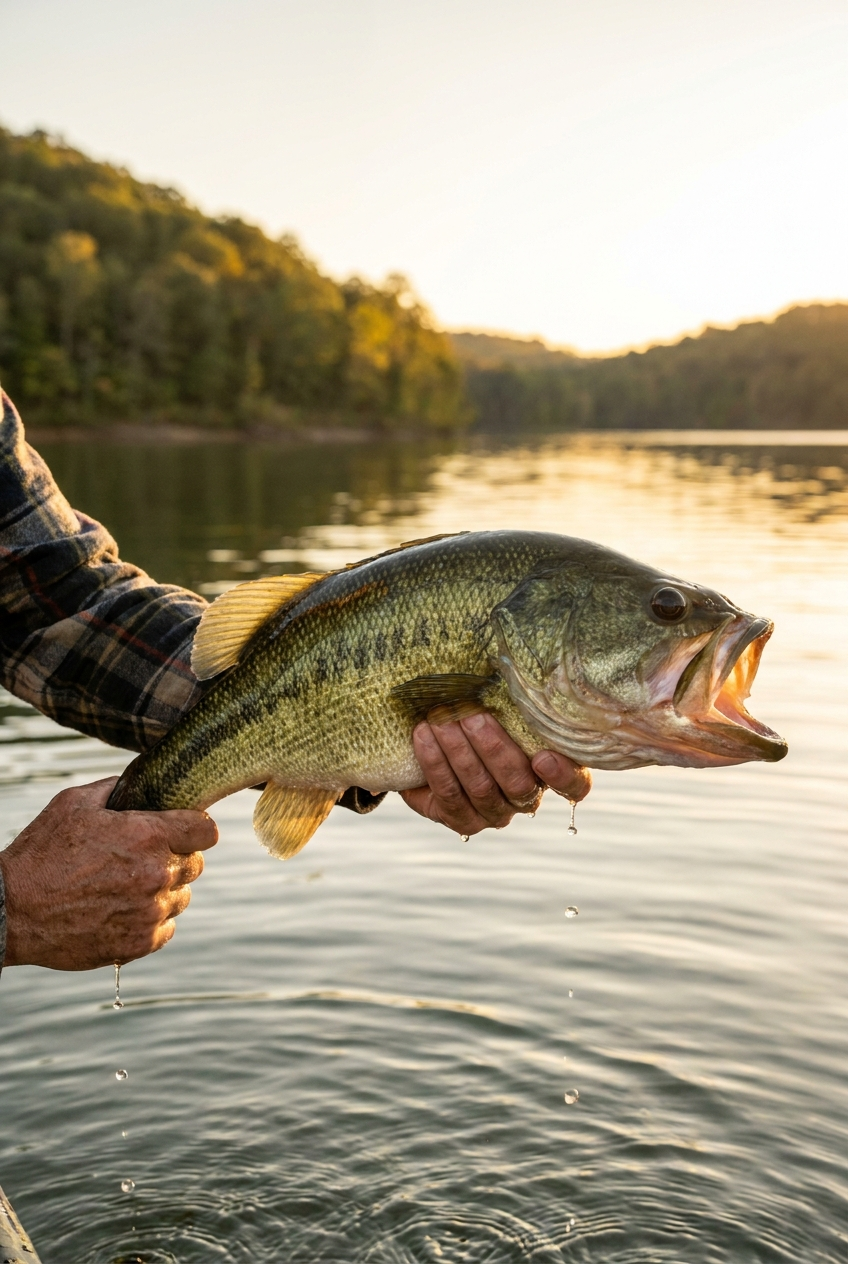
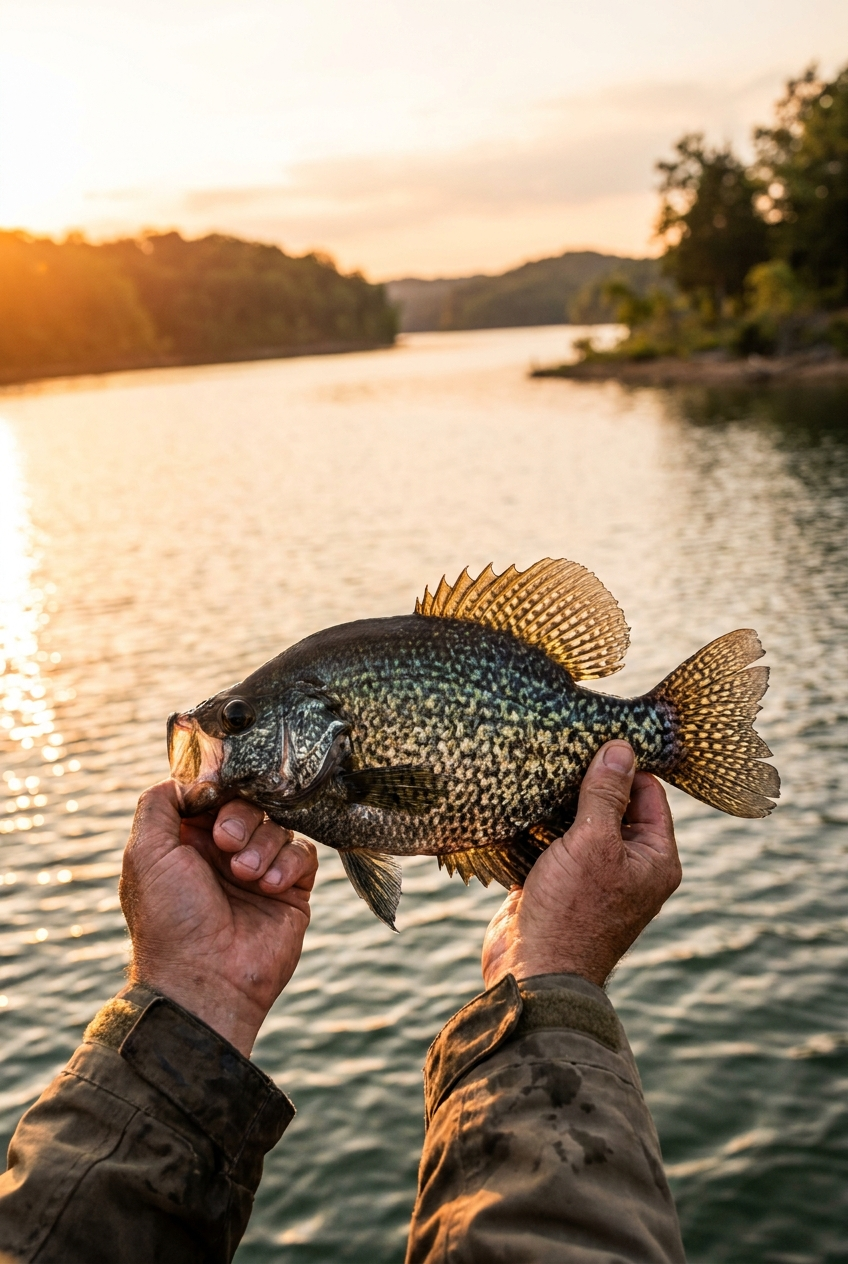
In October, largemouth and smallmouth bass are among the most active species at Center Hill Lake, holding in slightly deeper structure as they prepare for cooler months ahead. Crappie and bluegill populations are also responding well this month, with anglers locating them around submerged timber and rocky points. Catfish continue to feed aggressively, taking advantage of the comfortable water conditions to hunt in both shallow and moderate depths. The bite is particularly strong during low-light periods when fish move away from deep summer refuges and hunt more predictably.
Anglers are finding success this month using live bait presentations, with shad and minnows producing consistent results for bass and catfish. Crappie anglers are experiencing productive action with small jigs and live shiners around structure. In October, topwater lures and crankbaits work well during early morning hours when fish are most aggressive near shallow cover. Anglers should focus on areas with timber, rocky ledges, and points where fish congregate as water temperatures drop. Working baits slowly and deliberately this month often outperforms aggressive presentations, as cooler water slows fish metabolism slightly while still maintaining active feeding windows.
Get More Fishing Report Specifics
Tap a topic button below for a report on current conditions.
Tap a topic above to get a current report for Center Hill Lake.
Answers are generated on demand and cached. No AI call fires until you tap a tab.
Center Hill Lake Fishing Guides
Looking for a Center Hill Lake fishing guide? Center Hill's clear limestone canyon water puts bass on specific structure that takes years to learn — guides here know every ledge and point that consistently matters. Go here → to check out our recommended fishing guides for Center Hill Lake. Then scroll down on that page to see all of the Center Hill Lake fishing guides.
Center Hill Lake Fishing Strategies by Species
Seasonal patterns and techniques by target species · Verified against official sources
Center Hill Lake is an 18,220-acre U.S. Army Corps of Engineers reservoir on the Caney Fork River in the Upper Cumberland Plateau of middle Tennessee. Completed in 1948, the lake spans DeKalb, Smith, Warren, and White counties and is managed for fishing by the Tennessee Wildlife Resources Agency. The clear reservoir features deep rocky bluff structure, the submerged Caney Fork River channel, and a diverse fishery headlined by striped bass and smallmouth bass. Striped bass and walleye near the main channel, smallmouth bass on the bluff walls, largemouth bass in the coves, and crappie in the timber define the primary fishing opportunities. TWRA regulation: striped bass 15-inch minimum; smallmouth bass 12-inch minimum, 5-fish combined black bass daily limit. Verify current regulations at https://www.tn.gov/twra/fishing/fishing-regulations.html before fishing.
Center Hill Lake Striped Bass Fishing Report
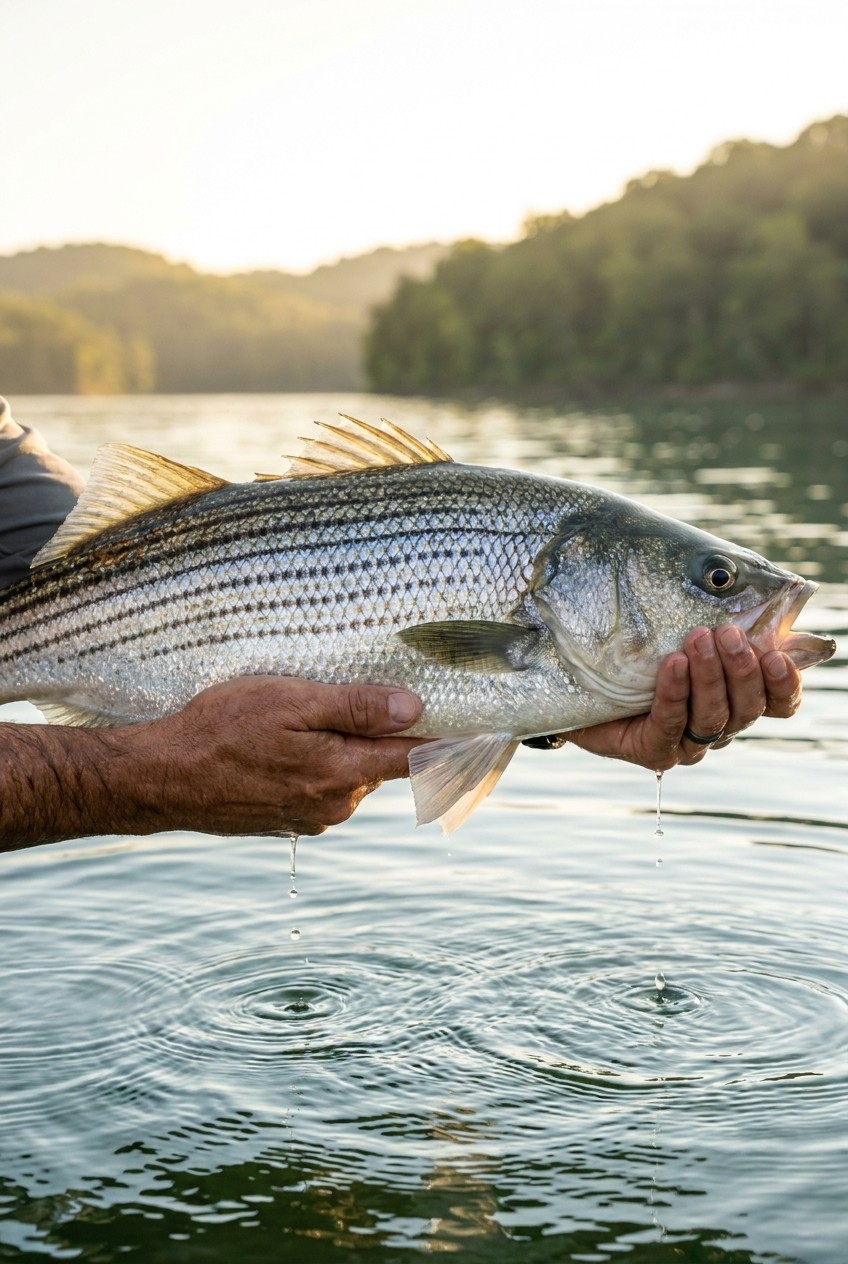
Striped bass are the signature big-fish target at Center Hill Lake and one of the main draws for anglers who make the trip to DeKalb County. TWRA stocks striped bass in Center Hill, and the population is sustained through regular supplemental stocking. Stripers follow shad migrations through the main lake basin and the Caney Fork River channel, with live shad being the most consistent producer throughout the year. Trolling umbrella rigs and large swimbaits along the main channel transitions in 20 to 45 feet is effective from spring through fall. Surface action occurs at dawn and dusk when stripers push shad to the surface near the main lake points and the upper river arm. Summer fish suspend near the thermocline in the deeper basin areas and are most active at low-light periods. TWRA regulation: striped bass 15-inch minimum, no daily creel limit. Verify current regulations at https://www.tn.gov/twra/fishing/fishing-regulations.html before fishing.
Center Hill Lake Smallmouth Bass Fishing Report
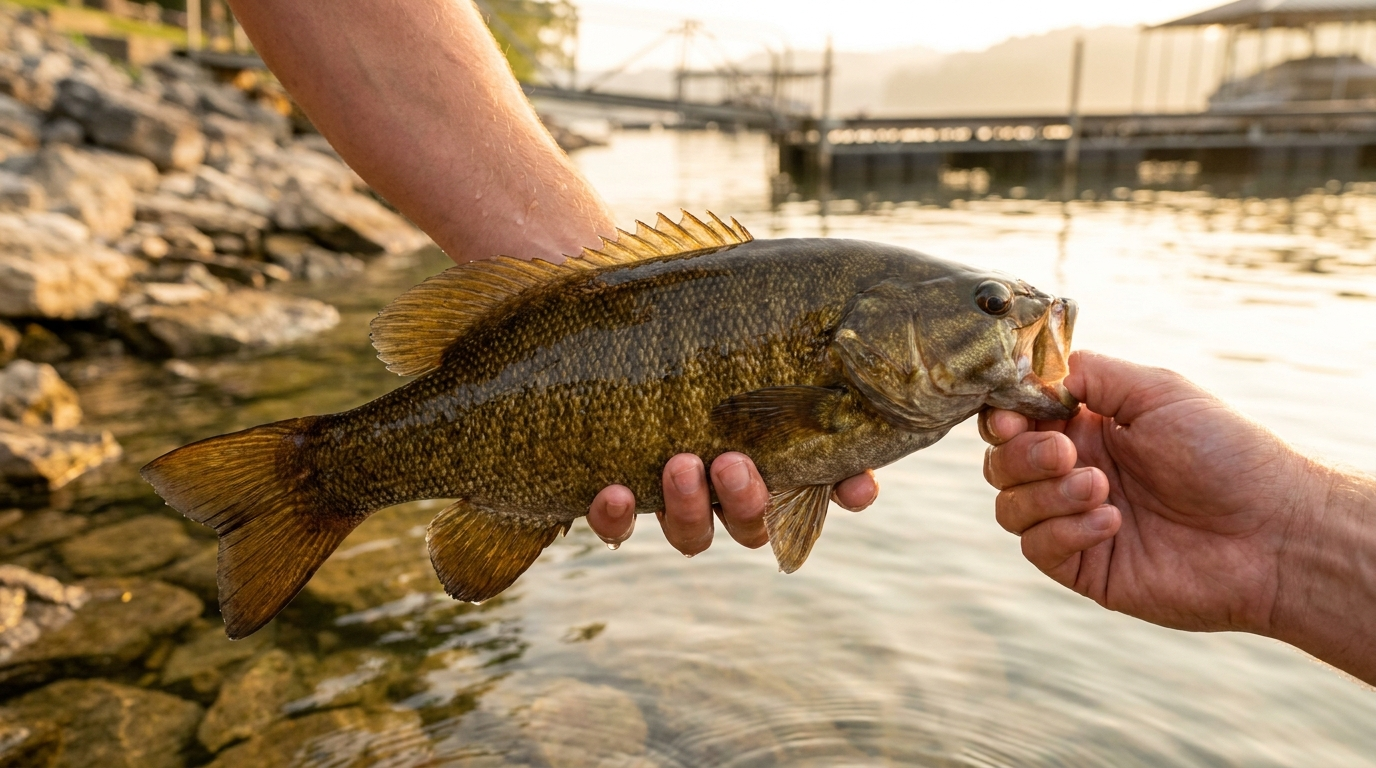
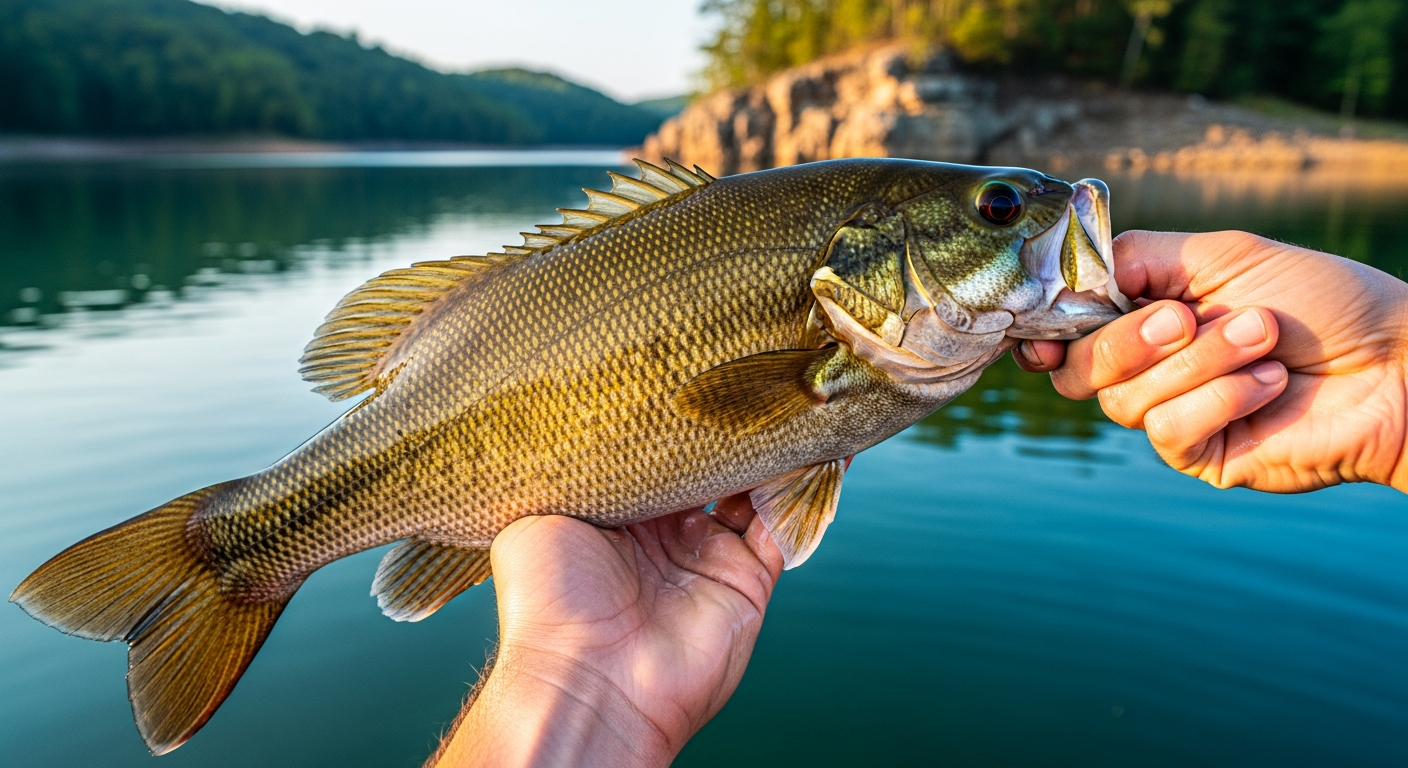
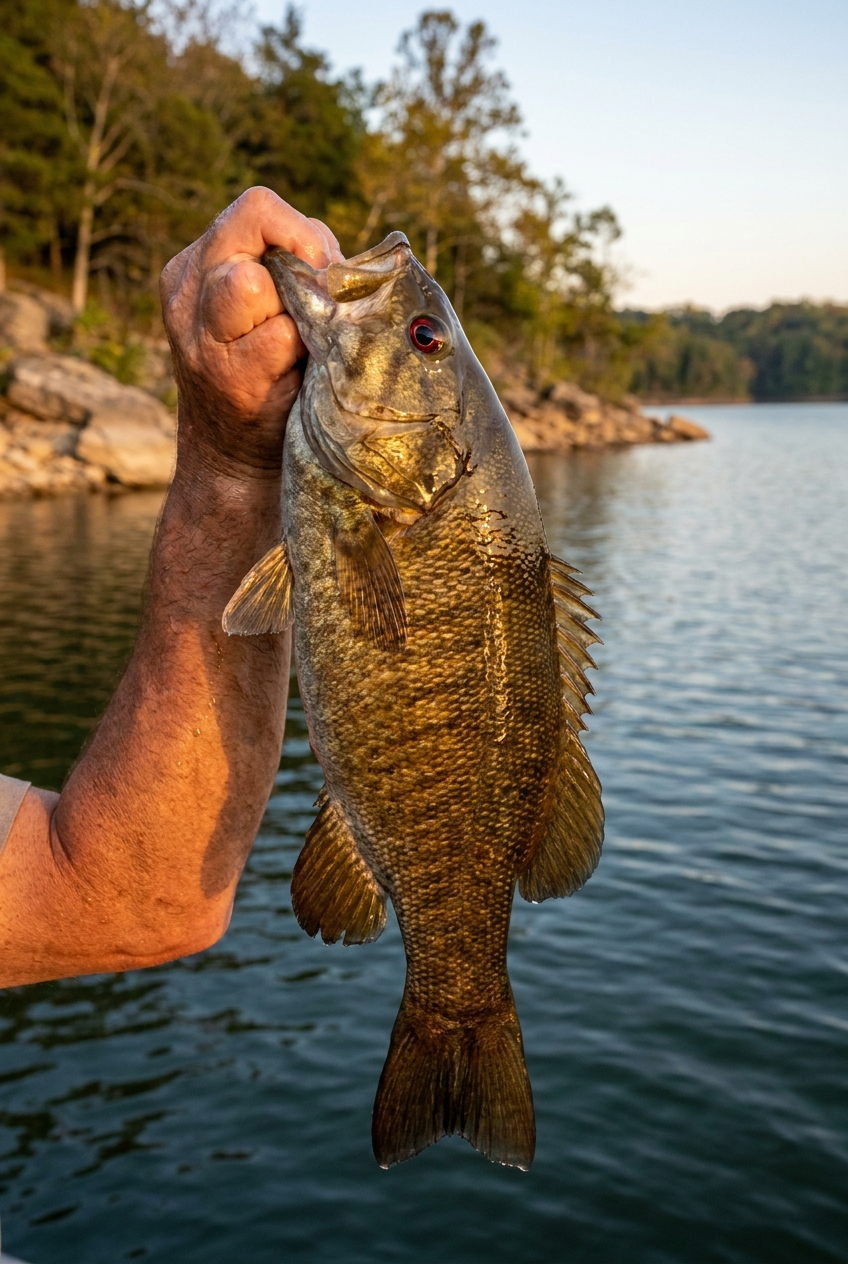
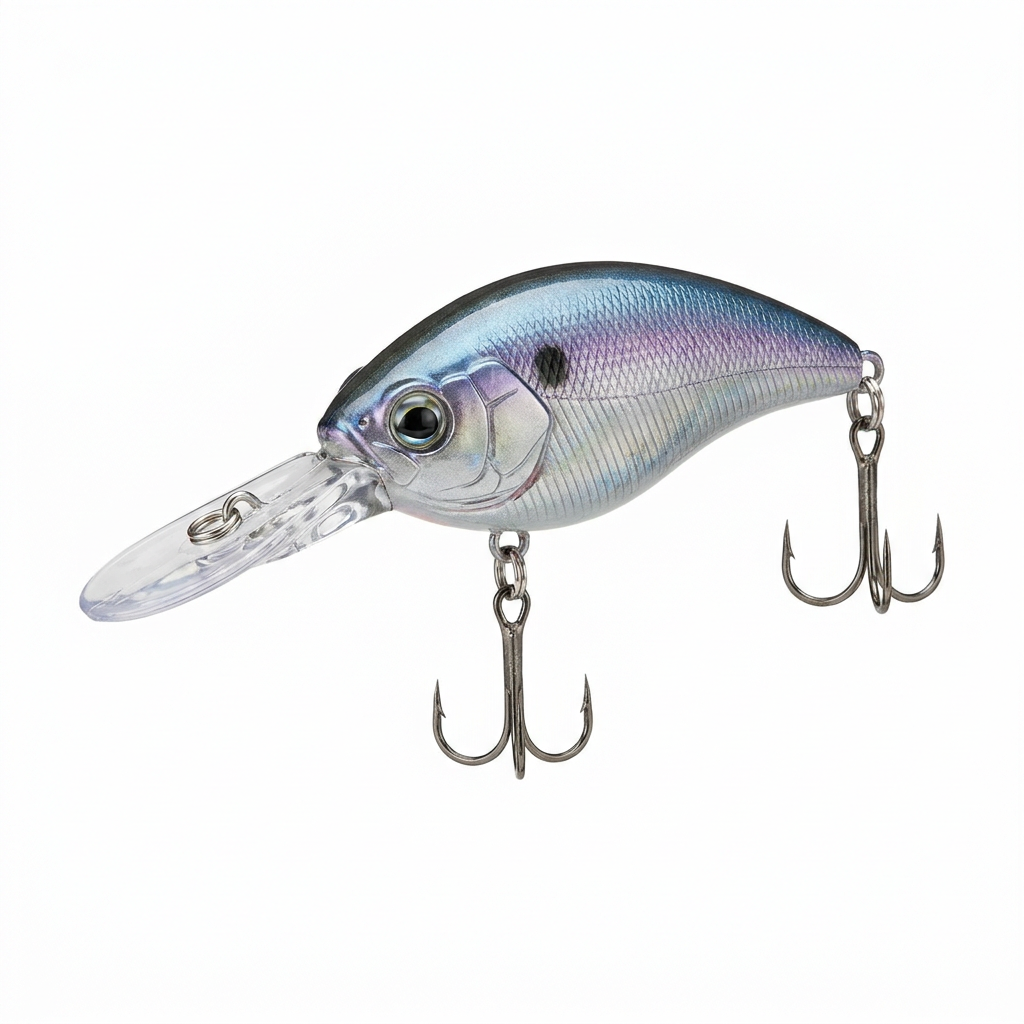
Smallmouth bass at Center Hill Lake are distributed throughout the deep rocky bluff walls and main lake points that define the reservoir's upper Cumberland Plateau topography. The clear water and abundant hard-bottom structure create ideal smallmouth habitat. Jigs, tube baits, drop-shot rigs, and small crankbaits worked along the bluff bases in 10 to 25 feet produce the best results throughout the season. Spring smallmouth move onto shallow gravel and rock flats adjacent to the bluff walls in late April and May for spawning, with clear-water sight fishing opportunities during peak spawn. Summer fish hold deep along the bluff shade and the deeper rocky points in 15 to 30 feet. Fall smallmouth are aggressive feeders on the main lake points through November, responding to crankbaits and jigs worked along the rocky transitions. TWRA regulation: smallmouth bass 12-inch minimum, 5-fish combined black bass daily limit. Verify current regulations at https://www.tn.gov/twra/fishing/fishing-regulations.html before fishing.
Center Hill Lake Largemouth Bass Fishing Report
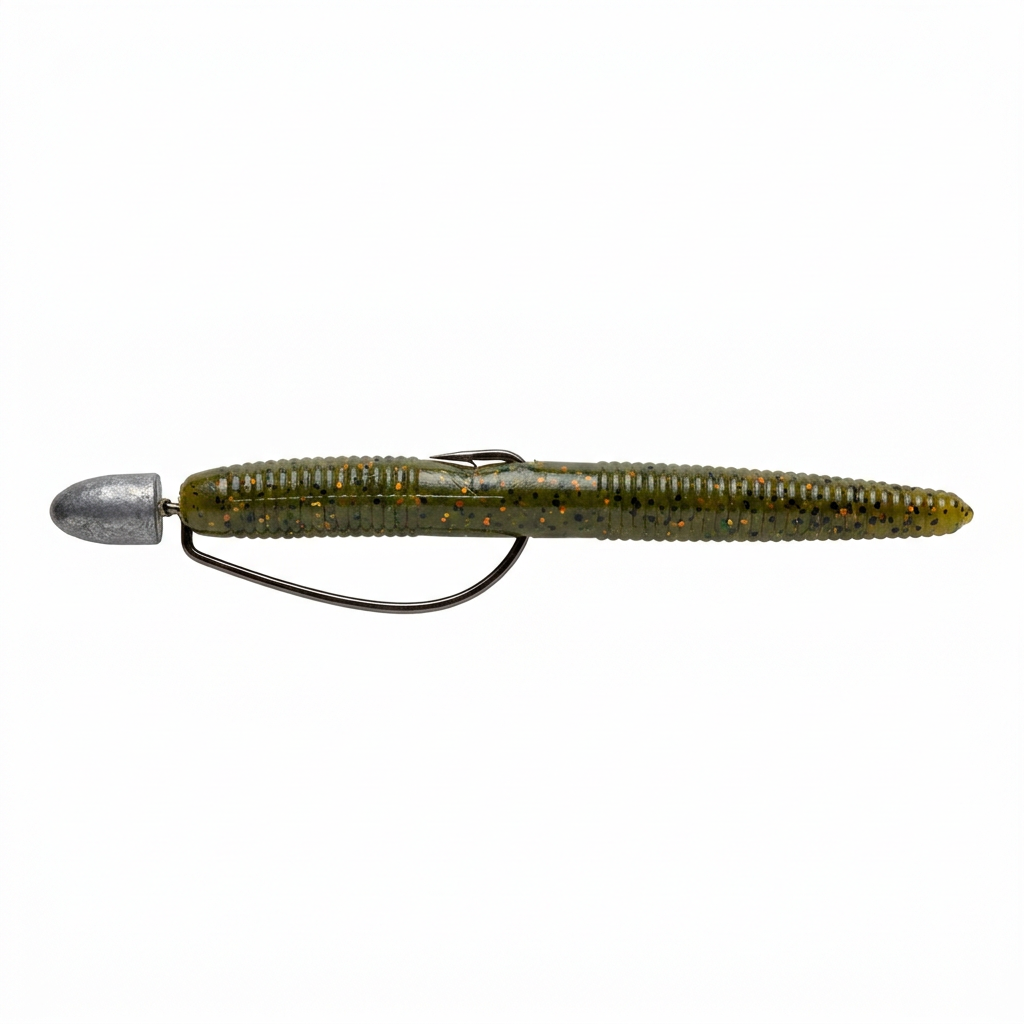
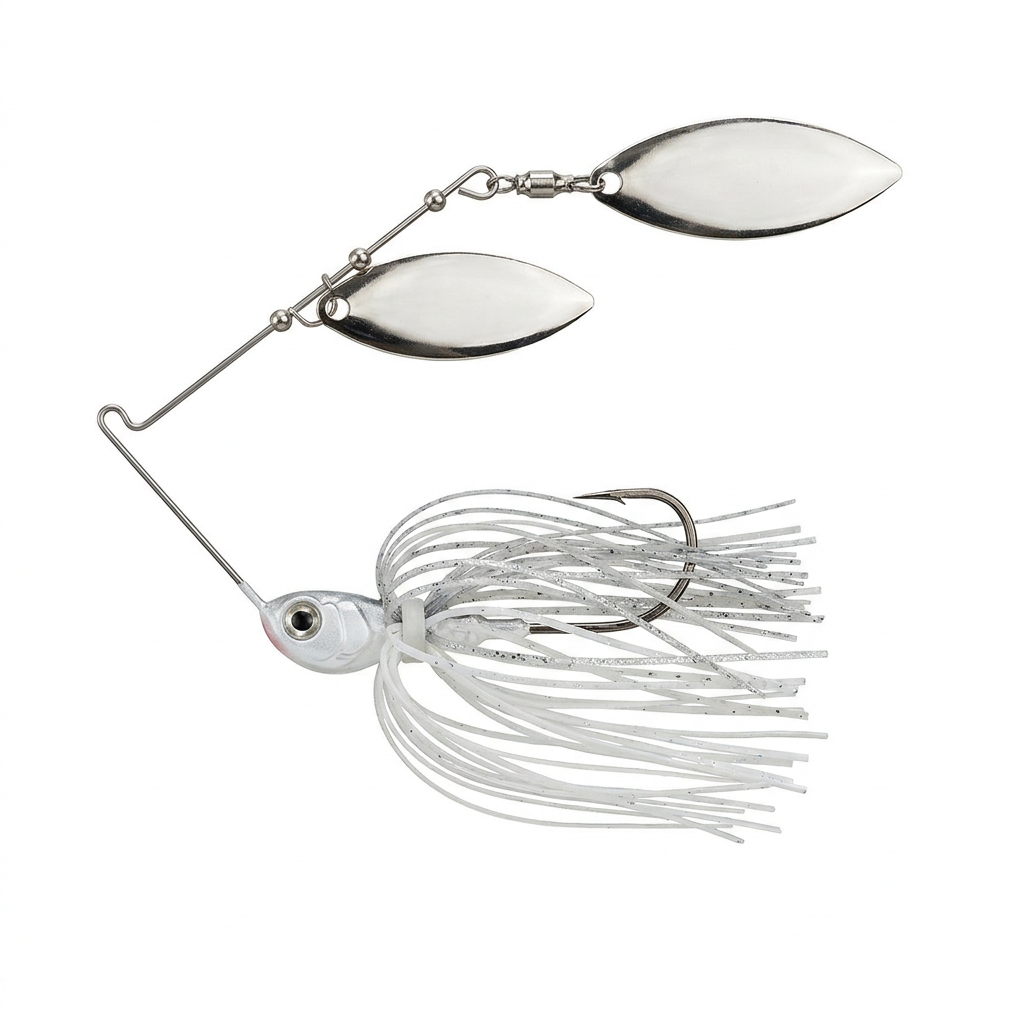
Largemouth bass at Center Hill Lake occupy the creek arms, cove timber, and dock structure throughout the reservoir, with the best concentrations in the upper creek arms on the DeKalb and Warren County ends of the lake. The clear water favors finesse presentations and longer casts in most conditions. Spring is the strongest largemouth season, with fish staging on the main lake secondary points before moving into the protected creek arm coves to spawn in late April and May. Texas-rigged worms, spinnerbaits, and crankbaits worked along the timber and rocky cove transitions produce reliable spring results. Summer largemouth relate to shaded bluff walls, dock structure, and deeper cove timber. Fall crankbait fishing on the cove entrances and main lake secondary points produces feeding fish through October and November. TWRA regulation: largemouth bass 12-inch minimum, 5-fish combined black bass daily limit. Verify current regulations at https://www.tn.gov/twra/fishing/fishing-regulations.html before fishing.
Center Hill Lake Crappie Fishing Report
Crappie fishing at Center Hill Lake peaks in spring as fish move from deeper basin water into the creek arm timber, dock pilings, and brush piles at 4 to 10 feet. The creek arms in the Smith and DeKalb County portions of the lake hold the best spring crappie concentrations. Small tube jigs, crappie jig-minnow combinations, and live minnows under a cork fished vertically around the timber produce the most consistent spring catches. Summer crappie suspend in the timber and around deeper brush piles at 15 to 22 feet near the creek channel transitions. Fall crappie return to mid-depth timber in 10 to 18 feet and remain active through December in the protected creek arms. TWRA regulation: crappie 10-inch minimum, 30-fish daily bag limit. Verify current regulations at https://www.tn.gov/twra/fishing/fishing-regulations.html before fishing.
Center Hill Lake Walleye Fishing Report
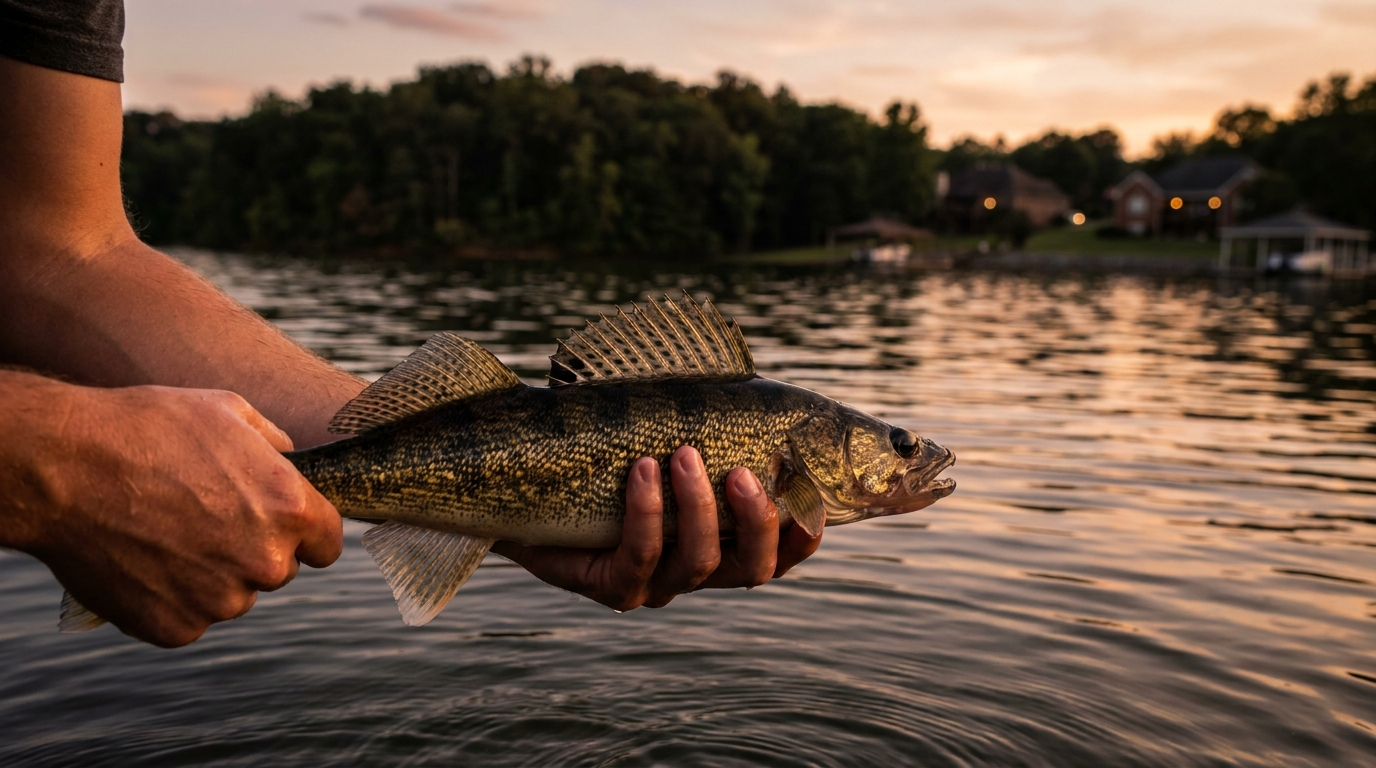
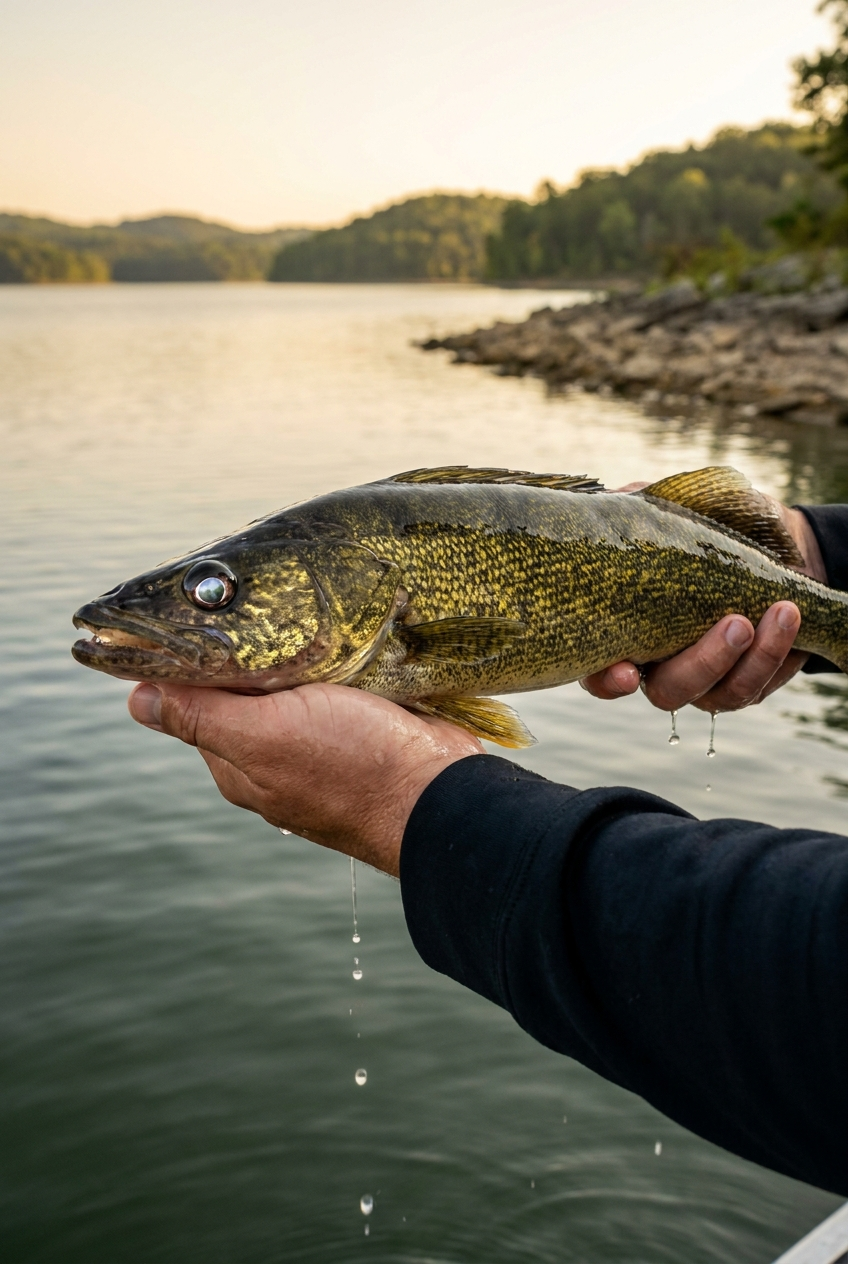
Walleye at Center Hill Lake are found near the Caney Fork River channel and the major creek channel transitions, where cooler water temperatures and current concentrate them. Night fishing from April through June is the most consistent approach, with jigs tipped with minnows and crankbaits worked along the channel transitions in 20 to 35 feet producing the best results. The upper river arm near Smithville is historically the most productive walleye area in the reservoir. Fall walleye fishing improves as water temperatures cool below 60 degrees and fish move onto the main lake channel bends and secondary points. TWRA stocks walleye in Center Hill Lake to supplement the population. TWRA standard walleye regulations apply. Verify current regulations at https://www.tn.gov/twra/fishing/fishing-regulations.html before fishing.
Center Hill Lake Channel Catfish Fishing Report
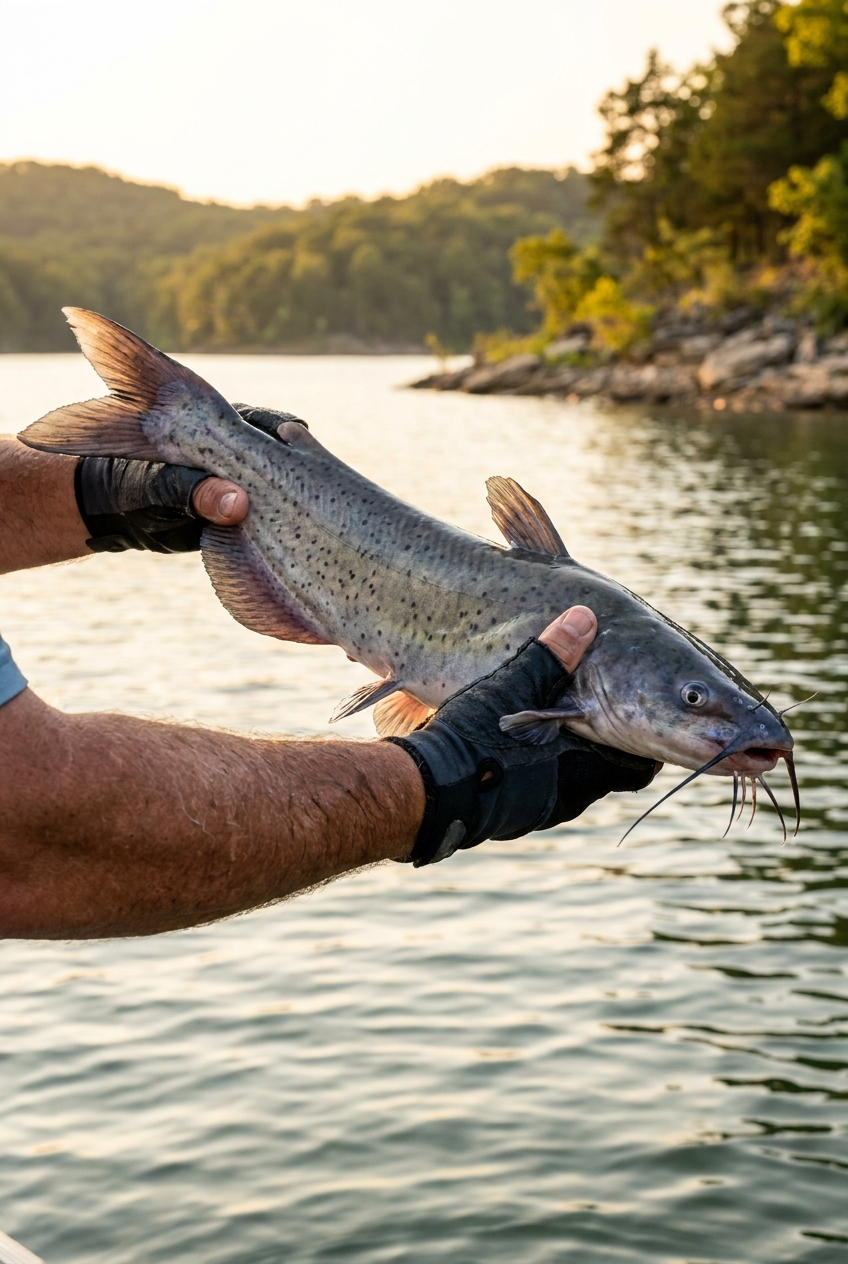
Channel catfish are well-distributed throughout Center Hill Lake in the deeper Caney Fork River channel bends and the major tributary mouths throughout the reservoir. The original river channel running through the length of the lake concentrates catfish, particularly in the upper sections where tributary inflows provide current and natural feeding areas. Summer night fishing from bank access points near the cove and creek transitions produces consistent catfish on cut shad, chicken liver, and prepared stink baits. Spring catfish action builds as water temperatures rise in March and April, with fish becoming increasingly active along the channel edges. Fall catfish remain active along the main channel bends through October. TWRA standard catfish regulations apply. Verify current regulations at https://www.tn.gov/twra/fishing/fishing-regulations.html before fishing.
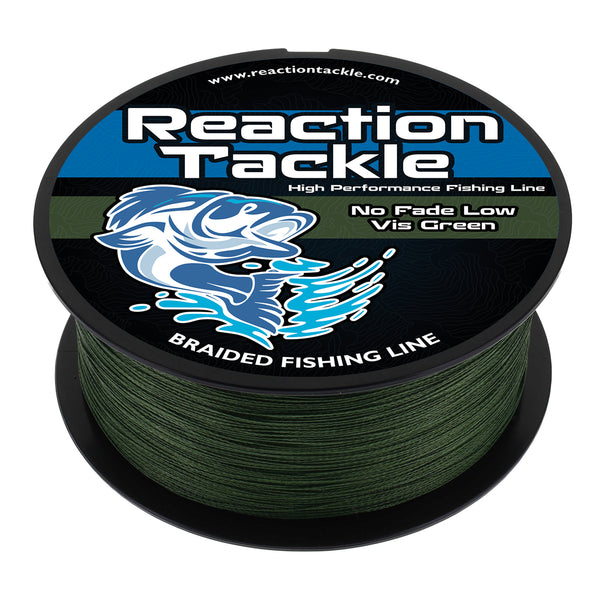
For fishing heavy cover after Striped Bass, I run 50-65lb braid. Zero stretch means you feel every bite and you can pull fish out of structure before they wrap you. Reaction Tackle is where I restock. Their low-vis green disappears in most water conditions.
Top Fish to Target in Center Hill Lake
Lures for Center Hill Lake
Tackle matched to this lake's species and structure.
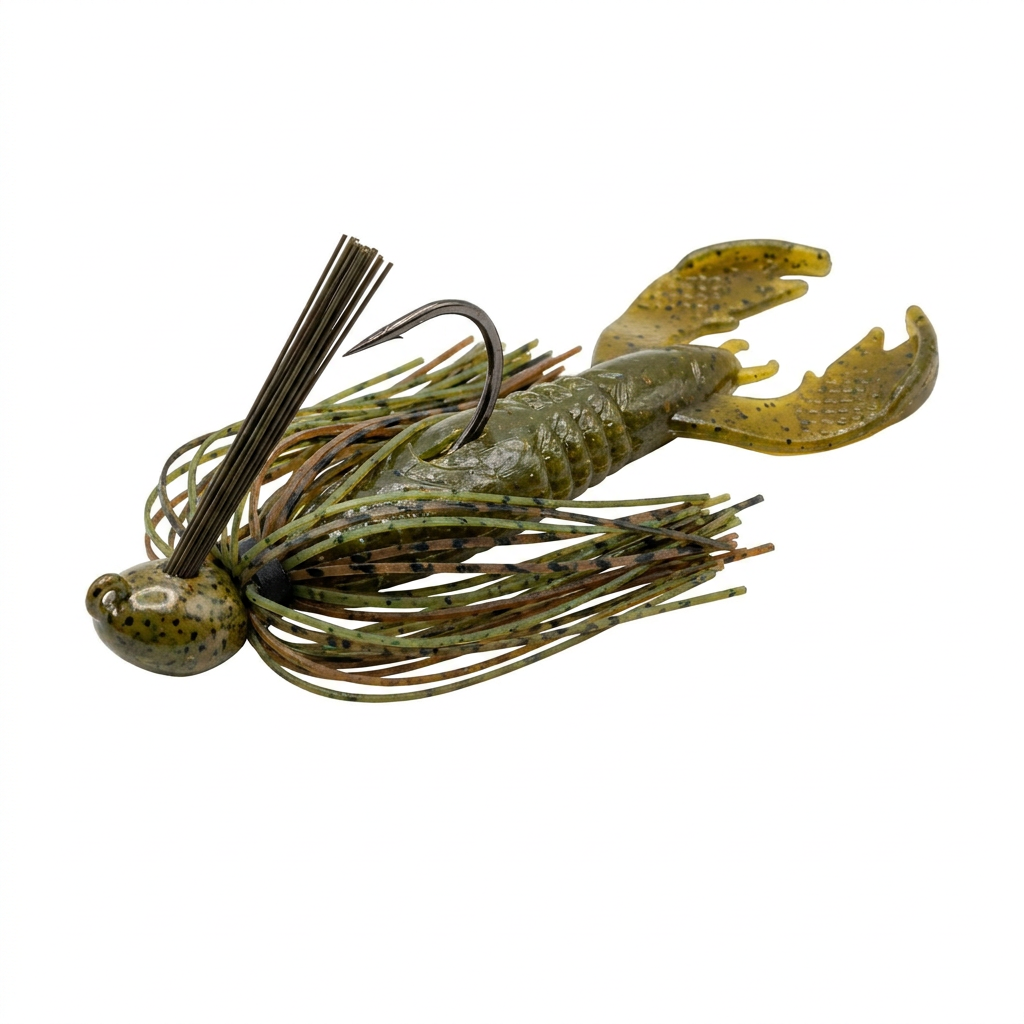
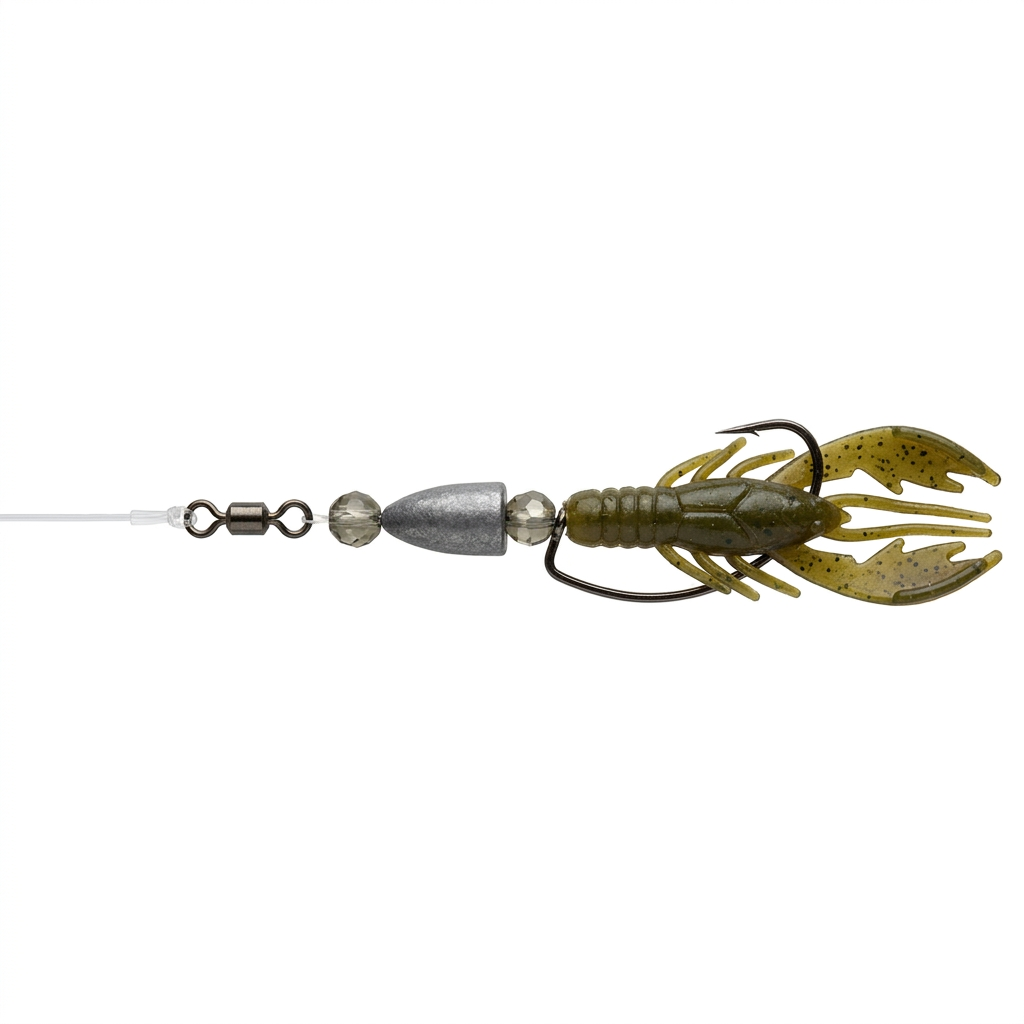
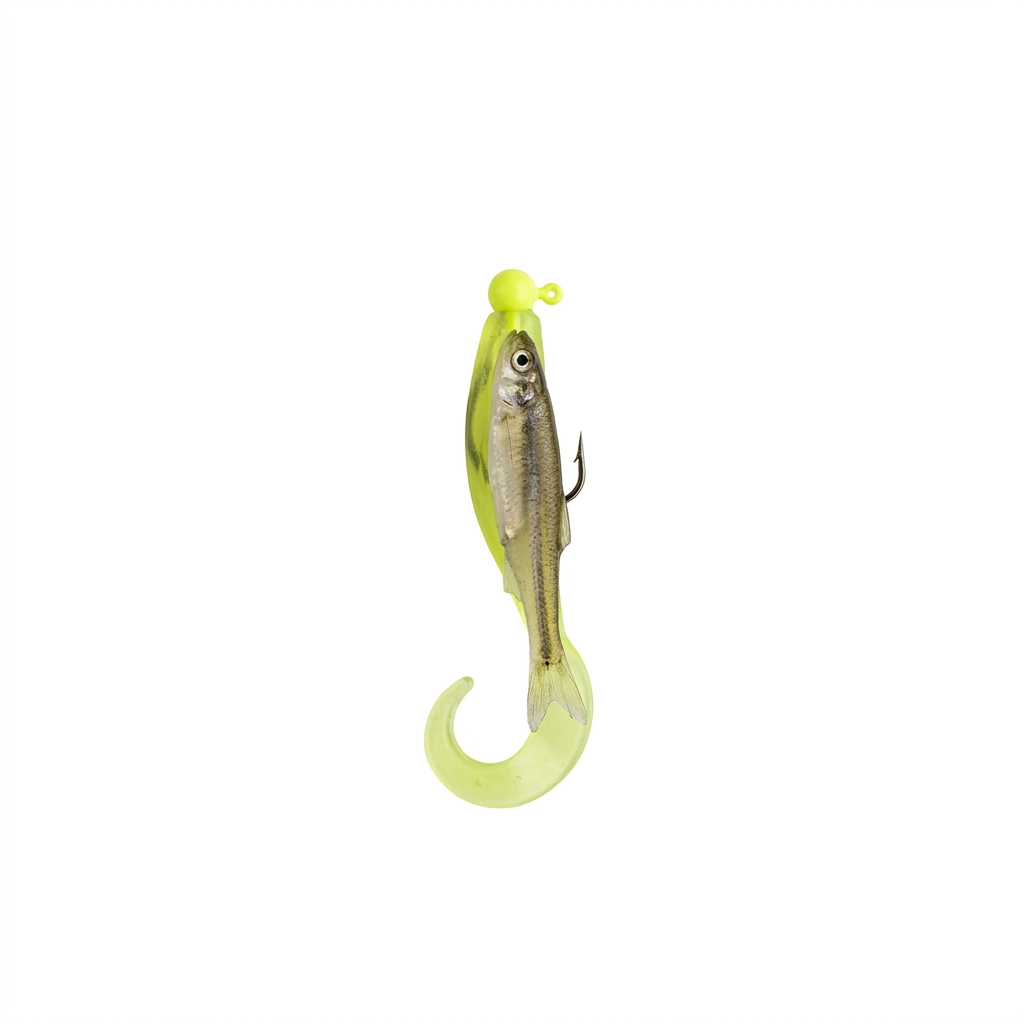
Worth checking before any trip: your line. Old braid gets brittle at the tag end and loses sensitivity over time. I rotate mine every season. Reaction Tackle is where I order from when it's time to restock.
About Center Hill Lake
Center Hill Lake is a clear, deep Upper Cumberland Plateau reservoir with one of the more diverse sport fisheries in middle Tennessee. The 18,220-acre USACE impoundment on the Caney Fork River spans DeKalb, Smith, Warren, and White counties and was completed in 1948. Striped bass and smallmouth bass on the deep rocky bluff structure headline the fishery, with walleye near the river channel, largemouth bass in the coves, and crappie in the creek arm timber rounding out the year-round opportunities. The TWRA manages fishing on the reservoir and conducts regular stocking of striped bass and walleye.
Lake size and location. Center Hill Lake covers 18,220 acres at normal pool with approximately 415 miles of shoreline. The U.S. Army Corps of Engineers completed Center Hill Dam on the Caney Fork River in 1948. Smithville in DeKalb County is the nearest town and the primary gateway for lake access. Maximum depth is approximately 195 feet. The clear water of the Upper Cumberland Plateau watershed provides good visibility throughout the reservoir, with the deepest water in the main Caney Fork River channel.
TWRA fishing regulations (verify at tn.gov/twra). Striped bass: 15-inch minimum, no daily creel limit. Smallmouth and largemouth bass: 12-inch minimum, 5-fish combined daily limit. Crappie: 10-inch minimum, 30-fish daily limit. Walleye: TWRA standard regulations apply. Always verify current regulations at https://www.tn.gov/twra/fishing/fishing-regulations.html before fishing, as regulations are subject to change by season.
USACE recreation and access. The USACE Nashville District manages multiple boat launch facilities and recreation areas around Center Hill Lake. Long Branch Recreation Area, Holmes Creek, and Center Hill Dam Reservation are among the primary public access points. Floating boat docks and improved ramps are maintained at several locations around the reservoir. Edgar Evins State Park on the lake's northern shoreline provides camping, cabin rentals, and lake access for visitors in Smith County.